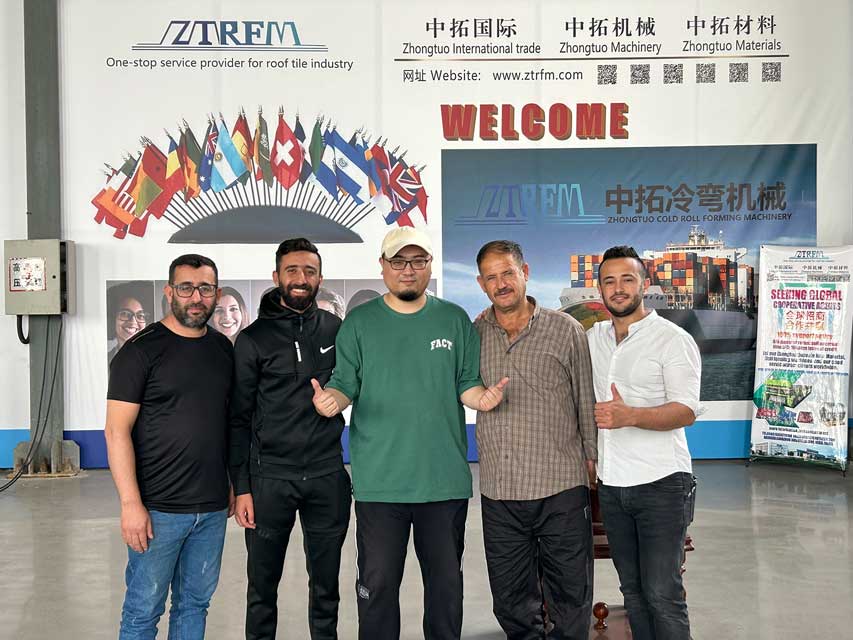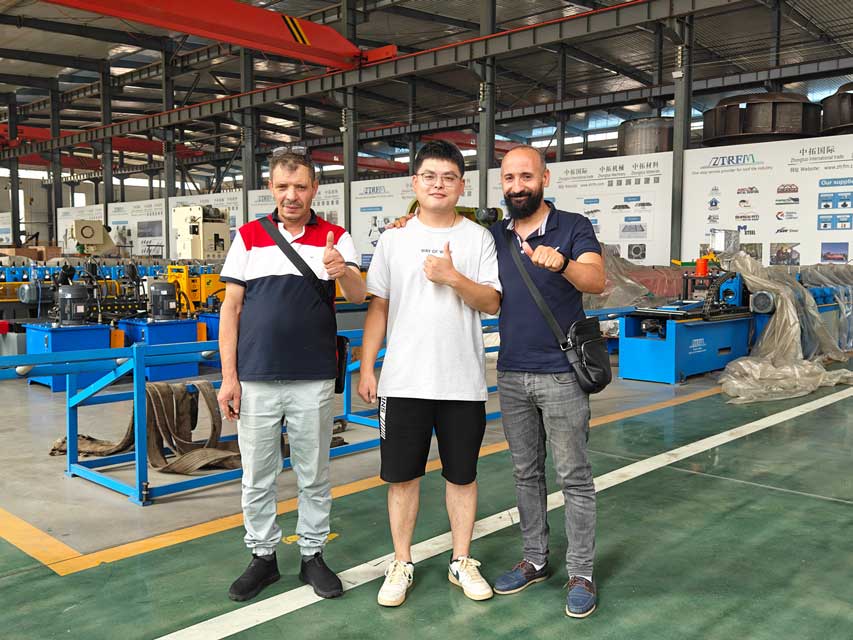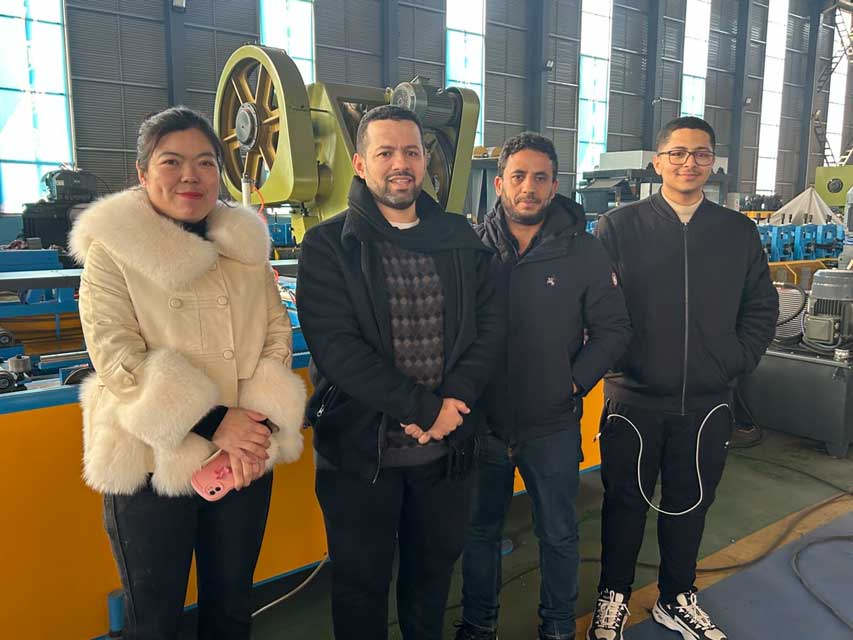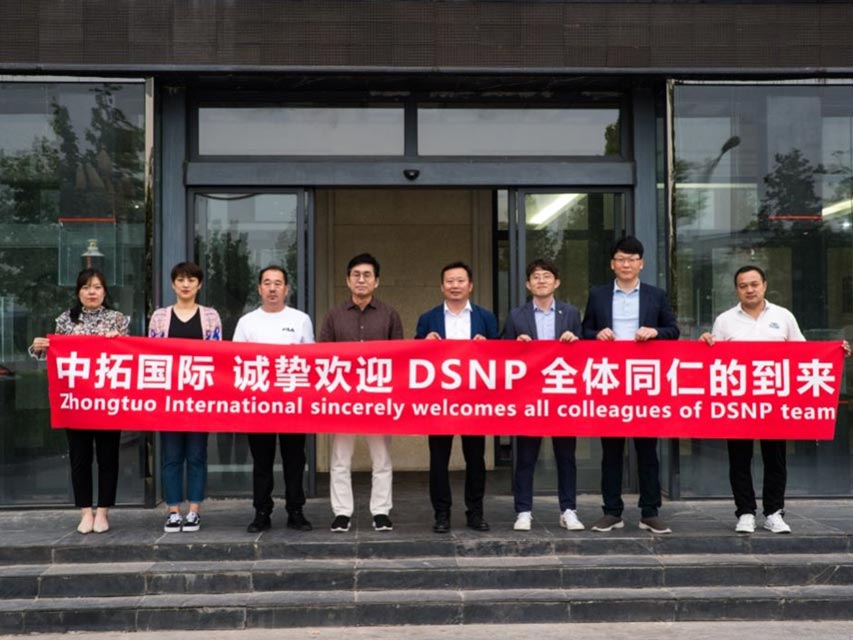
超过 24 年的经验和国际标准知识、
技术变革与工业系统,我们致力于
为 Seds 的尊贵客户提供最佳和经济的解决方案。
技术变革与工业系统,我们致力于
为 Seds 的尊贵客户提供最佳和经济的解决方案。
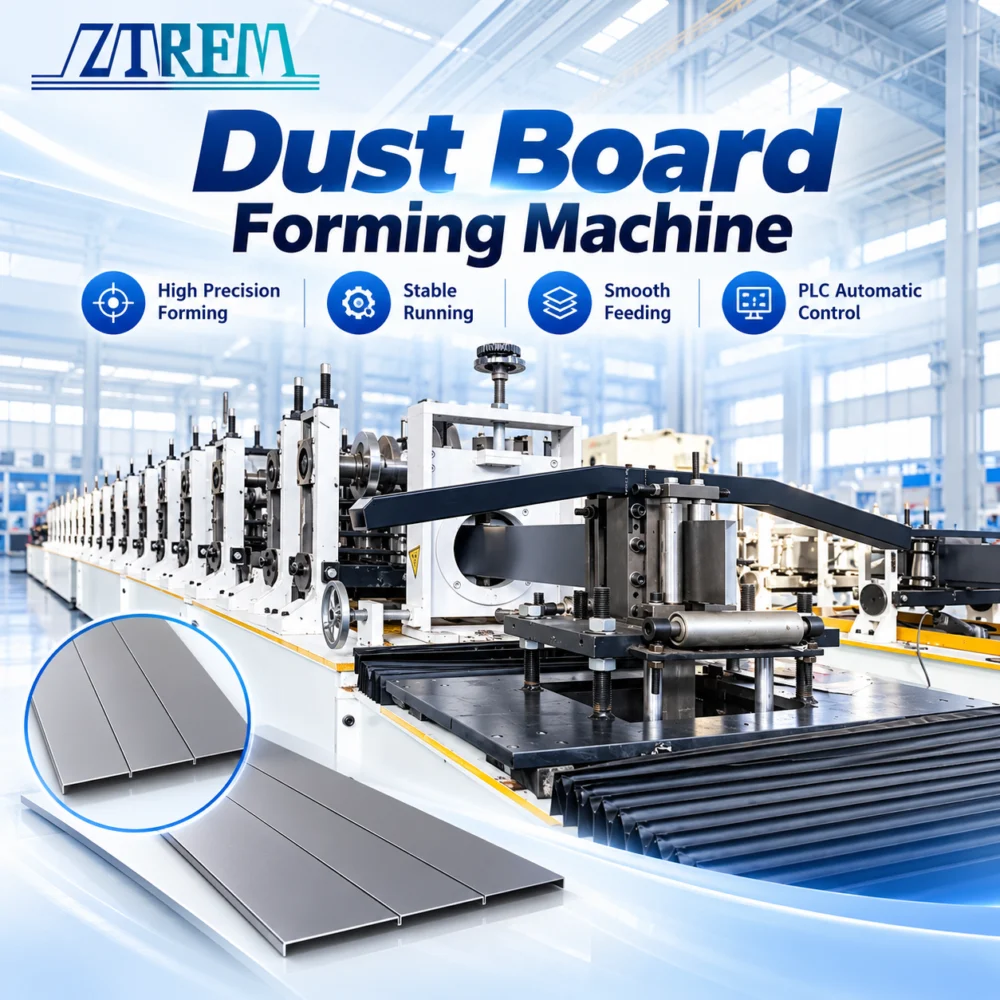
Dust Board Forming Machine:Wind Dust Suppression Panel Roll Forming Machine
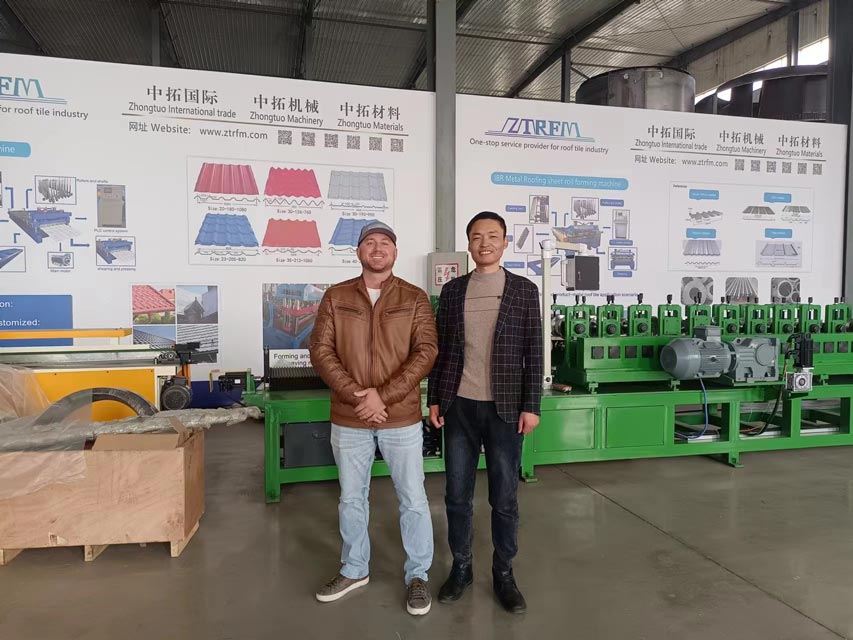
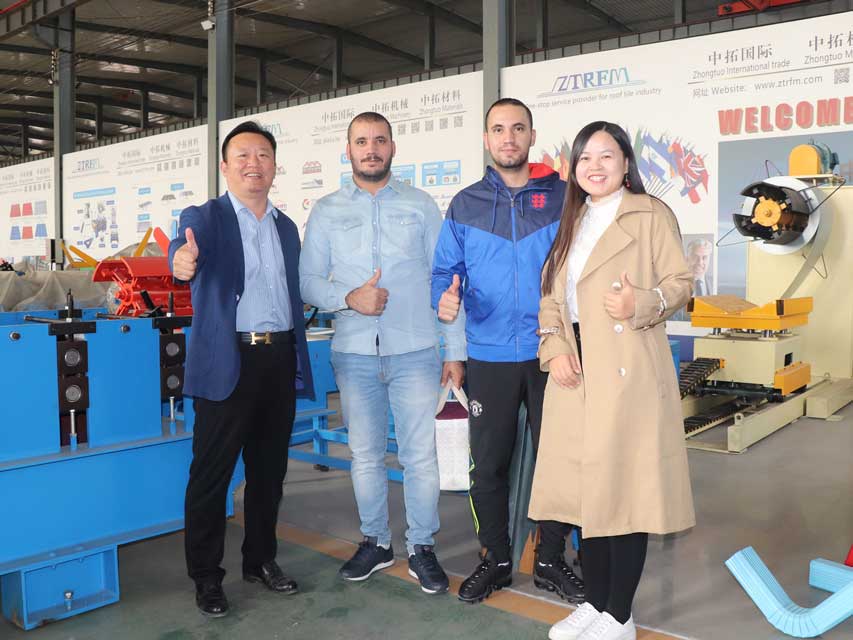
沧州中拓滚压成型机械有限公司来自中国河北。它是一家致力于设计和制造的制造商。
不同类型的冷弯成型机。我们是一家历史悠久的工厂,自 2006 年以来一直从事冷弯成型机的设计和制造。我们能生产的机器包括:屋面瓦成型机、CZ 檩条成型机、轻钢龙骨成型机、金属压花机、门系统成型机、天花板系统成型机、高频焊管机、分切生产线、定长切割生产线、货架系统成型机、地板装饰板成型机、彩石瓦生产线、热贴膜机等。
不同类型的冷弯成型机。我们是一家历史悠久的工厂,自 2006 年以来一直从事冷弯成型机的设计和制造。我们能生产的机器包括:屋面瓦成型机、CZ 檩条成型机、轻钢龙骨成型机、金属压花机、门系统成型机、天花板系统成型机、高频焊管机、分切生产线、定长切割生产线、货架系统成型机、地板装饰板成型机、彩石瓦生产线、热贴膜机等。
如需了解更多信息、交货时间和价格,请给我们发邮件!
Meta description: ZTRFM supplies high-quality dust board forming machines for manufacturing wind dust suppression panels, windbreak walls, and perforated metal fences. PLC-controlled, fully automatic, durable, and factory-priced. Get a quote today.
Dust Board Forming Machine: Complete Guide to Wind Dust Suppression Panel Production
A dust board forming machine, also known as a wind dust suppression panel roll forming machine or windbreak wall roll former, is specialized industrial equipment designed to produce perforated metal panels used in dust control and wind mitigation systems. These panels—commonly called dust suppression boards, wind dust nets, or windbreak fences—are installed at coal storage yards, mining sites, power plants, port terminals, and material handling facilities to reduce wind speed and capture airborne dust particles.
At ZTRFM (Zhongtuo Roll Forming Machinery), we engineer and manufacture dust board forming lines that deliver consistent profile accuracy, high production speed, and long service life. This guide covers everything you need to know about selecting, operating, and maintaining a dust board forming machine for your business.
What Is a Dust Board Forming Machine?
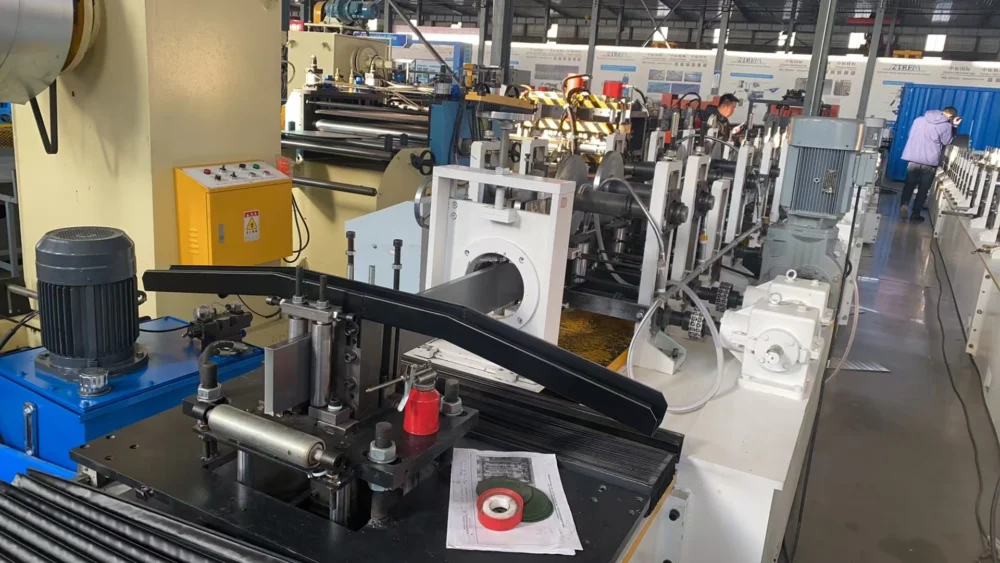
A dust board forming machine takes galvanized steel coils, color-coated (PPGI) steel coils, or aluminum coils as raw material and continuously roll-forms them into precision-shaped perforated panels. The finished panels feature a series of curved or angled profiles and perforated holes that disrupt airflow, reduce wind velocity by up to 60–70%, and trap dust particles before they escape into the surrounding environment.
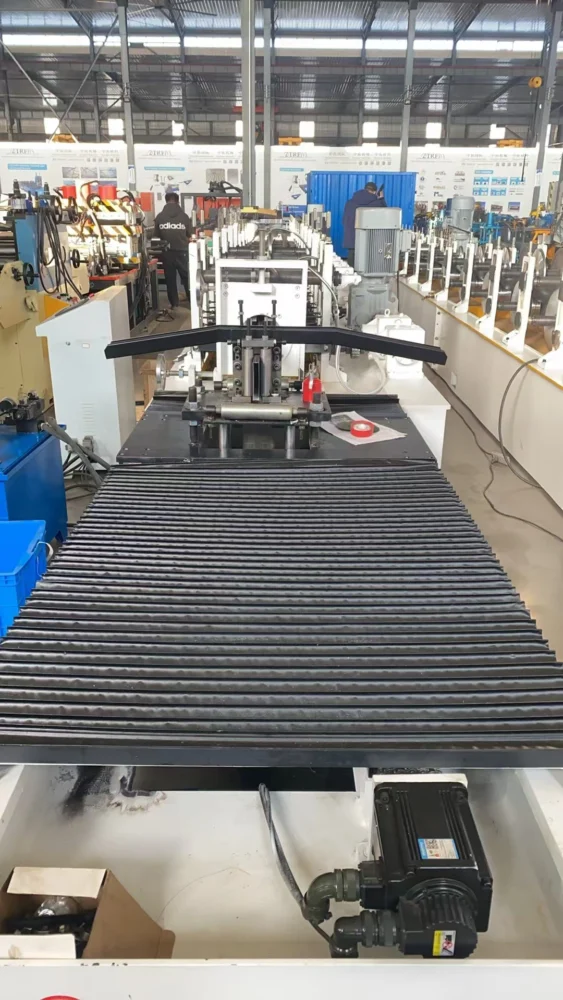
The machine integrates multiple process stations in one continuous line: automatic decoiling, guiding and feeding, roll forming, punching or perforation (either inline or offline), hydraulic cutting to length, and finished product output. Modern lines are controlled by a PLC system with a human-machine interface (HMI), allowing operators to set panel length, quantity, and profile parameters with a few keystrokes.
Key Features and Advantages of ZTRFM Dust Board Forming Machines
1. PLC Automatic Control System
Every ZTRFM dust board forming line is equipped with a reliable PLC controller (such as Mitsubishi, Siemens, or local Chinese brands depending on customer preference) paired with a touch-screen HMI. Operators can input the desired panel length, production count, and speed parameters. The system automatically stops when the target quantity is reached, minimizing material waste and labor requirements.
2. Heavy-Duty Roll Forming Stations
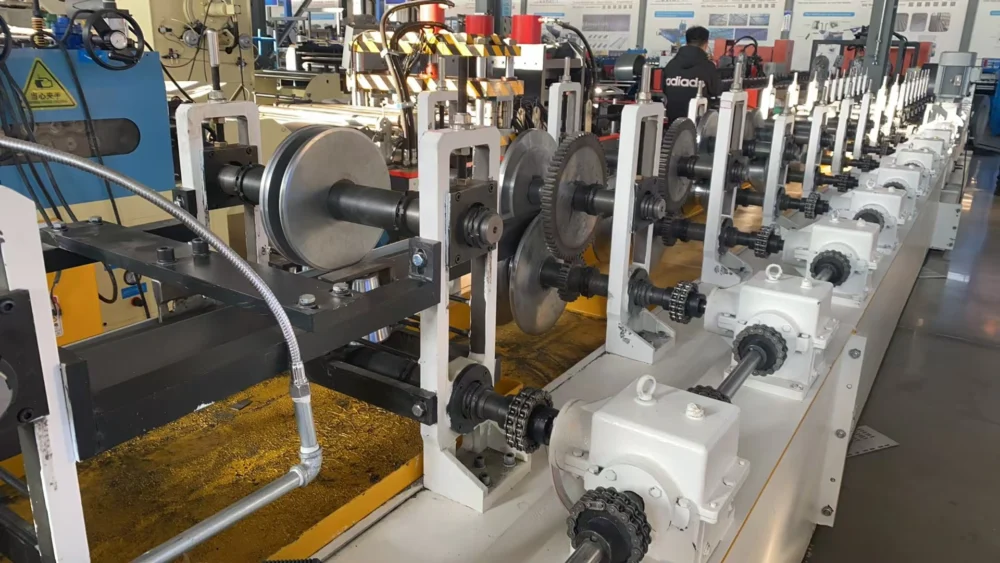
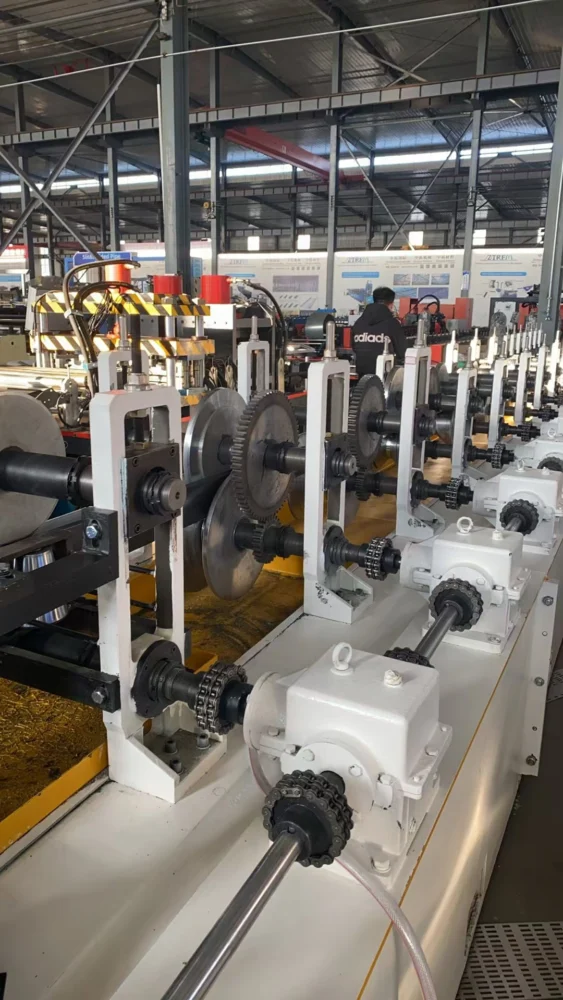
The forming rollers are machined from high-grade 45# carbon steel and precision-ground with hard chrome plating on the surface for wear resistance. The number of forming stations typically ranges from 12 to 18 depending on the panel profile complexity. Main shafts are made of 40Cr steel with diameters of 70mm or larger, ensuring stable forming under continuous high-speed operation without deflection.
3. Hydraulic Punching and Cutting System
Dust suppression panels require perforation holes to achieve their wind-diffusing effect. ZTRFM machines offer both inline hydraulic punching and offline punching options. The hydraulic station uses a reliable gear pump and proportional valve system for consistent punching force. The hydraulic cutting mechanism cuts panels to exact length with smooth, burr-free edges, eliminating secondary processing.
4. Quick Profile Changeover
Many of our dust board models support quick mold change systems. When customers need to switch between different panel profiles (for example, from a 250mm height panel to a 310mm height panel), the changeover can be completed in hours rather than days. This flexibility is essential for customers serving multiple market segments or project requirements.
5. Wide Material Compatibility
Our dust board forming machines are designed to process galvanized steel (GI), pre-painted galvanized steel (PPGI), and aluminum coils within a typical thickness range of 0.5mm to 1.0mm. The decoiler capacity ranges from 3 to 10 tons, accommodating standard industrial coil weights commonly available in global markets.
How a Dust Board Forming Machine Works
The production process follows a continuous, automated sequence:
Step 1 — Decoiling: The steel coil is loaded onto a hydraulic decoiler that expands and centers the coil. The material feeds out smoothly and evenly into the guide table.
Step 2 — Guiding and Leveling: A feeding guide and leveling rollers flatten the strip, remove coil camber, and ensure consistent alignment before the material enters the forming station.
Step 3 — Roll Forming: The strip passes through a series of progressively contoured roller stations that bend it into the final panel profile. Each station adds incremental bends until the desired cross-section shape is achieved.
Step 4 — Perforation/Punching: Depending on the configuration, hydraulic punch dies create the required hole pattern (typically circular or elongated slots) along the panel. This may occur before or after forming, depending on the panel design.
Step 5 — Measuring and Cutting: An encoder measures the exact panel length as the material advances. When the pre-set length is reached, the hydraulic cutter activates and cuts the panel cleanly.
Step 6 — Output Stacking: Finished panels are automatically discharged onto an output support table, where they can be manually collected and stacked for packaging.
Common Dust Board Panel Profiles and Specifications
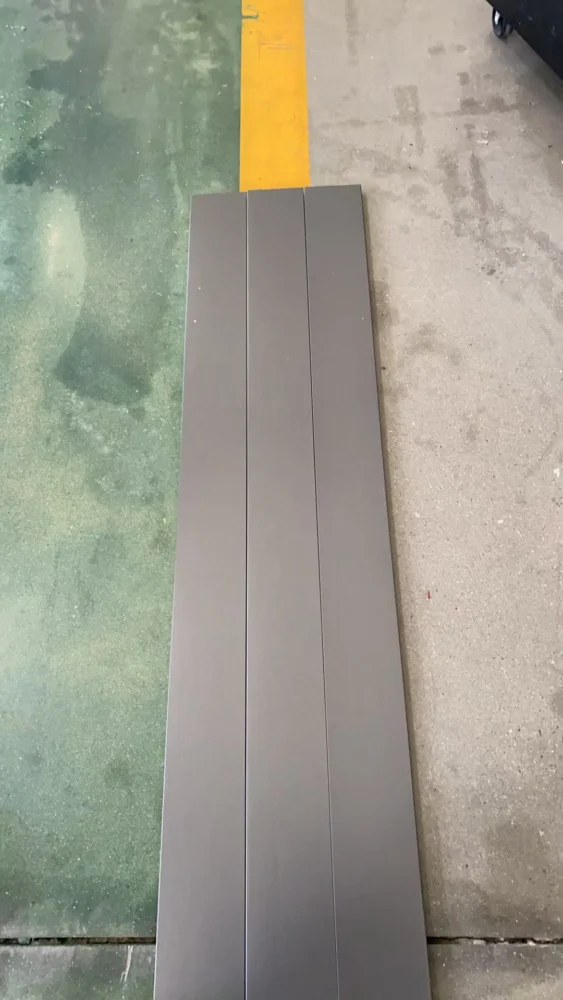
Dust suppression panels come in several standard profiles to suit different wind conditions, project budgets, and architectural requirements. Below are the most commonly produced types.
Single-Arch and Double-Arch Profiles
These are the most widely used wind dust suppression panel designs. The single-arch profile features one curved bend, while the double-arch has two. Common covering widths range from 800mm to 950mm, and effective heights typically fall between 200mm and 380mm. Material thickness is usually 0.5mm, 0.6mm, 0.8mm, or 1.0mm.
Perforation Patterns
The hole pattern is critical to dust suppression performance. Typical designs include circular holes (5mm–10mm diameter), elongated horizontal slots, or a combination arrangement. Open ratios commonly range from 30% to 40%, balancing wind resistance reduction with structural integrity.
Raw Material Options
Galvanized steel offers cost-effective corrosion resistance and is the most common base material. Color-coated (PPGI/PPGL) steel adds weather resistance and aesthetic color options (blue, green, gray, etc.) for projects where appearance matters. Aluminum is used in highly corrosive environments such as coastal port facilities.
Applications of Dust Suppression Panels
Dust board forming machines produce panels for a wide range of environmental control applications:
Coal and Ore Storage Yards: The largest application segment. Dust suppression walls enclose open coal piles and mineral stockpiles at thermal power plants, steel mills, and mining operations, reducing fugitive dust emissions and meeting environmental compliance requirements.
Port and Terminal Facilities: Bulk cargo handling areas at seaports and river terminals use windbreak walls to control dust from coal, grain, cement clinker, and fertilizer handling.
Industrial Material Processing: Cement plants, crushing and screening plants, and asphalt mixing facilities deploy dust fence systems to contain particulate matter.
Agricultural and Environmental Protection: Wind erosion control fences for farmland, open-pit mine rehabilitation sites, and desertification control projects.
Highway and Railway Noise-Dust Barriers: Modified profiles also serve as combined noise-reducing and dust-controlling barriers along transportation corridors.
为什么选择我们?
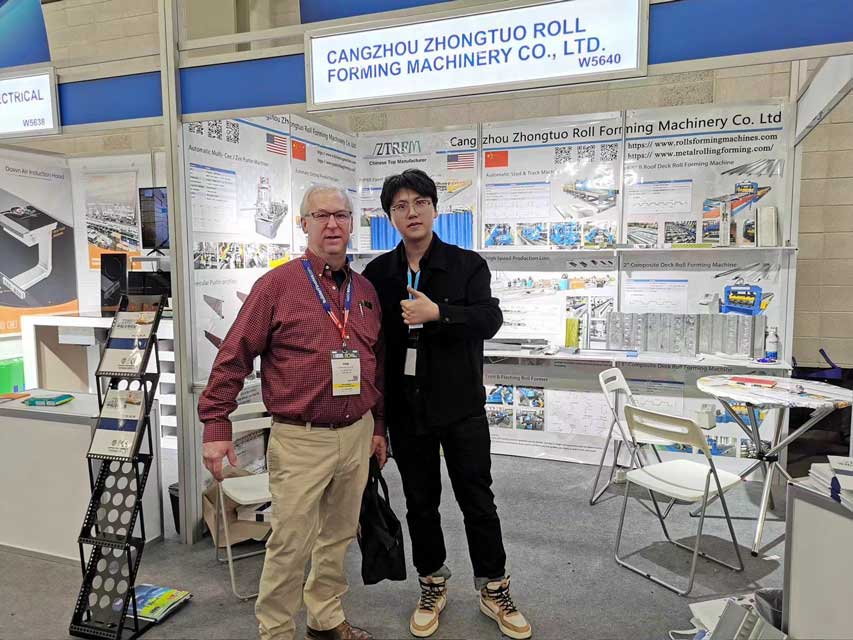
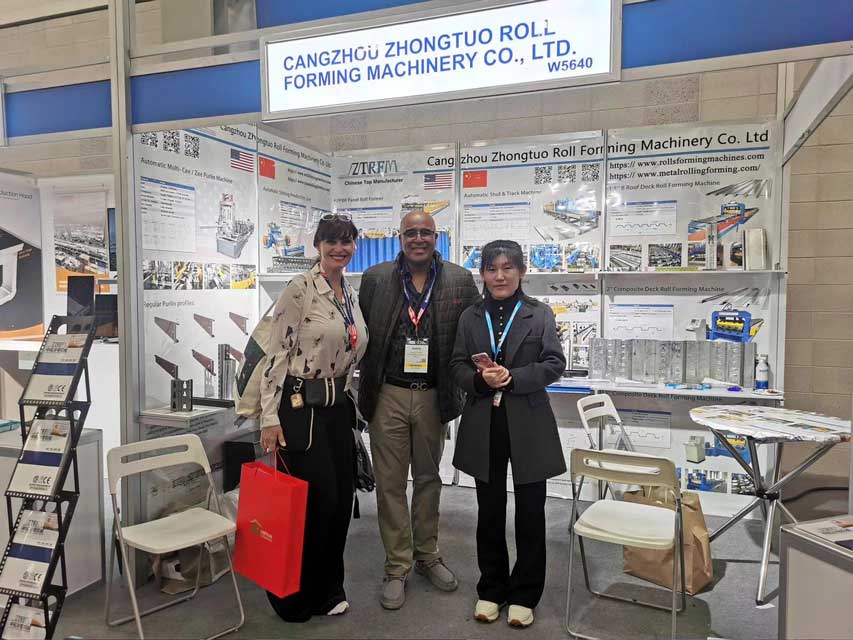
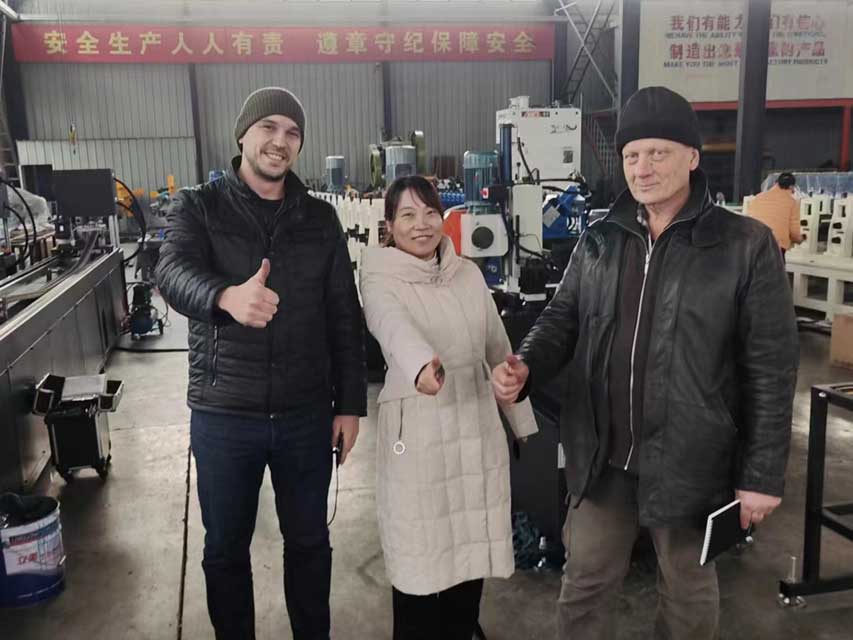
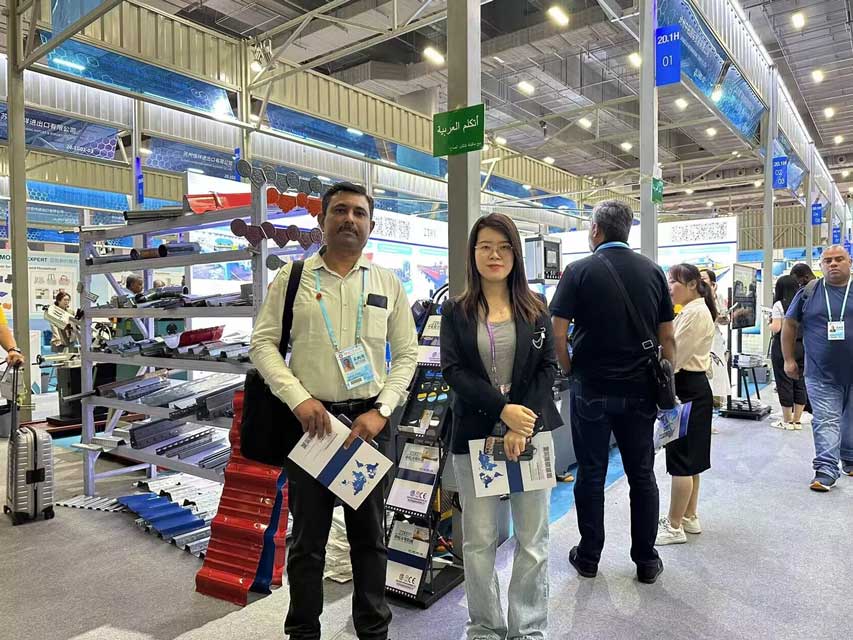
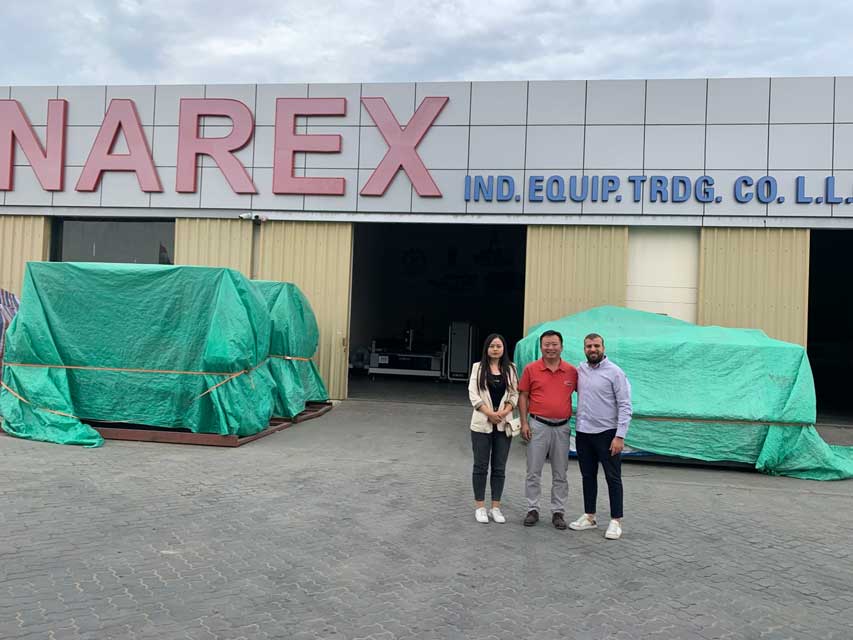
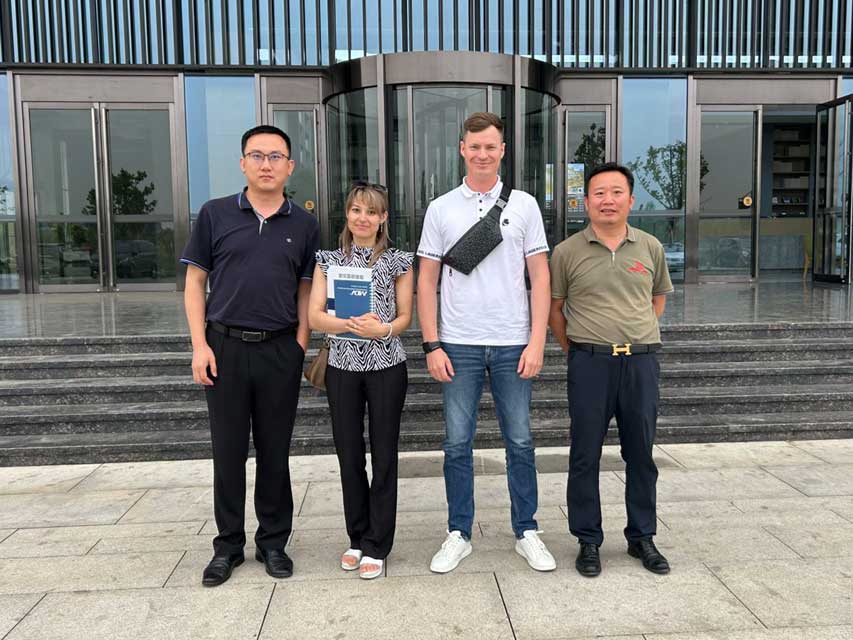
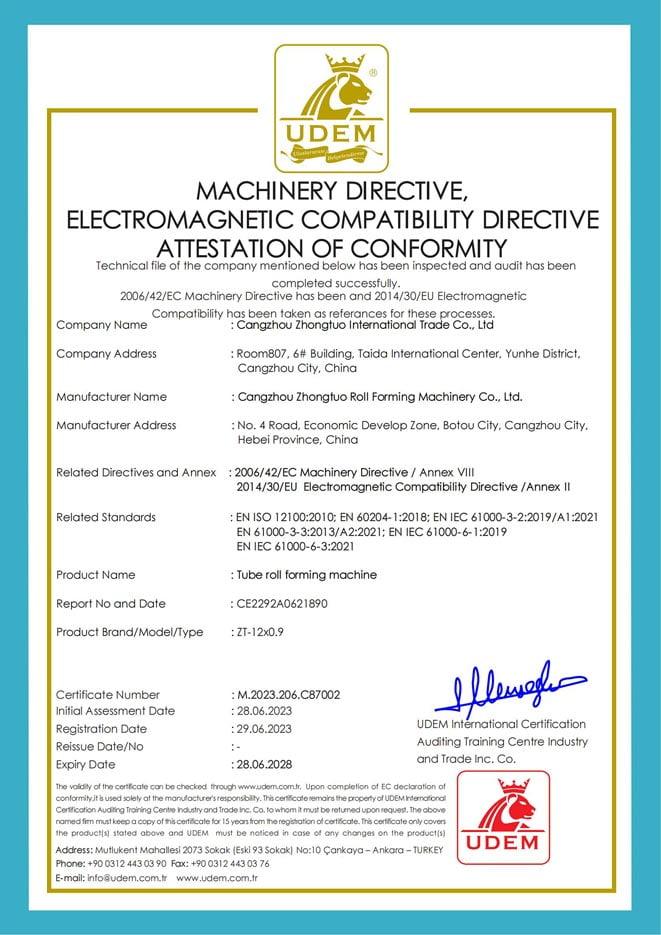
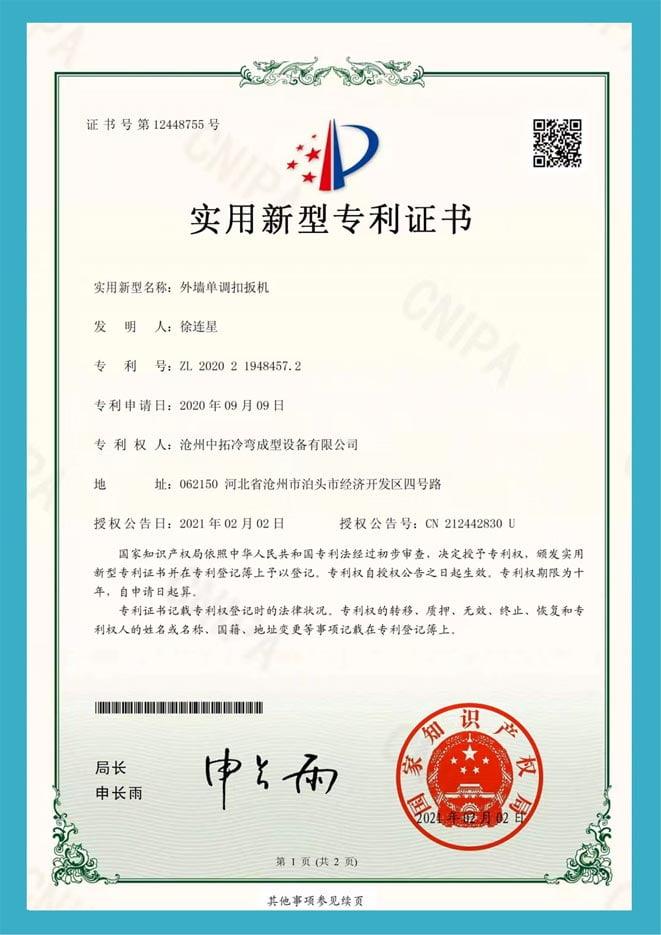
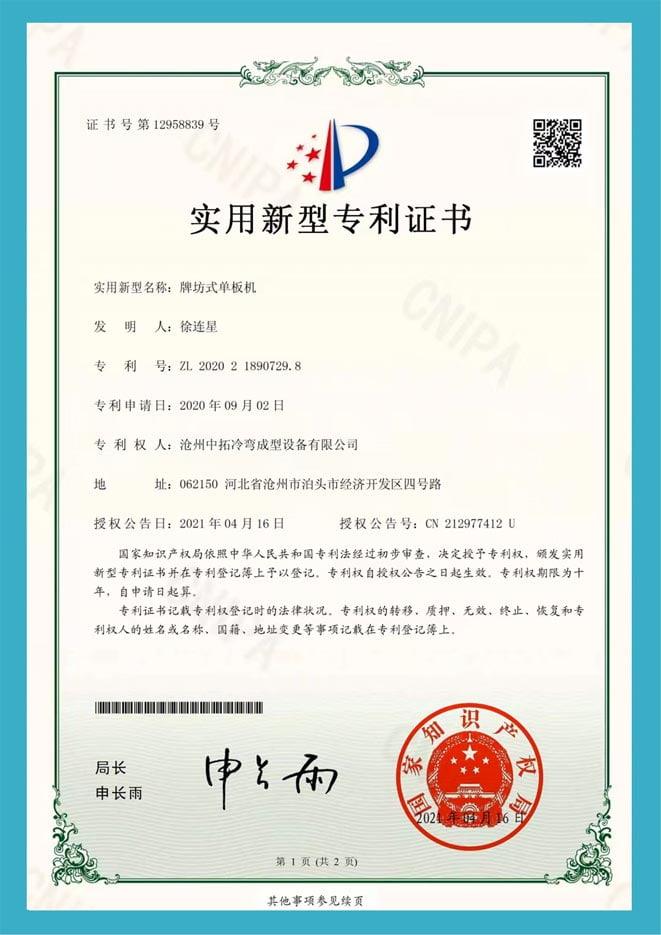
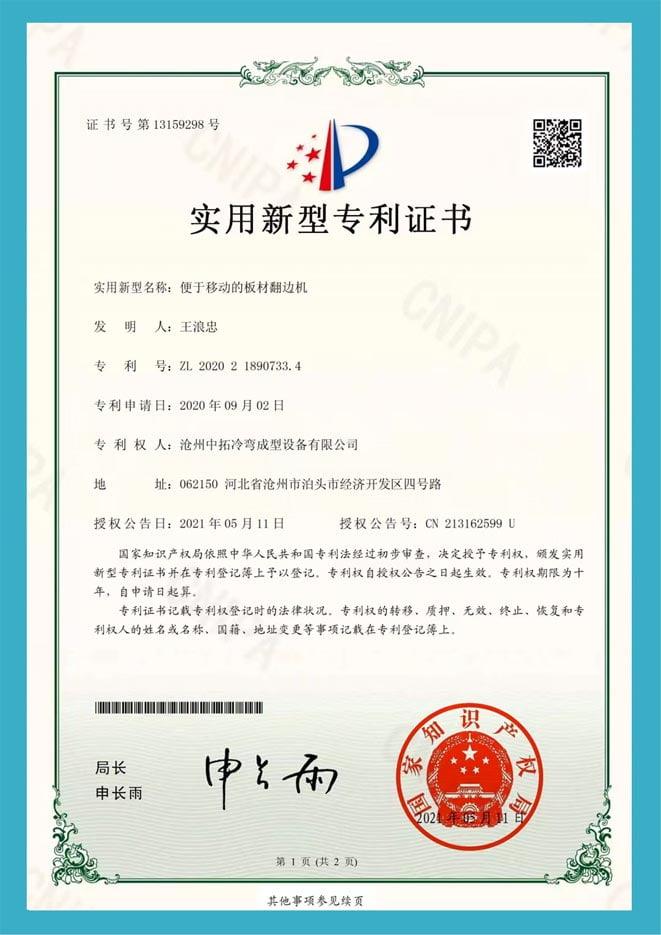
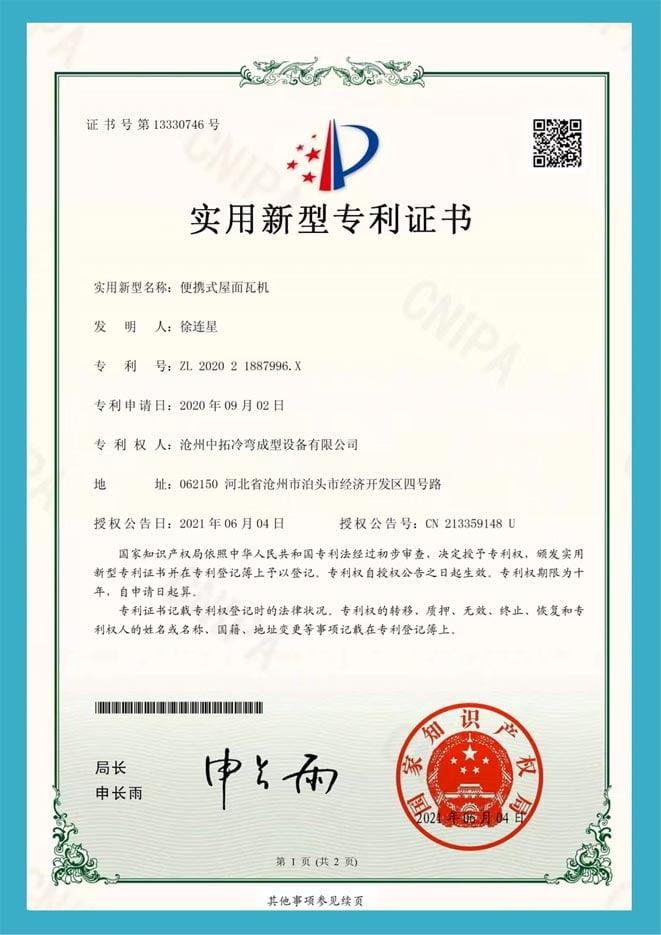
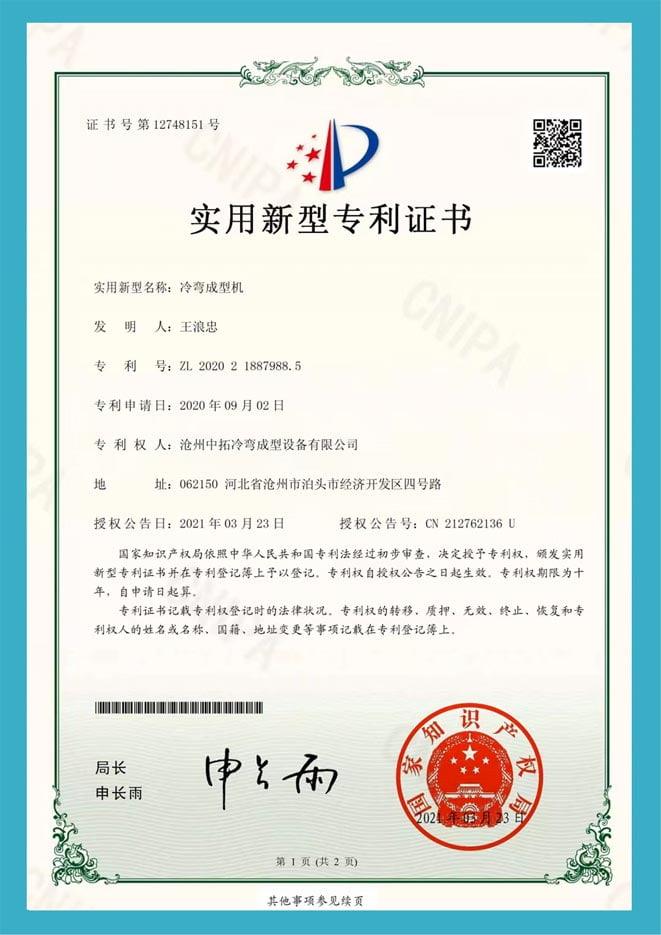
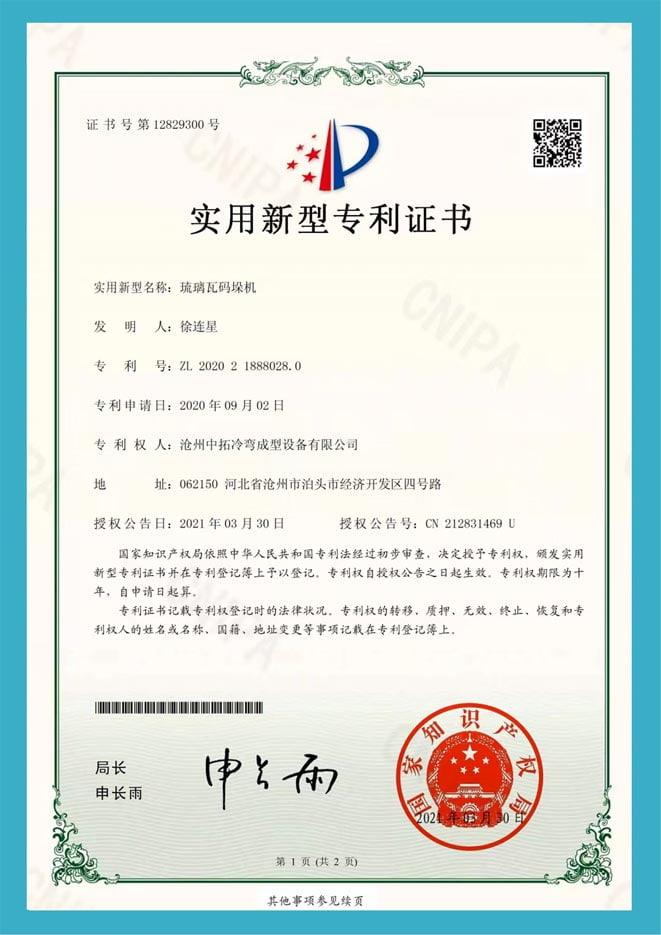
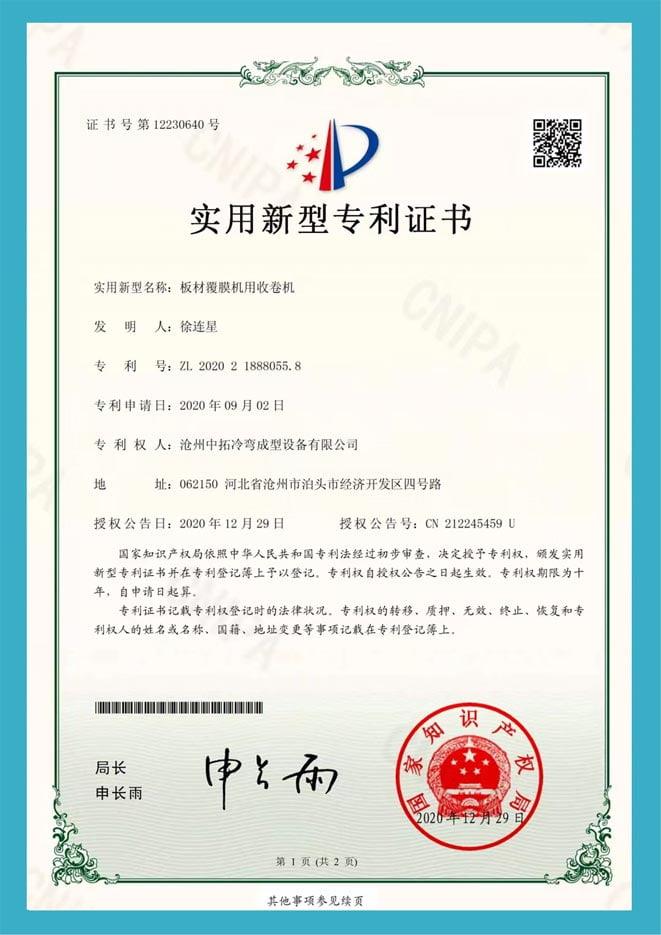
我们是国家级高新技术企业。公司通过了 ISO9001 质量体系认证、欧洲 CE 安全认证、北美 CAS 认证等。我们拥有丰富的出口贸易经验,了解不同国家客户的需求。 同时,我们还能为客户提供满意的设计方案。我们的机器已出口到 150 多个国家,并与客户建立了长期稳定的合作关系,赢得了客户的一致好评。
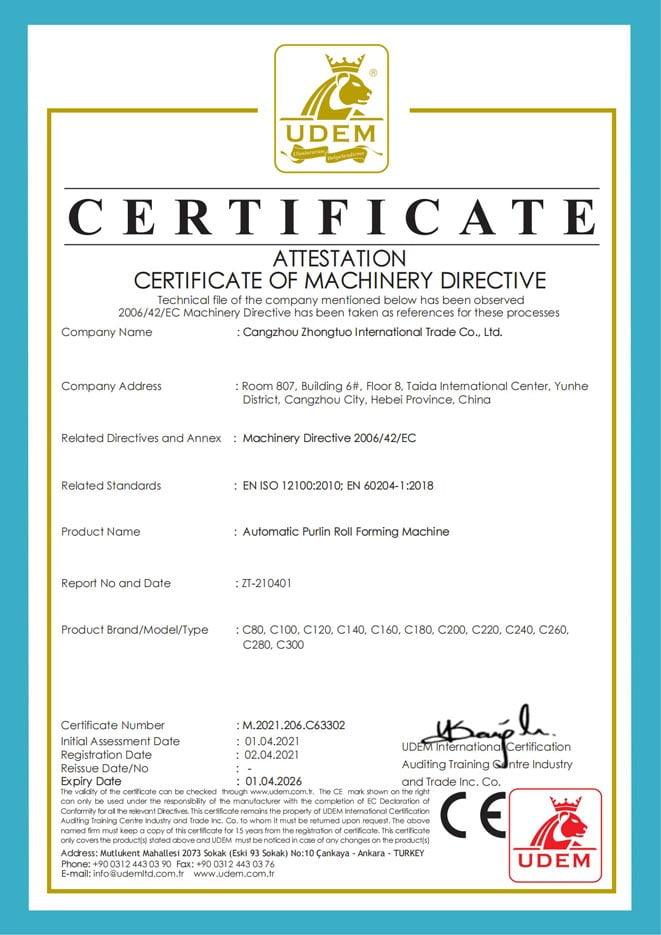
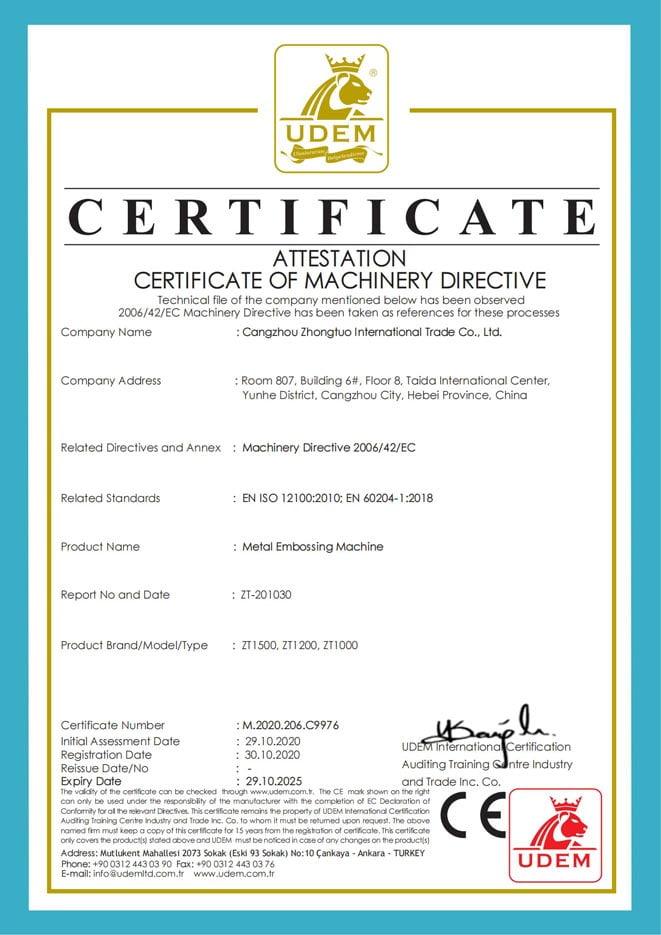
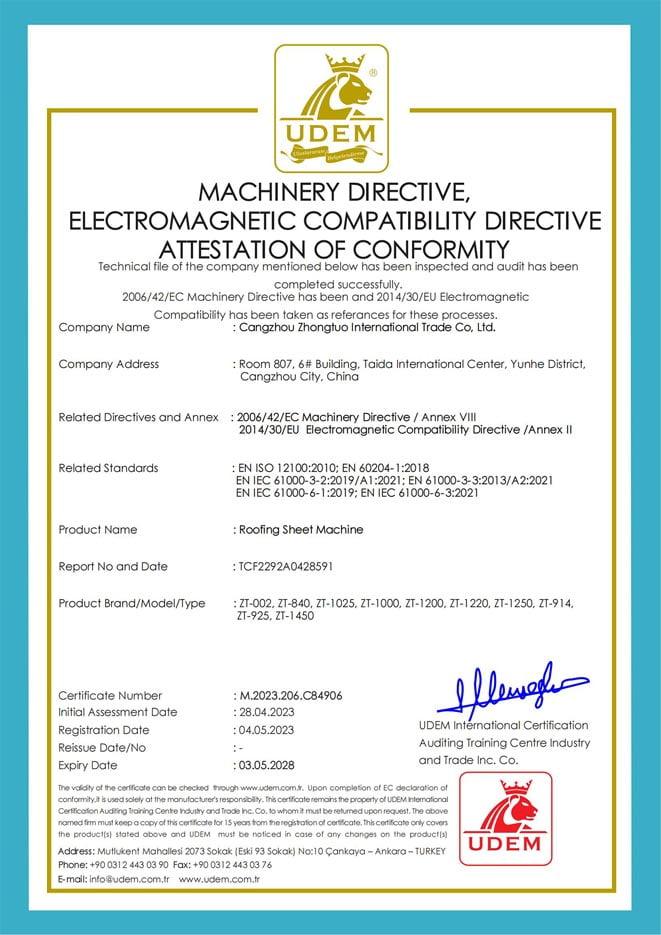
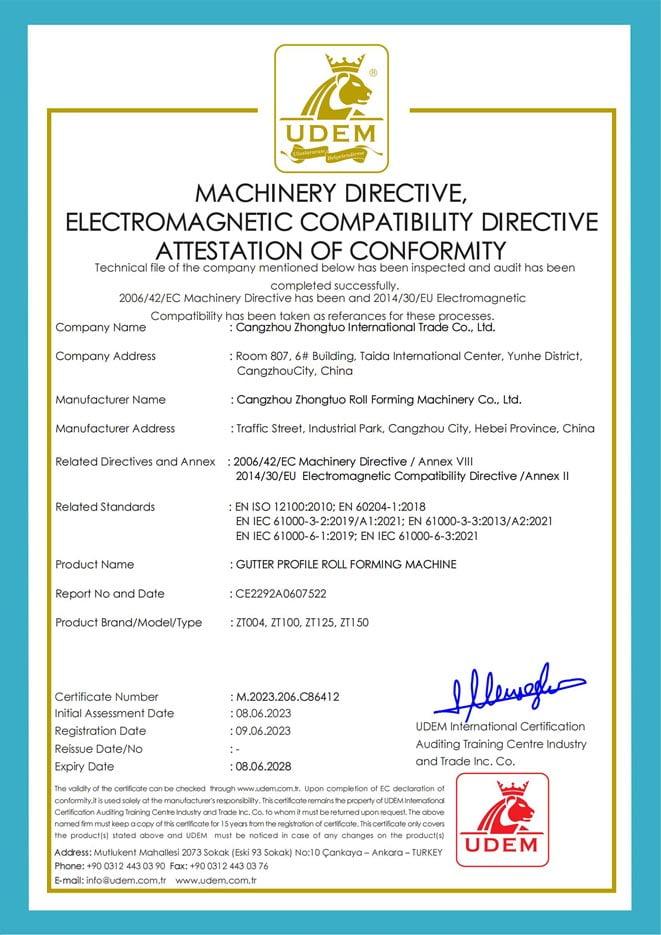


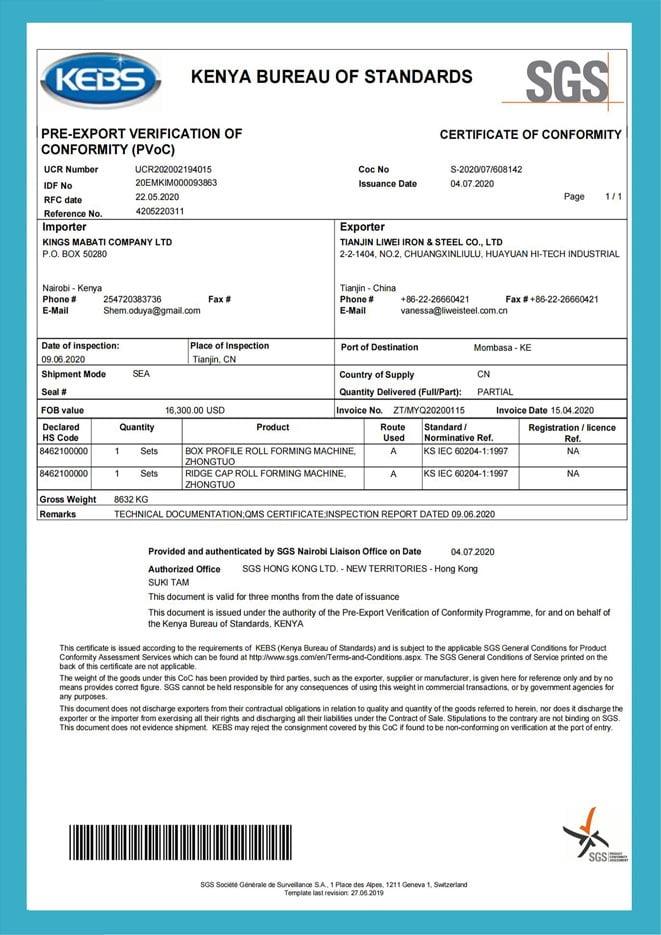
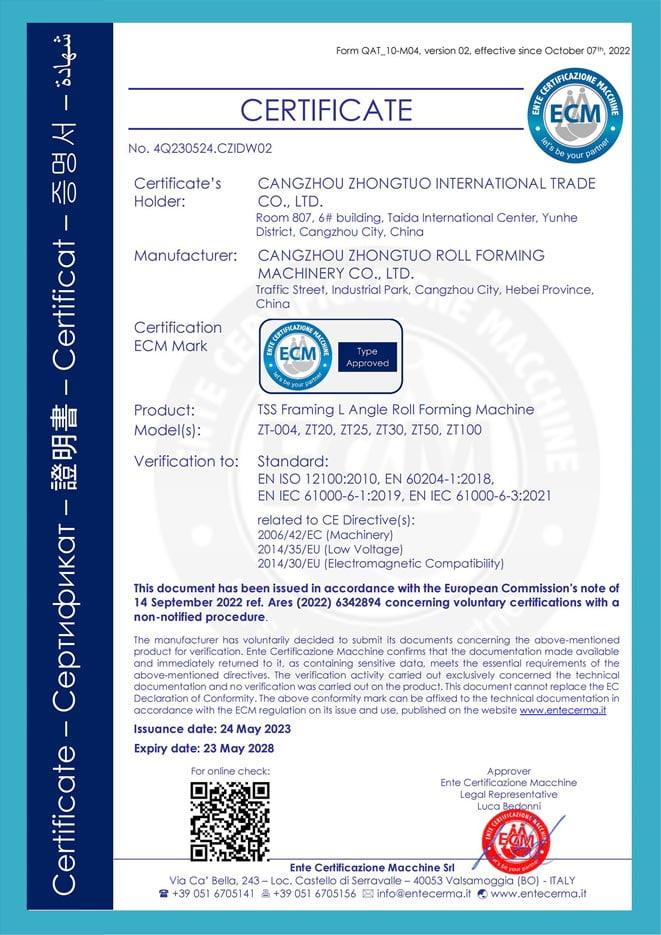
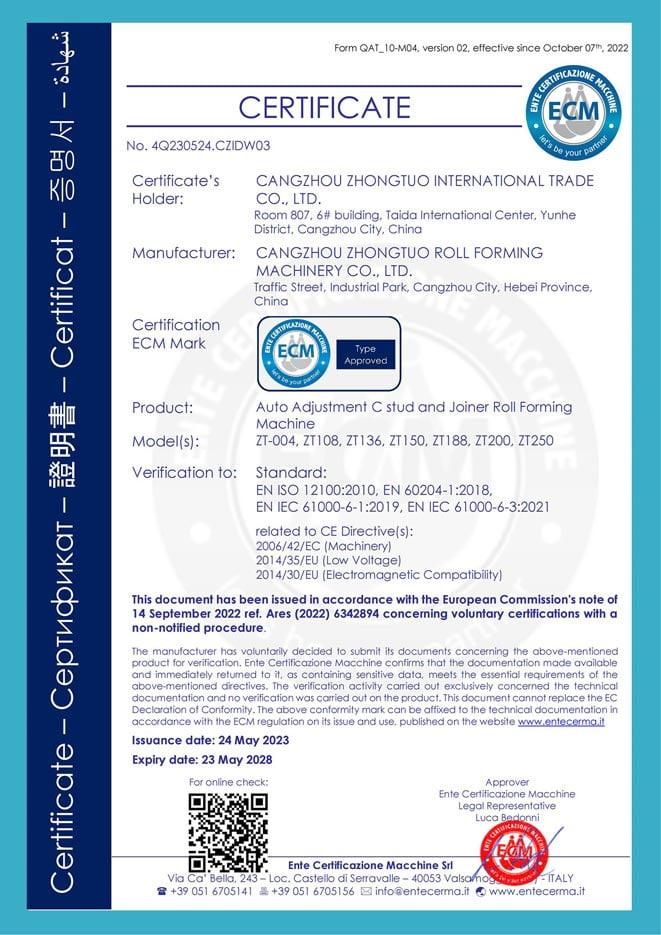
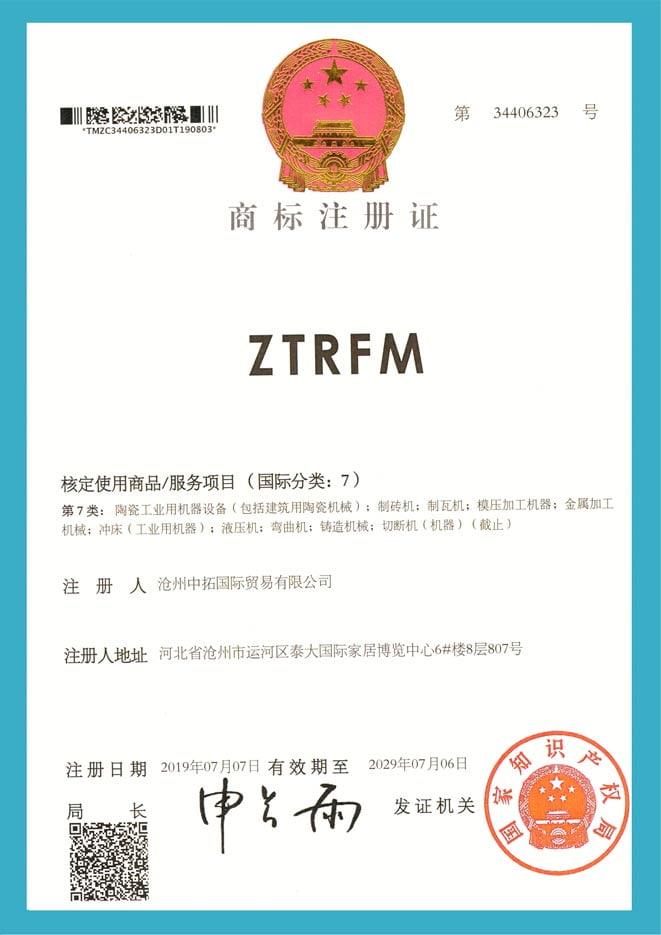
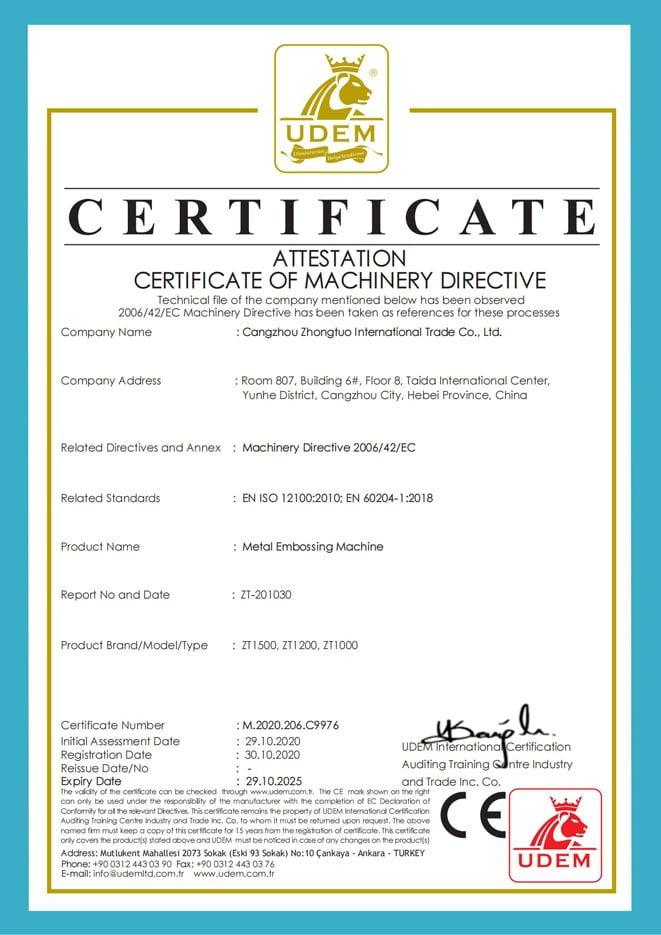
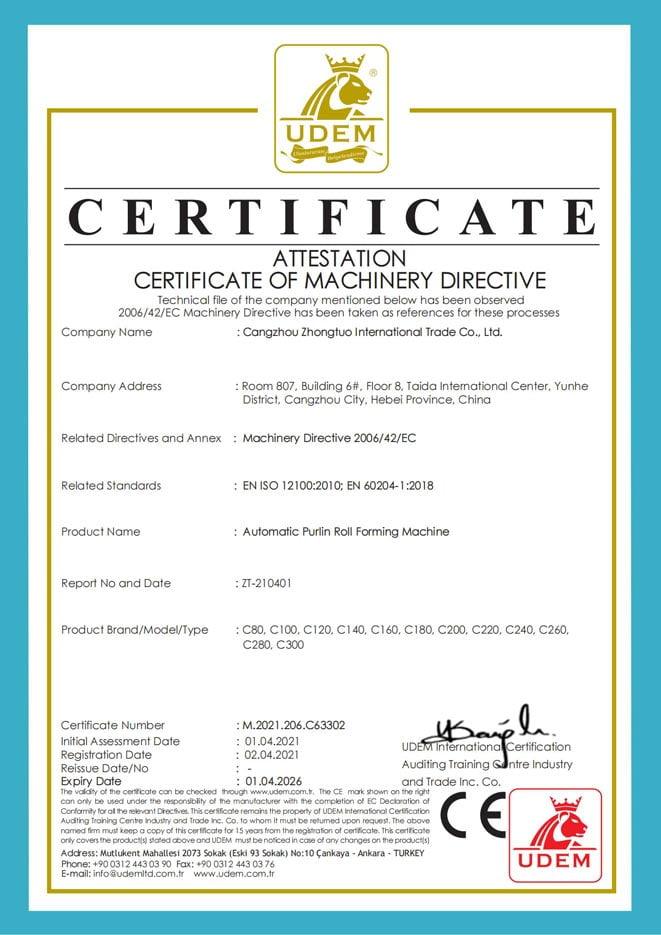
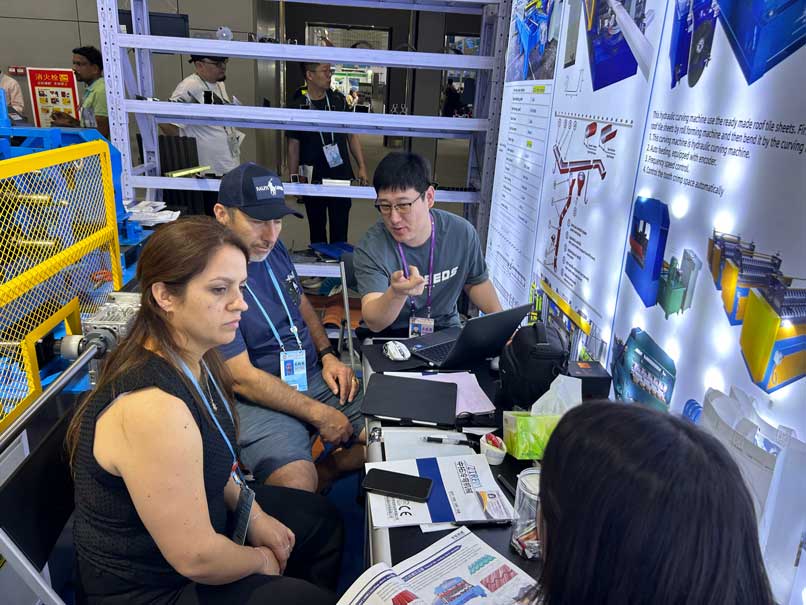
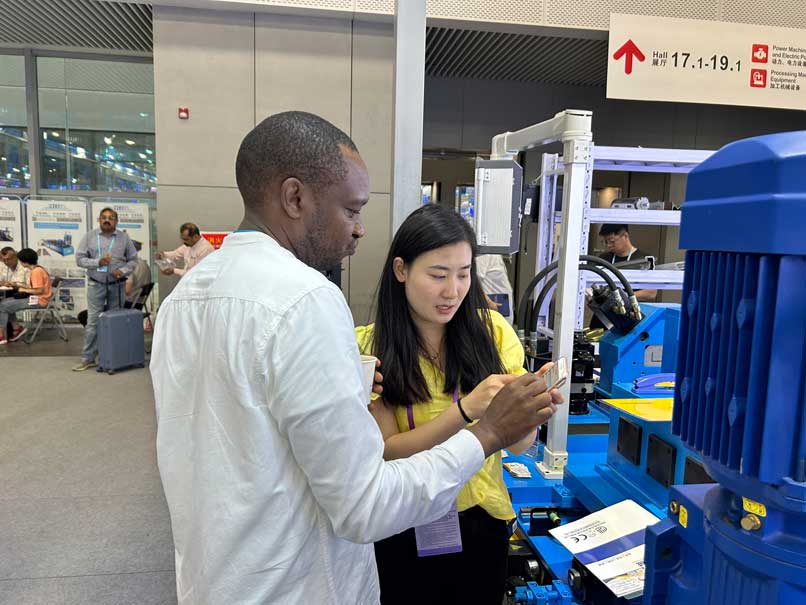
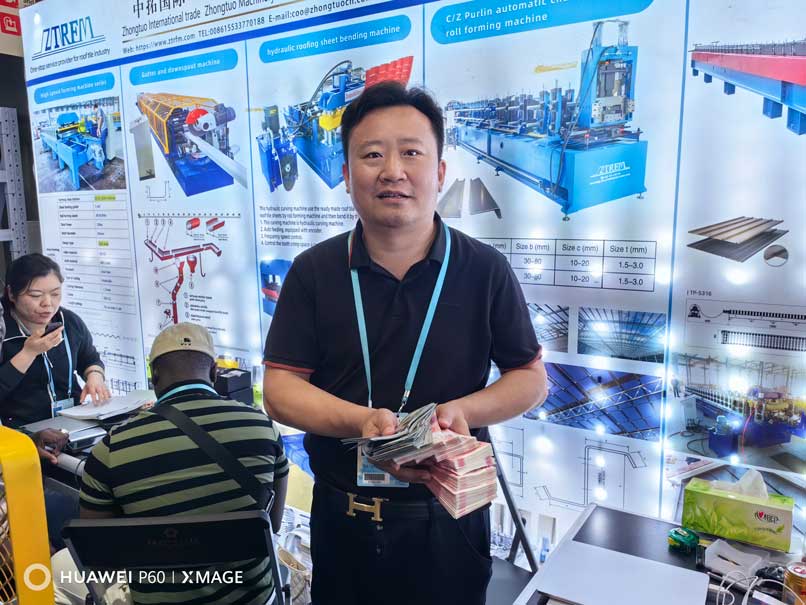
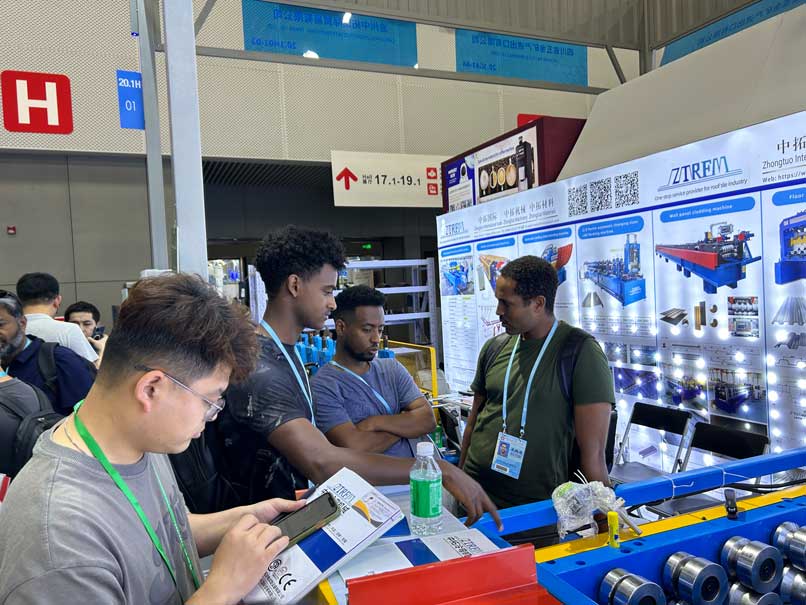
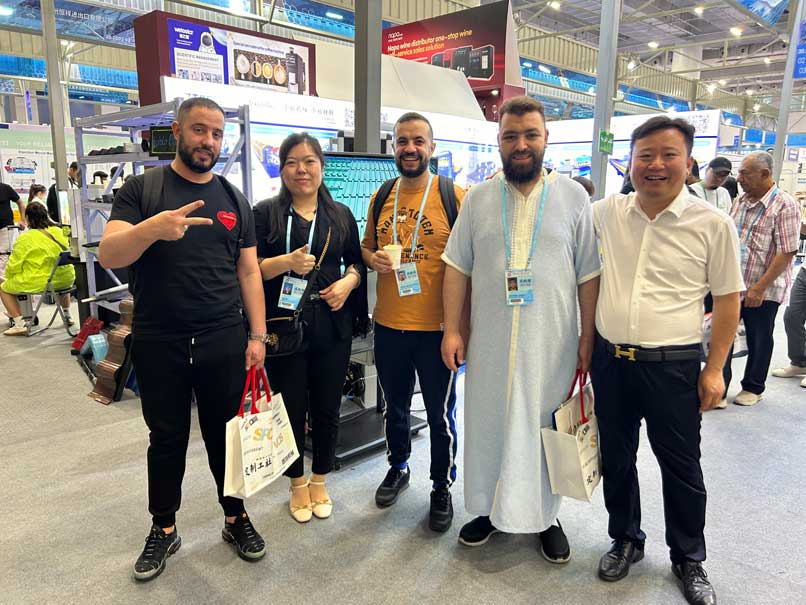

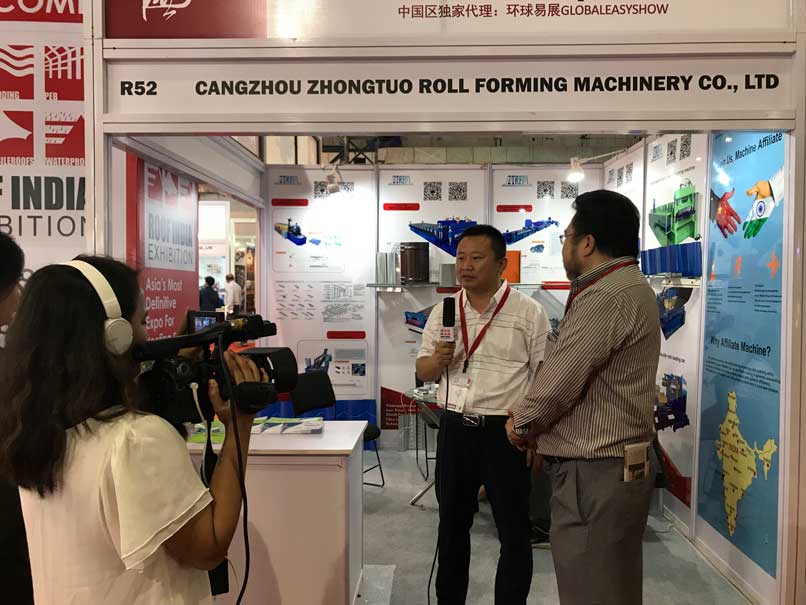
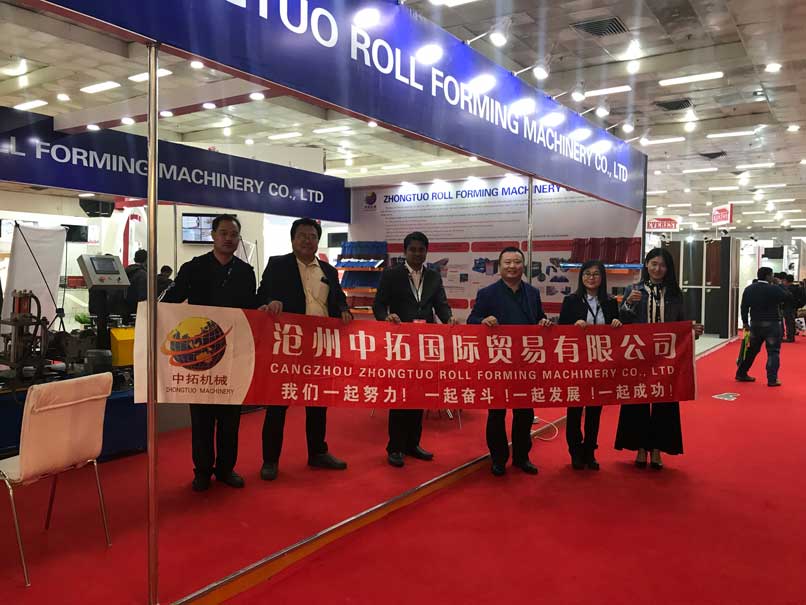
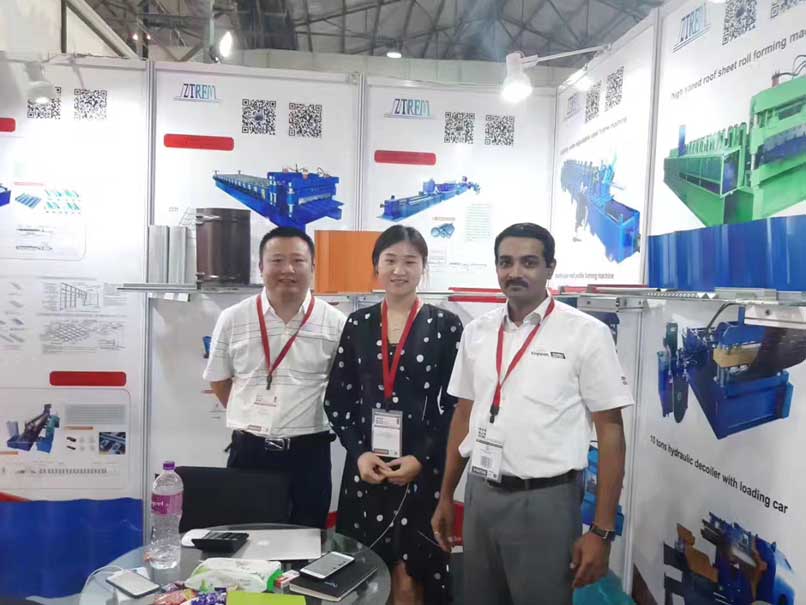
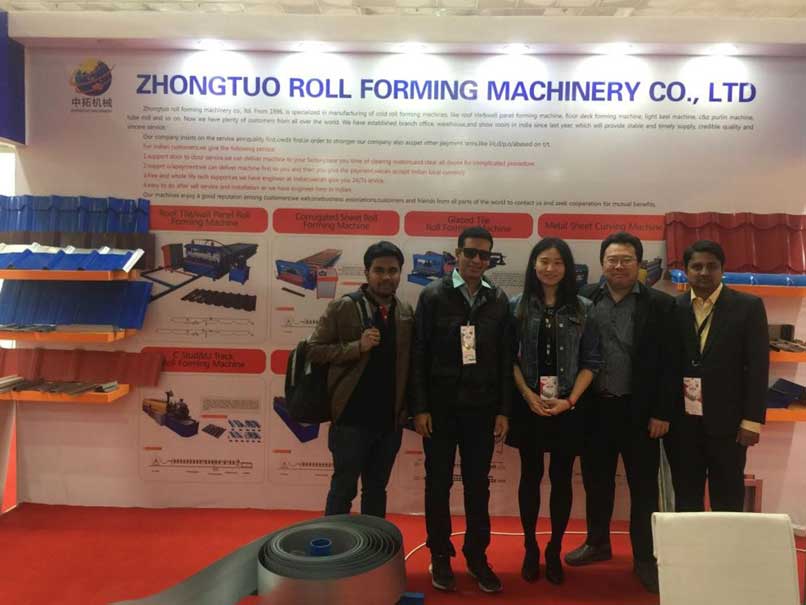
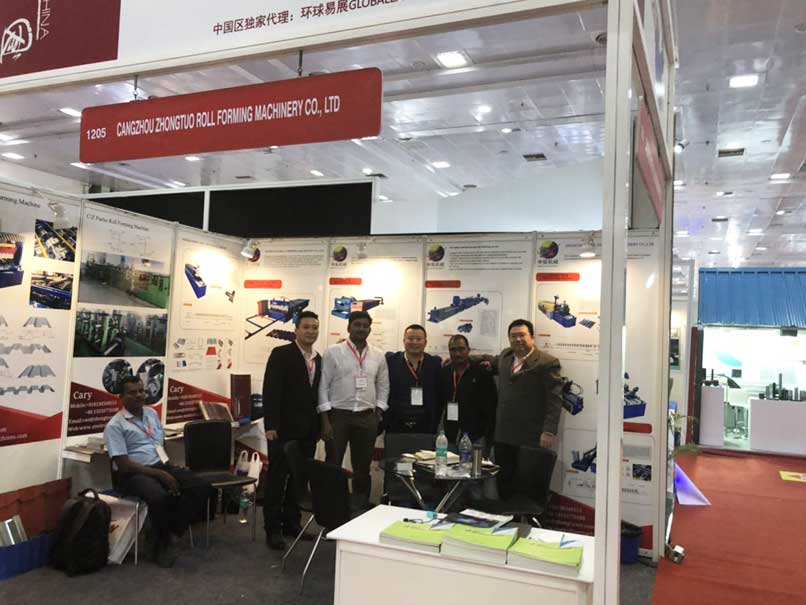
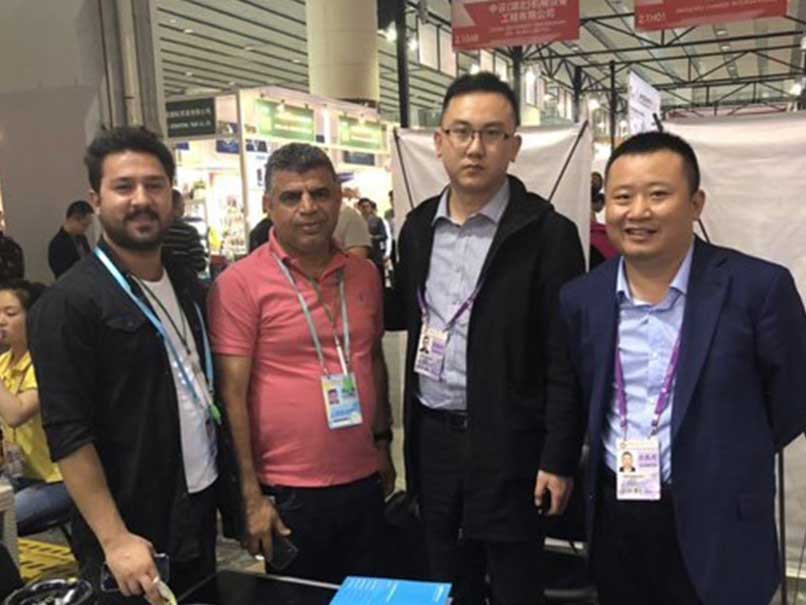
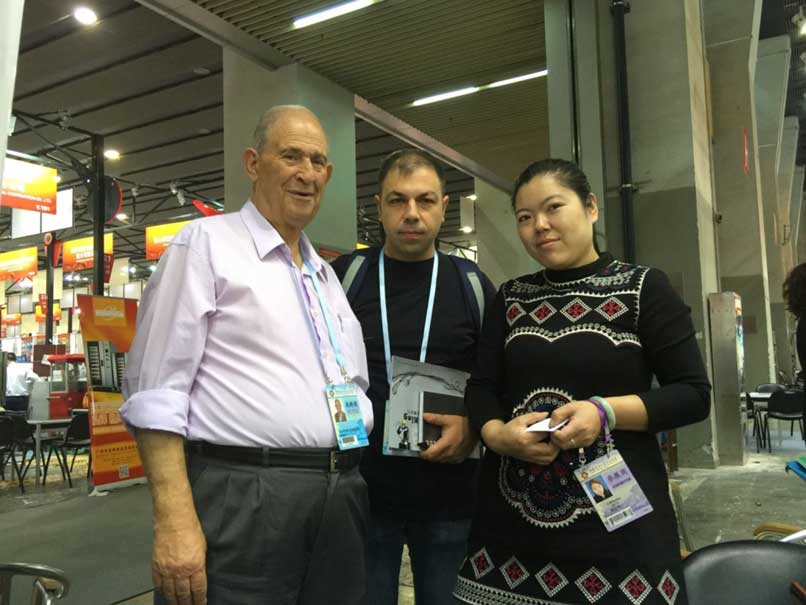
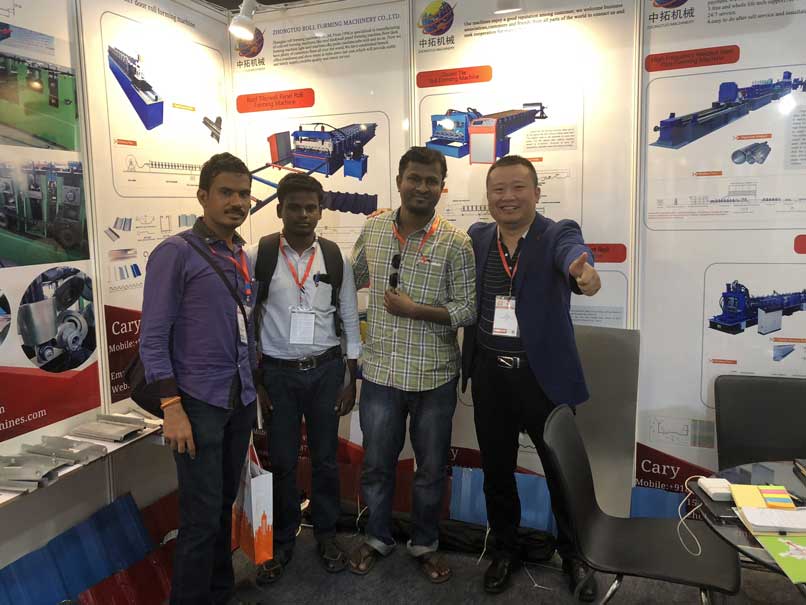
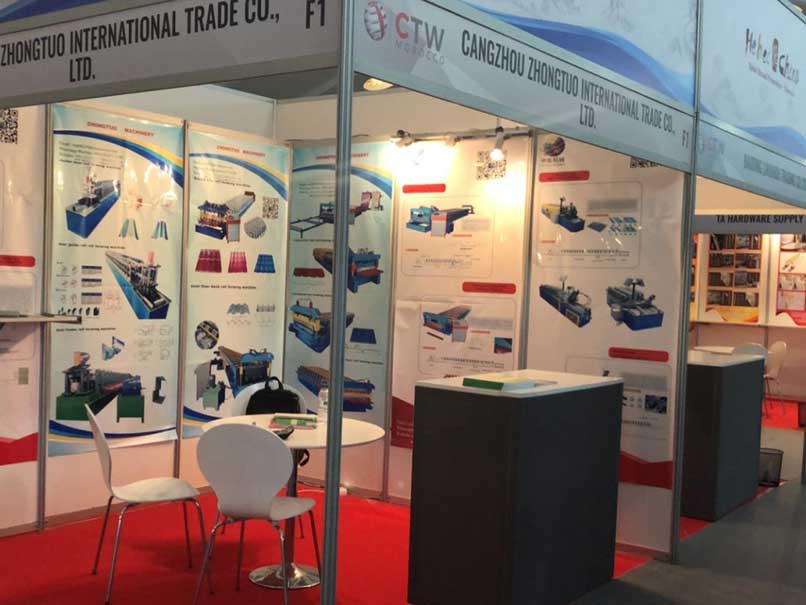
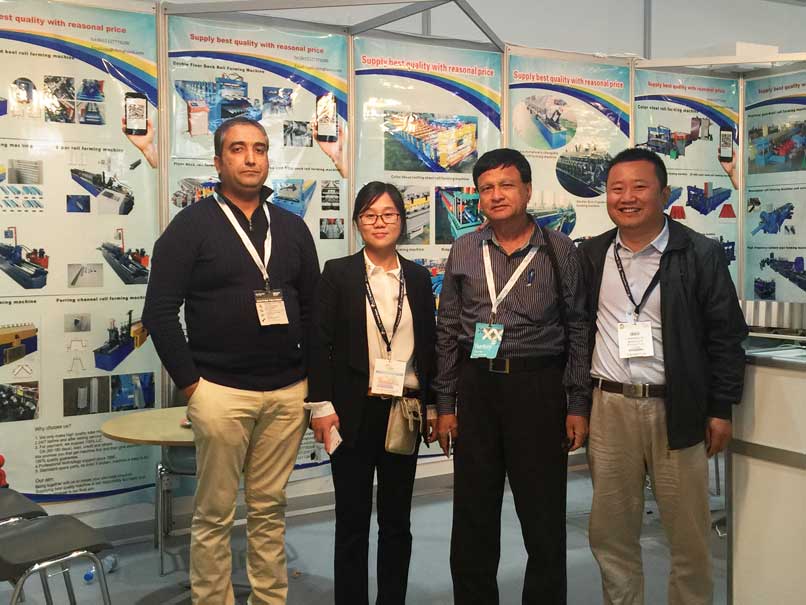
通过 360° VR 系统访问中拓,沧州中拓成立于 2014 年,致力于设计和制造不同类型的冷弯成型机。我们提供 ODM、OEM 和一站式服务。原材料、机械和配件均可从我们这里购买。
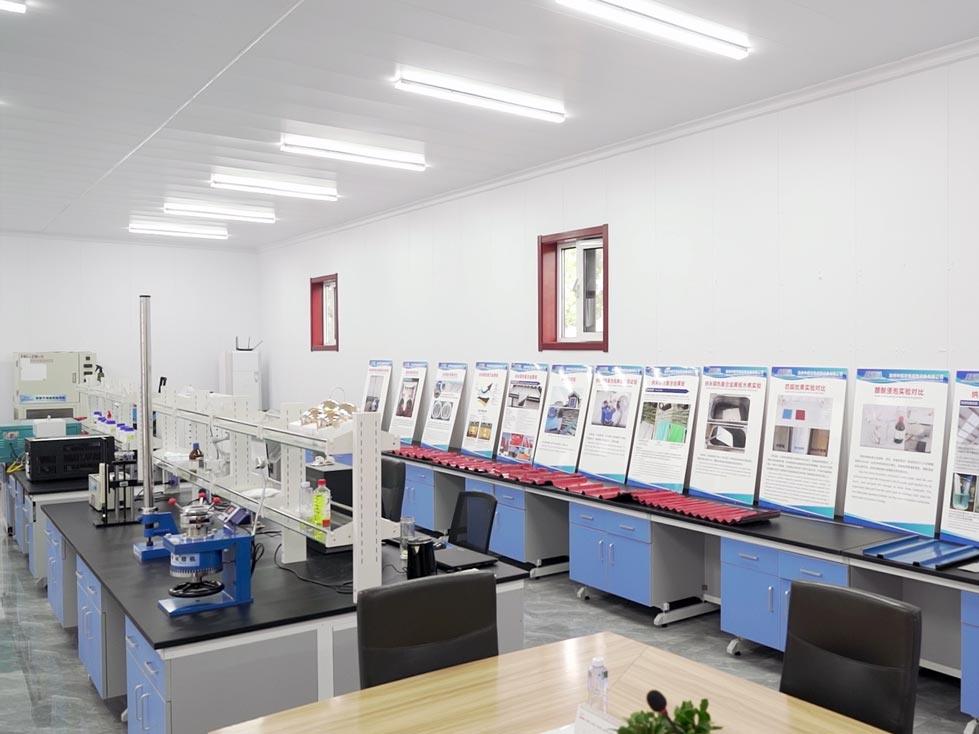
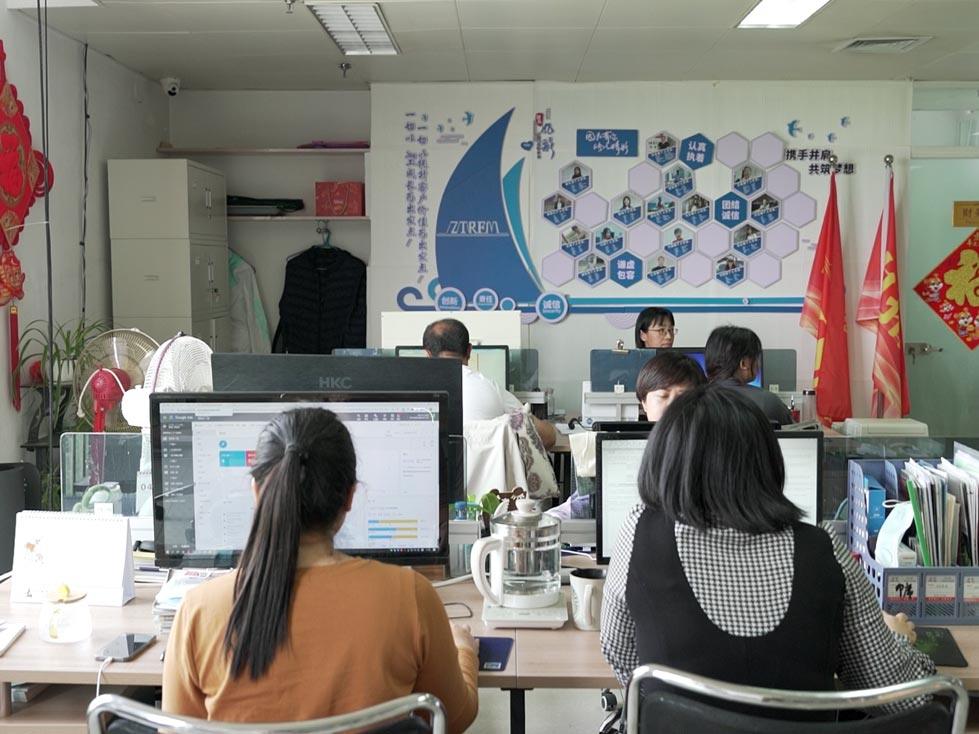
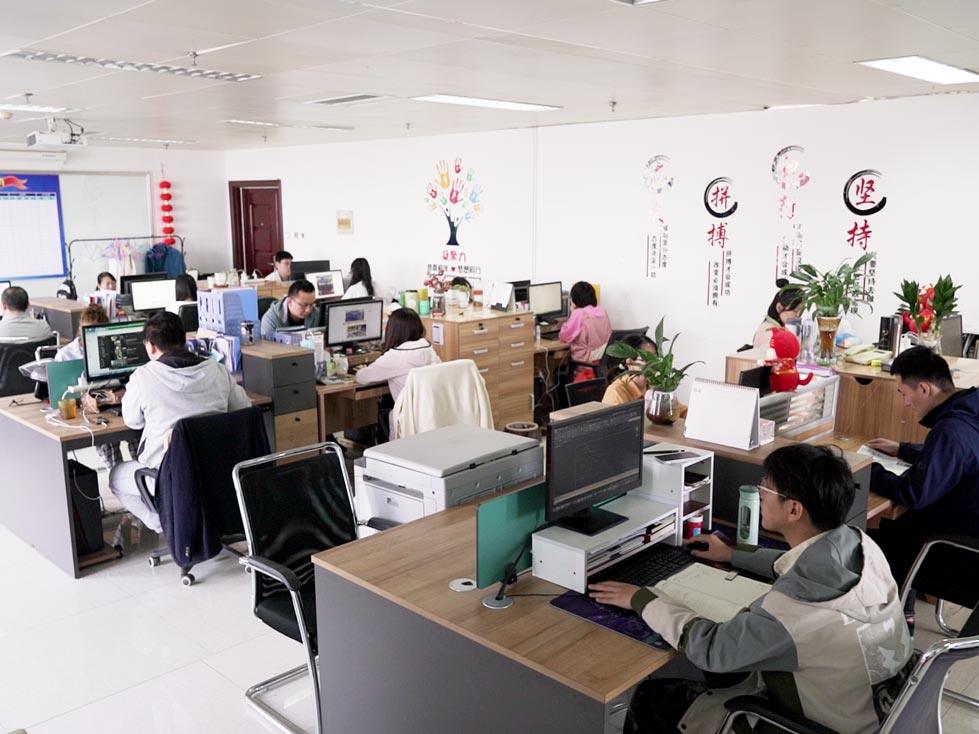
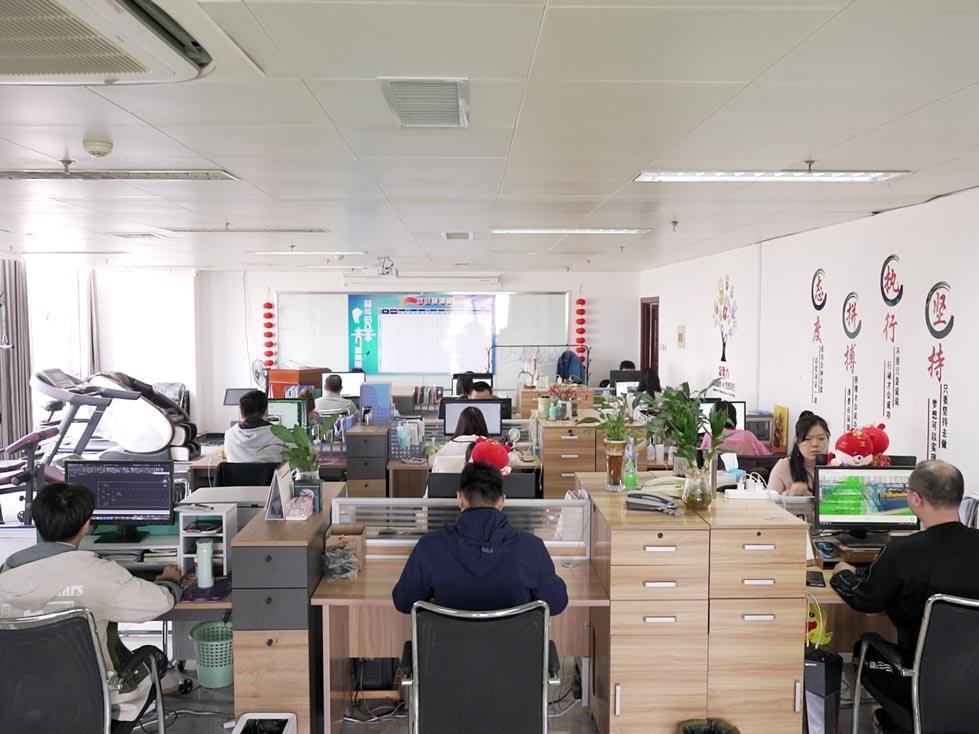
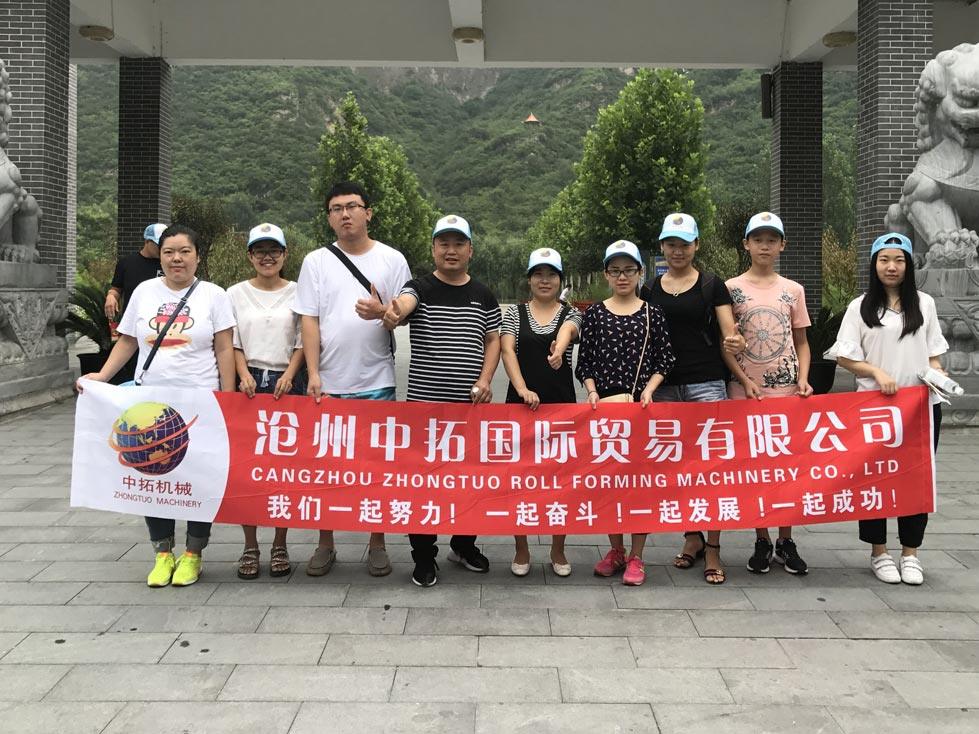
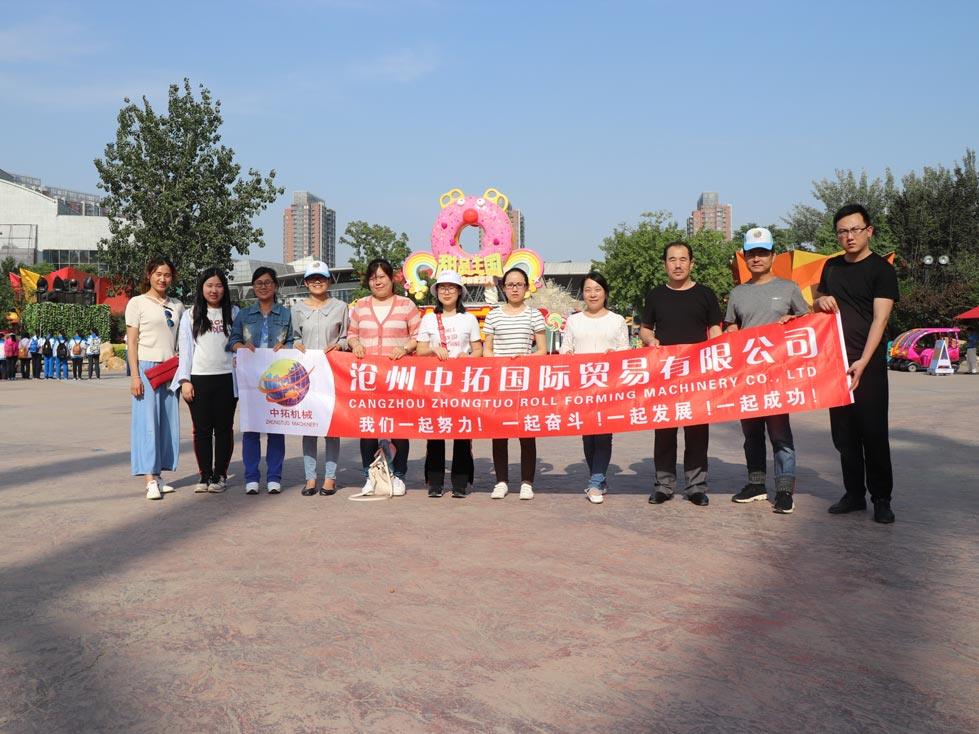
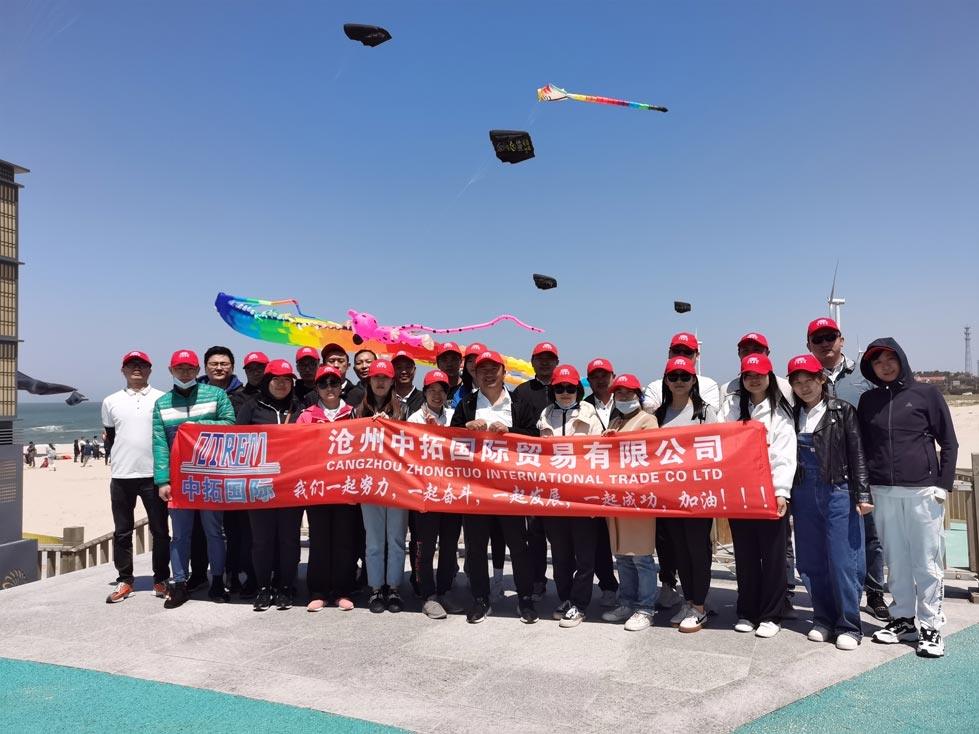
OEM/ODM 和定制一站式服务
全面的售后服务支持
提供 OEM、ODM
1.沟通:确认买方要求。
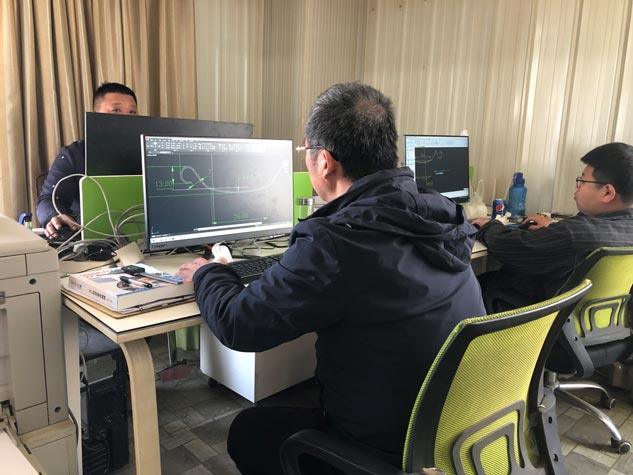
2.技术人员设计:绘制型材图和 3D 机器图
3.确定配置和生产
4.交货前测试
2.技术人员设计:绘制型材图和 3D 机器图
3.确定配置和生产
4.交货前测试
5.包装和交付
6.技术指导
7.售后服务:复杂机器的安装服务和定期客户回访
6.技术指导
7.售后服务:复杂机器的安装服务和定期客户回访
受到 95800 多家公司的信任
我们很荣幸能与许多
优质企业。通过与我们的合作,他们获得了
大力支持,实现了业务的突破和发展。
优质企业。通过与我们的合作,他们获得了
大力支持,实现了业务的突破和发展。
0
通过 ISO9001 和 CE 认证
我们拥有自主品牌 ztrfm、专业的设计团队和技术人员。
0
国家 客户
深受用户欢迎和好评的产品。
0
一站式解决方案
从配件到成型机,解决您采购的复杂性。
0
工程师团队
我们拥有 20 多人的强大工程师团队,我们将提供更准确、更快速的解决方案。