Plus de 24 ans d'expérience et de connaissance des normes internationales,
Changements technologiques et systèmes industriels, nous nous consacrons à
Fournit à Seds les meilleures solutions économiques à ses clients les plus précieux.
Changements technologiques et systèmes industriels, nous nous consacrons à
Fournit à Seds les meilleures solutions économiques à ses clients les plus précieux.
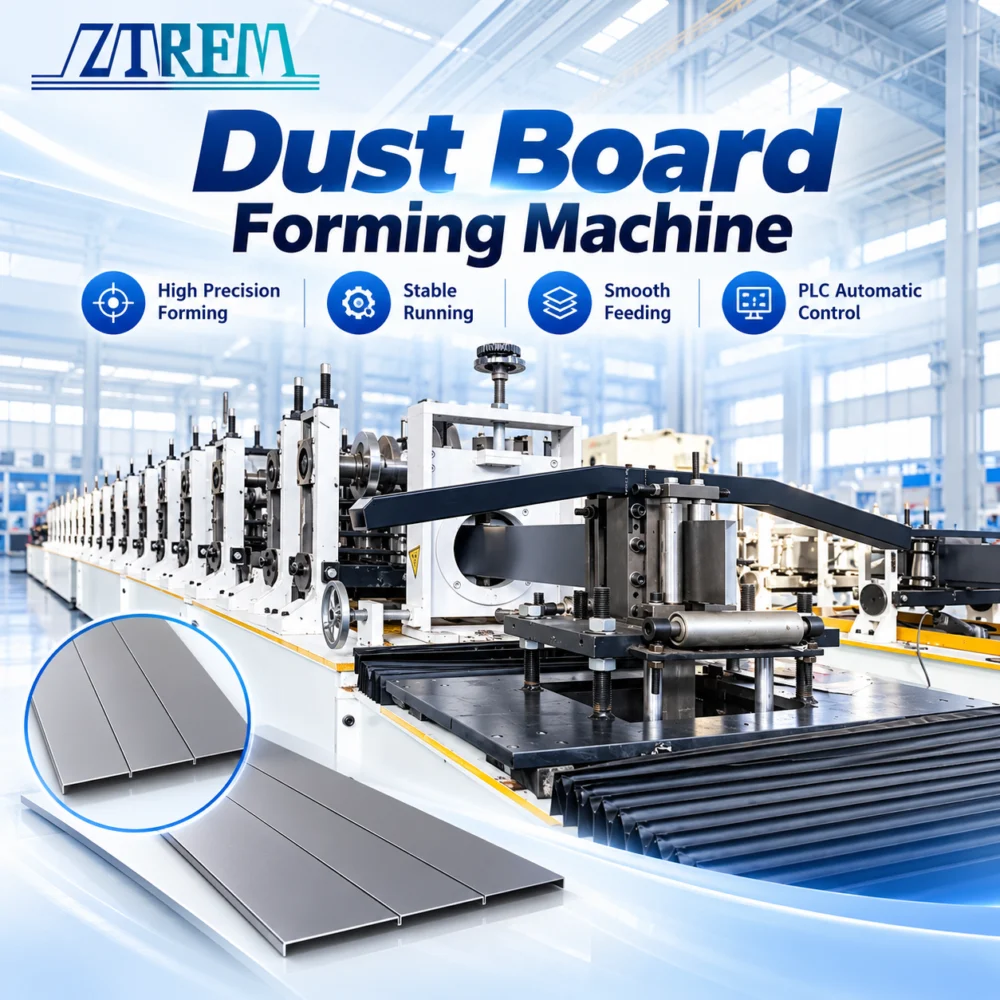
Dust Board Forming Machine:Wind Dust Suppression Panel Roll Forming Machine
La société Cangzhou Zhongtuo Roll Forming Machinery Co. est originaire du Hebei (Chine). C'est un fabricant qui se consacre à la conception et à la fabrication.
différents types de profileuses à froid. Nous sommes une usine avec une longue histoire, engagée dans la conception et la fabrication de profileuses depuis 2006. Les machines que nous pouvons produire comprennent : la machine de fabrication de tuiles, la machine de fabrication de pannes cz, la machine de fabrication de quilles en acier léger, la machine de gaufrage de métal, la machine de formage de systèmes de portes, la machine de formage de systèmes de plafonds, la machine de soudage de tuyaux à haute fréquence, la ligne de refendage, la ligne de coupe à longueur, la machine de formage de systèmes d'étagères, la machine de formage de planchers, la ligne de production de tuiles en pierre colorée, la machine de laminage à chaud filmée, etc.
différents types de profileuses à froid. Nous sommes une usine avec une longue histoire, engagée dans la conception et la fabrication de profileuses depuis 2006. Les machines que nous pouvons produire comprennent : la machine de fabrication de tuiles, la machine de fabrication de pannes cz, la machine de fabrication de quilles en acier léger, la machine de gaufrage de métal, la machine de formage de systèmes de portes, la machine de formage de systèmes de plafonds, la machine de soudage de tuyaux à haute fréquence, la ligne de refendage, la ligne de coupe à longueur, la machine de formage de systèmes d'étagères, la machine de formage de planchers, la ligne de production de tuiles en pierre colorée, la machine de laminage à chaud filmée, etc.
Pour plus d'informations, les délais de livraison et les prix, veuillez nous contacter !
Meta description: ZTRFM supplies high-quality dust board forming machines for manufacturing wind dust suppression panels, windbreak walls, and perforated metal fences. PLC-controlled, fully automatic, durable, and factory-priced. Get a quote today.
Dust Board Forming Machine: Complete Guide to Wind Dust Suppression Panel Production
A dust board forming machine, also known as a wind dust suppression panel roll forming machine or windbreak wall roll former, is specialized industrial equipment designed to produce perforated metal panels used in dust control and wind mitigation systems. These panels—commonly called dust suppression boards, wind dust nets, or windbreak fences—are installed at coal storage yards, mining sites, power plants, port terminals, and material handling facilities to reduce wind speed and capture airborne dust particles.
At ZTRFM (Zhongtuo Roll Forming Machinery), we engineer and manufacture dust board forming lines that deliver consistent profile accuracy, high production speed, and long service life. This guide covers everything you need to know about selecting, operating, and maintaining a dust board forming machine for your business.
What Is a Dust Board Forming Machine?
A dust board forming machine takes galvanized steel coils, color-coated (PPGI) steel coils, or aluminum coils as raw material and continuously roll-forms them into precision-shaped perforated panels. The finished panels feature a series of curved or angled profiles and perforated holes that disrupt airflow, reduce wind velocity by up to 60–70%, and trap dust particles before they escape into the surrounding environment.
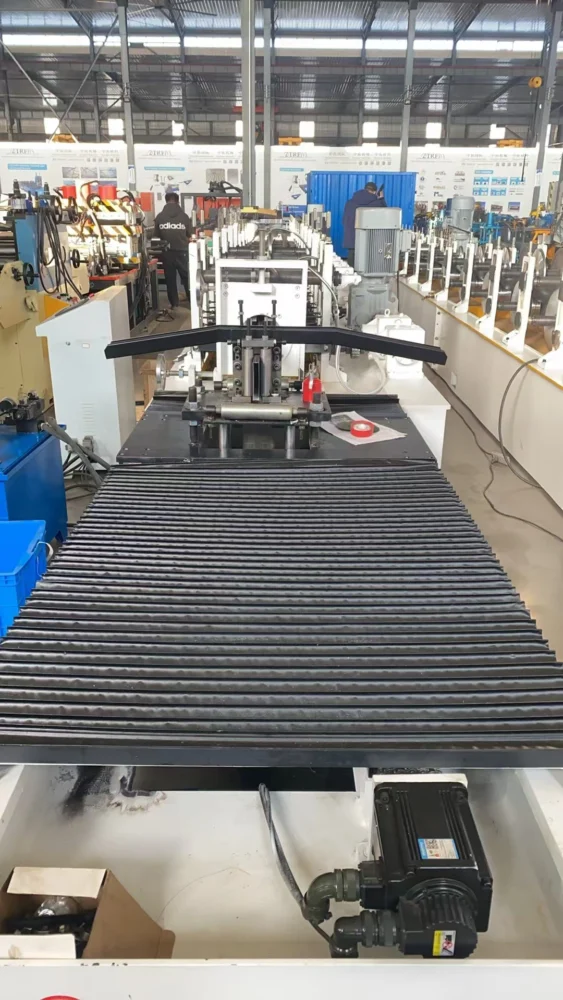
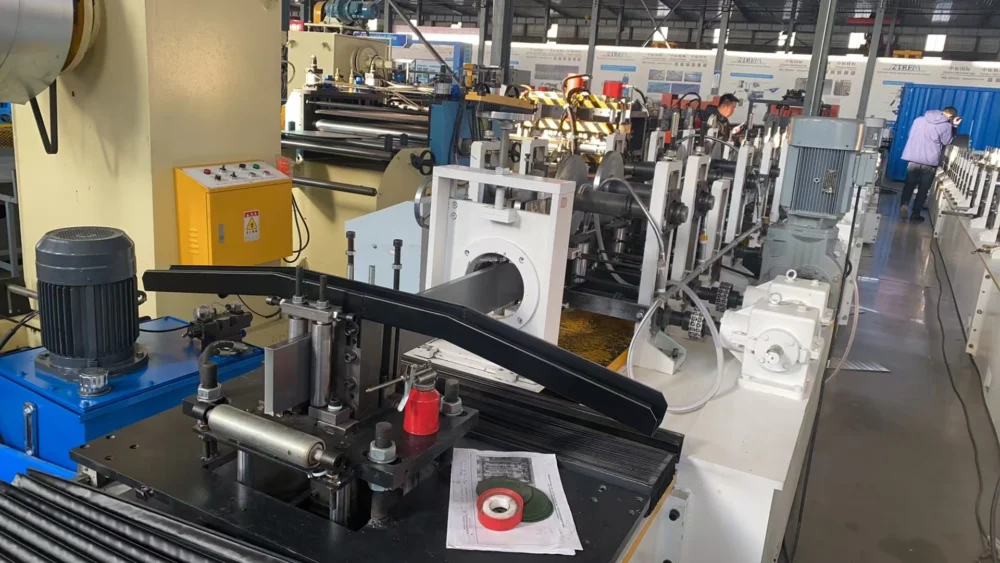
The machine integrates multiple process stations in one continuous line: automatic decoiling, guiding and feeding, roll forming, punching or perforation (either inline or offline), hydraulic cutting to length, and finished product output. Modern lines are controlled by a PLC system with a human-machine interface (HMI), allowing operators to set panel length, quantity, and profile parameters with a few keystrokes.
Key Features and Advantages of ZTRFM Dust Board Forming Machines
1. PLC Automatic Control System
Every ZTRFM dust board forming line is equipped with a reliable PLC controller (such as Mitsubishi, Siemens, or local Chinese brands depending on customer preference) paired with a touch-screen HMI. Operators can input the desired panel length, production count, and speed parameters. The system automatically stops when the target quantity is reached, minimizing material waste and labor requirements.
2. Heavy-Duty Roll Forming Stations
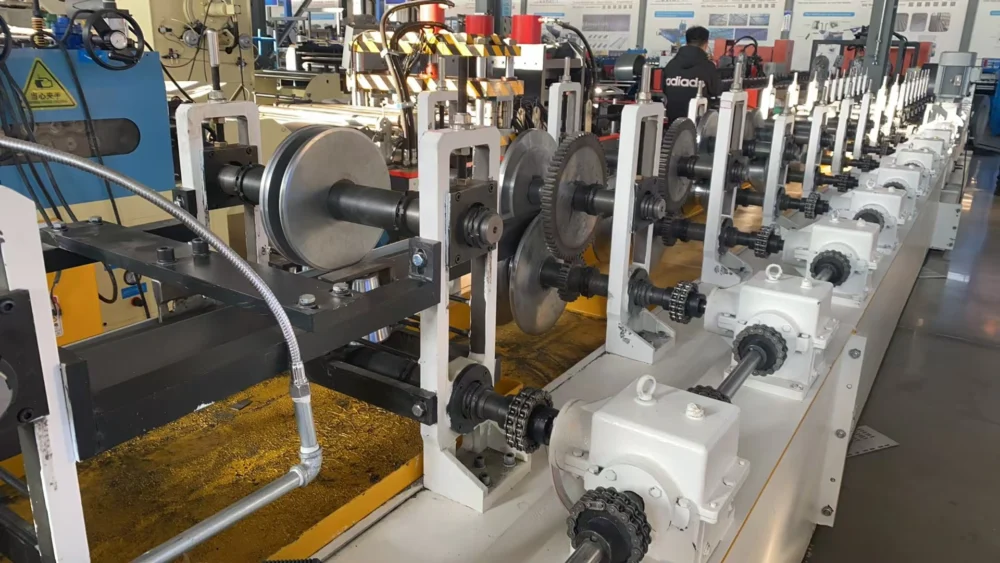
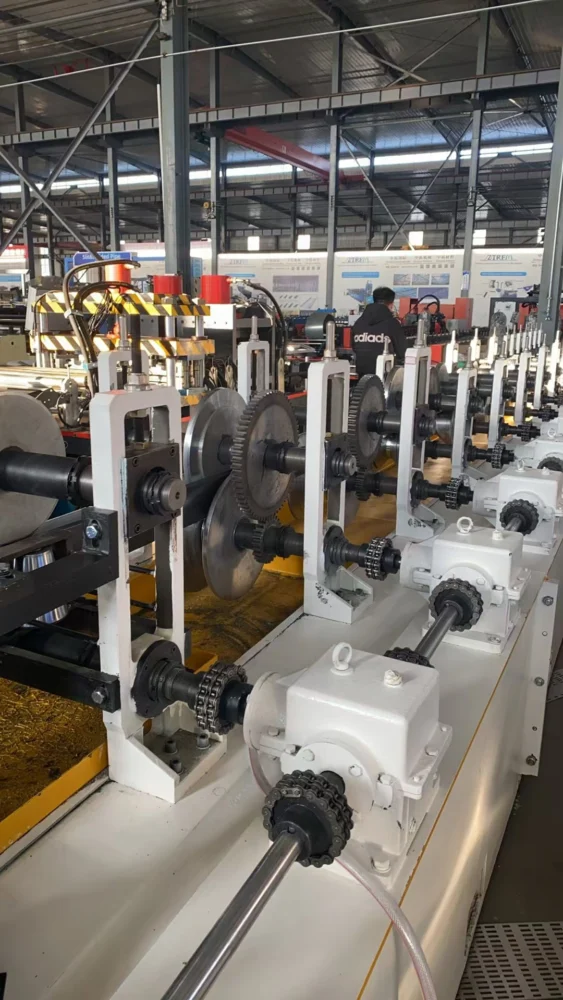
The forming rollers are machined from high-grade 45# carbon steel and precision-ground with hard chrome plating on the surface for wear resistance. The number of forming stations typically ranges from 12 to 18 depending on the panel profile complexity. Main shafts are made of 40Cr steel with diameters of 70mm or larger, ensuring stable forming under continuous high-speed operation without deflection.
3. Hydraulic Punching and Cutting System
Dust suppression panels require perforation holes to achieve their wind-diffusing effect. ZTRFM machines offer both inline hydraulic punching and offline punching options. The hydraulic station uses a reliable gear pump and proportional valve system for consistent punching force. The hydraulic cutting mechanism cuts panels to exact length with smooth, burr-free edges, eliminating secondary processing.
4. Quick Profile Changeover
Many of our dust board models support quick mold change systems. When customers need to switch between different panel profiles (for example, from a 250mm height panel to a 310mm height panel), the changeover can be completed in hours rather than days. This flexibility is essential for customers serving multiple market segments or project requirements.
5. Wide Material Compatibility
Our dust board forming machines are designed to process galvanized steel (GI), pre-painted galvanized steel (PPGI), and aluminum coils within a typical thickness range of 0.5mm to 1.0mm. The decoiler capacity ranges from 3 to 10 tons, accommodating standard industrial coil weights commonly available in global markets.
How a Dust Board Forming Machine Works
The production process follows a continuous, automated sequence:
Step 1 — Decoiling: The steel coil is loaded onto a hydraulic decoiler that expands and centers the coil. The material feeds out smoothly and evenly into the guide table.
Step 2 — Guiding and Leveling: A feeding guide and leveling rollers flatten the strip, remove coil camber, and ensure consistent alignment before the material enters the forming station.
Step 3 — Roll Forming: The strip passes through a series of progressively contoured roller stations that bend it into the final panel profile. Each station adds incremental bends until the desired cross-section shape is achieved.
Step 4 — Perforation/Punching: Depending on the configuration, hydraulic punch dies create the required hole pattern (typically circular or elongated slots) along the panel. This may occur before or after forming, depending on the panel design.
Step 5 — Measuring and Cutting: An encoder measures the exact panel length as the material advances. When the pre-set length is reached, the hydraulic cutter activates and cuts the panel cleanly.
Step 6 — Output Stacking: Finished panels are automatically discharged onto an output support table, where they can be manually collected and stacked for packaging.
Common Dust Board Panel Profiles and Specifications
Dust suppression panels come in several standard profiles to suit different wind conditions, project budgets, and architectural requirements. Below are the most commonly produced types.
Single-Arch and Double-Arch Profiles
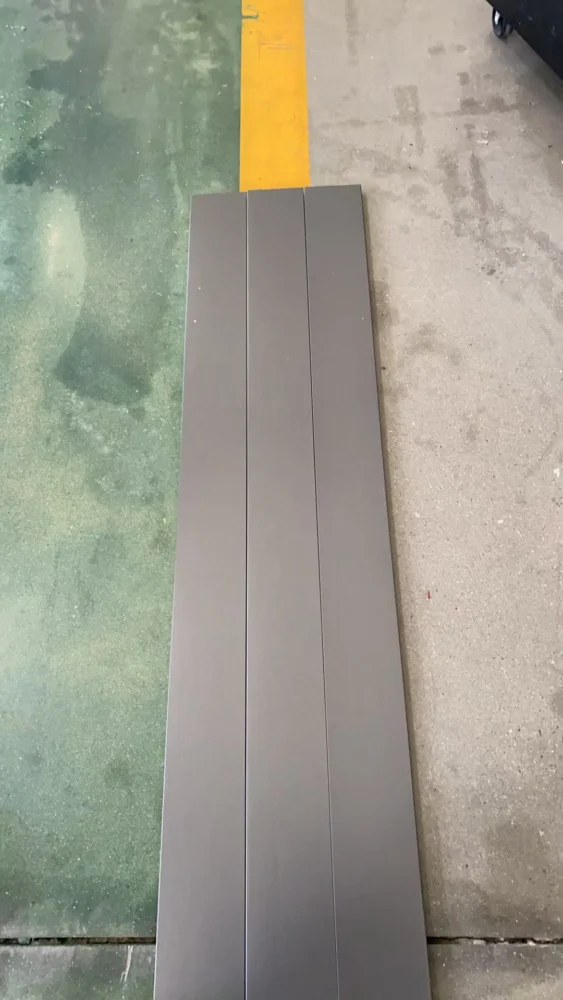
These are the most widely used wind dust suppression panel designs. The single-arch profile features one curved bend, while the double-arch has two. Common covering widths range from 800mm to 950mm, and effective heights typically fall between 200mm and 380mm. Material thickness is usually 0.5mm, 0.6mm, 0.8mm, or 1.0mm.
Perforation Patterns
The hole pattern is critical to dust suppression performance. Typical designs include circular holes (5mm–10mm diameter), elongated horizontal slots, or a combination arrangement. Open ratios commonly range from 30% to 40%, balancing wind resistance reduction with structural integrity.
Raw Material Options
Galvanized steel offers cost-effective corrosion resistance and is the most common base material. Color-coated (PPGI/PPGL) steel adds weather resistance and aesthetic color options (blue, green, gray, etc.) for projects where appearance matters. Aluminum is used in highly corrosive environments such as coastal port facilities.
Applications of Dust Suppression Panels
Dust board forming machines produce panels for a wide range of environmental control applications:
Coal and Ore Storage Yards: The largest application segment. Dust suppression walls enclose open coal piles and mineral stockpiles at thermal power plants, steel mills, and mining operations, reducing fugitive dust emissions and meeting environmental compliance requirements.
Port and Terminal Facilities: Bulk cargo handling areas at seaports and river terminals use windbreak walls to control dust from coal, grain, cement clinker, and fertilizer handling.
Industrial Material Processing: Cement plants, crushing and screening plants, and asphalt mixing facilities deploy dust fence systems to contain particulate matter.
Agricultural and Environmental Protection: Wind erosion control fences for farmland, open-pit mine rehabilitation sites, and desertification control projects.
Highway and Railway Noise-Dust Barriers: Modified profiles also serve as combined noise-reducing and dust-controlling barriers along transportation corridors.
Pourquoi nous choisir ?
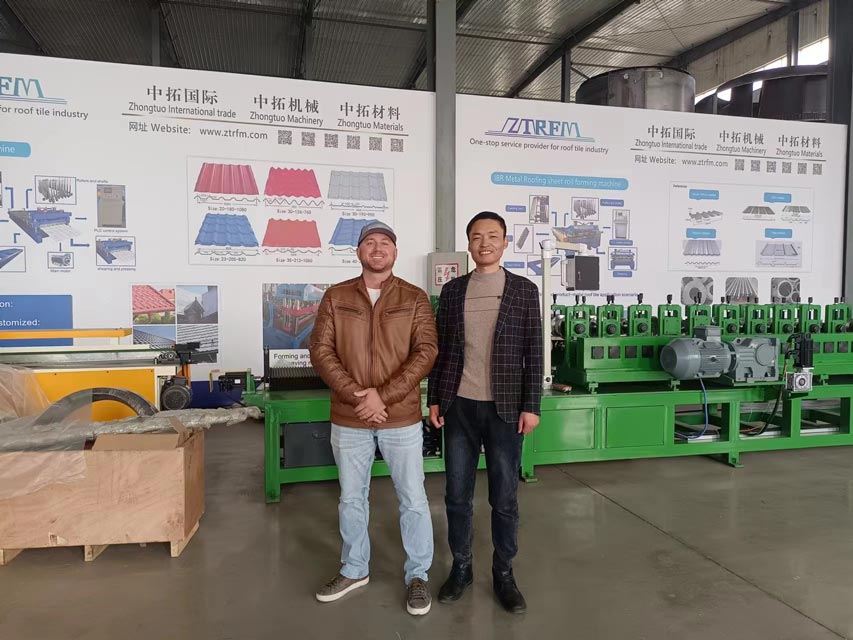
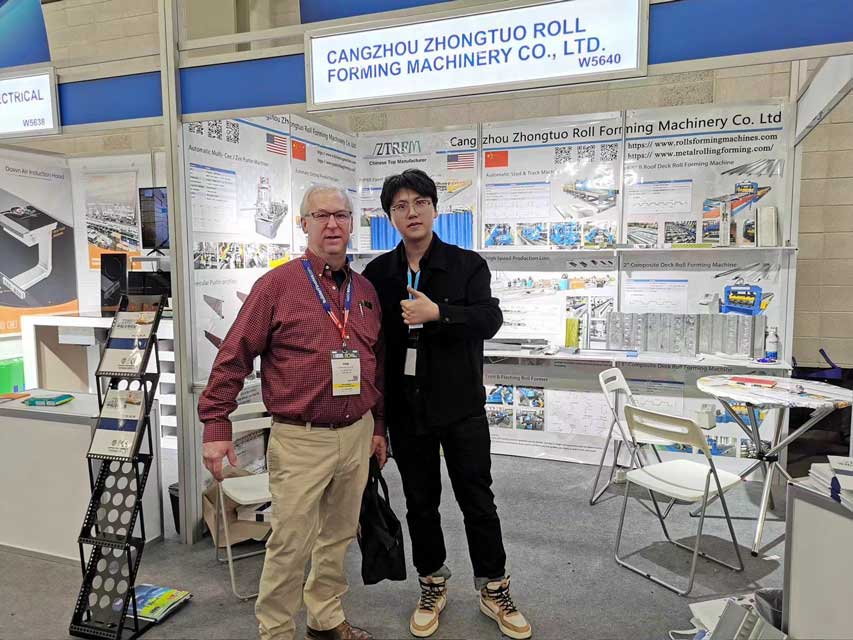
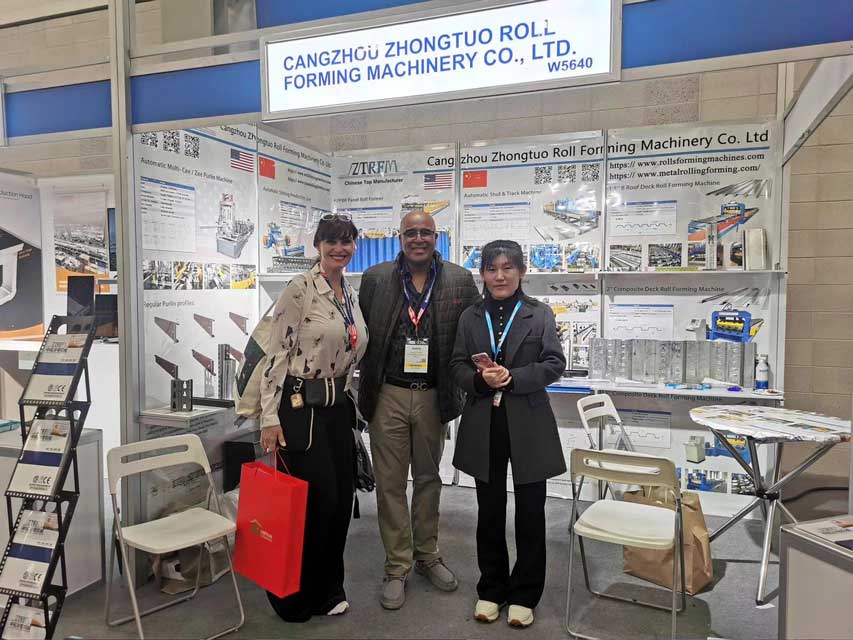
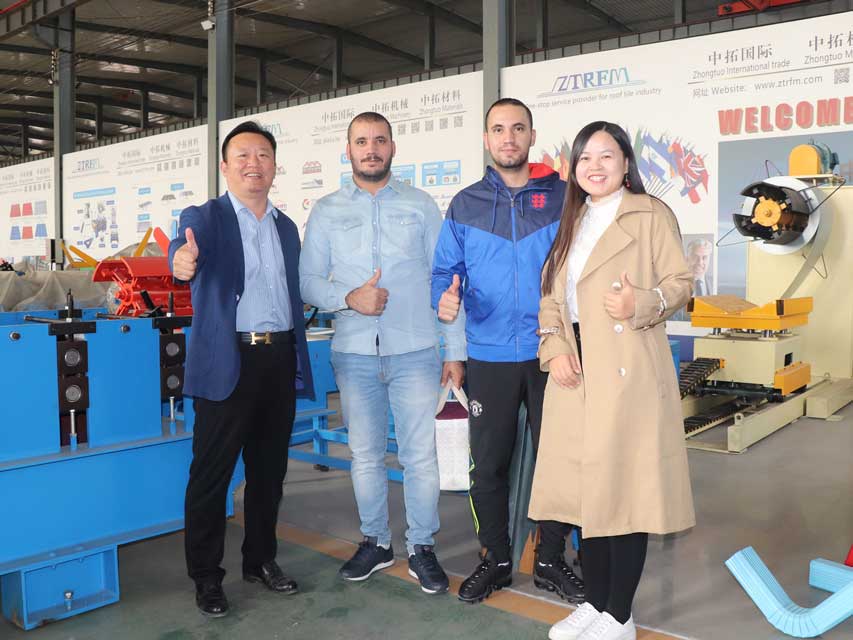
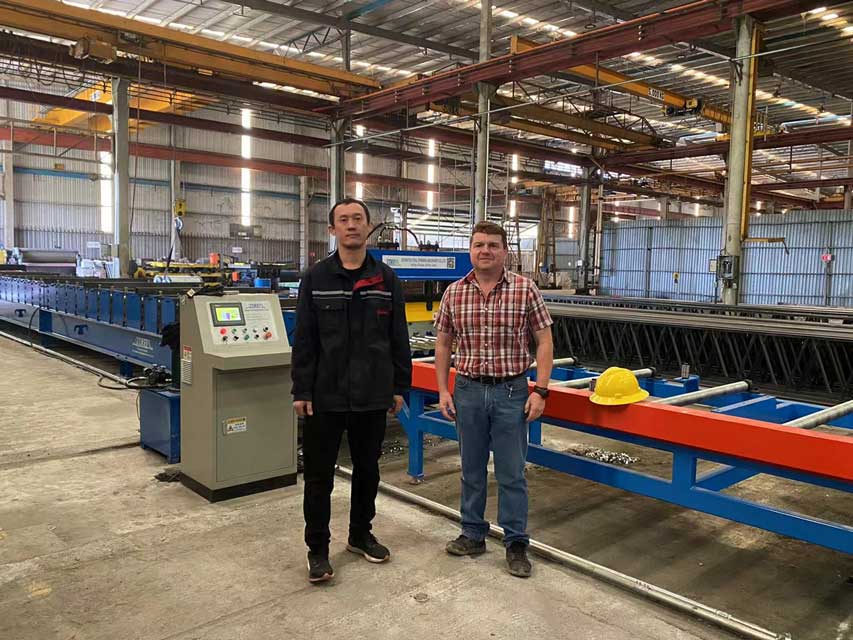
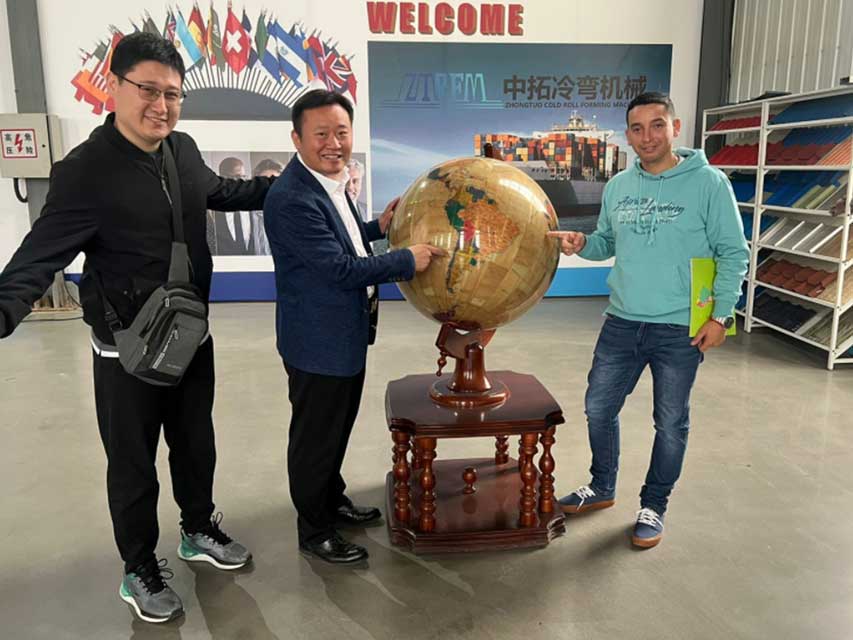
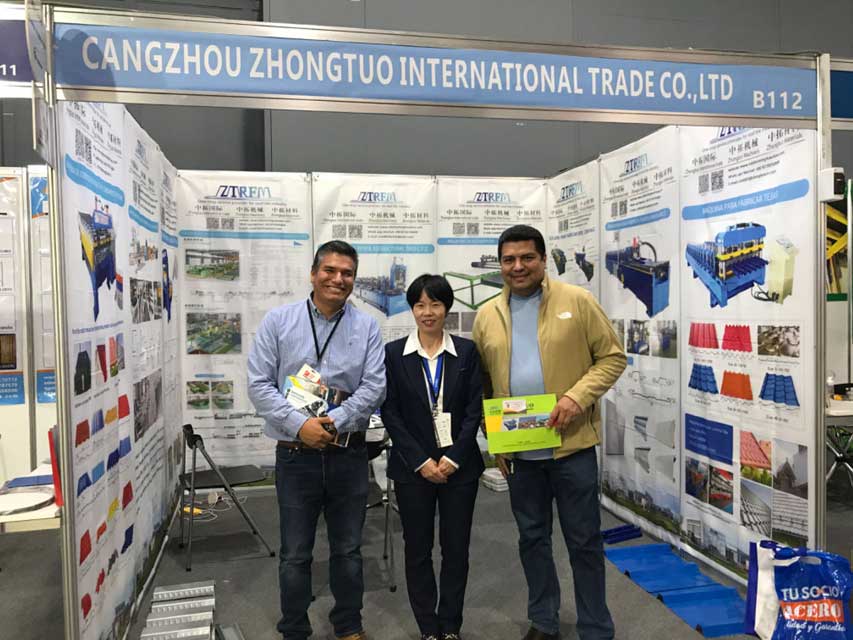
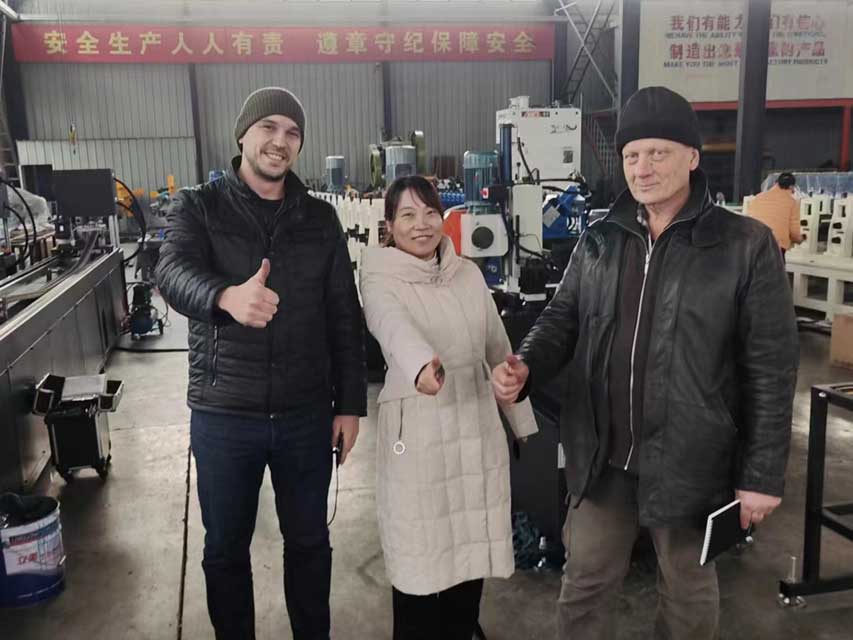
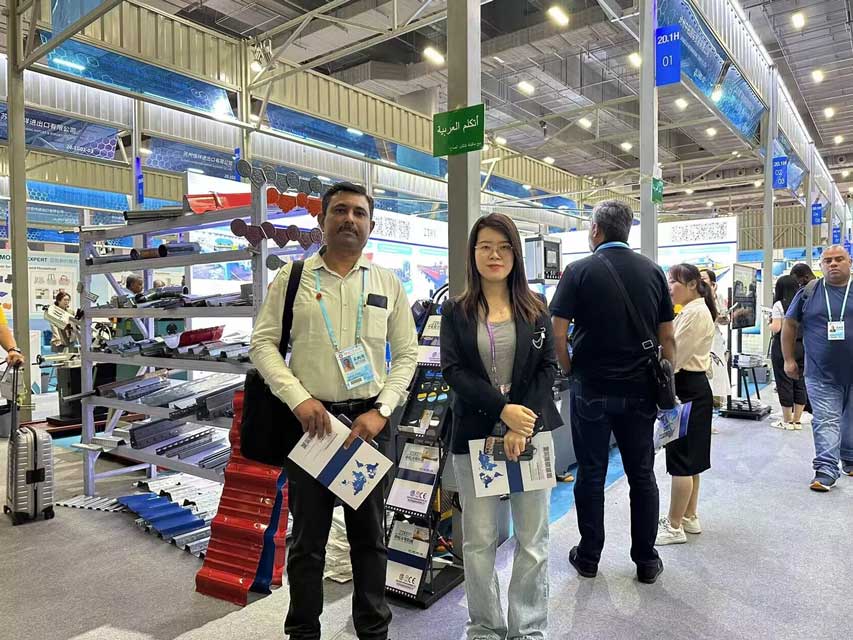
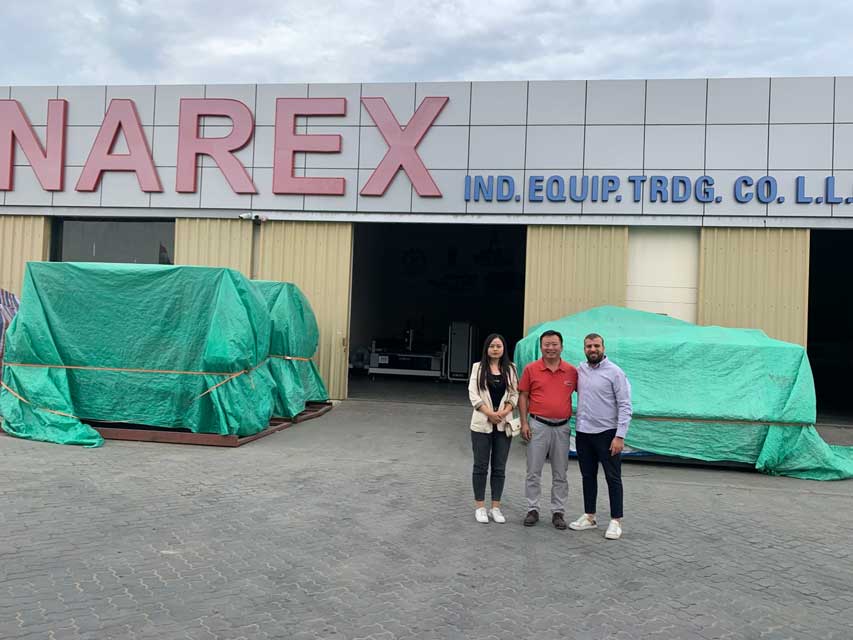
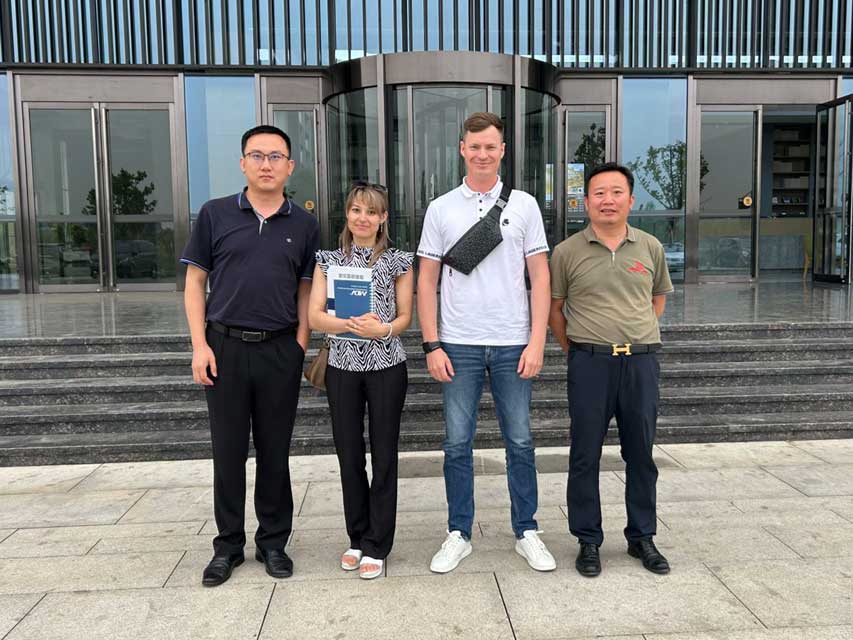
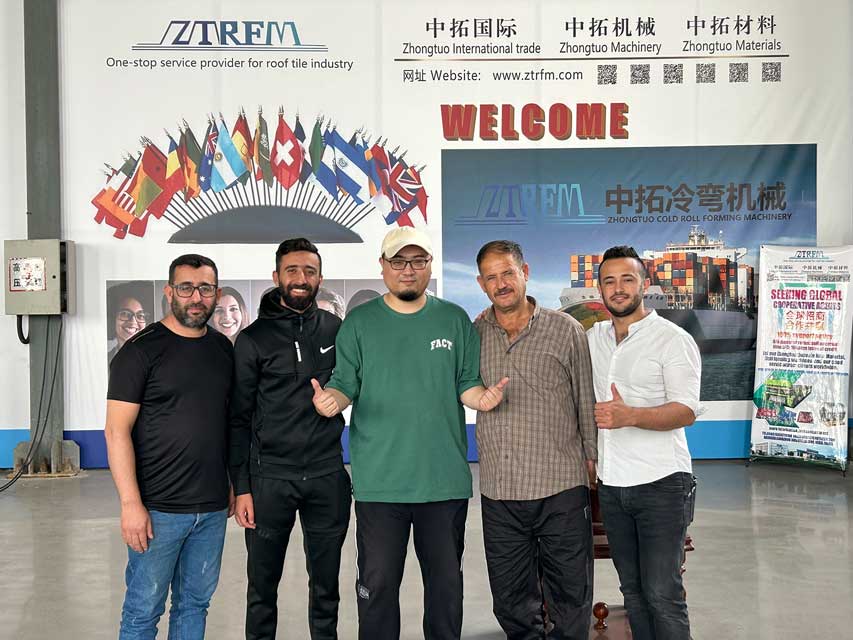
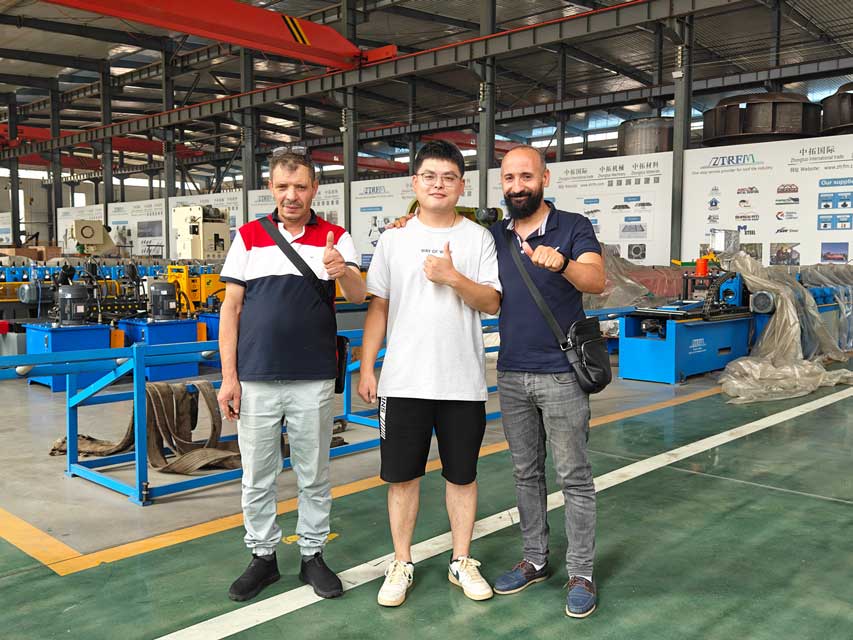
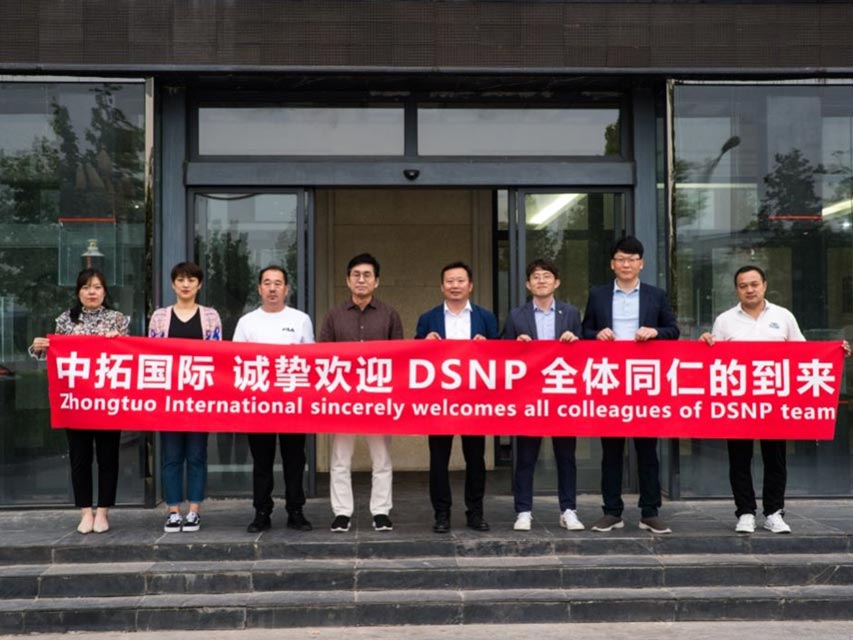
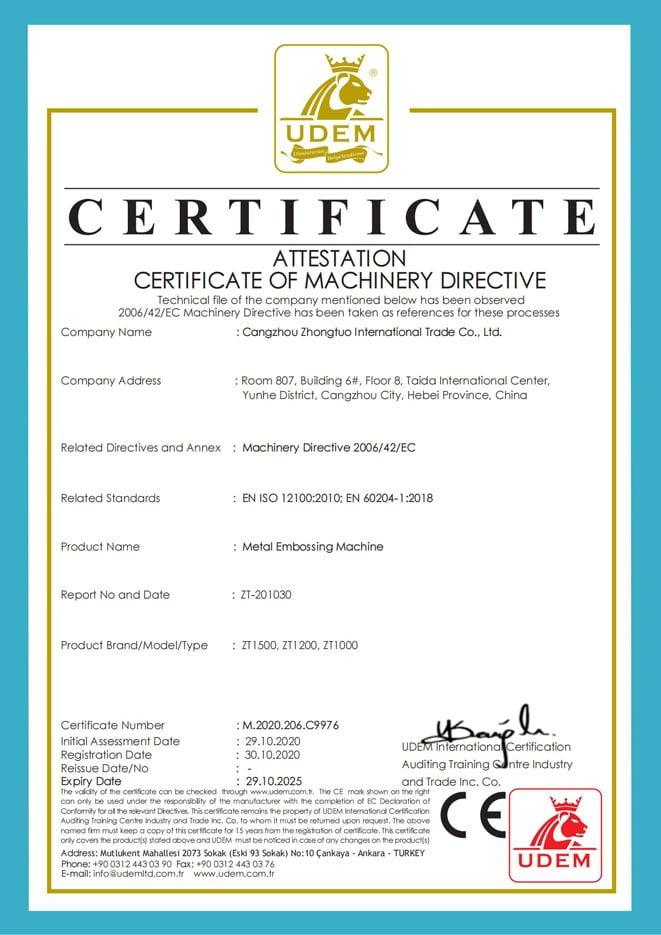
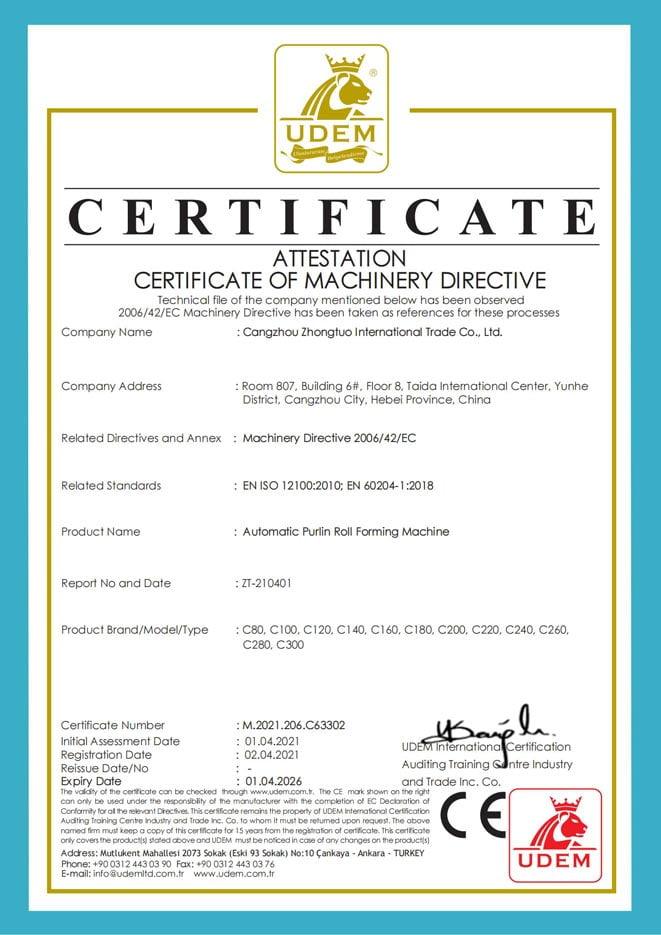
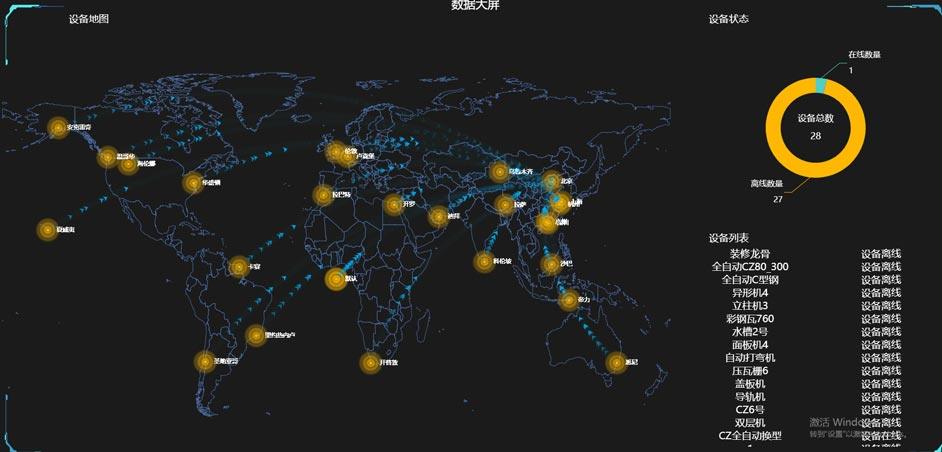
Nous sommes une entreprise nationale de haute technologie. Nous avons obtenu la certification du système de qualité ISO9001, la certification de sécurité européenne CE, la certification nord-américaine CAS, etc. Nous avons une grande expérience du commerce d'exportation et comprenons les besoins des clients de différents pays. Par ailleurs, nous pouvons fournir à nos clients des solutions de conception satisfaisantes. Nos machines ont été exportées dans plus de 150 pays, et nous avons établi des relations de coopération stables et à long terme avec nos clients, qui nous ont fait des éloges.
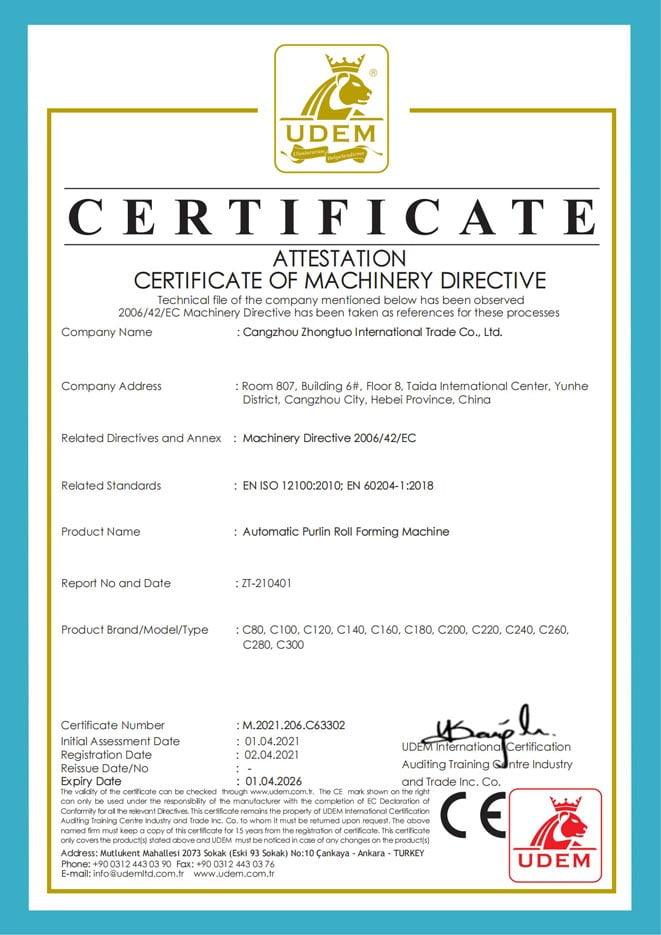
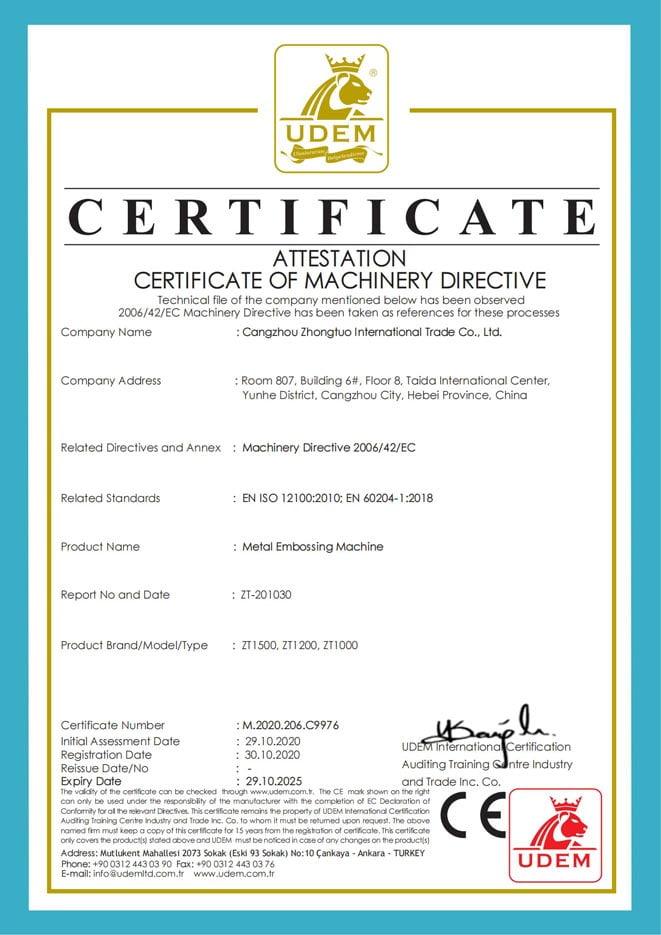
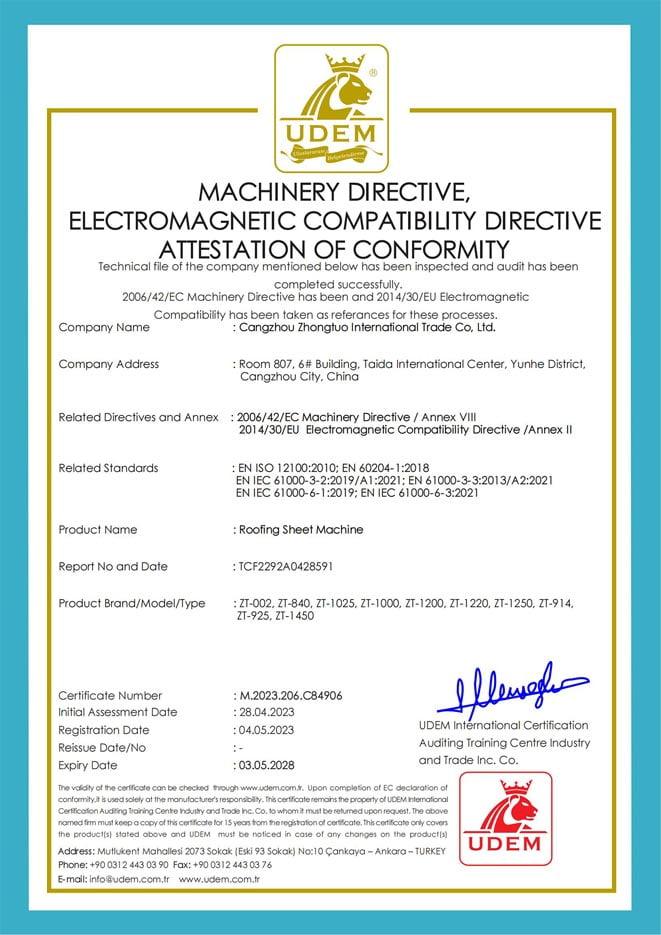
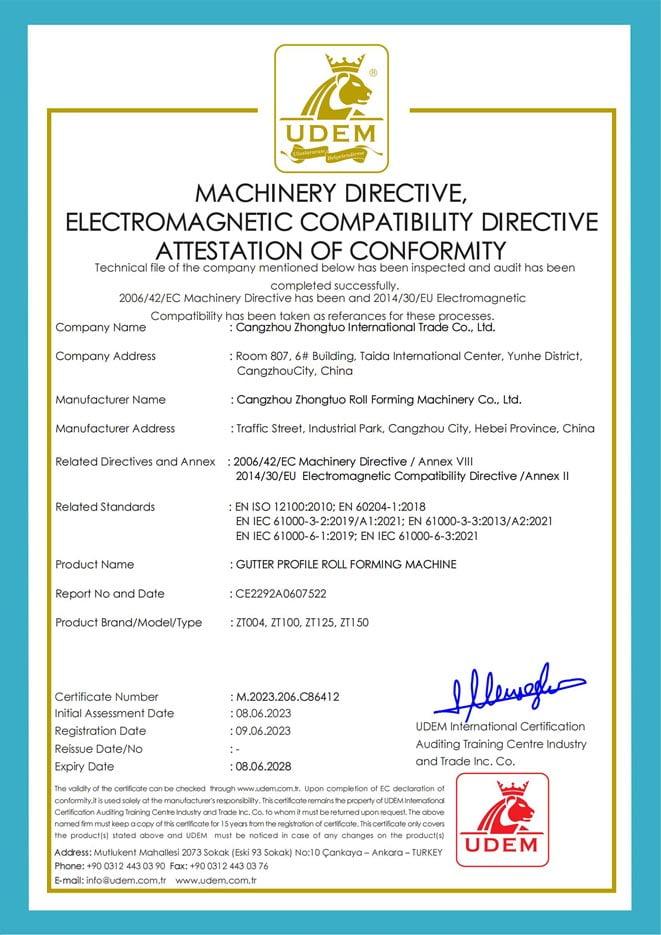
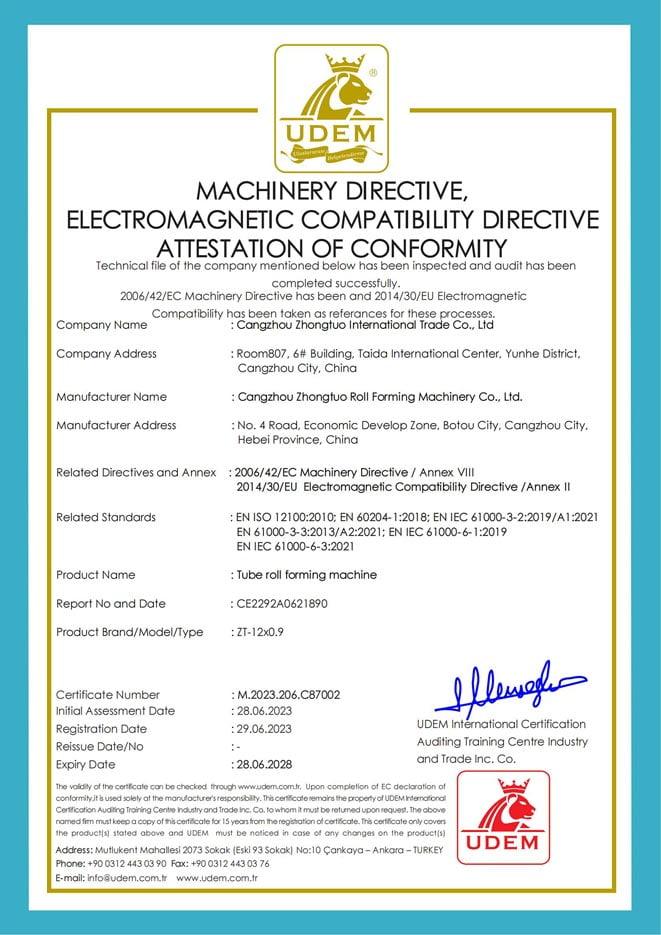
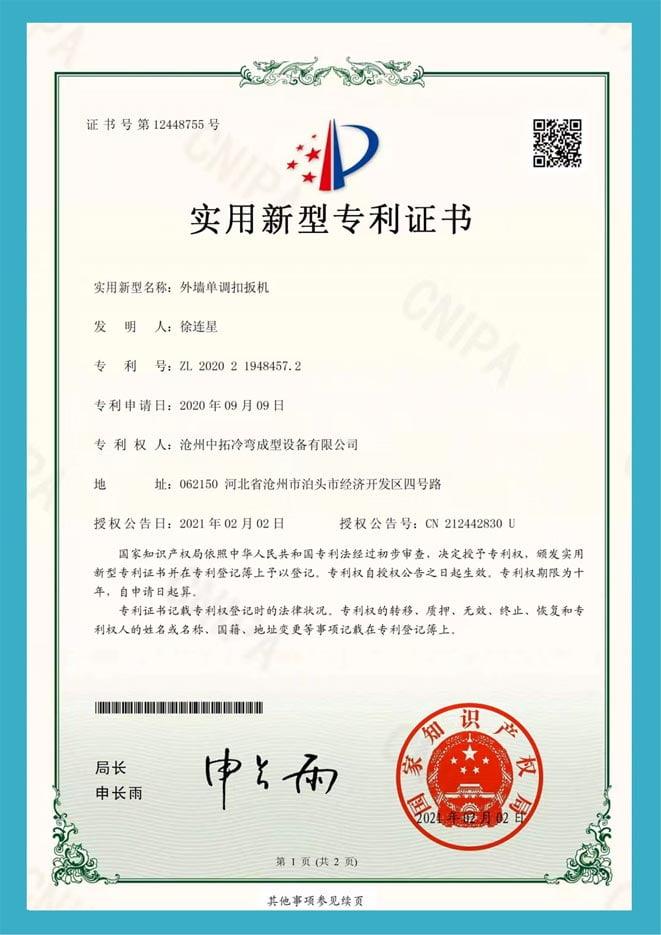
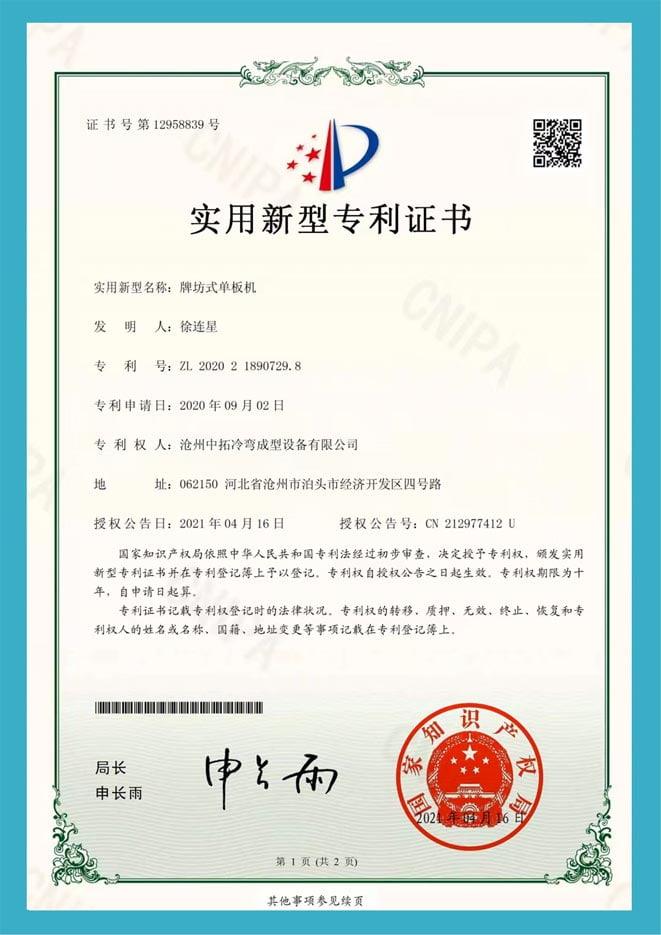
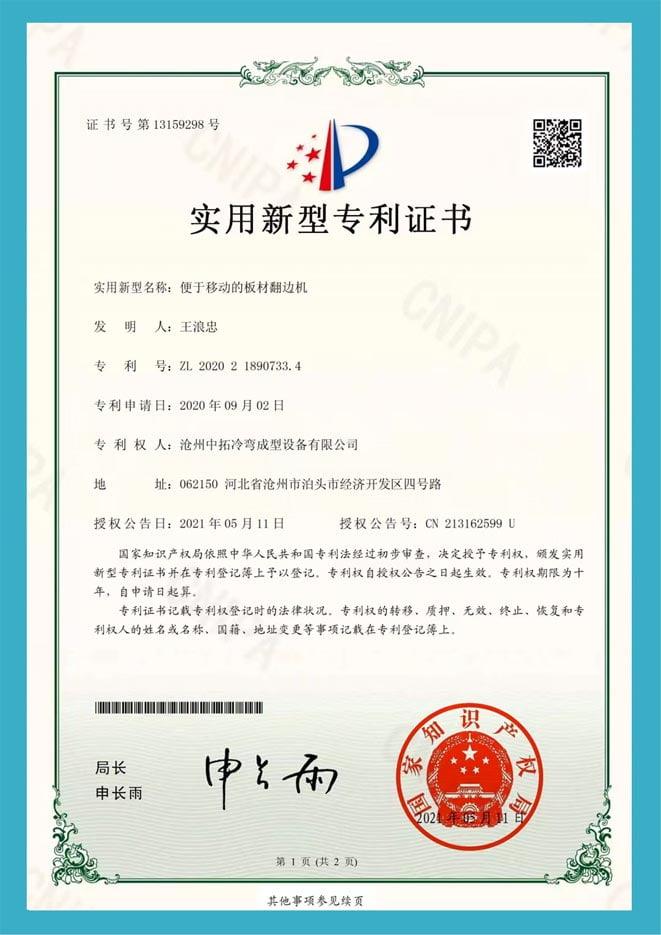
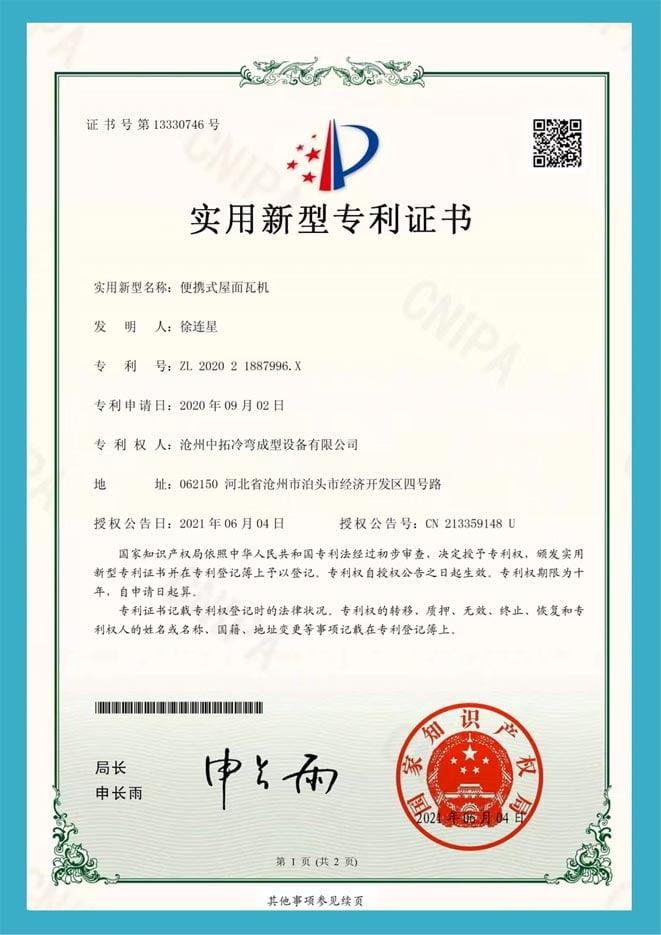
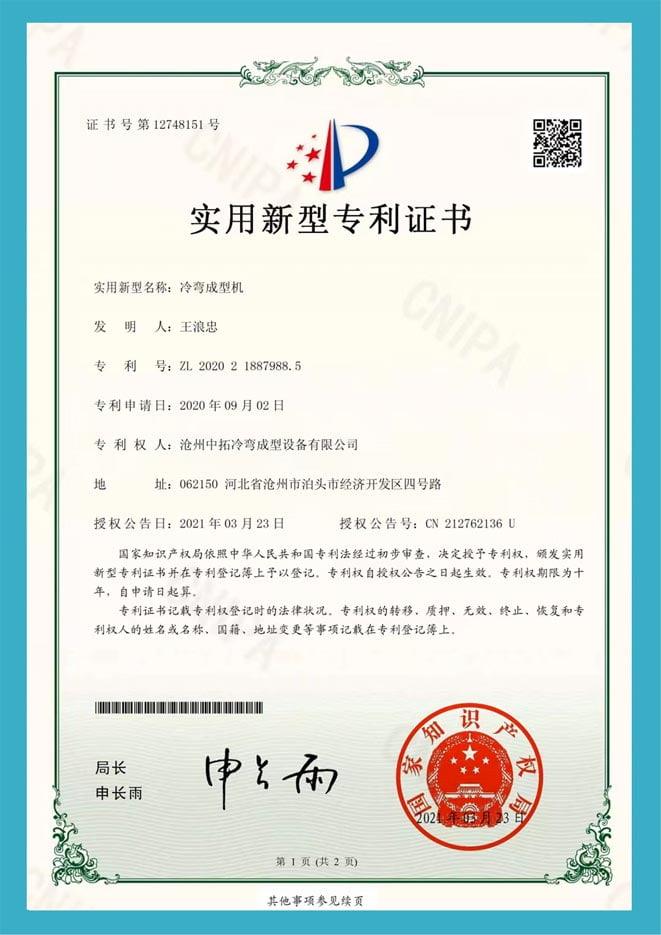

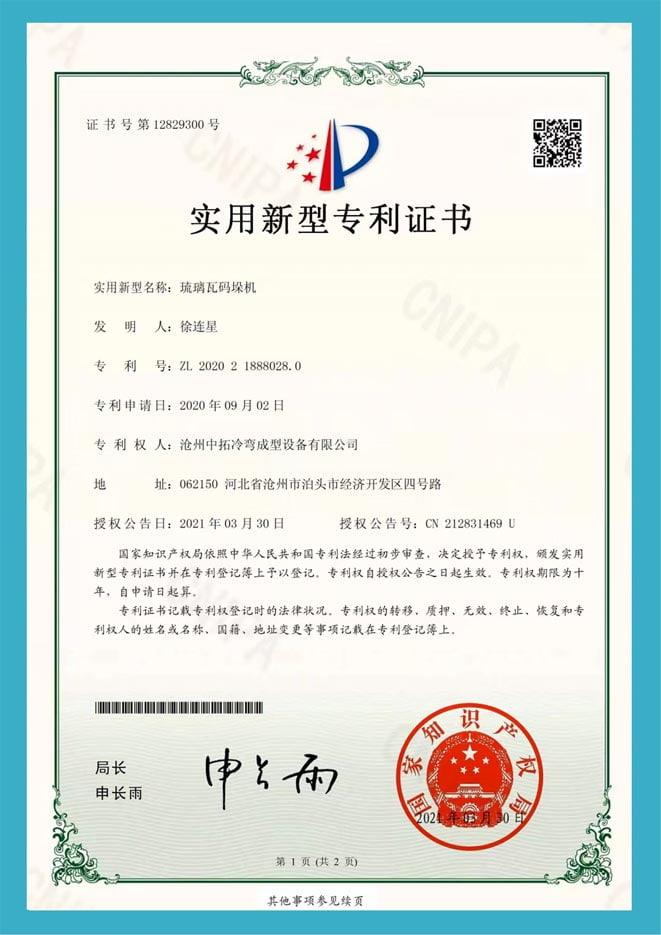
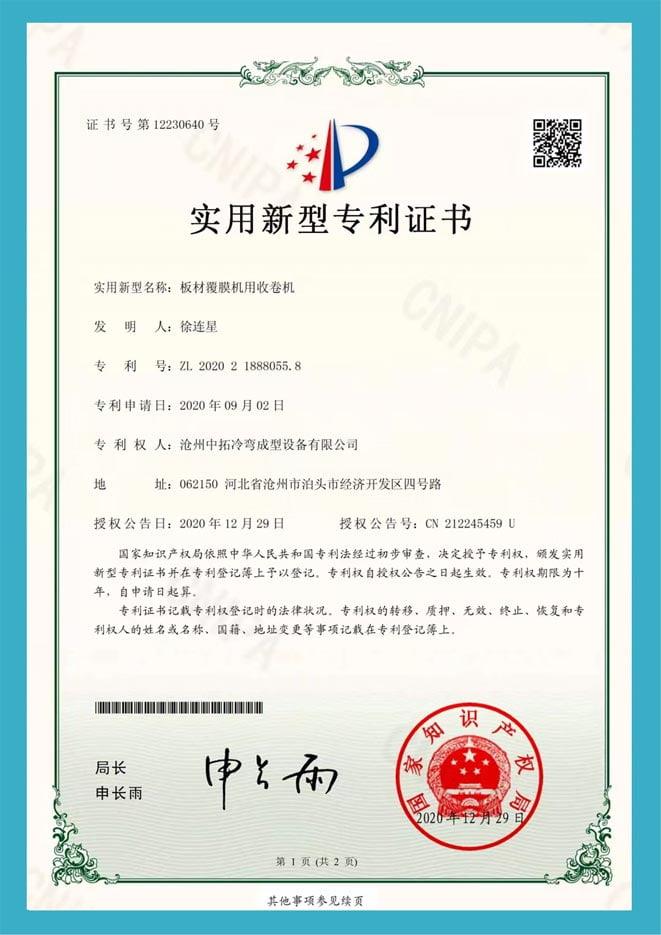

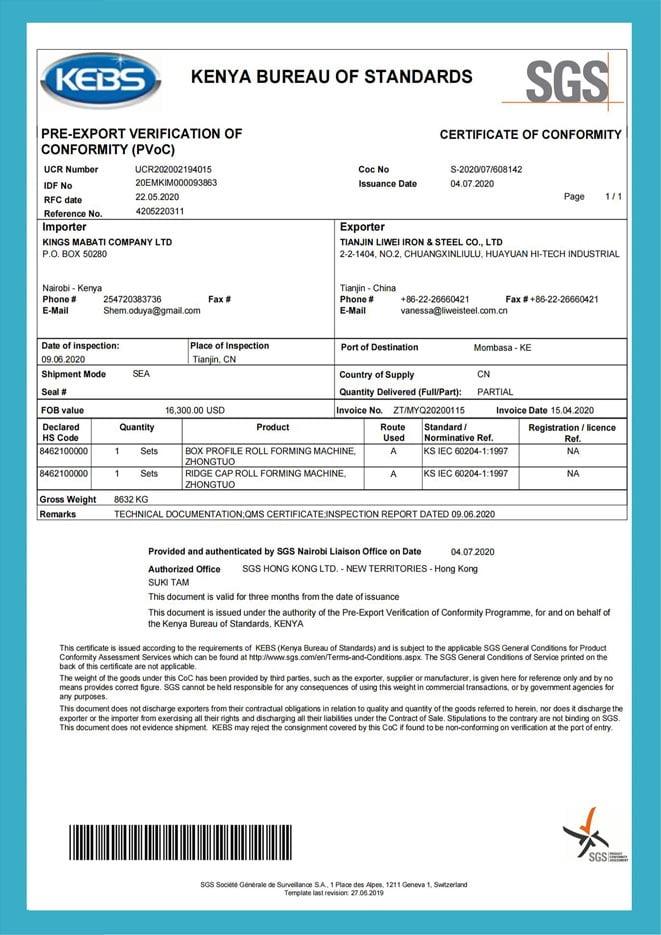
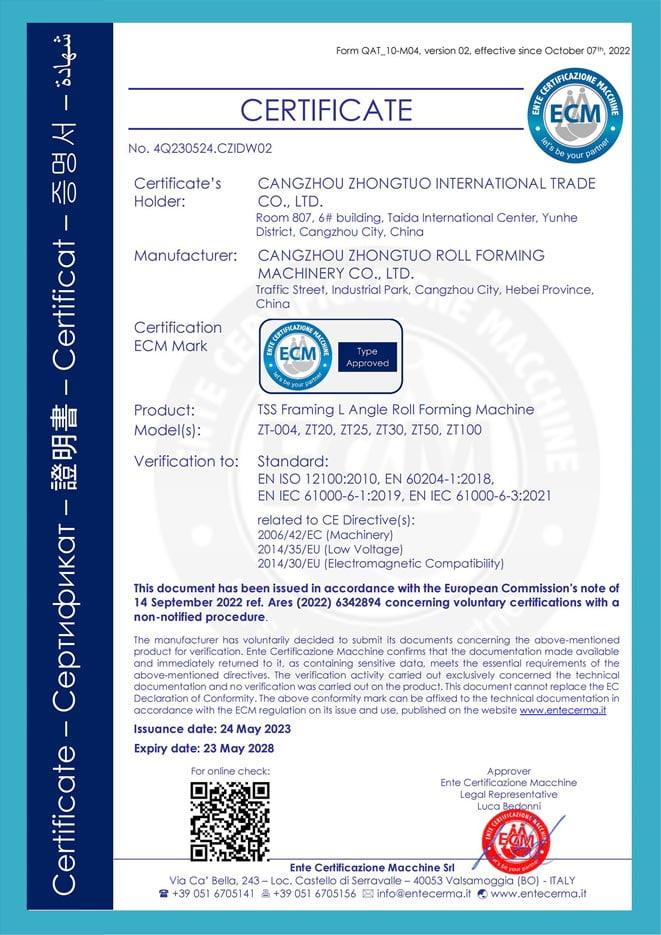
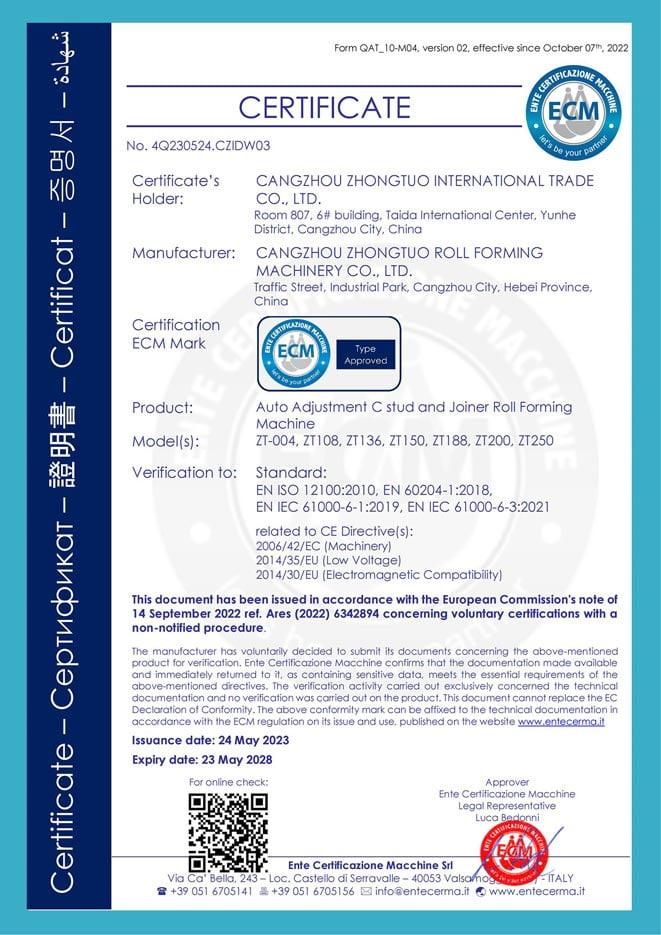
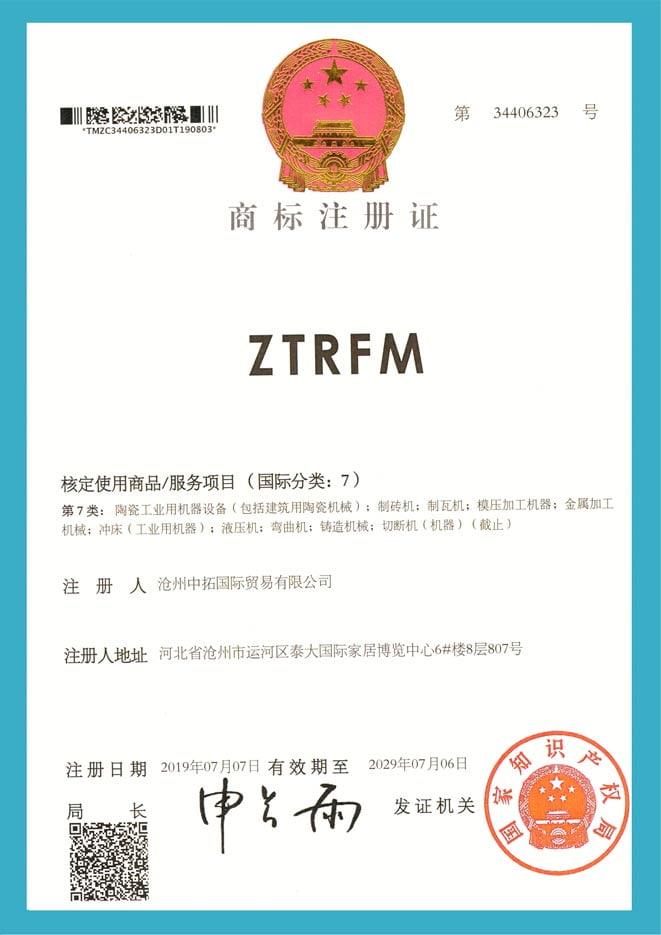
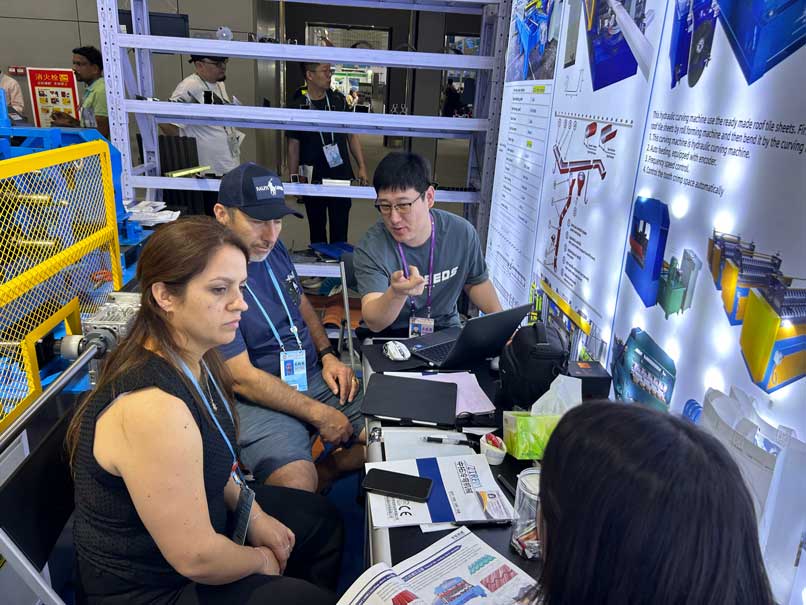
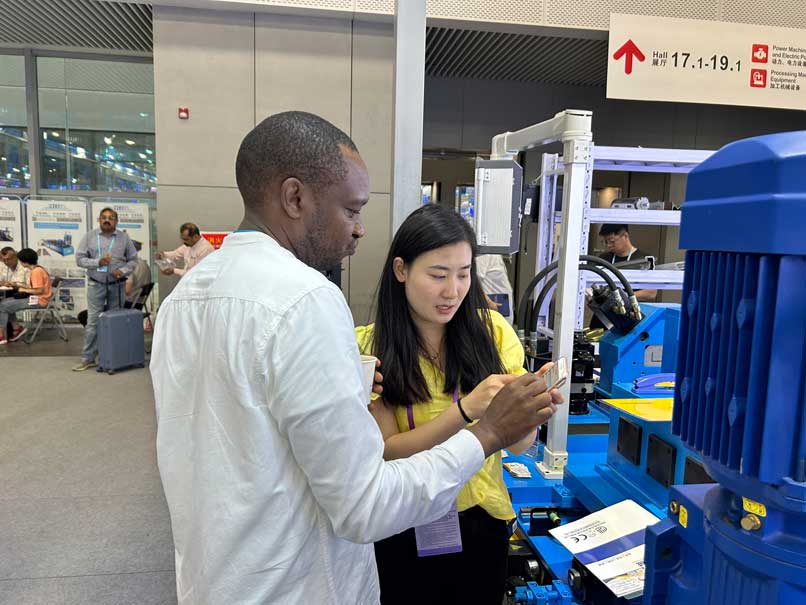
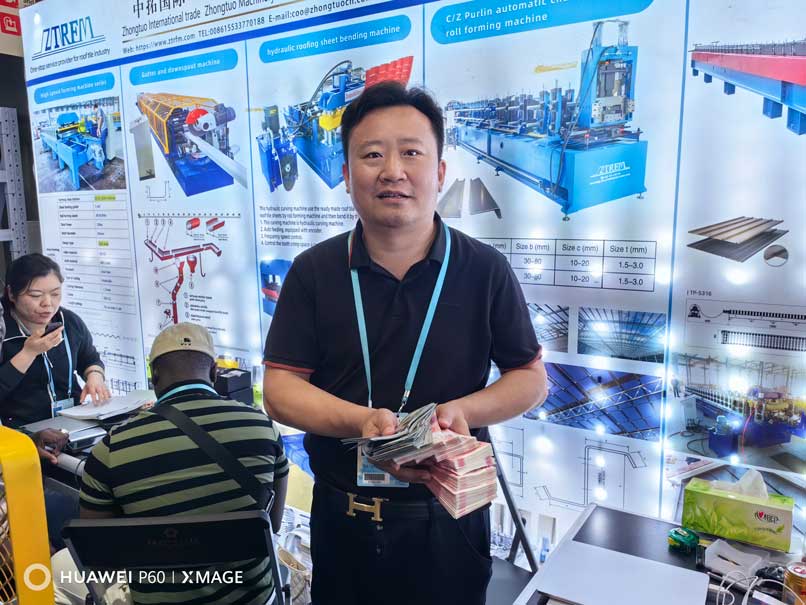
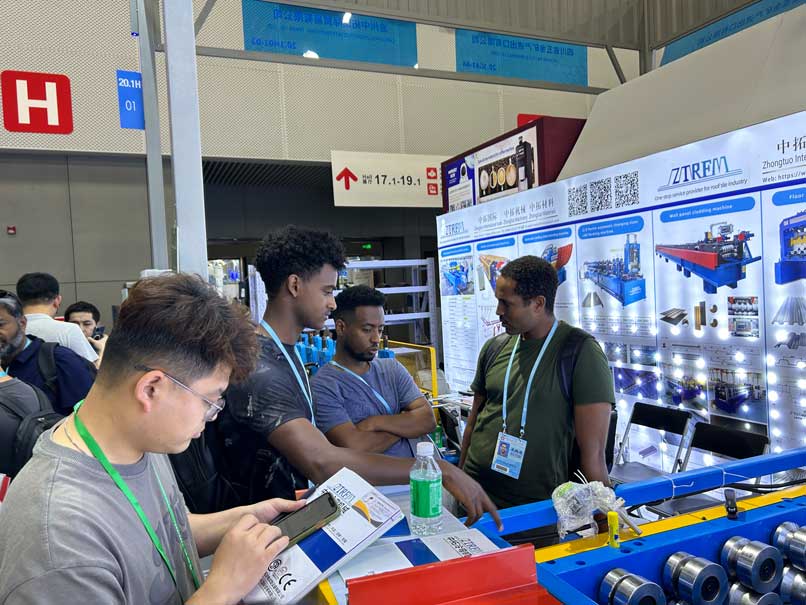
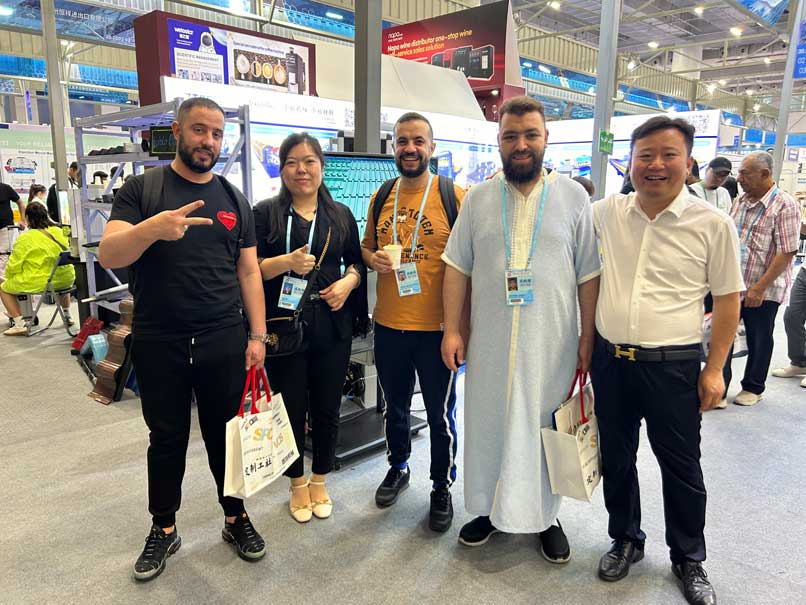
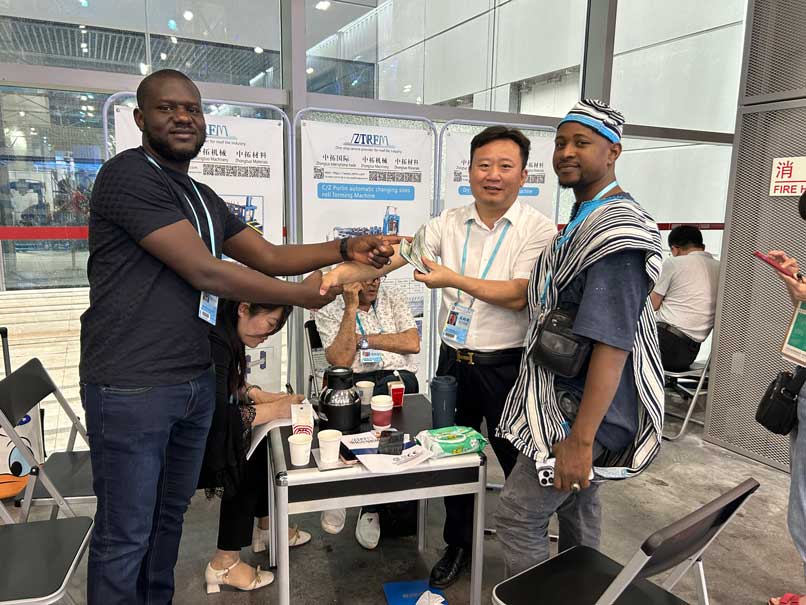
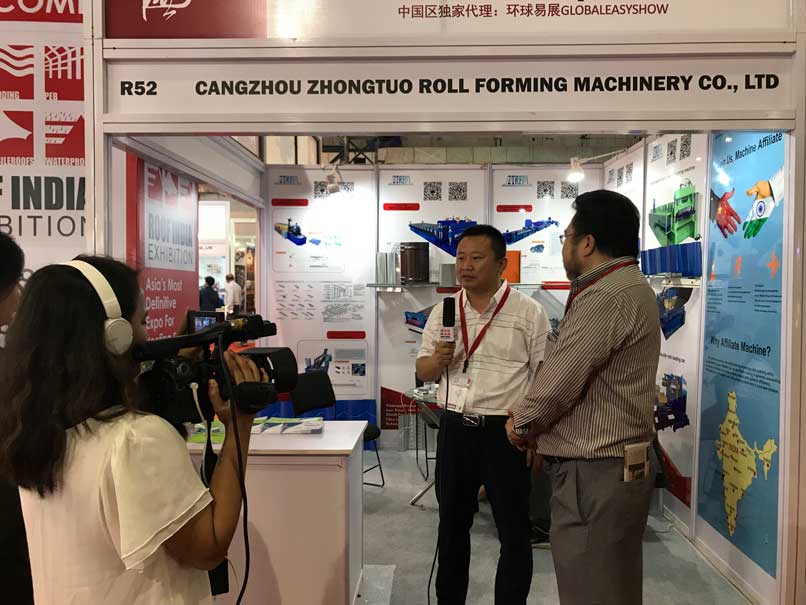
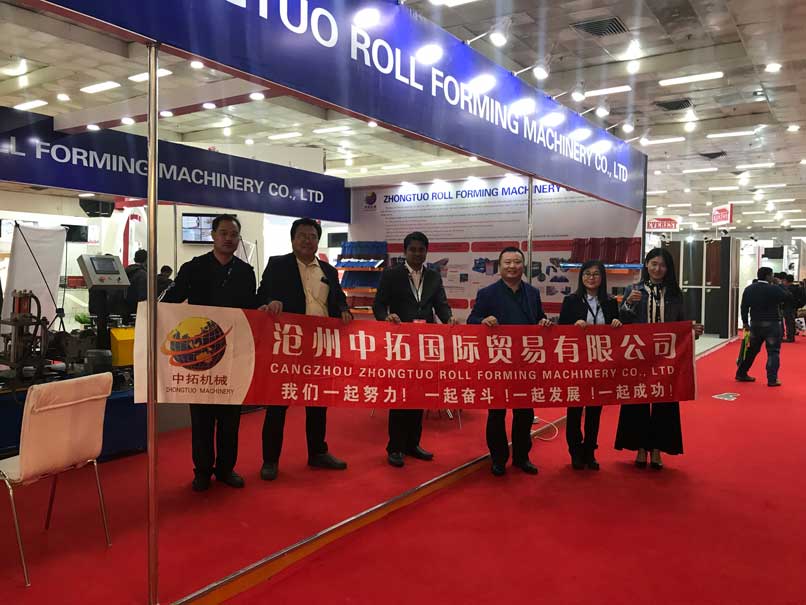
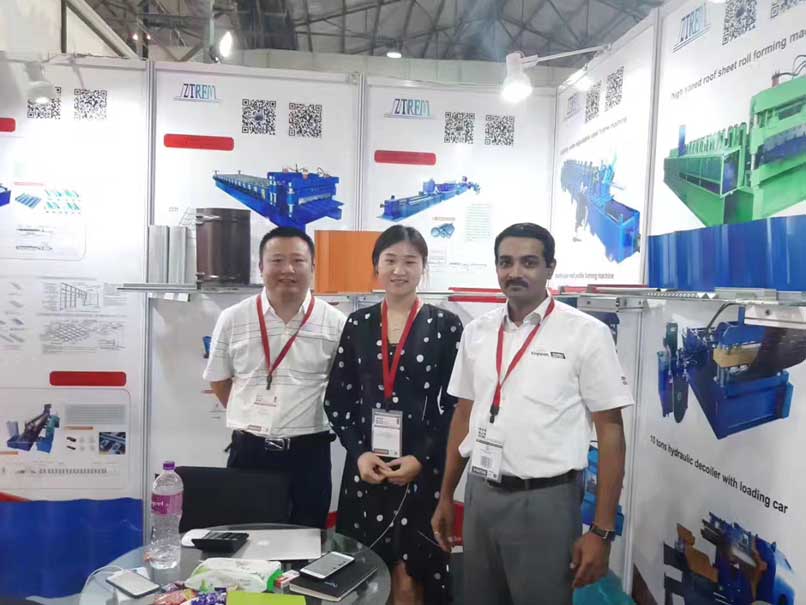
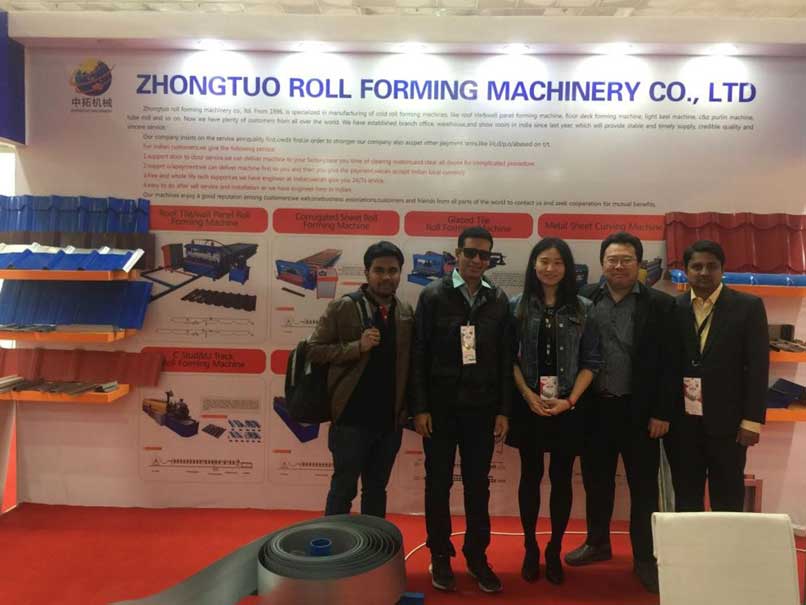
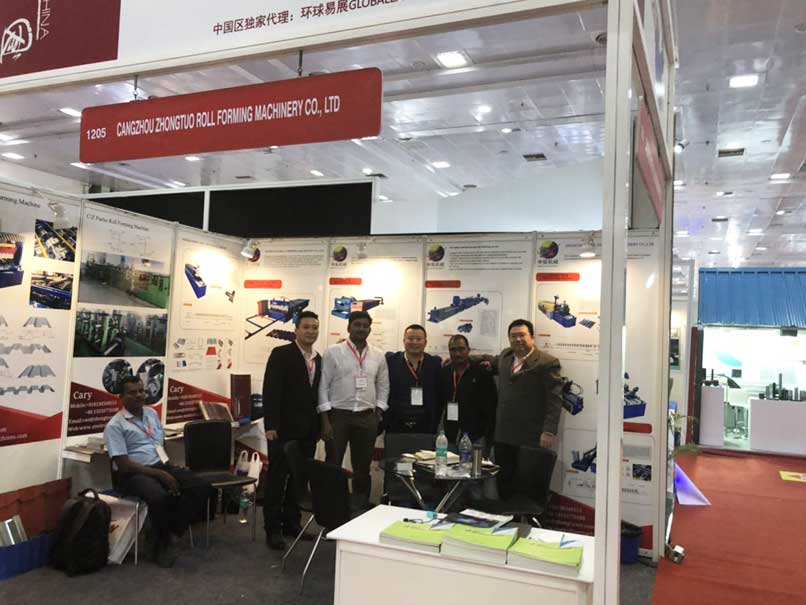
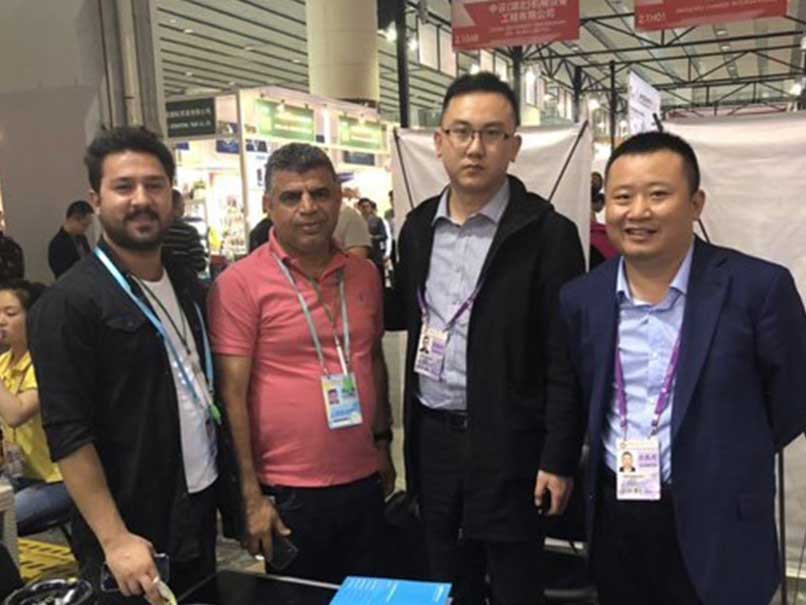
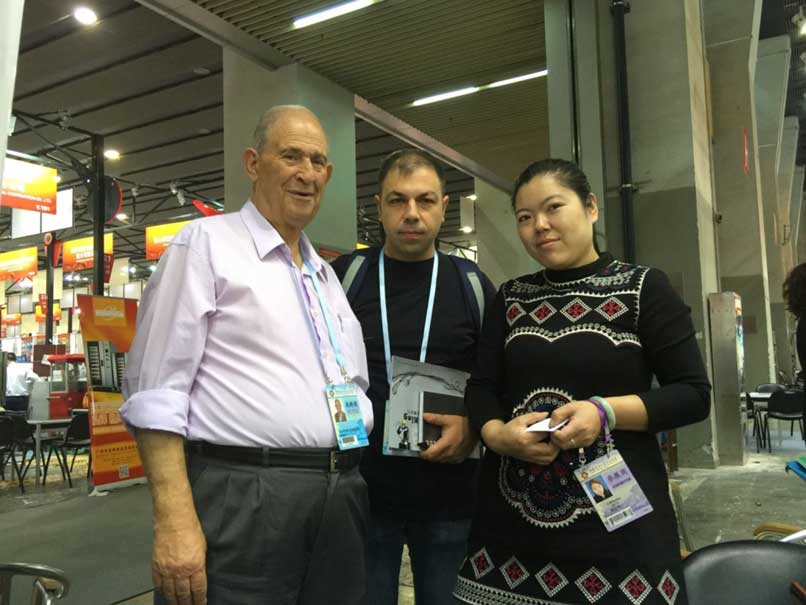
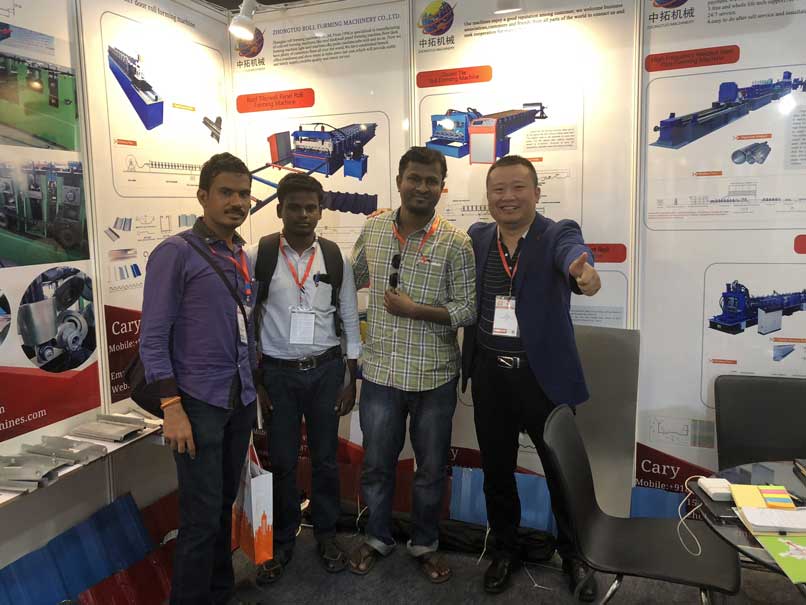
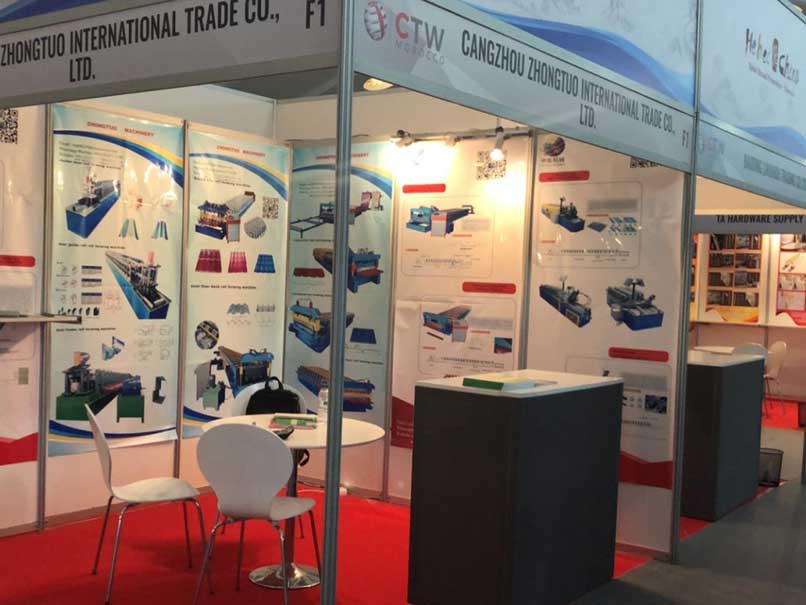
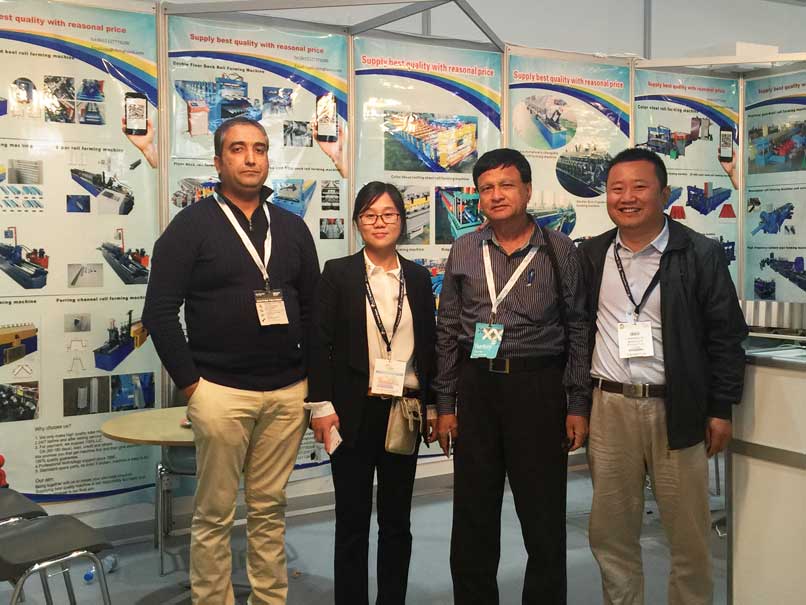
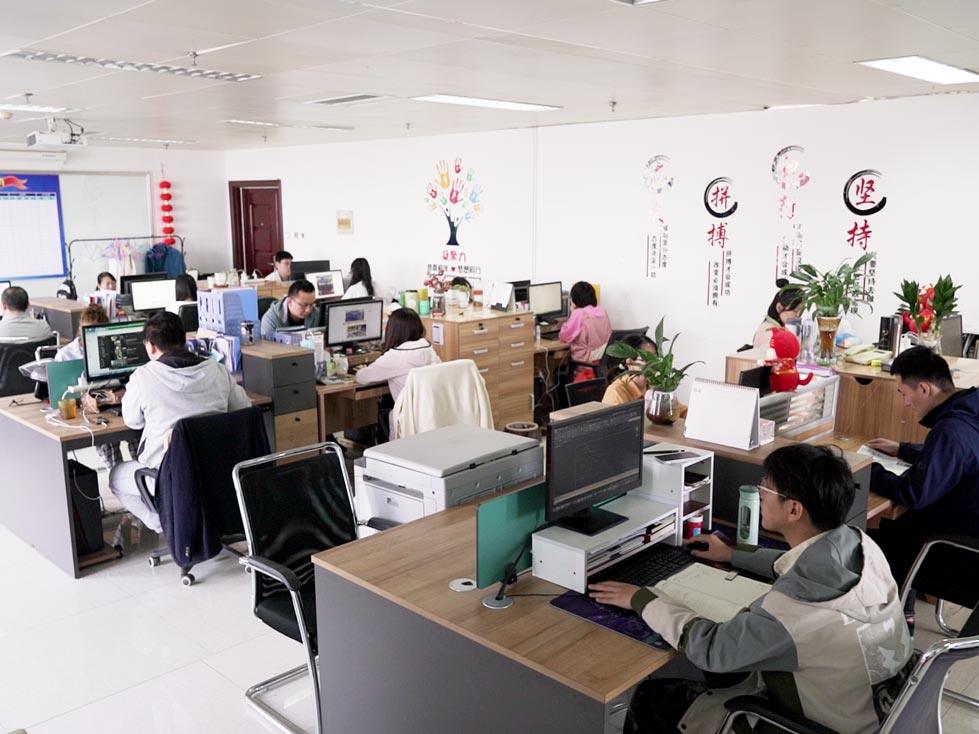
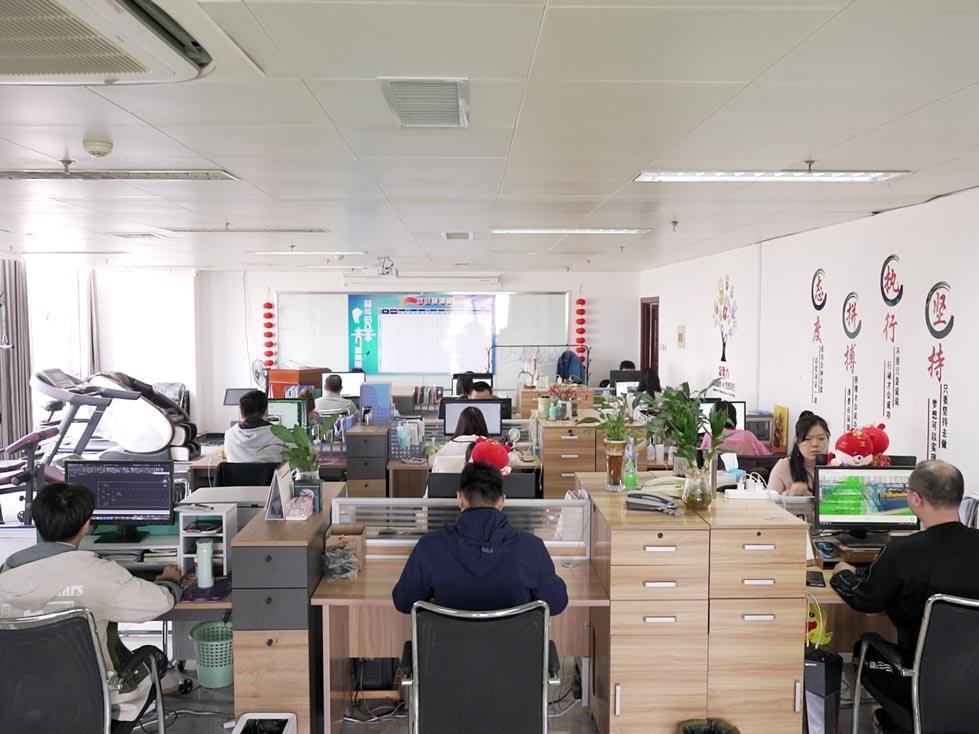
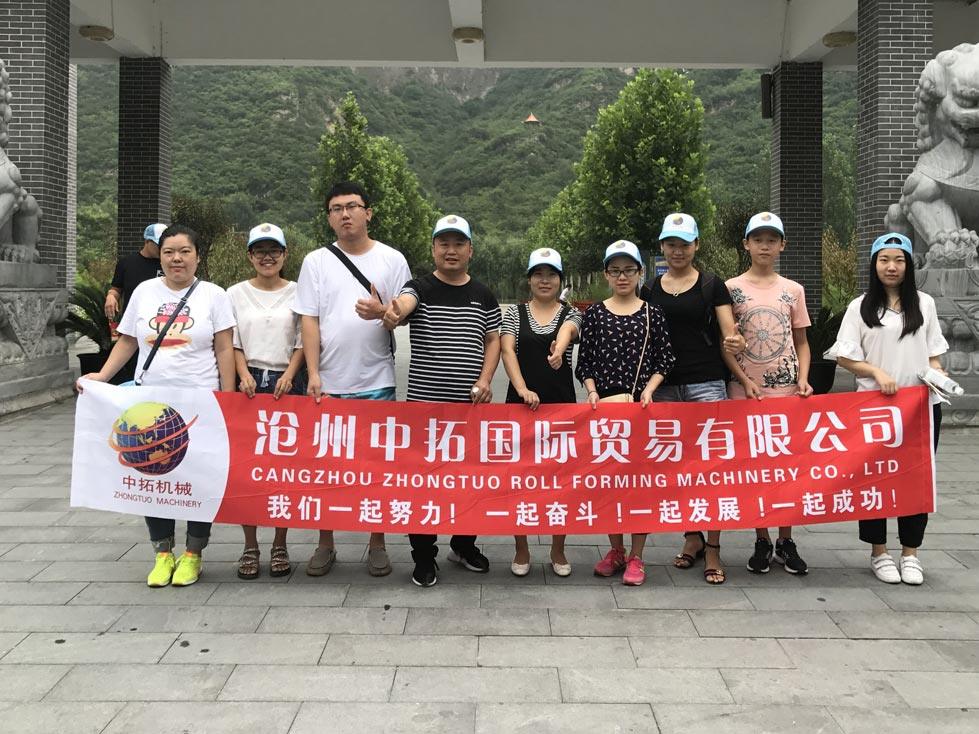
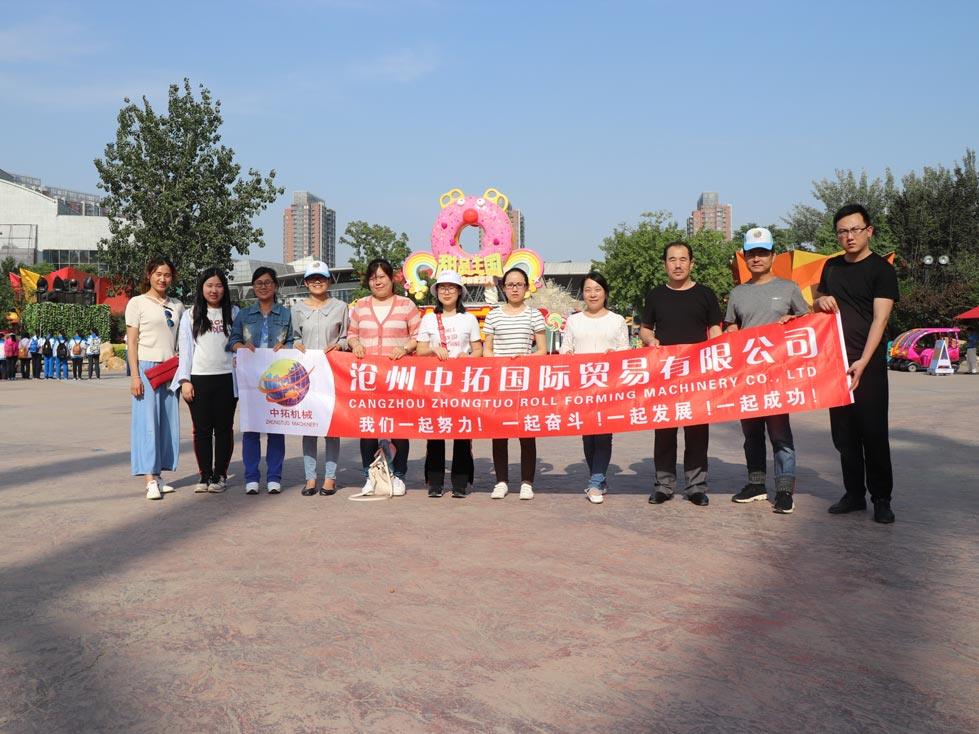
Visitez Zhongtuo grâce au système VR 360°, Cangzhou Zhongtuo a été créé en 2014 et se consacre à la conception et à la fabrication de différents types de machines de formage par laminage à froid. Nous fournissons des services ODM, OEM et des services à guichet unique. Les matières premières, les machines et les accessoires peuvent être achetés chez nous.
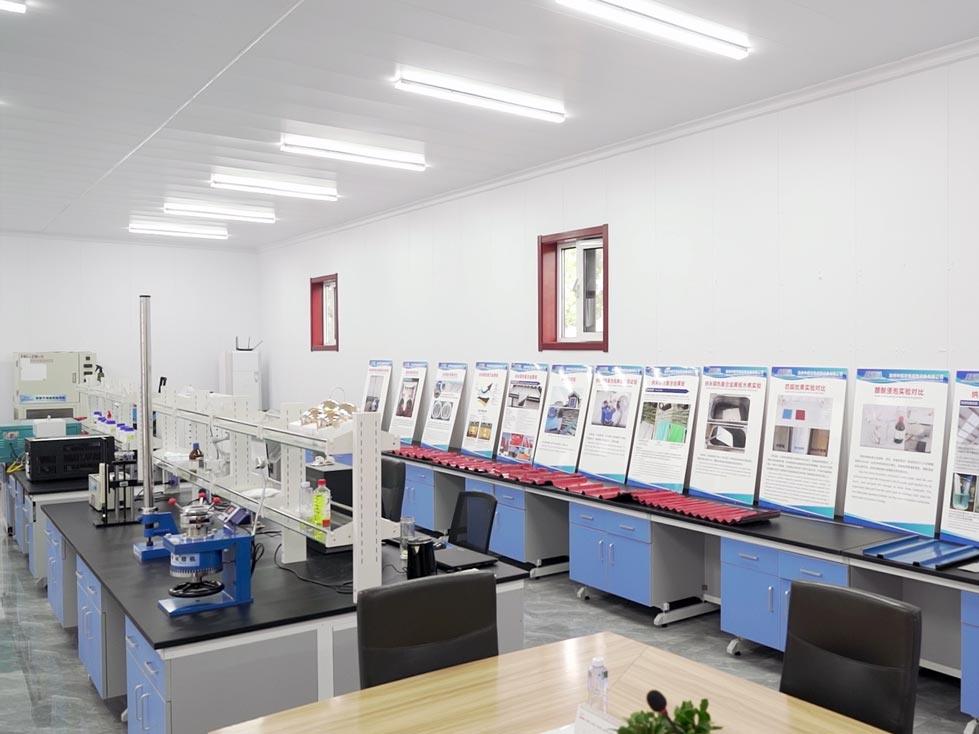
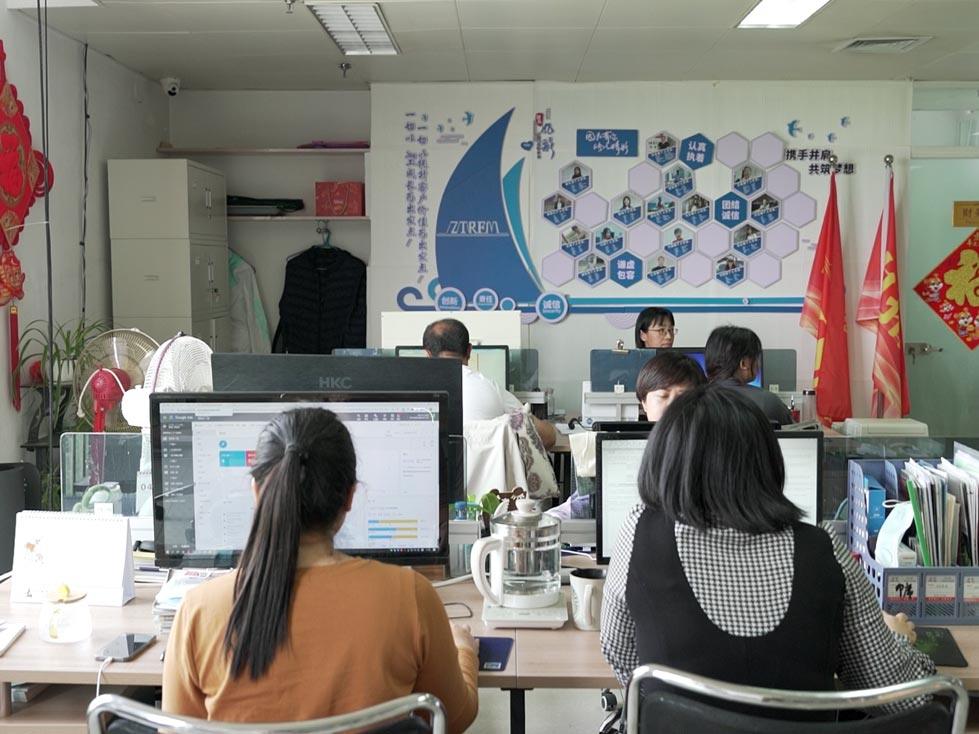
OEM/ODM et service de personnalisation à guichet unique
Service après-vente complet
Fournir OEM、ODM
1.communication:confirmer les besoins de l'acheteur.
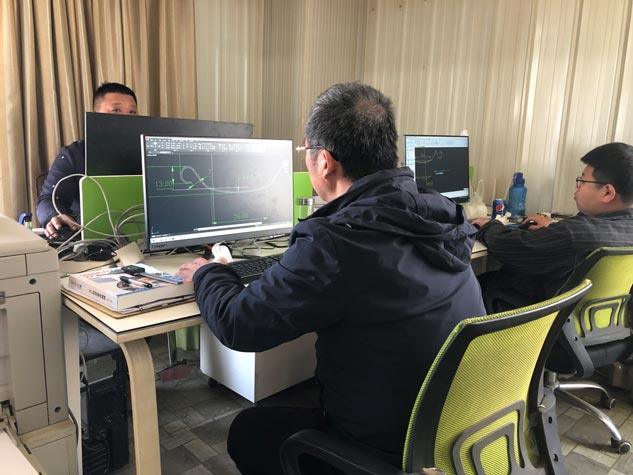
2.Conception technique : réalisation de dessins de profils et de machines en 3D
3.déterminer la configuration et la production
4.essais avant livraison
2.Conception technique : réalisation de dessins de profils et de machines en 3D
3.déterminer la configuration et la production
4.essais avant livraison
5.emballage et livraison
6.Conseils techniques
7.Service après-vente : services d'installation pour les machines complexes et visites régulières des clients
6.Conseils techniques
7.Service après-vente : services d'installation pour les machines complexes et visites régulières des clients
Plus de 95800 entreprises lui font confiance
Nous avons l'honneur de coopérer étroitement avec de nombreux pays.
des entreprises de haute qualité. En coopérant avec nous, elles ont reçu
Le groupe a bénéficié d'un soutien solide et a réalisé des percées et des développements commerciaux.
des entreprises de haute qualité. En coopérant avec nous, elles ont reçu
Le groupe a bénéficié d'un soutien solide et a réalisé des percées et des développements commerciaux.
0
Approuvé ISO9001 et CE
Nous possédons notre propre marque ztrfm, une équipe de conception professionnelle et des techniciens.
0
Pays Clients
Produits populaires auprès des utilisateurs et très appréciés.
0
Solutions à guichet unique
des accessoires aux machines de moulage, en résolvant la complexité de votre approvisionnement.
0
Équipe d'ingénieurs
Nous disposons d'une solide équipe d'ingénieurs composée de plus de 20 personnes, ce qui nous permet de fournir des solutions plus précises et plus rapides.