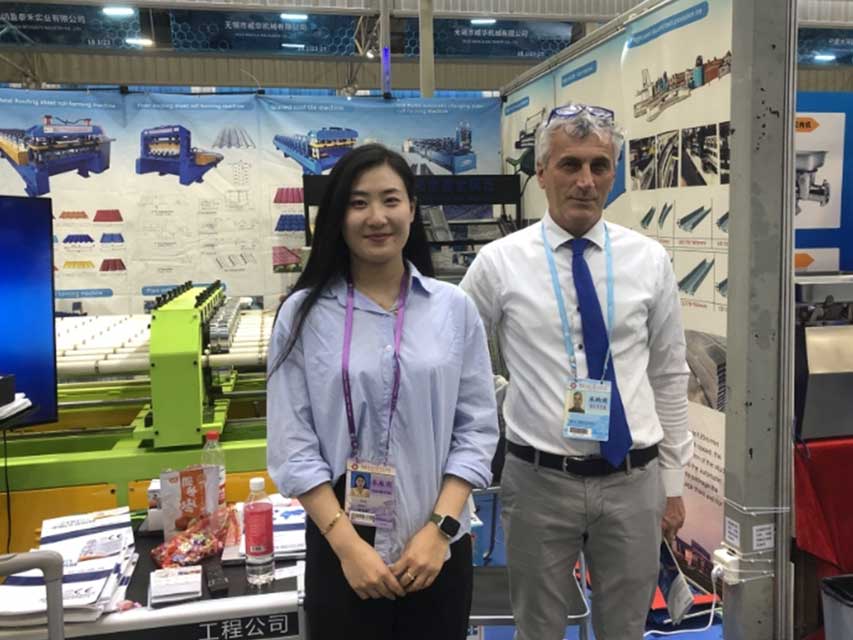
24年以上の経験と知識 国際規格、
技術的変化と産業システム、私たちの使命
セッズは、お客様にとって最善かつ経済的なソリューションを提供します。
技術的変化と産業システム、私たちの使命
セッズは、お客様にとって最善かつ経済的なソリューションを提供します。
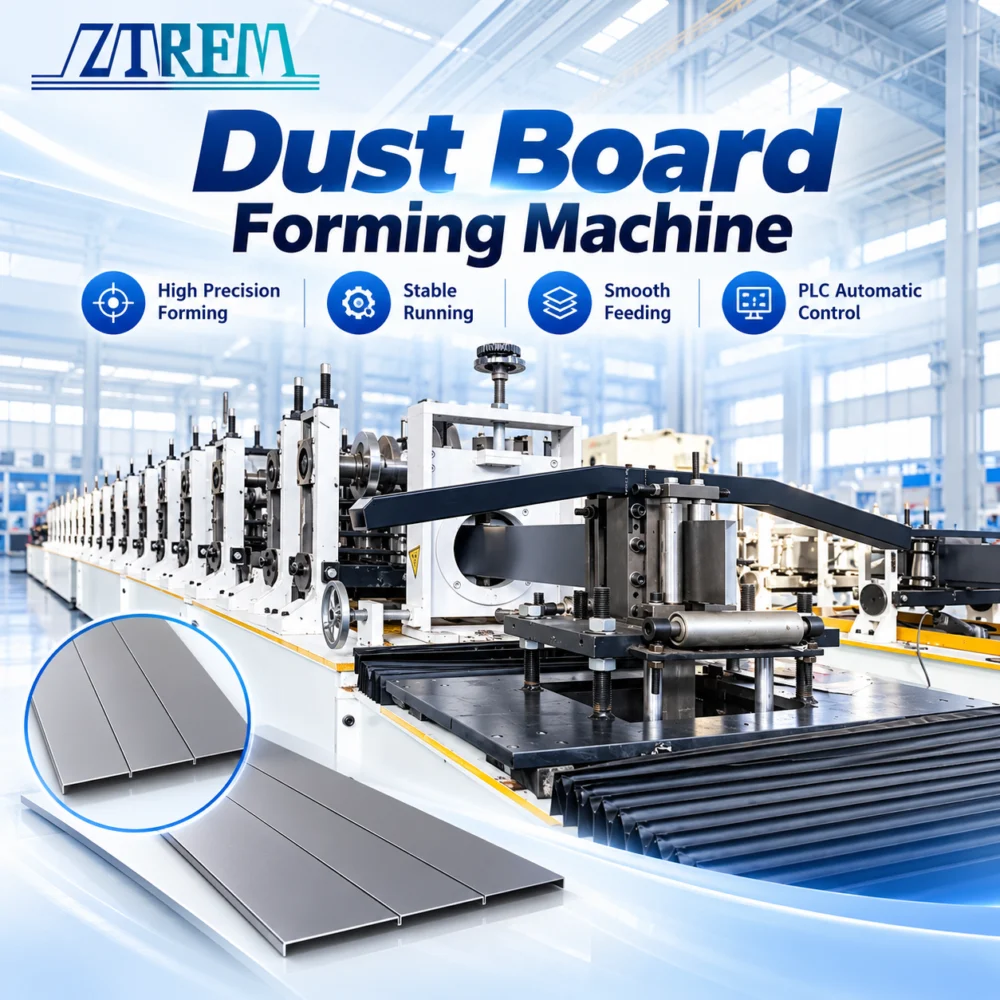
Dust Board Forming Machine:Wind Dust Suppression Panel Roll Forming Machine
機械類 Co.,Ltd を形作る滄州 Zhongtuo ロールは河北中国から来ます。それは設計および製造に専用されている製造業者です。
冷間ロール成形機の異なるタイプ。私達は 2006 年以来の機械を形作るロールの設計そして製造で従事している長い歴史の工場です。私達が作り出してもいい機械は下記のものを含んでいます: 機械、機械を作る cz の母屋を作る屋根瓦機械、機械を作る軽い鋼鉄キール、金属浮彫りになる機械、機械を形作るドア システム天井システム高周波管の溶接機、ラインを切り開くこと、長さライン、機械を形作る棚システムを形作る床 Decking 機械、色の石造りのタイルの生産ライン、熱い薄板になるフィルムで形造る機械、等を切ります。
冷間ロール成形機の異なるタイプ。私達は 2006 年以来の機械を形作るロールの設計そして製造で従事している長い歴史の工場です。私達が作り出してもいい機械は下記のものを含んでいます: 機械、機械を作る cz の母屋を作る屋根瓦機械、機械を作る軽い鋼鉄キール、金属浮彫りになる機械、機械を形作るドア システム天井システム高周波管の溶接機、ラインを切り開くこと、長さライン、機械を形作る棚システムを形作る床 Decking 機械、色の石造りのタイルの生産ライン、熱い薄板になるフィルムで形造る機械、等を切ります。
詳細、納期、価格については、メールでお問い合わせください!
Meta description: ZTRFM supplies high-quality dust board forming machines for manufacturing wind dust suppression panels, windbreak walls, and perforated metal fences. PLC-controlled, fully automatic, durable, and factory-priced. Get a quote today.
Dust Board Forming Machine: Complete Guide to Wind Dust Suppression Panel Production
A dust board forming machine, also known as a wind dust suppression panel roll forming machine or windbreak wall roll former, is specialized industrial equipment designed to produce perforated metal panels used in dust control and wind mitigation systems. These panels—commonly called dust suppression boards, wind dust nets, or windbreak fences—are installed at coal storage yards, mining sites, power plants, port terminals, and material handling facilities to reduce wind speed and capture airborne dust particles.
At ZTRFM (Zhongtuo Roll Forming Machinery), we engineer and manufacture dust board forming lines that deliver consistent profile accuracy, high production speed, and long service life. This guide covers everything you need to know about selecting, operating, and maintaining a dust board forming machine for your business.
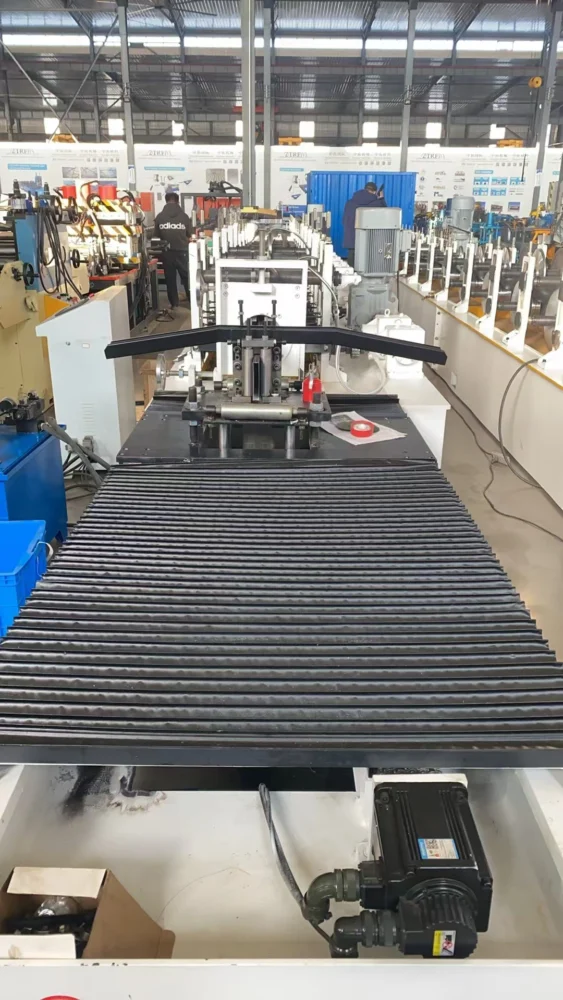
What Is a Dust Board Forming Machine?
A dust board forming machine takes galvanized steel coils, color-coated (PPGI) steel coils, or aluminum coils as raw material and continuously roll-forms them into precision-shaped perforated panels. The finished panels feature a series of curved or angled profiles and perforated holes that disrupt airflow, reduce wind velocity by up to 60–70%, and trap dust particles before they escape into the surrounding environment.
The machine integrates multiple process stations in one continuous line: automatic decoiling, guiding and feeding, roll forming, punching or perforation (either inline or offline), hydraulic cutting to length, and finished product output. Modern lines are controlled by a PLC system with a human-machine interface (HMI), allowing operators to set panel length, quantity, and profile parameters with a few keystrokes.
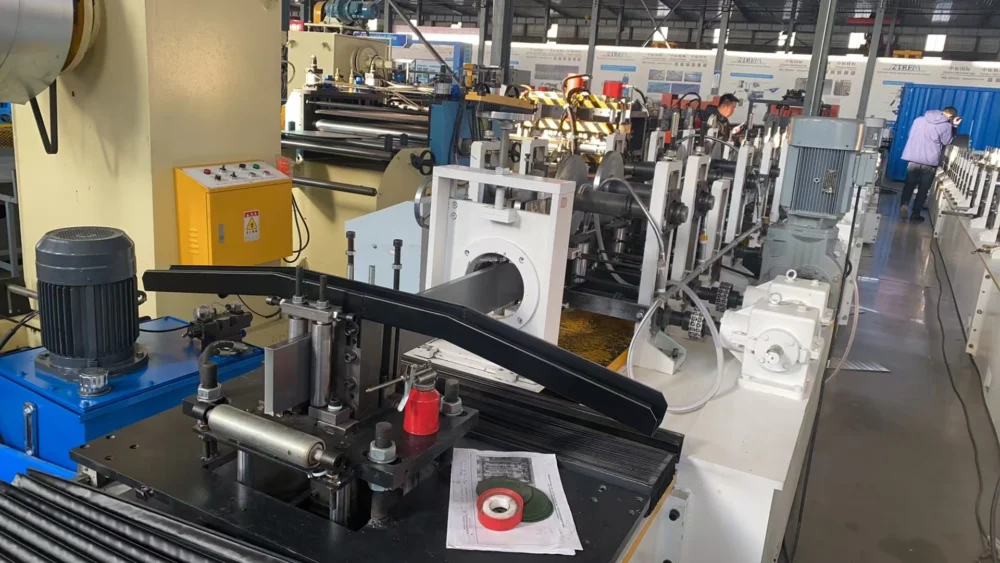
Key Features and Advantages of ZTRFM Dust Board Forming Machines
1. PLC Automatic Control System
Every ZTRFM dust board forming line is equipped with a reliable PLC controller (such as Mitsubishi, Siemens, or local Chinese brands depending on customer preference) paired with a touch-screen HMI. Operators can input the desired panel length, production count, and speed parameters. The system automatically stops when the target quantity is reached, minimizing material waste and labor requirements.
2. Heavy-Duty Roll Forming Stations
The forming rollers are machined from high-grade 45# carbon steel and precision-ground with hard chrome plating on the surface for wear resistance. The number of forming stations typically ranges from 12 to 18 depending on the panel profile complexity. Main shafts are made of 40Cr steel with diameters of 70mm or larger, ensuring stable forming under continuous high-speed operation without deflection.
3. Hydraulic Punching and Cutting System
Dust suppression panels require perforation holes to achieve their wind-diffusing effect. ZTRFM machines offer both inline hydraulic punching and offline punching options. The hydraulic station uses a reliable gear pump and proportional valve system for consistent punching force. The hydraulic cutting mechanism cuts panels to exact length with smooth, burr-free edges, eliminating secondary processing.
4. Quick Profile Changeover
Many of our dust board models support quick mold change systems. When customers need to switch between different panel profiles (for example, from a 250mm height panel to a 310mm height panel), the changeover can be completed in hours rather than days. This flexibility is essential for customers serving multiple market segments or project requirements.
5. Wide Material Compatibility
Our dust board forming machines are designed to process galvanized steel (GI), pre-painted galvanized steel (PPGI), and aluminum coils within a typical thickness range of 0.5mm to 1.0mm. The decoiler capacity ranges from 3 to 10 tons, accommodating standard industrial coil weights commonly available in global markets.
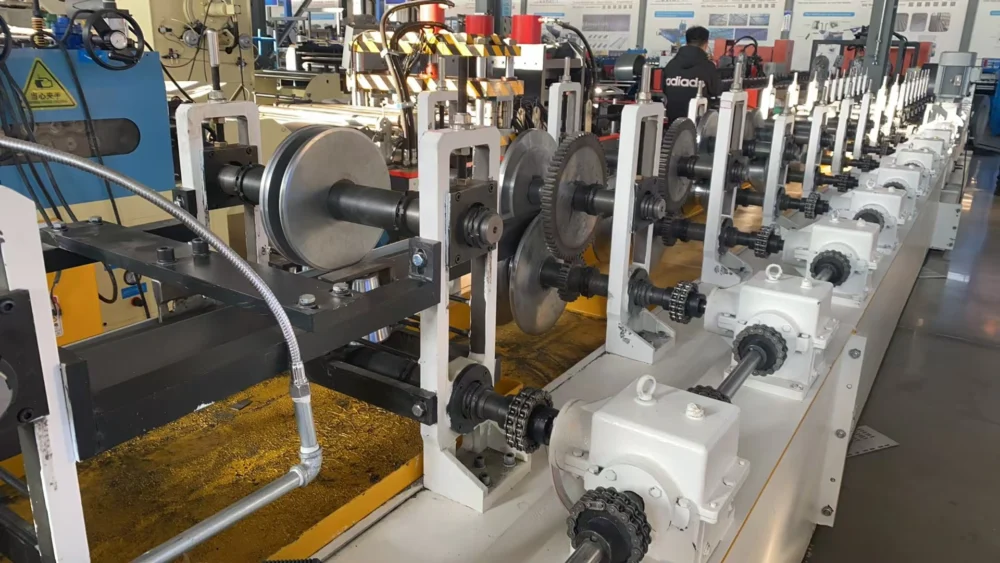
How a Dust Board Forming Machine Works
The production process follows a continuous, automated sequence:
Step 1 — Decoiling: The steel coil is loaded onto a hydraulic decoiler that expands and centers the coil. The material feeds out smoothly and evenly into the guide table.
Step 2 — Guiding and Leveling: A feeding guide and leveling rollers flatten the strip, remove coil camber, and ensure consistent alignment before the material enters the forming station.
Step 3 — Roll Forming: The strip passes through a series of progressively contoured roller stations that bend it into the final panel profile. Each station adds incremental bends until the desired cross-section shape is achieved.
Step 4 — Perforation/Punching: Depending on the configuration, hydraulic punch dies create the required hole pattern (typically circular or elongated slots) along the panel. This may occur before or after forming, depending on the panel design.
Step 5 — Measuring and Cutting: An encoder measures the exact panel length as the material advances. When the pre-set length is reached, the hydraulic cutter activates and cuts the panel cleanly.
Step 6 — Output Stacking: Finished panels are automatically discharged onto an output support table, where they can be manually collected and stacked for packaging.
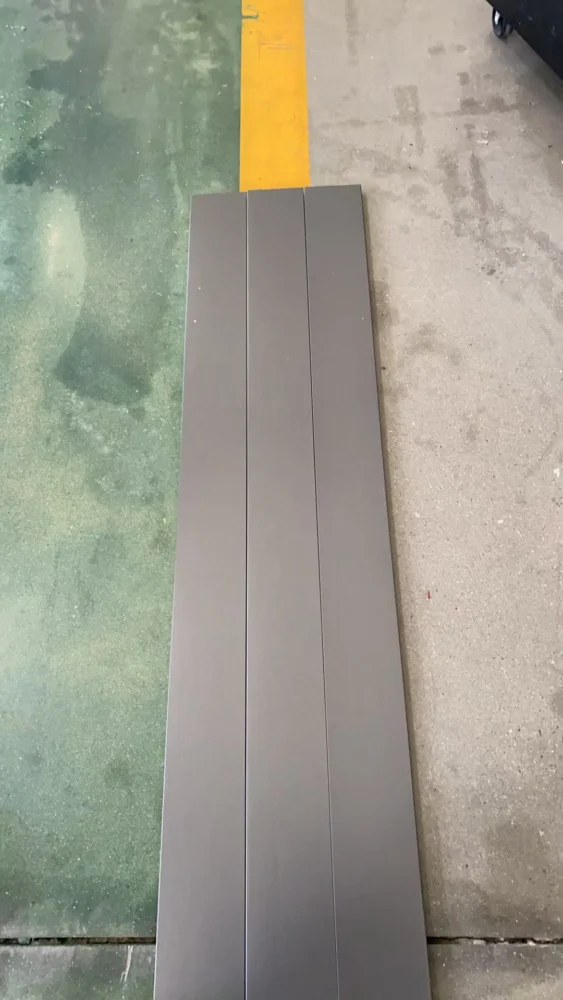
Common Dust Board Panel Profiles and Specifications
Dust suppression panels come in several standard profiles to suit different wind conditions, project budgets, and architectural requirements. Below are the most commonly produced types.
Single-Arch and Double-Arch Profiles
These are the most widely used wind dust suppression panel designs. The single-arch profile features one curved bend, while the double-arch has two. Common covering widths range from 800mm to 950mm, and effective heights typically fall between 200mm and 380mm. Material thickness is usually 0.5mm, 0.6mm, 0.8mm, or 1.0mm.
Perforation Patterns
The hole pattern is critical to dust suppression performance. Typical designs include circular holes (5mm–10mm diameter), elongated horizontal slots, or a combination arrangement. Open ratios commonly range from 30% to 40%, balancing wind resistance reduction with structural integrity.
Raw Material Options
Galvanized steel offers cost-effective corrosion resistance and is the most common base material. Color-coated (PPGI/PPGL) steel adds weather resistance and aesthetic color options (blue, green, gray, etc.) for projects where appearance matters. Aluminum is used in highly corrosive environments such as coastal port facilities.
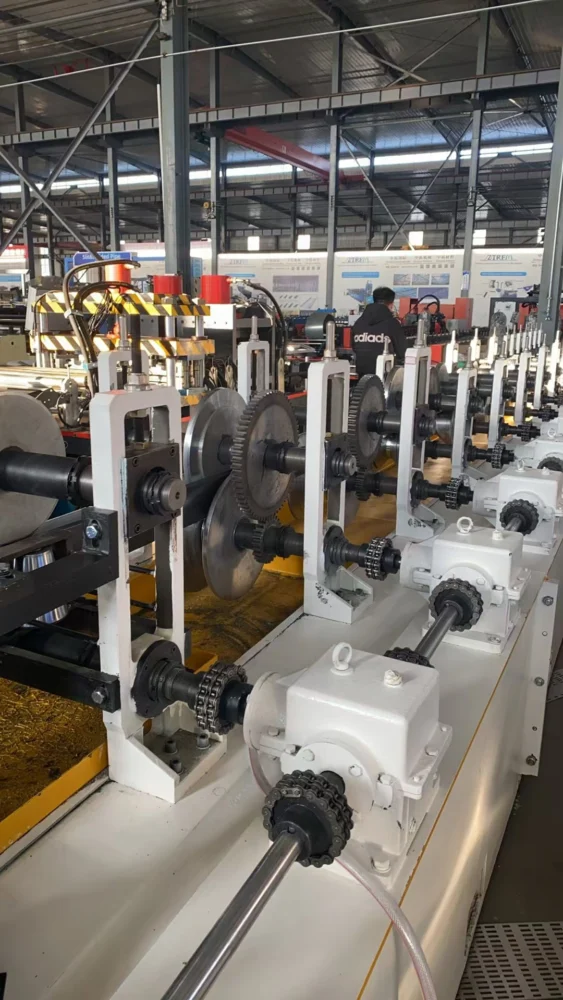
Applications of Dust Suppression Panels
Dust board forming machines produce panels for a wide range of environmental control applications:
Coal and Ore Storage Yards: The largest application segment. Dust suppression walls enclose open coal piles and mineral stockpiles at thermal power plants, steel mills, and mining operations, reducing fugitive dust emissions and meeting environmental compliance requirements.
Port and Terminal Facilities: Bulk cargo handling areas at seaports and river terminals use windbreak walls to control dust from coal, grain, cement clinker, and fertilizer handling.
Industrial Material Processing: Cement plants, crushing and screening plants, and asphalt mixing facilities deploy dust fence systems to contain particulate matter.
Agricultural and Environmental プロテクション: Wind erosion control fences for farmland, open-pit mine rehabilitation sites, and desertification control projects.
Highway and Railway Noise-Dust Barriers: Modified profiles also serve as combined noise-reducing and dust-controlling barriers along transportation corridors.
私たちを選ぶ理由
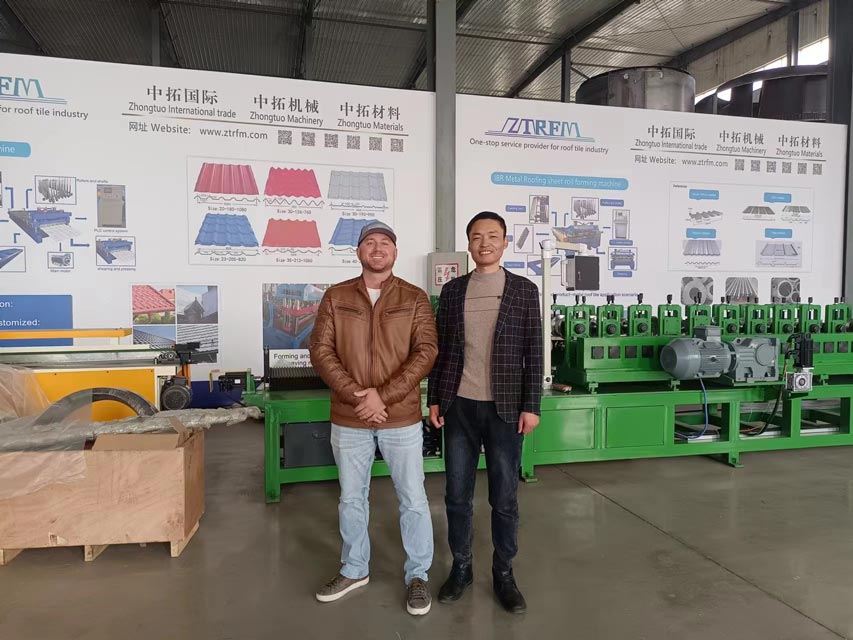
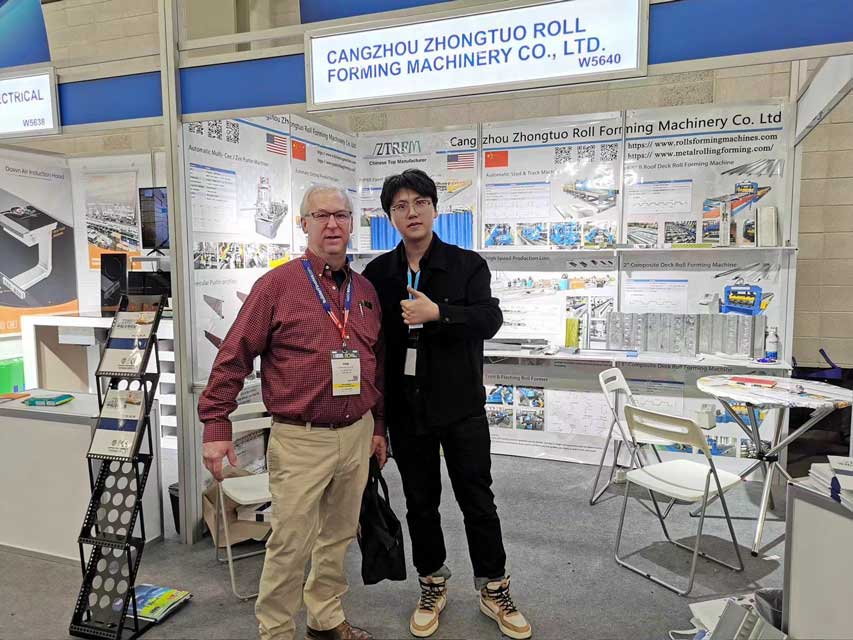
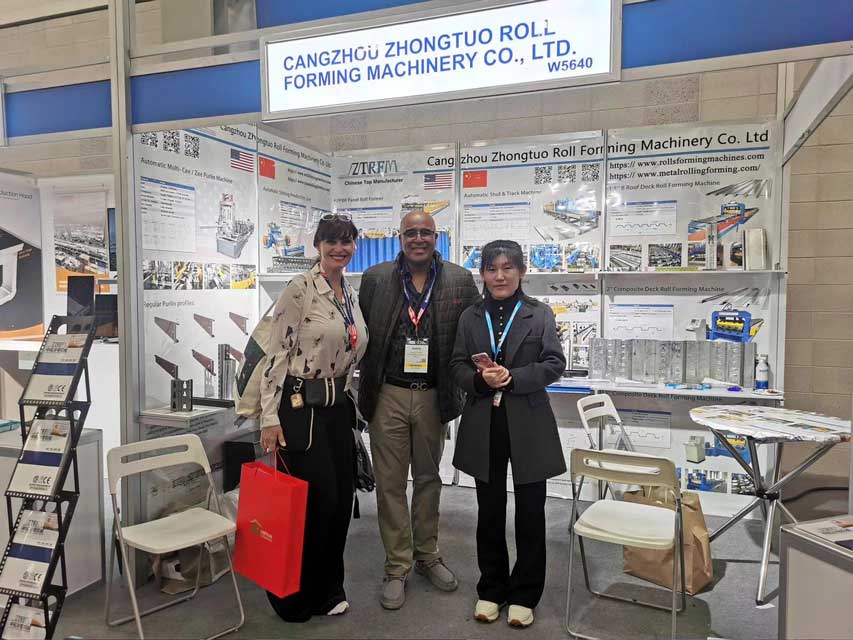
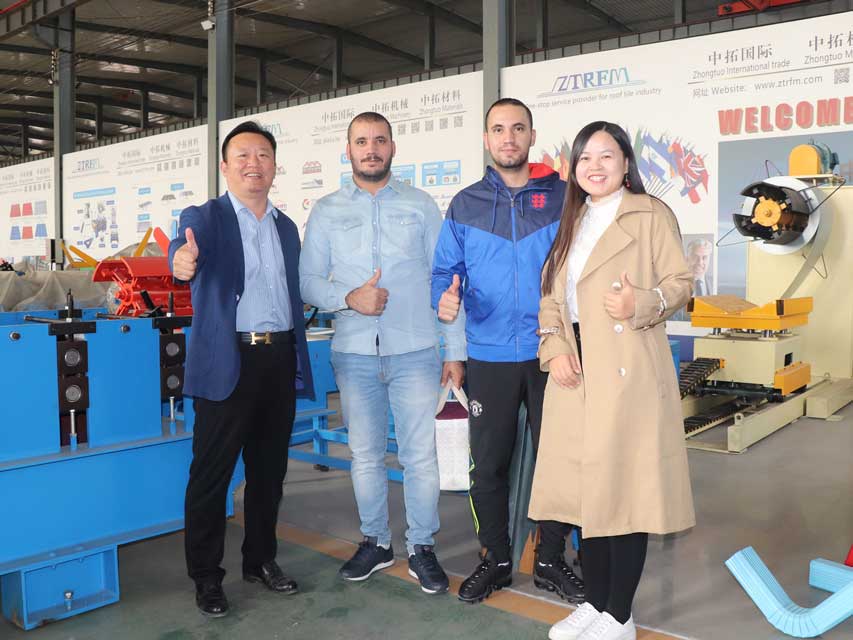
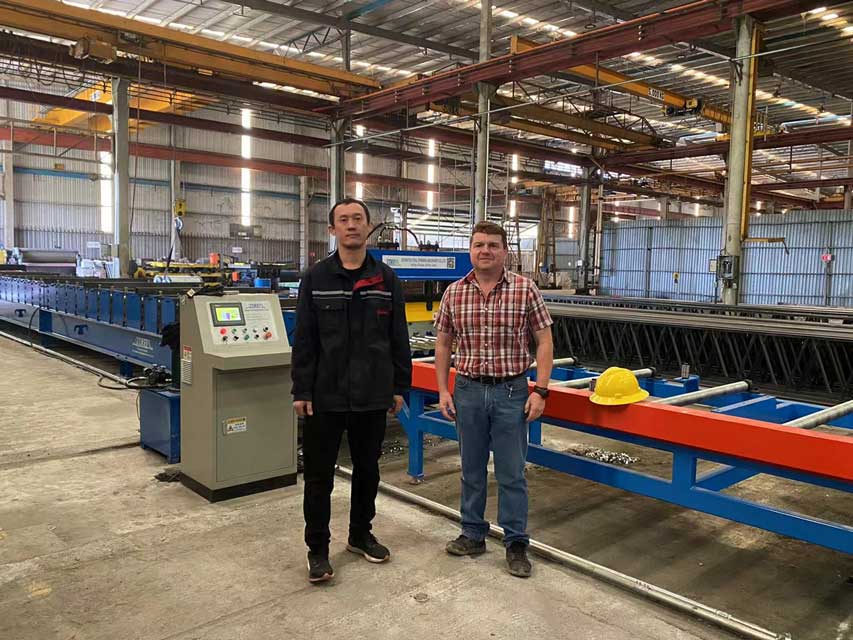
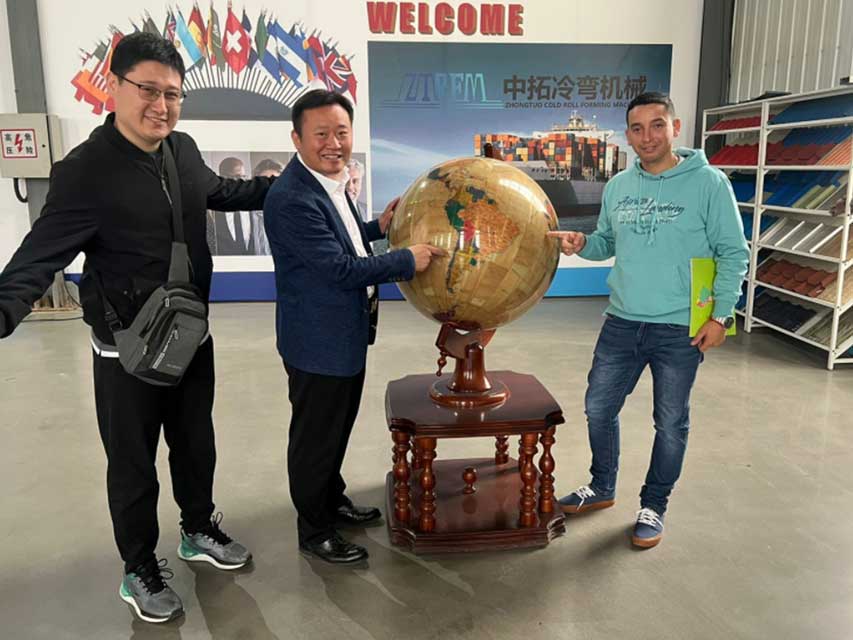
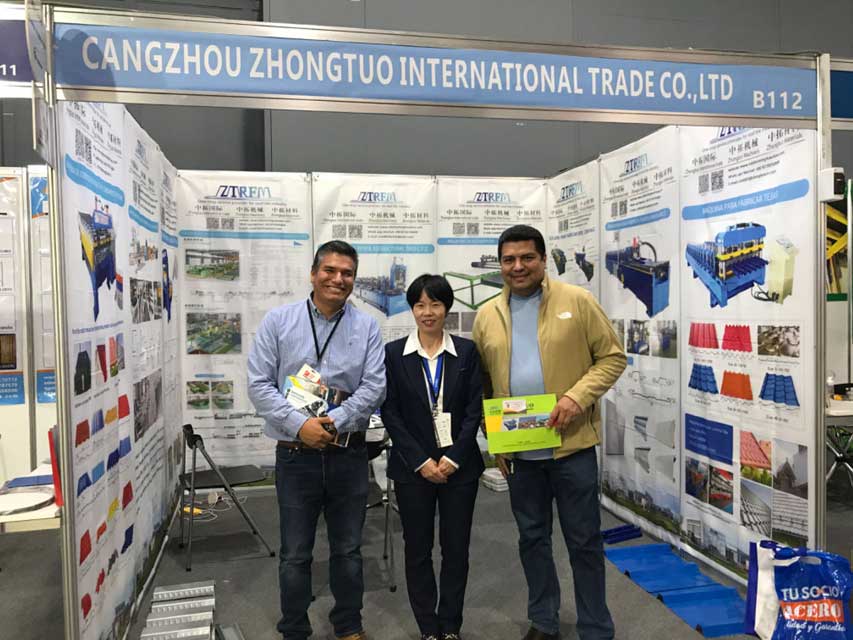
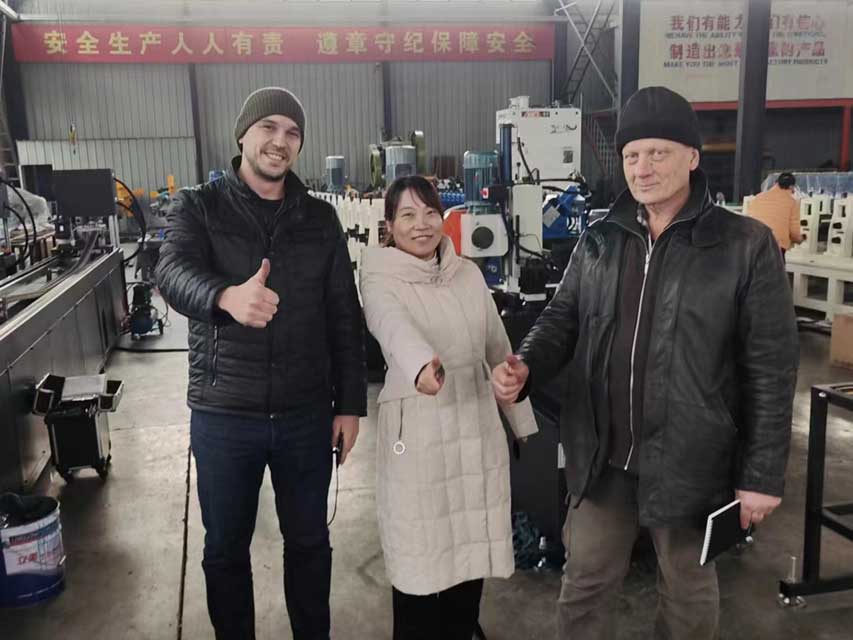
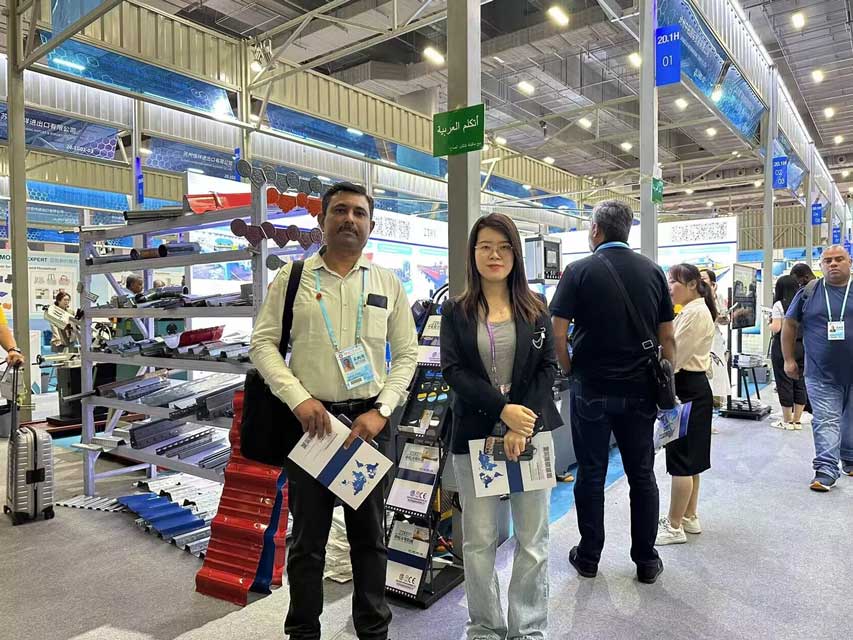
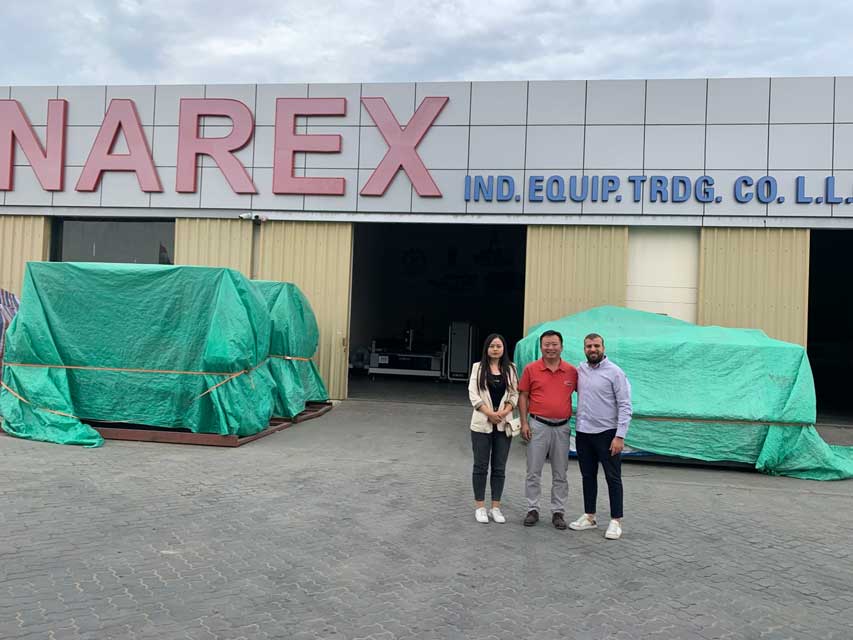
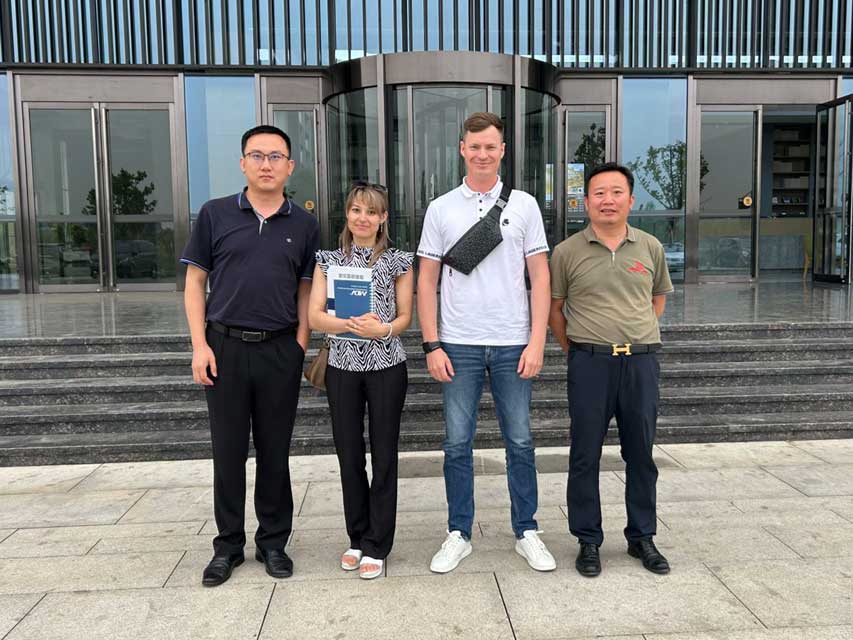
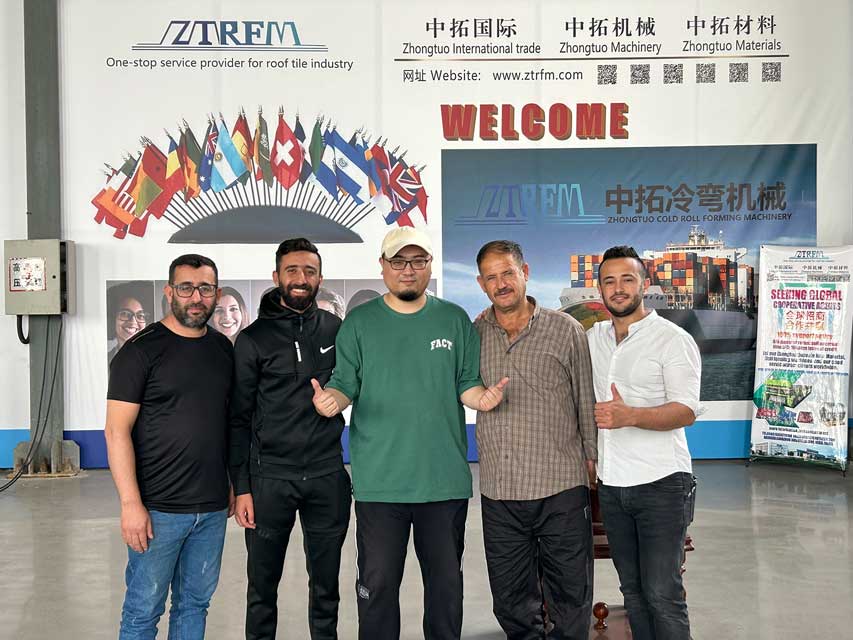
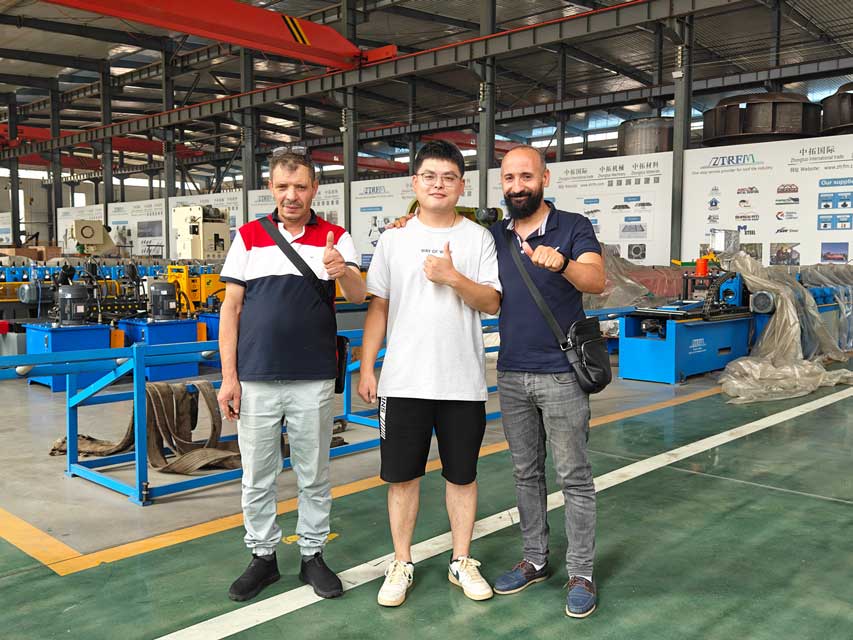
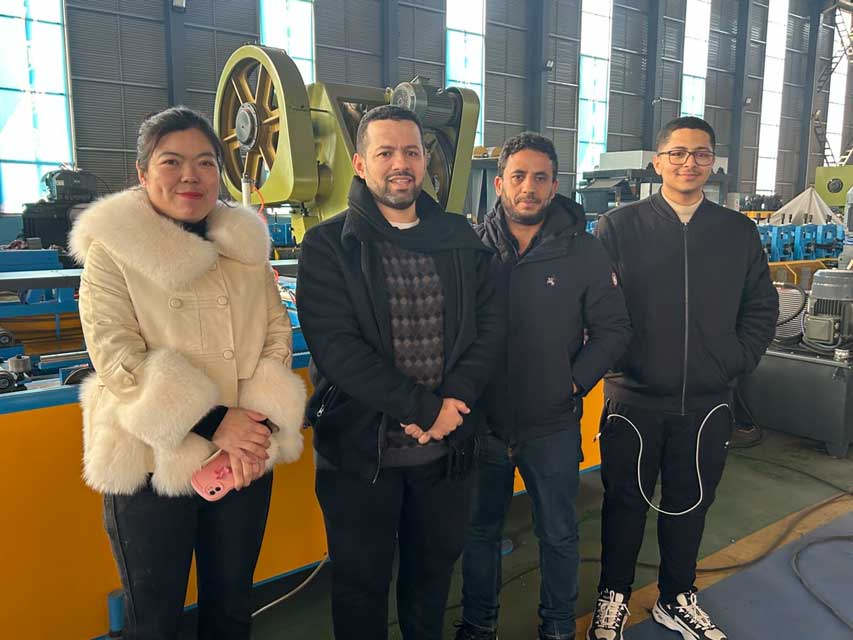
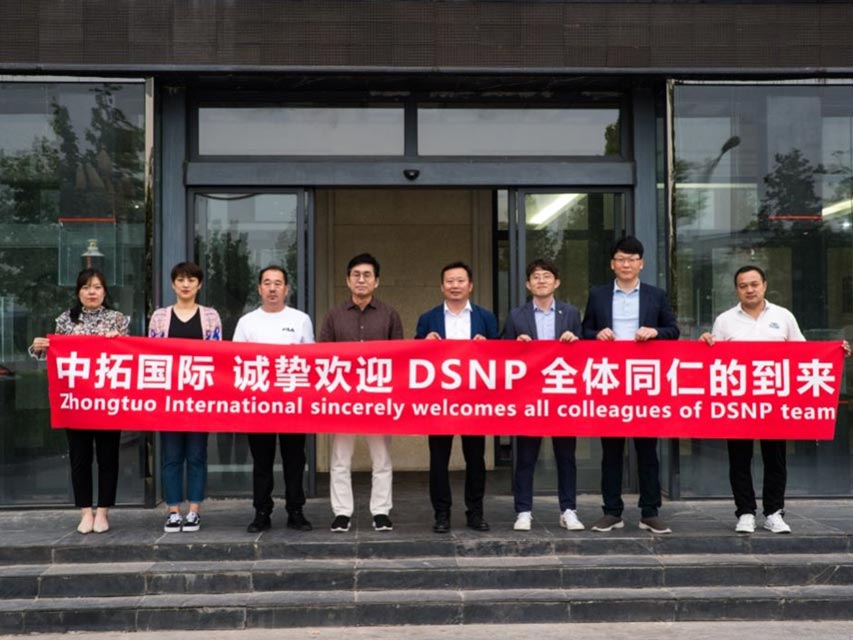
弊社は国家レベルのハイテク企業である。ISO9001品質システム認証、欧州CE安全認証、北米CAS認証などを取得しました。私達に輸出貿易で豊富な経験があり、異なった国の顧客の必要性を理解します。 一方、我々は満足のいく設計ソリューションを顧客に提供することができます。私達の機械は 150 ヶ国以上に輸出され、私達は顧客との長期および安定した協同関係を確立し、顧客の賞賛に勝ちました。
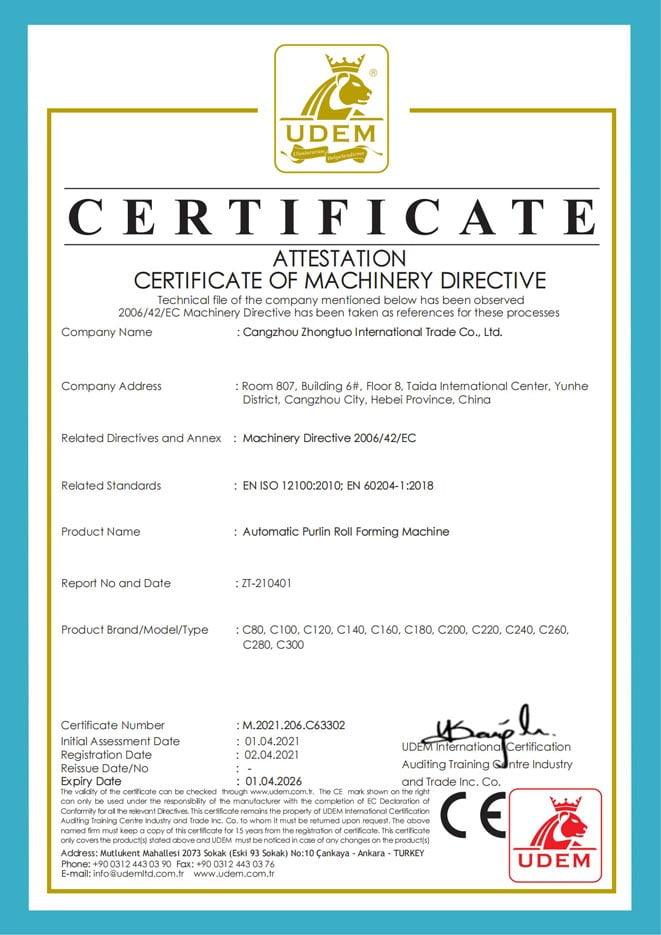
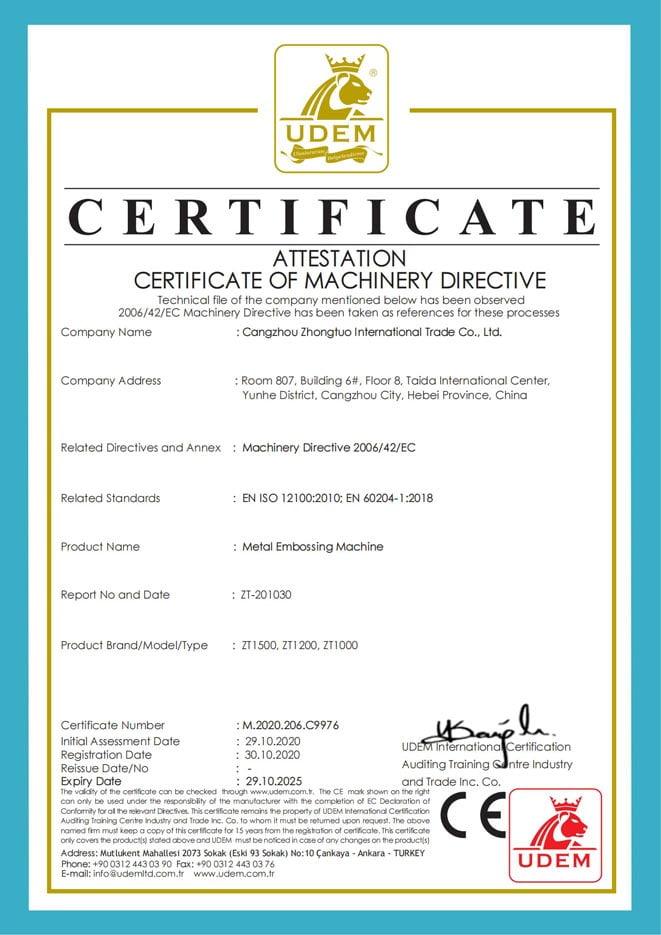
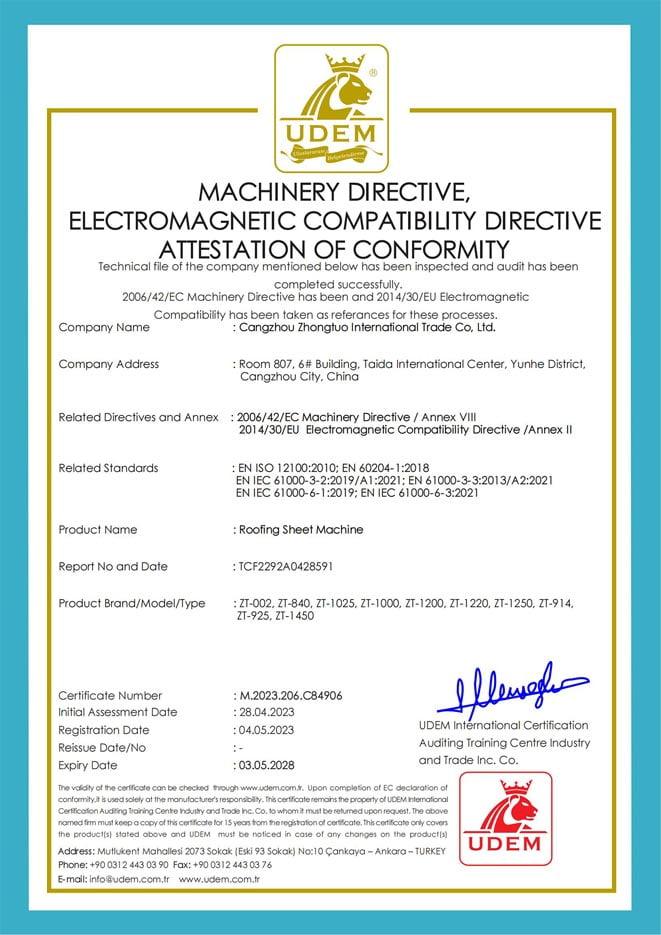
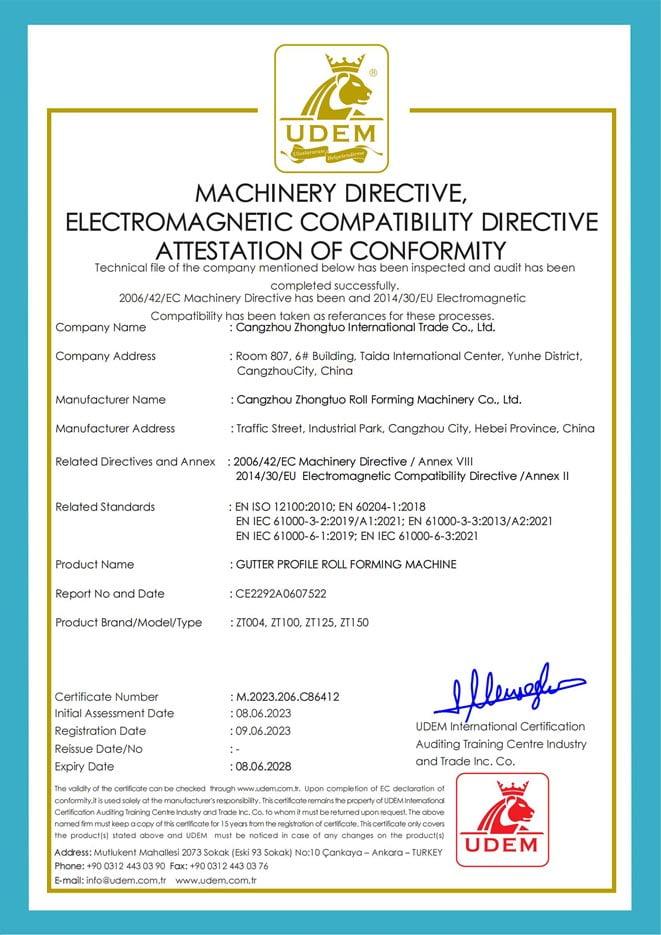
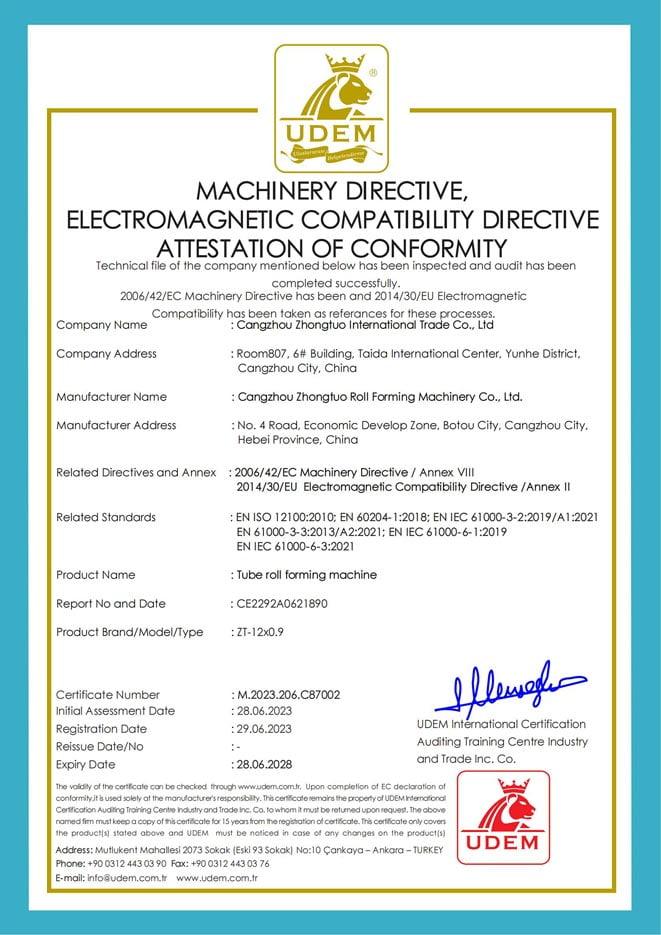
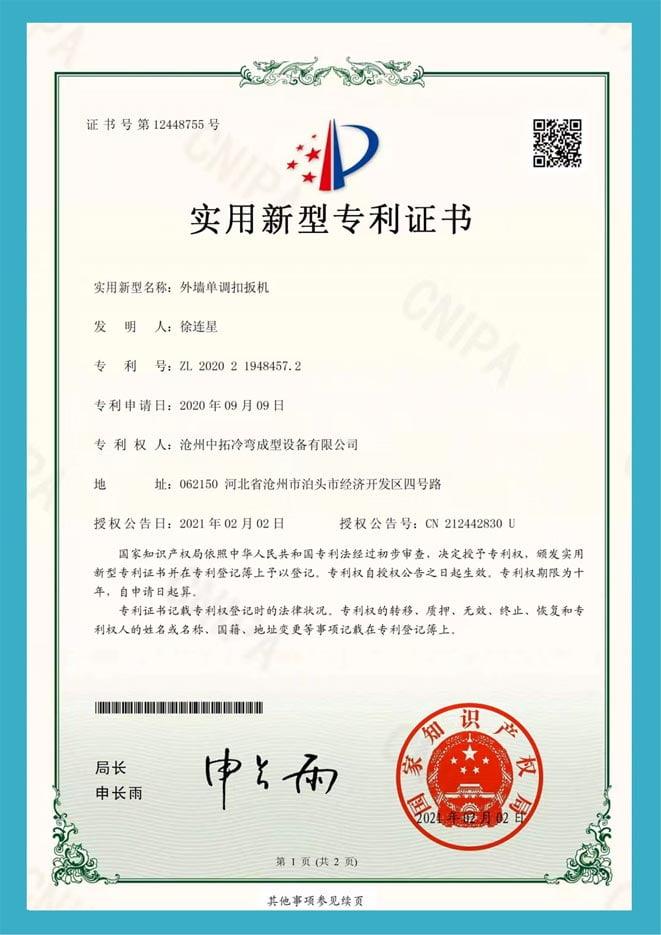
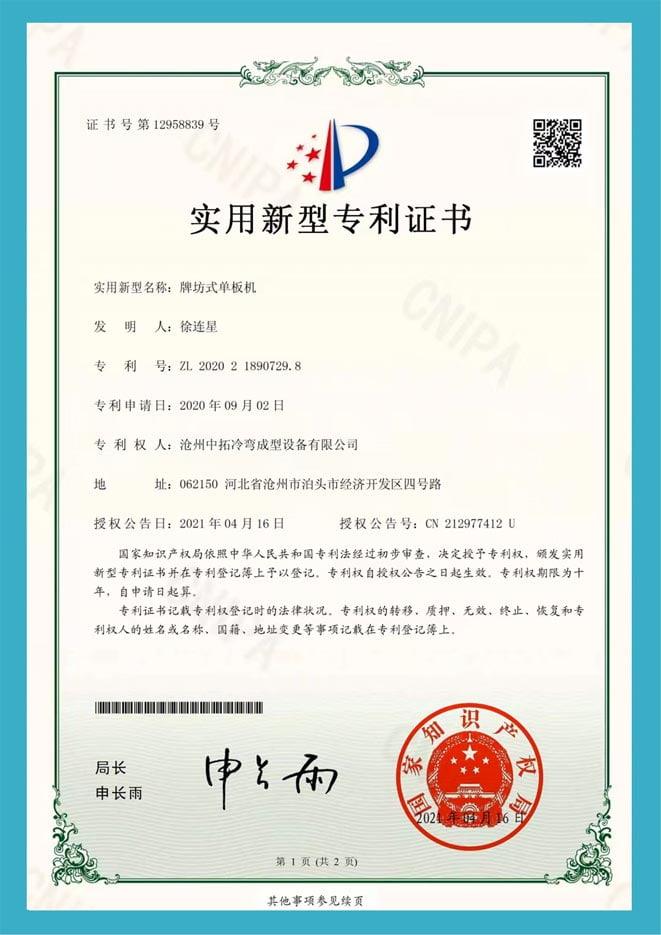
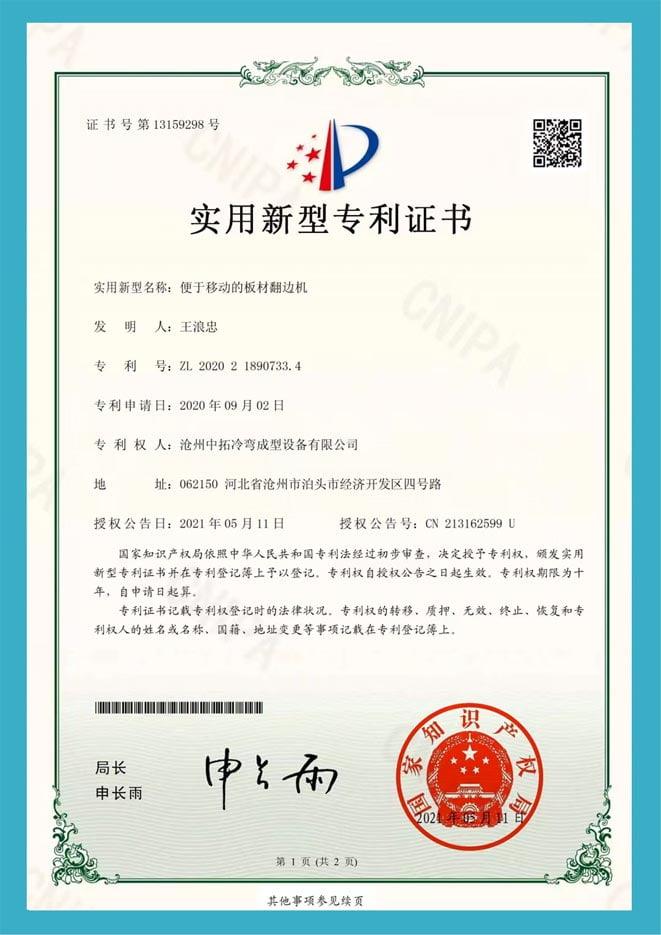
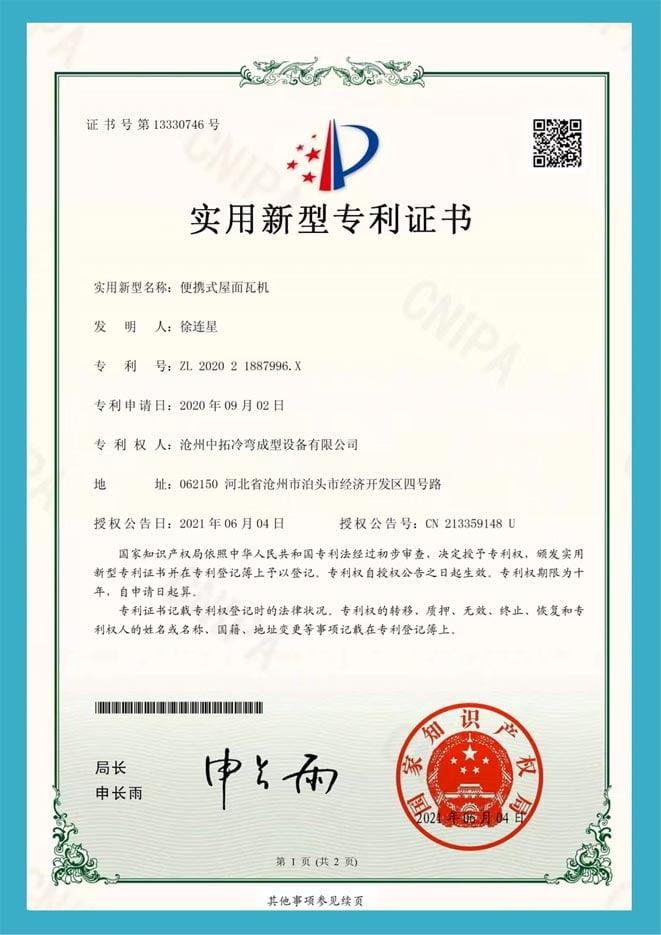
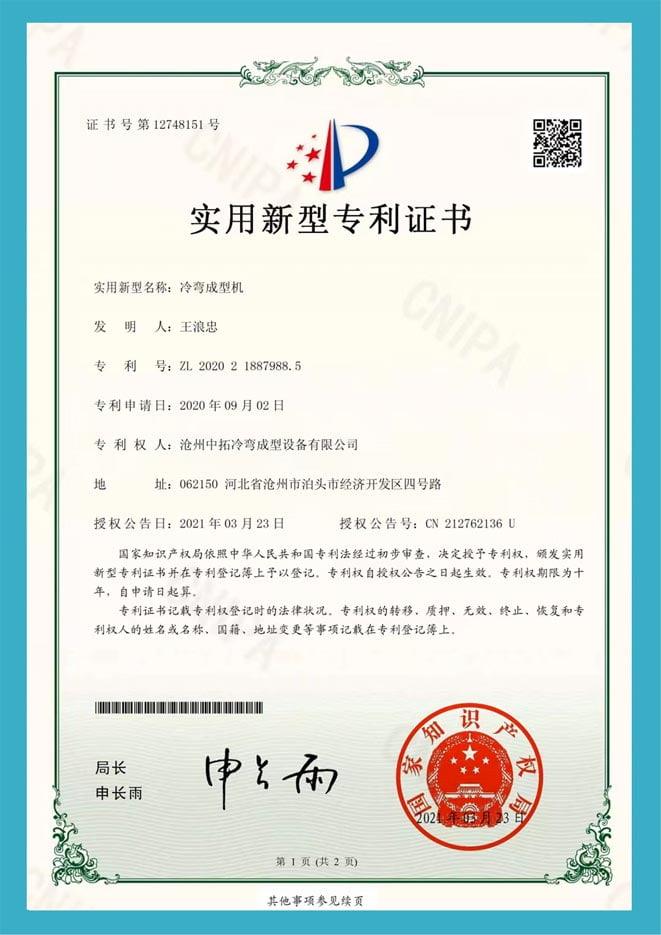

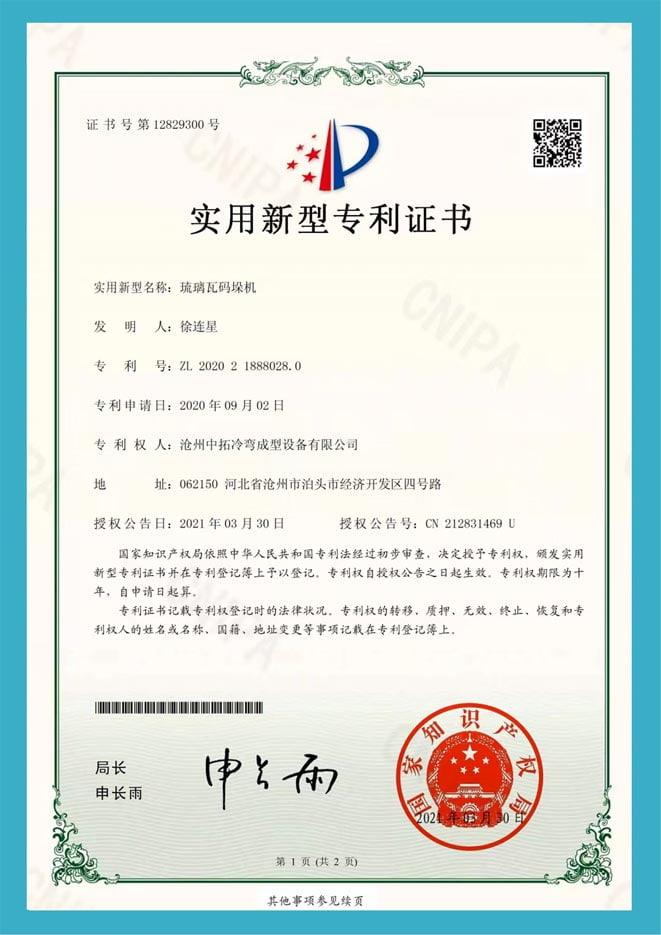
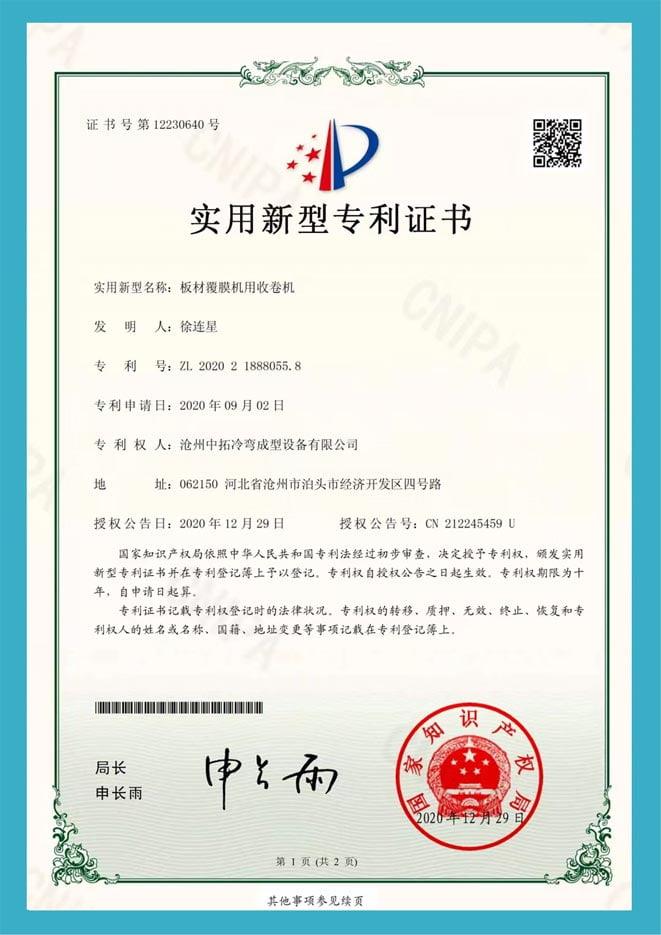

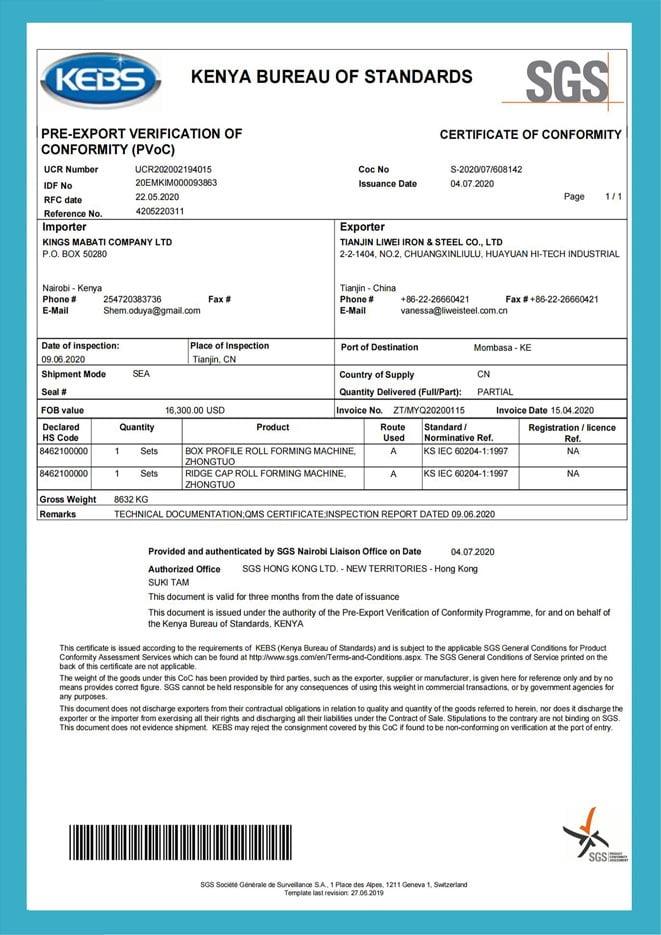
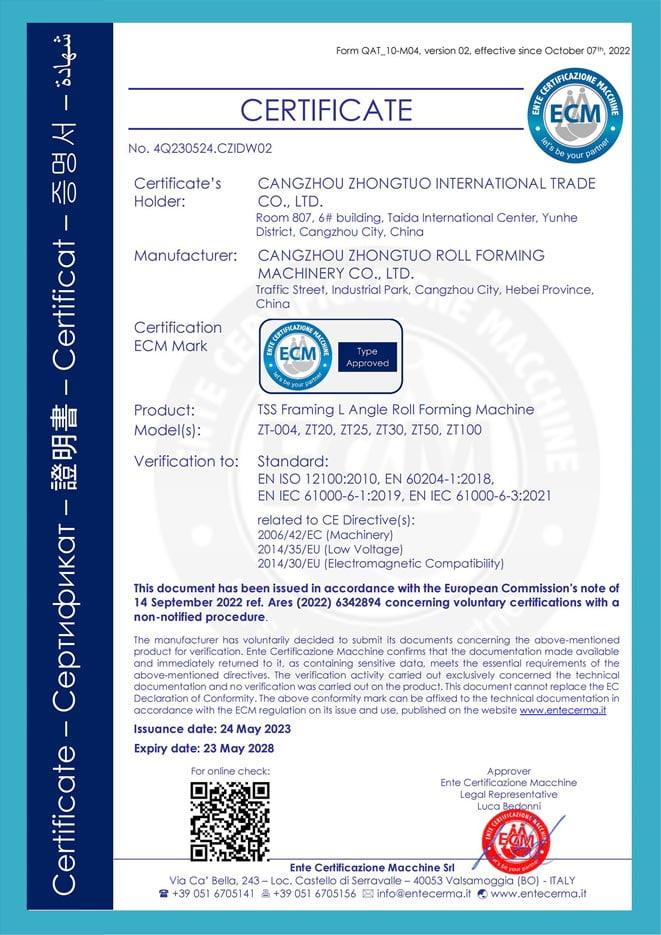
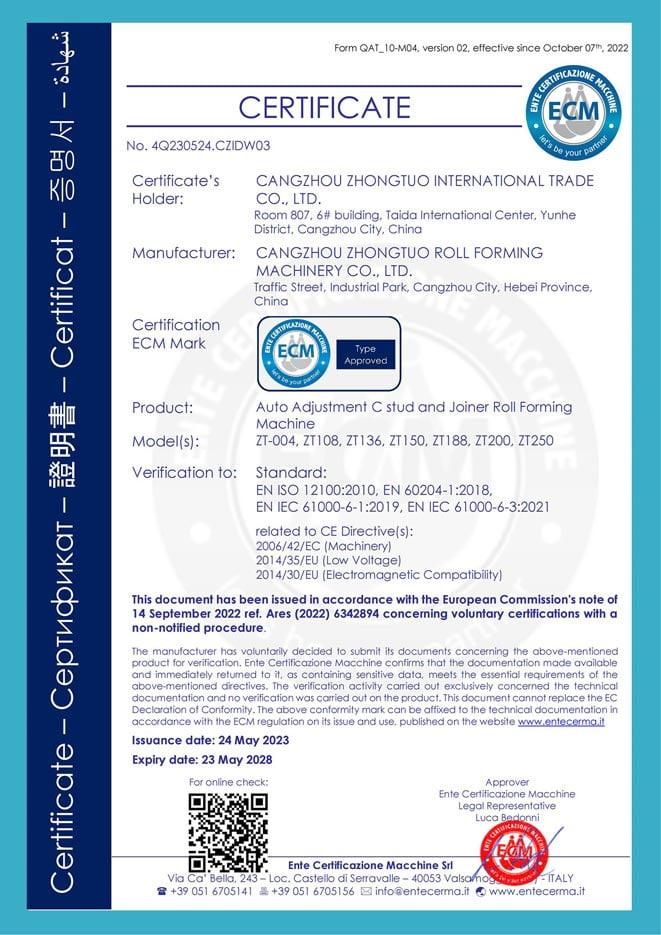
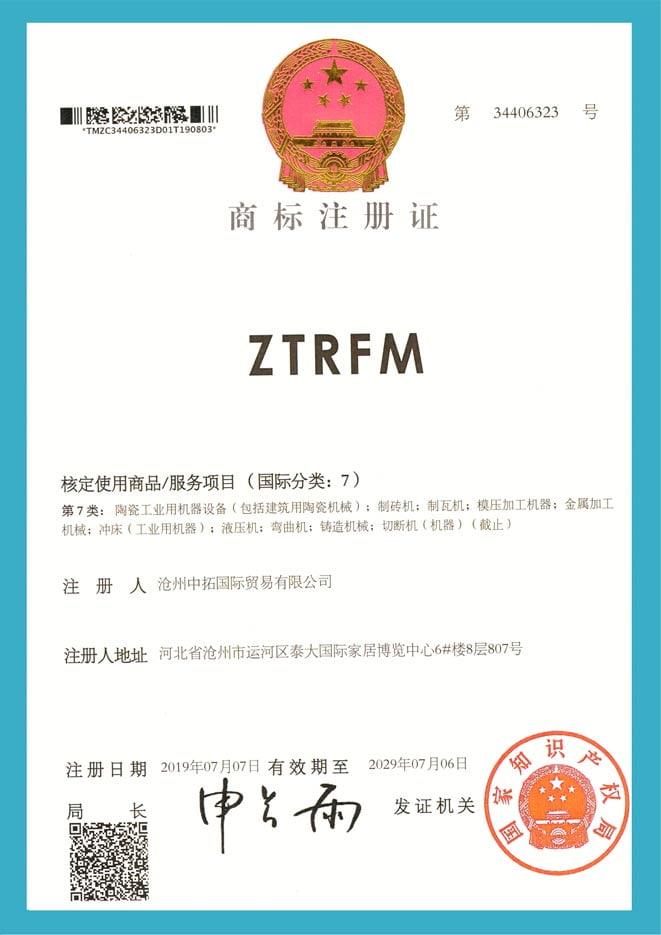
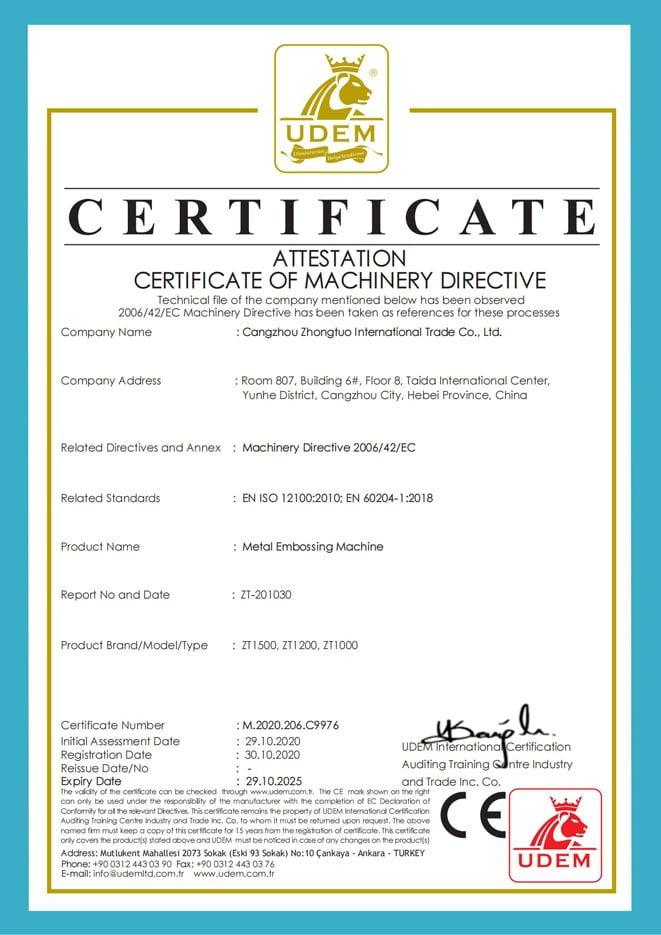
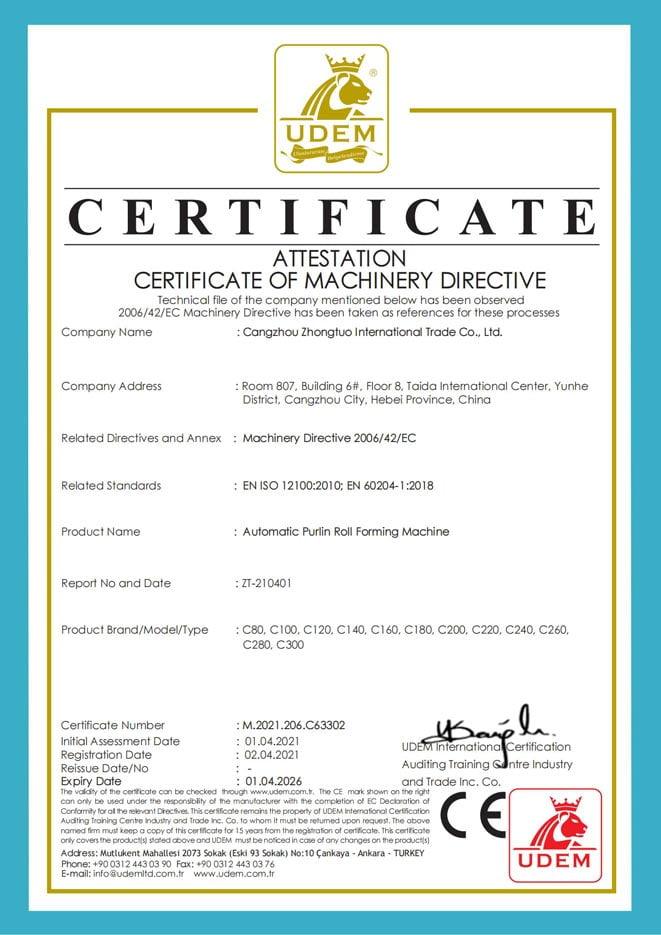
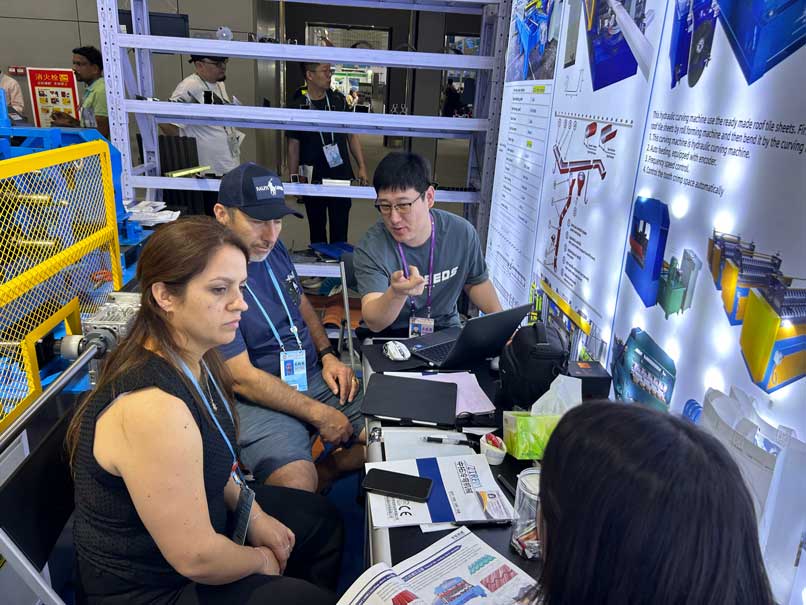
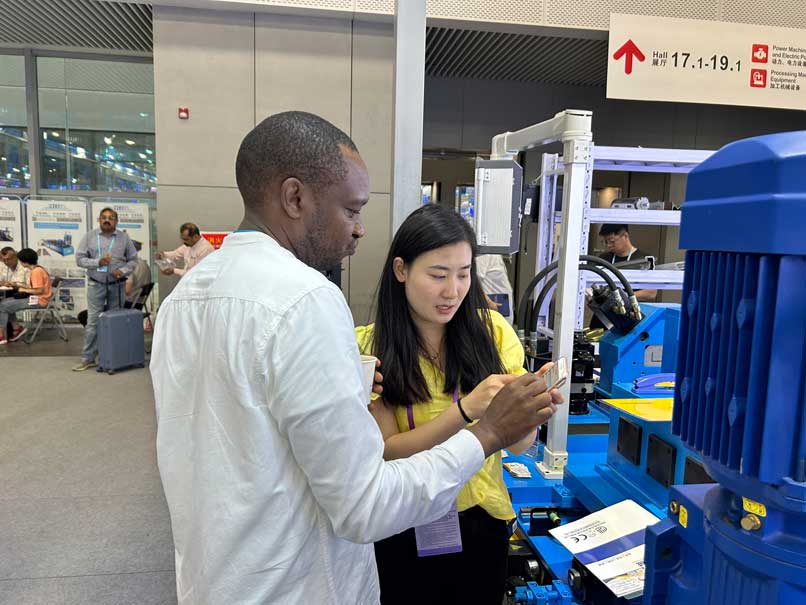
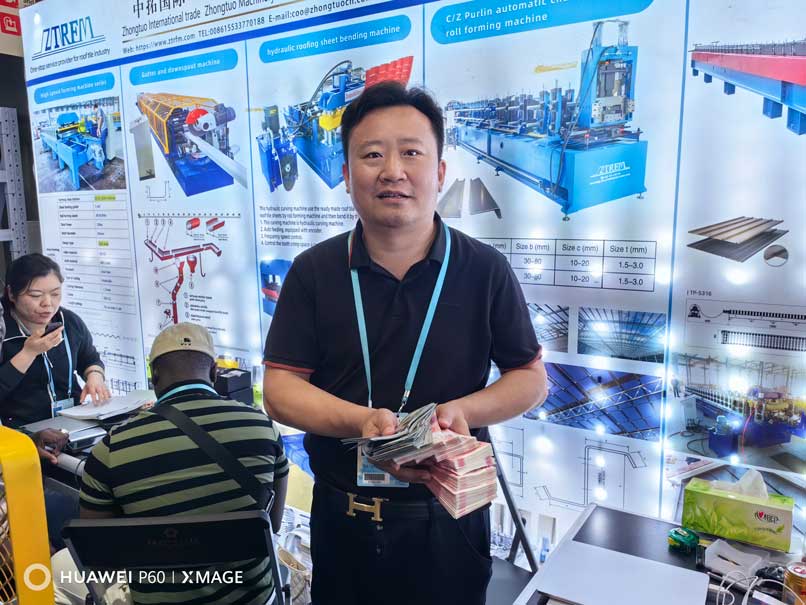
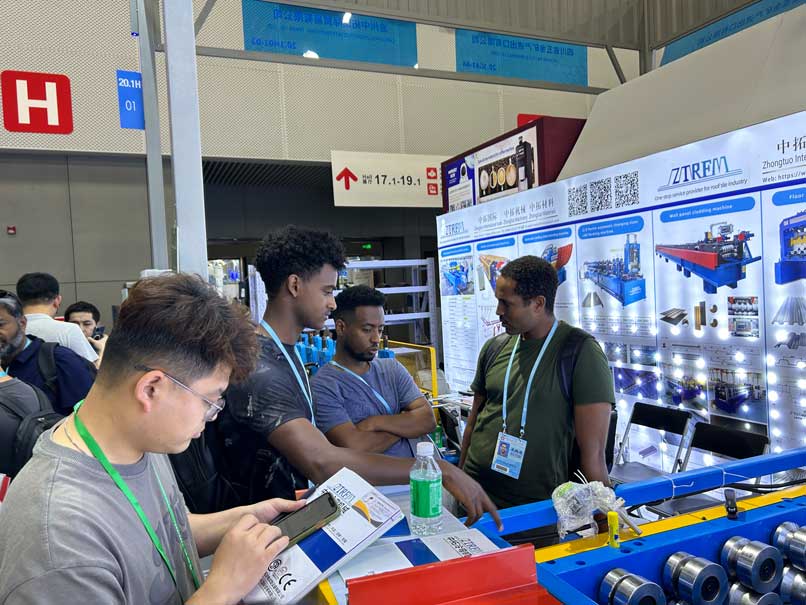
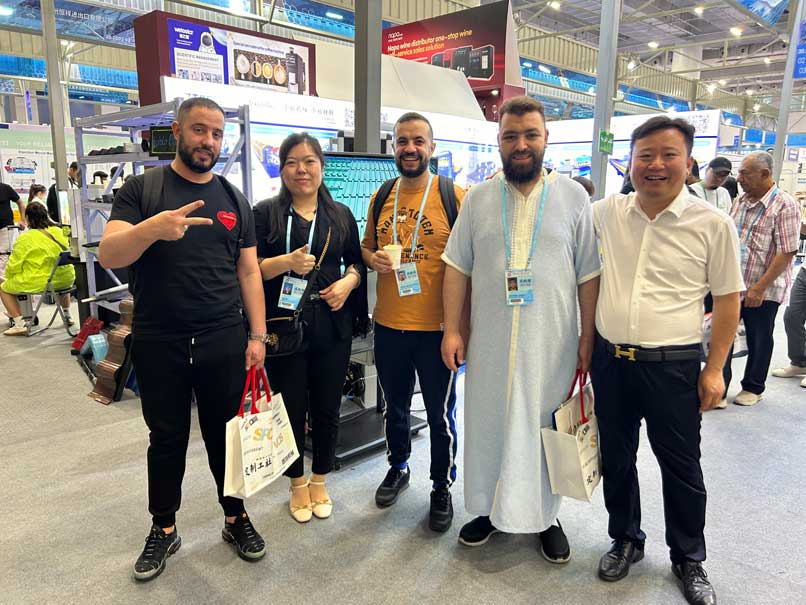
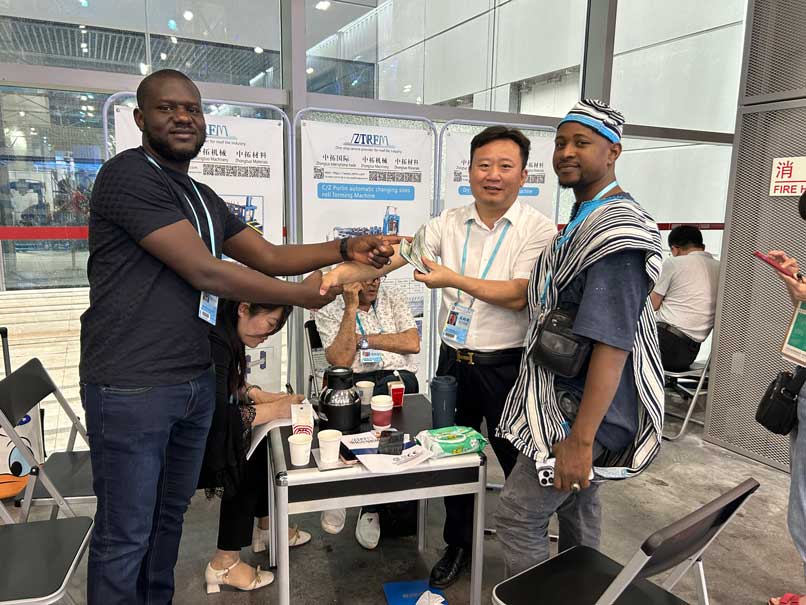
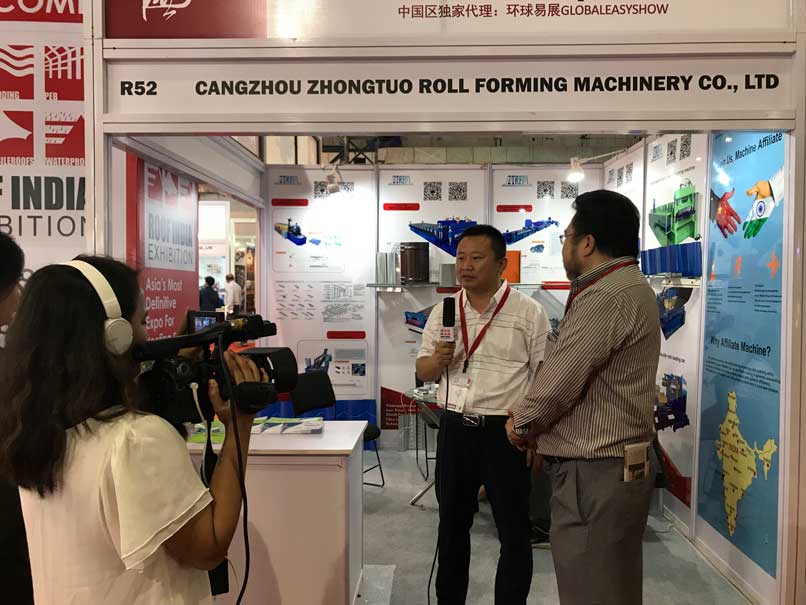
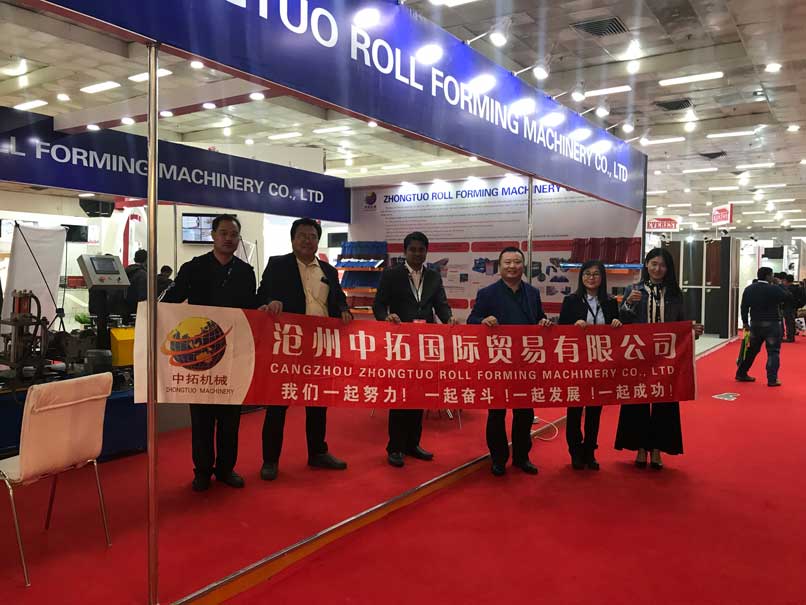
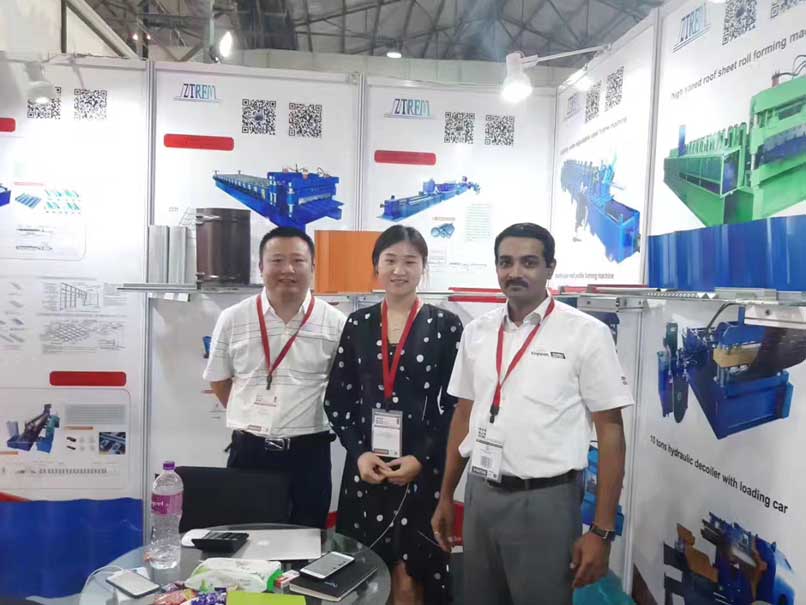
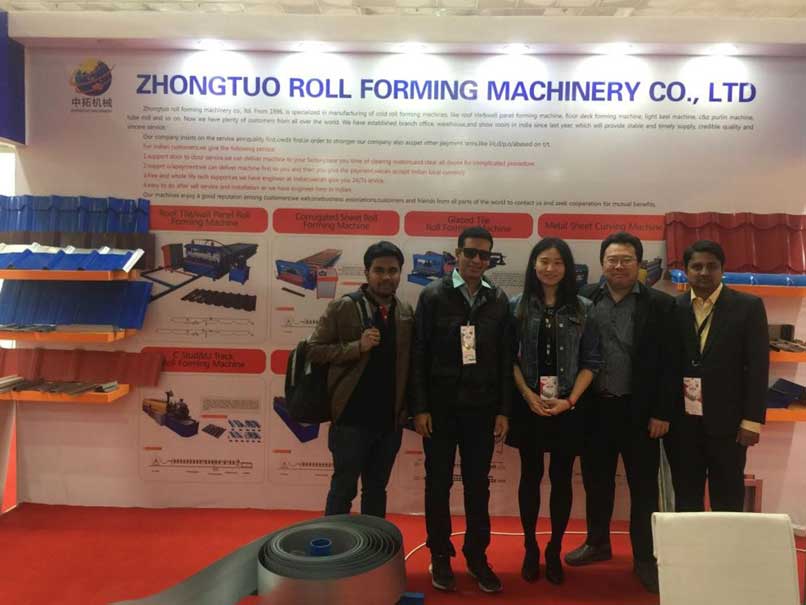
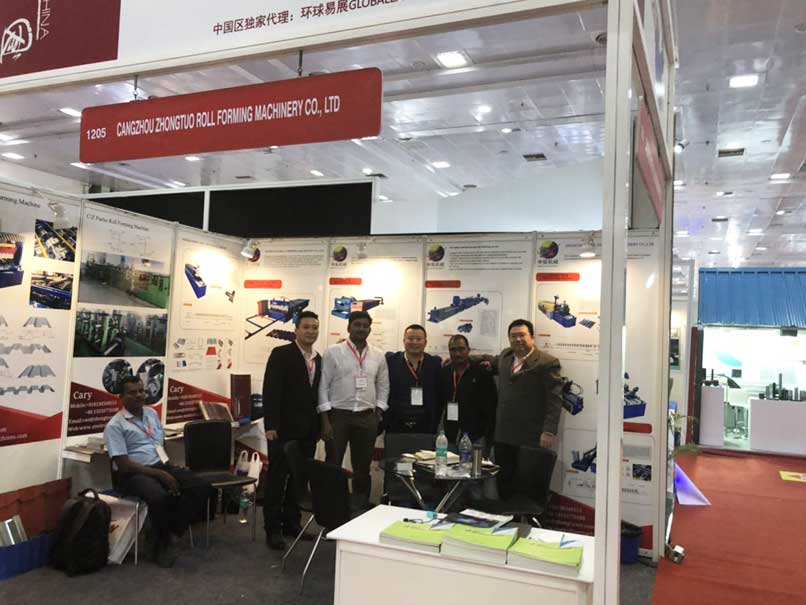
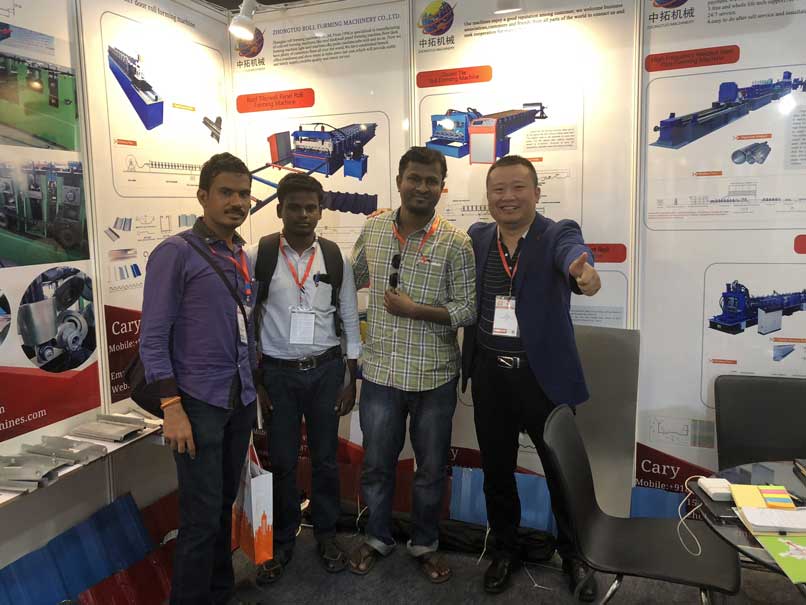
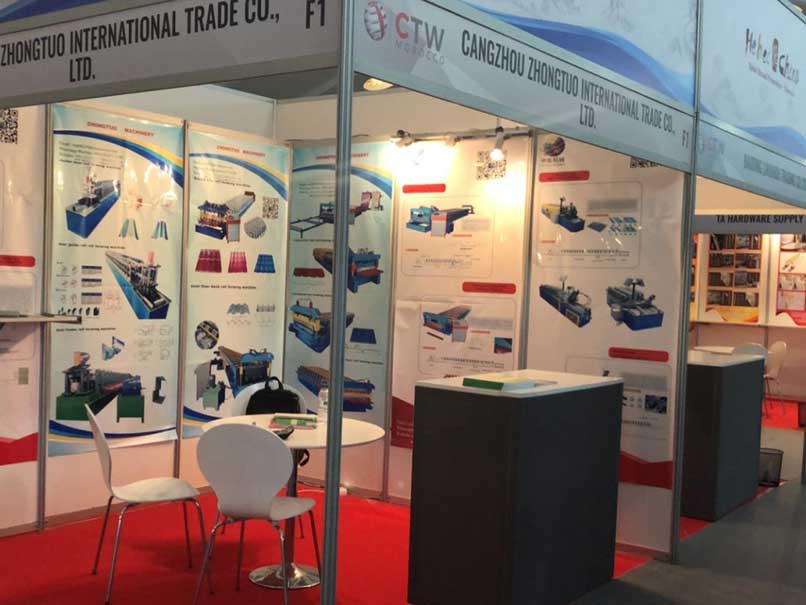
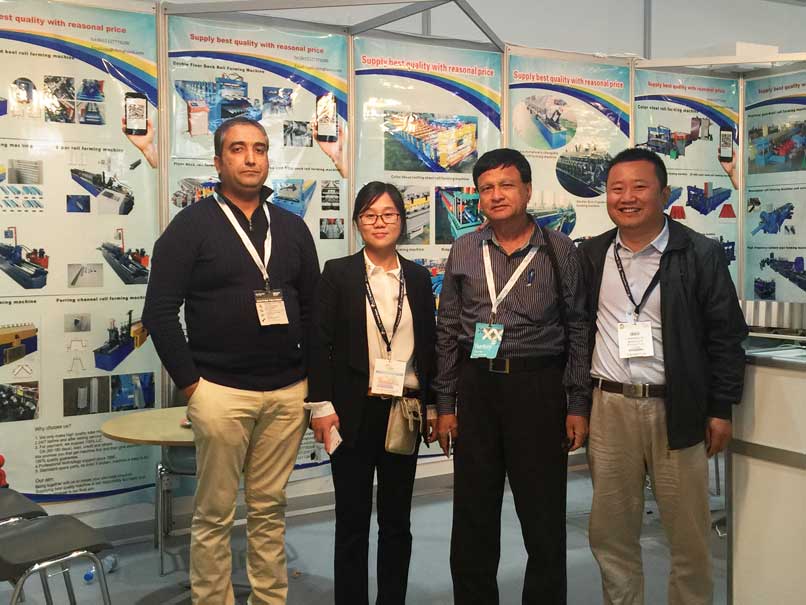
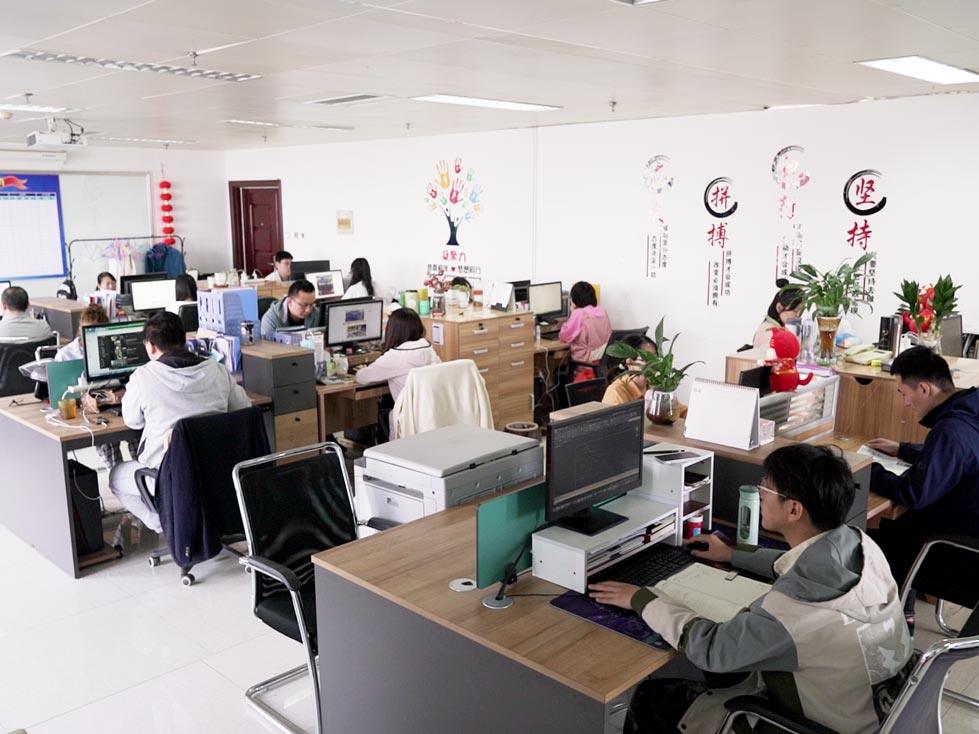
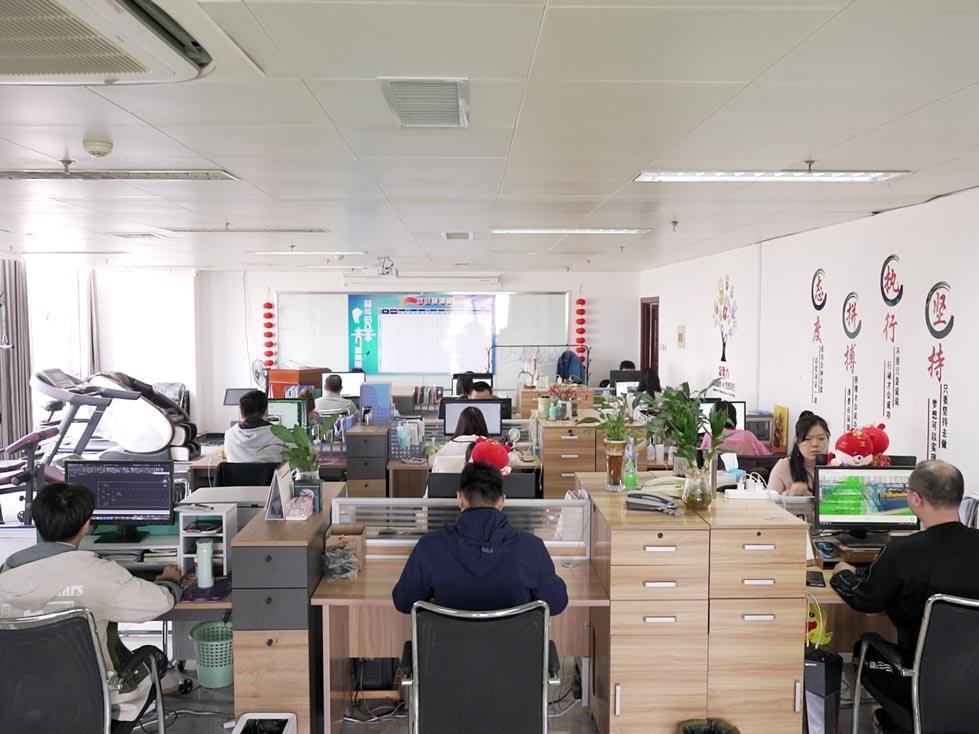
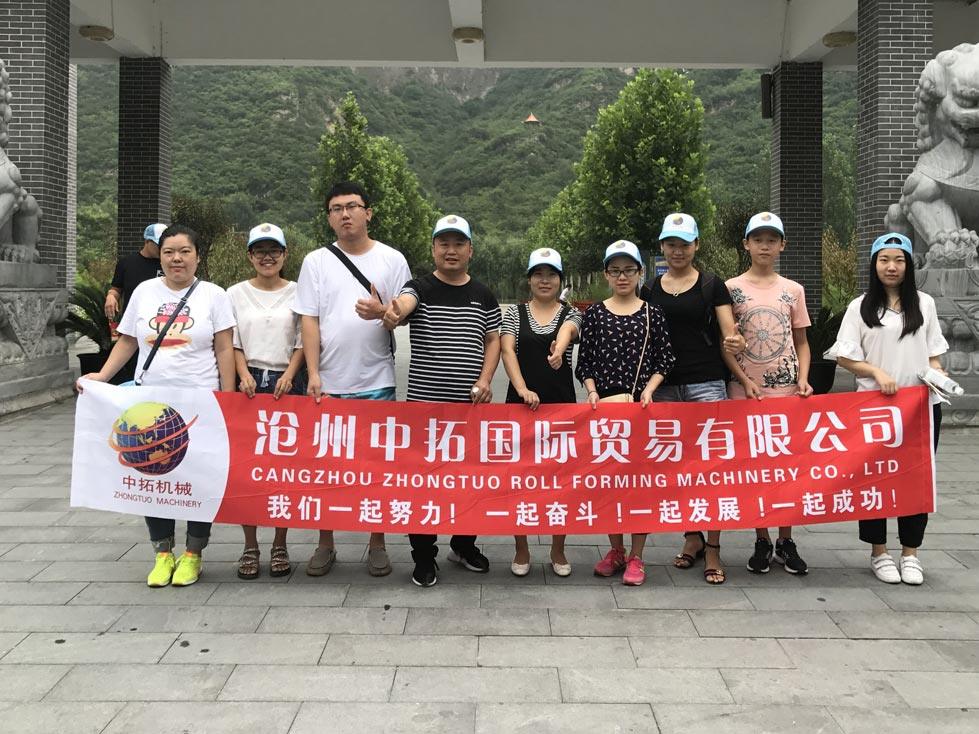
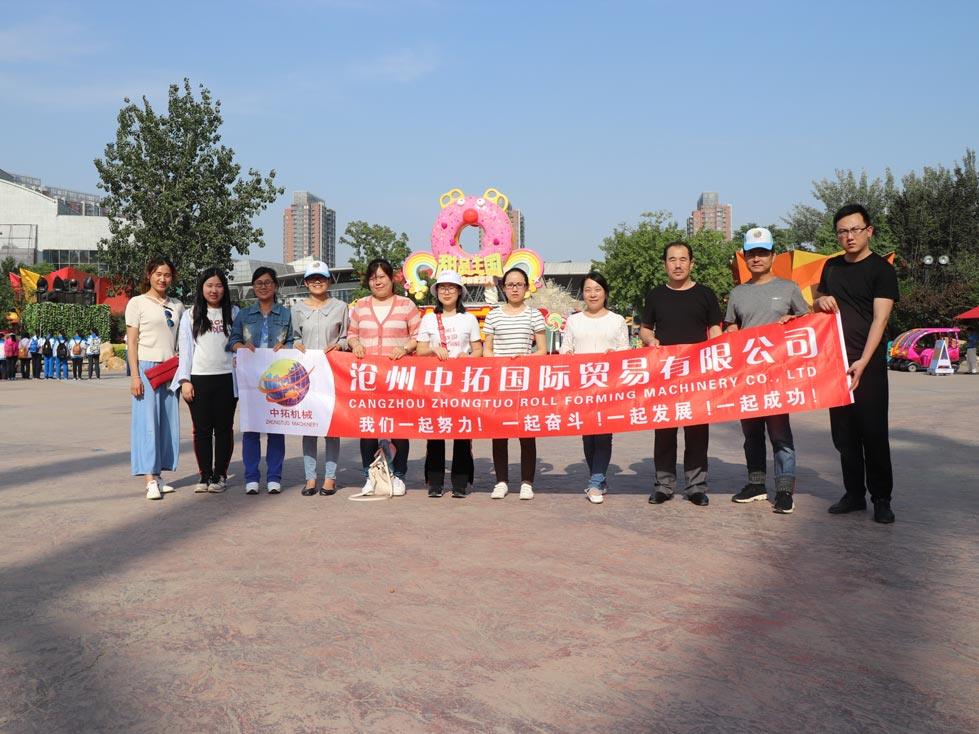
360°VRシステムを通してZhongtuoを訪問し、滄州Zhongtuoは機械の異なったタイプを形作る冷間圧延の設計そして製造に専用されている2014年に確立された。私達は ODM、OEM およびワンストップ サービスを提供します。原料、機械類および付属品は私達から購入することができます。
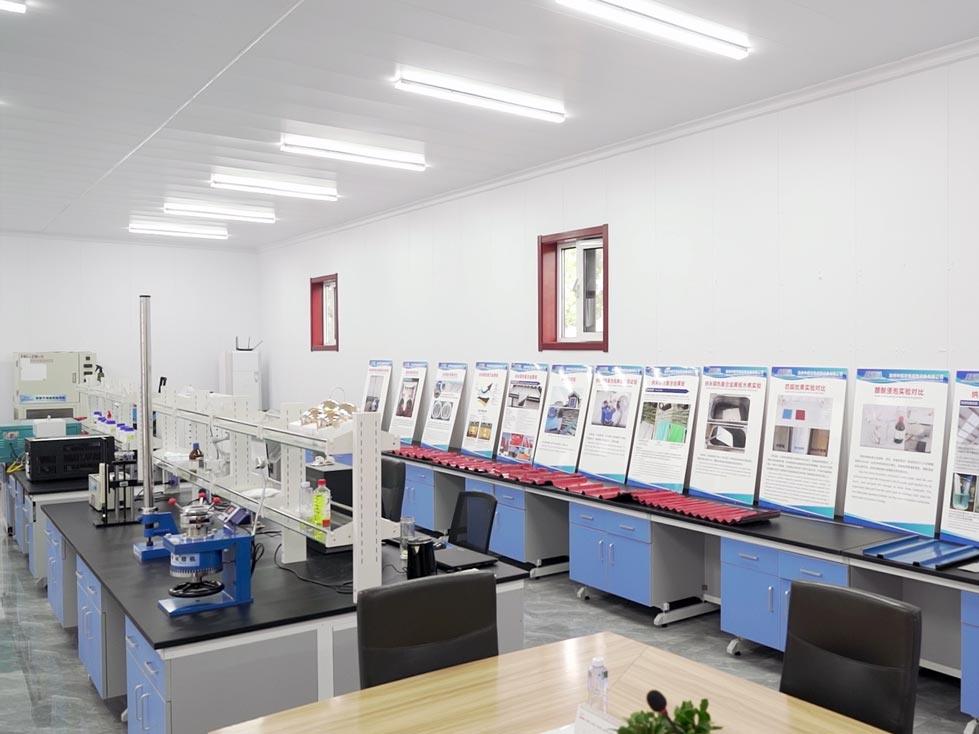
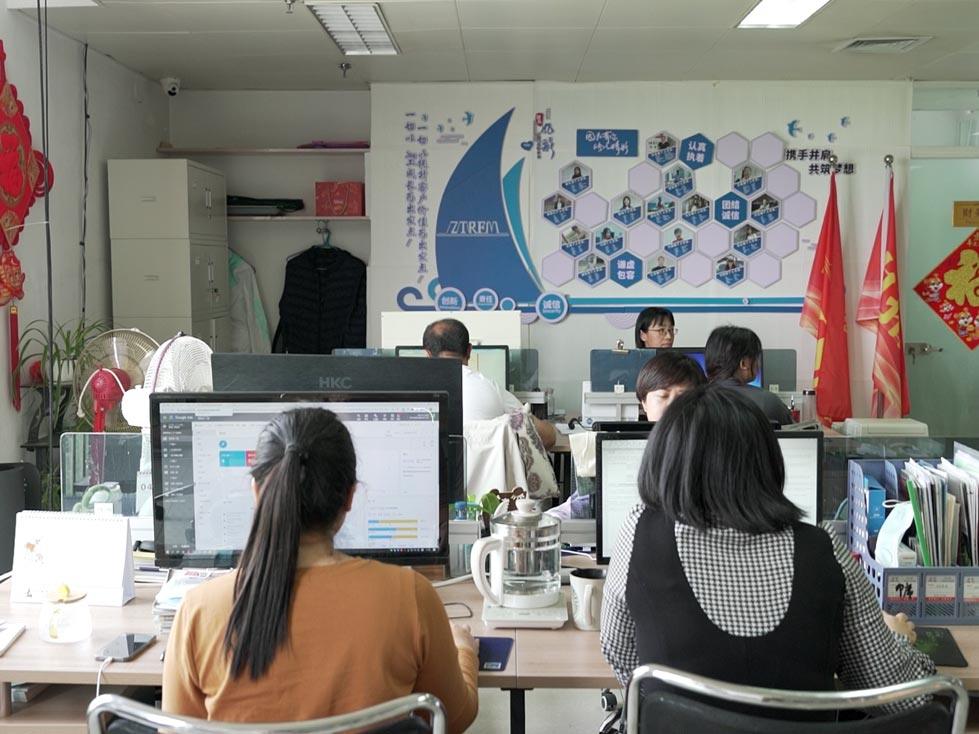
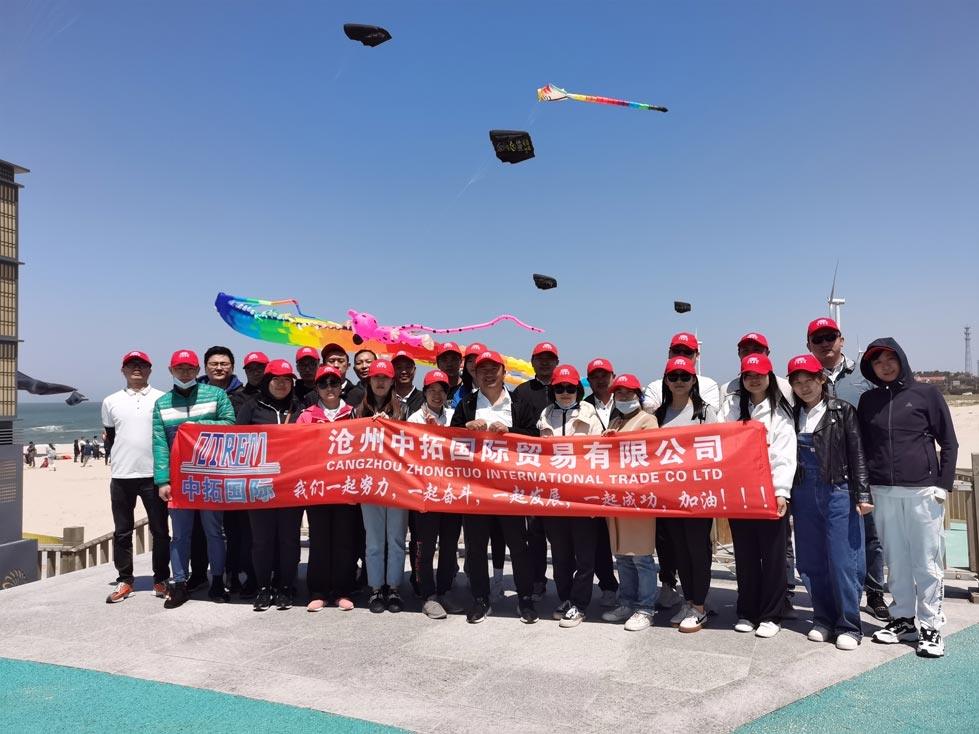
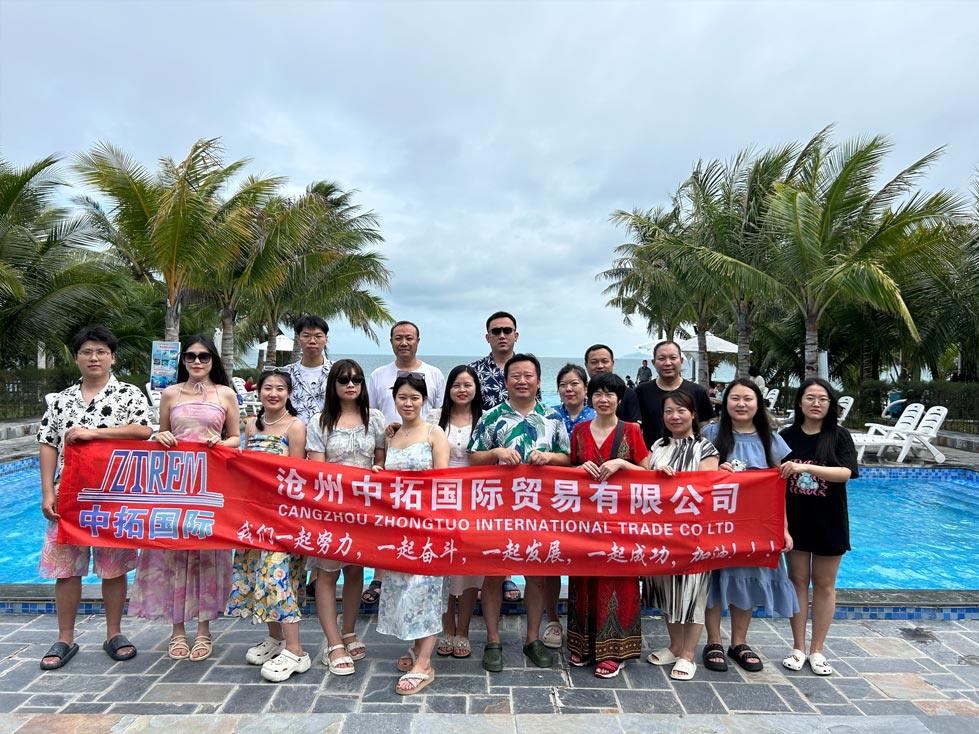
OEM/ODM&カスタマイズワンストップサービス
充実したアフターサービス
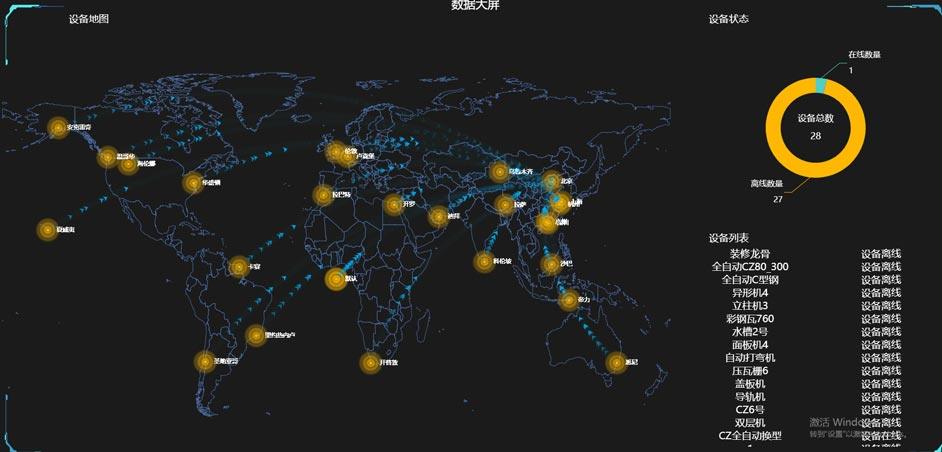
OEM、ODMの提供
1.コミュニケーション:バイヤーの要件を確認します。
2.技術者の設計: デッサンのプロフィールおよび 3D 機械デッサンを作って下さい
3.構成と生産を決定する
4.納品前テスト
2.技術者の設計: デッサンのプロフィールおよび 3D 機械デッサンを作って下さい
3.構成と生産を決定する
4.納品前テスト
5.梱包と配送
6.技術指導
7.アフターサービス:複雑な機械の設置サービスと定期的な顧客訪問
6.技術指導
7.アフターサービス:複雑な機械の設置サービスと定期的な顧客訪問
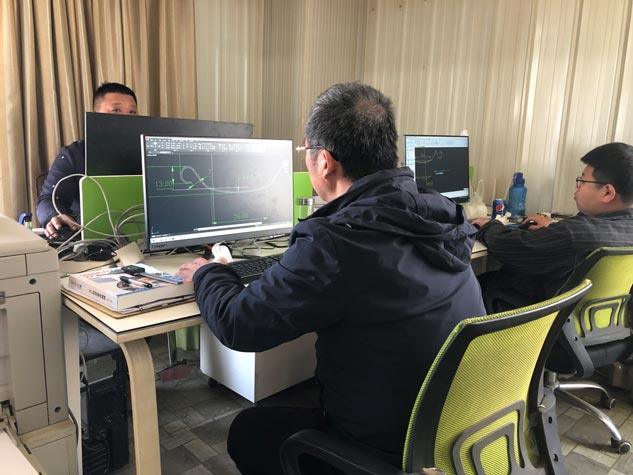
95800社以上の信頼
我々は、多くの企業と幅広く協力できることを光栄に思っている。
質の高い企業です。私たちとの協力を通じて、彼らは次のようなものを得ています。
強力なサポートを得て、事業の躍進と発展を遂げた。
質の高い企業です。私たちとの協力を通じて、彼らは次のようなものを得ています。
強力なサポートを得て、事業の躍進と発展を遂げた。
0
ISO9001およびCE認定
私たちは、お客様との長期ビジネスを確立されています。私達のプロダクトの何れかのモデルに興味がある場合は、お問い合わせは、自由にしてくださいを参照してください。
0
各国顧客
ユーザーから高い評価を得ている人気商品。
0
ワンストップ・ソリューション
アクセサリーから成形機まで、お客様の複雑な調達を解決します。
0
エンジニアチーム
私達に 20 人以上の強いエンジニアのチームがあります、私達はより正確で、より速い解決を与えます。