Over 24 Years Experience & Knowledge International Standards,
Technologicaly Changes & Industrial Systems, We Are Dedicated To
Provides Seds The Best & Economical Solutions To Valued Customers.
Technologicaly Changes & Industrial Systems, We Are Dedicated To
Provides Seds The Best & Economical Solutions To Valued Customers.
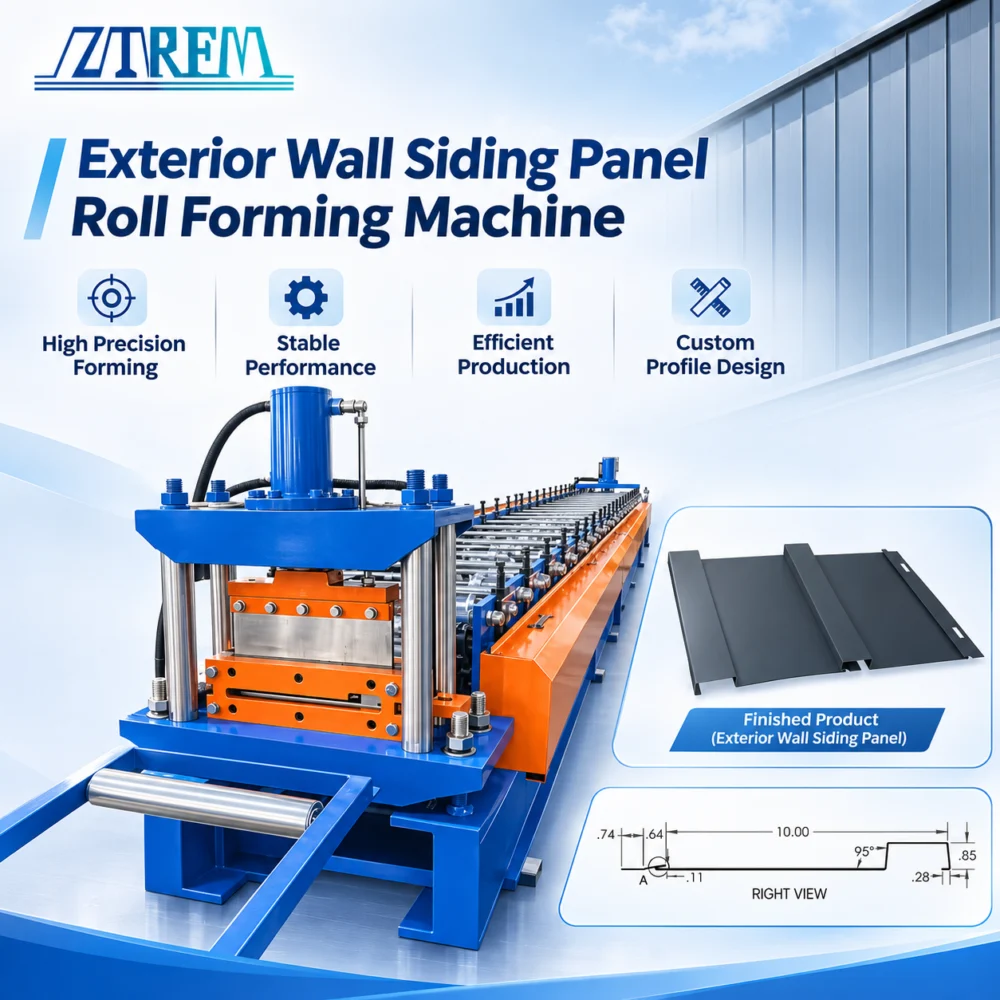
Exterior Wall Siding Panel Roll Forming Machine: Metal Wall Cladding Production Line by ZTRFM
Cangzhou Zhongtuo Roll Forming Machinery Co.,Ltd comes from Hebei-China. It is a manufacturer dedicated to design and manufacture.
different types of cold roll forming machines. We are a factory with a long history, engaged in the design and manufacture of roll forming machines since 2006. The machines we can produce include: roof tile making machine, cz purlin making machine, light steel keel making machine, metal embossing machine, door system forming machine, ceiling system forming machine, high frequency pipe welding machine, slitting line, cut to length line, shelf system forming Machine, floor decking forming machine, color stone tile production line, hot laminating filmed machine,etc.
different types of cold roll forming machines. We are a factory with a long history, engaged in the design and manufacture of roll forming machines since 2006. The machines we can produce include: roof tile making machine, cz purlin making machine, light steel keel making machine, metal embossing machine, door system forming machine, ceiling system forming machine, high frequency pipe welding machine, slitting line, cut to length line, shelf system forming Machine, floor decking forming machine, color stone tile production line, hot laminating filmed machine,etc.
For more information, delivery time and prices, please mail us!
Exterior Wall Siding Panel Roll Forming Machine: Metal Wall Cladding Production Line by ZTRFM
Description: ZTRFM exterior wall siding panel roll forming machine produces galvanized, PPGI and aluminum metal wall cladding panels with PLC auto-cut, custom roller tooling and stable high speed. Factory-direct export quote available.
Why Metal Facades Depend on a Dedicated Siding Panel Forming Line
Across commercial warehouses, factory buildings, showrooms, logistics centers, and modern residential projects, architects and developers are choosing metal exterior wall siding over traditional masonry, brick, and concrete finishes. Metal cladding delivers a clean, contemporary facade, light structural load, fast installation, corrosion-resistant coating options, and full recyclability at the end of the building's life. Behind every neat row of vertical ribs, trapezoidal folds, or flat-lock siding boards sits an exterior wall siding panel roll forming machine — the cold-forming line that turns coated steel or aluminum coils into dimensionally consistent wall cladding panels.
ZTRFM (Cangzhou Zhongtuo Roll Forming Machinery) designs and builds siding panel lines for panel manufacturers, facade contractors, steel distributors, and overseas workshop owners. This guide explains how the machine works, which panel profiles it can produce, the features that separate a production-grade line from a cheap copy, and how to specify the right configuration for your market.
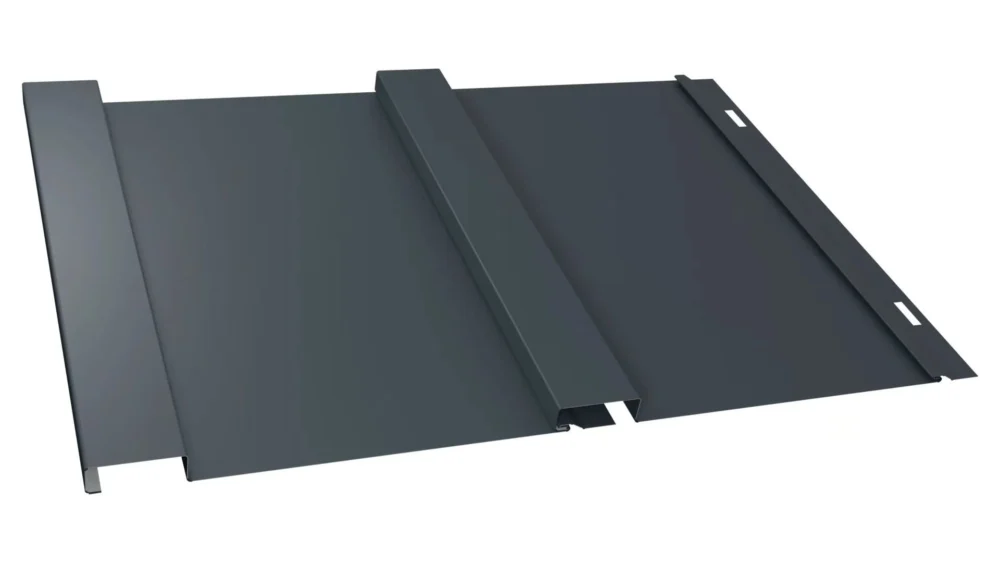
What Is an Exterior Wall Siding Panel Roll Forming Machine?
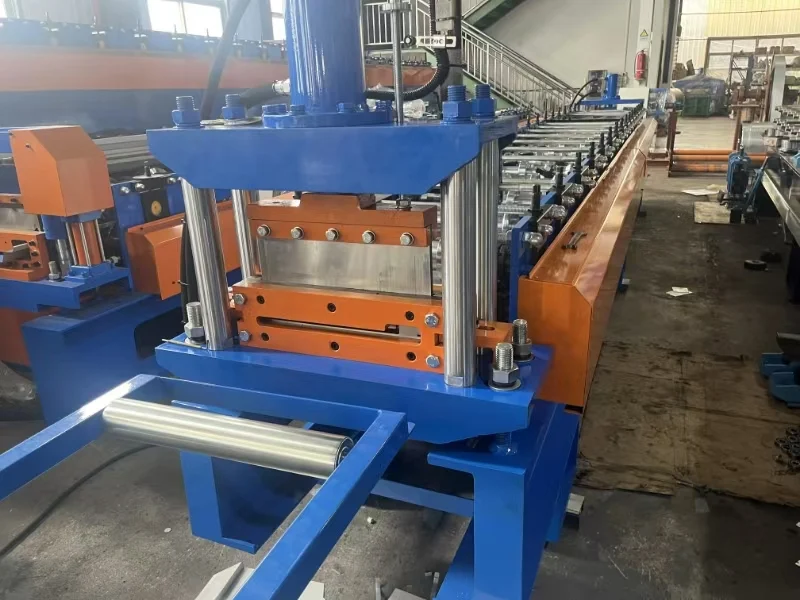
An exterior wall siding panel roll forming machine is a continuous cold roll forming system that shapes metal strip into finished wall cladding panels without reheating the material. A coil of galvanized steel, pre-painted steel, or aluminum is fed through a sequence of progressive roller stations; each station bends the strip a little further until the full cross-section of the siding profile is formed. A hydraulic punching or embossing station may add fixing holes, drainage slots, or decorative patterns before a hydraulic shear cuts the profile to the programmed panel length. The finished siding boards exit onto an output table, ready for bundling, stacking, or further coating.
Compared with press braking or manual bending, roll forming produces long panels with uniform ribs, square edges, and identical cross-section on every piece — an essential requirement for walls that must line up neatly over many meters of facade.
Common Siding Profiles a ZTRFM Line Can Produce
Because the roller tooling is custom-made to your drawing, the machine can be configured for the siding systems sold in your region. Common profiles include:
- Corrugated siding panels — classic round-wave or V-wave sheets used on agricultural buildings, warehouses, and utility enclosures.
- Trapezoidal wall cladding — straight-rib panels with wide flat pans and narrow ribs, popular on industrial and commercial facades for their bold, modern line.
- Flat-lock and interlocking siding boards — narrow vertical boards with concealed fixing folds, suitable for contemporary building exteriors and feature walls.
- Decorative embossed siding — panels with pressed textures, wood-grain or stone-like patterns, often used for residential cladding and renovated facades.
- Soffit and ceiling liner profiles — matching underside panels installed beneath eaves and roof overhangs.
- Inner liner sheets for insulated wall systems — the flat or lightly ribbed back sheet paired with polyurethane or rock-wool sandwich panels.
Buyers serving both the industrial and residential facade markets often choose a double-layer line that forms two siding profiles on one frame, expanding the product range without a second machine.
How the Siding Panel Forming Line Works
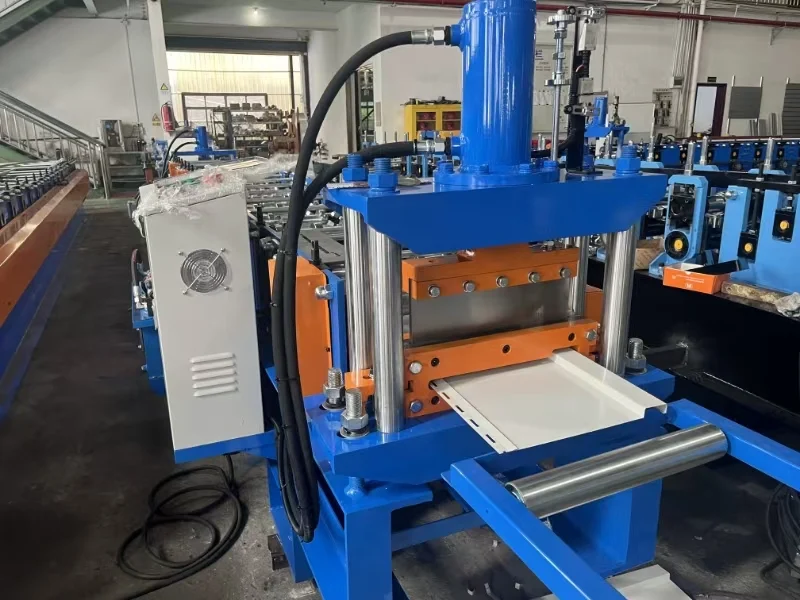
A standard ZTRFM exterior siding line follows the same proven production sequence from coil to finished panel.
Coil Decoiling
A hydraulic decoiler holds the incoming coil and releases the strip at line speed. An optional coil car lifts the coil onto the mandrel safely and without a forklift, while an entry guide keeps the strip centered as it feeds forward.
Leveling and Guiding
Leveling rollers flatten coil curvature and edge waves before the strip reaches the forming section, so the finished panel lies flat against the wall instead of bowing.
Main Roll Forming Section
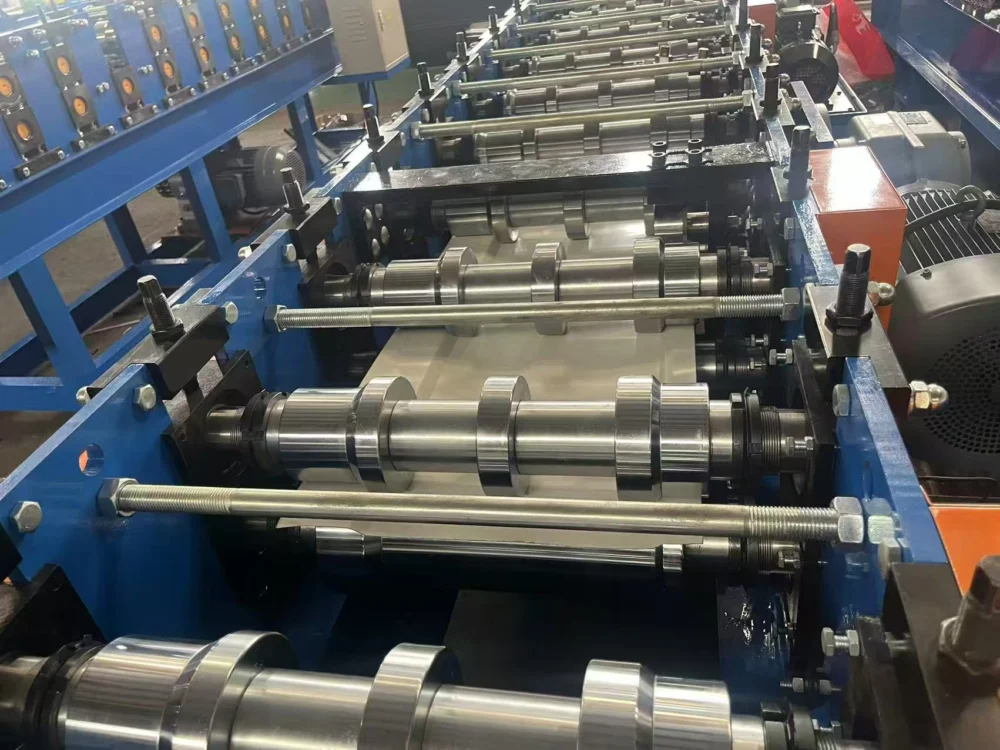
Ten to sixteen roller stations, driven by a heavy-duty gearbox, progressively fold the strip into the target siding profile. ZTRFM rollers are CNC-machined from solid steel, hard-chrome plated, and tested on your actual material before shipment to avoid profile distortion and surface scratching.
Punching, Embossing, or Notching
Where the facade system requires fixing holes, end notches, drainage slots, or decorative embossing, a hydraulic press station is integrated before or after the forming section. The PLC triggers each operation from encoder length feedback, so every hole lands in the exact position the installation system expects.
Hydraulic Cut-Off
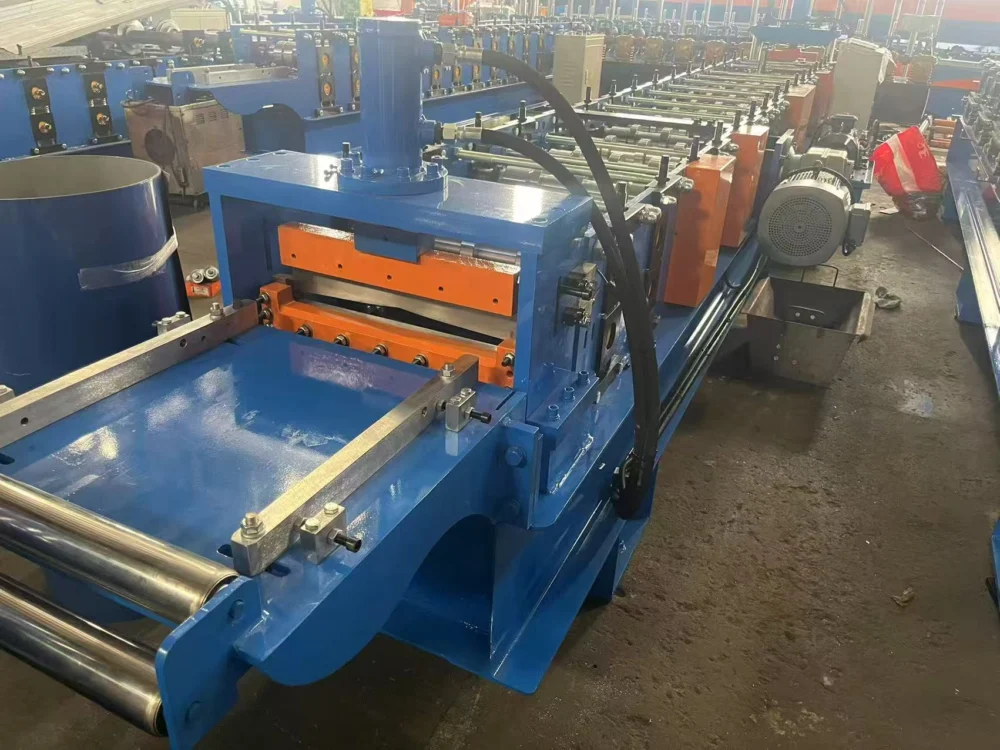
After forming, a hydraulic shear cuts the panel to the programmed length while the profile is held in the die. This keeps the cut end square and free of burrs, so panels install cleanly on site.
PLC Control and Output Table
The HMI touch screen stores product recipes — panel length, production quantity, punch pattern, and speed. Operators select a recipe, press start, and the line feeds, forms, processes, cuts, and stacks automatically. Languages include English, Spanish, Russian, French, and Arabic, and the voltage is configured to your local grid.
Key Features to Look for in a Production-Grade Siding Machine
Not every roll former on the market delivers the same panel quality. When comparing quotations, focus on the following points.
Rigid welded frame. A heavy-duty, stress-relieved main chassis resists vibration under continuous production. A light frame flexes over time, causing uneven ribs and poor panel alignment.
Precision-machined rollers. Roller material, plating, and machining accuracy determine whether the finished surface stays scratch-free and the profile matches the drawing. Ask for roller material and heat treatment details rather than price alone.
Powerful drive system. A gearbox-driven main drive with matched motor rating handles your target material thickness and line speed without slipping under load.
Stable hydraulic station. The punch press and cut-off shear rely on a clean, consistently pressurized hydraulic power unit. Check cylinder bore, pump rating, and oil cooling arrangement for long production runs.
PLC recipe memory and encoder length control. Recipe storage means operators switch between panel lengths and profiles without re-adjusting the line, while encoder feedback keeps cut-length tolerance tight shift after shift.
Quick-change profile capability. If you sell several siding designs, look for quick-change rollers or a multi-profile frame that reduces tooling swap time between production batches.
Materials and Typical Output
Most ZTRFM siding lines process 0.3–1.2 mm material, depending on profile strength and rib height. Common raw materials include:
- Hot-dip galvanized steel (HDG) for corrosion-resistant structural backings
- Pre-painted galvanized steel (PPGI) and pre-painted galvalume (PPGL) for colored facade finishes
- Plain or embossed aluminum for lightweight, coastal-friendly cladding
- Stainless steel for high-humidity or decorative applications, on request
Line speeds typically range from 10–25 meters per minute, which translates into a high daily output of siding panels for a single shift. Exact capacity depends on panel length, rib depth, punching frequency, and material thickness, and our engineers size the drive and stations to your target output.
Applications of Roll-Formed Exterior Wall Siding
Panels produced on a ZTRFM siding line are installed on a wide range of projects:
- Industrial factories, production workshops, and warehouses
- Commercial buildings, office showrooms, and shopping center facades
- Logistics parks, cold storage, and airport hangars
- Prefabricated houses, container homes, and modular building exteriors
- Agricultural barns, livestock houses, and greenhouse side walls
- Site offices, temporary shelters, and renovated residential cladding
Because siding panels are ordered by color, profile, and length for each project, an in-house forming line lets you respond quickly to local orders instead of waiting on imported sheet schedules.
Why Overseas Buyers Choose ZTRFM
ZTRFM has been manufacturing roll forming lines for more than a decade, and wall and roof panel equipment is one of our core product families. Buyers in Russia, Brazil, South Africa, Kenya, Saudi Arabia, Mexico, Vietnam, and other markets return to us for several reasons.
- Profile-first engineering. You send a drawing, sample, or reference photo; our engineers design the roller and punch tooling around your siding system, rather than forcing your product into a catalog profile.
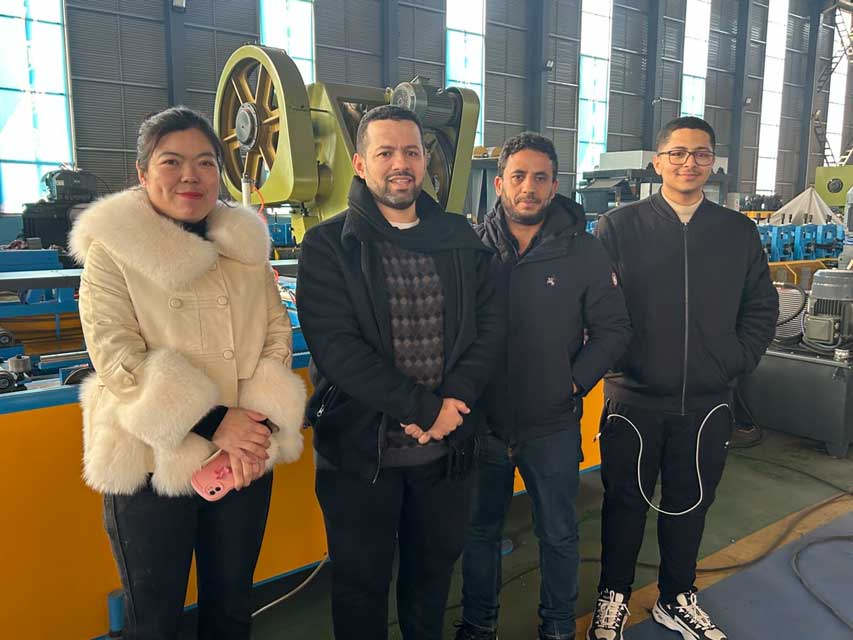
- Factory-direct pricing. You deal with the workshop itself, not a trading company, and can join a video tour of the production floor at any time.
- Pre-shipment test run. We run your material on the finished machine, cut sample panels, and share photos and video before container loading.
- Export-ready delivery. The machine body is secured inside a 20ft or 40ft container, spare parts and tools are boxed separately, and English manuals, wiring diagrams, and operation videos are included.
- Lifetime remote support. Our engineers remain available on WhatsApp and email for installation guidance, recipe tuning, and spare parts ordering, long after the sale.
Frequently Asked Questions
Can one siding machine produce more than one wall panel profile?
Yes. For buyers selling a main siding system with occasional secondary options, we can supply quick-change tooling or a double-layer frame that forms two profiles on one machine. The most cost-effective layout depends on your product mix, and we will recommend it after reviewing your profiles.
Which materials can the siding line process?
The standard line handles galvanized steel, PPGI, and PPGL coils within the specified thickness range. Aluminum and stainless steel can be accommodated on request, with adjusted roller hardness and drive configuration.
How long does machine installation take?
Most customers install and commission the line in 3–5 days with our remote video guidance. Prepare the foundation, electrical supply, and coil stock before the machine arrives. On-site engineer dispatch is available on request.
What is the lead time for a custom siding panel machine?
Standard siding lines usually take 25–35 working days after deposit. Lines with custom punching dies, embossing rollers, or multi-profile designs typically take 40–50 working days.
What spare parts are included with the machine?
Every delivery includes one working set of rollers or dies and a set of critical wearing parts. Additional die sets, shear blades, and spare rollers can be ordered later and shipped by sea or air.
What is the minimum order quantity?
One machine. We supply small workshops starting their first siding business as well as established panel manufacturers upgrading or adding capacity.
Why choose us?
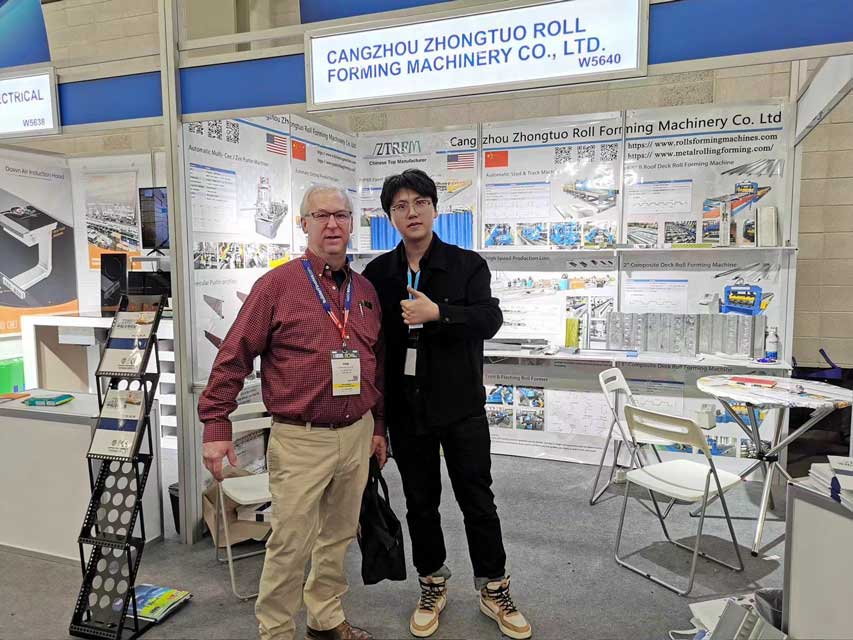
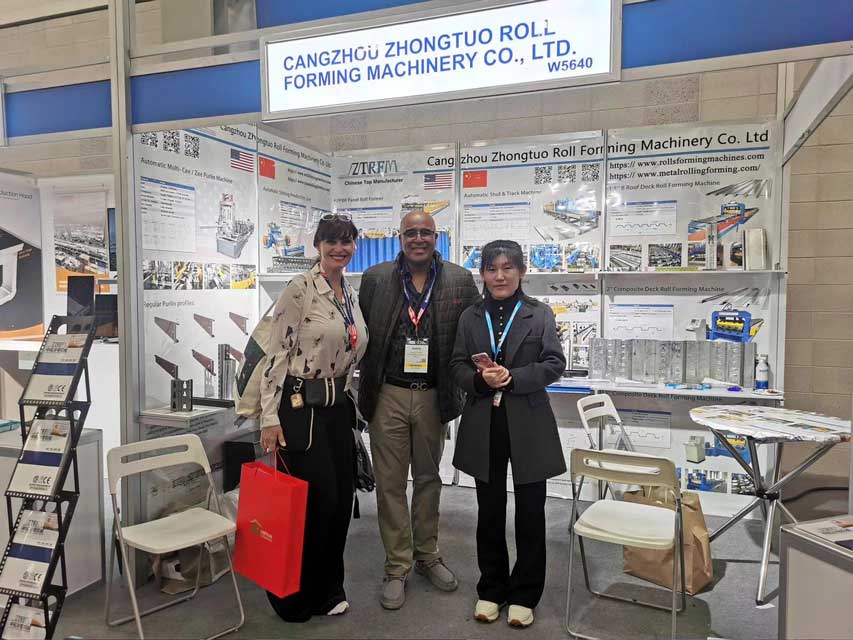
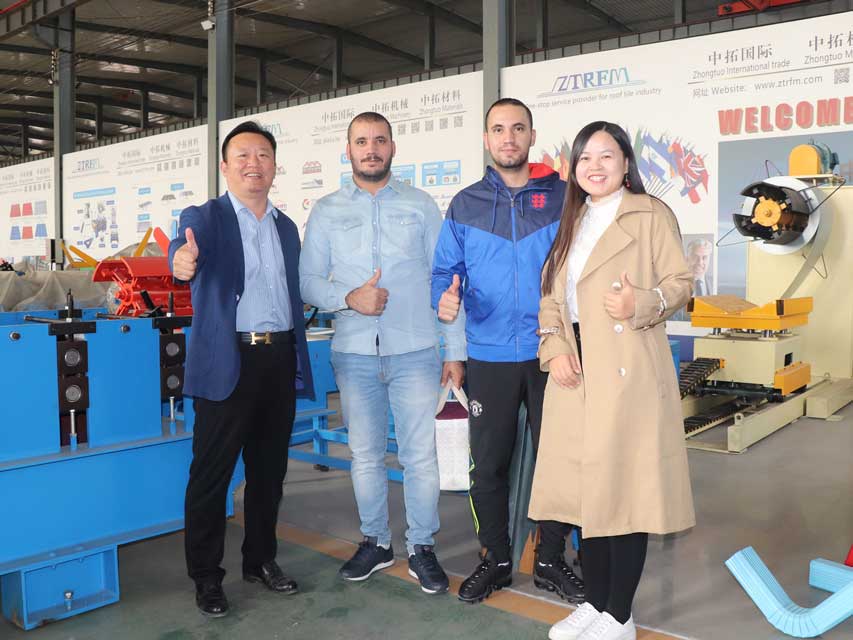
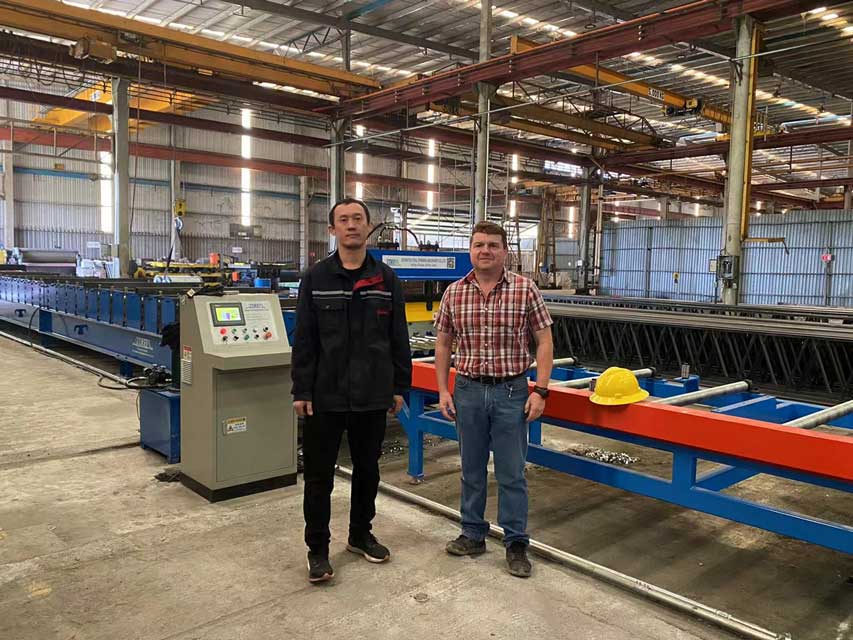
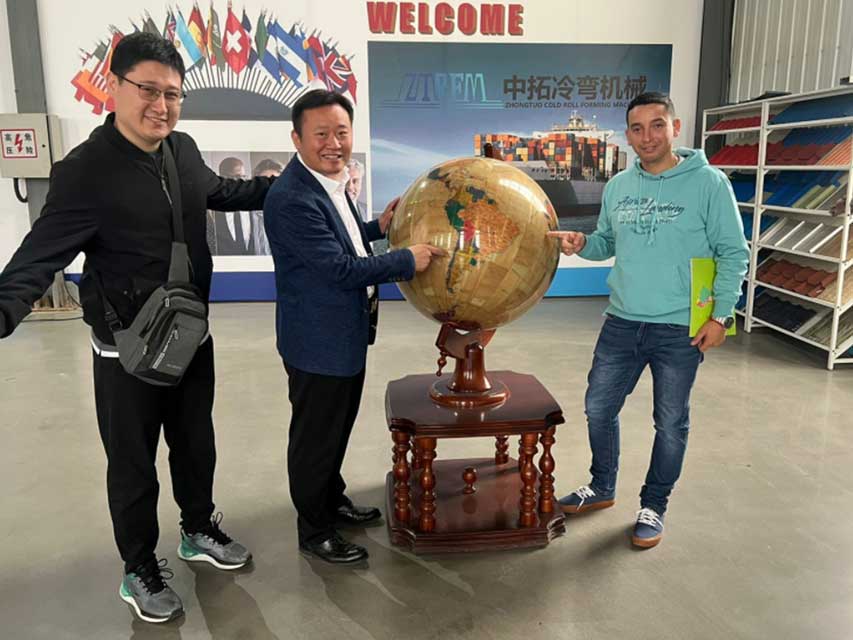
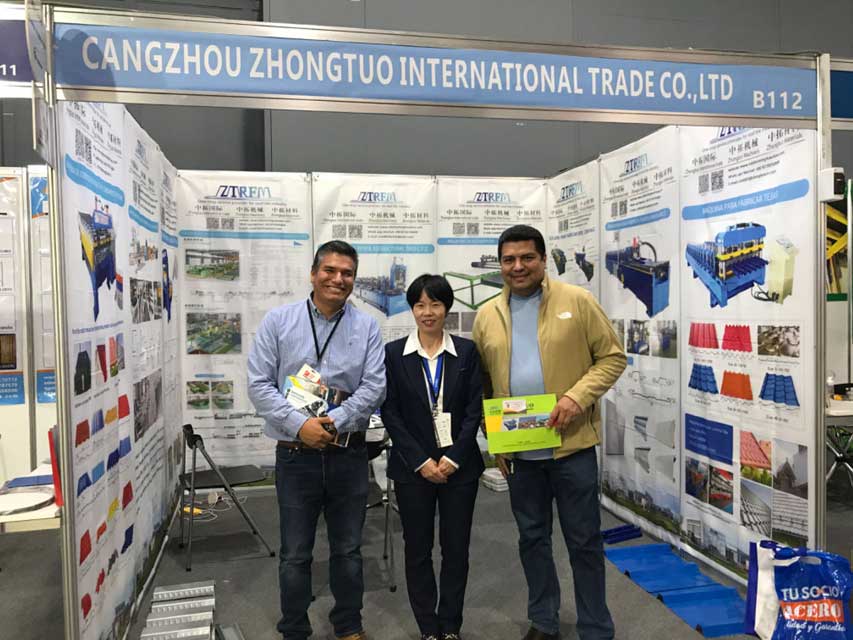
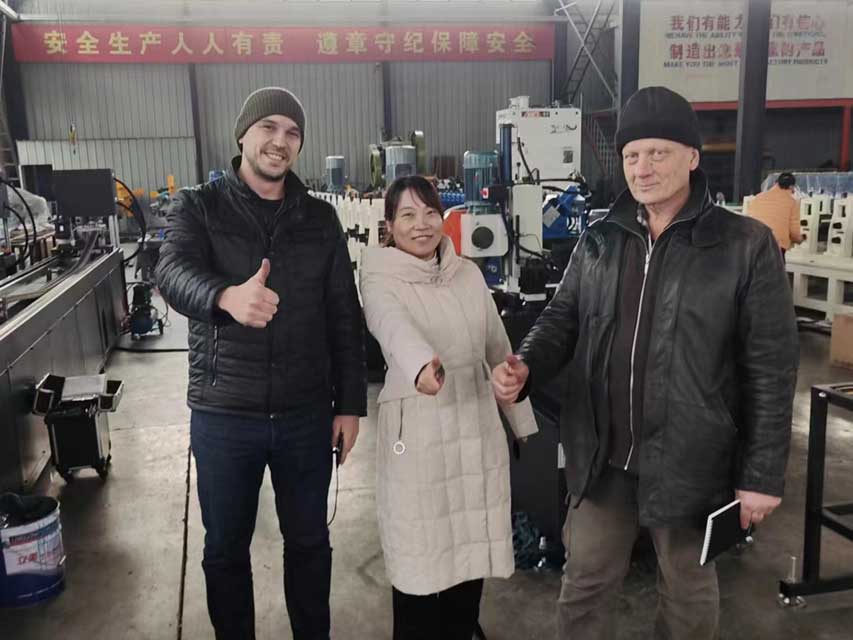
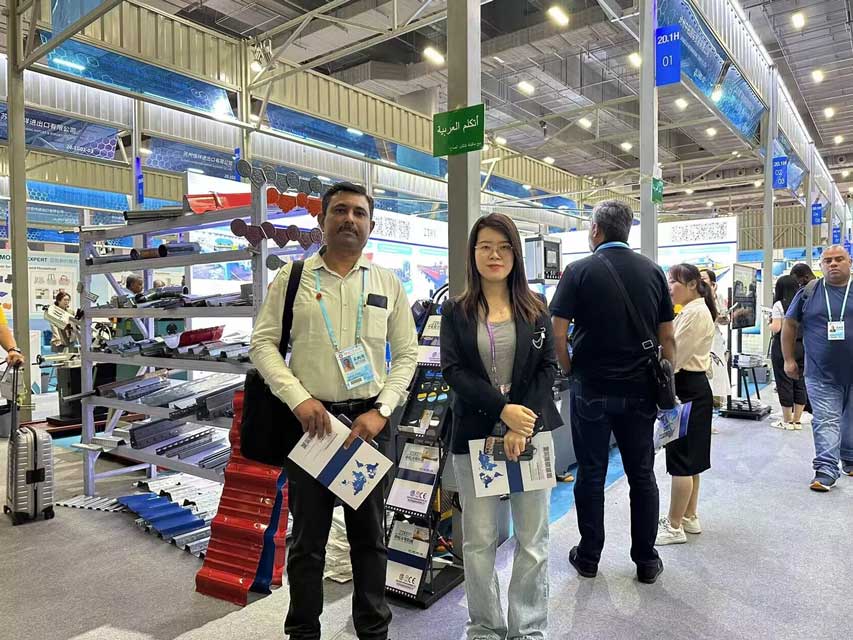
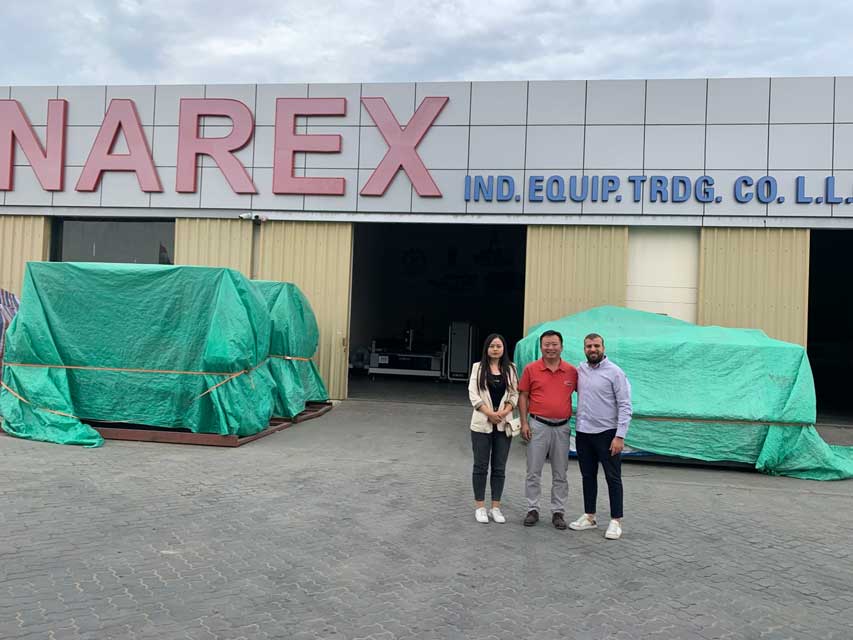
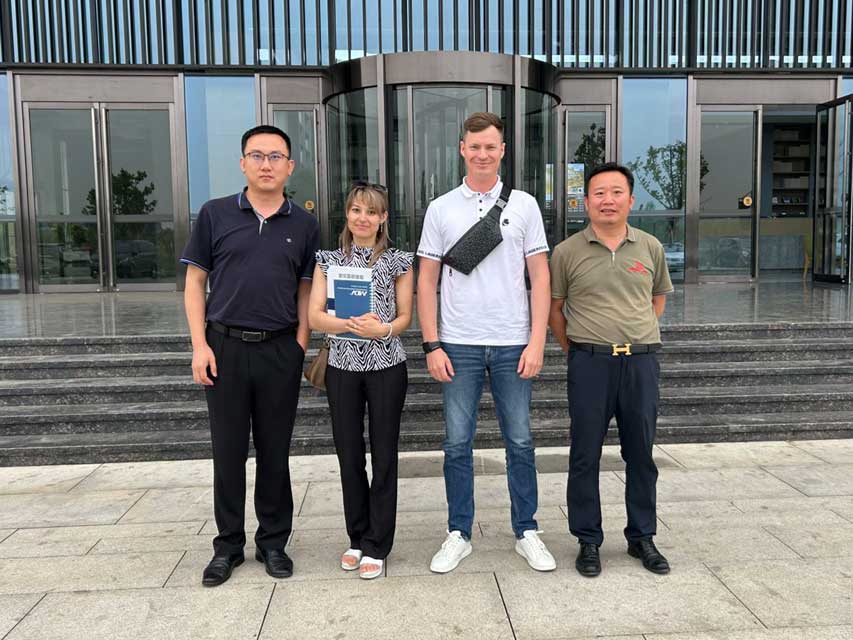
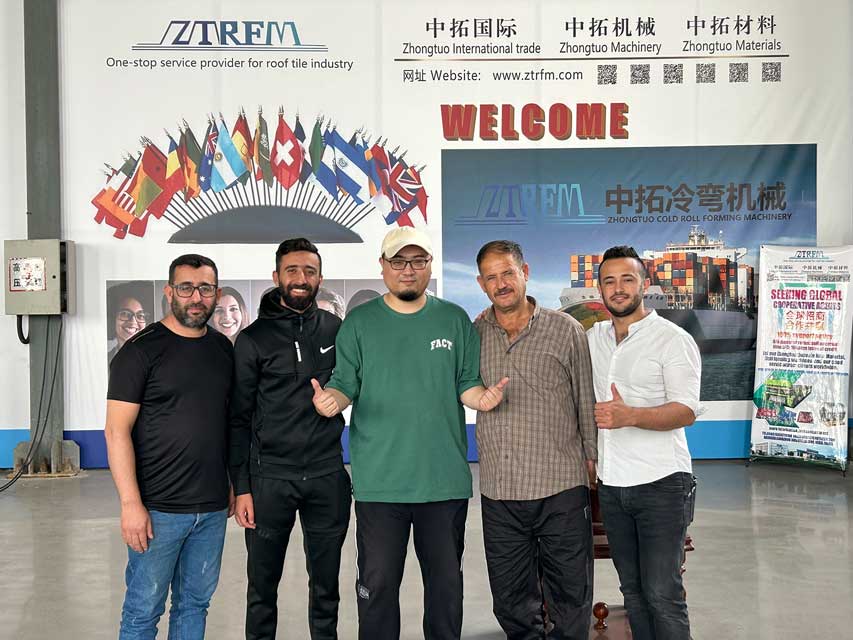
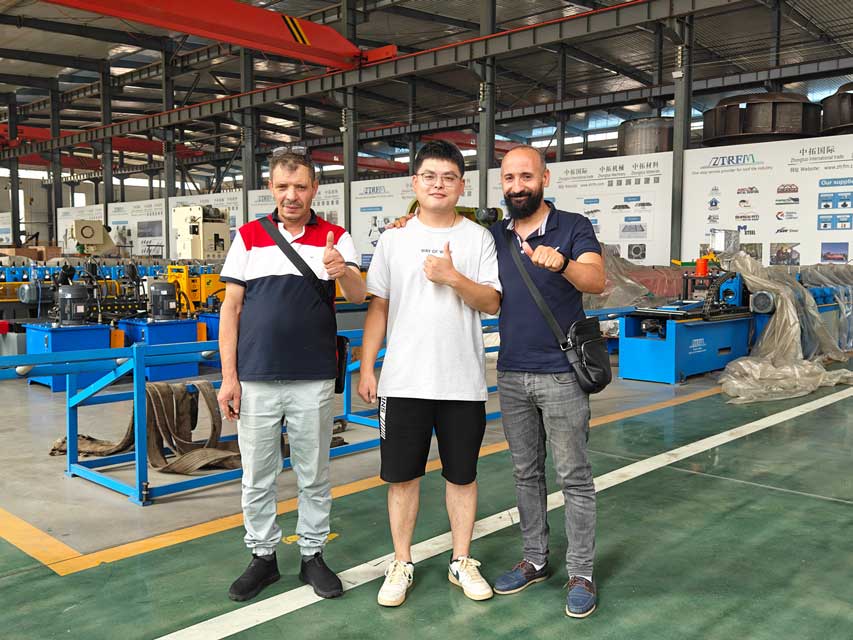
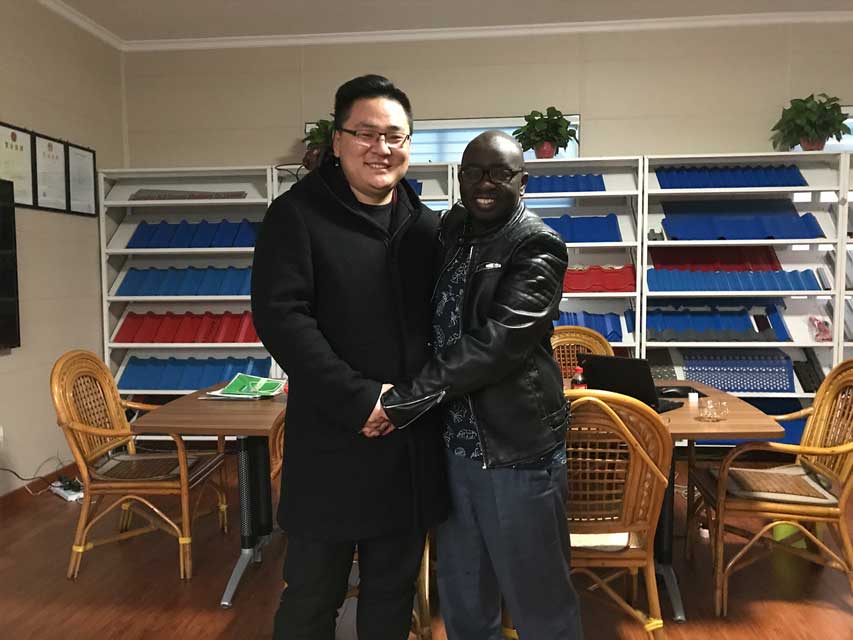
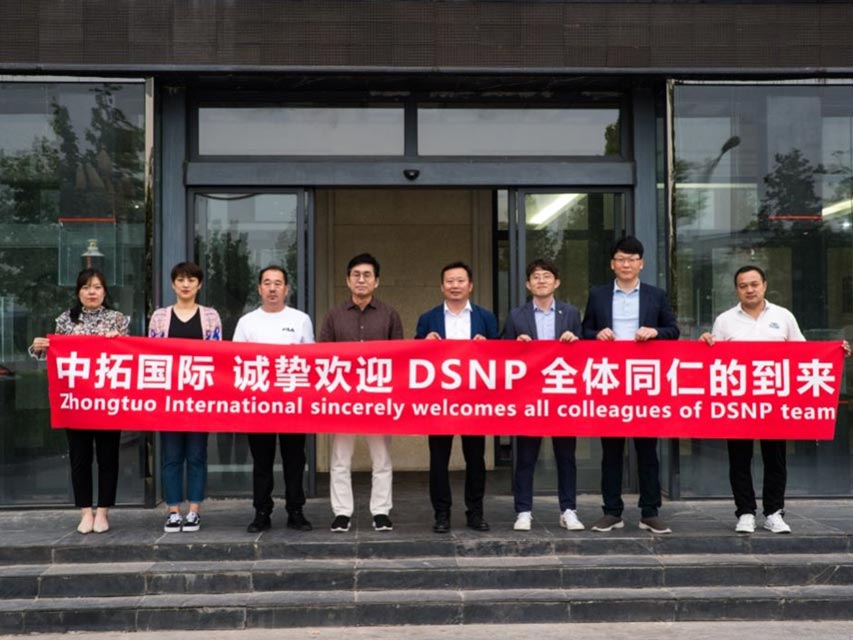
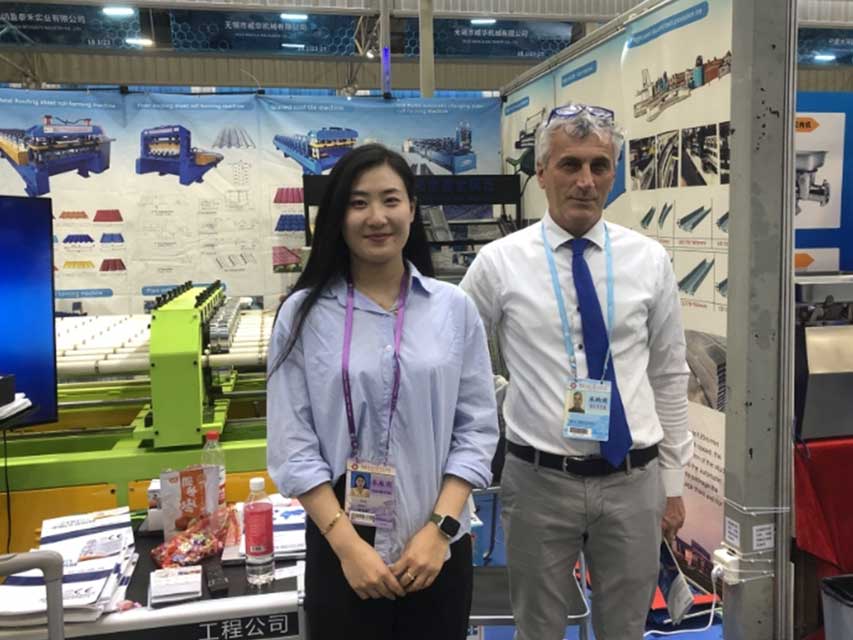
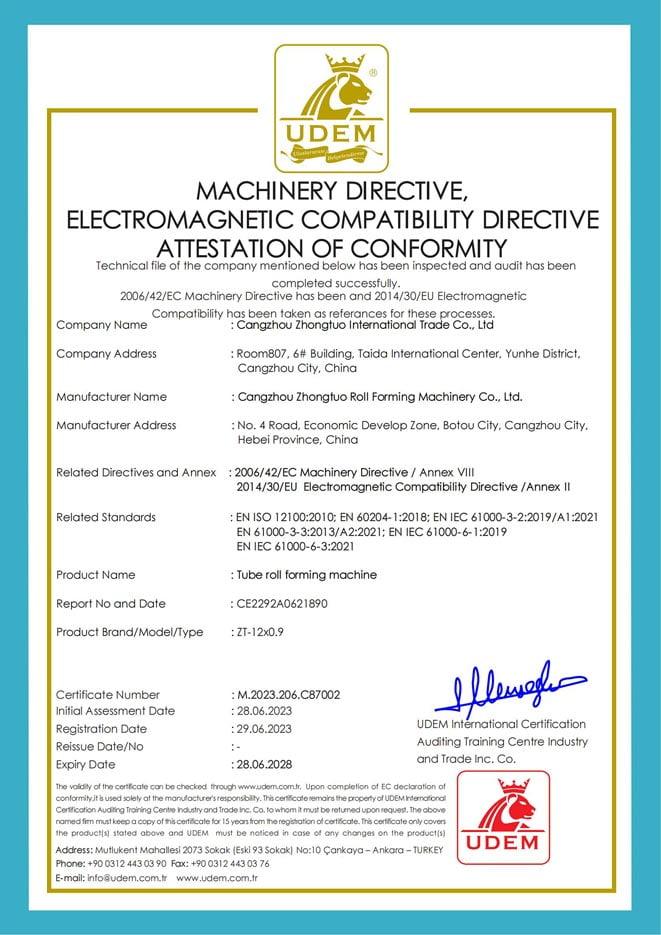
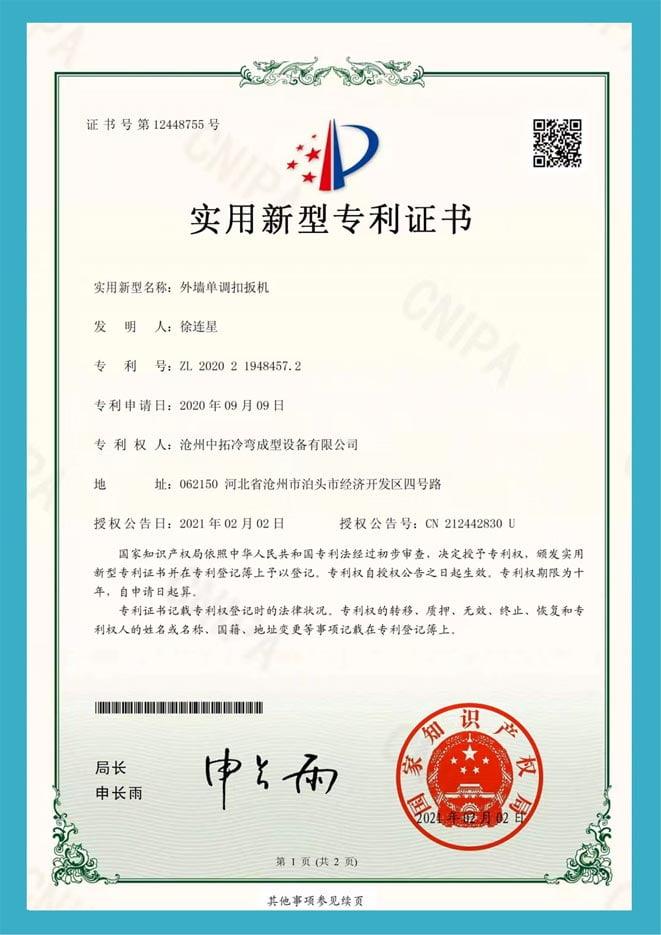
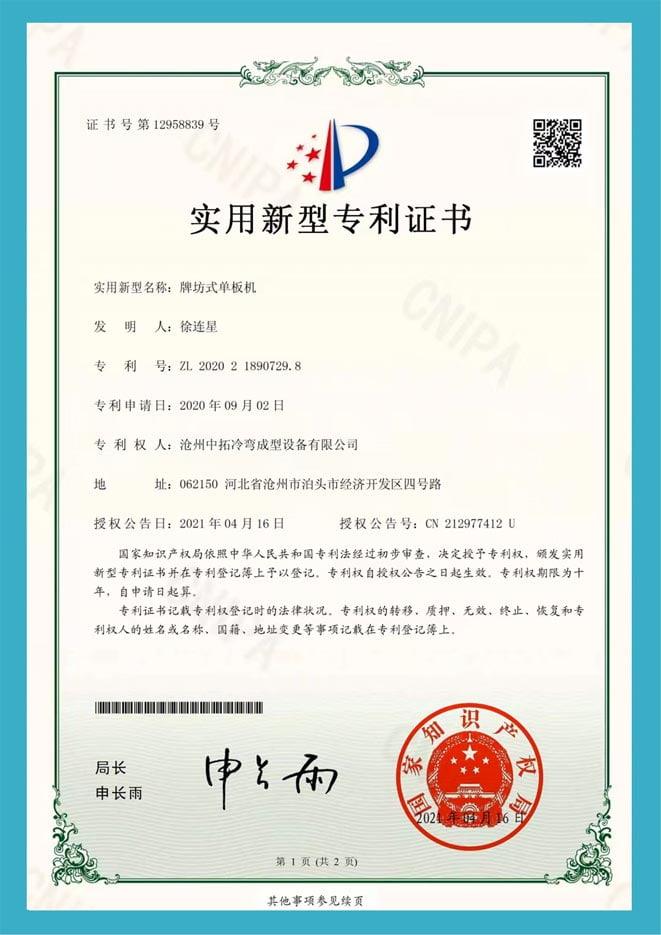
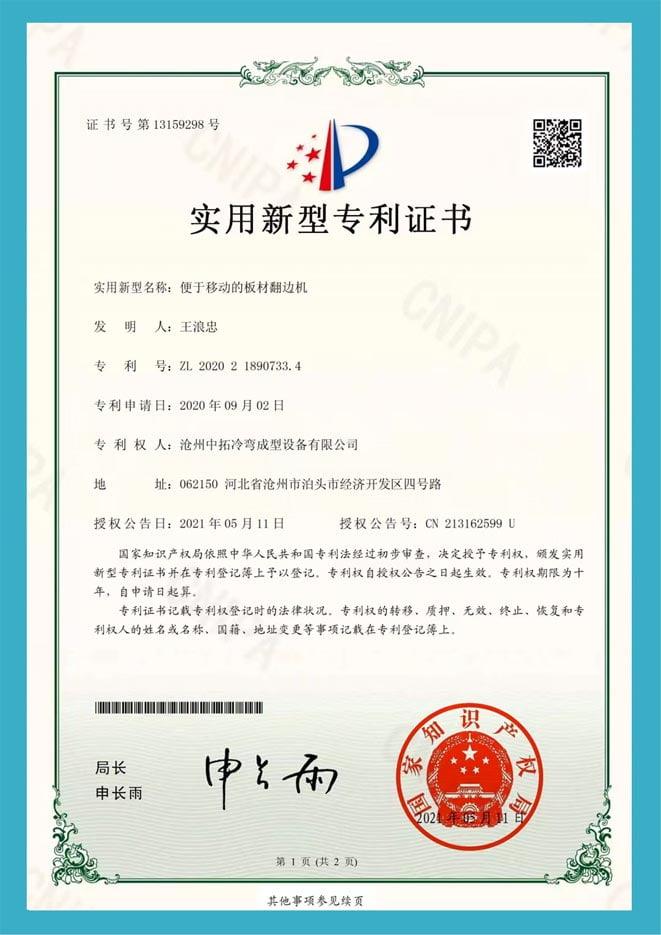
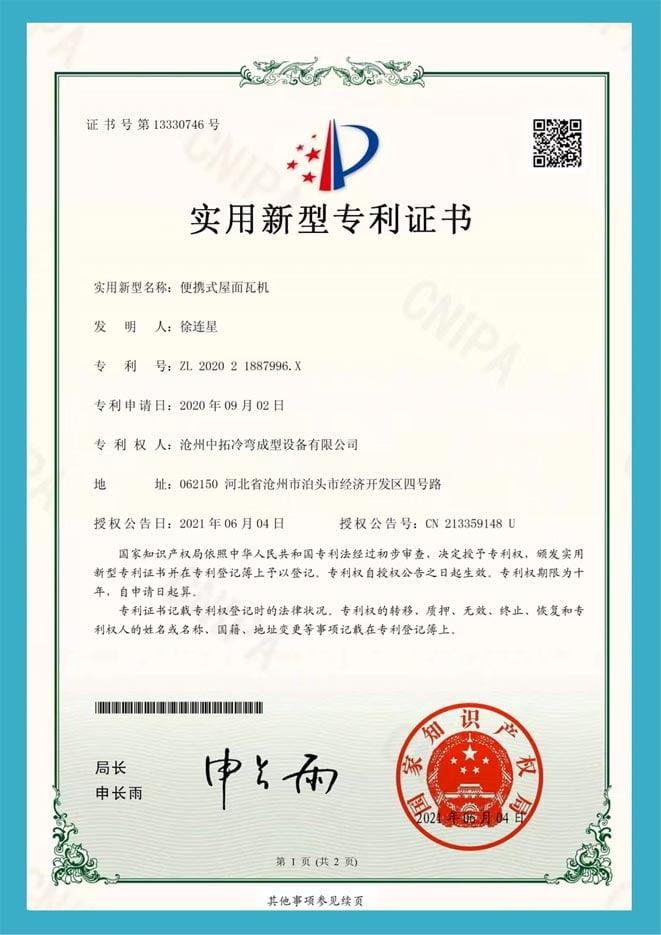
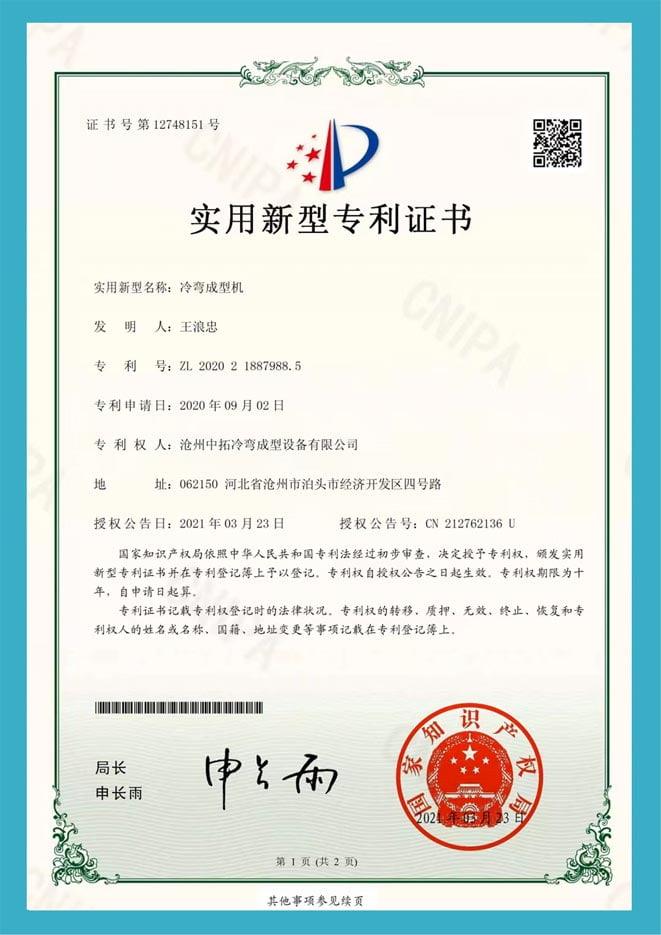
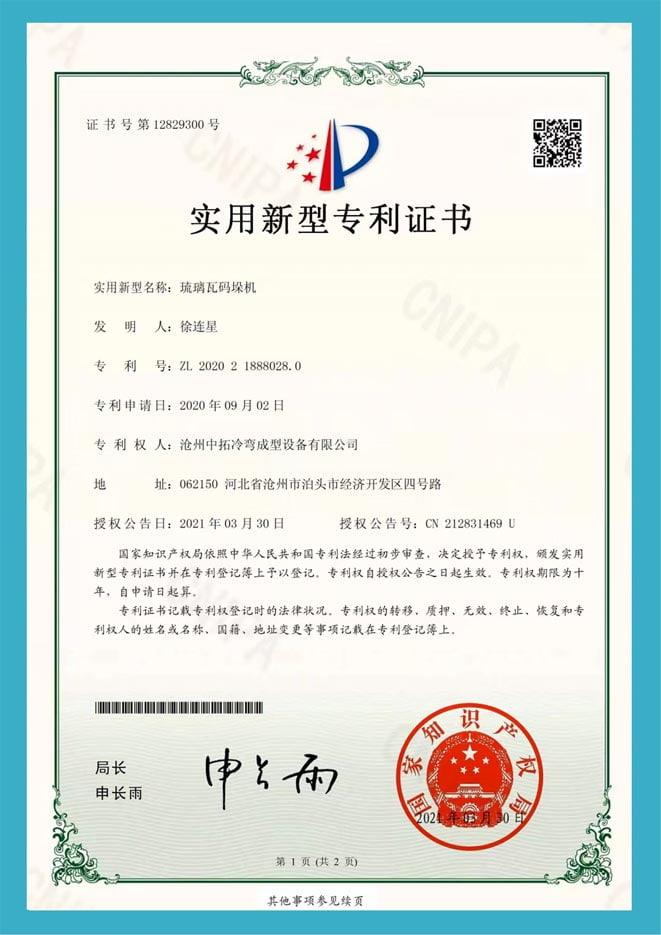
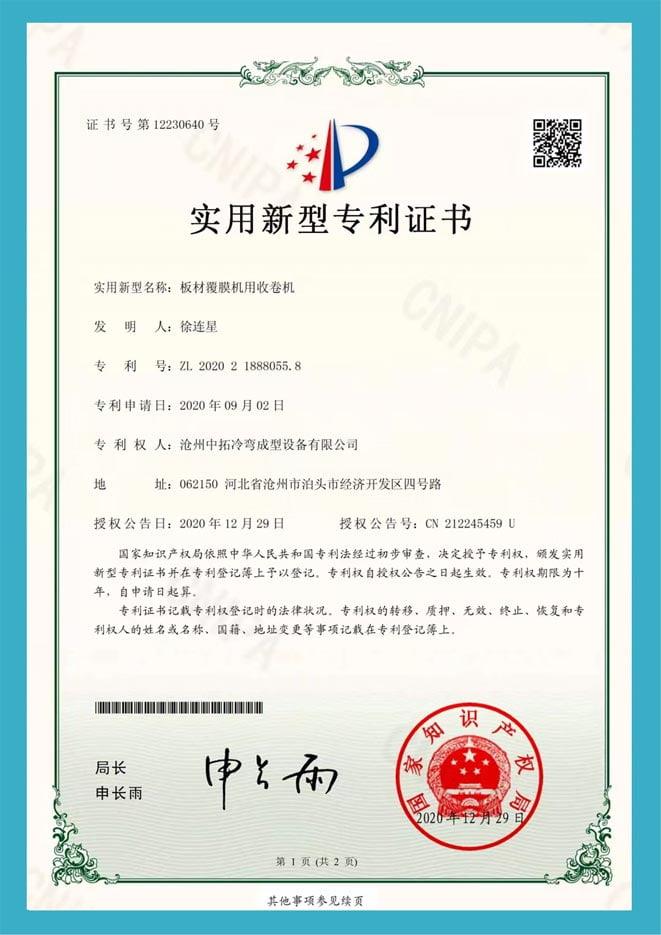
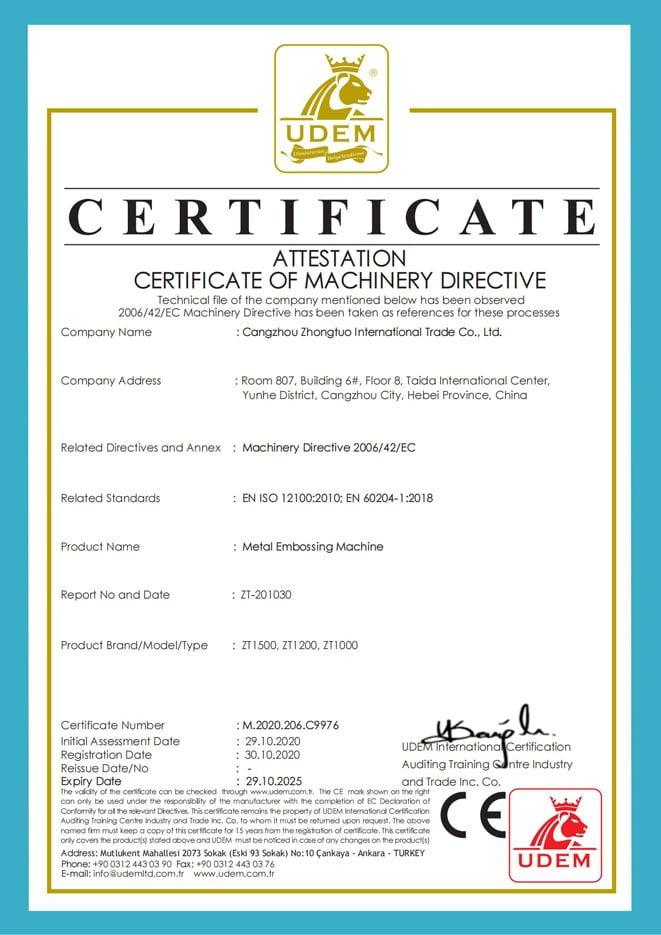
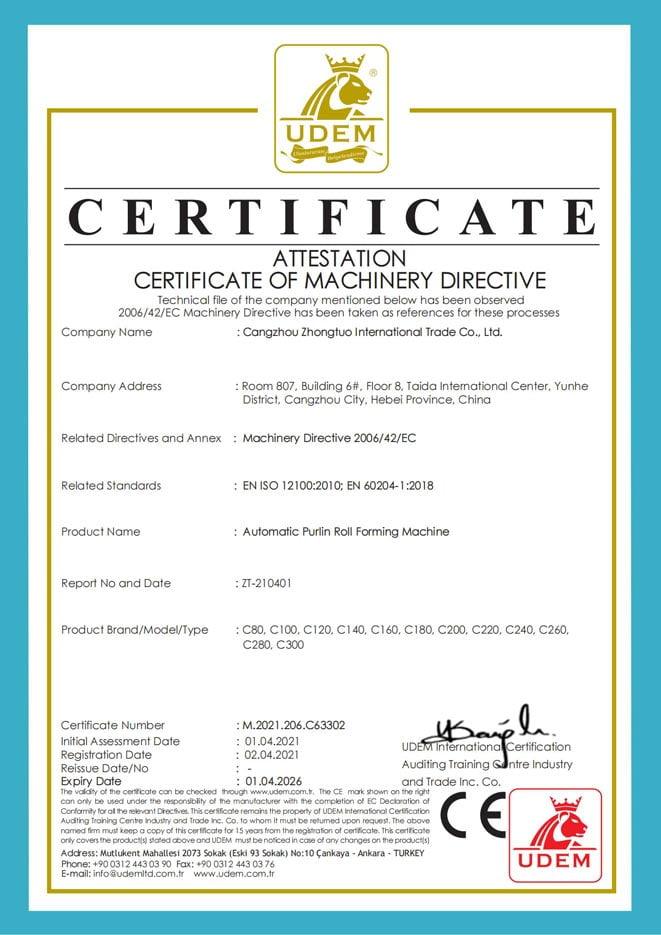
We are a national level high-tech enterprise. We have got ISO9001 quality system certification, European CE safety certification, North American CAS certification and others. We have rich experience in export trade, understanding the needs of different countries customers. Meanwhile we can provide customers with satisfactory design solutions. Our machines have been exported to more than 150 countries, and we have established long-term and stable cooperative relations with customers, and won the praise of customers.
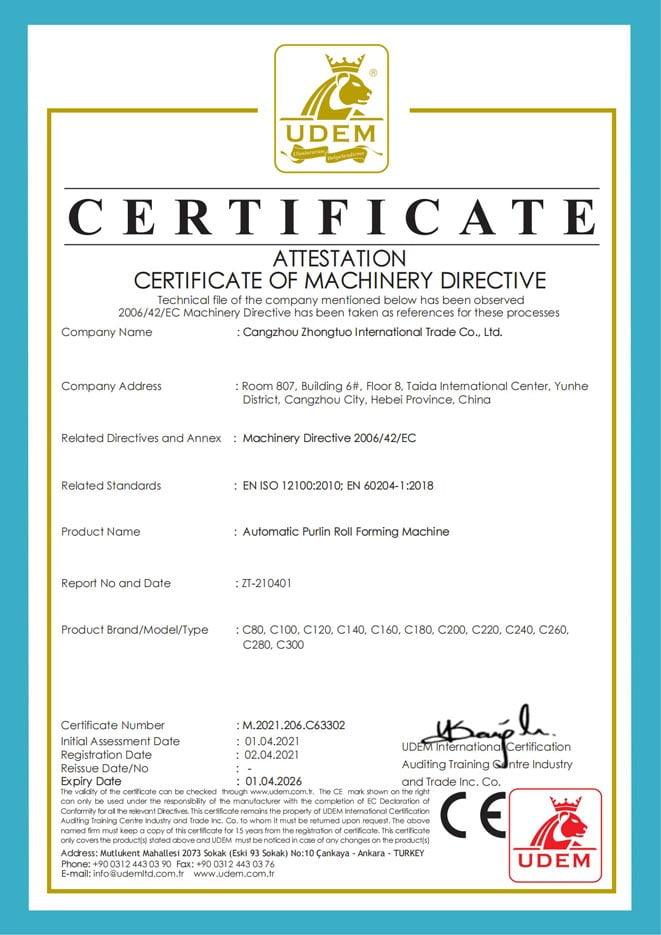
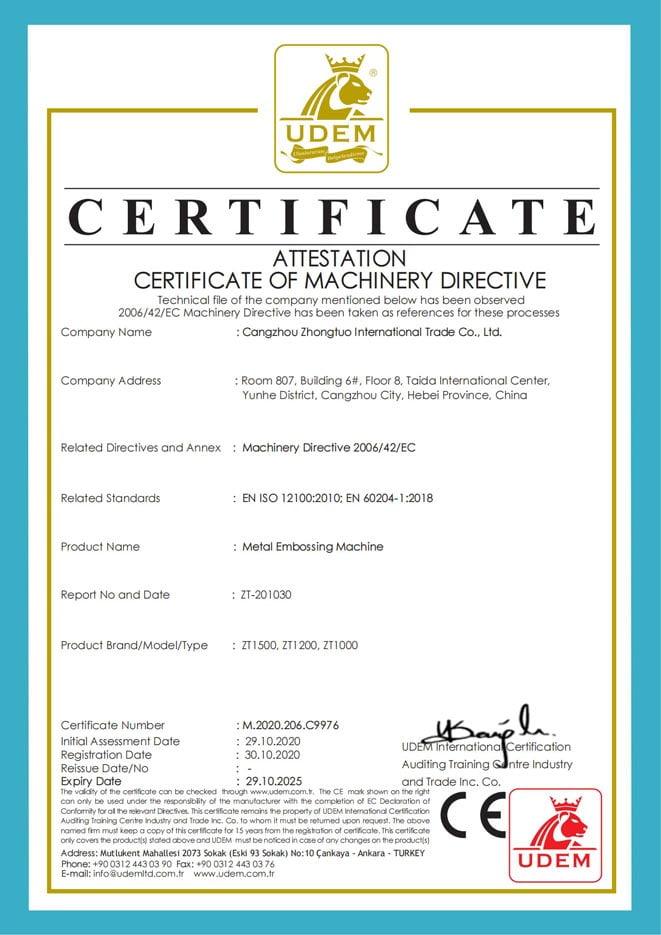
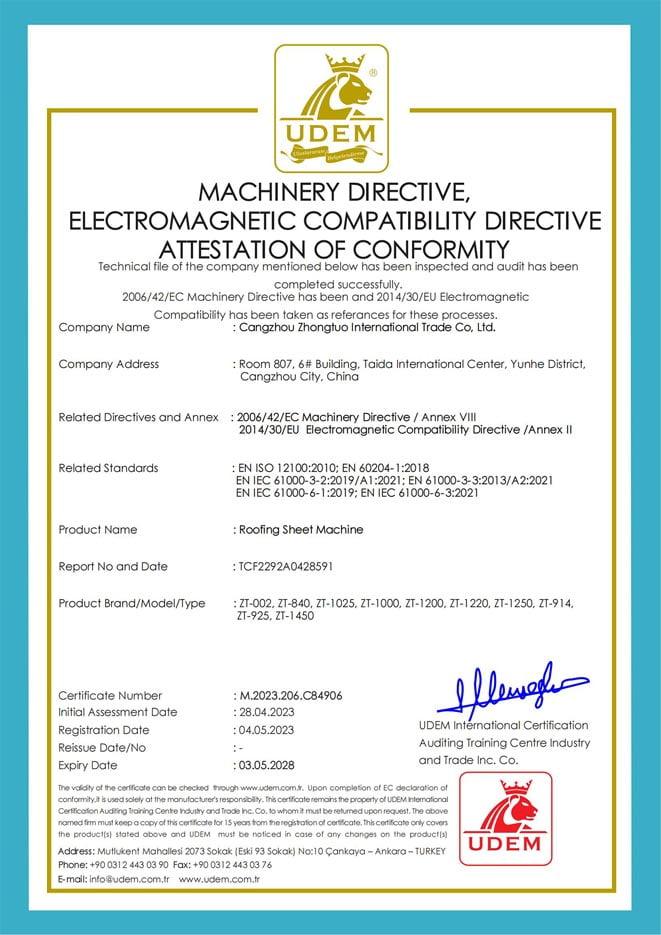
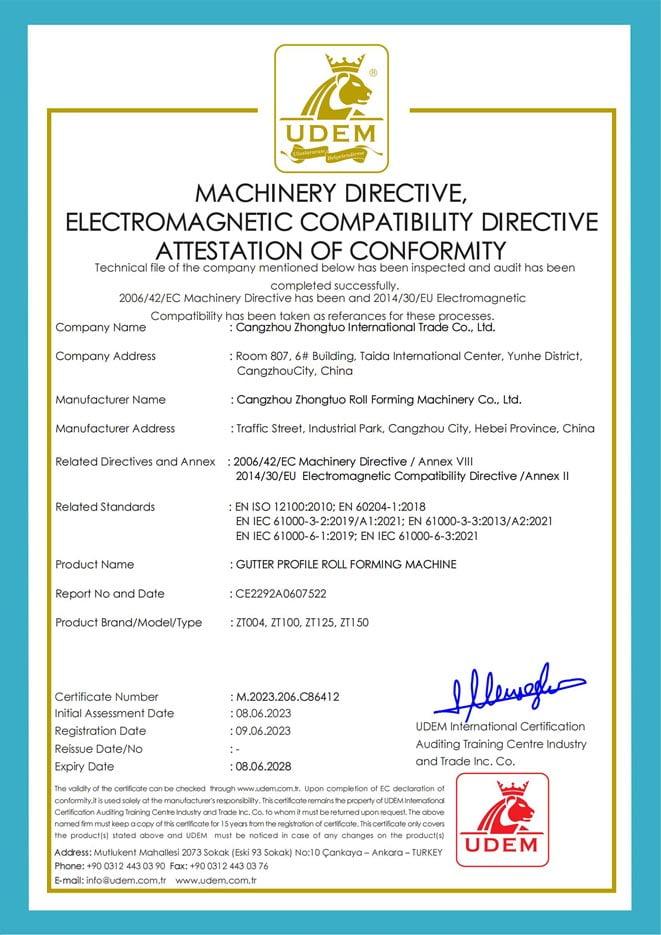


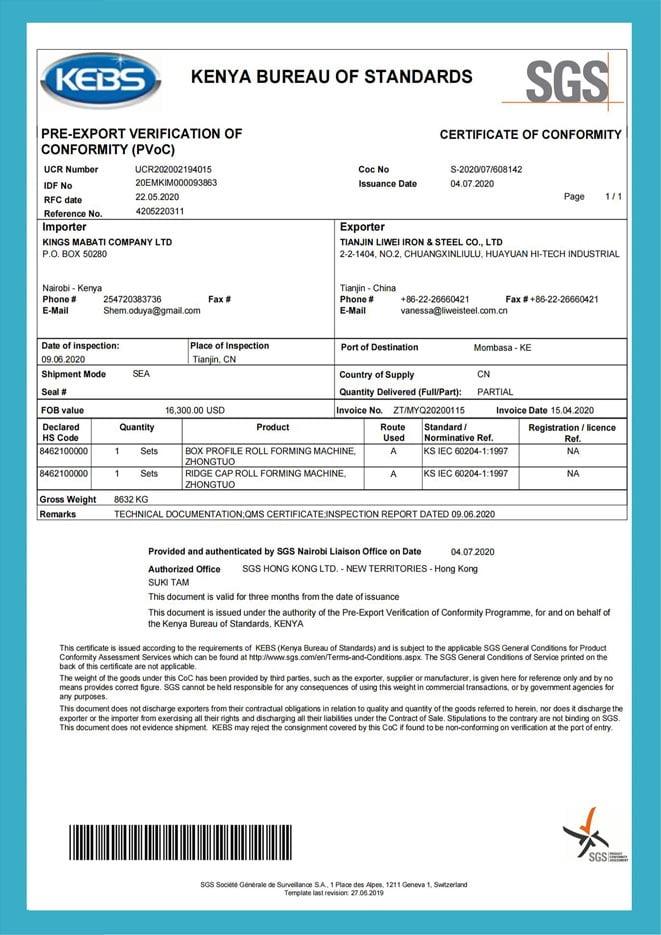
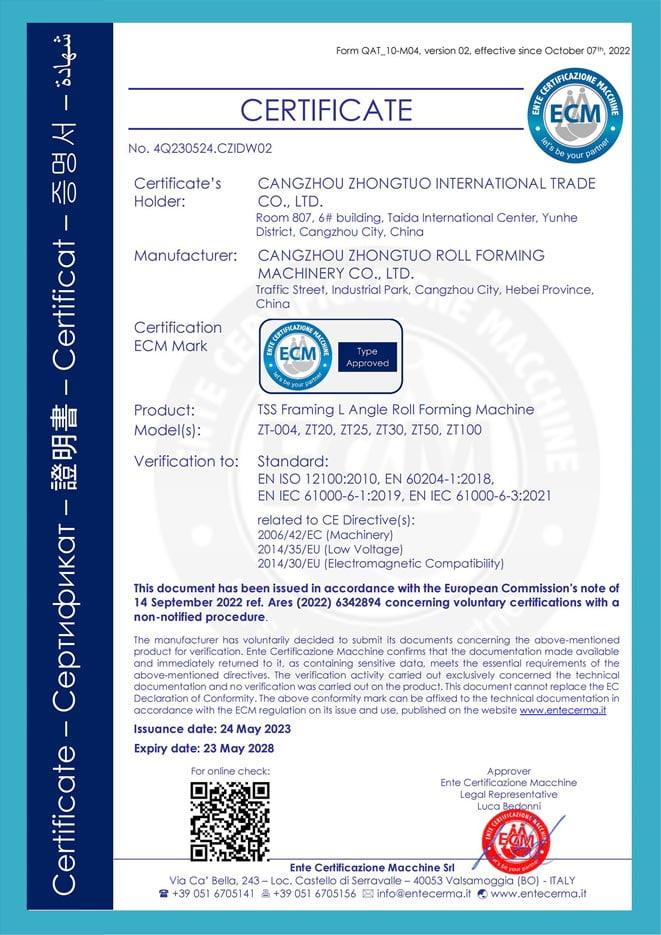
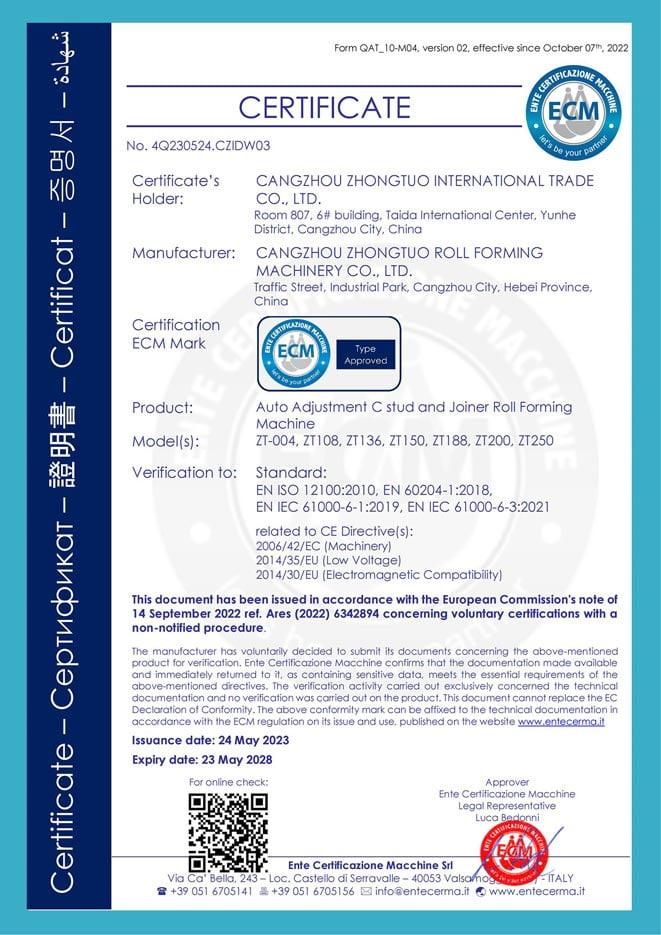
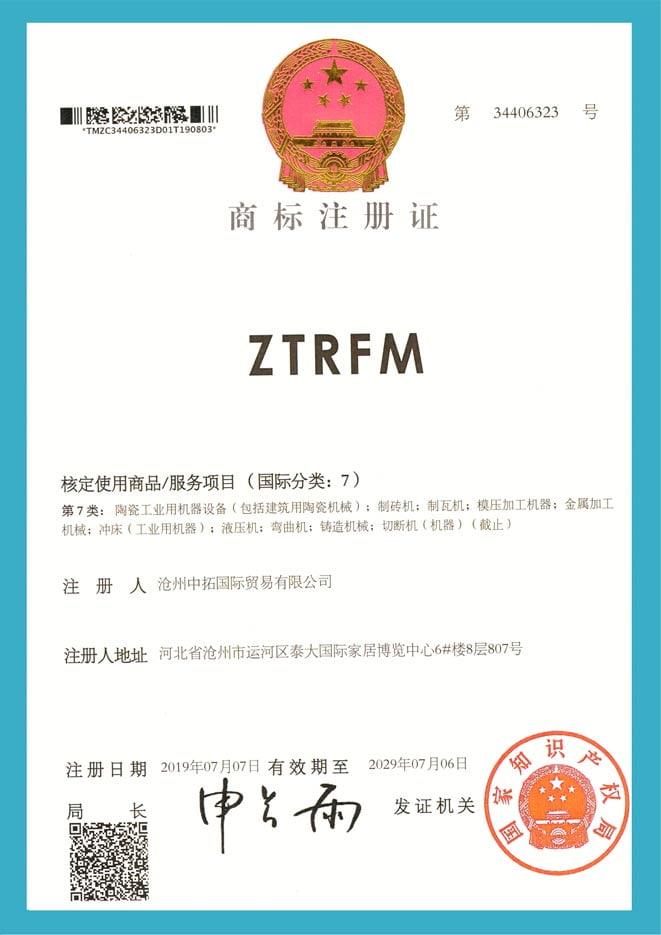
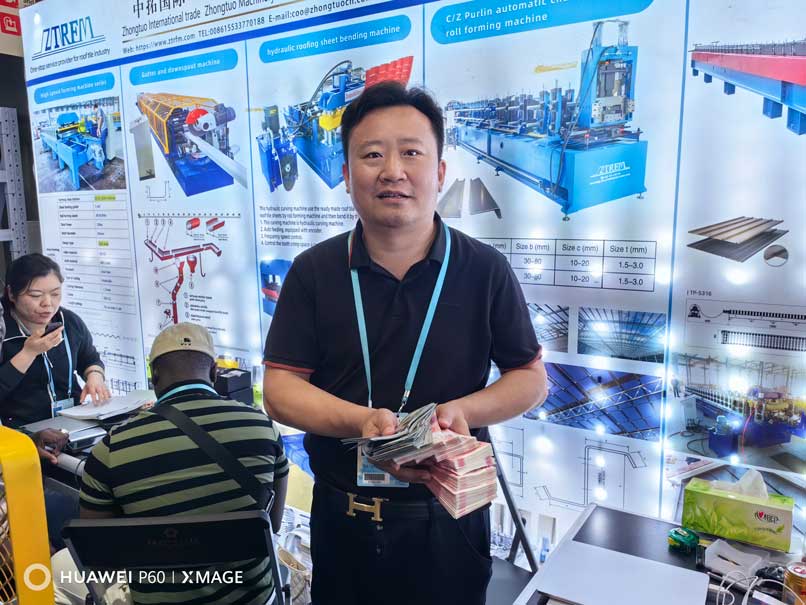
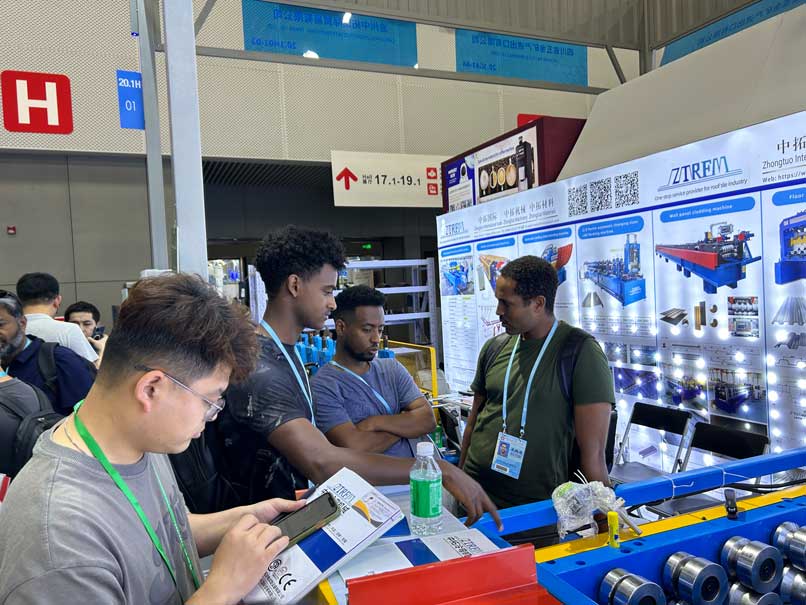
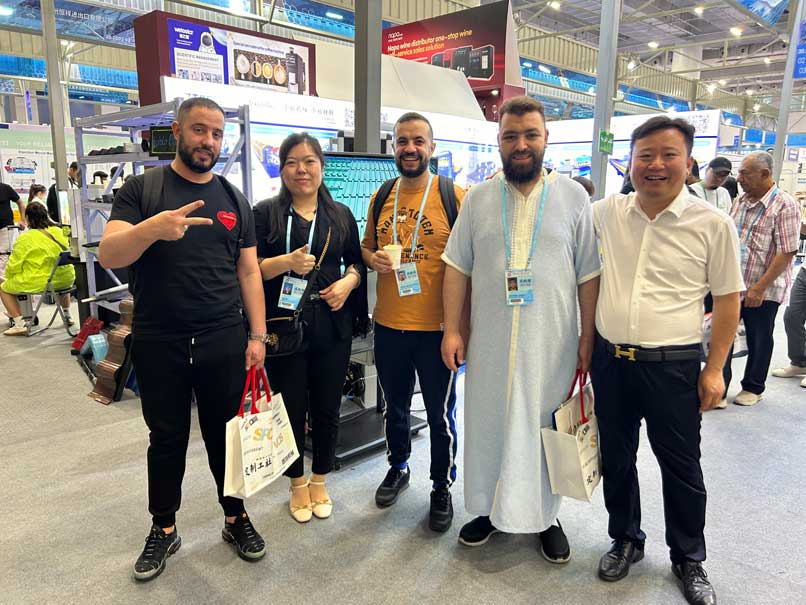
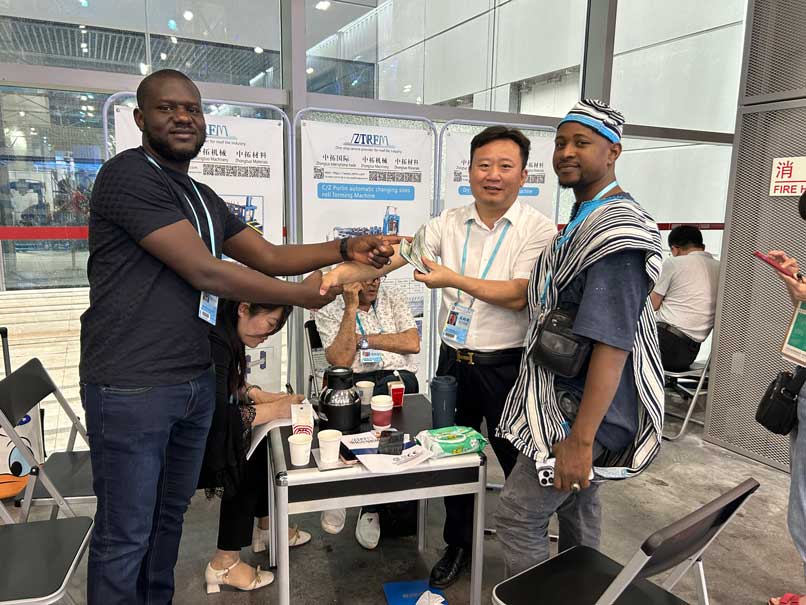
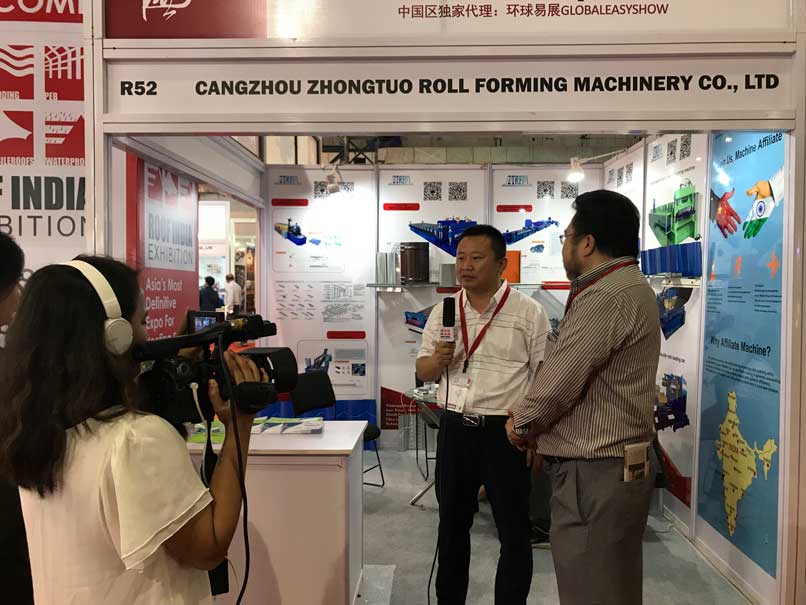
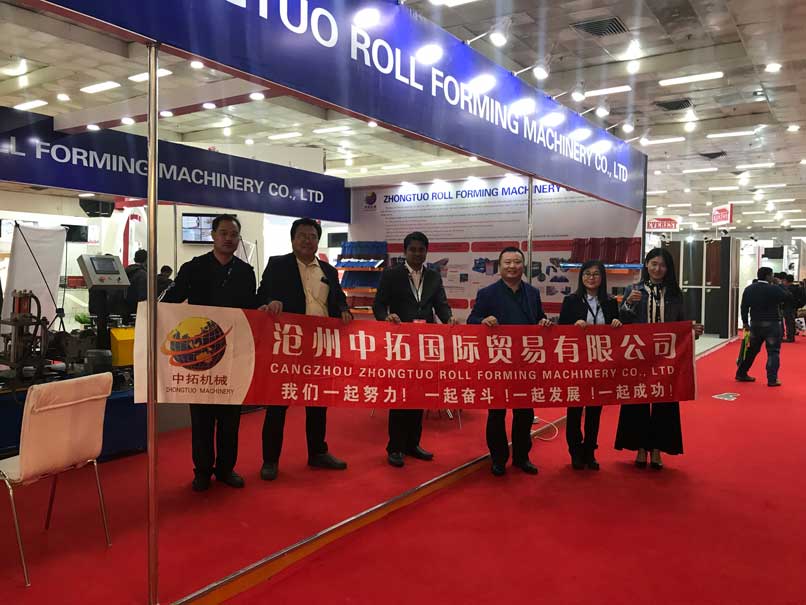
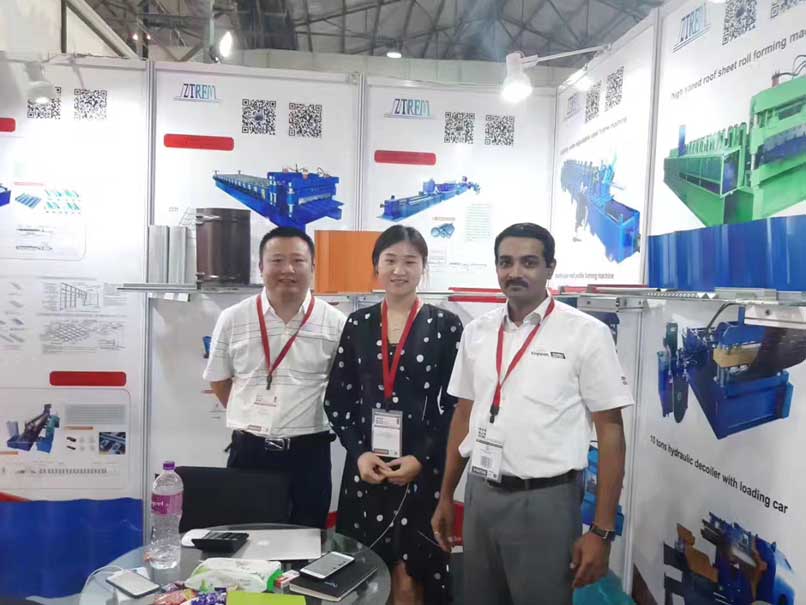
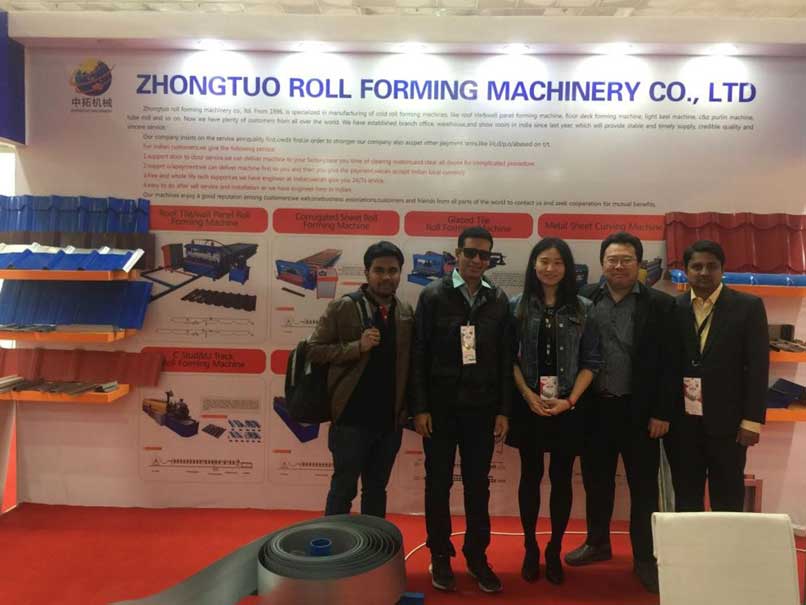
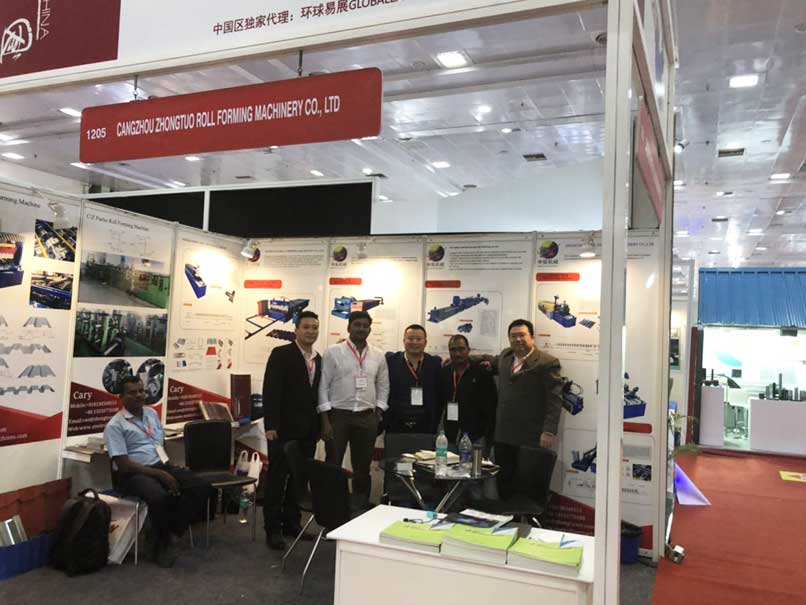
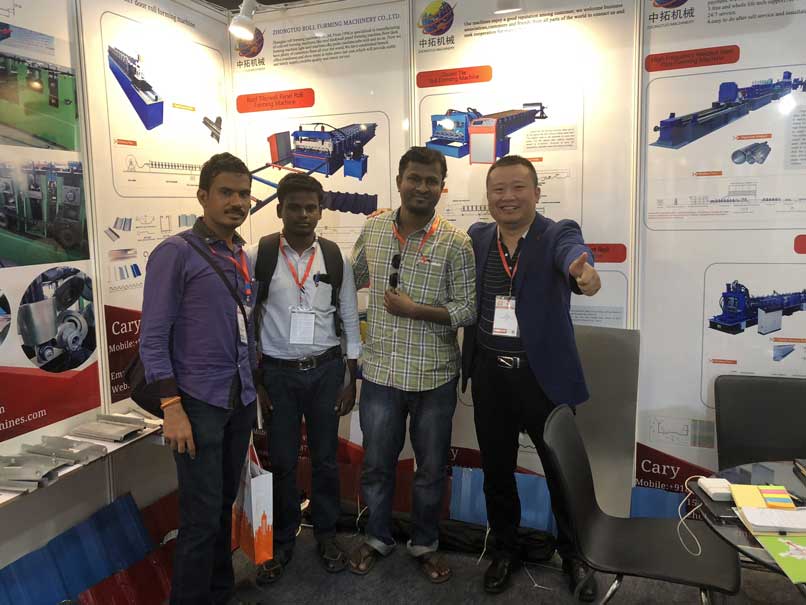
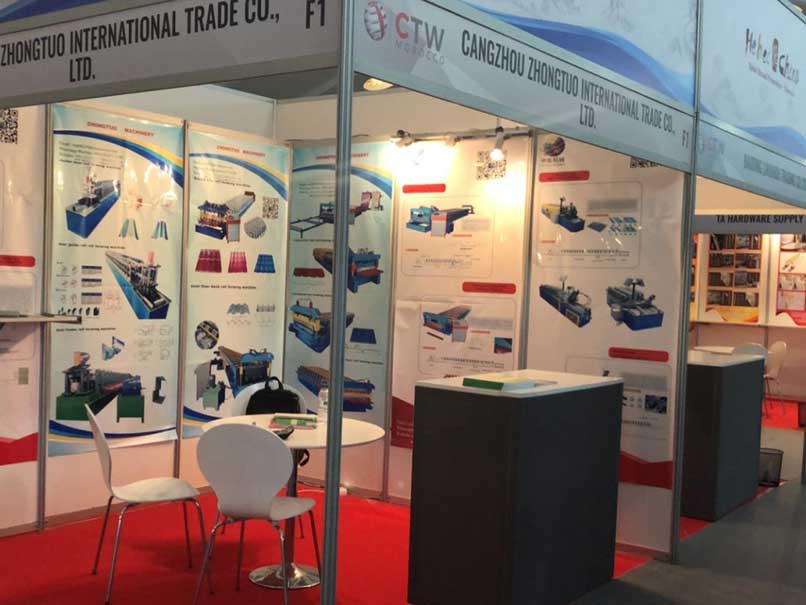
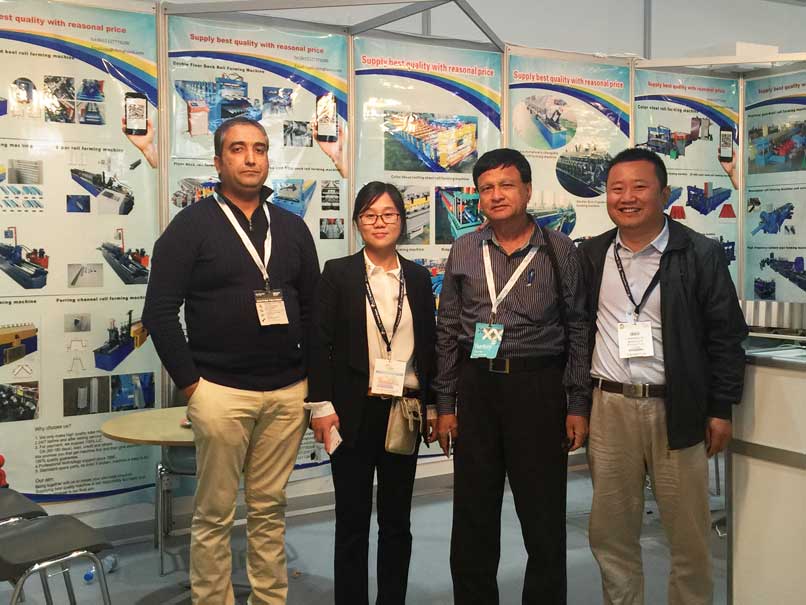
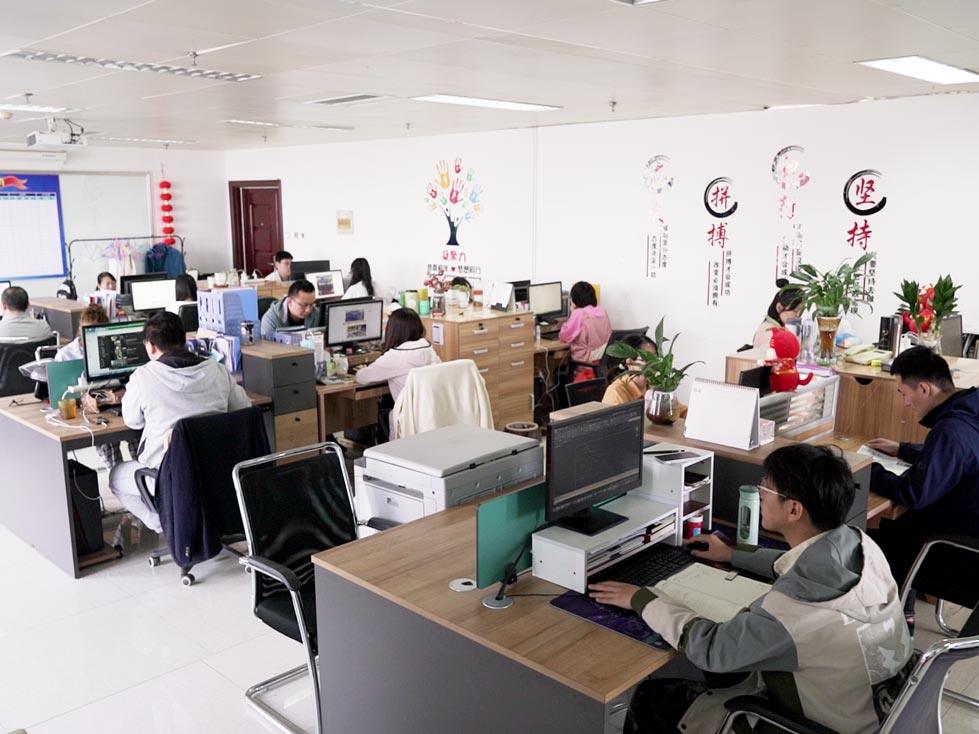
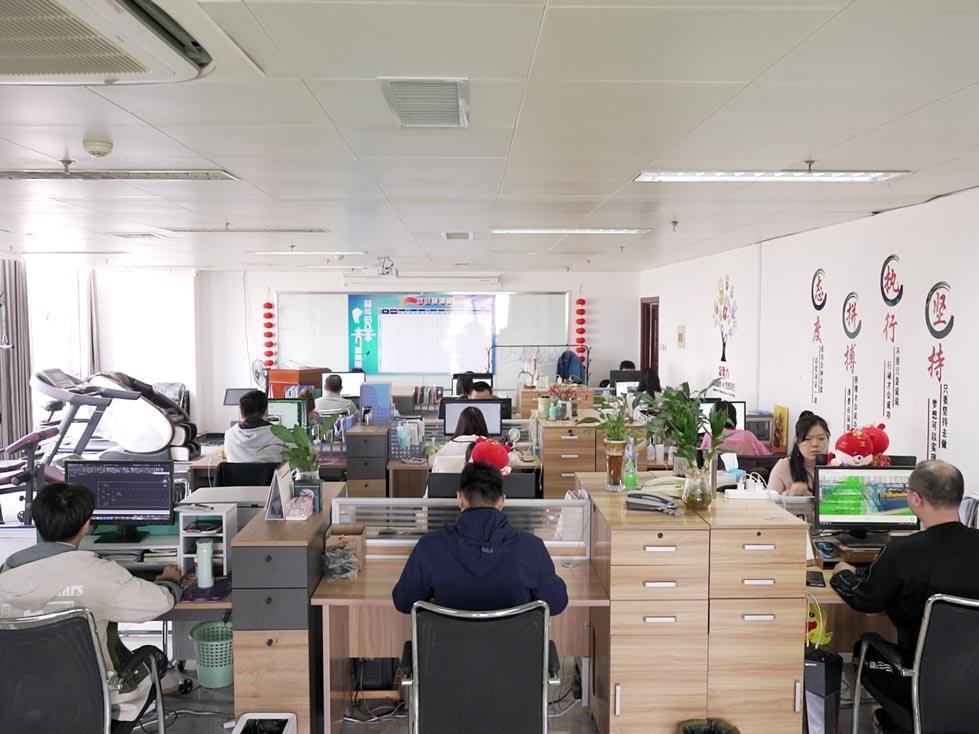
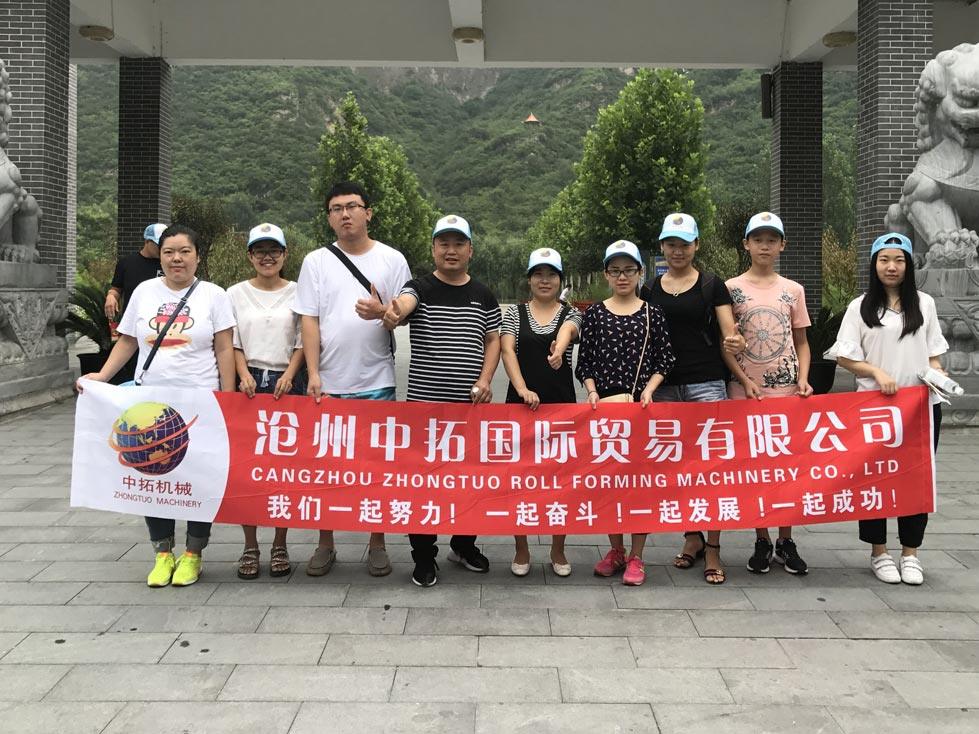
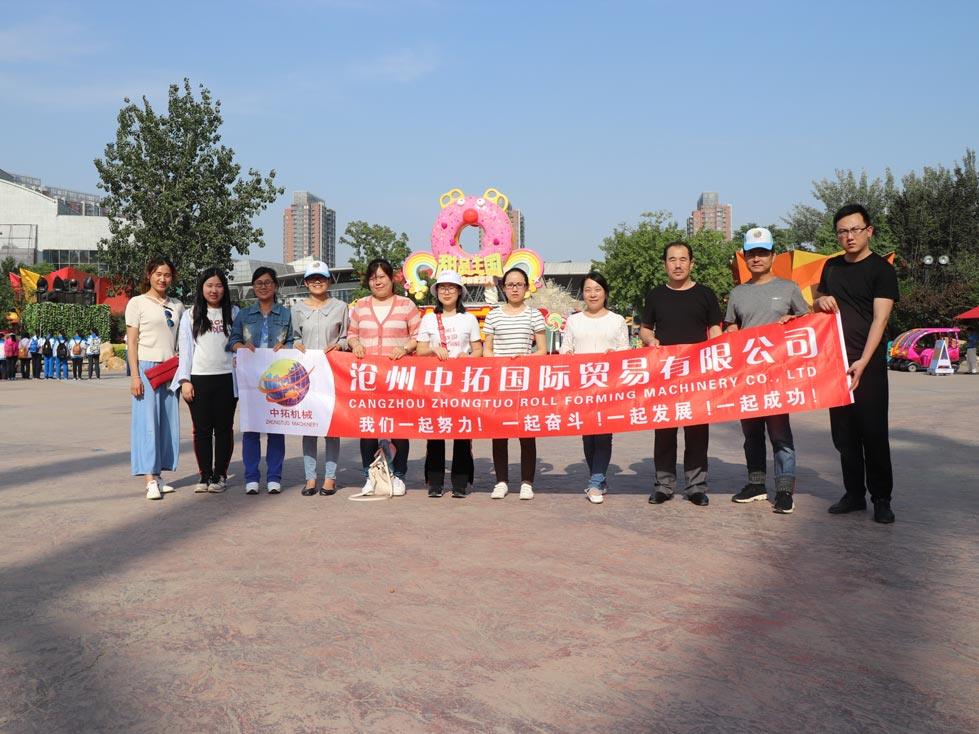
Visit Zhongtuo through 360° VR system, Cangzhou Zhongtuo Was Established In 2014, Which Is Dedicated To The Design And Manufacture Different Types Of Cold Roll Forming Machines. We Provide ODM, OEM And One-Stop Service. Raw Materials, Machinery And Accessories Can Be Purchased From Us.
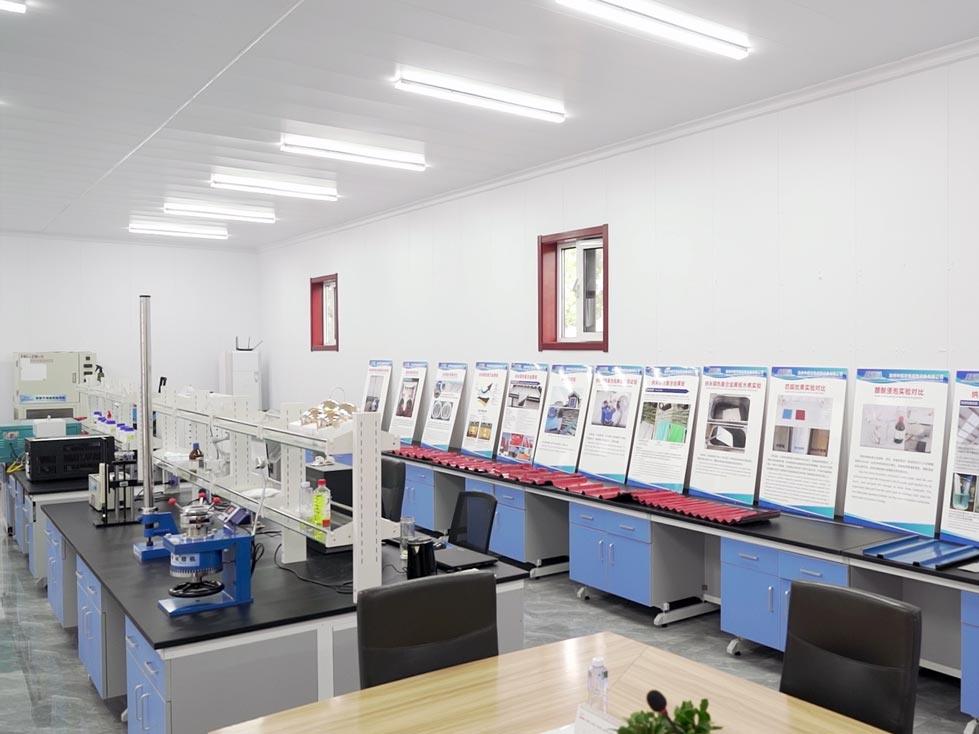
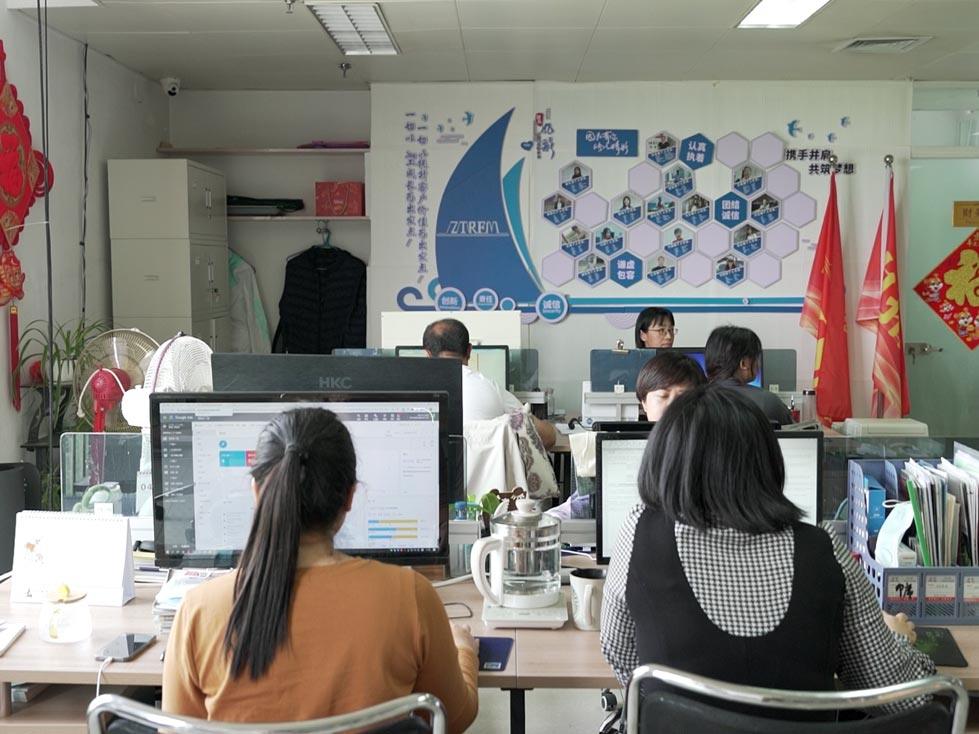
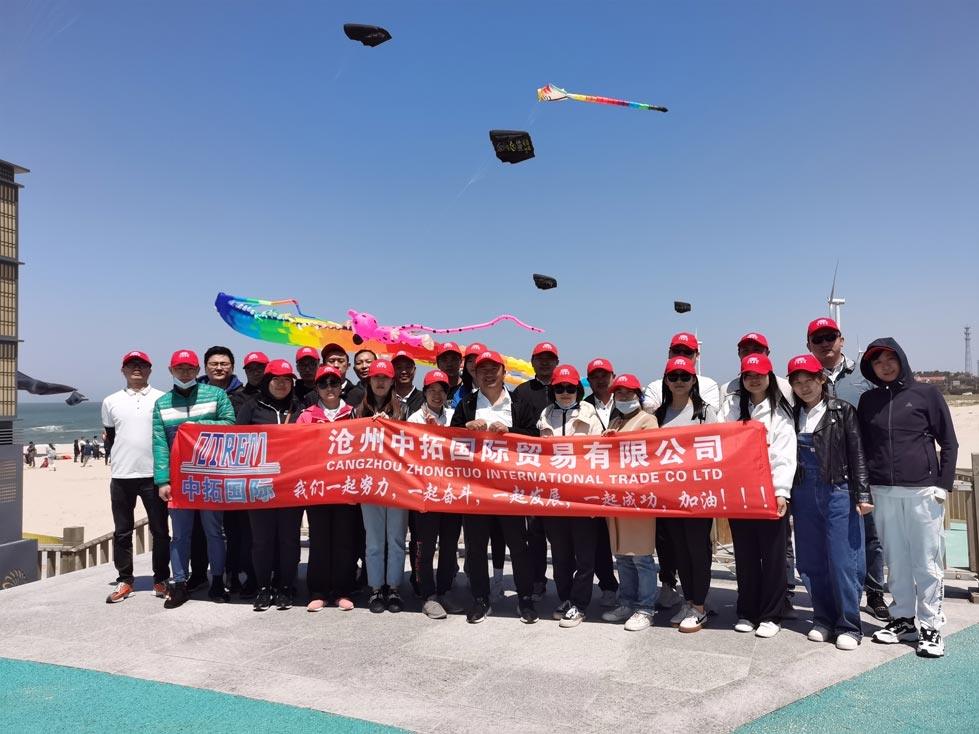
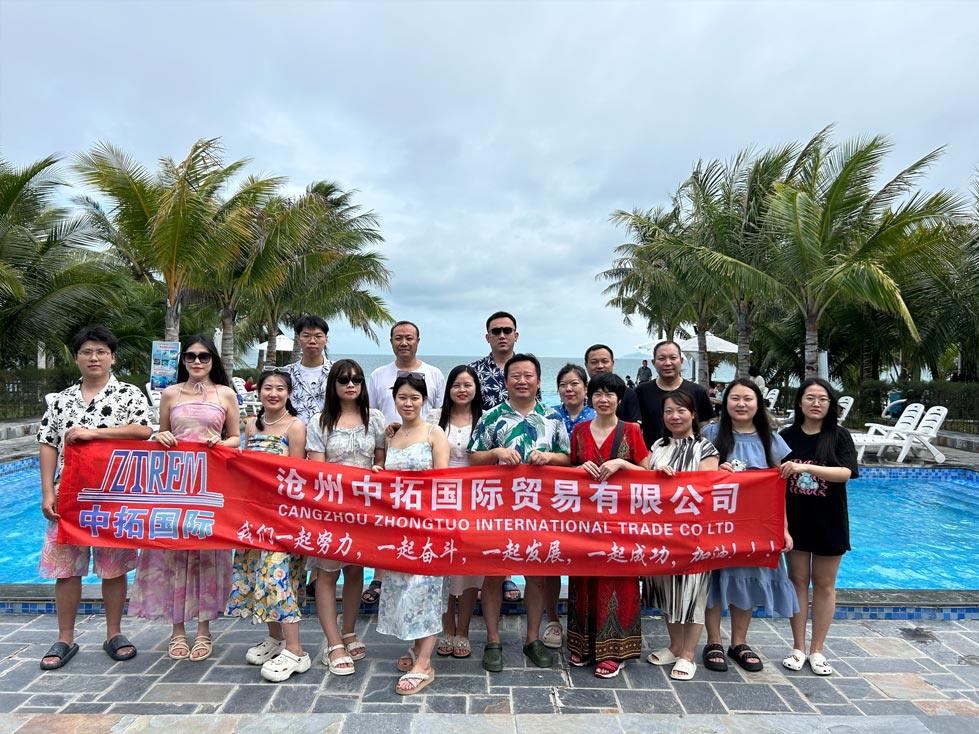
OEM/ODM & Customization one-stop service
Full after-sales service support
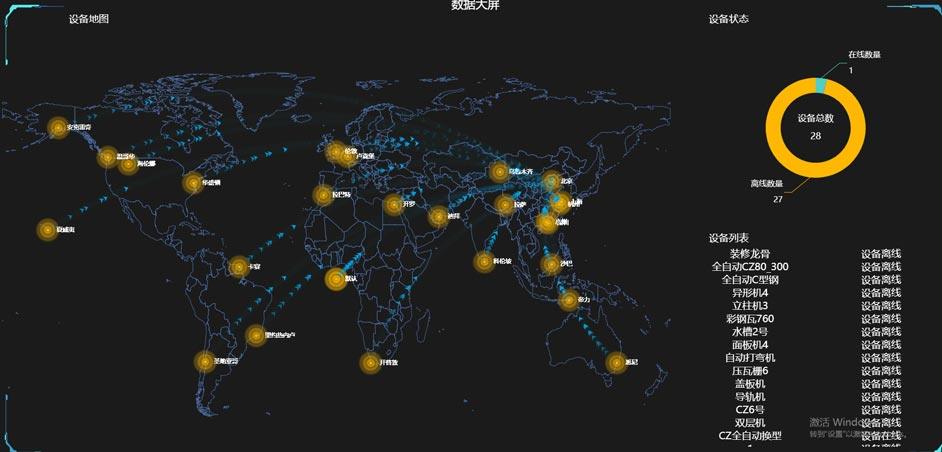
Provide OEM、ODM
1.communication:confirm buyer's requirement.
2.Technician design:make drawing profiles and 3D machines drawing
3.determine the configuration and production
4.testing before delivery
2.Technician design:make drawing profiles and 3D machines drawing
3.determine the configuration and production
4.testing before delivery
5.packing and delivery
6.Technical guidance
7.After-sales service:Installation services for complex machines and regular customer visit
6.Technical guidance
7.After-sales service:Installation services for complex machines and regular customer visit
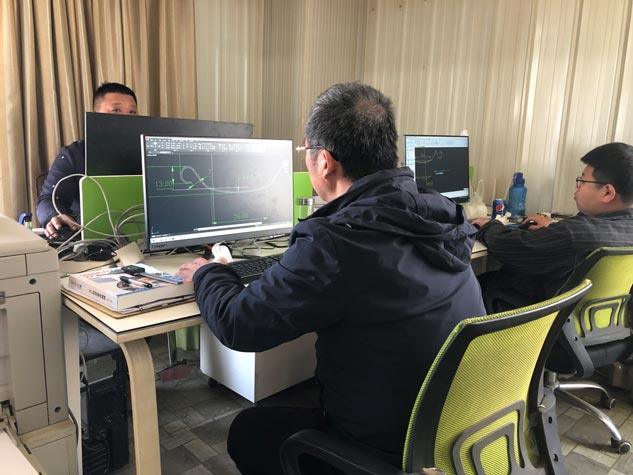
Trusted By 95800+ Companies
We are honored to cooperate extensively with many
high-quality enterprises. Through cooperation with us, they have received
strong support and achieved business breakthroughs and development.
high-quality enterprises. Through cooperation with us, they have received
strong support and achieved business breakthroughs and development.
0
ISO9001 and CE Approved
We own our self-brand ztrfm, professional design team And Technicians.
0
Countries Clients
Popular products with users and highly praised.
0
One-Stop Solutions
from accessories to molding machines, solving the complexity of your procurement.
0
Engineer Team
We have strong engineer team of more 20 People, we will give more accurate and fast solution.