24년 이상의 경험과 지식 국제 표준,
기술 변화 및 산업 시스템, 우리는 다음과 같이 헌신합니다.
소중한 고객에게 최고의 경제적인 솔루션을 제공합니다.
기술 변화 및 산업 시스템, 우리는 다음과 같이 헌신합니다.
소중한 고객에게 최고의 경제적인 솔루션을 제공합니다.
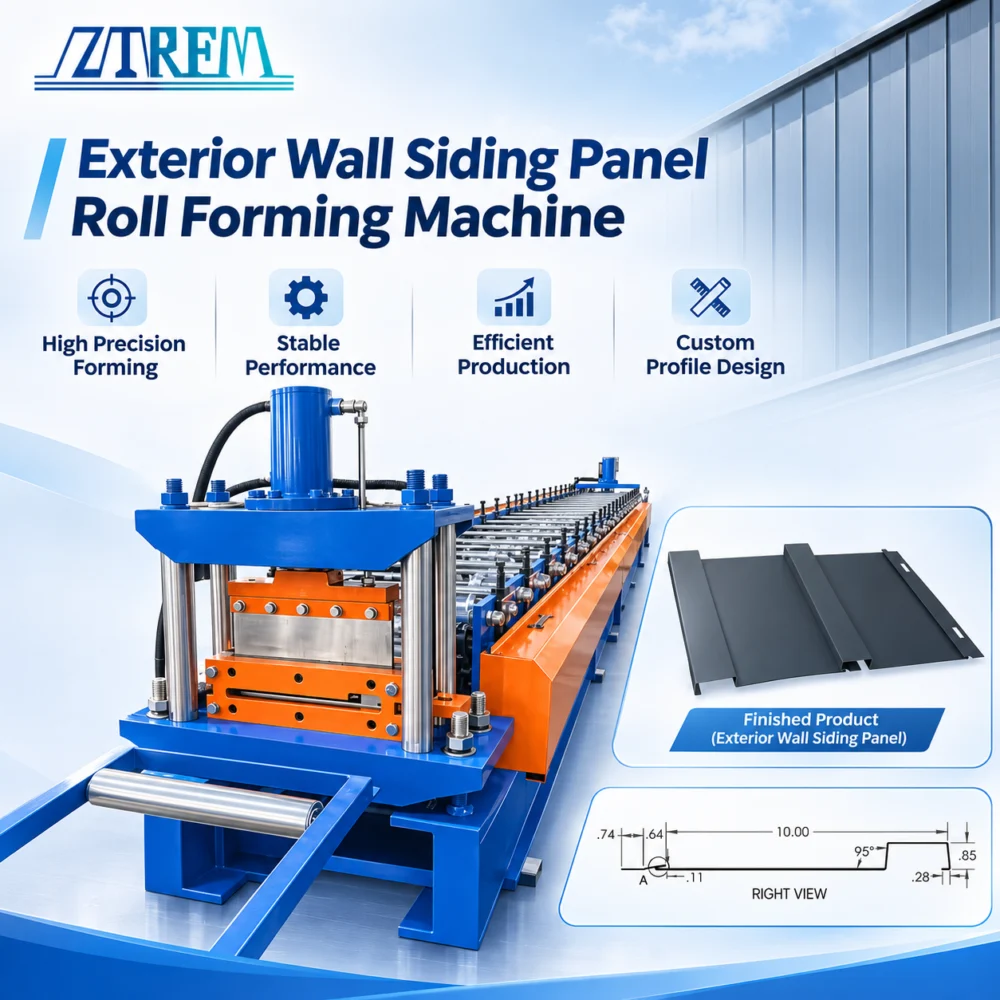
Exterior Wall Siding Panel Roll Forming Machine: Metal Wall Cladding Production Line by ZTRFM
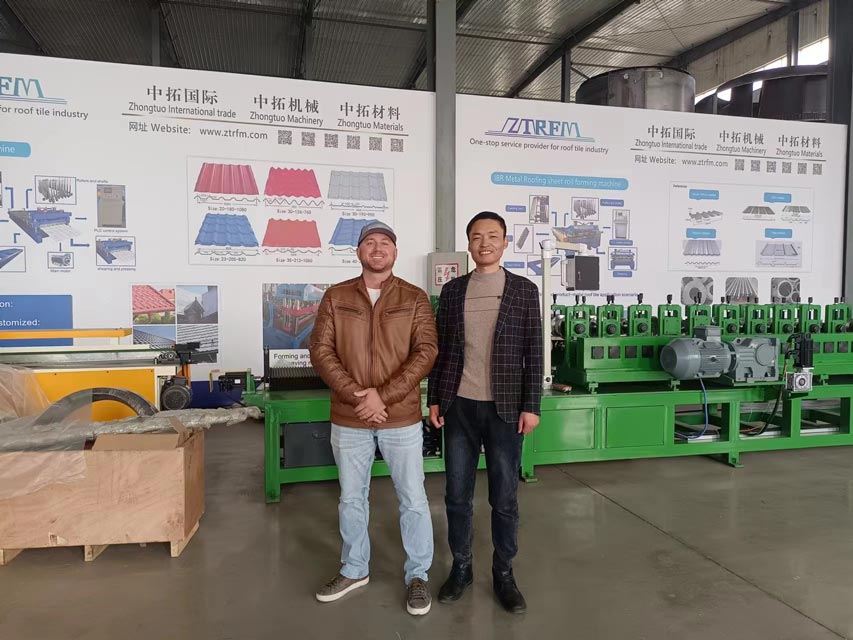
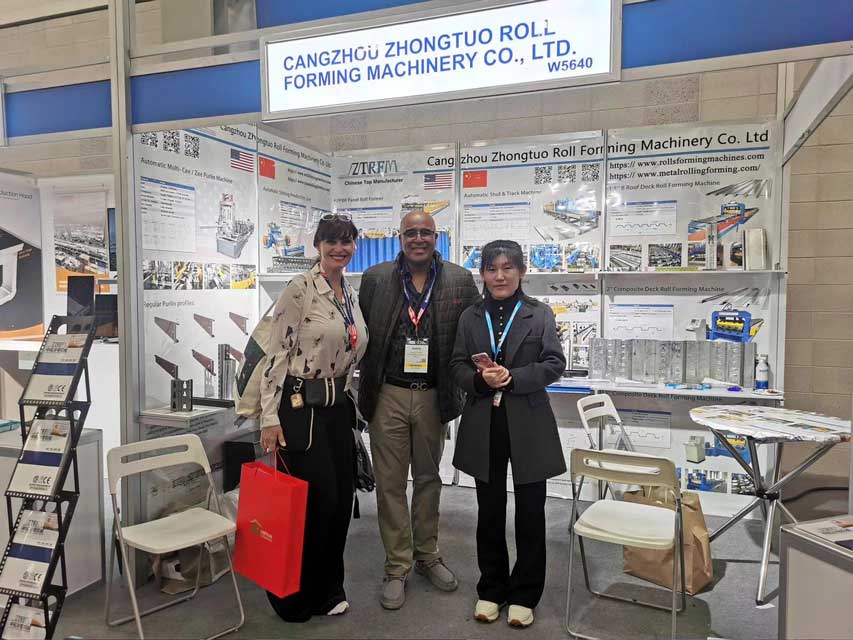
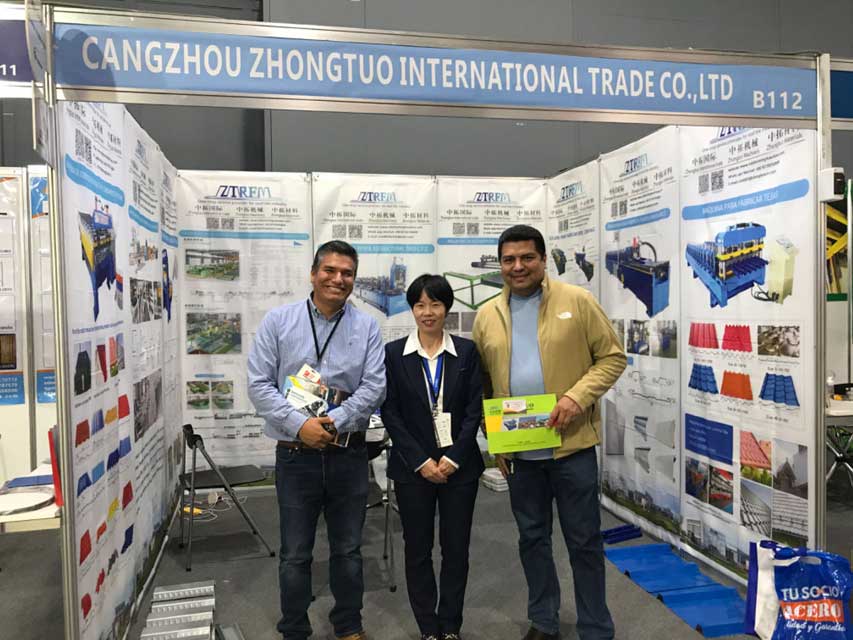
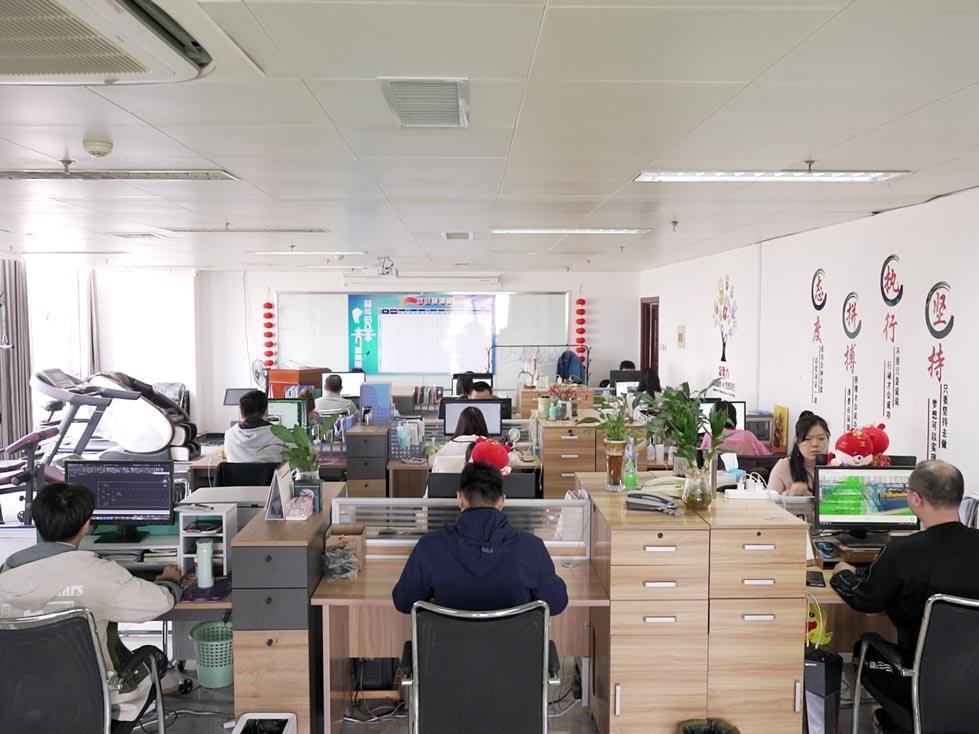
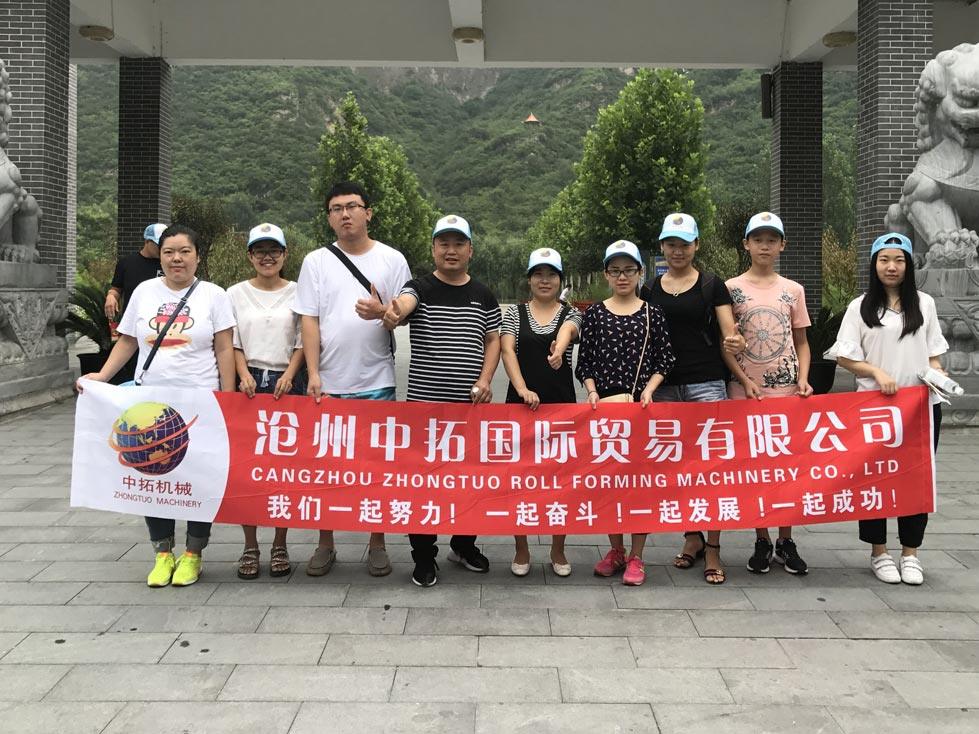
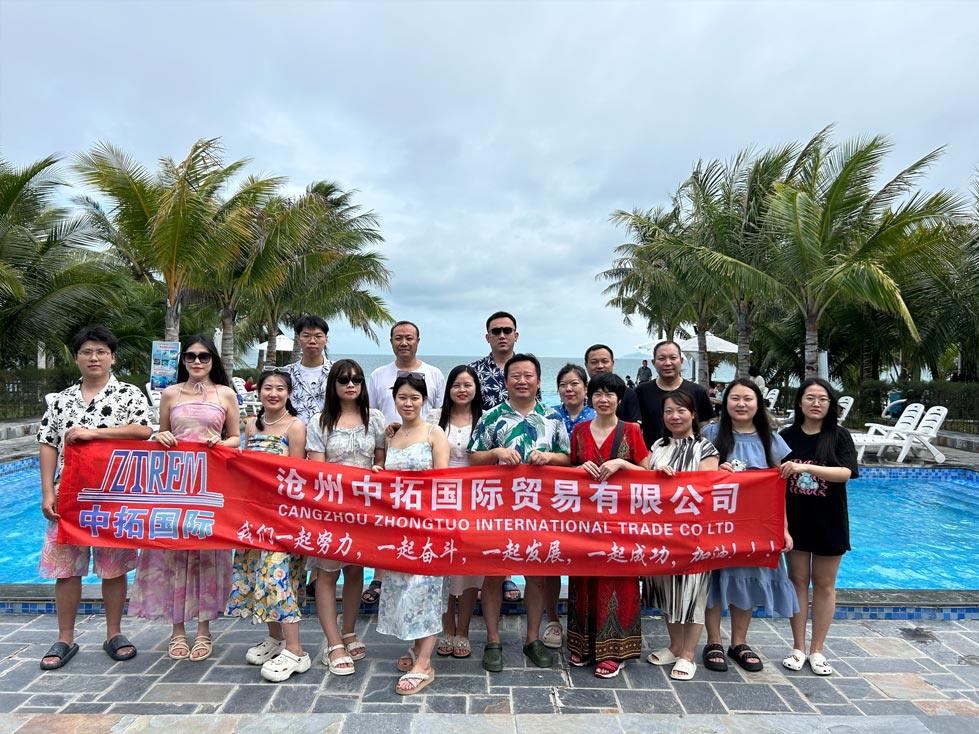
창저우 중퉈 롤 성형 기계 유한 회사는 중국 허베이성에서 왔습니다. 설계 및 제조에 전념하는 제조업체입니다.
다양한 유형의 냉간 압연 성형기. 우리는 2006 년부터 롤 성형 기계의 설계 및 제조에 종사하는 오랜 역사를 가진 공장입니다. 우리가 생산할 수있는 기계에는 지붕 타일 제조 기계, cz 도리 제조 기계, 경강 용골 제조 기계, 금속 엠보싱 기계, 도어 시스템 성형 기계, 천장 시스템 성형 기계, 고주파 파이프 용접기, 슬리 팅 라인, 절단 길이 라인, 선반 시스템 성형 기계, 바닥 데크 성형 기계, 컬러 석재 타일 생산 라인, 핫 라미네이팅 필름 기계 등이 있습니다.
다양한 유형의 냉간 압연 성형기. 우리는 2006 년부터 롤 성형 기계의 설계 및 제조에 종사하는 오랜 역사를 가진 공장입니다. 우리가 생산할 수있는 기계에는 지붕 타일 제조 기계, cz 도리 제조 기계, 경강 용골 제조 기계, 금속 엠보싱 기계, 도어 시스템 성형 기계, 천장 시스템 성형 기계, 고주파 파이프 용접기, 슬리 팅 라인, 절단 길이 라인, 선반 시스템 성형 기계, 바닥 데크 성형 기계, 컬러 석재 타일 생산 라인, 핫 라미네이팅 필름 기계 등이 있습니다.
자세한 정보, 배송 시간 및 가격은 메일로 문의해 주세요!
Exterior Wall Siding Panel Roll Forming Machine: Metal Wall Cladding Production Line by ZTRFM
Description: ZTRFM exterior wall siding panel roll forming machine produces galvanized, PPGI and aluminum metal wall cladding panels with PLC auto-cut, custom roller tooling and stable high speed. Factory-direct export quote available.
Why Metal Facades Depend on a Dedicated Siding Panel Forming Line
Across commercial warehouses, factory buildings, showrooms, logistics centers, and modern residential projects, architects and developers are choosing metal exterior wall siding over traditional masonry, brick, and concrete finishes. Metal cladding delivers a clean, contemporary facade, light structural load, fast installation, corrosion-resistant coating options, and full recyclability at the end of the building's life. Behind every neat row of vertical ribs, trapezoidal folds, or flat-lock siding boards sits an exterior wall siding panel roll forming machine — the cold-forming line that turns coated steel or aluminum coils into dimensionally consistent wall cladding panels.
ZTRFM (Cangzhou Zhongtuo Roll Forming Machinery) designs and builds siding panel lines for panel manufacturers, facade contractors, steel distributors, and overseas workshop owners. This guide explains how the machine works, which panel profiles it can produce, the features that separate a production-grade line from a cheap copy, and how to specify the right configuration for your market.
What Is an Exterior Wall Siding Panel Roll Forming Machine?
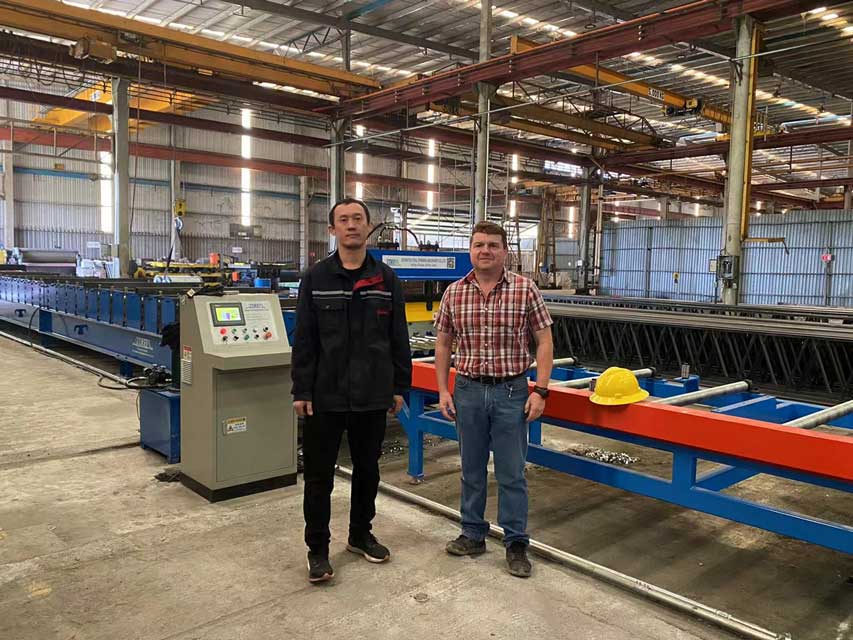
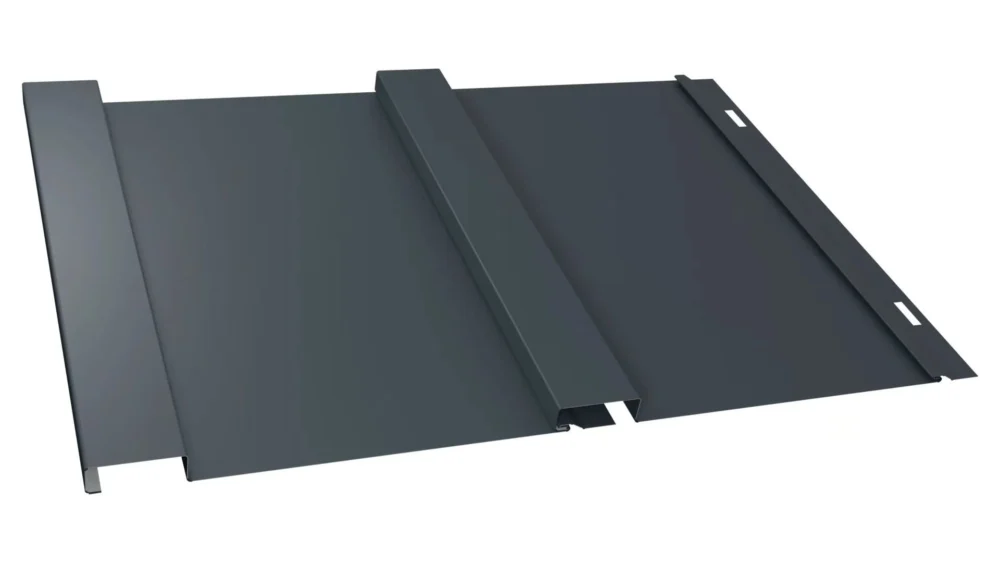
An exterior wall siding panel roll forming machine is a continuous cold roll forming system that shapes metal strip into finished wall cladding panels without reheating the material. A coil of galvanized steel, pre-painted steel, or aluminum is fed through a sequence of progressive roller stations; each station bends the strip a little further until the full cross-section of the siding profile is formed. A hydraulic punching or embossing station may add fixing holes, drainage slots, or decorative patterns before a hydraulic shear cuts the profile to the programmed panel length. The finished siding boards exit onto an output table, ready for bundling, stacking, or further coating.
Compared with press braking or manual bending, roll forming produces long panels with uniform ribs, square edges, and identical cross-section on every piece — an essential requirement for walls that must line up neatly over many meters of facade.
Common Siding Profiles a ZTRFM Line Can Produce
Because the roller tooling is custom-made to your drawing, the machine can be configured for the siding systems sold in your region. Common profiles include:
- Corrugated siding panels — classic round-wave or V-wave sheets used on agricultural buildings, warehouses, and utility enclosures.
- Trapezoidal wall cladding — straight-rib panels with wide flat pans and narrow ribs, popular on industrial and commercial facades for their bold, modern line.
- Flat-lock and interlocking siding boards — narrow vertical boards with concealed fixing folds, suitable for contemporary building exteriors and feature walls.
- Decorative embossed siding — panels with pressed textures, wood-grain or stone-like patterns, often used for residential cladding and renovated facades.
- Soffit and ceiling liner profiles — matching underside panels installed beneath eaves and roof overhangs.
- Inner liner sheets for insulated wall systems — the flat or lightly ribbed back sheet paired with polyurethane or rock-wool sandwich panels.
Buyers serving both the industrial and residential facade markets often choose a double-layer line that forms two siding profiles on one frame, expanding the product range without a second machine.
How the Siding Panel Forming Line Works
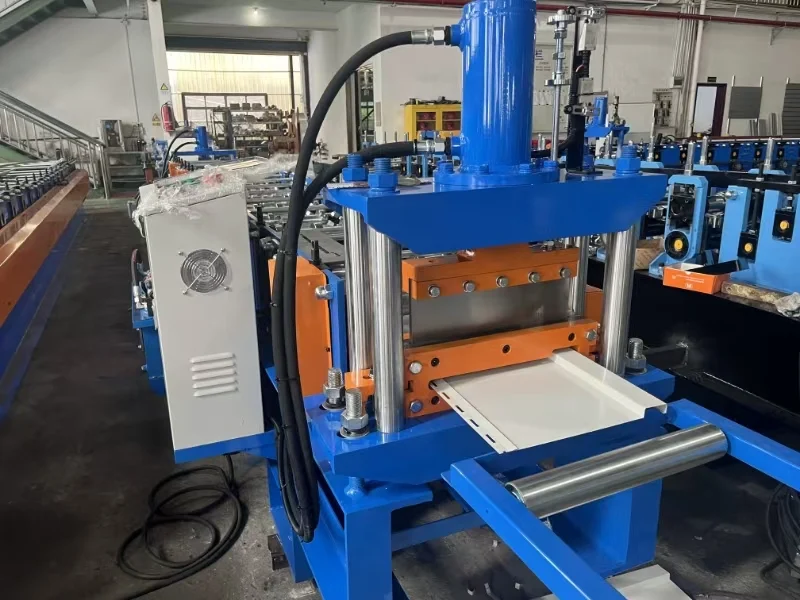
A standard ZTRFM exterior siding line follows the same proven production sequence from coil to finished panel.
Coil Decoiling
A hydraulic decoiler holds the incoming coil and releases the strip at line speed. An optional coil car lifts the coil onto the mandrel safely and without a forklift, while an entry guide keeps the strip centered as it feeds forward.
Leveling and Guiding
Leveling rollers flatten coil curvature and edge waves before the strip reaches the forming section, so the finished panel lies flat against the wall instead of bowing.
Main Roll Forming Section
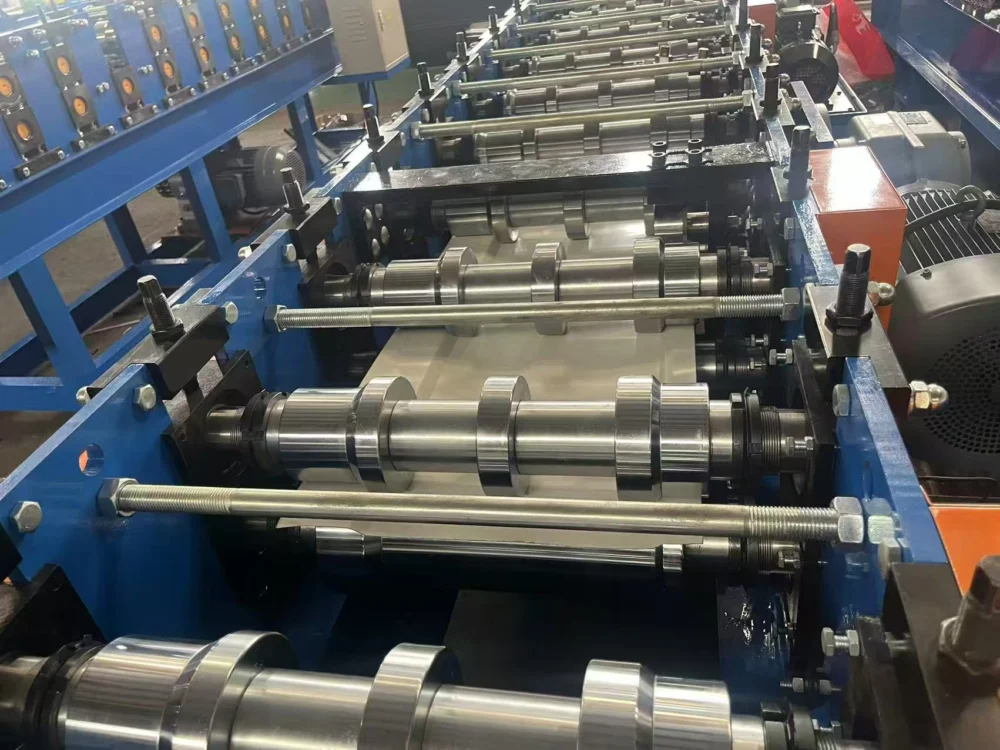
Ten to sixteen roller stations, driven by a heavy-duty gearbox, progressively fold the strip into the target siding profile. ZTRFM rollers are CNC-machined from solid steel, hard-chrome plated, and tested on your actual material before shipment to avoid profile distortion and surface scratching.
Punching, Embossing, or Notching
Where the facade system requires fixing holes, end notches, drainage slots, or decorative embossing, a hydraulic press station is integrated before or after the forming section. The PLC triggers each operation from encoder length feedback, so every hole lands in the exact position the installation system expects.
Hydraulic Cut-Off
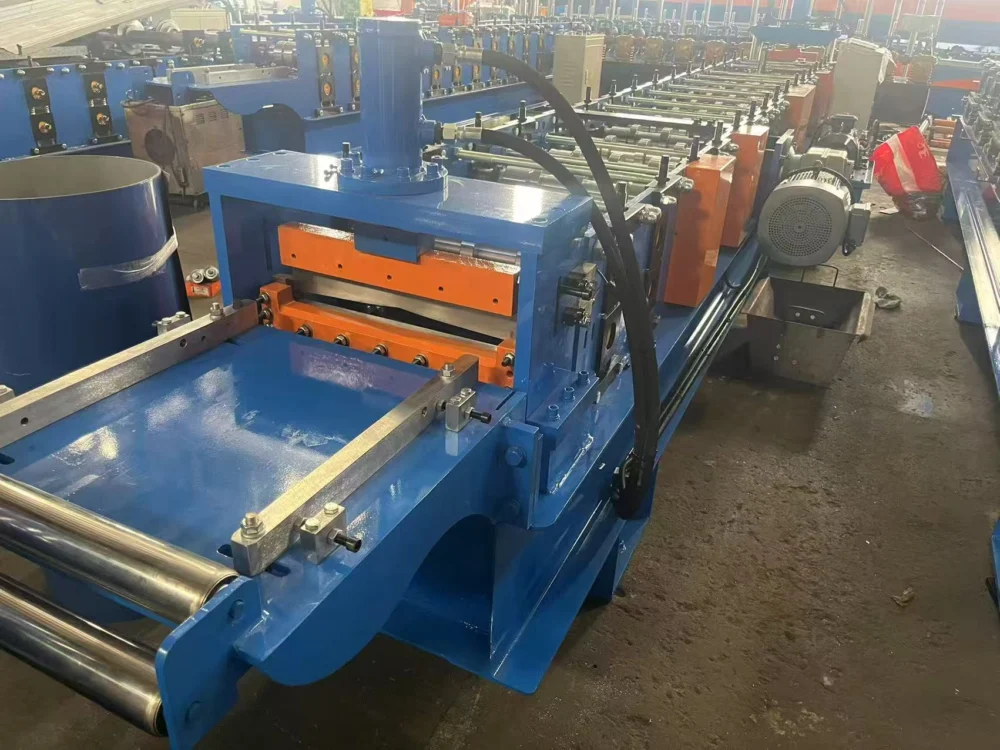
After forming, a hydraulic shear cuts the panel to the programmed length while the profile is held in the die. This keeps the cut end square and free of burrs, so panels install cleanly on site.
PLC Control and Output Table
The HMI touch screen stores product recipes — panel length, production quantity, punch pattern, and speed. Operators select a recipe, press start, and the line feeds, forms, processes, cuts, and stacks automatically. Languages include English, Spanish, Russian, French, and Arabic, and the voltage is configured to your local grid.
Key Features to Look for in a Production-Grade Siding Machine
Not every roll former on the market delivers the same panel quality. When comparing quotations, focus on the following points.
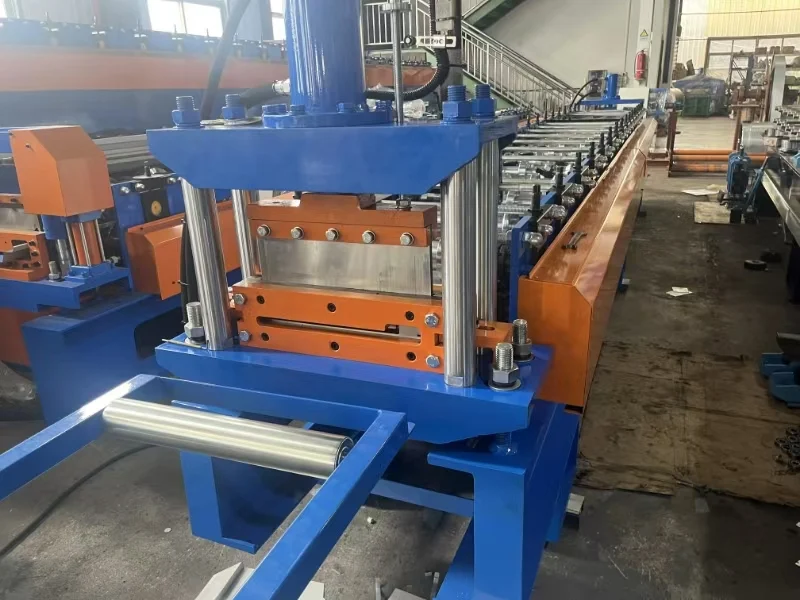
Rigid welded frame. A heavy-duty, stress-relieved main chassis resists vibration under continuous production. A light frame flexes over time, causing uneven ribs and poor panel alignment.
Precision-machined rollers. Roller material, plating, and machining accuracy determine whether the finished surface stays scratch-free and the profile matches the drawing. Ask for roller material and heat treatment details rather than price alone.
Powerful drive system. A gearbox-driven main drive with matched motor rating handles your target material thickness and line speed without slipping under load.
Stable hydraulic station. The punch press and cut-off shear rely on a clean, consistently pressurized hydraulic power unit. Check cylinder bore, pump rating, and oil cooling arrangement for long production runs.
PLC recipe memory and encoder length control. Recipe storage means operators switch between panel lengths and profiles without re-adjusting the line, while encoder feedback keeps cut-length tolerance tight shift after shift.
Quick-change profile capability. If you sell several siding designs, look for quick-change rollers or a multi-profile frame that reduces tooling swap time between production batches.
Materials and Typical Output
Most ZTRFM siding lines process 0.3–1.2 mm material, depending on profile strength and rib height. Common raw materials include:
- Hot-dip galvanized steel (HDG) for corrosion-resistant structural backings
- Pre-painted galvanized steel (PPGI) and pre-painted galvalume (PPGL) for colored facade finishes
- Plain or embossed aluminum for lightweight, coastal-friendly cladding
- Stainless steel for high-humidity or decorative applications, on request
Line speeds typically range from 10–25 meters per minute, which translates into a high daily output of siding panels for a single shift. Exact capacity depends on panel length, rib depth, punching frequency, and material thickness, and our engineers size the drive and stations to your target output.
Applications of Roll-Formed Exterior Wall Siding
Panels produced on a ZTRFM siding line are installed on a wide range of projects:
- Industrial factories, production workshops, and warehouses
- Commercial buildings, office showrooms, and shopping center facades
- Logistics parks, cold storage, and airport hangars
- Prefabricated houses, container homes, and modular building exteriors
- Agricultural barns, livestock houses, and greenhouse side walls
- Site offices, temporary shelters, and renovated residential cladding
Because siding panels are ordered by color, profile, and length for each project, an in-house forming line lets you respond quickly to local orders instead of waiting on imported sheet schedules.
Why Overseas Buyers Choose ZTRFM
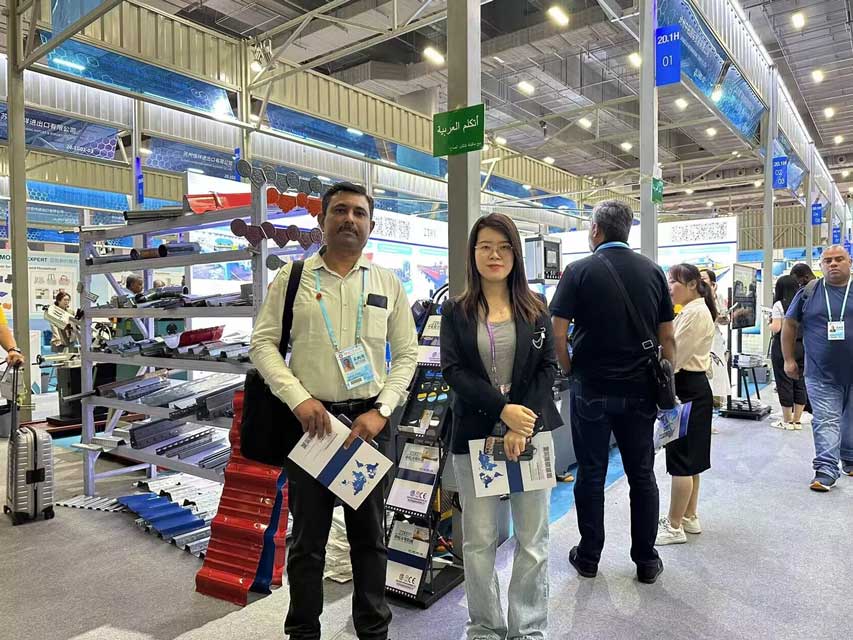
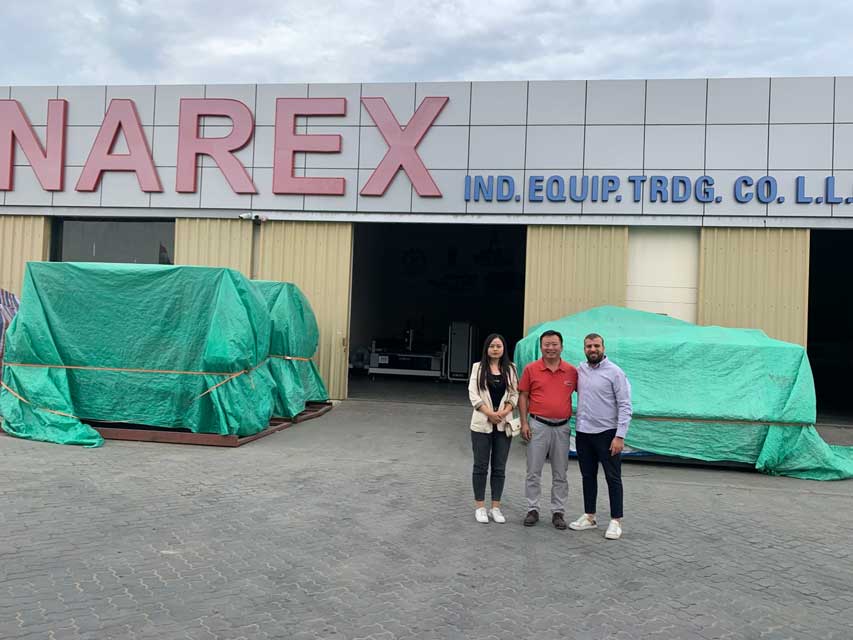
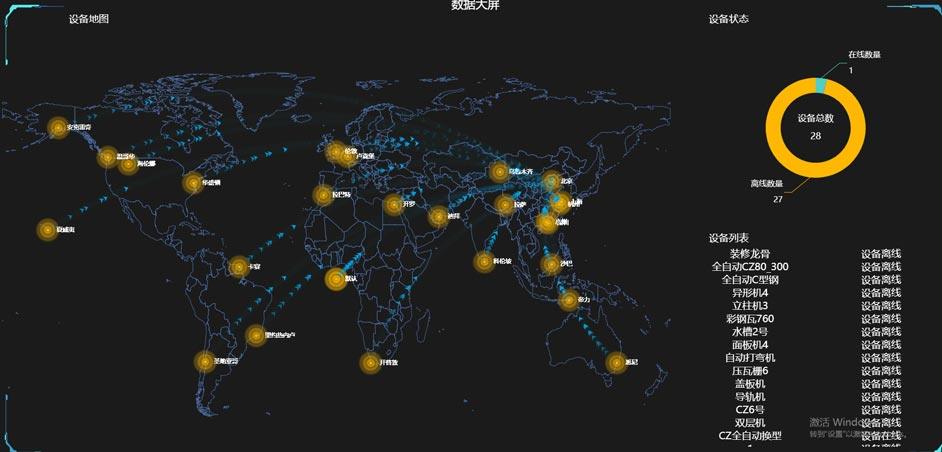
ZTRFM has been manufacturing roll forming lines for more than a decade, and wall and roof panel equipment is one of our core product families. Buyers in Russia, Brazil, South Africa, Kenya, Saudi Arabia, Mexico, Vietnam, and other markets return to us for several reasons.
- Profile-first engineering. You send a drawing, sample, or reference photo; our engineers design the roller and punch tooling around your siding system, rather than forcing your product into a catalog profile.
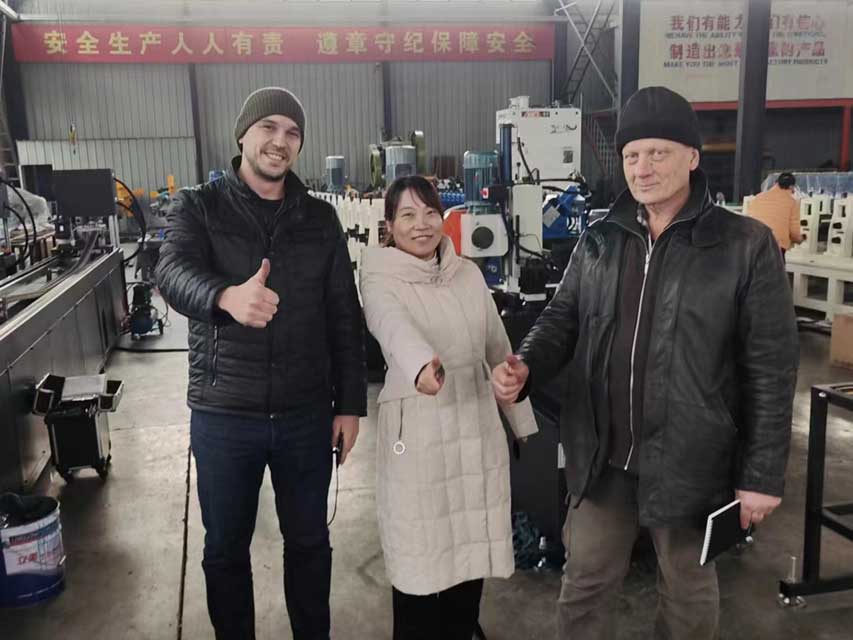
- Factory-direct pricing. You deal with the workshop itself, not a trading company, and can join a video tour of the production floor at any time.
- Pre-shipment test run. We run your material on the finished machine, cut sample panels, and share photos and video before container loading.
- Export-ready delivery. The machine body is secured inside a 20ft or 40ft container, spare parts and tools are boxed separately, and English manuals, wiring diagrams, and operation videos are included.
- Lifetime remote support. Our engineers remain available on WhatsApp and email for installation guidance, recipe tuning, and spare parts ordering, long after the sale.
Frequently Asked Questions
Can one siding machine produce more than one wall panel profile?
Yes. For buyers selling a main siding system with occasional secondary options, we can supply quick-change tooling or a double-layer frame that forms two profiles on one machine. The most cost-effective layout depends on your product mix, and we will recommend it after reviewing your profiles.
Which materials can the siding line process?
The standard line handles galvanized steel, PPGI, and PPGL coils within the specified thickness range. Aluminum and stainless steel can be accommodated on request, with adjusted roller hardness and drive configuration.
How long does machine installation take?
Most customers install and commission the line in 3–5 days with our remote video guidance. Prepare the foundation, electrical supply, and coil stock before the machine arrives. On-site engineer dispatch is available on request.
What is the lead time for a custom siding panel machine?
Standard siding lines usually take 25–35 working days after deposit. Lines with custom punching dies, embossing rollers, or multi-profile designs typically take 40–50 working days.
What spare parts are included with the machine?
Every delivery includes one working set of rollers or dies and a set of critical wearing parts. Additional die sets, shear blades, and spare rollers can be ordered later and shipped by sea or air.
What is the minimum order quantity?
One machine. We supply small workshops starting their first siding business as well as established panel manufacturers upgrading or adding capacity.
왜 우리를 선택해야 할까요?
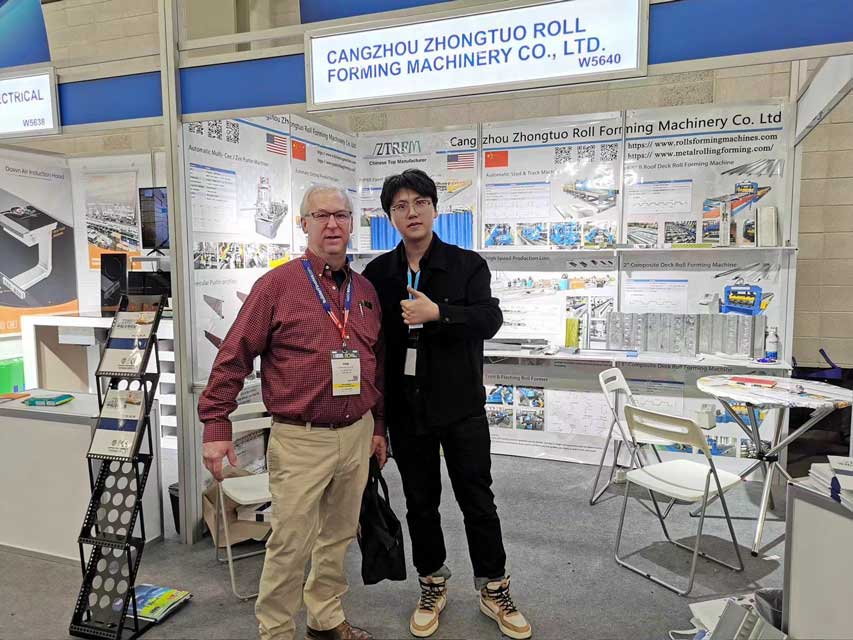
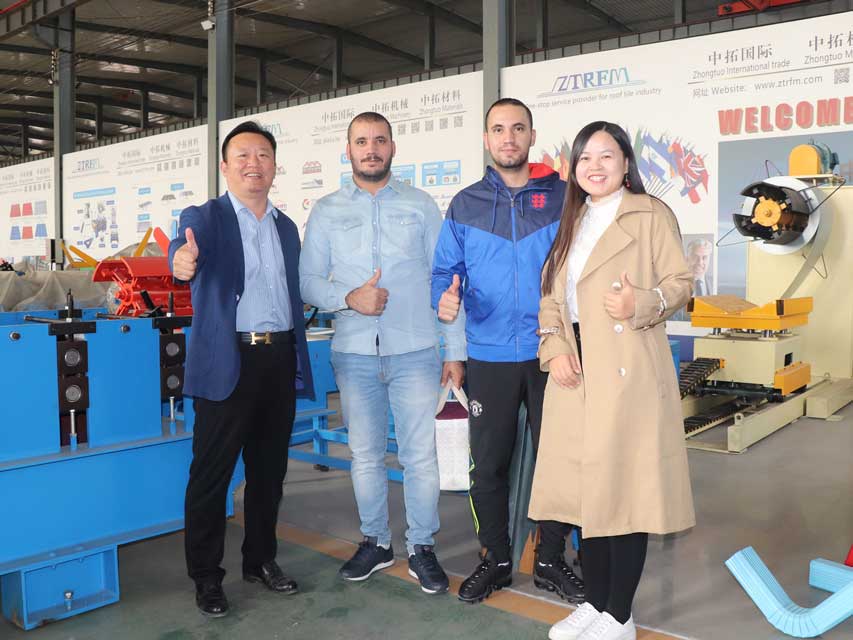
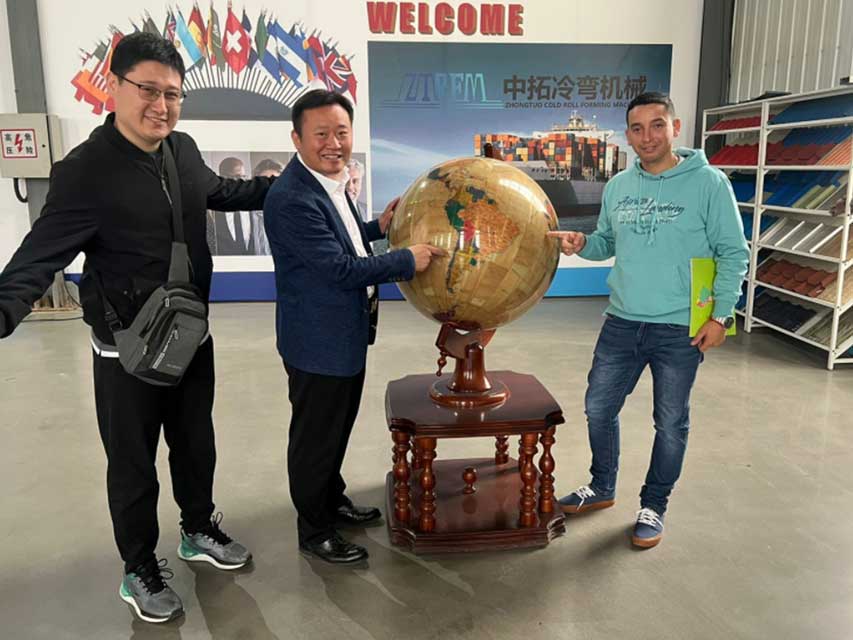
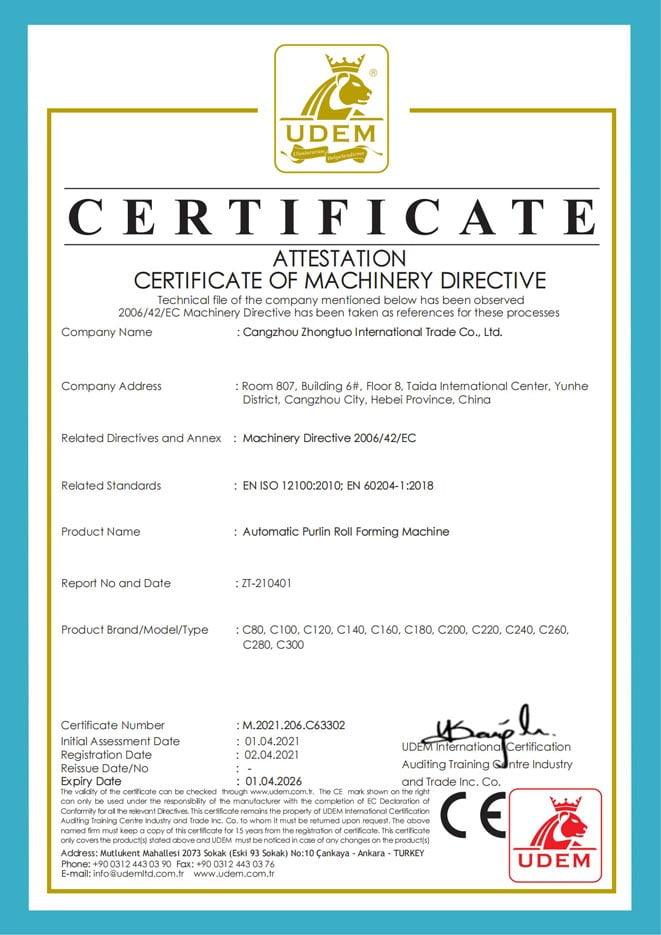
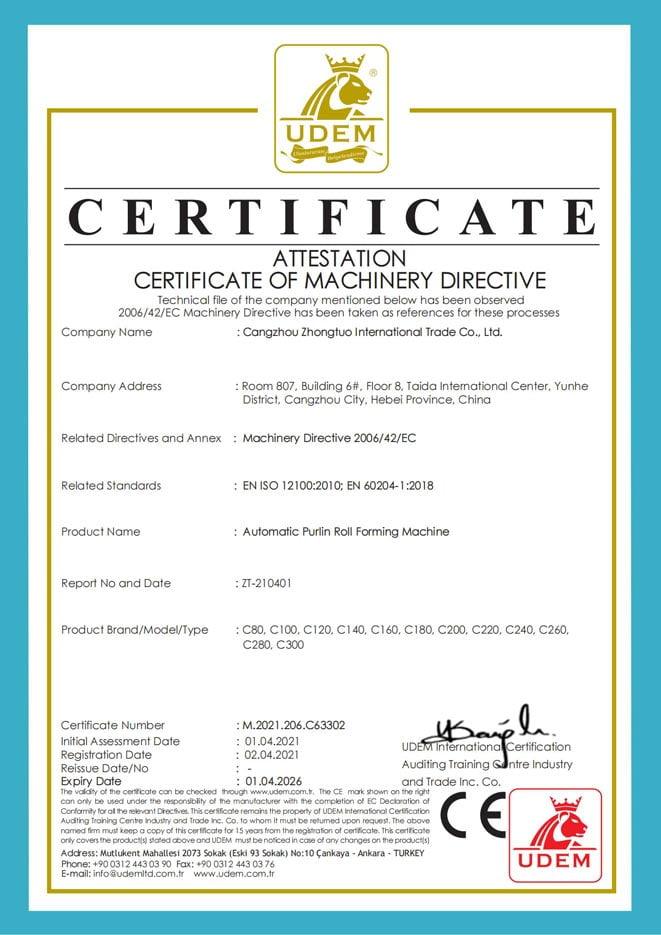
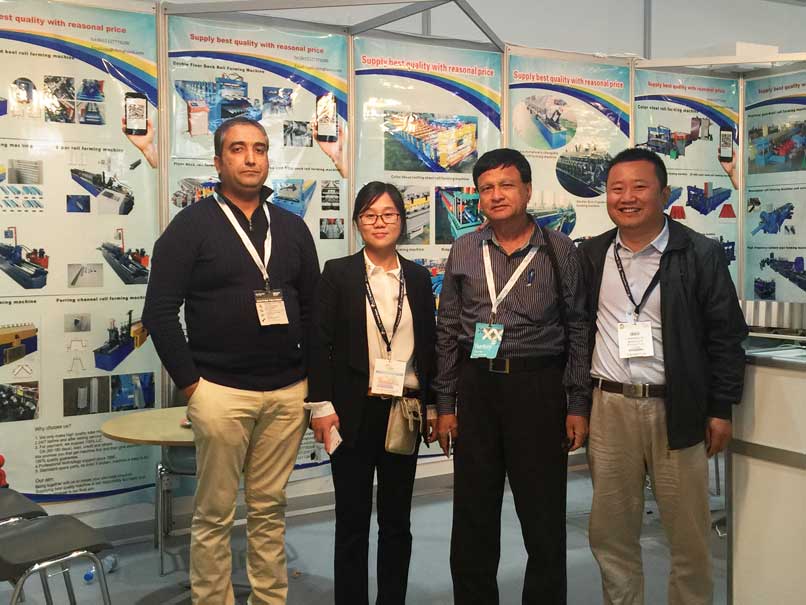
우리는 국가 수준의 첨단 기술 기업입니다. 우리는 ISO9001 품질 시스템 인증, 유럽 CE 안전 인증, 북미 CAS 인증 등을 받았습니다. 우리는 수출 무역에 대한 풍부한 경험을 가지고 있으며 다른 국가 고객의 요구를 이해합니다. 한편 우리는 고객에게 만족스러운 디자인 솔루션을 제공 할 수 있습니다. 우리의 기계는 150 개국 이상에 수출되었으며 고객과 장기적이고 안정적인 협력 관계를 구축하여 고객의 찬사를 받았습니다.
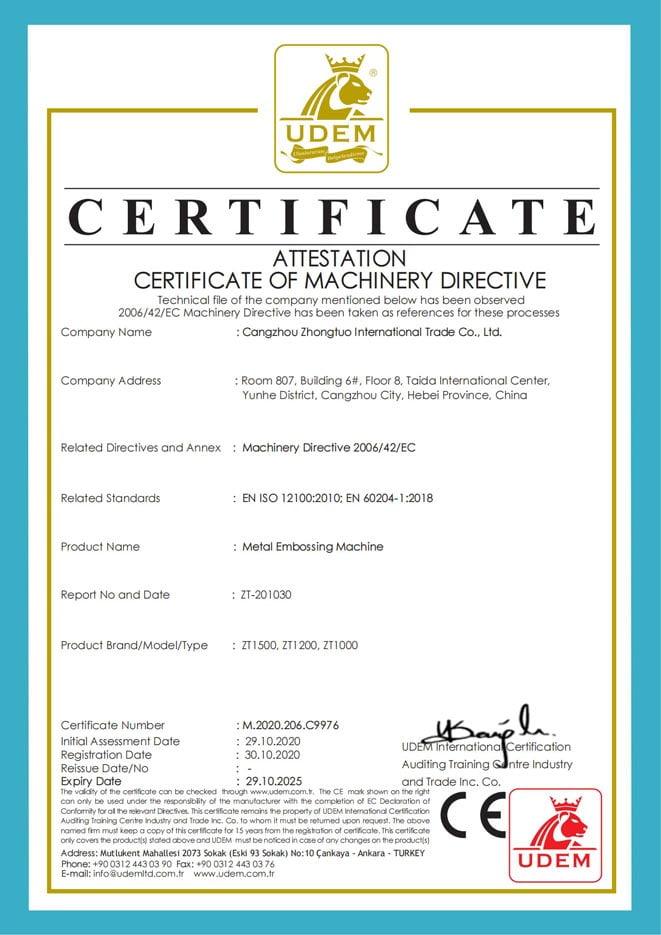
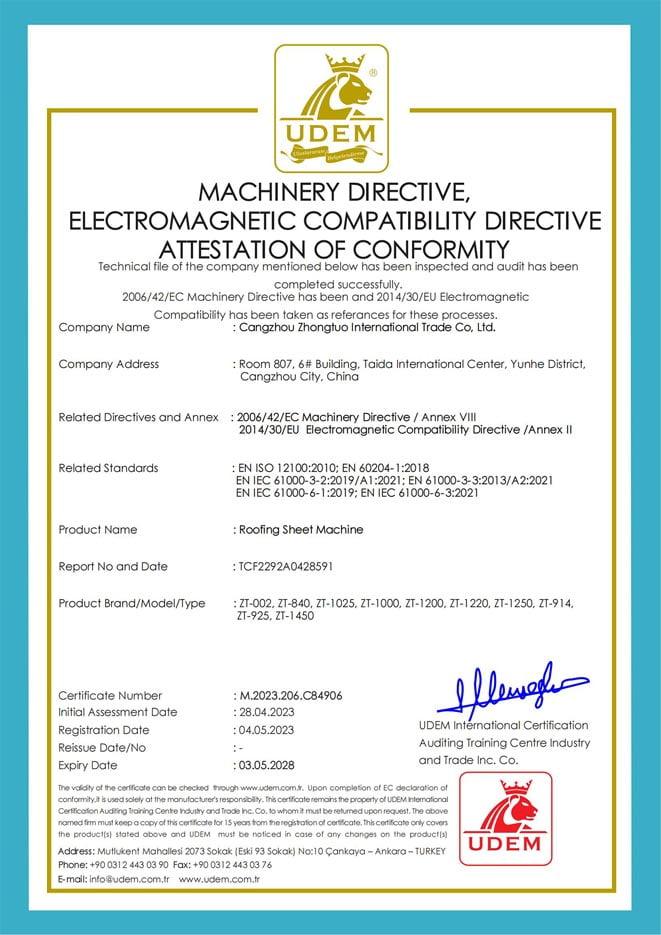
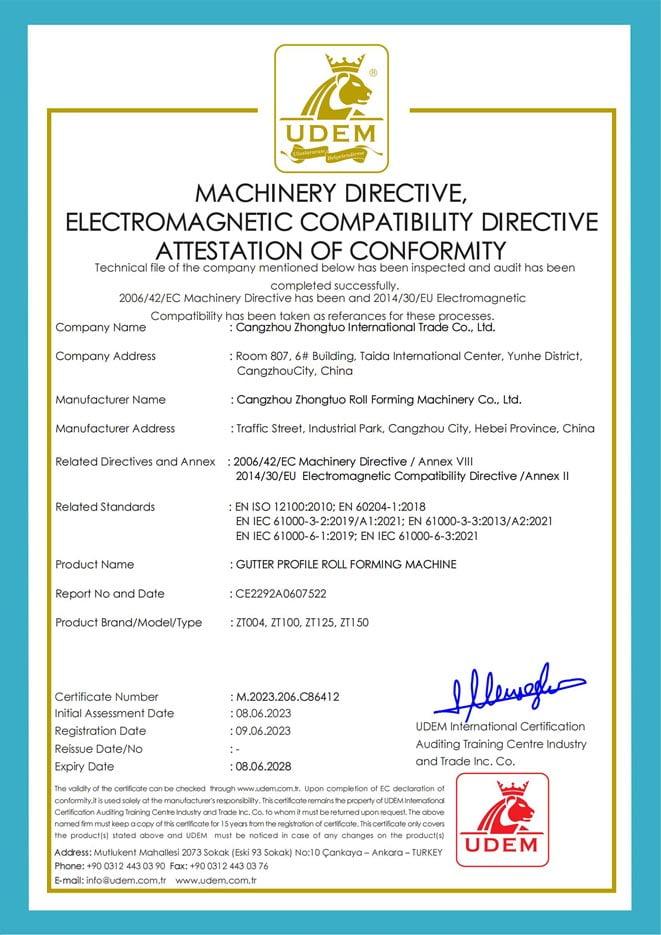
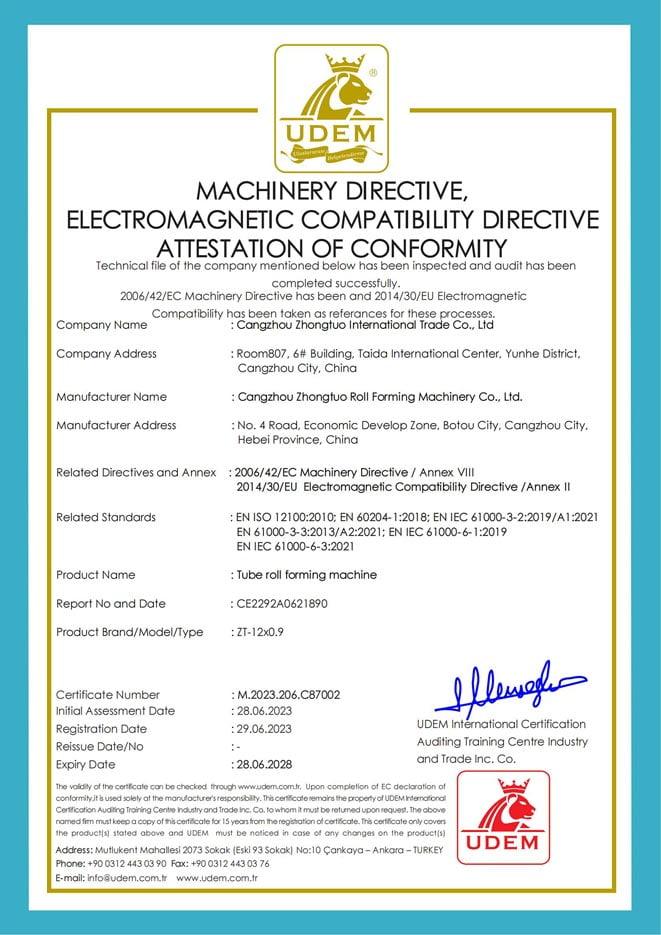
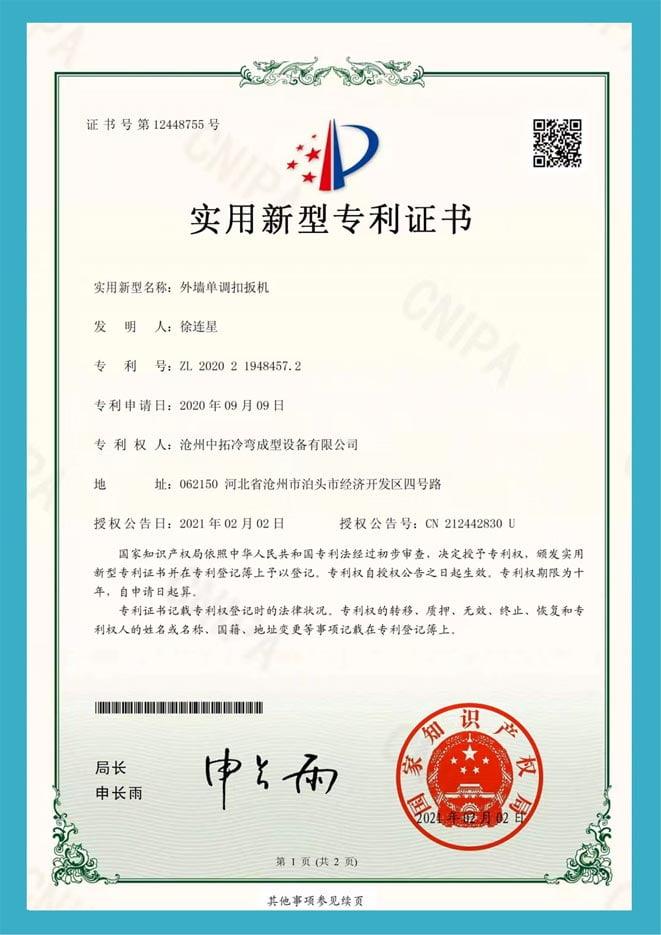
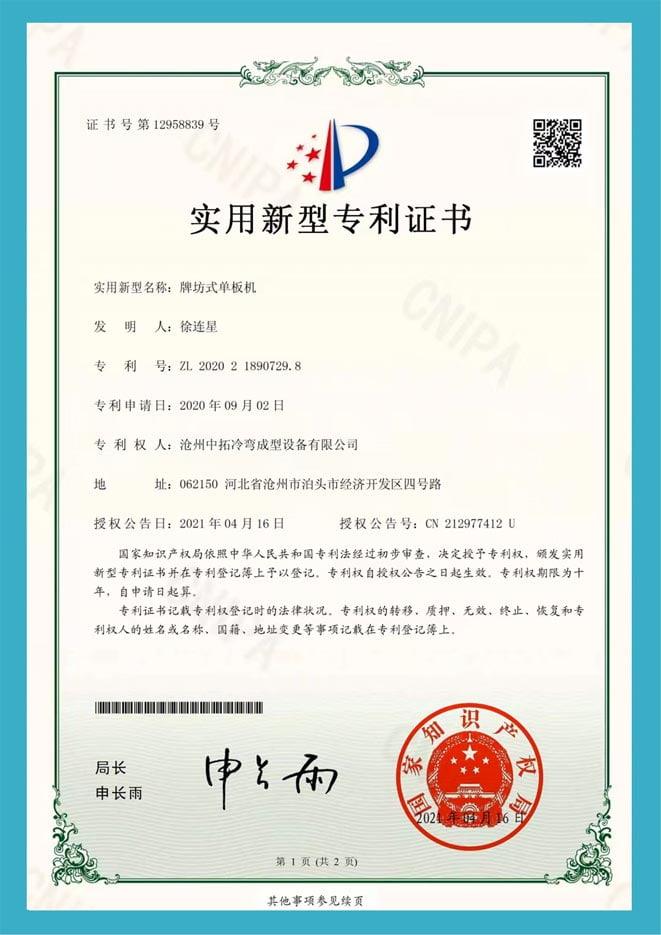
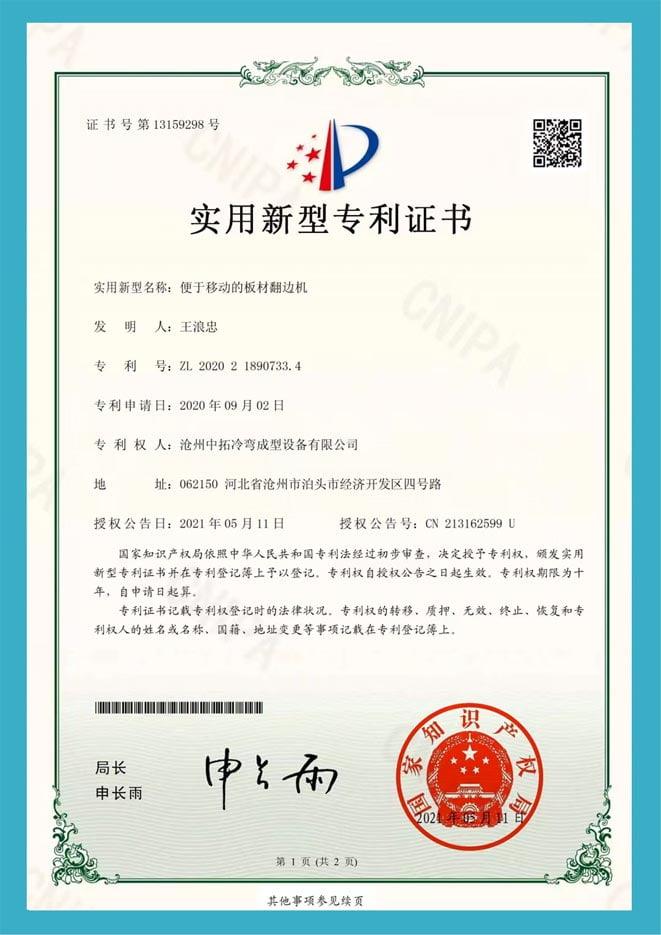
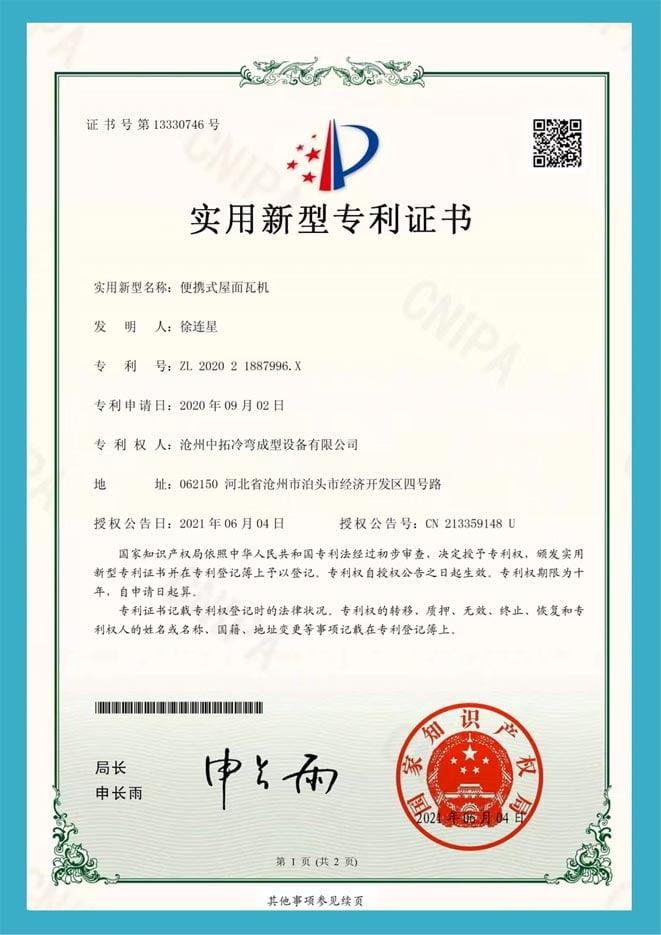
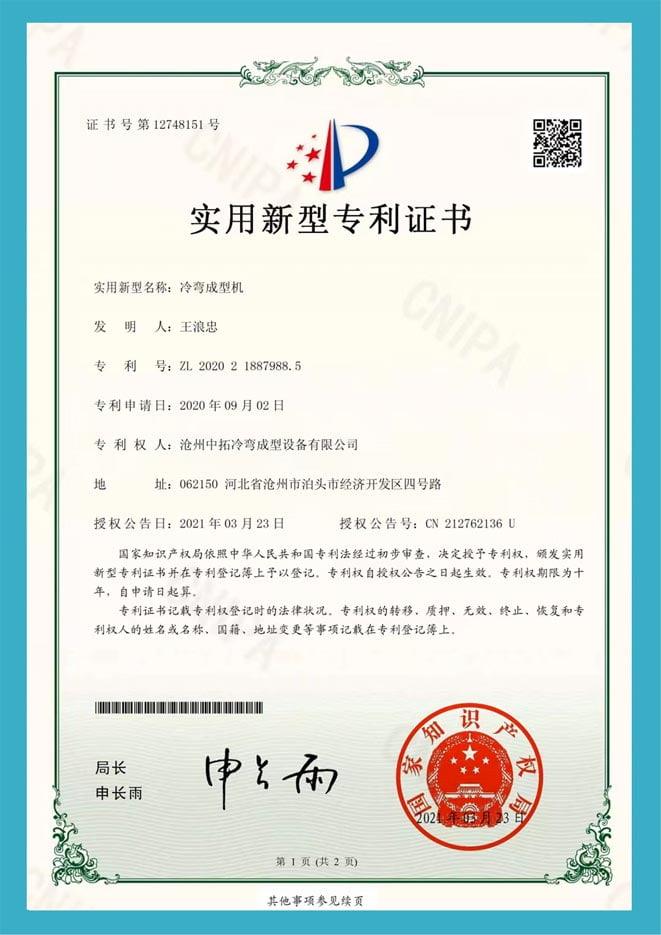

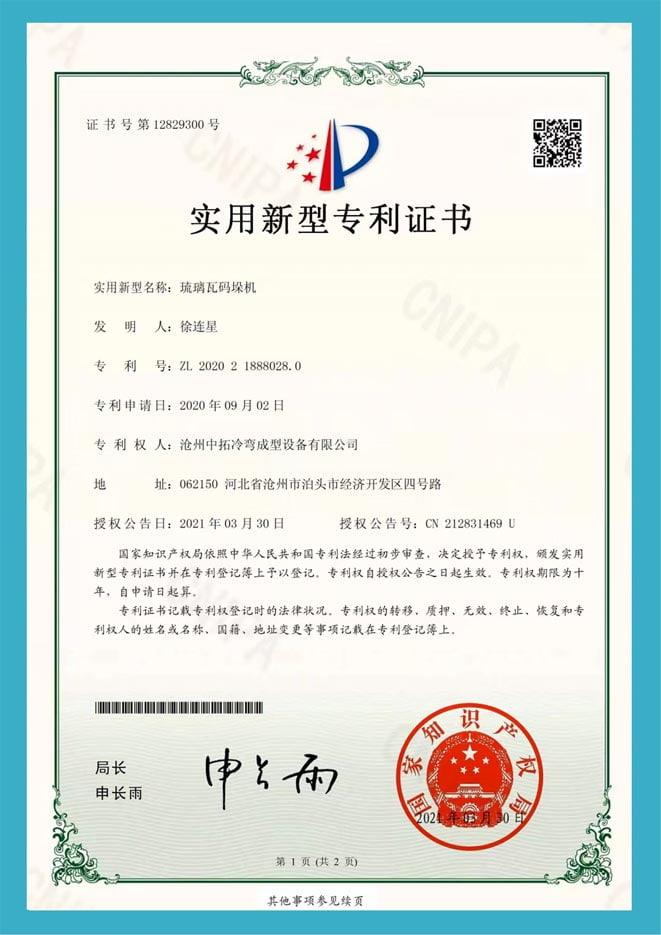
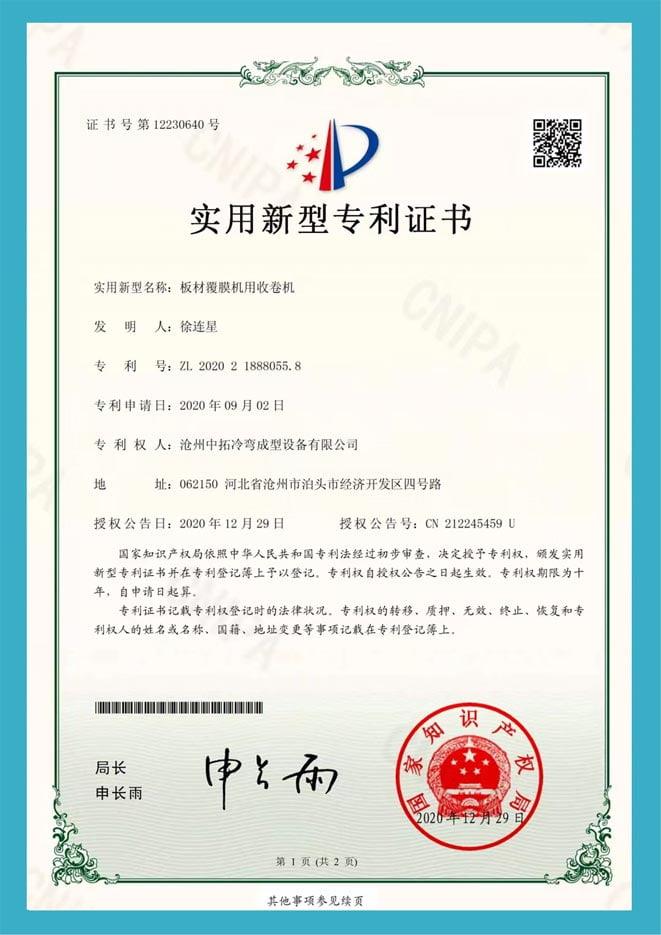

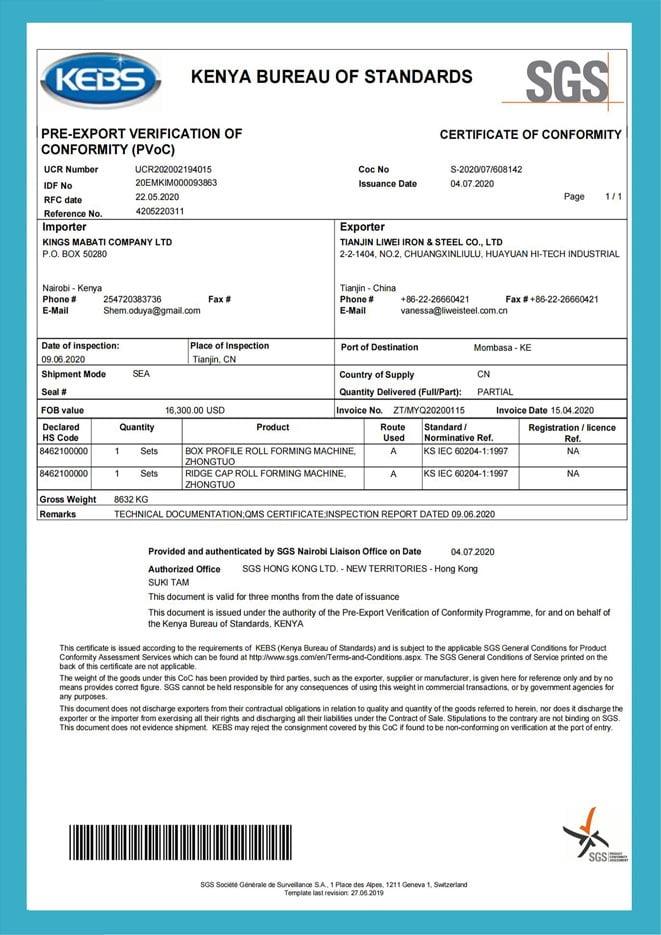
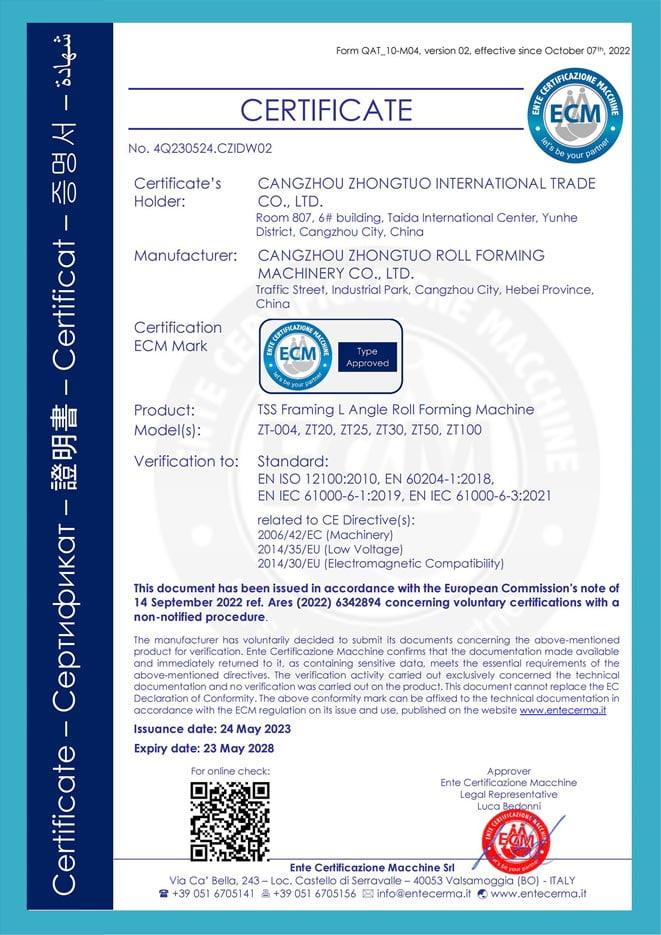
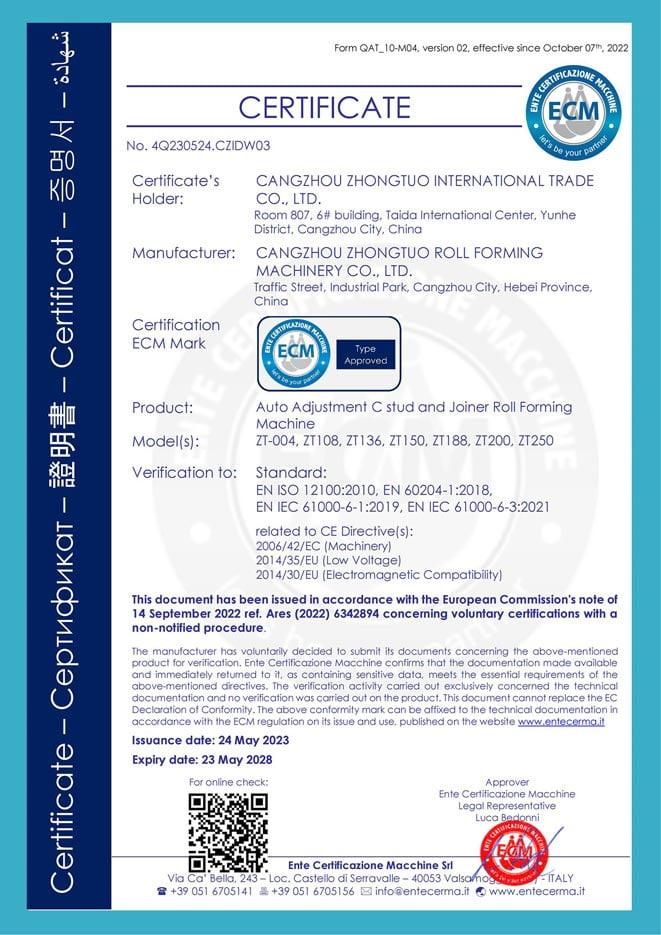
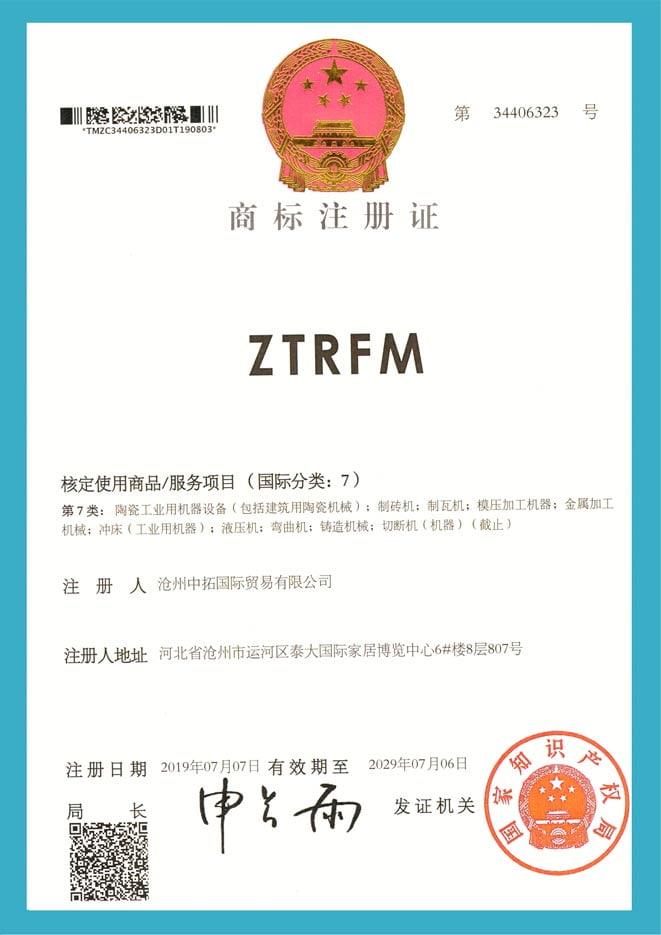
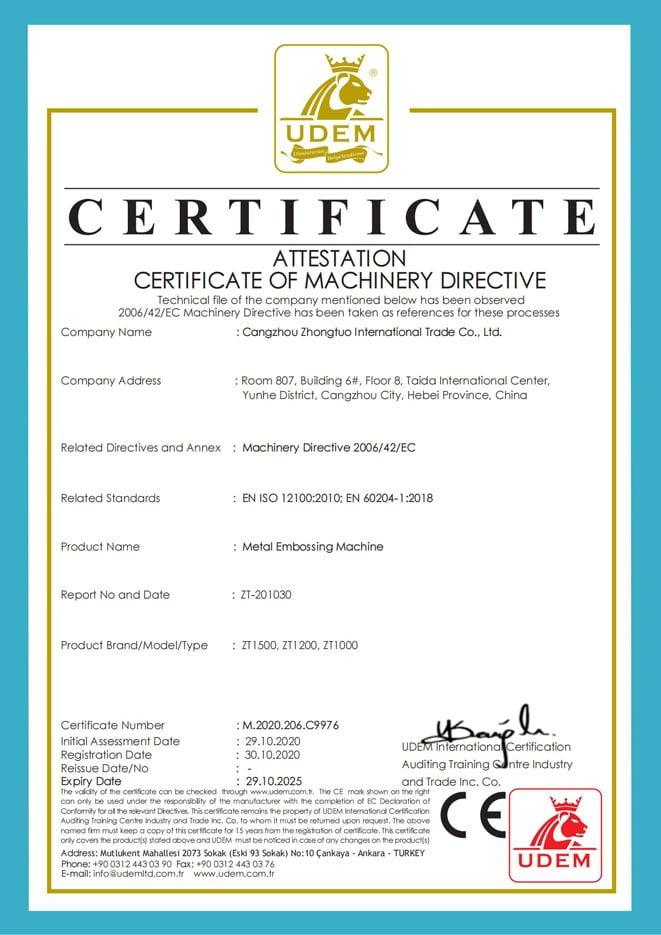
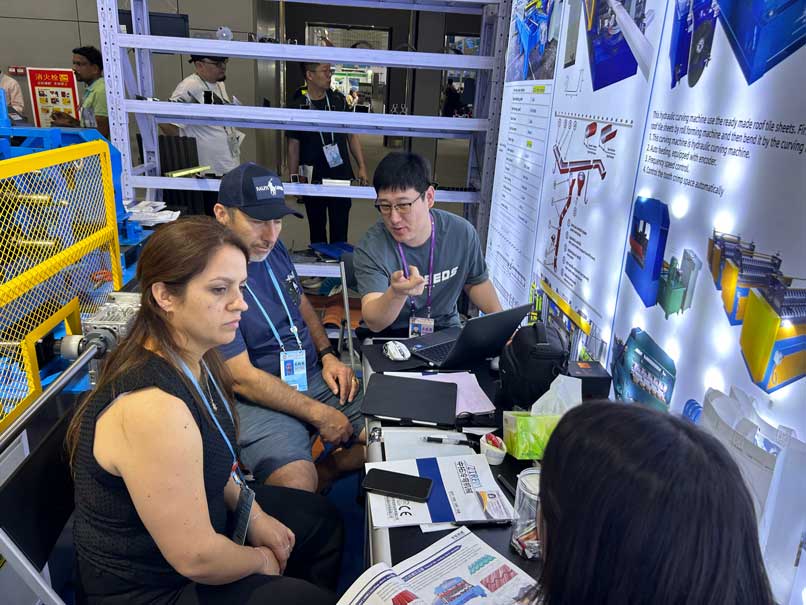
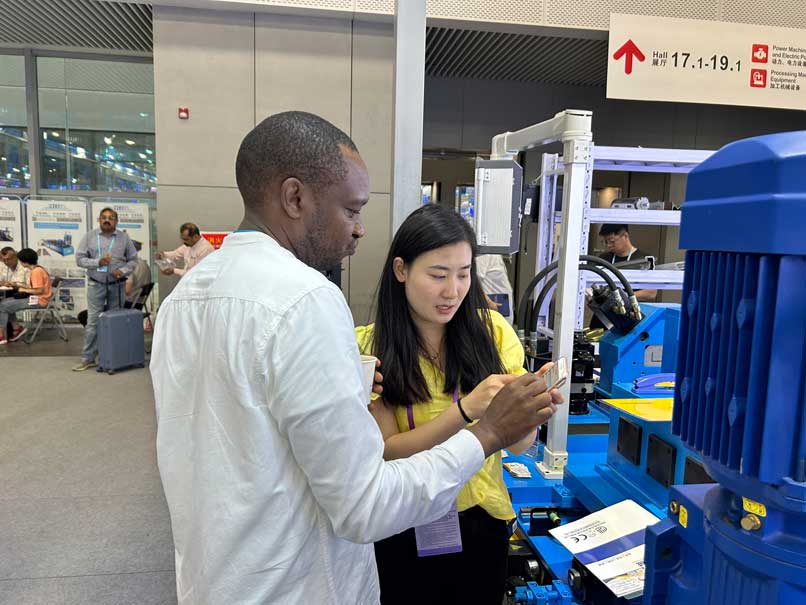
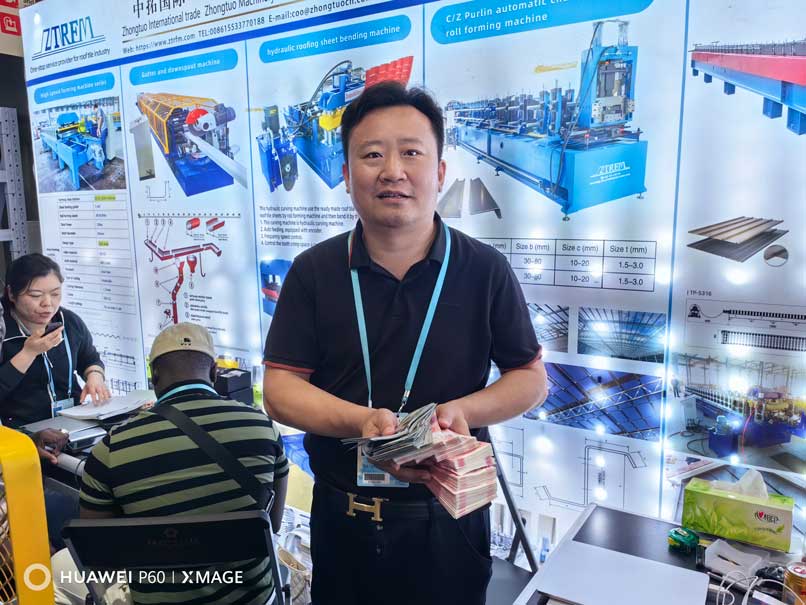
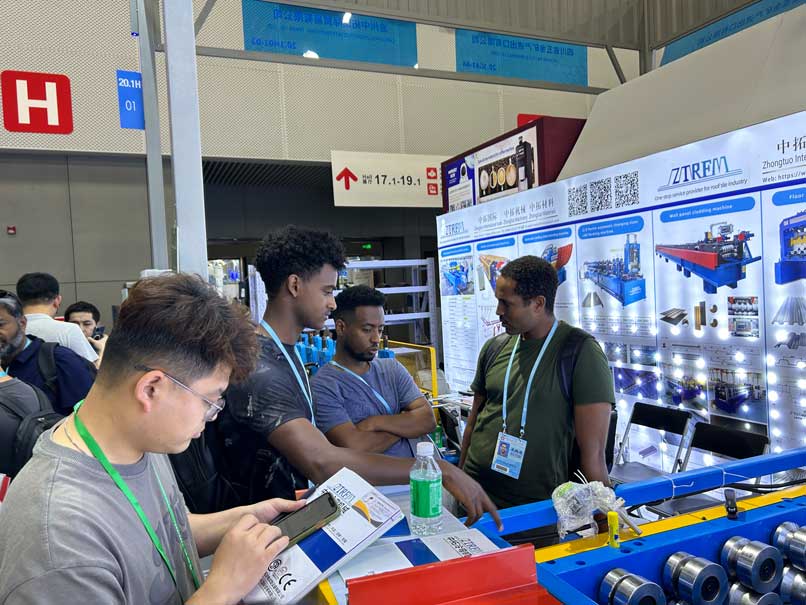
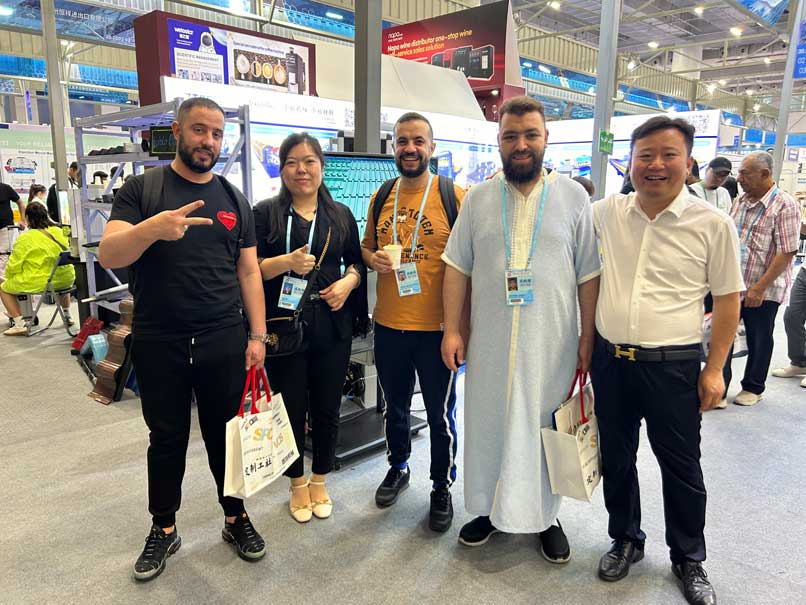
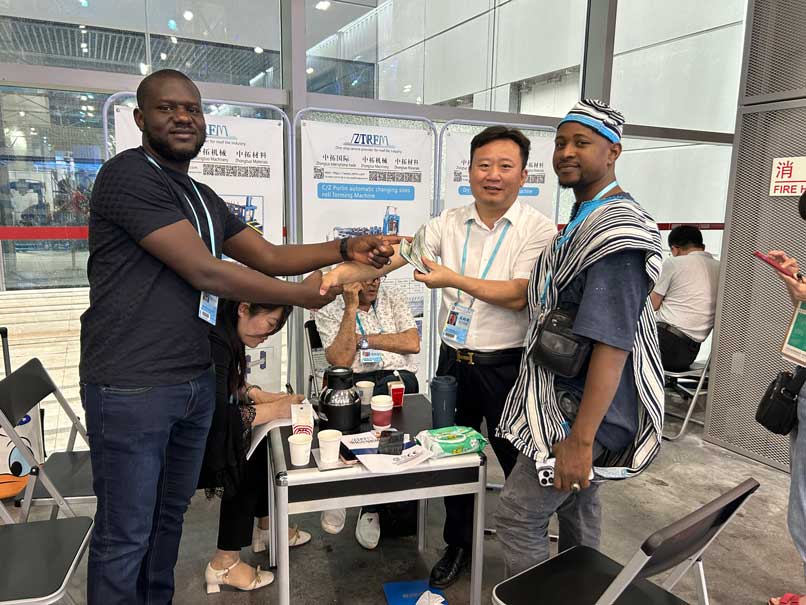
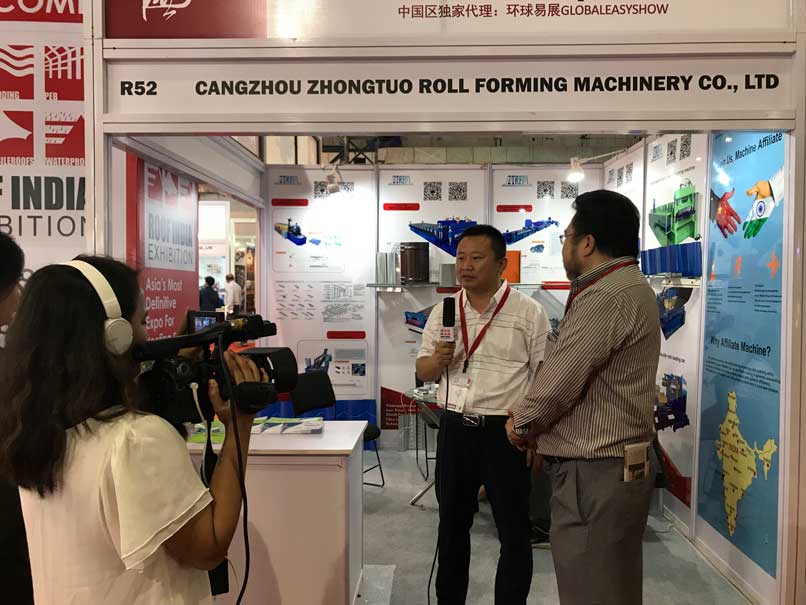
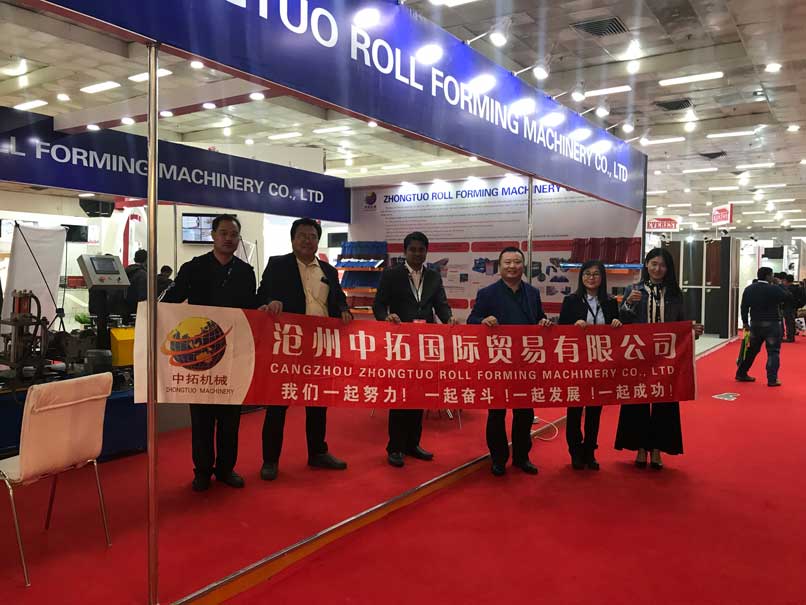
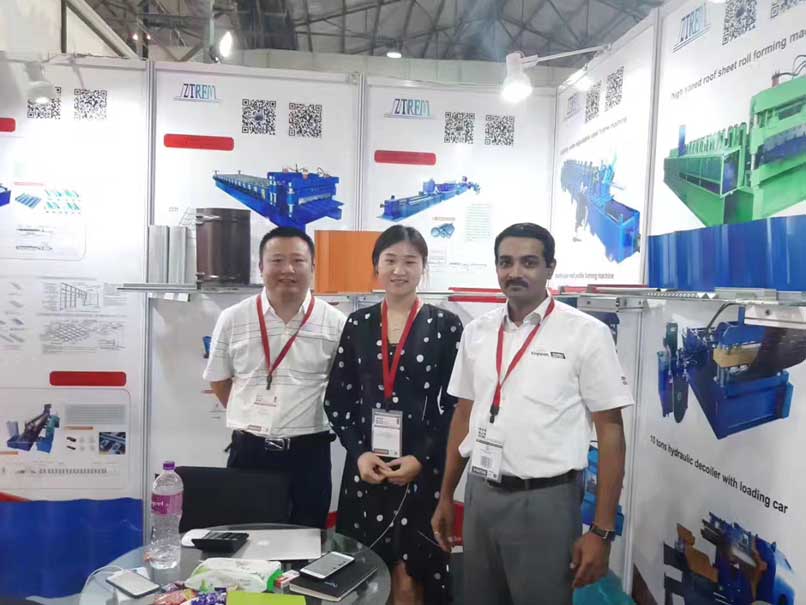
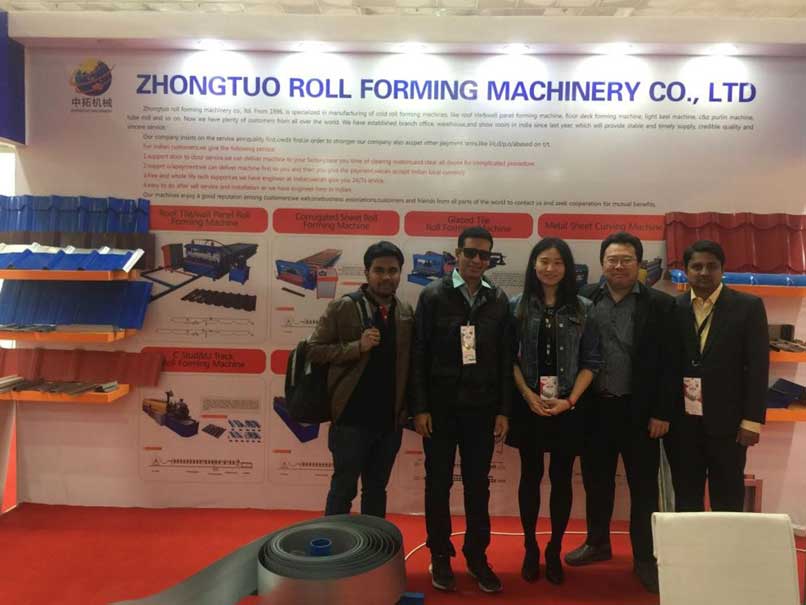
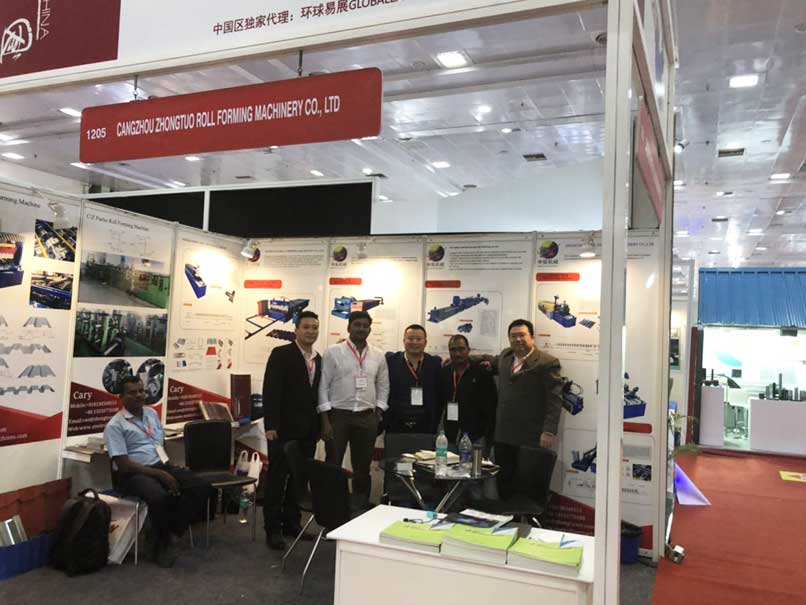
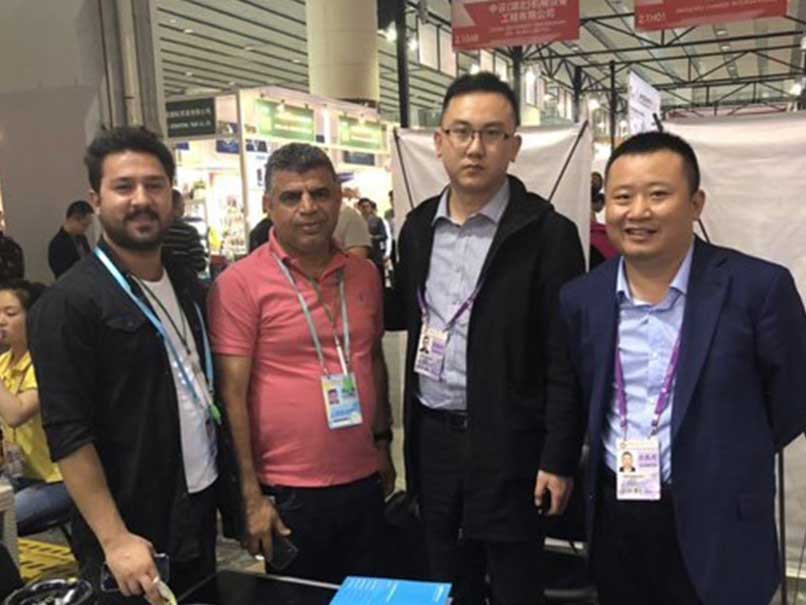
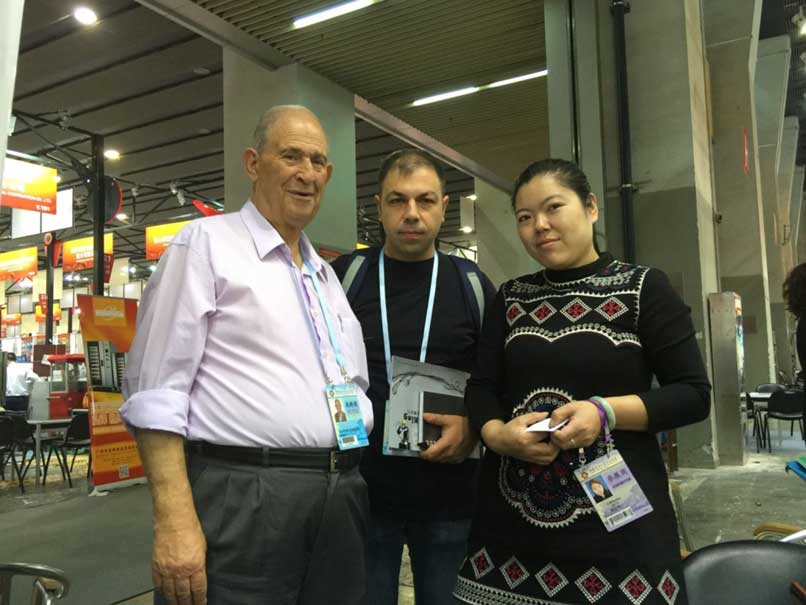
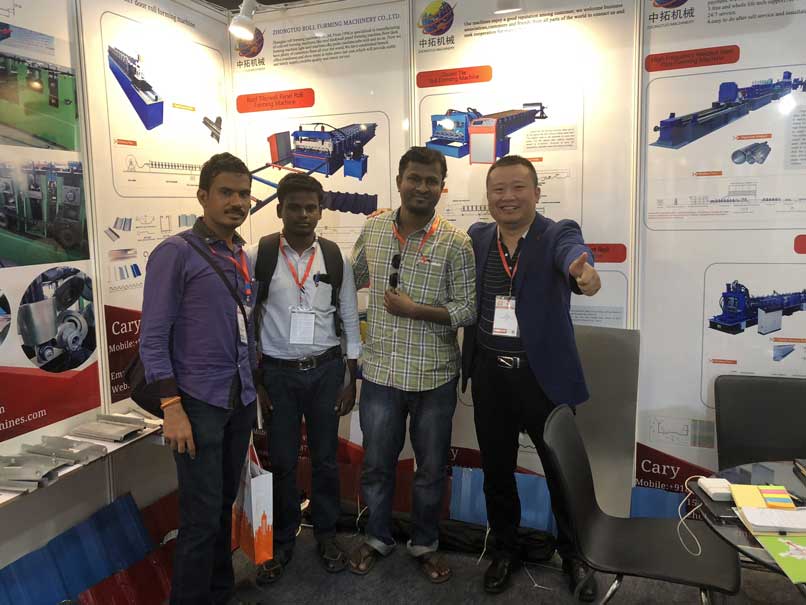
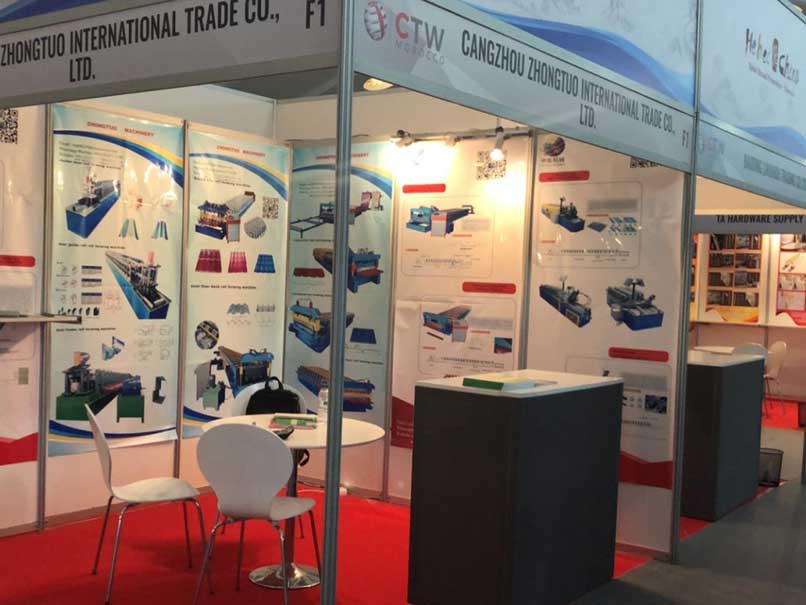
360° VR 시스템을 통해 중퉈를 방문하면 2014년에 설립된 창저우 중퉈는 다양한 유형의 냉간 압연 성형기를 설계하고 제조하는 데 전념하고 있습니다. 우리는 ODM, OEM 및 원 스톱 서비스를 제공합니다. 원자재, 기계 및 액세서리는 당사에서 구입할 수 있습니다.
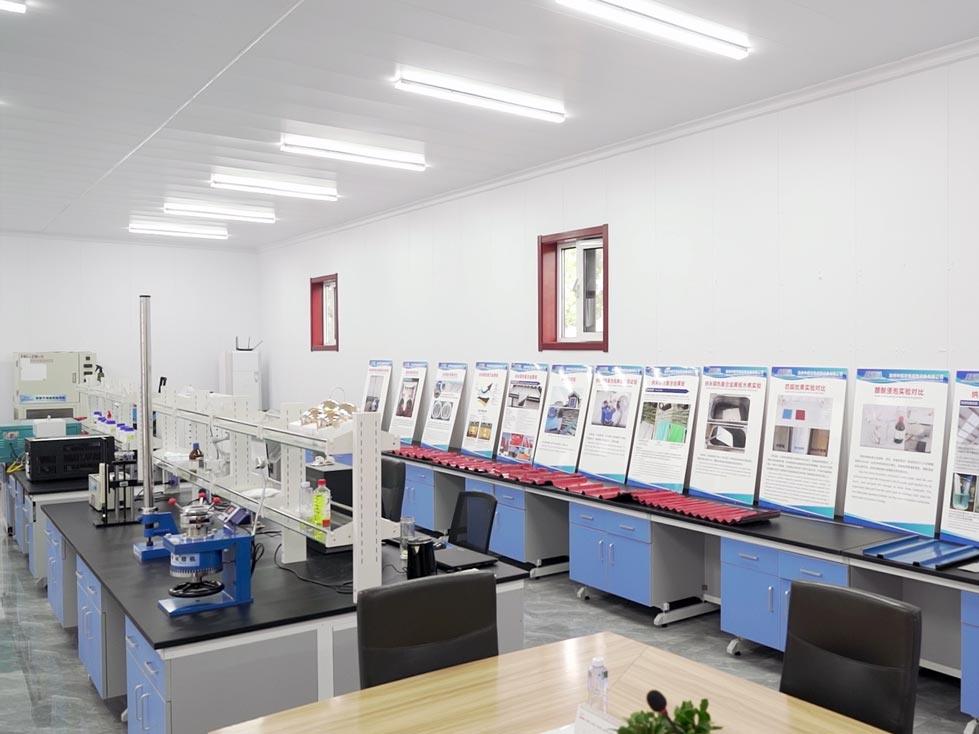
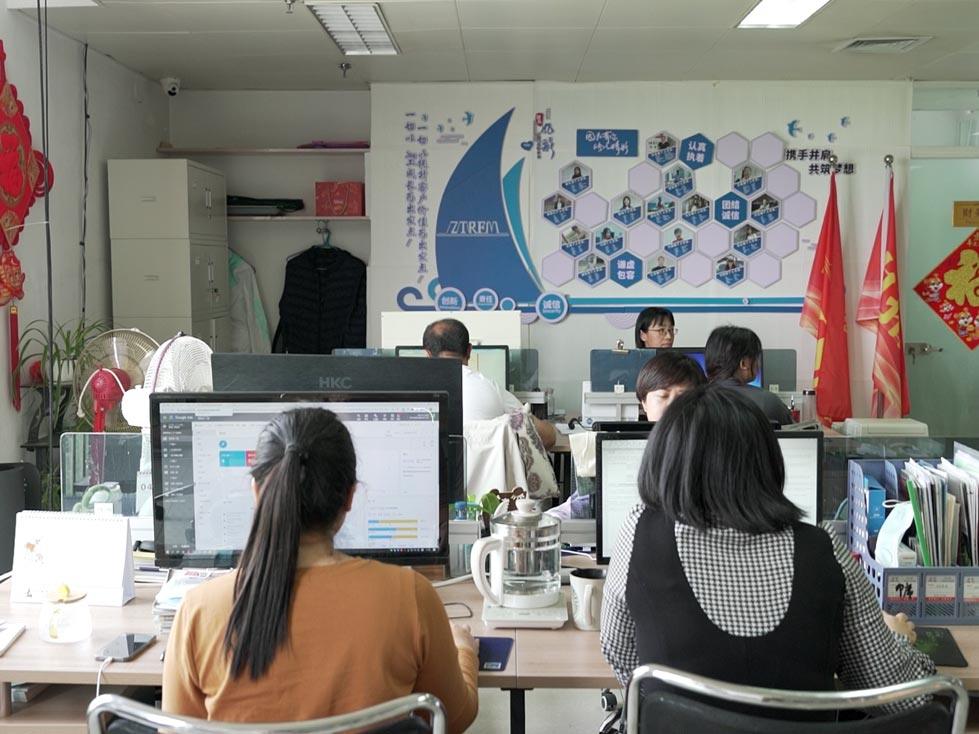
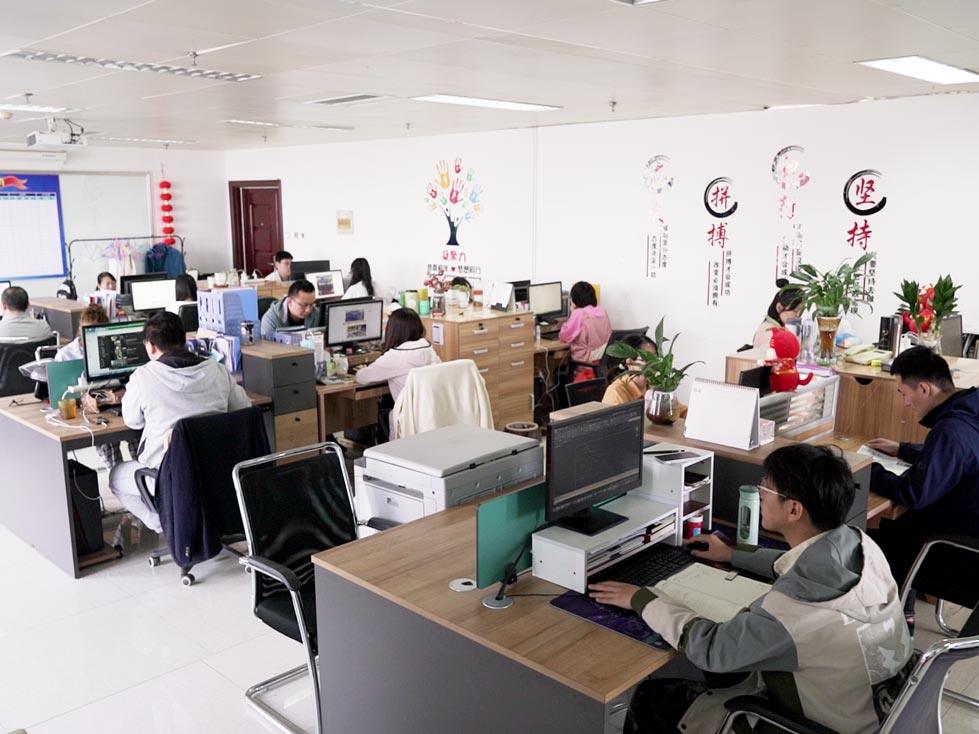
OEM/ODM 및 커스터마이징 원스톱 서비스
완벽한 애프터 서비스 지원
OEM, ODM 제공
1.커뮤니케이션: 구매자의 요구 사항을 확인합니다.
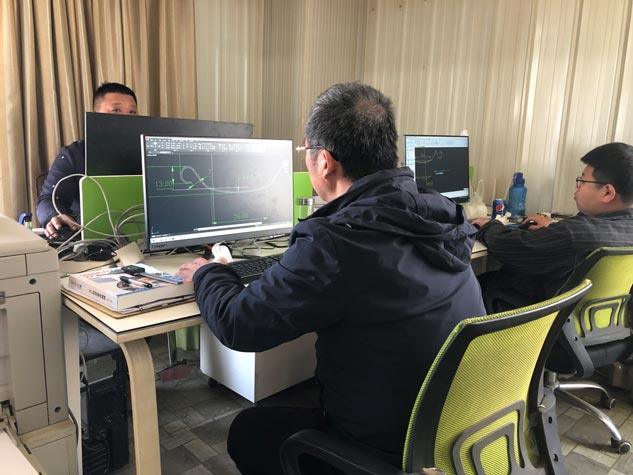
2.기술자 설계: 도면 프로파일 및 3D 기계 도면 만들기
3.구성 및 프로덕션 결정
4.배송 전 테스트
2.기술자 설계: 도면 프로파일 및 3D 기계 도면 만들기
3.구성 및 프로덕션 결정
4.배송 전 테스트
5.포장 및 배송
6.기술 가이드
7.판매 후 서비스: 복잡한 기계의 설치 서비스 및 정기 고객 방문 서비스
6.기술 가이드
7.판매 후 서비스: 복잡한 기계의 설치 서비스 및 정기 고객 방문 서비스
95800개 이상의 기업이 신뢰하는 기업
많은 분들과 폭넓게 협력하게 되어 영광입니다.
고품질 기업. 당사와의 협력을 통해 다음과 같은 혜택을 받았습니다.
강력한 지원과 비즈니스 혁신 및 발전을 이루었습니다.
고품질 기업. 당사와의 협력을 통해 다음과 같은 혜택을 받았습니다.
강력한 지원과 비즈니스 혁신 및 발전을 이루었습니다.
0
ISO9001 및 CE 승인
우리는 자체 브랜드 ztrfm, 전문 디자인 팀 및 기술자를 소유하고 있습니다.
0
국가 고객
사용자들에게 인기 있고 높은 평가를 받는 제품입니다.
0
원스톱 솔루션
액세서리부터 성형기까지, 조달의 복잡성을 해결해 드립니다.
0
엔지니어 팀
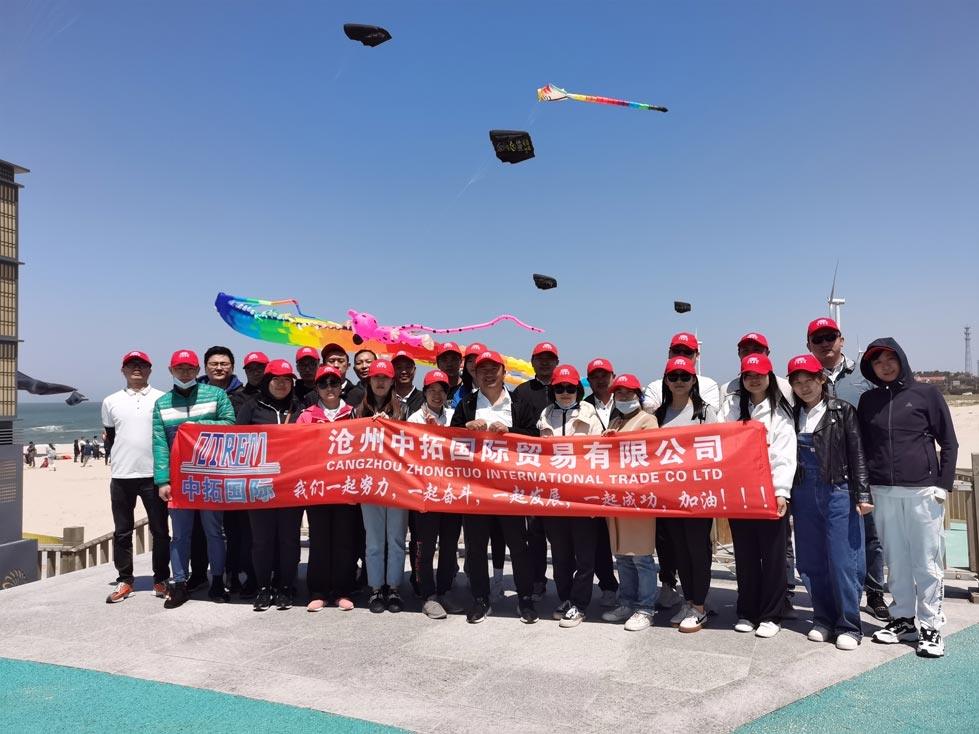
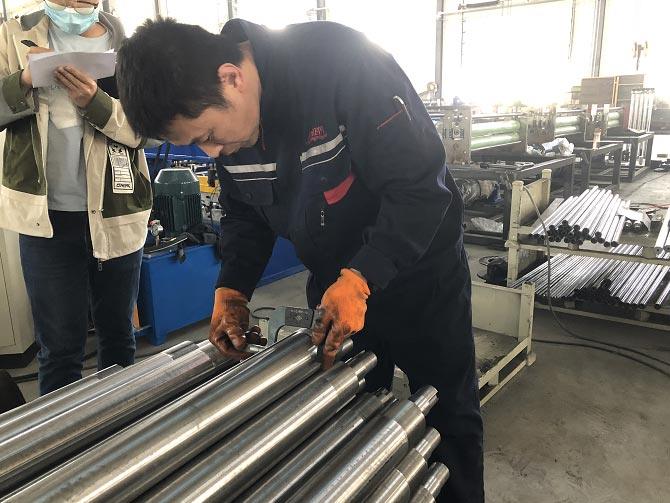
우리는 20 명 이상의 강력한 엔지니어 팀을 보유하고 있으며보다 정확하고 빠른 솔루션을 제공 할 것입니다.