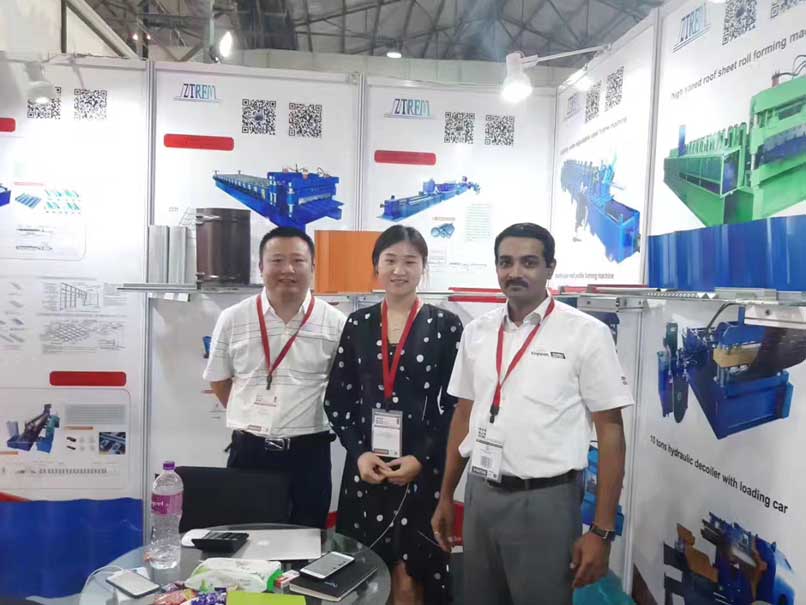
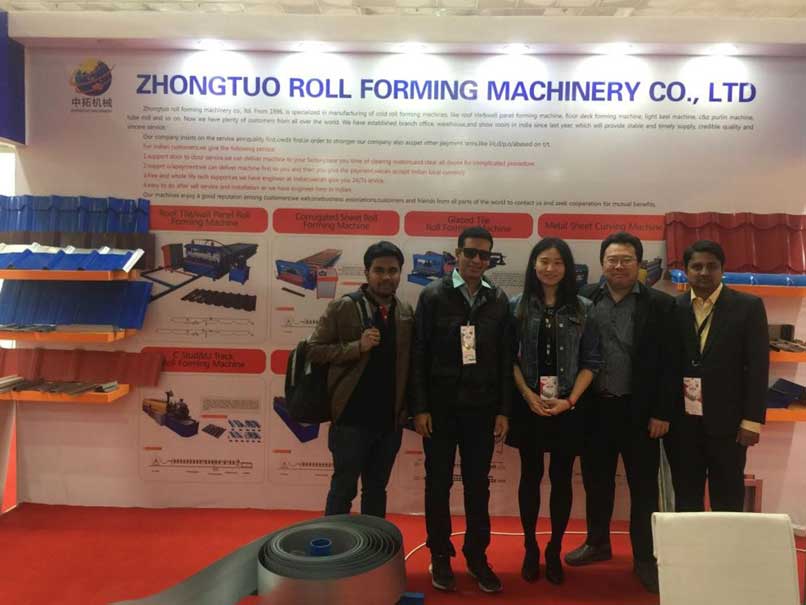
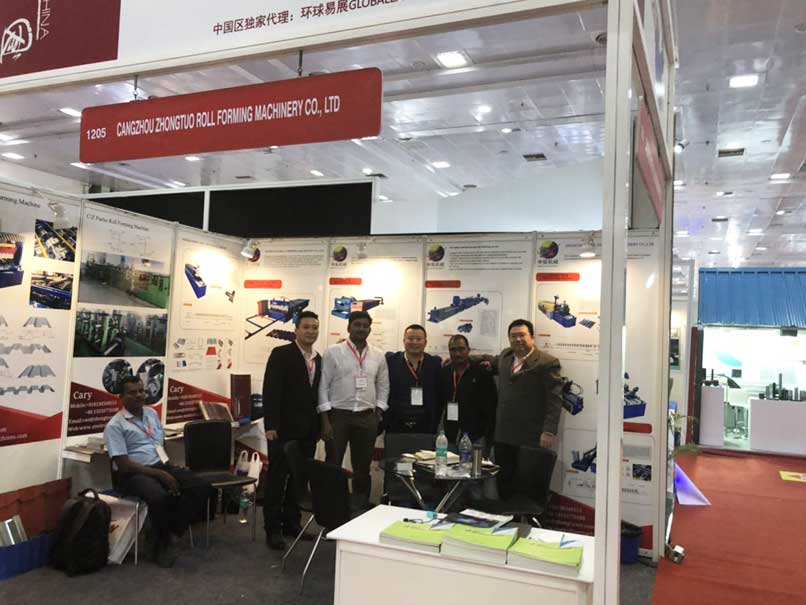
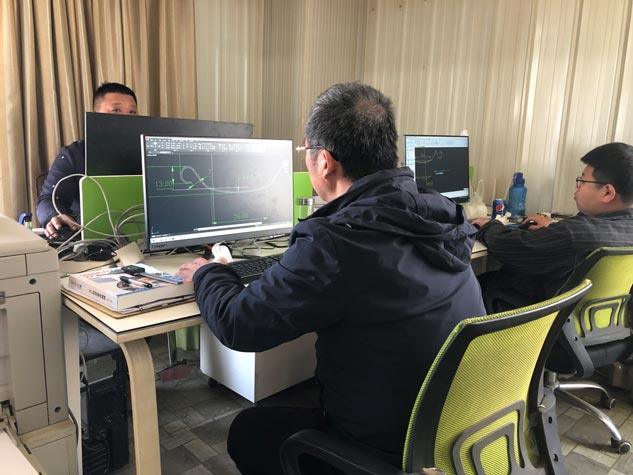
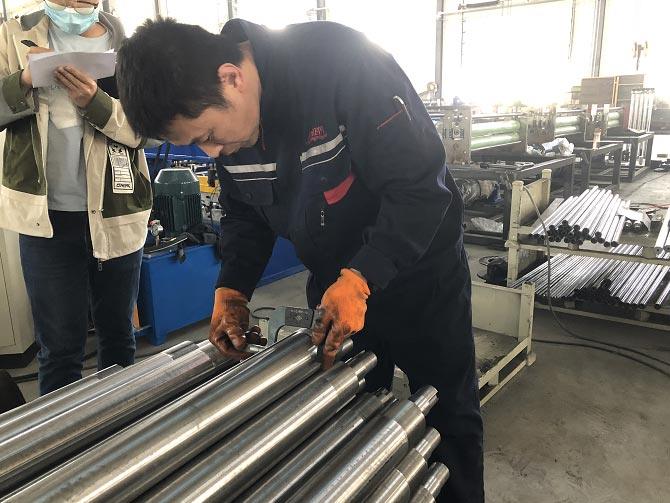
24년 이상의 경험과 지식 국제 표준, 기술 변화 및 산업 시스템, 우리는 다음과 같이 헌신합니다. 소중한 고객에게 최고의 경제적인 솔루션을 제공합니다.
Metal Coil Slitting Line: A Complete Buyer’s Guide for Roll Forming Factories
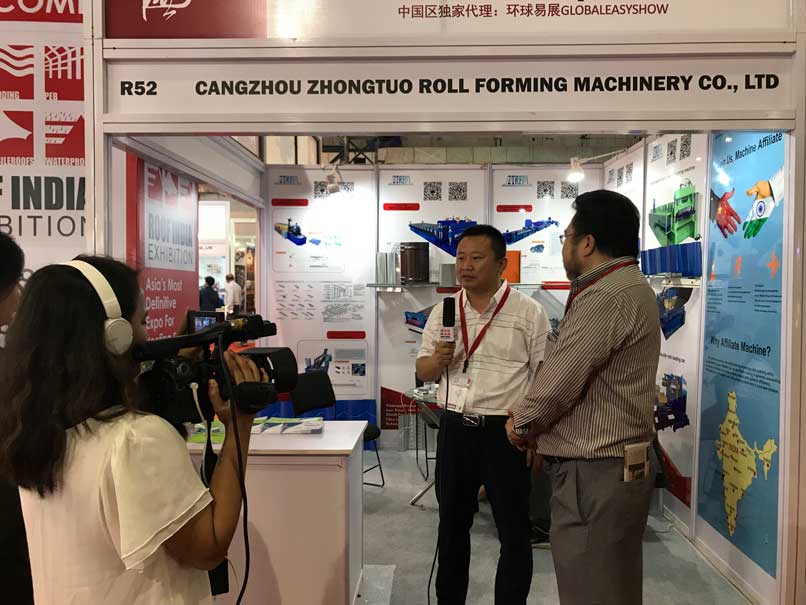
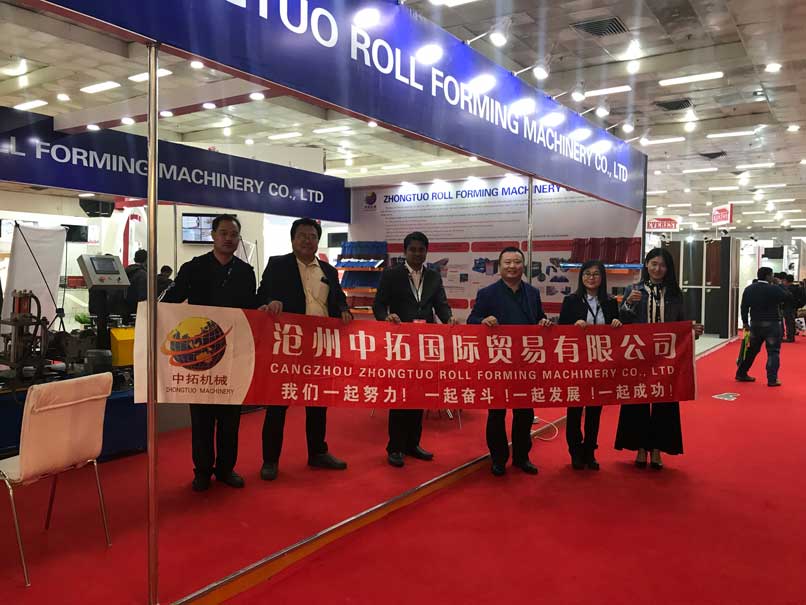
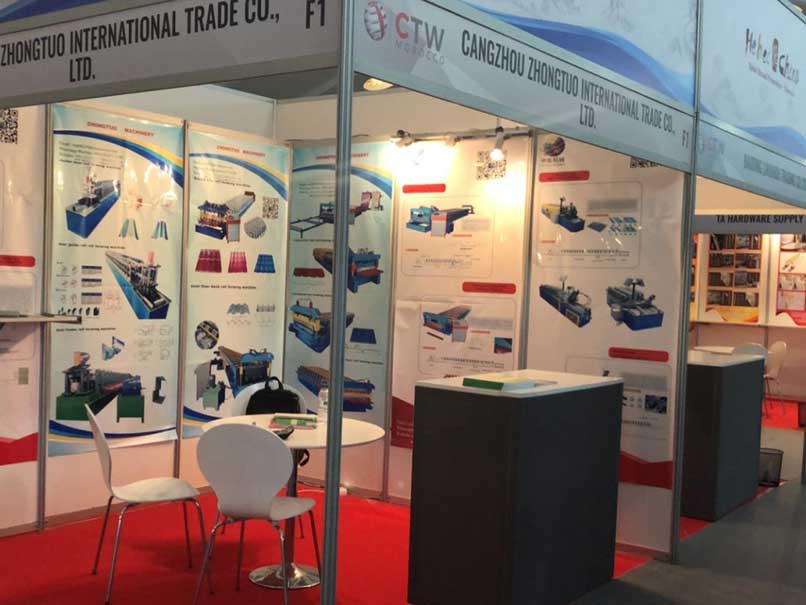
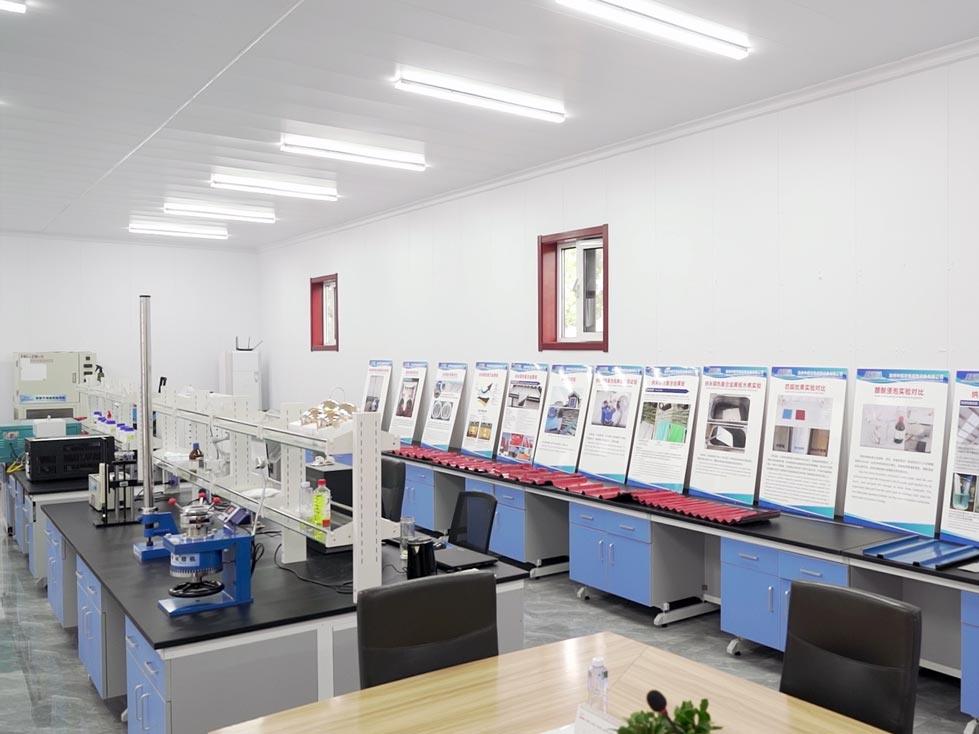
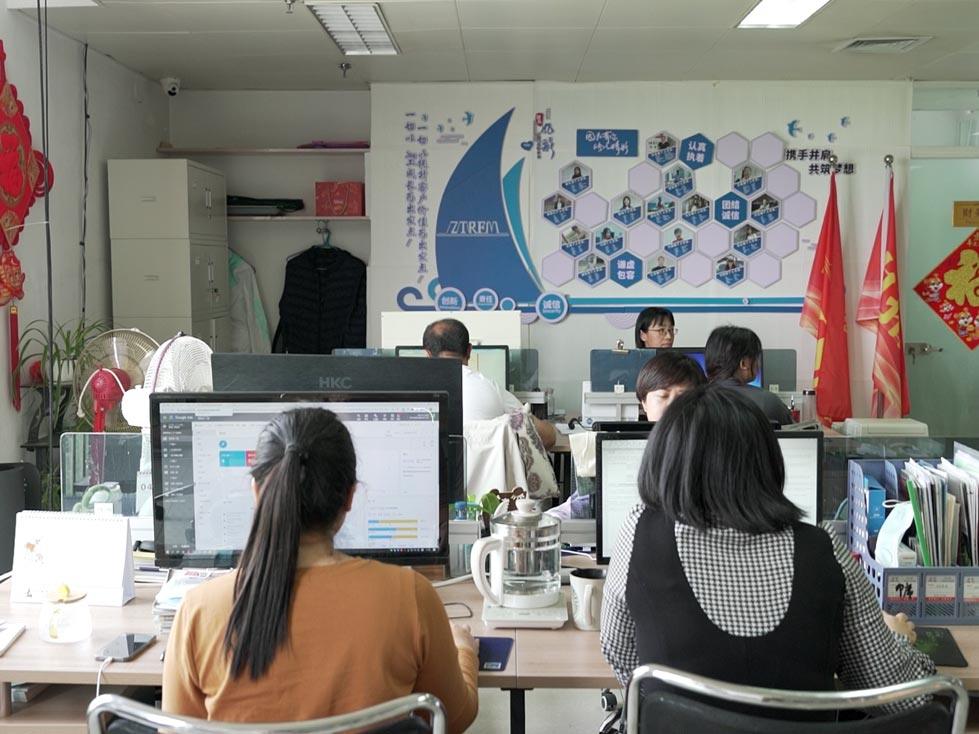
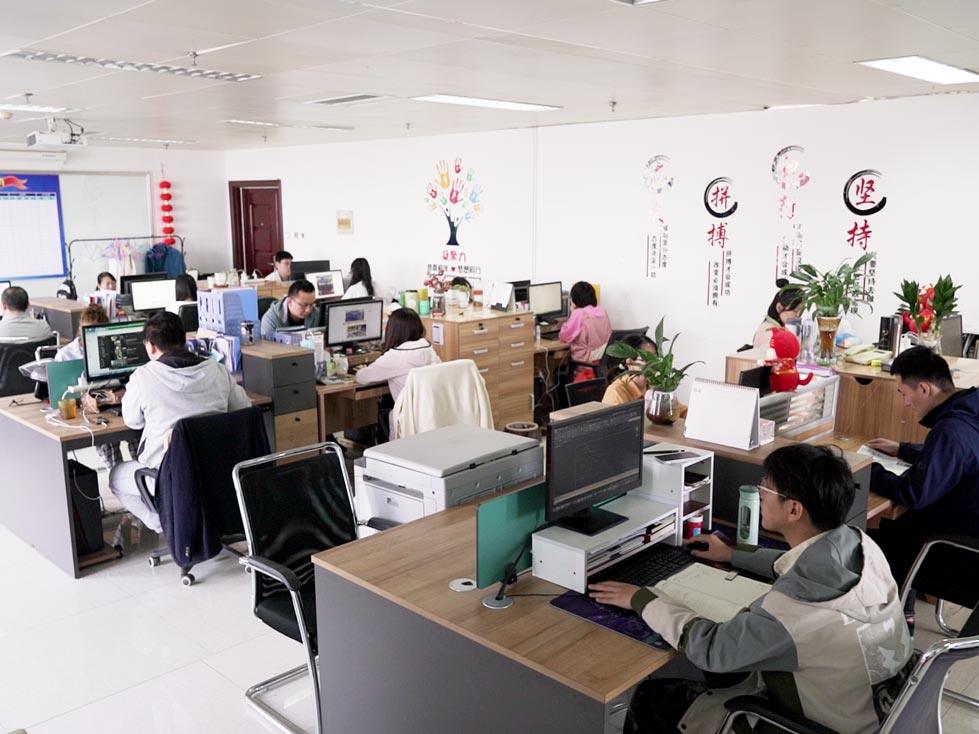
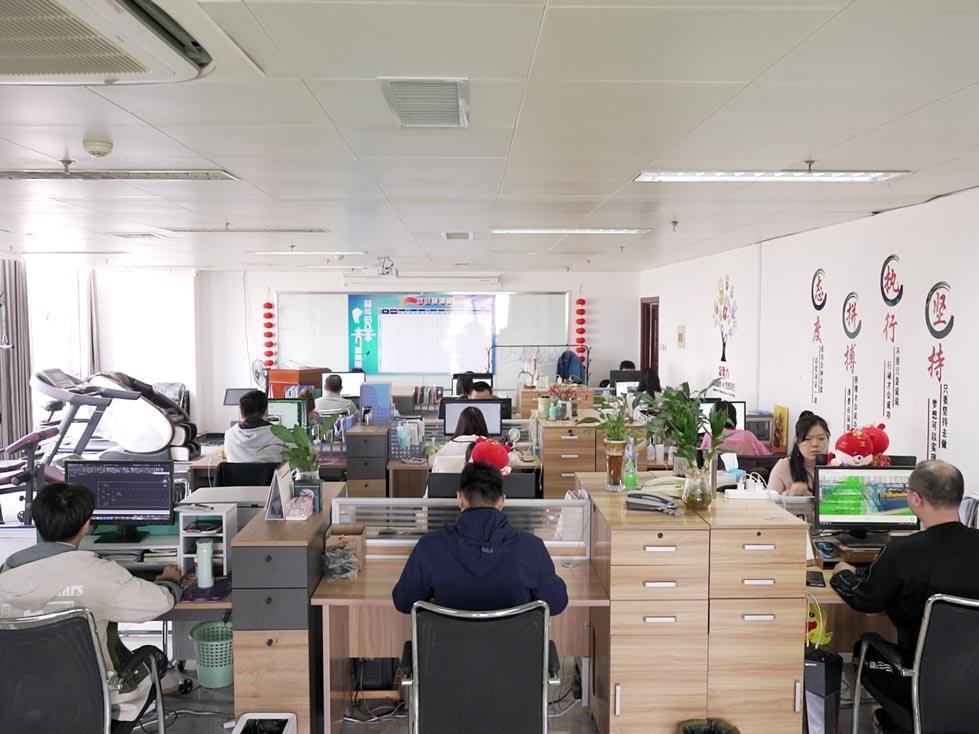
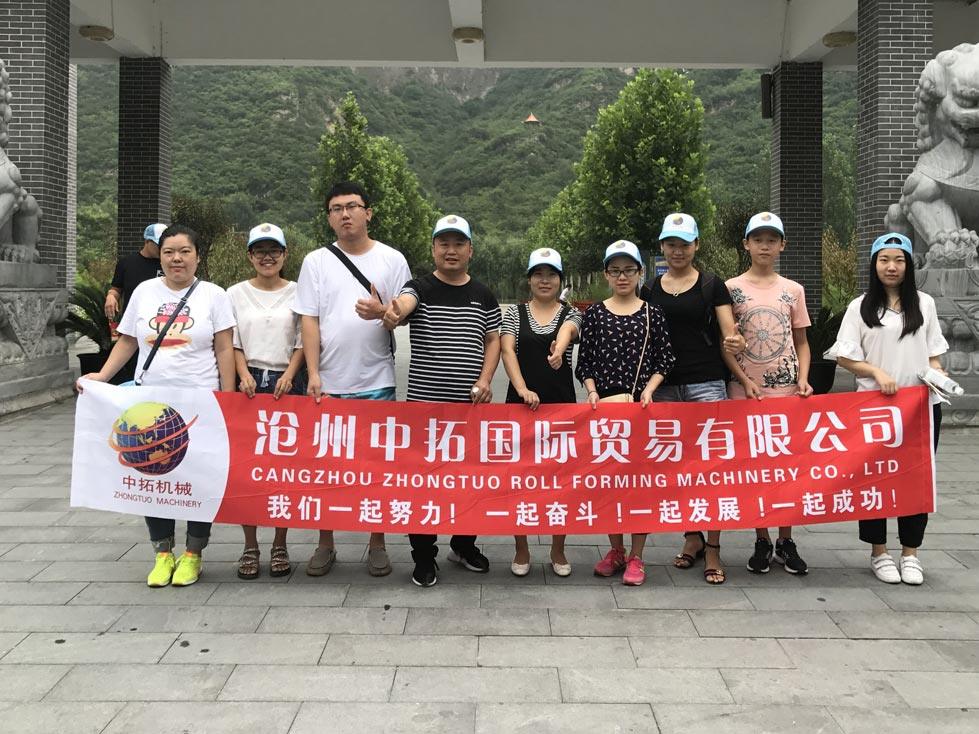
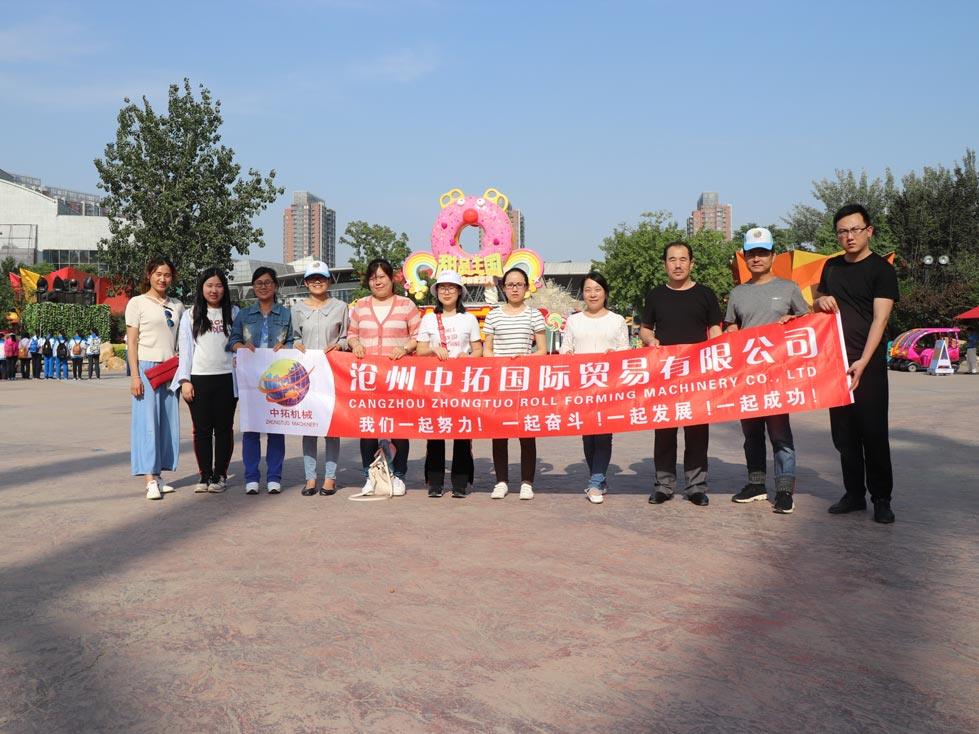
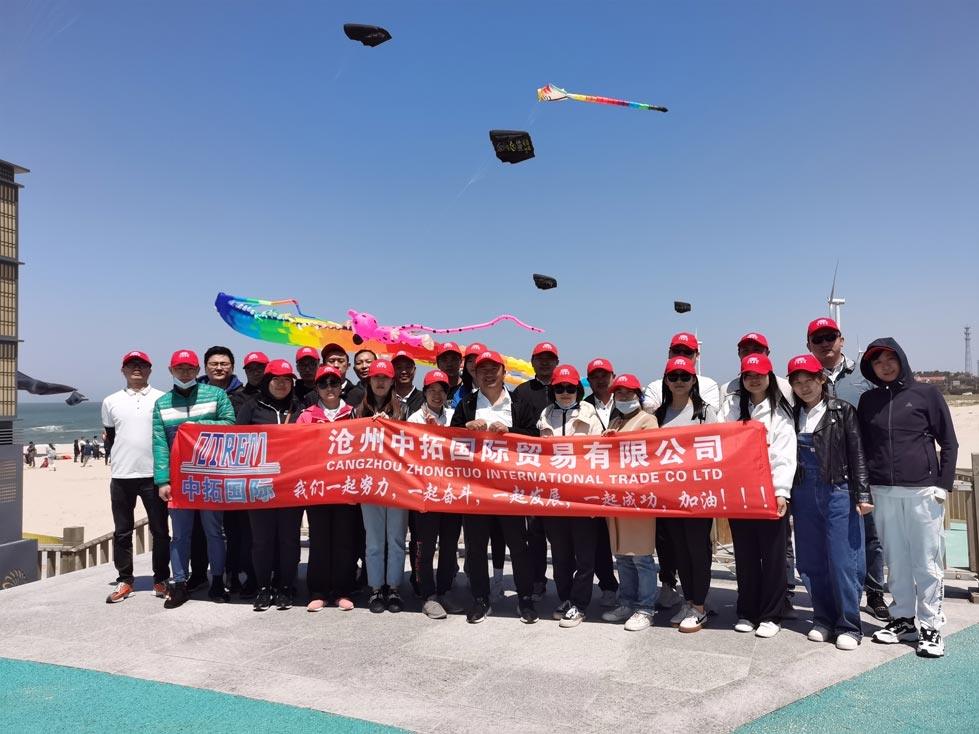
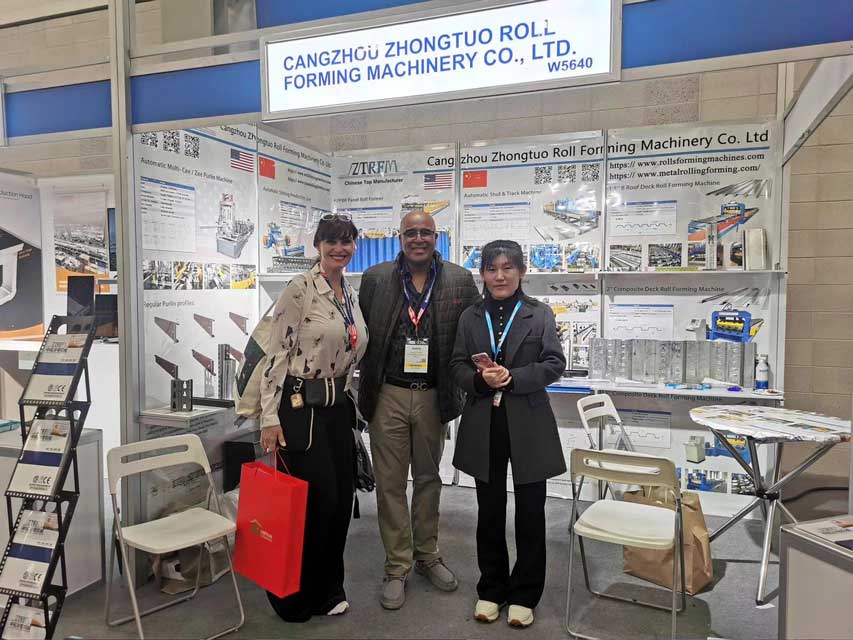
창저우 중퉈 롤 성형 기계 유한 회사는 중국 허베이성에서 왔습니다. 설계 및 제조에 전념하는 제조업체입니다. 다양한 유형의 냉간 압연 성형기. 우리는 2006 년부터 롤 성형 기계의 설계 및 제조에 종사하는 오랜 역사를 가진 공장입니다. 우리가 생산할 수있는 기계에는 지붕 타일 제조 기계, cz 도리 제조 기계, 경강 용골 제조 기계, 금속 엠보싱 기계, 도어 시스템 성형 기계, 천장 시스템 성형 기계, 고주파 파이프 용접기, 슬리 팅 라인, 절단 길이 라인, 선반 시스템 성형 기계, 바닥 데크 성형 기계, 컬러 석재 타일 생산 라인, 핫 라미네이팅 필름 기계 등이 있습니다.
Metal Coil Slitting Line: A Complete Buyer’s Guide for Roll Forming Factories
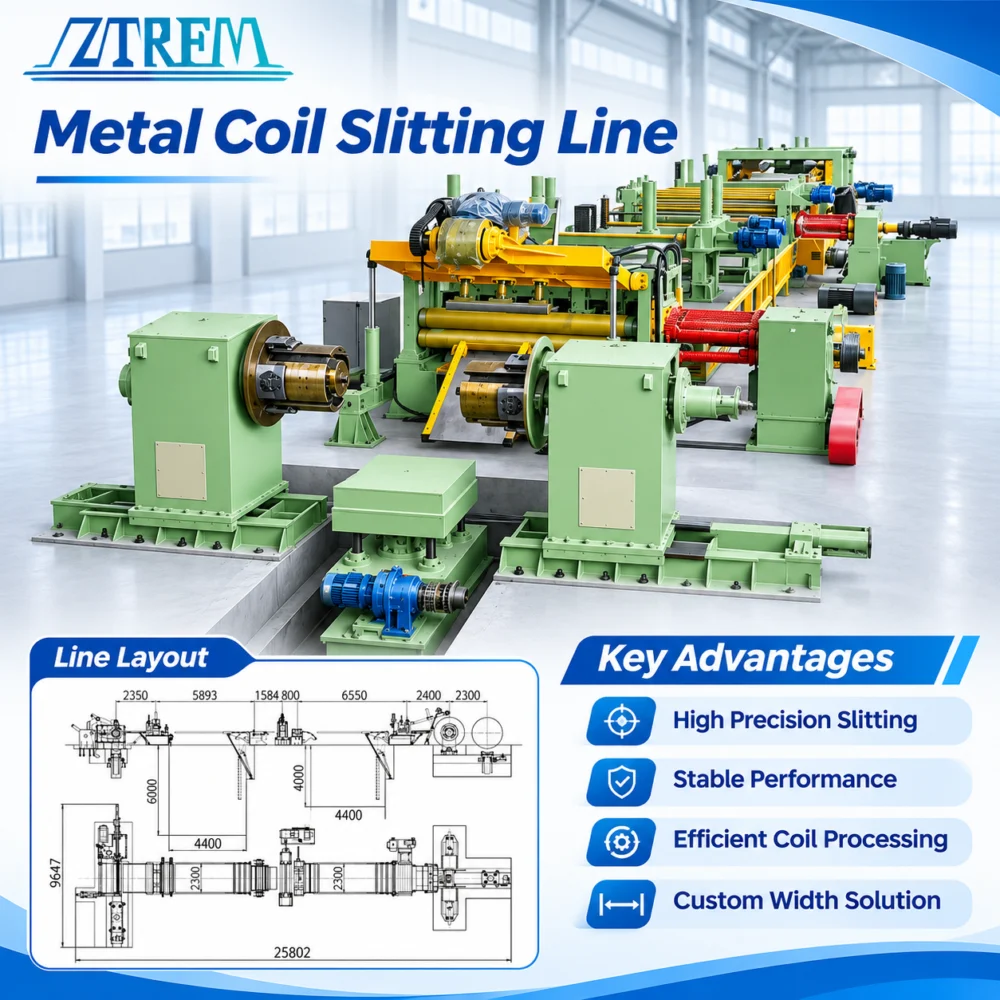
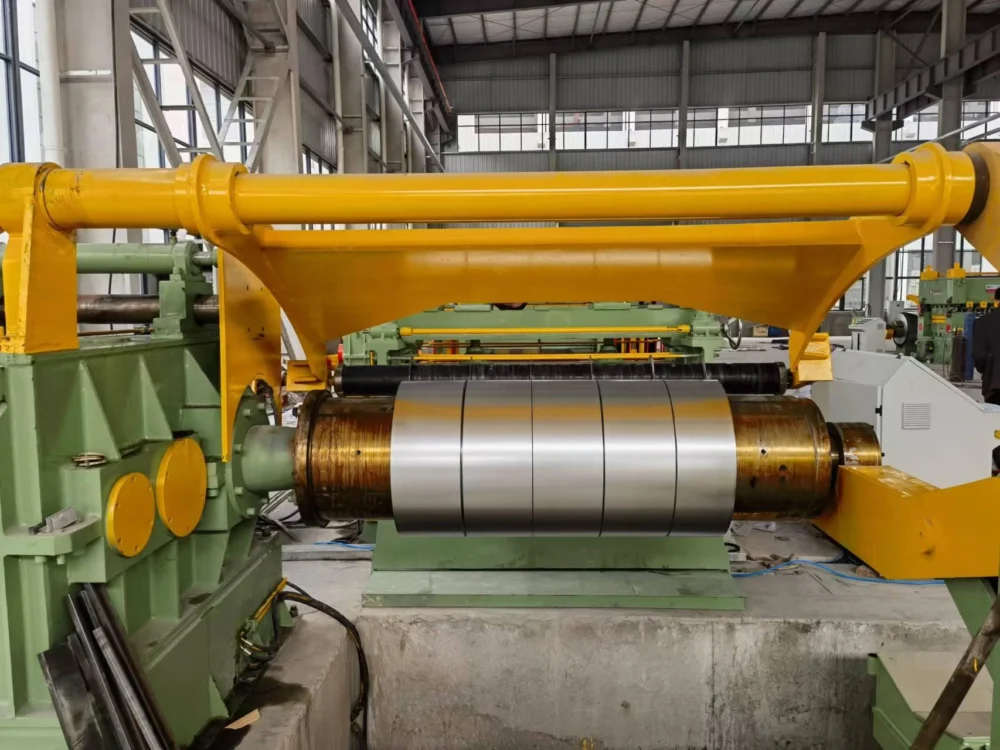
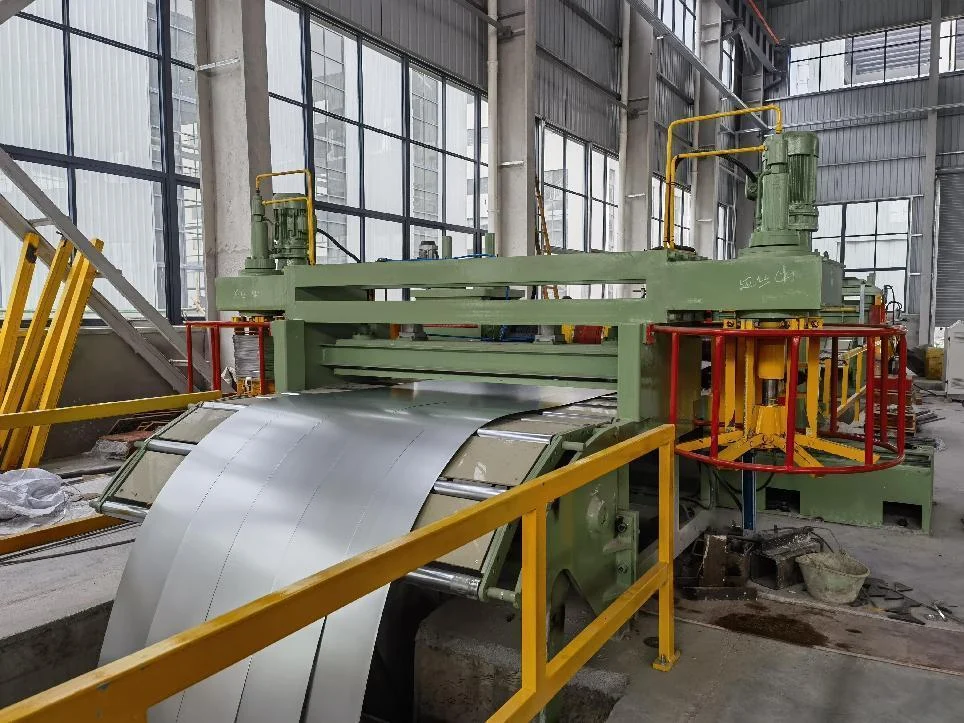
A slitting line (also called longitudinal slitter line) is the core upstream coil processing equipment for every metal roll forming workshop. It cuts wide master metal coils longitudinally into multiple narrow strips, then rewinds those strips into compact slit coils ready for your roof panel, ridge cap, purlin, guardrail and cable tray roll forming machines. If you run a roll forming business, matching your raw coil width to your forming profile is the first step to stable output, low waste and consistent finished quality.
Many roll forming operators buy pre-slit strips from service centers. While this saves upfront investment, it locks you into fixed widths, longer lead times, extra freight cost and risk of surface scratches during transit. Adding your own slitting line lets you adjust strip widths on demand, match coil color and thickness perfectly, and cut waste rates down significantly. This guide covers working principle, main line sections, critical specs, material options, common pitfalls and what to check before requesting your quotation.
Metal Coil Slitting Line: A Complete Buyer’s Guide for Roll Forming Factories
How a Metal Slitting Line Works
The whole slitting process runs continuously in one flow:
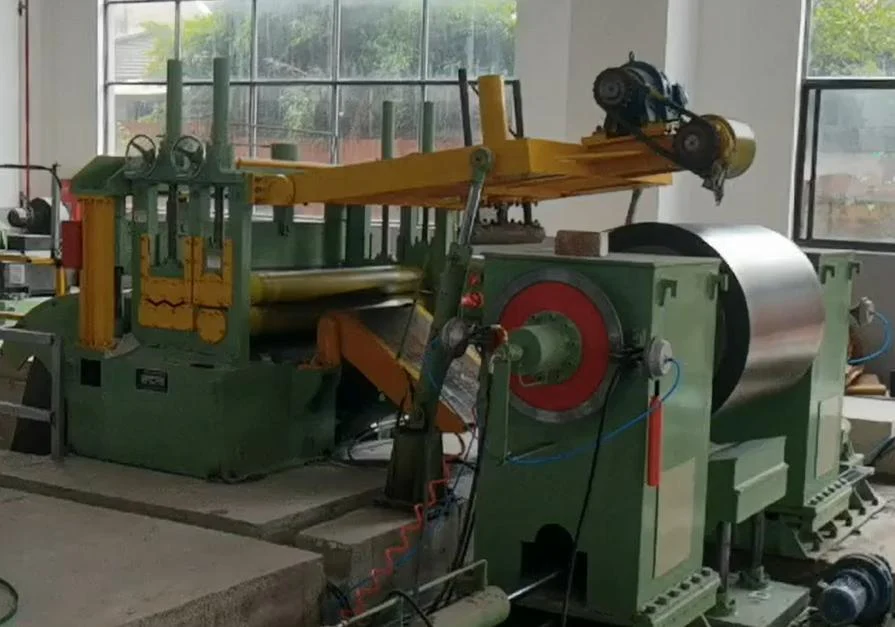
Decoiling: The heavy master coil is loaded onto the decoiler, unwound steadily with controlled tension to avoid snaking or scratching the coated surface. Hydraulic decoilers are standard for heavy coils above 3 tons; manual decoilers suit light-duty, small-batch production.
Leveling & Side Guiding: The strip passes through pinch rolls and leveler rollers to remove coil camber. Side guides and EPC edge correction keep the strip centered before entering the slitter head, which is critical for uniform width tolerance.
Rotary Slitting: A set of upper and lower circular knives shear the metal lengthwise. Knife spacing is adjusted to match your target strip widths. The edge trim scrap is separated and wound or chopped for recycling.
Tension Stand & Separator: This section creates stable strip tension to prevent loose winding, strip overlap and surface marks. Separators keep individual narrow strips apart before recoiling.
Recoiling: Finished narrow strips are rewound into tidy slit coils by the recoiler. Good tension control ensures tight, stable coils that feed smoothly into your roll forming machine without tower winding or collapse.
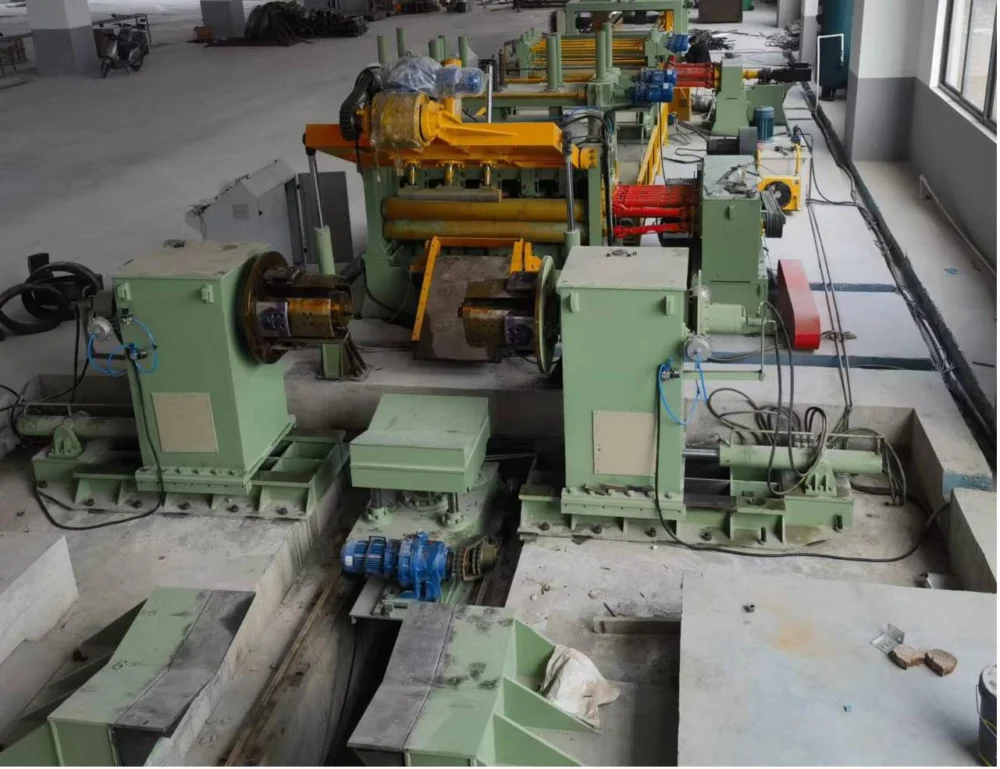
Main Components of a Full Slitting Line
The quality gap between cheap and heavy-duty slitting lines mostly lies in these assemblies:
디코일러: Hydraulic expansion type, coil car optional for fast coil loading. Rated coil weight and inner diameter must match your local master coil stock.
Leveler Unit: Multi-roller leveler for correcting camber and waves. Essential for PPGI, galvalume and thin coated steel to avoid burrs and uneven slitting.
Slitter Head: The heart of the line. Knife arbor diameter, knife material, spacing precision and bearing quality decide cutting edge quality and service life. D2 / Cr12MoV tool steel knives are widely used for long working life.
Scrap Winder / Scrap Chopper: Handles edge trim. Scrap choppers are popular for thin roofing coils; scrap winders work better for thicker carbon steel.
Tension Group & Separator Discs: Separators stop strips from rubbing each other, which is vital for prepainted coils to avoid paint scratching.
Recoiler: Hydraulic expansion, with friction or servo tension control. Larger recoiler capacity reduces coil change frequency.
PLC Control System: Touch screen to set strip width, speed, counter and EPC parameters. Multi-language interface and remote diagnostic support are helpful for overseas users.
Safety Guards & Emergency Stop: Full protective guards for rotating knives and moving parts, compliant with standard industrial safety requirements.
Metal Coil Slitting Line: A Complete Buyer’s Guide for Roll Forming Factories
Typical Applications for Roll Forming Manufacturers
This slitting line is built to pair with your roll forming production lines, widely used for:
Metal roof panel, ridge tile and gutter strip production
C purlin, Z purlin, solar bracket and cable tray raw strips
Highway guardrail, floor decking, fence and door frame profiles
Steel service centers, metal fabrication workshops and steel trading companies
It processes galvanized steel, galvalume (aluzinc), PPGI prepainted coil, cold rolled carbon steel, aluminum coil and thin stainless steel. For coated roofing coils, the line must run with low-mark rollers and gentle tension to protect the paint surface.
Key Specifications You Need to Confirm Before Quotation
Suppliers deliver very different machines under the same “slitting line” name. Prepare these data first so you can compare quotes fairly:
Material thickness range: Common roofing lines cover 0.25 mm – 1.2 mm; heavy-duty lines handle up to 3 mm or thicker carbon steel
Max master coil width: 1250 mm, 1300 mm, 1500 mm are the most popular options
Max coil weight: 3 ton, 5 ton, 8 ton or custom
Inner coil diameter: Usually 508 mm or 610 mm
Minimum slit width you require: This decides knife arbor layout and separator configuration
Required slitting tolerance: Standard ±0.3 mm, high precision ±0.15 mm
Line speed: 20–80 m/min for light roofing coil; heavy steel lines run slower for stable cutting
Power supply: Local voltage, phase and frequency
Floor space and container loading plan
A common mistake buyers make is overbuying speed. If your downstream roll forming machine only runs 12 m/min, a 60 m/min high-speed slitter will sit idle and add unnecessary cost. Match slitting speed to your forming line capacity instead.
Metal Coil Slitting Line: A Complete Buyer’s Guide for Roll Forming Factories
Quality Points to Inspect
When you check factory test videos or machine acceptance, focus on these details:
Slit edge condition: Clean, minimal burrs, no paint peeling on PPGI material
Strip straightness: No camber after slitting, otherwise your roll forming machine will track sideways
Recoiling quality: Flat, neat coils without tower shape, loose layers or crushed edges
Knife running stability: No vibration during continuous slitting
Frame rigidity: Heavy welded base frame avoids deflection under full coil load
EPC performance: Automatic edge tracking works reliably for offset coils
Slitting Line Types: Mini / Medium Duty / Heavy Duty
Mini slitting line: Compact, low investment, for small roofing workshops, 0.25–0.8 mm PPGI, 3 ton max coil. Easy to install and occupy small space.
Medium duty slitting line: Most popular for roll forming factories. Handles galvanized, galvalume and prepainted coil, stable for daily continuous production.
Heavy duty slitting line: For thick carbon steel, high tensile steel, large coil weight, steel service center mass processing. Stronger arbor, thicker frame and reinforced tension system.
Advantages of In-house Slitting for Your Roll Forming Business
Flexible width adjustment: You can slit custom narrow strips for special orders anytime, no need to wait for service center schedules
Color & surface consistency: Use the same master coil for all strips of one roof project, no color difference or surface damage from third-party handling
Lower material waste: Optimize nesting layout to minimize edge scrap
Shorter lead time: Raw coil stock arrives, slit on demand and feed directly into your forming machines
Cost control: Cut intermediate service markup, especially for high-volume roofing production
Metal Coil Slitting Line: A Complete Buyer’s Guide for Roll Forming Factories
Frequently Asked Questions
Can one slitting line process both PPGI and carbon steel?
Yes, but you need to inform the supplier. For prepainted coil, the line requires anti-scratch rollers and softer tension settings to protect coating.
How many strips can one line slit at one time?
Depends on minimum slit width and knife layout. Standard roofing lines can make 8–15 strips from a 1250 mm master coil.
What is the difference between slitting line and cut to length line?
Slitting line cuts along the coil length to make narrow strips and rewind coils. Cut to length line cuts crosswise into flat sheets. They serve different downstream processes.
How long is the machine lead time?
Standard medium-duty slitting lines take 25–40 working days. Custom heavy-duty models with special tension or high-precision knife systems take longer. Confirm drawing approval and production schedule in writing.
Does the slitting line need constant operator attendance?
One operator is enough. The operator loads coils, sets parameters, monitors edge quality and changes finished slit coils.
왜 우리를 선택해야 할까요?
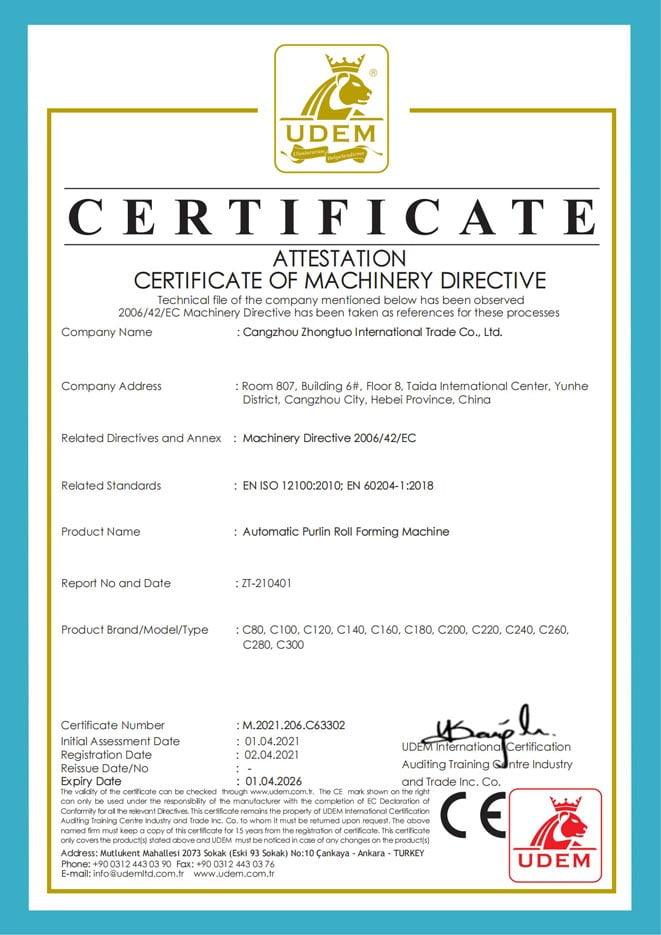
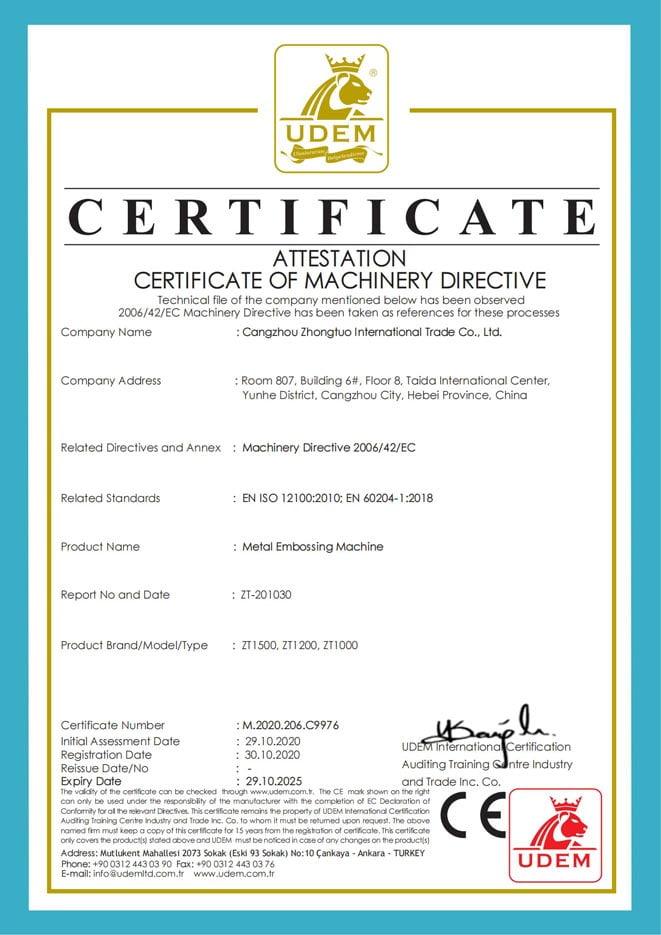
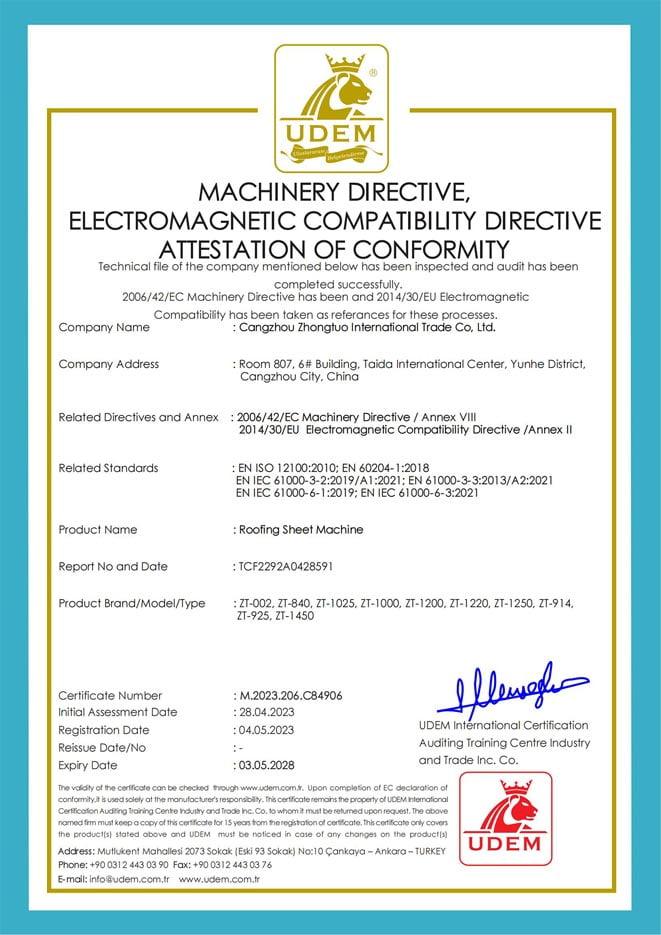
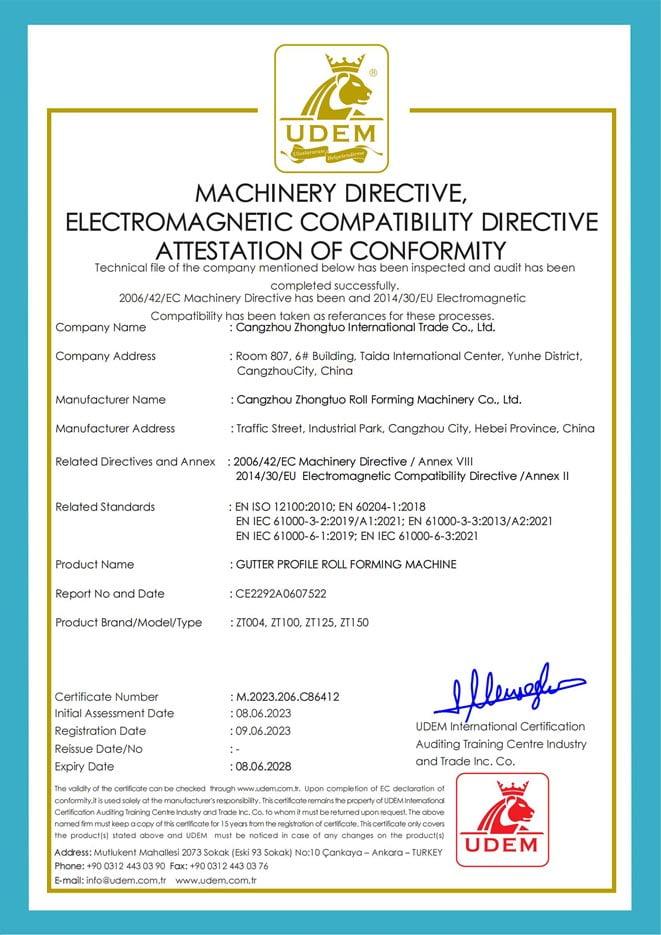
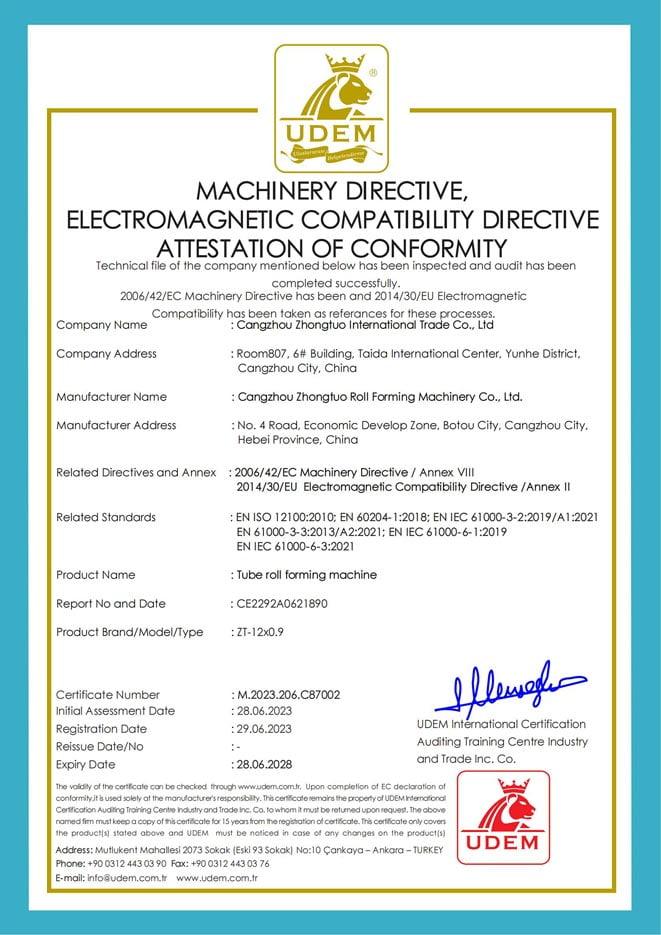
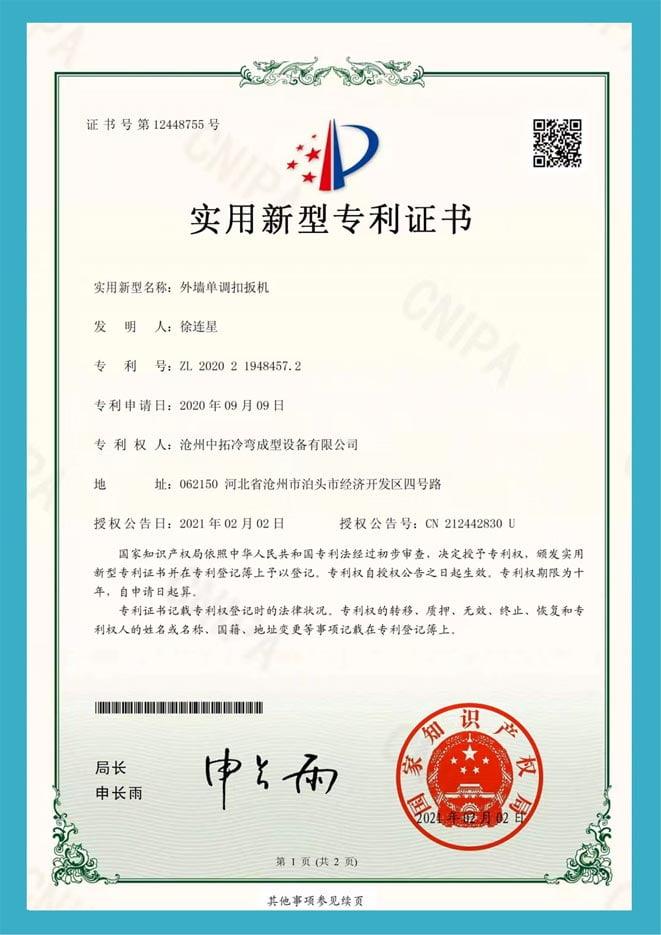
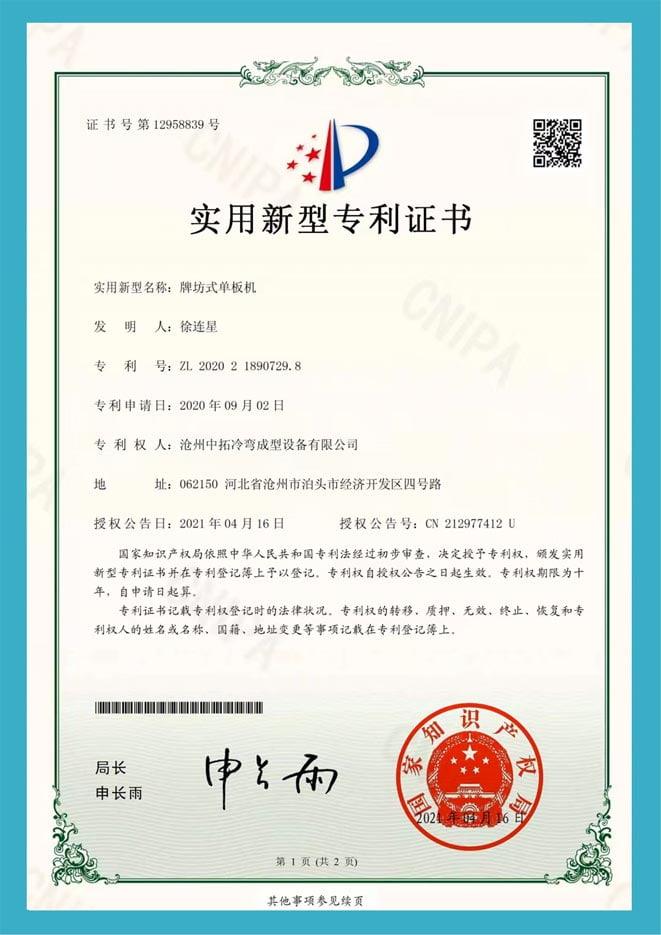
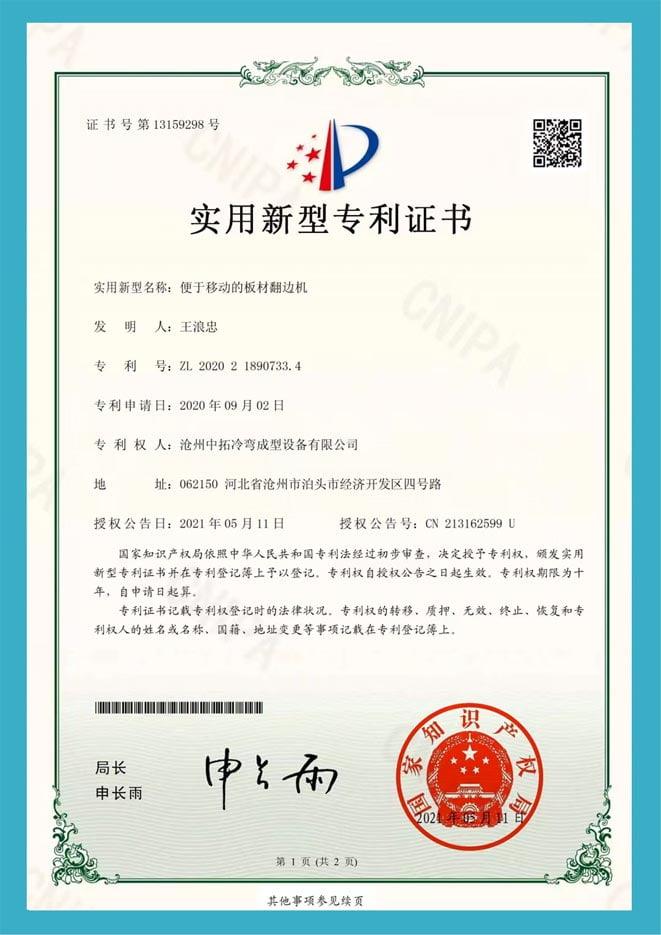
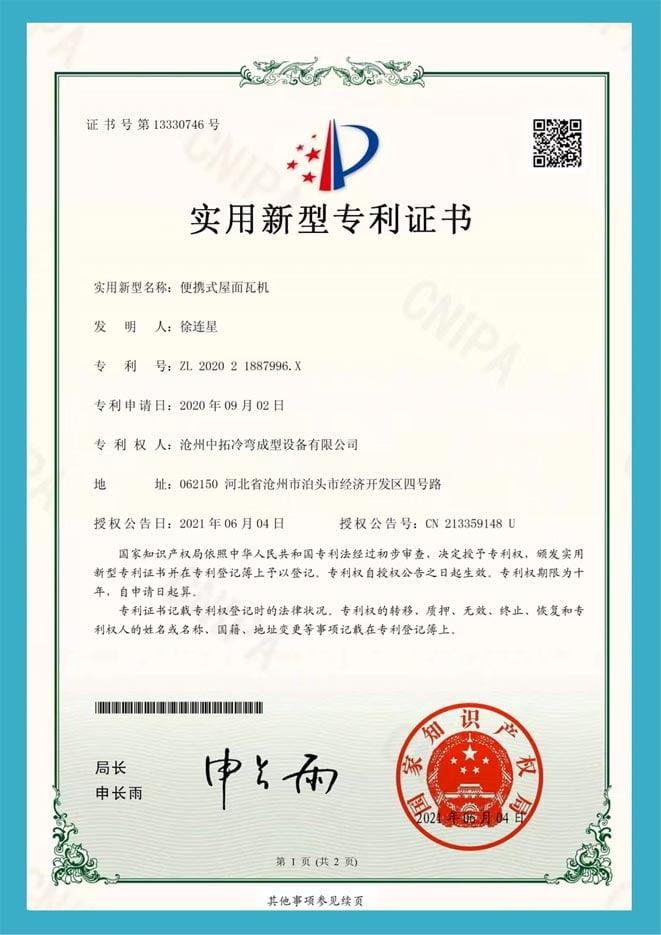
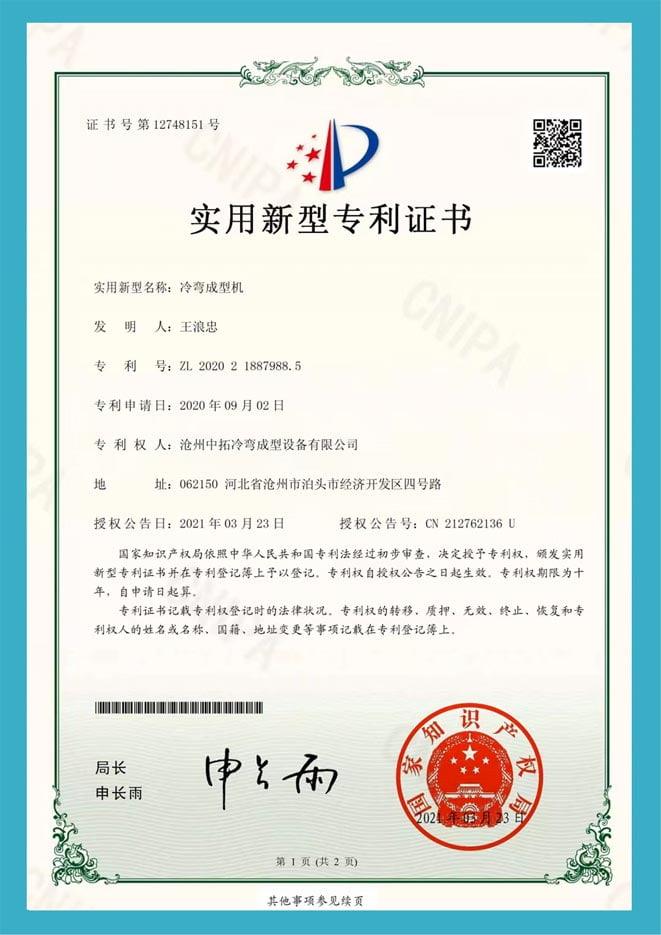
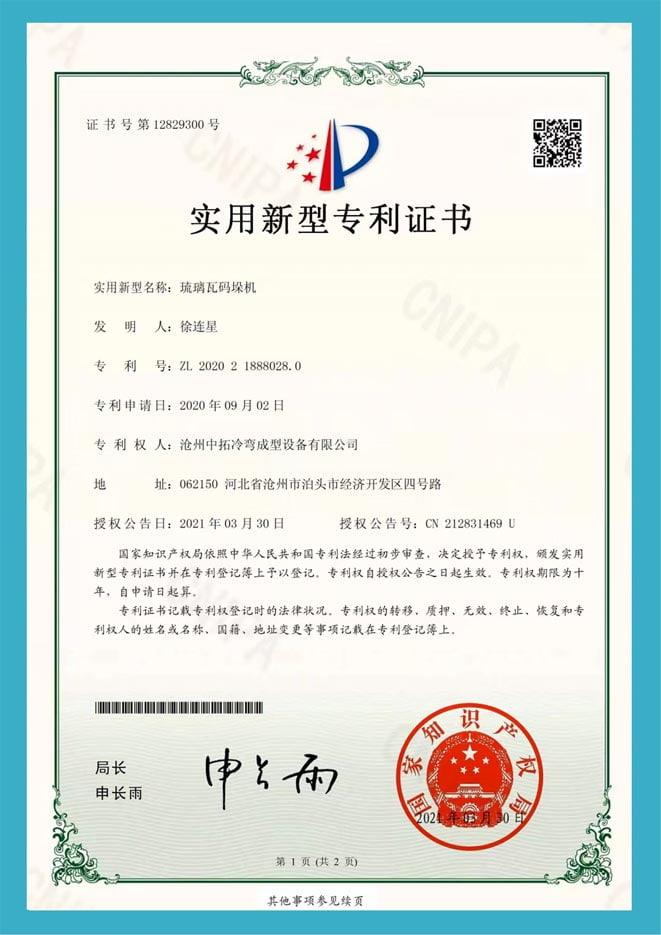
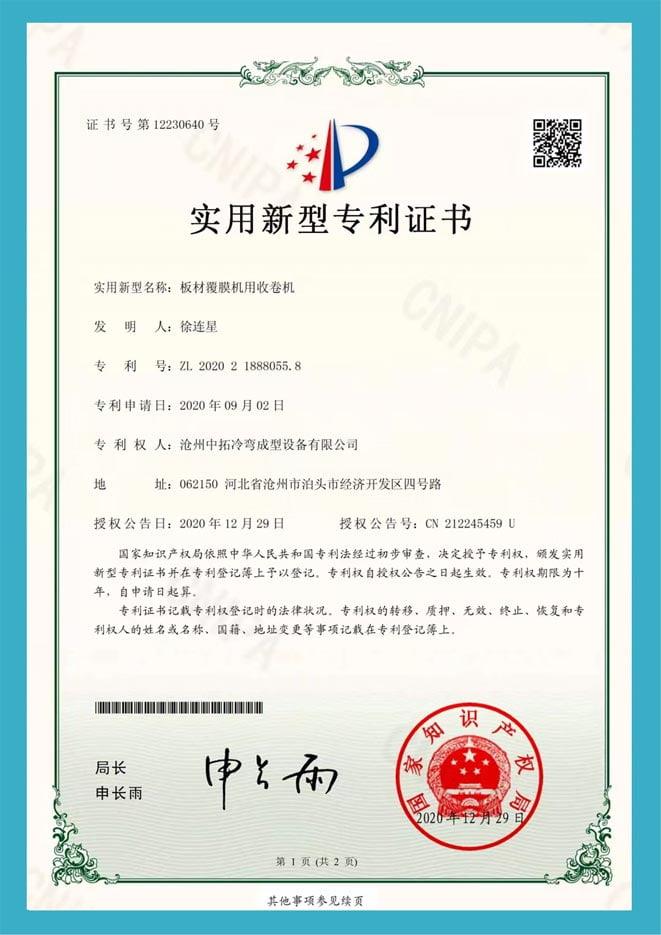
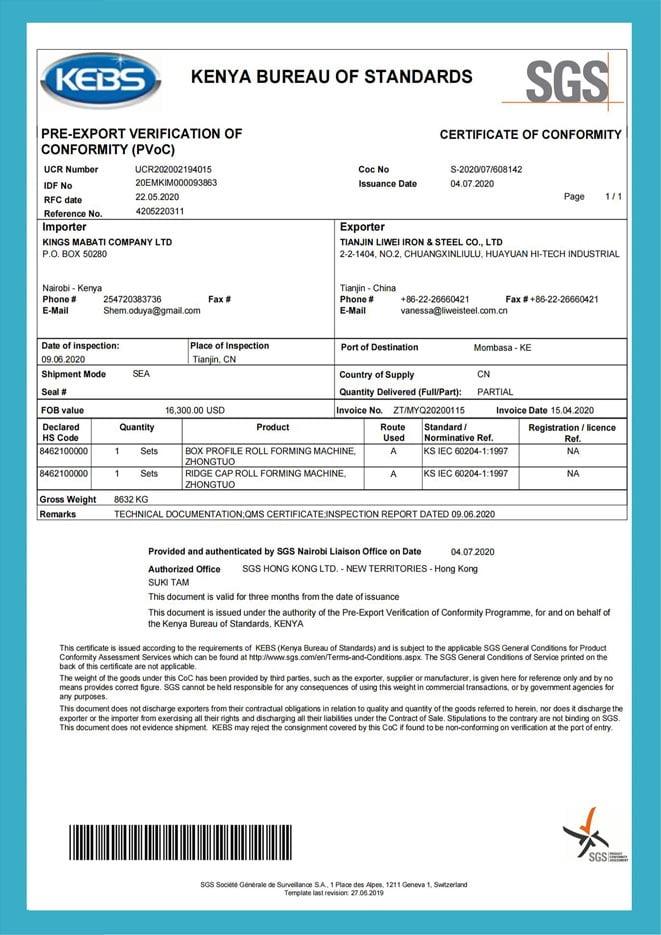
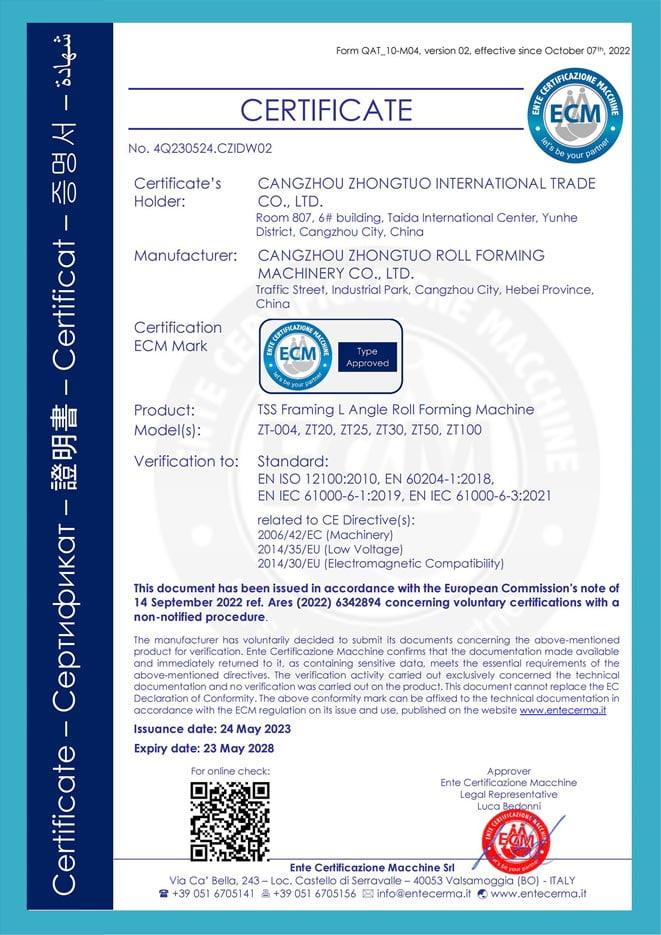
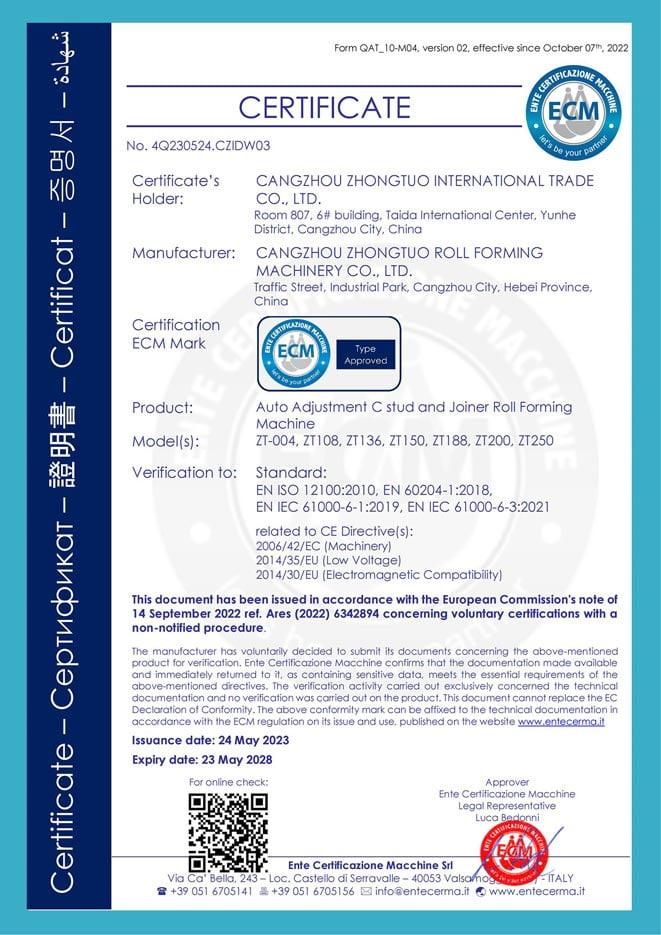
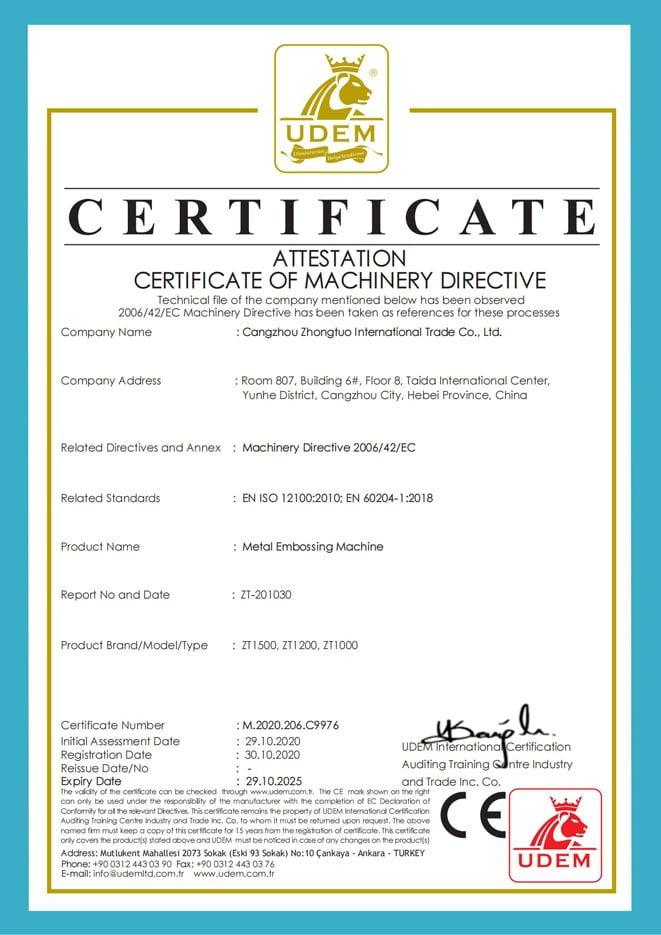
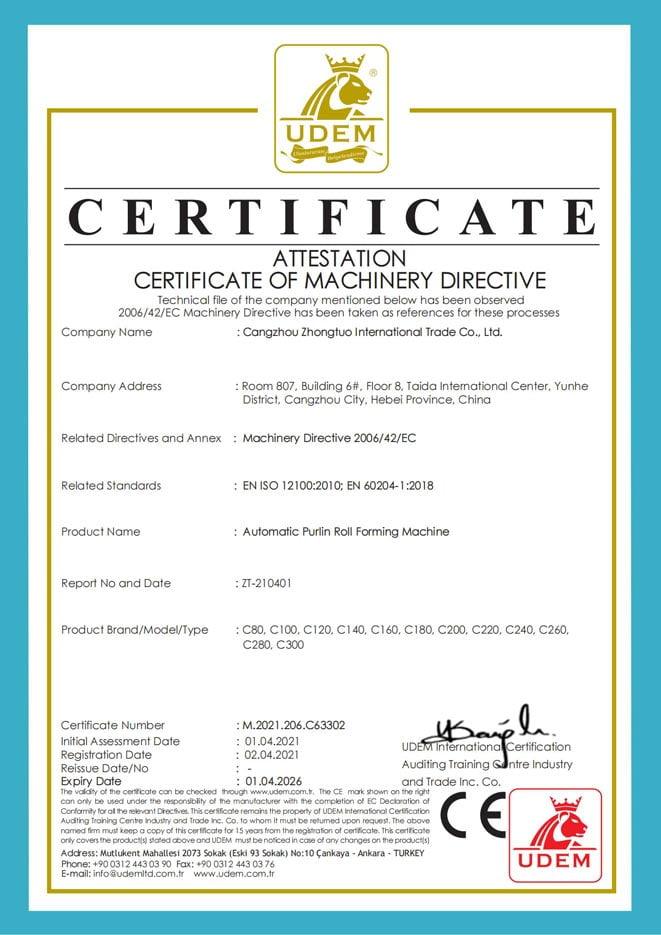
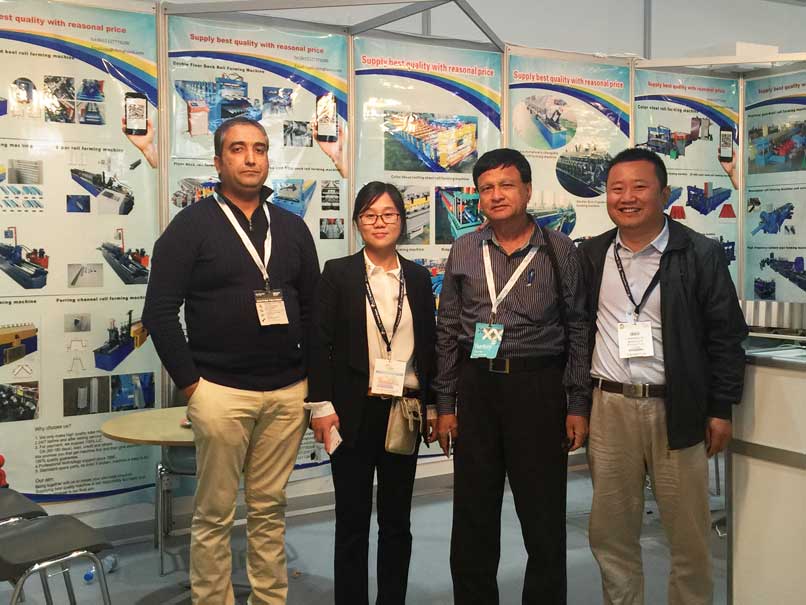
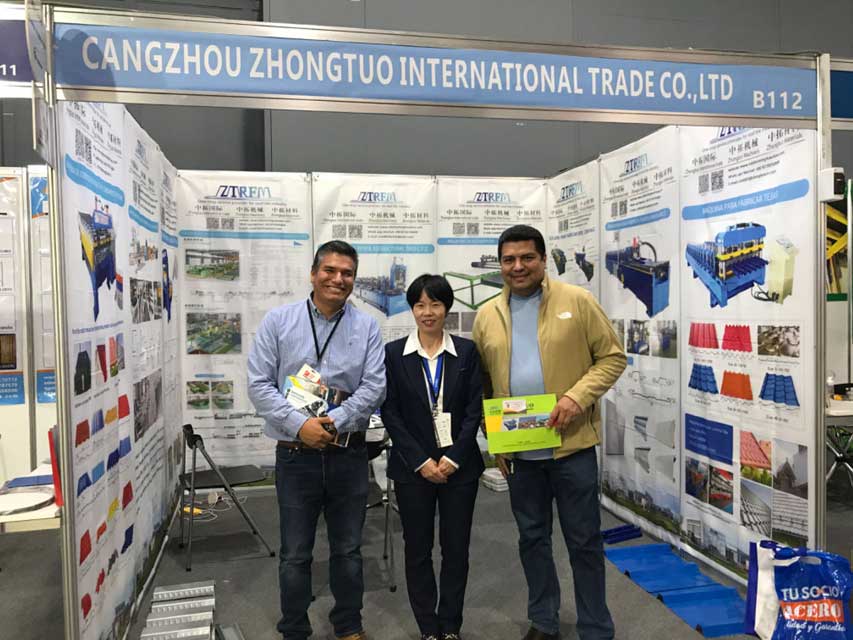
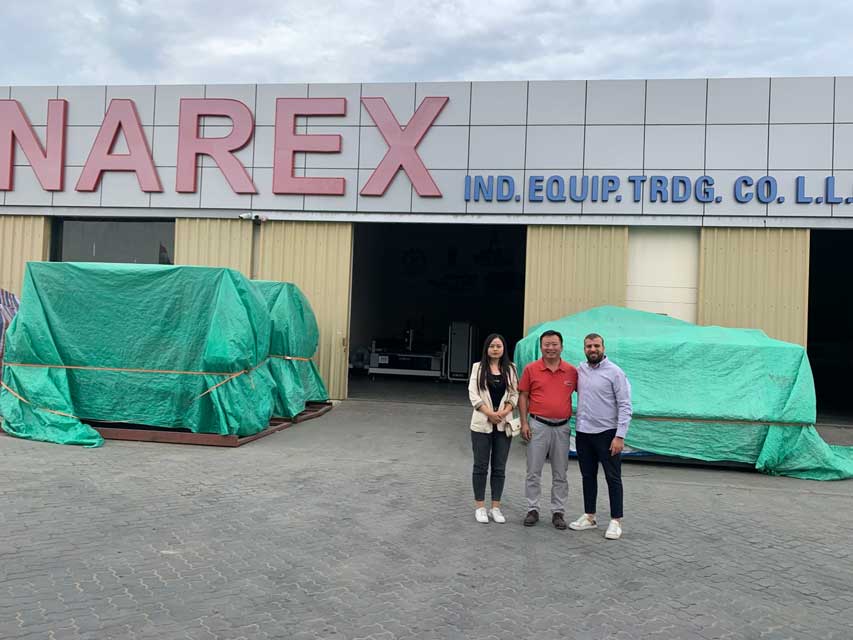
우리는 국가 수준의 첨단 기술 기업입니다. 우리는 ISO9001 품질 시스템 인증, 유럽 CE 안전 인증, 북미 CAS 인증 등을 받았습니다. 우리는 수출 무역에 대한 풍부한 경험을 가지고 있으며 다른 국가 고객의 요구를 이해합니다. 한편 우리는 고객에게 만족스러운 디자인 솔루션을 제공 할 수 있습니다. 우리의 기계는 150 개국 이상에 수출되었으며 고객과 장기적이고 안정적인 협력 관계를 구축하여 고객의 찬사를 받았습니다.
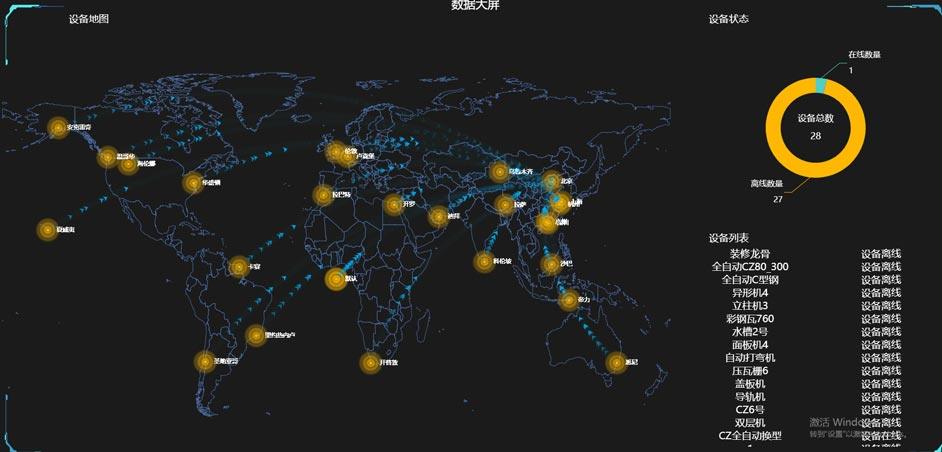
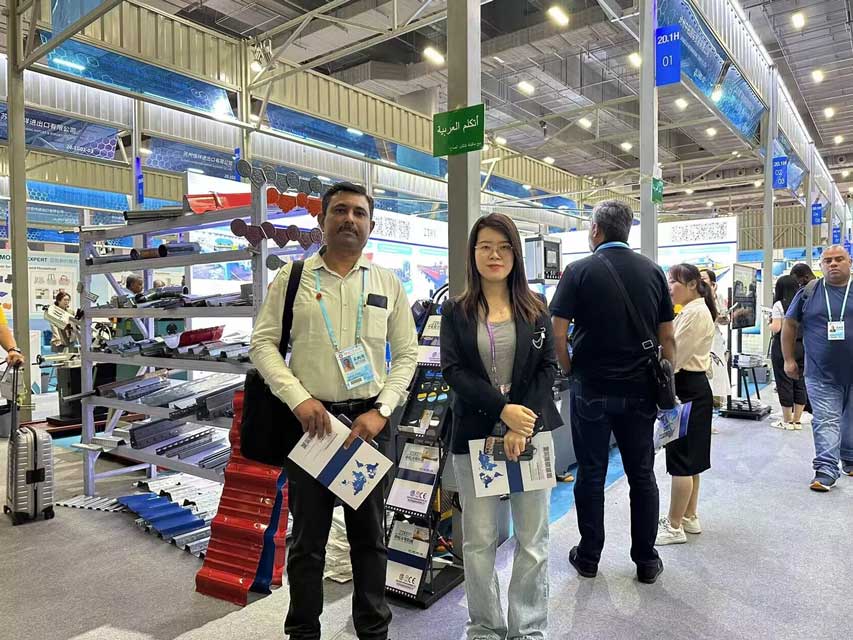
글로벌 신뢰: 156개 이상의 국가 및 지역 고객이 신뢰하는 당사의 루핑 시트 제작 기계는 전 세계적으로 뛰어난 성능과 신뢰성으로 인정받고 있습니다.
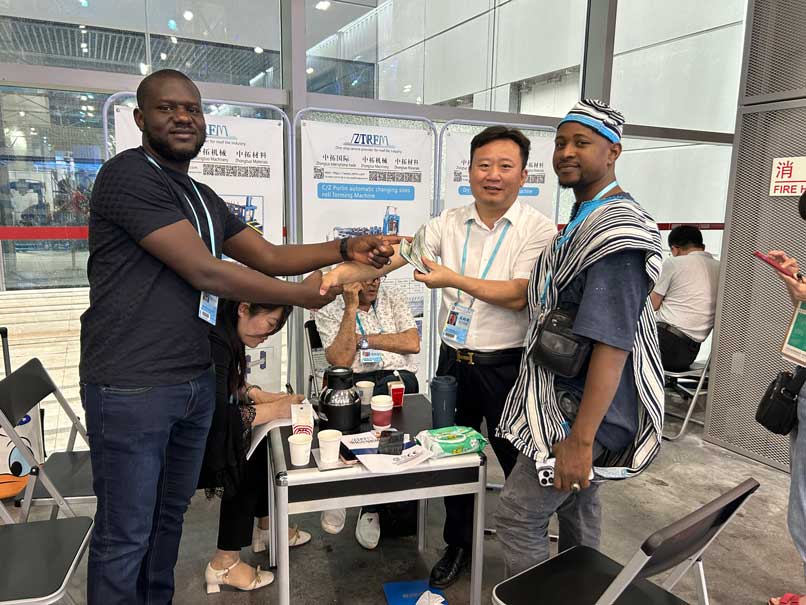
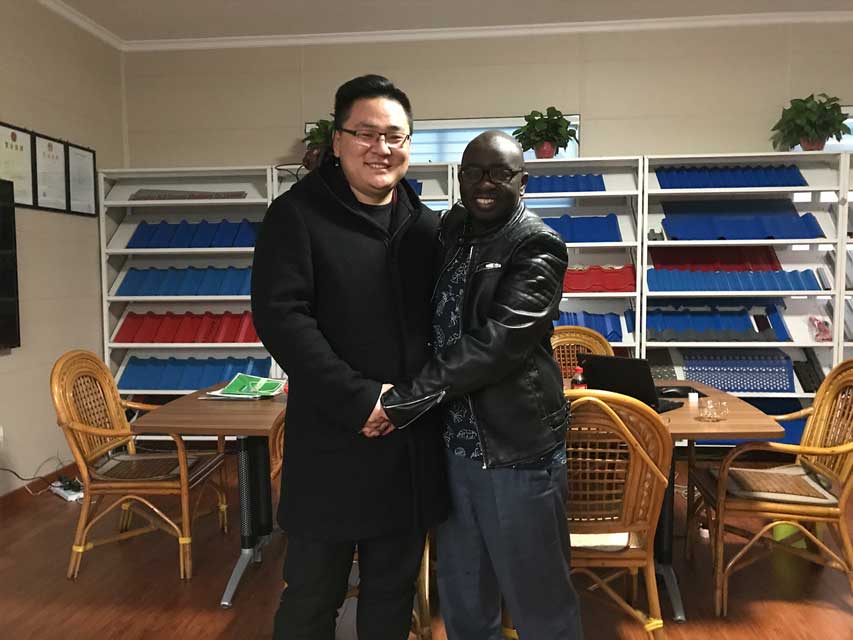
아프리카 잠비아에서 중퉈 롤 성형 기계가 안정적으로 작동하고 있습니다.
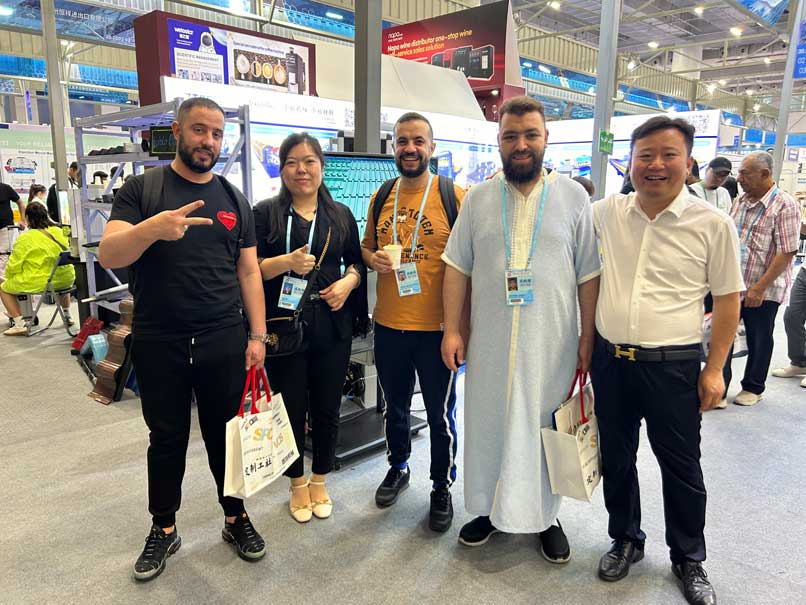
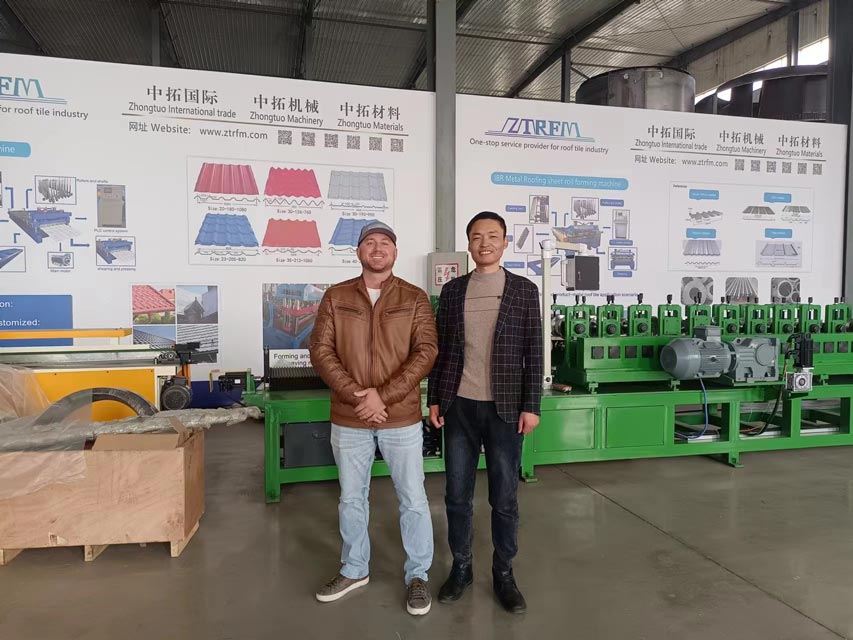
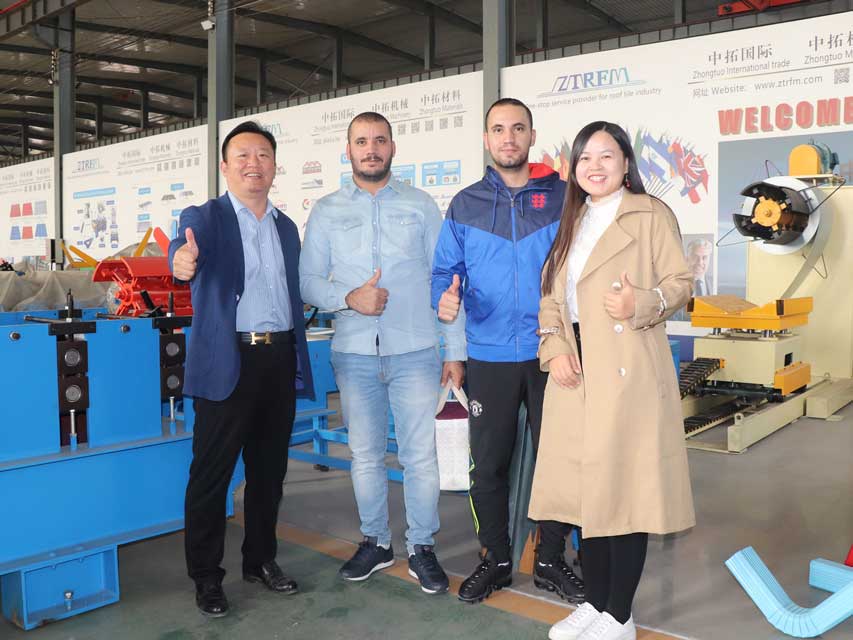
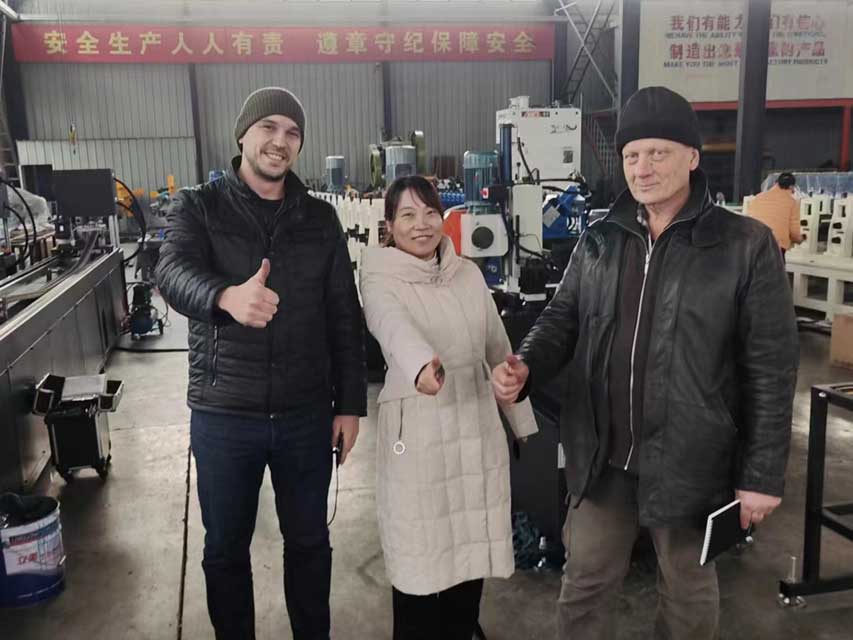
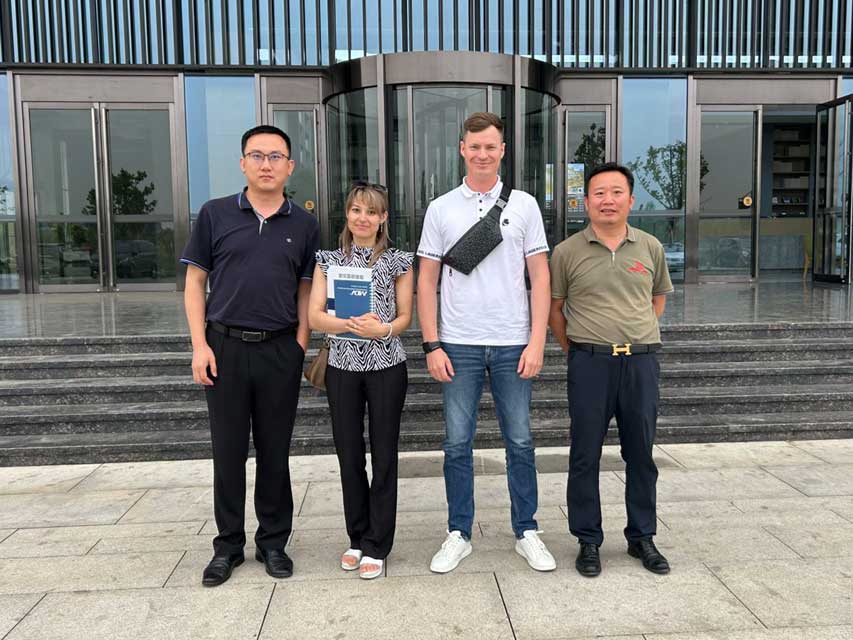
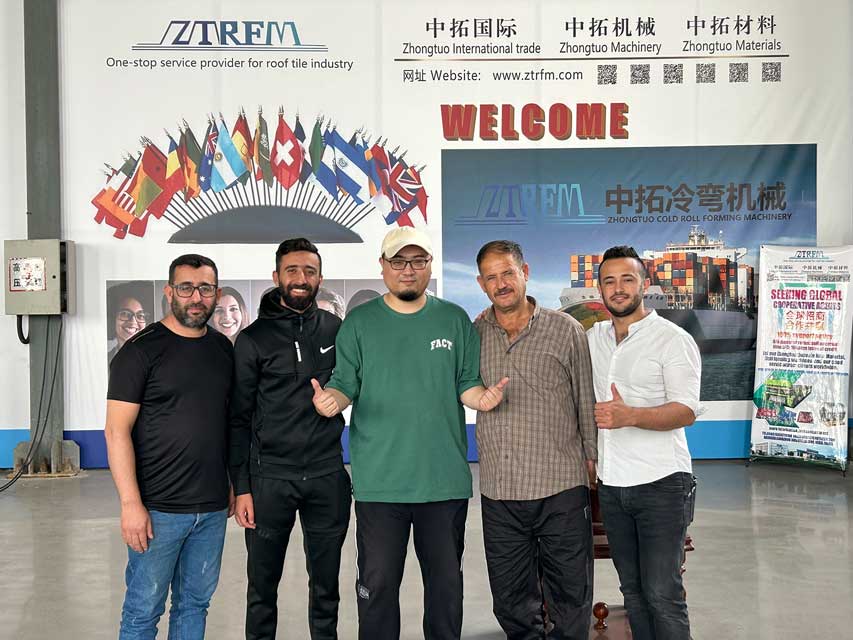
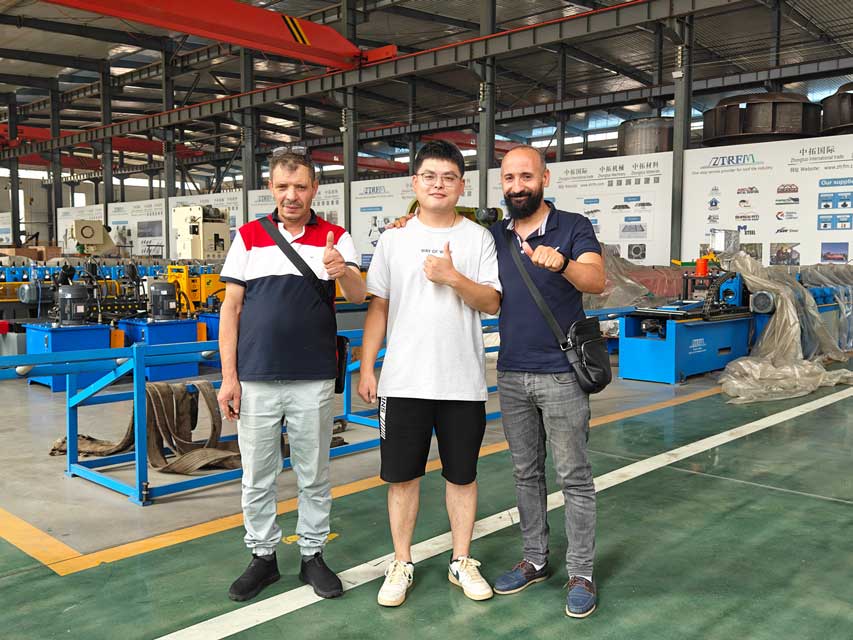
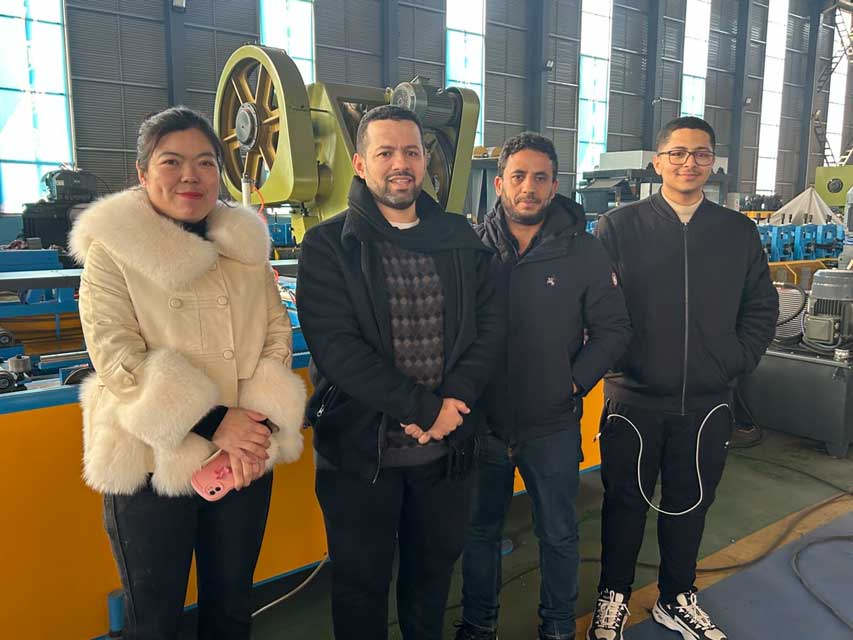
자동 CU 용골 기계-몽골 고객이 공장을 점검하고 우리와 협력합니다.
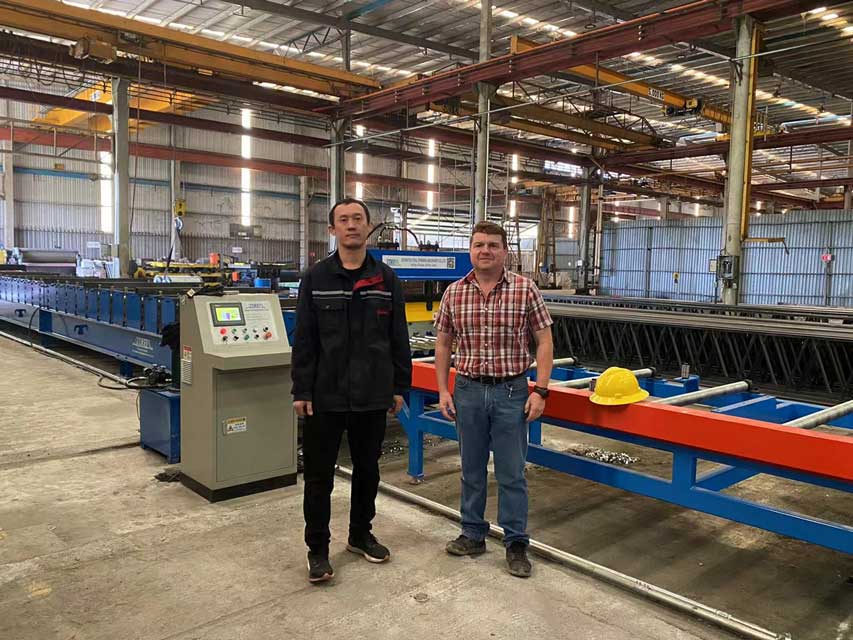
브라질 고객을 위한 맞춤형 중퉈 금속 슬리팅 라인
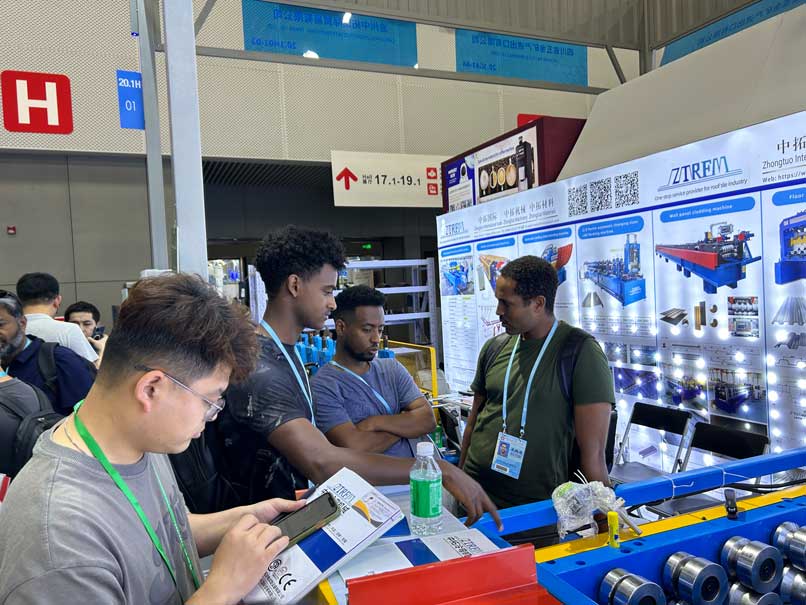
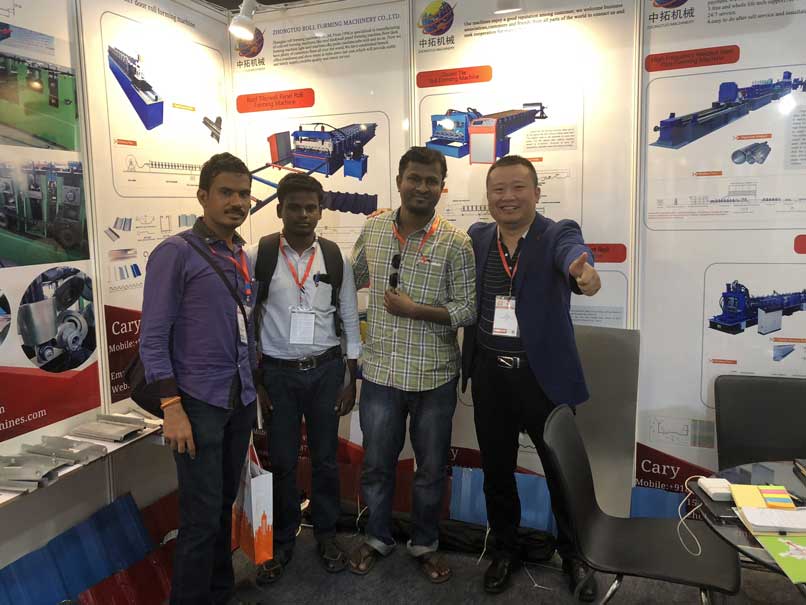
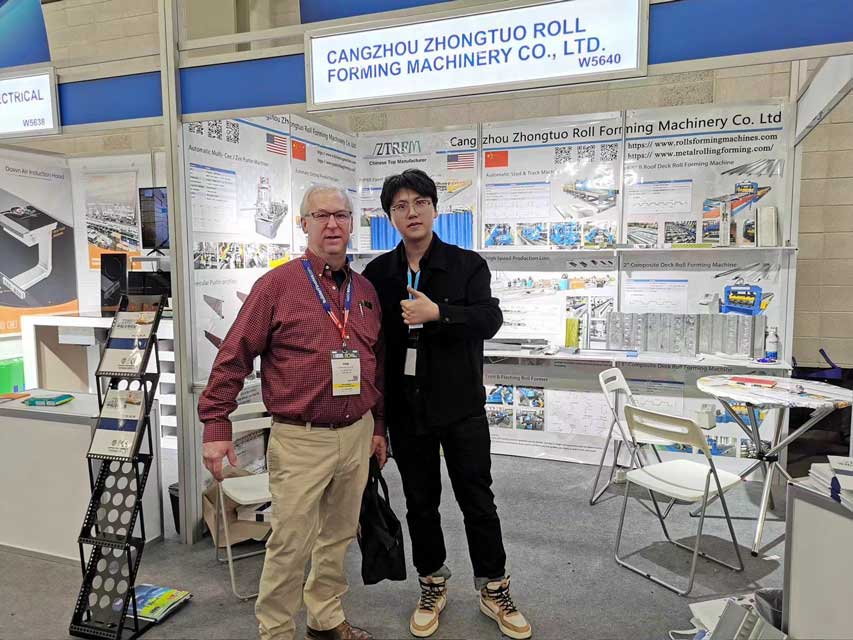
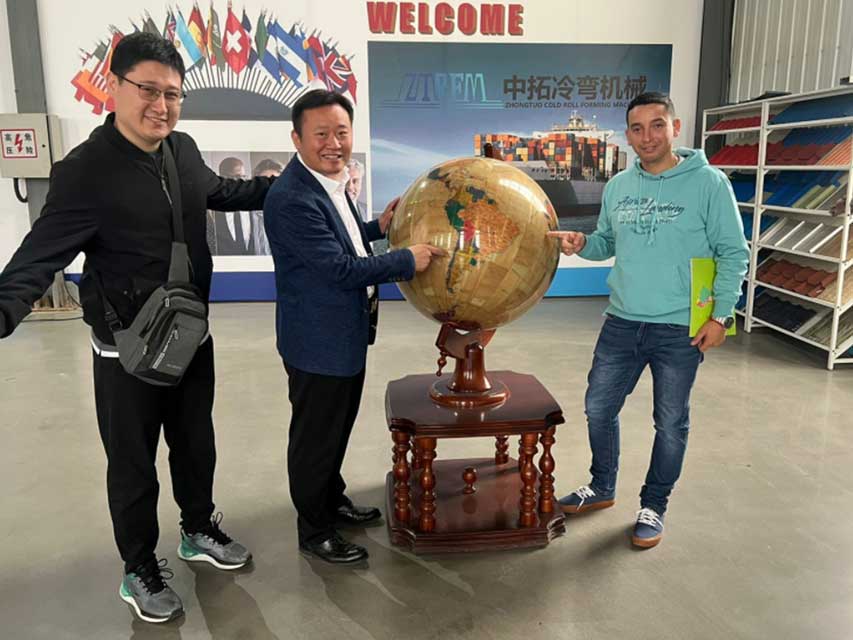
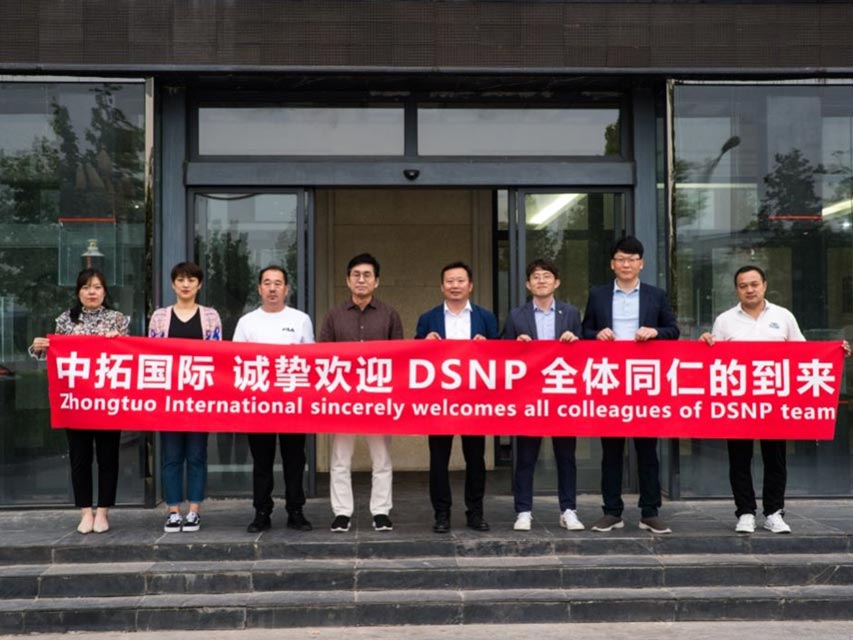
웨도의 롤 성형기 공장 방문을 환영합니다.
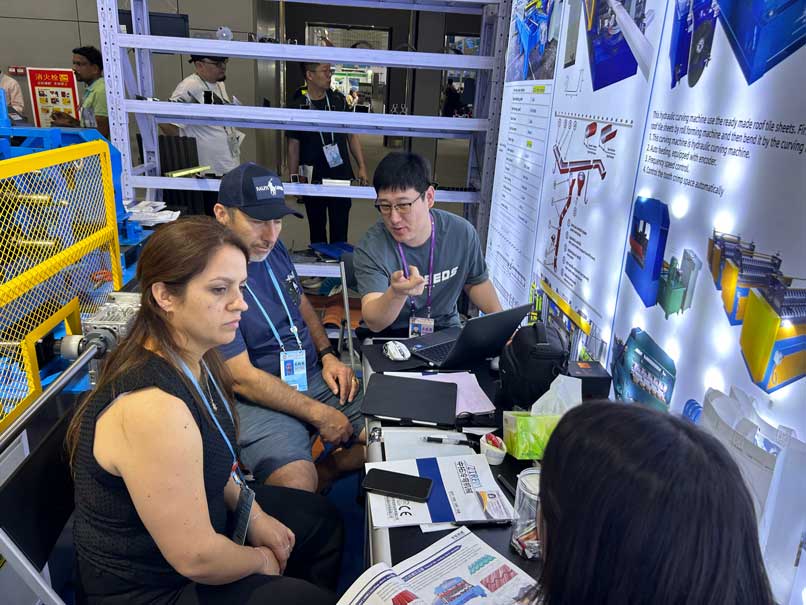
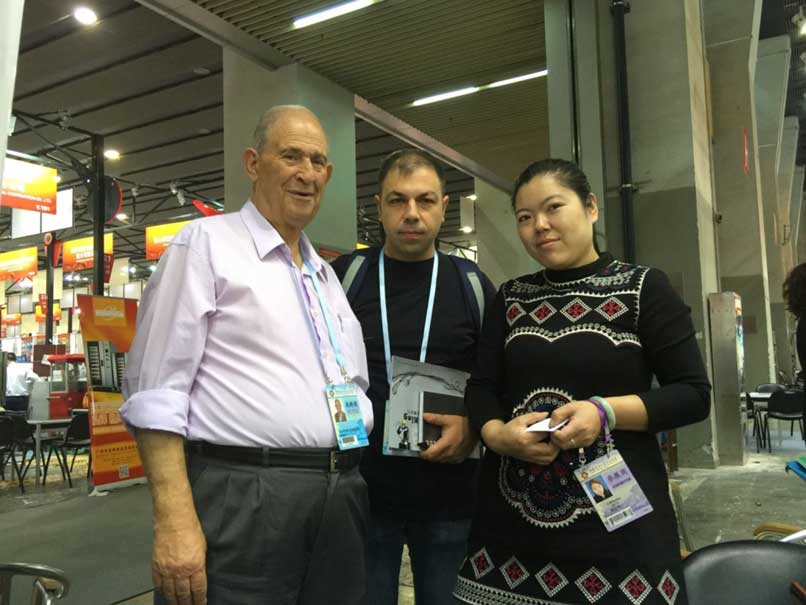
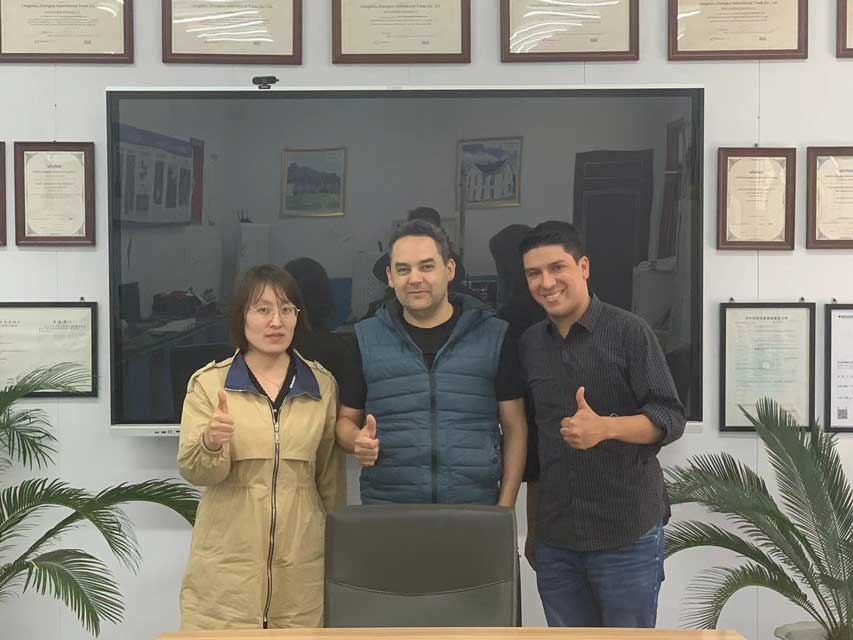
미국 친구들이 창저우 중퉈 롤 성형 기계로 돌아왔습니다.
금속 루핑 롤 성형 기계는 자동 적재 시스템으로 R 패널 및 로우 프로파일을 생산합니다.
롤 성형기 애프터 서비스에 대한 고객의 의견
아제르바이잔 고객이 롤 성형 공장을 성공적으로 방문했습니다!
중퉈 롤 성형 솔루션 | 글로벌 산업을 위한 맞춤형 기계
360° VR 시스템을 통해 중퉈를 방문하면 2014년에 설립된 창저우 중퉈는 다양한 유형의 냉간 압연 성형기를 설계하고 제조하는 데 전념하고 있습니다. 우리는 ODM, OEM 및 원 스톱 서비스를 제공합니다. 원자재, 기계 및 액세서리는 당사에서 구입할 수 있습니다.
360° VR 시스템을 통해 중퉈를 방문하십시오, 창저우 중퉈는 2004년에 설립되었으며, 다양한 유형의 냉간 압연 성형 기계의 설계 및 제조에 전념하고 있습니다. 우리는 ODM, OEM 및 원 스톱 서비스를 제공합니다. 원자재, 기계 및 액세서리는 당사에서 구입할 수 있습니다.