24年以上の経験と知識 国際規格、
技術的変化と産業システム、私たちの使命
セッズは、お客様にとって最善かつ経済的なソリューションを提供します。
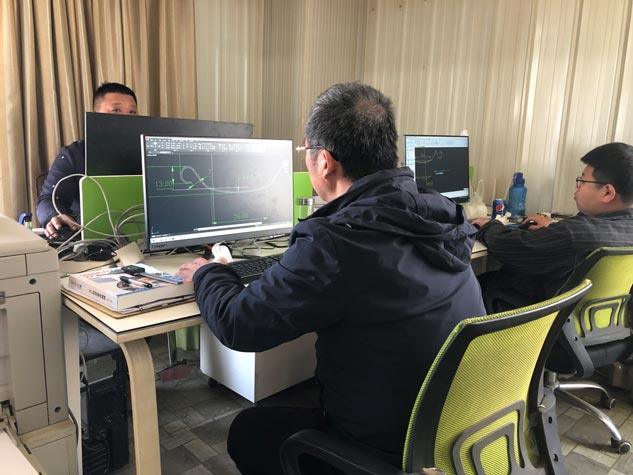
技術的変化と産業システム、私たちの使命
セッズは、お客様にとって最善かつ経済的なソリューションを提供します。
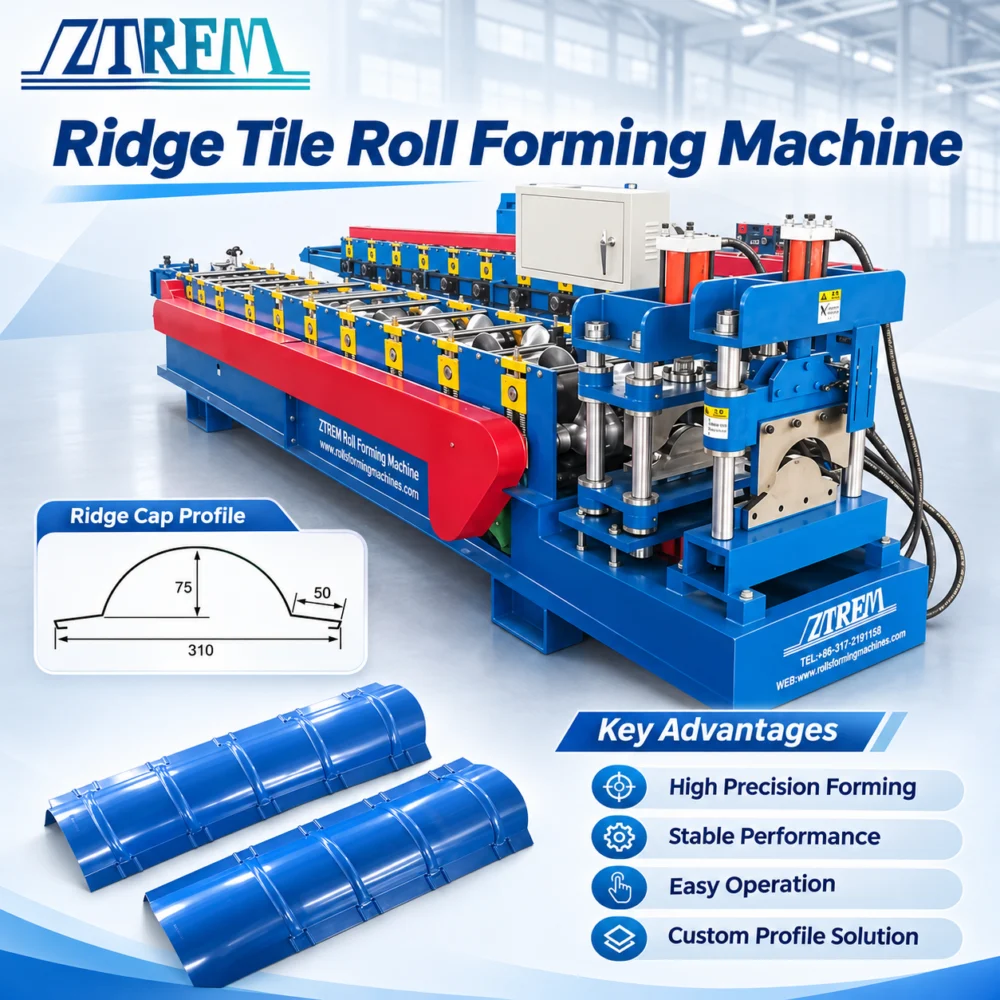
Ridge Tile Roll Forming Machine: A Practical Buyer's Guide for Metal Roofing Producers
機械類 Co.,Ltd を形作る滄州 Zhongtuo ロールは河北中国から来ます。それは設計および製造に専用されている製造業者です。
冷間ロール成形機の異なるタイプ。私達は 2006 年以来の機械を形作るロールの設計そして製造で従事している長い歴史の工場です。私達が作り出してもいい機械は下記のものを含んでいます: 機械、機械を作る cz の母屋を作る屋根瓦機械、機械を作る軽い鋼鉄キール、金属浮彫りになる機械、機械を形作るドア システム天井システム高周波管の溶接機、ラインを切り開くこと、長さライン、機械を形作る棚システムを形作る床 Decking 機械、色の石造りのタイルの生産ライン、熱い薄板になるフィルムで形造る機械、等を切ります。
冷間ロール成形機の異なるタイプ。私達は 2006 年以来の機械を形作るロールの設計そして製造で従事している長い歴史の工場です。私達が作り出してもいい機械は下記のものを含んでいます: 機械、機械を作る cz の母屋を作る屋根瓦機械、機械を作る軽い鋼鉄キール、金属浮彫りになる機械、機械を形作るドア システム天井システム高周波管の溶接機、ラインを切り開くこと、長さライン、機械を形作る棚システムを形作る床 Decking 機械、色の石造りのタイルの生産ライン、熱い薄板になるフィルムで形造る機械、等を切ります。
詳細、納期、価格については、メールでお問い合わせください!
Ridge Tile Roll Forming Machine: A Practical Buyer's Guide for Metal Roofing Producers
A metal roof is only finished when the ridge is closed. The ridge tile, also called the ridge cap, is the piece that covers the peak where two roof slopes meet, and it is the part most likely to leak, corrode or look uneven if it is bought as a generic accessory instead of being produced to match the roof profile. That is why more roofing manufacturers, contractors and distributors are adding a ridge tile roll forming machine to their own production line.
This guide explains what the machine does, which specifications actually affect the result, and what to check before you compare quotations from different suppliers.
What a ridge tile roll forming machine does
A ridge tile roll forming machine is a dedicated cold roll forming line that turns flat coated steel coil into the angled cap piece used at the roof ridge. The coil is unwound, fed through a series of forming stations that gradually bend it into the ridge profile, then cut to the required length by a hydraulic or pneumatic cutting unit. Finished pieces come out consistent in angle, height and length, so they stack and install the same way every time.
These machines are usually built as a standalone line for a factory, or as a compact line that can travel with a roofing contractor and produce caps on site in the same color and profile as the roof panels.
Why roofing businesses produce their own ridge caps
The economics are simple. A ridge cap is a small item per meter, but it is needed on every roof, in every color, and in a length that matches the panel module. Buying caps from a third party means waiting for delivery, accepting a profile that is close but not exact, and paying a margin on a part you could make in seconds.
Producing in house gives four practical gains:
- Profile match: the cap is formed to the same angle and rib spacing as your roof panel, so the joint line stays straight and the finished roof looks intentional rather than assembled.
- Color match: caps are formed from the same coil as the panels, so a RAL or custom color stays consistent across the whole roof, including later repair work.
- Short runs without penalty: a few hundred meters for one project is normal production, not a special order.
- Control over delivery: the cap is ready when the roof is ready, which matters most on renovation and remote project sites.
The main sections of the line
Most ridge tile roll forming machines share the same sequence, and the quality of each section decides how well the line runs after the first month.
- Decoiler: carries the coil and feeds it at a steady tension. A manual decoiler is enough for short runs; a hydraulic decoiler with coil car saves time on heavy coils.
- Feeding and guiding: keeps the strip centered so the profile does not drift to one side and produce a twisted cap.
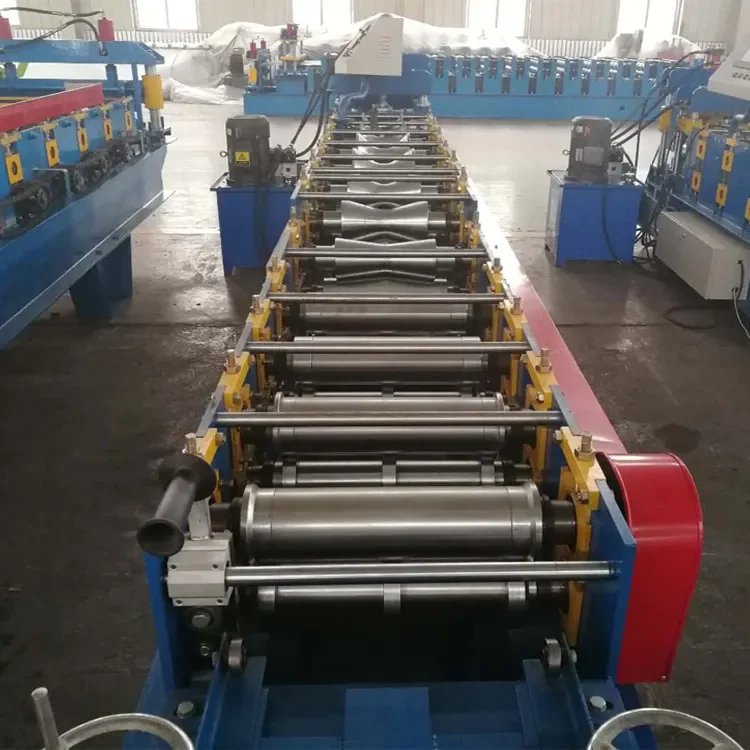
- Roll forming stations: the heart of the machine. Station count, roller material, shaft diameter and hardening determine profile accuracy, surface finish and how long the rolls stay in tolerance.
- Cutting unit: hydraulic or pneumatic, usually with a flying cut for continuous production. Blade material and heat treatment decide cut quality and blade life.
- 制御システム: PLC with touch screen for length, quantity and batch settings, with optional multi-language interface and remote support.
- Receiving table or stacker: supports the finished cap so it does not bend or scratch on the way out.
Specifications to fix before you ask for a price
Suppliers quote very different prices because they are quoting different machines. Write these points down first, then compare offers on the same basis.
- Material thickness: ridge caps are commonly formed from 0.3 mm to 0.8 mm coated steel. Tell the supplier the exact range you will run, not just the average.
- Coil width and inner diameter: these must suit the coil you can actually buy locally, otherwise every coil becomes a handling problem.
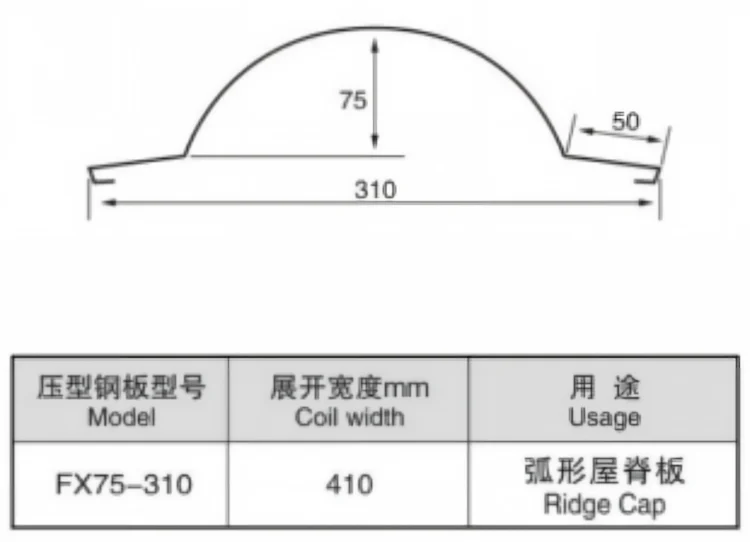
- Profile drawing: supply a drawing with ridge height, angle, rib width and overall width. A photo of the finished roof is helpful, a dimensional drawing is what the tooling is built from.
- Forming stations: more stations generally mean gentler bending and a cleaner surface, but the right number depends on profile complexity. Ask why the station count was chosen.
- Roller and shaft material: forged 45# steel rollers with hard chrome plating and shafts around 45 to 50 mm are common in reliable lines.
- 成形速度: 8 to 15 m per minute is typical for a standard line; higher speed needs a stronger frame, better cutting and more attention to safety.
- Cutting type and blade: ask for the blade material and heat treatment, and whether the cut is stopped or flying.
- Power supply: confirm voltage, phase and frequency at your site, including whether a transformer or generator will be used.
- Machine dimensions and weight: needed early, because it decides container loading and whether the line fits your existing floor space.
Materials and surface finishes
The forming process works with galvanized steel, galvalume, prepainted galvanized steel and aluzinc coil. Pre painted coil is the usual choice when the cap must match the roof color, and the coating type matters: a polyester coating is standard for general roofing, while harsher coastal or industrial environments usually call for a thicker coating or a more durable paint system. Tell the supplier what environment the roof will face, because it affects both the recommended coil and how carefully the rolls must be finished to avoid marking the surface.
Profiles, angles and customization
Ridge caps are not one shape. Common types include trapezoidal and IBR ridge caps that match corrugated or trapezoidal roof panels, glazed tile ridge caps used with tile effect metal roofing, and semicircular or curved caps for standing seam and architectural roofs. Some lines are built for a single fixed profile, others use quick change tooling or adjustable stands so one machine can run several ridge shapes.
If you serve several markets, decide up front whether you need one profile or a family of profiles. It is far cheaper to specify changeover capability when the machine is built than to add it later.
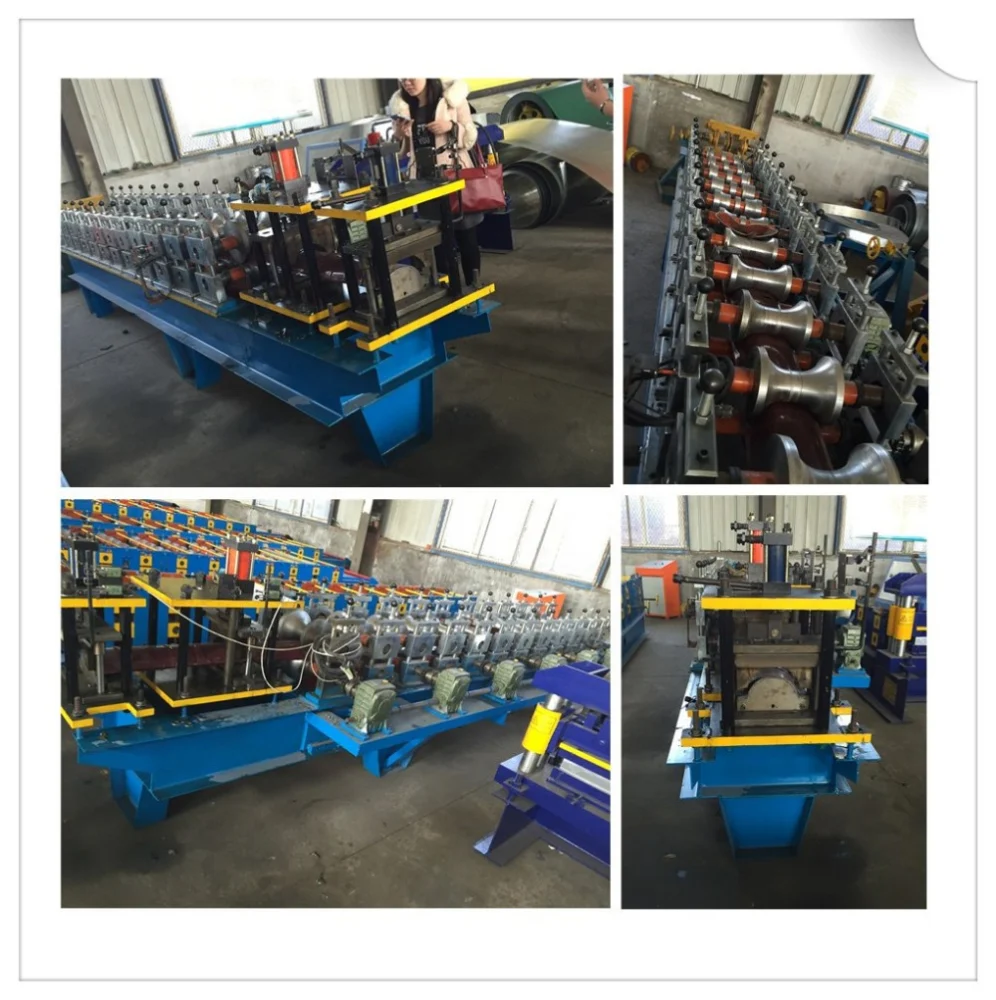
Speed, automation and labor
A standard line usually needs one operator to load the coil, set the batch length on the touch screen, and remove finished caps. Automation shows up in three places: automatic length and quantity control, automatic cutting, and stacking. Adding a stacker is often the single biggest labor saving on high volume runs, because manual handling of long caps is slow and tends to damage the edges.
Do not buy speed you cannot use. If your projects need a few hundred meters a day, a well built 10 to 15 m per minute line with a clean cut will outperform a fast line that needs constant adjustment.
Quality points worth checking on the machine
Price differences usually come from details that are invisible in a photo. Ask about each item below and get the answers in writing.
- Frame thickness and welding quality, because a light frame will flex under load and the profile will drift.
- Roller hardness and chrome thickness, which control both profile life and surface marking on pre painted coil.
- Shaft diameter and bearing type, which decide how much load the line can take at speed.
- Gearbox and motor brand, and whether the drive is chain or gearbox based.
- Hydraulic system pressure and component brands, since cutting problems usually start here.
- Electrical components and wiring practice, plus the safety guards and emergency stop arrangement.
- Test run evidence: ask for a video of your profile being formed, with the measured cap dimensions shown.
Shipping, installation and after sales
A roll forming line is a long term asset, so the support around it matters as much as the machine. Before you order, confirm the packing method, the container loading plan, whether installation supervision and operator training are included, what the warranty covers, and how spare parts are shipped. Ask which parts are standard purchased items that you can source locally, and which are proprietary. A supplier who answers these questions clearly before payment is usually easier to work with after delivery.
How to compare quotations properly
Put every offer into the same format: profile drawing and station count, material thickness range, roller and shaft specification, cutting type and blade, control system, speed, total power, machine dimensions and weight, included accessories, packing, warranty and after sales terms. A lower price with fewer stations, thinner frame and no stacker is not the same product as a complete line, and a quote that omits the decoiler or the receiving table is not comparable at all.
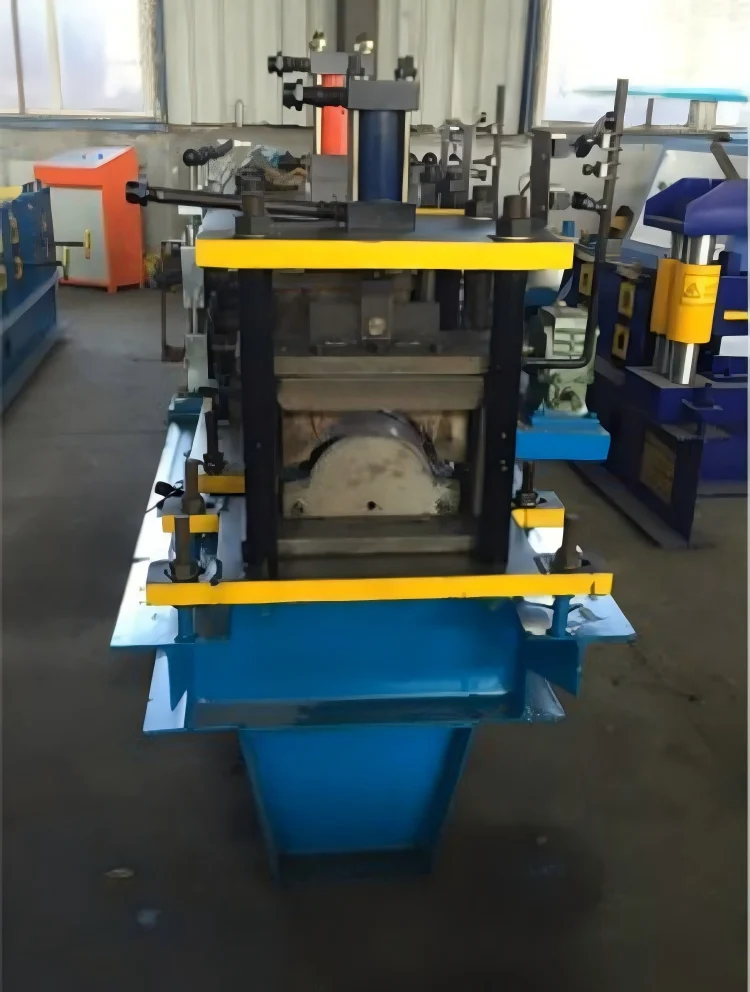
Frequently asked questions
Can one machine produce different ridge profiles?
Yes, if it is ordered with interchangeable tooling or adjustable stands. Retrofitting later is possible but usually more expensive, so specify it at the start.
What material thickness should I choose the machine for?
Match the machine to the coil you will actually buy. A line set up for 0.3 to 0.8 mm handles most roofing ridge caps, but thin and thick material behave differently and both should be tested.
How long does production take after ordering?
Lead time depends on profile complexity and customization. Ask for the production schedule in writing, along with the date the profile drawing is approved, because that date usually starts the clock.
Is a flying cut necessary?
It is not necessary for batch production, where the line can stop for each cut. It becomes valuable when you want continuous output and shorter cycle times.
Can the machine run on site?
Compact lines can be fitted with wheels or a skid frame for site work. Tell the supplier this at the quoting stage, because the frame, wiring and control cabinet are usually adapted for it.
私たちを選ぶ理由
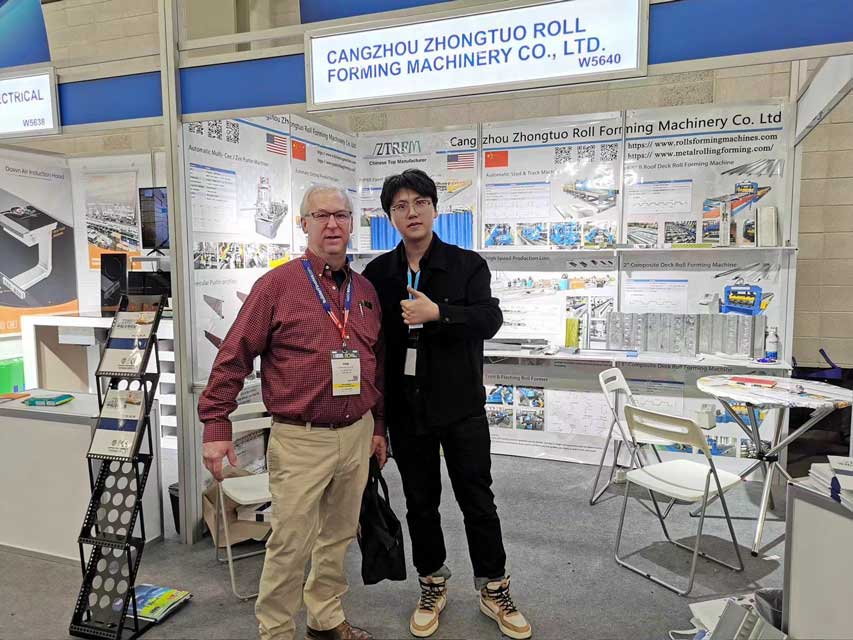
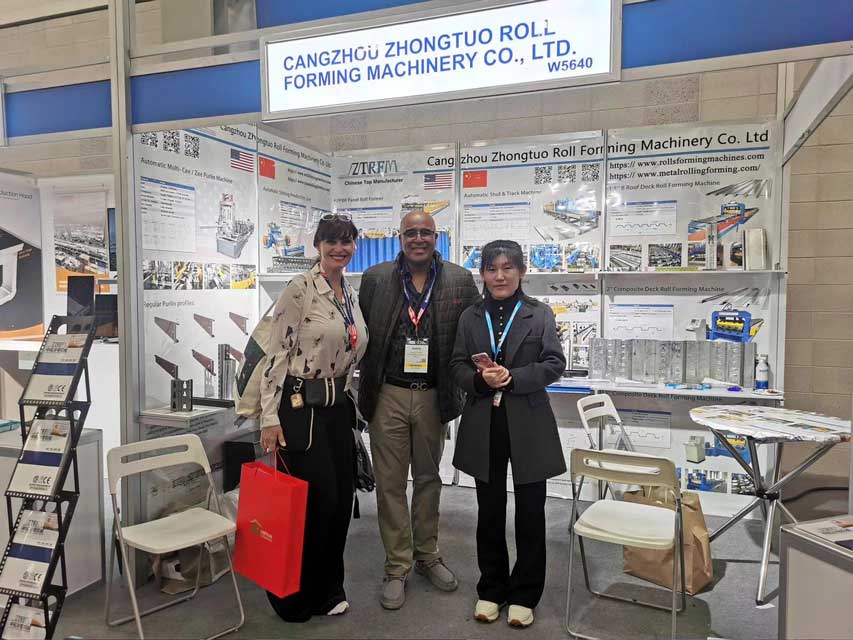
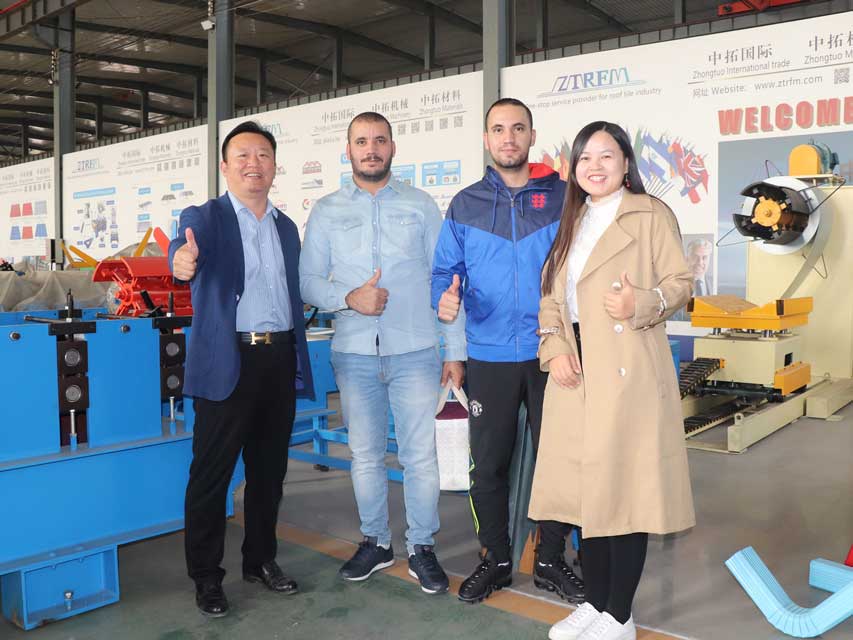
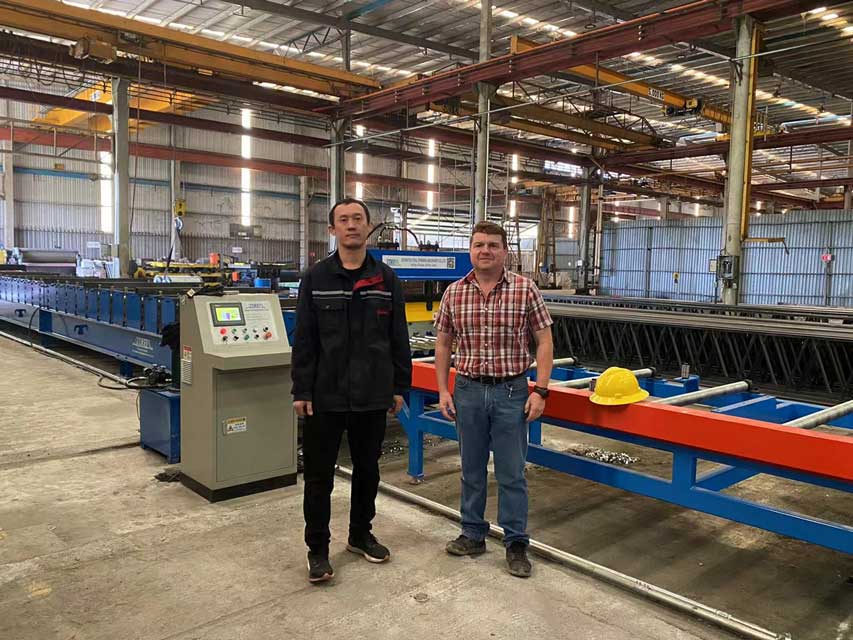
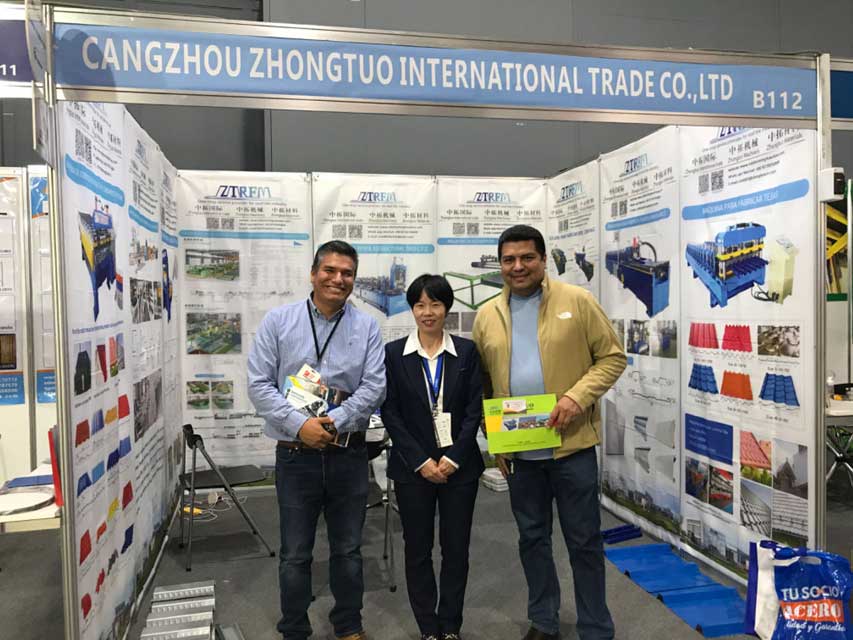
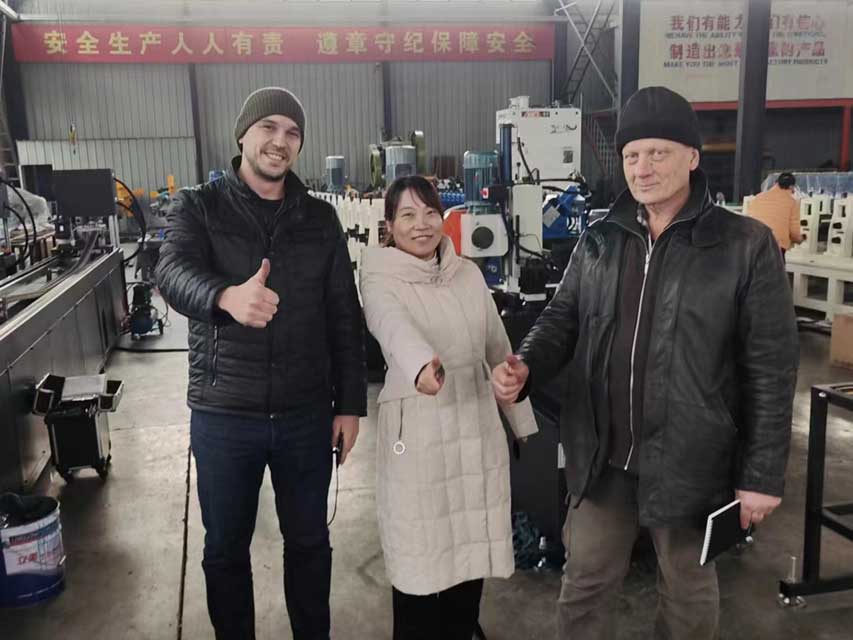
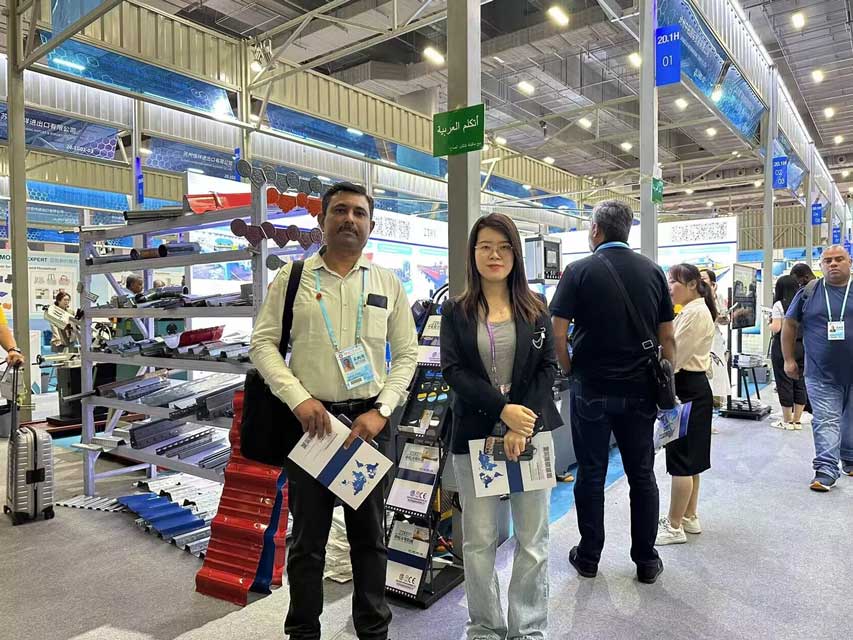
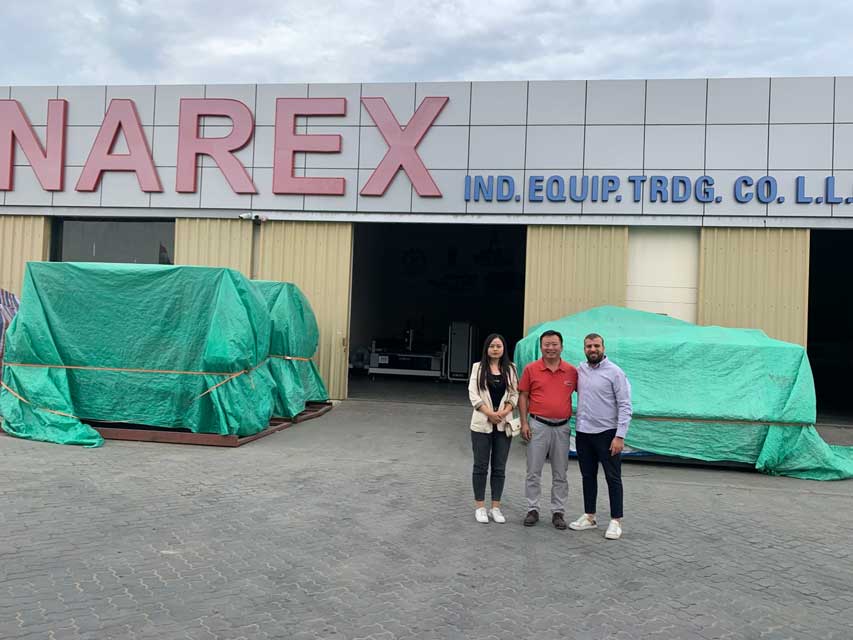
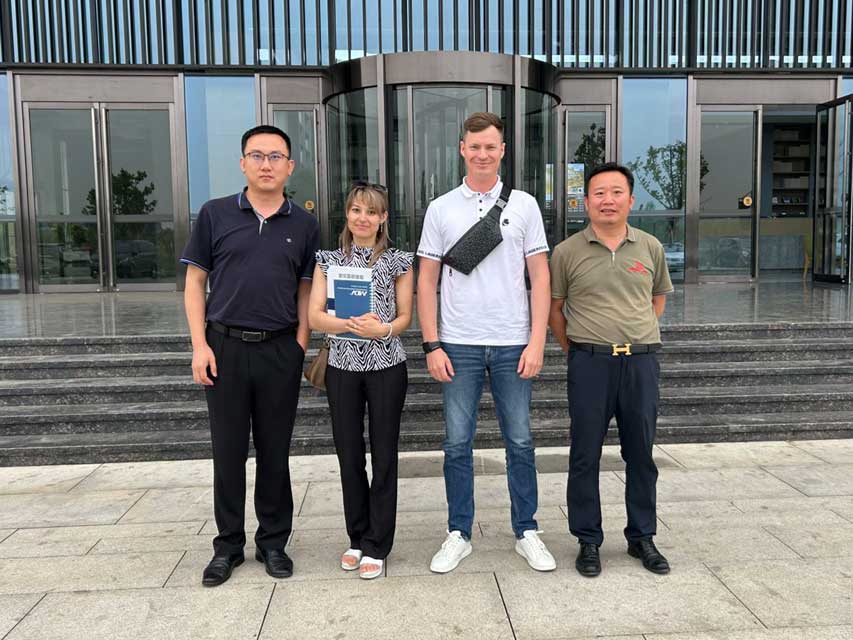
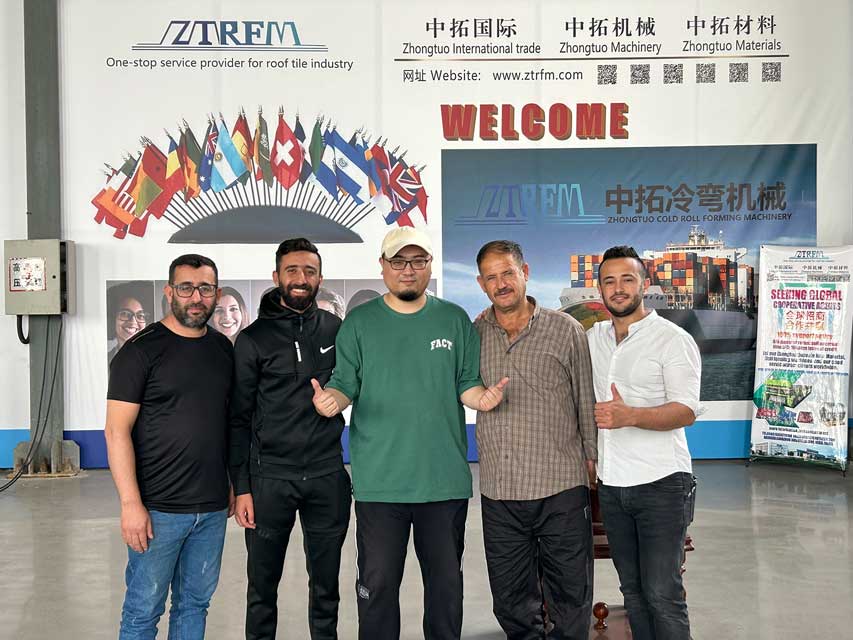
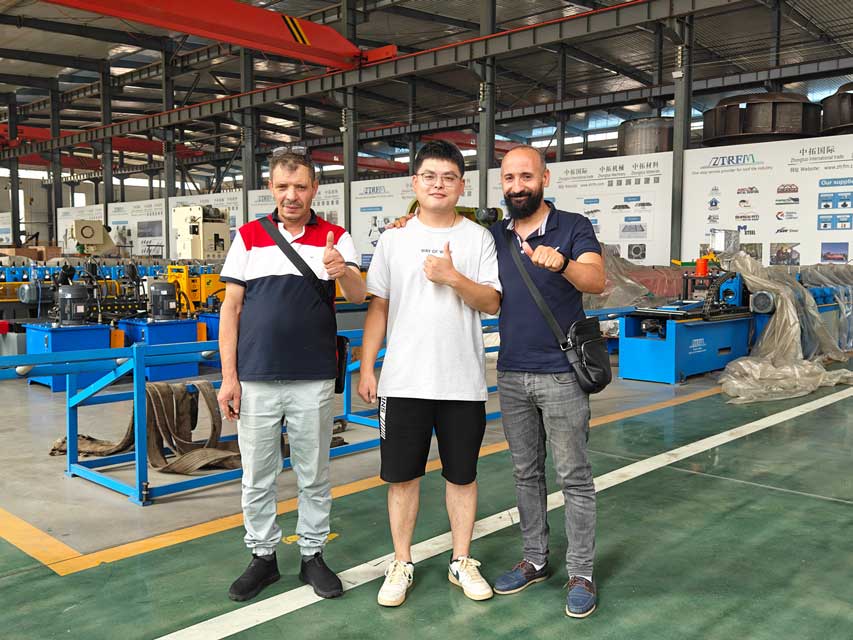
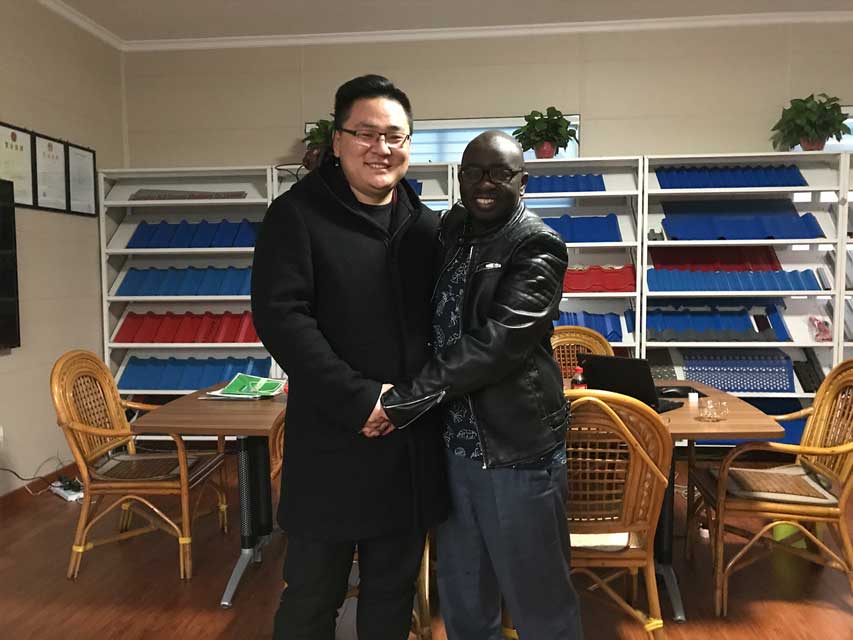
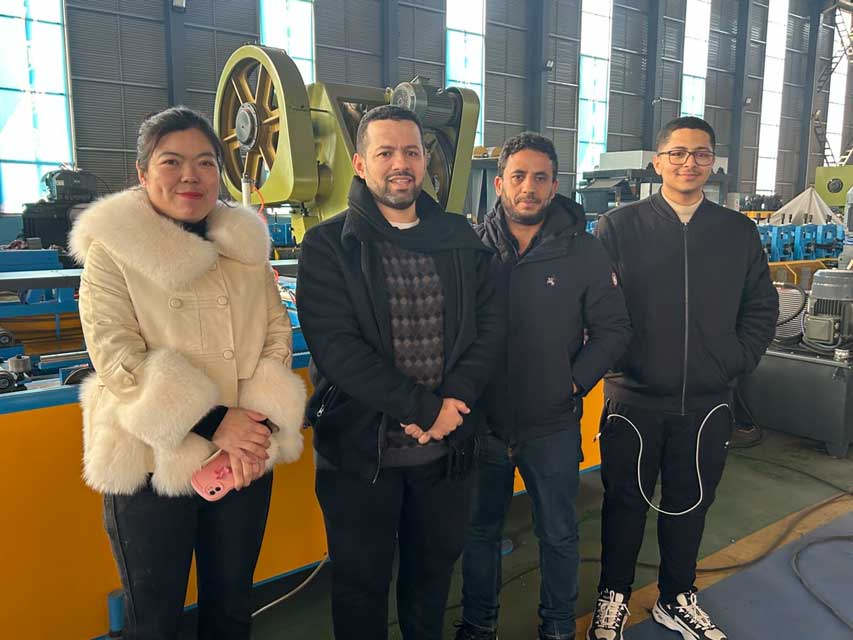
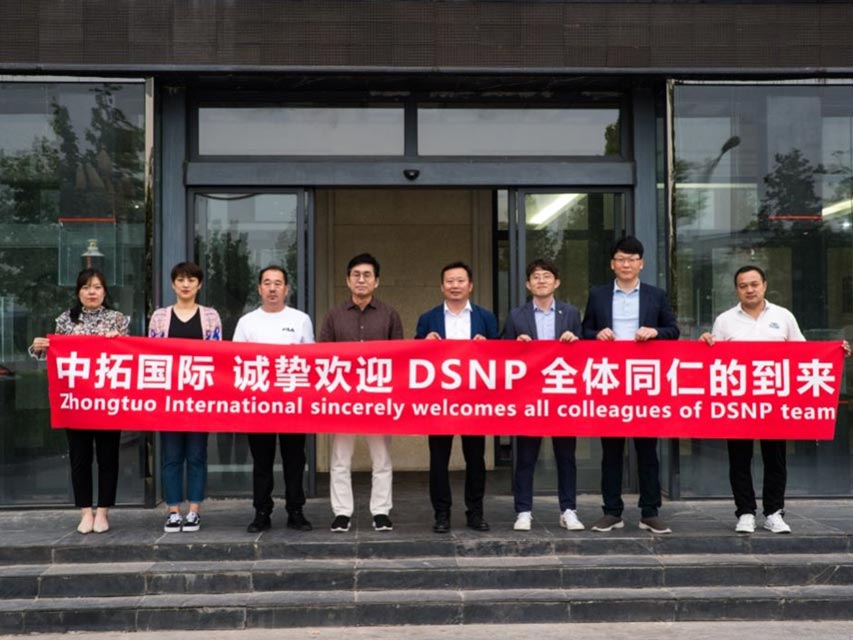
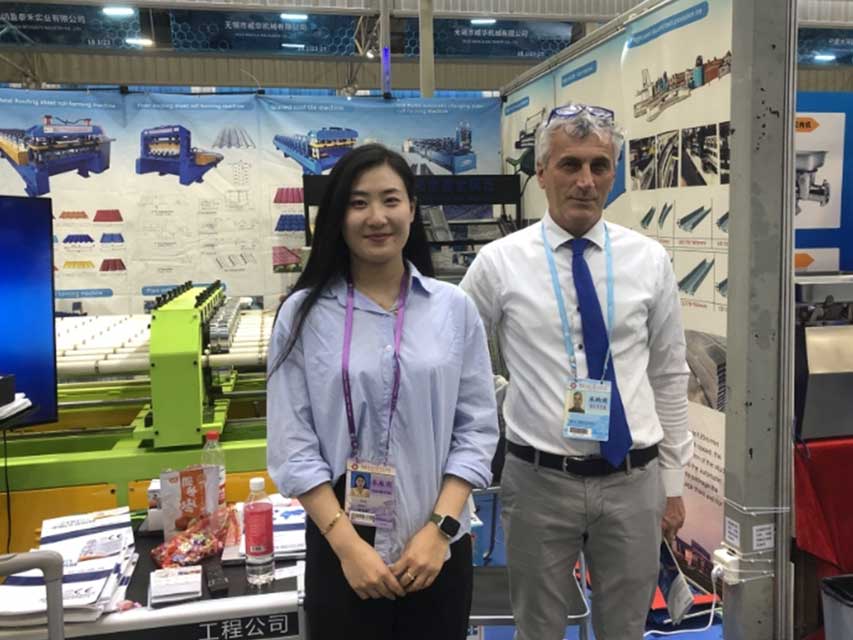
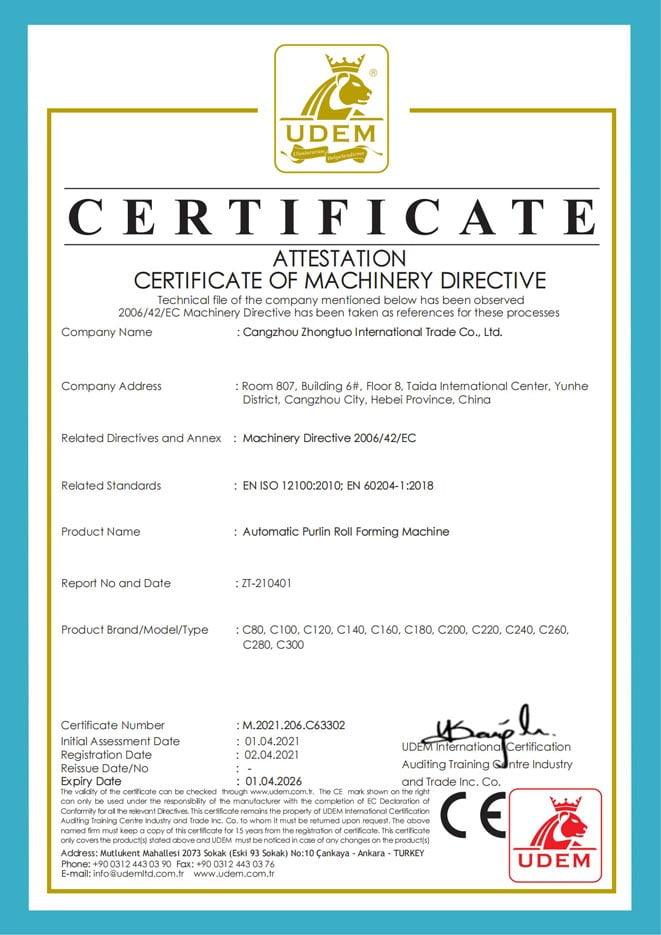
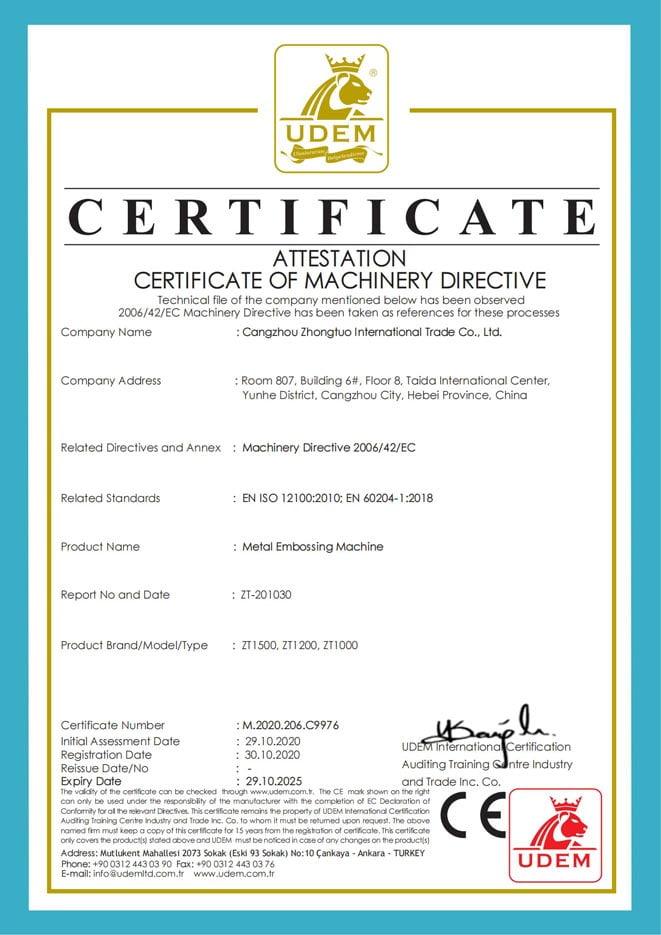
弊社は国家レベルのハイテク企業である。ISO9001品質システム認証、欧州CE安全認証、北米CAS認証などを取得しました。私達に輸出貿易で豊富な経験があり、異なった国の顧客の必要性を理解します。 一方、我々は満足のいく設計ソリューションを顧客に提供することができます。私達の機械は 150 ヶ国以上に輸出され、私達は顧客との長期および安定した協同関係を確立し、顧客の賞賛に勝ちました。
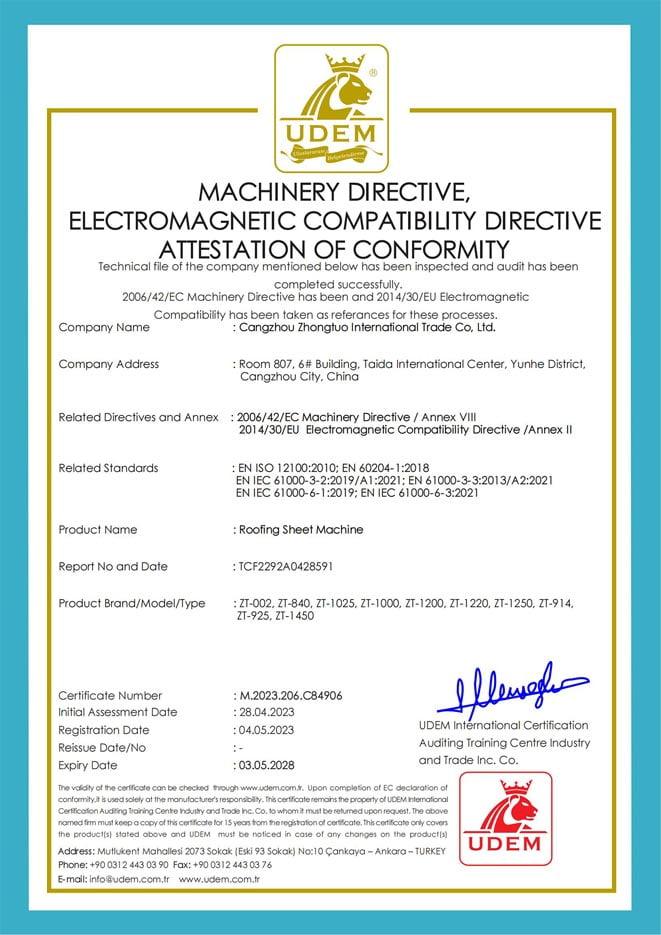
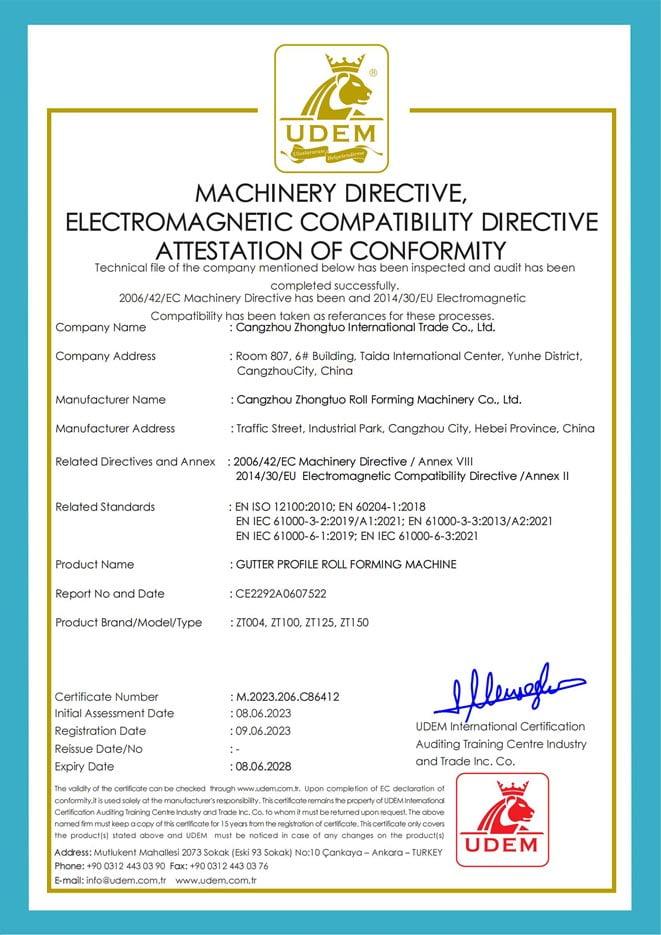
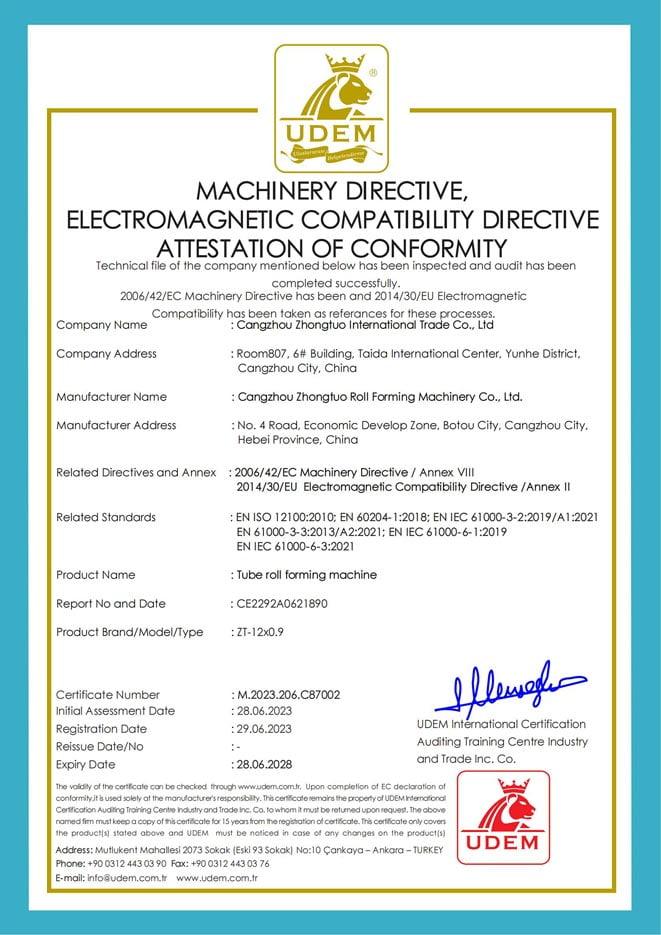
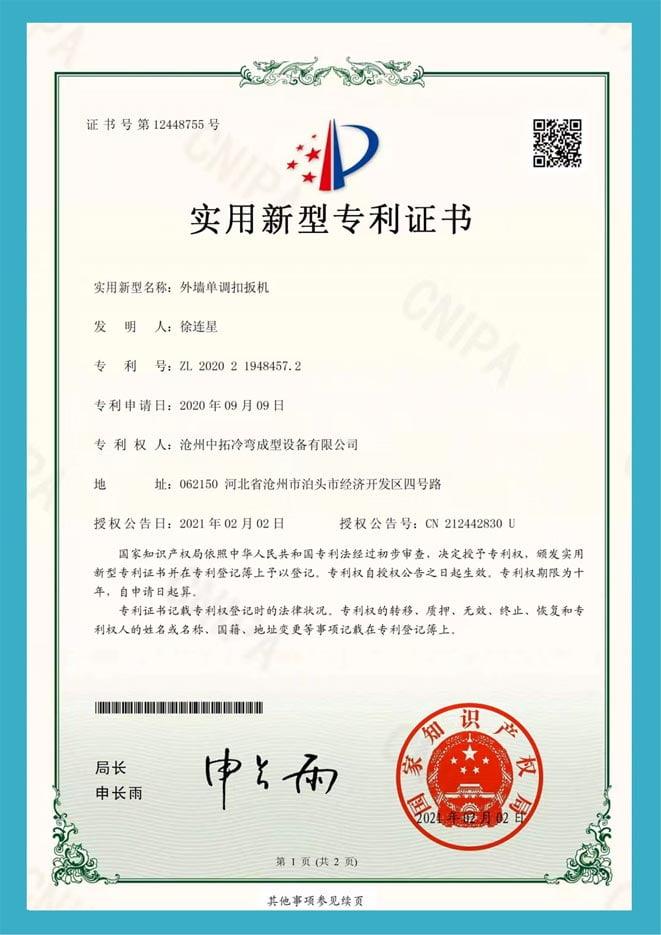
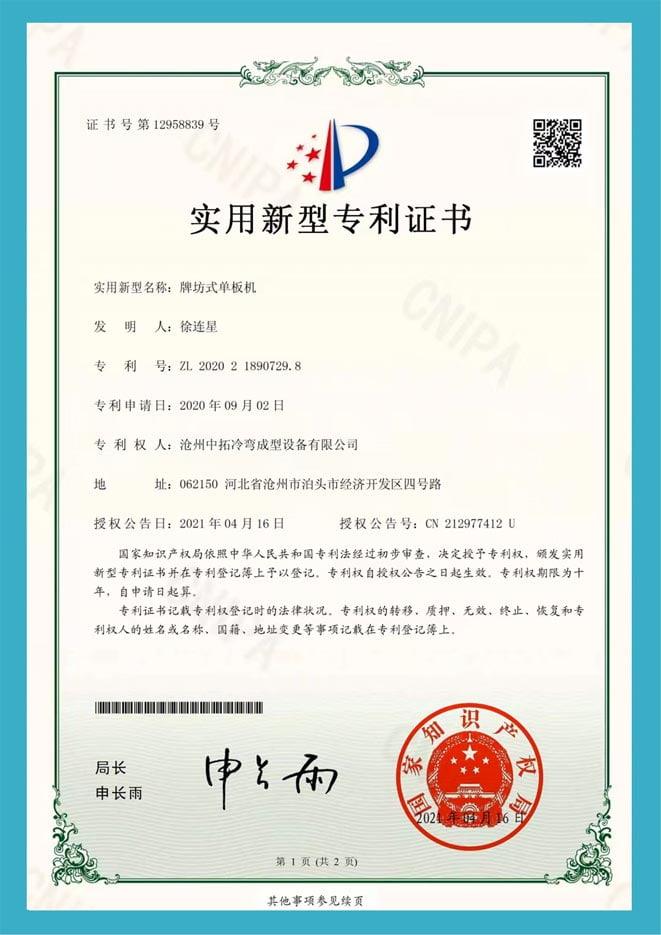
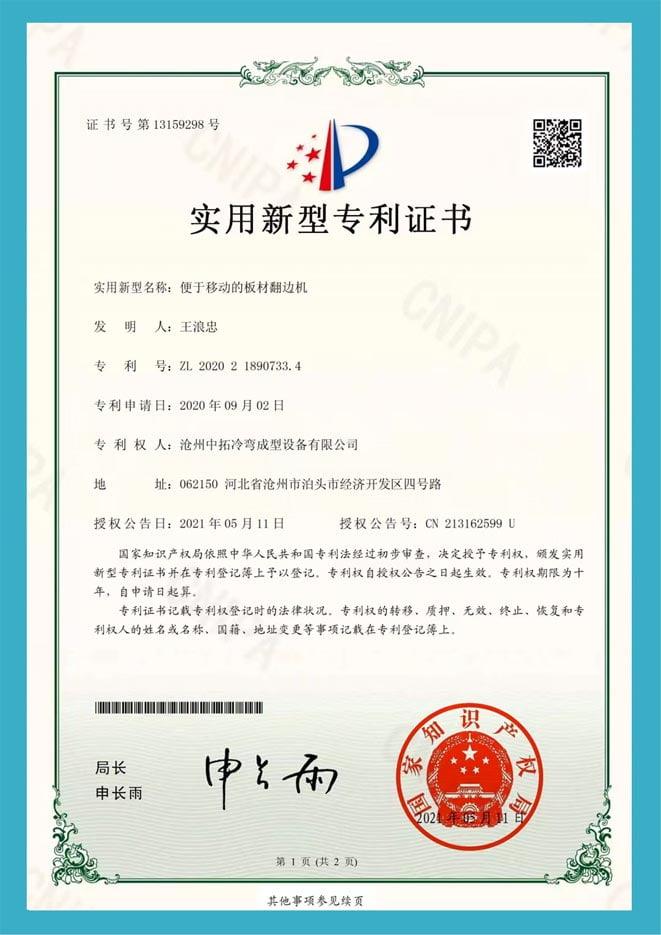
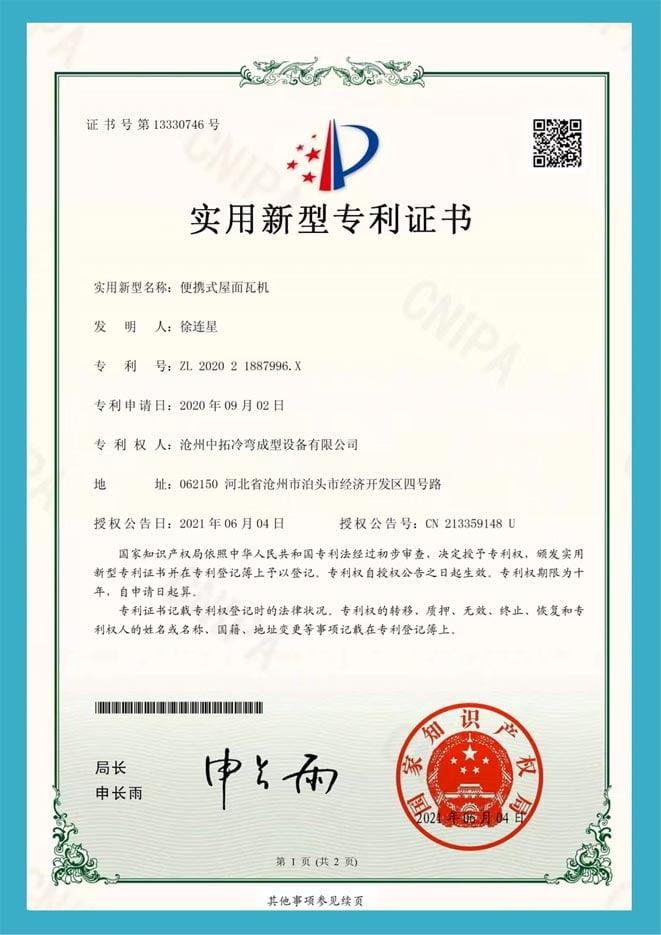
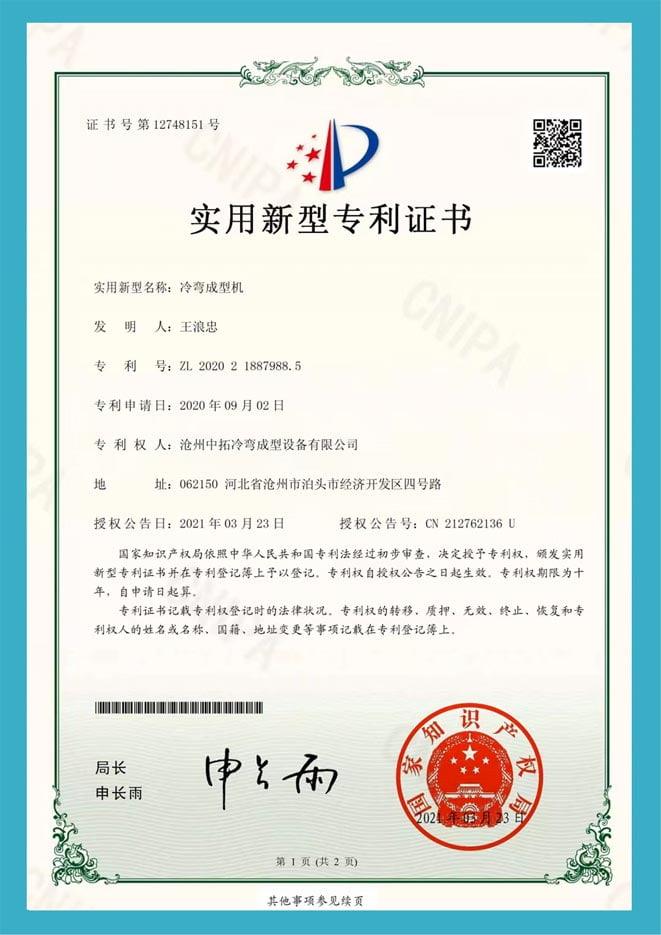

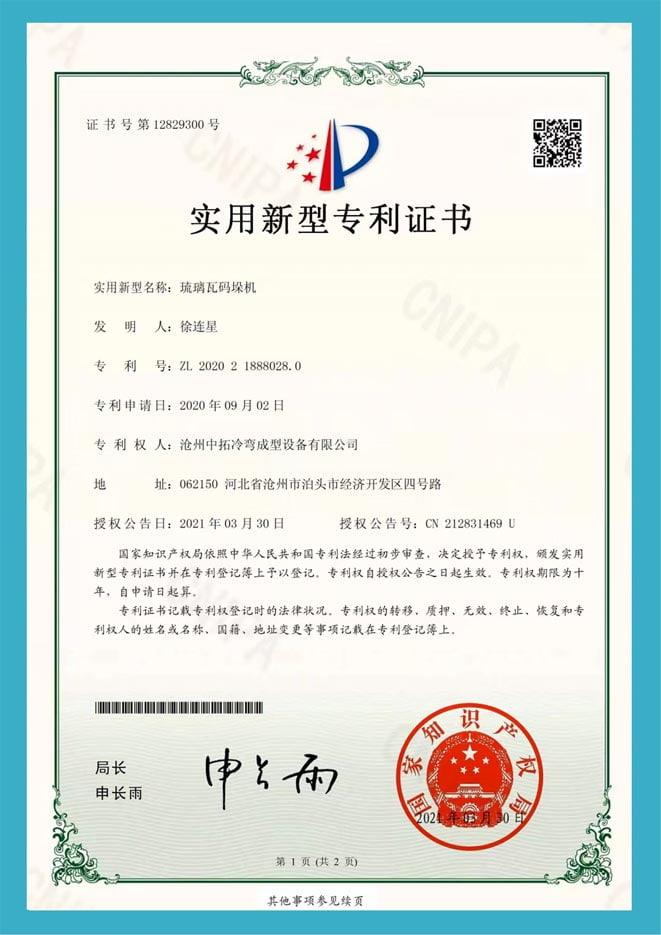
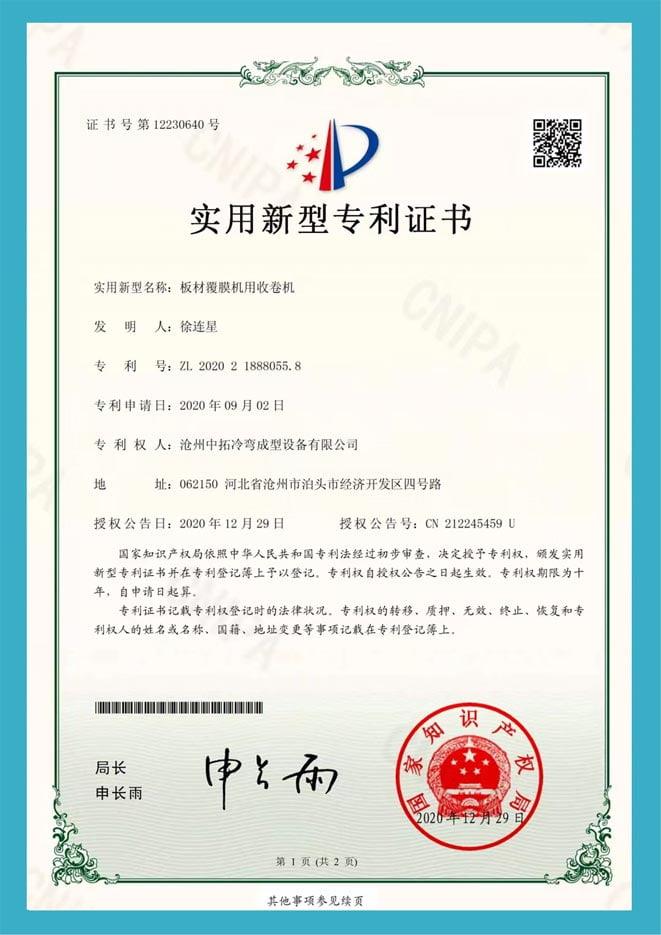

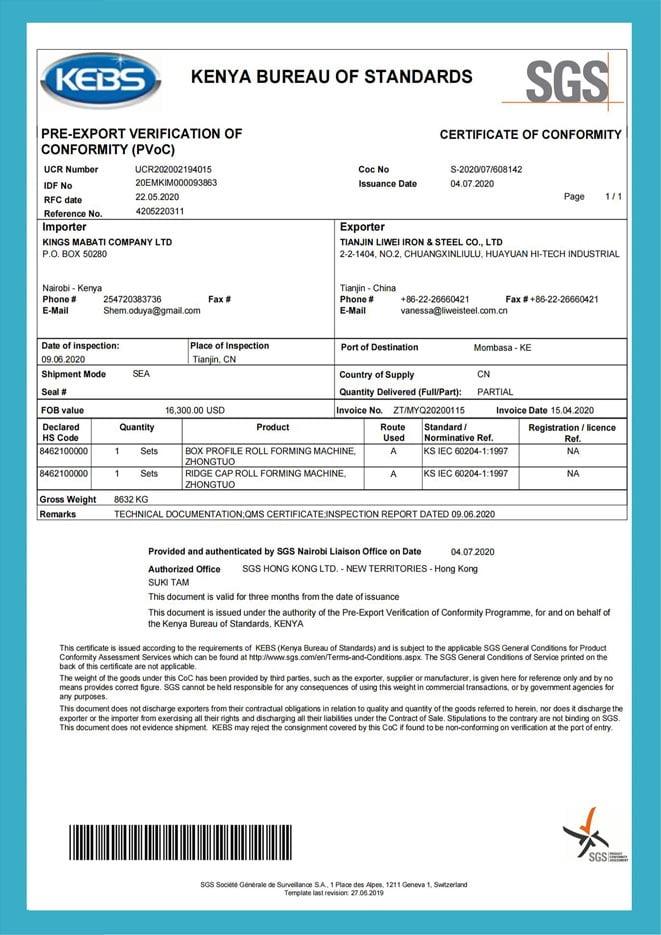
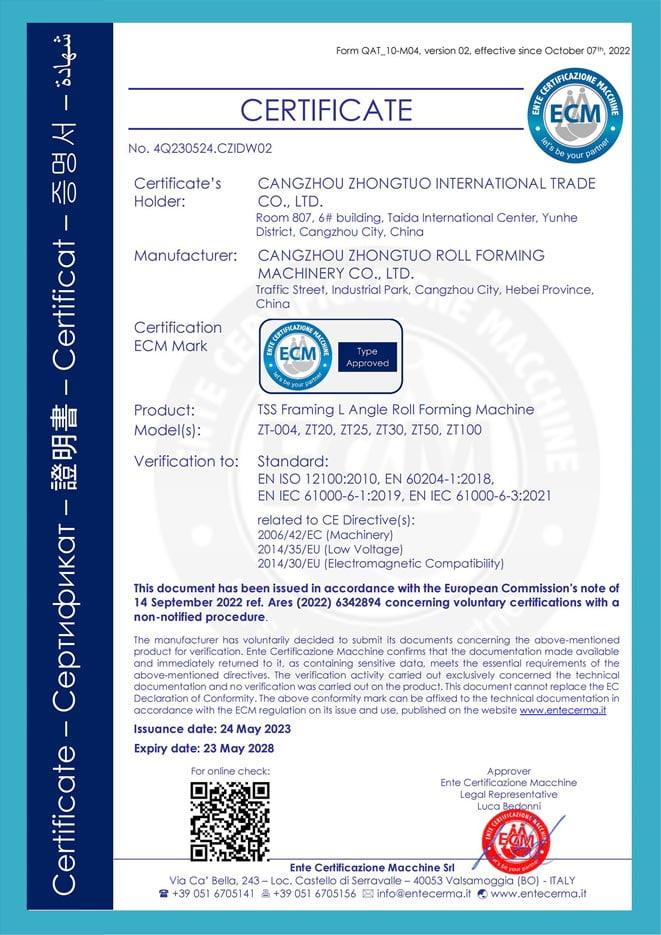
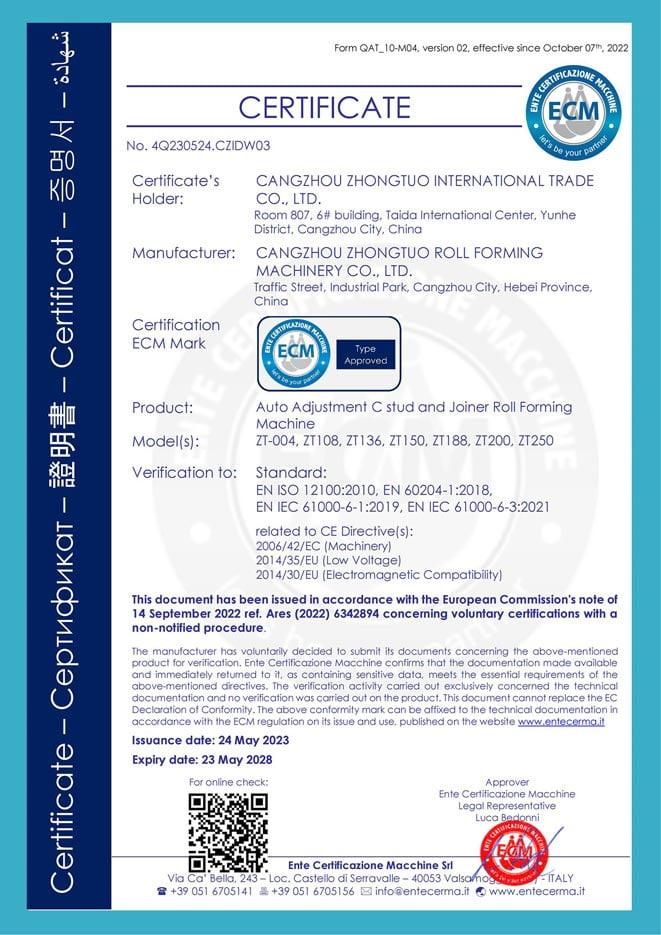
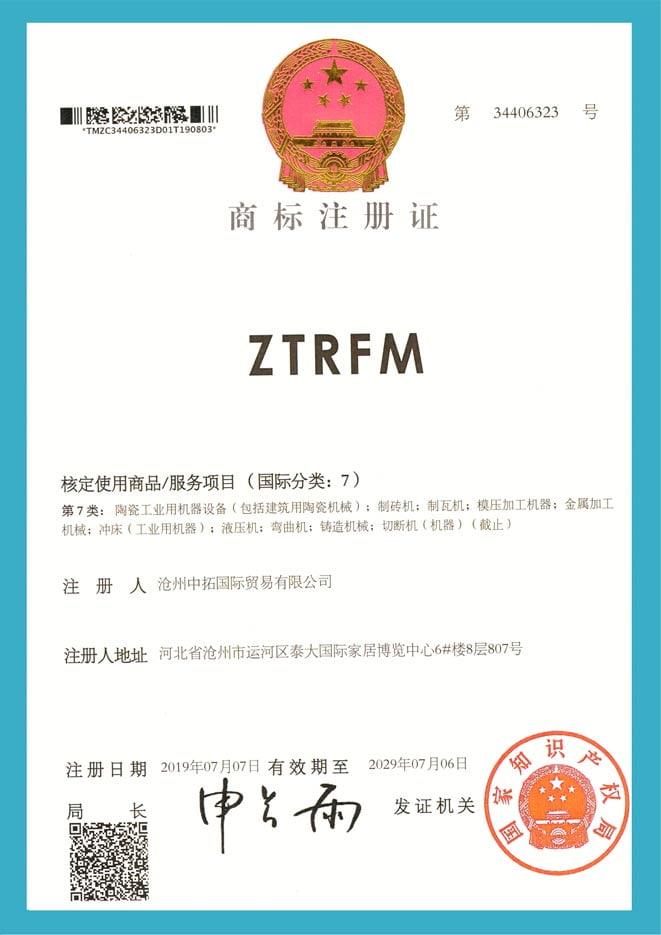
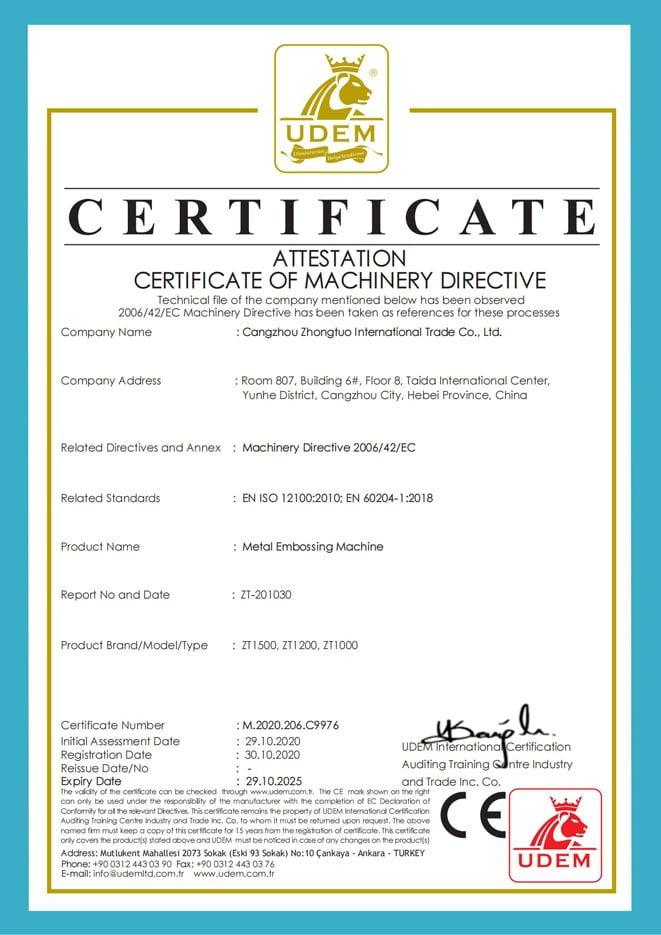
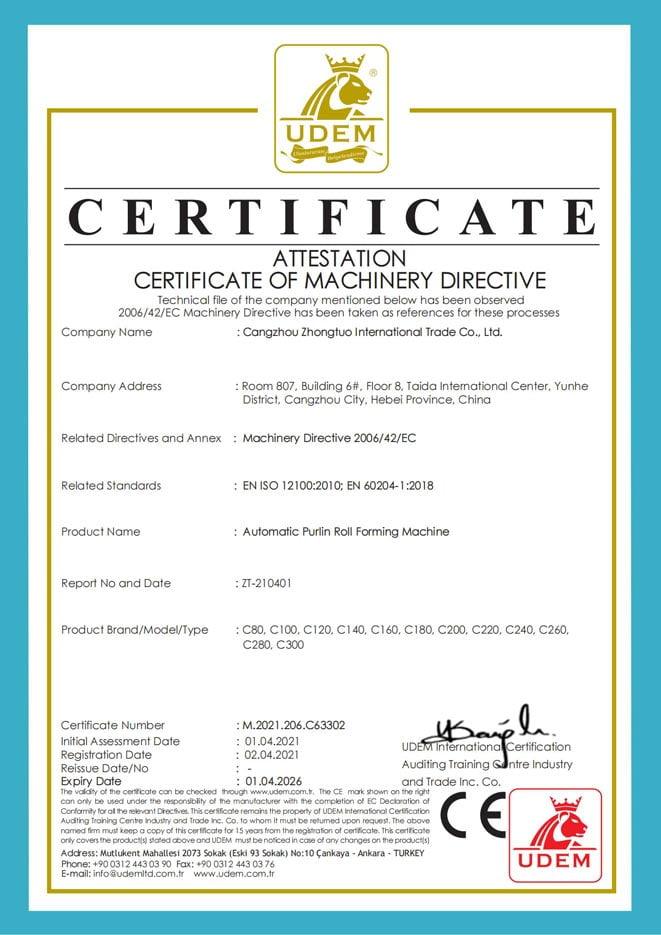
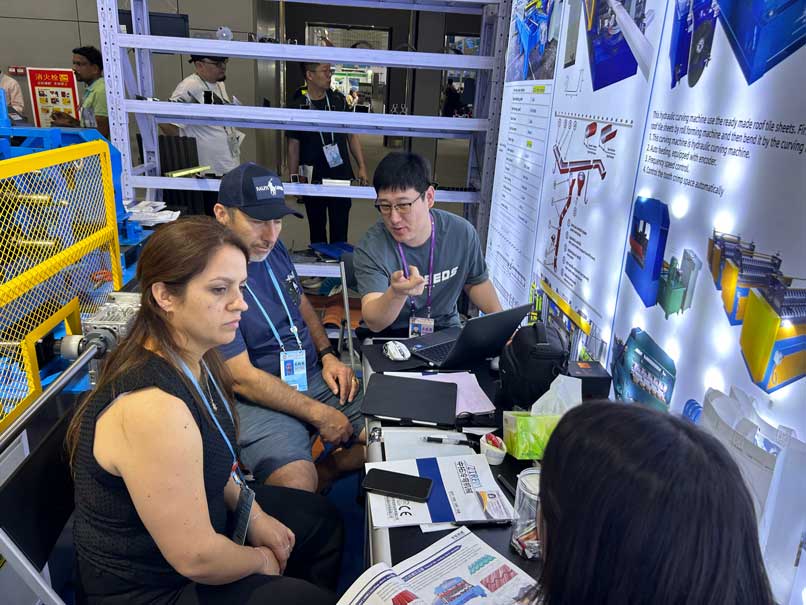
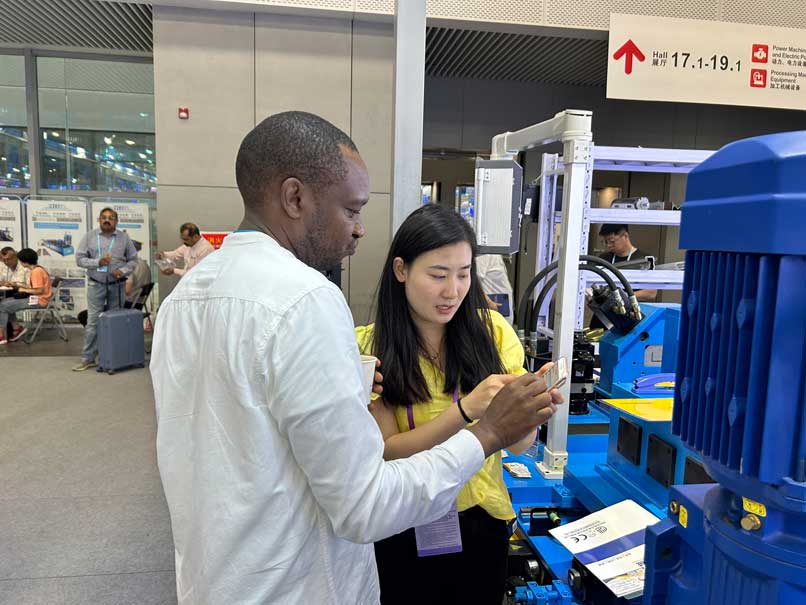
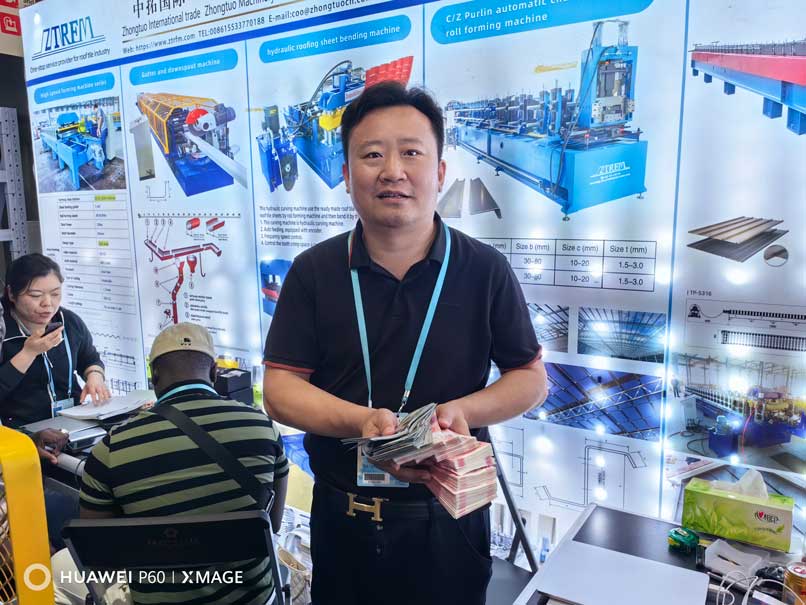
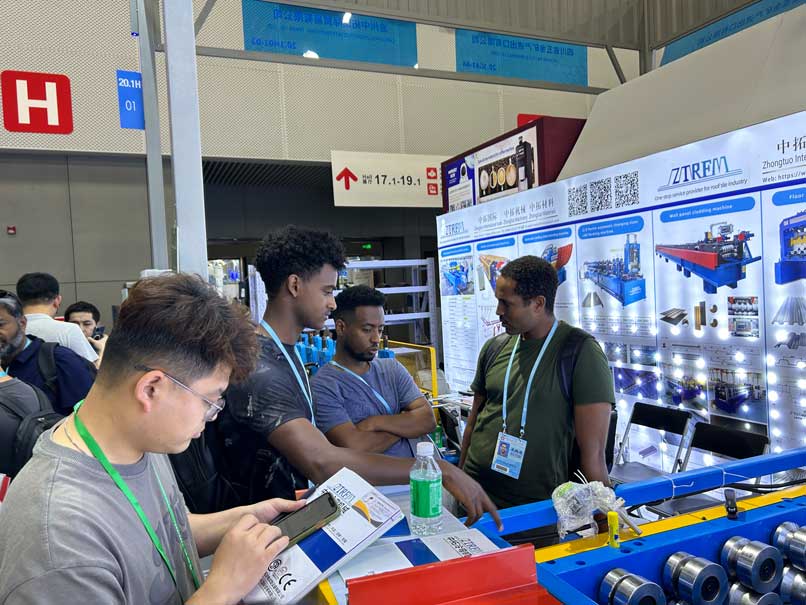
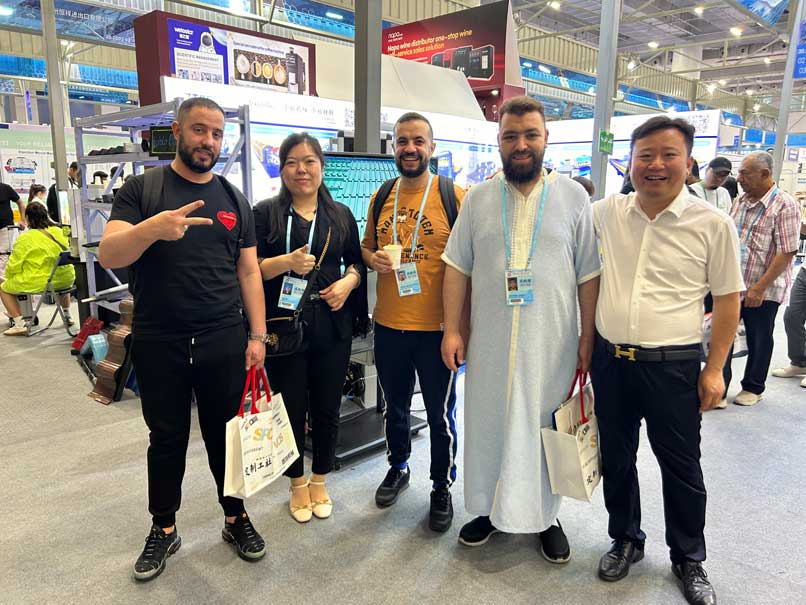
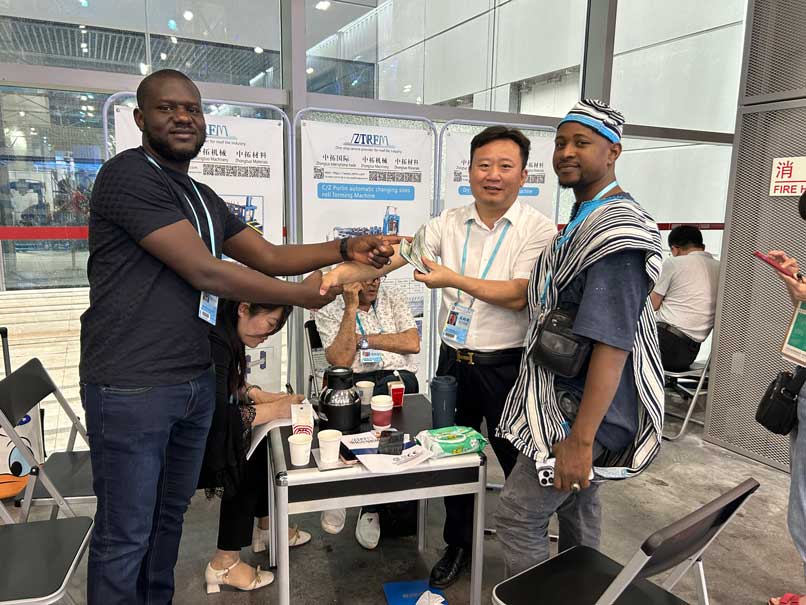
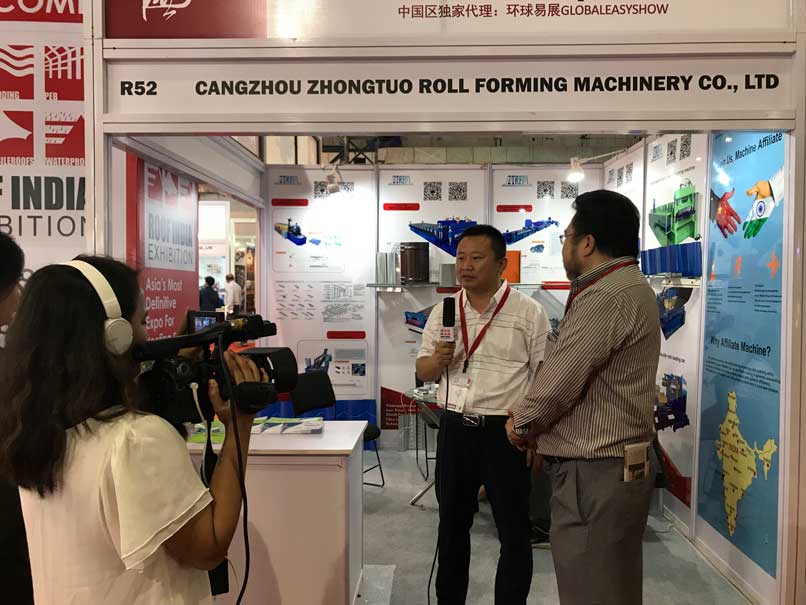
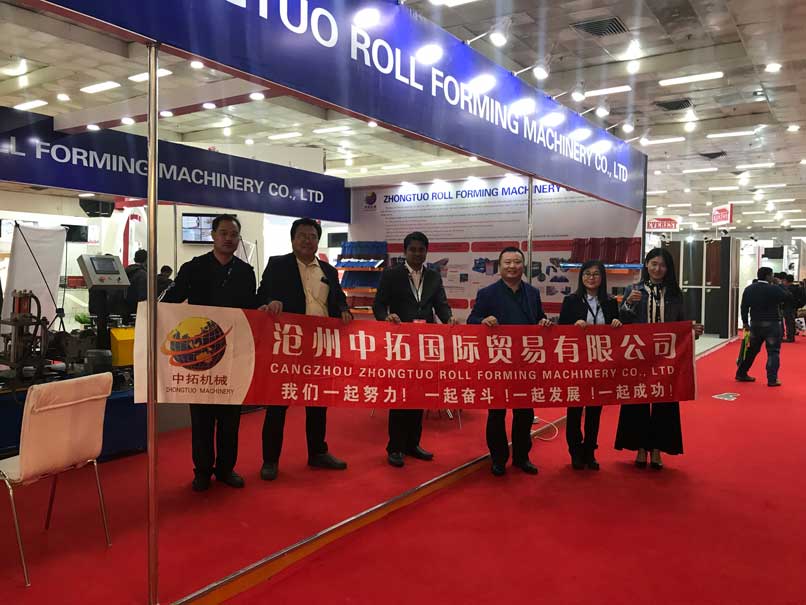
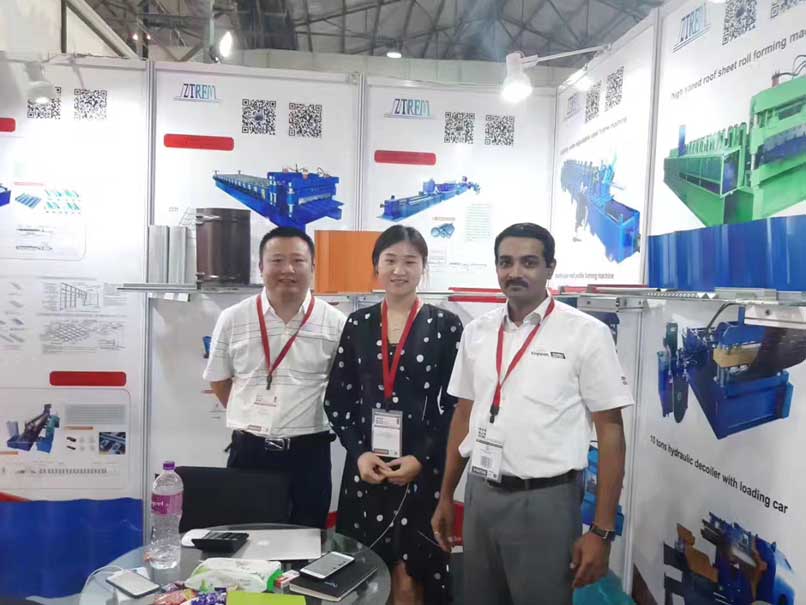
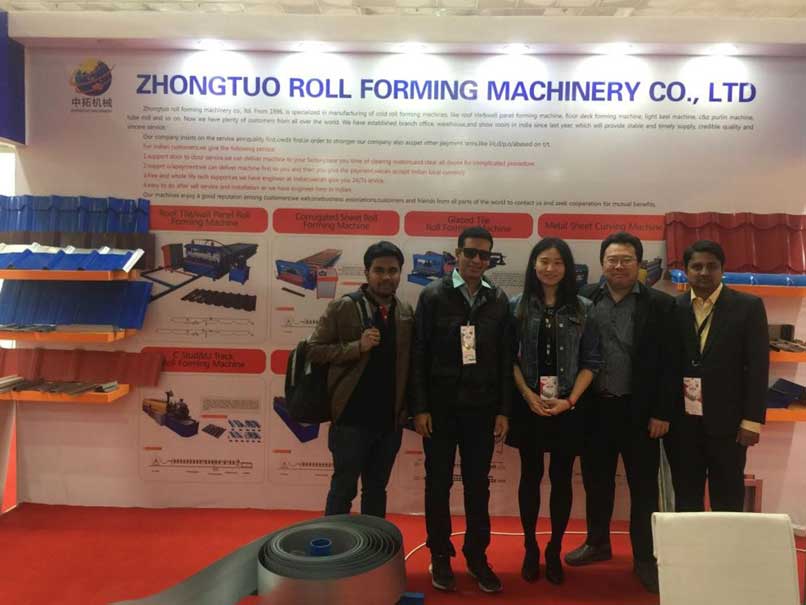
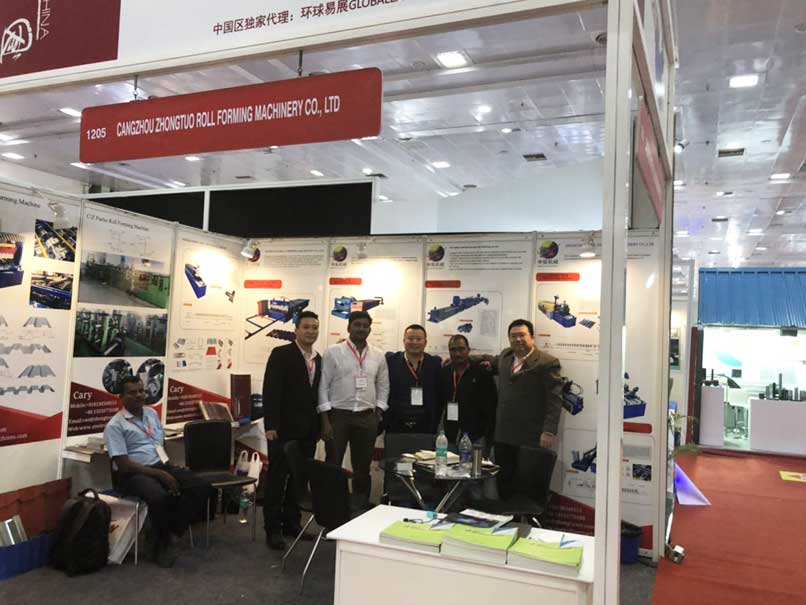
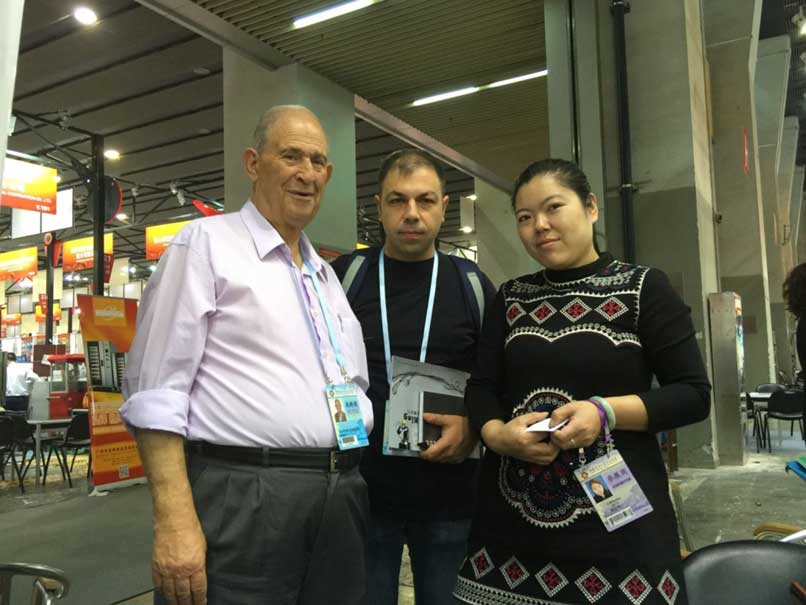
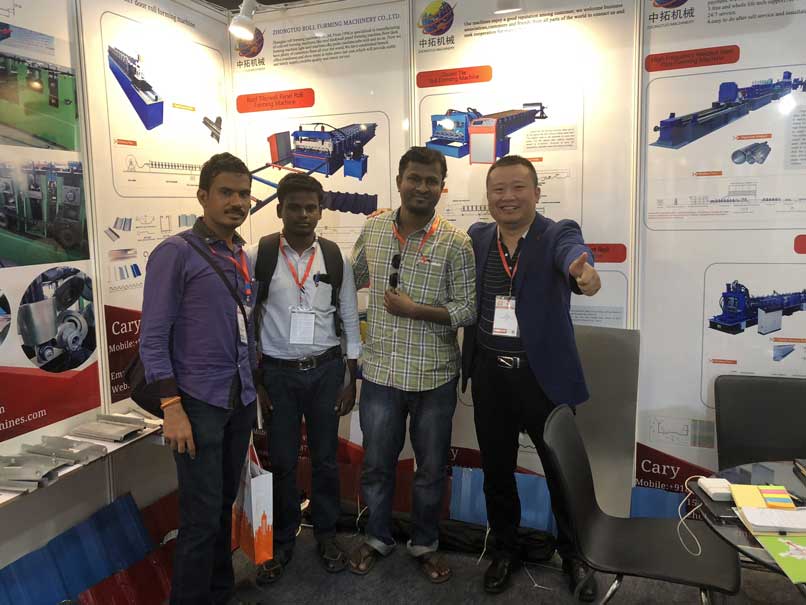
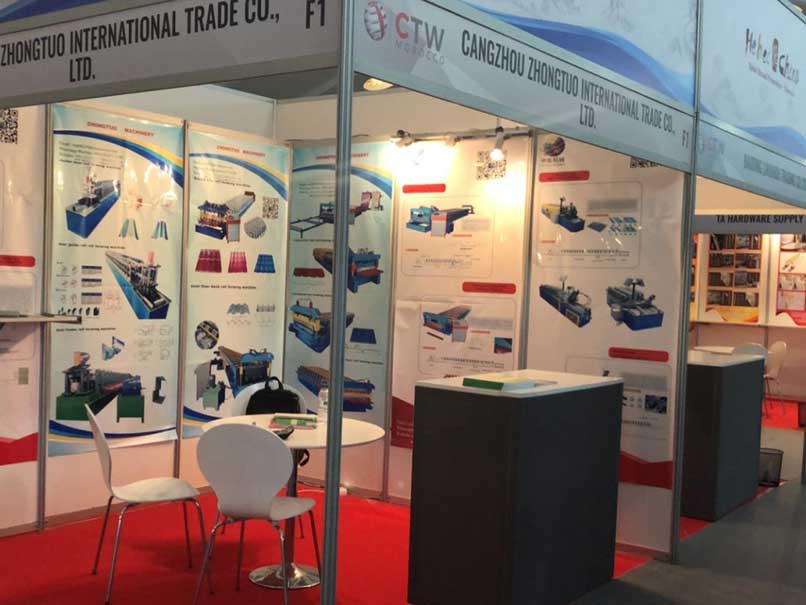
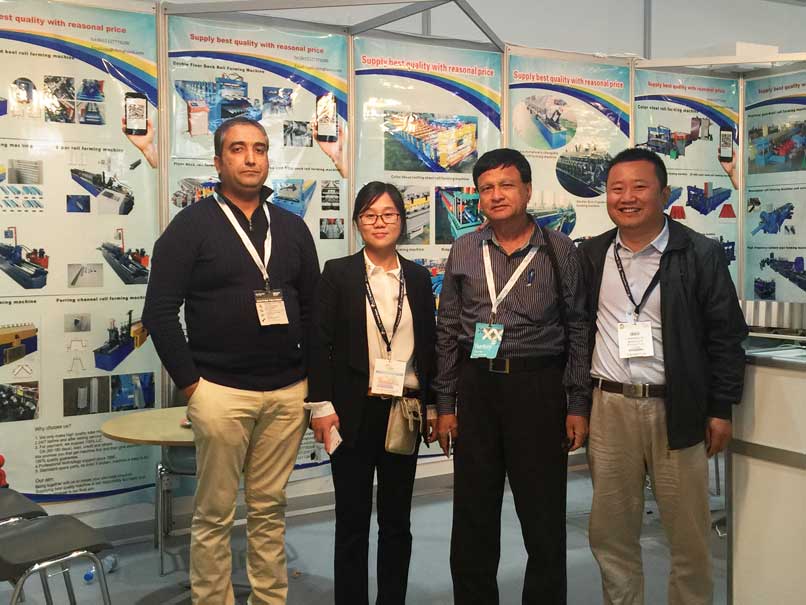
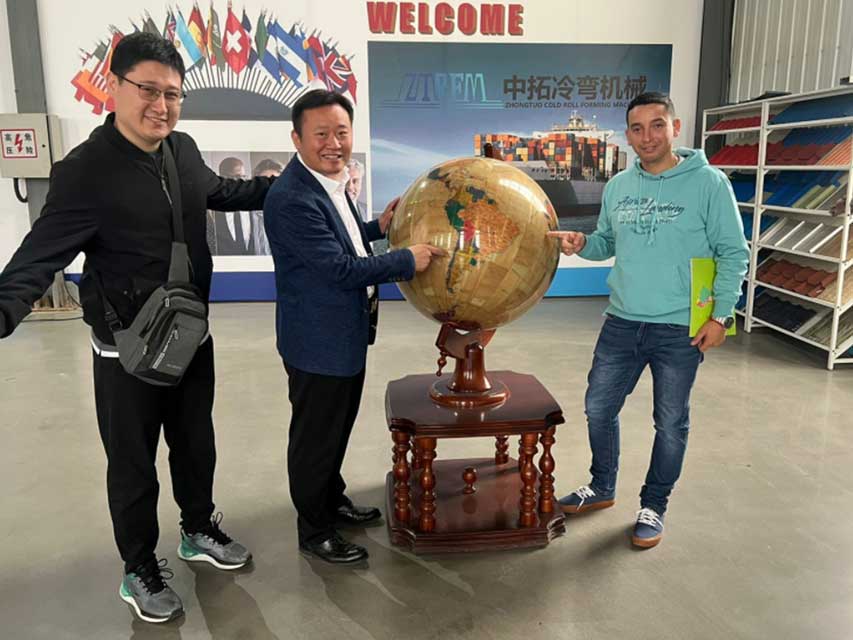
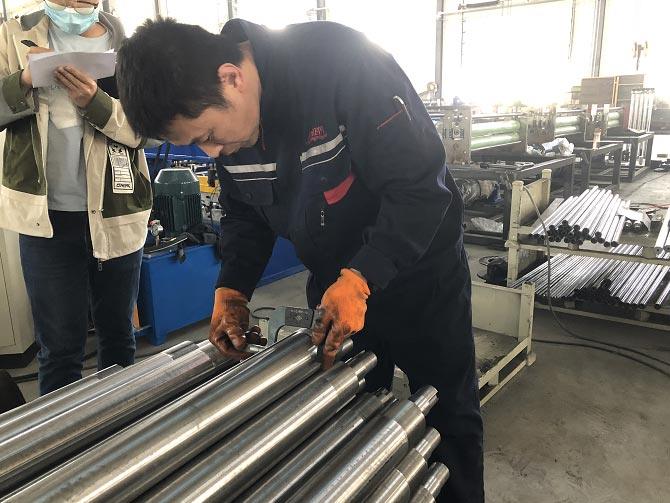
360°VRシステムを通してZhongtuoを訪問し、滄州Zhongtuoは機械の異なったタイプを形作る冷間圧延の設計そして製造に専用されている2014年に確立された。私達は ODM、OEM およびワンストップ サービスを提供します。原料、機械類および付属品は私達から購入することができます。
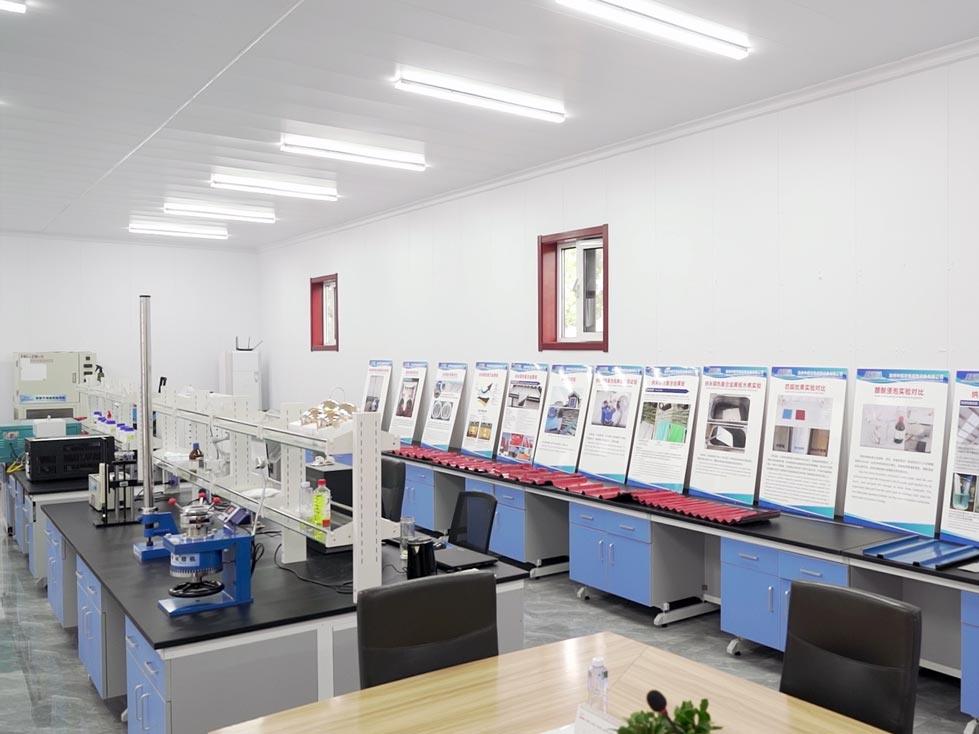
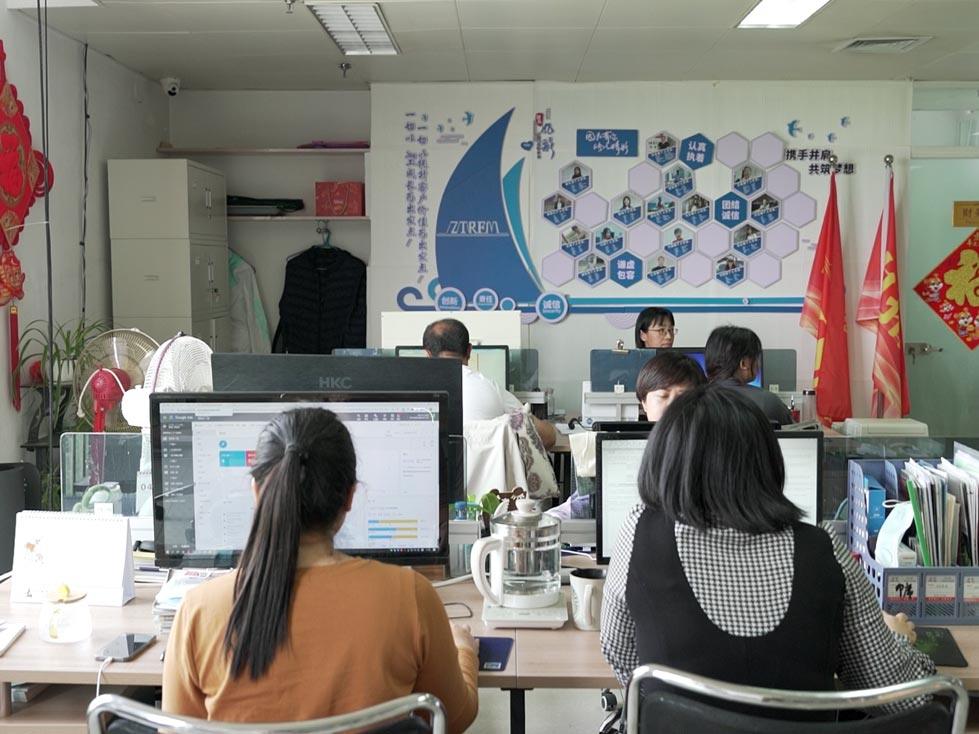
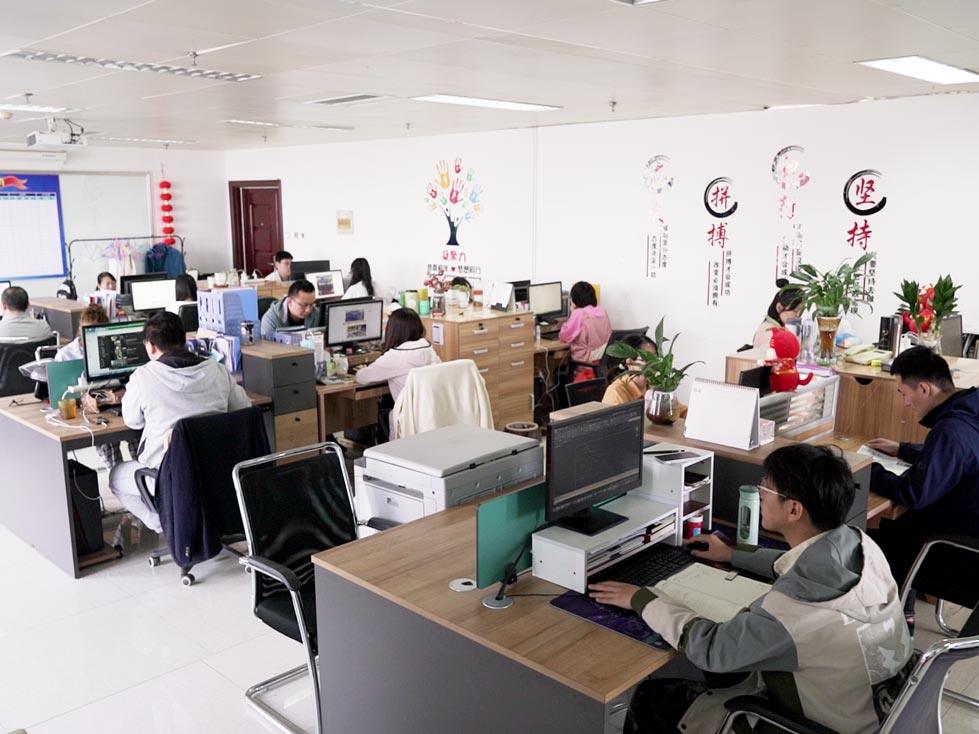
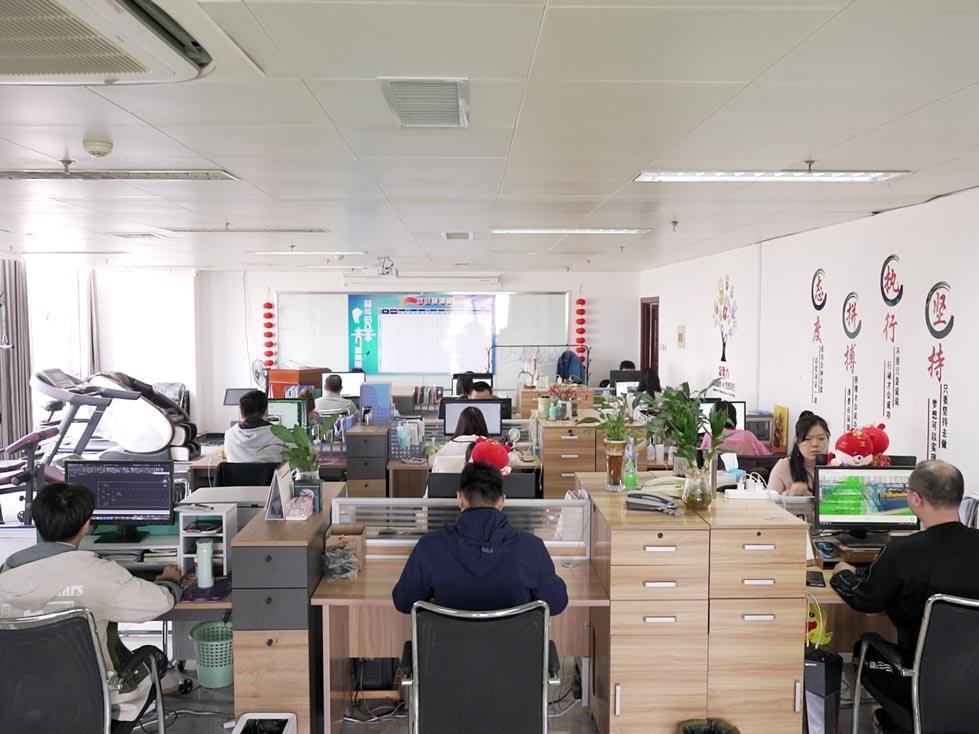
OEM/ODM&カスタマイズワンストップサービス
充実したアフターサービス

OEM、ODMの提供
1.コミュニケーション:バイヤーの要件を確認します。
2.技術者の設計: デッサンのプロフィールおよび 3D 機械デッサンを作って下さい
3.構成と生産を決定する
4.納品前テスト
2.技術者の設計: デッサンのプロフィールおよび 3D 機械デッサンを作って下さい
3.構成と生産を決定する
4.納品前テスト
5.梱包と配送
6.技術指導
7.アフターサービス:複雑な機械の設置サービスと定期的な顧客訪問
6.技術指導
7.アフターサービス:複雑な機械の設置サービスと定期的な顧客訪問
95800社以上の信頼
我々は、多くの企業と幅広く協力できることを光栄に思っている。
質の高い企業です。私たちとの協力を通じて、彼らは次のようなものを得ています。
強力なサポートを得て、事業の躍進と発展を遂げた。
質の高い企業です。私たちとの協力を通じて、彼らは次のようなものを得ています。
強力なサポートを得て、事業の躍進と発展を遂げた。
0
ISO9001およびCE認定
私たちは、お客様との長期ビジネスを確立されています。私達のプロダクトの何れかのモデルに興味がある場合は、お問い合わせは、自由にしてくださいを参照してください。
0
各国顧客
ユーザーから高い評価を得ている人気商品。
0
ワンストップ・ソリューション
アクセサリーから成形機まで、お客様の複雑な調達を解決します。
0
エンジニアチーム
私達に 20 人以上の強いエンジニアのチームがあります、私達はより正確で、より速い解決を与えます。