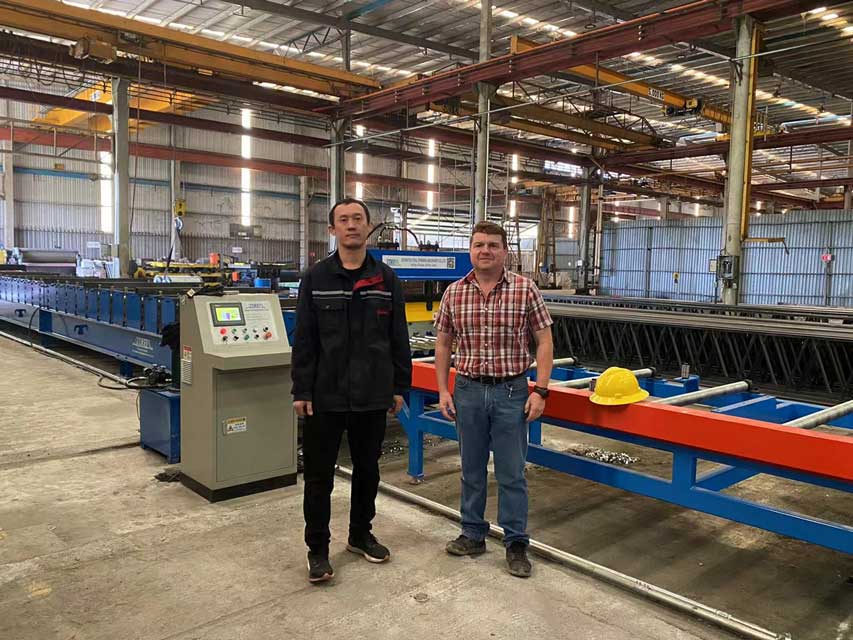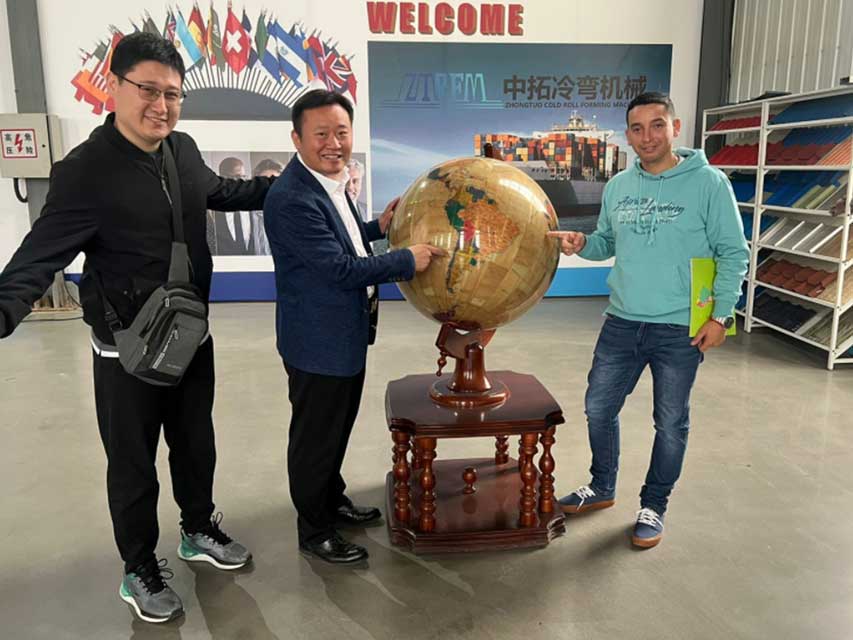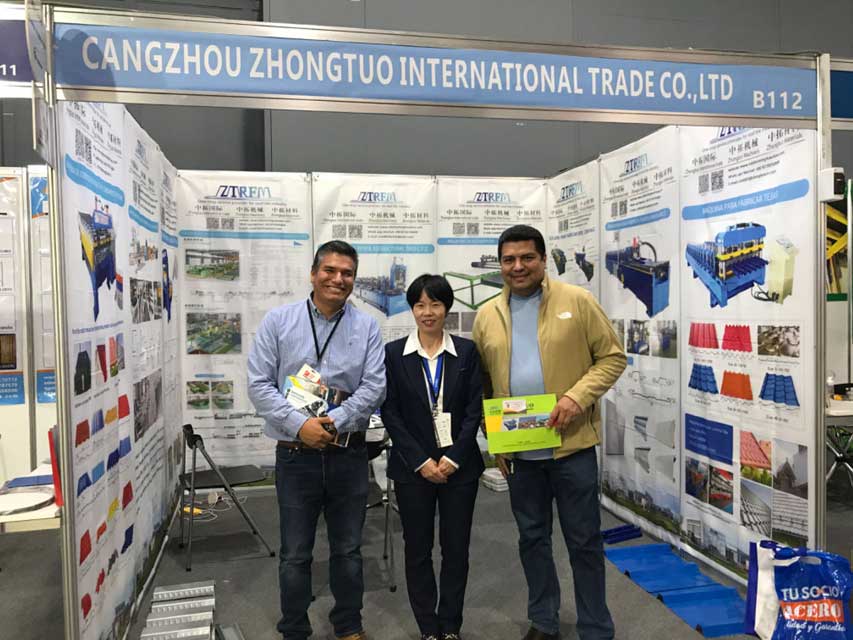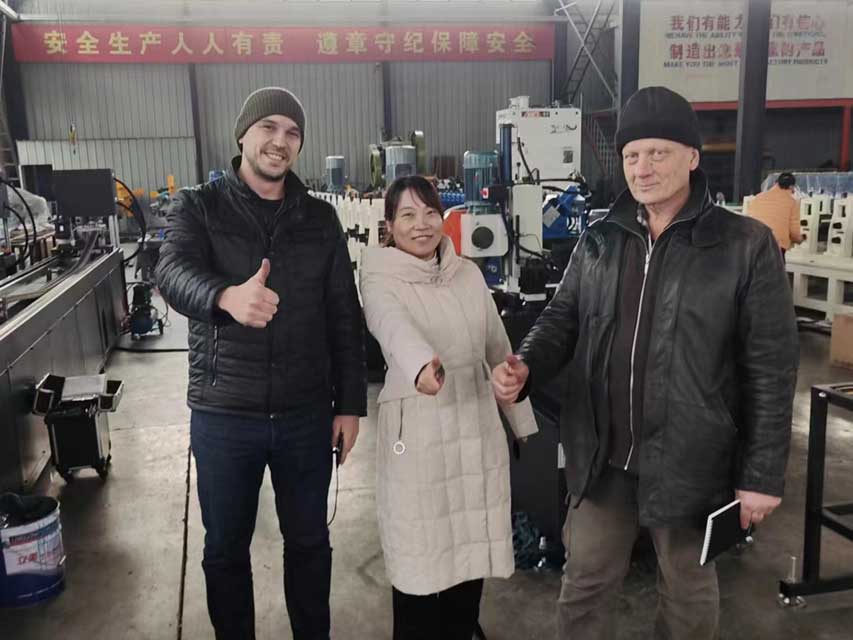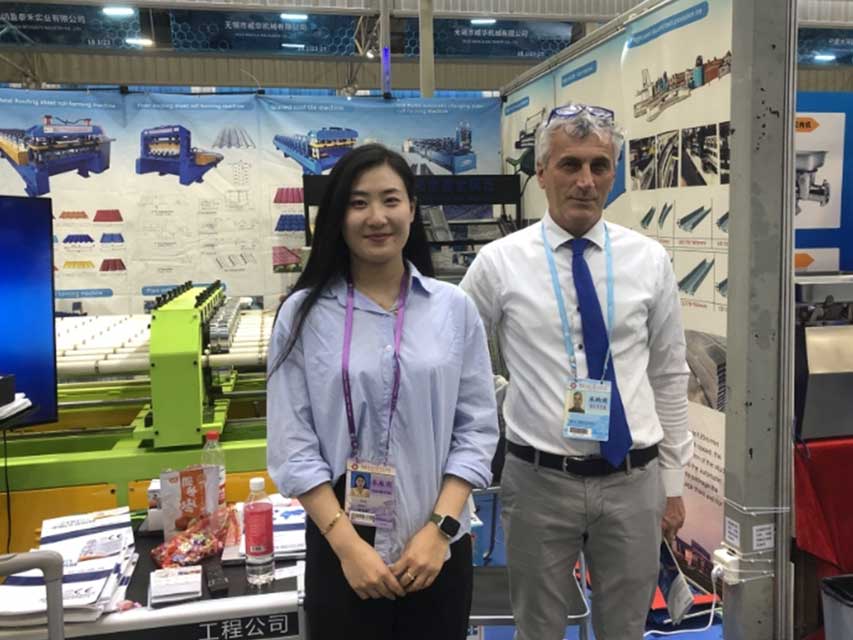
Oltre 24 anni di esperienza e conoscenza degli standard internazionali,
Cambiamenti tecnologici e sistemi industriali, ci dedichiamo a
Fornisce a Seds le migliori e più economiche soluzioni ai suoi clienti.
Cambiamenti tecnologici e sistemi industriali, ci dedichiamo a
Fornisce a Seds le migliori e più economiche soluzioni ai suoi clienti.
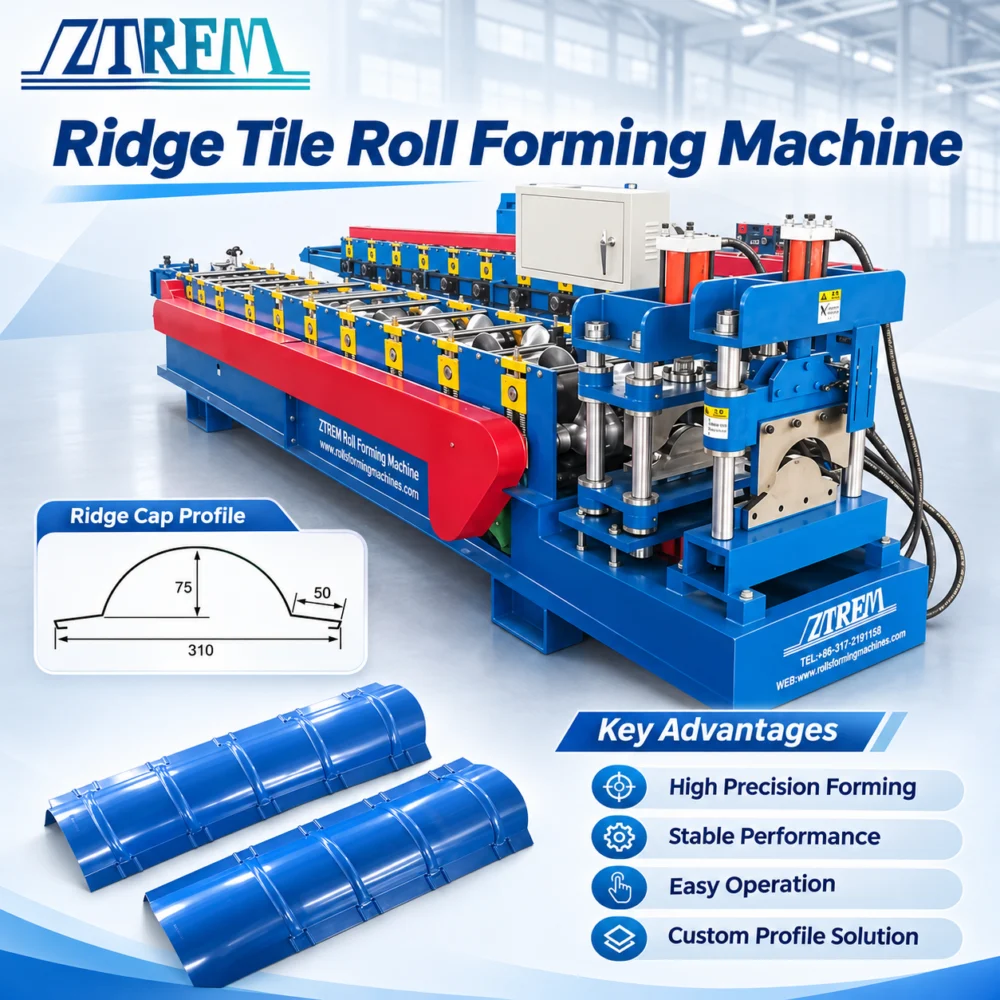
Ridge Tile Roll Forming Machine: A Practical Buyer's Guide for Metal Roofing Producers
Cangzhou Zhongtuo Roll Forming Machinery Co.,Ltd proviene da Hebei-Cina. È un produttore che si dedica alla progettazione e alla produzione.
diversi tipi di macchine per la profilatura a freddo. Siamo una fabbrica con una lunga storia, impegnata nella progettazione e nella produzione di macchine profilatrici dal 2006. Le macchine che possiamo produrre includono: macchina per la produzione di tegole, macchina per la produzione di arcarecci in cz, macchina per la produzione di chiglie in acciaio leggero, macchina per la goffratura dei metalli, macchina per la formazione di sistemi di porte, macchina per la formazione di sistemi di soffitti, macchina per la saldatura di tubi ad alta frequenza, linea di taglio, linea di taglio a misura, macchina per la formazione di sistemi di scaffali, macchina per la formazione di decking per pavimenti, linea di produzione di piastrelle in pietra colorata, macchina per la laminazione a caldo filmata, ecc.
diversi tipi di macchine per la profilatura a freddo. Siamo una fabbrica con una lunga storia, impegnata nella progettazione e nella produzione di macchine profilatrici dal 2006. Le macchine che possiamo produrre includono: macchina per la produzione di tegole, macchina per la produzione di arcarecci in cz, macchina per la produzione di chiglie in acciaio leggero, macchina per la goffratura dei metalli, macchina per la formazione di sistemi di porte, macchina per la formazione di sistemi di soffitti, macchina per la saldatura di tubi ad alta frequenza, linea di taglio, linea di taglio a misura, macchina per la formazione di sistemi di scaffali, macchina per la formazione di decking per pavimenti, linea di produzione di piastrelle in pietra colorata, macchina per la laminazione a caldo filmata, ecc.
Per maggiori informazioni, tempi di consegna e prezzi, scriveteci!
Ridge Tile Roll Forming Machine: A Practical Buyer's Guide for Metal Roofing Producers
A metal roof is only finished when the ridge is closed. The ridge tile, also called the ridge cap, is the piece that covers the peak where two roof slopes meet, and it is the part most likely to leak, corrode or look uneven if it is bought as a generic accessory instead of being produced to match the roof profile. That is why more roofing manufacturers, contractors and distributors are adding a ridge tile roll forming machine to their own production line.
This guide explains what the machine does, which specifications actually affect the result, and what to check before you compare quotations from different suppliers.
What a ridge tile roll forming machine does
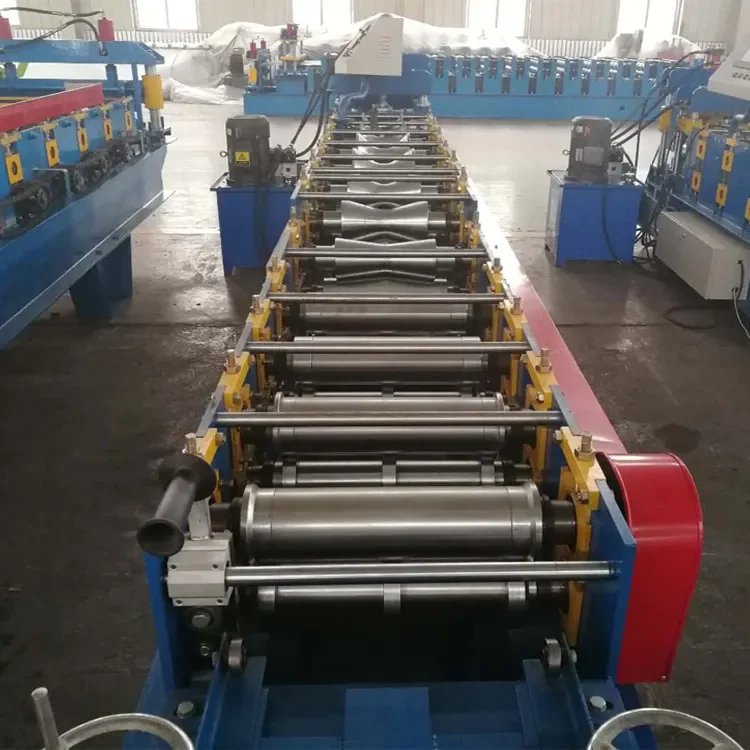
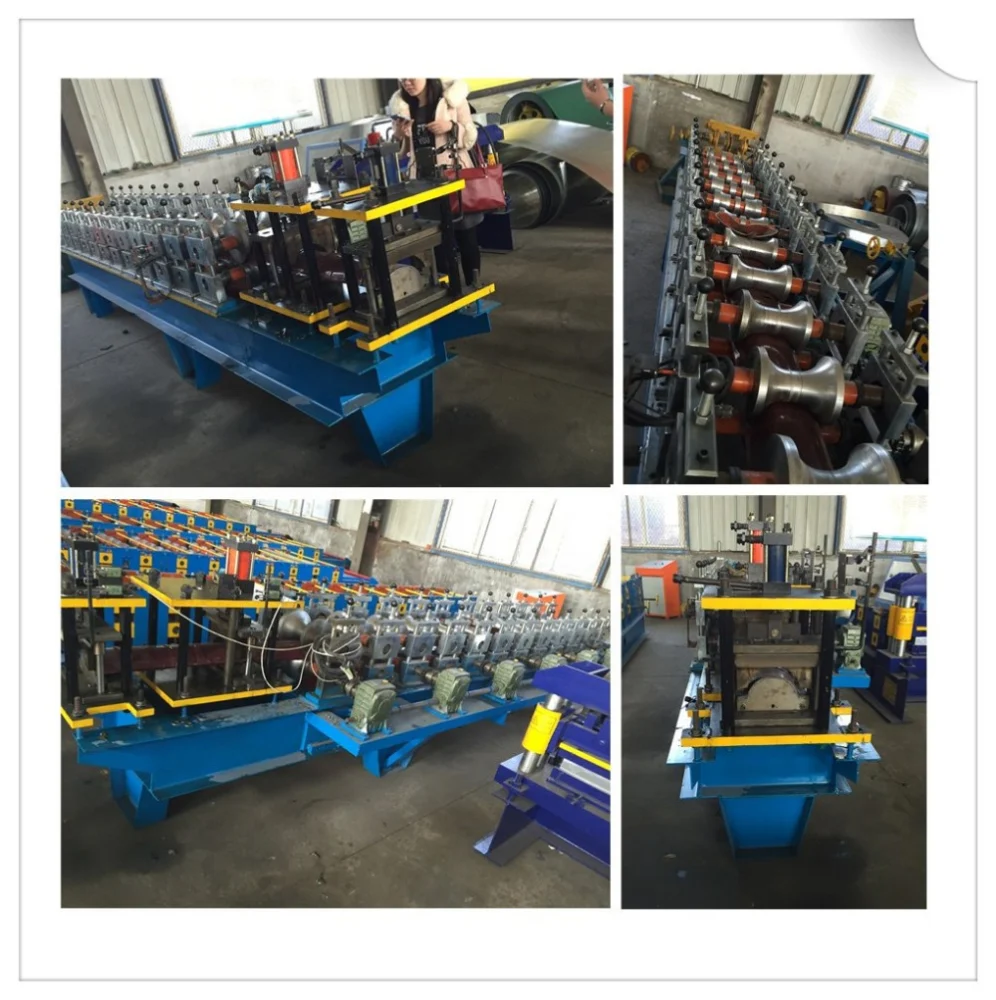
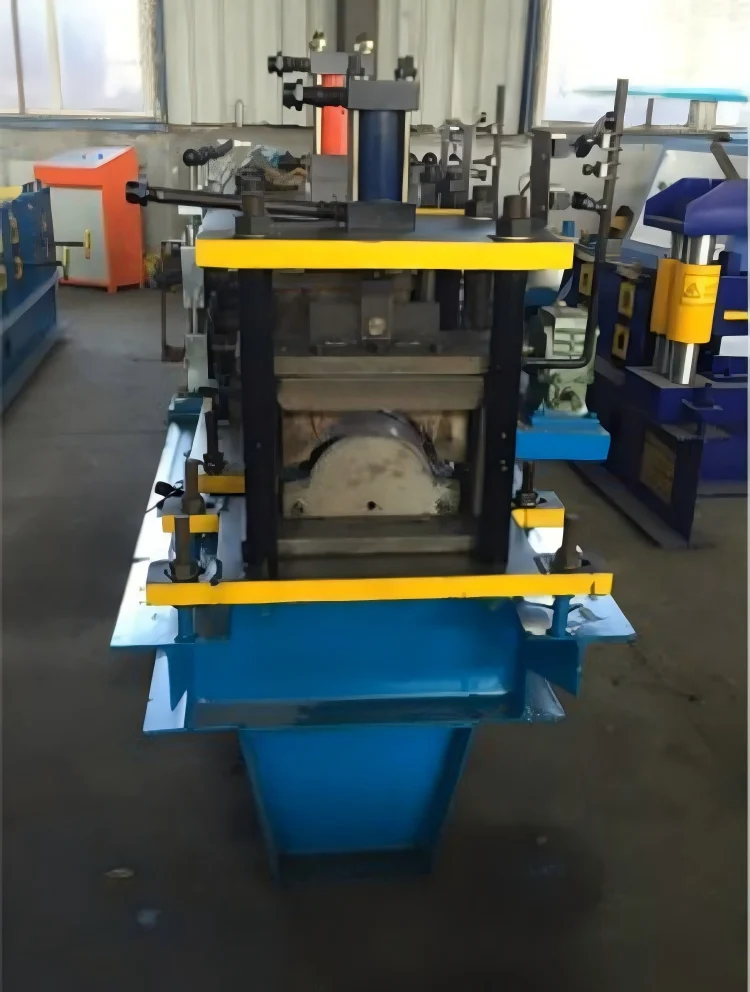
A ridge tile roll forming machine is a dedicated cold roll forming line that turns flat coated steel coil into the angled cap piece used at the roof ridge. The coil is unwound, fed through a series of forming stations that gradually bend it into the ridge profile, then cut to the required length by a hydraulic or pneumatic cutting unit. Finished pieces come out consistent in angle, height and length, so they stack and install the same way every time.
These machines are usually built as a standalone line for a factory, or as a compact line that can travel with a roofing contractor and produce caps on site in the same color and profile as the roof panels.
Why roofing businesses produce their own ridge caps
The economics are simple. A ridge cap is a small item per meter, but it is needed on every roof, in every color, and in a length that matches the panel module. Buying caps from a third party means waiting for delivery, accepting a profile that is close but not exact, and paying a margin on a part you could make in seconds.
Producing in house gives four practical gains:
- Profile match: the cap is formed to the same angle and rib spacing as your roof panel, so the joint line stays straight and the finished roof looks intentional rather than assembled.
- Color match: caps are formed from the same coil as the panels, so a RAL or custom color stays consistent across the whole roof, including later repair work.
- Short runs without penalty: a few hundred meters for one project is normal production, not a special order.
- Control over delivery: the cap is ready when the roof is ready, which matters most on renovation and remote project sites.
The main sections of the line
Most ridge tile roll forming machines share the same sequence, and the quality of each section decides how well the line runs after the first month.
- Decoiler: carries the coil and feeds it at a steady tension. A manual decoiler is enough for short runs; a hydraulic decoiler with coil car saves time on heavy coils.
- Feeding and guiding: keeps the strip centered so the profile does not drift to one side and produce a twisted cap.
- Roll forming stations: the heart of the machine. Station count, roller material, shaft diameter and hardening determine profile accuracy, surface finish and how long the rolls stay in tolerance.
- Cutting unit: hydraulic or pneumatic, usually with a flying cut for continuous production. Blade material and heat treatment decide cut quality and blade life.
- Control system: PLC with touch screen for length, quantity and batch settings, with optional multi-language interface and remote support.
- Receiving table or stacker: supports the finished cap so it does not bend or scratch on the way out.
Specifications to fix before you ask for a price
Suppliers quote very different prices because they are quoting different machines. Write these points down first, then compare offers on the same basis.
- Material thickness: ridge caps are commonly formed from 0.3 mm to 0.8 mm coated steel. Tell the supplier the exact range you will run, not just the average.
- Coil width and inner diameter: these must suit the coil you can actually buy locally, otherwise every coil becomes a handling problem.
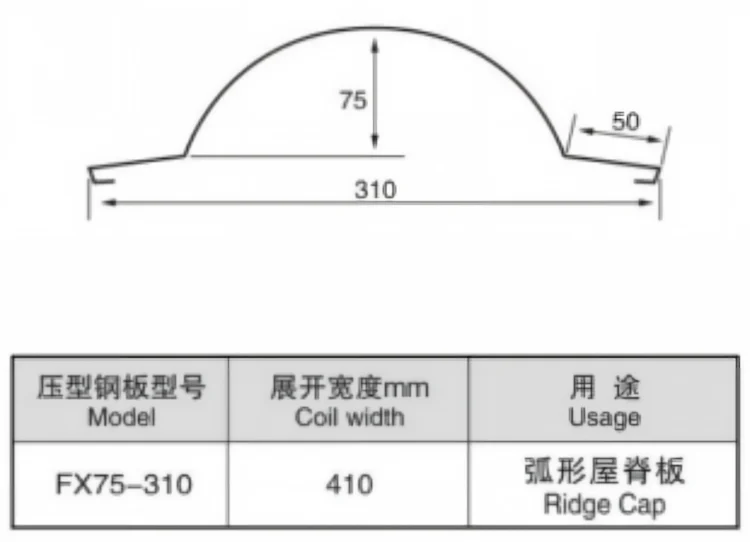
- Profile drawing: supply a drawing with ridge height, angle, rib width and overall width. A photo of the finished roof is helpful, a dimensional drawing is what the tooling is built from.
- Forming stations: more stations generally mean gentler bending and a cleaner surface, but the right number depends on profile complexity. Ask why the station count was chosen.
- Roller and shaft material: forged 45# steel rollers with hard chrome plating and shafts around 45 to 50 mm are common in reliable lines.
- Forming speed: 8 to 15 m per minute is typical for a standard line; higher speed needs a stronger frame, better cutting and more attention to safety.
- Cutting type and blade: ask for the blade material and heat treatment, and whether the cut is stopped or flying.
- Power supply: confirm voltage, phase and frequency at your site, including whether a transformer or generator will be used.
- Machine dimensions and weight: needed early, because it decides container loading and whether the line fits your existing floor space.
Materials and surface finishes
The forming process works with galvanized steel, galvalume, prepainted galvanized steel and aluzinc coil. Pre painted coil is the usual choice when the cap must match the roof color, and the coating type matters: a polyester coating is standard for general roofing, while harsher coastal or industrial environments usually call for a thicker coating or a more durable paint system. Tell the supplier what environment the roof will face, because it affects both the recommended coil and how carefully the rolls must be finished to avoid marking the surface.
Profiles, angles and customization
Ridge caps are not one shape. Common types include trapezoidal and IBR ridge caps that match corrugated or trapezoidal roof panels, glazed tile ridge caps used with tile effect metal roofing, and semicircular or curved caps for standing seam and architectural roofs. Some lines are built for a single fixed profile, others use quick change tooling or adjustable stands so one machine can run several ridge shapes.
If you serve several markets, decide up front whether you need one profile or a family of profiles. It is far cheaper to specify changeover capability when the machine is built than to add it later.
Speed, automation and labor
A standard line usually needs one operator to load the coil, set the batch length on the touch screen, and remove finished caps. Automation shows up in three places: automatic length and quantity control, automatic cutting, and stacking. Adding a stacker is often the single biggest labor saving on high volume runs, because manual handling of long caps is slow and tends to damage the edges.
Do not buy speed you cannot use. If your projects need a few hundred meters a day, a well built 10 to 15 m per minute line with a clean cut will outperform a fast line that needs constant adjustment.
Quality points worth checking on the machine
Price differences usually come from details that are invisible in a photo. Ask about each item below and get the answers in writing.
- Frame thickness and welding quality, because a light frame will flex under load and the profile will drift.
- Roller hardness and chrome thickness, which control both profile life and surface marking on pre painted coil.
- Shaft diameter and bearing type, which decide how much load the line can take at speed.
- Gearbox and motor brand, and whether the drive is chain or gearbox based.
- Hydraulic system pressure and component brands, since cutting problems usually start here.
- Electrical components and wiring practice, plus the safety guards and emergency stop arrangement.
- Test run evidence: ask for a video of your profile being formed, with the measured cap dimensions shown.
Shipping, installation and after sales
A roll forming line is a long term asset, so the support around it matters as much as the machine. Before you order, confirm the packing method, the container loading plan, whether installation supervision and operator training are included, what the warranty covers, and how spare parts are shipped. Ask which parts are standard purchased items that you can source locally, and which are proprietary. A supplier who answers these questions clearly before payment is usually easier to work with after delivery.
How to compare quotations properly
Put every offer into the same format: profile drawing and station count, material thickness range, roller and shaft specification, cutting type and blade, control system, speed, total power, machine dimensions and weight, included accessories, packing, warranty and after sales terms. A lower price with fewer stations, thinner frame and no stacker is not the same product as a complete line, and a quote that omits the decoiler or the receiving table is not comparable at all.
Frequently asked questions
Can one machine produce different ridge profiles?
Yes, if it is ordered with interchangeable tooling or adjustable stands. Retrofitting later is possible but usually more expensive, so specify it at the start.
What material thickness should I choose the machine for?
Match the machine to the coil you will actually buy. A line set up for 0.3 to 0.8 mm handles most roofing ridge caps, but thin and thick material behave differently and both should be tested.
How long does production take after ordering?
Lead time depends on profile complexity and customization. Ask for the production schedule in writing, along with the date the profile drawing is approved, because that date usually starts the clock.
Is a flying cut necessary?
It is not necessary for batch production, where the line can stop for each cut. It becomes valuable when you want continuous output and shorter cycle times.
Can the machine run on site?
Compact lines can be fitted with wheels or a skid frame for site work. Tell the supplier this at the quoting stage, because the frame, wiring and control cabinet are usually adapted for it.
Perché scegliere noi?
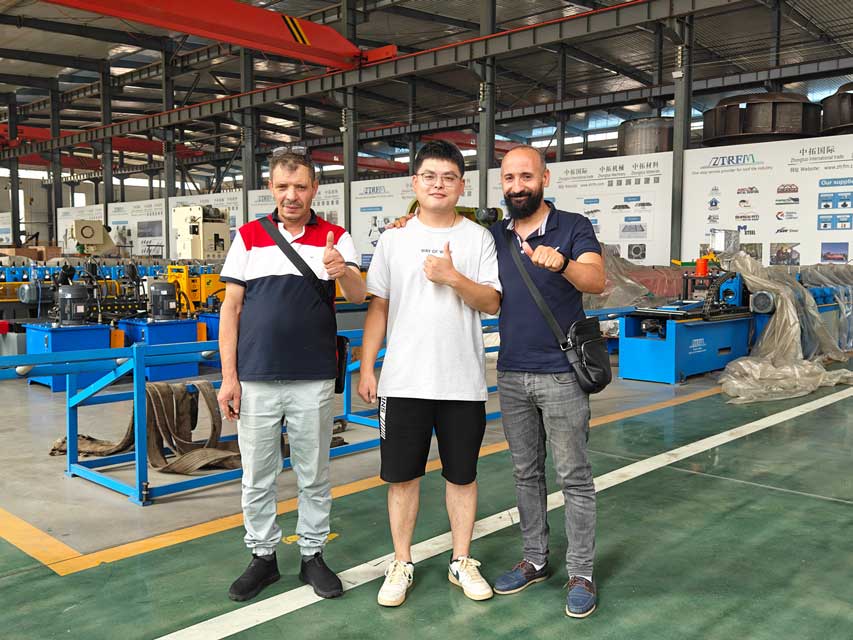
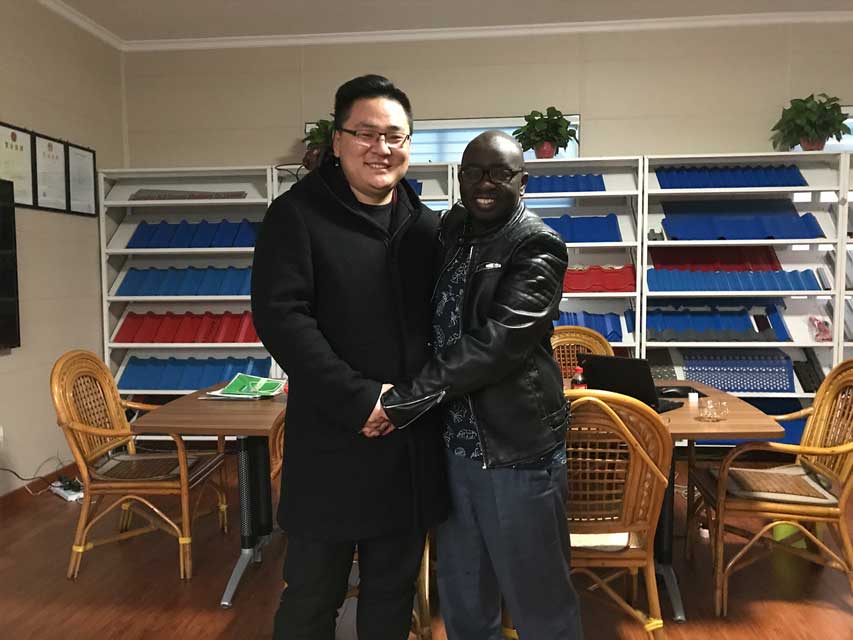
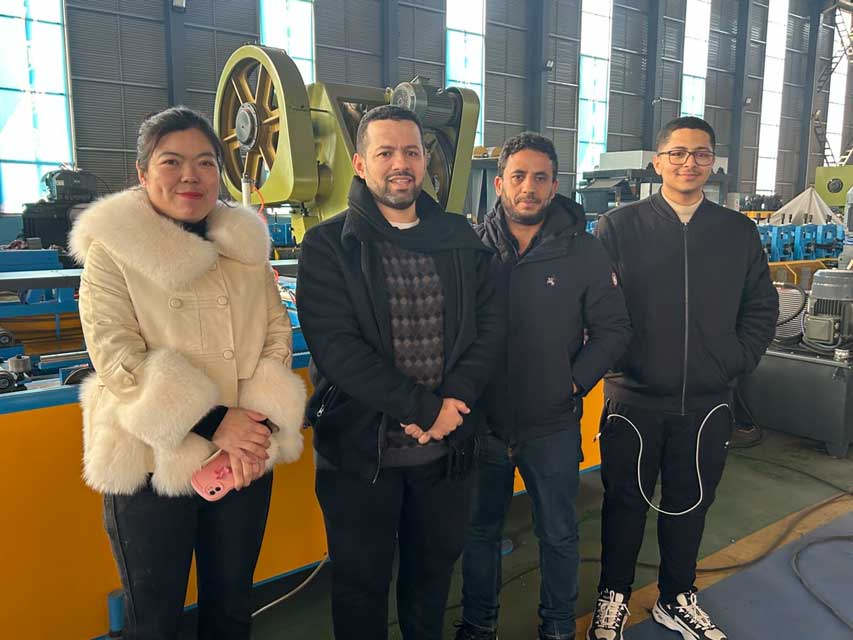
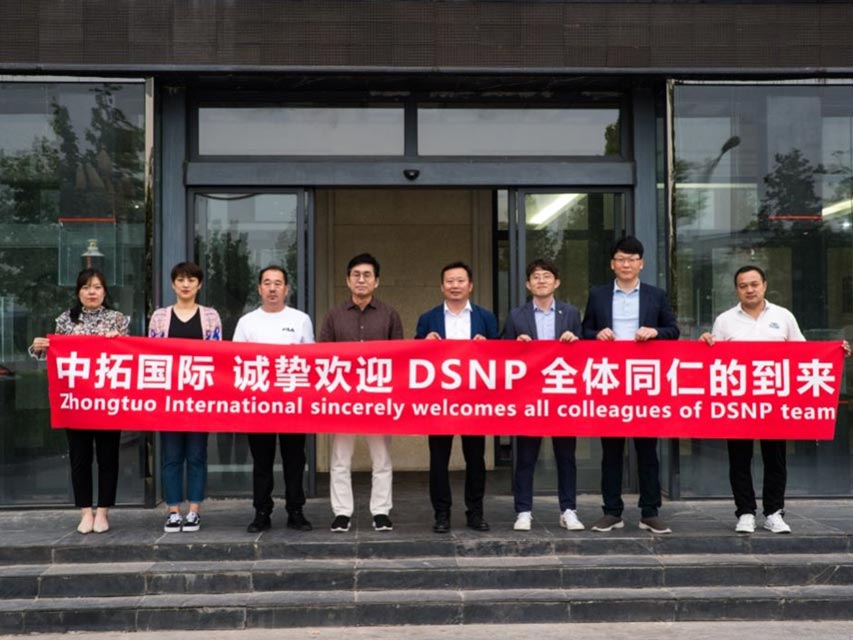
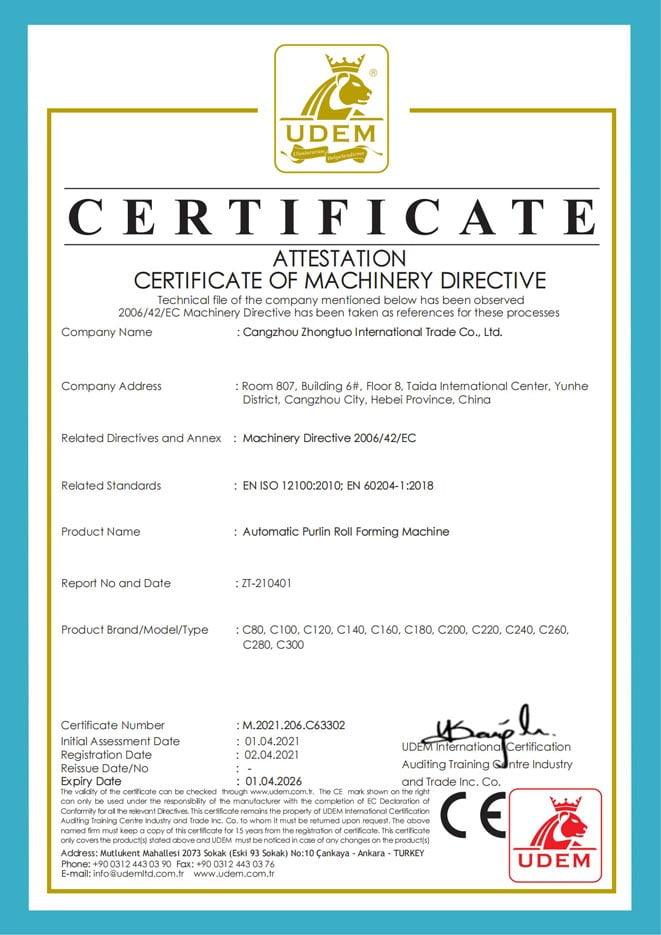
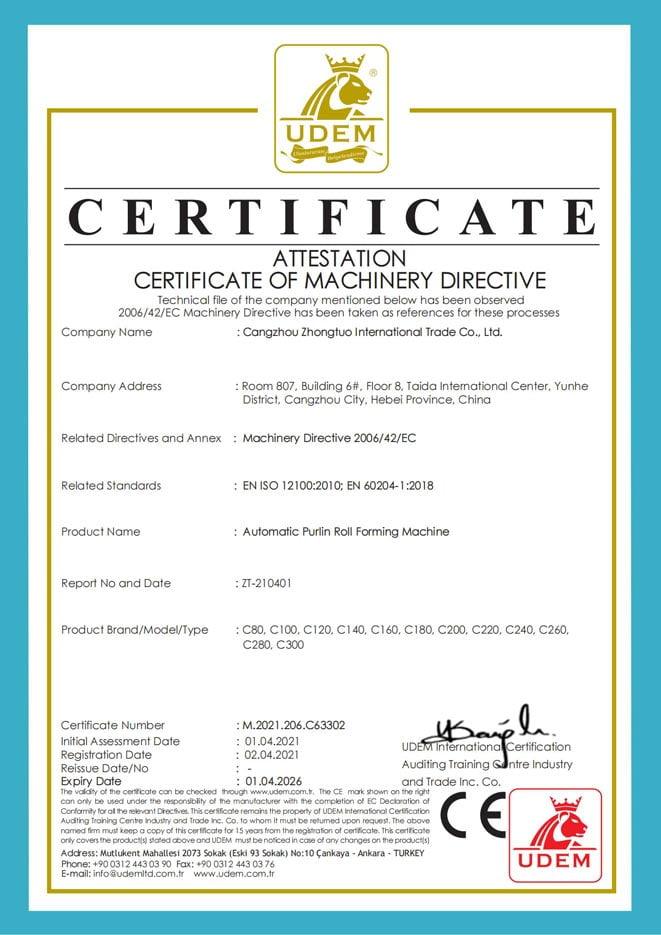
Siamo un'impresa high-tech di livello nazionale. Abbiamo ottenuto la certificazione del sistema di qualità ISO9001, la certificazione di sicurezza europea CE, la certificazione nordamericana CAS e altre. Abbiamo una ricca esperienza nel commercio di esportazione, comprendendo le esigenze dei clienti dei diversi paesi. Nel frattempo possiamo fornire ai clienti soluzioni di design soddisfacenti. Le nostre macchine sono state esportate in più di 150 paesi e abbiamo stabilito relazioni di cooperazione stabili e a lungo termine con i clienti, ottenendo l'apprezzamento dei clienti.
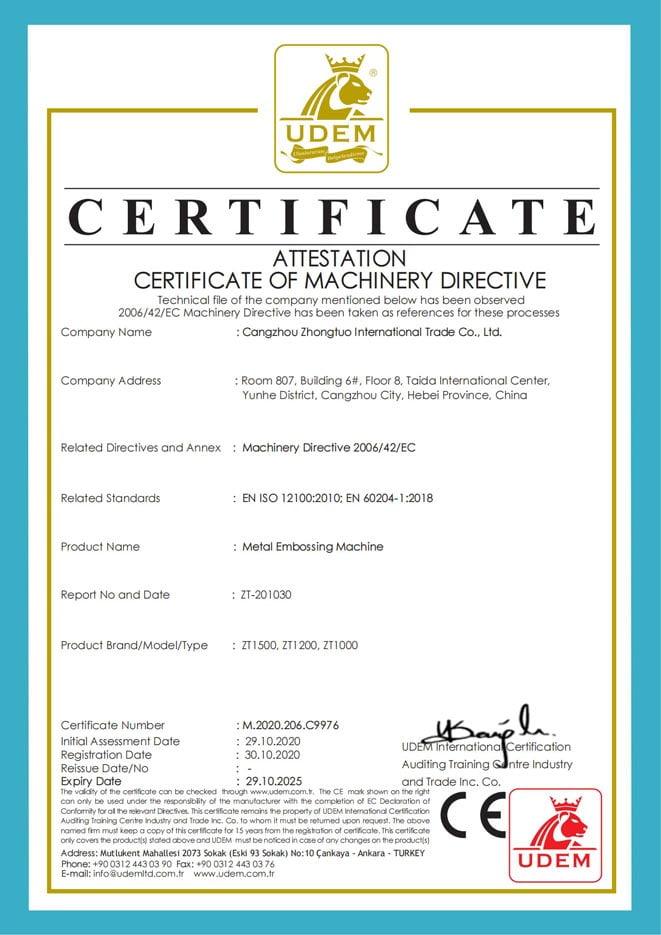
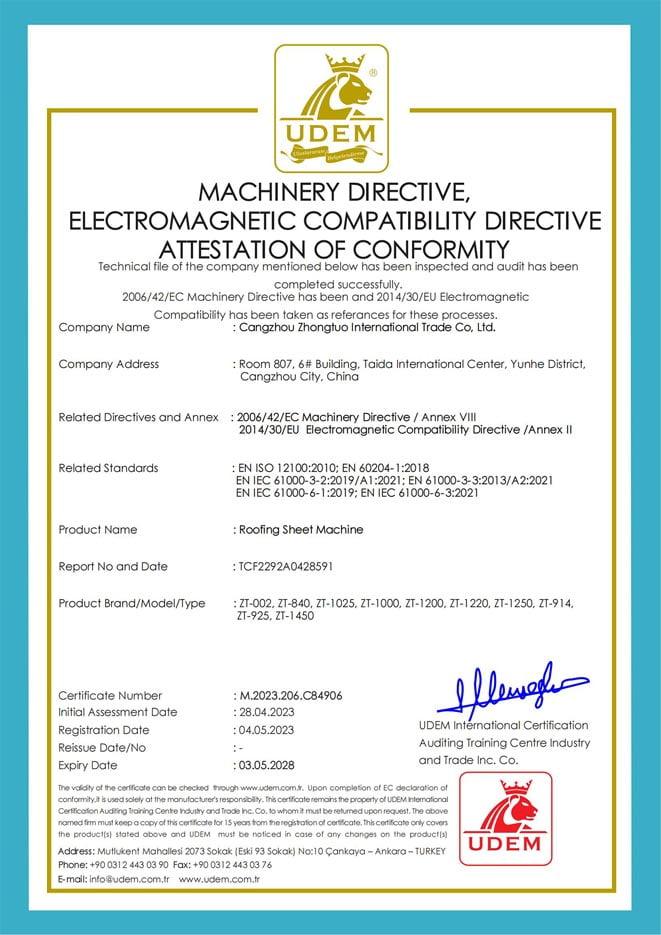
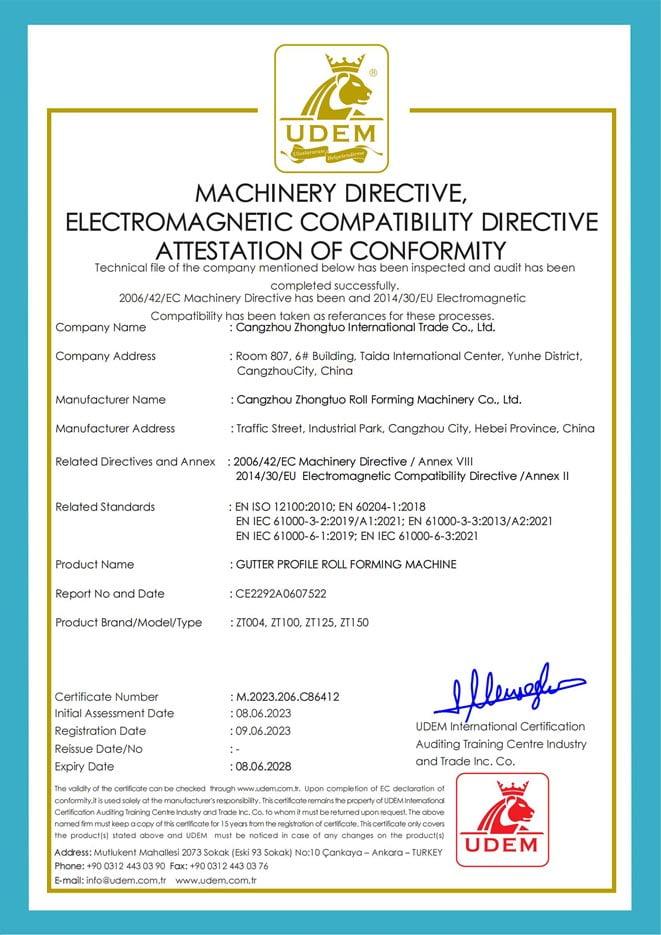
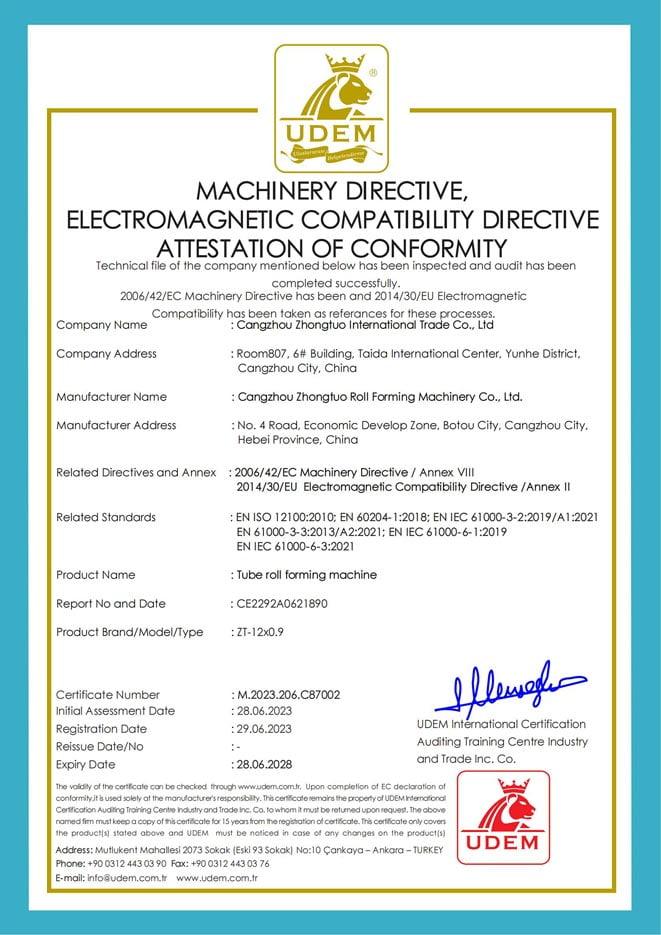
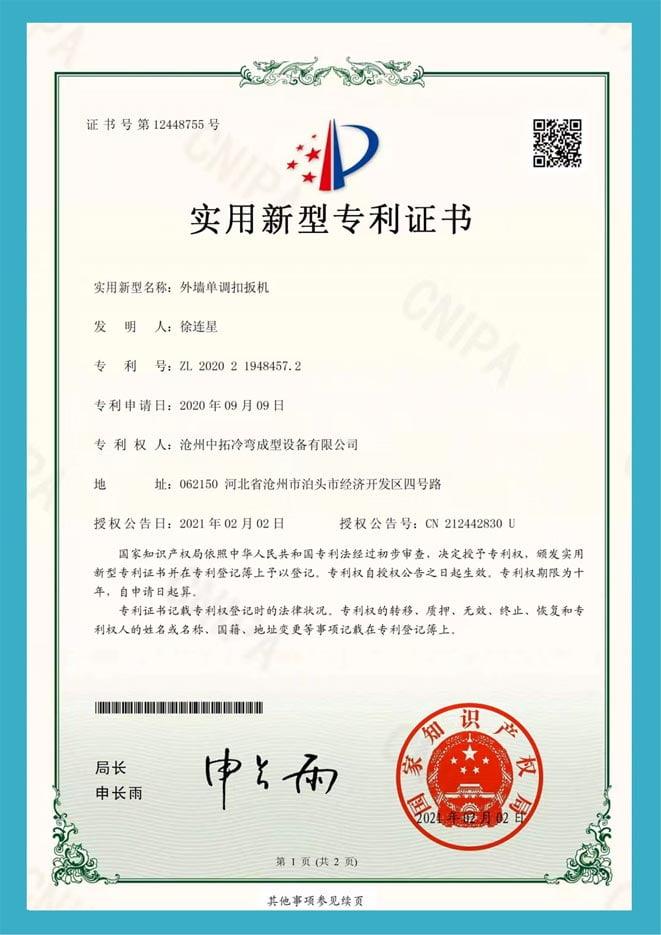
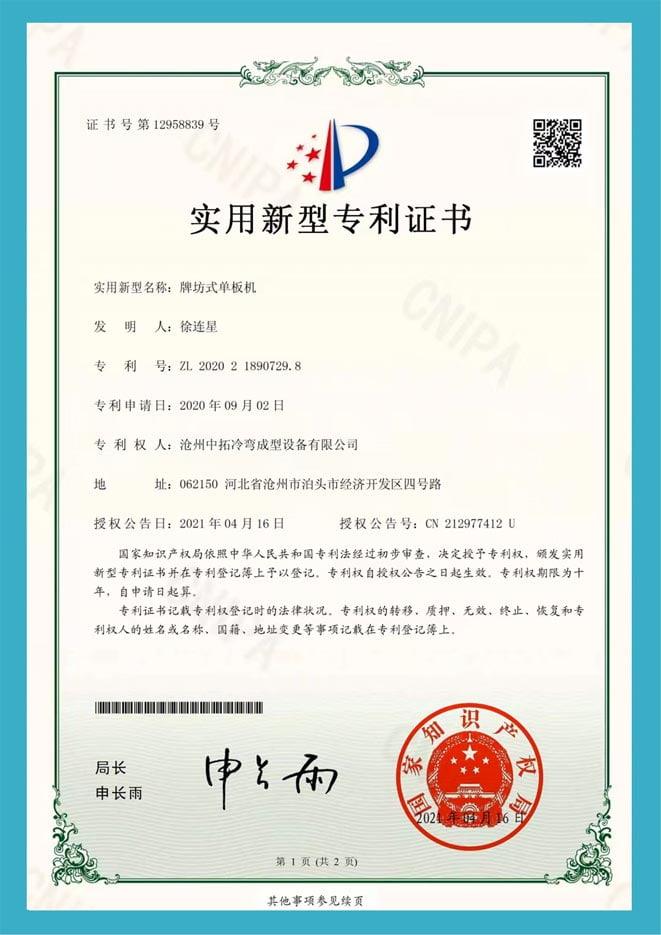
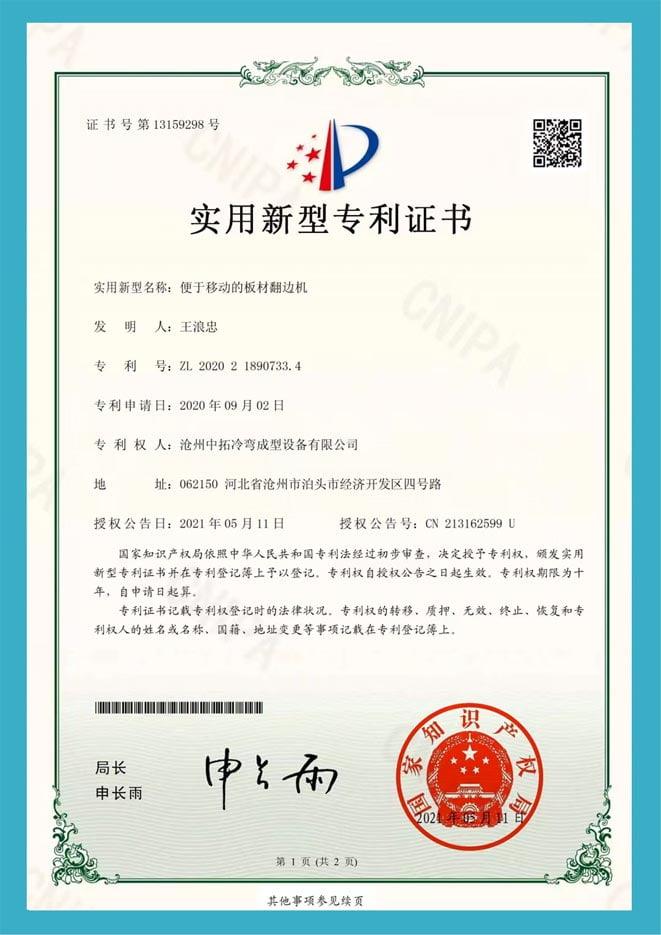
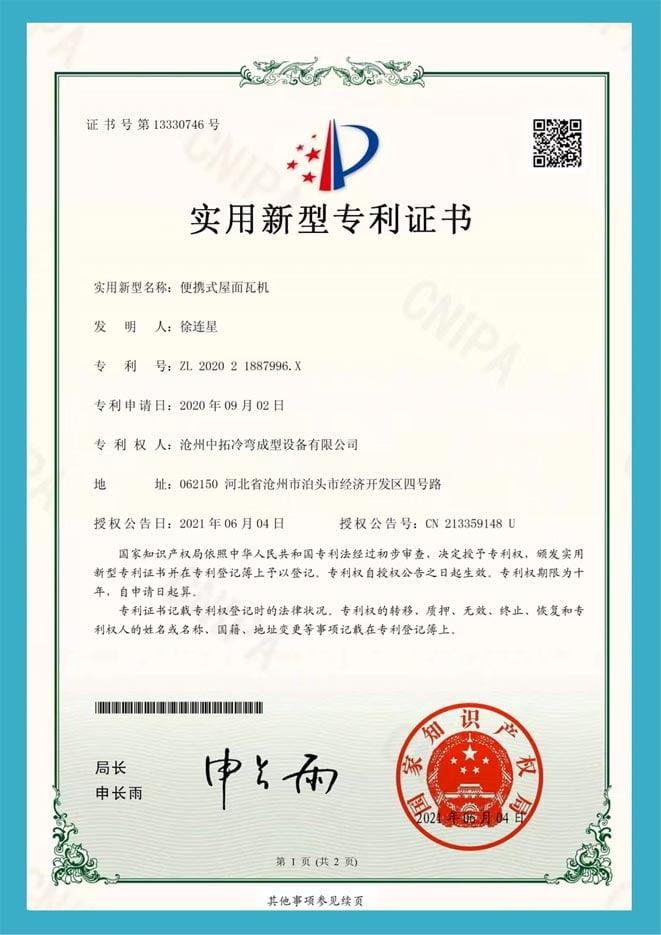
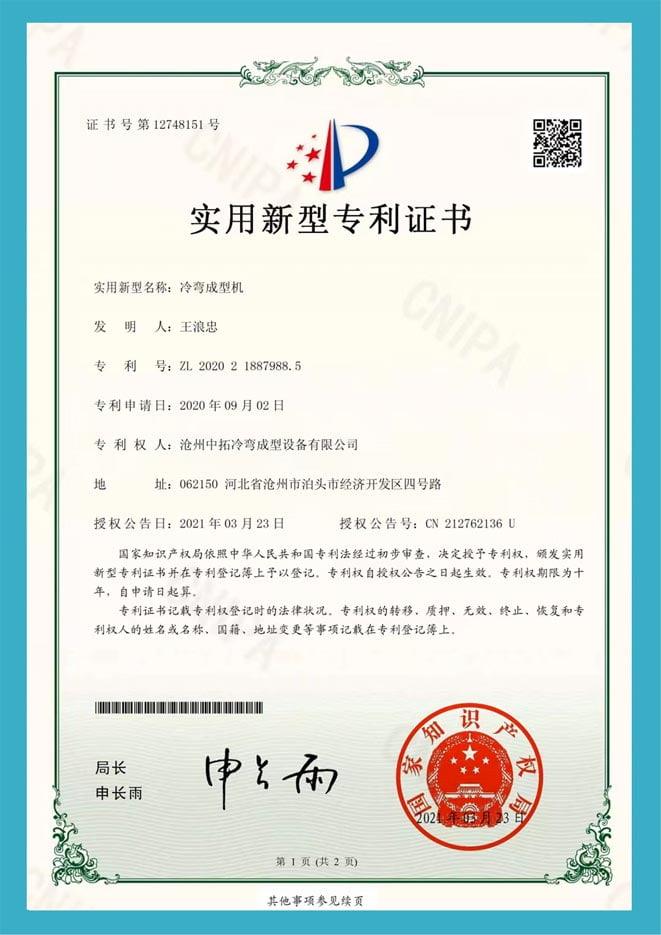

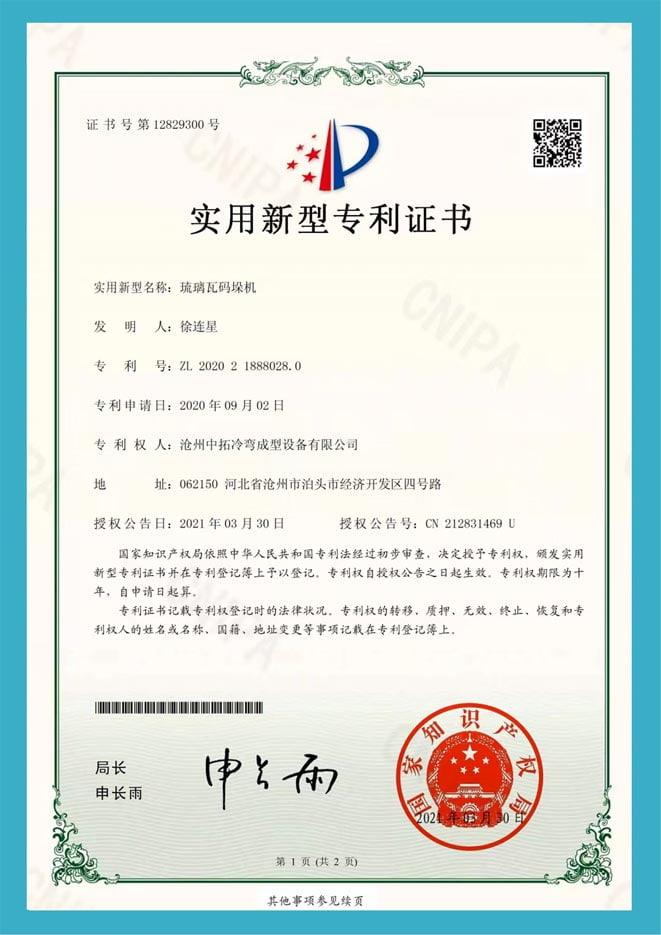
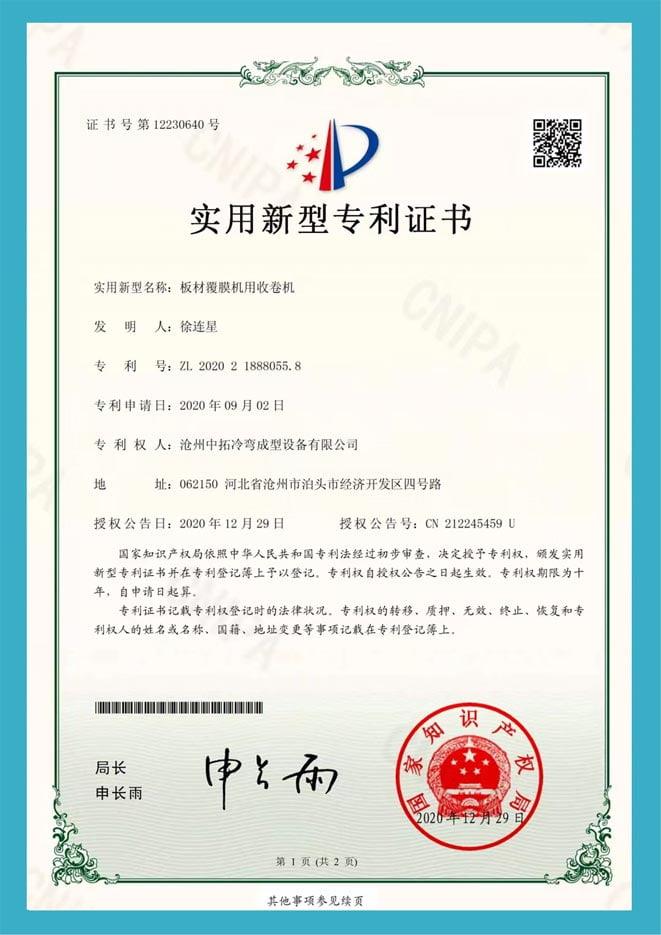

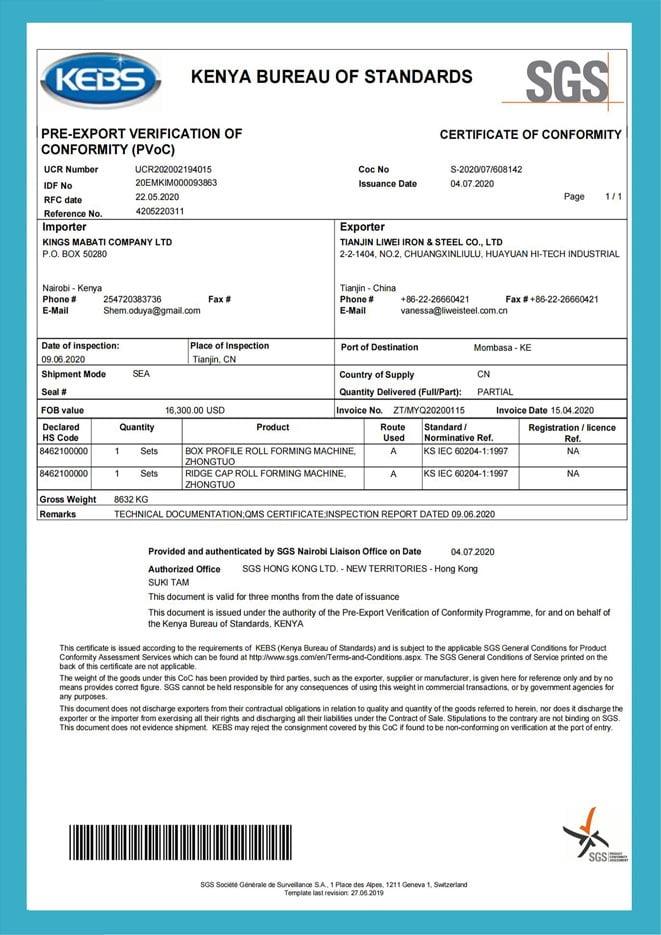
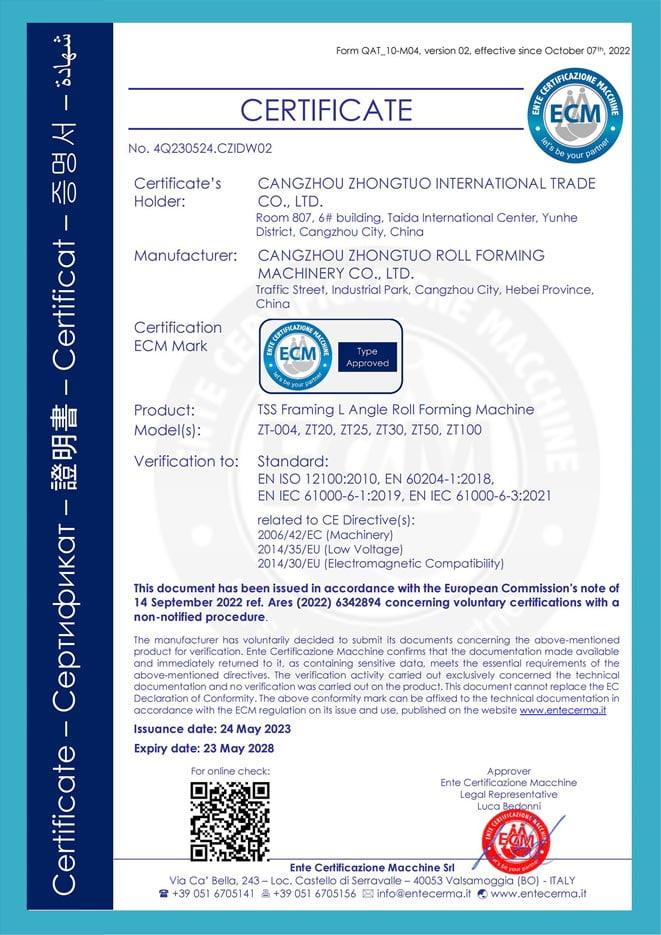
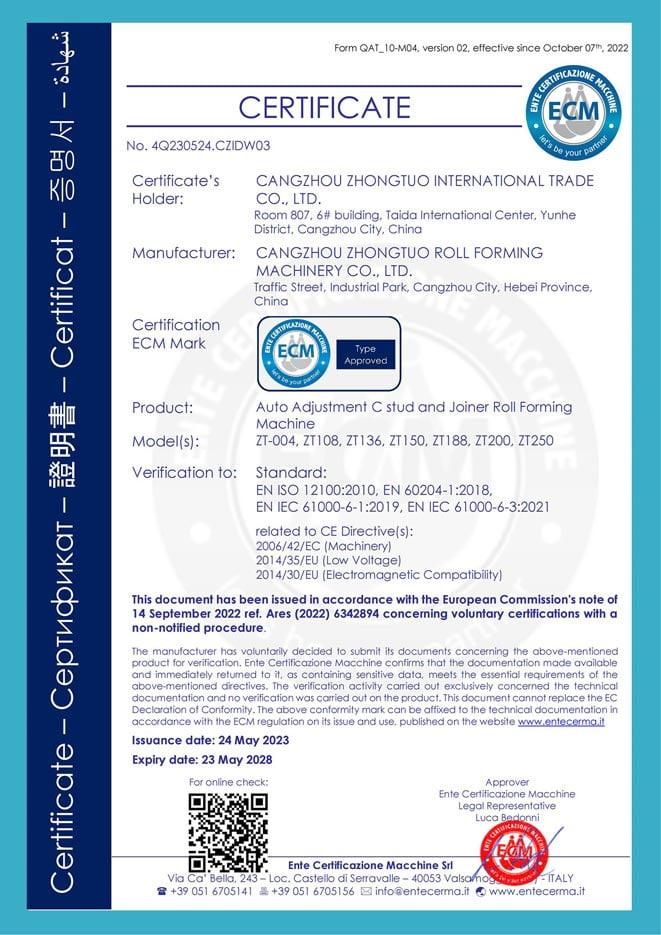
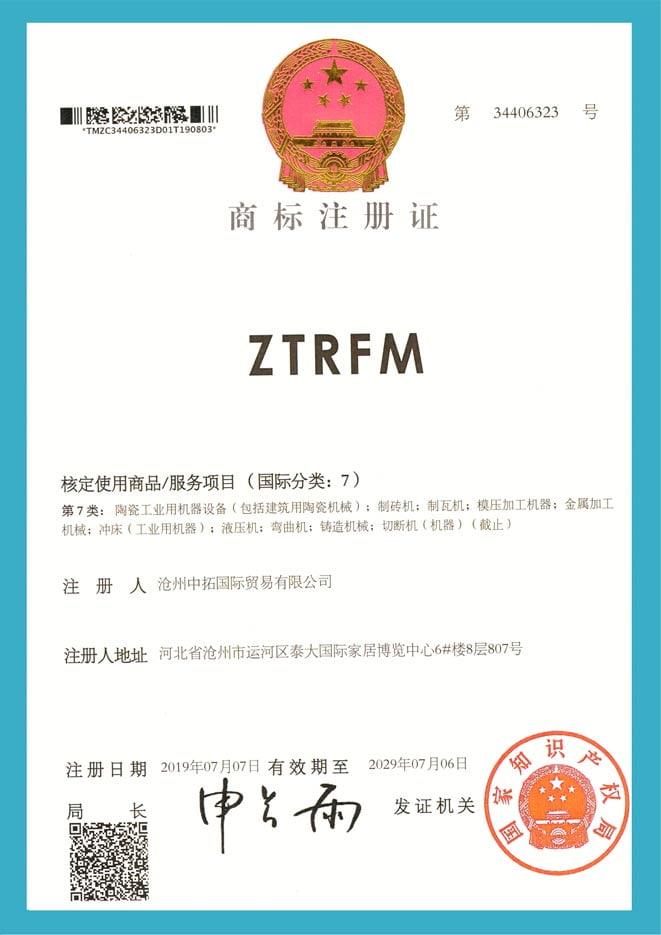
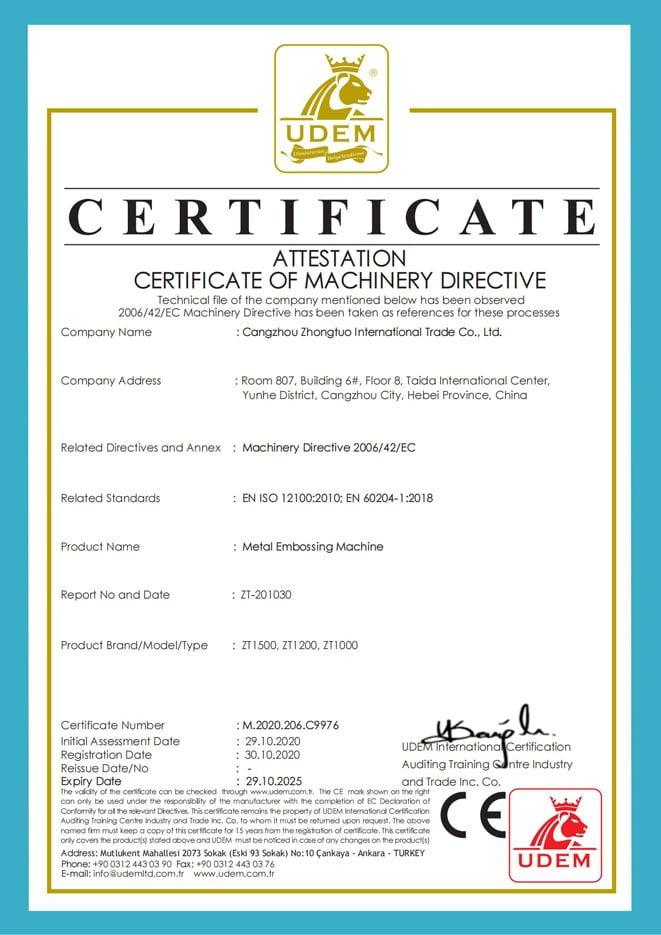
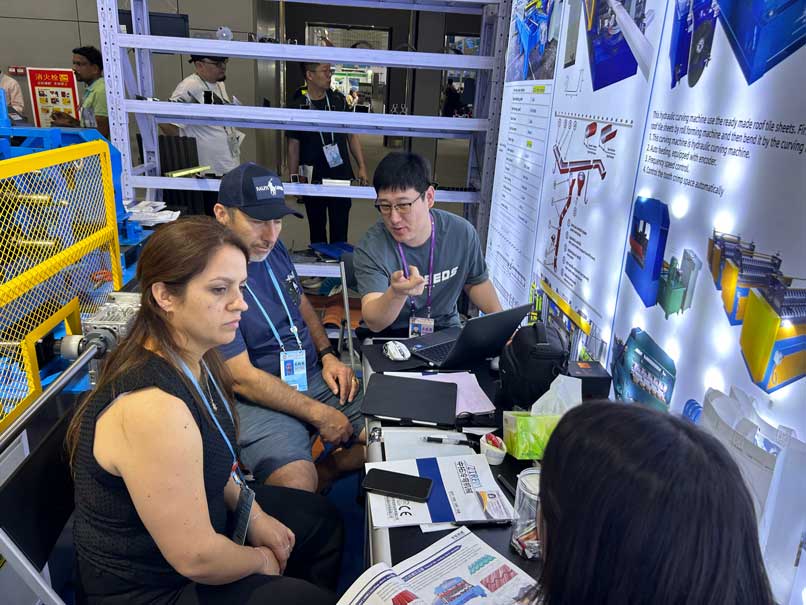
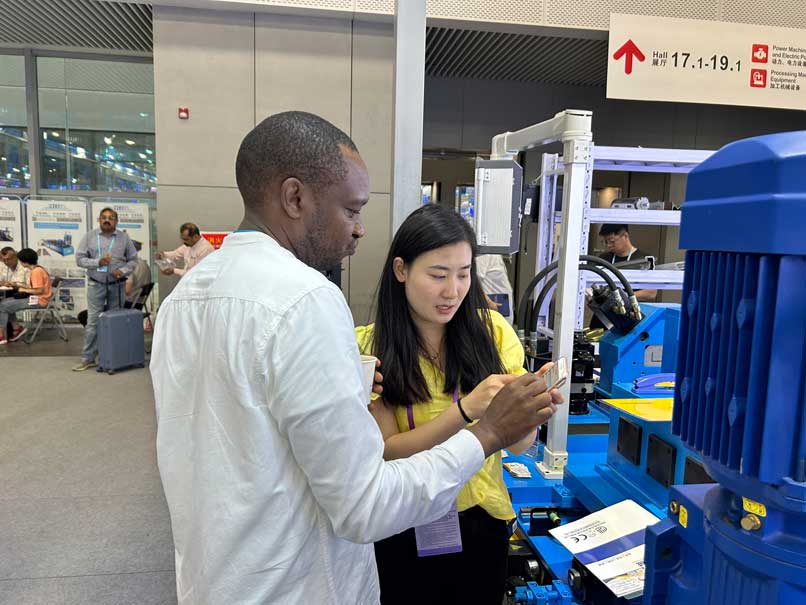
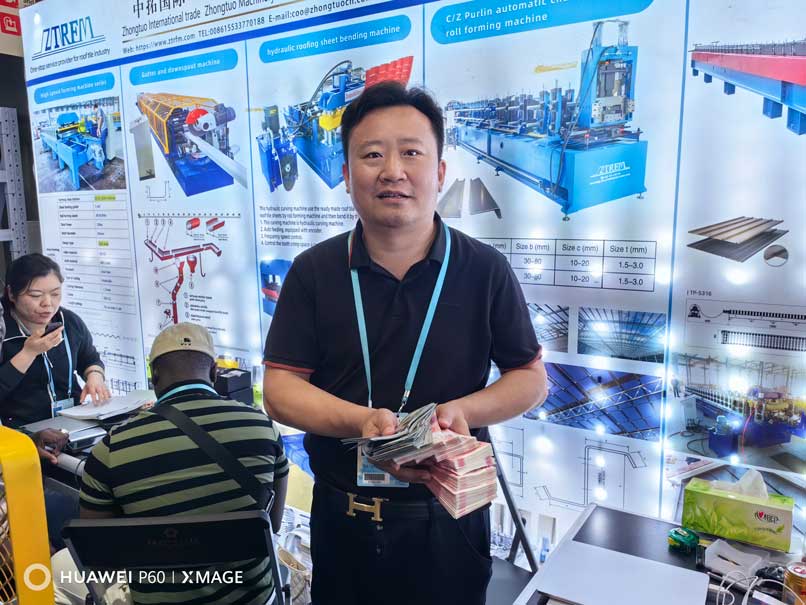
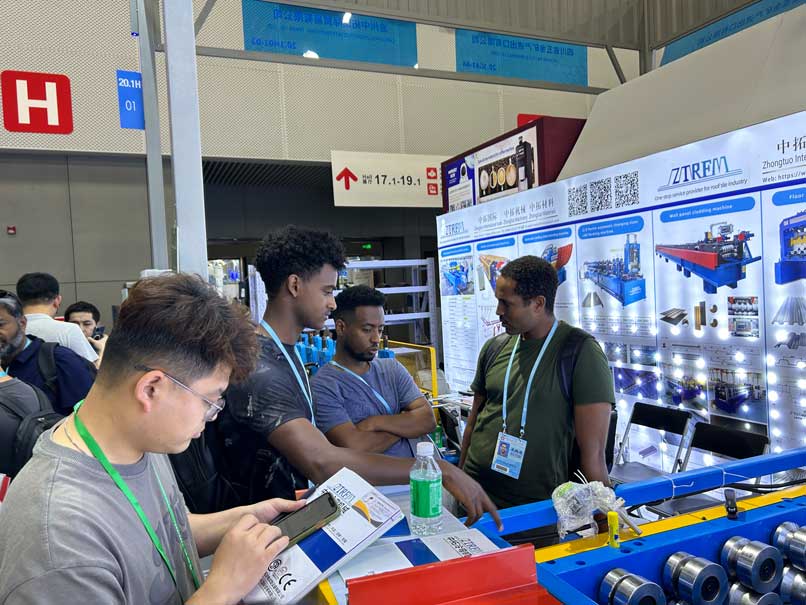
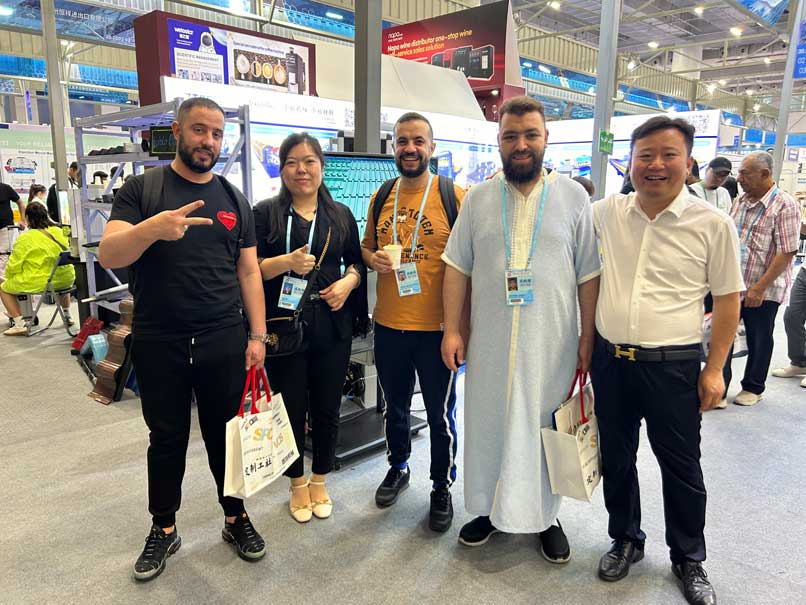
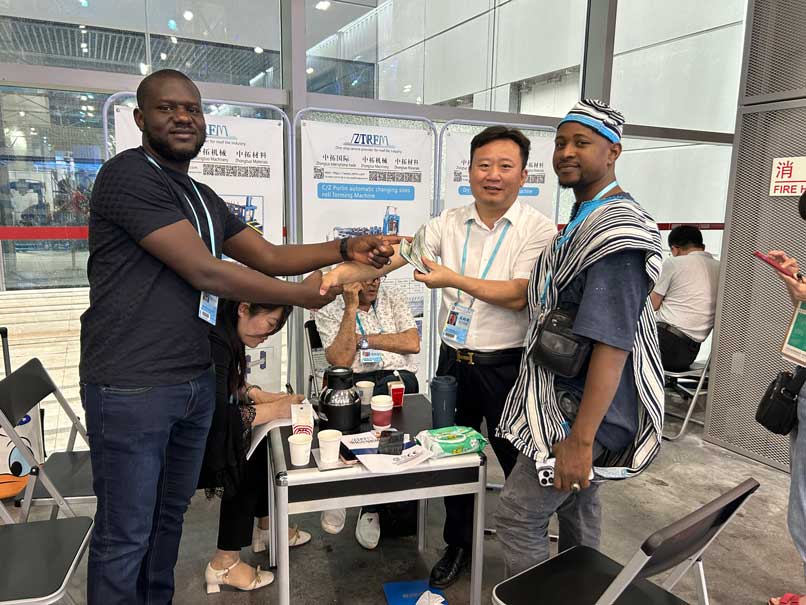
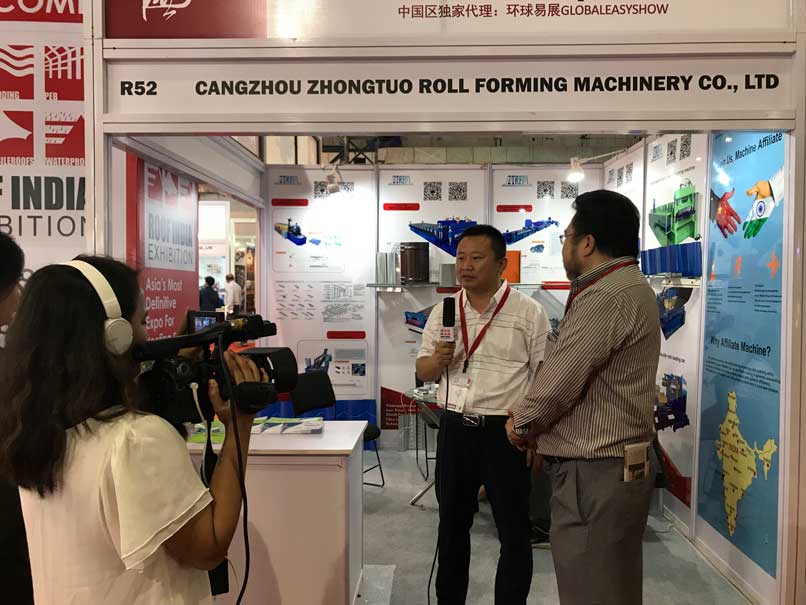
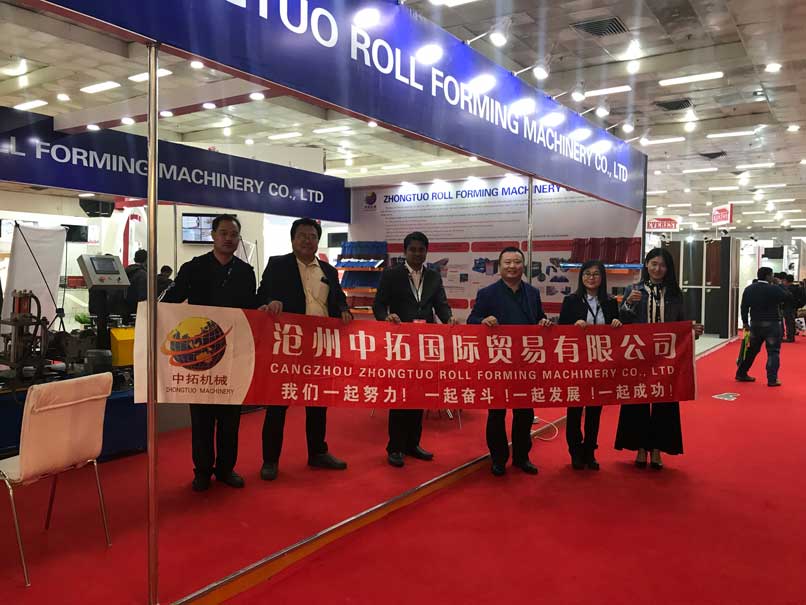
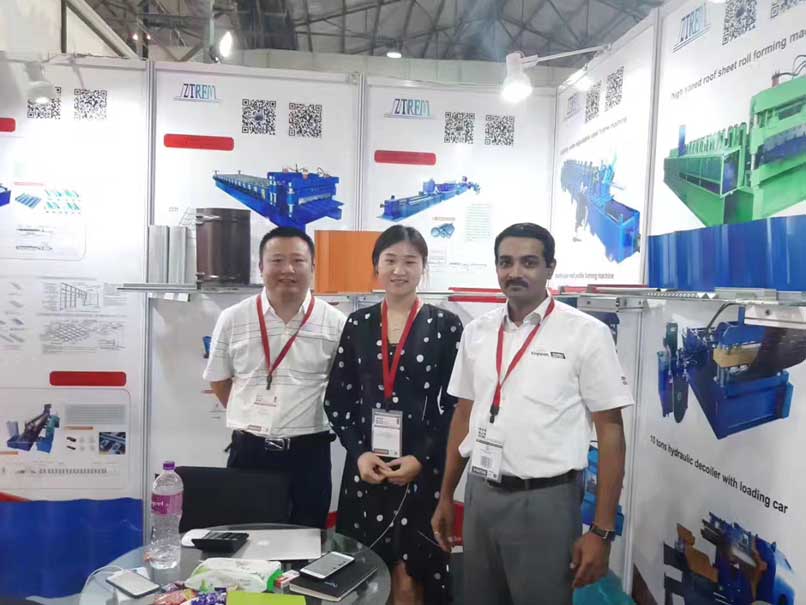
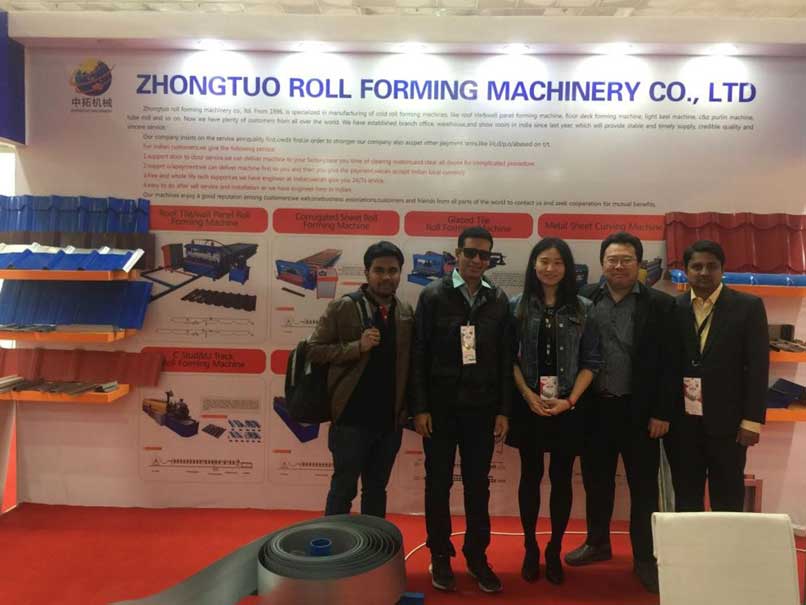
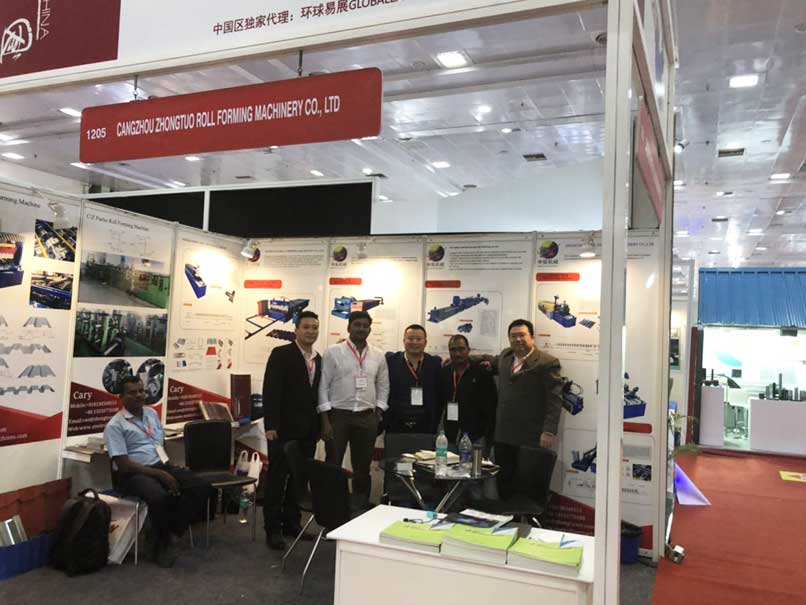
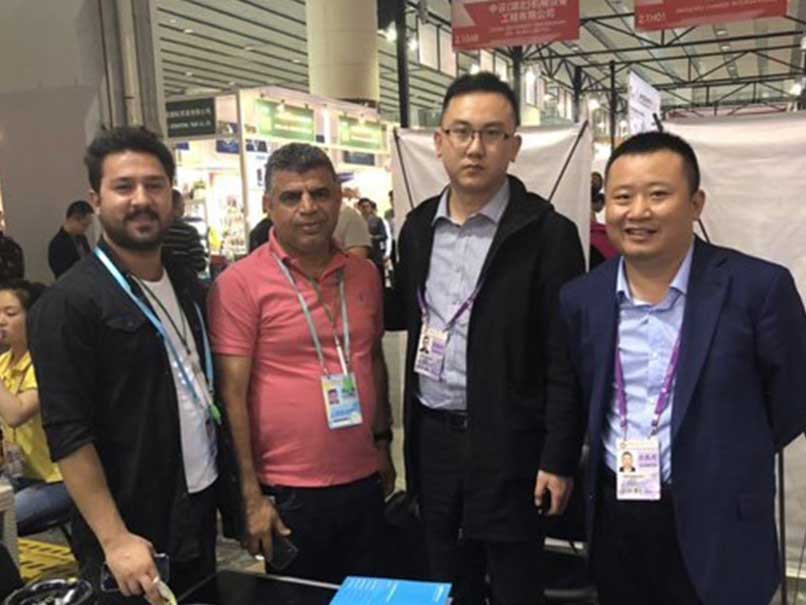
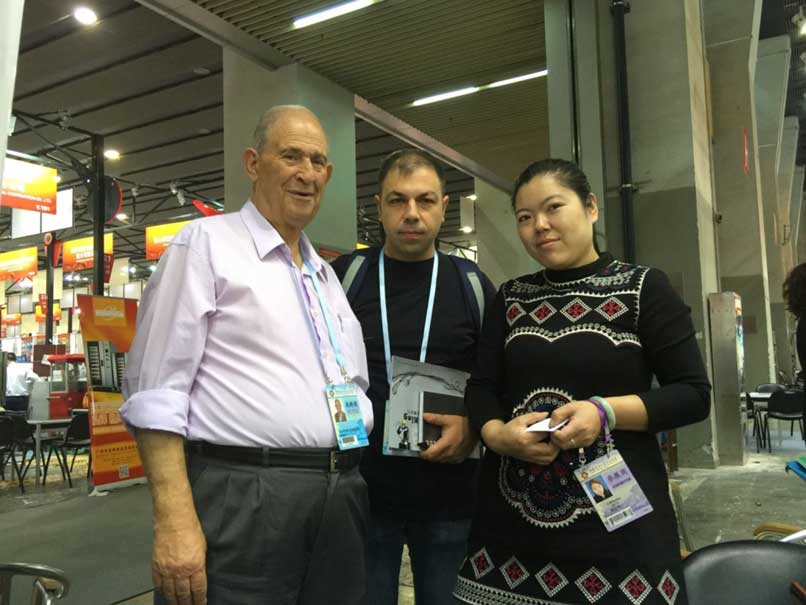
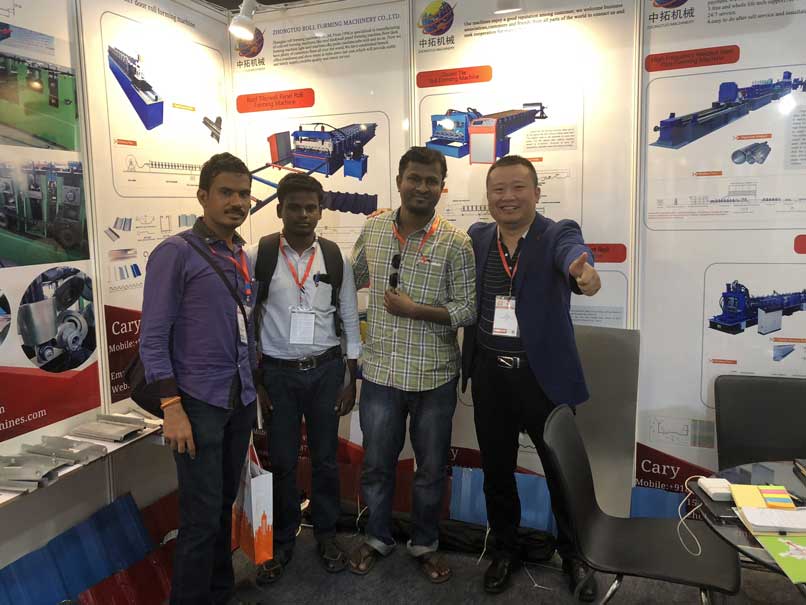
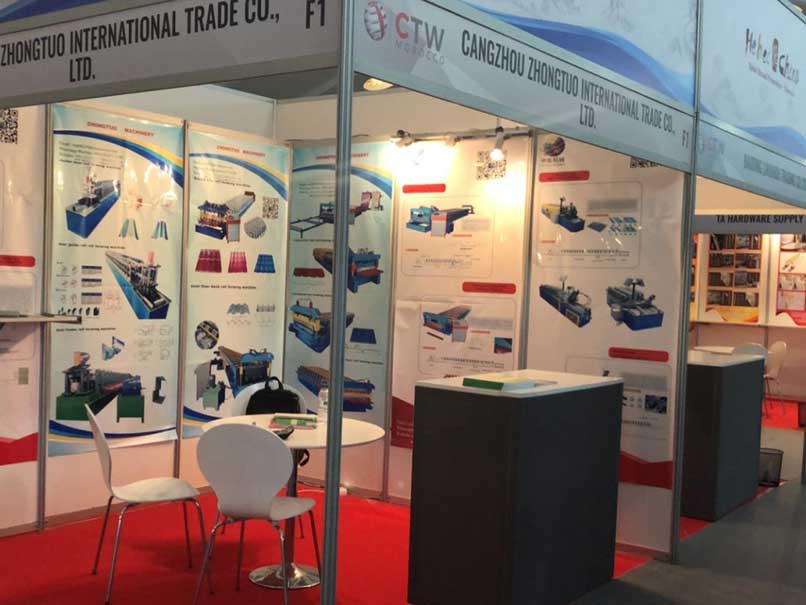
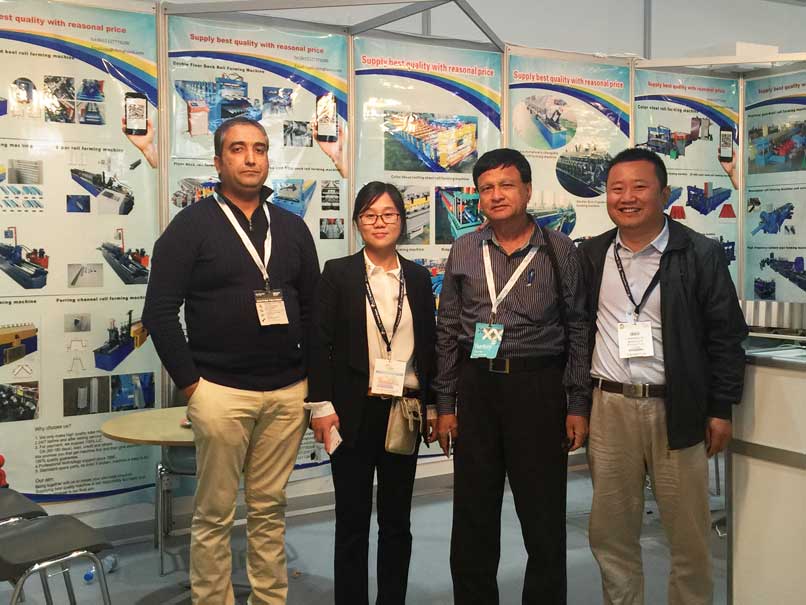
Visita Zhongtuo attraverso il sistema VR a 360°, Cangzhou Zhongtuo è stata fondata nel 2014 e si dedica alla progettazione e alla produzione di diversi tipi di macchine per la formatura di rotoli a freddo. Forniamo ODM, OEM e servizio one-stop. Materie prime, macchinari e accessori possono essere acquistati da noi.
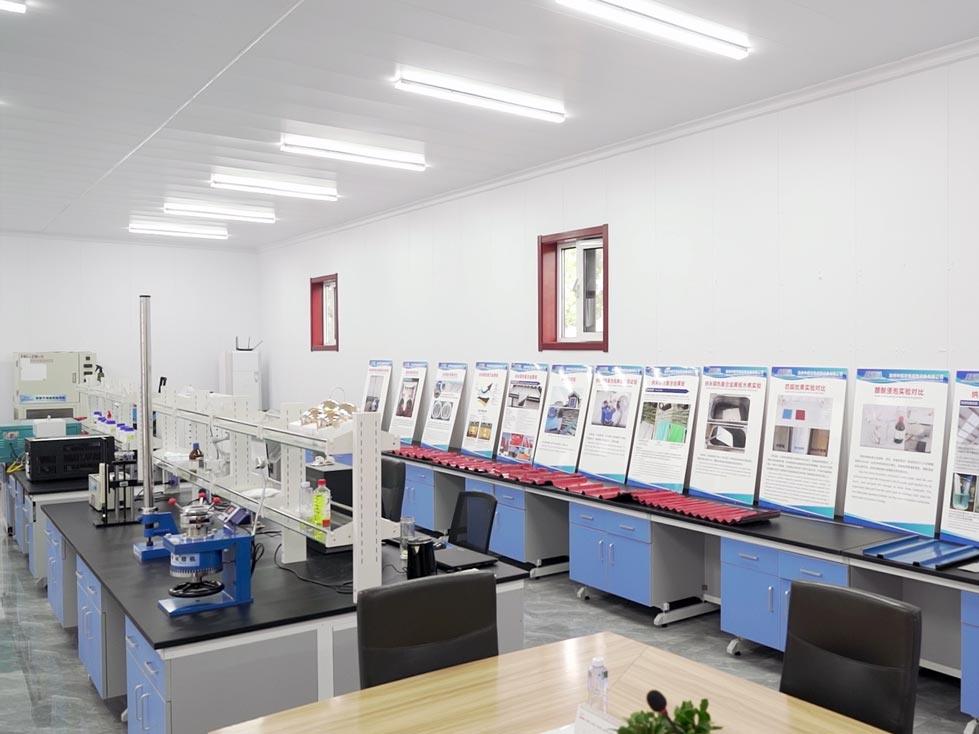
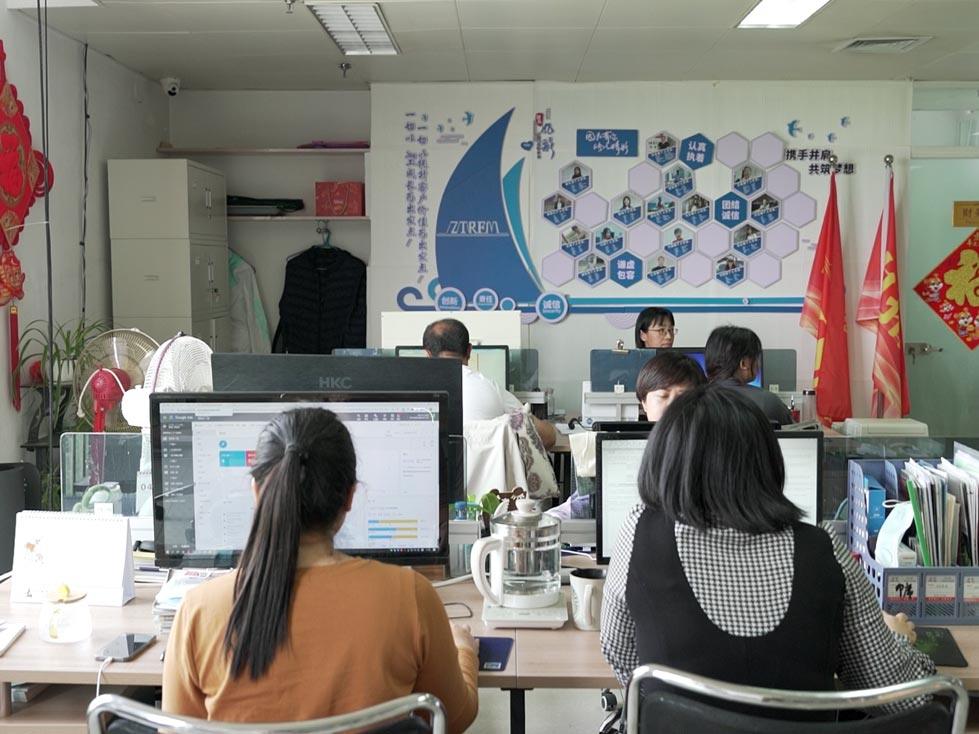
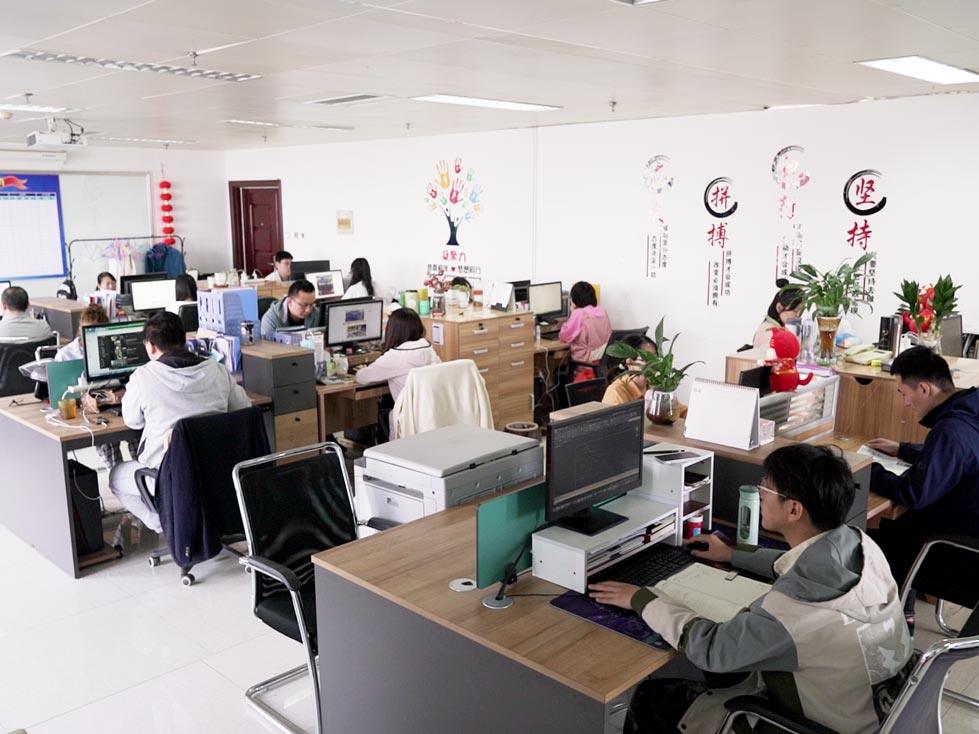
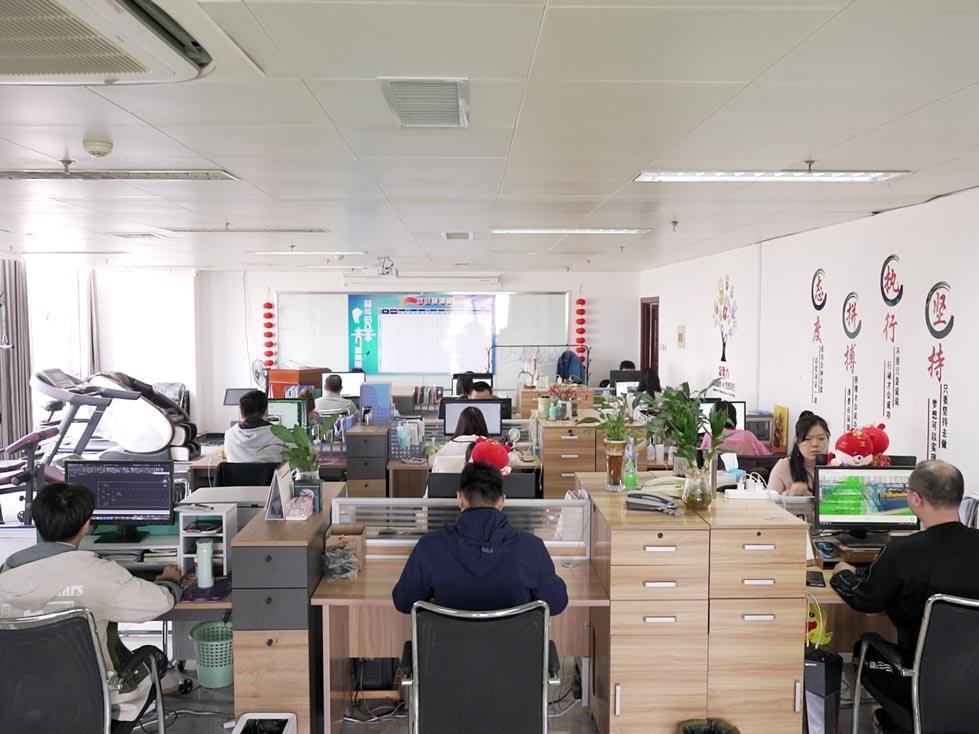
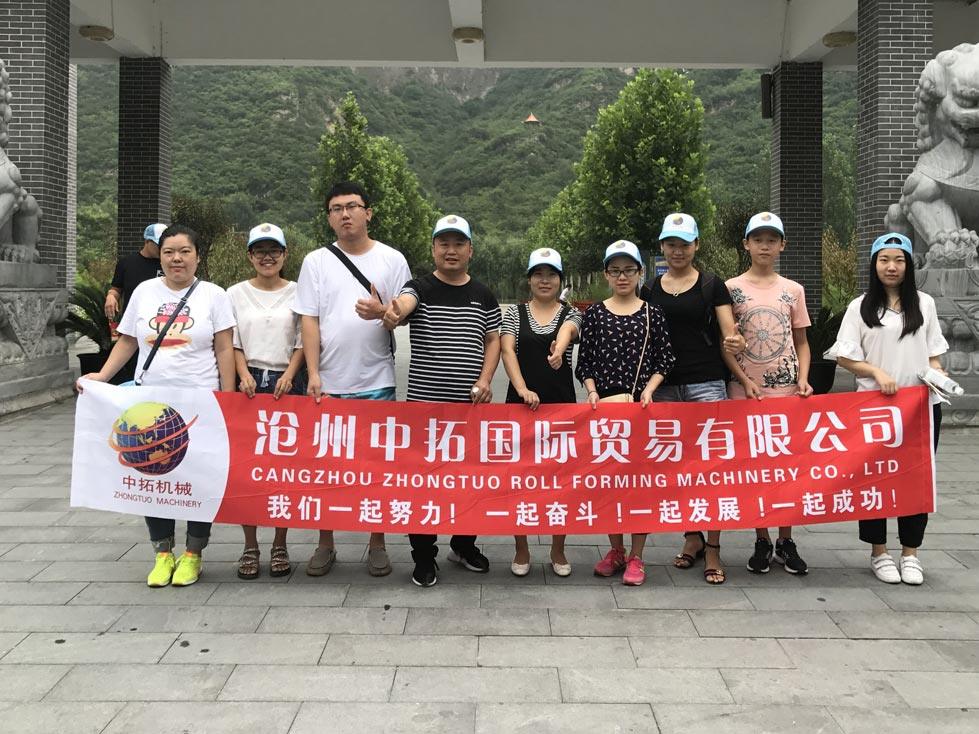
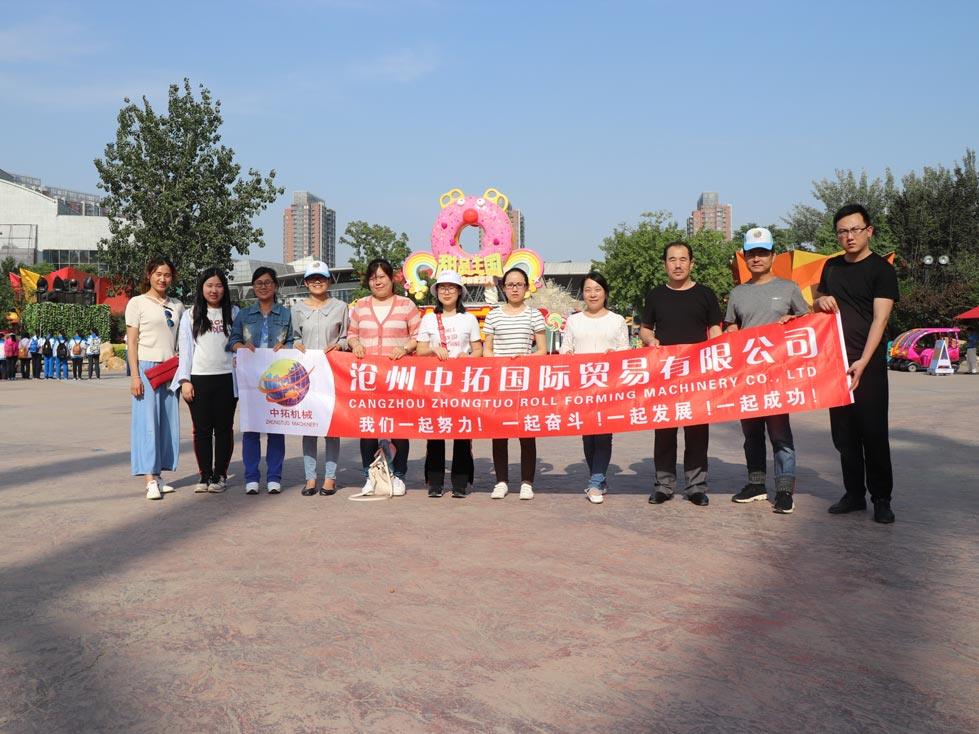
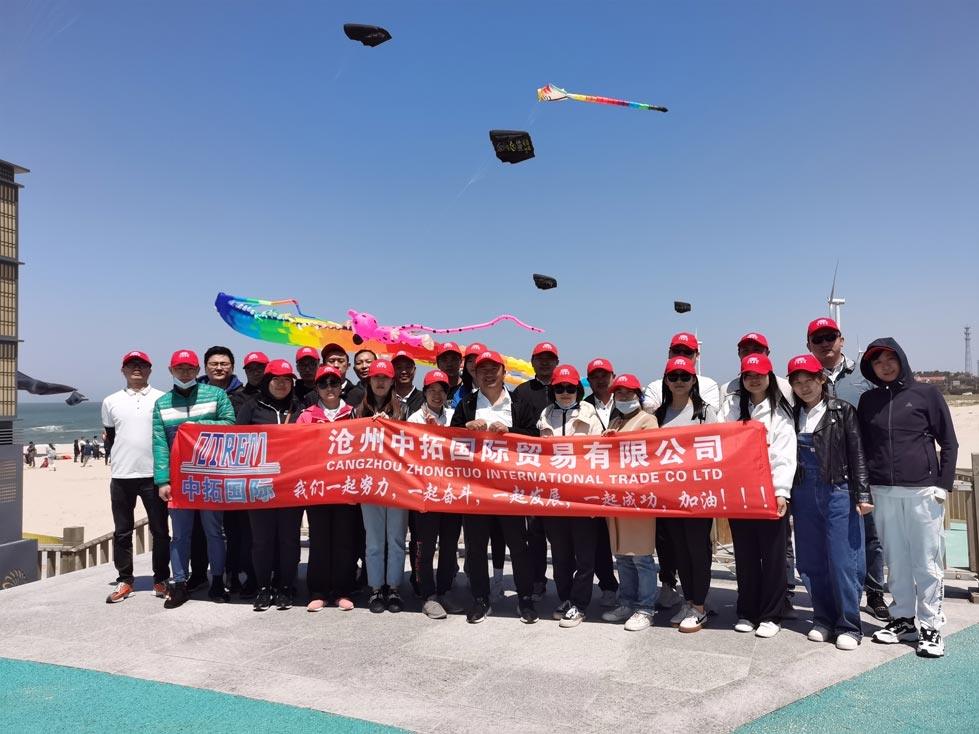
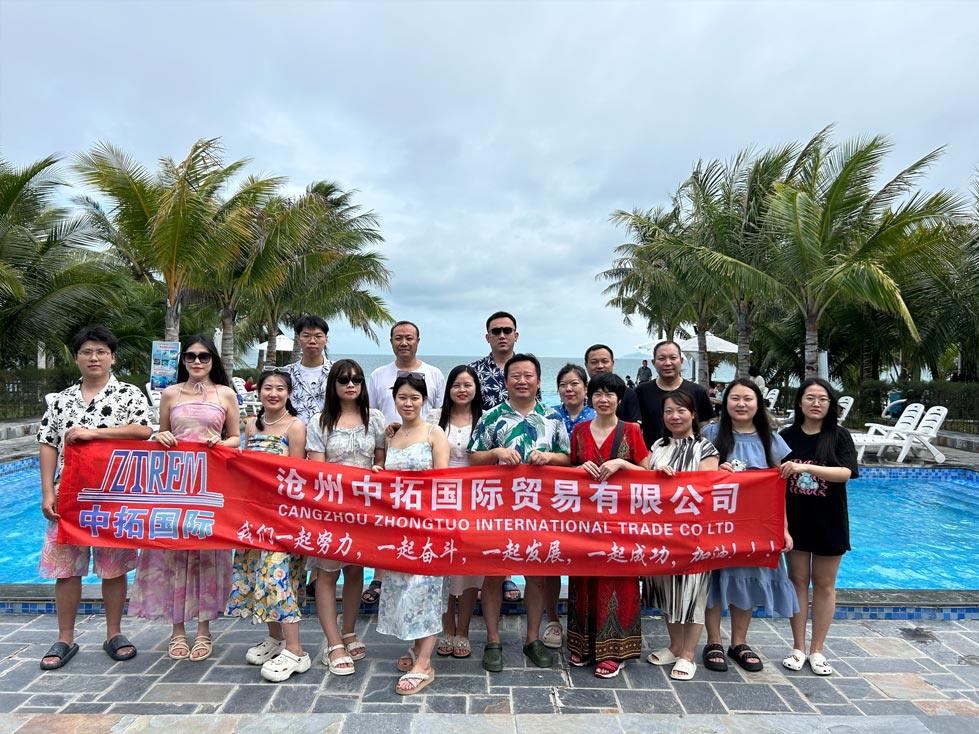
OEM/ODM e servizio di personalizzazione one-stop
Assistenza post-vendita completa
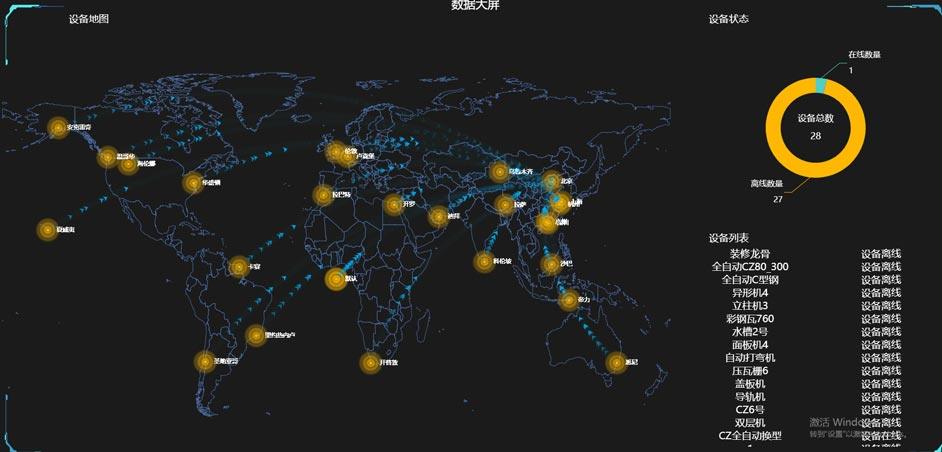
Fornire OEM、ODM
1.comunicazione: confermare i requisiti dell'acquirente.
2.Progettazione tecnica: realizzazione di profili di disegno e disegno di macchine 3D
3.determinare la configurazione e la produzione
4.test prima della consegna
2.Progettazione tecnica: realizzazione di profili di disegno e disegno di macchine 3D
3.determinare la configurazione e la produzione
4.test prima della consegna
5.imballaggio e consegna
6.Guida tecnica
7.Servizio post-vendita: servizi di installazione per macchine complesse e visite periodiche ai clienti.
6.Guida tecnica
7.Servizio post-vendita: servizi di installazione per macchine complesse e visite periodiche ai clienti.
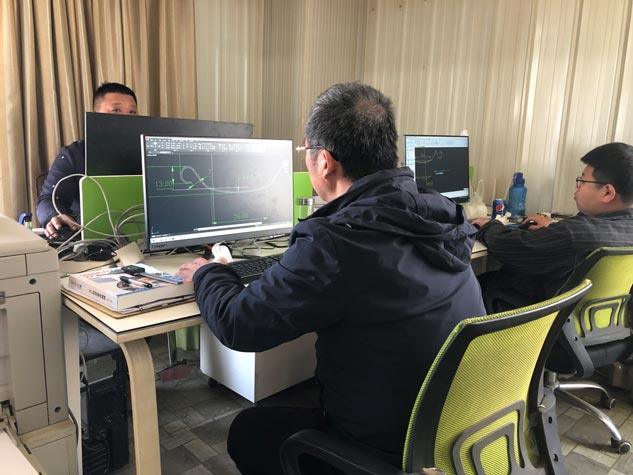
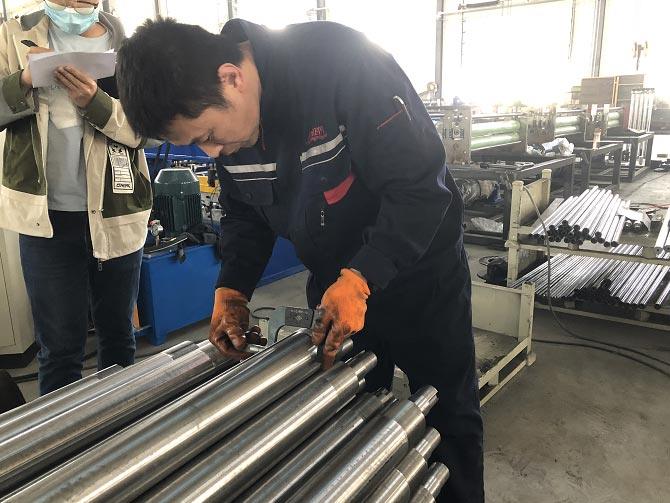
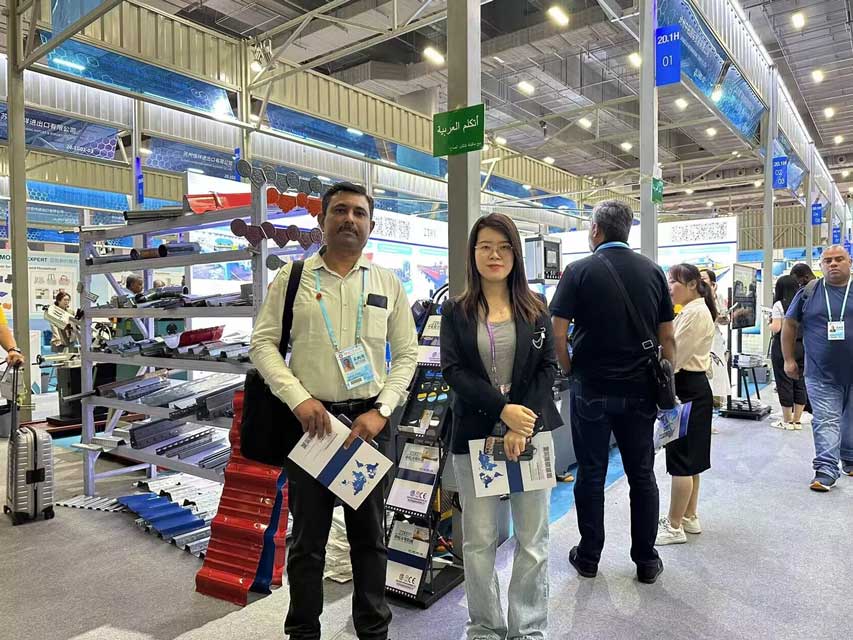
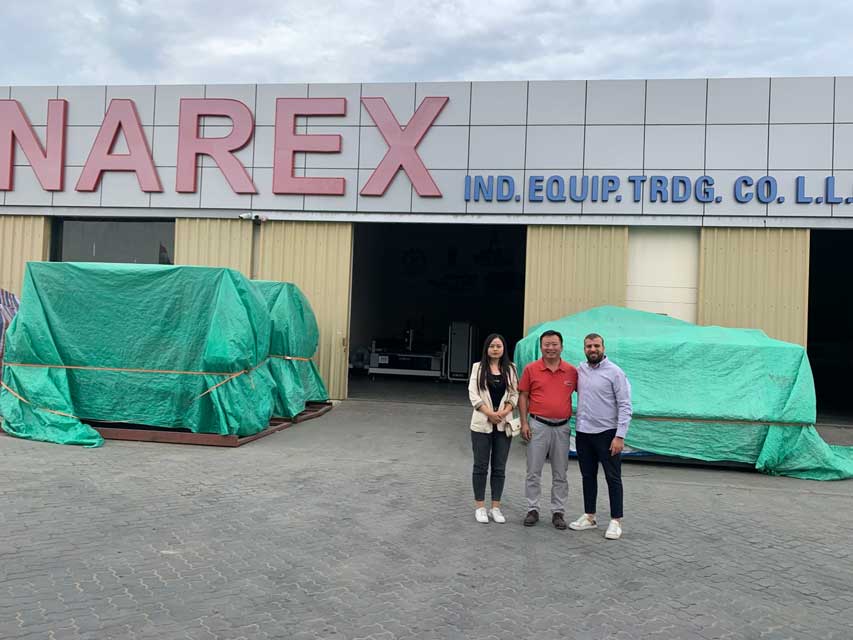
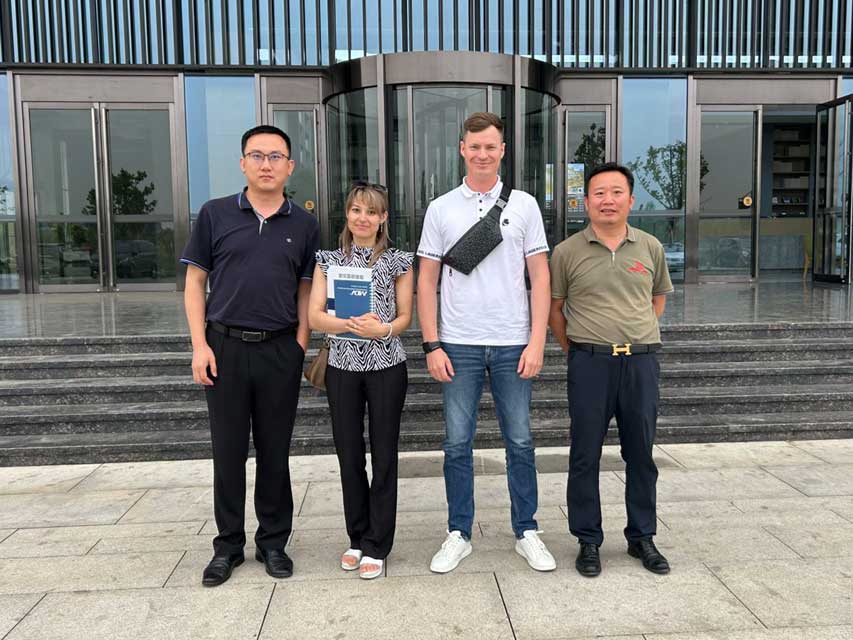
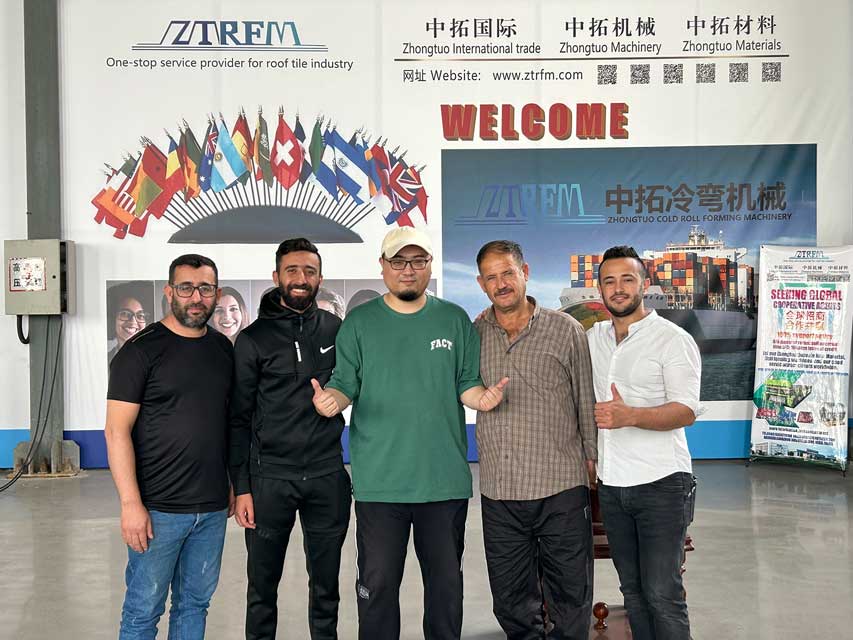
Affidato da oltre 95800 aziende
Siamo onorati di collaborare ampiamente con molti
imprese di alta qualità. Grazie alla collaborazione con noi, hanno ricevuto
forte sostegno e ha ottenuto progressi e sviluppi commerciali.
imprese di alta qualità. Grazie alla collaborazione con noi, hanno ricevuto
forte sostegno e ha ottenuto progressi e sviluppi commerciali.
0
Approvato ISO9001 e CE
Possediamo il nostro ztrfm a marchio proprio, un team di progettazione professionale e tecnici.
0
Paesi Clienti
Prodotti popolari tra gli utenti e molto apprezzati.
0
Soluzioni One-Stop
dagli accessori alle macchine di stampaggio, risolvendo la complessità dei vostri acquisti.
0
Team di ingegneri
Abbiamo un forte team di ingegneri di più di 20 persone, daremo una soluzione più accurata e veloce.