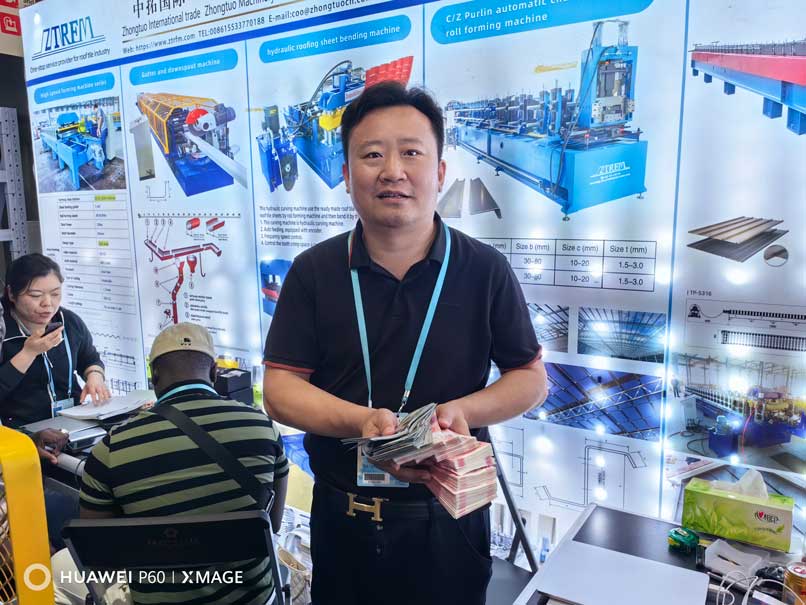
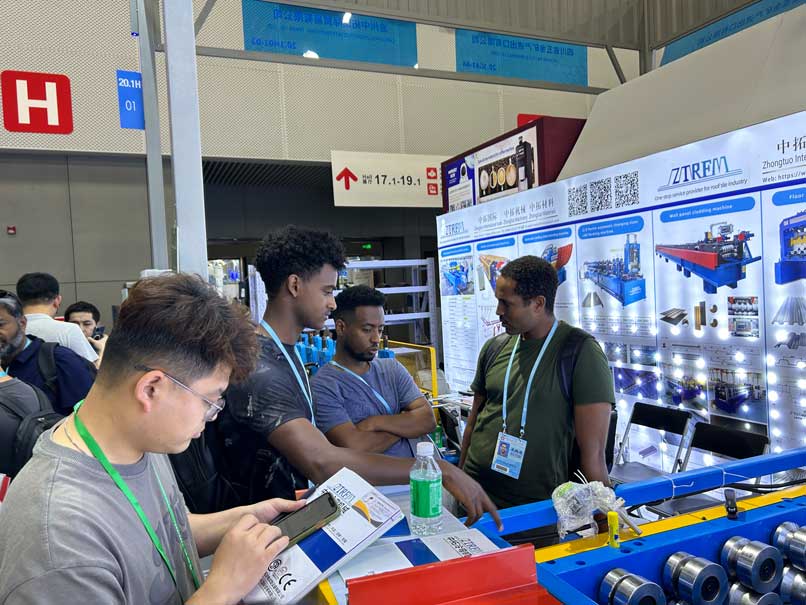
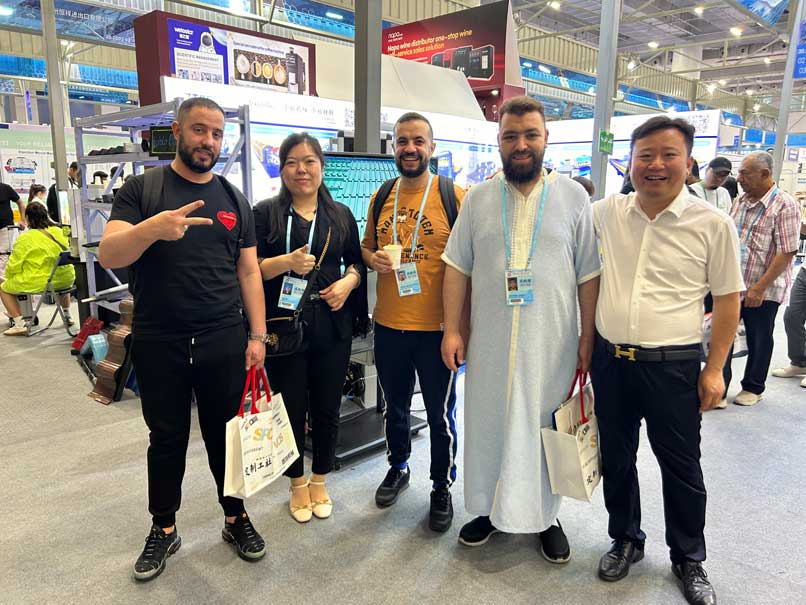
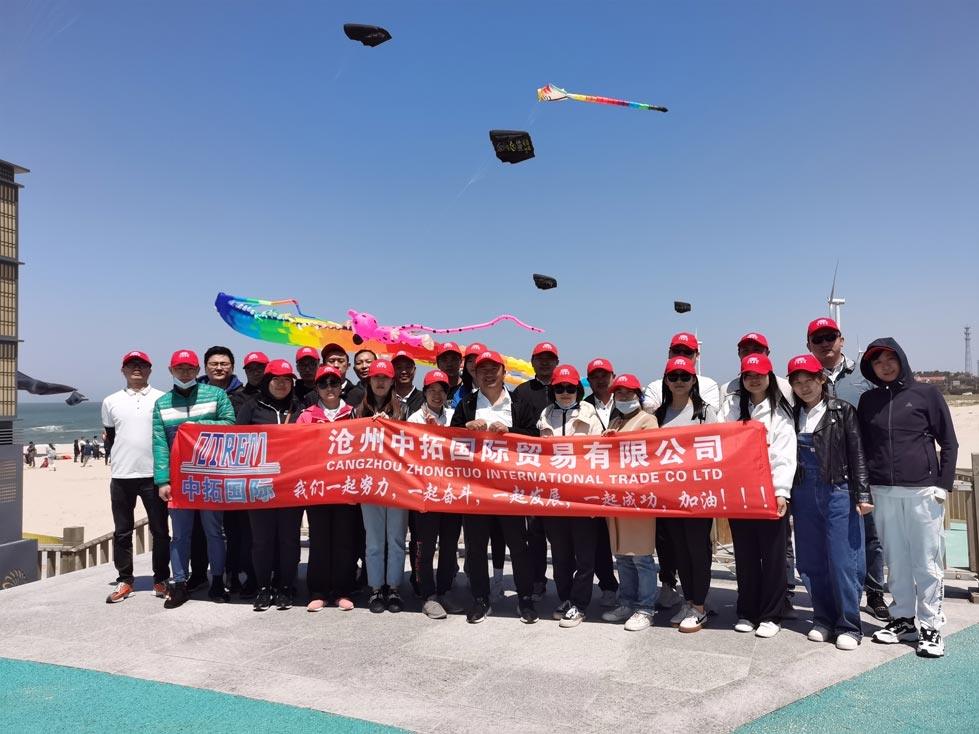
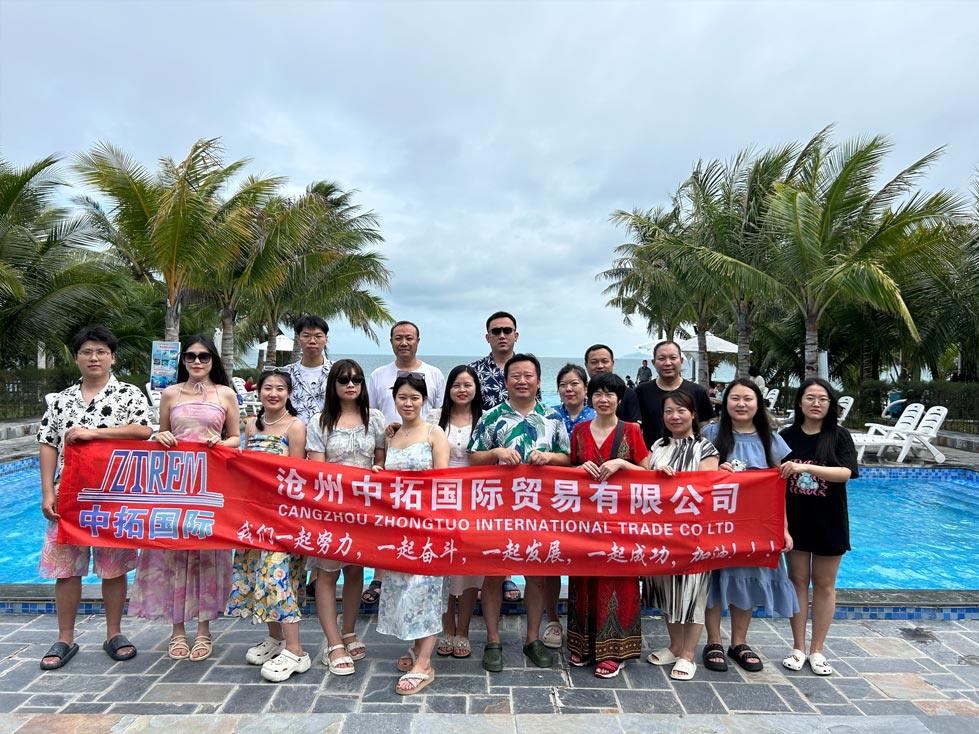
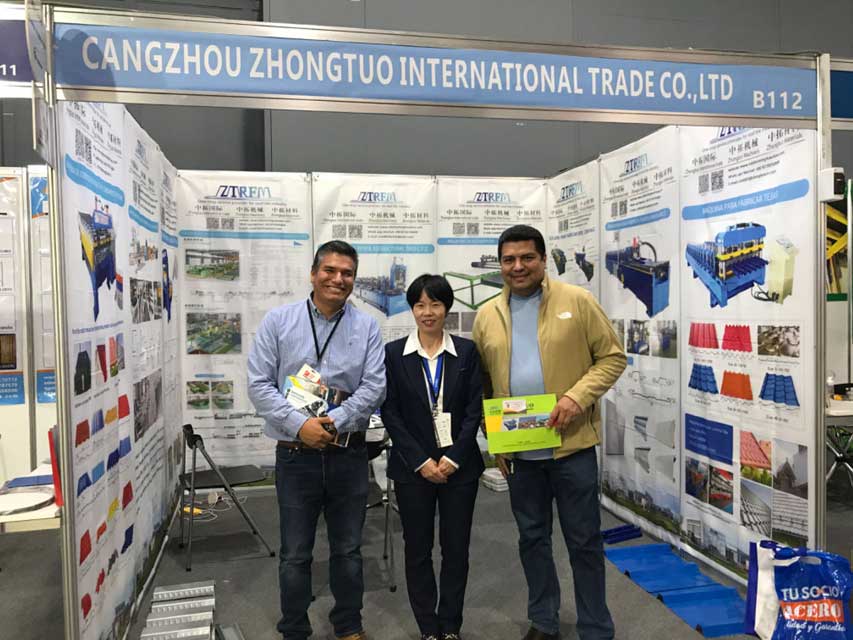
Plus de 24 ans d'expérience et de connaissance des normes internationales, Changements technologiques et systèmes industriels, nous nous consacrons à Fournit à Seds les meilleures solutions économiques à ses clients les plus précieux.
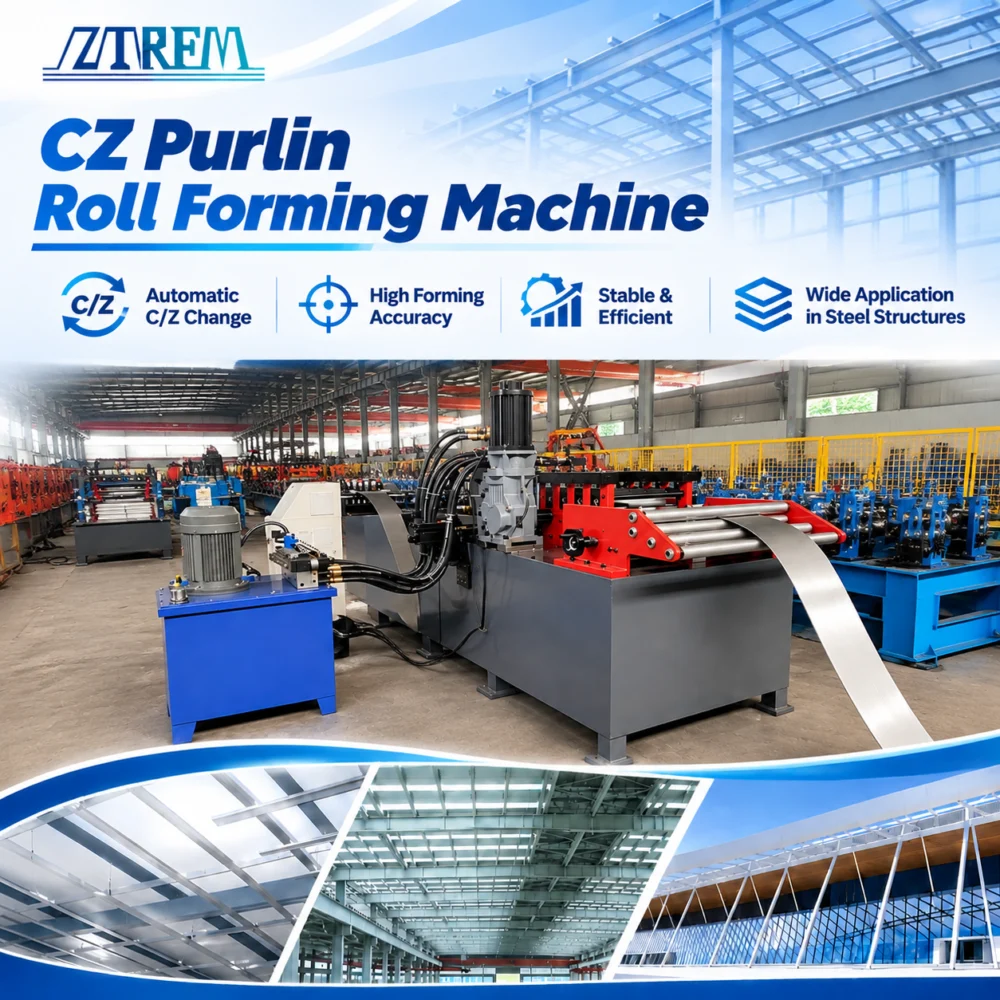
CZ Purlin Roll Forming Machine: What to Compare Before You Buy
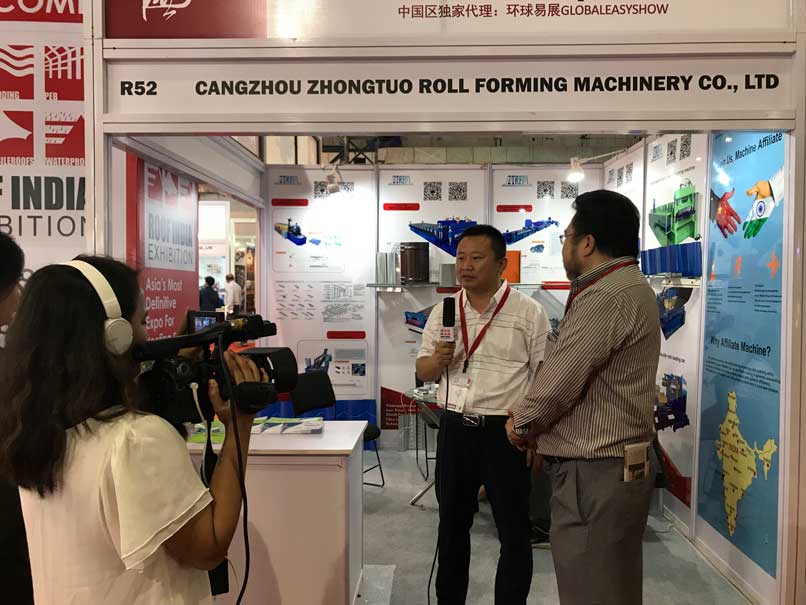
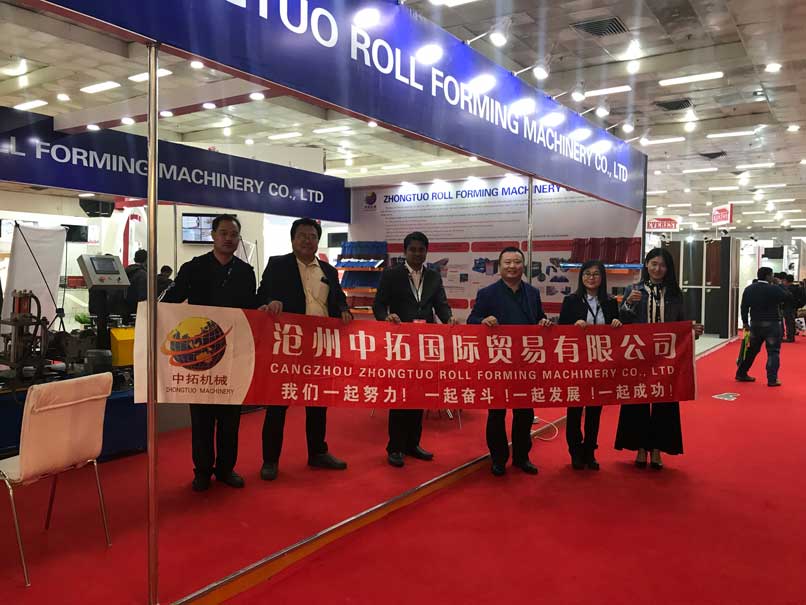
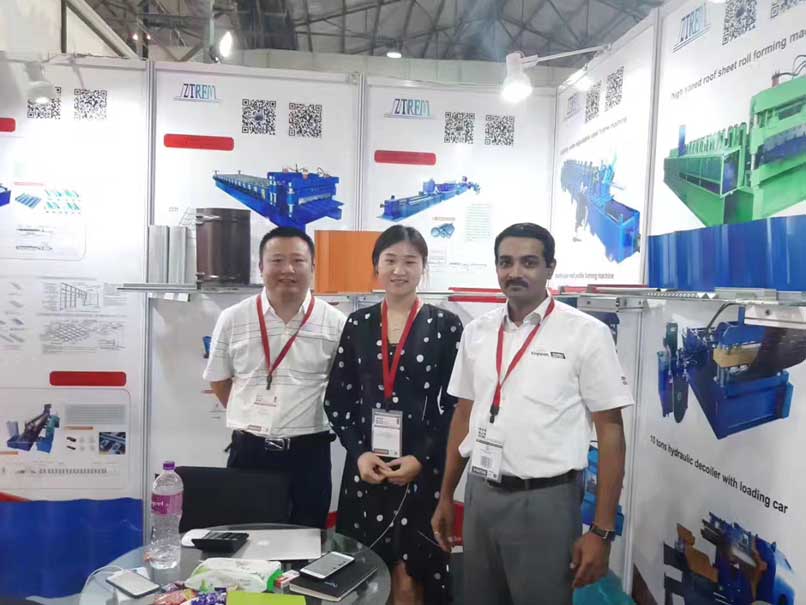
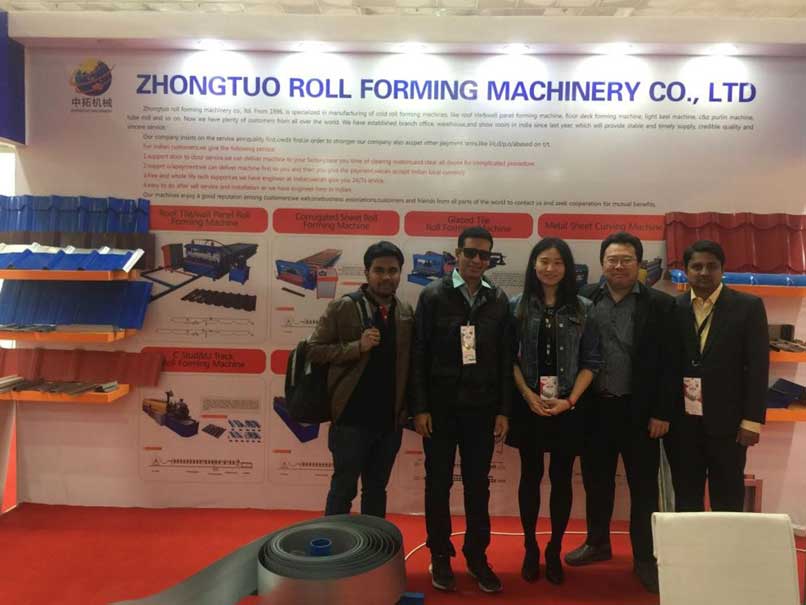
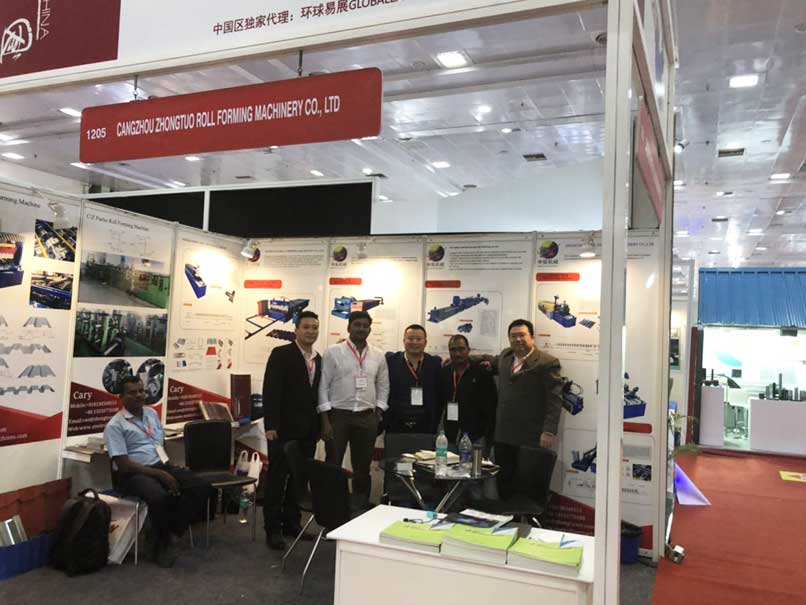
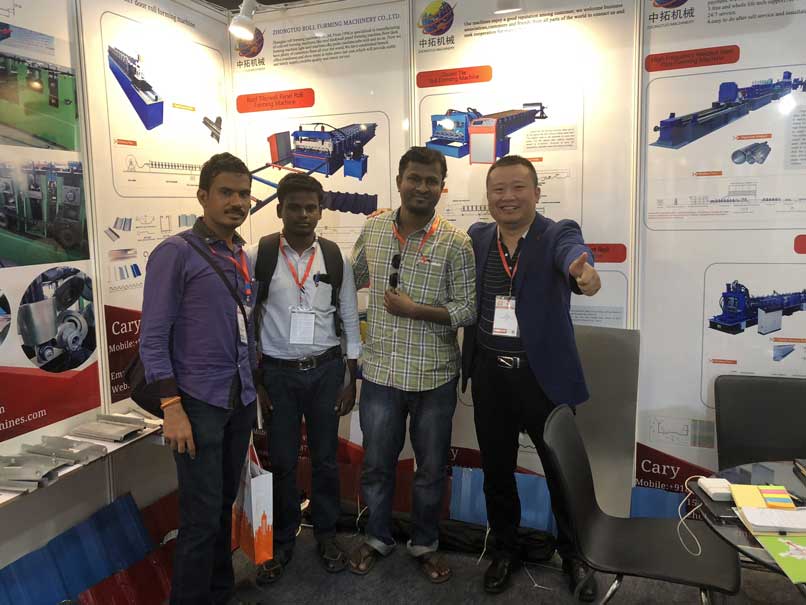
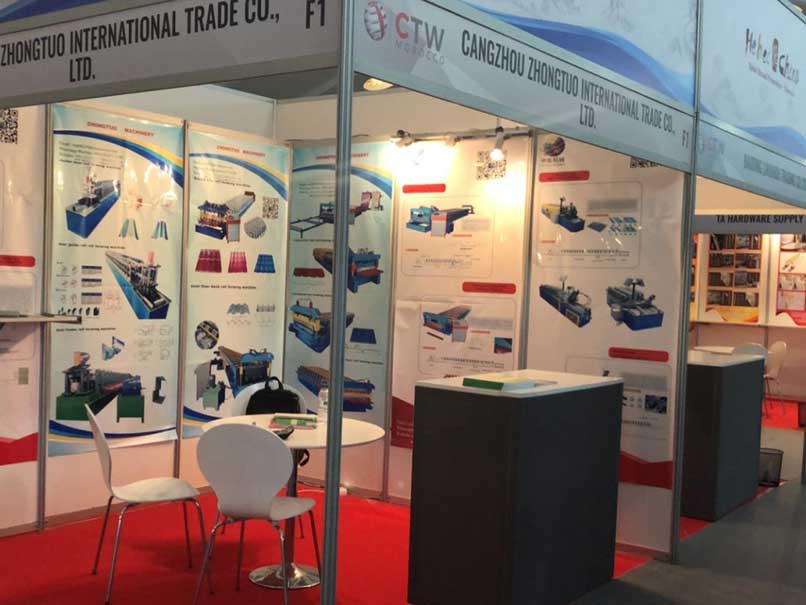
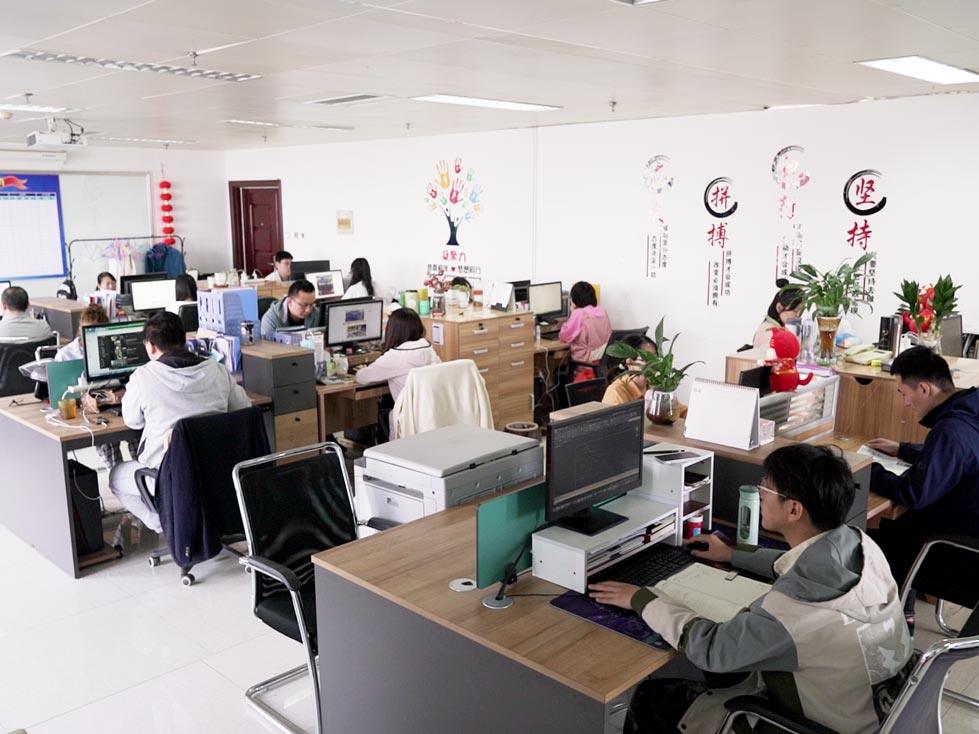
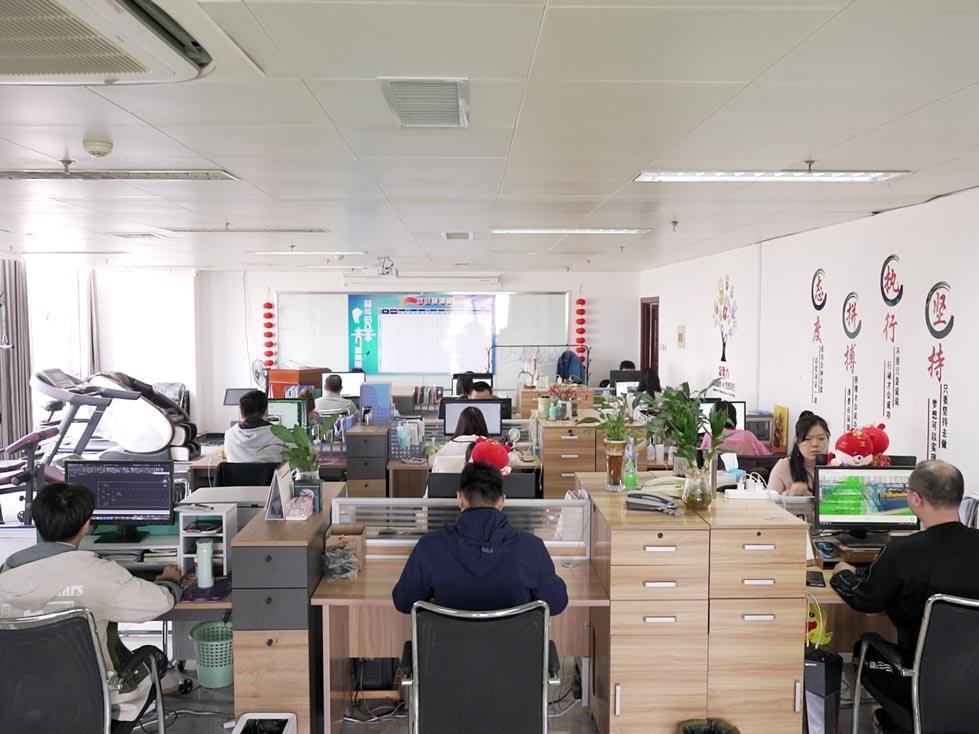
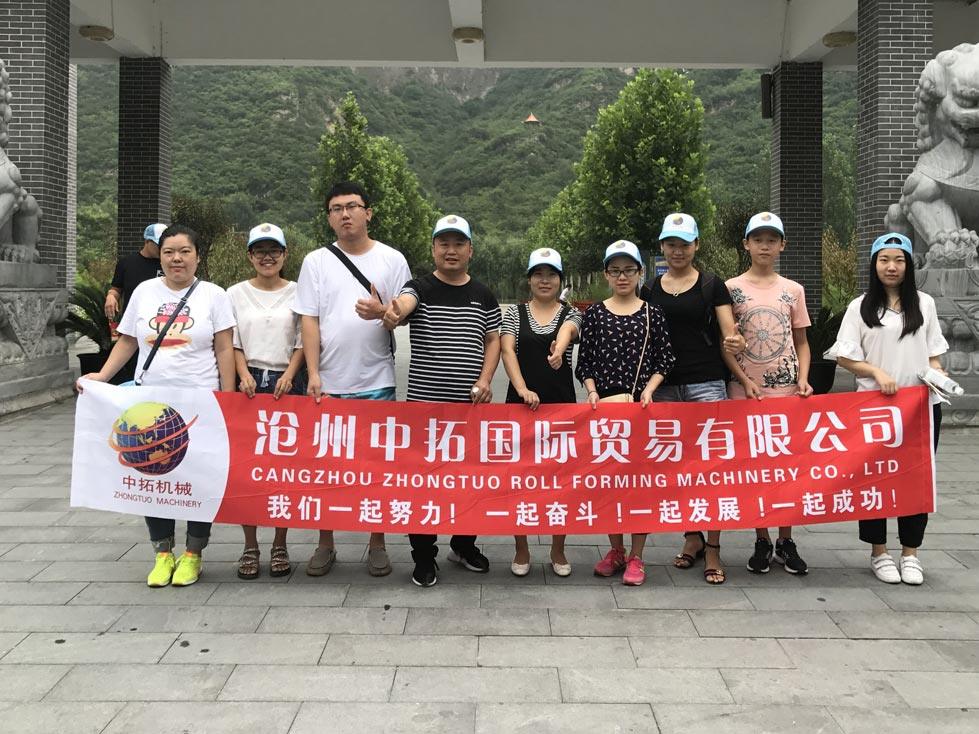
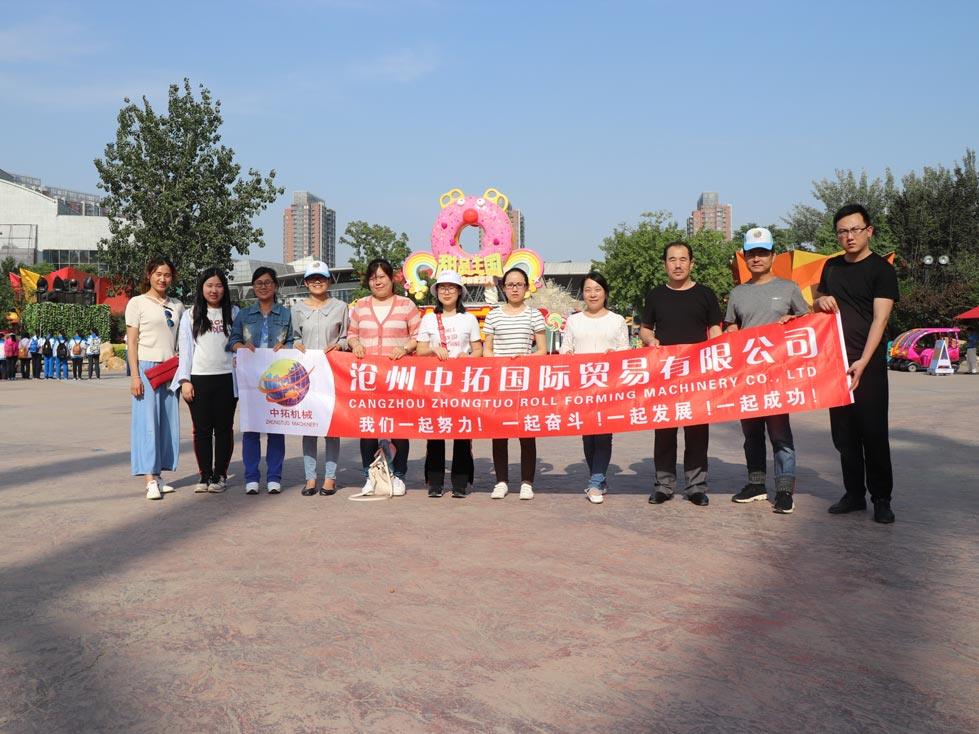
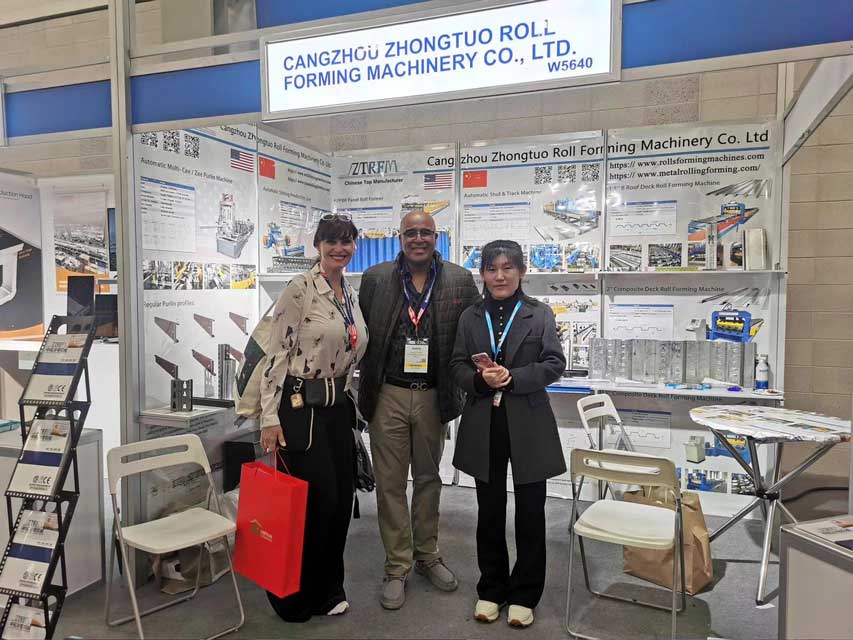
La société Cangzhou Zhongtuo Roll Forming Machinery Co. est originaire du Hebei (Chine). C'est un fabricant qui se consacre à la conception et à la fabrication. différents types de profileuses à froid. Nous sommes une usine avec une longue histoire, engagée dans la conception et la fabrication de profileuses depuis 2006. Les machines que nous pouvons produire comprennent : la machine de fabrication de tuiles, la machine de fabrication de pannes cz, la machine de fabrication de quilles en acier léger, la machine de gaufrage de métal, la machine de formage de systèmes de portes, la machine de formage de systèmes de plafonds, la machine de soudage de tuyaux à haute fréquence, la ligne de refendage, la ligne de coupe à longueur, la machine de formage de systèmes d'étagères, la machine de formage de planchers, la ligne de production de tuiles en pierre colorée, la machine de laminage à chaud filmée, etc.
CZ Purlin Roll Forming Machine: What to Compare Before You Buy
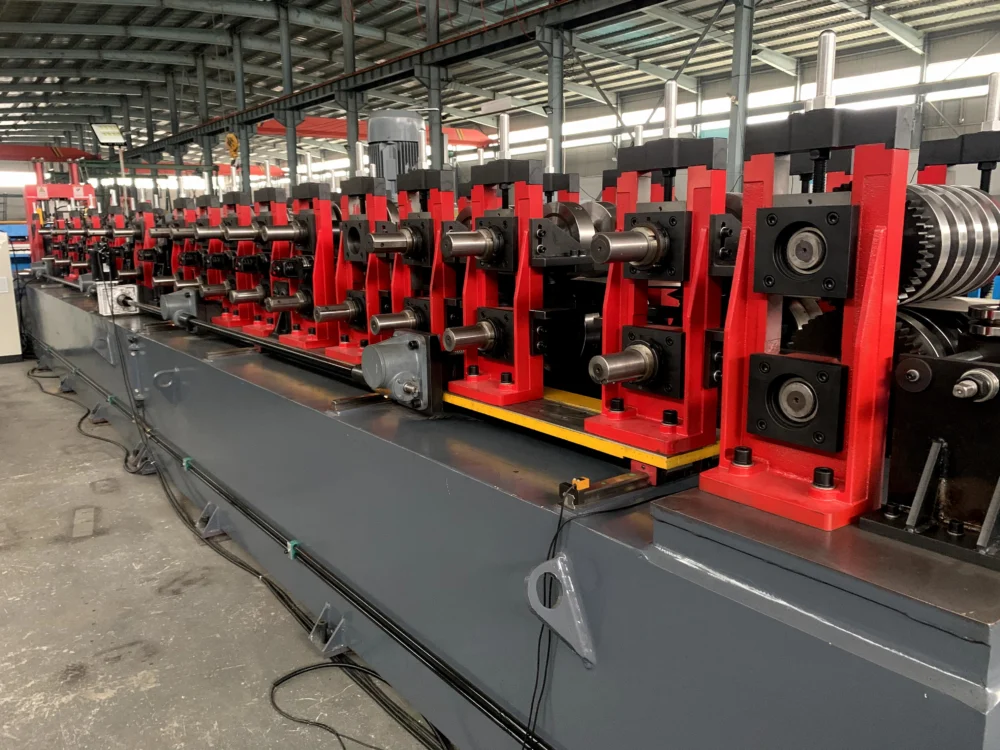
A CZ purlin roll forming machine turns galvanized steel coil into the C and Z sections that carry roof and wall sheeting on a steel structure building. It looks like a simple line of roll stands, but the machine that suits one factory rarely suits the next: a wall panel producer needs many short C runs, while a roofing contractor may need long Z runs in lapped spans. This guide explains what the machine actually does, where the real cost differences sit, and which questions to settle before you send a quotation request.
CZ Purlin Roll Forming Machine: What to Compare Before You Buy
What a CZ purlin roll forming machine actually produces
Purlins are the secondary framing members fixed between rafters or columns. In cold-formed steel buildings they are roll formed rather than hot rolled, because the section is thin, light and cheap to produce in long lengths on site-driven schedules. Two profiles dominate:
C purlins have two flanges bent in the same direction. They work as simple spans, typically under roof sheeting and wall cladding, and are easy to handle and stack.
Z purlins have flanges bent in opposite directions, so two sections nest and overlap when lapped. Nested Z purlins behave as a continuous member over several bays, which makes them the usual choice for long roof spans and for structures where deflection matters.
Both start from the same galvanized coil. What separates the profiles is the forming sequence and the direction of the final flange, which is why a machine built for both needs a way to reconfigure its roll tooling rather than simply pushing a different length through.
One machine or two: CZ combined versus dedicated C and Z lines
A dedicated C line or Z line is the cheaper and simpler option when your order book is dominated by one profile. Rolls are fixed, the setup never changes, and operators do not need to think about tooling. The trade-off is that any Z enquiry on a C-only line becomes an outsourced job.
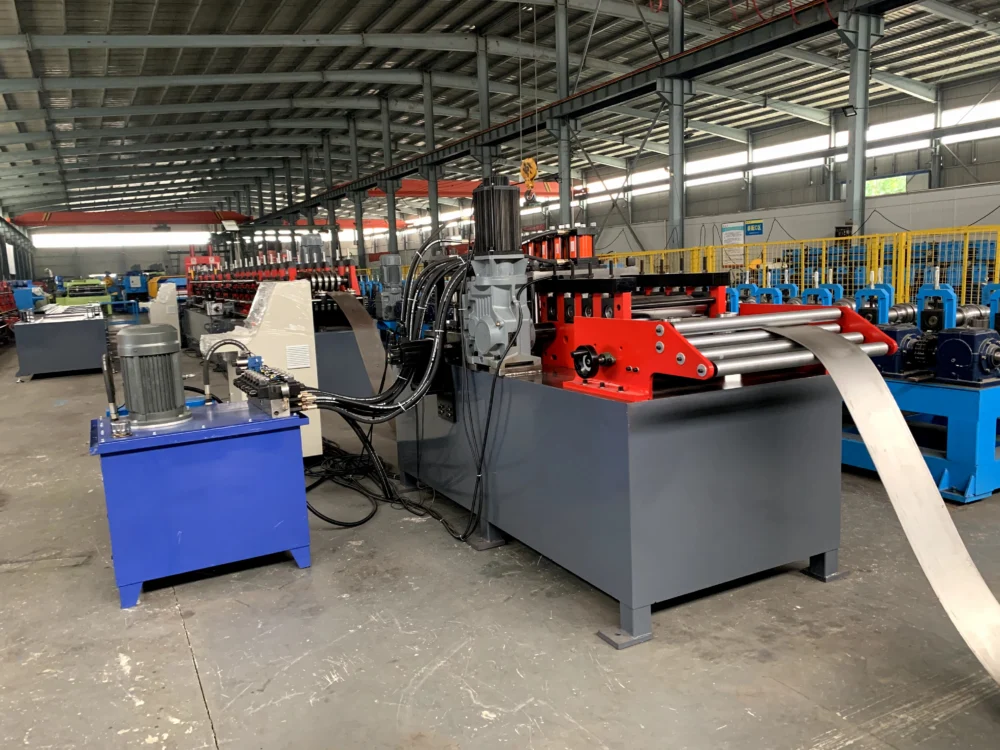
A CZ purlin roll forming machine shares one decoiler, one leveling unit, one punching station and one cutting head, and switches the forming section between C and Z. The value is obvious for a fabricator with a mixed order book: one investment covers both products, one operator runs both, and one spare parts stock serves the whole line. The cost appears later, in changeover time and in how much of the tooling has to be moved by hand.
The practical rule is simple. If more than roughly one fifth of your output is the "other" profile, a combined machine earns its extra cost. If that figure is under a tenth and your runs are long, a dedicated line plus an outsourced Z supply is usually the better commercial decision.
What sits on a complete CZ purlin line
Quotations are often compared on price alone, and price differences usually come from what has been left off the line. A complete CZ purlin roll forming line normally includes:
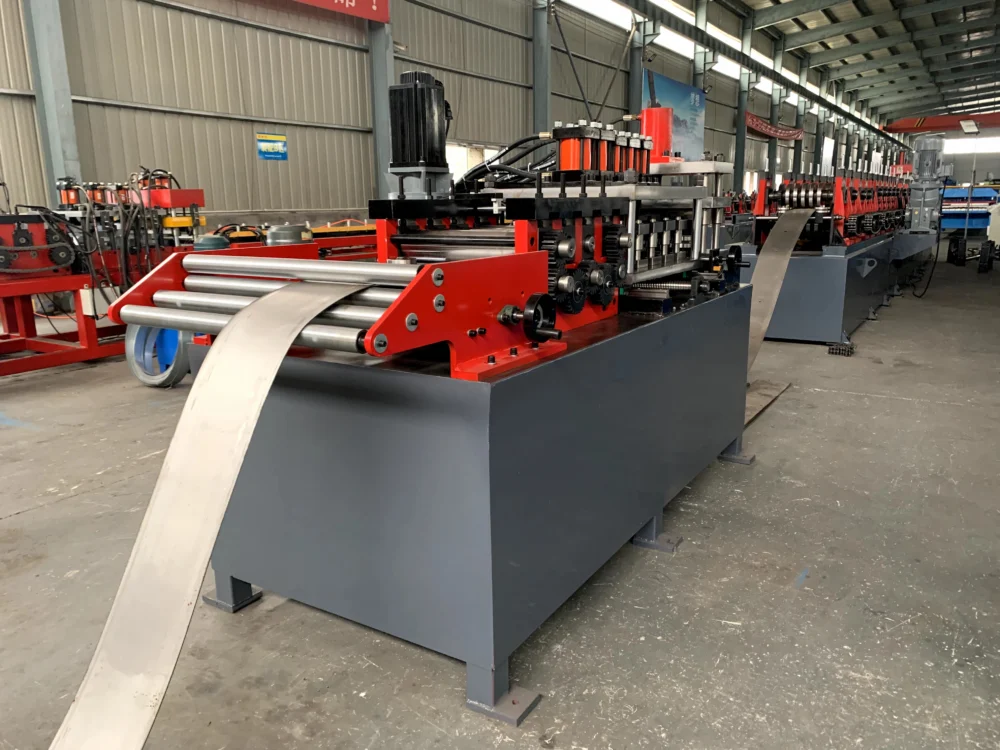
Dévidoir with coil car, typically hydraulic, sized for 3 to 5 t coils depending on coil width and thickness.
Leveling and feed unit to flatten coil memory before forming, with a loop or accumulator to keep tension steady.
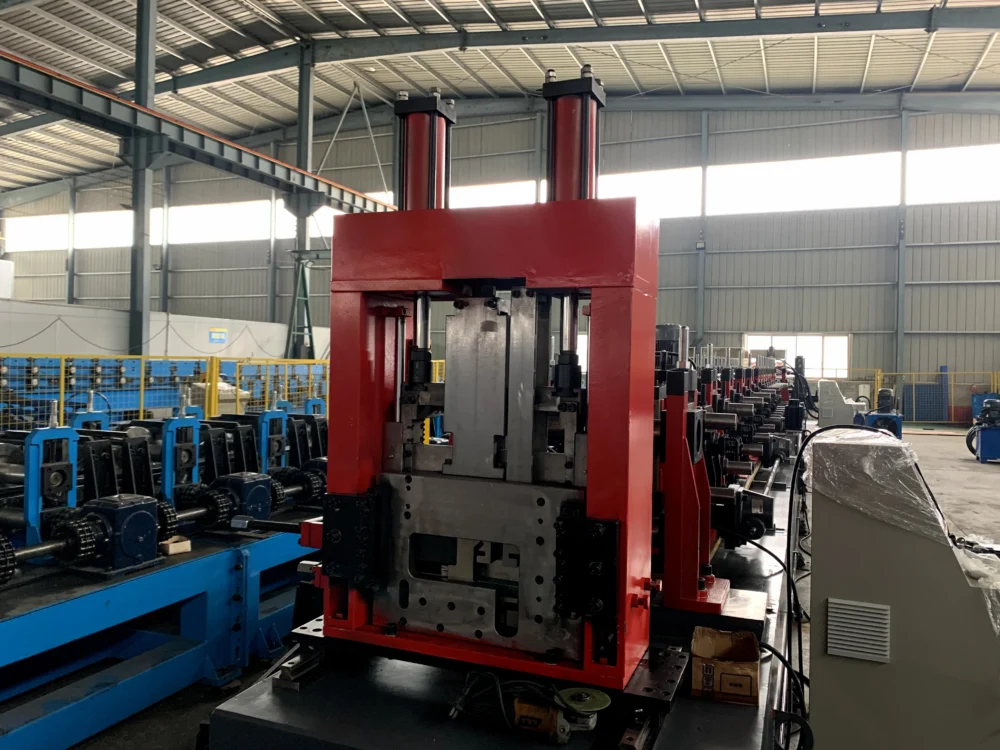
Punching station for web holes, flange holes and end fixing holes, usually hydraulic with quick-change dies, sometimes combined with notching.
Main roll forming section, commonly in the region of 14 to 20 stands for these profiles, mounted on a heavy welded frame.
Straightening unit after forming to control camber and twist on long sections.
Cutting head, normally a hydraulic flying shear or post-cut saw that follows the moving strip so length accuracy does not depend on stopping the line.
Run-out table and stacker to collect sections without bending them at the ends.
Control cabinet with PLC, encoder-based length control, recipe storage and fault display.
If a quotation lists only "forming machine and cutter", ask what happened to the leveler, the punching unit and the stacker. Those items do not disappear; they move into your own cost and your own commissioning risk.
CZ Purlin Roll Forming Machine: What to Compare Before You Buy
The specifications worth comparing
Specification sheets are easy to inflate. These are the figures that genuinely change what the machine can do, and the ranges below are typical of the market rather than promises:
Epaisseur du matériau: most CZ lines are built for roughly 1.2 to 3.0 mm galvanized or cold rolled steel, with 1.5 to 2.5 mm being the working heart of the range. Check whether the top of the range is a real production figure or a "can pass through once" figure.
Yield strength: lines intended for Q345 or grade 350 material behave differently from those built for 550 MPa high-strength coil. Higher strength means more forming torque and more spring-back to control.
Profile range: web depth, flange width and lip depth the tooling is cut for. A machine quoted for one profile is not automatically able to run another, and "adjustable" needs to be defined in millimetres.
Coil width and weight: derived from the developed width of your largest profile. An undersized decoiler is the most common cause of early complaints.
Line speed: typically in the range of 8 to 20 m/min, faster on thin material and slower on heavy sections. Treat a headline speed without a thickness attached as marketing.
Longueur tolerance: encoder plus flying shear commonly holds around plus or minus 1 to 2 mm on repeat lengths. Ask how it is measured, on which profile and at which speed.
Changeover method: manual roll change, bolt-on cassette or hydraulic quick-change. This single item drives your labour cost for years.
Power supply: confirm three-phase voltage, frequency and total installed power against your site before the order, not after.
Changeover time is where the money hides
A combined machine only pays off if the switch between C and Z is fast enough to be done several times a week. On older designs the operator moves roll clusters and re-shims spacers by hand; a changeover can take the better part of a shift, so the machine quietly becomes a single-profile line.
Cassette-based designs replace the roll cluster as one unit, and hydraulic quick-change systems lock the cassette from the control panel. Realistic changeover for a well-designed cassette machine is in the region of fifteen to forty minutes including first-piece check. When you compare quotes, ask for the changeover procedure in writing, the number of people required, and a video of the sequence. Then ask how many spare cassettes are included, because one cassette per profile still leaves you changing rolls when a profile wears.
How much automation you actually need
Automation is usually quoted as a ladder, and it is easy to buy a rung you will not use. A single operator can run a line with automatic length control, automatic stacking and a recipe library comfortably. Full coil-to-pallet automation makes sense at high volume with few profile changes, and makes little sense in a job shop where the order changes every few hours.
Two automation items are worth paying for in almost every case: encoder-based length control with a flying shear, which removes the stop-start cycle that limits output, and stored recipes, which remove the trial-and-error first piece after every changeover. Items such as automatic coil loading or remote diagnostics are conveniences; decide on them after the core line is right.
CZ Purlin Roll Forming Machine: What to Compare Before You Buy
What to send with your quotation request
Most slow quotations are caused by incomplete enquiries. A supplier who receives the following can quote a real machine instead of a guess:
A profile drawing for each C and Z section, with web, flange, lip and thickness dimensions.
The material specification: galvanized or cold rolled, yield strength, coating weight.
Your thickness range and the split of your order book between C and Z, in percentages.
Typical and maximum section length, and the hole pattern drawings with hole diameter and position.
Required output per shift, so line speed and changeover can be matched to it.
Coil supply details: inner diameter, outer diameter, maximum weight.
Site power supply, available floor length and the destination port.
Send the same package to every supplier. Comparable quotations are only possible when the scope is identical, and a supplier who answers a vague enquiry with a firm price is usually pricing a smaller machine than you imagined.
How to judge build quality before it ships
Roll forming machines fail in predictable places, and those places are visible before delivery if you know what to inspect:
Frame and stands: welded and machined, not bolted sheet metal. Check wall thickness and how the stand locates on the base.
Roll material and finish: through-hardened tool steel such as Cr12MoV or equivalent, ground and polished, with chrome or similar surface treatment where abrasive galvanized coating is run.
Shafts and bearings: shaft diameter against the load of your heaviest section, and bearing type specified by brand rather than "good quality".
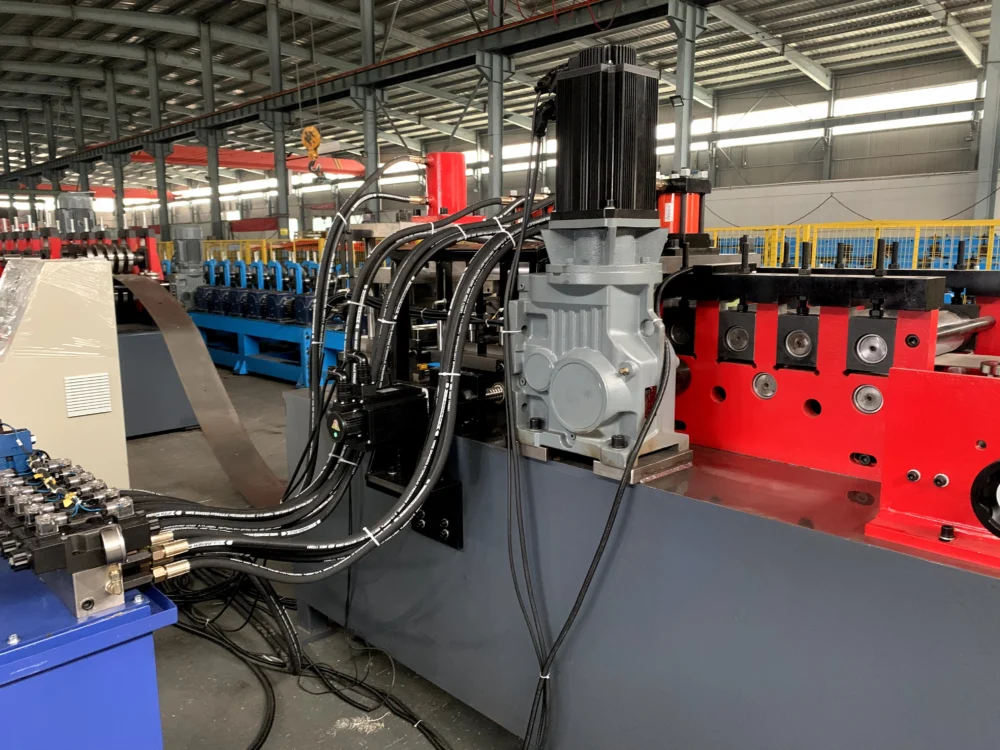
Hydraulics and electrics: named brands for pump, valves, PLC, drives and contactors. Unbranded components are the first thing to fail and the hardest to replace abroad.
Punching and cutting tooling: quick-change design, hardened dies, and a sensible spare set included.
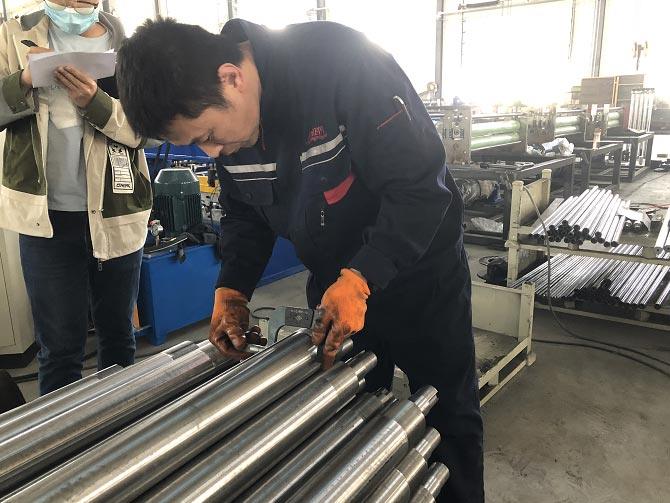
Test report: a factory acceptance test on your own coil and profile, with length and hole position measured and recorded.
Ask for photos of these items during build and for the test report before shipment. A supplier who resists a factory test is telling you something.
CZ Purlin Roll Forming Machine: What to Compare Before You Buy
Installation, commissioning and everyday maintenance
Plan the footprint first: a complete CZ line with decoiler, run-out table and stacker commonly needs in the order of 25 to 35 m of length, plus clearance for coil handling. Foundations, levelling and cable routing are your scope unless the contract says otherwise.
Commissioning normally covers mechanical levelling, roll gap setting for each thickness, punching and cutting alignment, and trial runs on your profiles. Budget a week to two weeks on site for a first installation, and ask for remote support in the warranty terms, because the alternative is an expensive flight.
Daily maintenance is modest but not optional: check oil levels and hydraulic pressure, clean and lubricate the roll surfaces, inspect punches and dies for wear, verify the encoder and length setting after any tooling change, and keep the leveler rolls clean. A machine that is greased and checked monthly runs for a decade; one that is not starts producing twisted sections within a year.
Total cost of ownership, not just the price tag
The purchase price is a fraction of what the line costs you. Add the cost of spare rolls and punches over five years, changeover labour multiplied by the number of changes per week, freight and duty, foundations and power connection, installation and commissioning, operator training, and the downtime caused by parts that must be imported. Two quotes that differ by fifteen percent can reverse their ranking once changeover labour and spare parts are included.
The right comparison is cost per metre of finished purlin over the profile mix you actually sell, not the invoice value of the machine.
CZ Purlin Roll Forming Machine: What to Compare Before You Buy
Frequently asked questions
Can one CZ purlin roll forming machine really produce both C and Z purlins?
Yes, provided the forming section is designed for it. The common approaches are interchangeable roll cassettes, movable roll clusters, or a combination of shared stands and dedicated stands. The profiles must share coil width compatibility, and the changeover procedure must be documented. Ask for a video of the actual change, not a description.
What steel coil thickness can a CZ line handle?
Most lines in this class are built for roughly 1.2 to 3.0 mm, with the practical production range narrower than the nameplate range. The upper limit also depends on yield strength: the same machine that runs 3.0 mm mild steel may be limited to about 2.0 mm at 550 MPa. Always state both thickness and grade when enquiring.
How long does it take to change from C to Z?
Manual roll changes can take several hours; cassette systems are typically in the region of fifteen to forty minutes including the first-piece check. The number matters because it decides whether a combined line is genuinely flexible or effectively single-profile.
Pourquoi nous choisir ?
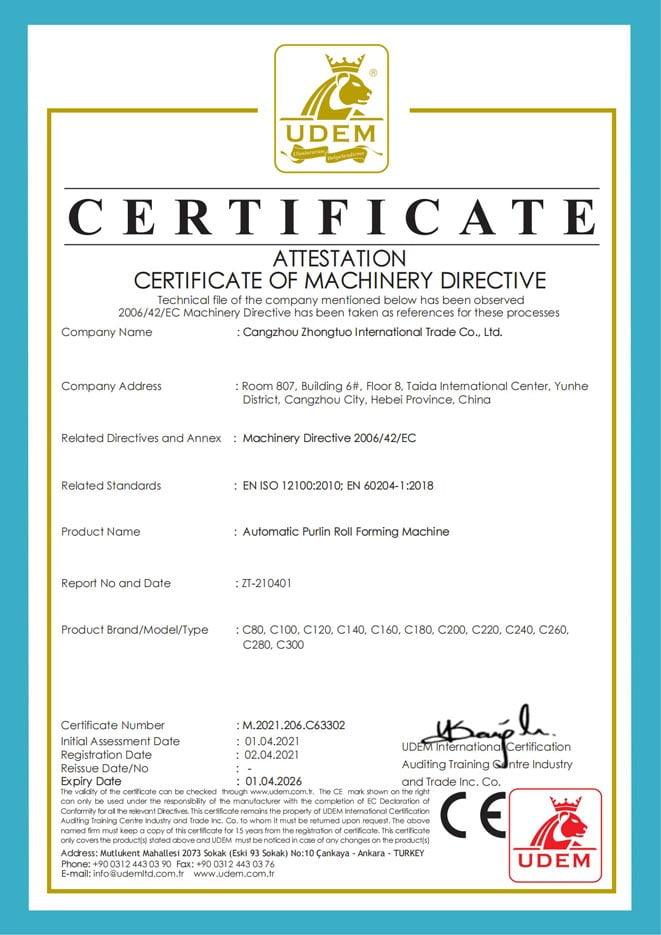
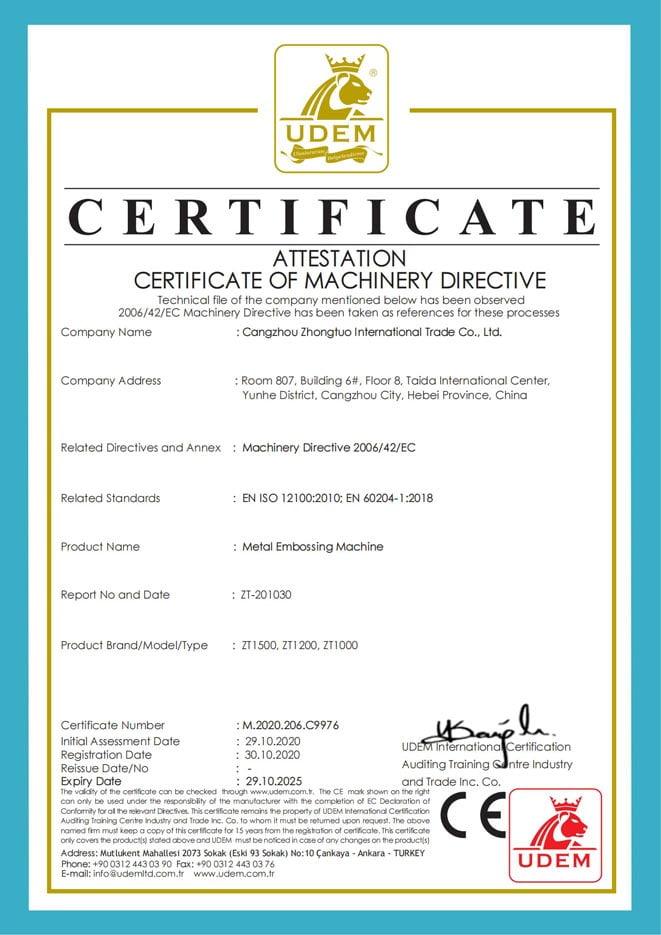
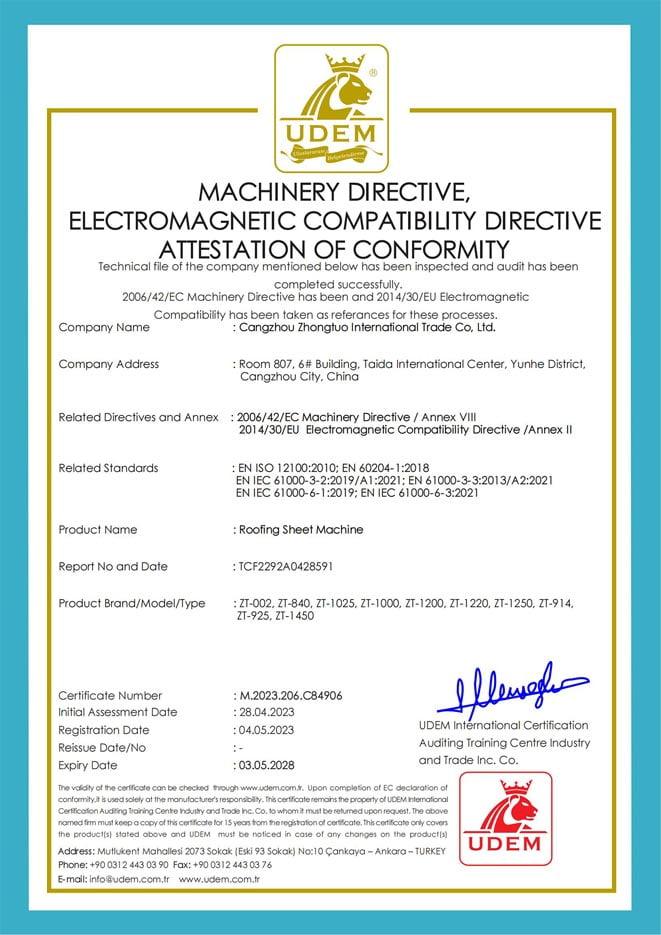
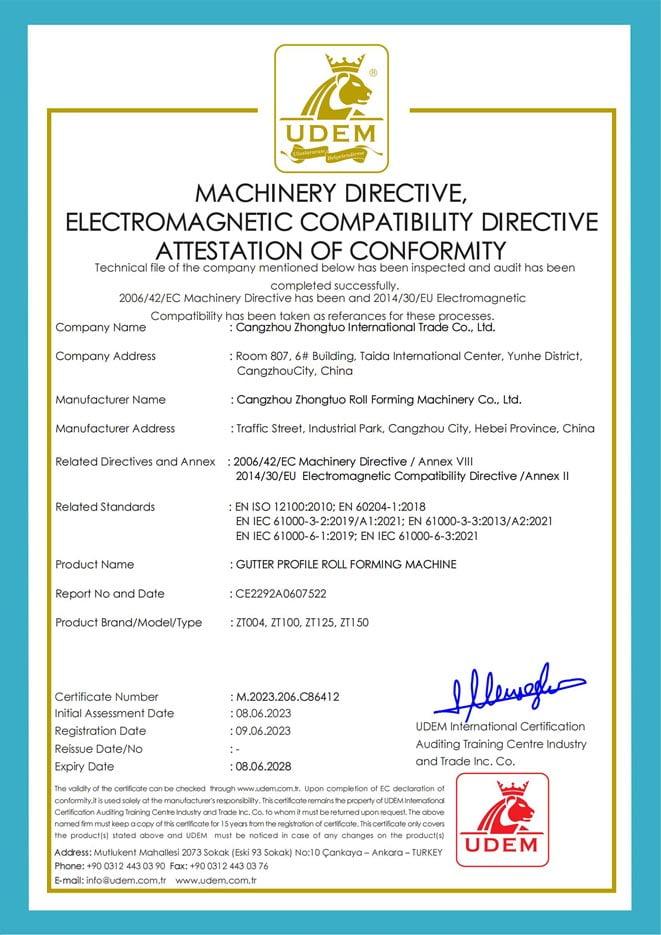
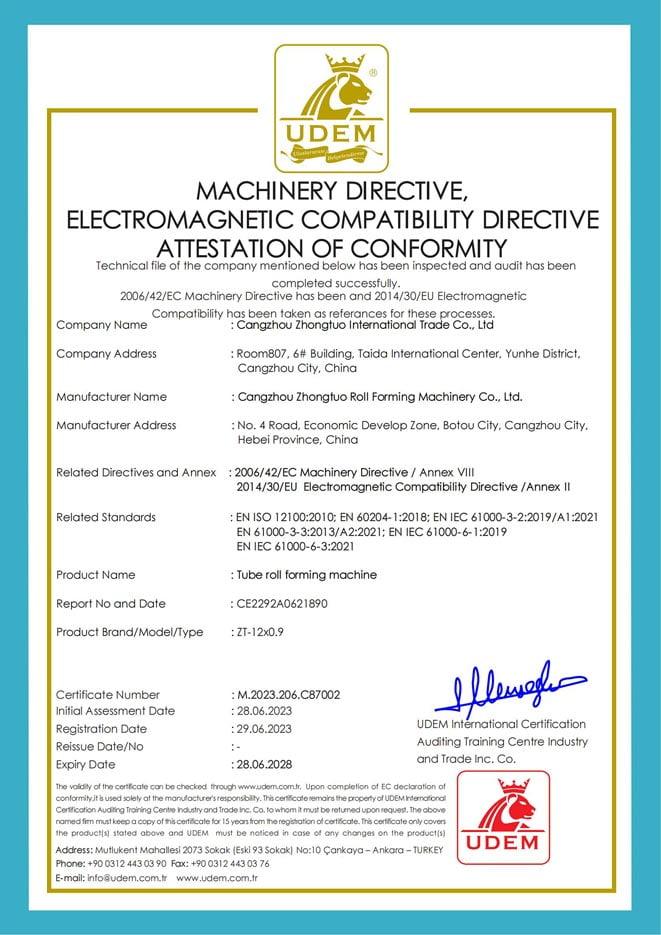
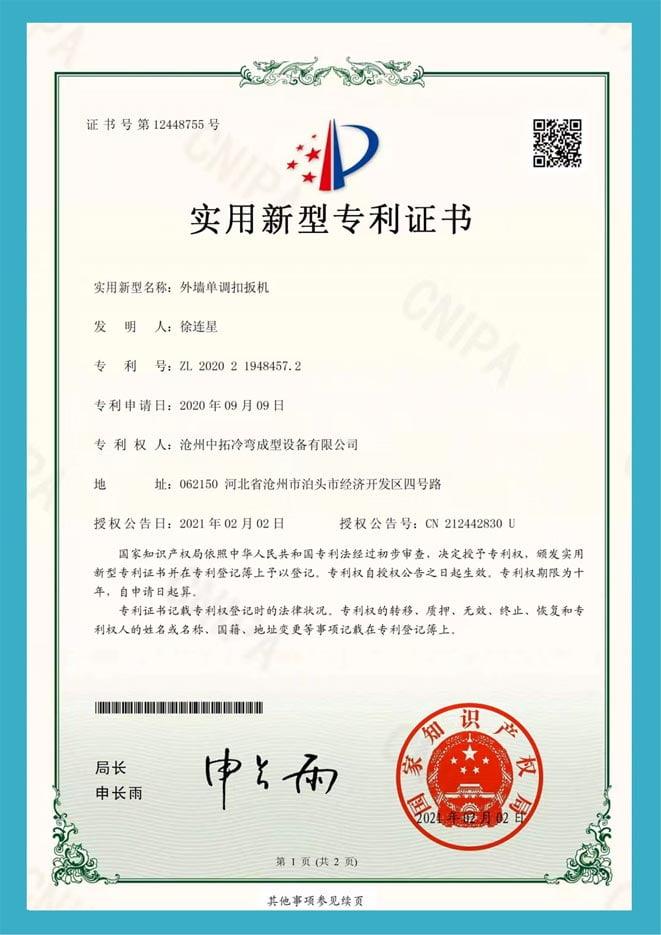
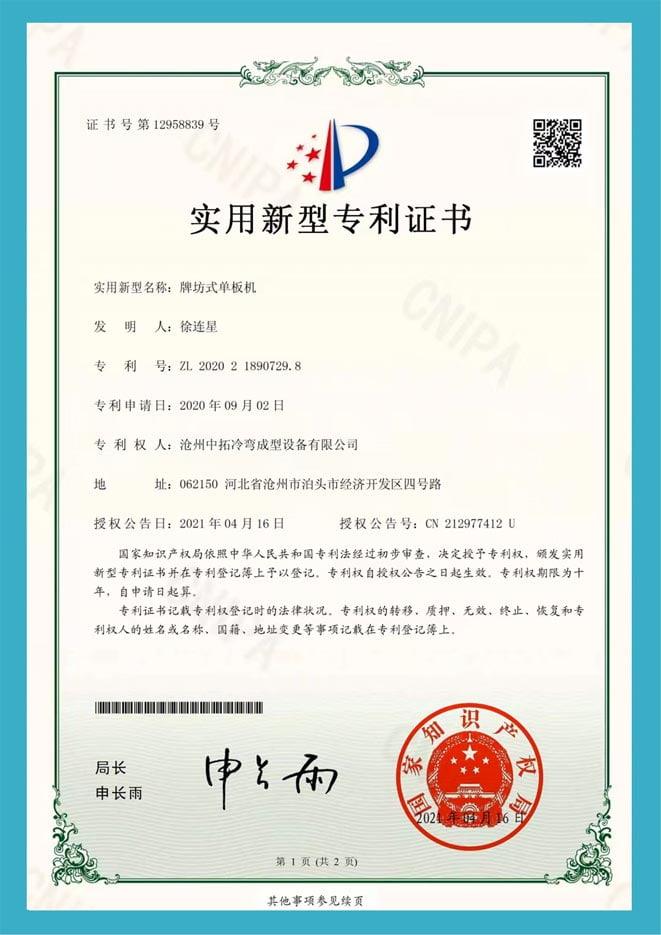
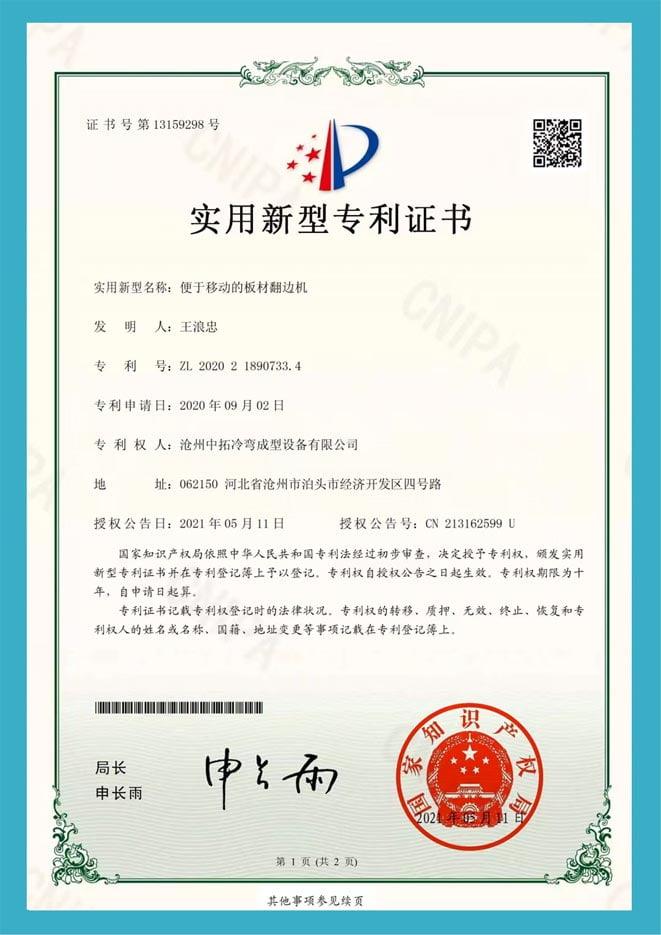
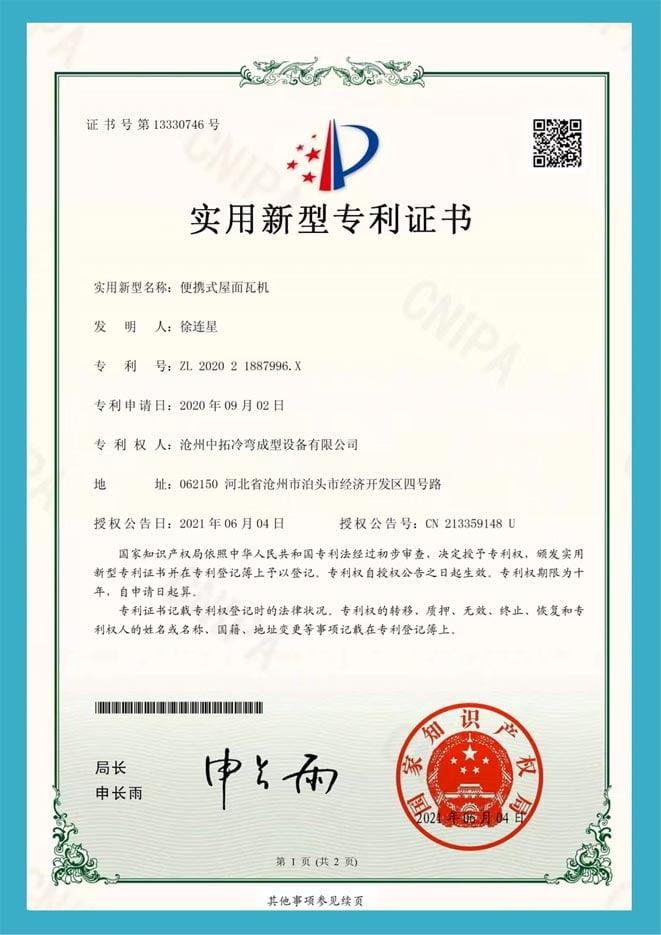
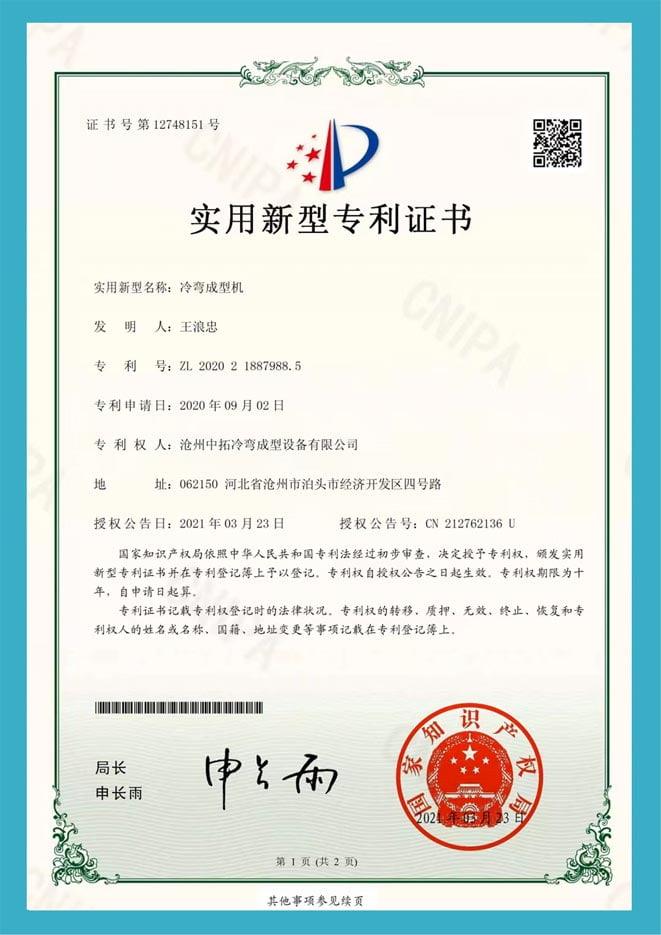
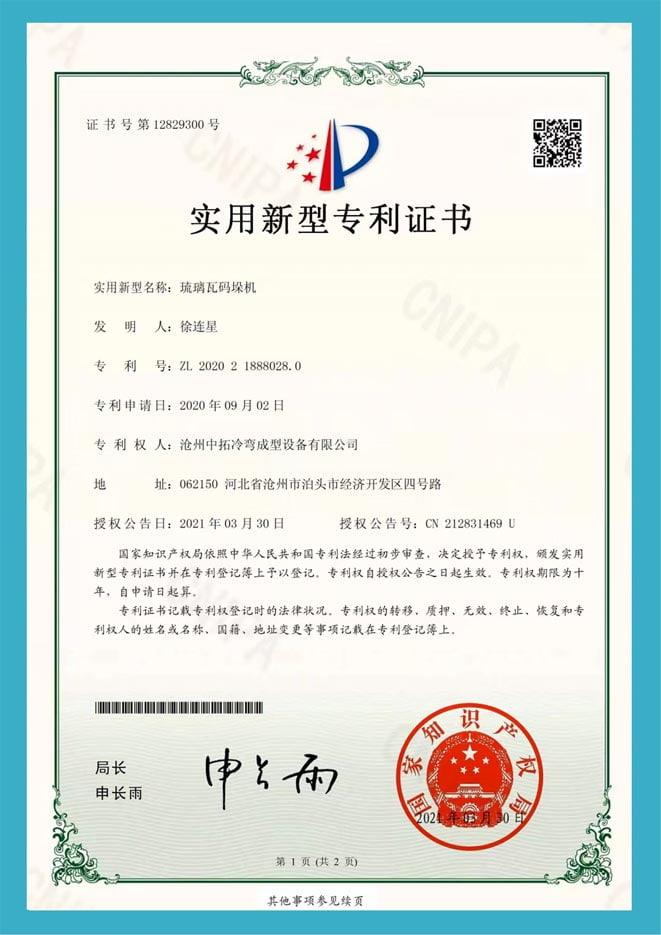
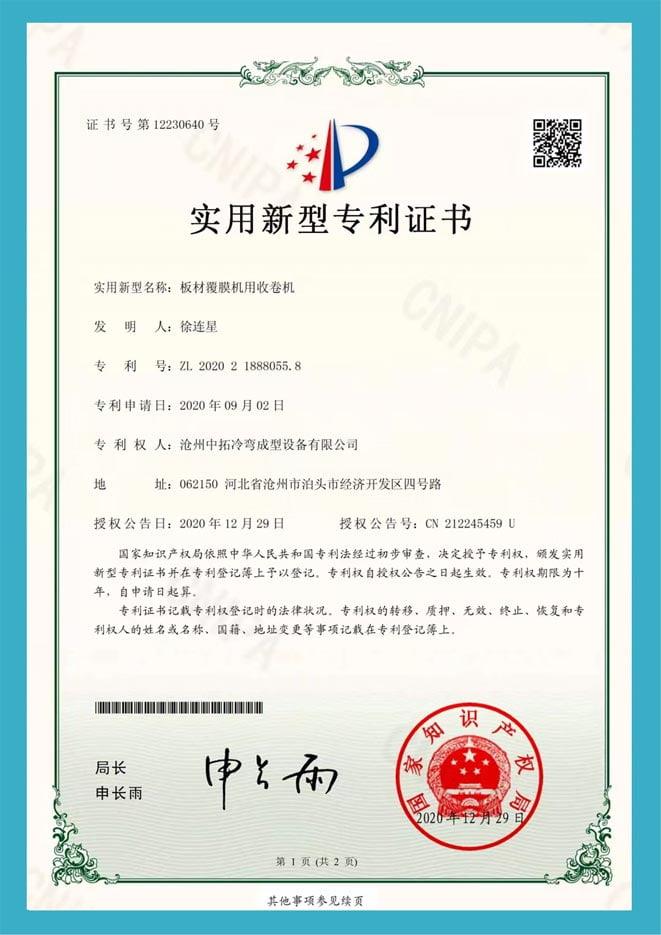
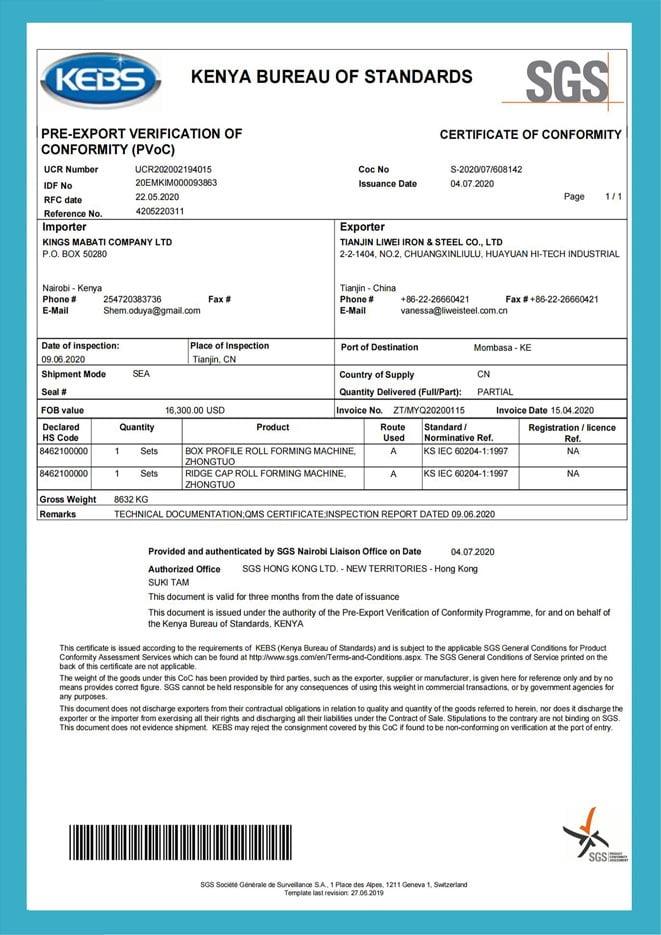
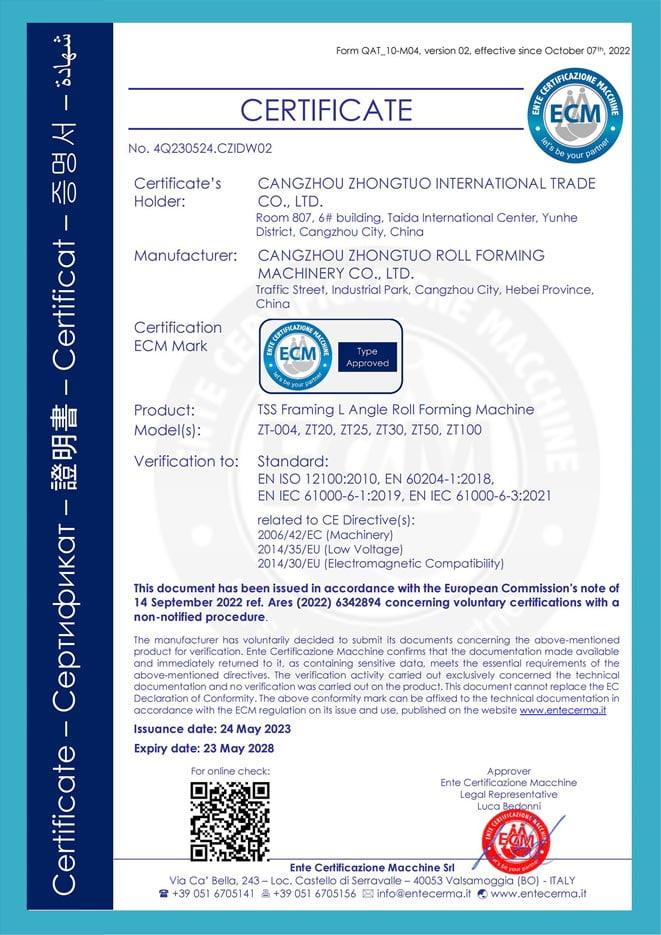
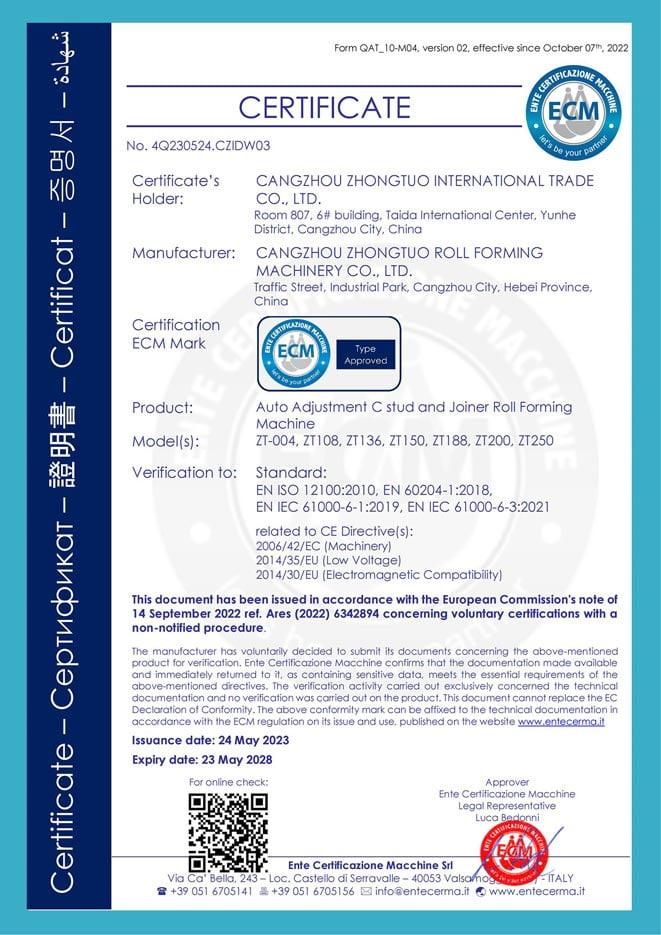
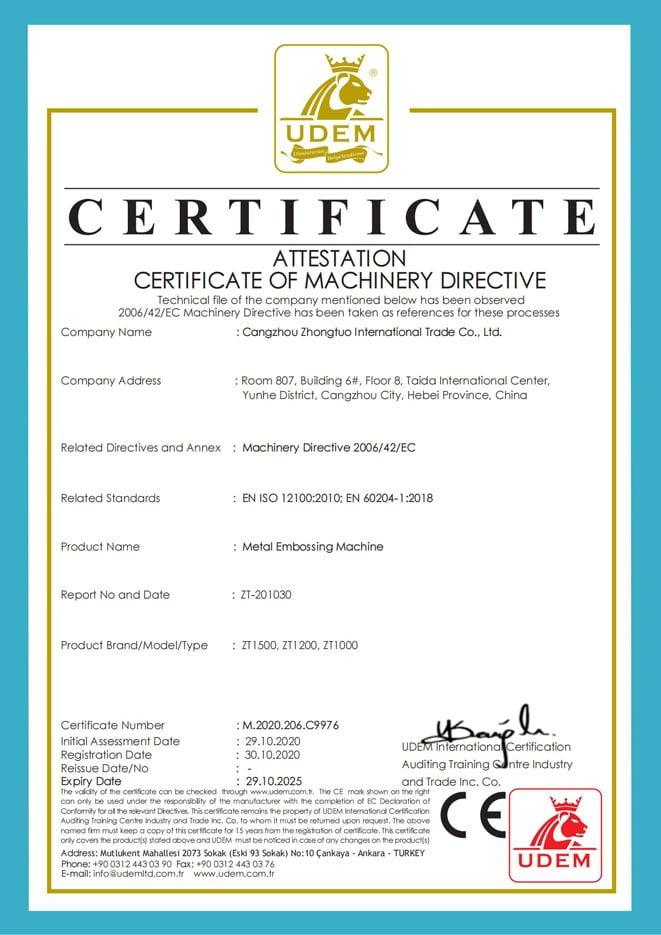
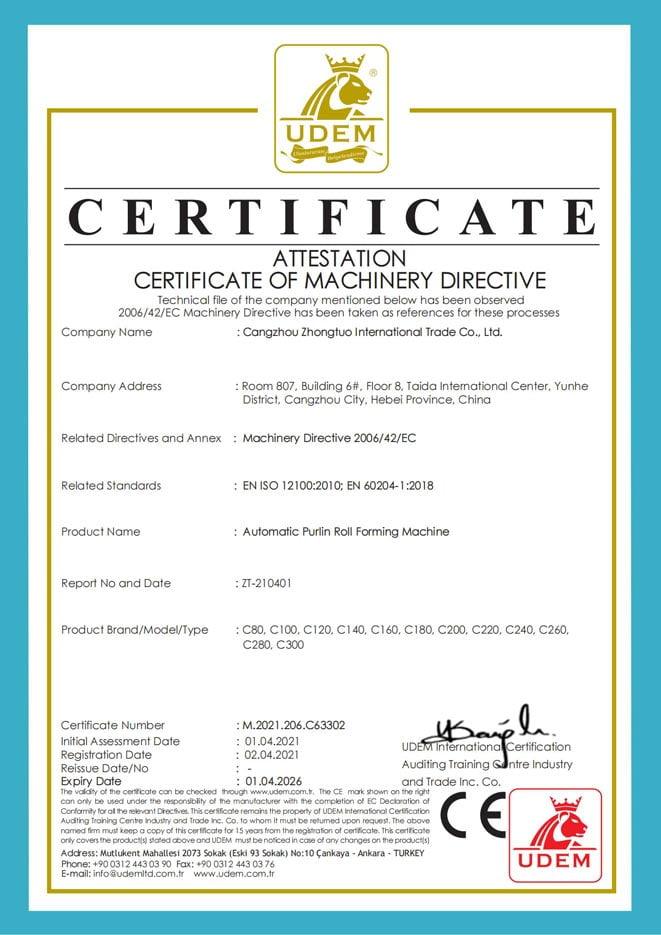
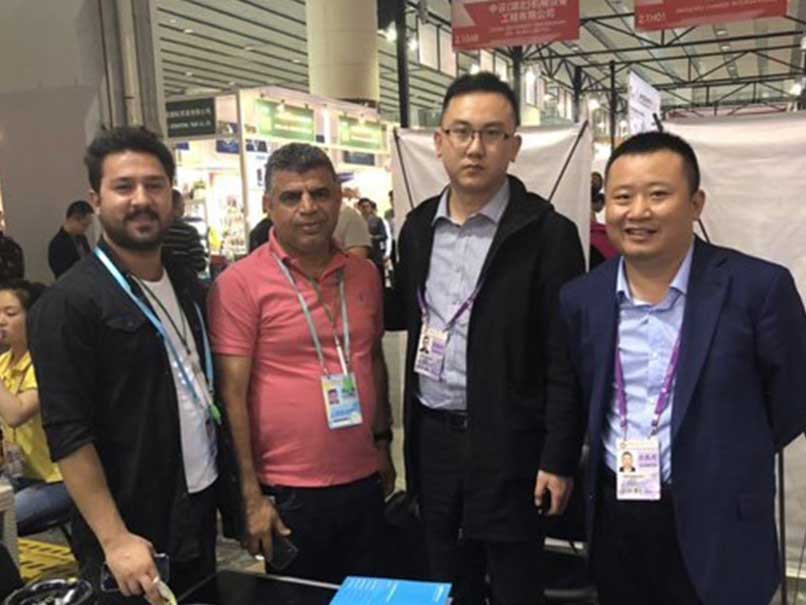
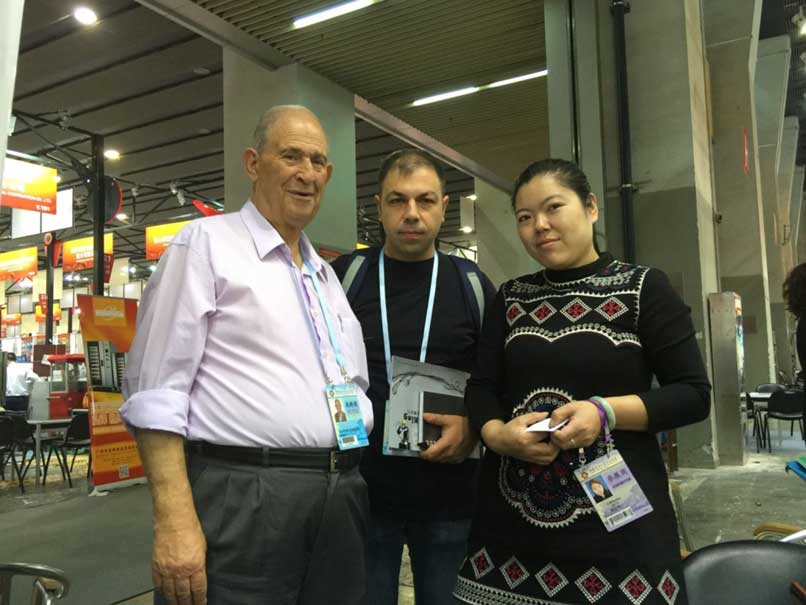
Nous sommes une entreprise nationale de haute technologie. Nous avons obtenu la certification du système de qualité ISO9001, la certification de sécurité européenne CE, la certification nord-américaine CAS, etc. Nous avons une grande expérience du commerce d'exportation et comprenons les besoins des clients de différents pays. Par ailleurs, nous pouvons fournir à nos clients des solutions de conception satisfaisantes. Nos machines ont été exportées dans plus de 150 pays, et nous avons établi des relations de coopération stables et à long terme avec nos clients, qui nous ont fait des éloges.
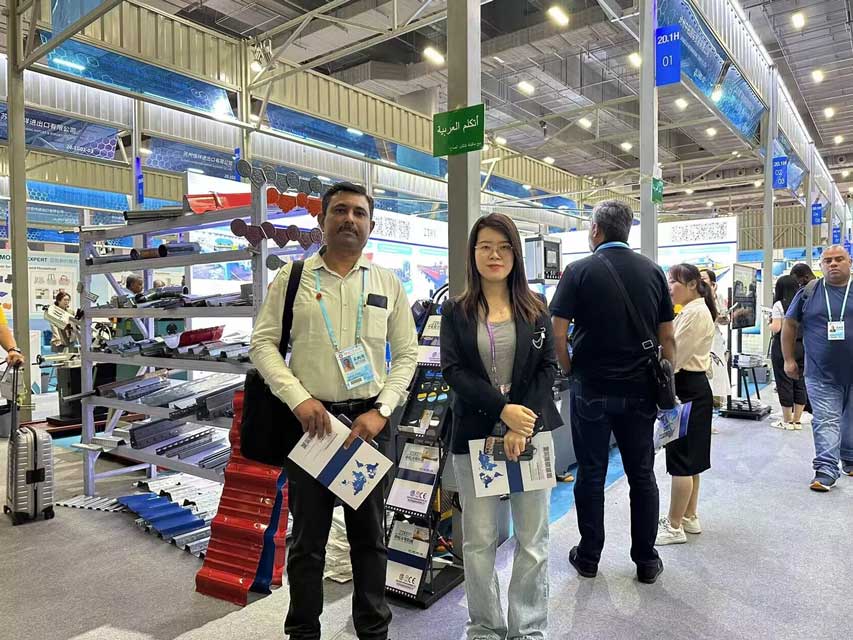
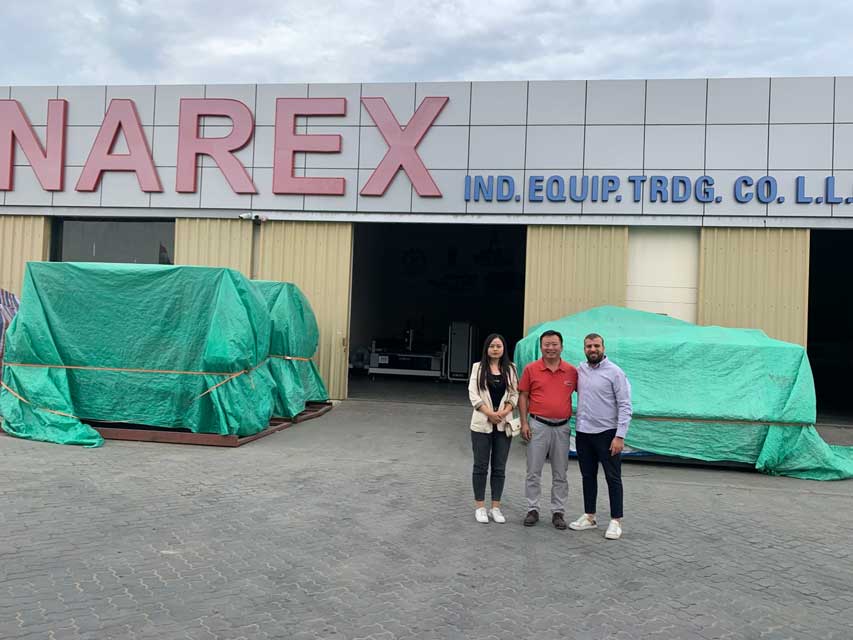
Global Trust : Les clients de plus de 156 pays et régions font confiance à nos machines de fabrication de plaques de toiture, qui sont reconnues pour leurs performances exceptionnelles et leur fiabilité dans le monde entier.
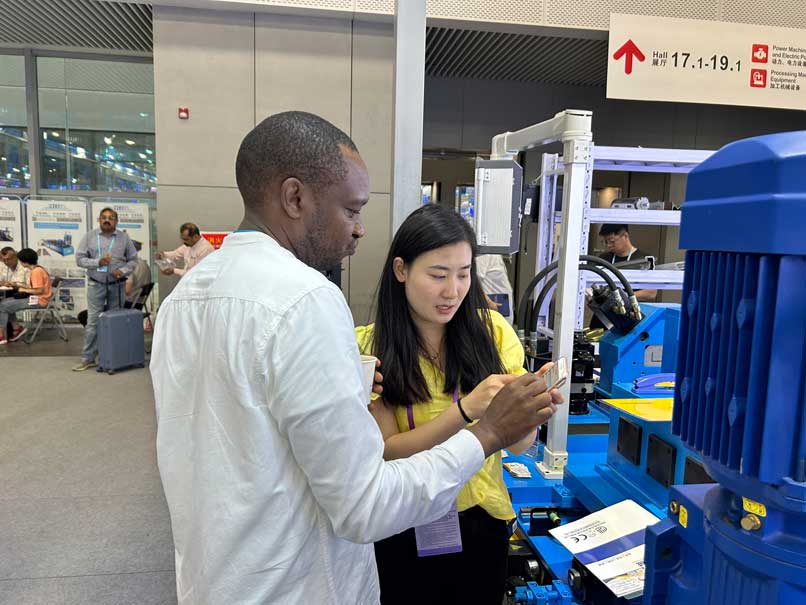
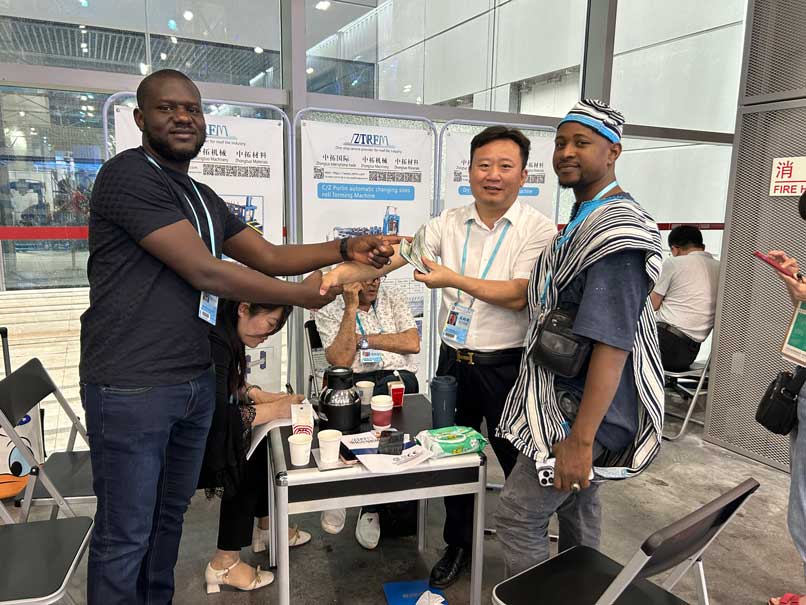
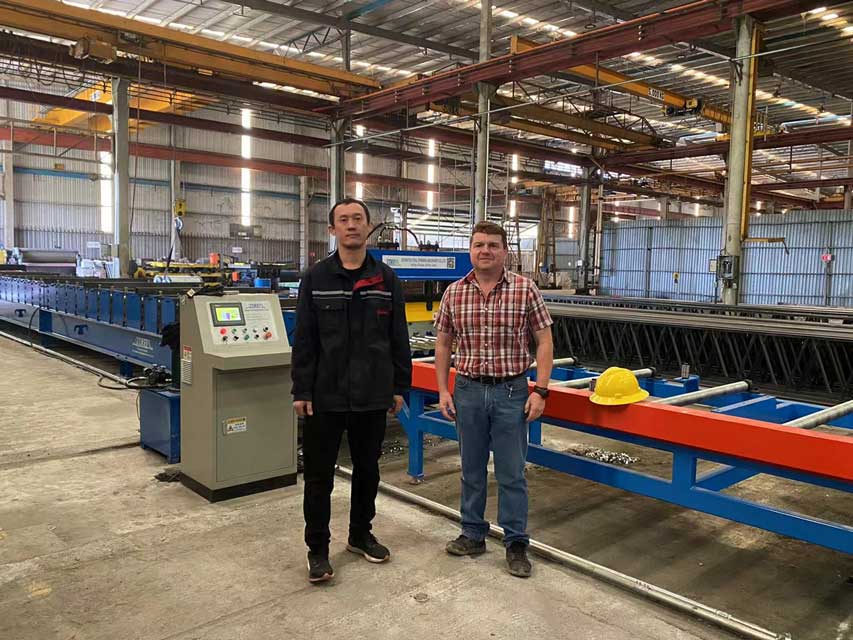
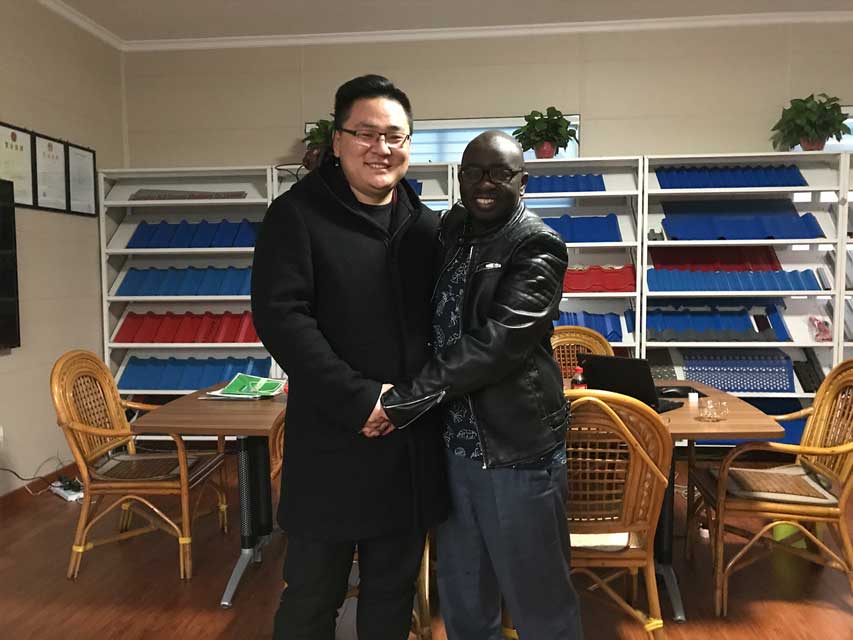
En Zambie, en Afrique, les profileuses Zhongtuo fonctionnent de manière stable.
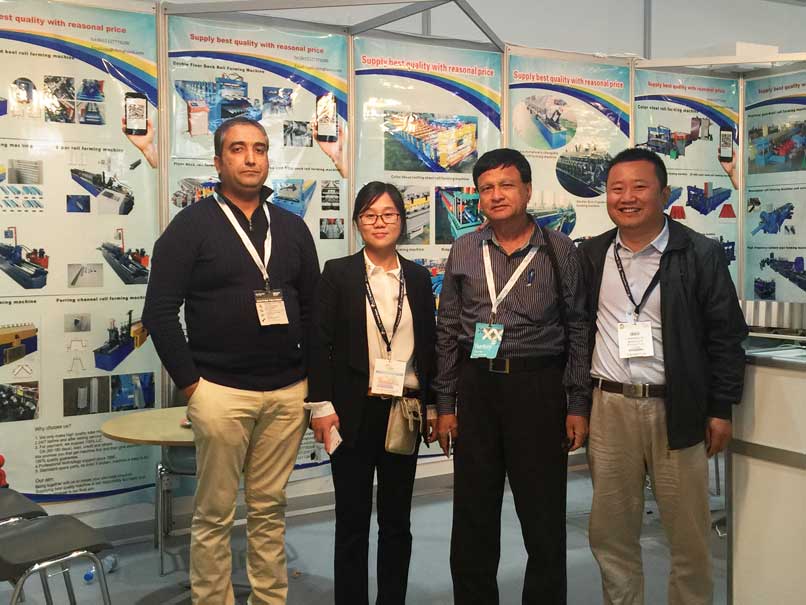
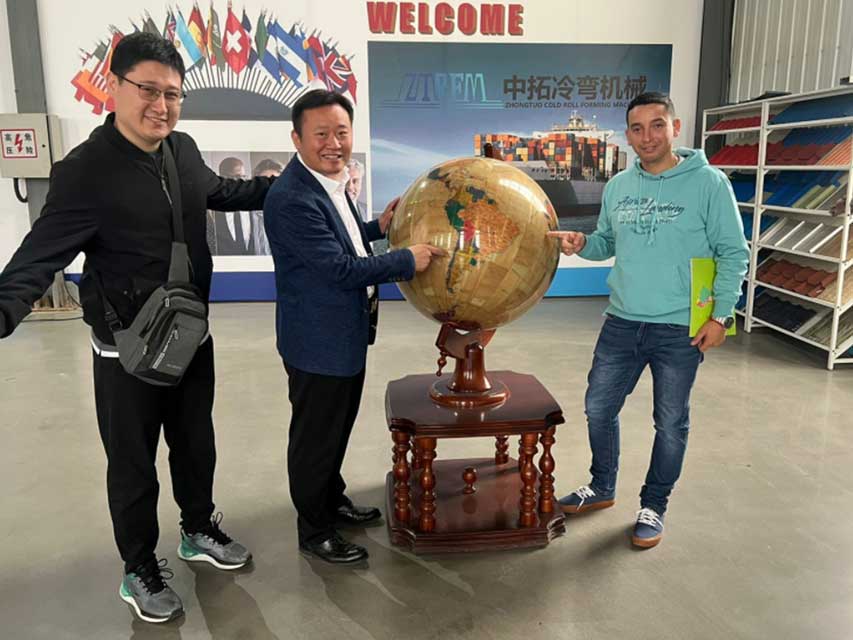
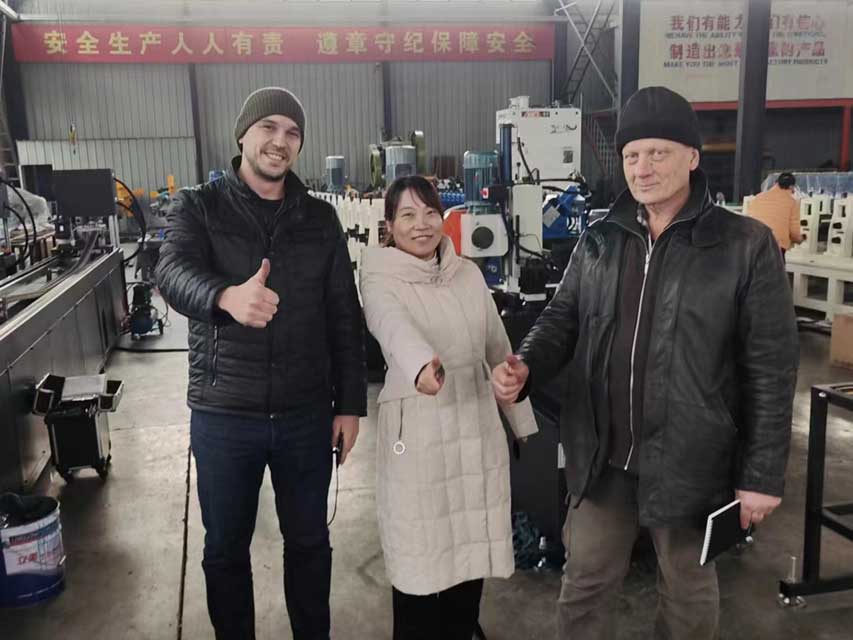
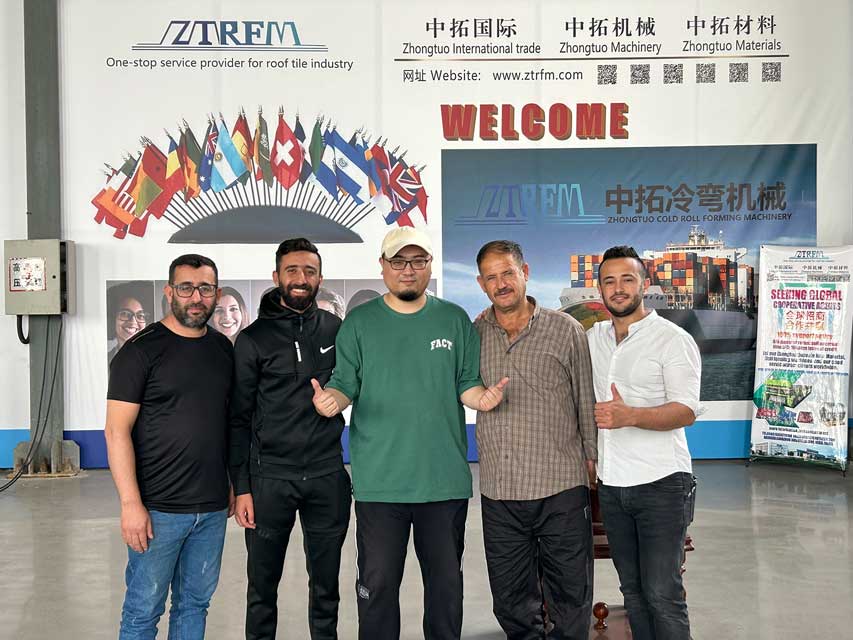
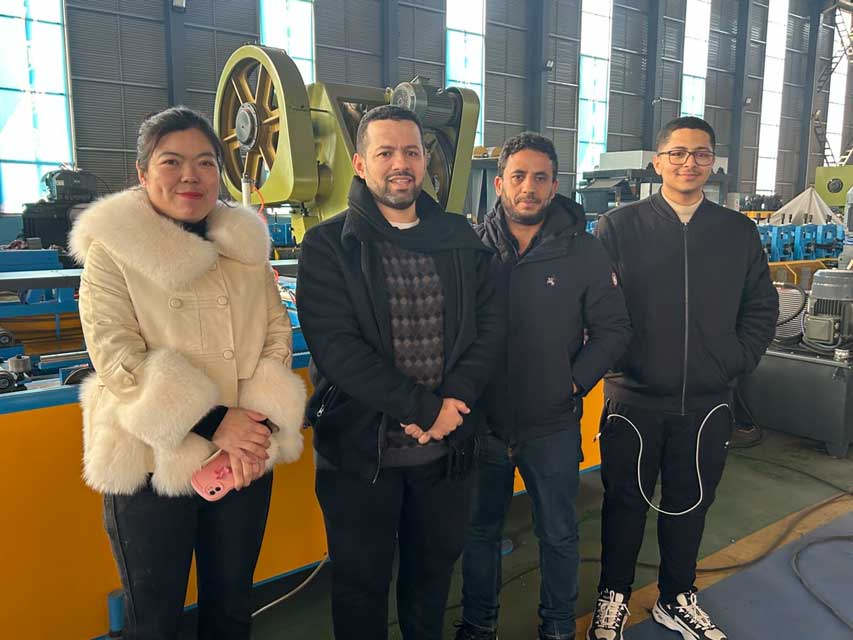
Machine automatique à quille CU - Des clients mongols inspectent les usines et coopèrent avec nous
Ligne de refendage de métaux Zhongtuo personnalisée pour les clients brésiliens
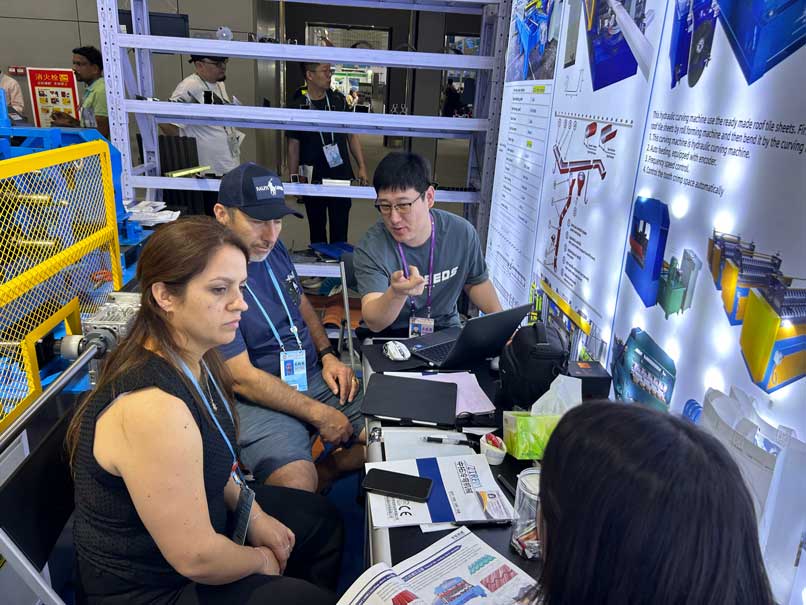
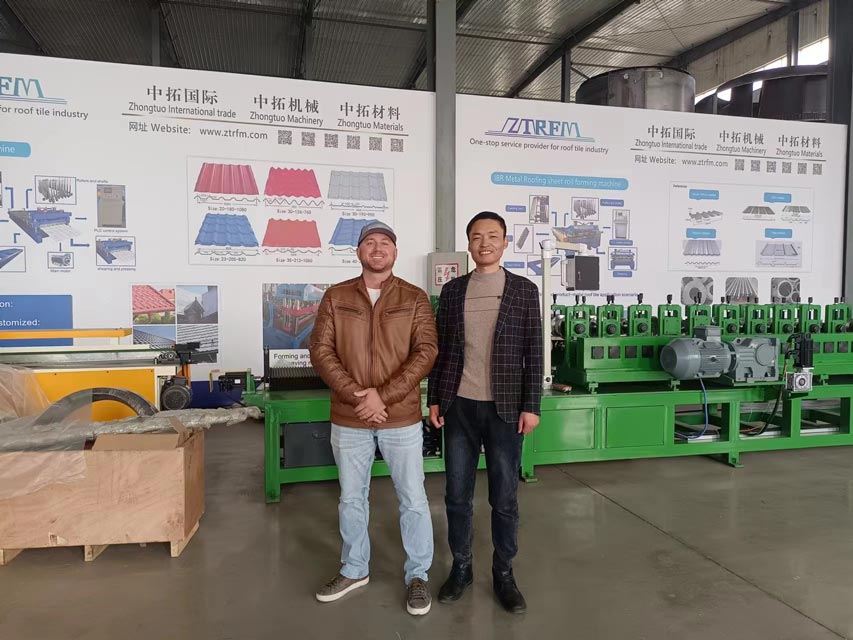
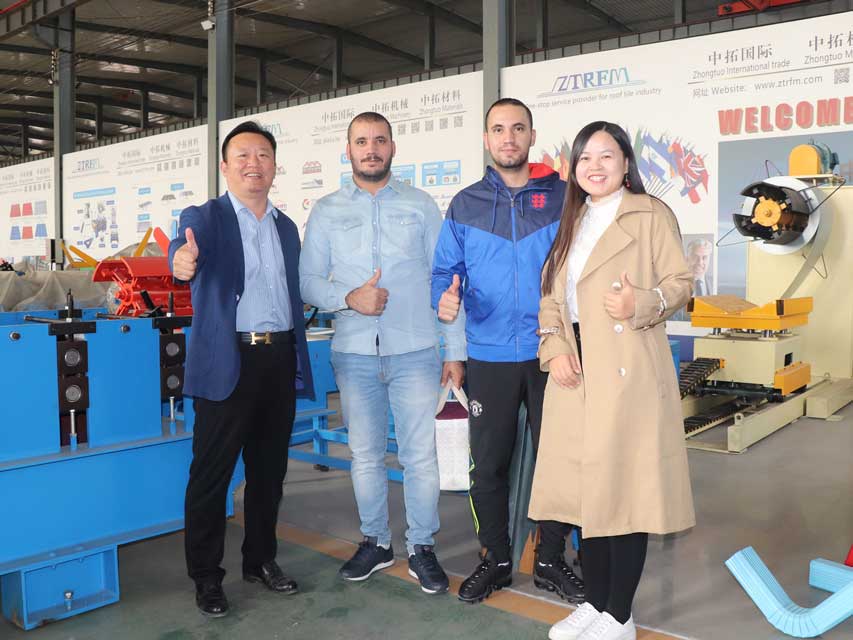
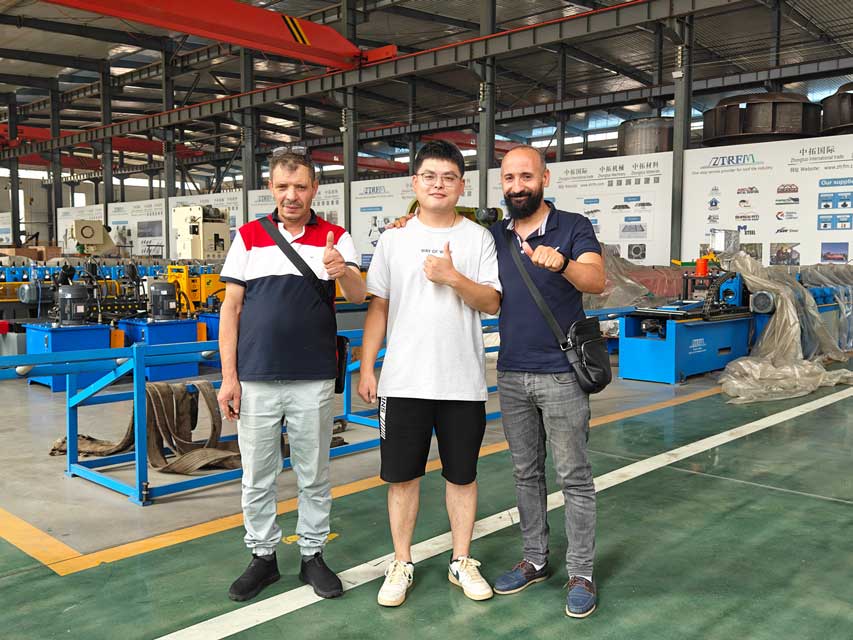
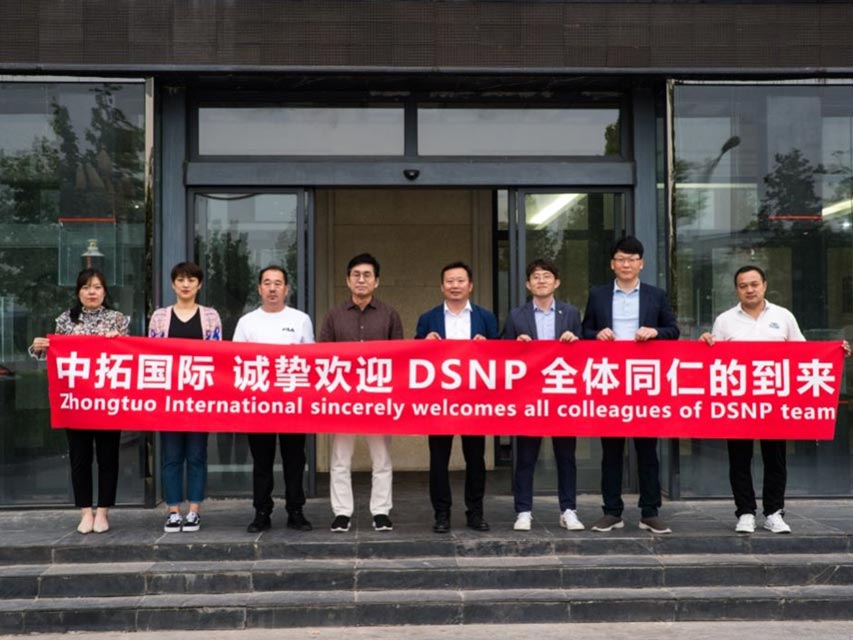
Bienvenue à Wedo LLC pour visiter notre usine de profileuses.
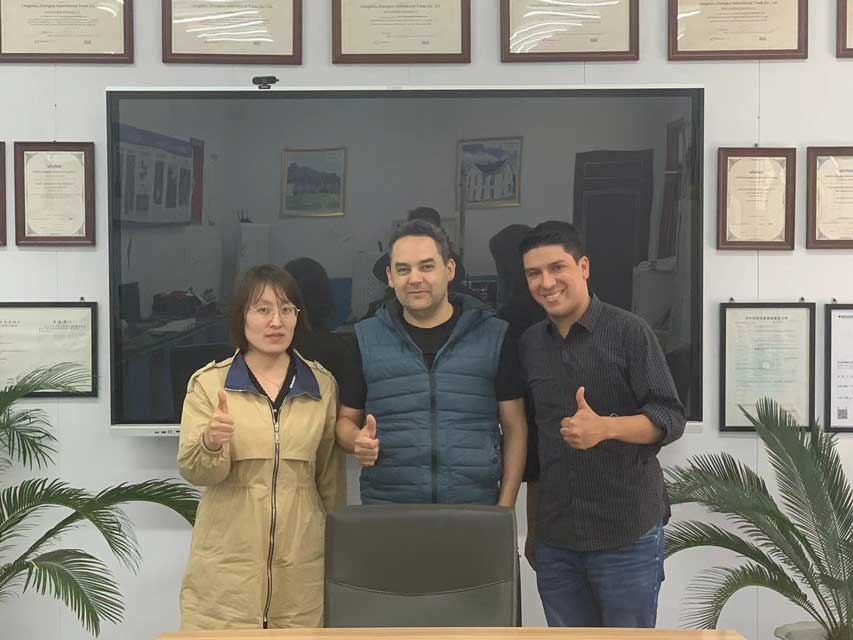
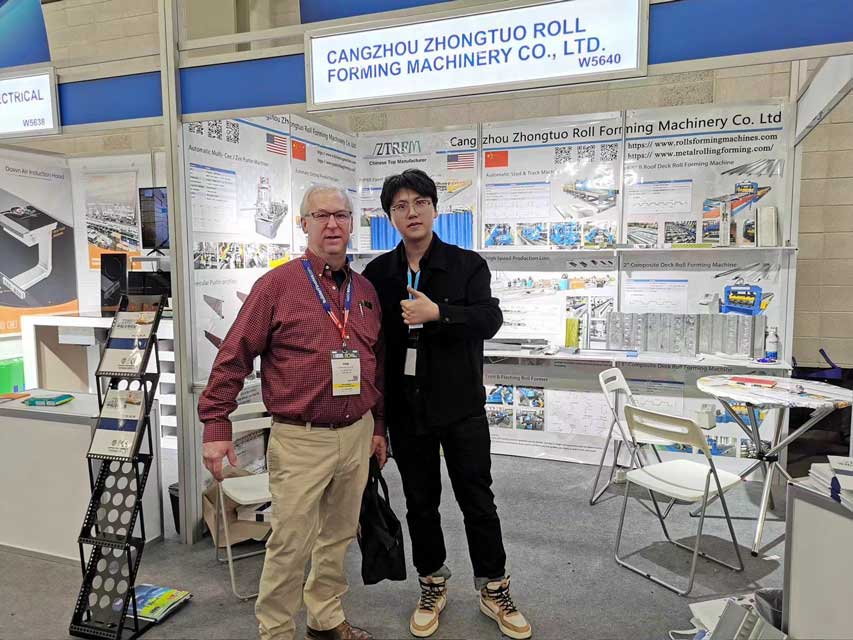
Les amis américains sont de retour à Cangzhou Zhongtuo Roll Forming Machinery
Rouleuse pour toiture métallique produisant des panneaux R et des profilés bas avec système d'empilage automatique
Commentaire d'un client sur le service après-vente de nos profileuses
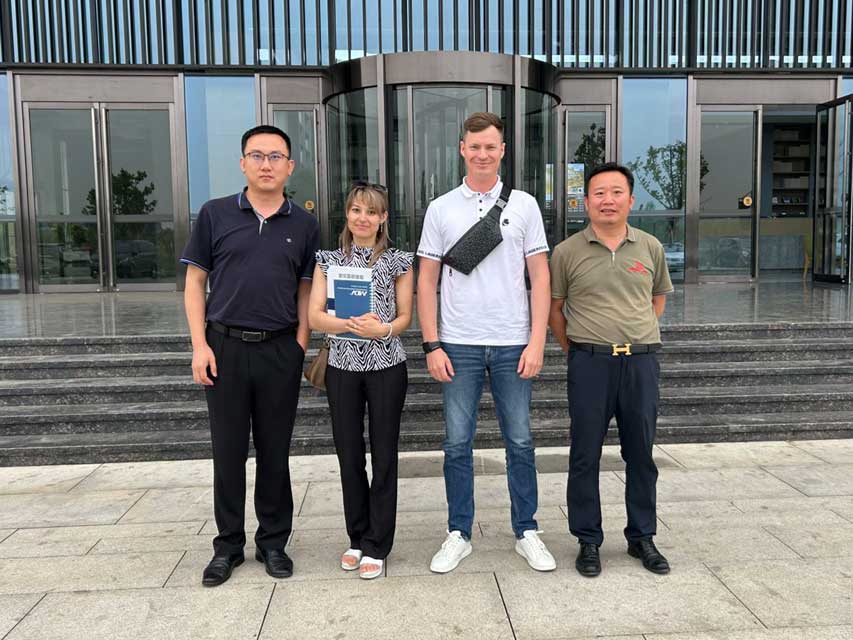
Visite réussie de clients azerbaïdjanais dans notre usine de profilage !
Zhongtuo Roll Forming Solutions | Machines personnalisées pour les industries mondiales
Visitez Zhongtuo grâce au système VR 360°, Cangzhou Zhongtuo a été créé en 2014 et se consacre à la conception et à la fabrication de différents types de machines de formage par laminage à froid. Nous fournissons des services ODM, OEM et des services à guichet unique. Les matières premières, les machines et les accessoires peuvent être achetés chez nous.
Visitez Zhongtuo grâce au système VR 360°, Cangzhou Zhongtuo a été créé en 2004 et se consacre à la conception et à la fabrication de différents types de machines de formage par laminage à froid. Nous fournissons des services ODM et OEM ainsi qu'un service à guichet unique. Les matières premières, les machines et les accessoires peuvent être achetés chez nous.
OEM/ODM et service de personnalisation à guichet unique
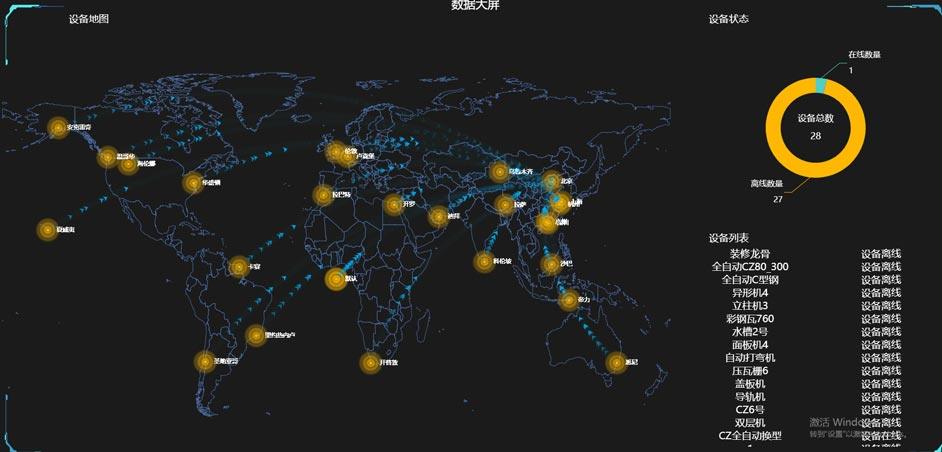
Intelligence dans le suivi de la production : un suivi en temps réel pour prévenir les anomalies de production.
Rappel intelligent : rappel des anomalies, rappel de l'entretien de la machine, etc. - prolonger efficacement la durée de vie de la machine.
Un service après-vente intelligent : réalise véritablement le contrôle à distance du service après-vente, sans qu'il soit nécessaire d'envoyer des ingénieurs sur place, ce qui permet d'économiser le temps du service après-vente et les coûts d'entretien.
Coopération avec Siemens - Garantie globale de Siemens pour les commandes PLC.
Achetez deux machines et recevez cet ordinateur intelligent gratuitement !
Fournir OEM、ODM
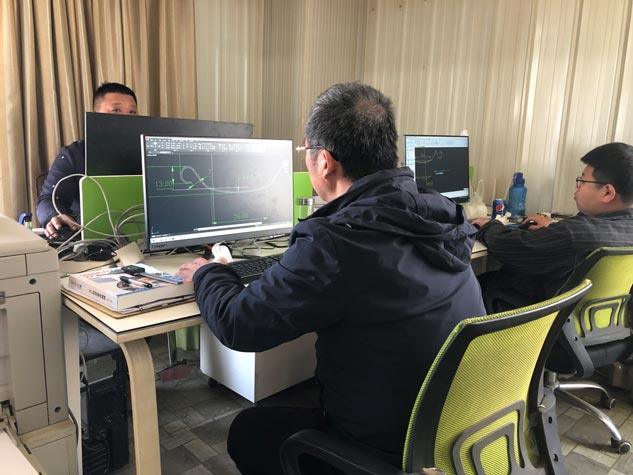
1.communication:confirmer les besoins de l'acheteur. 2.Conception technique : réalisation de dessins de profils et de machines en 3D 3.déterminer la configuration et la production 4.essais avant livraison
5.emballage et livraison 6.Conseils techniques 7.Service après-vente : services d'installation pour les machines complexes et visites régulières des clients
Plus de 95800 entreprises lui font confiance
Nous avons l'honneur de coopérer étroitement avec de nombreux pays. des entreprises de haute qualité. En coopérant avec nous, elles ont reçu Le groupe a bénéficié d'un soutien solide et a réalisé des percées et des développements commerciaux.
0
Approuvé ISO9001 et CE
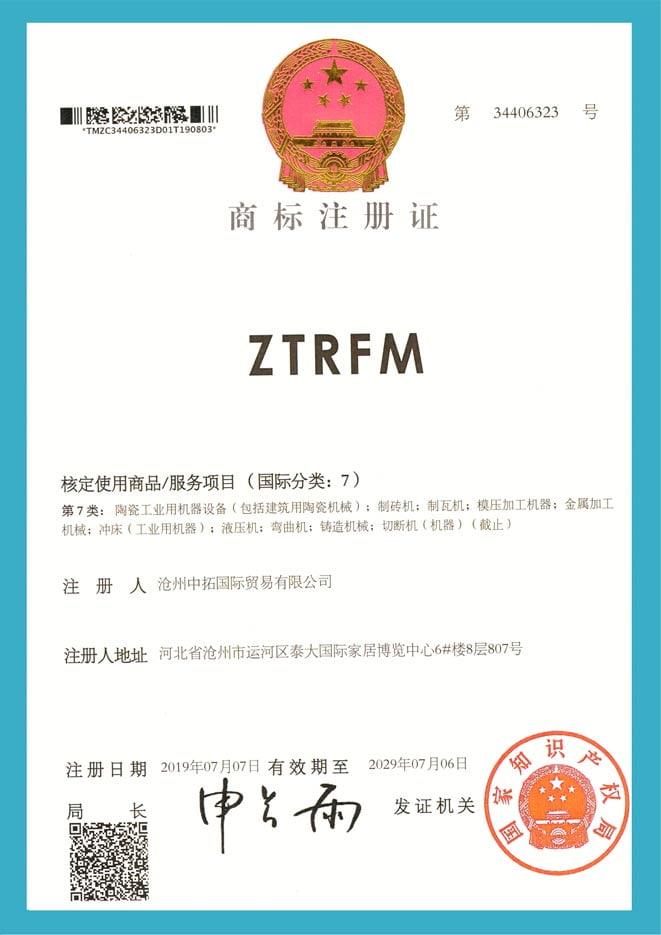
Nous possédons notre propre marque ztrfm, une équipe de conception professionnelle et des techniciens.
0
Pays Clients
Produits populaires auprès des utilisateurs et très appréciés.
0
Solutions à guichet unique
des accessoires aux machines de moulage, en résolvant la complexité de votre approvisionnement.
0
Équipe d'ingénieurs
Nous disposons d'une solide équipe d'ingénieurs composée de plus de 20 personnes, ce qui nous permet de fournir des solutions plus précises et plus rapides.