Cable Tray Roll Forming Machine: Efficient Production Line for Perforated, Ladder and Solid Cable Trays
A cable tray roll forming machine is a specialized metal forming line that continuously transforms steel coils into finished cable trays, including perforated trays, ladder trays, solid trough trays and wire mesh trays. Designed for electrical and cable management manufacturers, this cable tray making machine combines uncoiling, roll forming, punching, cutting and output in one automated process, helping producers raise output, reduce labor cost and keep tray dimensions consistent across large orders. This guide explains how the machine works, what to look for in a reliable cable tray manufacturing line, and how it supports projects in construction, power distribution, industrial plants and infrastructure.
Cable Tray Roll Forming Machine: Efficient Production Line for Perforated, Ladder and Solid Cable Trays
What Is a Cable Tray Roll Forming Machine?
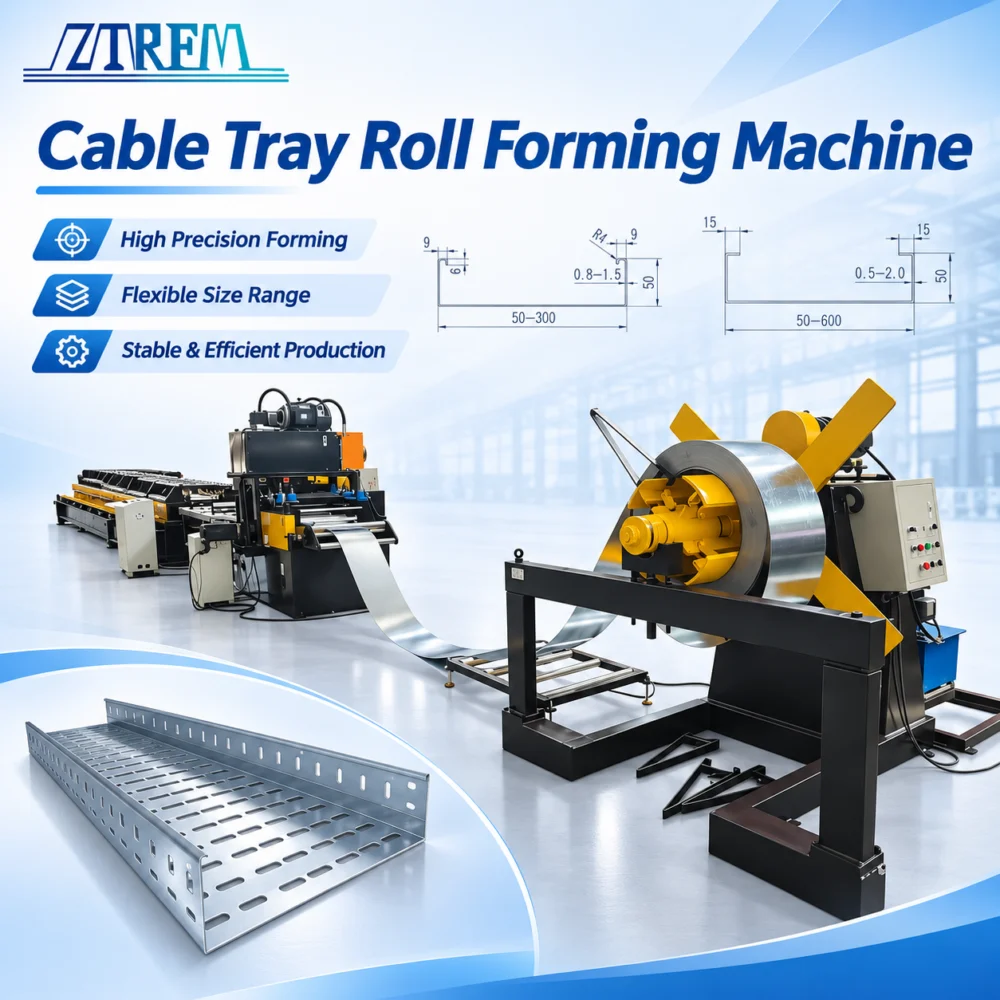
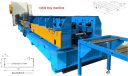
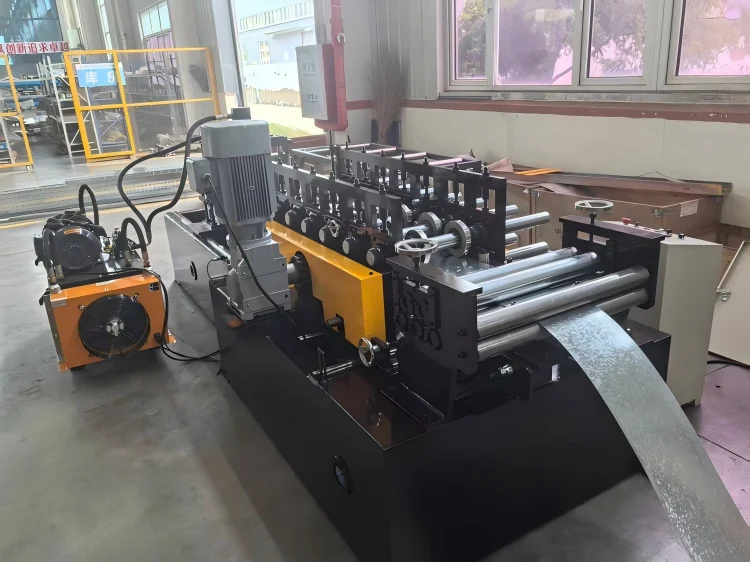
A cable tray roll forming machine processes cold-rolled steel, galvanized steel, aluminum or pre-painted coils through a series of progressive roller stations. As the strip passes through the rollers, it is bent step by step into the required tray profile, then punched for ventilation or mounting holes, cut to length and discharged as a ready-to-use cable tray section. Unlike press-based fabrication, roll forming produces long, straight profiles at high speed with stable cross-section accuracy, which makes it well suited to serial production of cable tray systems.
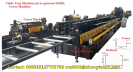
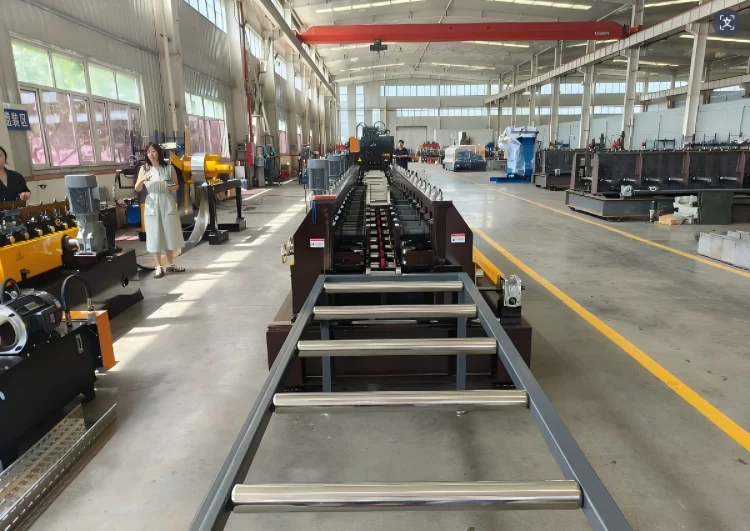
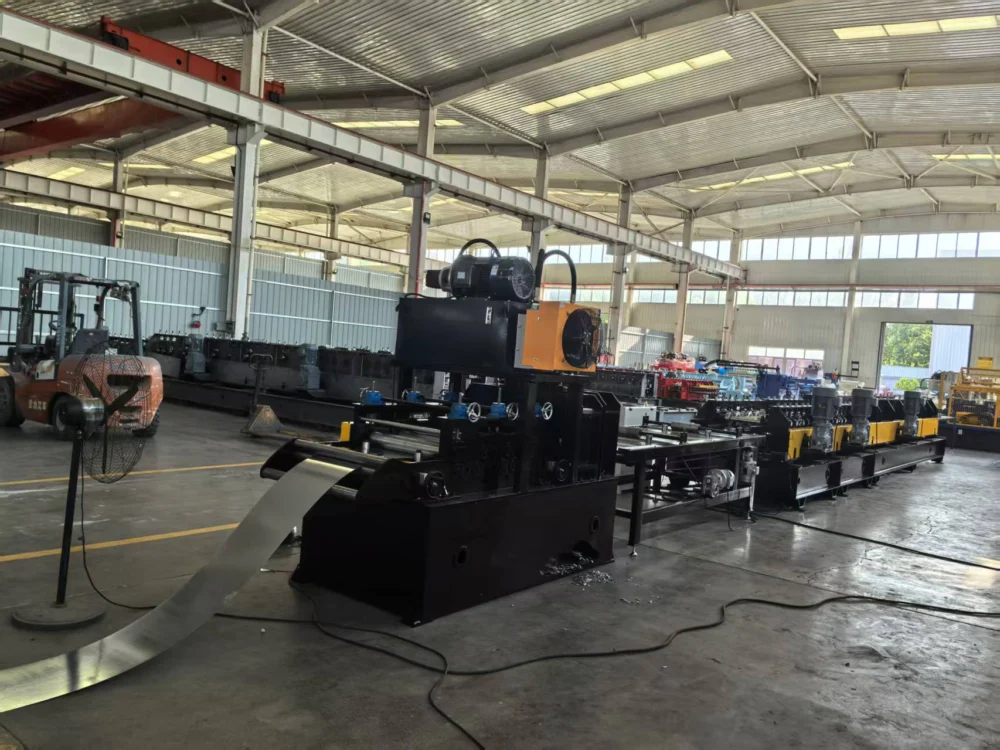
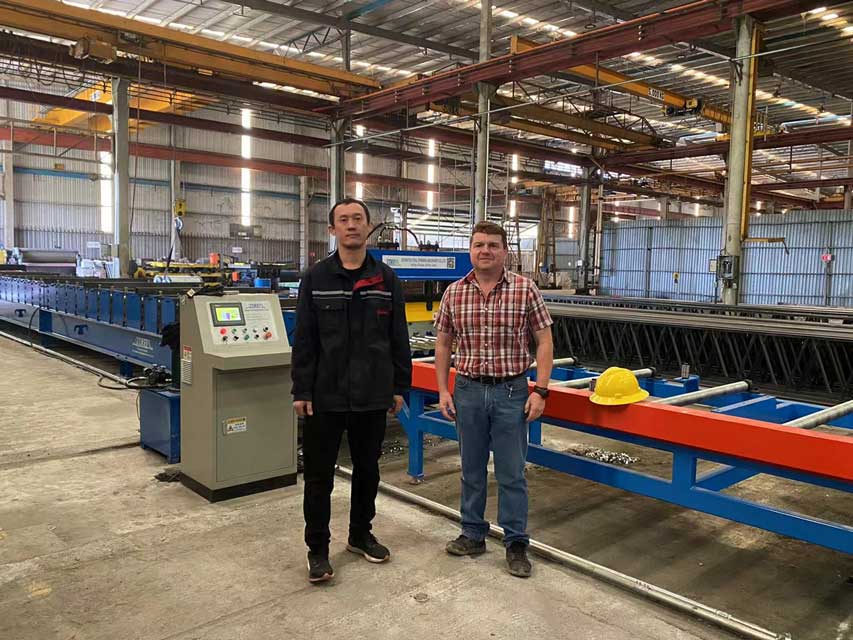
The complete cable tray production line usually includes a coil uncoiler, a material guiding and leveling section, the main roll forming station, a punching or perforating unit, a hydraulic cutting system, a run-out table and an electrical control cabinet. Depending on the model, the line can be configured for fixed-size trays or for quick changeover between multiple tray widths and depths.
Cable Tray Roll Forming Machine: Efficient Production Line for Perforated, Ladder and Solid Cable Trays
Types of Cable Trays One Machine Can Produce
A flexible cable tray roll forming line can be adapted to several common cable management products, so buyers can match the machine to the tray types demanded by their local market.
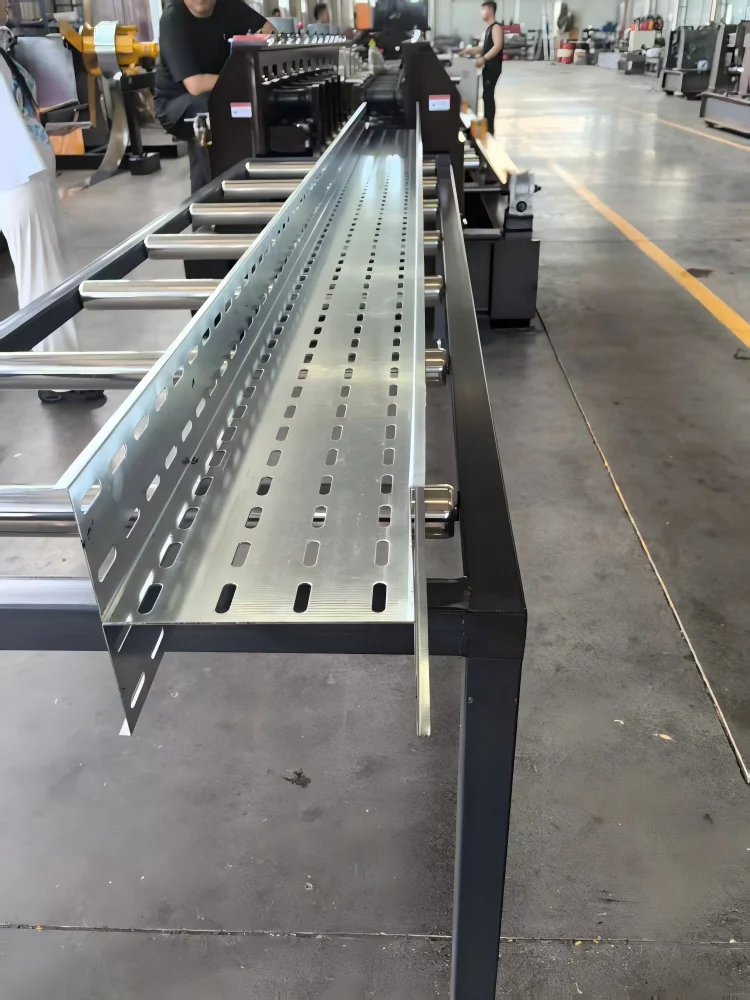
Perforated cable tray: a ventilated tray with punched holes along the side rails and base, used where heat dissipation and drainage are required.
Ladder cable tray: built with two side rails and horizontal rungs, ideal for long-span runs and heavy power cables.
Solid trough cable tray: a closed-bottom tray that protects cables from dust, debris and light impact.
Wire mesh cable tray: an open grid tray used in data centers, offices and light-duty installations.
Accessories and fittings: many lines can also produce covers, flanges, brackets and related profiles when configured with the appropriate tooling.
How the Cable Tray Making Machine Works
The production sequence follows a continuous flow, and each stage contributes to the final quality of the tray.
Uncoiling and feeding: the steel coil is loaded onto the uncoiler and fed into the line at a steady tension, avoiding wrinkles or edge distortion.
Leveling and guiding: the strip is straightened and aligned before entering the rollers, which keeps the profile square and prevents twisting.
Roll forming: successive roller stations bend the strip into the final side rail, base and flange shape. Roller design determines whether the tray holds its angle and flatness after cutting.
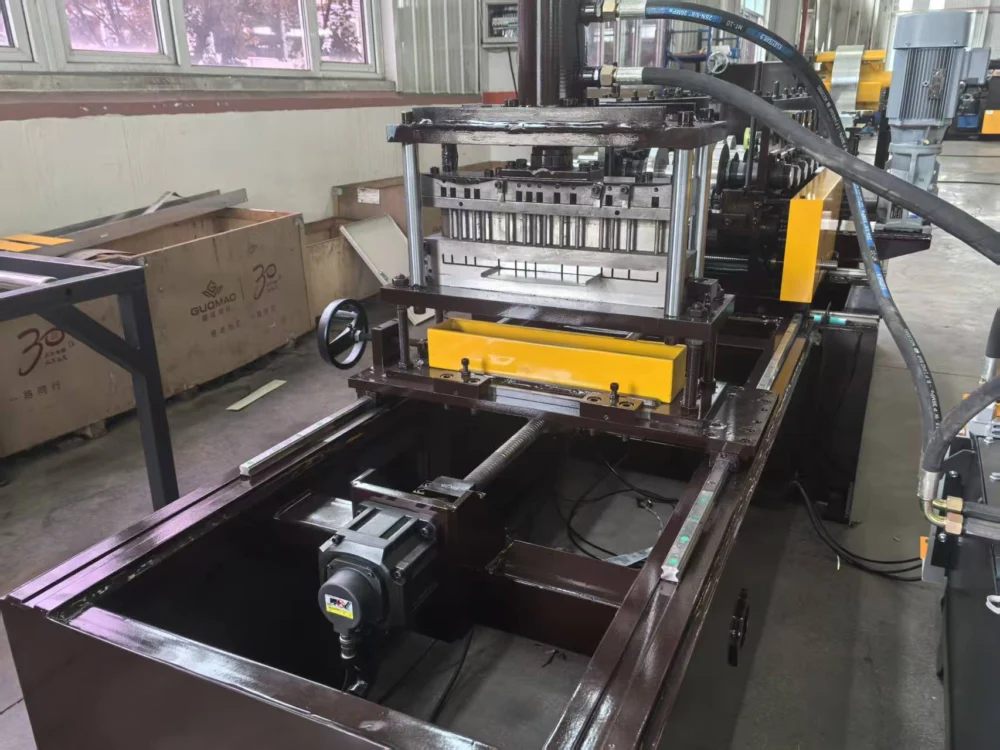
Punching and perforating: holes for ventilation, bolts and grounding are stamped by a hydraulic or mechanical punch unit, synchronized with line speed.
Cutting to length: a hydraulic flying cut or stop-cut saw separates the formed profile at the preset length, leaving clean edges with minimal deformation.
Output and stacking: finished trays are conveyed to the run-out table for collection, inspection and packing.
Cable Tray Roll Forming Machine: Efficient Production Line for Perforated, Ladder and Solid Cable Trays
Key Features and Advantages of a Quality Cable Tray Manufacturing Line
When comparing suppliers, the strongest cable tray roll forming machines share a set of engineering features that translate into stable output, low maintenance and consistent product quality.
PLC-Controlled Automation and Quick Size Changeover
A PLC-based control system stores production parameters for each tray size, so operators can select a recipe and start production without manually resetting every station. On lines equipped with quick-change tooling or adjustable side rails, switching between tray widths and depths takes far less time than conventional mechanical adjustment. This is especially valuable for factories that supply mixed orders with several tray sizes in the same month.
Precision Rollers and Durable Frame
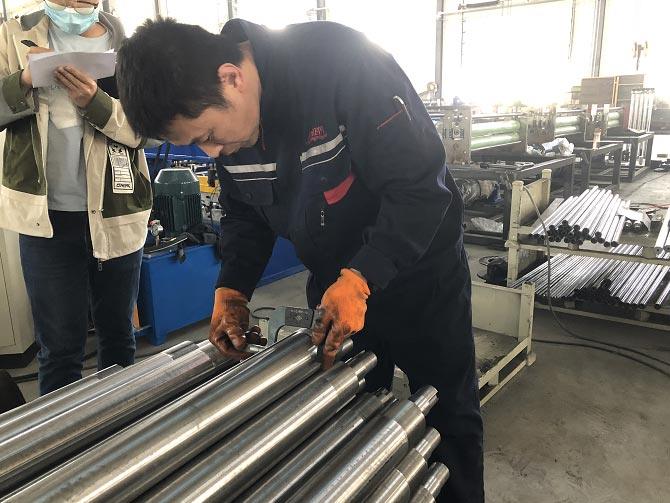
Forming rollers are normally machined from tool steel and heat-treated to resist wear over long production runs. A heavy welded frame, reinforced with ribbing, keeps the stations aligned under load and reduces vibration, which protects profile accuracy and extends machine life. Hardened rollers also leave a smooth surface on galvanized and pre-painted material, reducing scratches and coating damage.
Hydraulic Punching and Cutting
Hydraulic units provide consistent force for punching and cutting thick steel, producing clean holes and square cut ends without burrs that require secondary grinding. Synchronized control keeps the punch and cut in step with the forming speed, so hole spacing and tray length stay accurate even when the line runs continuously.
Flexible Material and Size Compatibility
Reliable lines are built to handle galvanized steel, cold-rolled steel, aluminum and stainless materials within the coil width and thickness range specified for that model. Buyers should confirm the maximum coil width, material thickness, tray width, tray depth and rung or hole pattern against their own product range before ordering, and ask whether future size extensions can be added with extra tooling.
Safety, Operation and Maintenance
Guardrails around moving stations, emergency stop buttons, enclosed electrical cabinets and clear operator interfaces are standard safety elements on a production-ready line. Easy access to rollers, punch dies and hydraulic components makes routine inspection and replacement faster, reducing unplanned downtime.
Cable Tray Roll Forming Machine: Efficient Production Line for Perforated, Ladder and Solid Cable Trays
Materials and Applications
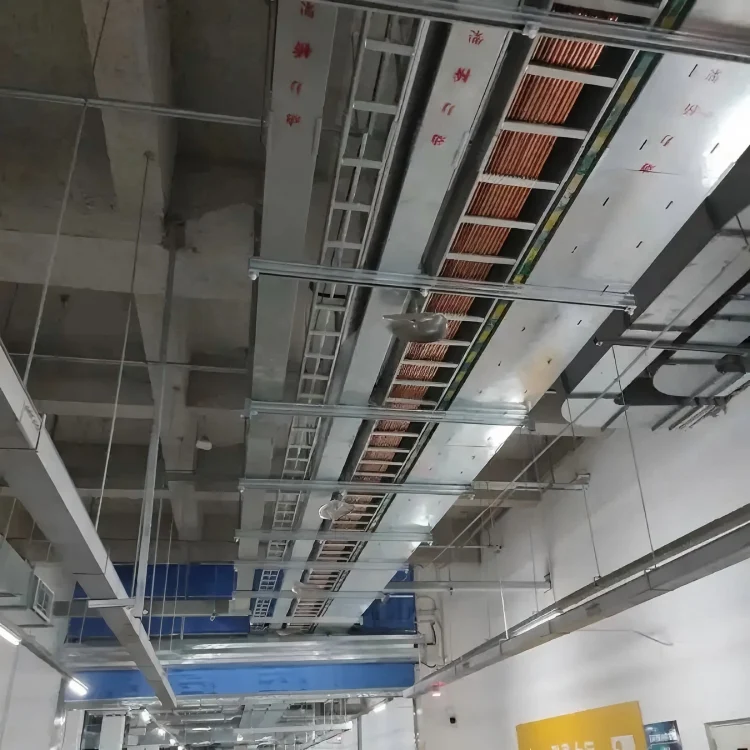
Cable trays produced by these machines are widely used in commercial buildings, industrial factories, power plants, substations, data centers, warehouses, mining projects, transportation hubs and renewable energy installations. Galvanized steel trays suit general indoor and protected outdoor use, while aluminum and stainless options are chosen where weight saving or corrosion resistance matters. Because the finished trays carry power and communication cables, dimensional consistency and edge quality directly affect installation speed and long-term safety on site.
Cable Tray Roll Forming Machine: Efficient Production Line for Perforated, Ladder and Solid Cable Trays
What to Check Before Ordering a Cable Tray Roll Forming Machine
Investing in a cable tray production line is a long-term decision, and buyers should review the following points with the supplier in detail.
Product range: list the tray types, widths, depths, lengths and hole patterns you need to produce now and in the next few years.
Material specifications: confirm coil thickness, coil width, steel grade and surface treatment (galvanized, pre-painted, aluminum) the line can process.
Automation level: clarify whether size changeover is manual, semi-automatic or PLC recipe-based, and how long each changeover takes.
Drive and power: check the main drive type, gearbox capacity and power rating against your expected material thickness and production target.
Tooling and spares: ask which rollers, punch dies and cutting blades are included, and whether spare parts are available for after-sales service.
Installation and support: confirm on-site commissioning, operator training, documentation, warranty terms and response time for technical support.
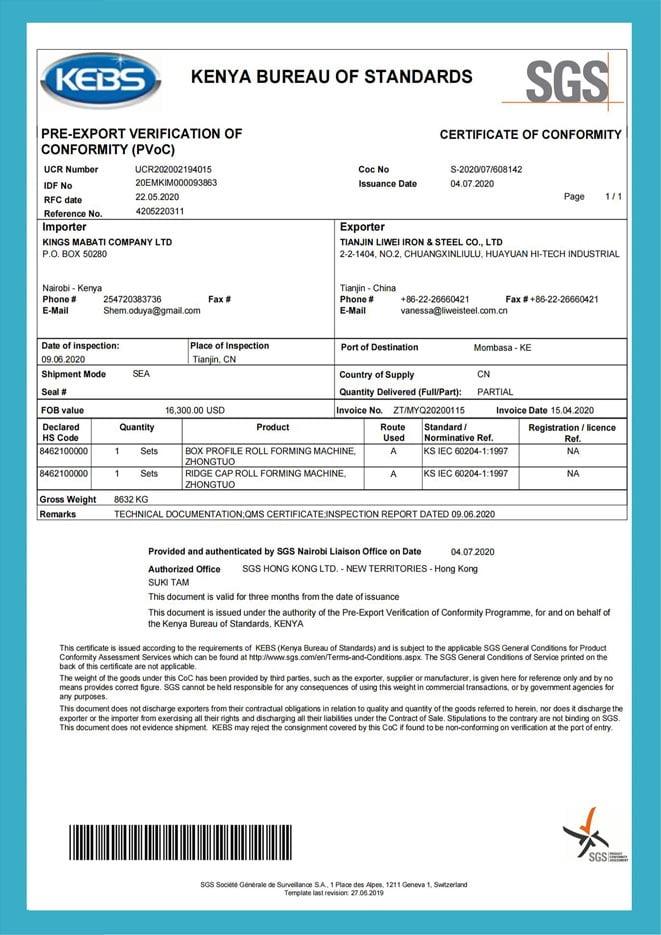
Export readiness: for overseas buyers, check voltage and control panel language, packaging for sea freight, and whether the line meets local safety and electrical standards.
Why Machine Quality Matters for Long-Term Profitability
A lower-priced cable tray making machine may save money at purchase, but worn rollers, weak frames or inaccurate cutting can lead to distorted trays, rework, rejected orders and higher labor hours. A well-built cable tray roll forming machine protects profit by keeping scrap low, maintaining consistent tray dimensions, reducing maintenance interruptions and supporting faster changeover between orders. For manufacturers aiming to supply contractors and distributors on a repeat basis, product consistency is as important as production speed.
Common Questions About Cable Tray Roll Forming Machines
Can one machine produce different cable tray sizes? Many models cover a range of tray widths and depths through adjustable tooling or quick-change stations; the exact range depends on the configured frame and rollers. Confirm your target sizes with the supplier before ordering.
What materials can the line process? Most lines process galvanized steel and cold-rolled steel within a defined thickness range; aluminum or stainless steel options may require adjusted rollers, drive capacity and tooling, so they should be specified in advance.
Is operator training included? Reputable suppliers provide operation manuals, commissioning support and training for running the line, adjusting parameters and carrying out basic maintenance. Export buyers should confirm whether training is remote or on site.
Cable Tray Roll Forming Machine: Efficient Production Line for Perforated, Ladder and Solid Cable Trays
结论
A cable tray roll forming machine is a core asset for any business that manufactures perforated, ladder, solid trough or mesh cable trays at scale. By combining automated feeding, precision roll forming, synchronized punching and hydraulic cutting in one line, it helps producers deliver dimensionally stable trays, reduce manual work and respond flexibly to mixed-size orders. Whether you are setting up a new cable tray factory or expanding an existing production line, choosing a machine built with hardened rollers, a rigid frame, PLC control and reliable after-sales support gives you the best foundation for consistent quality and long-term output.
If you are looking for a cable tray manufacturing line tailored to your tray sizes, materials and market requirements, share your product specifications with the supplier and request a configured quotation, layout proposal and delivery schedule.
为什么选择我们?
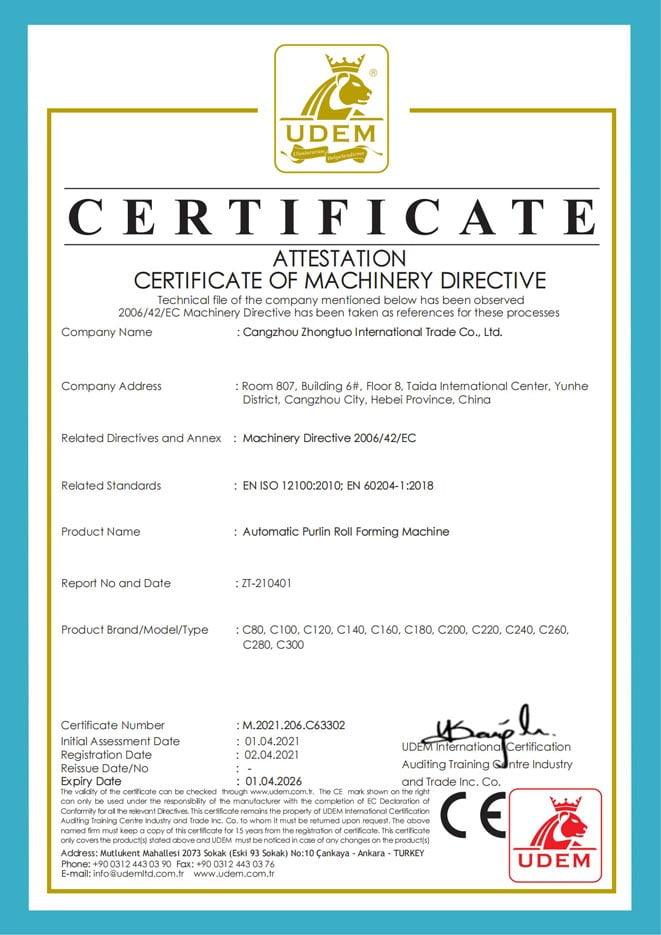
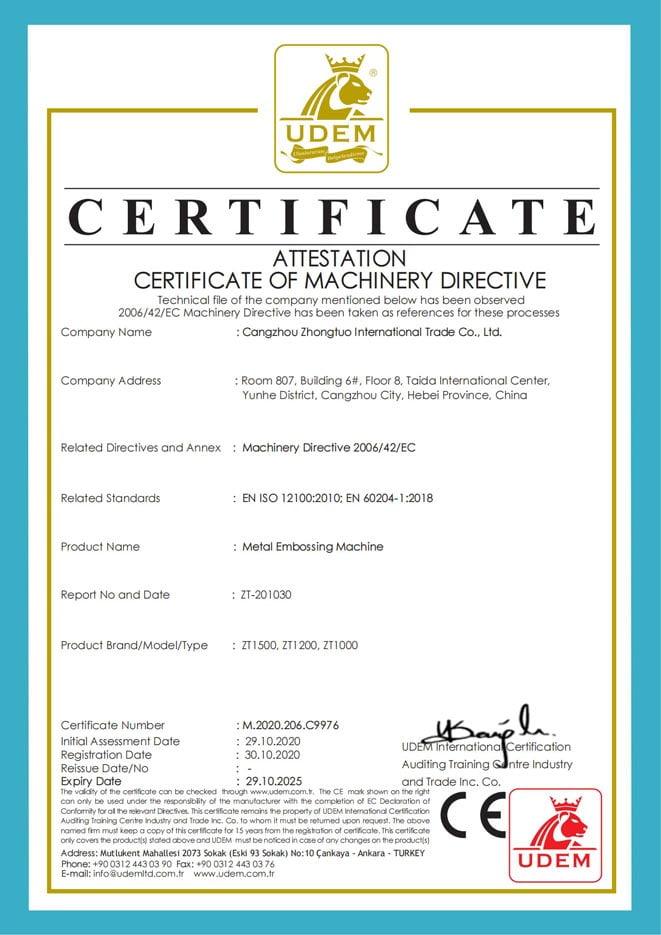
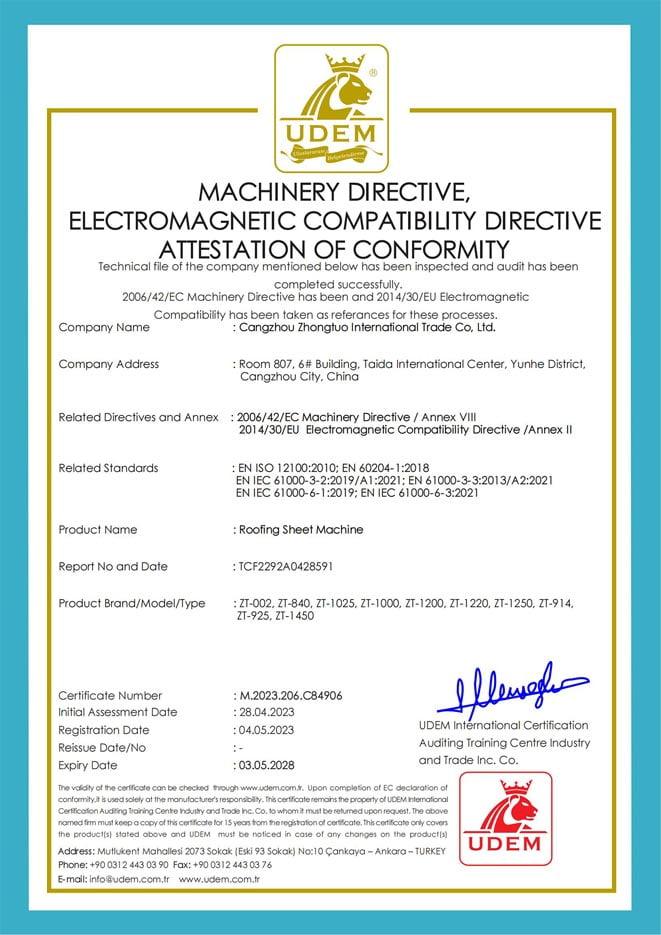
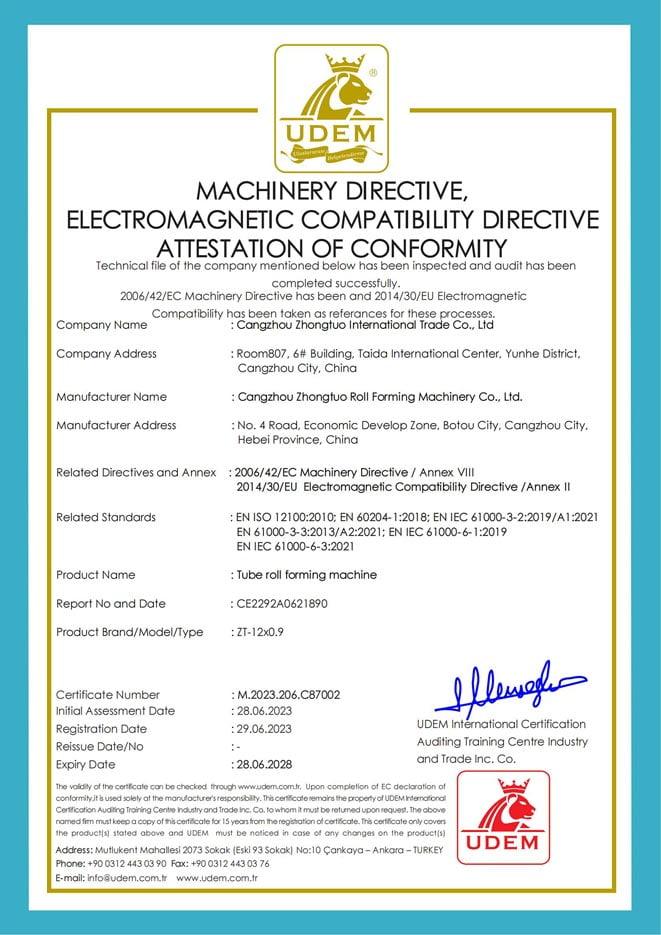
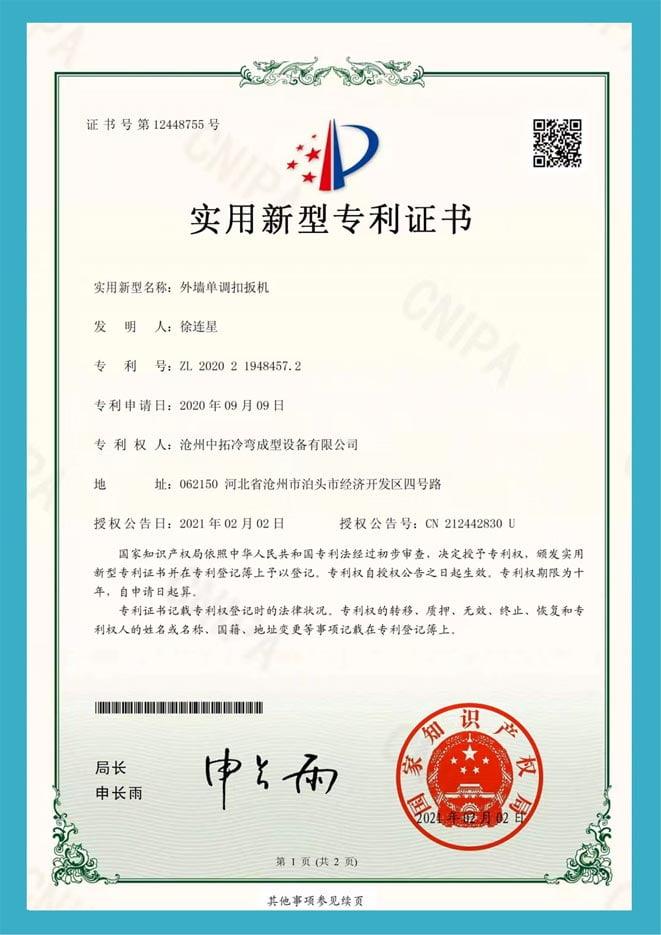
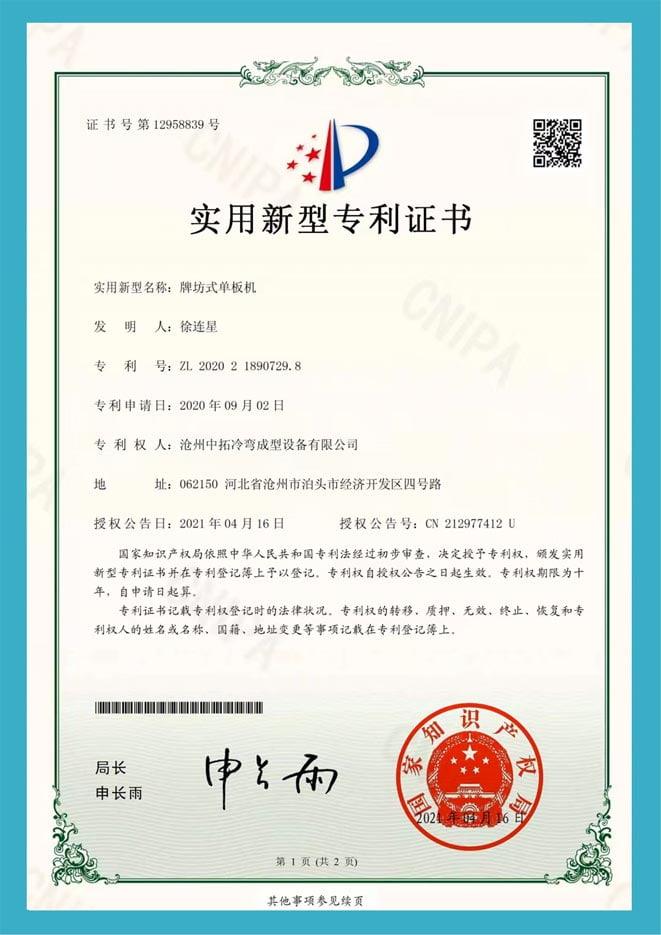
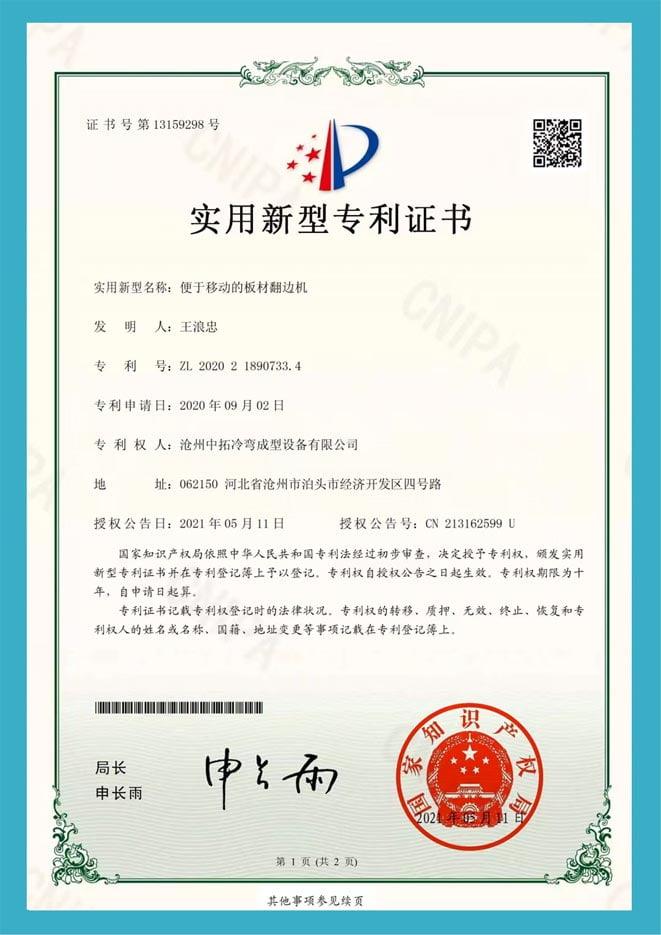
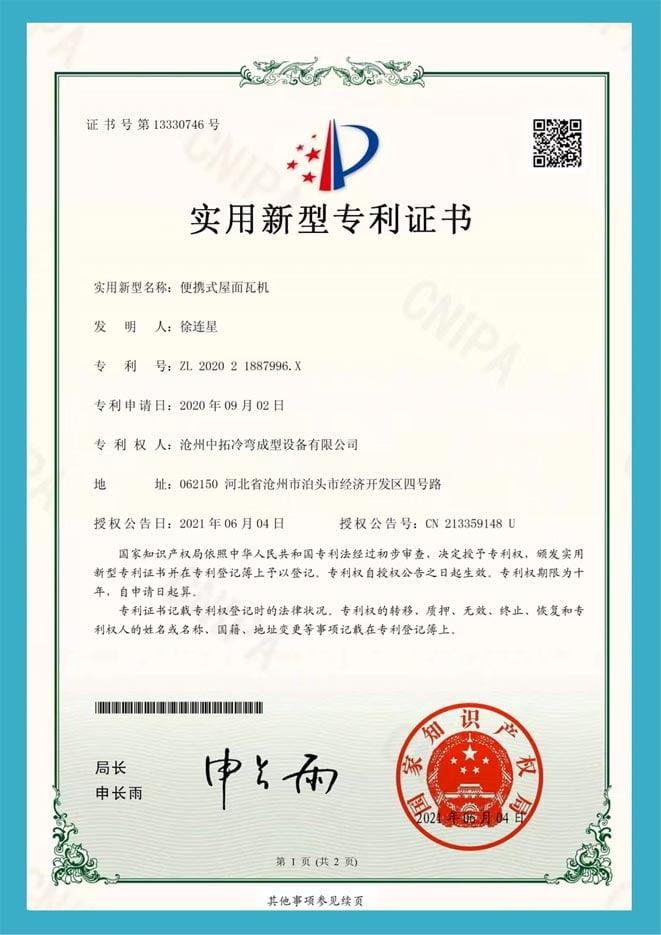
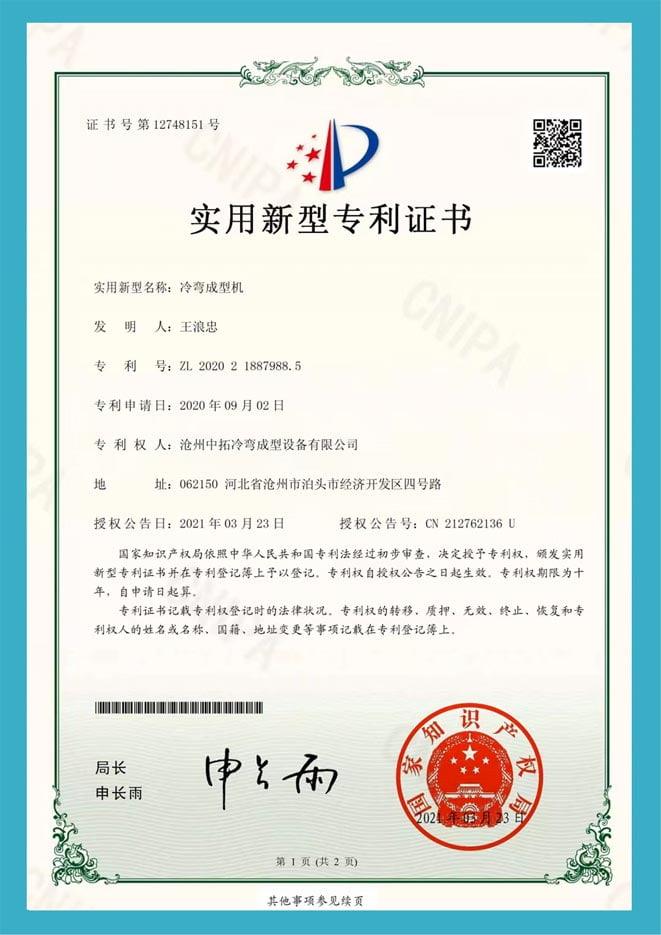
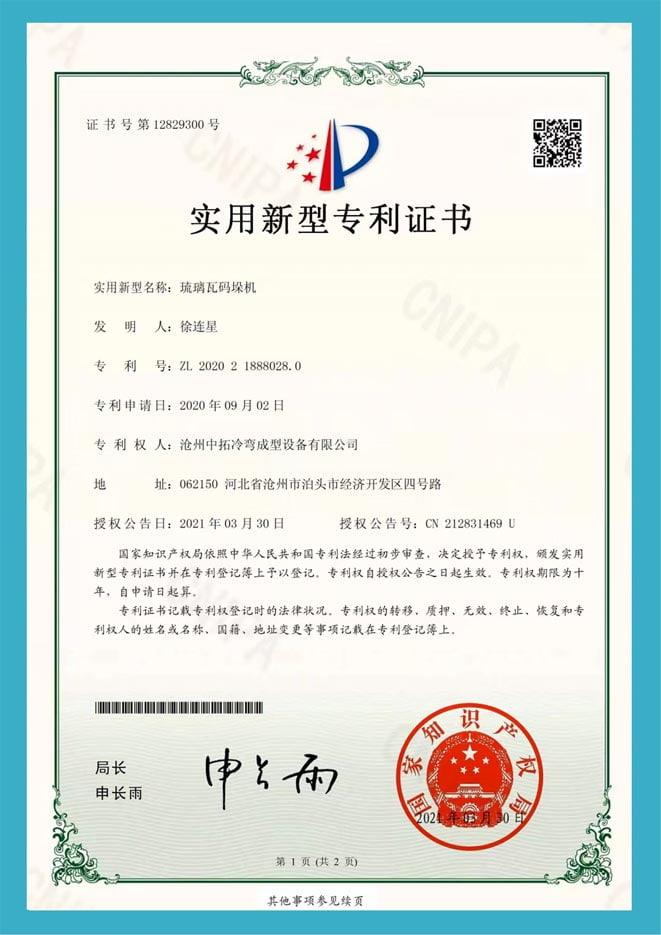
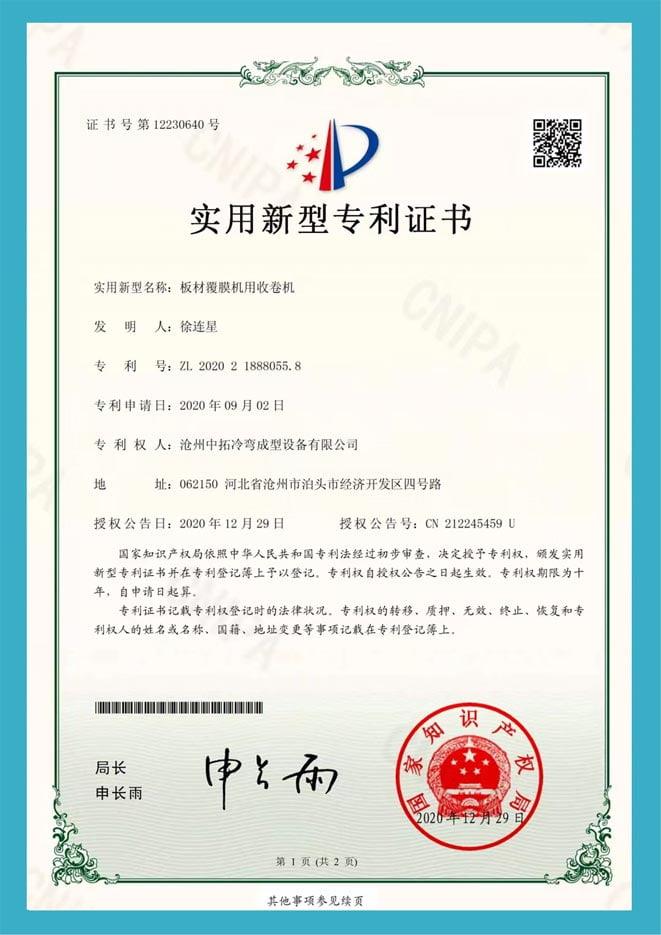
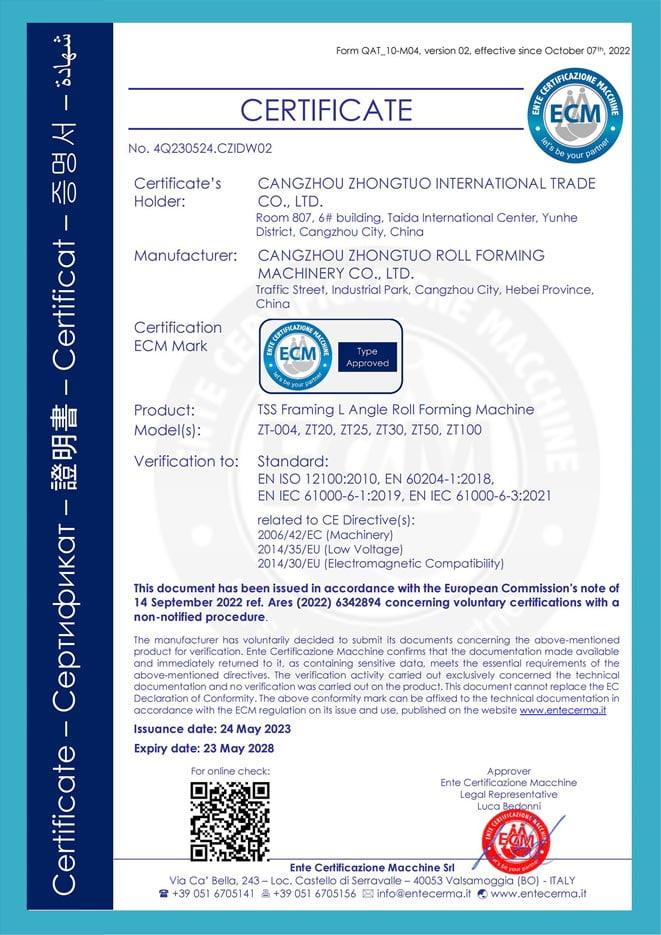
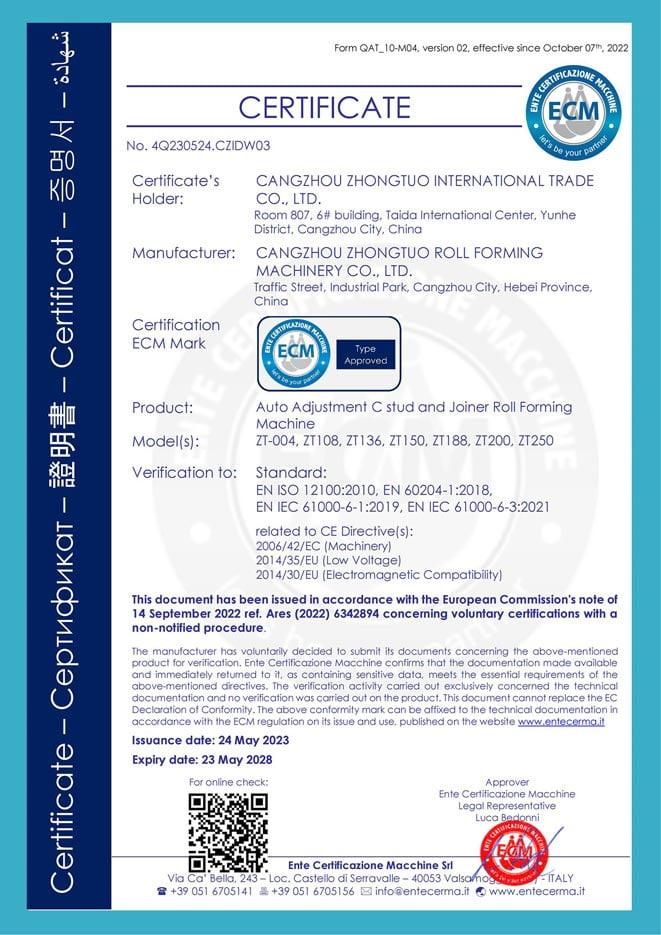
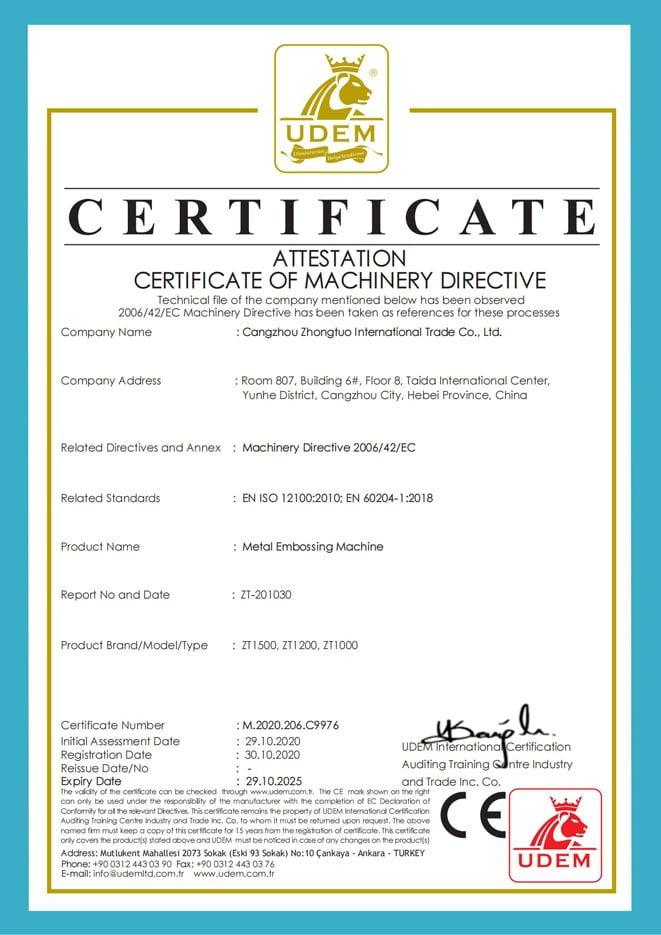
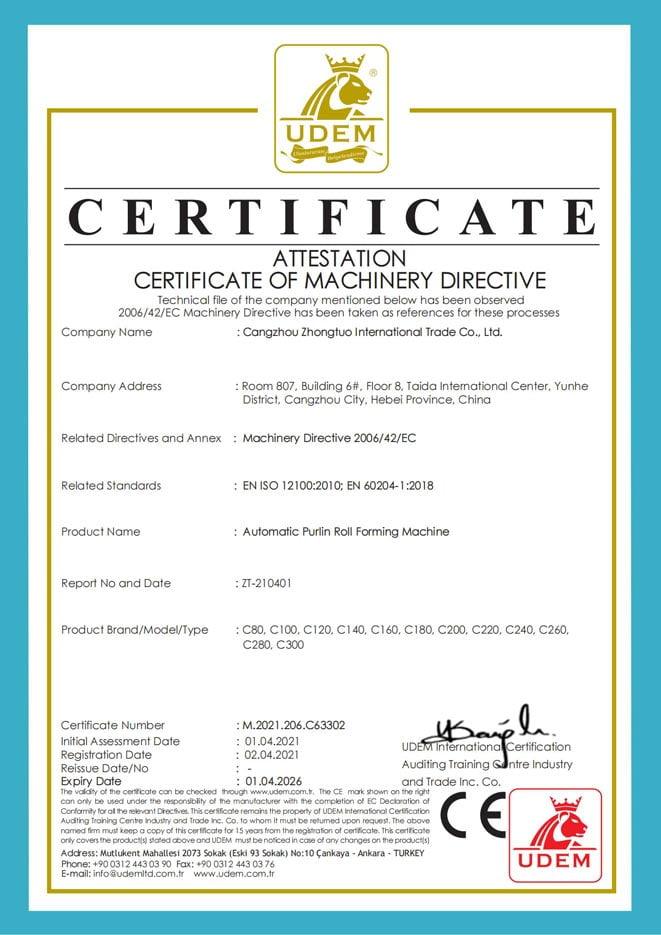
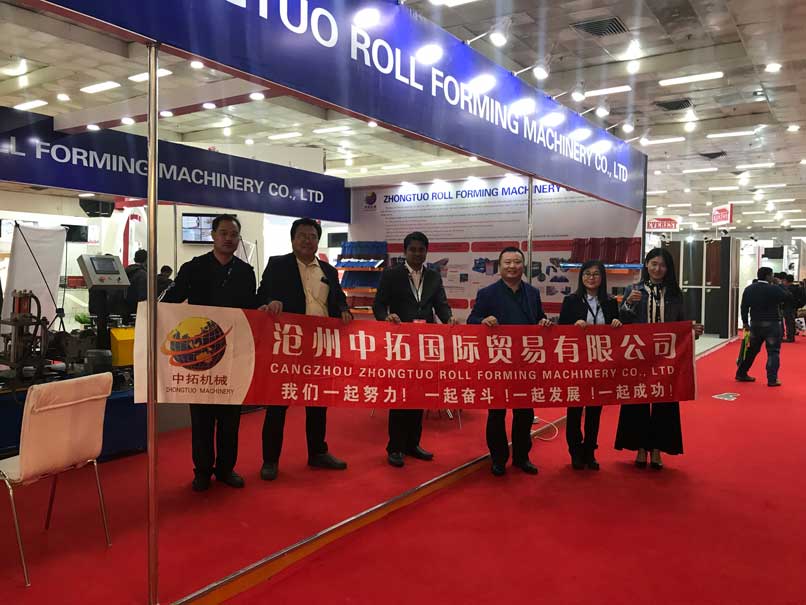
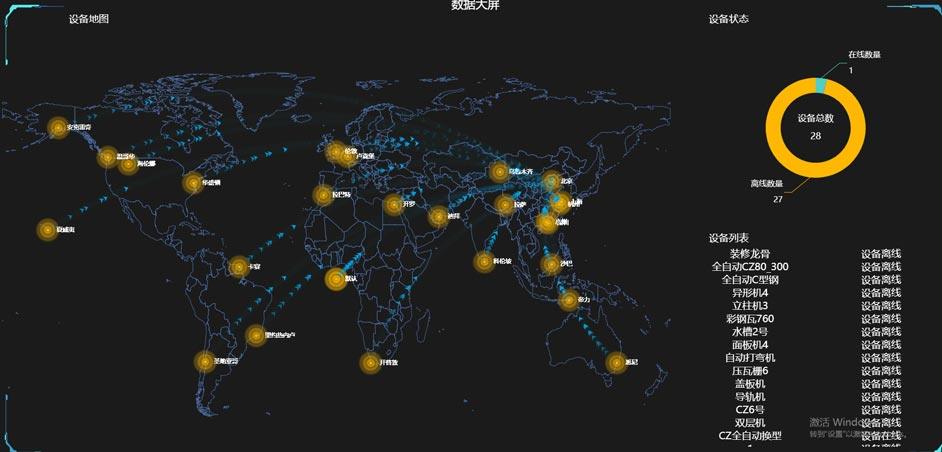
我们是国家级高新技术企业。公司通过了 ISO9001 质量体系认证、欧洲 CE 安全认证、北美 CAS 认证等。我们拥有丰富的出口贸易经验,了解不同国家客户的需求。 同时,我们还能为客户提供满意的设计方案。我们的机器已出口到 150 多个国家,并与客户建立了长期稳定的合作关系,赢得了客户的一致好评。