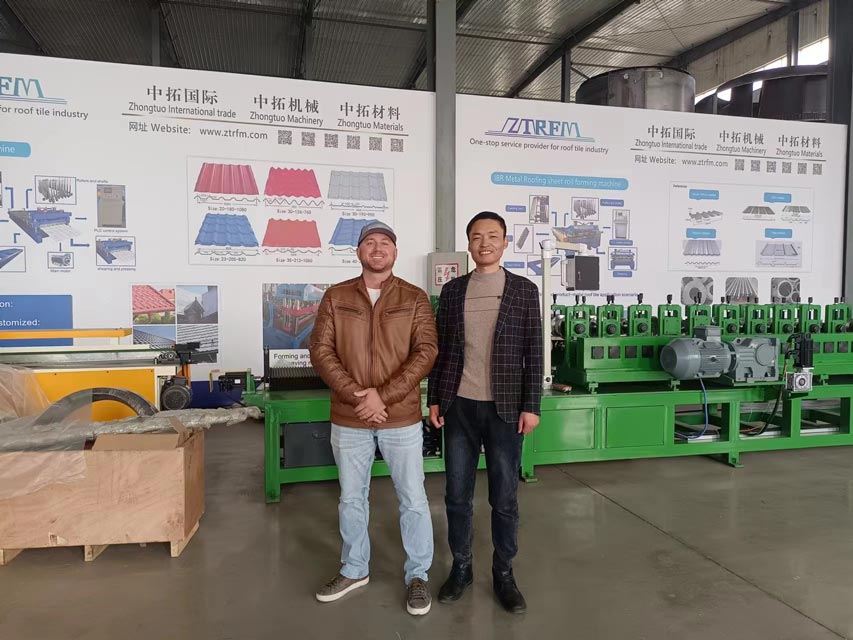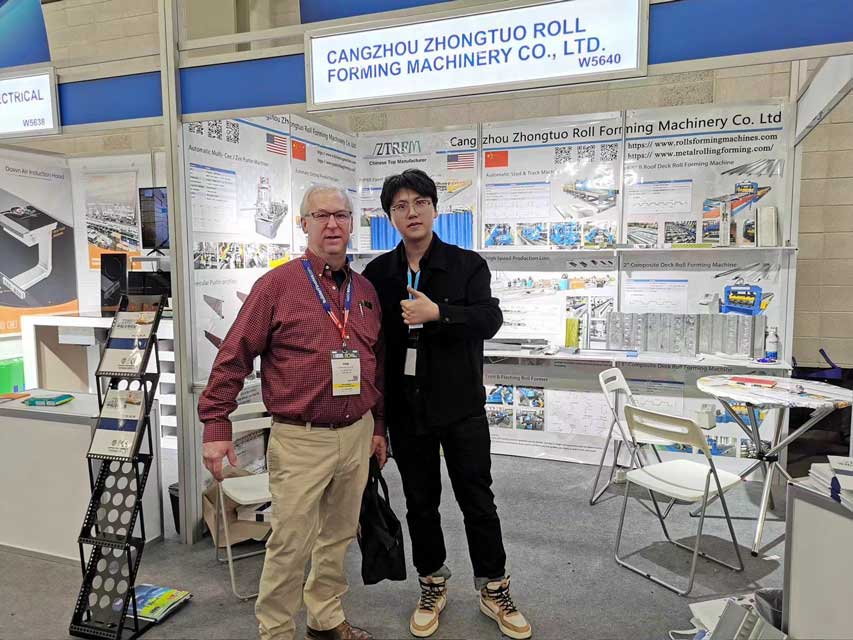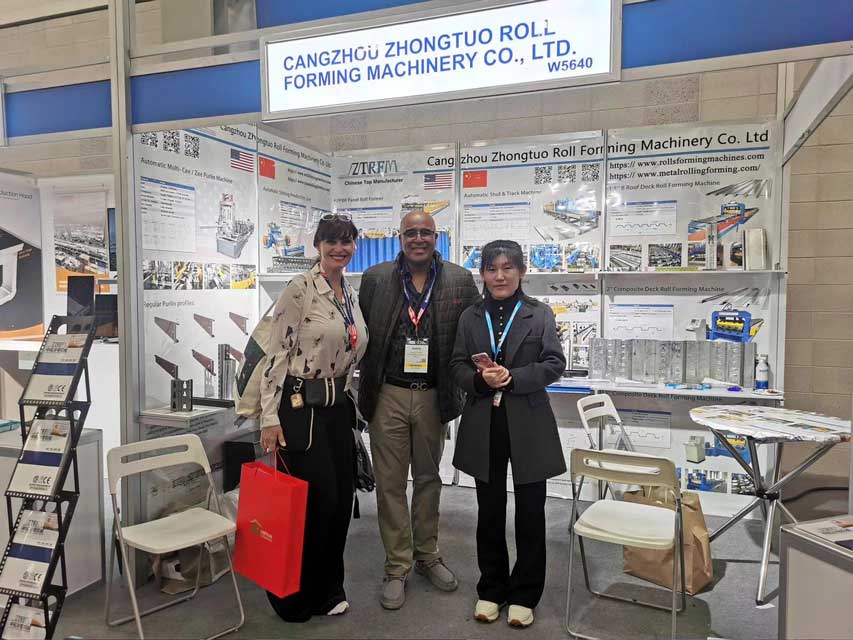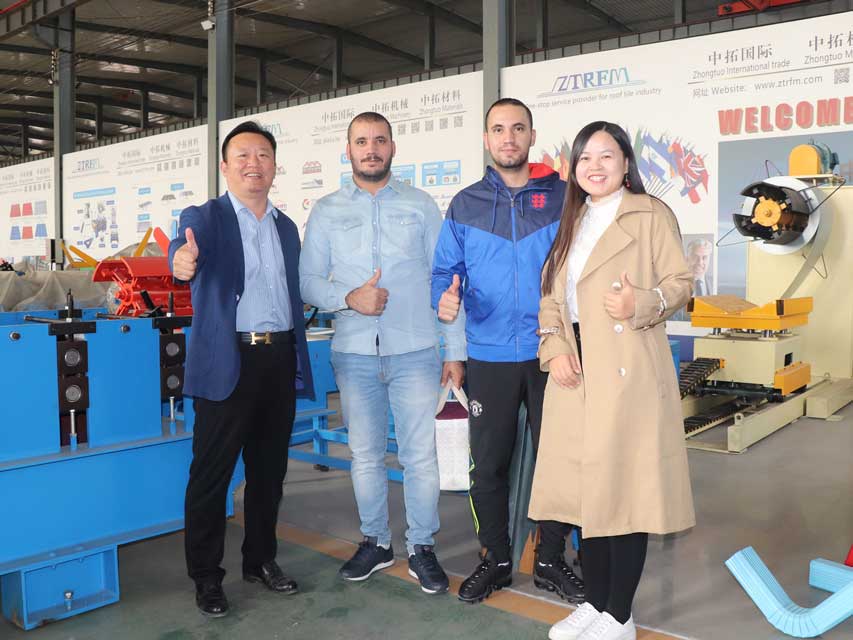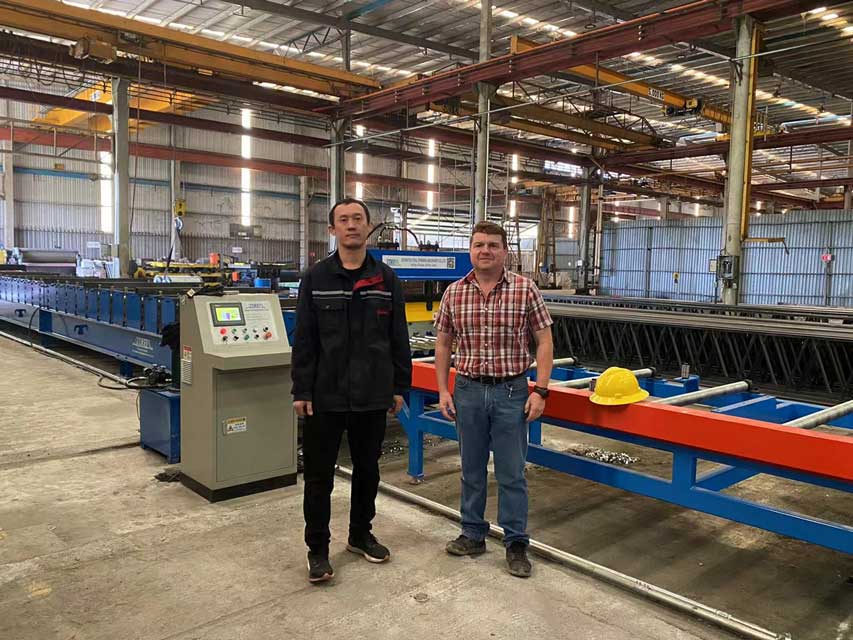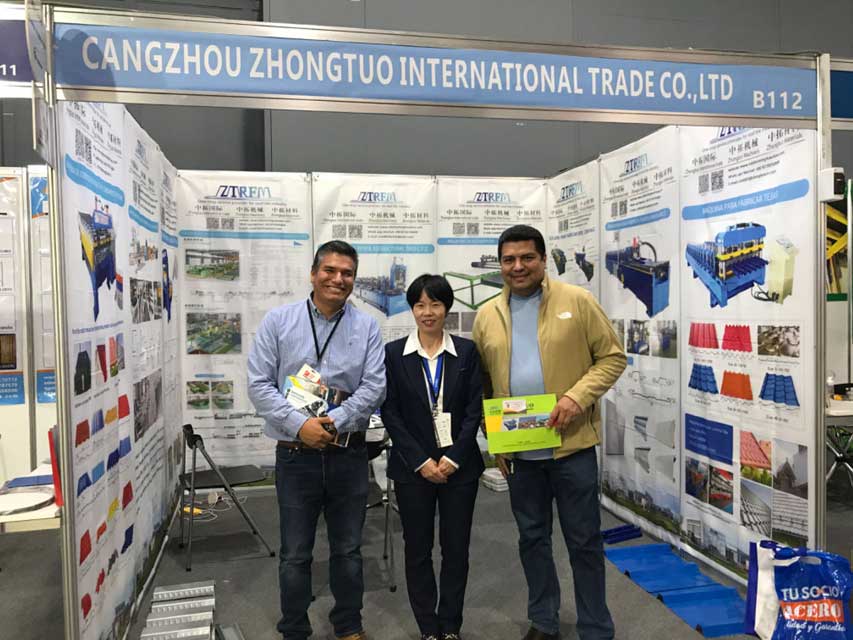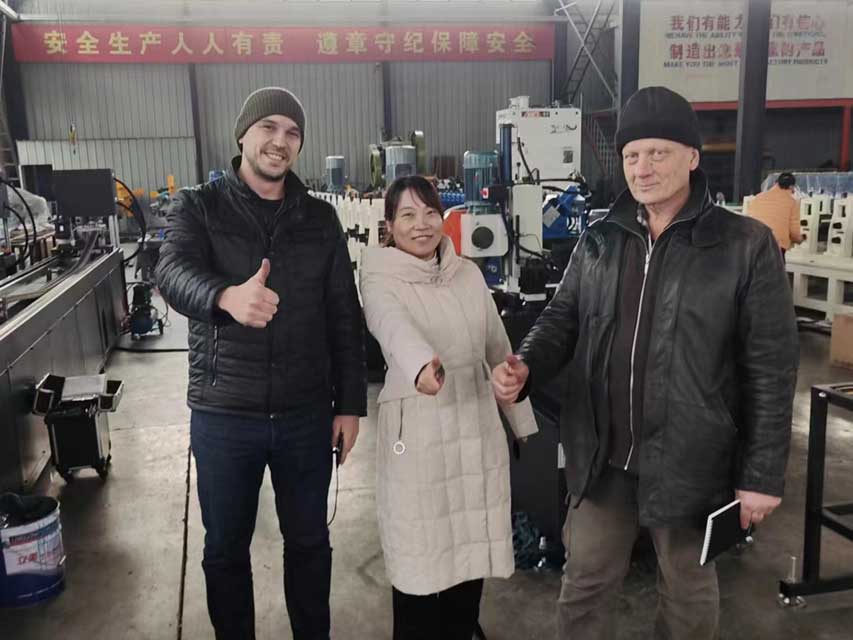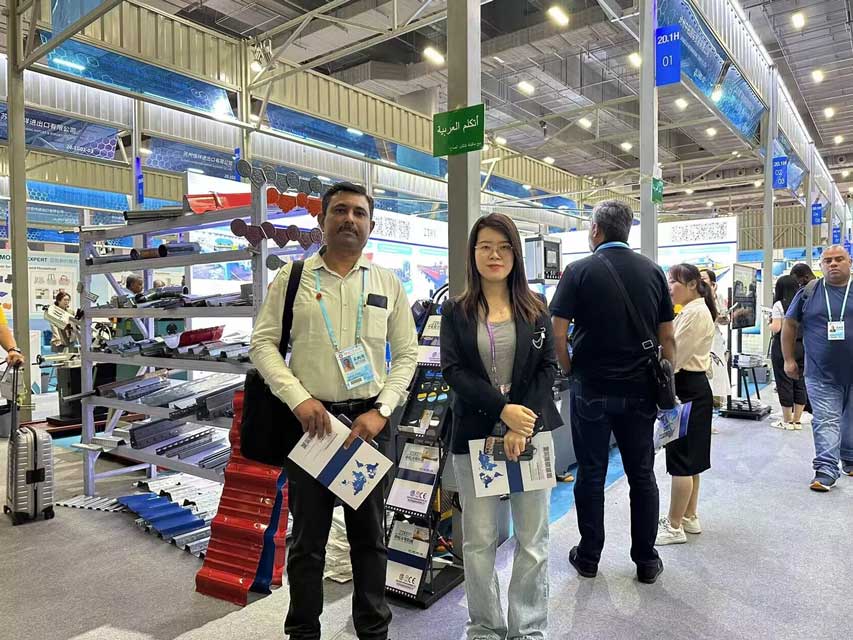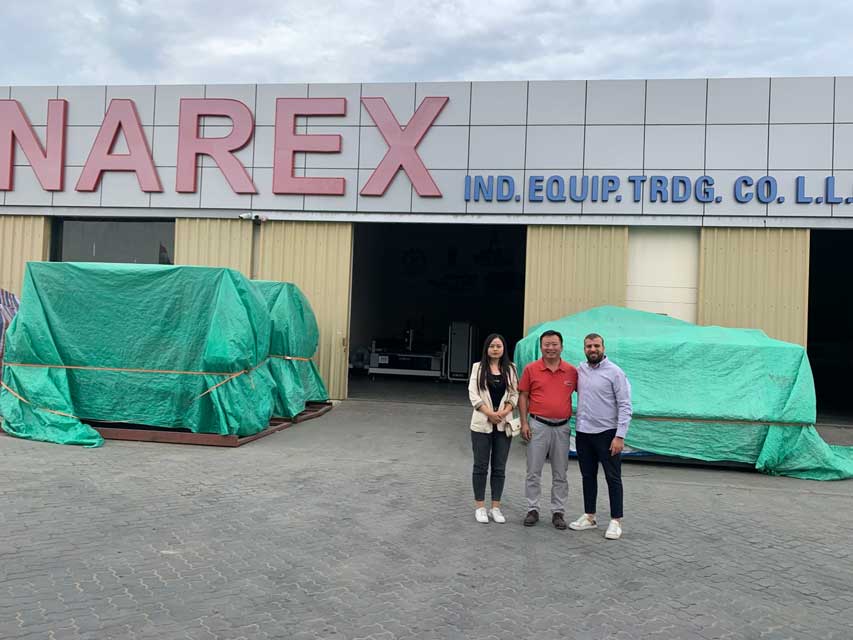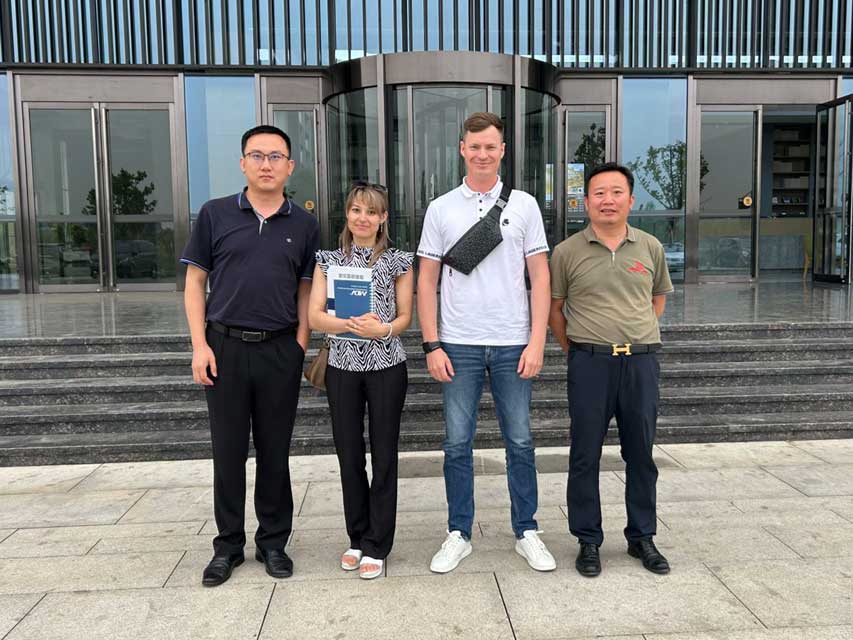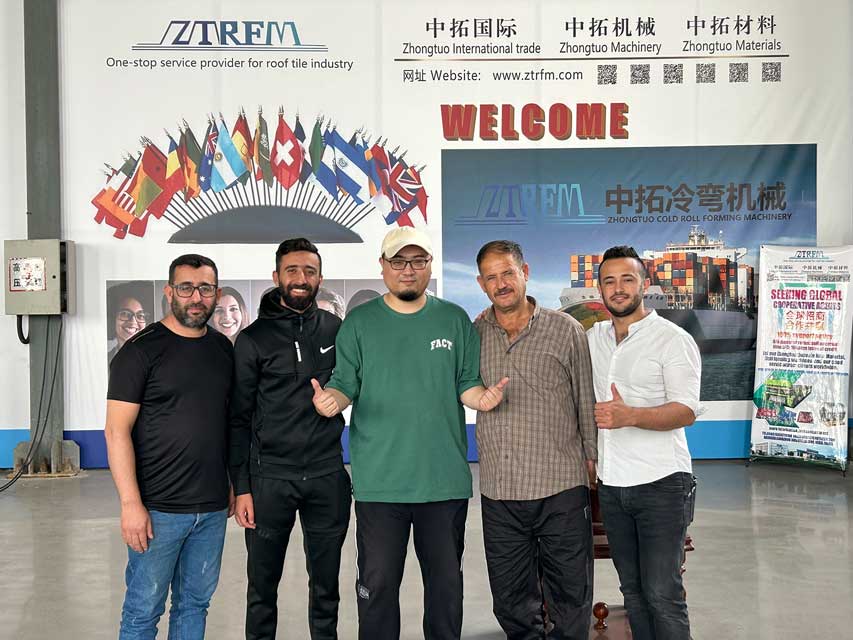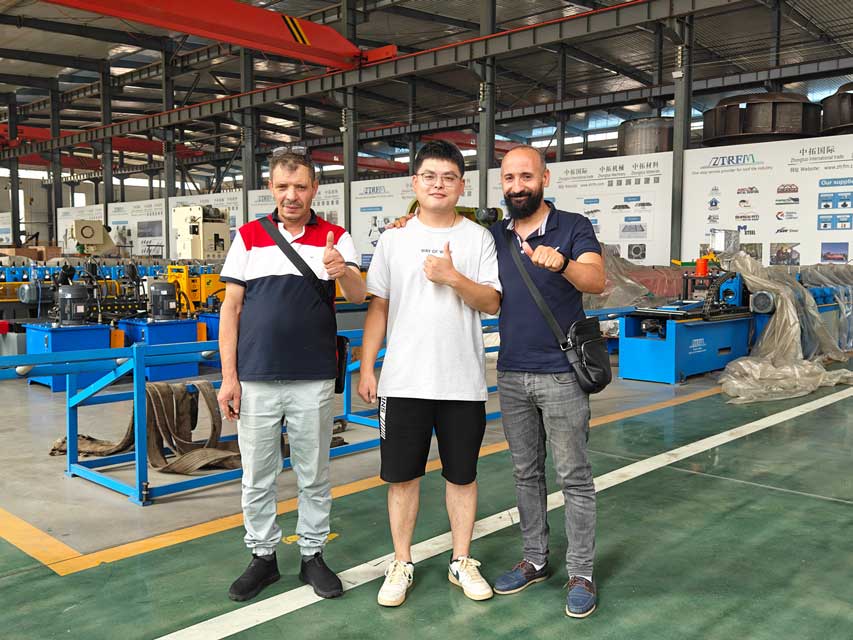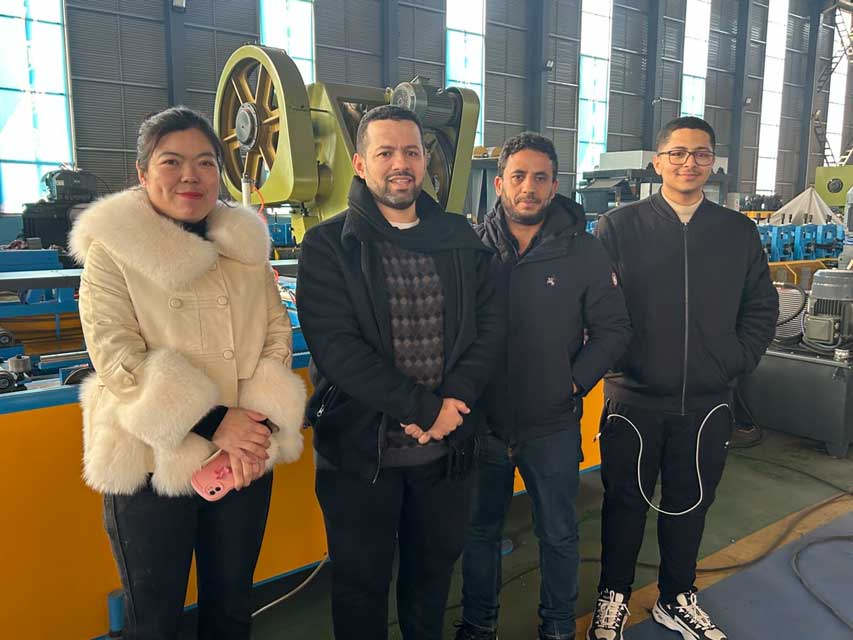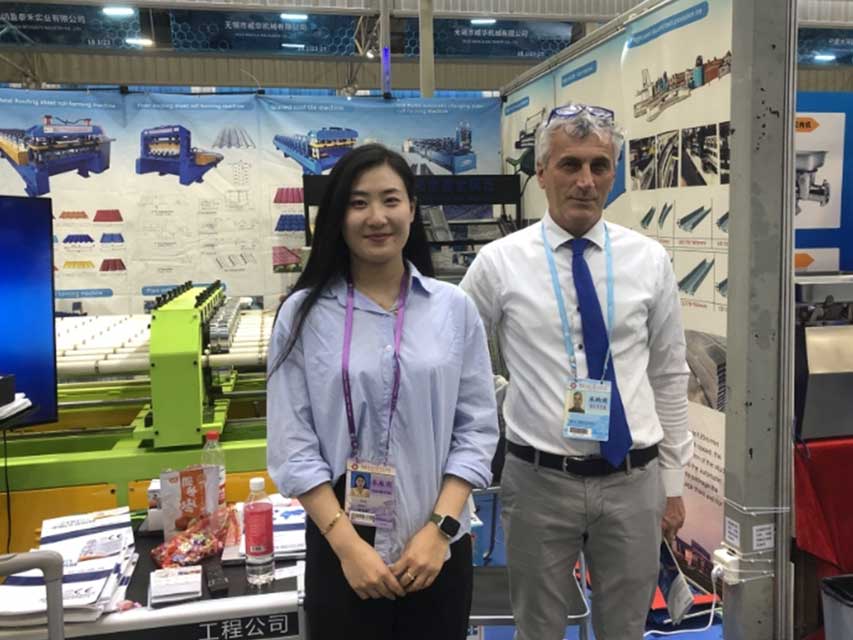
Технологические изменения и промышленные системы, мы стремимся
Компания Seds предоставляет лучшие и экономичные решения для своих клиентов.
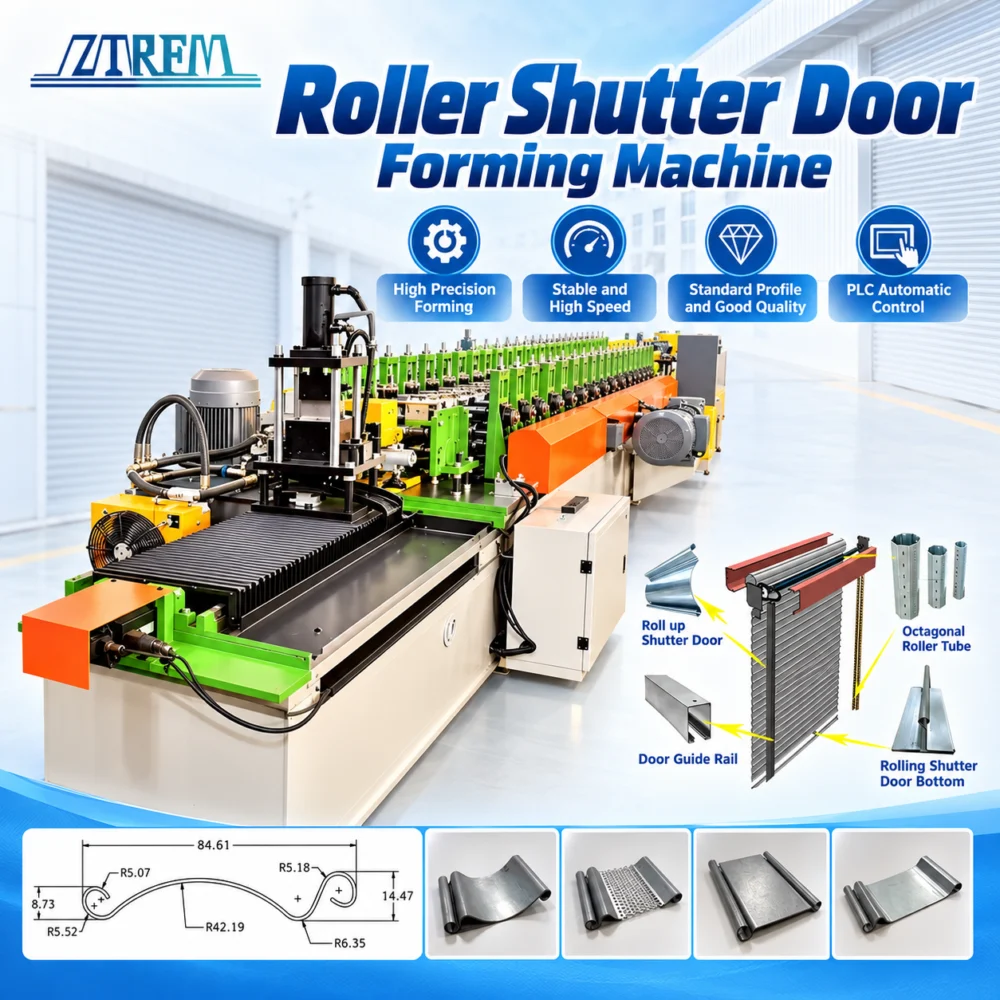
Rolling Door Forming Machine:High-Quality Roll-up Door Manufacturing Equipment by ZTRFM
различные типы машин для холодной прокатки. Мы являемся заводом с многолетней историей, занимающимся разработкой и производством валковых формовочных машин с 2006 года. Мы можем производить следующие машины: машина для производства черепицы, машина для производства обрешетки, машина для производства киля из легкой стали, машина для тиснения металла, машина для формирования дверных систем, машина для формирования потолочных систем, высокочастотная машина для сварки труб, линия продольной резки, линия для резки по длине, машина для формирования полочных систем, машина для формирования настила пола, линия для производства цветной каменной плитки, машина для горячей ламинации и т.д.
Rolling Door Forming Machine:High-Quality Roll-up Door Manufacturing Equipment by ZTRFM
Description:A rolling door forming machine is a specialized cold roll forming system designed to continuously produce metal roll-up door panels, slats, and shutter profiles from galvanized steel, aluminum, or colored steel coils. As global demand for secure, durable, and visually appealing rolling shutters continues to rise in commercial, industrial, and residential sectors, manufacturers increasingly rely on automated forming lines to achieve consistent quality, high output, and competitive production costs. ZTRFM has engineered a new generation of rolling door forming machines that combine precision roll tooling, PLC-controlled automation, and quick-change die systems to help shutter producers optimize their manufacturing workflow.
What Is a Rolling Door Forming Machine?
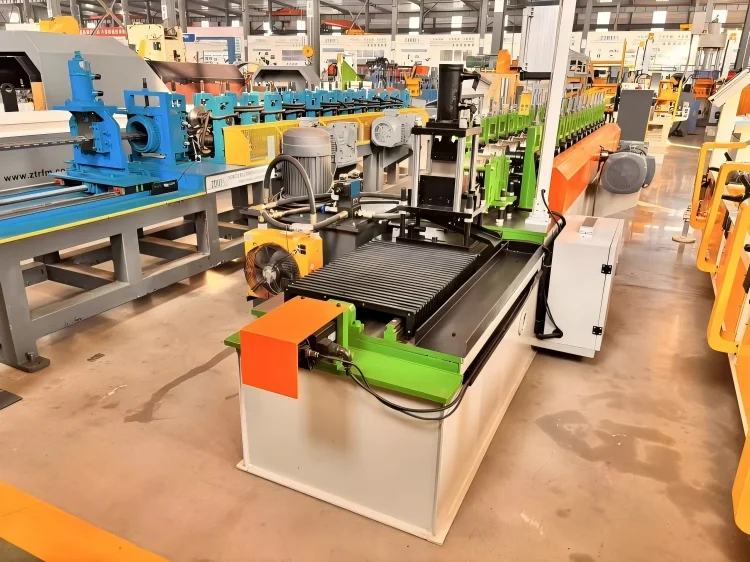
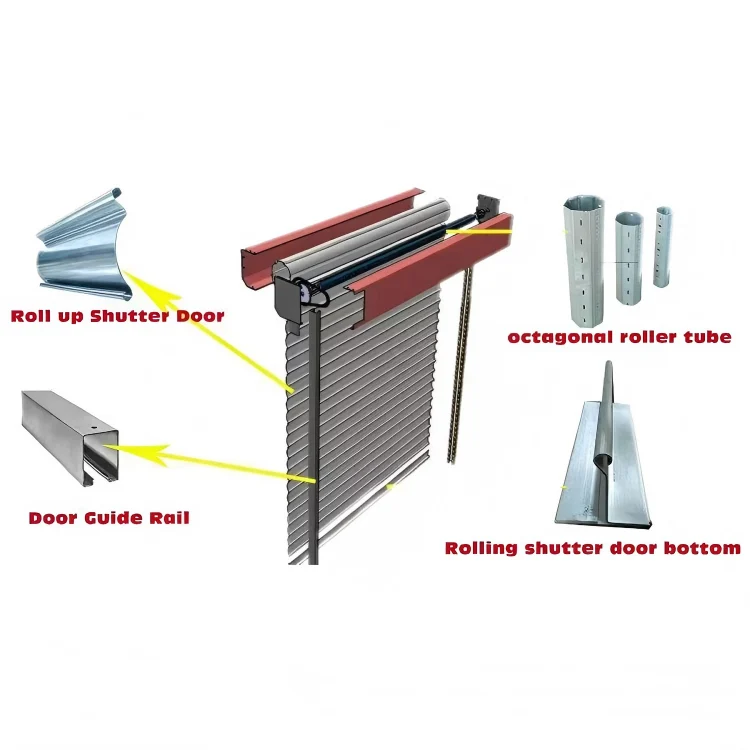
A rolling door forming machine transforms flat metal coils into finished roll-up door slats through a continuous sequence of rolling stands. The material passes through multiple sets of precision-designed rollers that progressively bend the strip into the desired cross-sectional profile — including interlocking edges, reinforcement ribs, and drainage grooves built into the shutter slat. Modern machines integrate decoiling, roll forming, punching (for lock holes and ventilation slots), cutting to length, and automatic stacking into a single continuous production line.
The end product — a uniform shutter slat — can be assembled into rolling doors used for warehouses, parking garages, shop fronts, fire-rated shutters, and high-speed security doors. The precision of the forming process directly determines how smoothly the slats interlock, how quietly the door operates, and how long the finished shutter lasts under daily use.
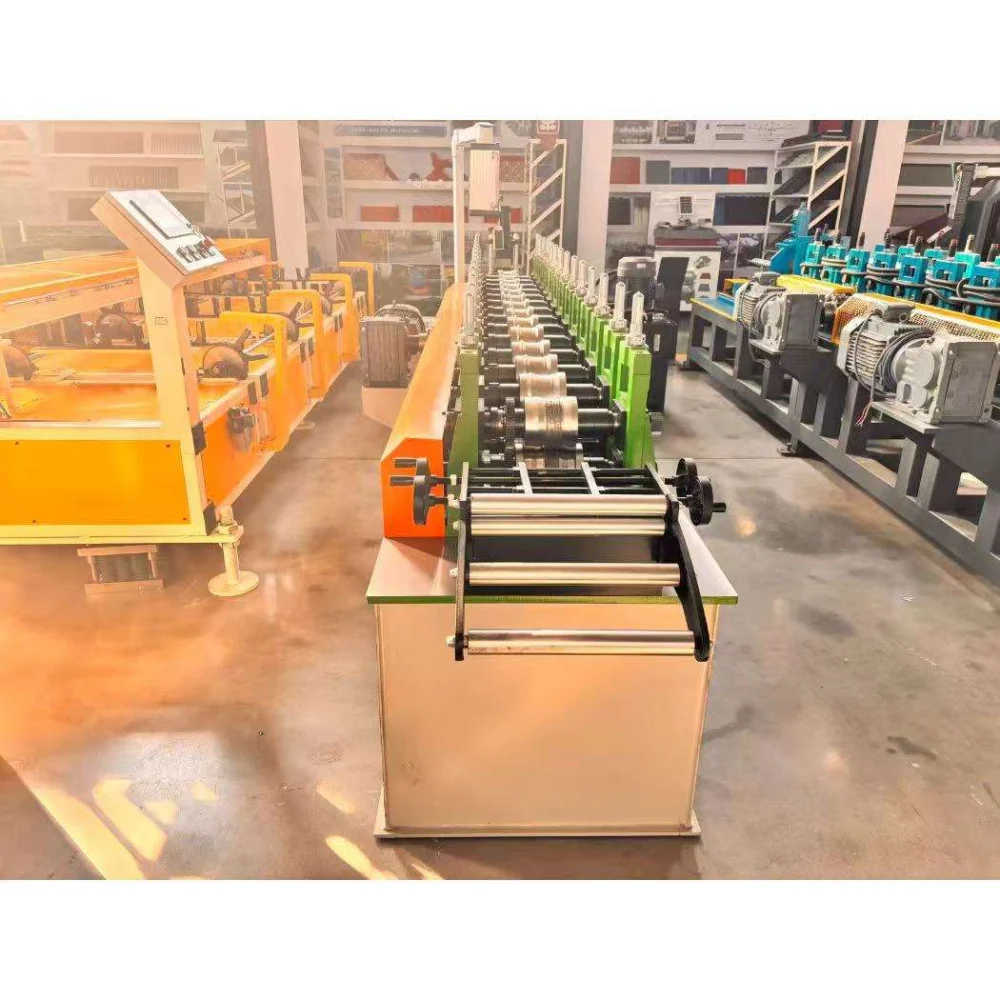
Key Features and Advantages of ZTRFM Rolling Door Forming Machines
Precision Roll Forming Technology
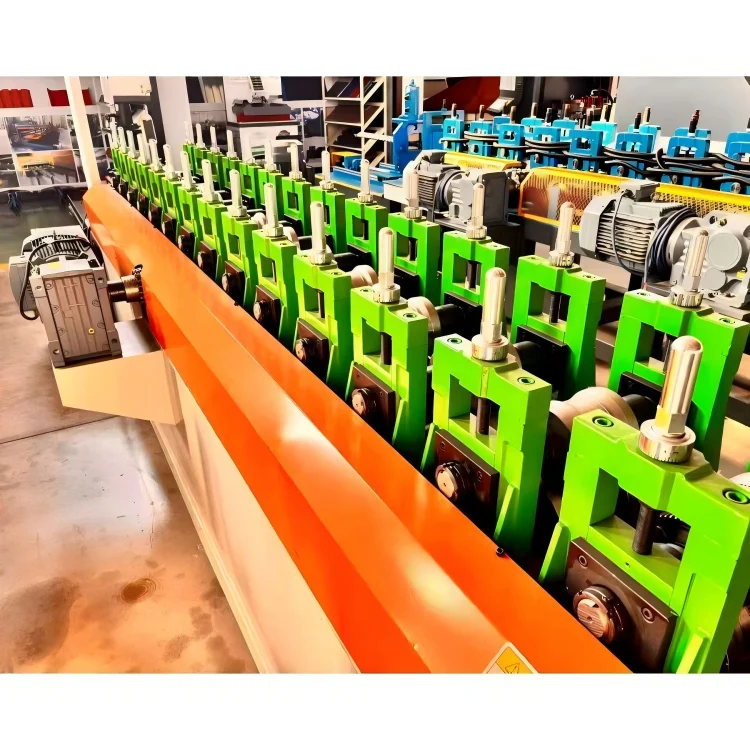
ZTRFM designs roll tooling using 3D simulation software before physical production begins. The roller shafts are CNC-ground to ensure concentricity within 0.02 mm, and the forming stands are arranged to distribute bending forces evenly, preventing wave deformation, edge waviness, or profile twist. Each forming station is engineered with the optimal number of passes to achieve the target profile without over-working the material, which preserves coating integrity and extends die life.
PLC Automatic Control System
Every ZTRFM rolling door forming machine comes equipped with a Siemens or equivalent PLC paired with a 7-inch touchscreen HMI. Operators can input slat length, quantity, and profile parameters directly on the interface. The system automatically controls servo feeding, punching timing, flying cutting, and output counting. Recipe storage allows operators to save up to 50 product specifications — switching between different slat sizes takes less than 5 minutes, significantly reducing changeover downtime compared to manual adjustment methods.
Hydraulic Punching and Flying Cutting
Integrated hydraulic punching stations create lock holes, end cap slots, and ventilation openings during production, eliminating secondary processing. The flying cut-off system cuts the formed slat to exact length without stopping the line, maintaining continuous production speeds of up to 15–25 meters per minute depending on profile complexity. The hydraulic station uses a cooled, filtered oil circulation system to ensure stable pressure and consistent cut quality shift after shift.
Quick-Change Roll Tooling
ZTRFM offers optional quick-change roll die carts that allow an entire set of forming rollers to be swapped out in under 30 minutes. This is particularly valuable for factories that produce multiple shutter profiles — such as 77mm, 80mm, 100mm, or custom-width slats — and need to respond quickly to varying customer orders. The hydraulic clamping system locks the die cart in position with repeatable alignment, eliminating the need for manual shimming and trial runs after every changeover.
Heavy-Duty Welded Frame Structure
The machine body is constructed from thick-walled welded steel tubing, stress-relieved through annealing to prevent deformation over years of operation. The infeed table, roll forming stands, and cutting station share a rigid base frame that minimizes vibration during high-speed forming. This structural rigidity is what allows ZTRFM machines to hold dimensional accuracy across millions of cycles.
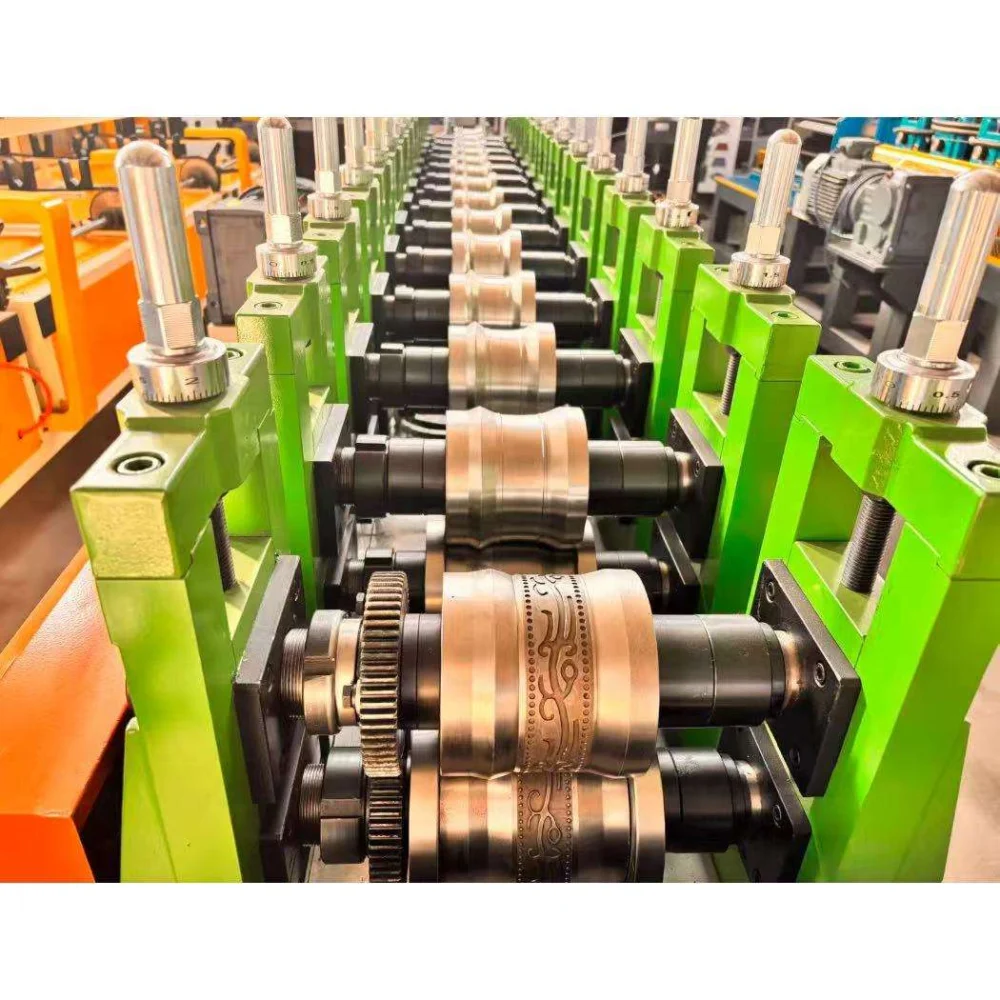
How a Rolling Door Forming Machine Works
The production process follows a continuous sequence from coil to finished slat:
Decoiling: A hydraulic or manual decoiler holds the metal coil and feeds the strip into the entry guide. A coil car and peeler table simplify loading for heavy coils up to 5 tons.
Leveling and Feeding: Leveler rolls flatten coil camber before the strip enters the forming section. A servo feeder controls precise feed length synchronized with the PLC.
Punching: Hydraulic punches create lock holes, hinge slots, or custom openings at programmed intervals.
Roll Forming: The strip passes through 14–22 forming stands, each progressively bending the material into the shutter slat profile with interlocking edges and reinforcement ribs.
Flying Cutting: A hydraulic cut-off die trims the slat to the programmed length while the line keeps running, ensuring production continuity.
Output and Stacking: Finished slats exit onto a receiving table or automatic stacker that aligns and bundles them for packaging.
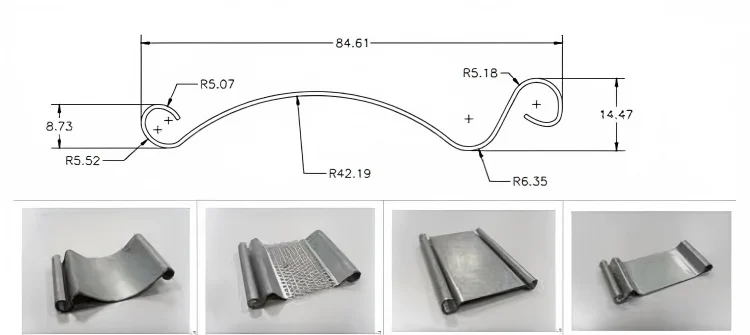
Typical Technical Parameters
ZTRFM rolling door forming machines are customizable to each customer's target profile. A standard configuration for a popular 77mm or 80mm insulated shutter slat line typically includes the following specifications:
Material thickness range: 0.3 mm – 0.8 mm (galvanized steel / colored steel / aluminum)
Forming speed: 15–25 m/min (adjustable)
Number of forming stands: 16–22 stands (profile-dependent)
Roller material: GCr15 bearing steel with hard chrome plating
Shaft diameter: Φ60 mm – Φ80 mm precision ground shaft
Main motor power: 5.5 kW – 7.5 kW gear motor
Hydraulic system power: 3 kW – 5.5 kW
Control system: PLC + touchscreen HMI with servo length control
Cutting method: Hydraulic flying cut with press die
Slat length tolerance: ±0.5 mm
Coil inner diameter: 508 mm / 610 mm standard
Max coil weight: 3–5 tons (decoiler type dependent)
ZTRFM engineering teams review each order against the customer's target profile drawings and recommend stand count, material handling, and automation level based on actual production requirements rather than selling a fixed one-size-fits-all configuration.
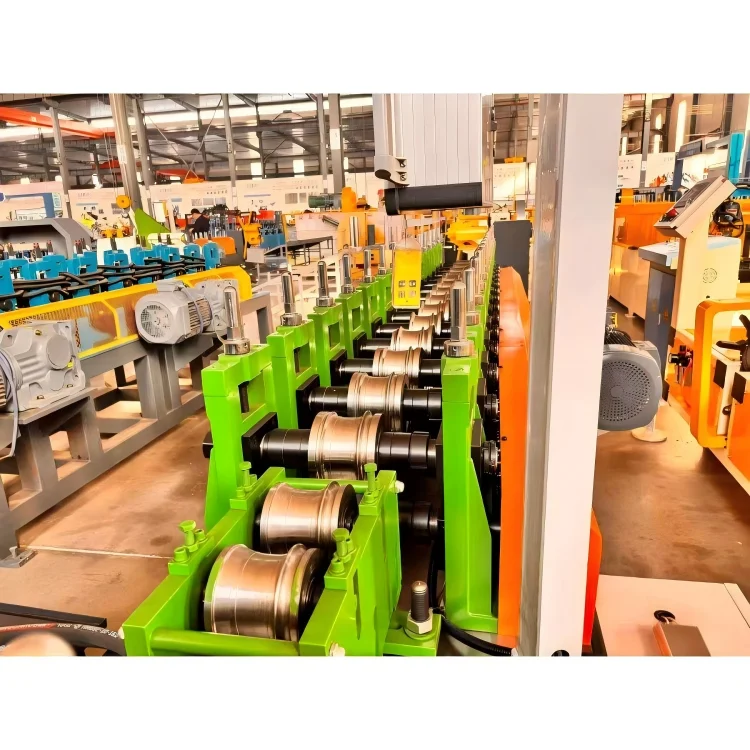
Applications of Rolling Door Panels Produced by This Machine
Shutter slats produced on a ZTRFM rolling door forming machine are suitable for a wide range of end products:
Residential rolling shutters for windows, balconies, and garage doors
Commercial shop front shutters for retail stores, malls, and showrooms
Industrial warehouse rolling doors for factories, logistics centers, and storage facilities
Parking garage shutters for underground and automated parking systems
Fire-rated rolling shutters when produced from certified fire-resistant steel
High-speed security doors for high-traffic industrial openings
Decorative perforated shutters for retail display and ventilation applications
Because the machine can be configured for different slat widths, profiles, and surface finishes (pre-painted galvanized, aluminum, stainless steel), a single line can serve multiple market segments and adjust as demand shifts.
Why Choose ZTRFM as Your Rolling Door Forming Machine Manufacturer?
Over a Decade of Cold Roll Forming Expertise
ZTRFM has focused exclusively on cold roll forming equipment for more than ten years, delivering machines to customers across Southeast Asia, the Middle East, Africa, Europe, and the Americas. The engineering team understands not just machine manufacturing, but the shutter production process itself — which means every machine is designed around how shutter factories actually operate on the shop floor.
Custom Engineering, Not Off-the-Shelf
Every rolling door forming line is engineered to the customer's slat profile drawings, material specifications, target output, and factory layout. ZTRFM provides detailed layout drawings, foundation requirements, and utility connection diagrams before production begins, so the customer's facility can be prepared in parallel.
Quality Control at Every Stage
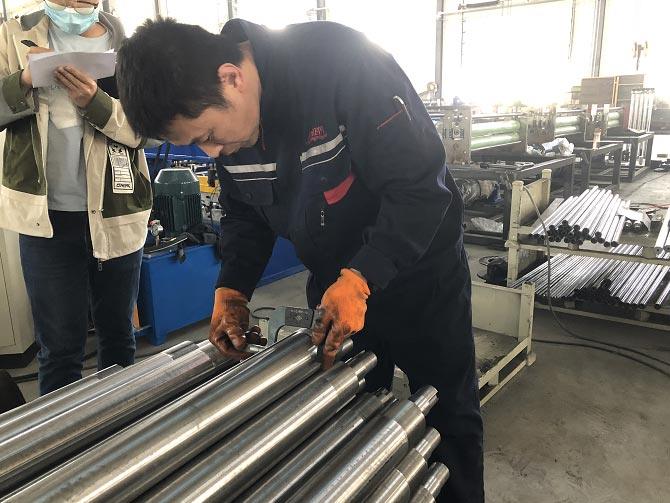
Raw materials are inspected on arrival, welding is stress-relieved, and every machine undergoes a trial run with the customer's actual profile material before shipment. The customer receives video evidence of the trial production — including measured dimensions, surface finish, and running speed — as part of the factory acceptance process.
Installation, Training, and After-Sales Support
ZTRFM offers on-site installation and operator training by experienced engineers, as well as remote video support for ongoing troubleshooting. Spare parts are stocked and shipped quickly, and the PLC program is backed up and documented so the customer's engineering team can operate independently after handover.
Frequently Asked Questions
What materials can a rolling door forming machine process?
Most ZTRFM rolling door forming machines are configured for pre-painted galvanized steel, plain galvanized steel, or aluminum coils. Stainless steel and copper are possible with modified roller material and surface treatment, but require discussion during the engineering stage because they affect roll tooling design and forming force calculations.
How long does it take to produce a rolling door forming machine order?
Standard configurations typically ship within 45–60 days after deposit and drawing confirmation. Custom profiles with special punching requirements, automatic stacking, or integrated packaging may require 45–60 days. ZTRFM provides a detailed production schedule at order confirmation.
Can the machine produce different slat sizes on the same line?
Yes. The PLC recipe system allows operators to save and switch between programmed length settings instantly. For different slat widths or profiles, roll tooling changeover is required — with the optional quick-change die cart, this takes approximately 30 minutes. ZTRFM can also design lines that produce multiple related profiles from one base machine.
What is the typical output of a rolling door forming machine?
At a running speed of 15–20 meters per minute, a single-shift 8-hour day typically produces 6,000–8,000 linear meters of slat, depending on profile complexity, punching frequency, and operator changeover time. Two-shift operation can effectively double this output.
Do you provide installation and training overseas?
Yes. ZTRFM engineers can travel to the customer's factory for on-site installation, commissioning, and operator training. Remote video guidance is also available for customers who prefer to handle installation locally with engineering support. All machines are shipped with detailed manuals, electrical diagrams, and maintenance checklists in English.
Get a Custom Quote for Your Rolling Door Forming Machine
If you are planning to start or expand rolling shutter production, ZTRFM's engineering team is ready to review your profile drawings, target output, and factory requirements to recommend the most cost-effective machine configuration. Contact ZTRFM today with your slat profile drawings and production volume expectations to receive a tailored quotation and technical proposal.
Почему выбирают нас?
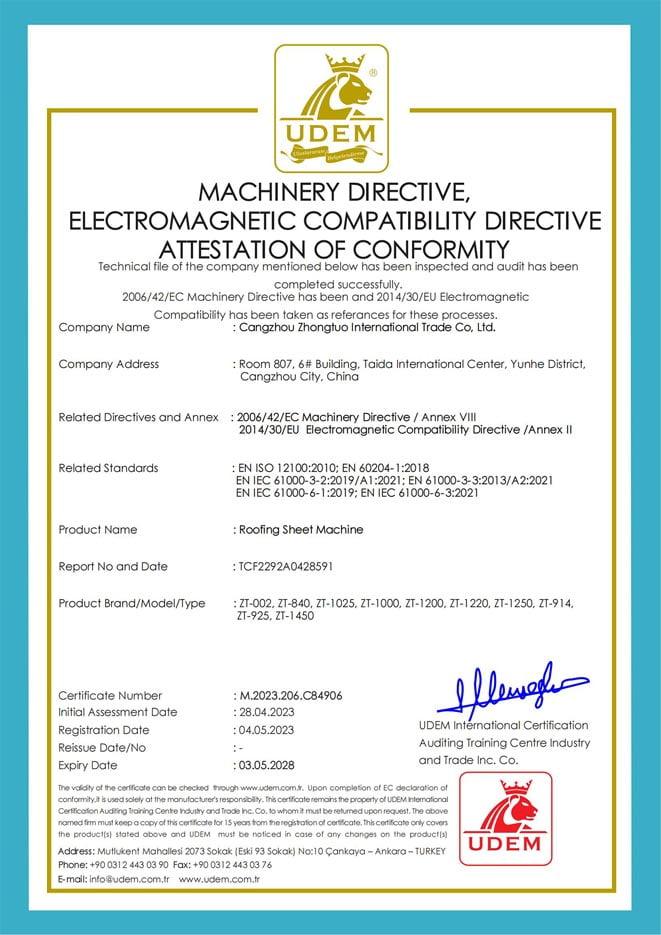
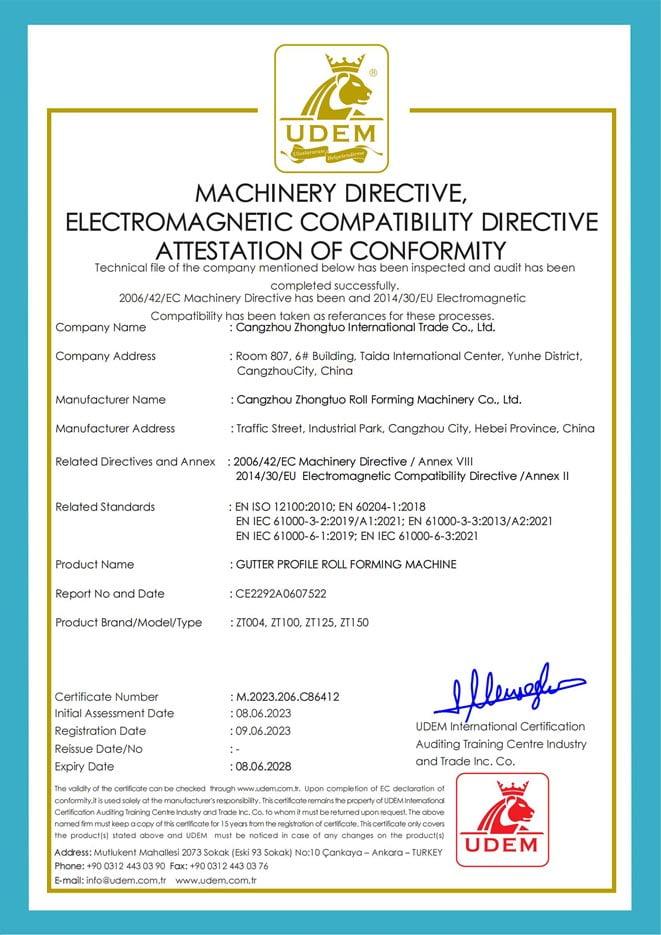
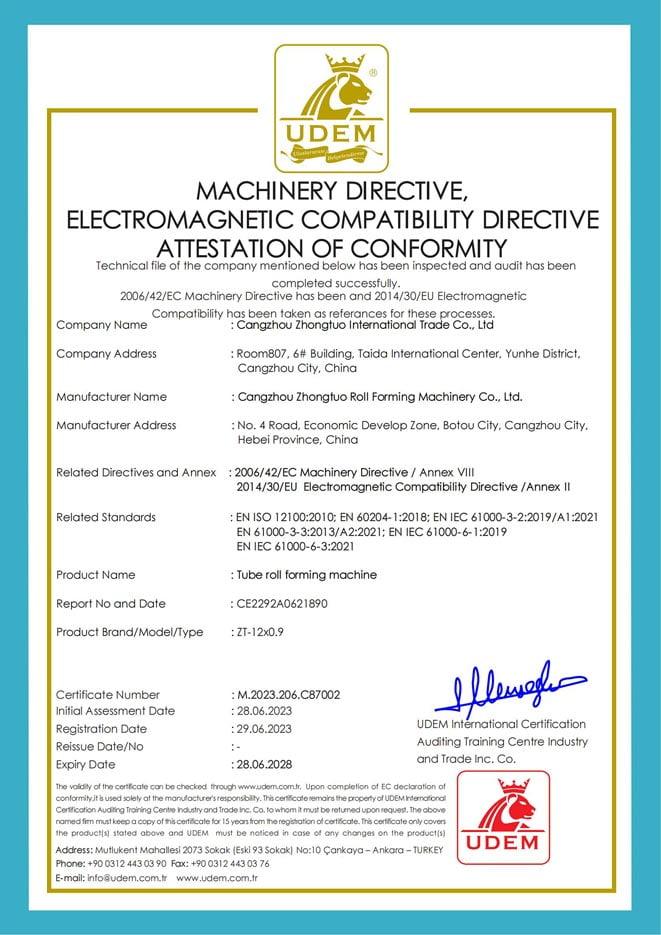
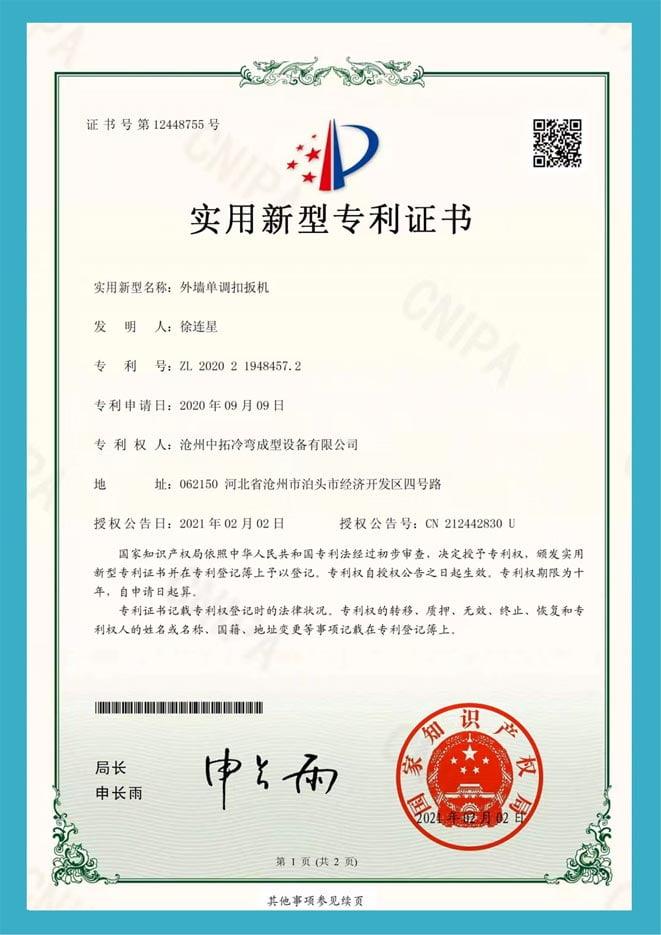
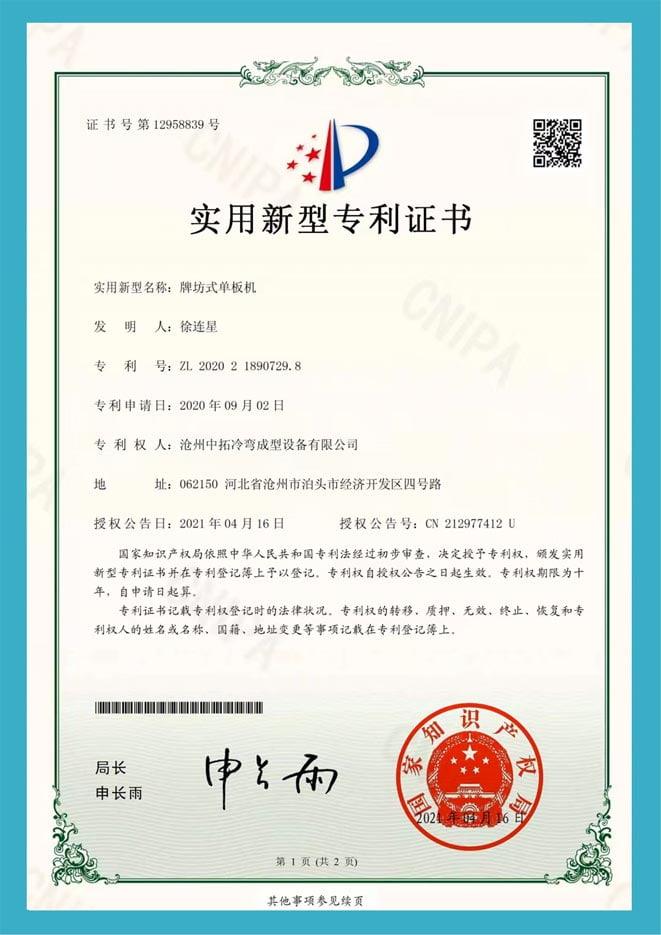
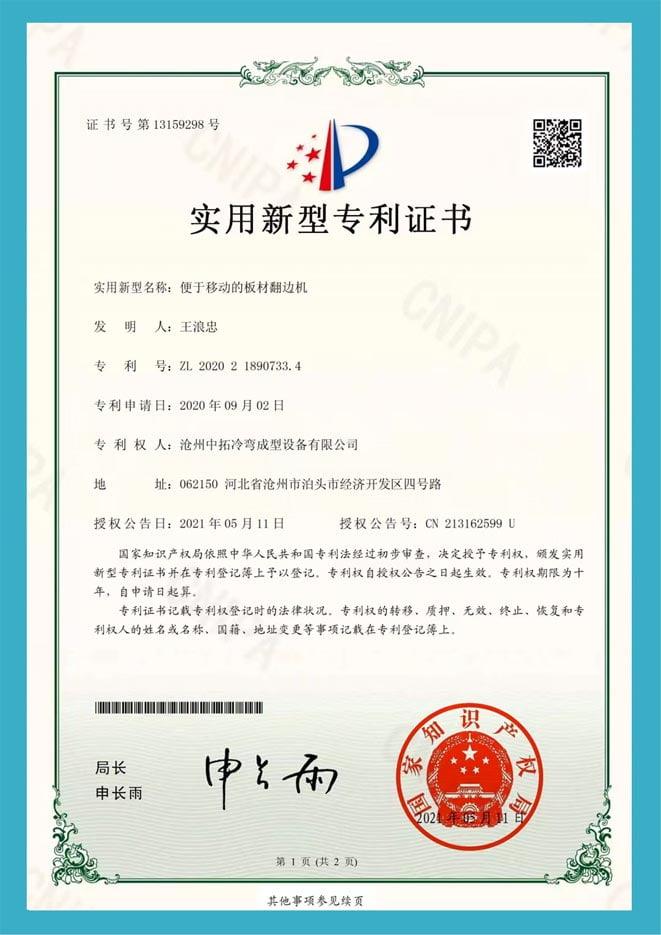
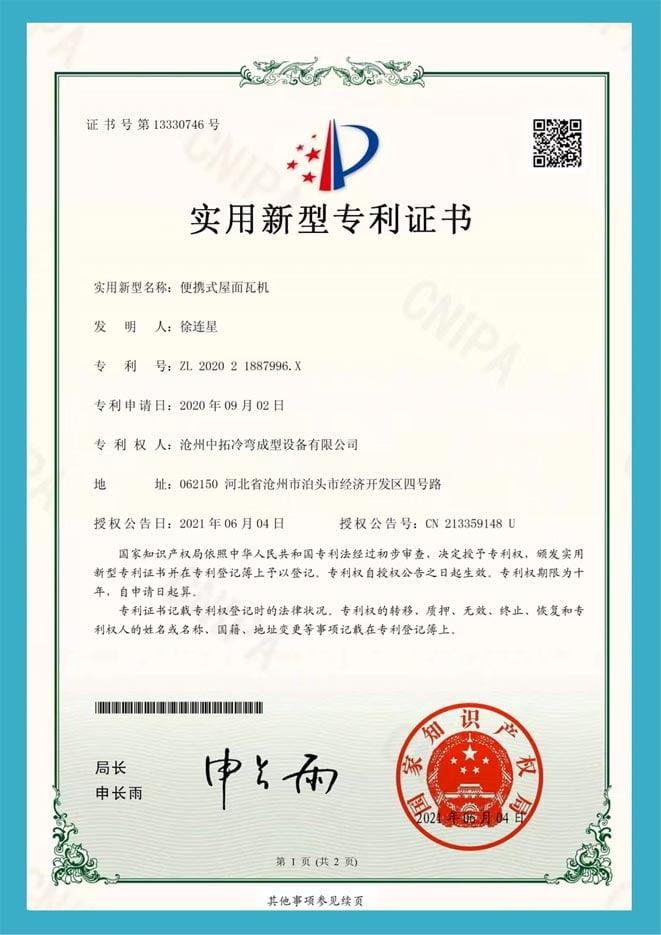
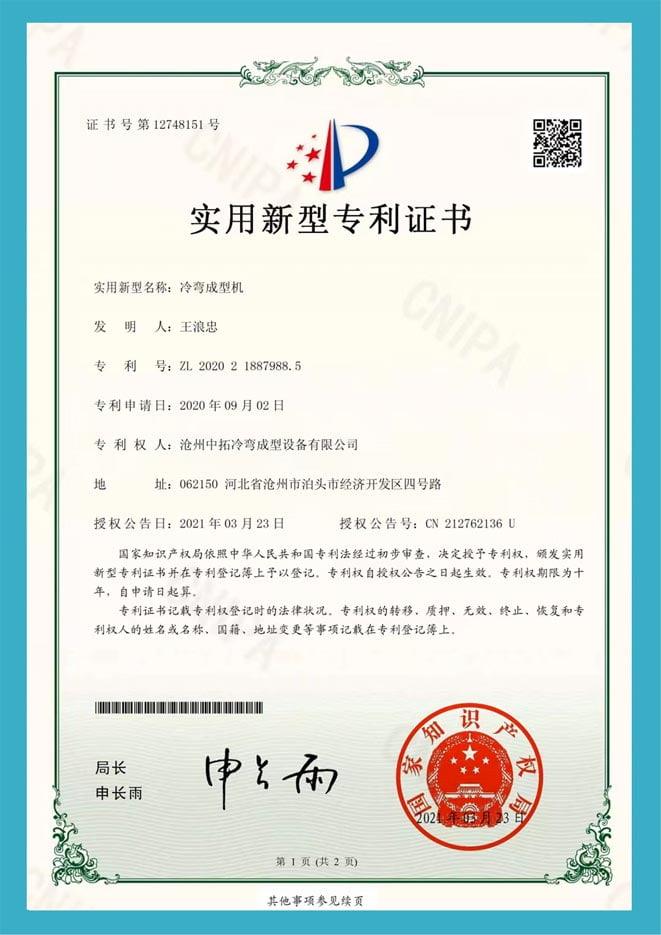

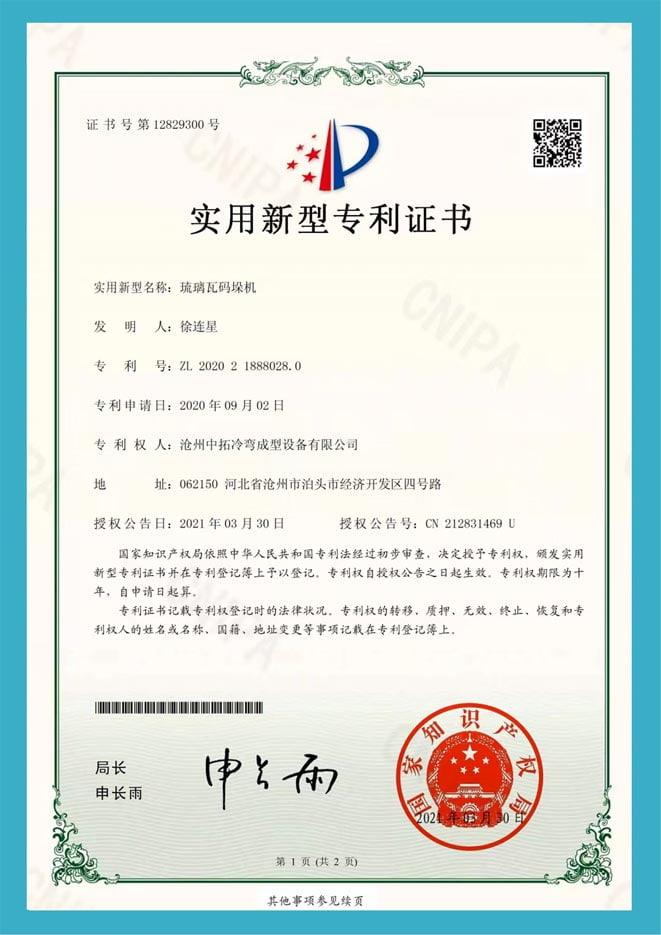
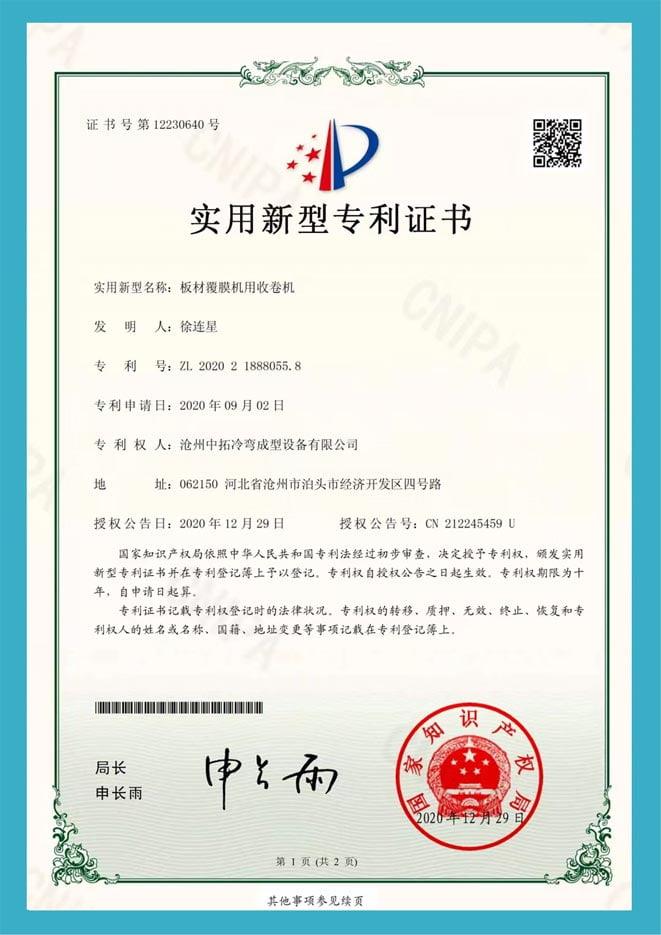

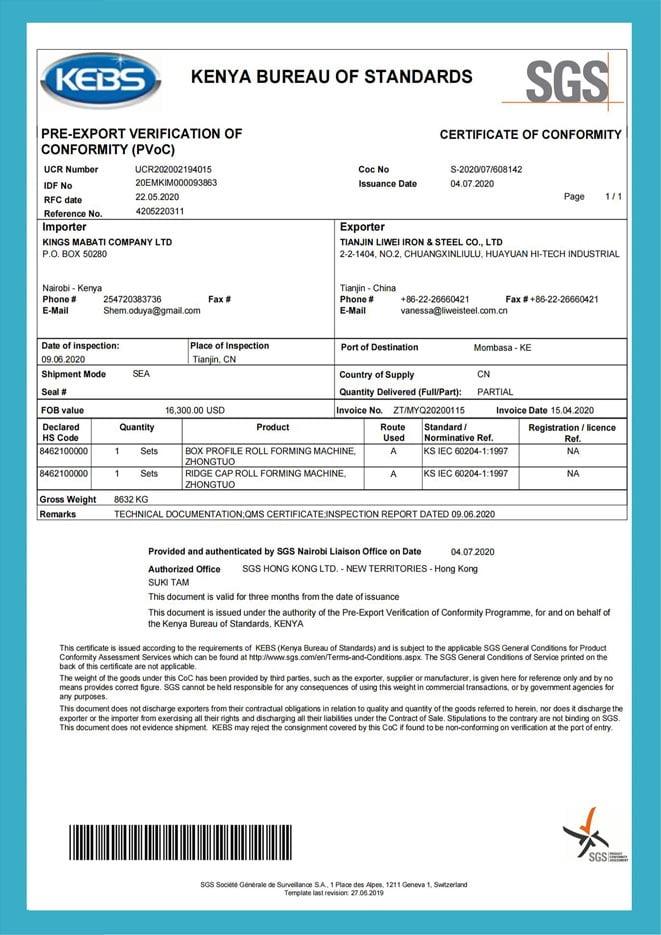
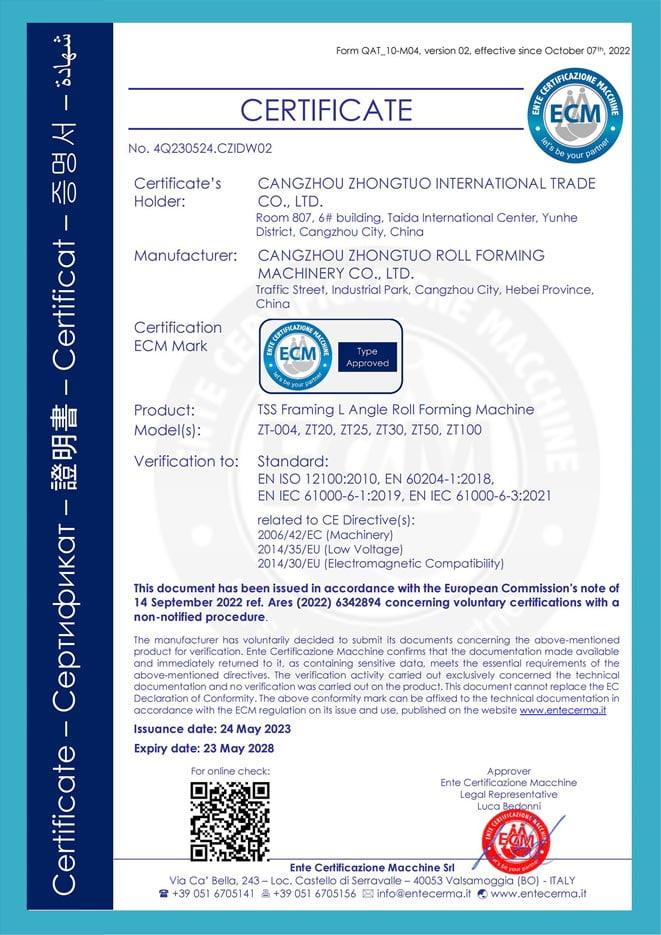
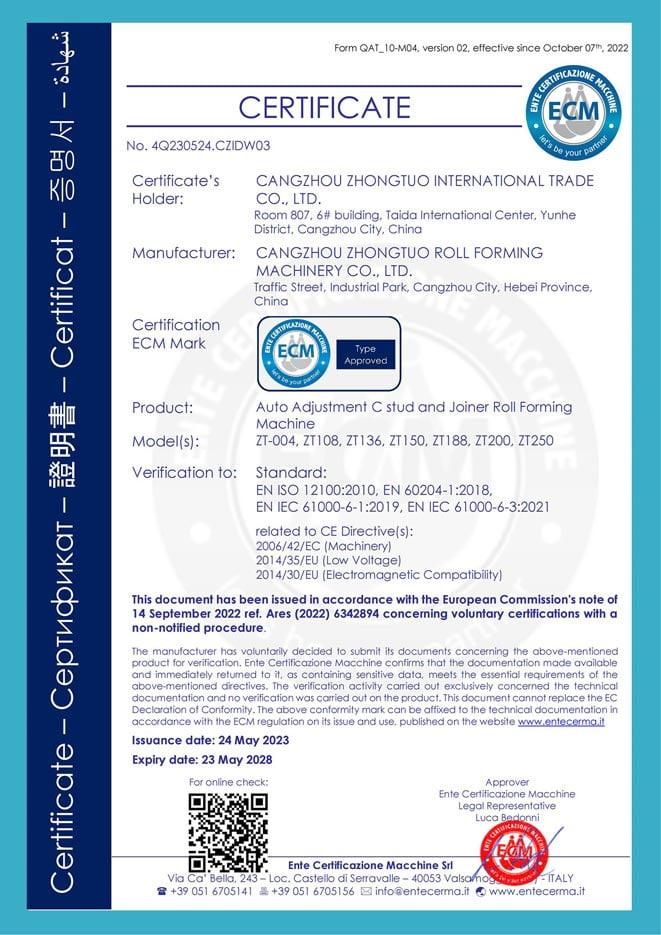
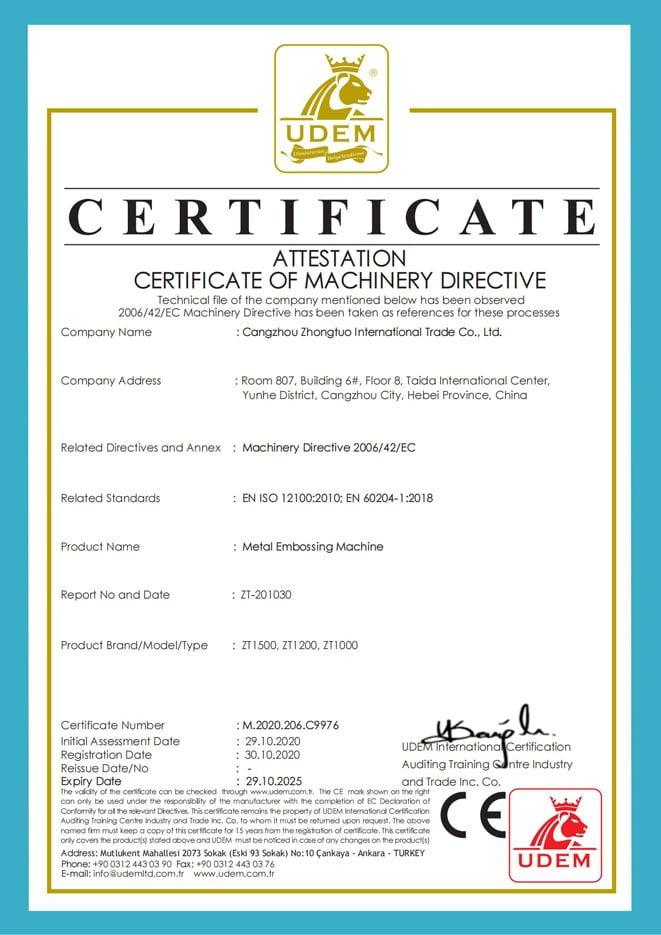
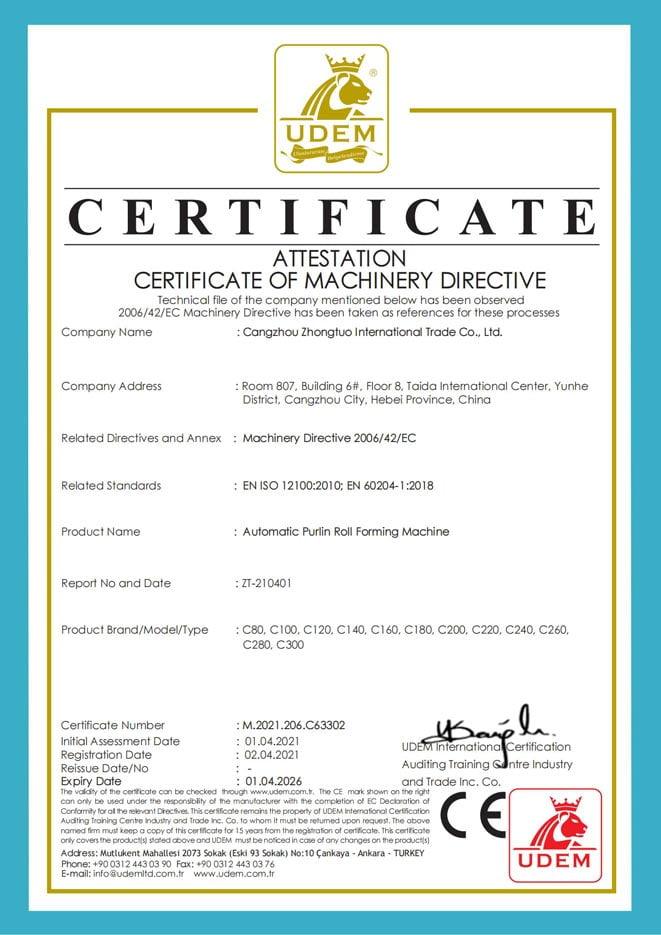
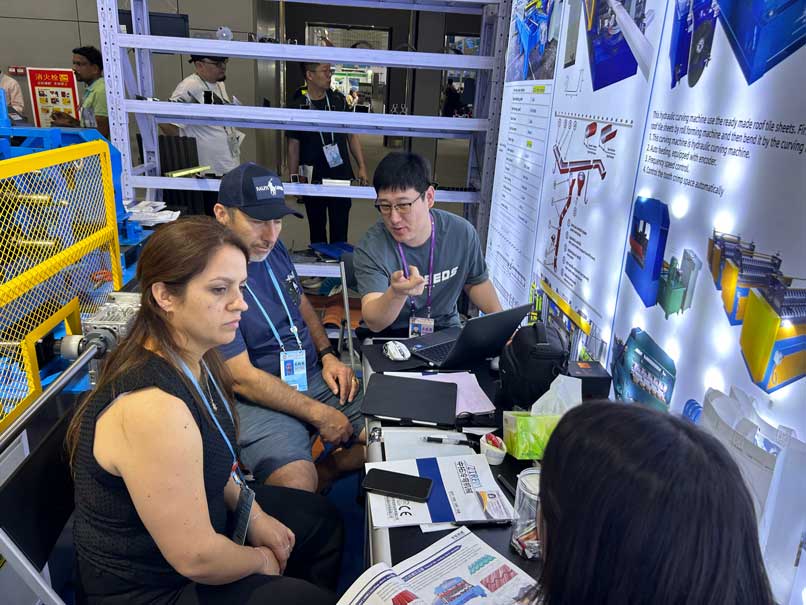
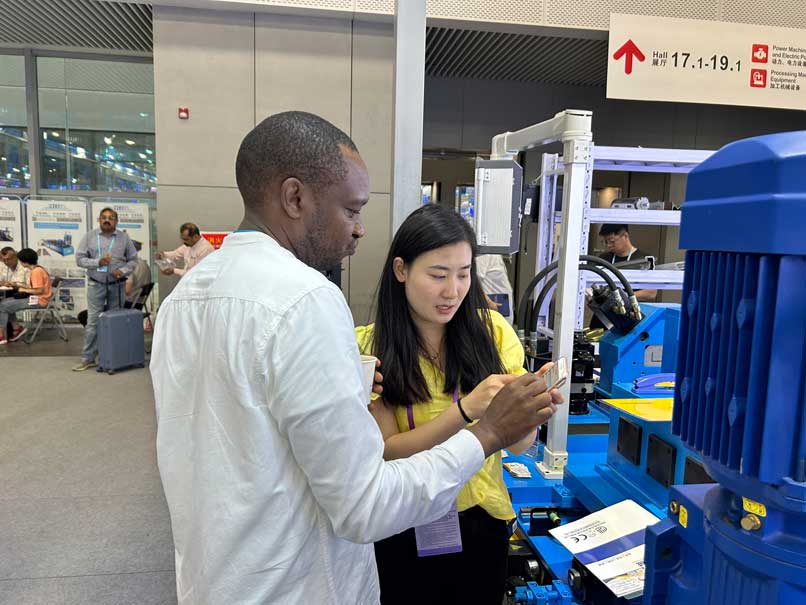
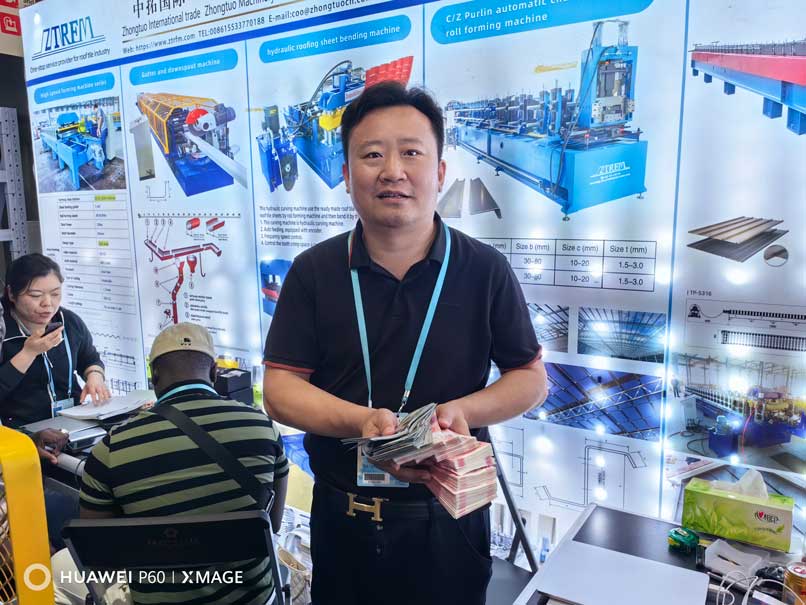
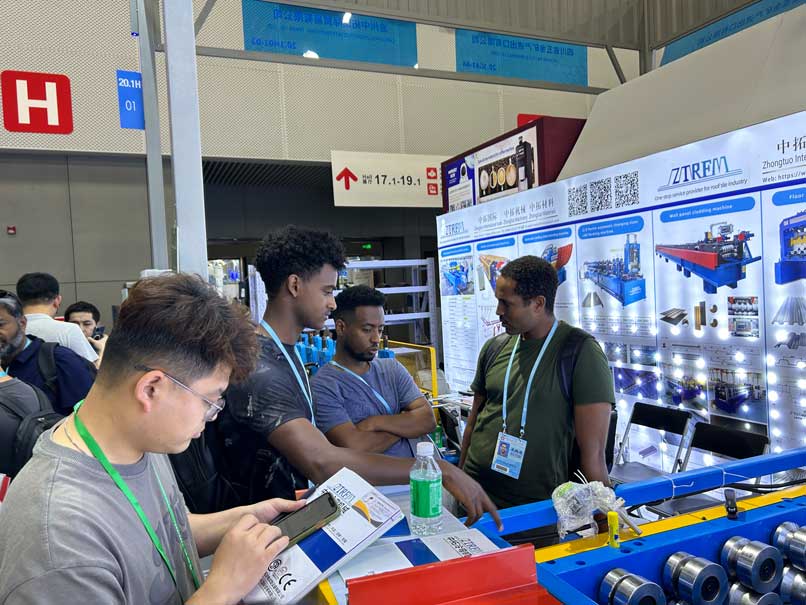
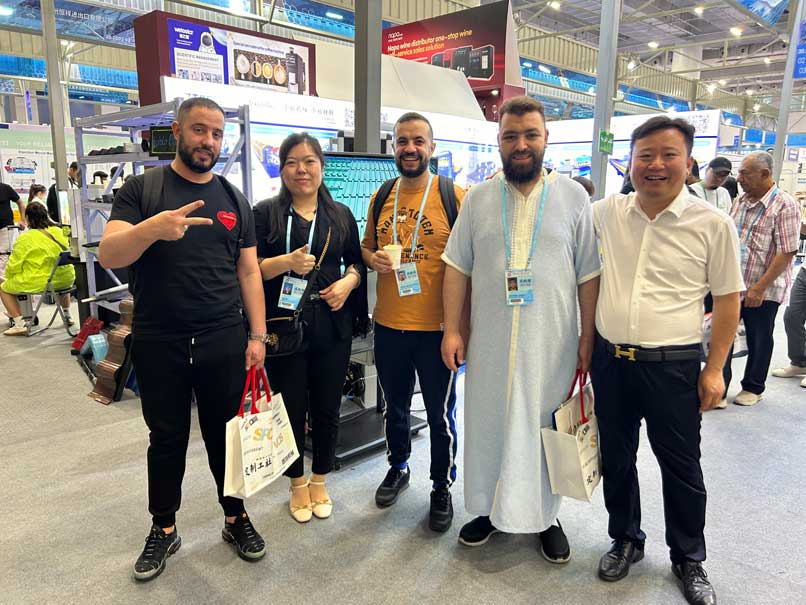

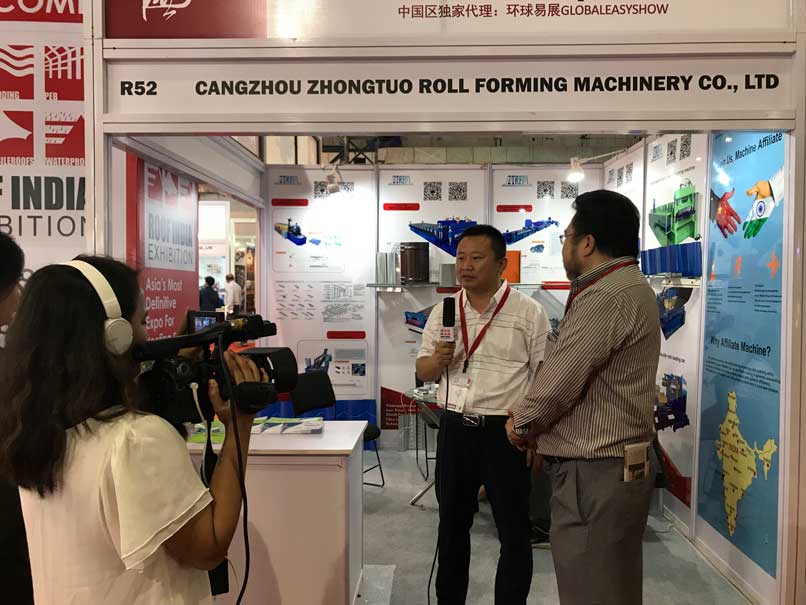
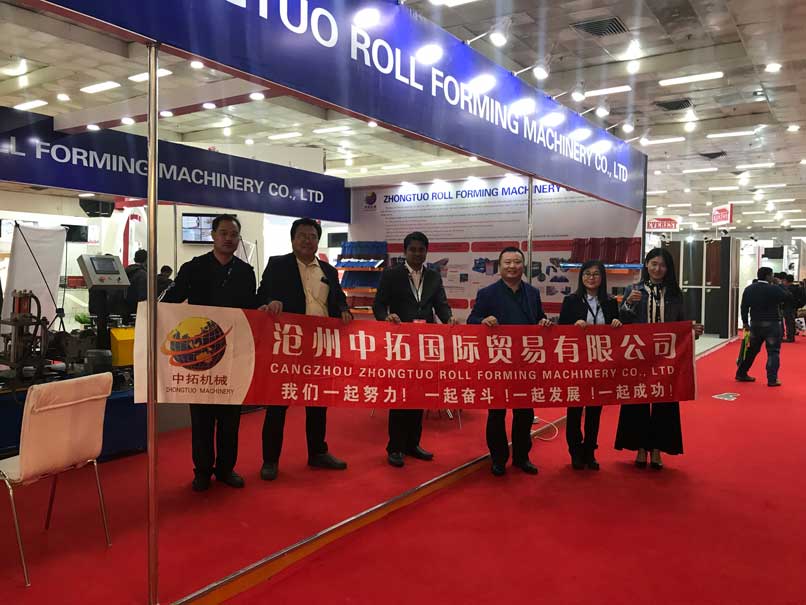
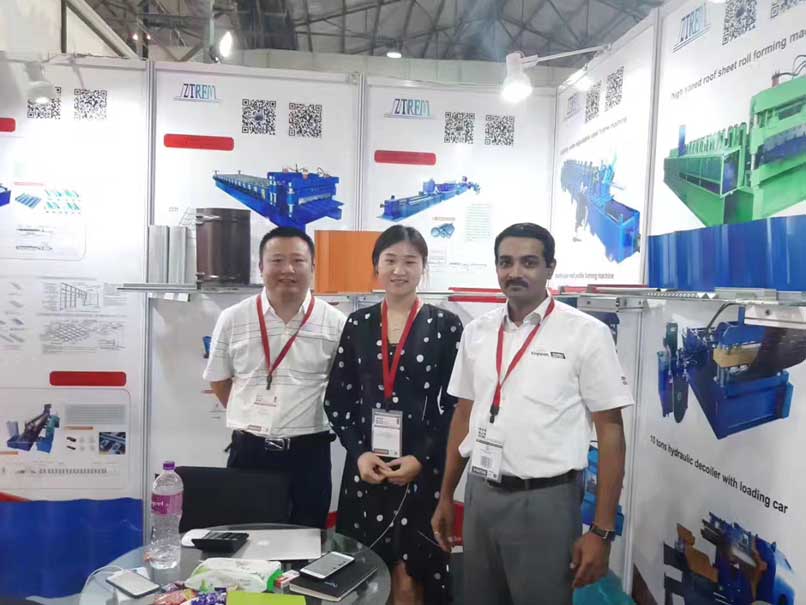
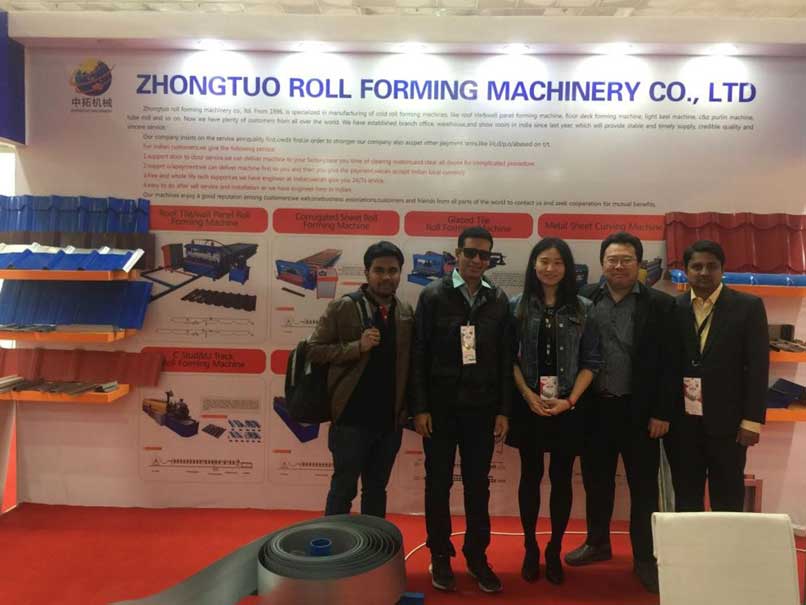
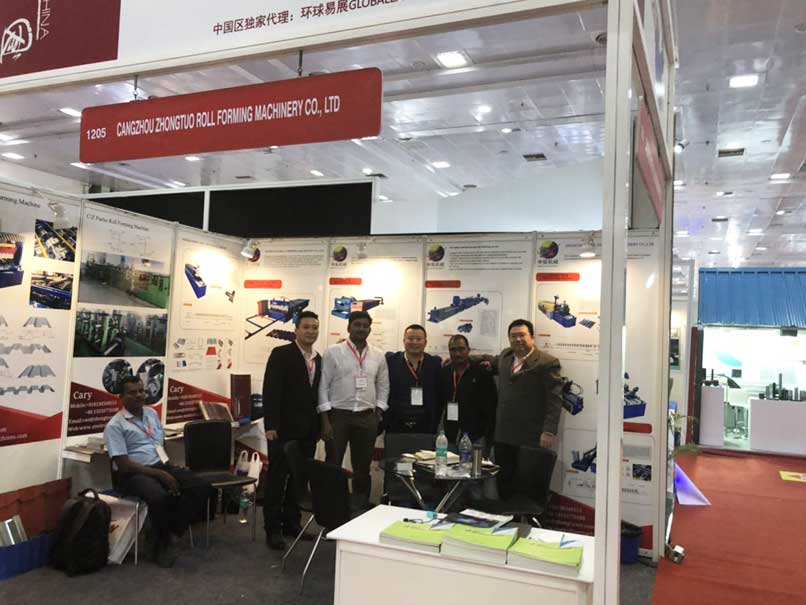
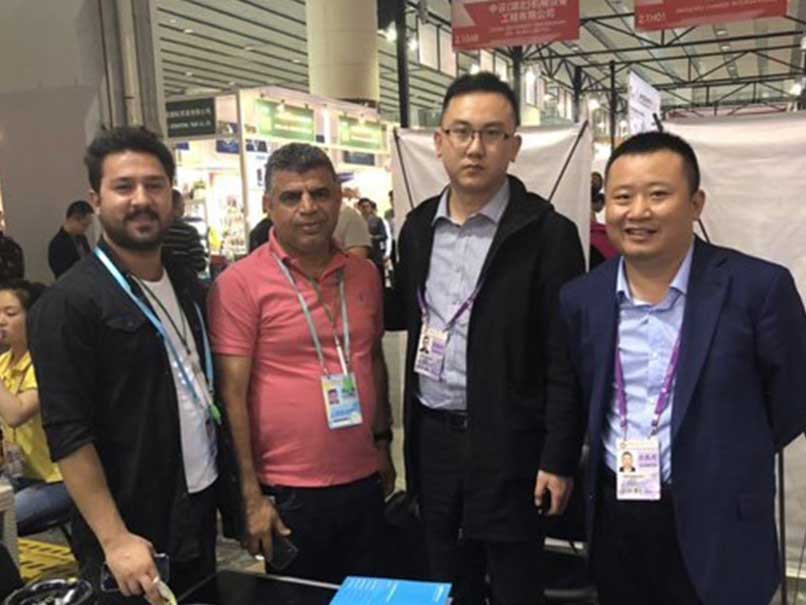
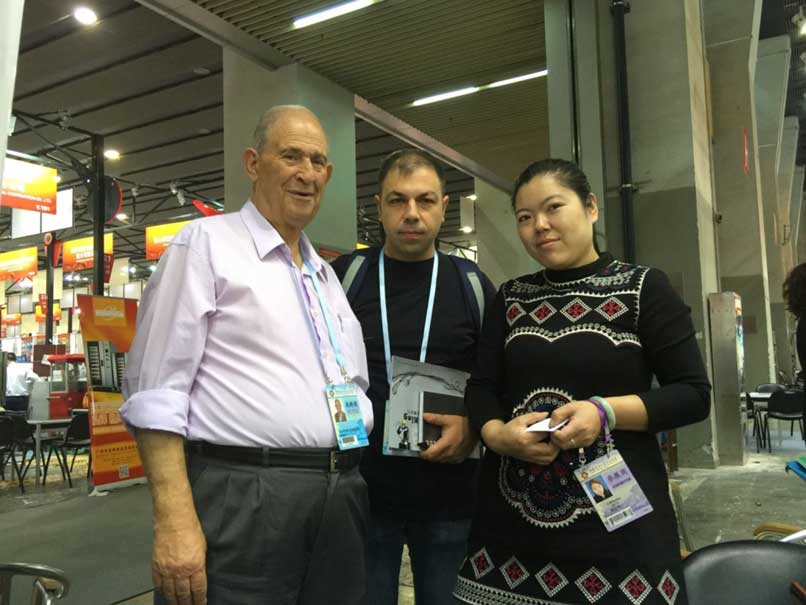
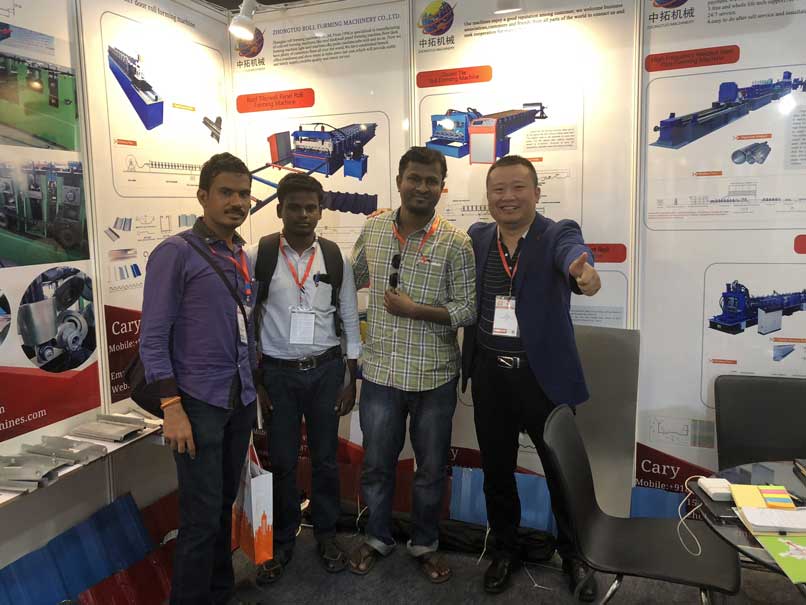
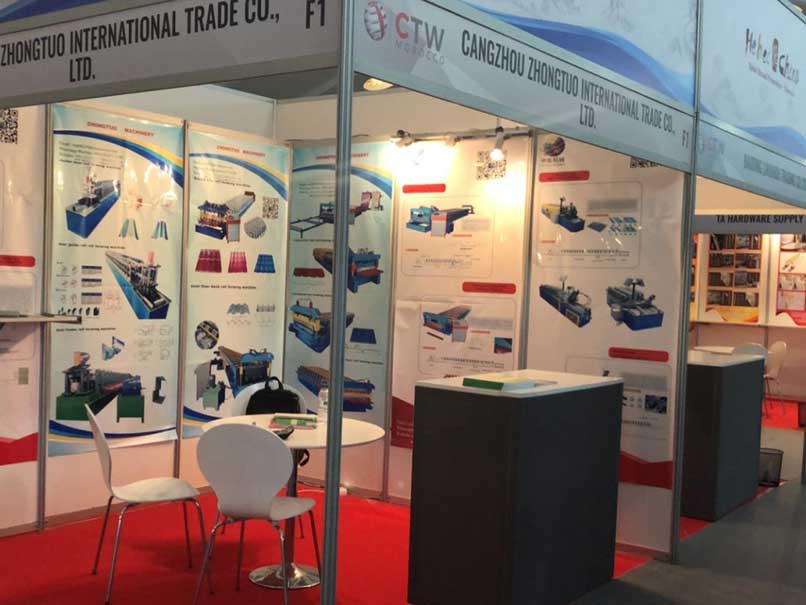
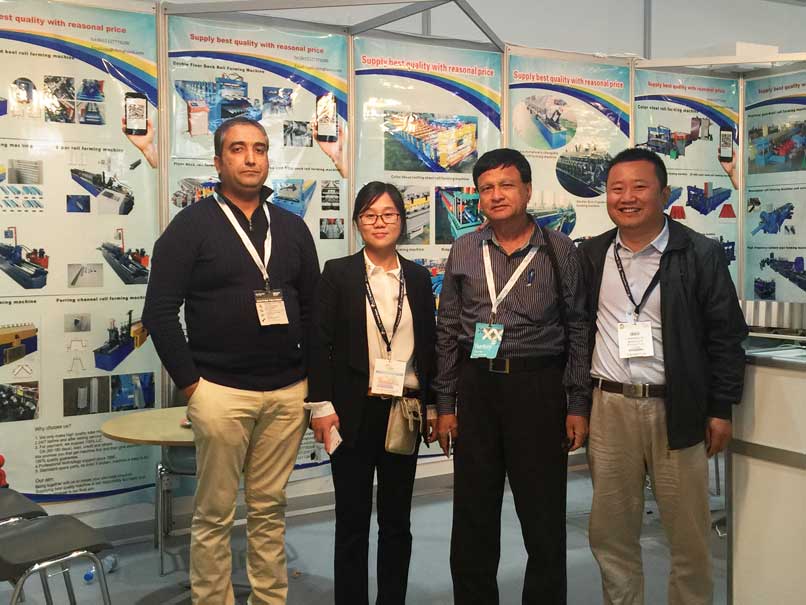
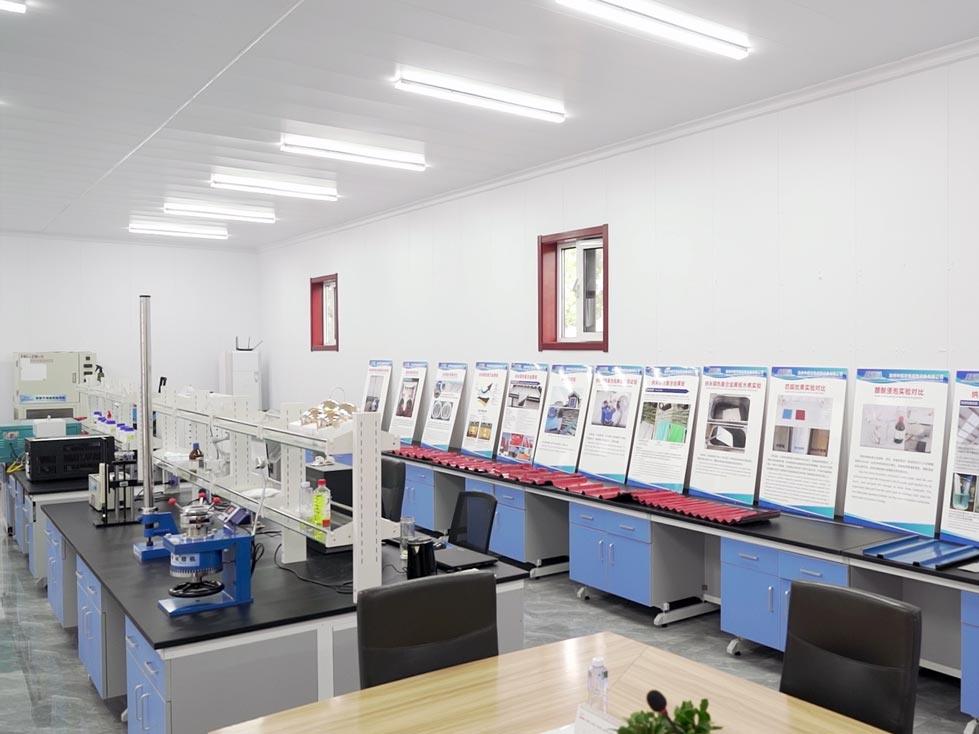




OEM/ODM и подгонка по индивидуальному заказу универсальное обслуживание
Полная поддержка послепродажного обслуживания

Обеспечьте OEM,ODM
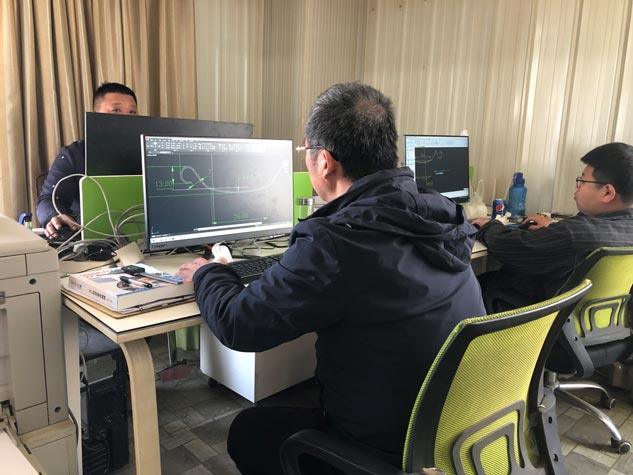
2.Техник дизайн: сделать чертеж профилей и 3D машины чертеж
3.определить конфигурацию и производство
4.тестирование перед поставкой
6.Техническое руководство
7.Послепродажное обслуживание: услуги по установке сложных машин и регулярное посещение клиентов
Доверяют 95800+ компаний
высококачественные предприятия. Благодаря сотрудничеству с нами, они получили
сильную поддержку и добились прорыва и развития бизнеса.