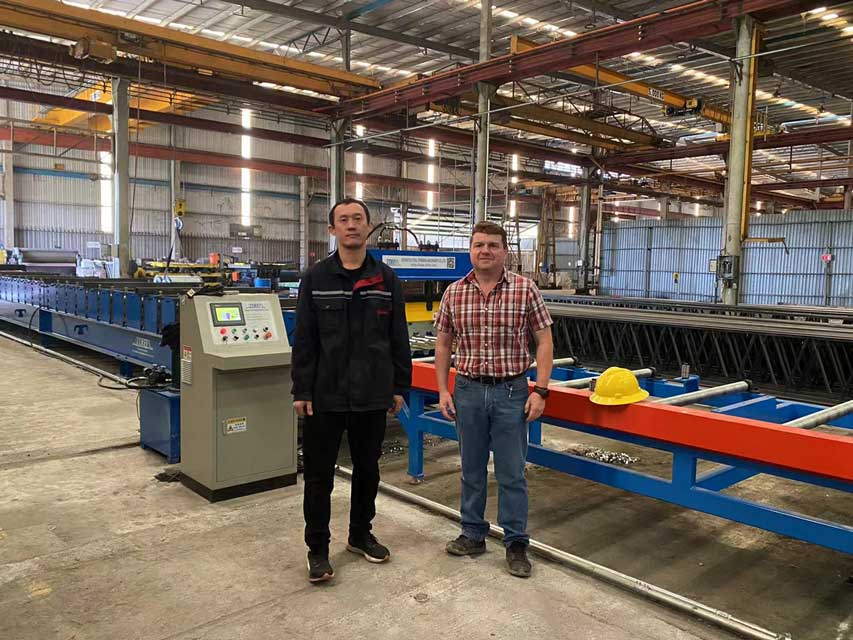
Технологические изменения и промышленные системы, мы стремимся
Компания Seds предоставляет лучшие и экономичные решения для своих клиентов.

Революционизируйте свои решения для хранения: Высокоскоростная машина для формовки полок
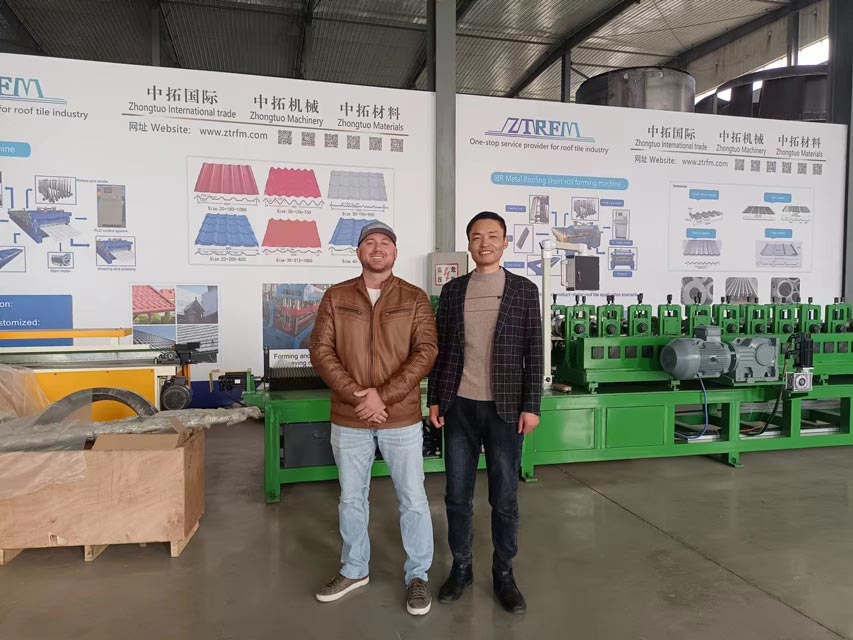
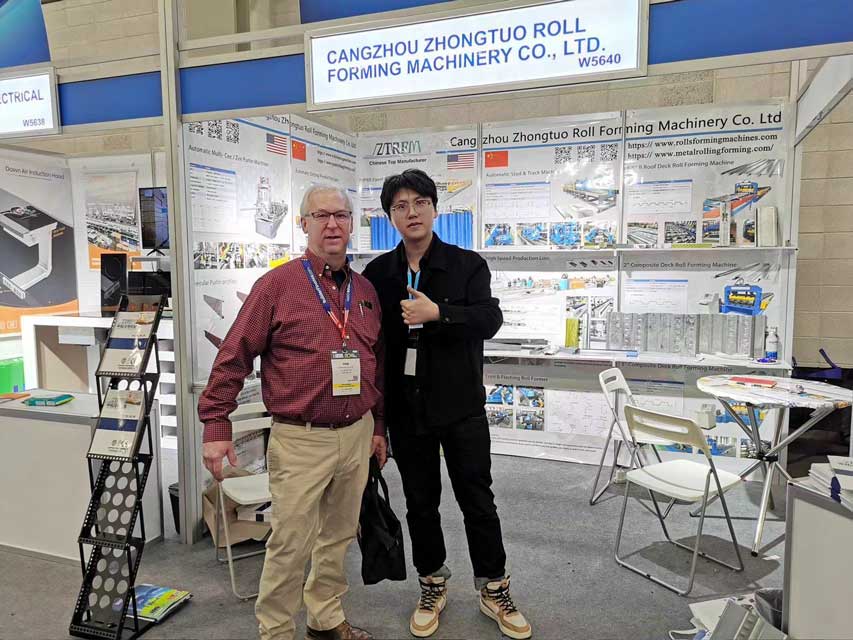
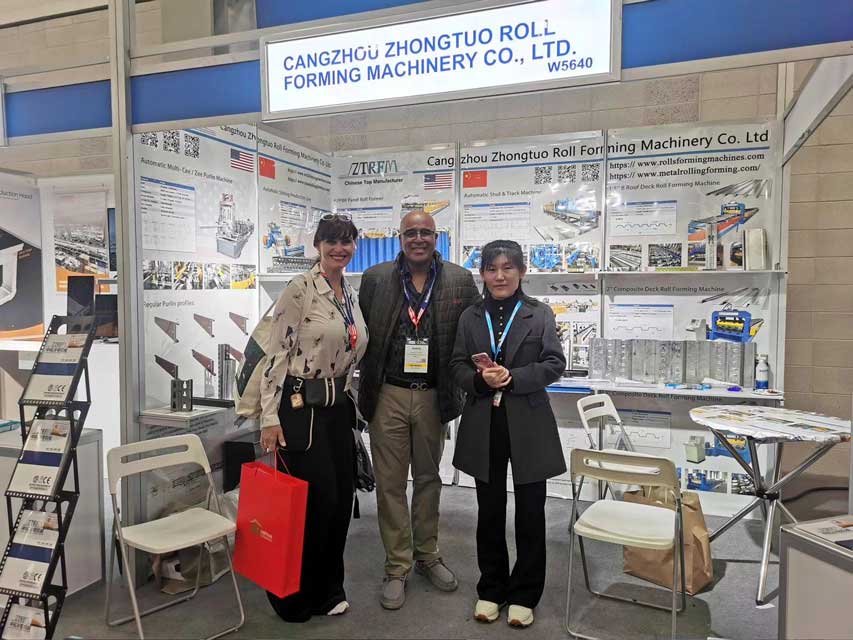
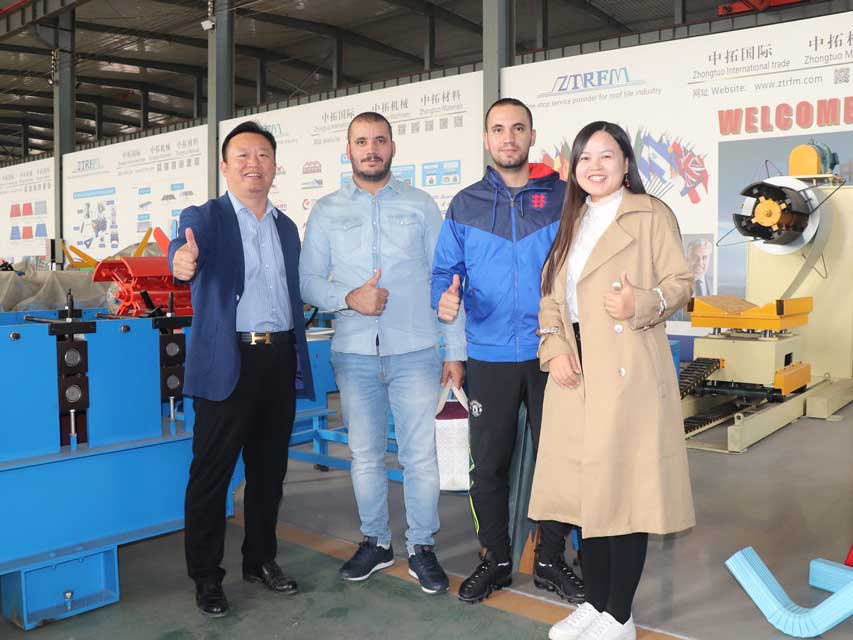
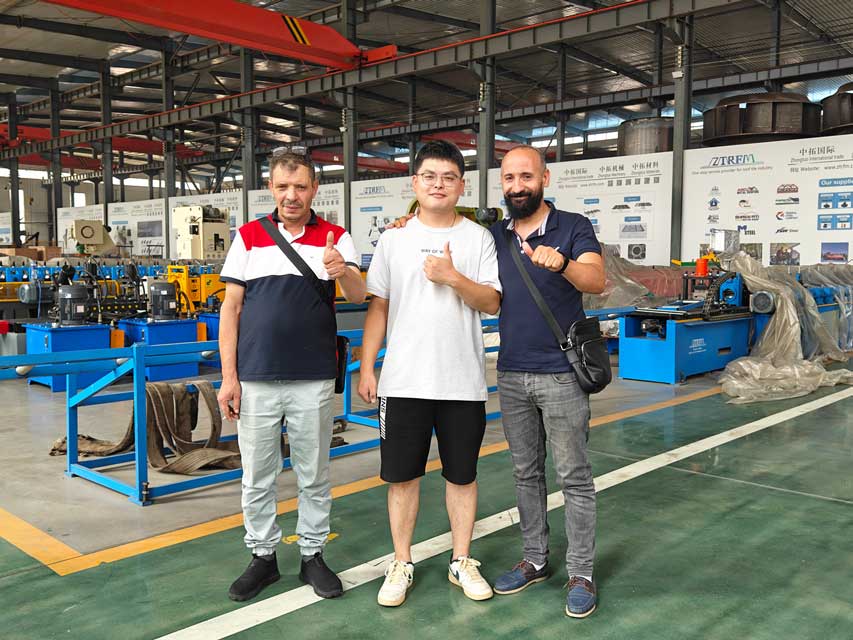
различные типы машин для холодной прокатки. Мы являемся заводом с многолетней историей, занимающимся разработкой и производством валковых формовочных машин с 2006 года. Мы можем производить следующие машины: машина для производства черепицы, машина для производства обрешетки, машина для производства киля из легкой стали, машина для тиснения металла, машина для формирования дверных систем, машина для формирования потолочных систем, высокочастотная машина для сварки труб, линия продольной резки, линия для резки по длине, машина для формирования полочных систем, машина для формирования настила пола, линия для производства цветной каменной плитки, машина для горячей ламинации и т.д.
In the fast - evolving landscape of the warehousing industry, the demand for high - density storage solutions is soaring. Warehouses are constantly seeking ways to optimize space, enhance inventory management, and boost overall productivity. High - speed shelf upright forming machines have emerged as a game - changing solution, revolutionizing the production of storage racks.
These advanced machines are designed to address the bottlenecks in traditional shelf production processes. With the growth of e - commerce, third - party logistics, and the expansion of manufacturing facilities, the need for large - scale, high - quality storage racks has never been greater. Traditional production methods often struggle to keep up with the increasing demand, leading to long lead times, high costs, and inconsistent quality. High - speed shelf upright forming machines offer a remedy to these issues.
Definition and Working Principle
A high - speed shelf upright forming machine is a specialized piece of industrial equipment designed to efficiently produce the vertical components, known as uprights, for storage racks. These uprights are the backbone of any shelving system, providing the necessary support for the horizontal beams and shelves.
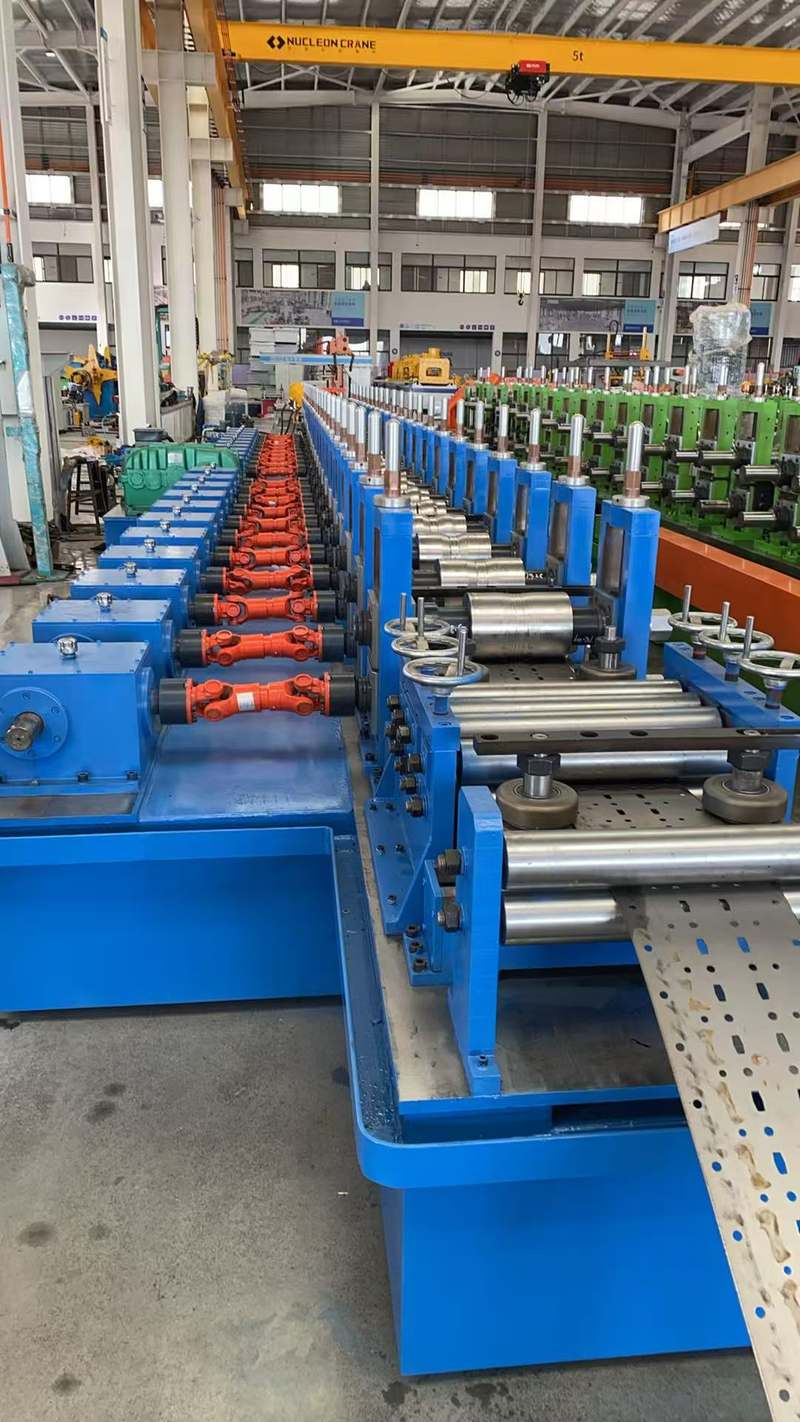
The working principle of a high - speed shelf upright forming machine is based on a combination of cold - roll forming and precision punching processes. First, a coil of metal sheet, typically made of high - strength steel, is fed into the machine. The metal sheet is then gradually shaped through a series of rollers in the cold - roll forming section. Each set of rollers applies a specific amount of pressure to the metal, gradually bending it into the desired cross - sectional shape of the shelf upright. This cold - roll forming process ensures that the material retains its structural integrity and strength, making the resulting uprights durable enough to withstand heavy loads in a warehouse environment.
Simultaneously, or in a synchronized sequence, a high - speed punching system comes into play. This system is responsible for creating the holes along the length of the upright. These holes are crucial as they allow for the easy attachment of the horizontal beams and other accessories, enabling the construction of a modular shelving system. The punching process is highly precise, often using advanced servo - controlled mechanisms to ensure that each hole is punched at the exact location and with the correct size, which is essential for the seamless assembly of the storage racks.
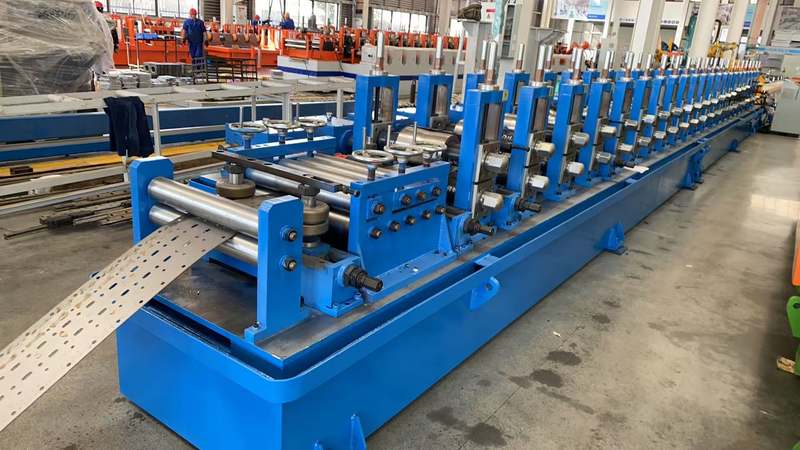
Structure and Components
Decoiler:The uncoiler is the starting point of the production process. It holds the large coil of metal sheet and feeds it smoothly into the subsequent parts of the machine. It is equipped with tension - control mechanisms to ensure a consistent feed rate, preventing the metal sheet from sagging or becoming over - tightened, which could lead to defects in the final product. For example, in a high - volume production environment, a well - functioning uncoiler can handle coils weighing several tons, providing a continuous supply of raw material without interruptions.
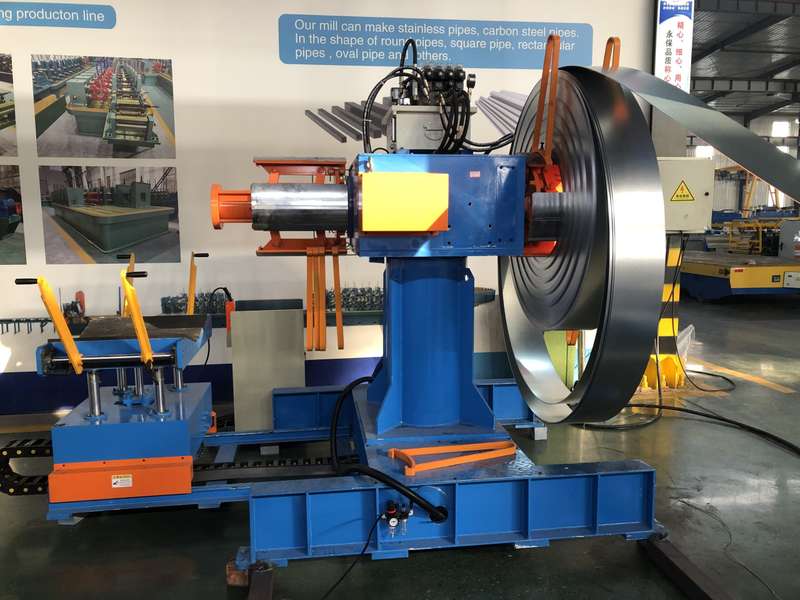
Leveling Device:After leaving the uncoiler, the metal sheet may have some minor bends or unevenness due to the coiling process. The leveling device, which usually consists of a series of rollers with adjustable gaps, straightens the metal sheet. This is a critical step as an uneven sheet can cause problems during the subsequent forming and punching operations. By precisely adjusting the rollers, the leveling device can ensure that the metal sheet is perfectly flat, ready for the next stage of production.
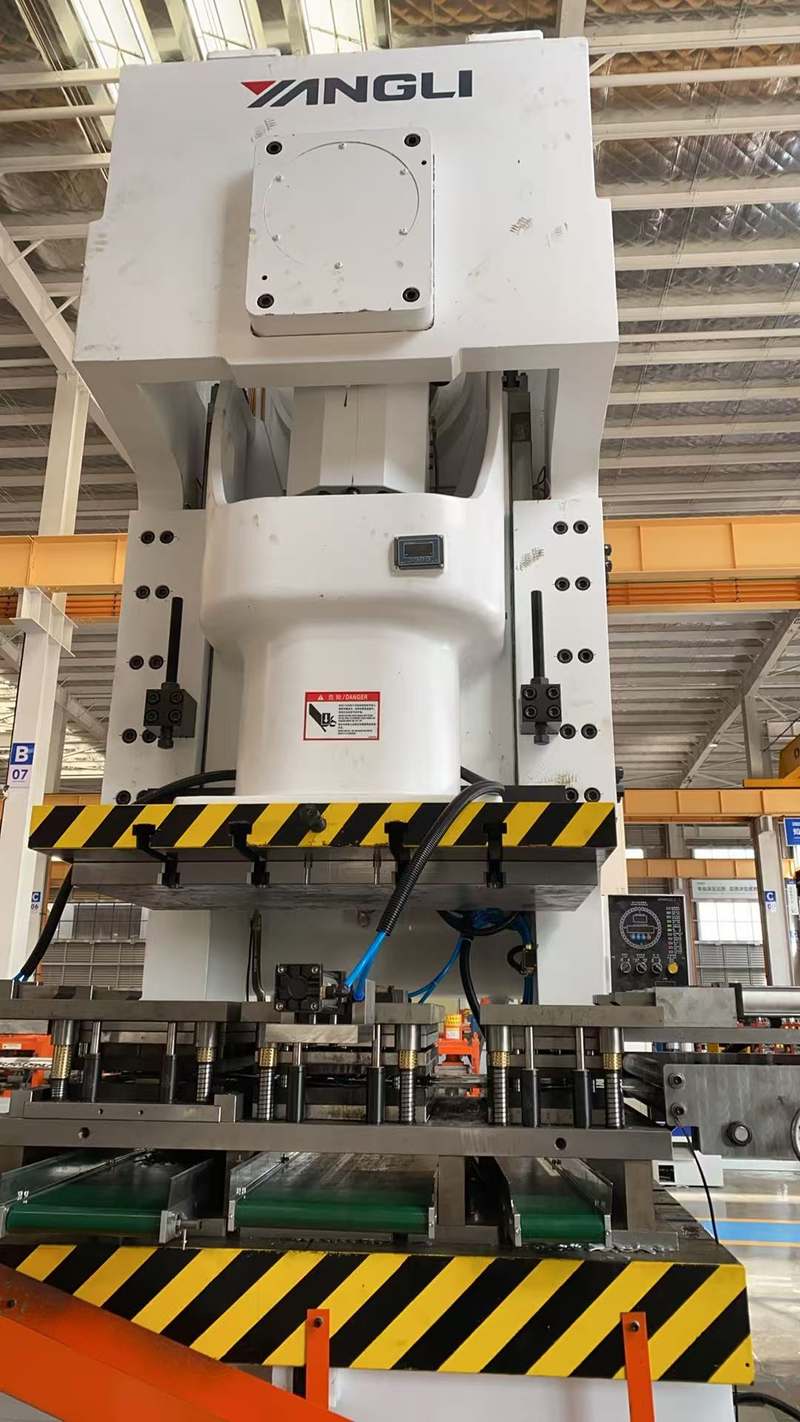
Punching System:As mentioned earlier, the punching system is responsible for creating the holes in the shelf uprights. It typically includes a high - speed punch press, a die set, and an advanced control system. The punch press uses a combination of mechanical and hydraulic forces to drive the punch into the metal sheet at high speeds. The die set, which is custom - designed for the specific hole pattern required for the shelf uprights, ensures that the holes are punched with the correct shape and size. The control system, often based on PLC (Programmable Logic Controller) technology, allows for precise control over the punching sequence, hole spacing, and depth. This level of control enables the production of uprights with highly customized hole patterns to meet the diverse needs of different storage rack designs.
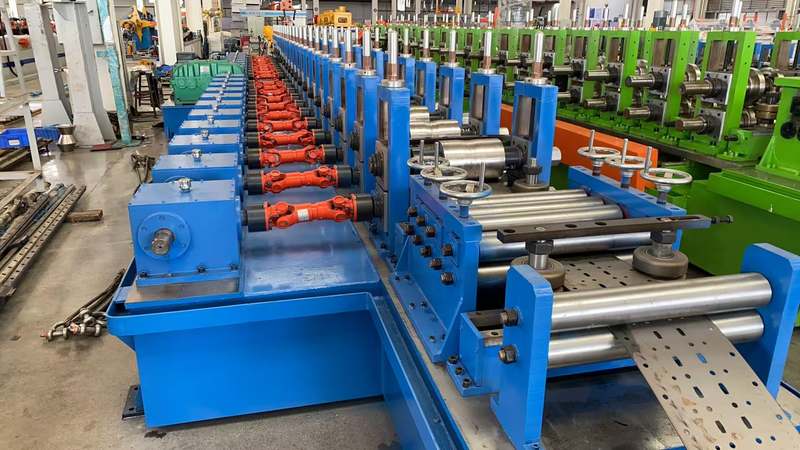
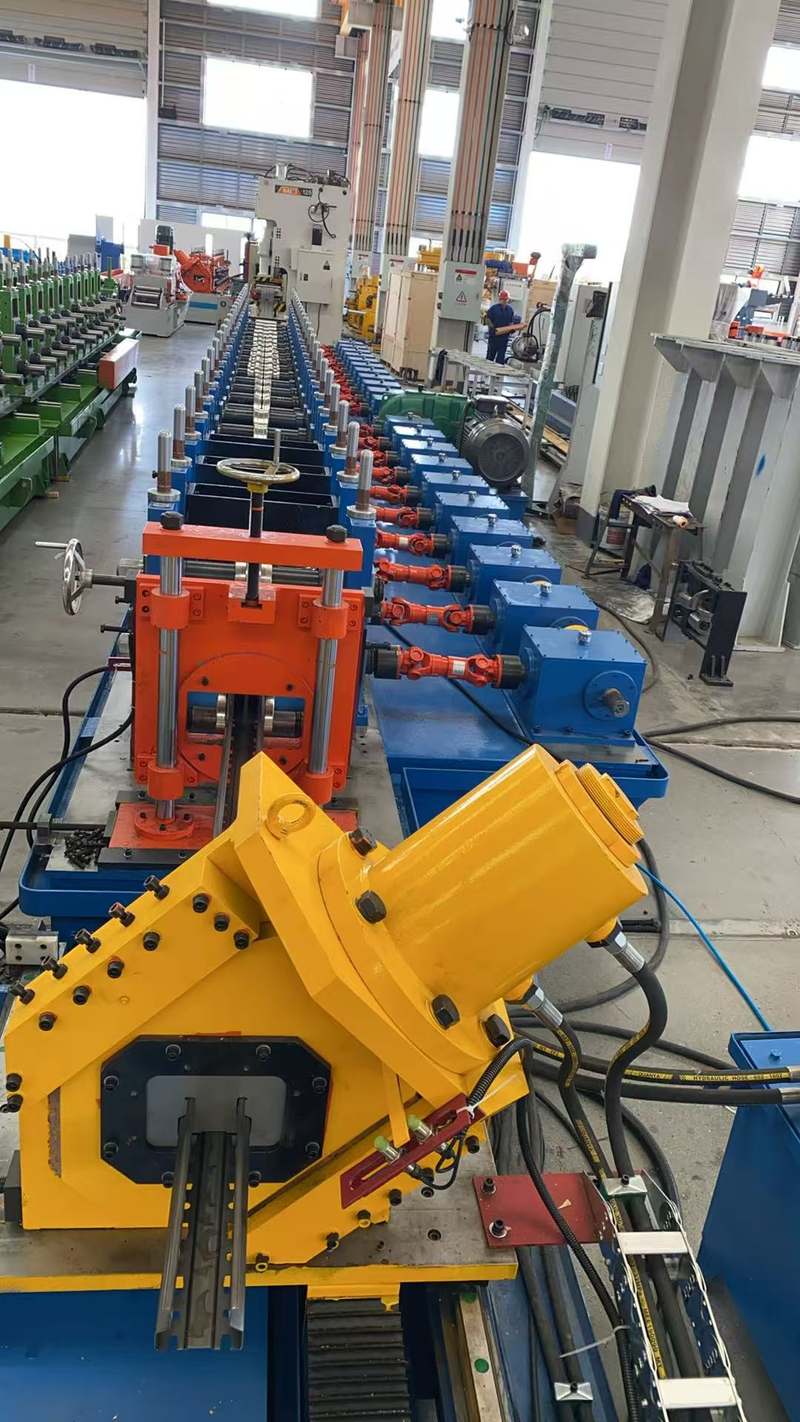
Forming Unit:The forming unit is where the metal sheet is transformed into the final shape of the shelf upright. It consists of multiple sets of rollers arranged in a specific sequence. Each set of rollers gradually bends the metal sheet, with the shape becoming more and more defined as it progresses through the forming unit. The rollers are made of high - quality materials, such as hardened steel, to withstand the high pressures and wear associated with the cold - roll forming process. The forming unit is also designed to be adjustable, allowing for the production of different types of shelf uprights with varying cross - sectional shapes, such as C - shaped, Z - shaped, or more complex profiles.
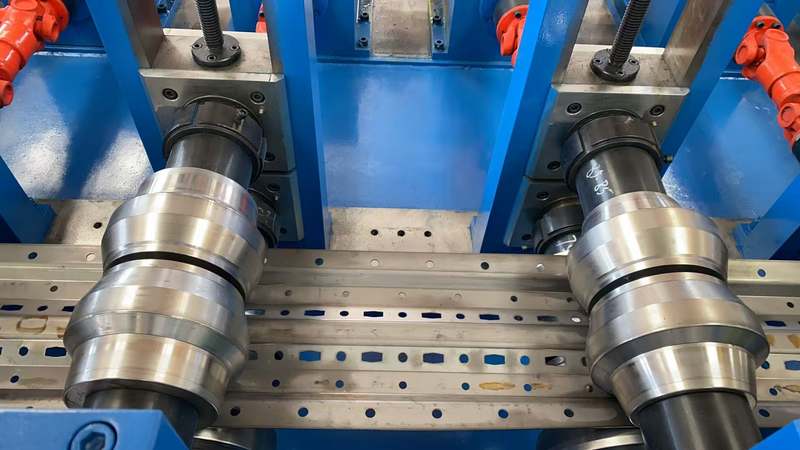
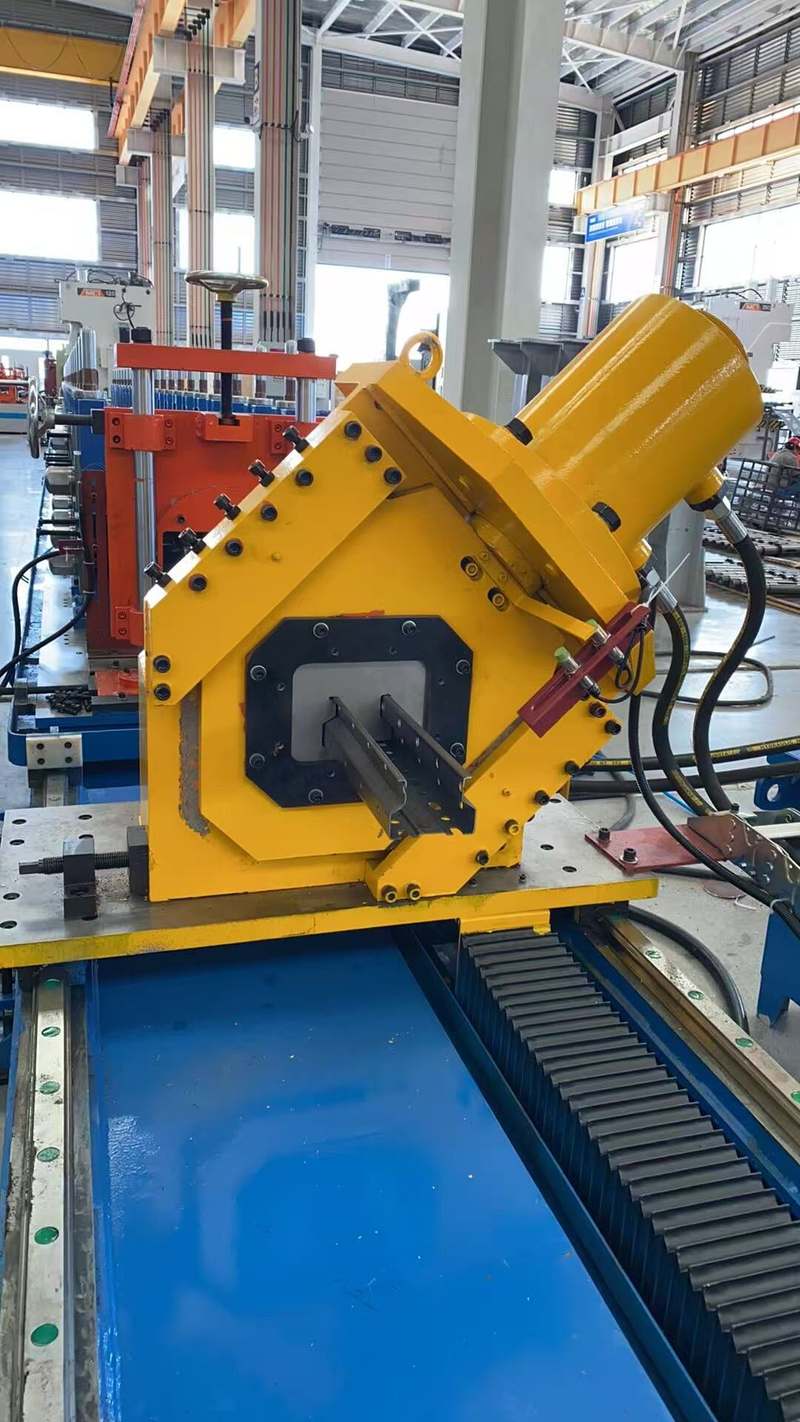
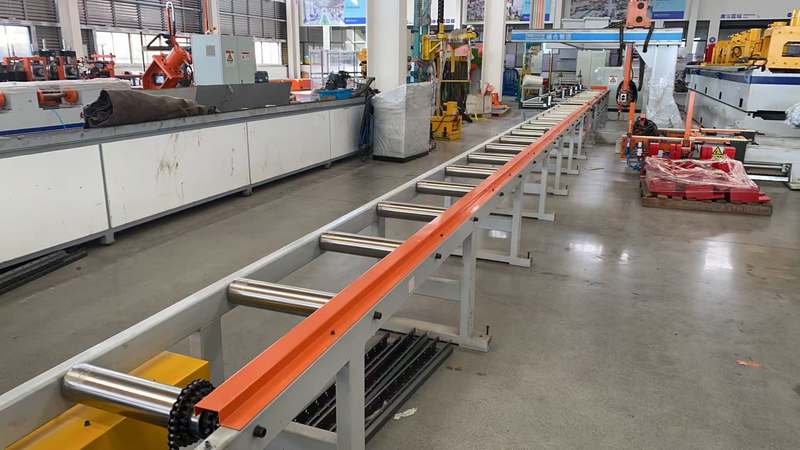
Cutting Mechanism:Once the shelf upright has been fully formed and punched, it needs to be cut to the required length. The cutting mechanism, which is usually a high - speed shear or a flying saw, makes precise cuts at regular intervals. The cutting process is synchronized with the production speed of the machine to ensure that each upright is cut to the exact length specified in the production plan. This ensures that all the uprights produced are of consistent quality and can be easily assembled into storage racks without any fitting issues.
High - Speed Production
One of the most prominent features of a high - speed shelf upright forming machine is its remarkable production speed. These machines can operate at speeds of up to 45 meters per minute, a rate that far surpasses traditional production equipment. For instance, traditional shelf production methods might produce uprights at a rate of only 5 - 10 meters per minute. This significant increase in speed means that manufacturers can produce a much larger quantity of shelf uprights in the same amount of time.
In a large - scale warehouse project where thousands of shelf uprights are required, a high - speed forming machine can complete the production within a few days, while a traditional machine would take weeks. This not only reduces the production cycle but also enables manufacturers to respond more quickly to market demands. Faster production speeds also translate into lower labor costs per unit, as less time is spent on the production line. Additionally, the continuous high - speed operation of the machine ensures a steady supply of products, which is crucial for meeting the tight schedules often associated with large - scale warehousing and logistics projects.
High Precision
High - speed shelf upright forming machines are engineered to achieve an extremely high level of precision. The hole - punching accuracy can be controlled within ±0.1mm, and the dimensional accuracy of the formed uprights can be maintained within ±0.5mm. This high precision is crucial for the quality and functionality of the storage racks.
Precise hole - punching ensures that the horizontal beams and other accessories can be easily and accurately attached to the uprights during the assembly of the storage racks. If the holes are not punched precisely, it can lead to difficulties in assembling the racks, and the resulting structure may not be as stable as required. For example, in a multi - level, high - density storage rack system, even a slight deviation in the hole position can cause misalignment of the beams, reducing the load - bearing capacity of the entire rack. The high dimensional accuracy of the uprights themselves ensures that all the components fit together perfectly, resulting in a sturdy and reliable storage solution. This level of precision is achieved through advanced servo - control systems, high - quality dies, and rollers that are manufactured to exacting standards. These components work in harmony to ensure that each shelf upright produced meets the strict quality requirements of the modern warehousing industry.
Durability and Low Maintenance
These forming machines are built to last. They are constructed using high - quality materials, such as heavy - duty steel frames and wear - resistant rollers. The punching components are made from hardened steel alloys, which can withstand the high - frequency impacts during the punching process without significant wear and tear.
The use of advanced manufacturing processes, such as precision machining and heat treatment, further enhances the durability of the machine. This durability not only ensures a long service life but also contributes to low maintenance requirements. With proper regular maintenance, which mainly includes lubricating moving parts, checking for loose components, and cleaning the machine, the high - speed shelf upright forming machine can operate with a low failure rate. For example, compared to some lower - quality machines that might experience frequent breakdowns due to component failures, our high - quality forming machines have a failure rate of less than 5% per year under normal operating conditions. This low failure rate means less downtime for repairs, which is essential for maintaining high production levels. Lower maintenance requirements also result in cost savings for manufacturers, as they do not need to allocate large amounts of resources to machine repairs and component replacements.
Почему выбирают нас?
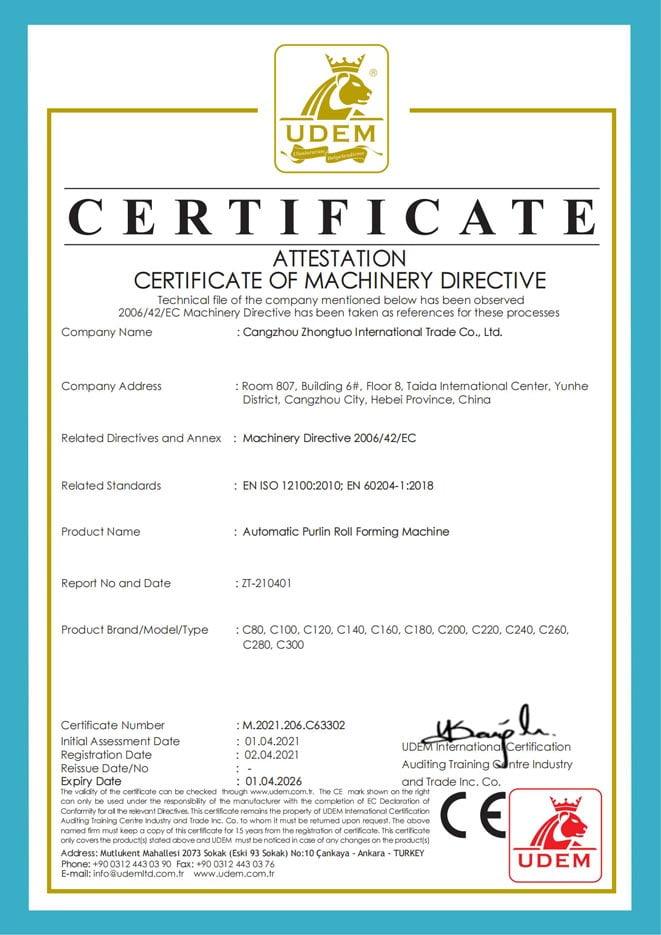
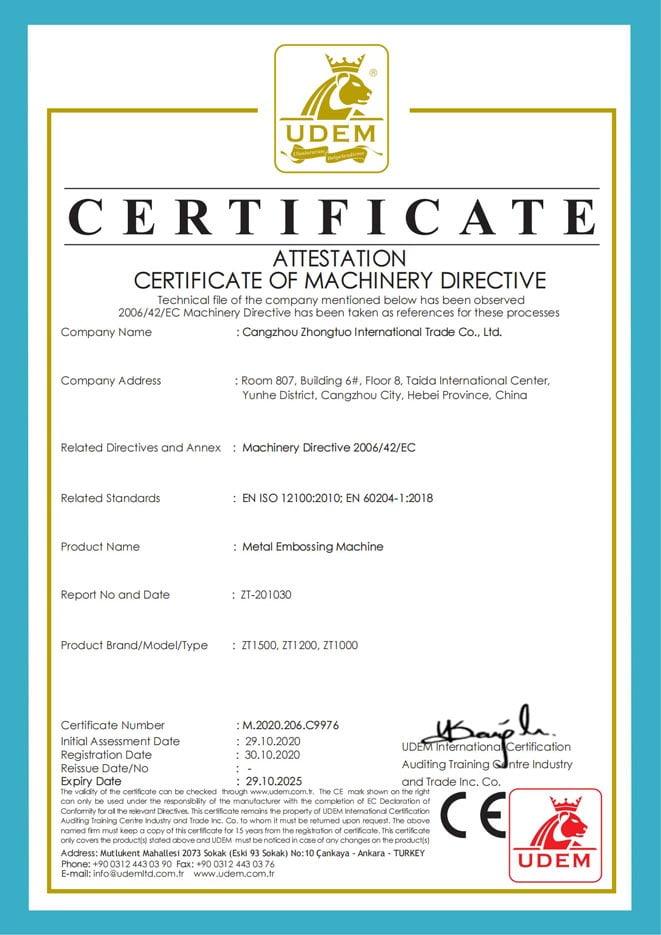
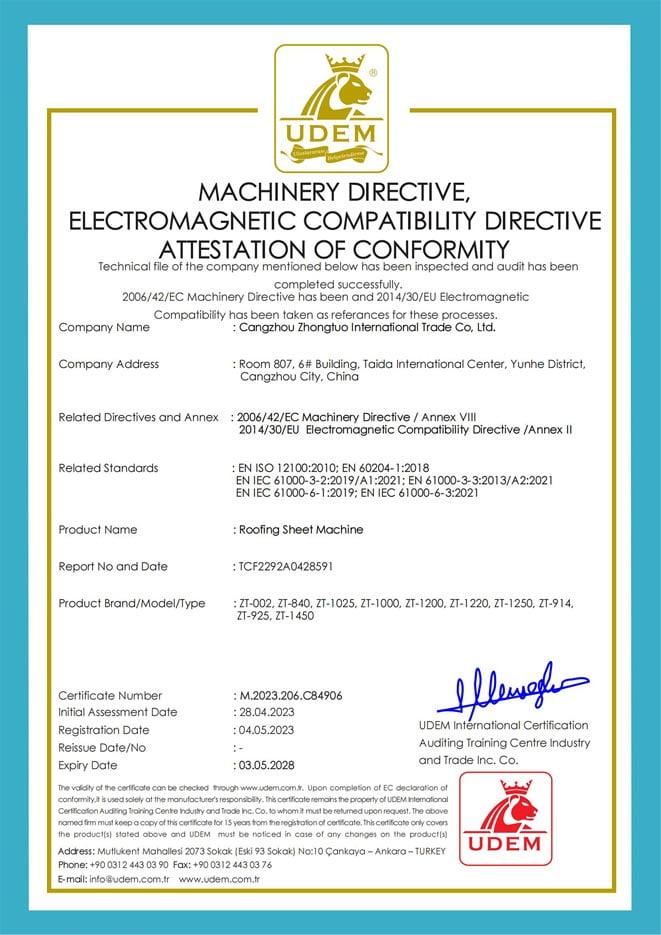

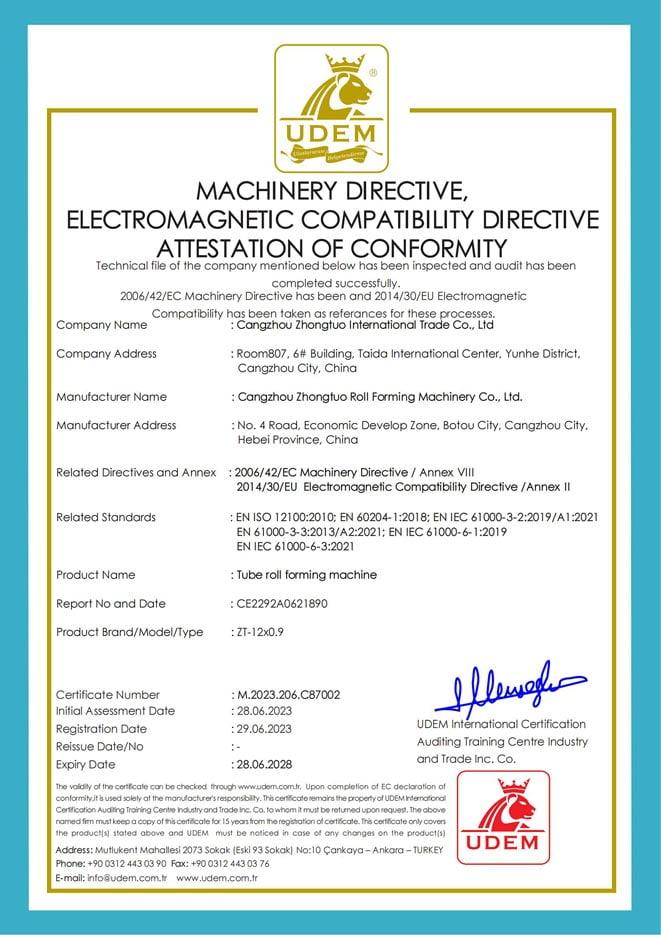
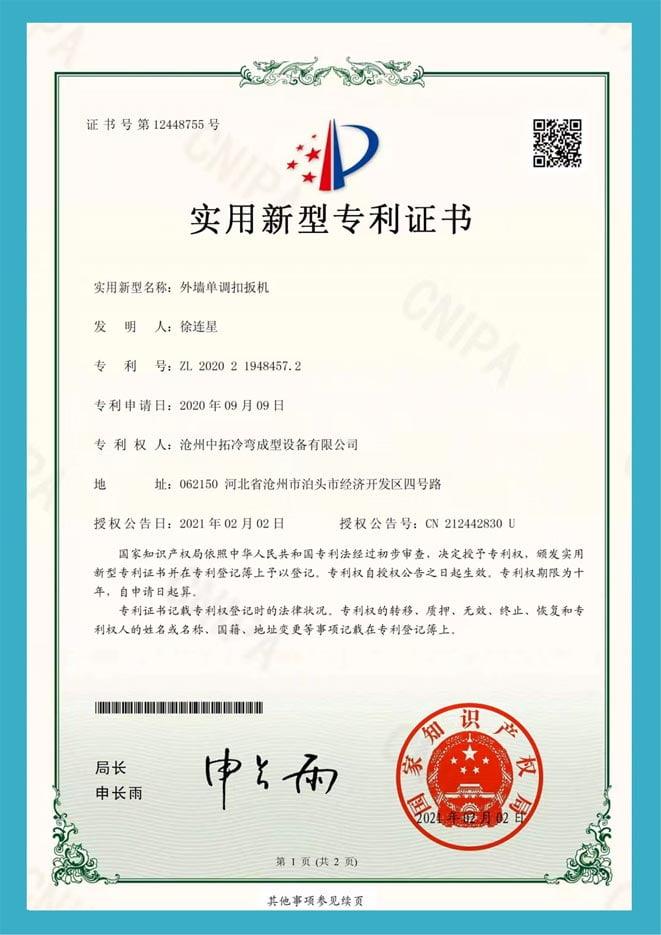
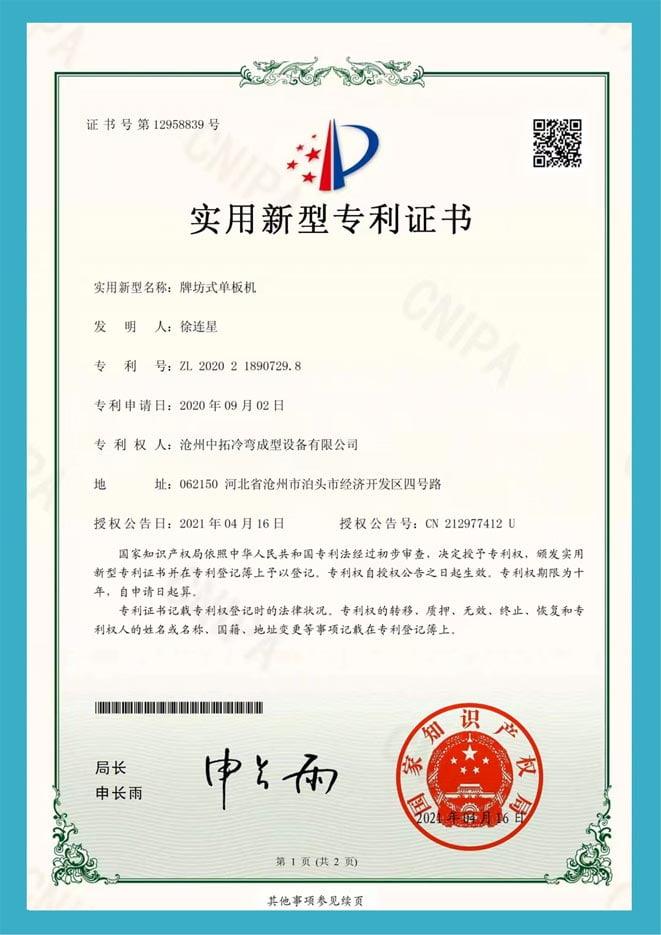
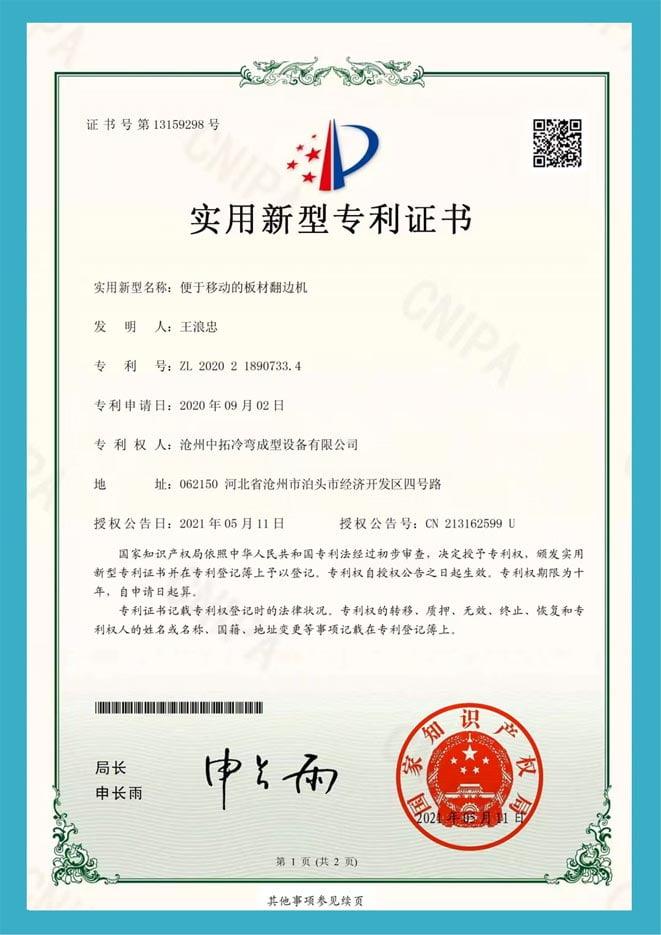
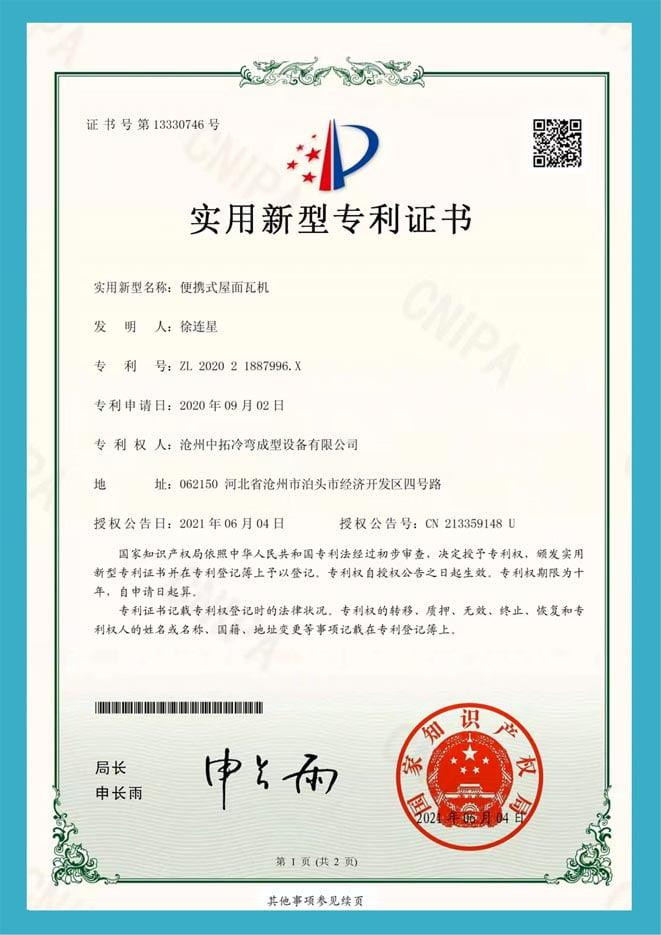
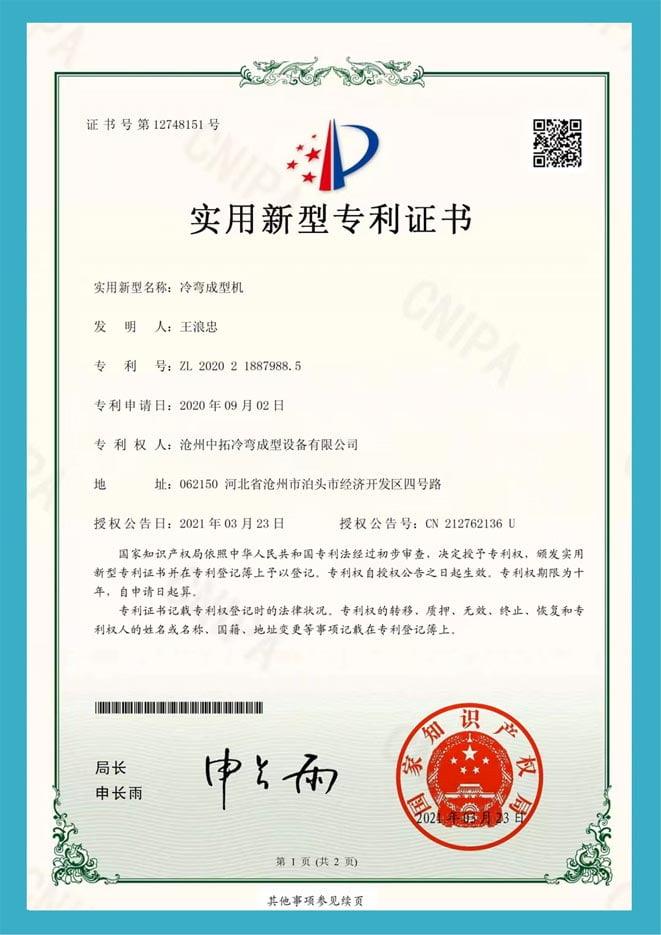

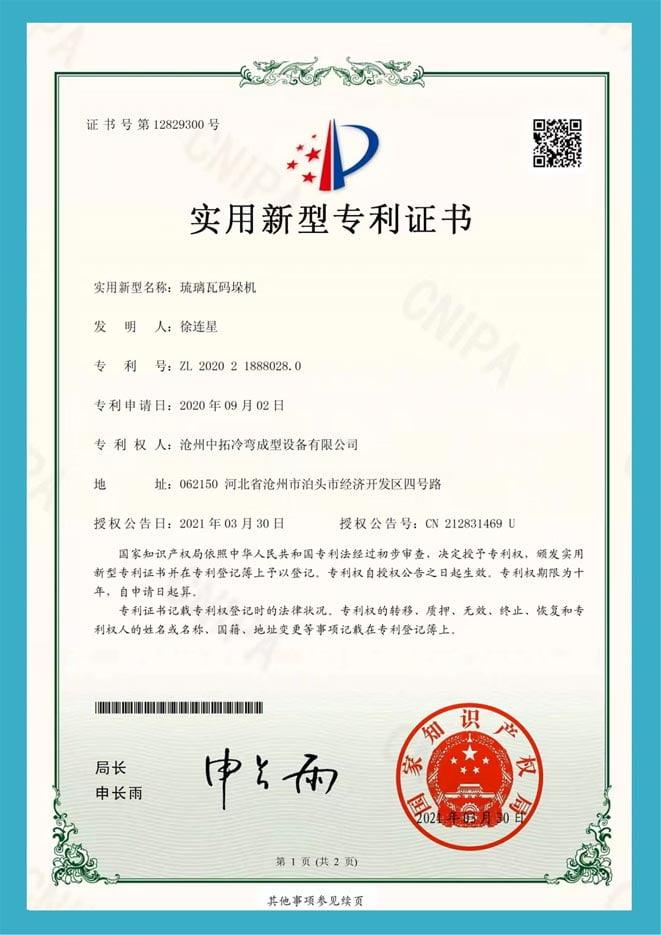
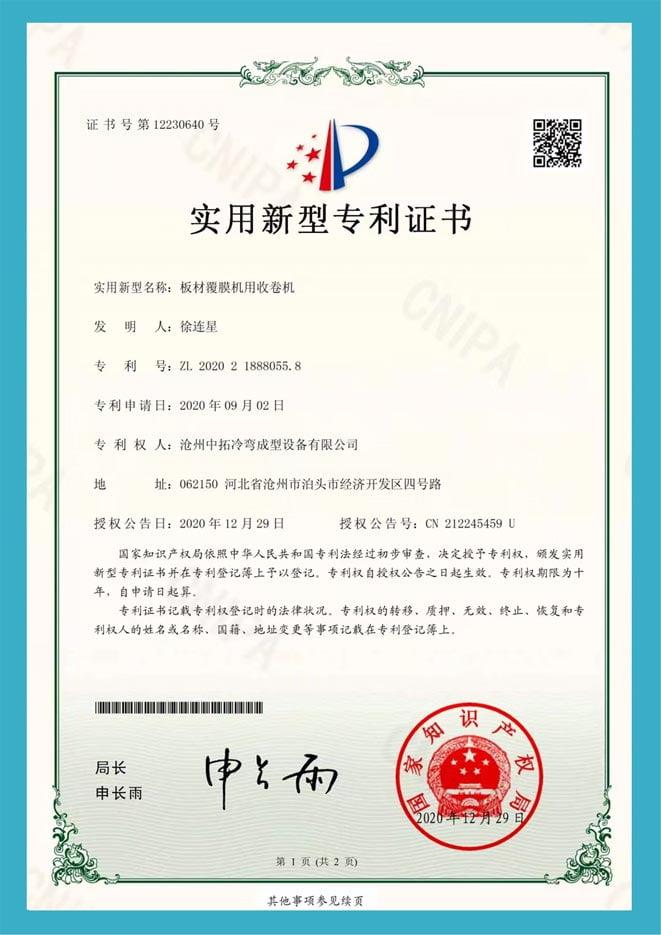

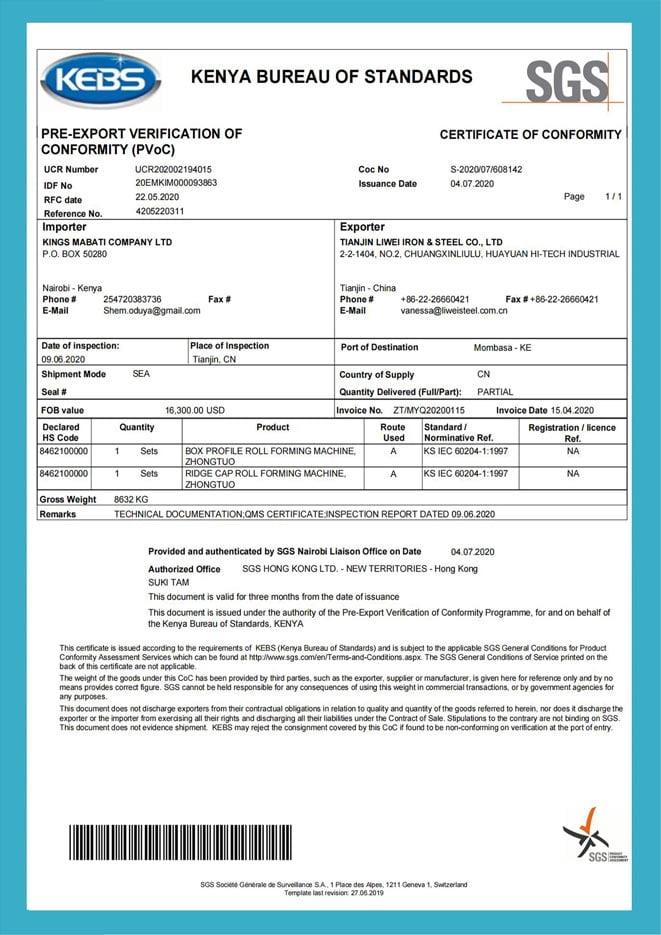
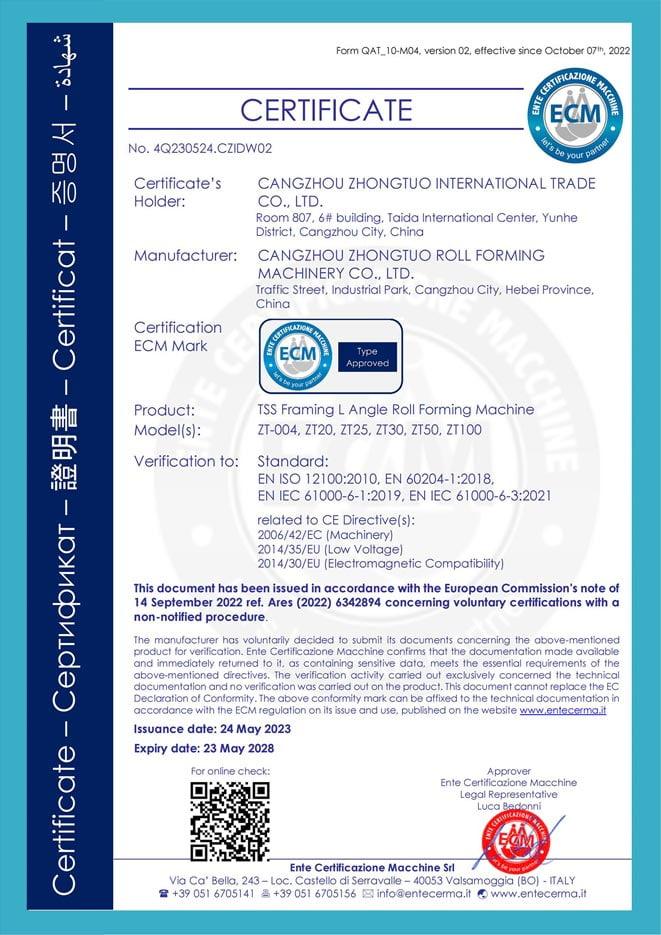
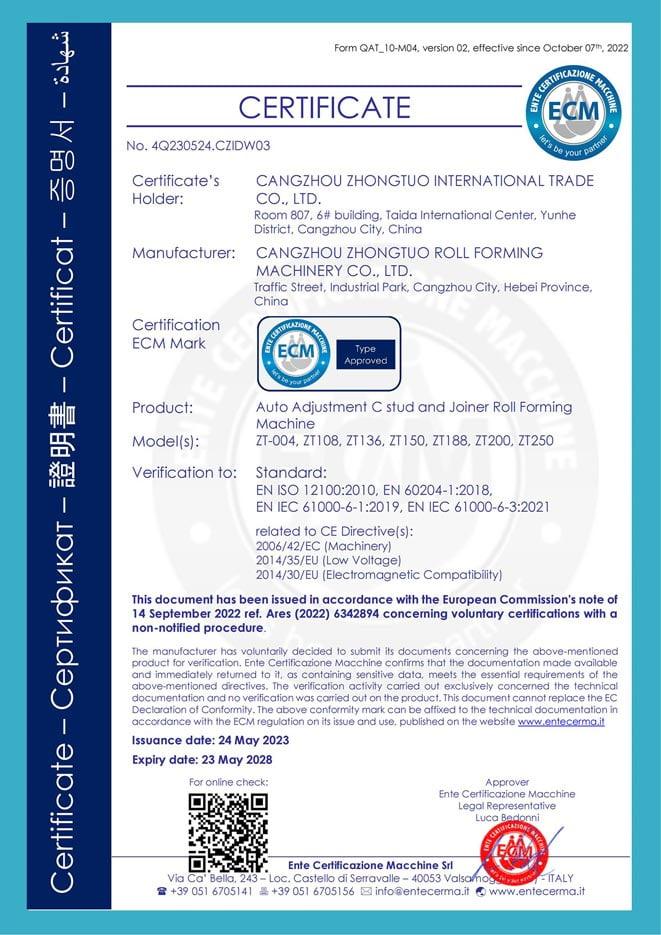
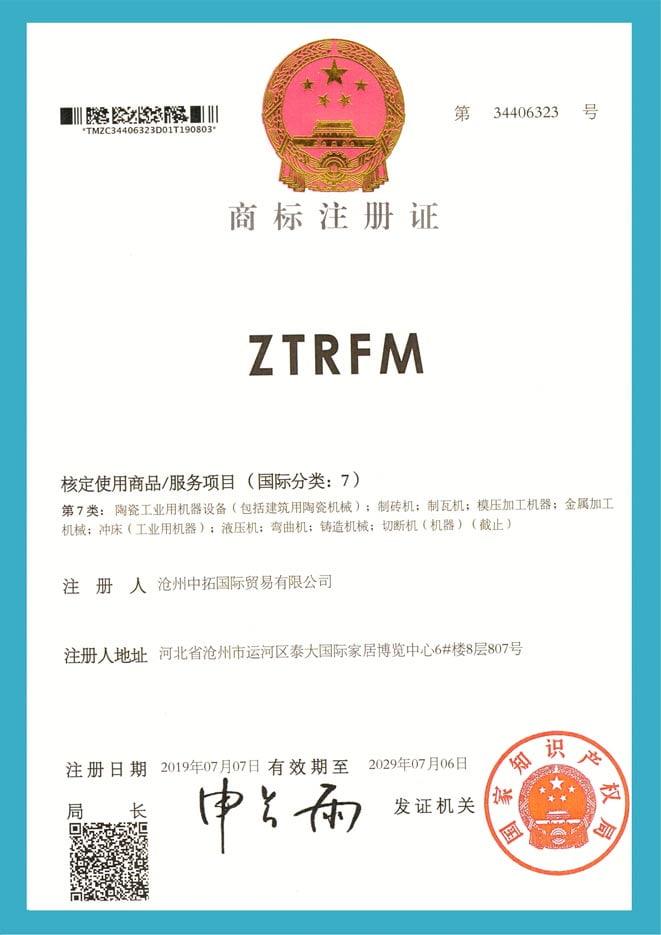
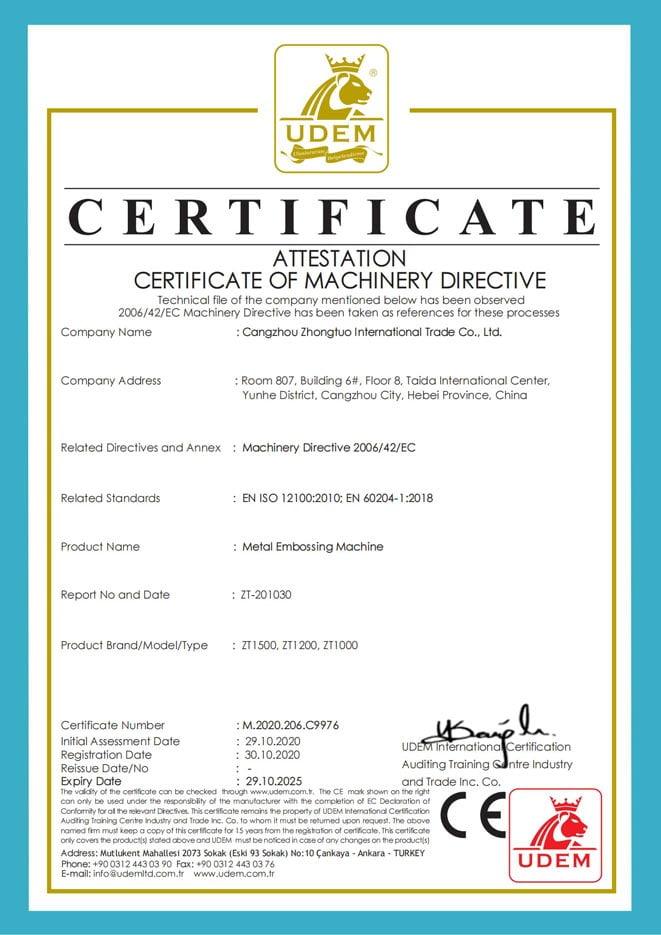
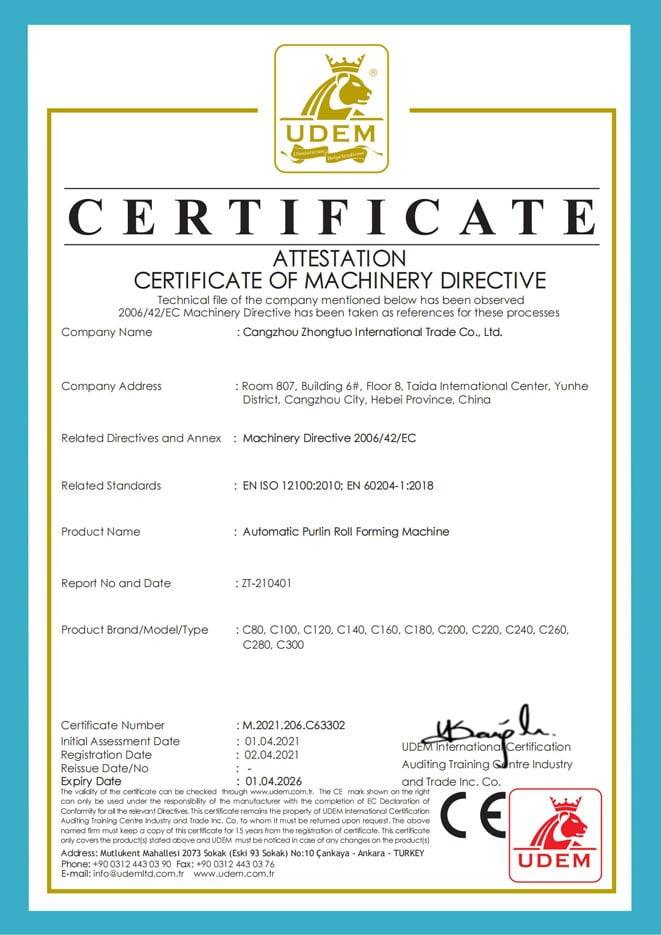
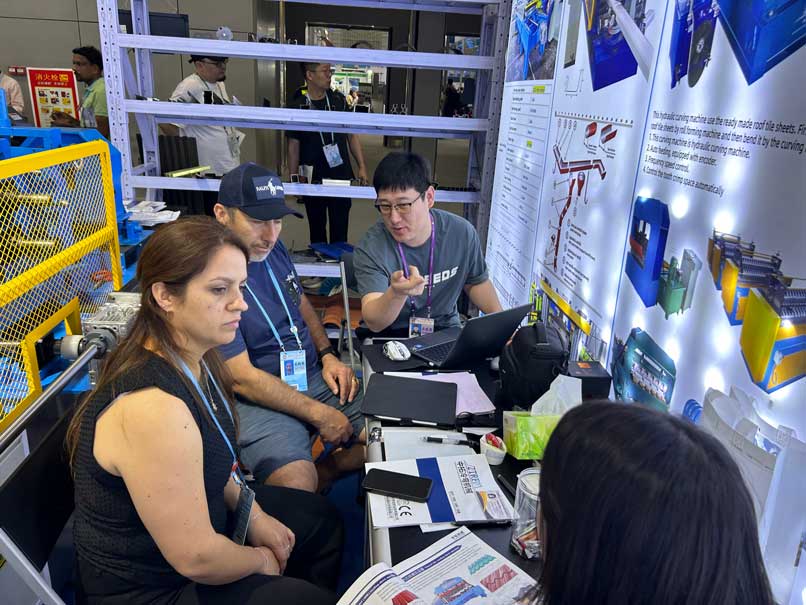
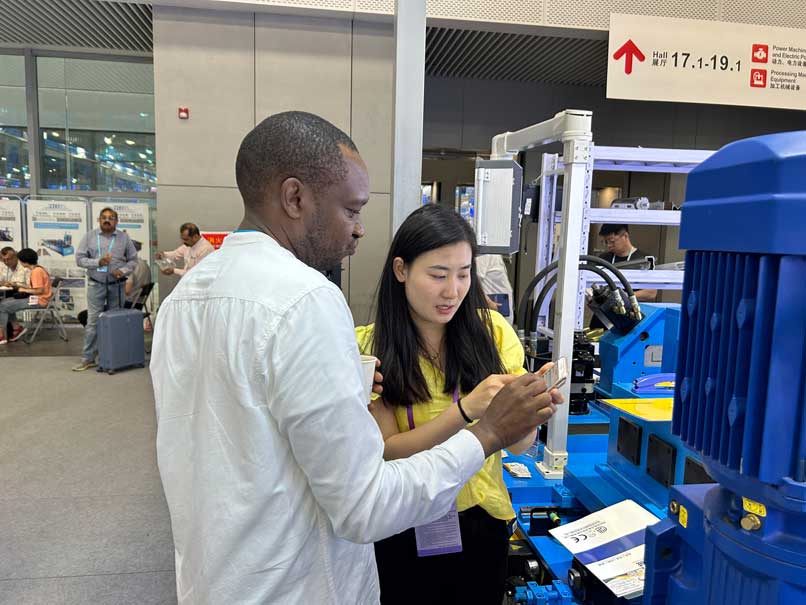
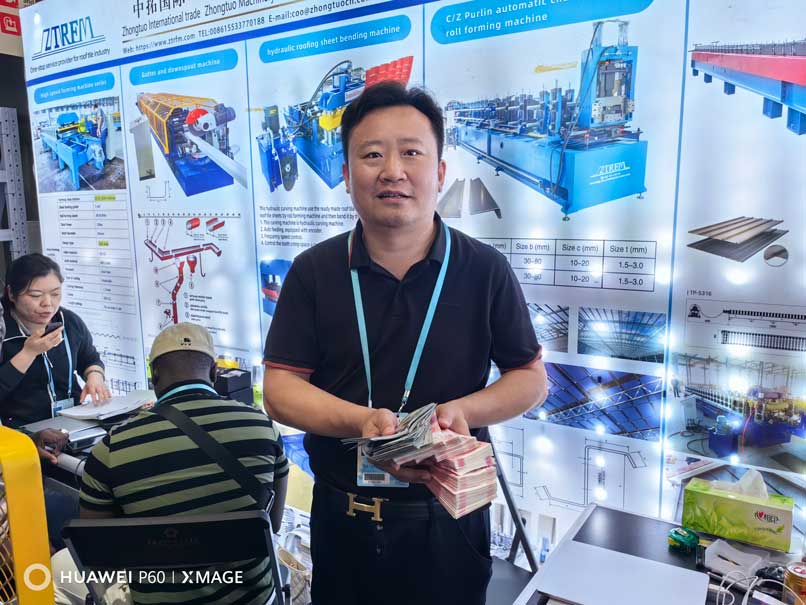
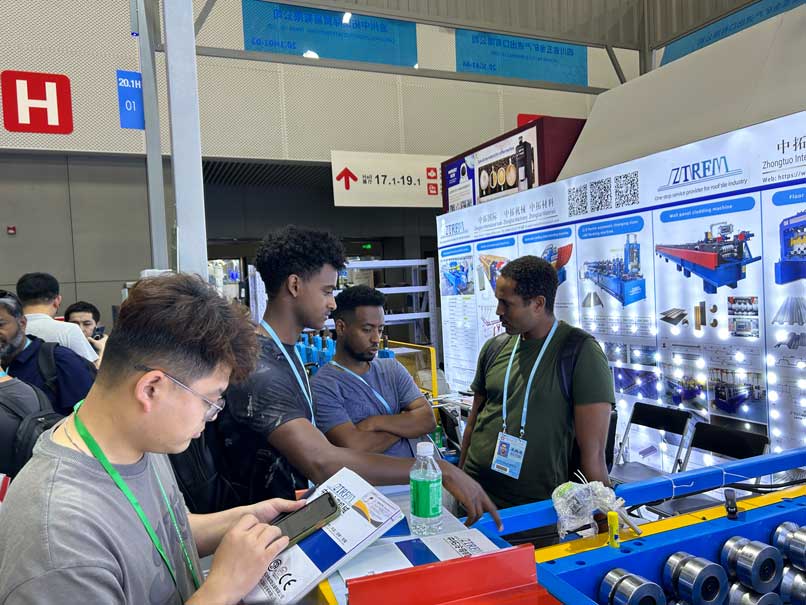


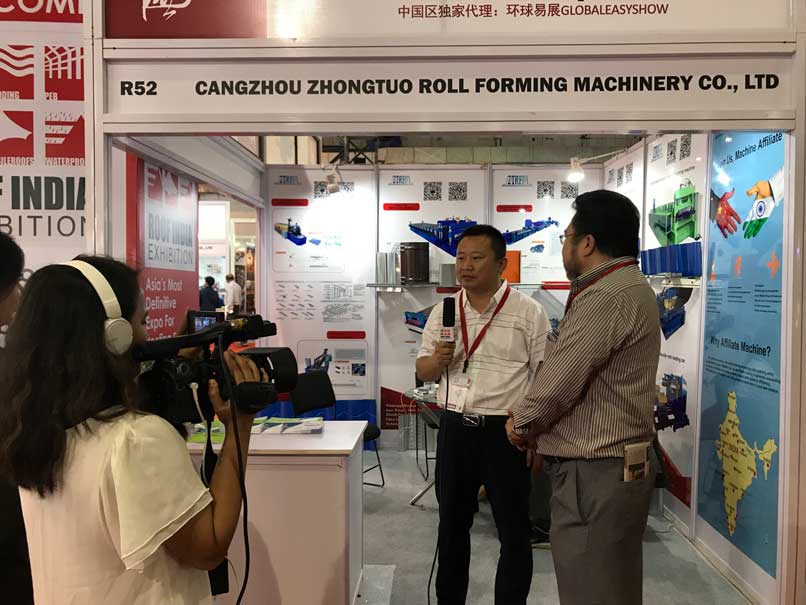
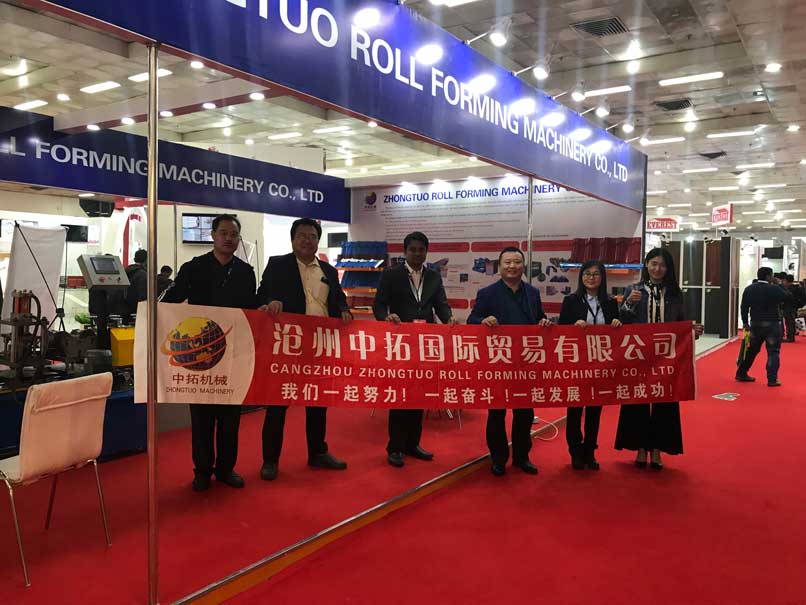
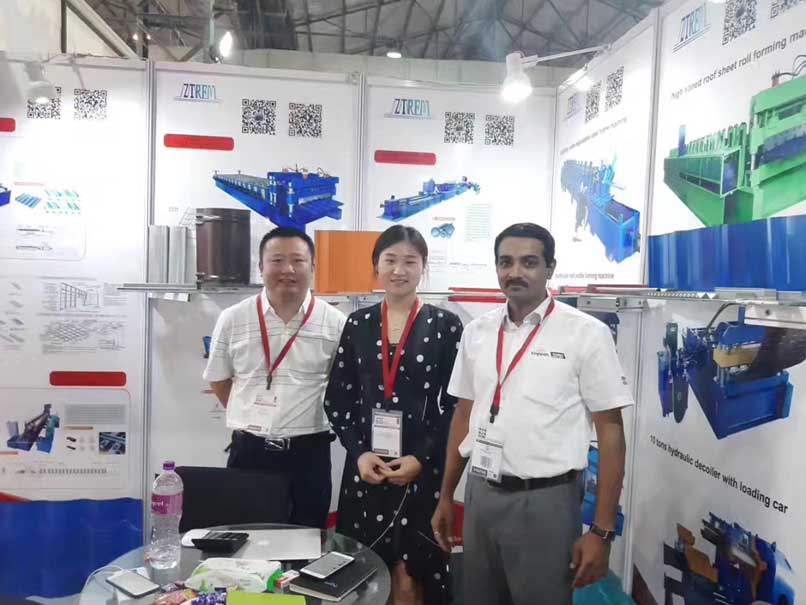
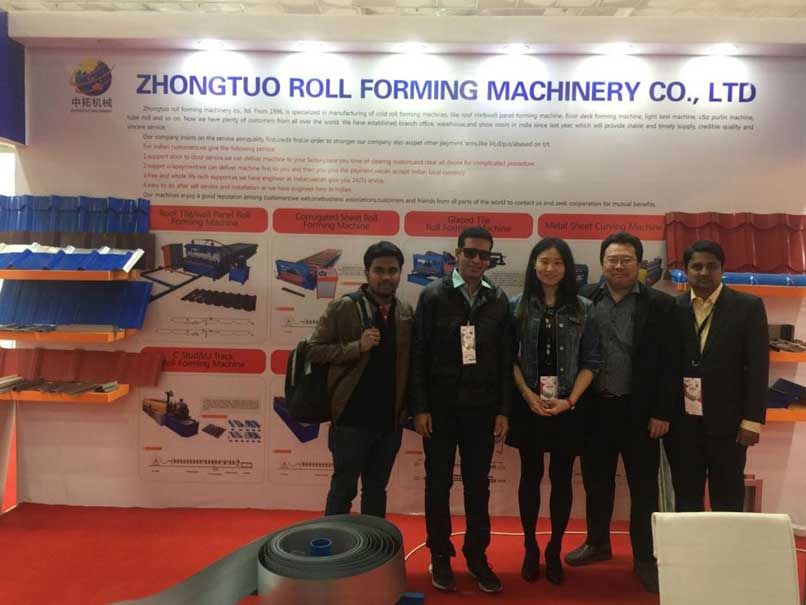
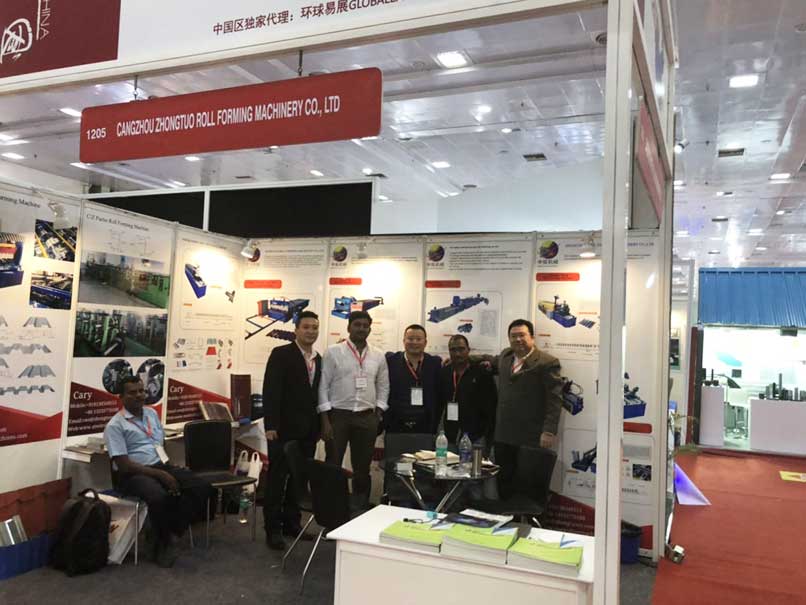

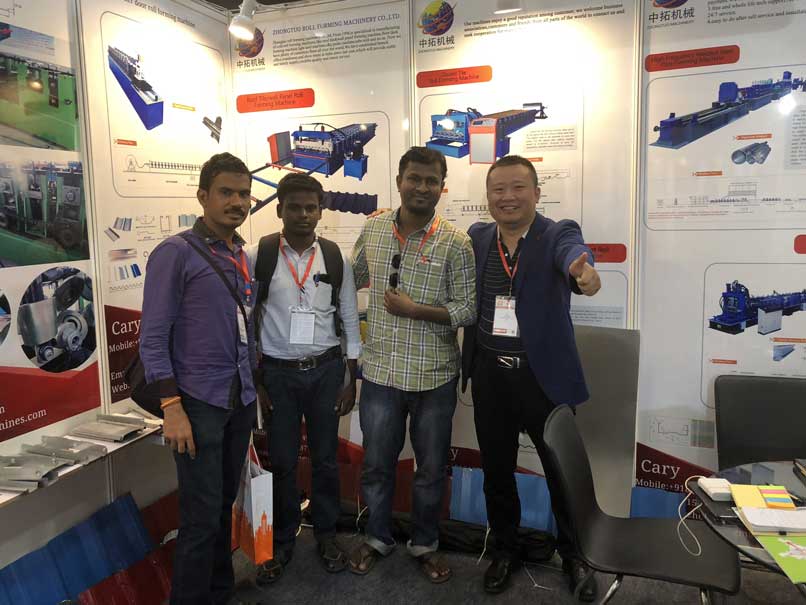
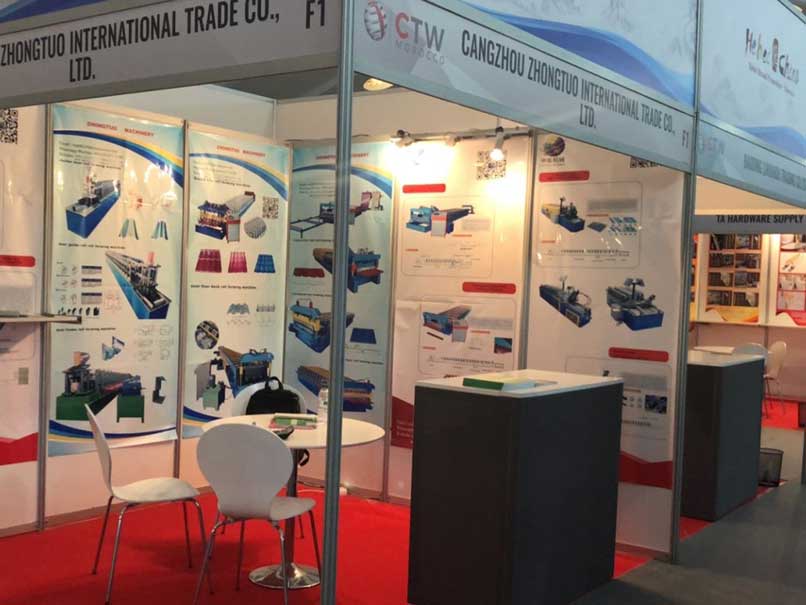
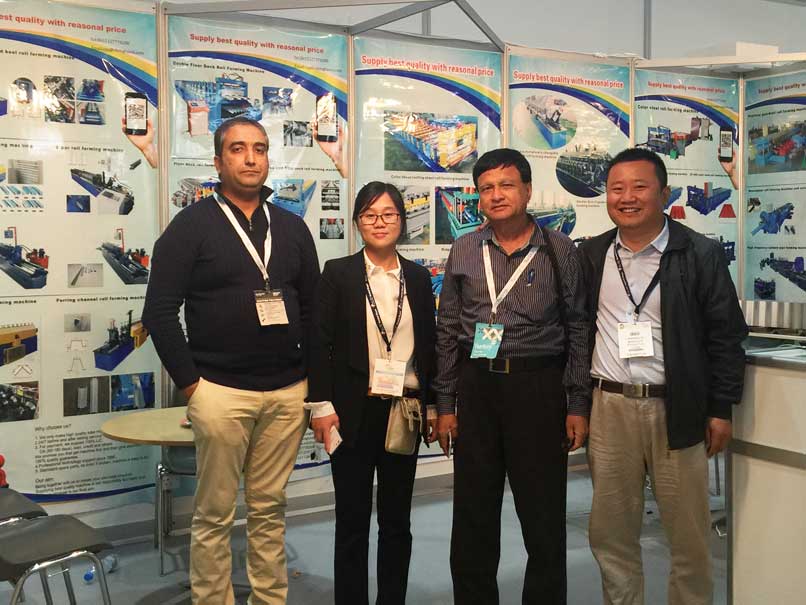
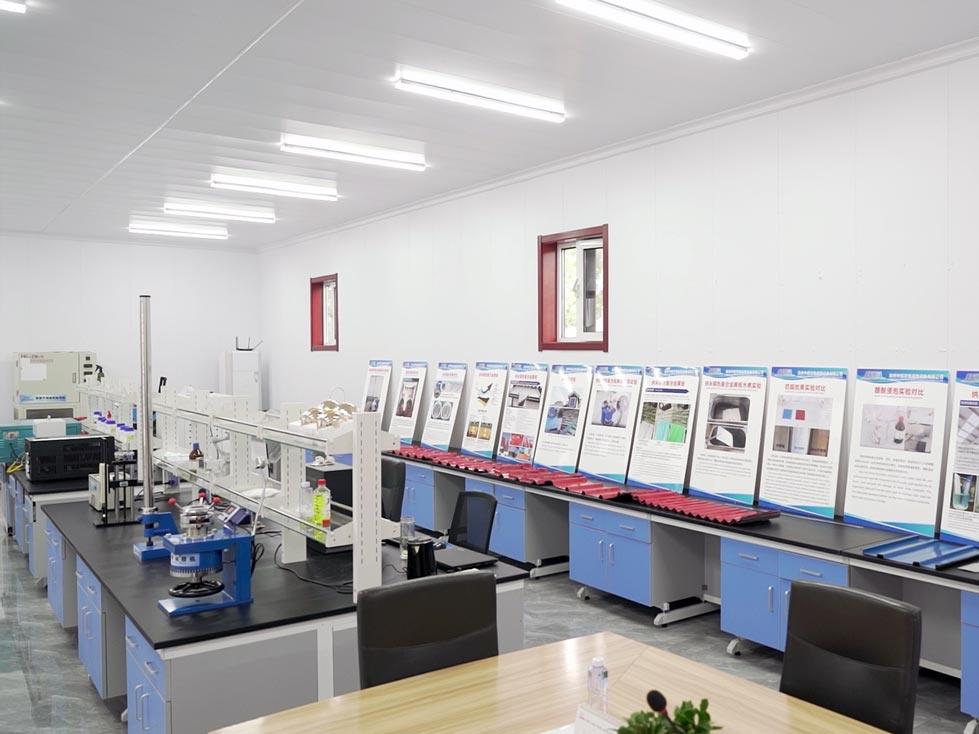
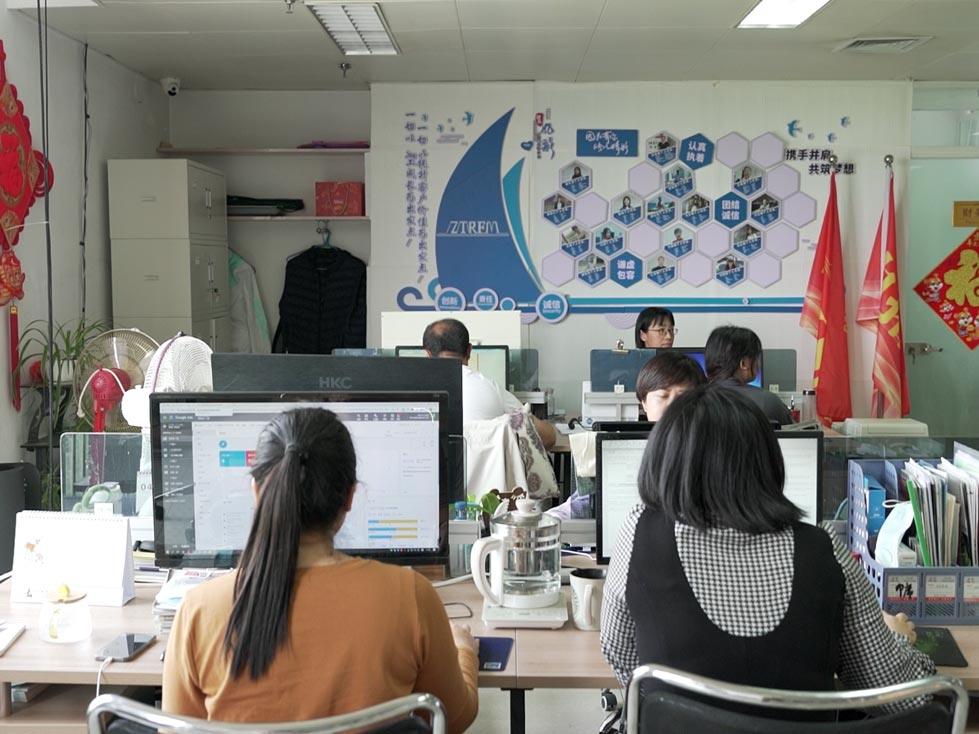
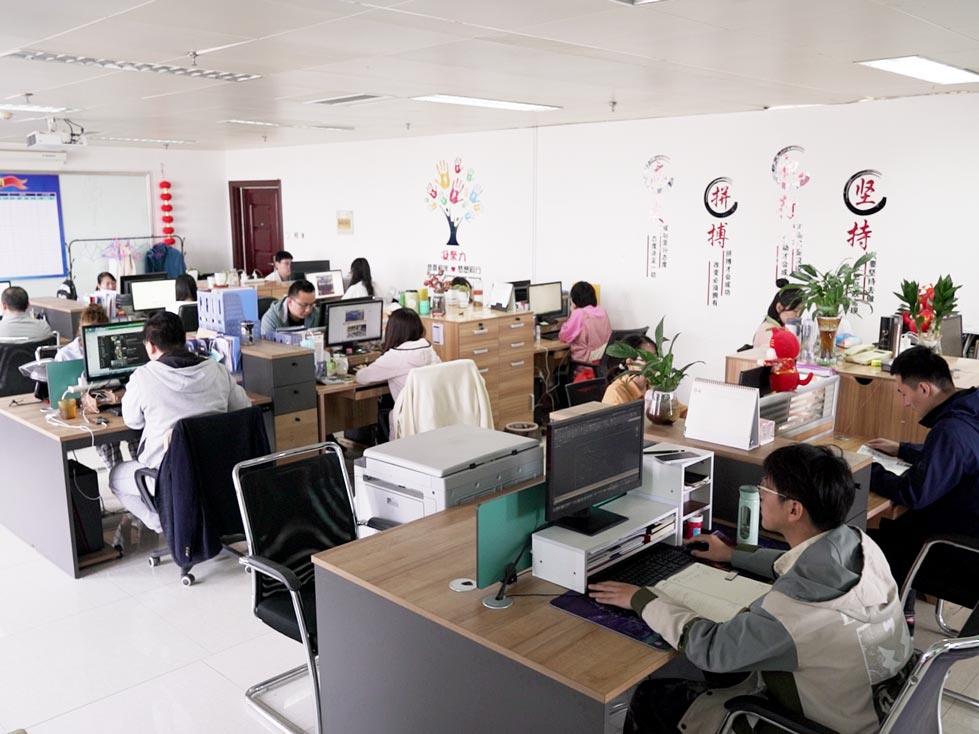
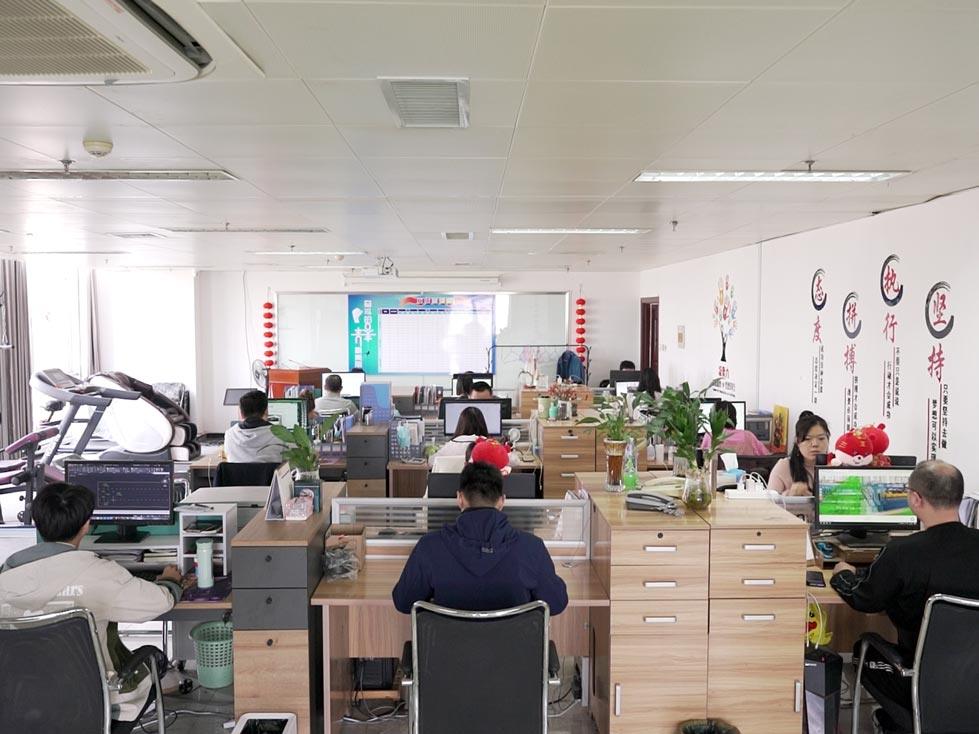

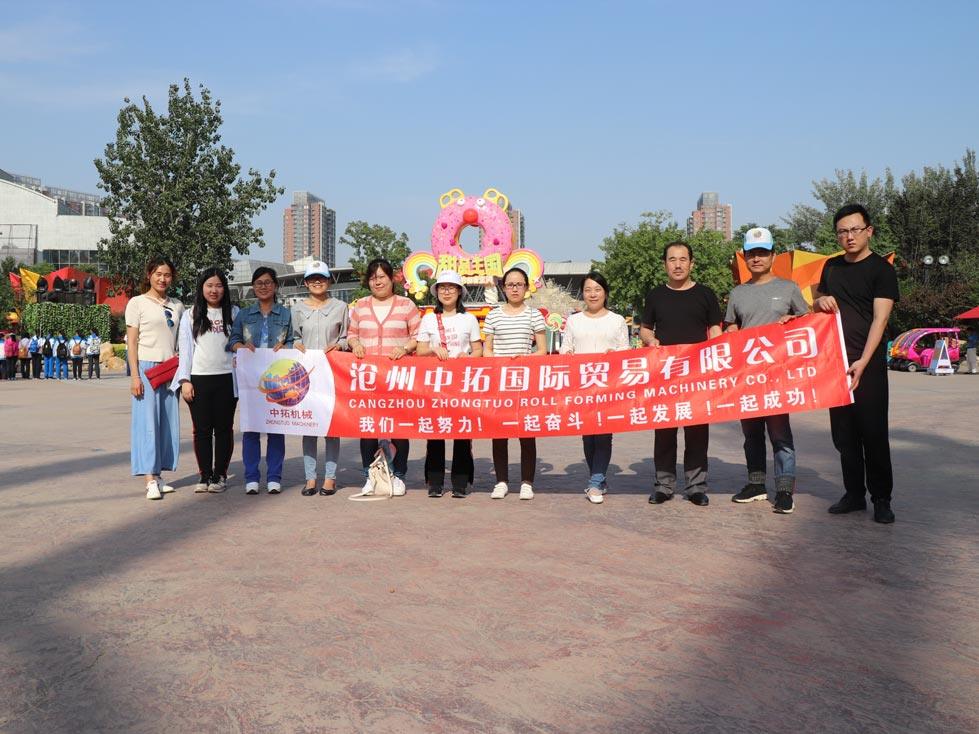


OEM/ODM и подгонка по индивидуальному заказу универсальное обслуживание
Полная поддержка послепродажного обслуживания

Обеспечьте OEM,ODM
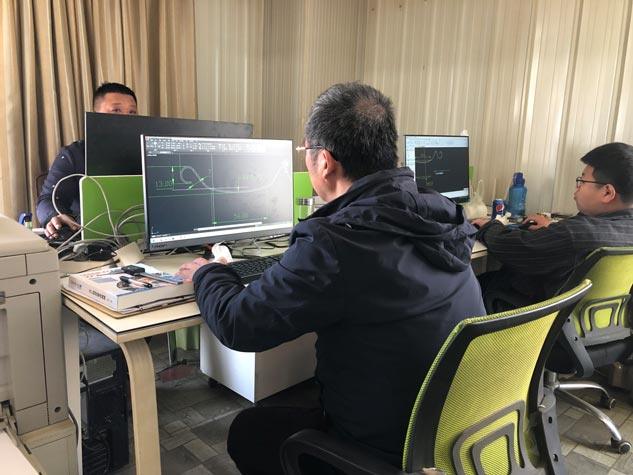
2.Техник дизайн: сделать чертеж профилей и 3D машины чертеж
3.определить конфигурацию и производство
4.тестирование перед поставкой
6.Техническое руководство
7.Послепродажное обслуживание: услуги по установке сложных машин и регулярное посещение клиентов
Доверяют 95800+ компаний
высококачественные предприятия. Благодаря сотрудничеству с нами, они получили
сильную поддержку и добились прорыва и развития бизнеса.