Over 24 Years Experience & Knowledge International Standards, Technologicaly Changes & Industrial Systems, We Are Dedicated To Provides Seds The Best & Economical Solutions To Valued Customers.
Z Purlin Roll Forming Machine: A Complete Buyer's Guide for Steel Structure Manufacturers
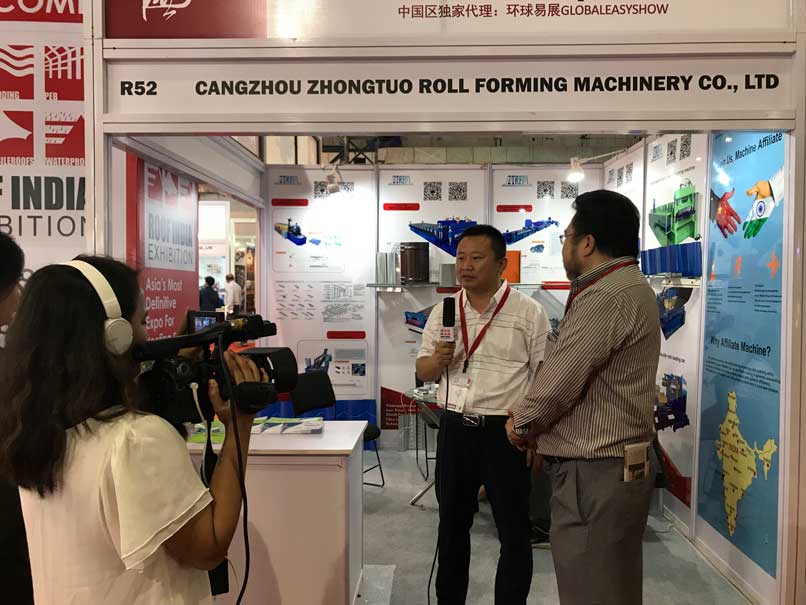
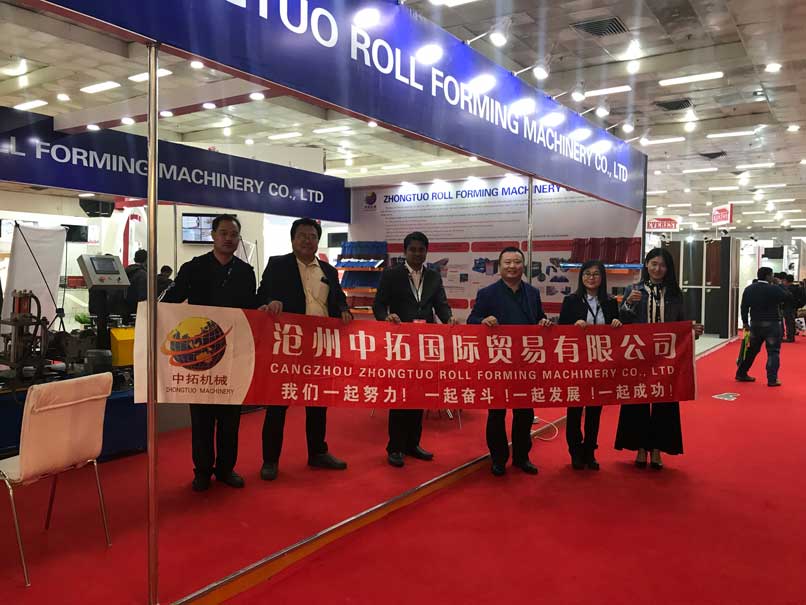
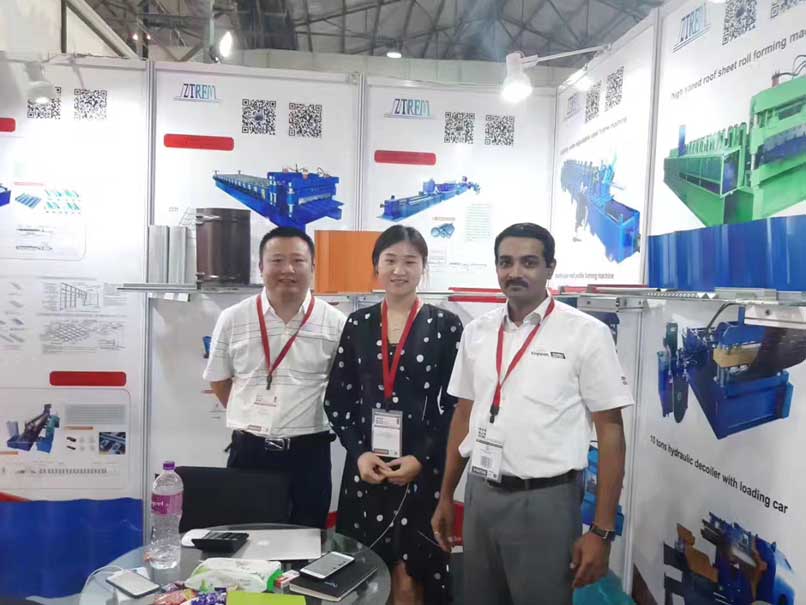
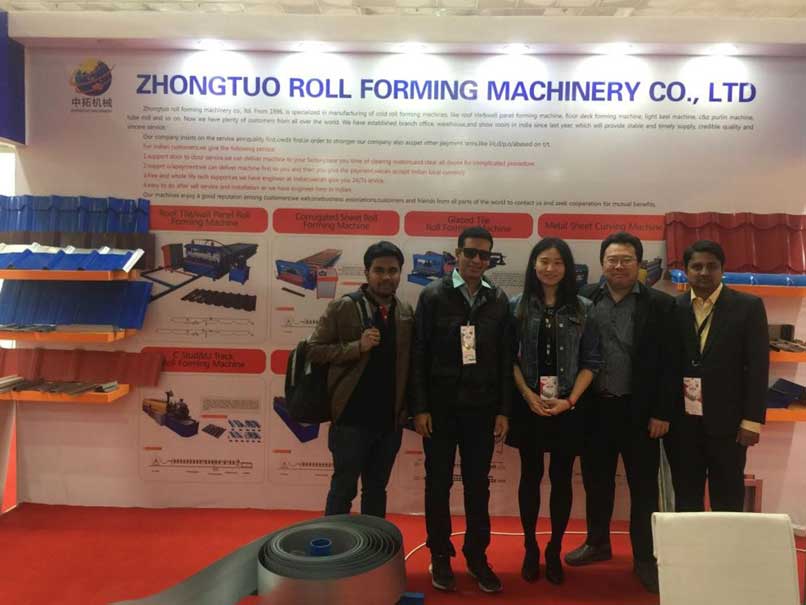
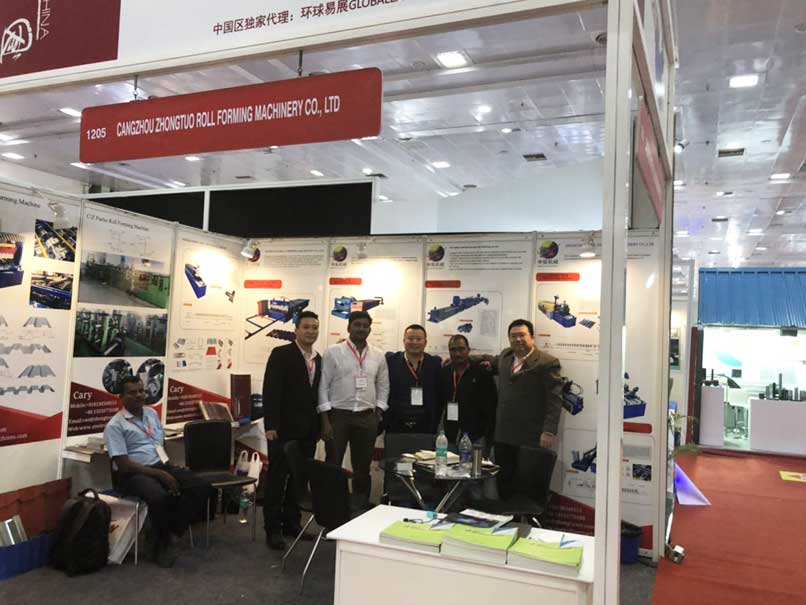
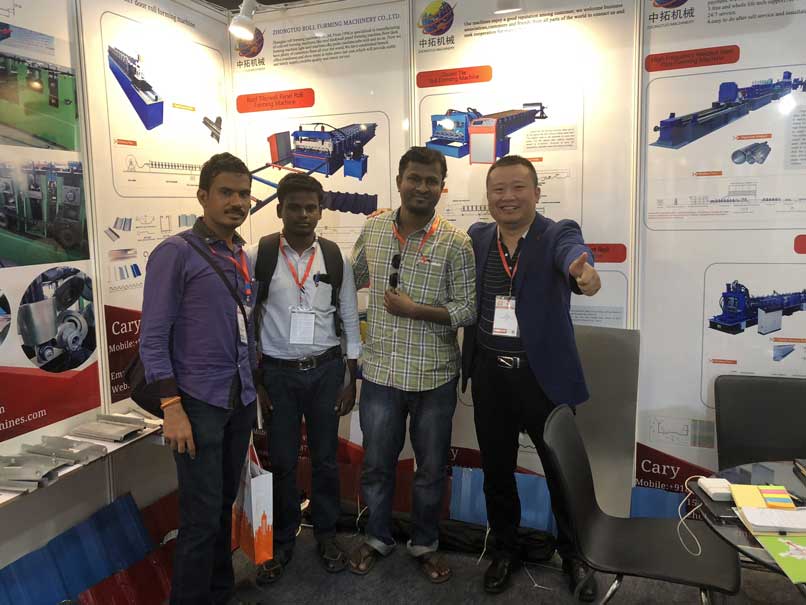
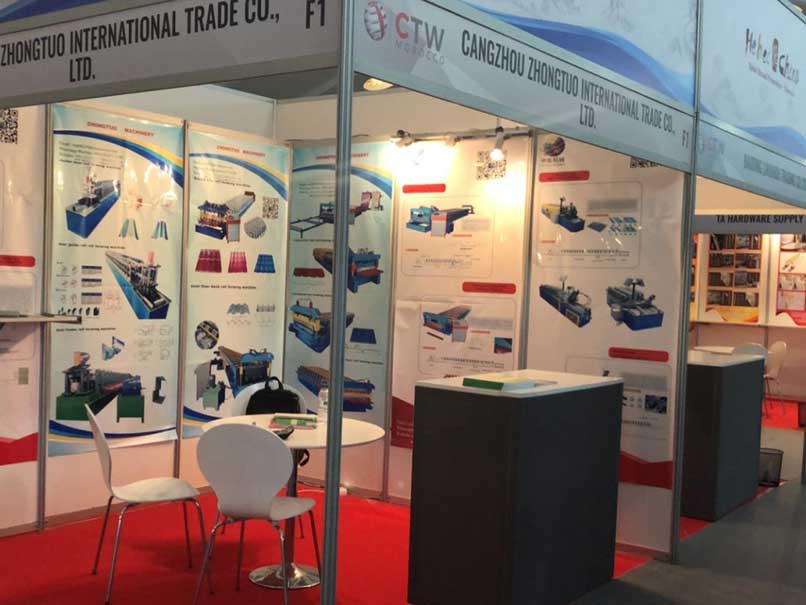
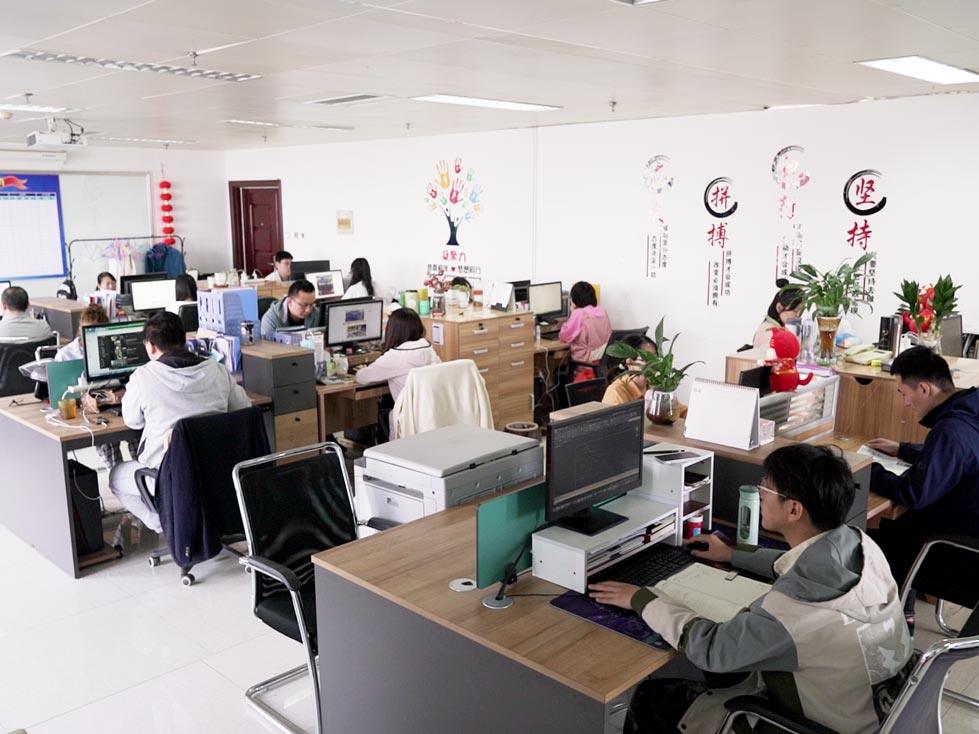
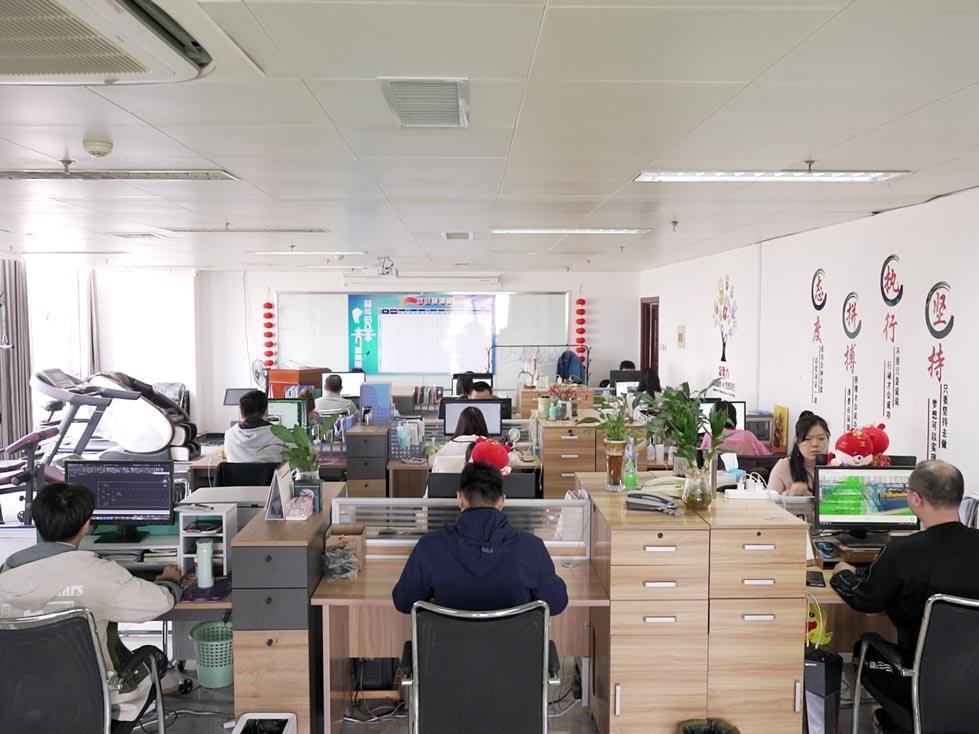
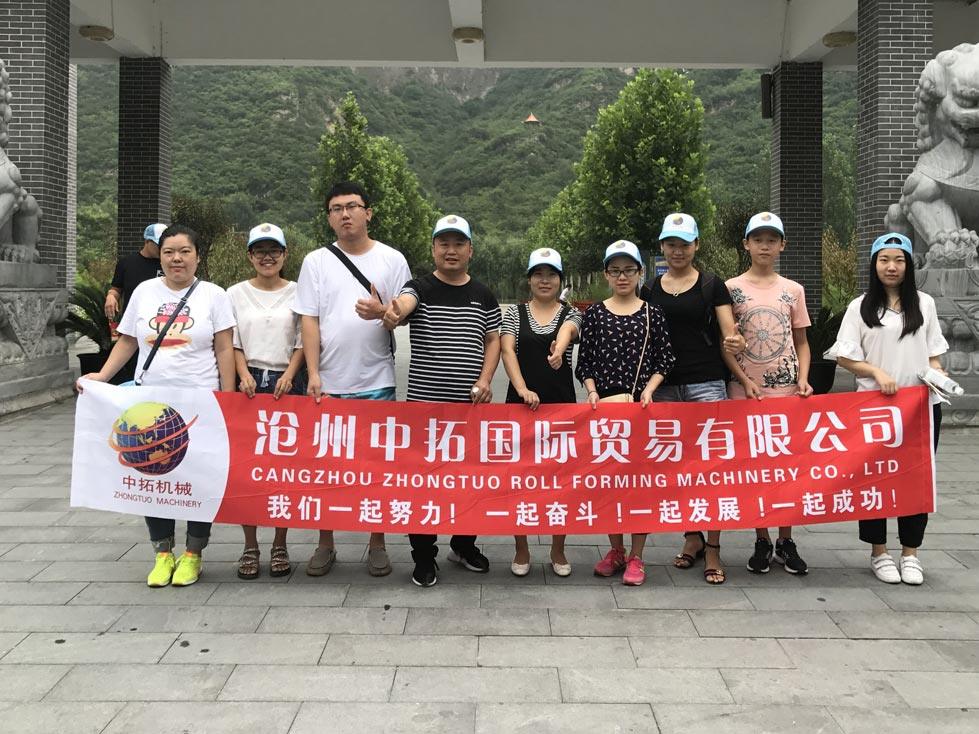
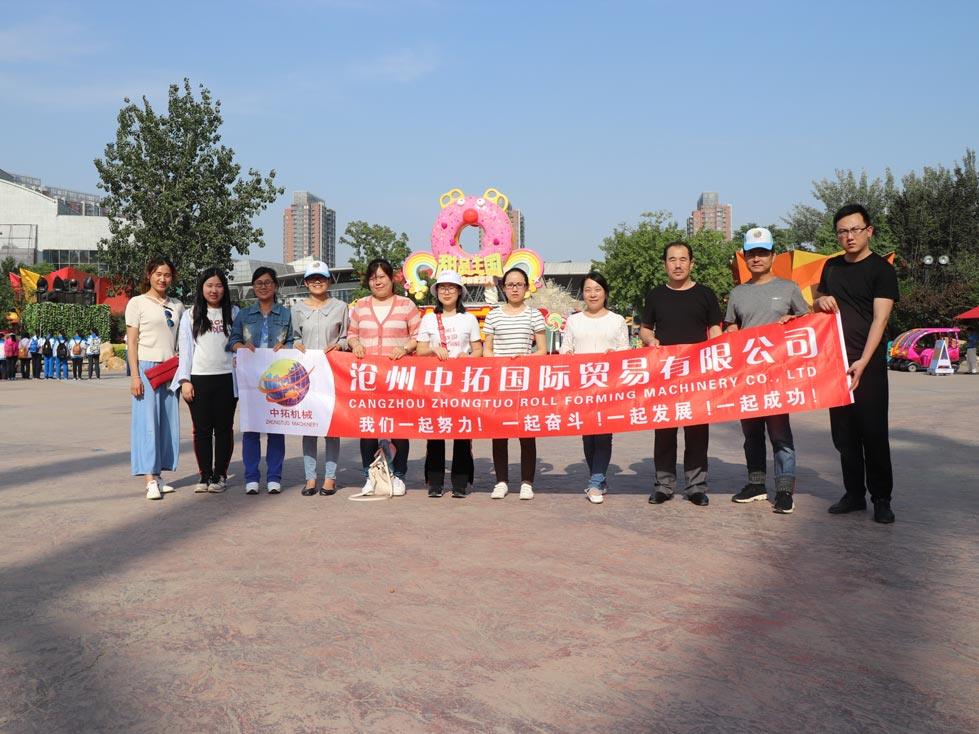
Cangzhou Zhongtuo Roll Forming Machinery Co.,Ltd comes from Hebei-China. It is a manufacturer dedicated to design and manufacture. different types of cold roll forming machines. We are a factory with a long history, engaged in the design and manufacture of roll forming machines since 2006. The machines we can produce include: roof tile making machine, cz purlin making machine, light steel keel making machine, metal embossing machine, door system forming machine, ceiling system forming machine, high frequency pipe welding machine, slitting line, cut to length line, shelf system forming Machine, floor decking forming machine, color stone tile production line, hot laminating filmed machine,etc.
Z Purlin Roll Forming Machine: A Complete Buyer's Guide for Steel Structure Manufacturers
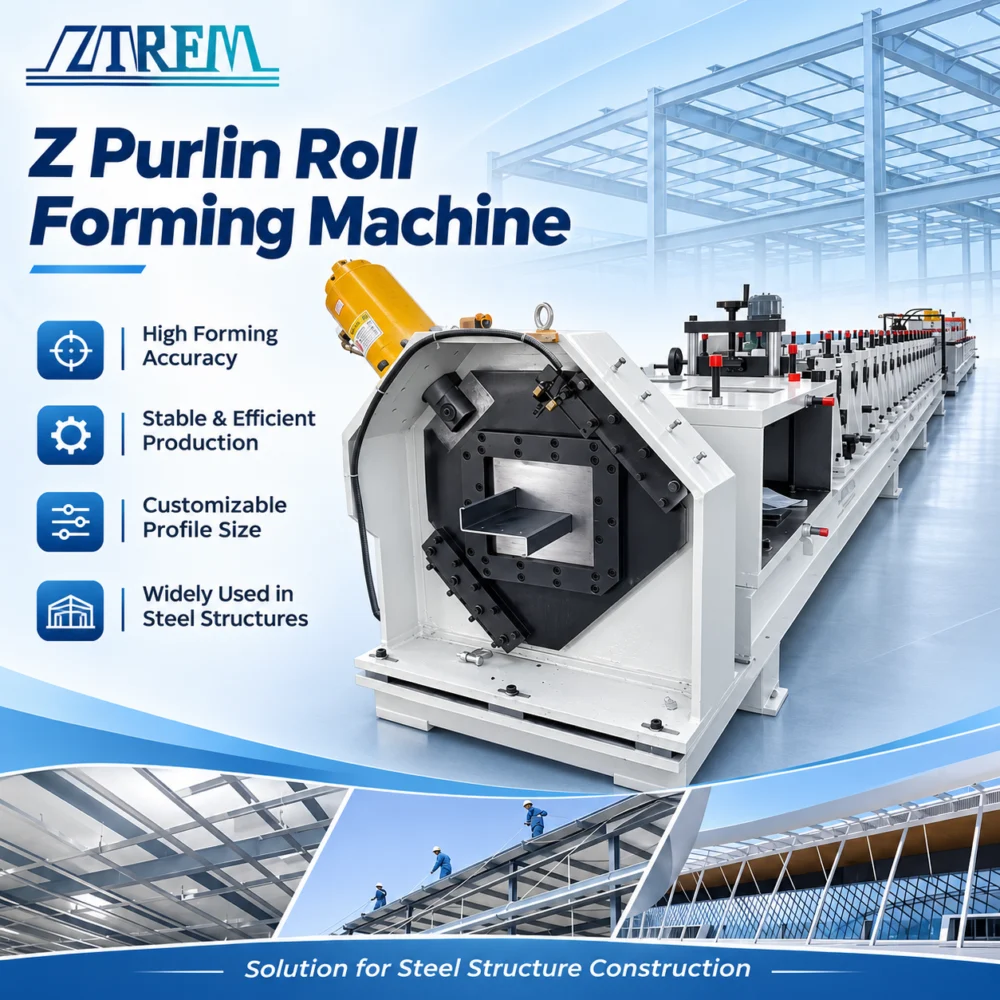
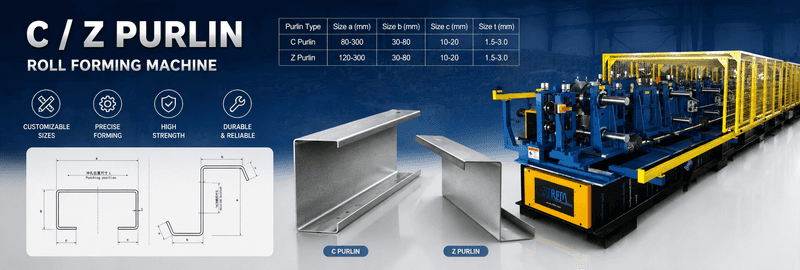
Purlins are the skeleton of a metal building. Every roof panel, wall sheet and mezzanine deck rests on a run of them, so the machine that produces those purlins decides how fast you ship, how much scrap you generate and whether your profiles pass inspection. A Z purlin roll forming machine takes galvanized, galvalume or cold-rolled steel coil and turns it into continuous Z-shaped sections at production speed, with a repeatable hole pattern and a square, predictable cut.
This guide covers what a Z purlin roll forming machine does, how it differs from a C purlin line, which specifications actually matter when you compare suppliers, and what you should send a manufacturer before asking for a quotation. It is written for buyers who have to justify the investment on numbers, not on a spec sheet alone.
Z Purlin Roll Forming Machine: A Complete Buyer's Guide for Steel Structure Manufacturers
What a Z purlin roll forming machine does
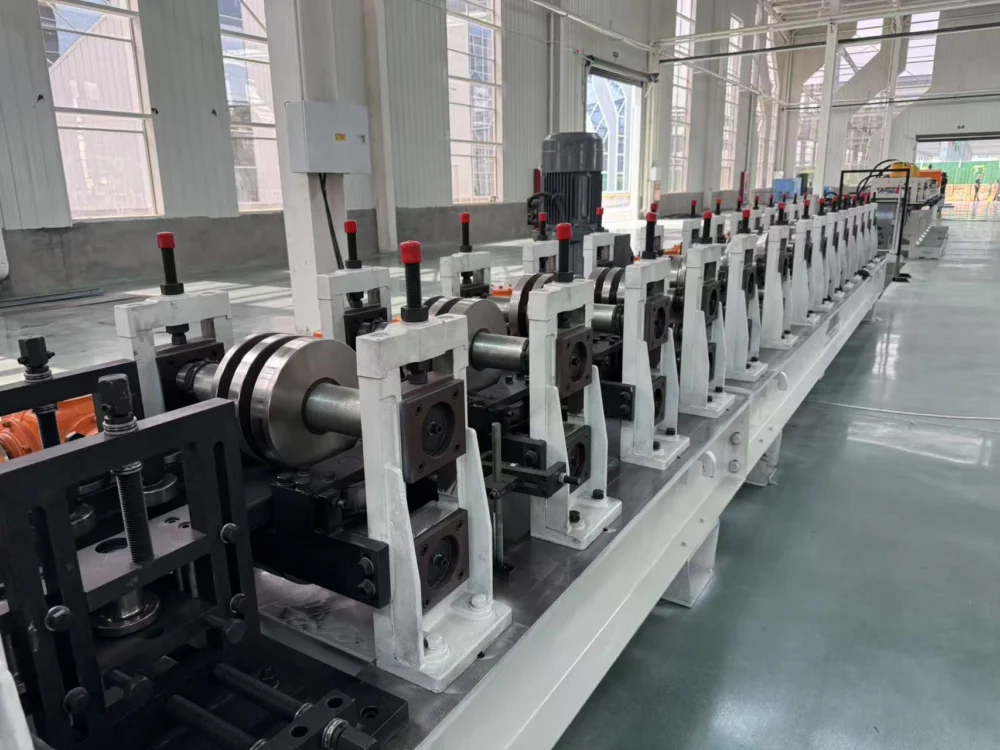
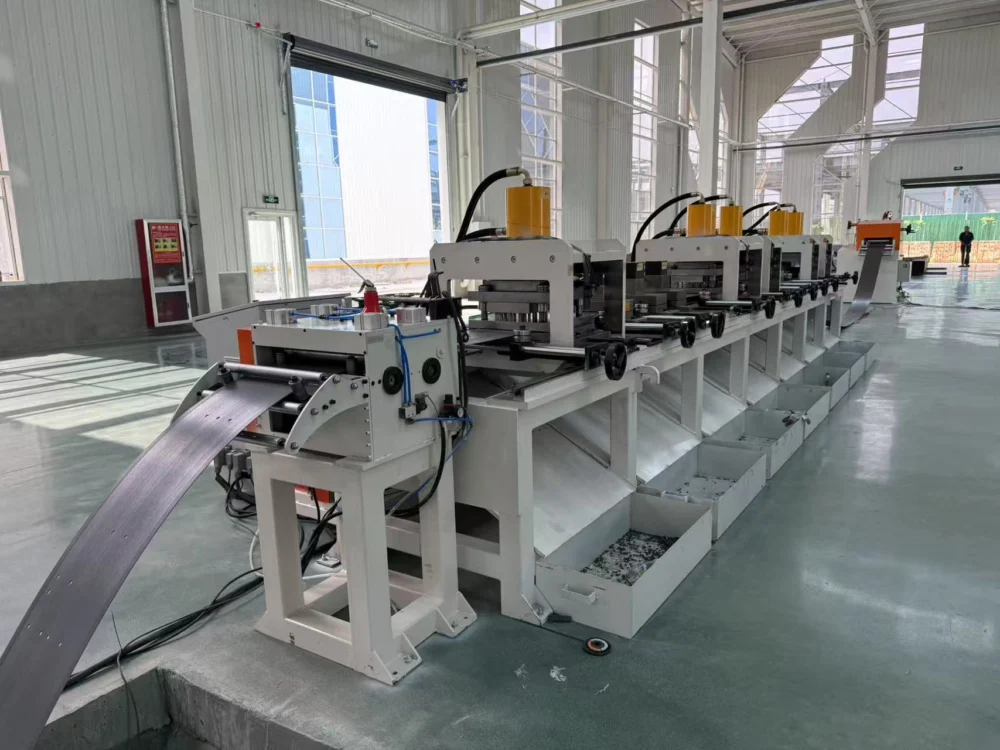
A Z purlin line is a continuous cold roll forming process. Coil is loaded on a decoiler, leveled and fed into a series of forming stations, where progressive pairs of rolls bend the strip into a Z profile with two flanges, a web and turned edges. The strip is then punched for bolt holes and slots, cut to the ordered length by a hydraulic shear, and stacked or bundled for dispatch.
The output is a structural purlin with a consistent web depth, flange width and lip height. Because the profile is formed from coil rather than cut from flat plate, one line can produce thousands of meters per shift with very little material waste, and the length is set in the control system instead of on a saw.
Z purlins versus C purlins
Both profiles carry roof and wall loads, but they are not interchangeable in design. A C purlin is symmetric, simple to form and economical for short spans and light buildings. A Z purlin is point-symmetric: rotate one section 180 degrees and it nests into the next, which is why Z sections stack and ship more efficiently and why they can be lapped over a support to form a continuous beam.
That lapping detail matters. Where a C purlin normally sits as a simple span between two frames, a Z purlin can overlap its neighbor at each rafter, creating a continuous run that carries more load for the same steel weight. For longer spans, wide bays and projects where weight is being optimized, the Z profile usually wins on material efficiency. For small sheds, temporary structures and simple wall framing, the C profile is often the cheaper answer.
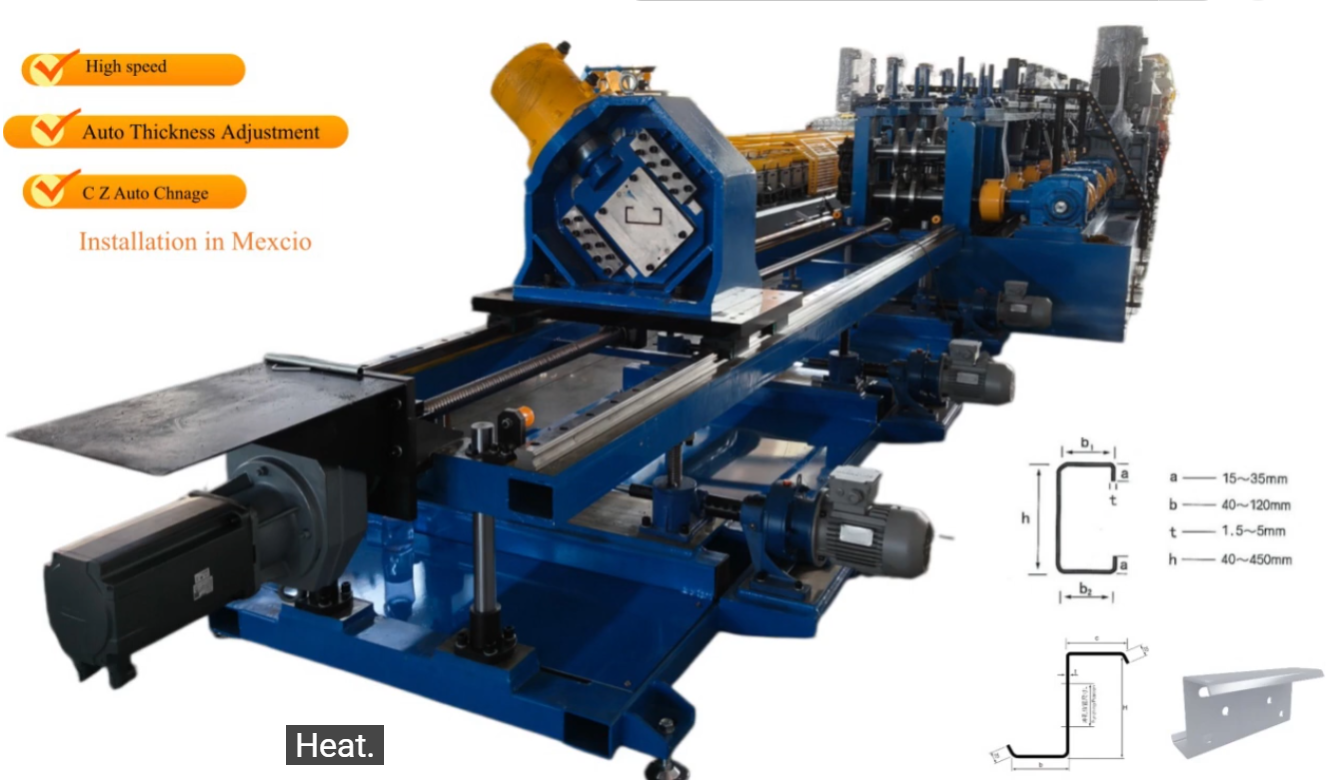
Most fabricators eventually want both. That is why the choice between a dedicated Z line and a combined C and Z purlin roll forming machine is one of the first decisions in the buying process.
The components of a complete Z purlin roll forming line
A quotation that lists only the forming mill is not a quotation for a production line. A complete line normally includes:
Decoiler — manual or hydraulic, sized to your coil weight and inner diameter, often with a coil car for safe loading.
Leveling and feeding unit — removes coil memory and sets the strip square before forming.
Servo feeder or pre-punch station — controls hole spacing to length, so bolt holes land where the drawing says they should.
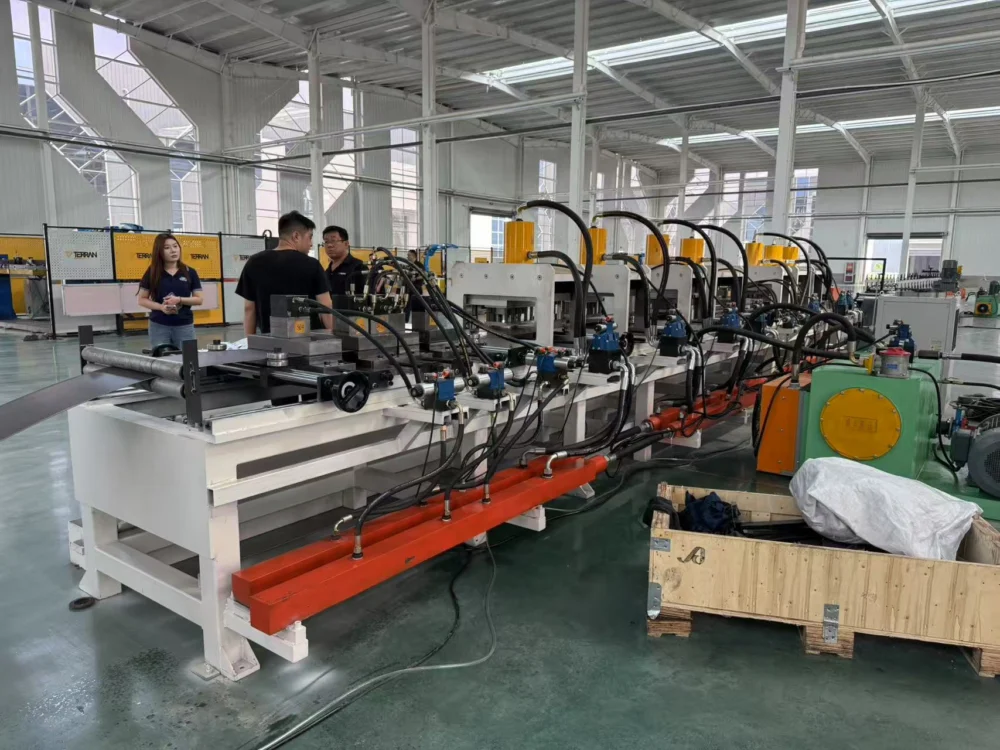
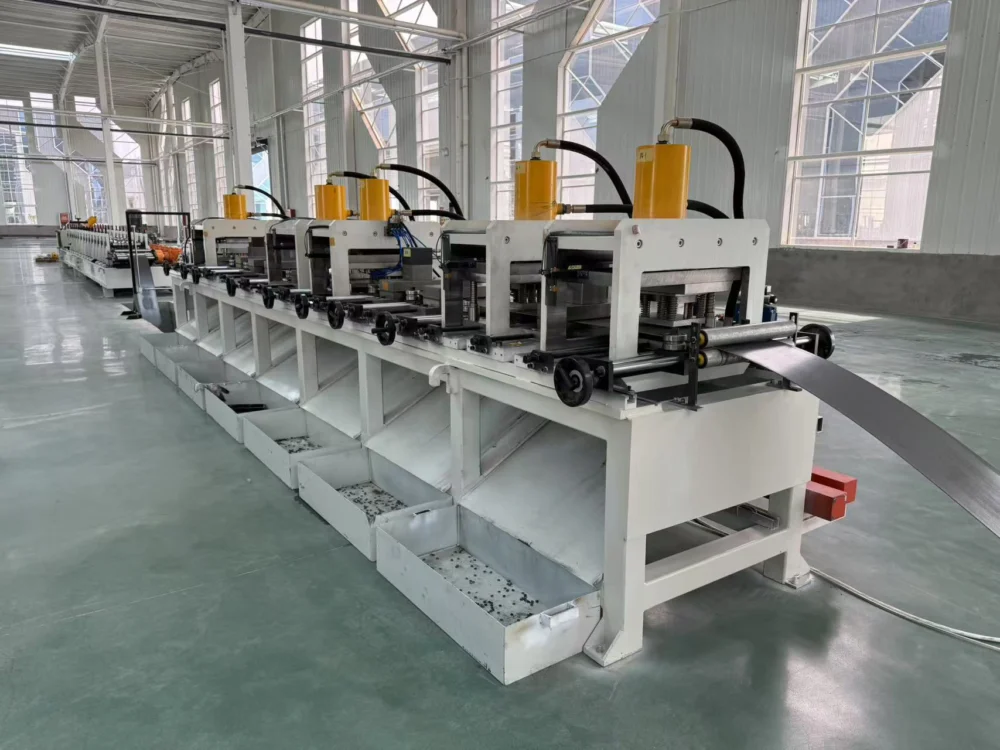
Punching press and dies — bolt holes, slotted holes and web openings, either pre-punched before forming or post-punched after.
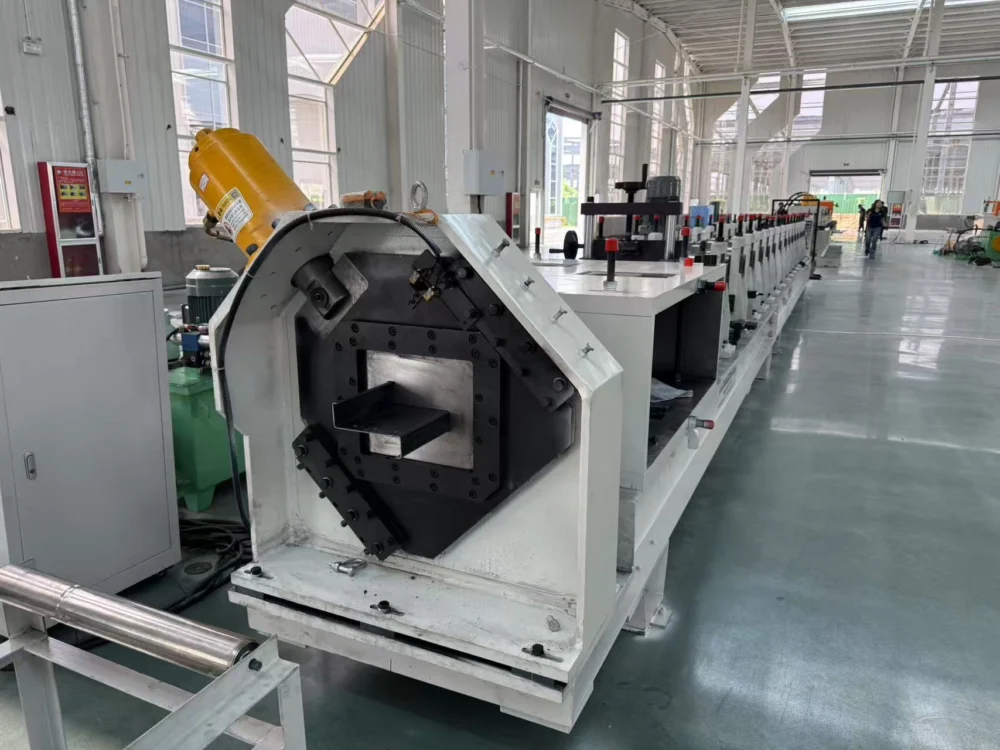
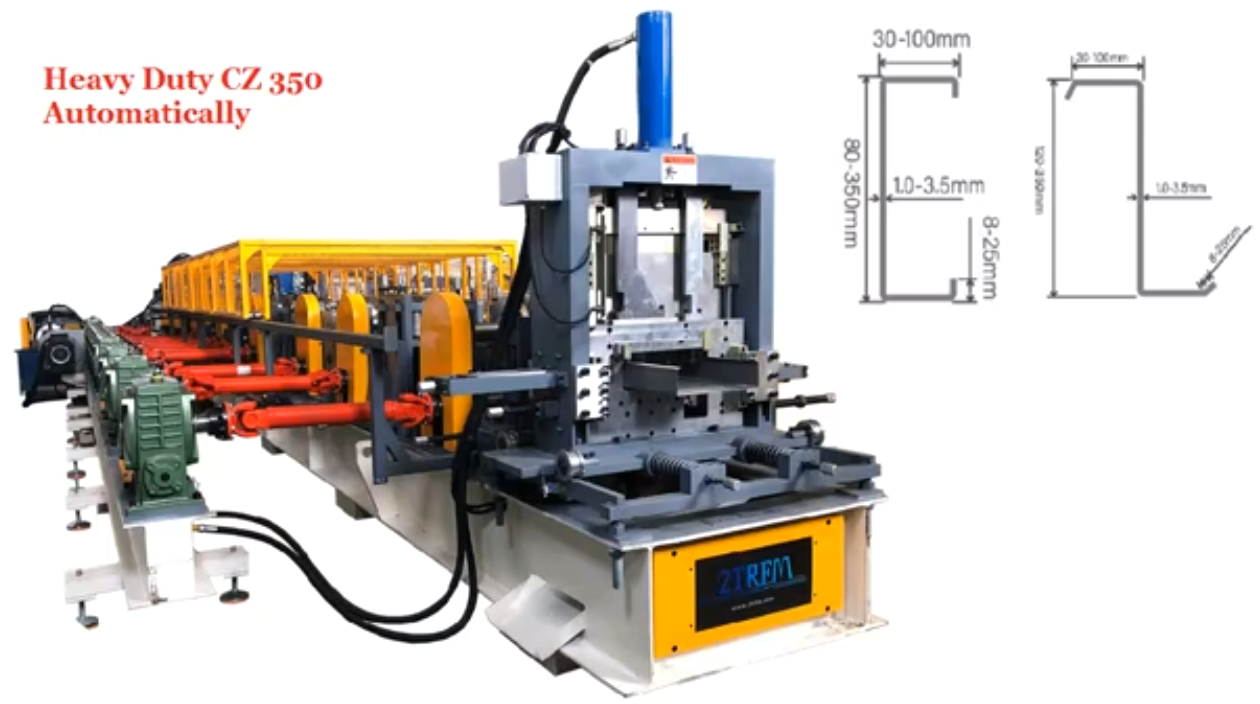
Main roll forming unit — the forming stations, housing, shafts and transmission that create the profile.
Hydraulic cut-off — a flying or stationary shear that cuts to length without deforming the section ends.
Run-out table, stacker or bundler — determines how much manual handling your operators do.
PLC, HMI and electrical cabinet — stores recipes by profile and length, and logs faults.
Hydraulic power unit and safety guarding — often under-specified in cheap offers, and the first thing to fail in service.
Z Purlin Roll Forming Machine: A Complete Buyer's Guide for Steel Structure Manufacturers
Specifications worth comparing line by line
Spec sheets are easy to inflate. When two suppliers quote a similar machine, these are the numbers that separate a line that runs for fifteen years from one that needs rebuilding in three:
Material range. Thickness capacity, coil width range and yield strength. A machine rated for 1.5–3.0 mm at 350 MPa will not form the same profile from 4.0 mm high-strength steel, whatever the brochure suggests.
Profile range. Web depth, flange width and lip height the roll sets can cover, and whether each size needs a new roll set or only an adjustment.
Line speed. Typical purlin lines run in the region of 8–20 m/min depending on thickness, hole pattern and cut-off type. Ask for the speed at your heaviest material, not the lightest.
Forming stations. More stations generally mean gentler bends and less spring-back, but also more cost and more maintenance points.
Roll and shaft quality. Roll material, heat treatment and grinding accuracy, shaft diameter and bearing type. Thin shafts with soft rolls produce wavy flanges and inconsistent web depth.
Cut length accuracy and squareness. Ask for the tolerance in millimeters and how the shear is guided. A cheap cut-off shows up as gaps on site.
Hole position accuracy. Confirm whether punching is done before or after forming, and what happens to hole spacing when line speed changes.
Control system. PLC brand, recipe storage, fault alarms, and whether parameters are locked or editable by the operator.
Changeover is the hidden cost center
Purlin orders rarely stay one size for a week. A project may need five depths, two thicknesses and a mix of C and Z profiles inside a single container load. Changeover time therefore decides your real output far more than top line speed does.
There are three common approaches. Fixed lines require changing roll sets with a crane and are best for high-volume single-profile production. Lines with interchangeable roll sets allow C and Z production but still need manual work at each switch. Cassette-type or quick-change designs, often combined with motorized width adjustment and PLC recipes, cut changeover to minutes and suit fabricators serving many small projects.
When comparing offers, ask for the changeover time per profile change with a video or a live demonstration, not a verbal estimate. Then multiply that time by the number of changes your order book actually contains.
Z Purlin Roll Forming Machine: A Complete Buyer's Guide for Steel Structure Manufacturers
Automation options that change labor cost
Automation on a Z purlin line is usually about removing handling, not removing skill. The options that pay back fastest are an automatic stacker or bundler, a coil car, a scrap chute under the cut-off, and a servo feeder accurate enough that operators stop measuring by hand. Remote diagnostics and a spare-parts kit shorten the pain of the first breakdown, which is typically a sensor or a hydraulic seal rather than a roll.
Pre-punching versus post-punching is a genuine process decision. Pre-punching punches the flat strip before forming, which is fast and keeps the punch simple but can distort hole position as the material flows. Post-punching works on the formed section, holds hole position more tightly and handles thicker material better, but needs a heavier press and a more complex die. Choose according to your hole tolerances and your typical thickness, not according to what the supplier prefers to build.
What to send before you request a quotation
A supplier cannot size a line from a product name. Send the following and you will get quotes that can actually be compared:
A profile drawing with all dimensions, including lip height and bend radii.
Material grade, thickness range and yield strength, plus coating type.
Coil inner diameter, outer diameter, weight and strip width.
Required output per shift and the number of profile changes per week.
Hole and slot pattern, with tolerances and whether holes are punched before or after forming.
Whether lapped splices or continuous spans are required.
Available power supply, floor space, crane capacity and container loading constraints.
Destination port, installation responsibility and the spare parts you want stocked.
Z Purlin Roll Forming Machine: A Complete Buyer's Guide for Steel Structure Manufacturers
Quality markers you can check without running the machine
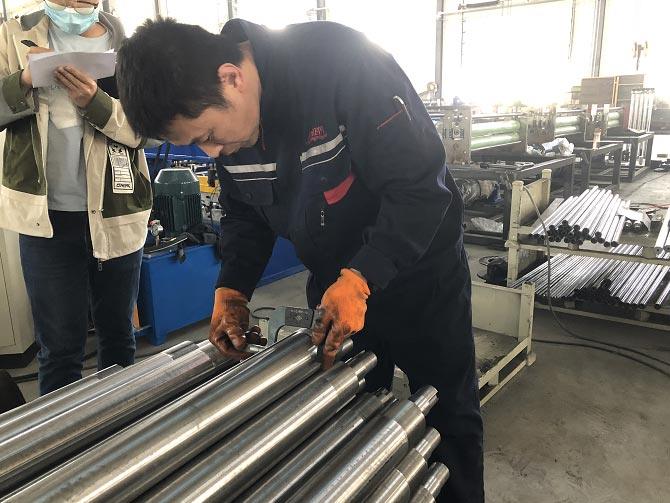
Before a factory acceptance test, walk the line and look at the parts that fail first. A stress-relieved welded frame resists vibration at speed. Hardened and ground rolls hold their profile for years. Properly sized shafts and quality bearings keep the flanges flat. A hydraulic shear with a guided blade and a replaceable cutting insert is serviceable; a welded-on blade is not. Clean wiring, labeled terminals and a cabinet with real space for spares tell you how the rest of the machine was built.
Then watch a test run on your own material and your own profile. Measure web depth, flange width, lip height, cut squareness and hole position on the first, middle and last piece. Ask for the numbers to be written into the acceptance sheet.
Installation, commissioning and daily upkeep
Installation is a short phase; upkeep is the rest of the machine's life. A proper commissioning sequence levels the base, aligns the line from decoiler to run-out table, sets roll gaps, runs a trial coil, then trains operators on recipe entry and fault response. Skipping alignment is the most common reason a new line produces a curved or twisted profile.
Daily attention is unglamorous and effective: check lubrication, watch hydraulic oil temperature, inspect the cutting blade for wear, clean sensors, and record profile measurements at the start of each shift. Keep one spare set of punch dies, a hydraulic seal kit, proximity switches and a cutting insert on site.
Comparing total cost, not price
Two lines with the same nominal specification can differ by a wide margin in cost per ton of finished purlin. Compare scrap rate on the first and last piece of each run, changeover time, energy draw, consumable life, freight and installation, warranty terms and how quickly spare parts reach you. A cheaper machine that needs a specialist for every fault is expensive; a well-built line that a fitter can repair is not.
Calculate payback with your own numbers: meters per shift, selling price per meter, coil cost, labor, power and expected downtime. The result usually shows that changeover time and scrap rate matter more than the purchase price difference between two reasonable suppliers.
Z Purlin Roll Forming Machine: A Complete Buyer's Guide for Steel Structure Manufacturers
Frequently asked questions
What thickness of steel can a Z purlin roll forming machine handle?
It depends on the machine design and the profile. Light lines work in the 1.2–2.5 mm range, general-purpose lines cover roughly 1.5–3.0 mm, and heavier structural lines reach 4.0 mm or more. Always confirm the thickness together with the yield strength and the profile depth, because those three values decide the load on the rolls and the frame.
Can one machine produce both C and Z purlins?
Yes, if it is built for it. Combined lines use interchangeable roll sets or cassette units and store both profiles as recipes in the PLC. The trade-off is cost and slightly longer changeover than a dedicated single-profile line.
Is pre-punching or post-punching better?
Pre-punching is faster and simpler and suits thin material with generous hole tolerances. Post-punching holds hole position better on thicker sections and complicated patterns. Decide from your drawings and tolerances, then specify it clearly in the purchase order.
How much floor space does a complete line need?
A typical line from decoiler to stacker occupies a long strip of floor, often in the order of 25–40 m depending on coil car, punch station and run-out length. Send the layout to your supplier early so the foundation, pit and crane coverage can be planned before the machine ships.
What should be included in the acceptance test?
Profile dimensions, cut length and squareness, hole position, line speed at working thickness, changeover time, all safety interlocks and a full set of electrical drawings. Test with your material, not the factory's sample coil.
Why choose us?
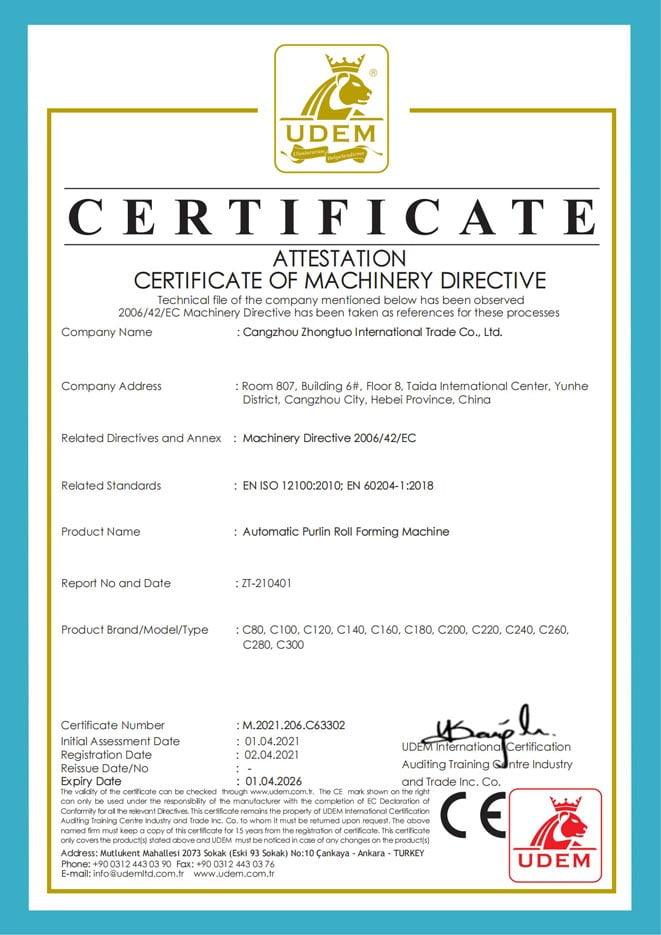
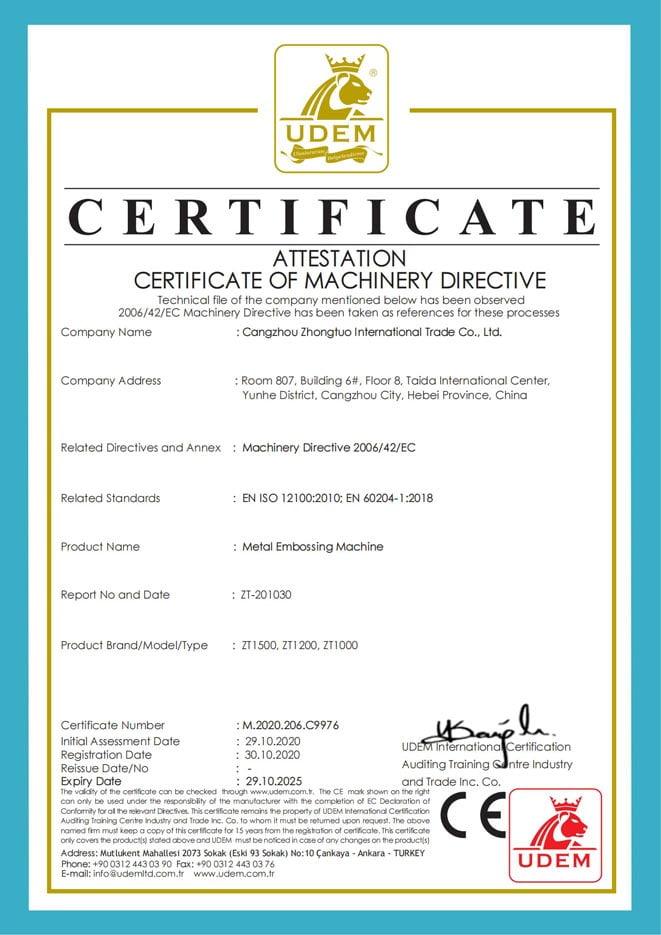
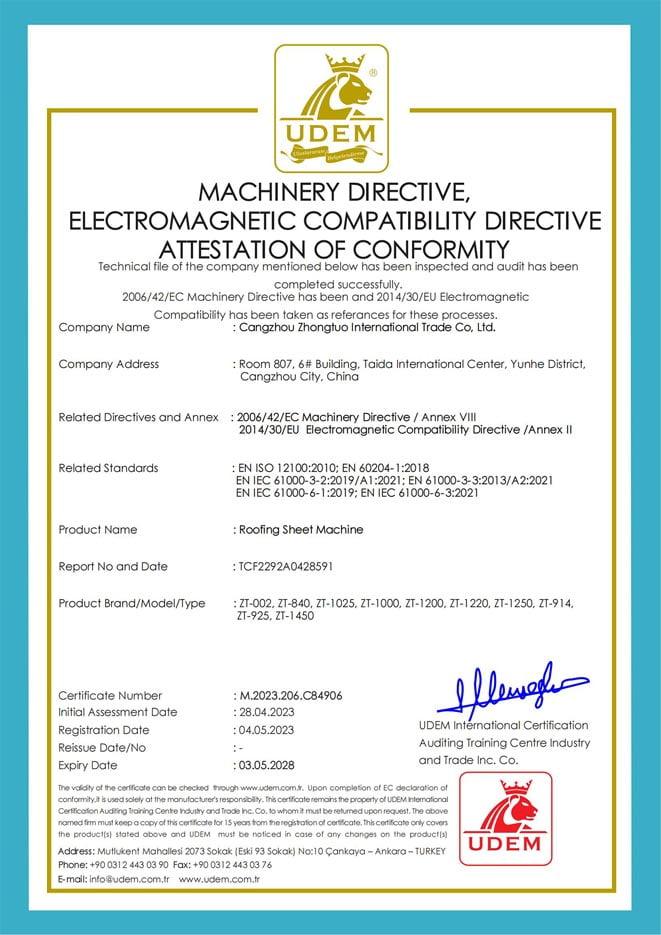
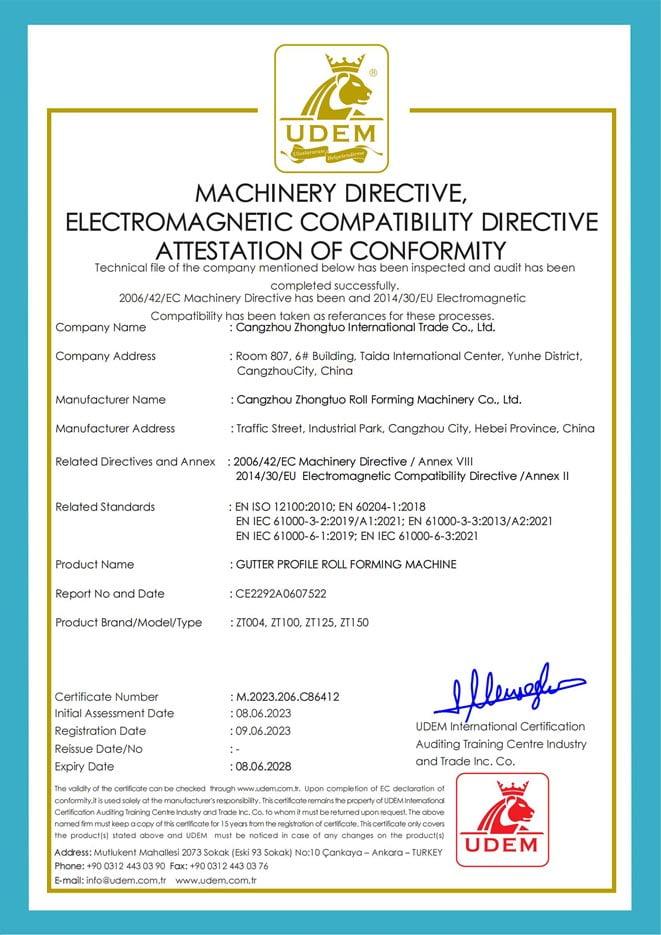
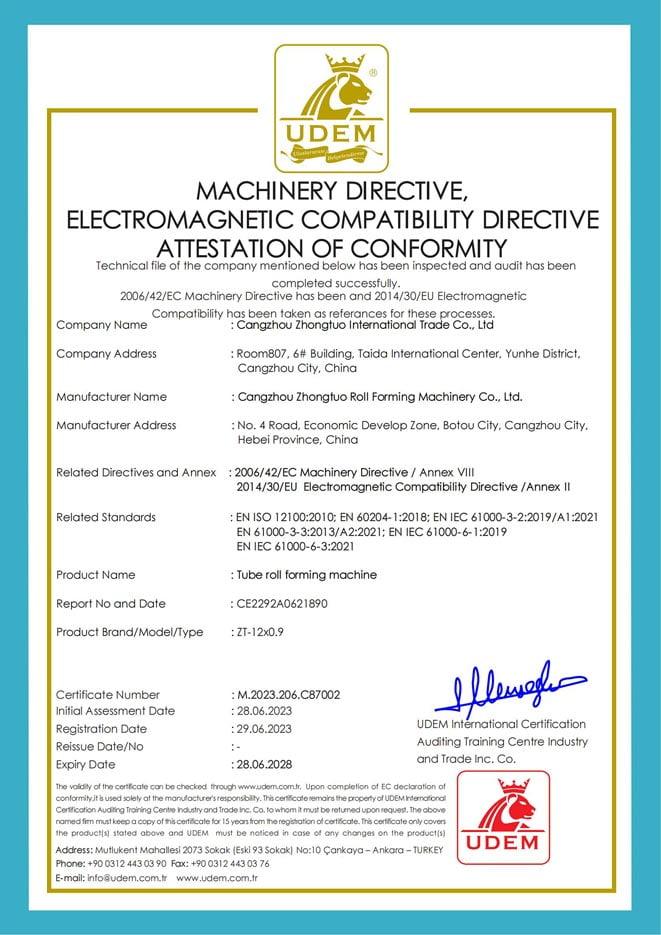
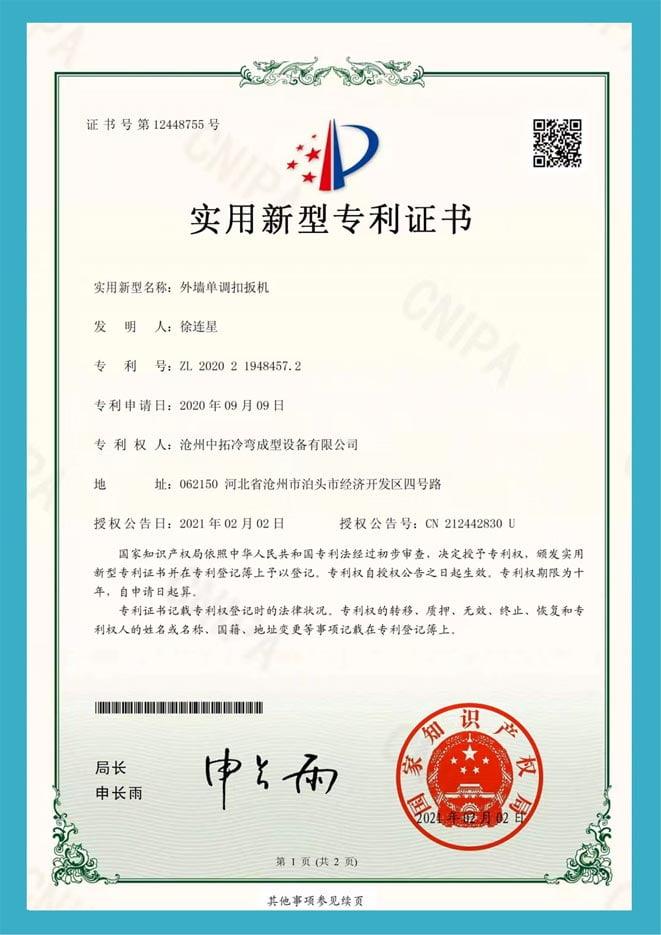
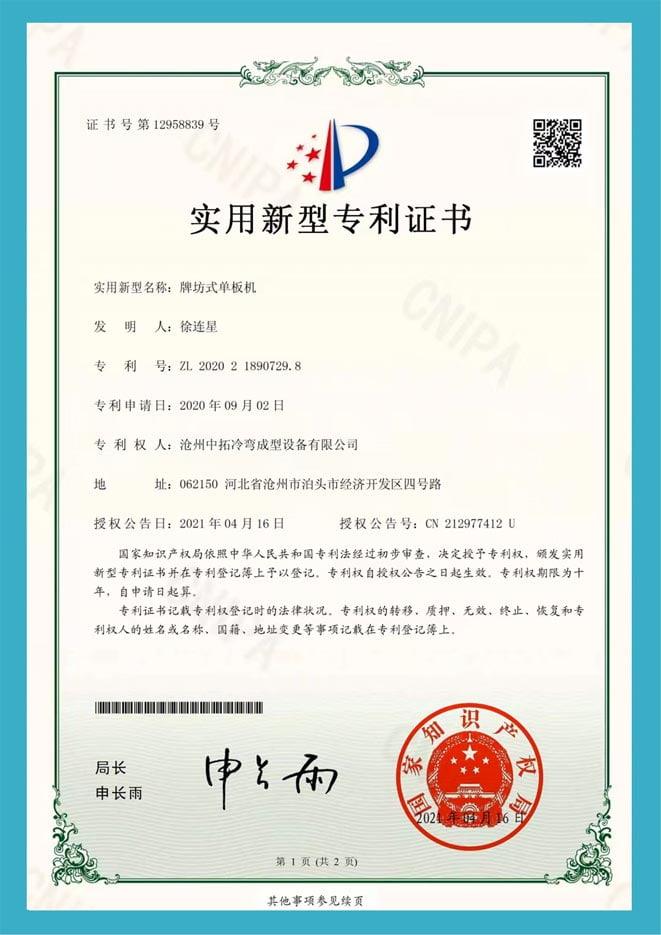
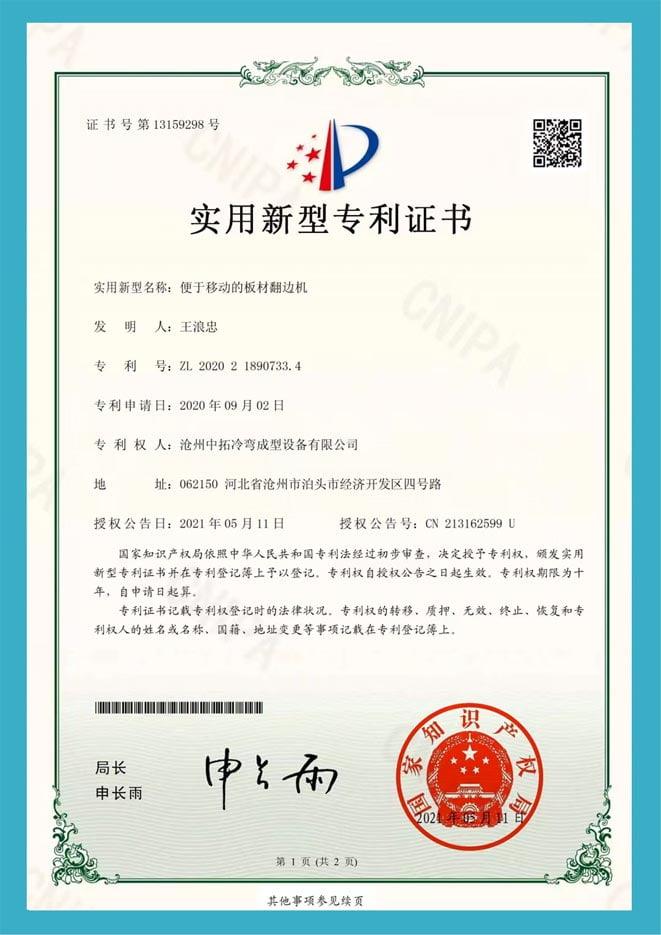
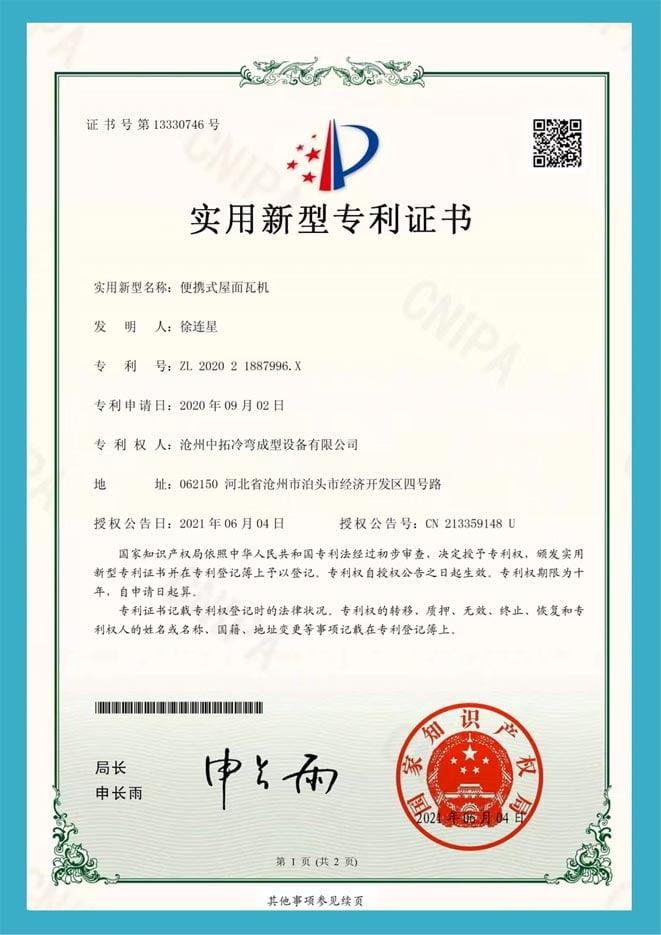
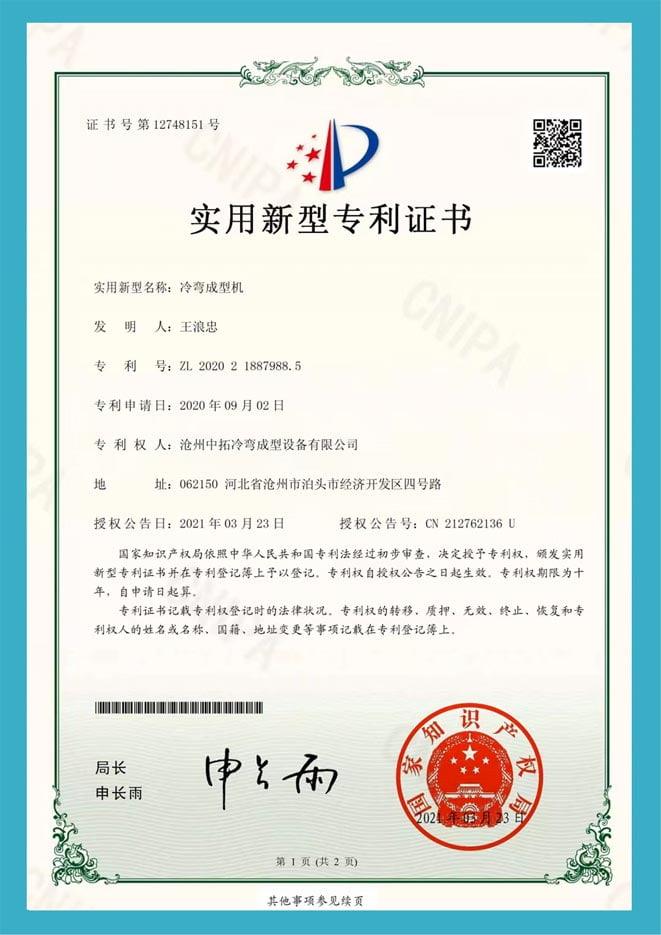
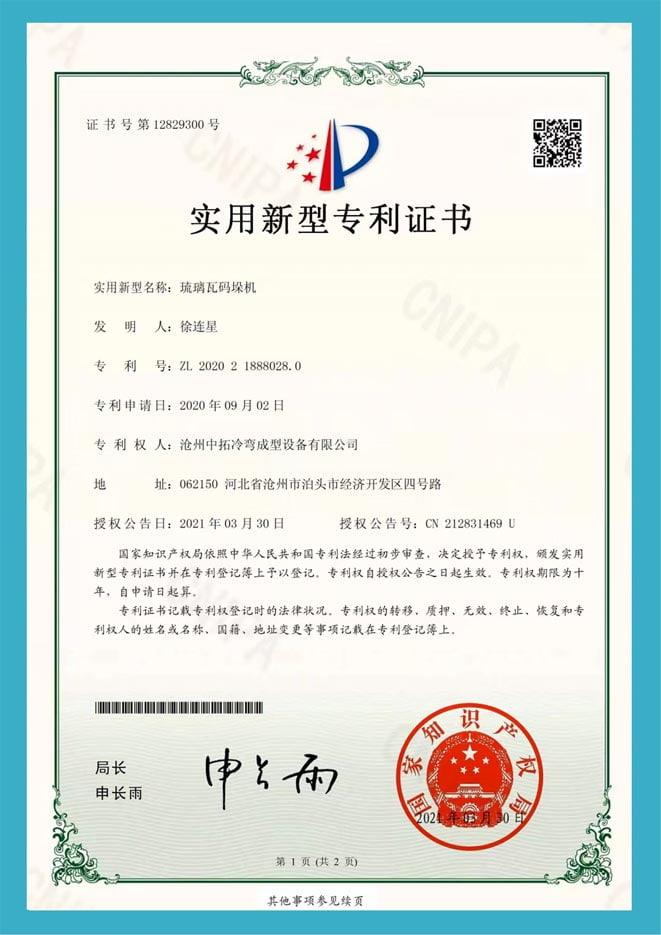
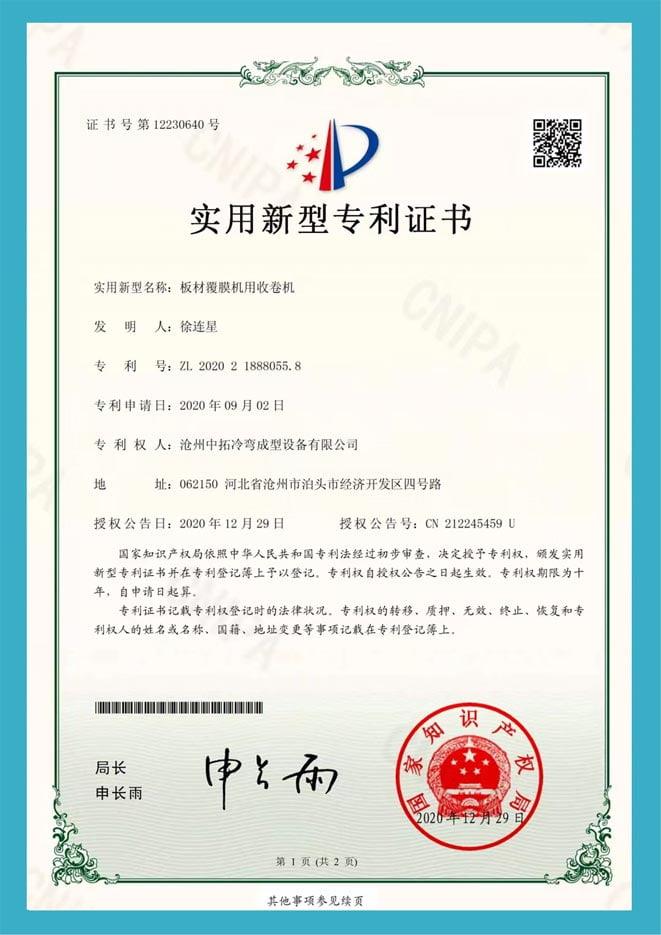
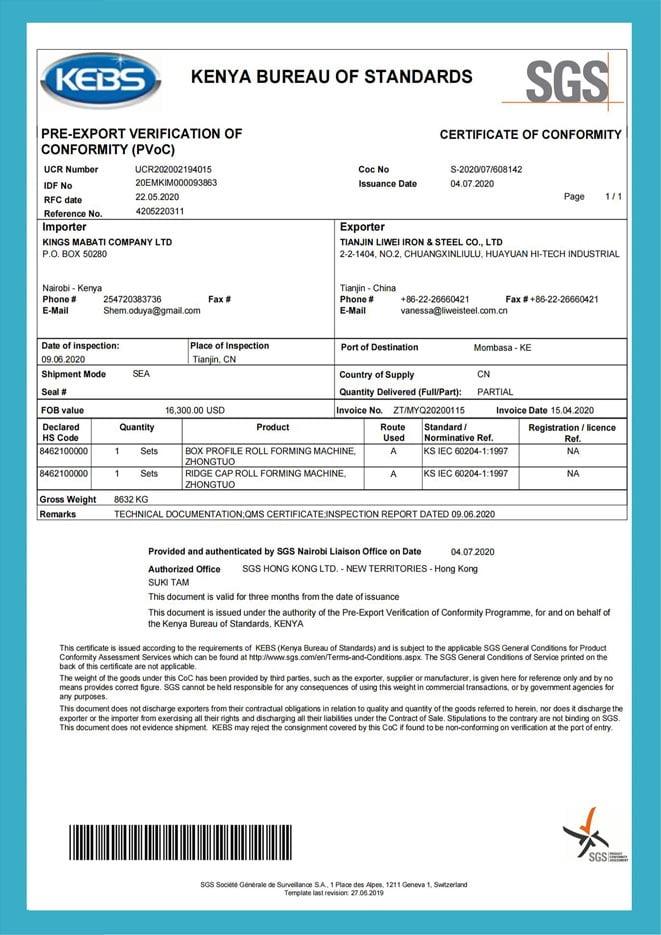
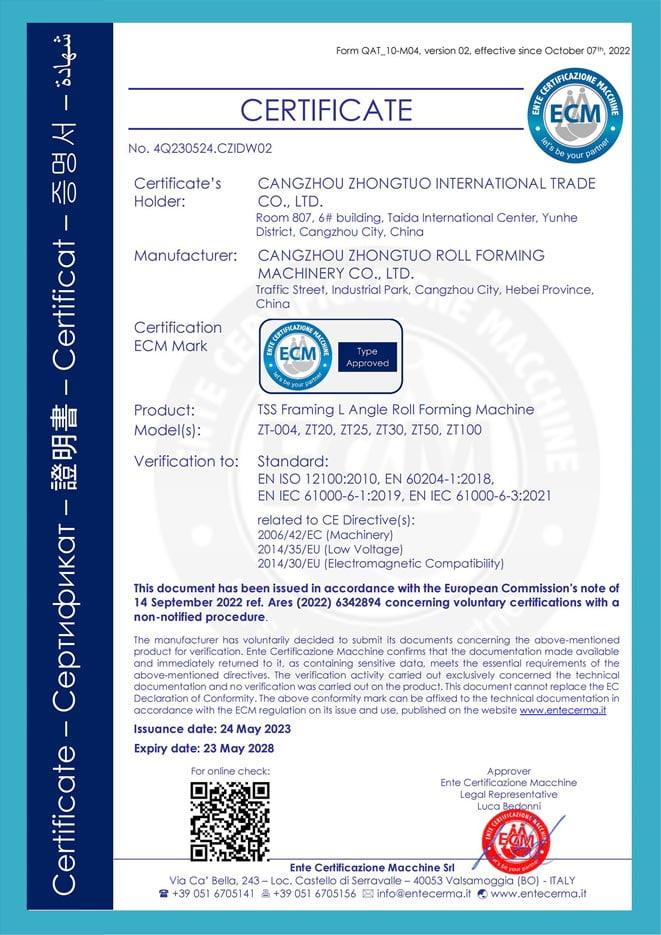
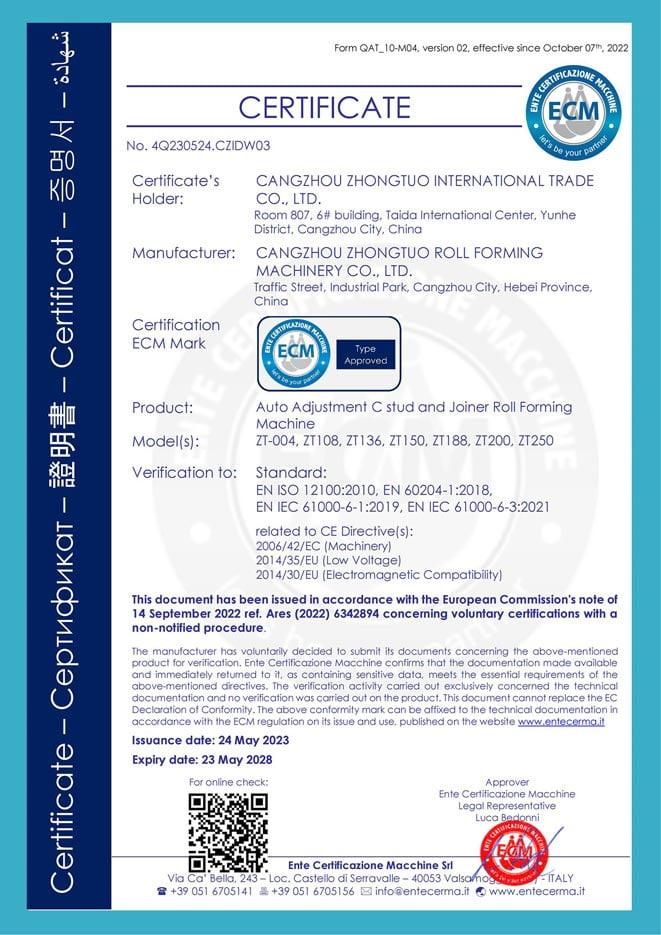
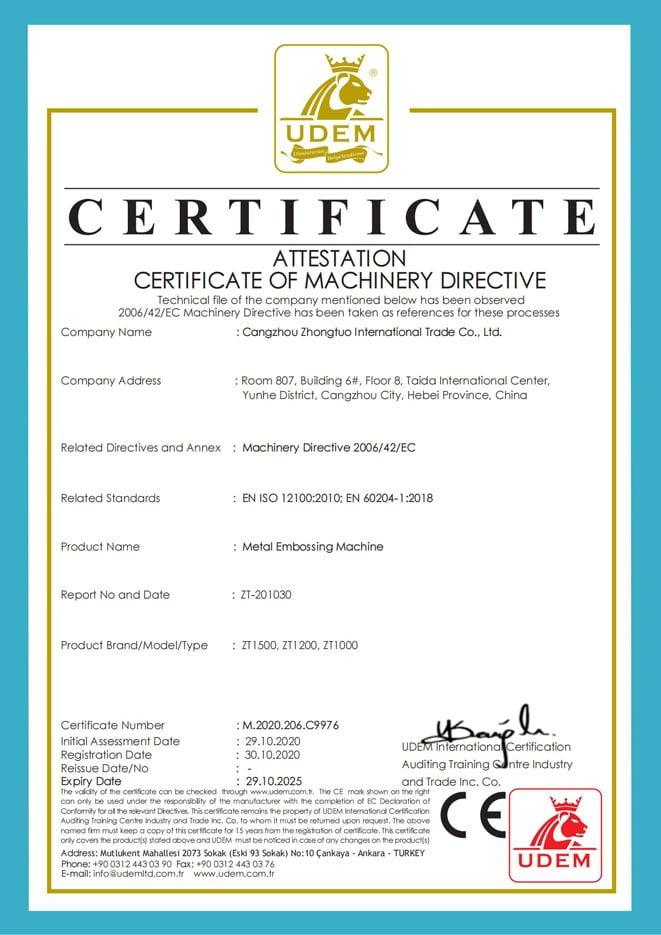
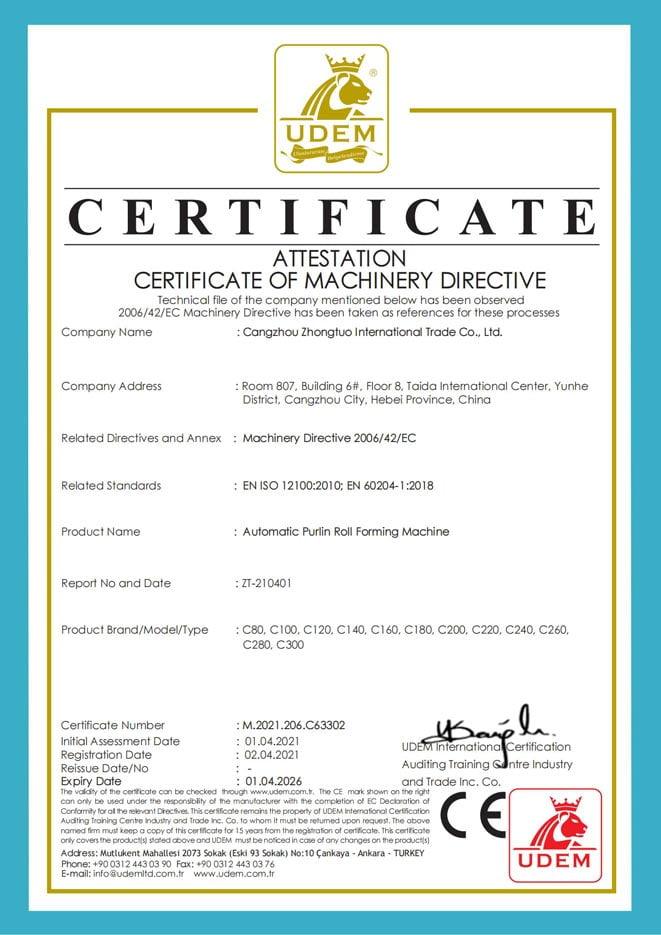
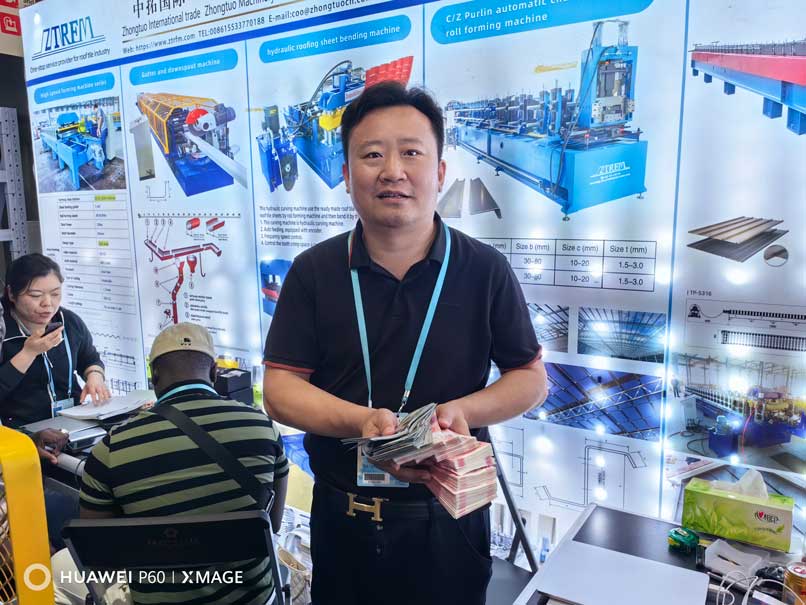
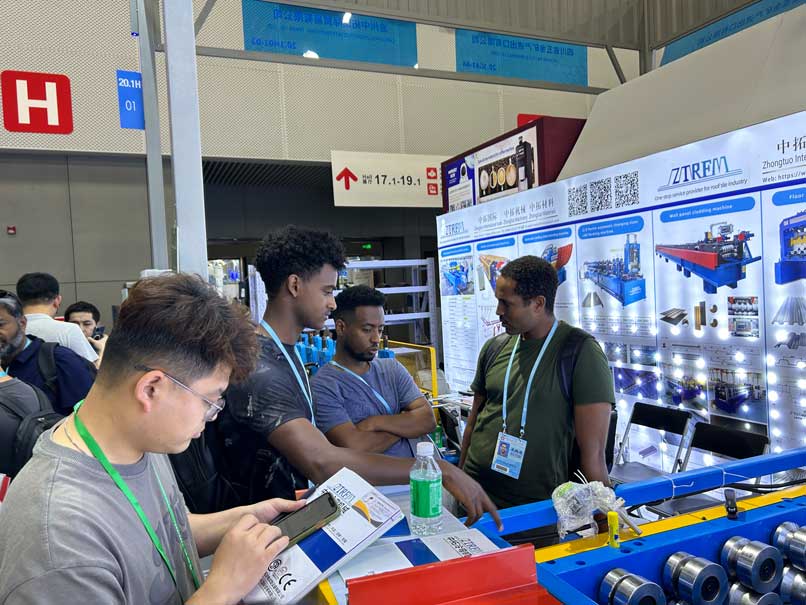
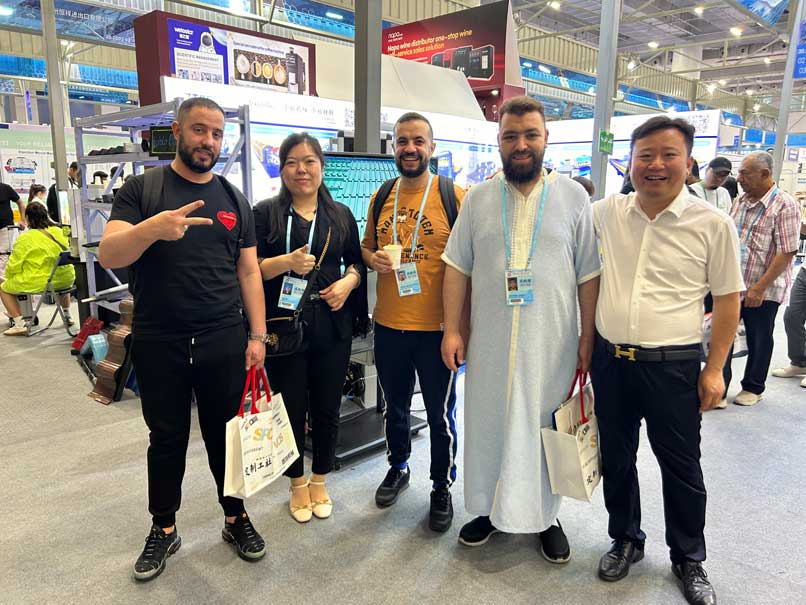
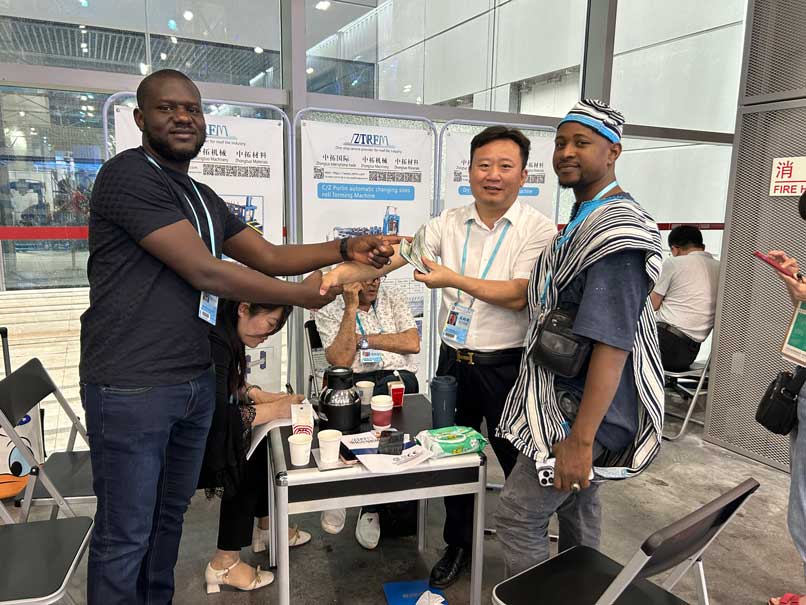
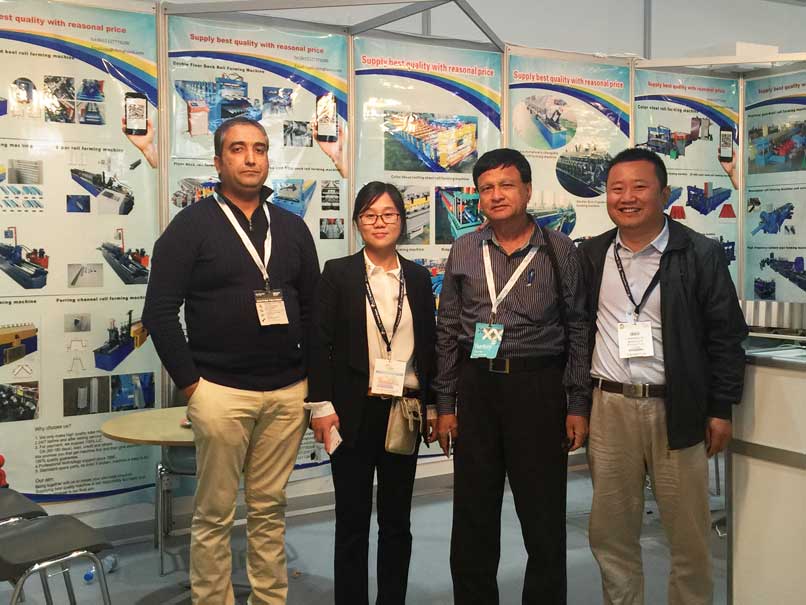
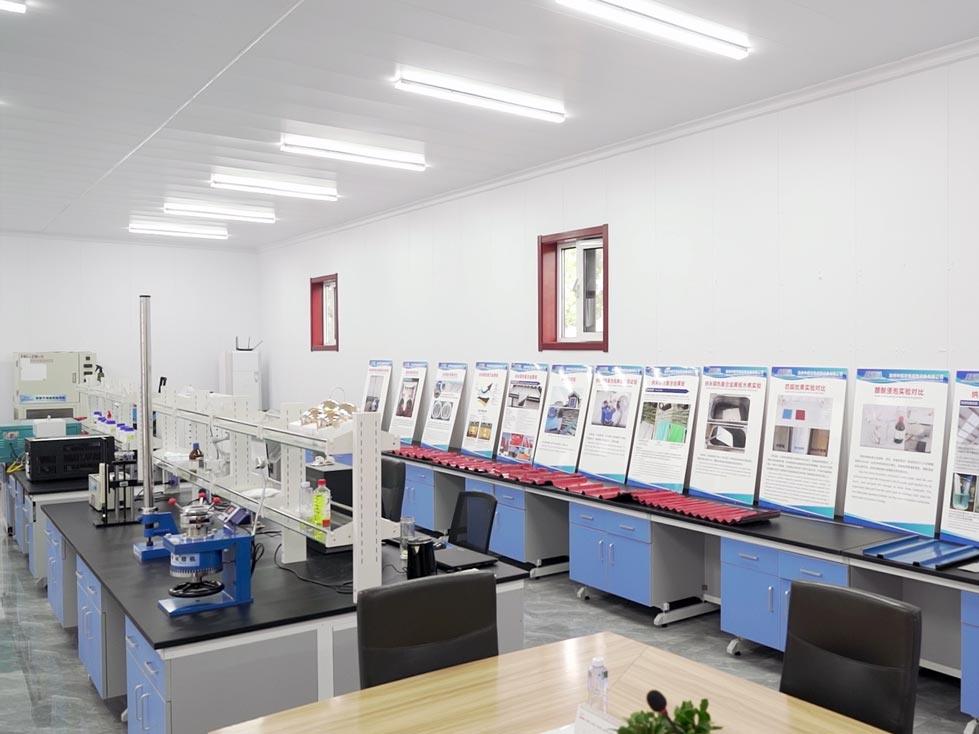
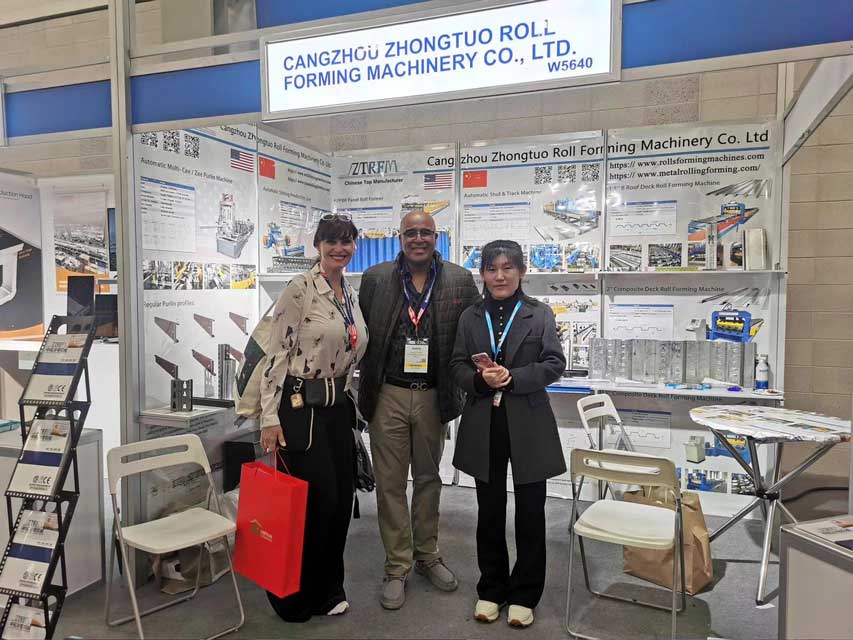
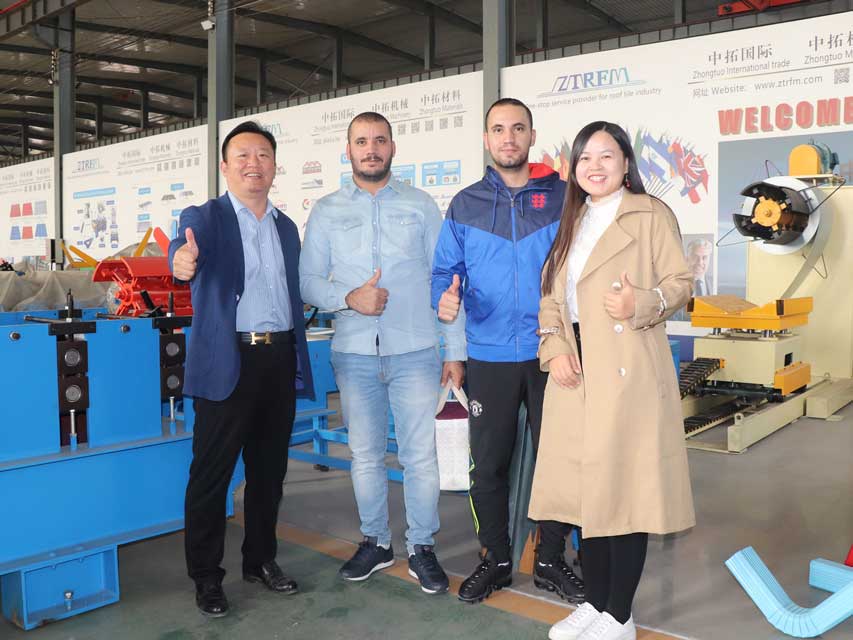
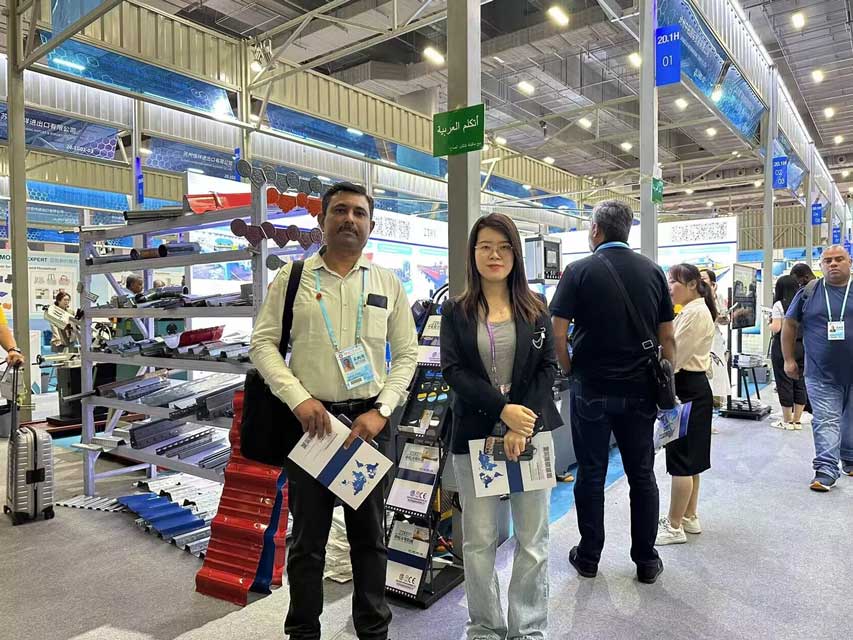
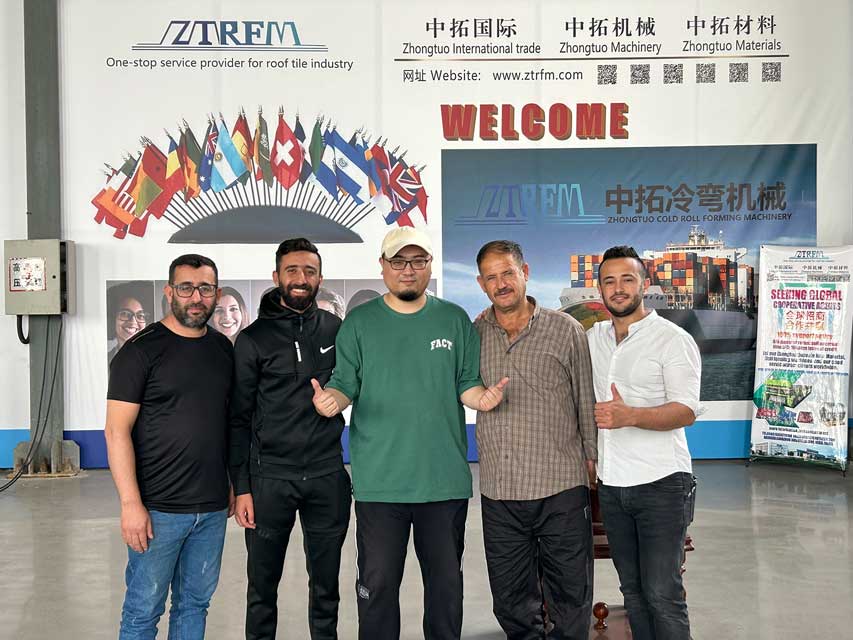
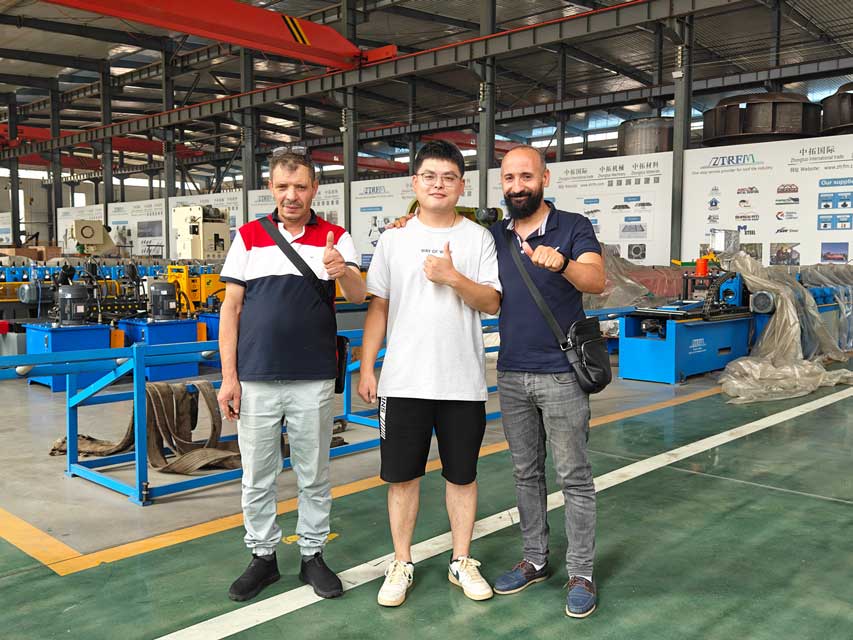
We are a national level high-tech enterprise. We have got ISO9001 quality system certification, European CE safety certification, North American CAS certification and others. We have rich experience in export trade, understanding the needs of different countries customers. Meanwhile we can provide customers with satisfactory design solutions. Our machines have been exported to more than 150 countries, and we have established long-term and stable cooperative relations with customers, and won the praise of customers.
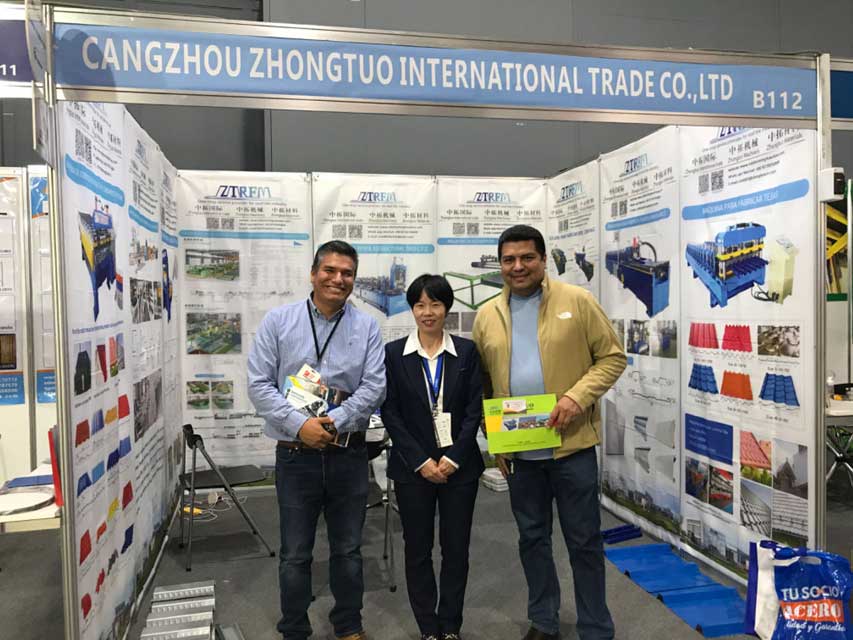
Global Trust: Trusted By Customers In Over 156+ Countries And Regions, Our Roofing Sheet Making Machines Are Recognized For Their Outstanding Performance And Reliability Worldwide.
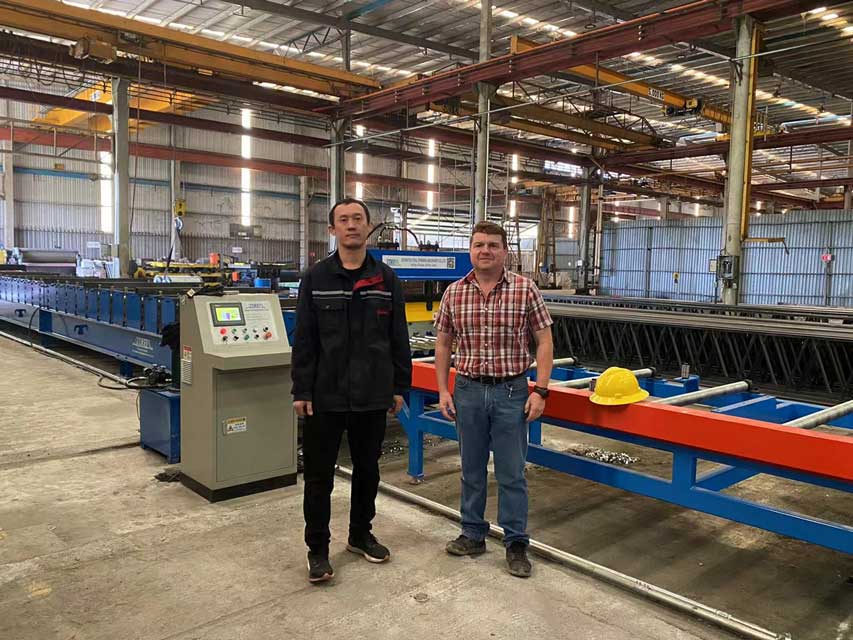
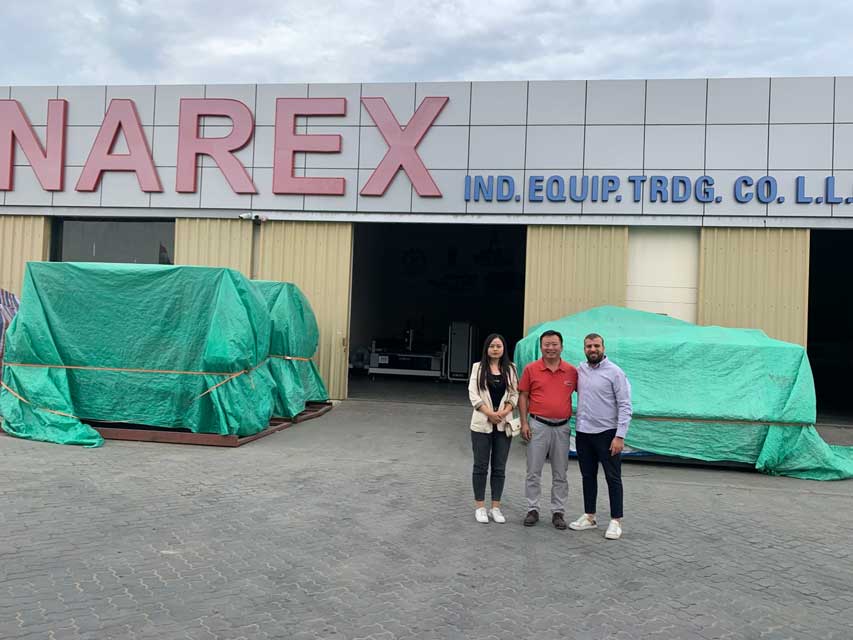
In Zambia, Africa,Zhongtuo roll forming machines are in stable operation
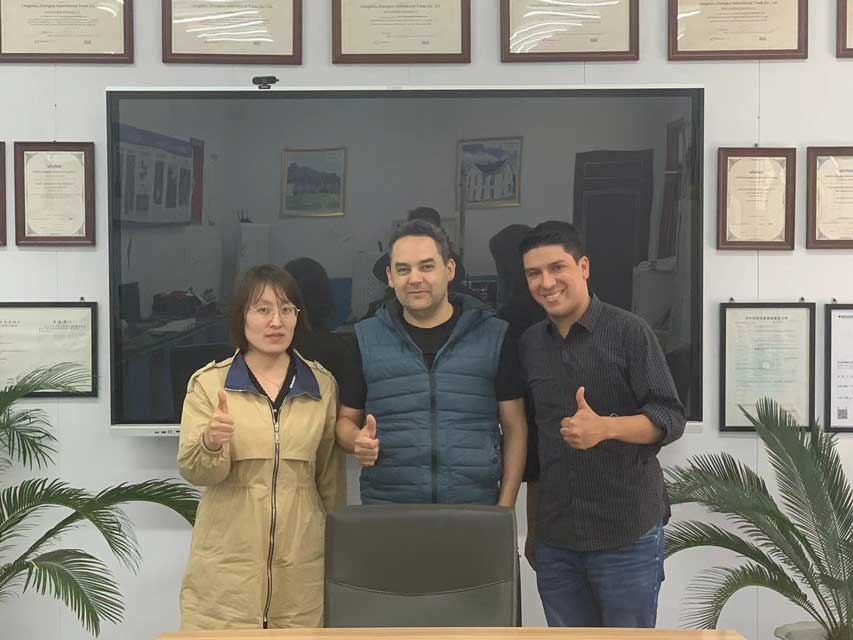
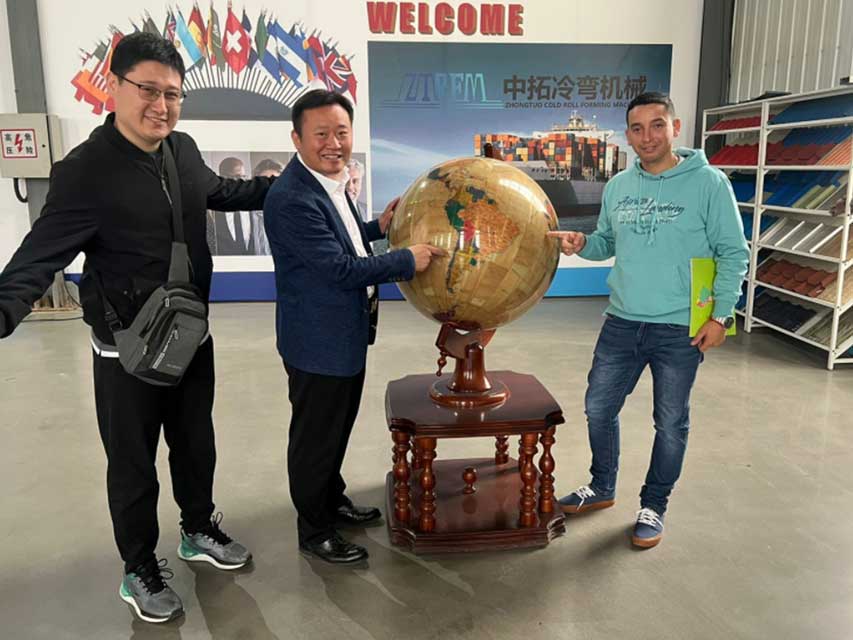
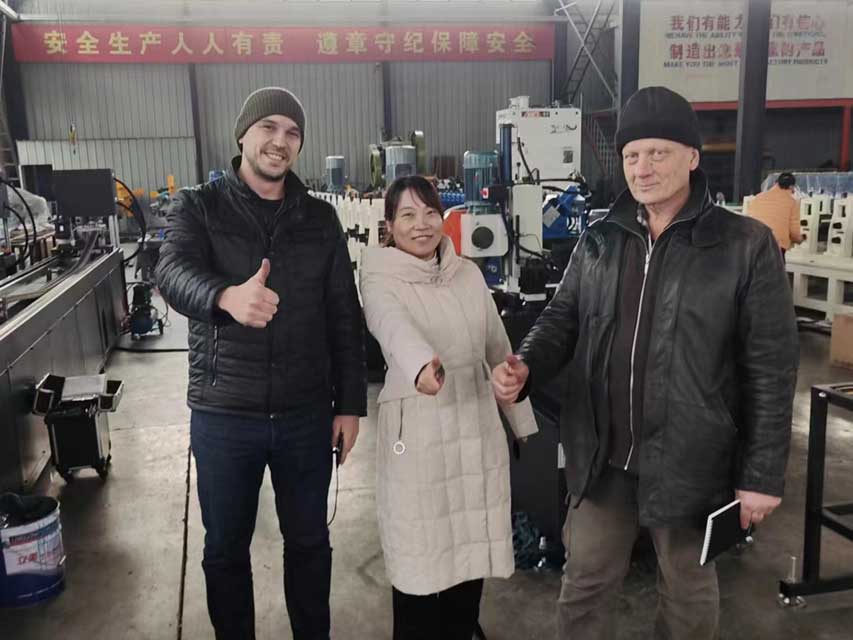
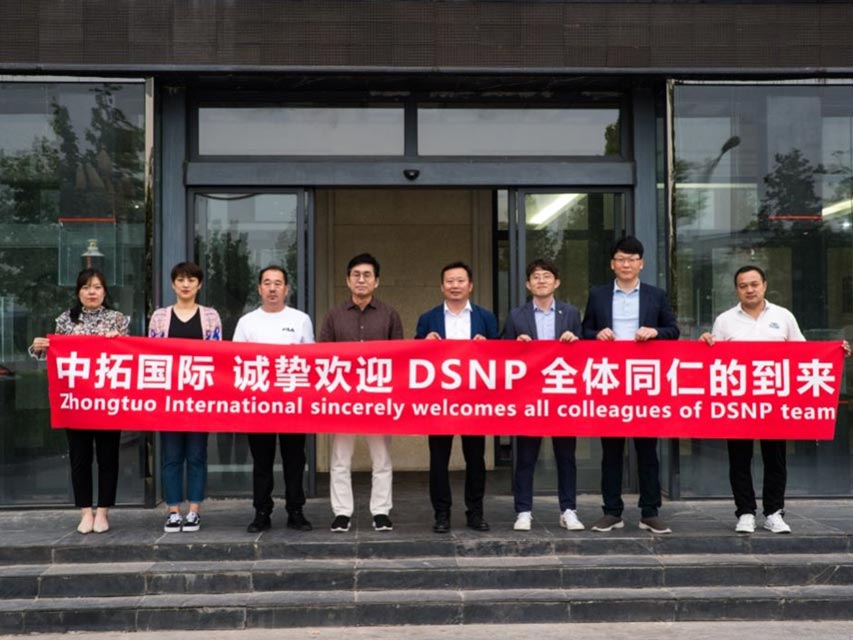
Automatic CU keel machine-Mongolian customers inspect factories and cooperate with us
Zhongtuo Metal Slitting Line Customized for Brailian Customers
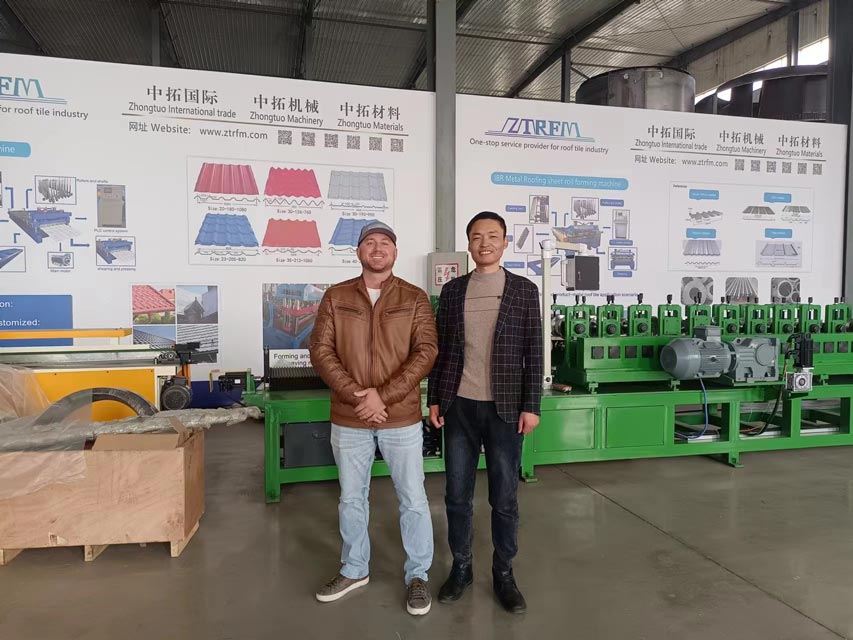
Welcome to Wedo LLC to visit our roll forming machine factory
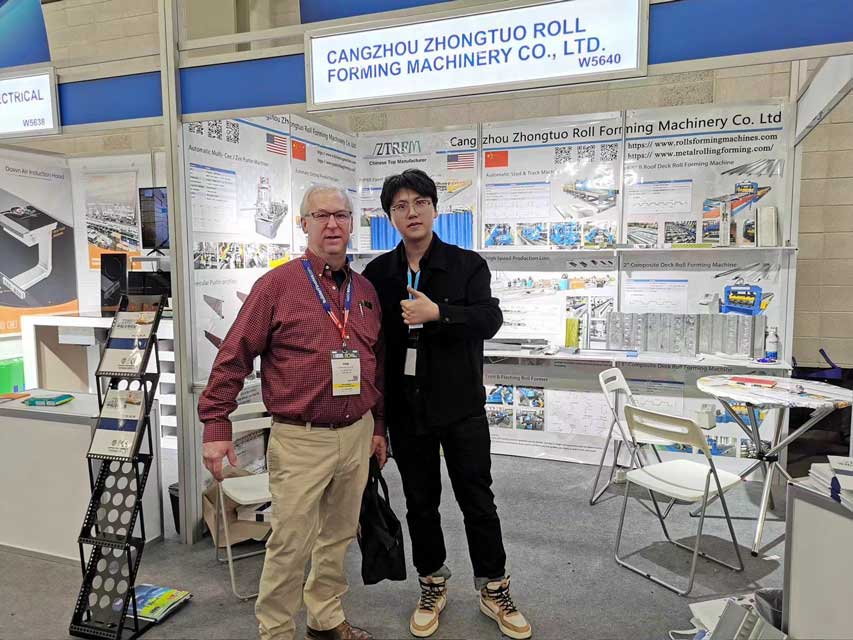
American friends are back at Cangzhou Zhongtuo Roll Forming Machinery
Metal Roofing Roll Forming Machine Produce R panel & Low Profile with Automatic Stacking System
Client's comment on our roll forming machine after-sales service
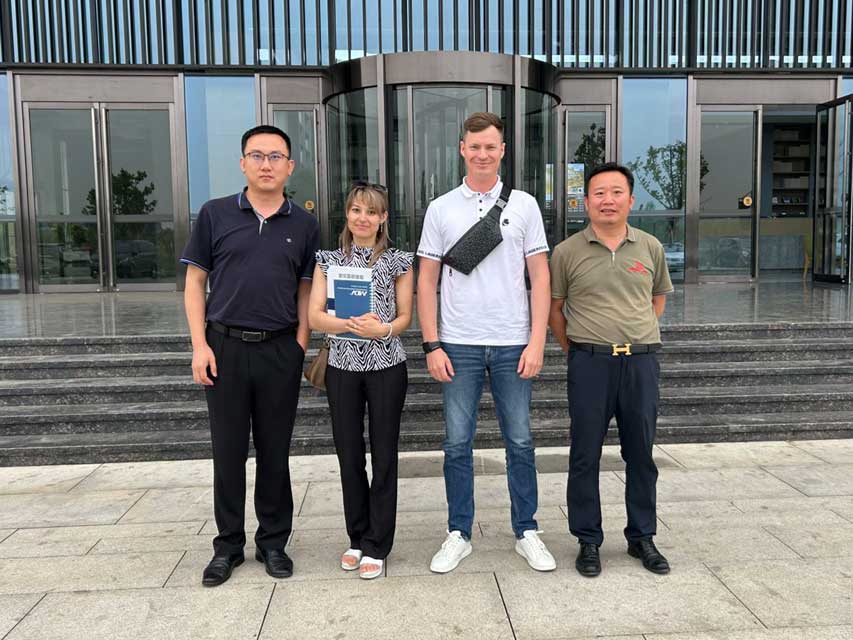
Successful visit to our roll forming factory by Azerbaijani customers!
Zhongtuo Roll Forming Solutions | Customized Machinery for Global Industries
Visit Zhongtuo through 360° VR system, Cangzhou Zhongtuo Was Established In 2014, Which Is Dedicated To The Design And Manufacture Different Types Of Cold Roll Forming Machines. We Provide ODM, OEM And One-Stop Service. Raw Materials, Machinery And Accessories Can Be Purchased From Us.
Visit Zhongtuo through 360° VR system, Cangzhou Zhongtuo Was Established In 2004, Which Is Dedicated To The Design And Manufacture Different Types Of Cold Roll Forming Machines. We Provide ODM, OEM And One-Stop Service. Raw Materials, Machinery And Accessories Can Be Purchased From Us.
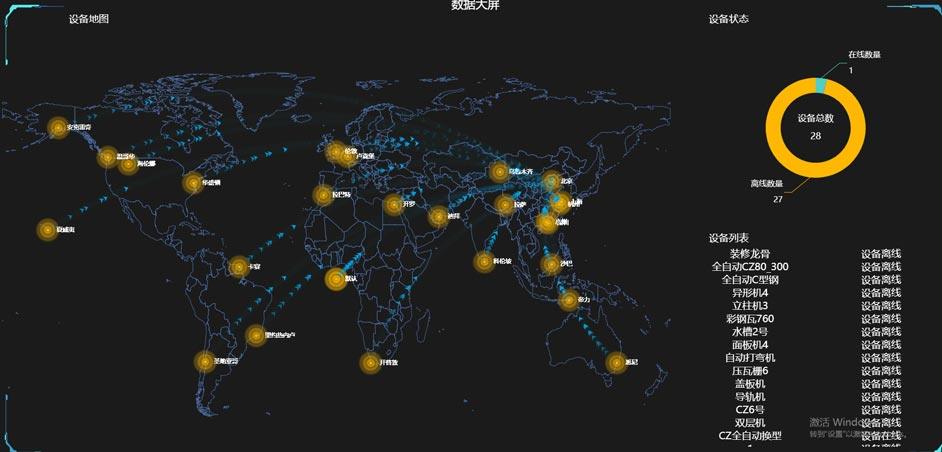
Intelligence in Production monitoring: real-time monitoring to prevent production anomalies.
Intelligent reminder: abnormal reminder, machine maintenance reminder, etc. - effectively extend the service life of the machine.
Intelligent after-sales: truly realize remote control after-sales, no need to send engineers to the customer's local, achieved save after-sales time and save maintenance costs.
Cooperation with Siemens-PLC control global guarantee by Siemens.
Buy Two Machines Get This Intelligence Computer As Free!
Provide OEM、ODM
1.communication:confirm buyer's requirement. 2.Technician design:make drawing profiles and 3D machines drawing 3.determine the configuration and production 4.testing before delivery
5.packing and delivery 6.Technical guidance 7.After-sales service:Installation services for complex machines and regular customer visit
Trusted By 95800+ Companies
We are honored to cooperate extensively with many high-quality enterprises. Through cooperation with us, they have received strong support and achieved business breakthroughs and development.
0
ISO9001 and CE Approved
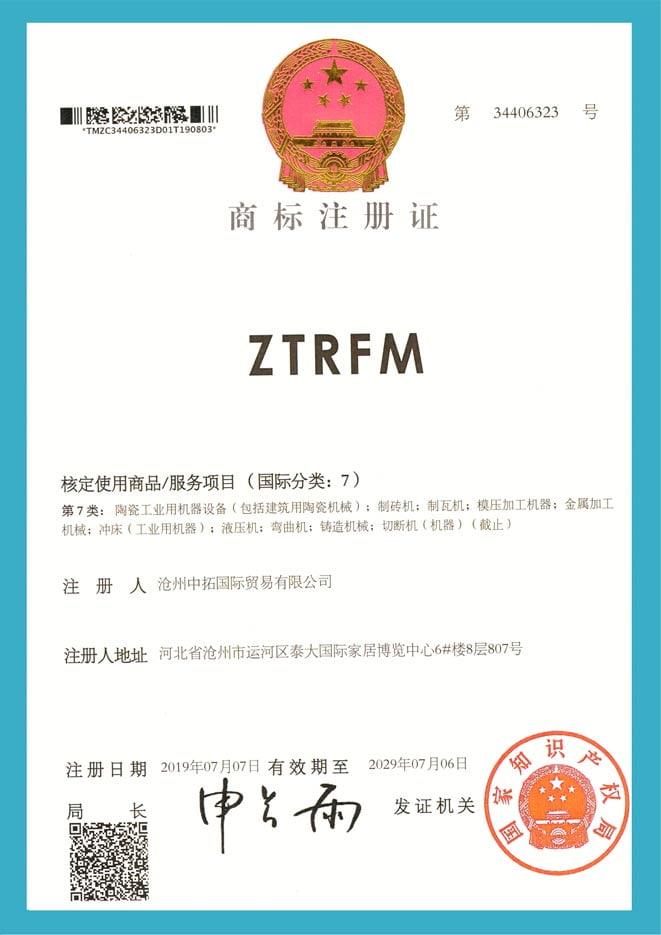
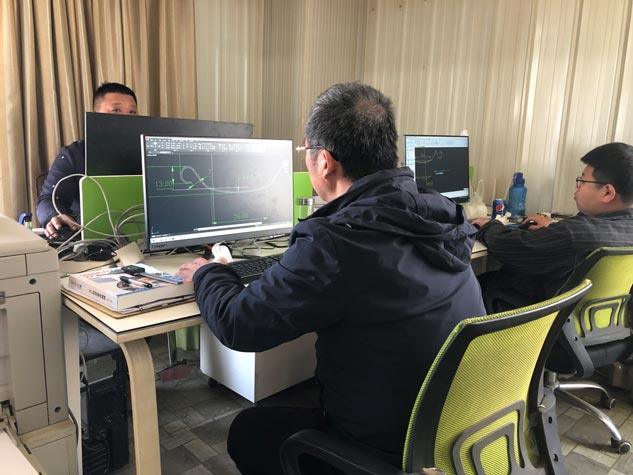
We own our self-brand ztrfm, professional design team And Technicians.
0
Countries Clients
Popular products with users and highly praised.
0
One-Stop Solutions
from accessories to molding machines, solving the complexity of your procurement.
0
Engineer Team
We have strong engineer team of more 20 People, we will give more accurate and fast solution.