Over 24 Years Experience & Knowledge International Standards, Technologicaly Changes & Industrial Systems, We Are Dedicated To Provides Seds The Best & Economical Solutions To Valued Customers.
Trapezoidal Roof Sheet Roll Forming Machine | Metal Roof Panel Former Supplier
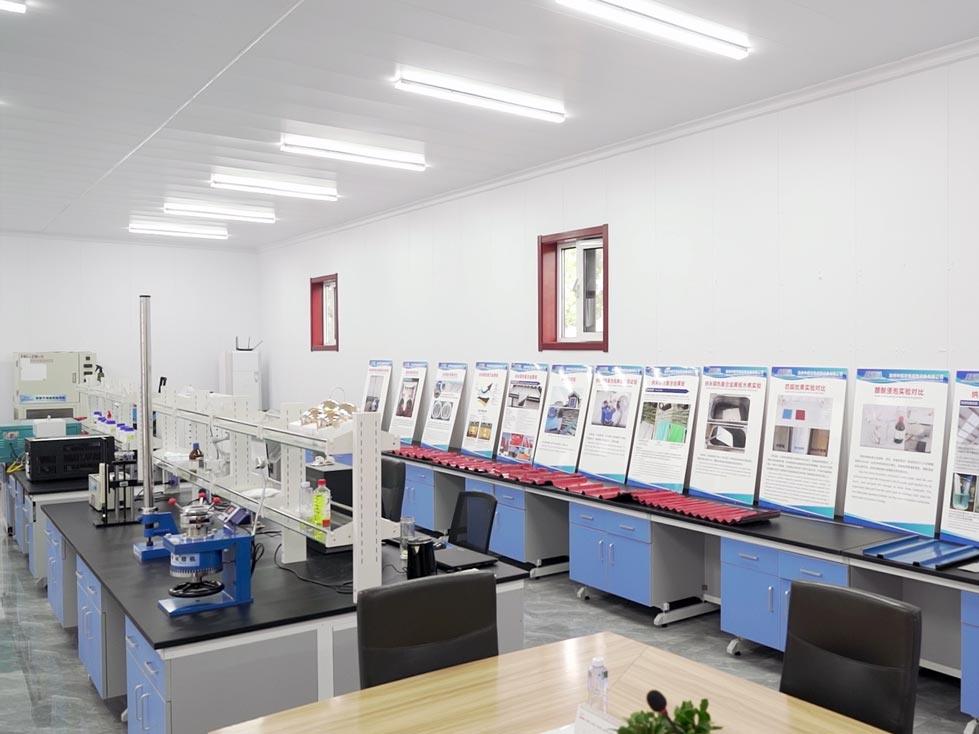
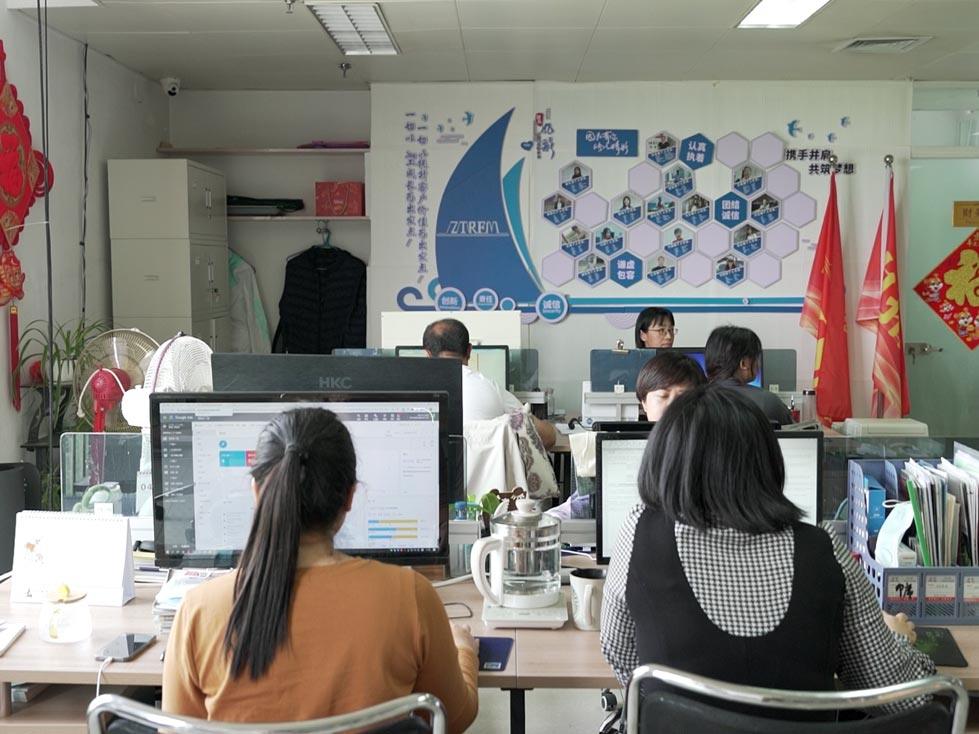
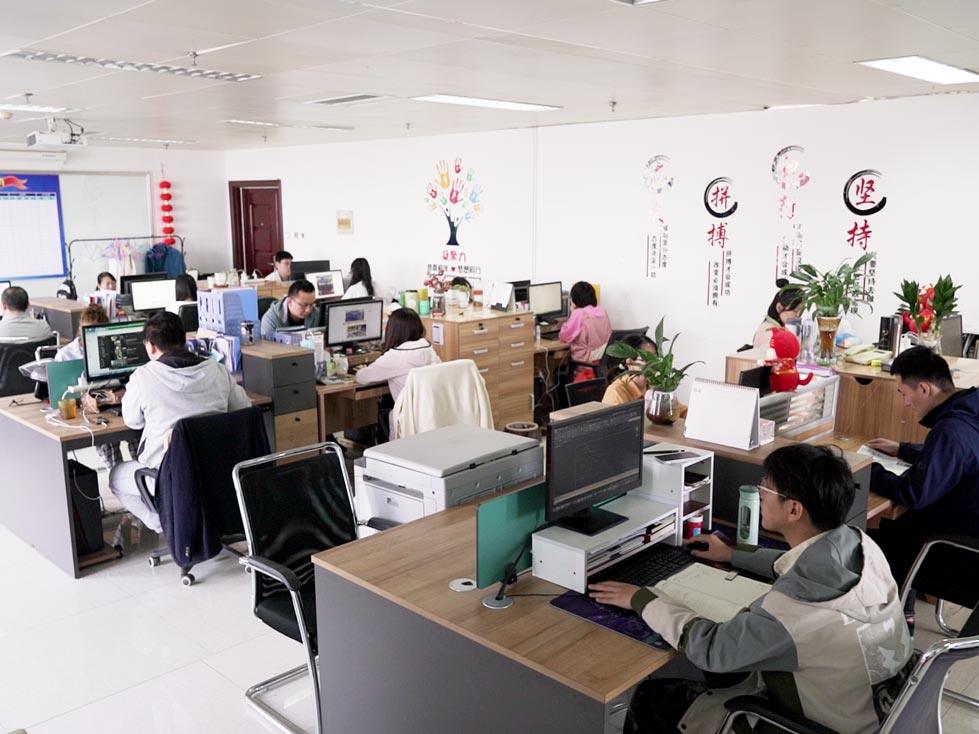
Cangzhou Zhongtuo Roll Forming Machinery Co.,Ltd comes from Hebei-China. It is a manufacturer dedicated to design and manufacture. different types of cold roll forming machines. We are a factory with a long history, engaged in the design and manufacture of roll forming machines since 2006. The machines we can produce include: roof tile making machine, cz purlin making machine, light steel keel making machine, metal embossing machine, door system forming machine, ceiling system forming machine, high frequency pipe welding machine, slitting line, cut to length line, shelf system forming Machine, floor decking forming machine, color stone tile production line, hot laminating filmed machine,etc.
Trapezoidal Roof Sheet Roll Forming Machine | Metal Roof Panel Former Supplier
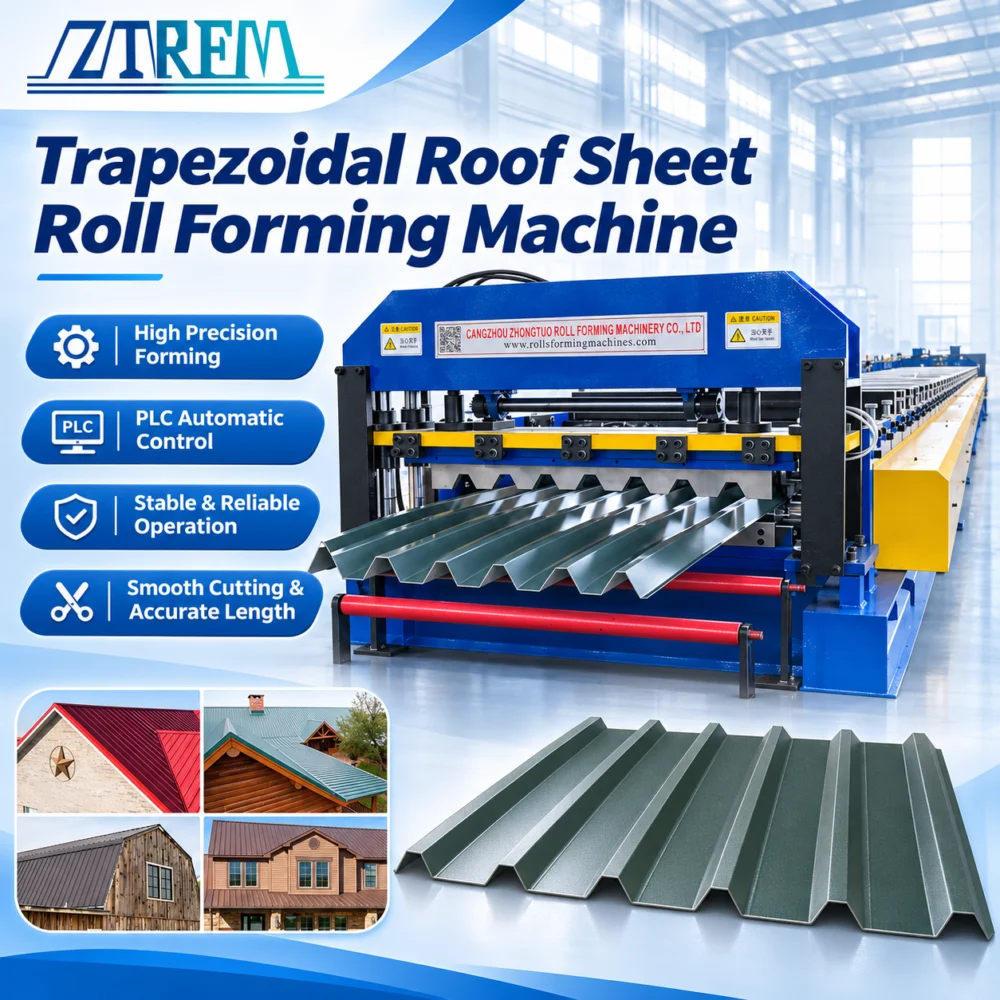
Description: A trapezoidal roof sheet roll forming machine produces straight-flange metal roofing panels for factories, warehouses, and residential buildings. ZTRFM supplies customized trapezoidal panel lines with reliable PLC control and sturdy roll stations for global buyers.
Trapezoidal Roof Sheet Roll Forming Machine | Metal Roof Panel Former Supplier
A Practical Solution for High-Volume Metal Roofing Production
Trapezoidal metal roofing panels remain one of the most widely used roof coverings in industrial and agricultural construction. Their straight sloping sides shed rain quickly, span supports with confidence, and are simple to fix on purlins. A trapezoidal roof sheet roll forming machine is the equipment that turns coated steel coils into these panels continuously, with consistent width, profile depth, and cut length. This guide covers what the machine does, which design details affect panel quality, and what buyers should confirm before placing an order.
What Is a Trapezoidal Roof Sheet Roll Forming Machine?
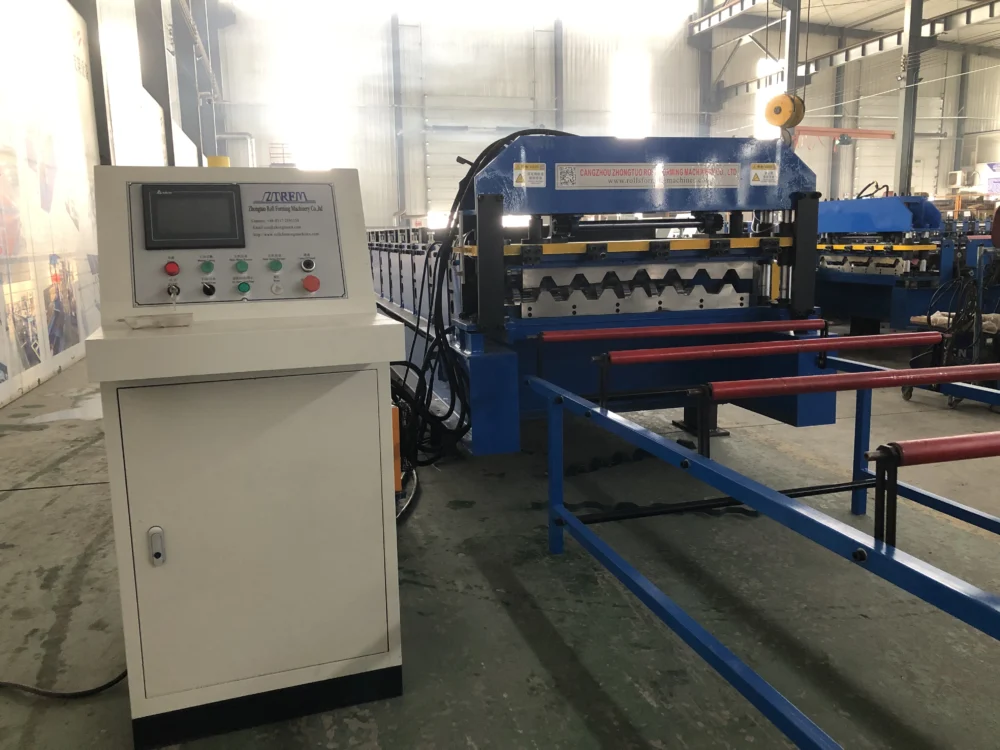
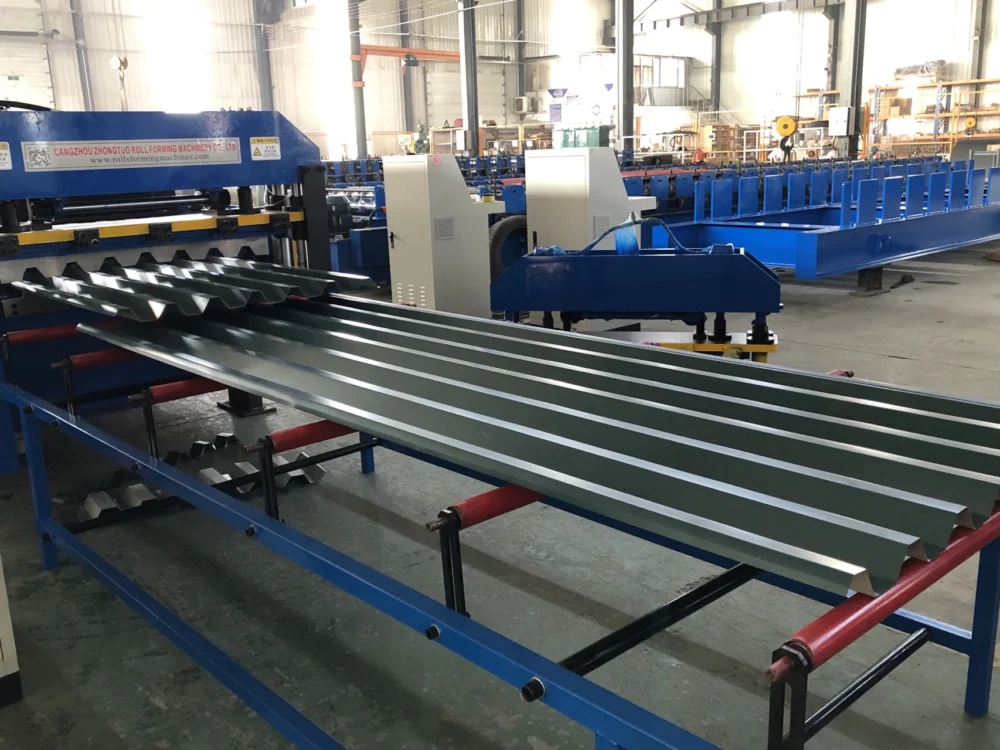
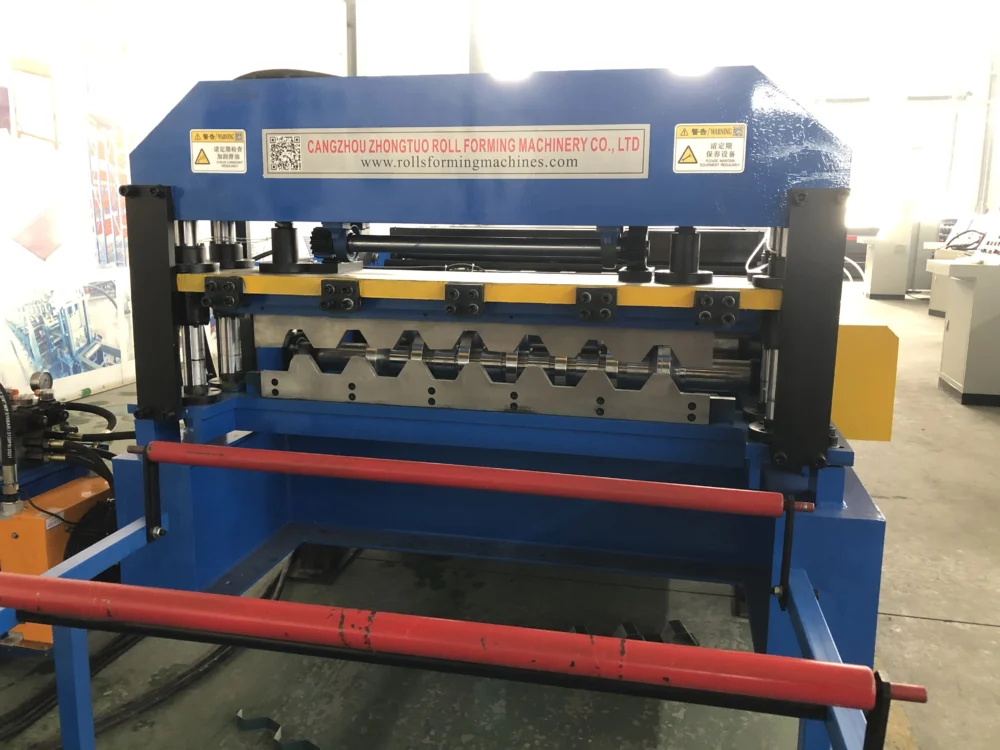
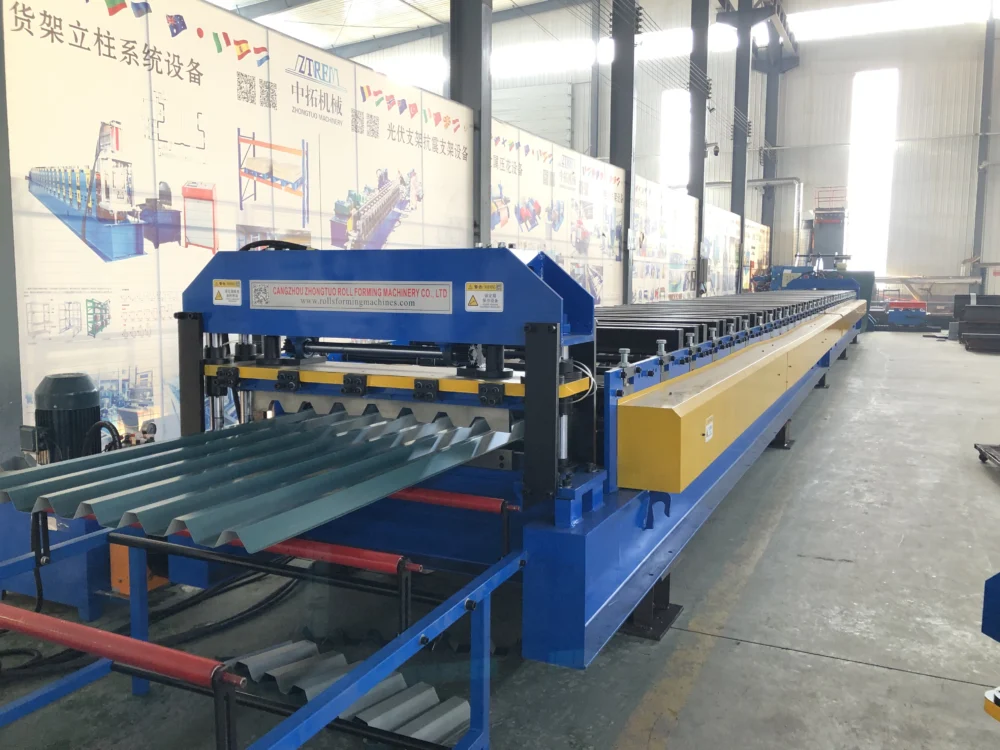
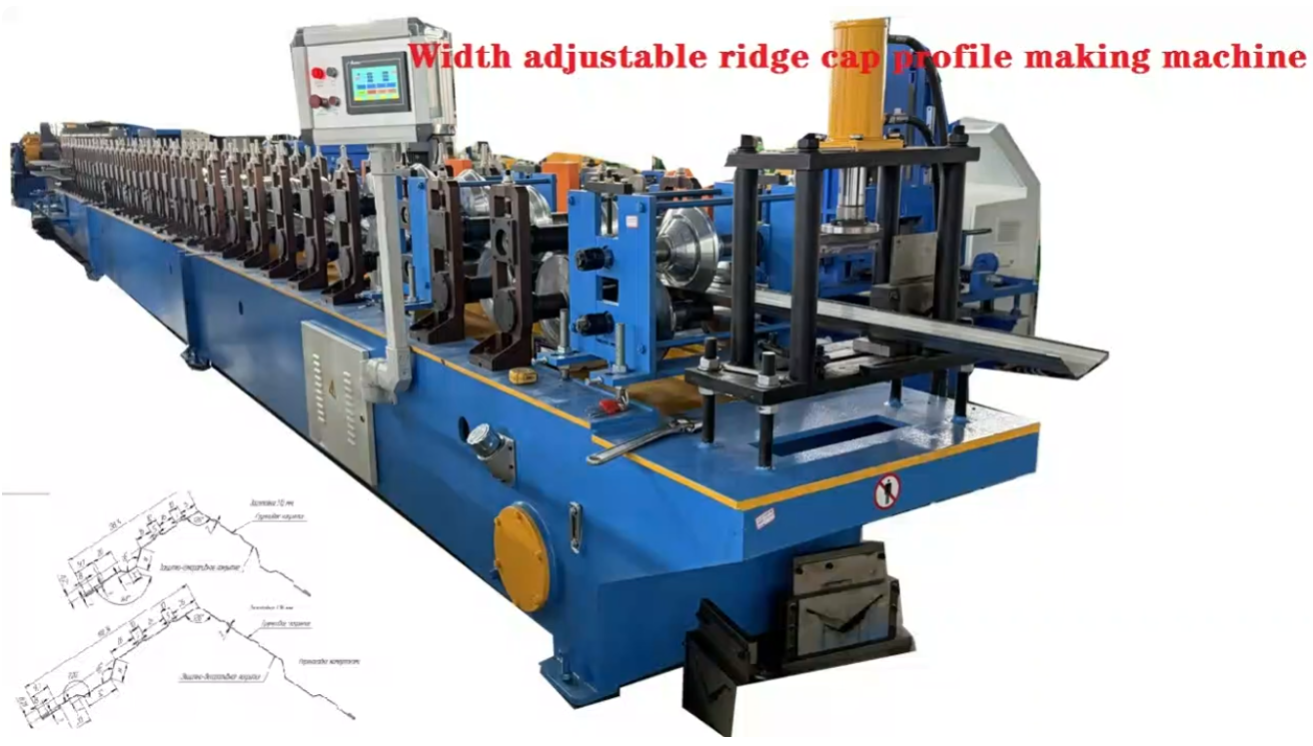
A trapezoidal roof sheet roll forming machine, often called a trapezoidal roof panel roll former, is a continuous cold roll forming line. It feeds a metal coil through a series of roller stations that gradually press the strip into a trapezoidal cross-section: a wide top flange, sloped webs, and narrow bottom flange along the panel. Once the profile is complete, a hydraulic cutter cuts the panel to the preset length and the finished sheet exits onto a run-out table.
The profile differs from curved tile or corrugated round-wave panels. Trapezoidal sheets have angular, flat-faced ribs, which makes them popular where load-bearing capacity, drainage, and fast installation matter more than decorative appearance. The machine is suitable for prepainted color steel, galvanized steel, and aluminum coils, depending on the buyer's roofing specification.
Trapezoidal Roof Sheet Roll Forming Machine | Metal Roof Panel Former Supplier
Common Trapezoidal Profiles on the Market
Trapezoidal panel designs vary by country and by roofing system. The rib height, rib spacing, effective covering width, and side lap are matched to local purlin spacing and wind conditions. Manufacturers usually design the roller set according to the panel profile the customer needs rather than selling one universal profile.
Typical profile decisions include the effective coverage width of the finished sheet, the height and number of trapezoidal ribs, the shape of the side edge for overlapping, and any raised ribs or stiffening beads along the panel. Buyers can provide a sample sheet, a technical drawing, or photos of the existing roof product they want to match. For export orders, confirming the profile before fabrication prevents later fitment problems on the construction site.
How a Single-Layer Trapezoidal Line Operates
The working sequence follows the coil from raw material to finished panel. Knowing each section helps buyers inspect the machine and compare suppliers fairly.
Uncoiler: Holds the incoming coil and unwinds it at a matching speed. A hydraulic decoiler is easier to load for heavier coils, while a manual decoiler suits lighter duty and lower budget lines.
Feeding guide: Straightens and centers the strip so the ribs form evenly across the sheet. Poor alignment often causes one-sided profile or edge waves on the finished panel.
Roll forming stations: Rollers mounted on solid shafts bend the strip step by step. The number of stations and the roller material are chosen according to panel depth, material thickness, and desired surface finish.
Measuring and control: An encoder feeds panel length to the PLC, which counts the distance and signals the cutter when the target length is reached. Panel count and production speed are set on the touch screen.
Hydraulic cutting: The cut blade trims the formed sheet cleanly. A cutter made to match the trapezoidal profile leaves square, burr-free ends that overlap properly with adjacent sheets.
Output table: Finished panels slide onto the exit table, where workers stack and bundle them for storage or shipment.
Trapezoidal Roof Sheet Roll Forming Machine | Metal Roof Panel Former Supplier
Design Details That Decide Panel Quality
Two machines with the same external appearance can produce noticeably different panels. Buyers should look beyond the headline speed and examine the parts that directly control accuracy and durability.
Frame and Welded Body
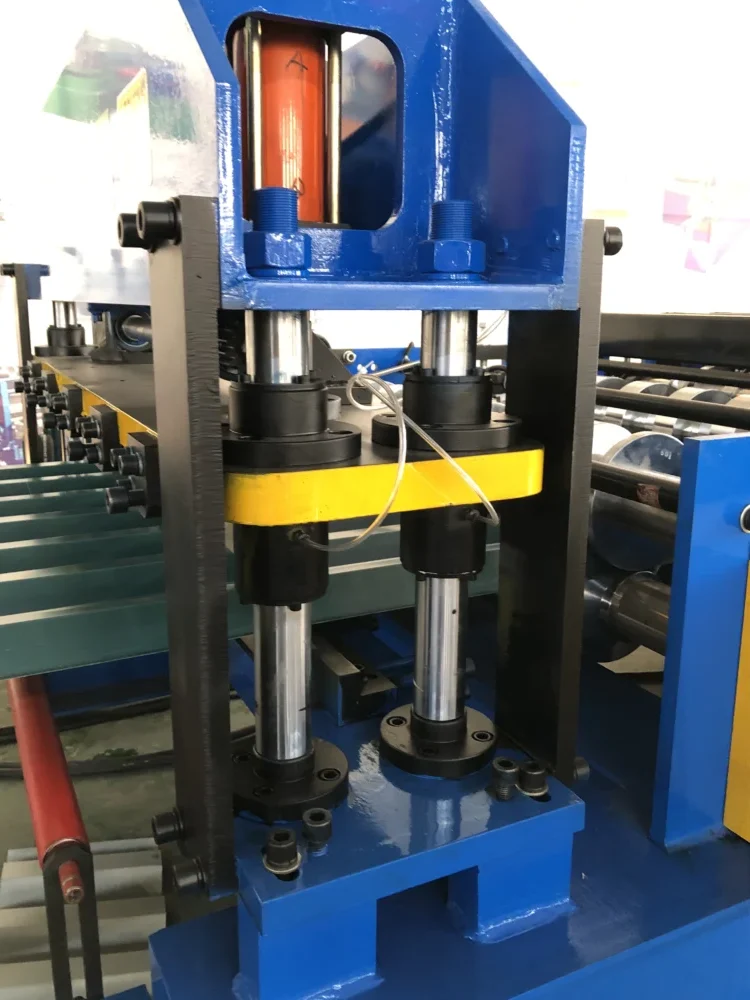
A thick welded frame resists flexing under continuous forming. A light or thin-walled frame can vibrate at higher speed, leading to uneven ribs, twisting panels, and accelerated wear on bearings. The frame should be checked for solid steel sections and stable base anchoring.
Roller Material and Surface Finish
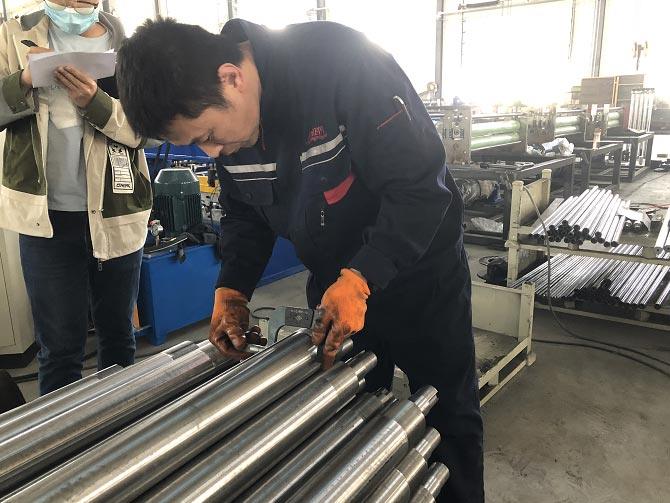
Rollers determine whether the coil coating stays intact and whether the profile is smooth. Hardened or plated roller surfaces reduce scratching on color-coated sheets, and accurately machined roller grooves keep the rib shape sharp and consistent. For galvanized or thicker material, roller strength is especially important.
Shafts, Bearings, and Transmission
Solid shafts, sealed bearings, and a reliable gear or chain transmission keep every roller rotating in sync. Loose bearings or weak shafts cause wobble in the forming station and make panel dimensions drift over a long production run.
Cutting Accuracy and Edge Condition
Clean, straight cuts are essential for roof installation. The hydraulic station should hold steady pressure, and the blade should match the panel profile so the cut end does not deform the trapezoidal ribs. Repeatable cut length keeps scrap rate low and speeds up site fixing.
Control System Stability
The PLC should store length and quantity settings clearly, respond reliably to the encoder, and support local voltage and communication conventions. Simple, well-labeled controls reduce operator training time and make troubleshooting easier after the machine arrives.
Trapezoidal Roof Sheet Roll Forming Machine | Metal Roof Panel Former Supplier
Where Trapezoidal Roof Panels Are Used
Trapezoidal sheets appear in a wide range of building types. Warehouses, production workshops, logistics centers, and agricultural buildings commonly use them because long panels cover large areas quickly. They are also found in steel-structure sheds, market stalls, temporary site offices, house additions, and retrofit roof projects. The lightweight nature of metal trapezoidal panels reduces structural load compared with clay or concrete roof materials, and coated finishes provide corrosion resistance in normal outdoor exposure.
Configuring the Line for Your Own Market
Before requesting a firm quotation, buyers should settle the main production parameters so the supplier can propose a suitable configuration. Key points include the required panel profile or drawing, coil material and thickness, coil inner width, expected production speed, maximum finished length, local voltage and power supply, and the destination port. Whether punching, embossing, or a second deck for insulation sandwich panels is needed should also be stated early, because these functions affect the line layout and the cutting station.
For trading companies supplying multiple builders, it helps to list the most common panel widths and rib depths in the local region. This allows the manufacturer to suggest a roller design that covers the strongest-selling products rather than a single narrow application.
Why Buy a Trapezoidal Line from ZTRFM
ZTRFM designs and builds roll forming equipment for metal roofing and wall panel markets. Each trapezoidal roof sheet line is prepared around the buyer's profile, material, and working conditions, with attention to parts that remain serviceable after export delivery.
Profile-led roller design: Roll stations and cutting die are developed from the panel profile you supply, so the finished sheet matches the intended roof product.
Focus on structural durability: Frame, shafts, bearings, and rollers are selected for continuous workshop operation and lower long-term maintenance.
Clear automatic control: PLC touch-screen setting for length, count, and speed, with straightforward operation for local workers.
Pre-shipment trial run: The line is tested at the factory to verify profile shape, cut accuracy, and running stability before packing.
Export-ready documentation: Installation guidance, wiring diagrams, and maintenance notes are provided alongside the packed machine for long-distance delivery.
Trapezoidal Roof Sheet Roll Forming Machine | Metal Roof Panel Former Supplier
Frequently Asked Questions
Is a trapezoidal roofing machine the same as a corrugated sheet machine?
No. A corrugated machine forms round or arched waves across the sheet, while a trapezoidal machine forms angular ribs with flat sloping sides. The roller grooves, rib shape, and cutting profile are different for each product. Some factories install two separate lines if they produce both types.
Can one machine produce two different trapezoidal profiles?
A standard single-profile line is optimized for one panel design. A dual-profile or double-layer line can carry two sets of rollers and switch between two sheet types, which saves floor space when both products sell regularly. The choice depends on order volume and how often production needs to change.
What production speed can I expect?
Speed depends on material thickness, panel depth, profile complexity, and cutter design. Thinner color-steel sheets generally run faster than thick galvanized coil. Rather than relying on a quoted maximum speed alone, buyers should ask for a realistic running speed under their own material and profile conditions.
What voltage and power preparation are needed on site?
Motor and control voltage can be adapted to the local power supply, so buyers should state the available voltage, phase, and frequency in the inquiry. The hydraulic station and main drive also need a firm foundation and a clear working space around the decoiler and output table.
Conclusion
A trapezoidal roof sheet roll forming machine is a straightforward investment for businesses supplying metal roofing to industrial, agricultural, and residential markets. Panel quality comes down to a rigid frame, accurate rollers, reliable transmission, and clean cutting, while a customized profile ensures the product fits local roof systems. If you plan to source a trapezoidal panel line, send your profile drawing, coil specification, and production expectations to ZTRFM for a tailored machine proposal.
Why choose us?
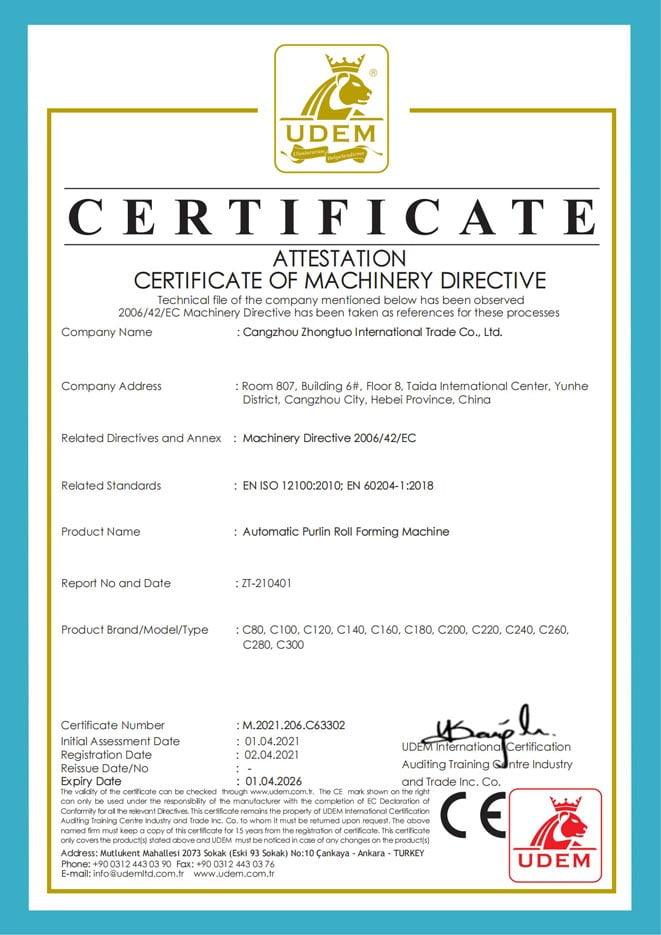
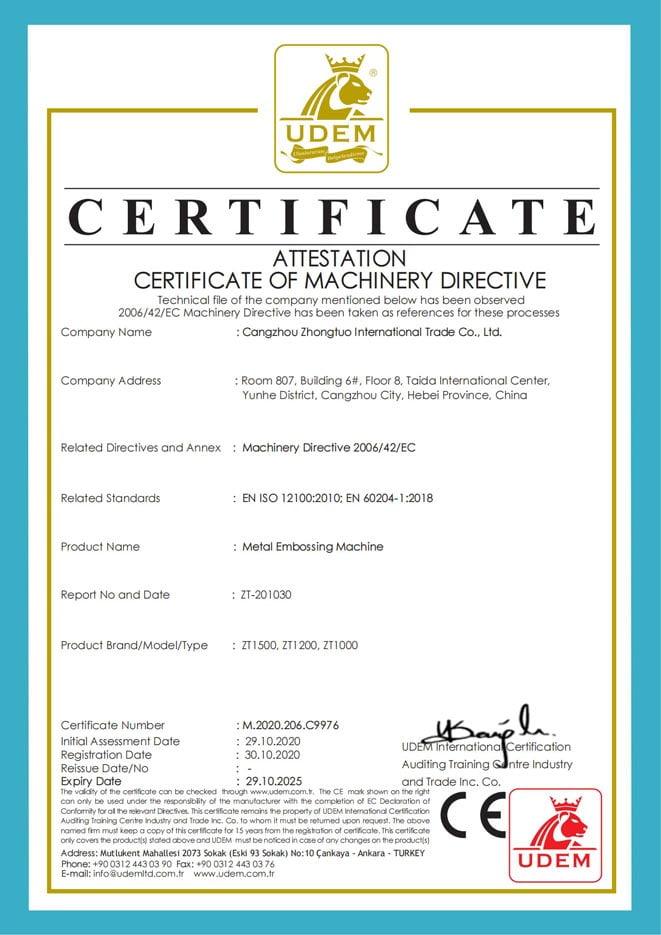
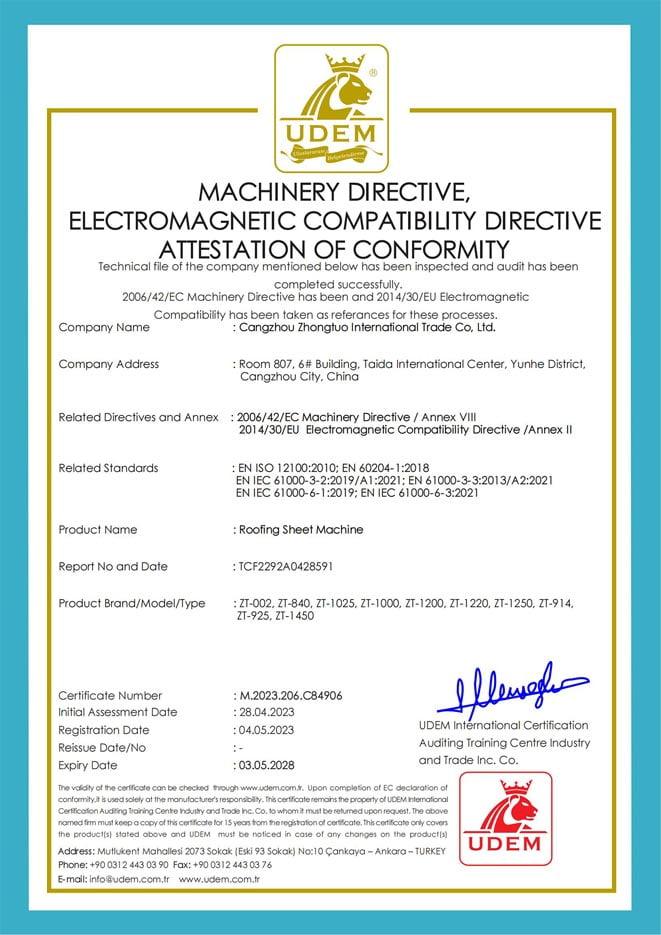
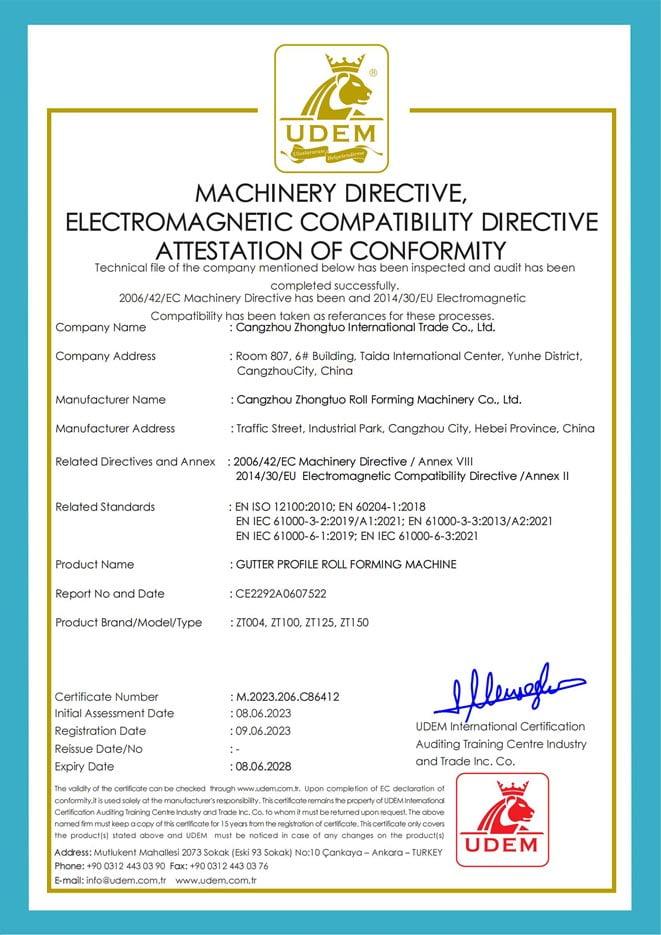
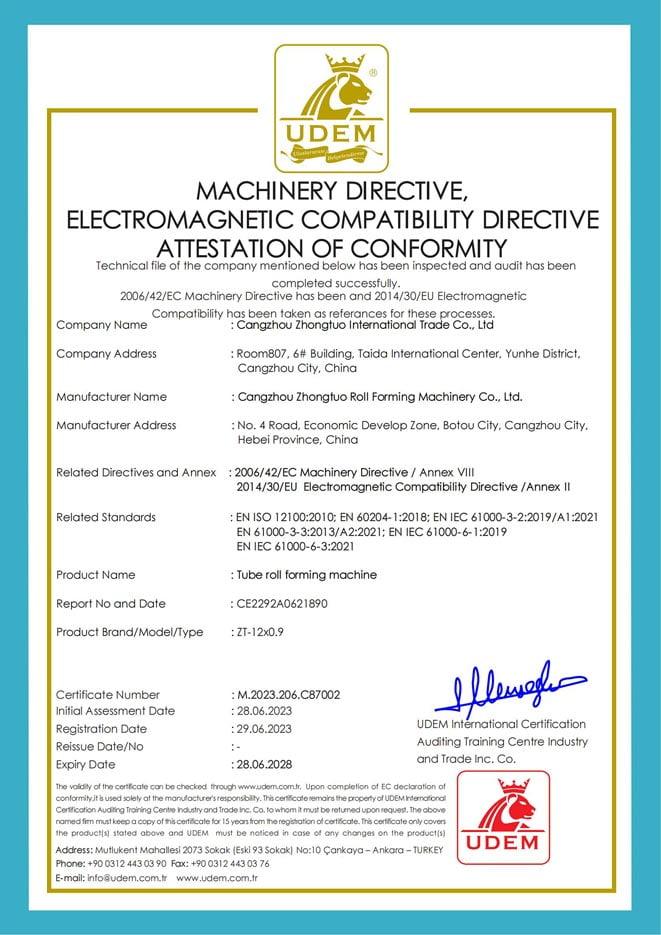
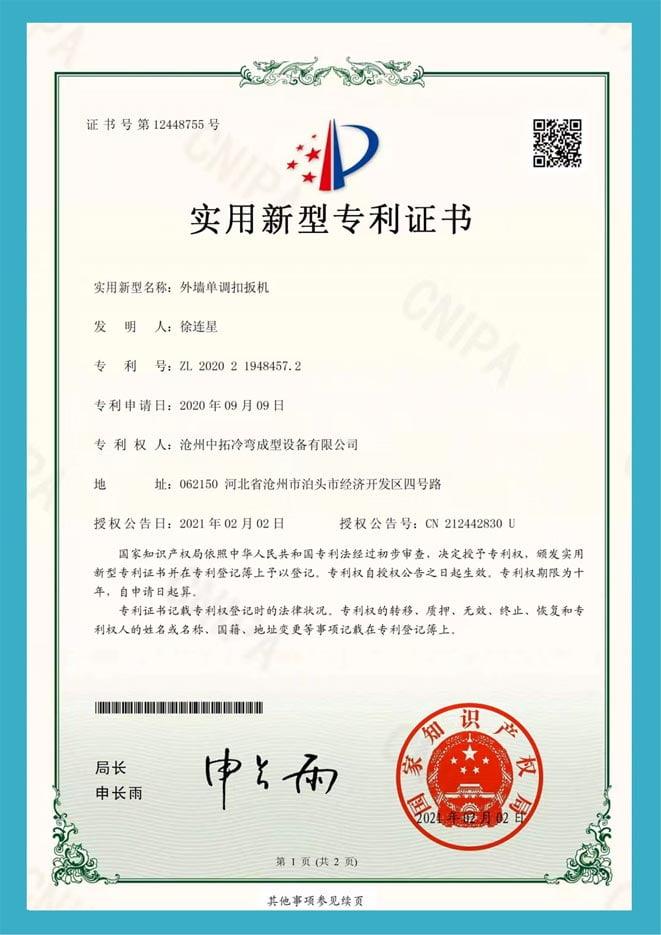
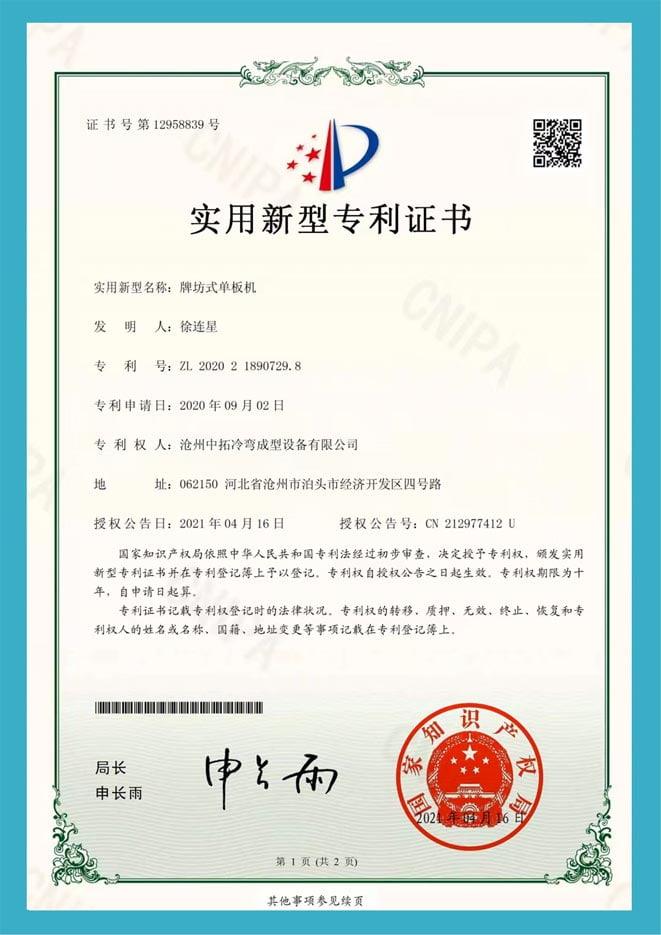
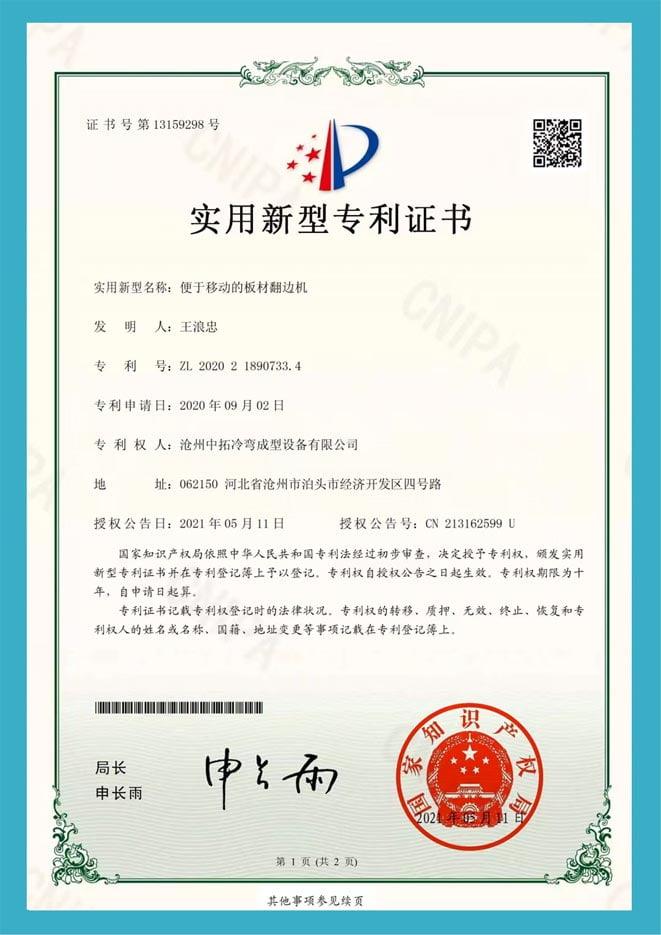
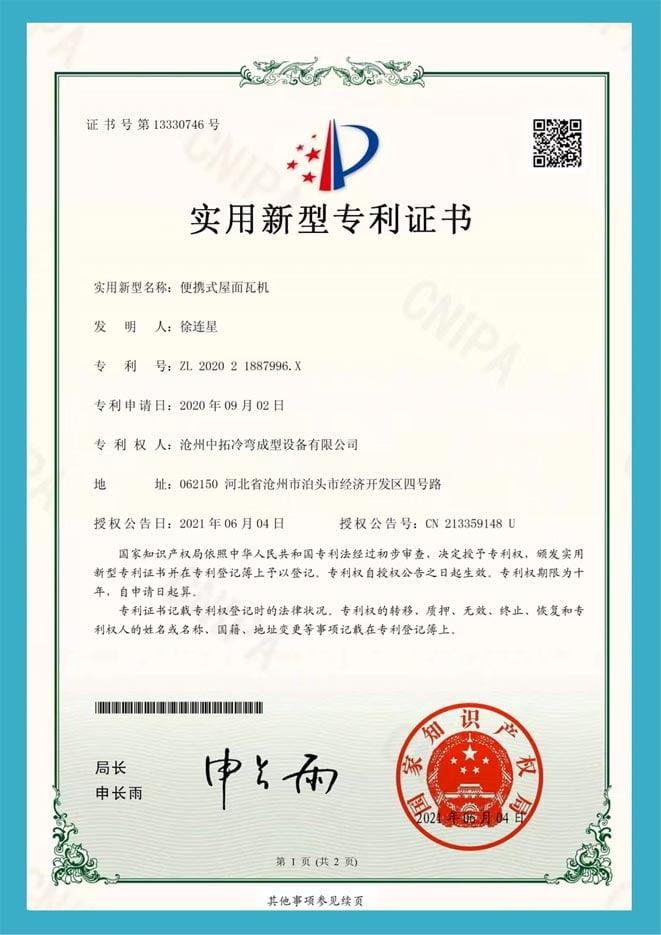
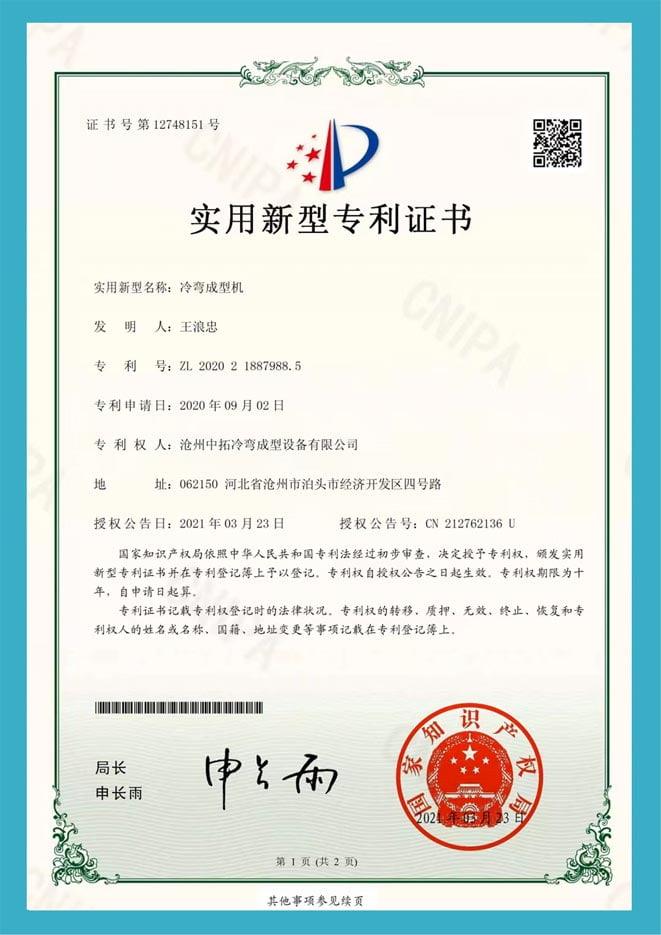
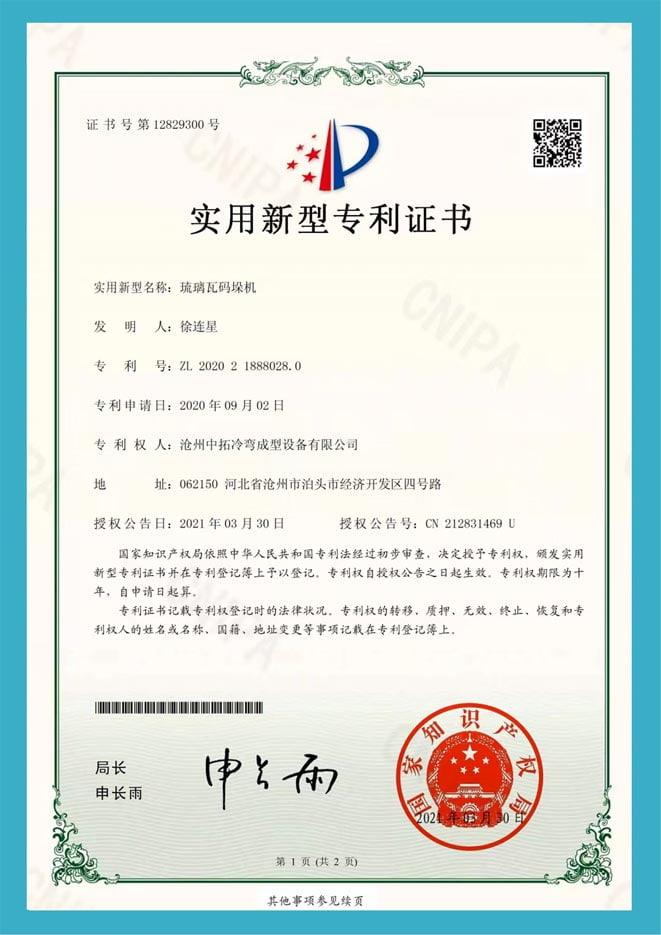
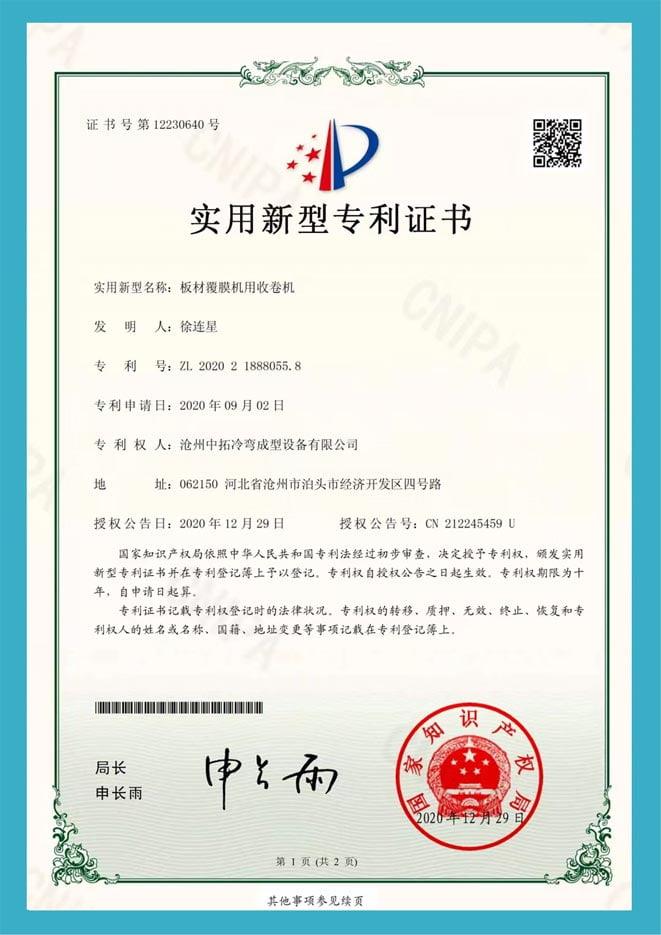
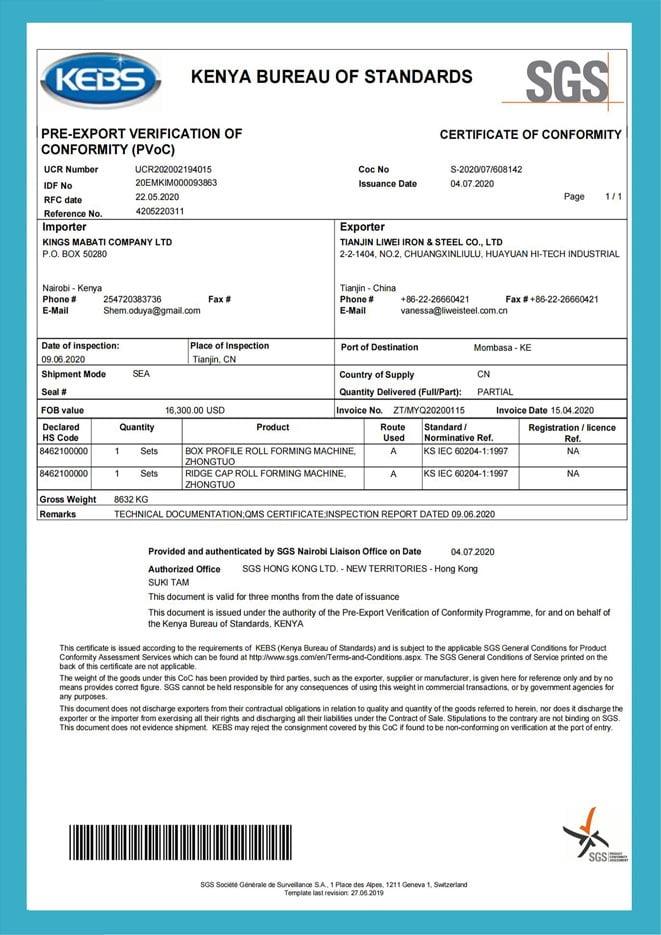
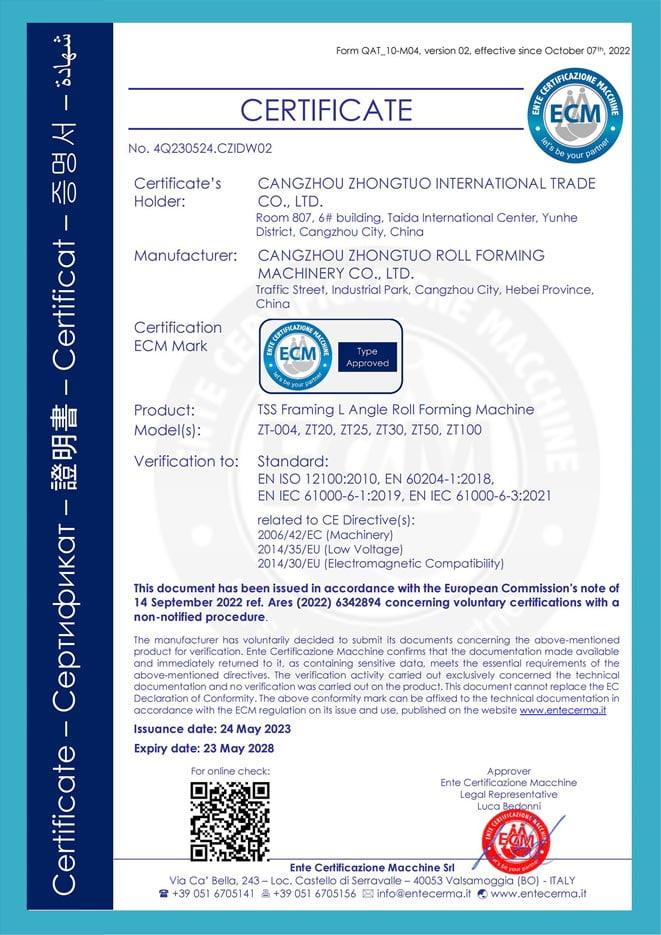
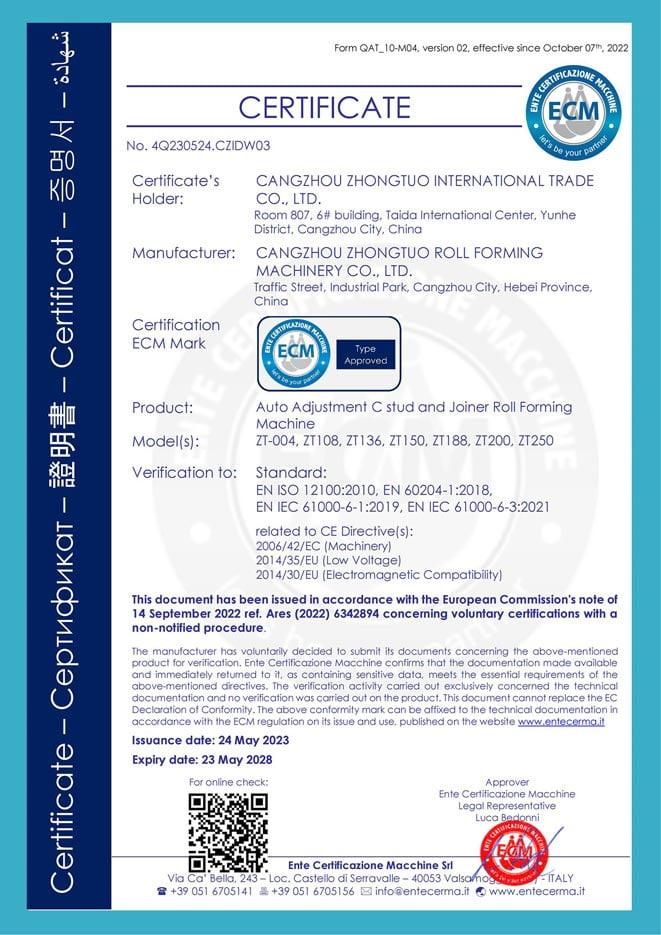
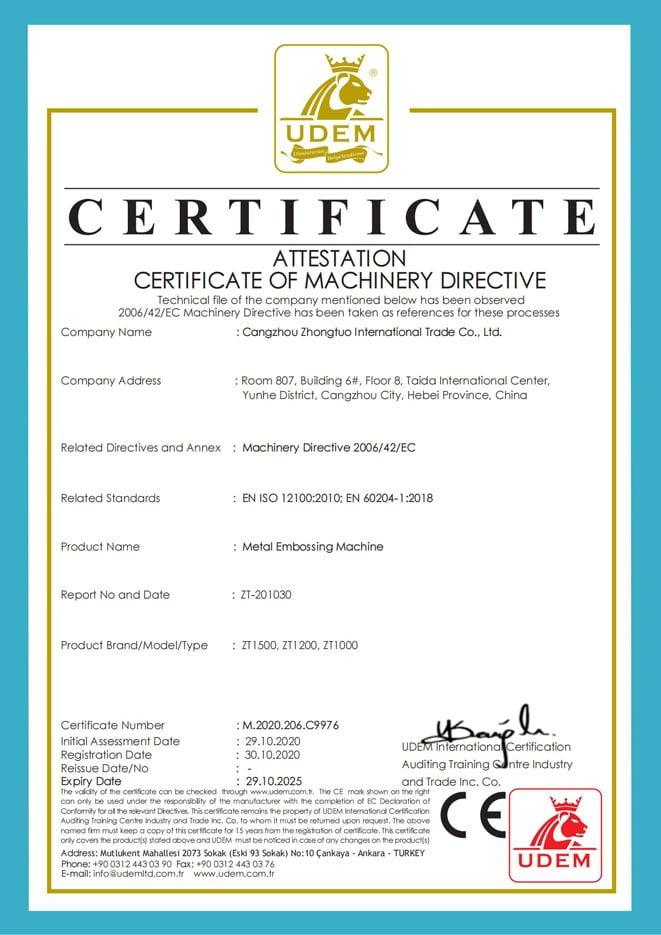
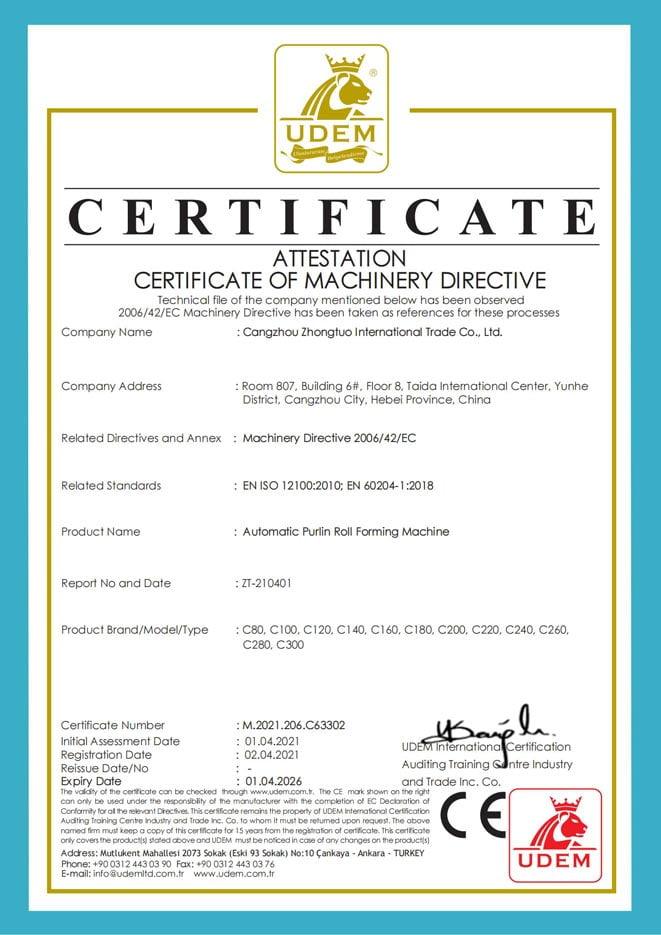
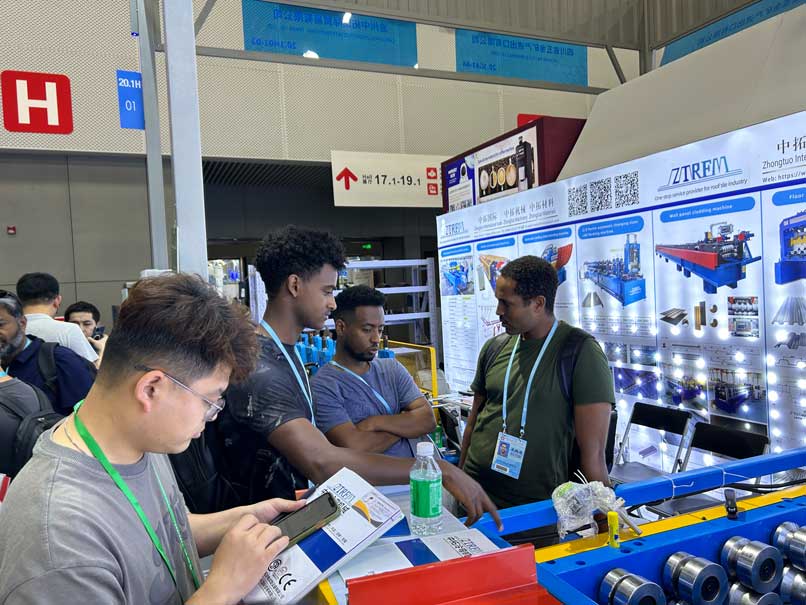
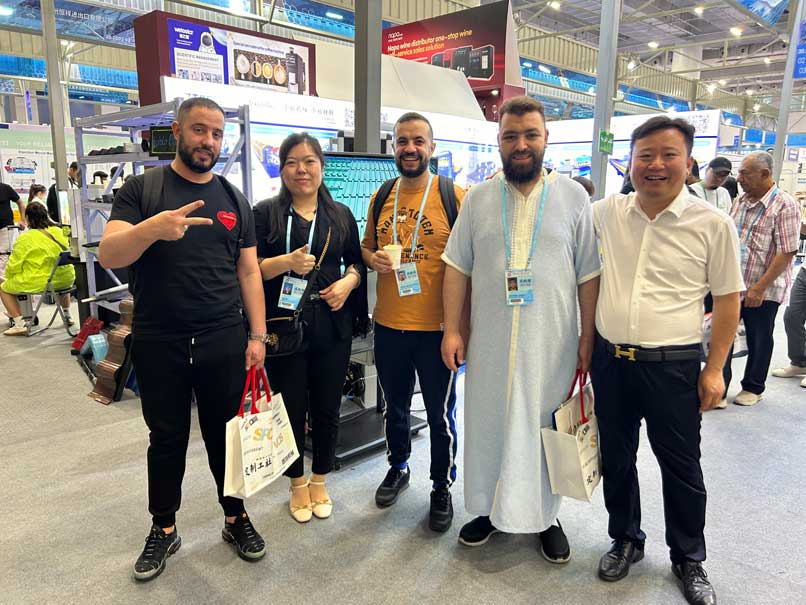
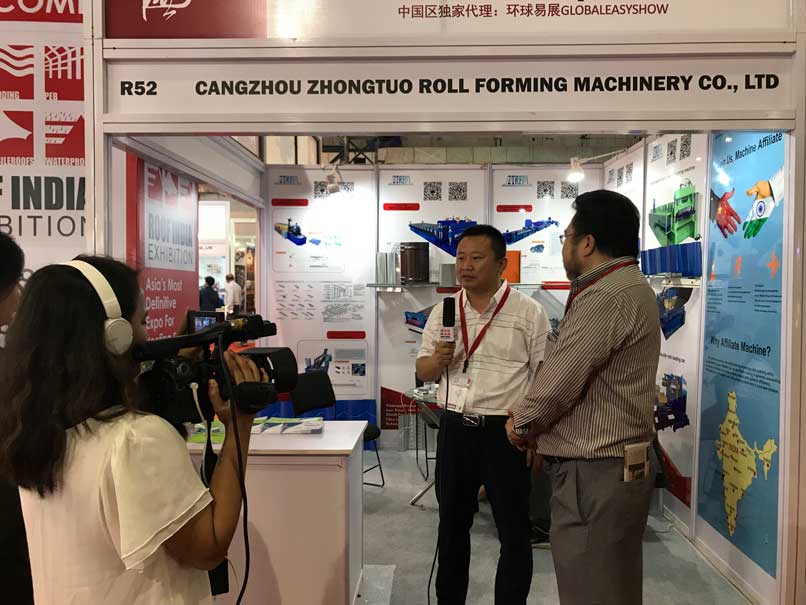
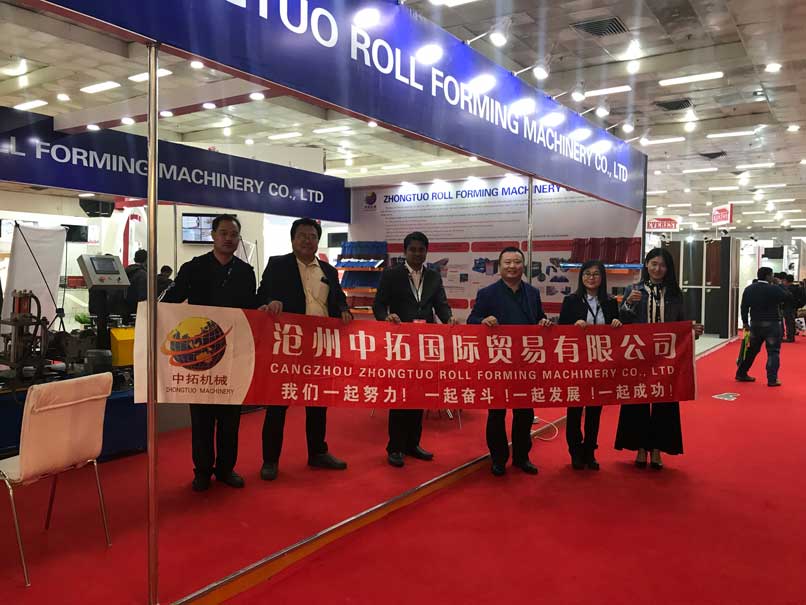
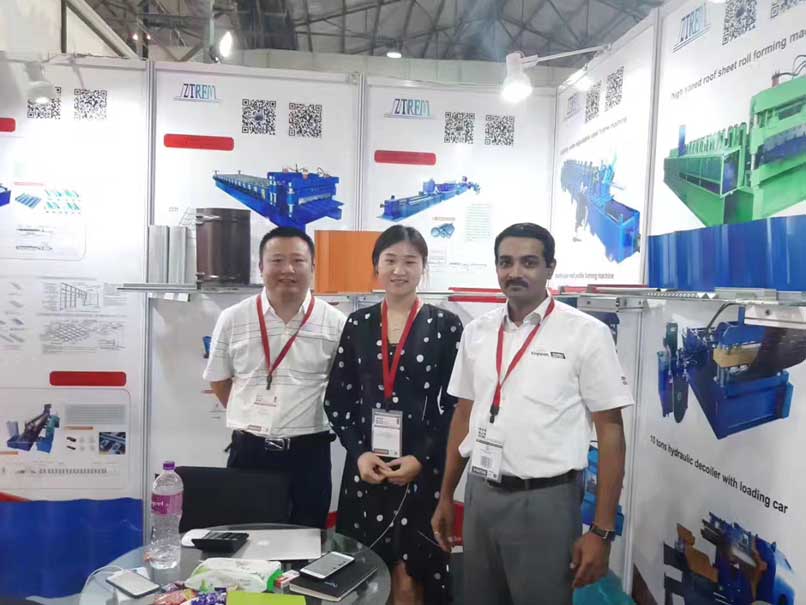
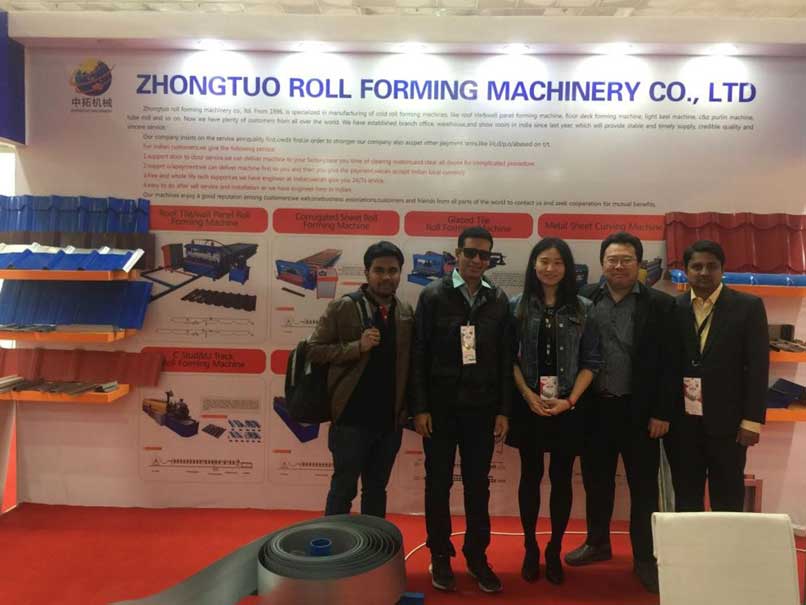
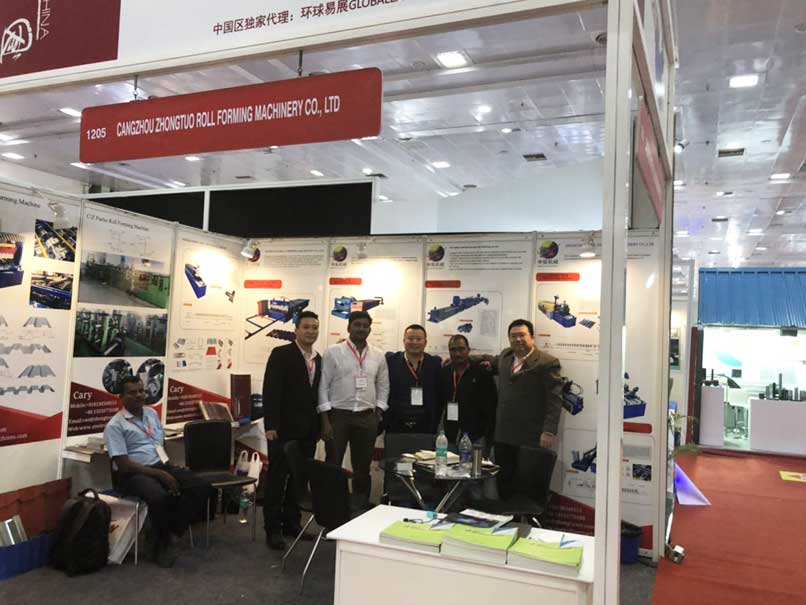
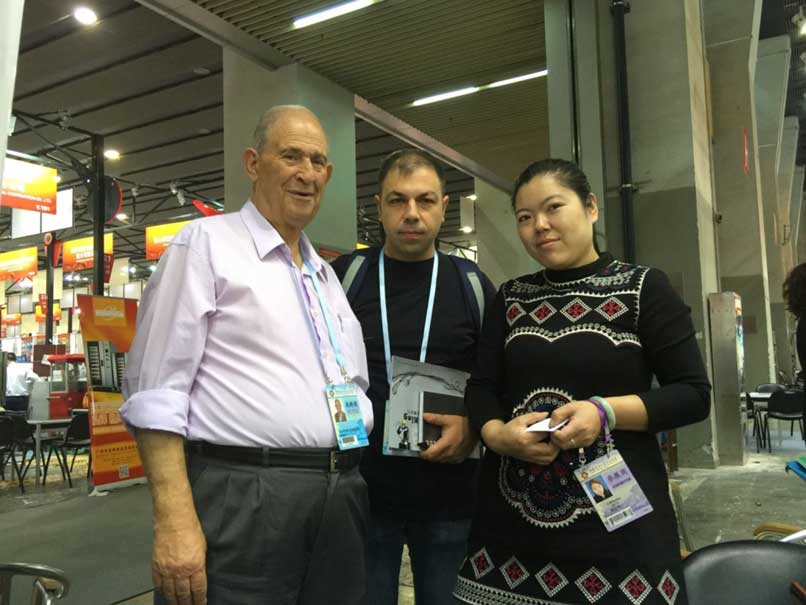
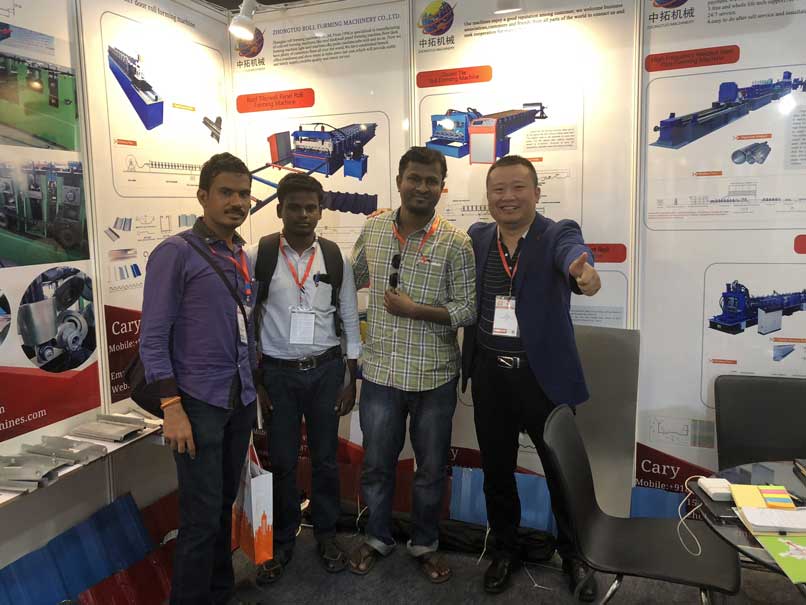
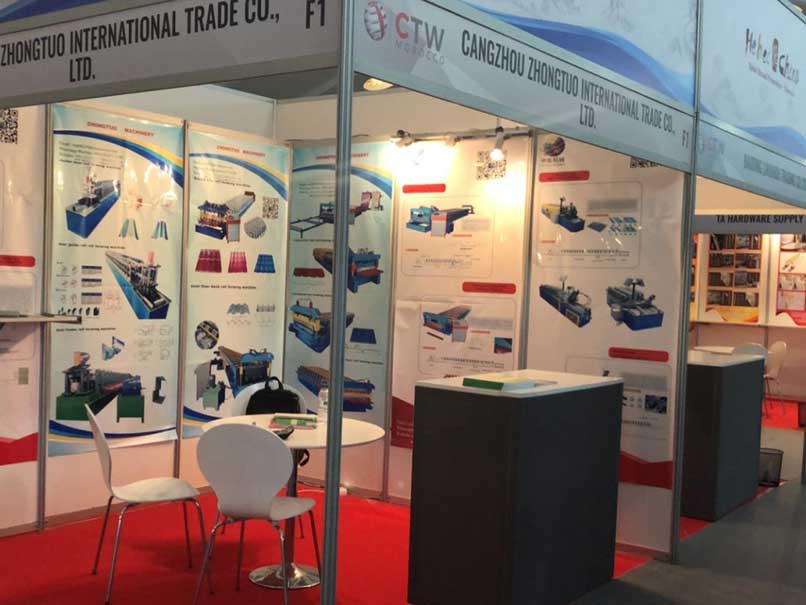
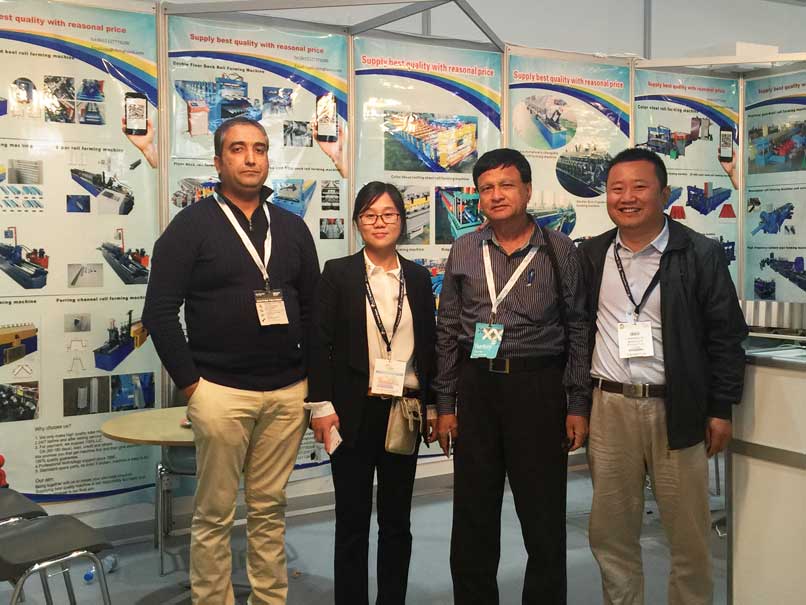
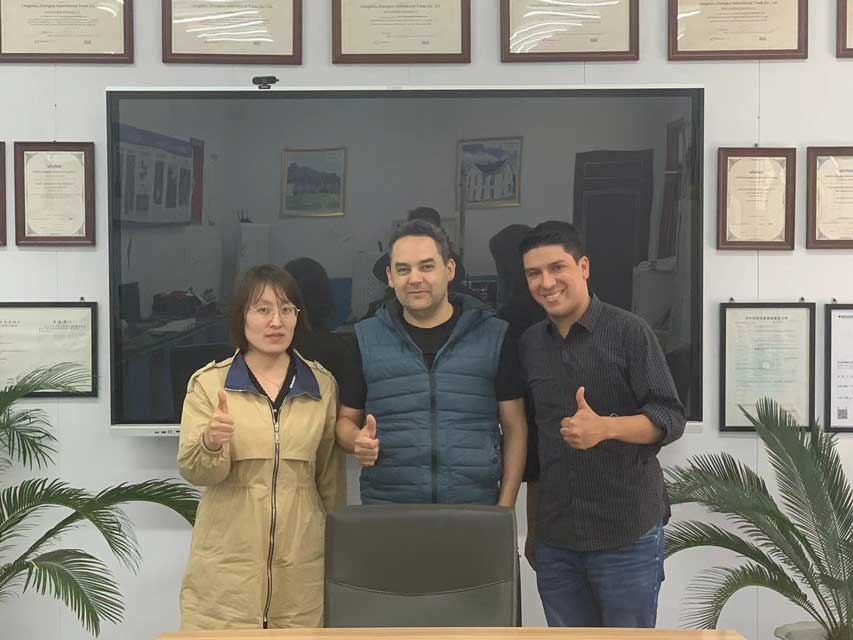
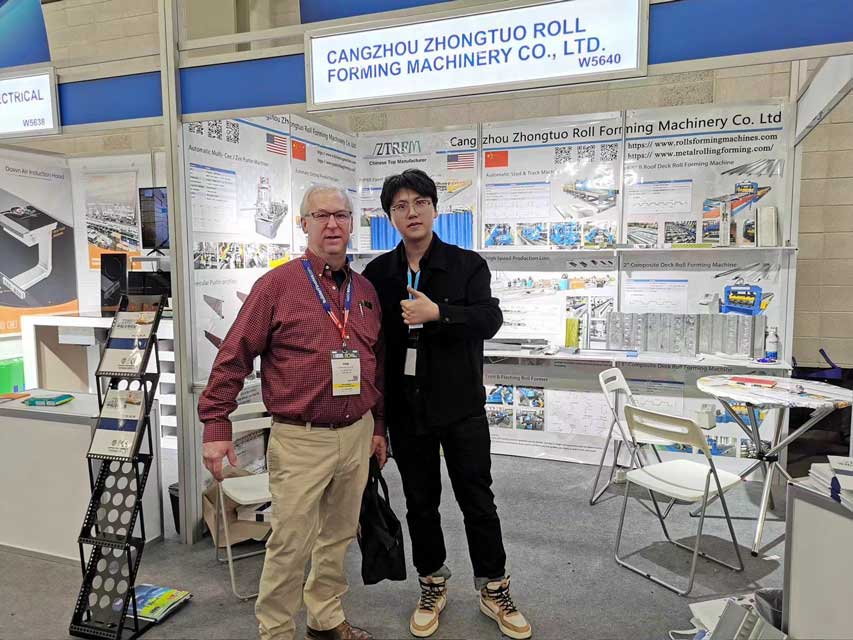
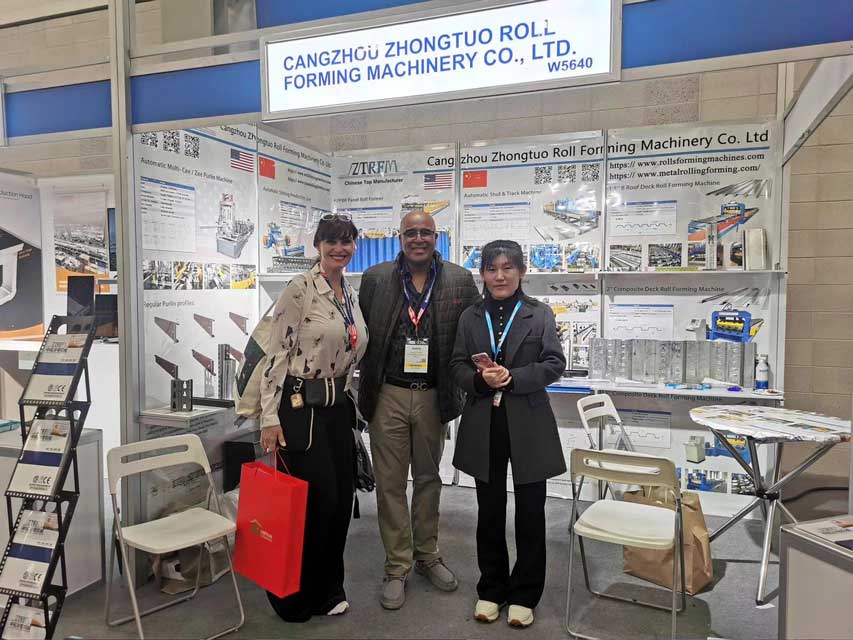
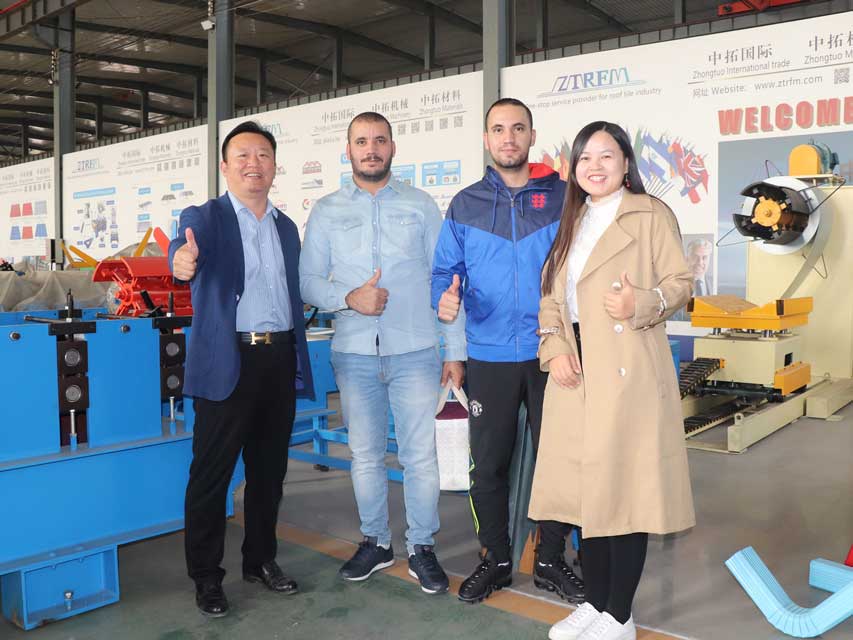
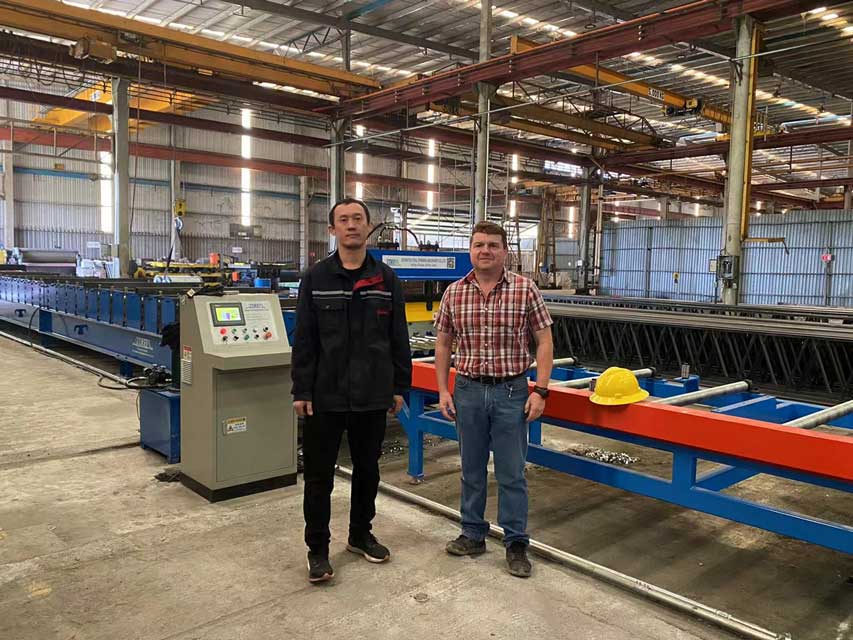
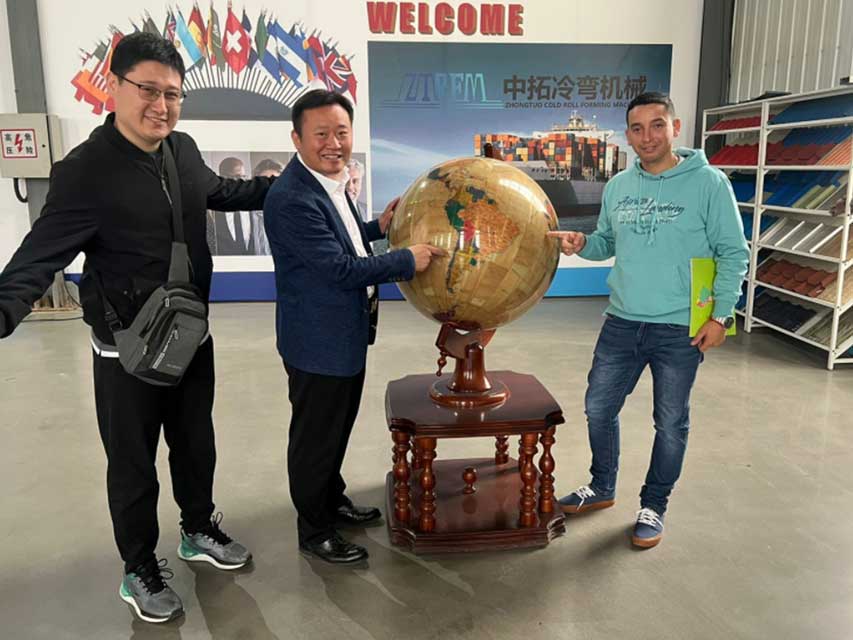
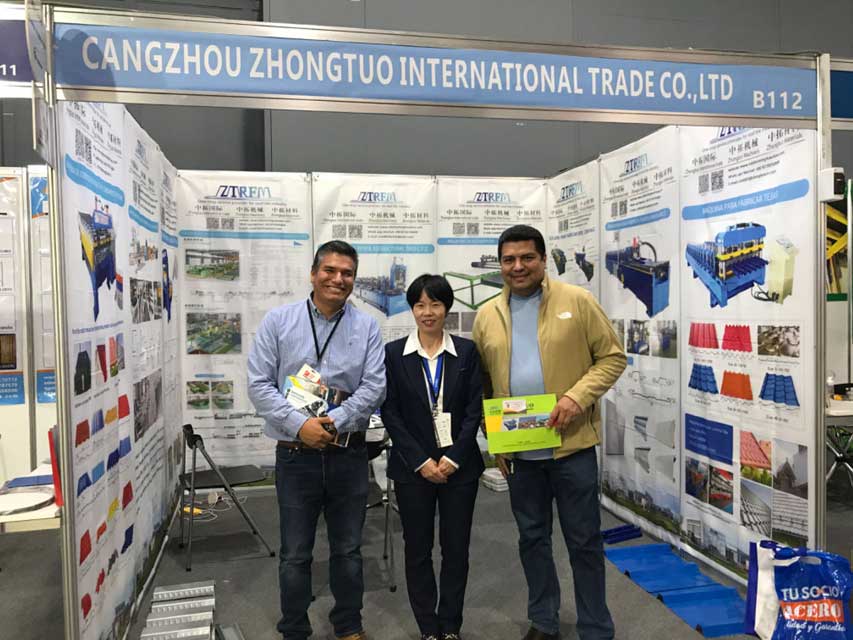
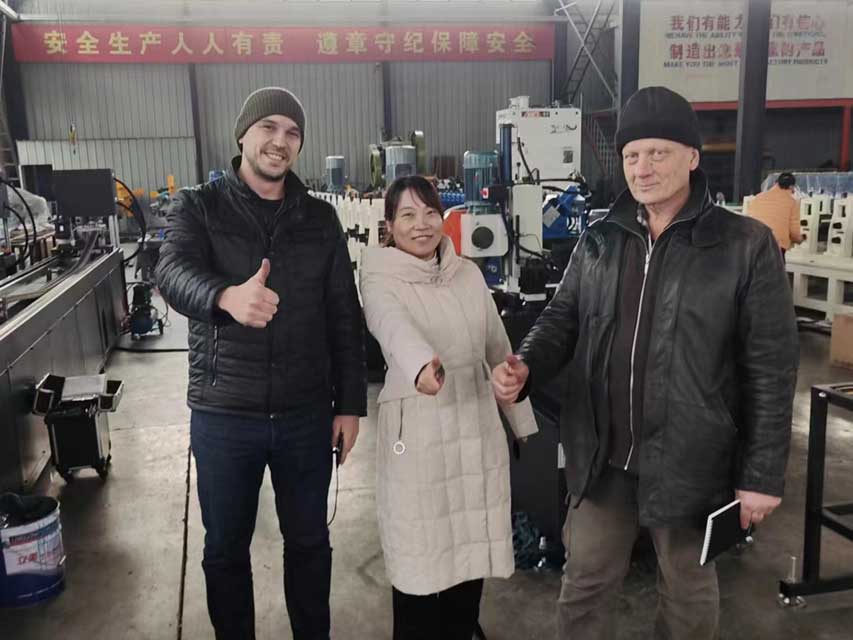
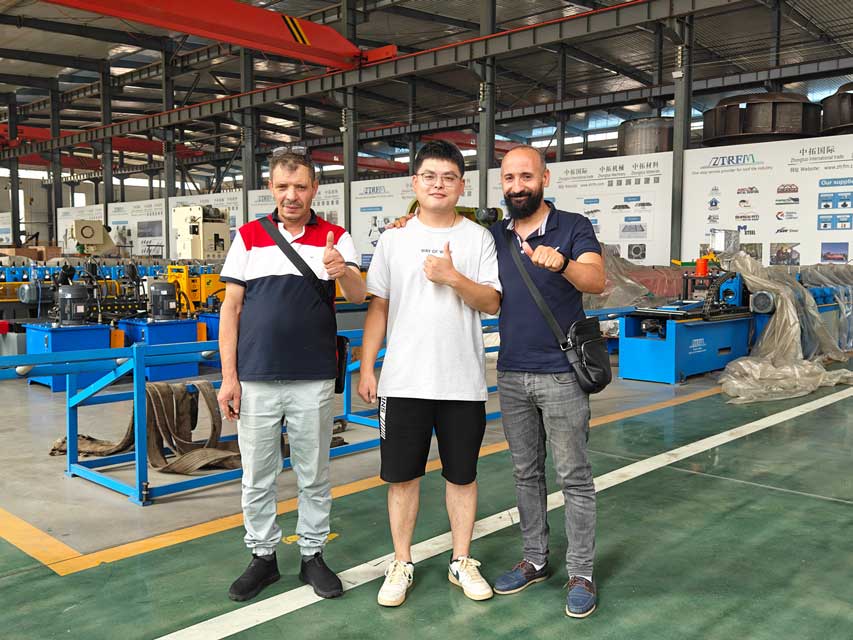
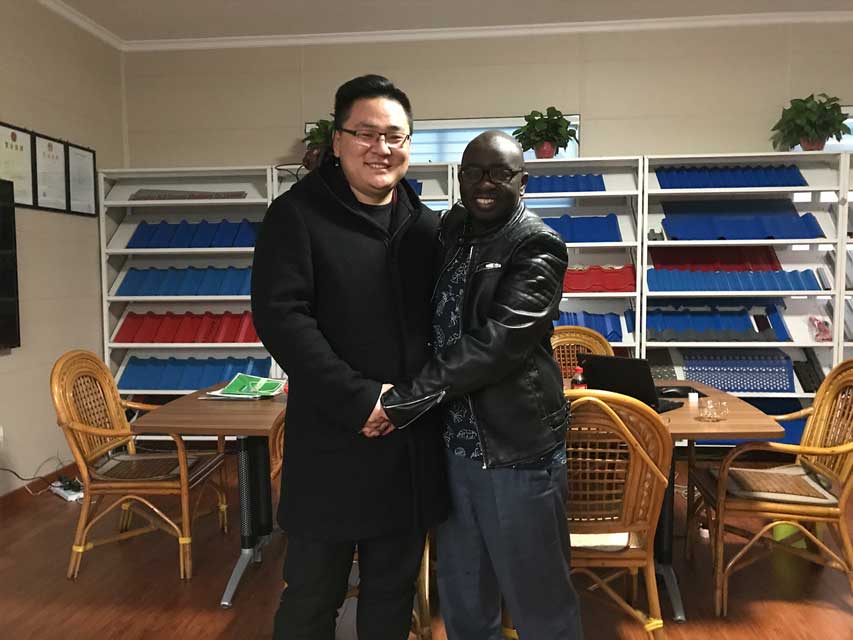
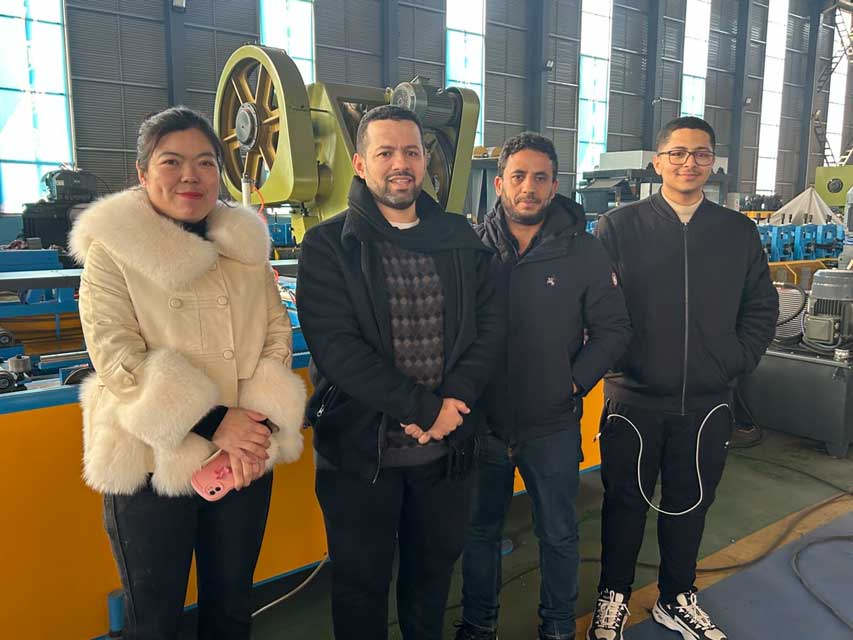
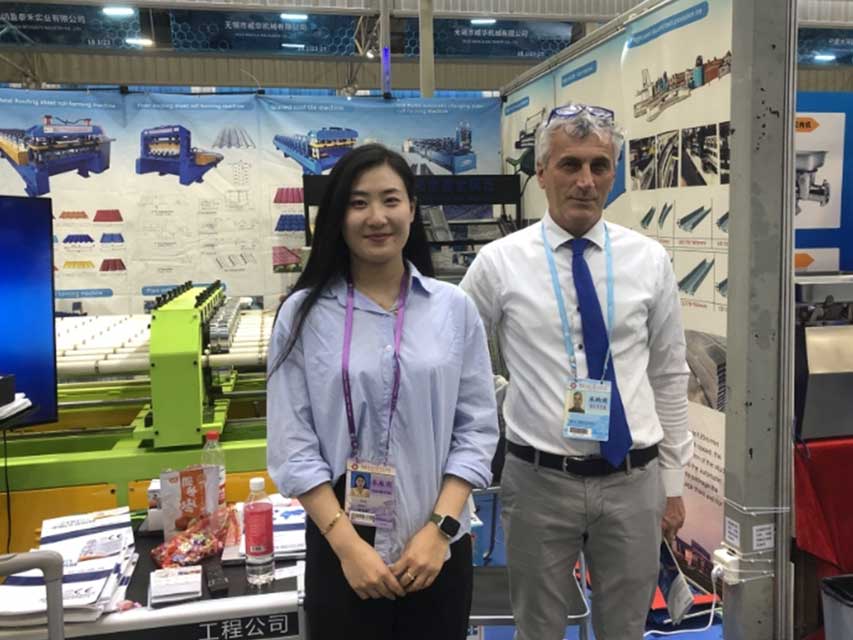
We are a national level high-tech enterprise. We have got ISO9001 quality system certification, European CE safety certification, North American CAS certification and others. We have rich experience in export trade, understanding the needs of different countries customers. Meanwhile we can provide customers with satisfactory design solutions. Our machines have been exported to more than 150 countries, and we have established long-term and stable cooperative relations with customers, and won the praise of customers.
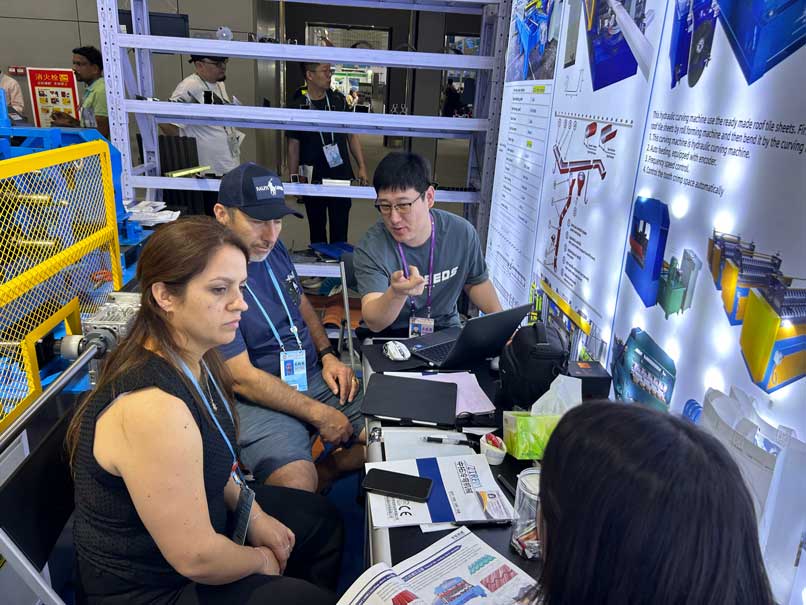
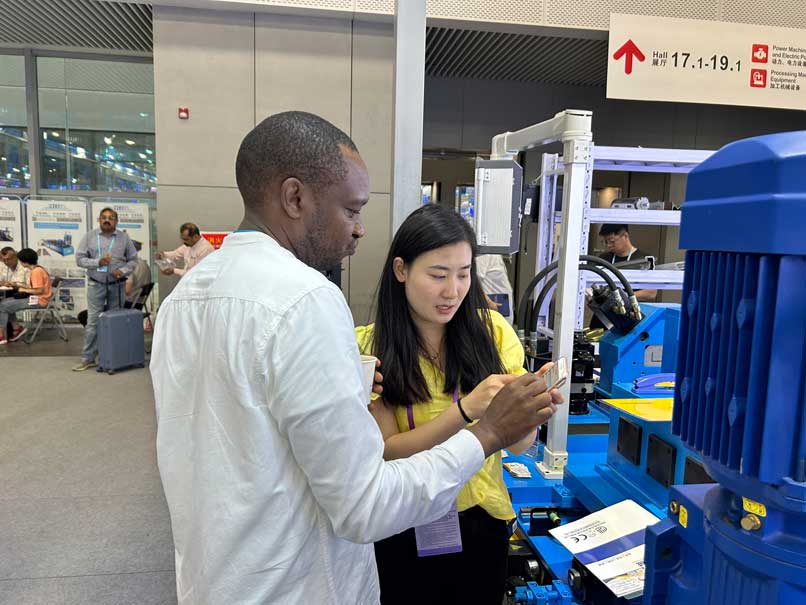
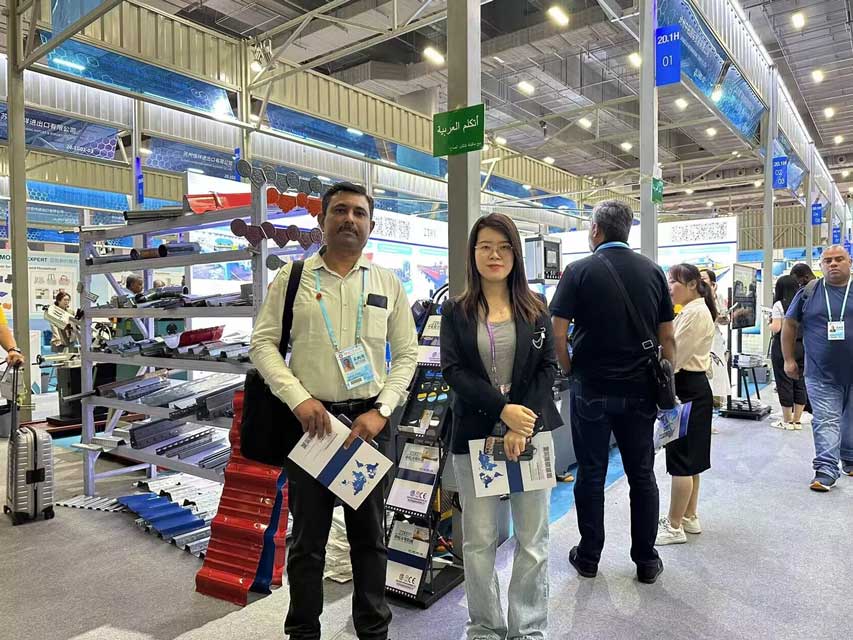
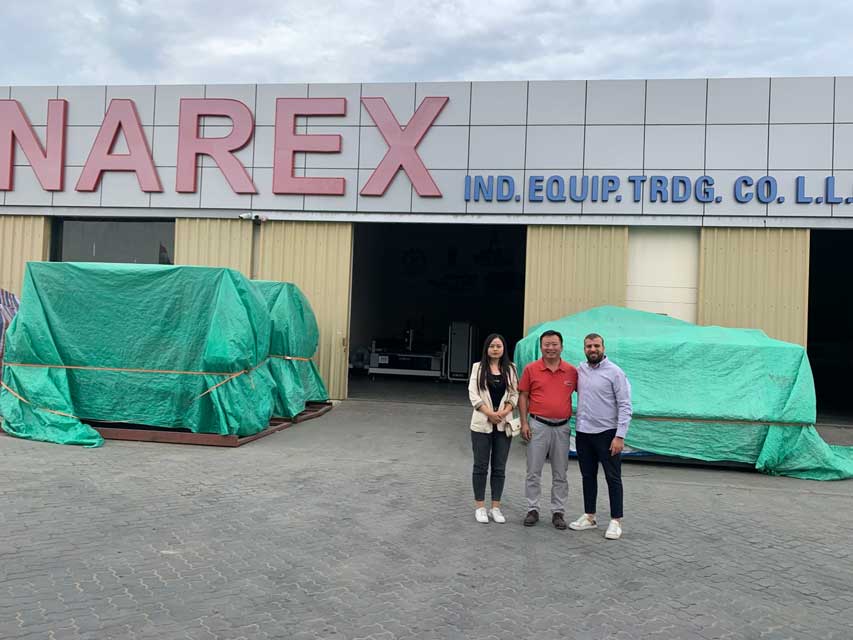
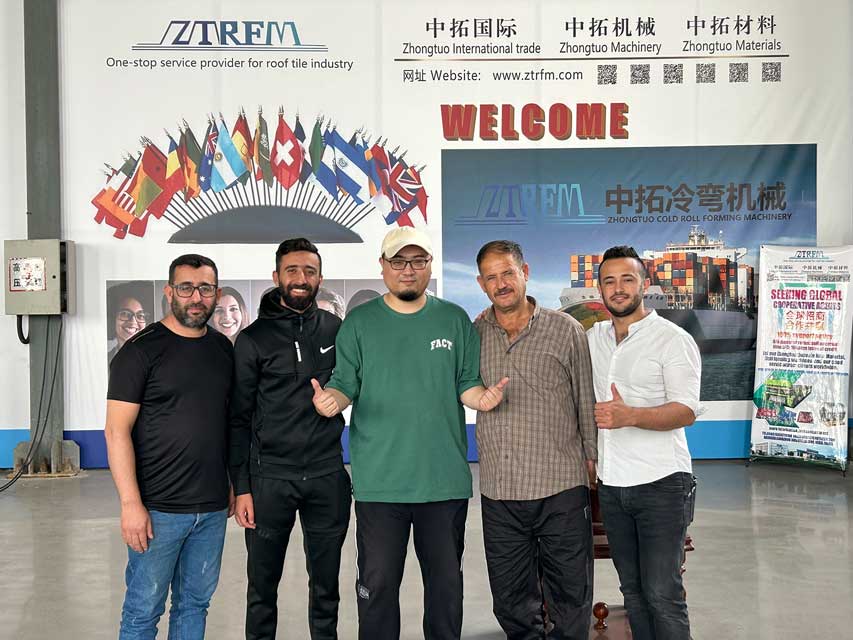
Global Trust: Trusted By Customers In Over 156+ Countries And Regions, Our Roofing Sheet Making Machines Are Recognized For Their Outstanding Performance And Reliability Worldwide.
In Zambia, Africa,Zhongtuo roll forming machines are in stable operation
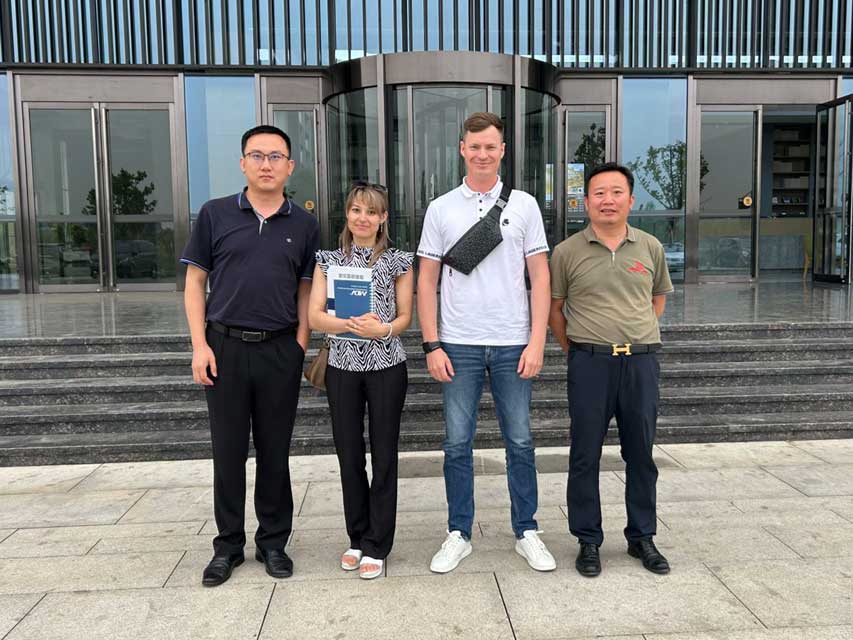
Automatic CU keel machine-Mongolian customers inspect factories and cooperate with us
Zhongtuo Metal Slitting Line Customized for Brailian Customers
Welcome to Wedo LLC to visit our roll forming machine factory
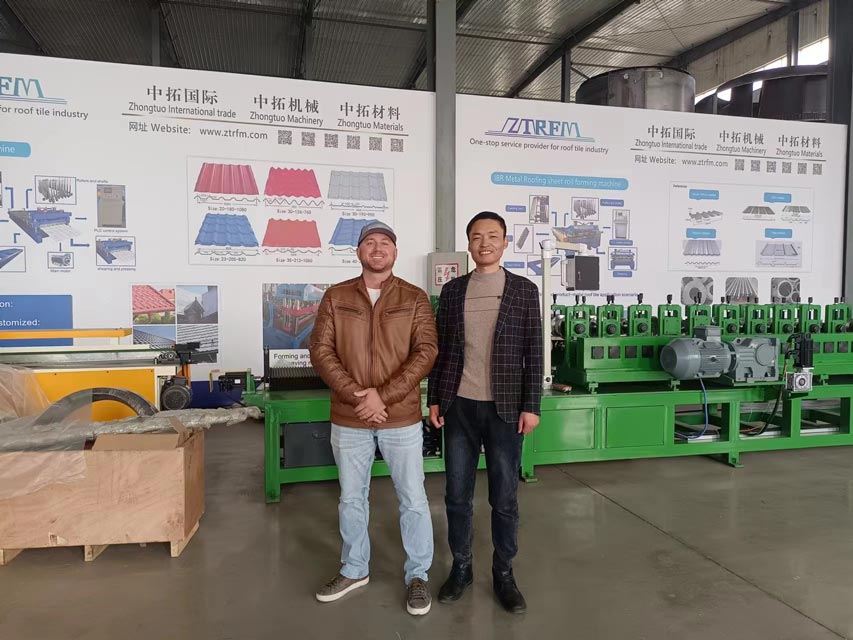
American friends are back at Cangzhou Zhongtuo Roll Forming Machinery
Metal Roofing Roll Forming Machine Produce R panel & Low Profile with Automatic Stacking System
Client's comment on our roll forming machine after-sales service
Successful visit to our roll forming factory by Azerbaijani customers!
Zhongtuo Roll Forming Solutions | Customized Machinery for Global Industries
Visit Zhongtuo through 360° VR system, Cangzhou Zhongtuo Was Established In 2014, Which Is Dedicated To The Design And Manufacture Different Types Of Cold Roll Forming Machines. We Provide ODM, OEM And One-Stop Service. Raw Materials, Machinery And Accessories Can Be Purchased From Us.
Visit Zhongtuo through 360° VR system, Cangzhou Zhongtuo Was Established In 2004, Which Is Dedicated To The Design And Manufacture Different Types Of Cold Roll Forming Machines. We Provide ODM, OEM And One-Stop Service. Raw Materials, Machinery And Accessories Can Be Purchased From Us.
Intelligence in Production monitoring: real-time monitoring to prevent production anomalies.
Intelligent reminder: abnormal reminder, machine maintenance reminder, etc. - effectively extend the service life of the machine.
Intelligent after-sales: truly realize remote control after-sales, no need to send engineers to the customer's local, achieved save after-sales time and save maintenance costs.
Cooperation with Siemens-PLC control global guarantee by Siemens.
Buy Two Machines Get This Intelligence Computer As Free!
Provide OEM、ODM
1.communication:confirm buyer's requirement. 2.Technician design:make drawing profiles and 3D machines drawing 3.determine the configuration and production 4.testing before delivery
5.packing and delivery 6.Technical guidance 7.After-sales service:Installation services for complex machines and regular customer visit
Trusted By 95800+ Companies
We are honored to cooperate extensively with many high-quality enterprises. Through cooperation with us, they have received strong support and achieved business breakthroughs and development.
0
ISO9001 and CE Approved
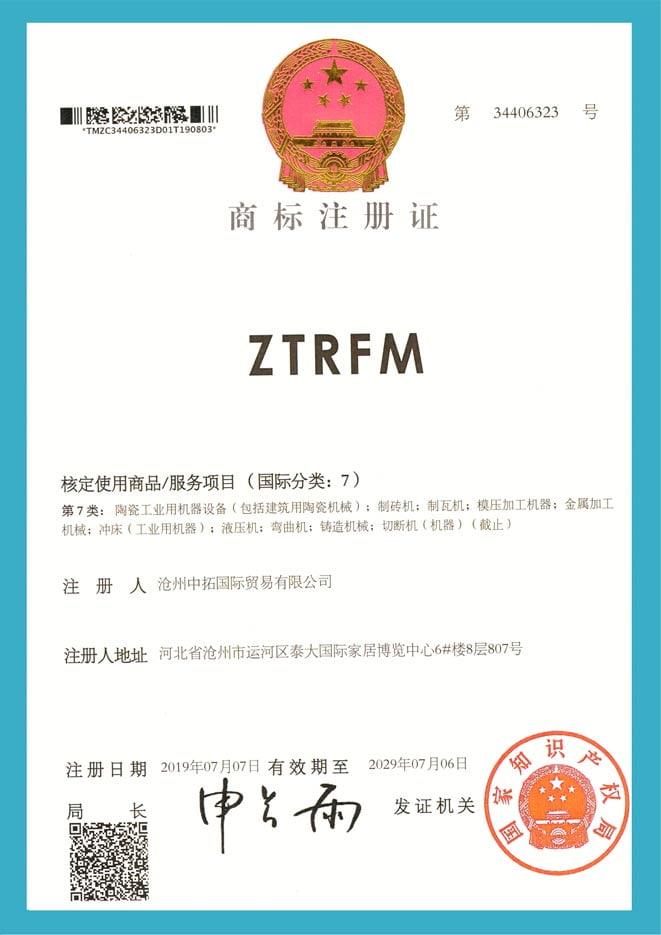
We own our self-brand ztrfm, professional design team And Technicians.
0
Countries Clients
Popular products with users and highly praised.
0
One-Stop Solutions
from accessories to molding machines, solving the complexity of your procurement.
0
Engineer Team
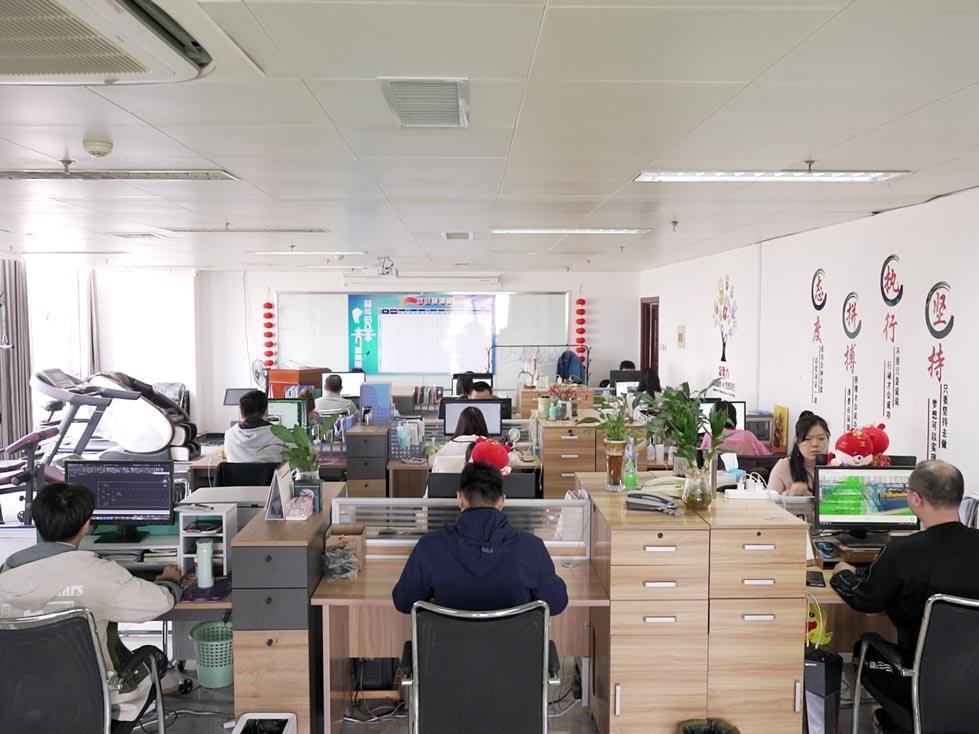
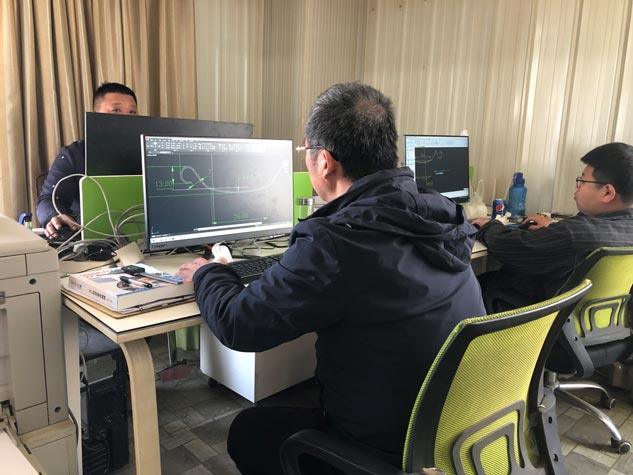
We have strong engineer team of more 20 People, we will give more accurate and fast solution.