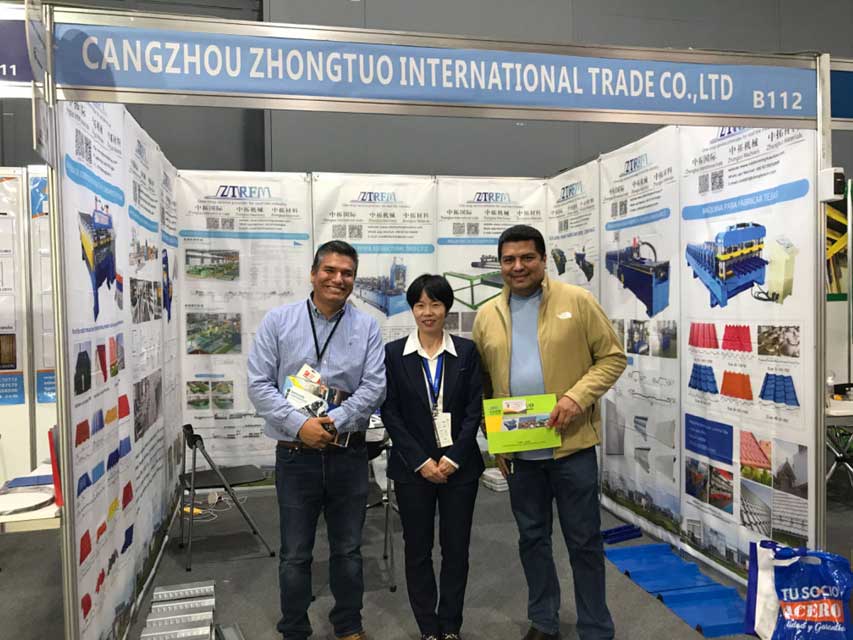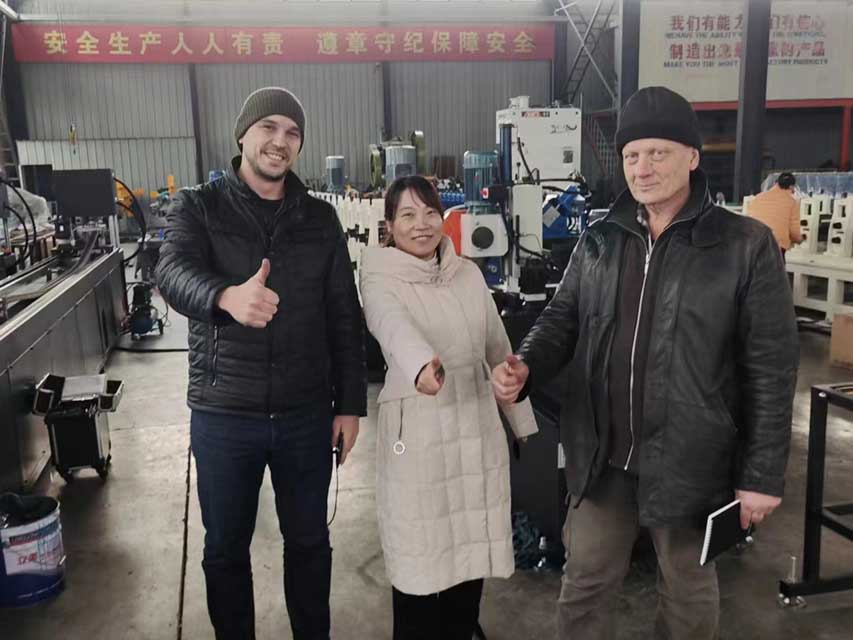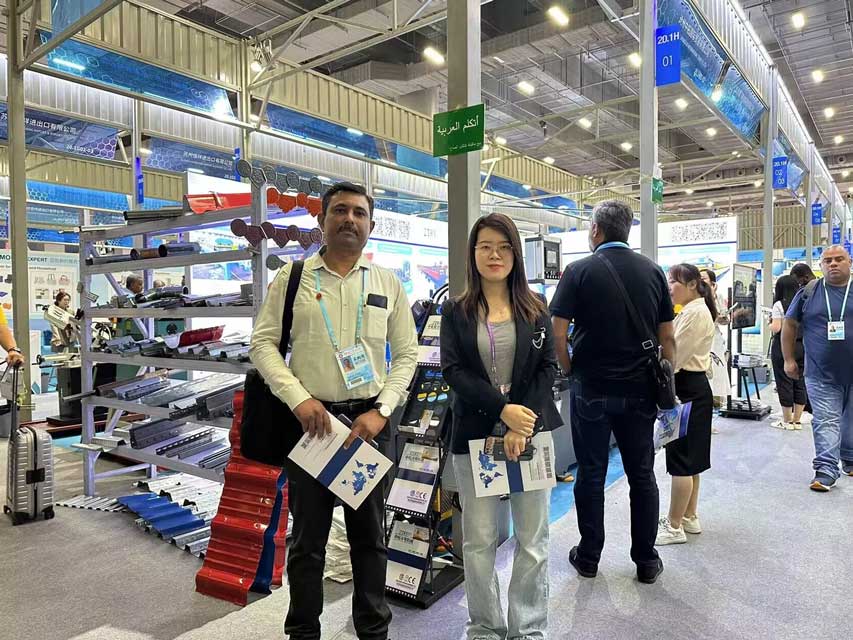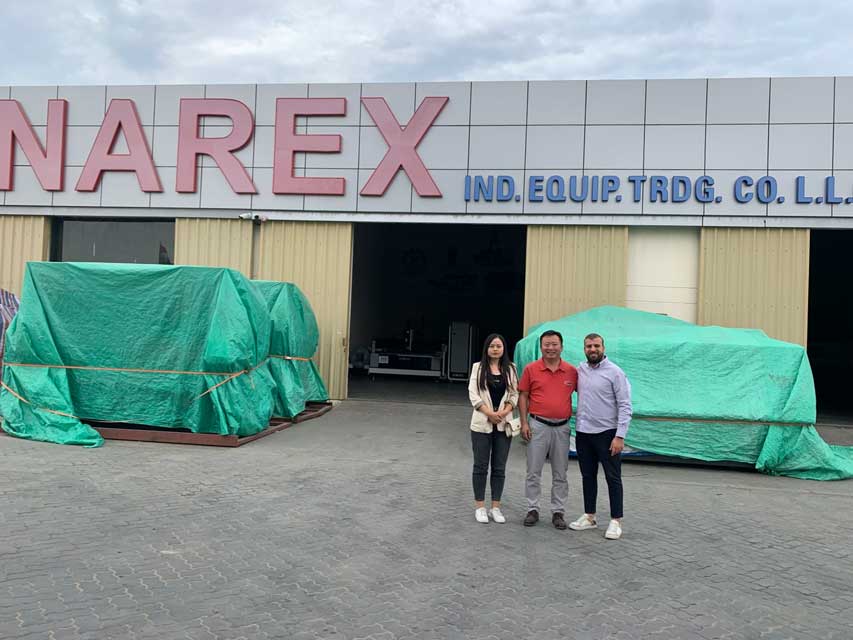
Technologicaly Changes & Industrial Systems, We Are Dedicated To
Provides Seds The Best & Economical Solutions To Valued Customers.

Roll forming: Pre-cut VS Post-cut
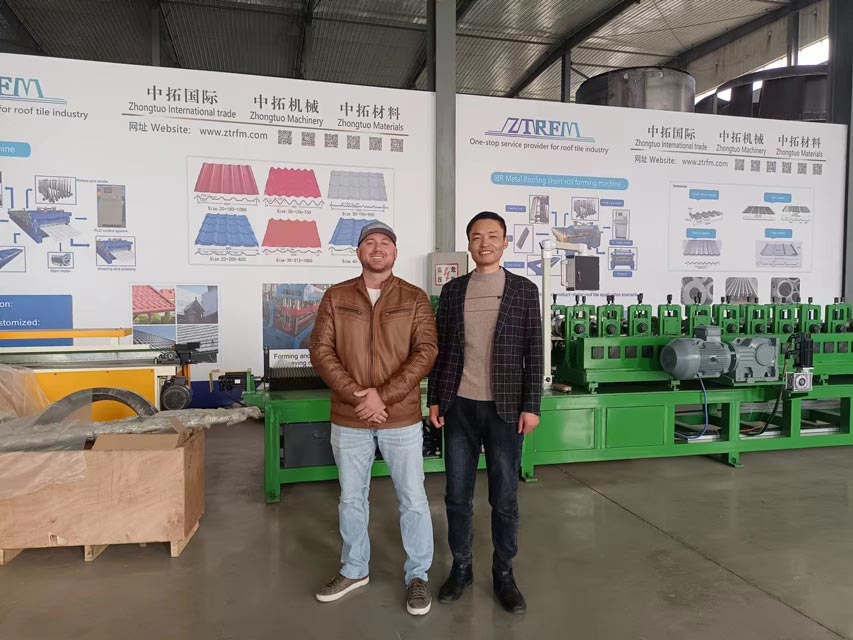
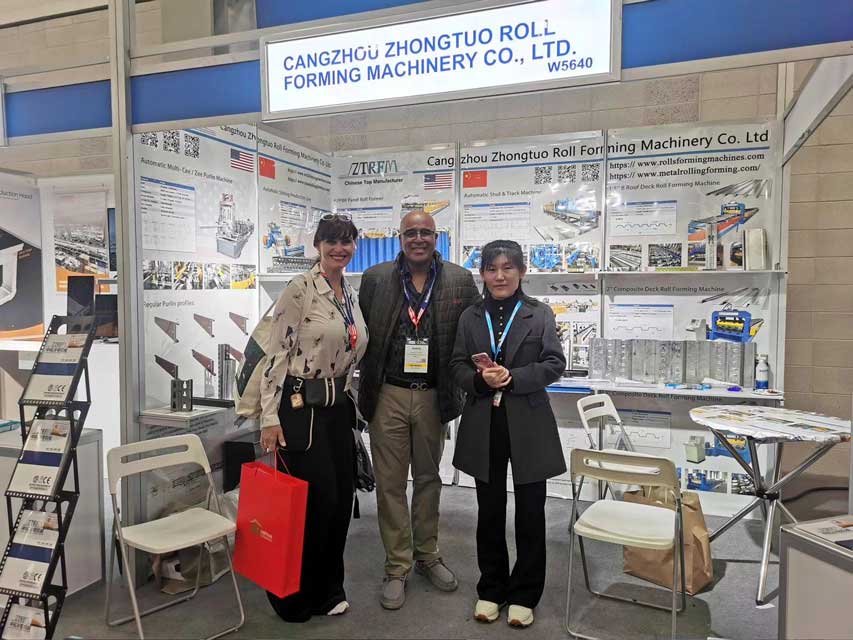
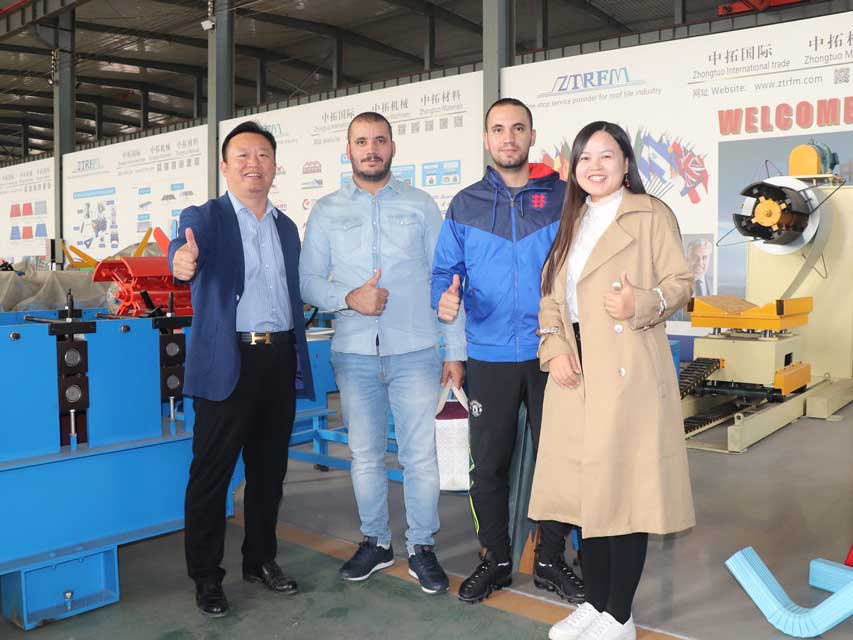
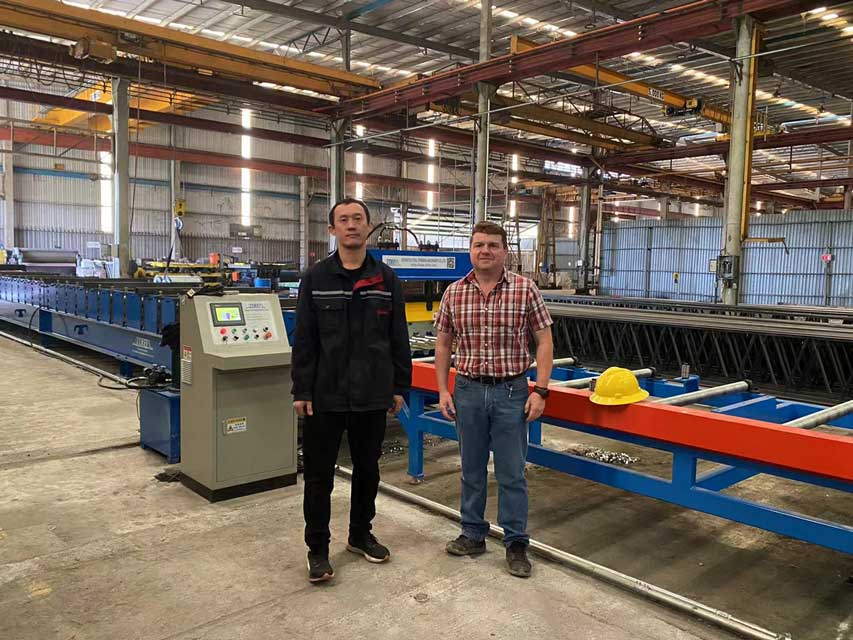
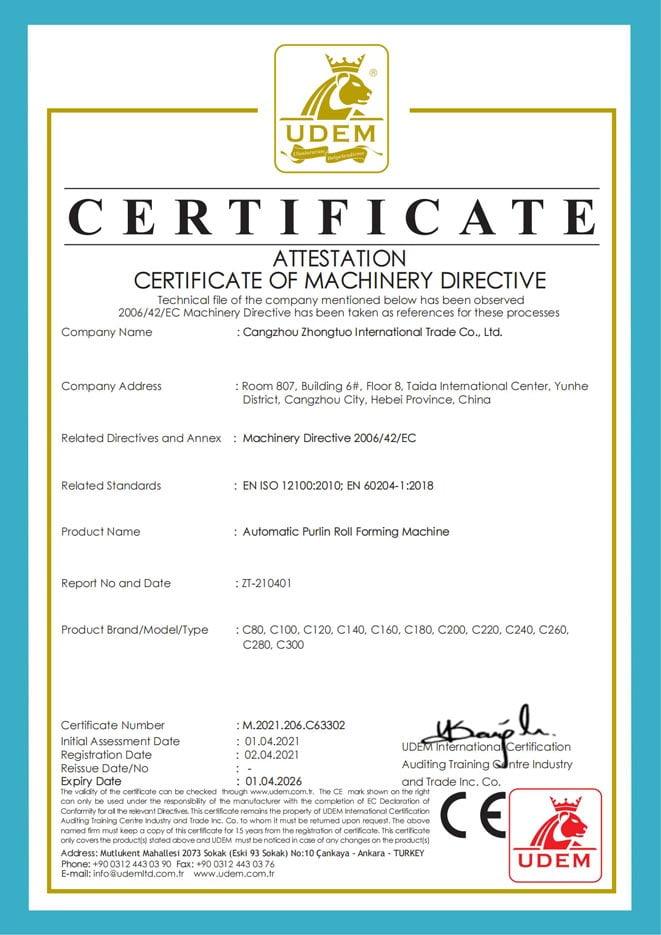
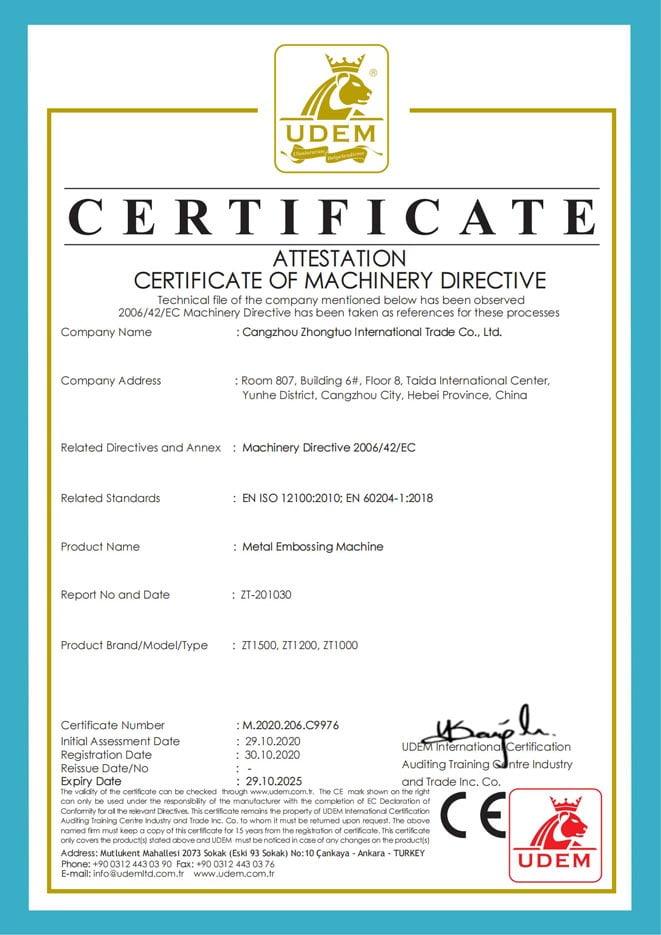
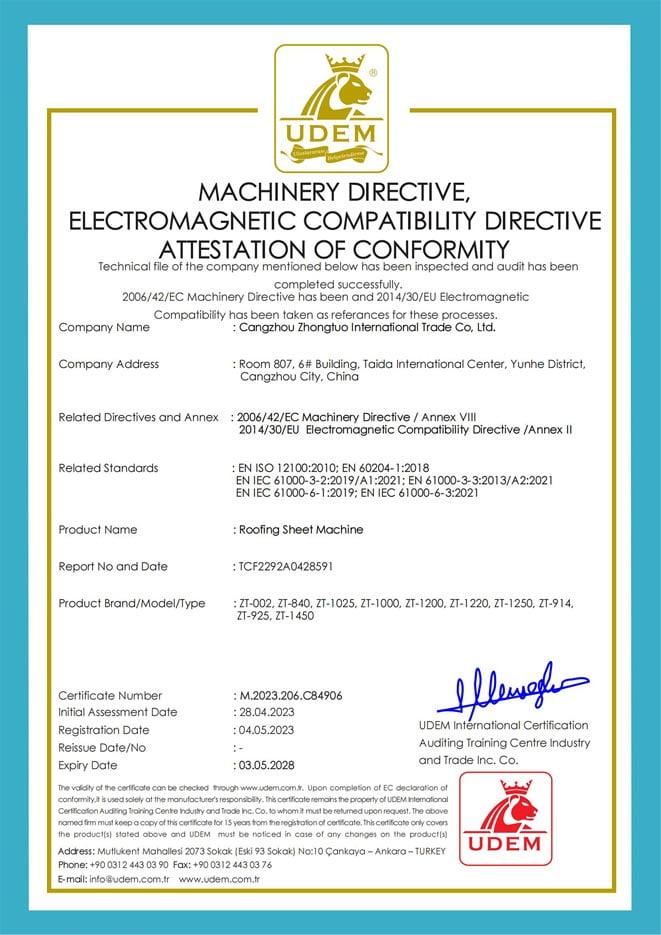
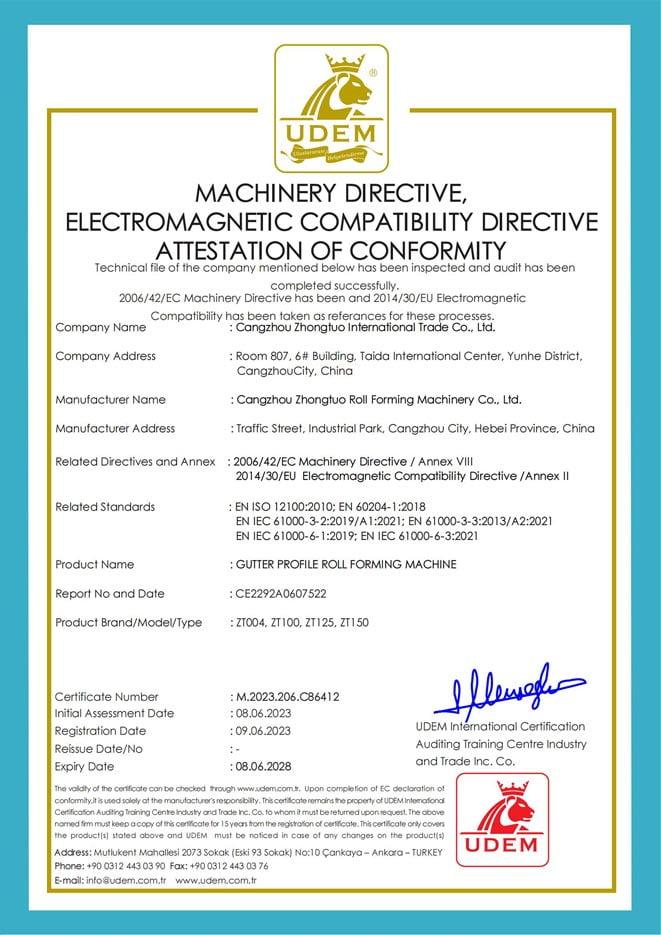
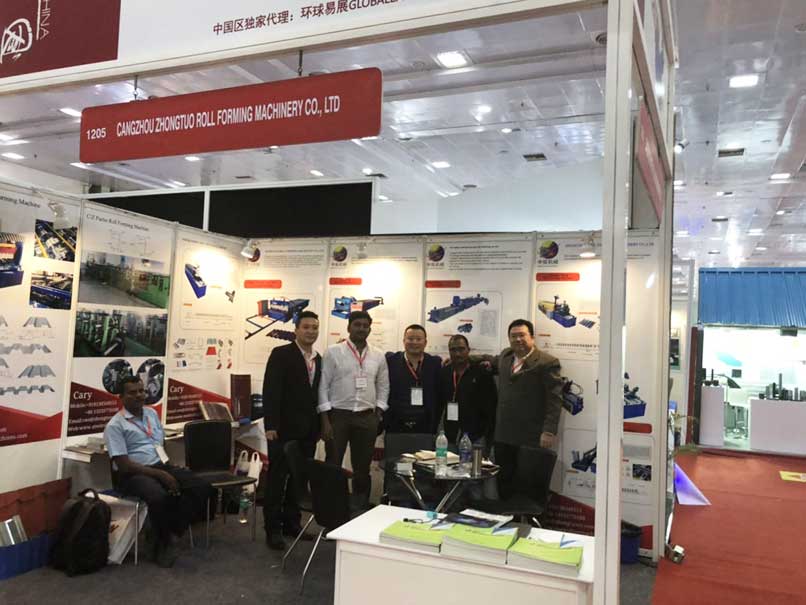
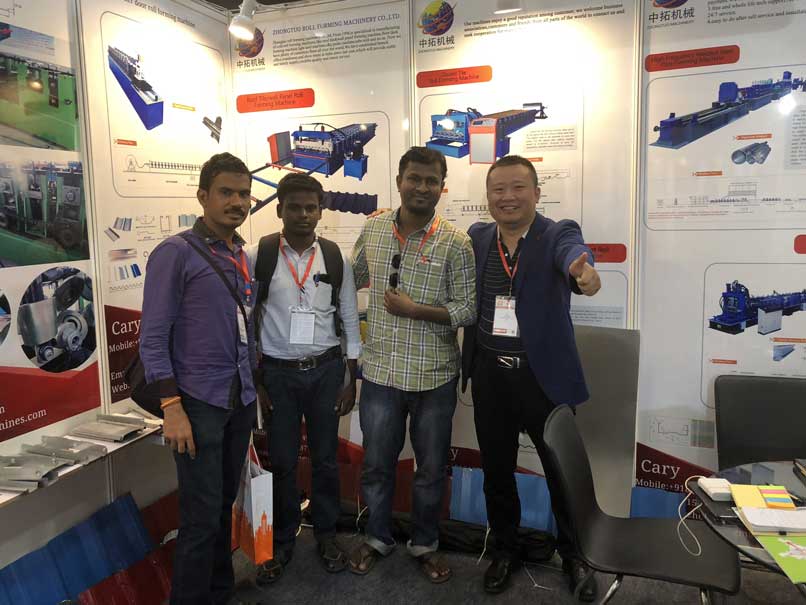
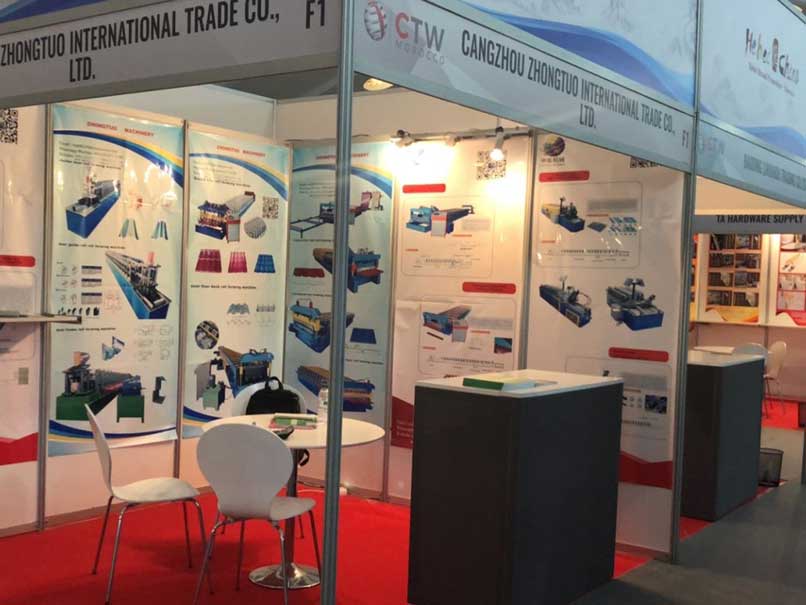
different types of cold roll forming machines. We are a factory with a long history, engaged in the design and manufacture of roll forming machines since 2006. The machines we can produce include: roof tile making machine, cz purlin making machine, light steel keel making machine, metal embossing machine, door system forming machine, ceiling system forming machine, high frequency pipe welding machine, slitting line, cut to length line, shelf system forming Machine, floor decking forming machine, color stone tile production line, hot laminating filmed machine,etc.
Core Definition
Pre-cutting: The flat steel strip is first cut into fixed-length blanks, then fed into forming rollers to produce profiles.
Post-cutting: The entire steel strip roll passes continuously through the forming unit. After profile formation is completed, a tail flying shear cuts the strip to a predetermined length for subsequent material removal.
Advantages and Disadvantages of Pre-cutting
Advantages
The cutting die has low cost and simple maintenance requirements, as it is designed solely for cutting flat plates with a straightforward structure. No replacement of the complex cutting die after molding is required when switching specifications, resulting in low costs for model transitions.
The incision is free of burrs, with a flat and smooth end surface during cutting, resulting in minimal deformation; the finished product requires no additional deburring or polishing at both ends.
Supports small-batch production with flexible multi-specification options, allowing manual single-sheet board feeding for sample fabrication; a single machine can effortlessly switch between various section types such as C-section steel, angle steel, and wire troughs, ensuring rapid model conversion.
Excellent thickness/material compatibility: Panels of varying thicknesses and hardness share a single set of forming rollers, preventing tool jamming or misalignment due to cross-sectional deformation after molding.
Disadvantages
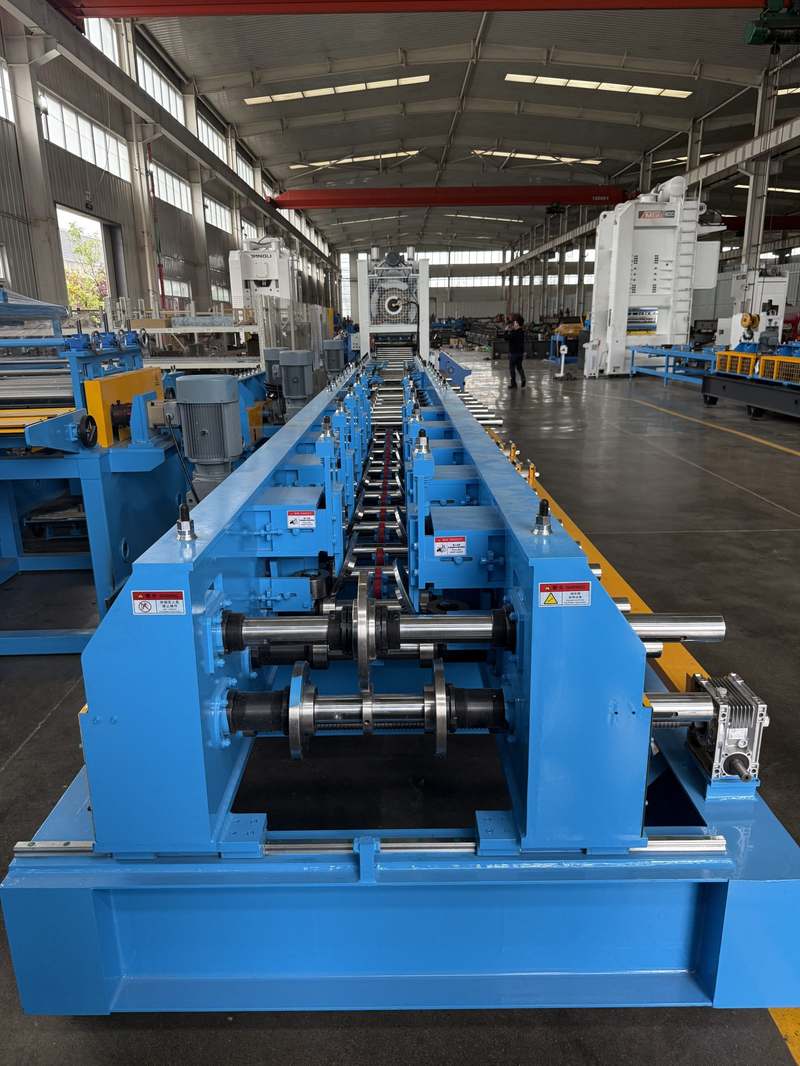
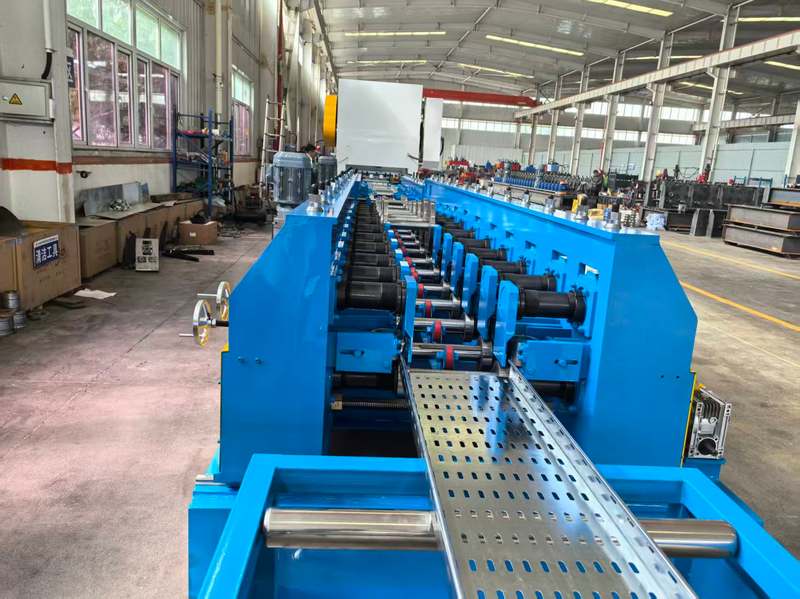
The forming unit is longer and occupies more space; flat feed rollers are prone to edge warping and deviation, requiring additional forming passes and intermediate guide frames, which increases the cost of both the frame and rollers.
Short pieces exhibit poor production quality due to inadequate support at both ends; they are prone to distortion, lateral bending, and end flaring during rolling, with these issues being particularly pronounced in high-strength steel materials.
The production speed is relatively low with poor continuity; each blank must undergo rolling and positioning at both ends, preventing uninterrupted high-speed operation along the production line. The overall production capacity is 20%–50% lower than that of the post-cutting method.
High-strength and deep-bending profiles are difficult to process; when bending operations involve extensive deformation or large forming depths, flat blank materials tend to develop creases and dimensional deviations during feeding, resulting in poor straightness of the finished products.
Advantages and disadvantages of post-cutting (cutting after forming)
Advantages
Capable of continuous high-speed mass production with maximum capacity supporting unlimited roll feeding and uninterrupted forming processes; features synchronized cutting by flying shears, making it ideal for large-scale assembly lines producing roof tiles, guardrails, and photovoltaic mounting structures.
The profile dimensions, straightness, and torsion are optimized through continuous tension roller pressing of the entire length, ensuring uniform forming stress.It can be paired with an end straightening machine to precisely control side bending, distortion, and end expansion deformation.
There are no size restrictions for small items, with minimum dimensions ranging from 50 to 70 mm. Lengths can be freely adjusted, and the forming stability of small items is significantly superior to that of conventional cutting methods.
The forming roll exhibits lower wear: during front cutting, the hard end of each material piece impacts the roll; during back cutting, the smooth leading edge of the coil is processed with minimal impact wear on the roll surface, resulting in longer service life.
This system integrates punching and profiled cutting functions into a single workstation, enabling simultaneous execution of end holes, notches, and embossing, thereby eliminating the need for secondary stamping processes and saving both labor and equipment costs.
Disadvantages
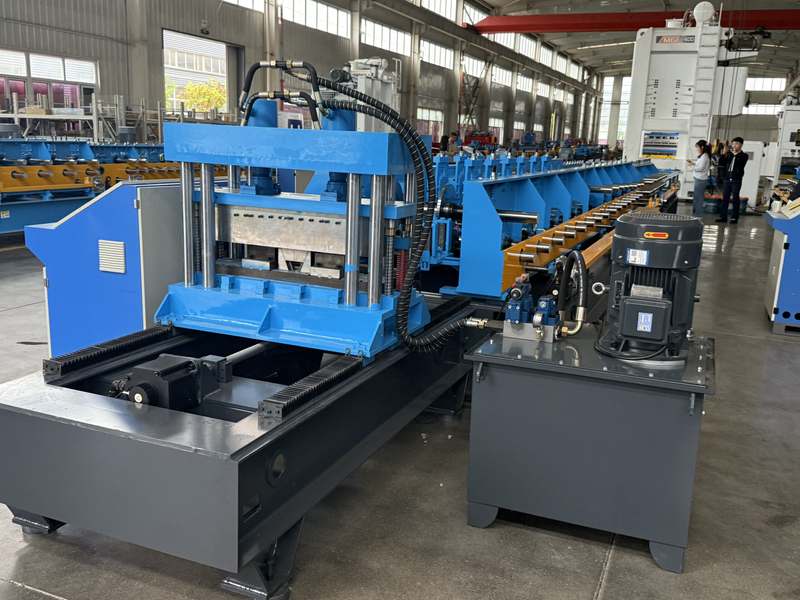
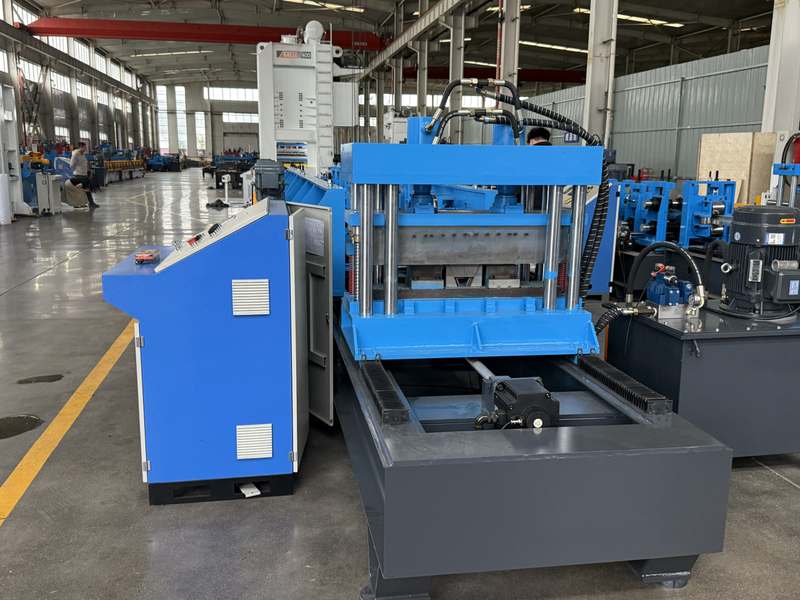
The cutting die is expensive with high maintenance costs; it requires packaging the formed irregular cross-sections, and the mold cavity design is complex. Replacing the cross-section necessitates replacing the entire cutting die, resulting in significant expenses for multiple specifications.
The cut end surfaces are prone to burrs; slight compression may cause deformation with edge folding or cavities; shear stress distribution is uneven; both ends are susceptible to collapse or flanging, particularly evident in thick materials or high-strength steel, requiring grinding for some products.
The process of model replacement and debugging is time-consuming. When changing the cross-section, the entire system—including forming rollers, cutting dies, and synchronization servo parameters—requires comprehensive calibration, making small-batch prototyping uneconomical.
Sensitivity to material variations in incoming materials means that minor deviations in steel strip thickness or hardness, along with slight changes in the forming cross-section, can lead to tool chipping, edge breakage, and significant length discrepancies.
Comparison Table of Key Indicators
| Comparison Item | Pre-Cut | Post-Cut (Post-Forming Cutting) |
| Production Continuity | Intermittent, single-sheet feeding | Fully continuous coil feeding |
| Production Speed | Moderate, for small & medium batches | High speed, top choice for mass production |
| Cutting Die Cost | Low, universal flat plate shear blades | High, special profile forming cutting dies |
| End Surface Quality | Burr-free & smooth | Prone to burrs and slight compressive deformation |
| Short Workpiece Fabrication | Poor, easy twisting & end flaring | Excellent, flexible for any length |
| High-Strength Steel Compatibility | Fair, severe end flaring | Excellent, better stress control |
| Profile Switch Speed | Fast, no die swap when changing rollers | Slow, full replacement of rollers + cutting dies |
| Equipment Footprint | Larger (extra forming passes + guides) | More compact layout |
| Forming Roller Service Life | Fast abrasion (impact from blank ends) | Gentle wear, longer service life |
| Typical Applicable Products | Multi-spec C/Z purlins, small-batch cable trays, door frames, test samples | Metal roof panels, highway guardrails, solar brackets, rack uprights, mass-produced wall panels |
Selection Guidance
Choose Pre-Cut: Diverse orders, many product models, small single batch volume, limited budget, extremely high requirements for smooth cut ends. Choose
Post-Cut: Single main profile, large daily output, frequent short-length production, high-strength steel processing, demand for integrated online punching.
Why choose us?


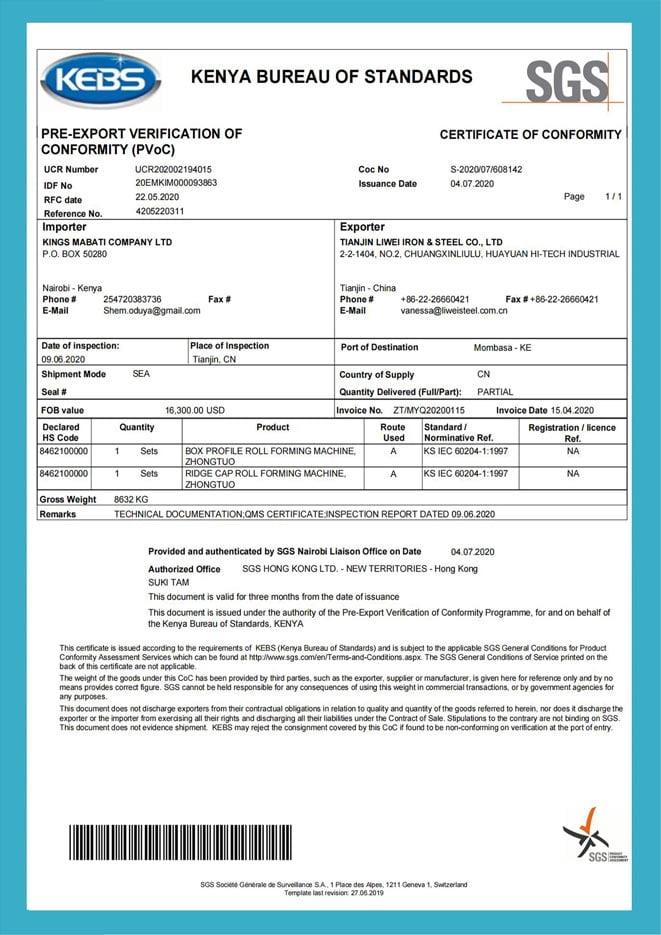
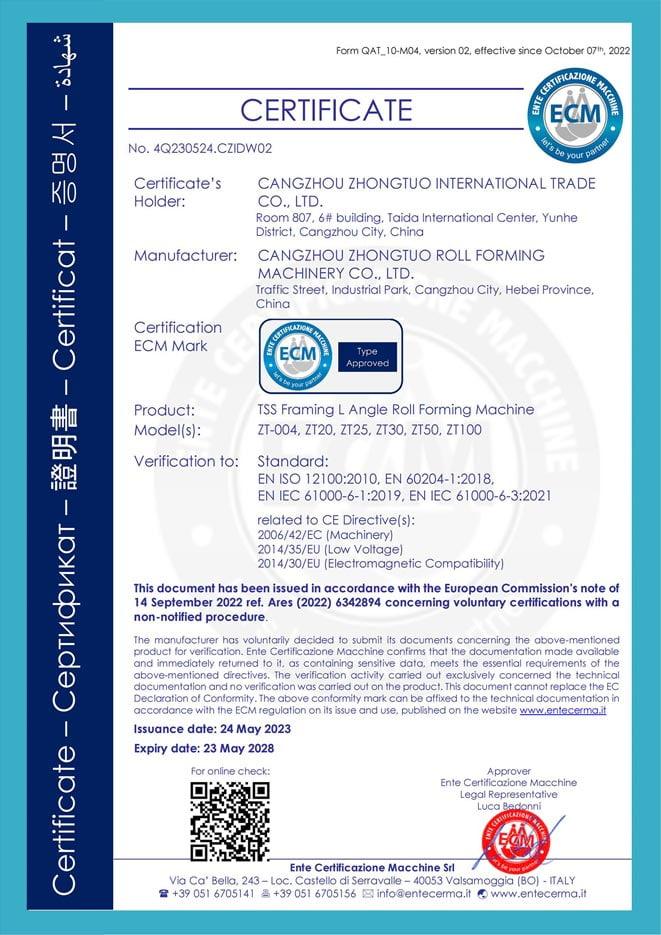
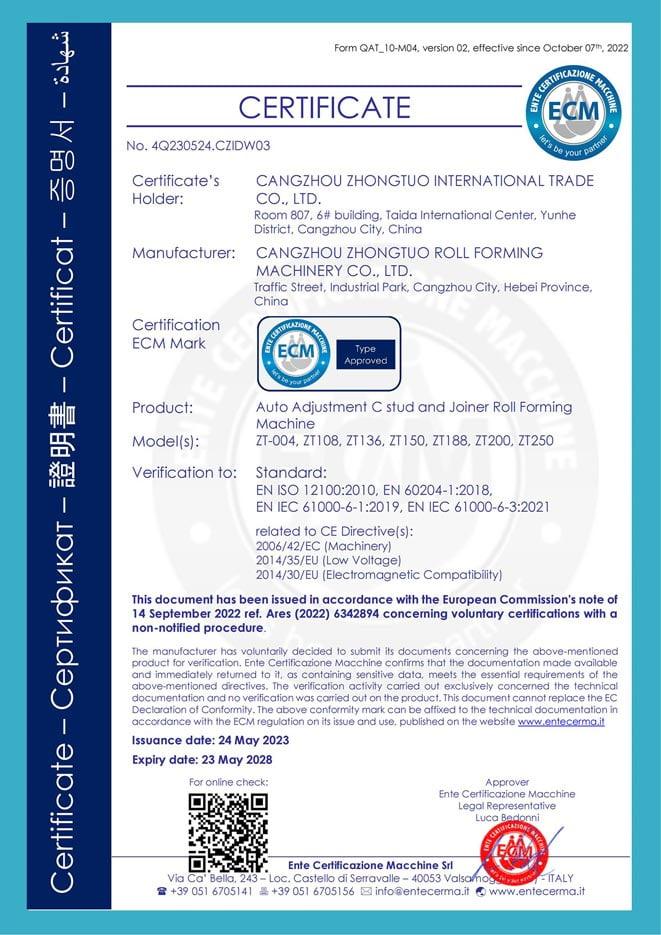
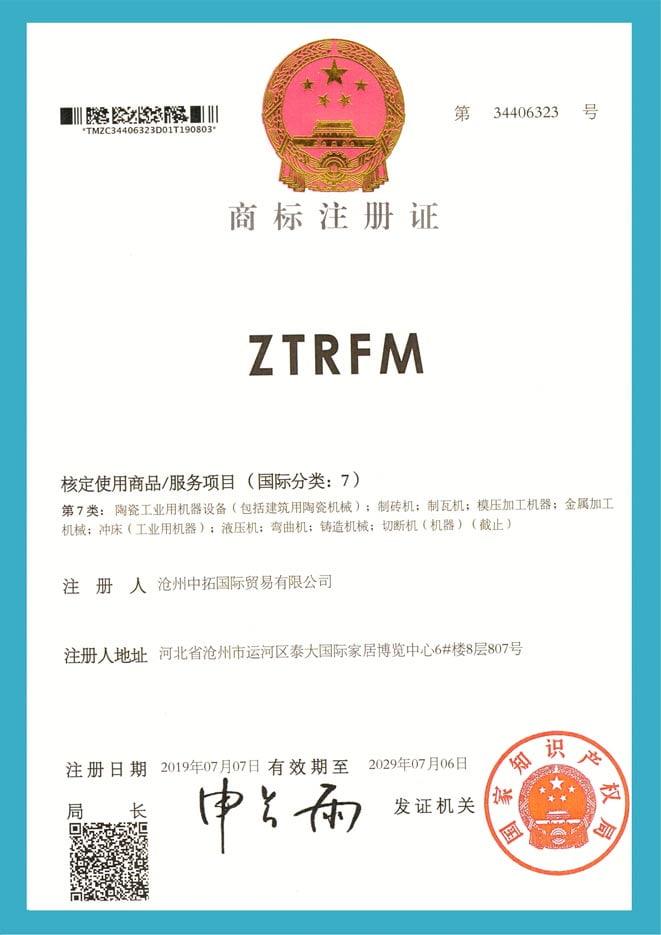
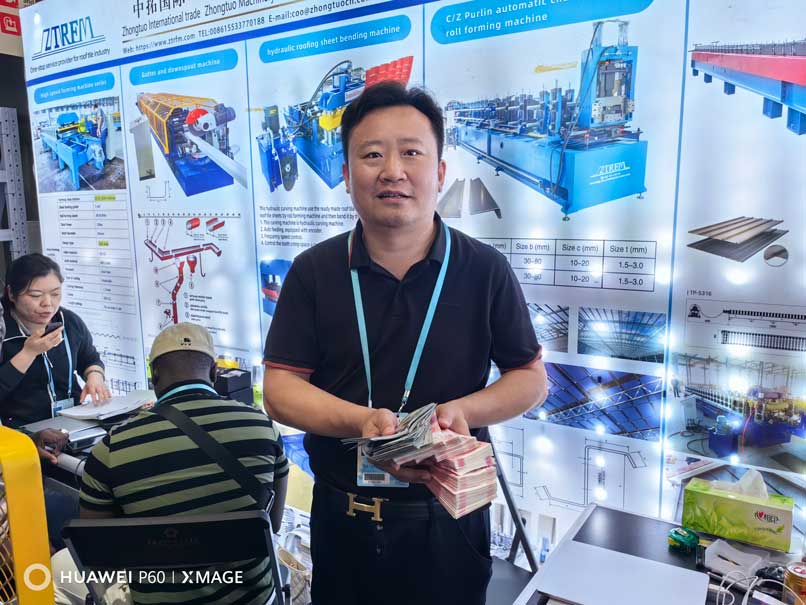
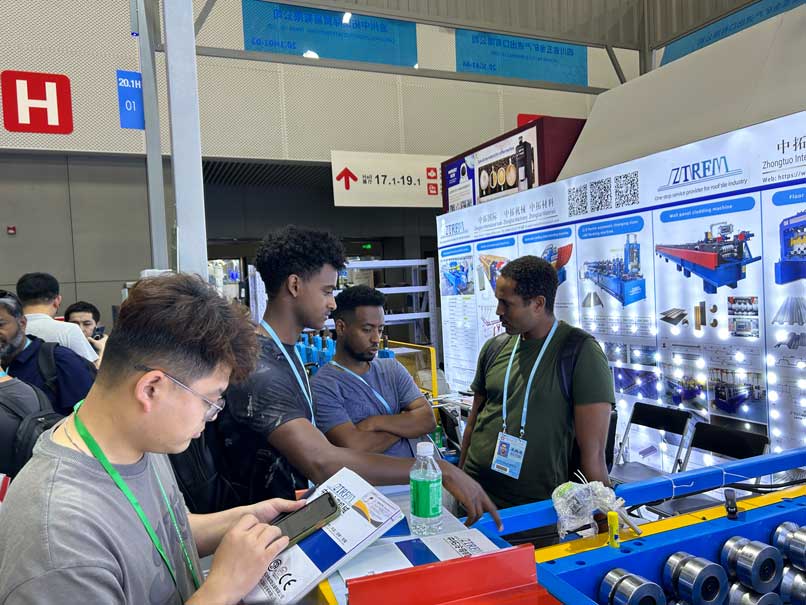
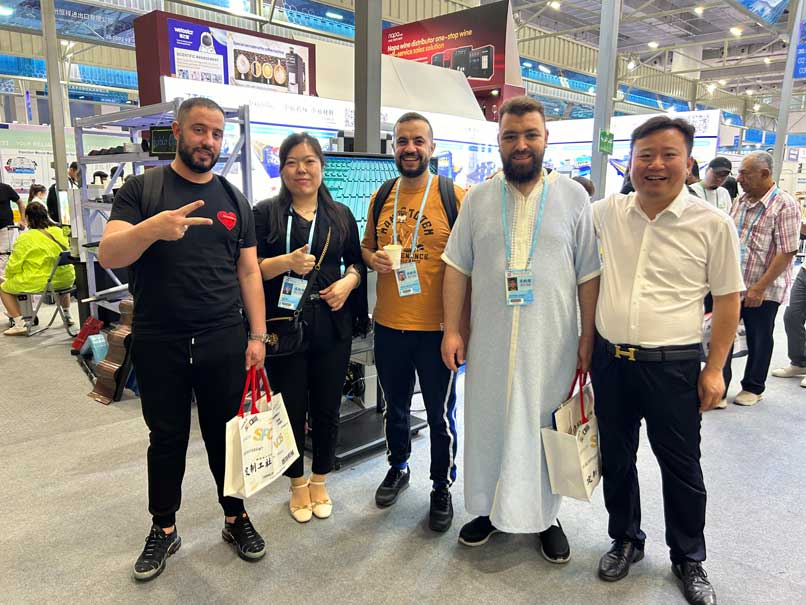
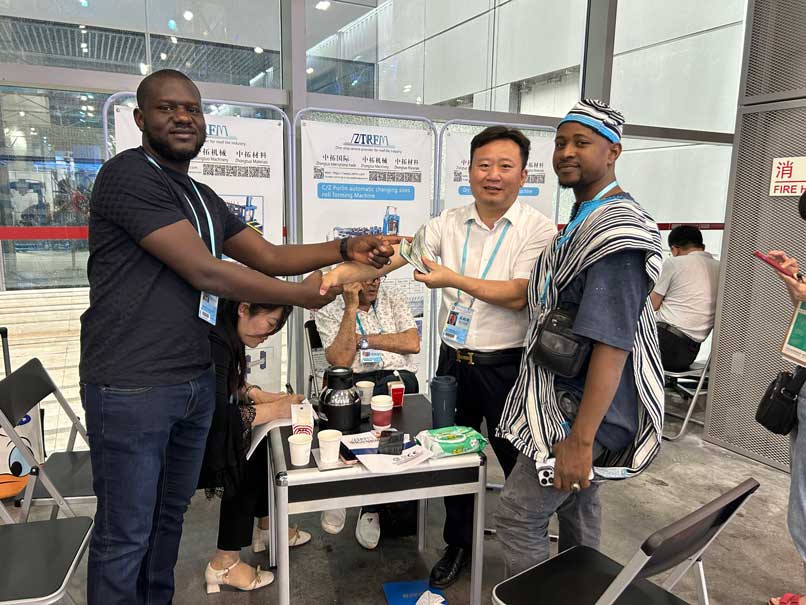
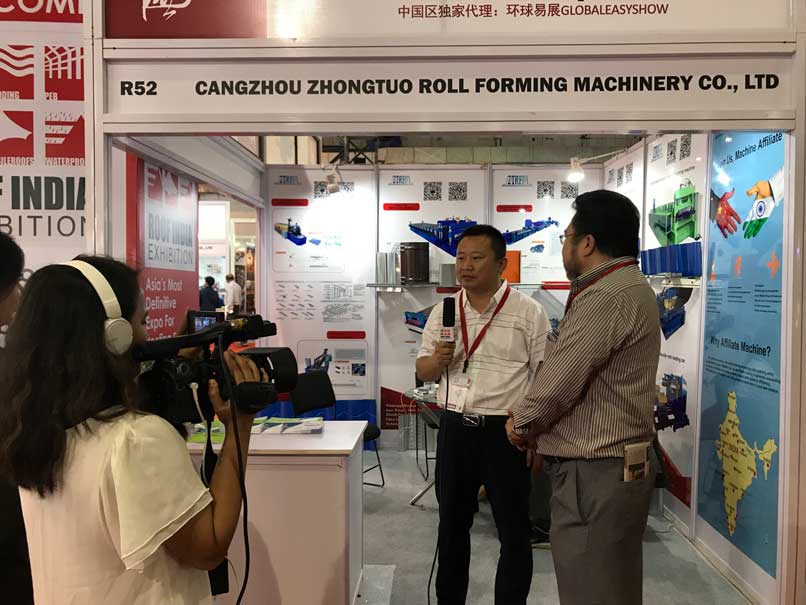
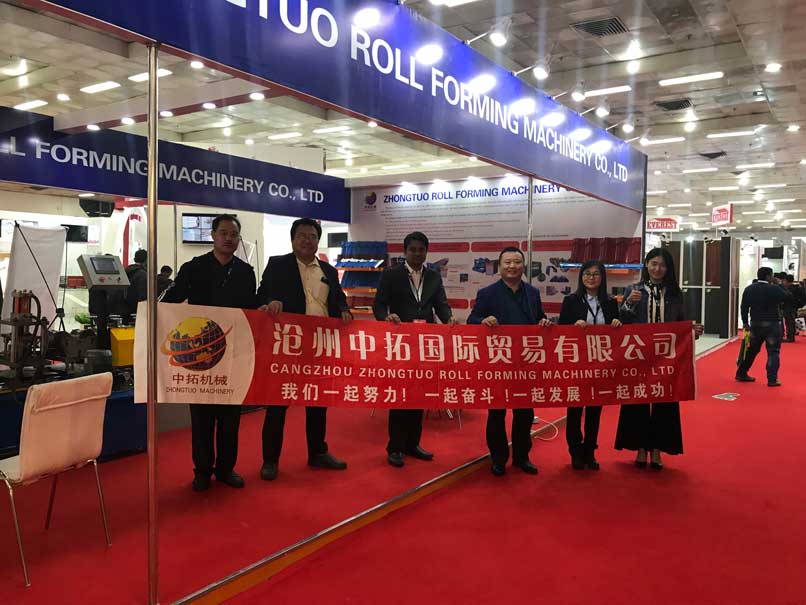
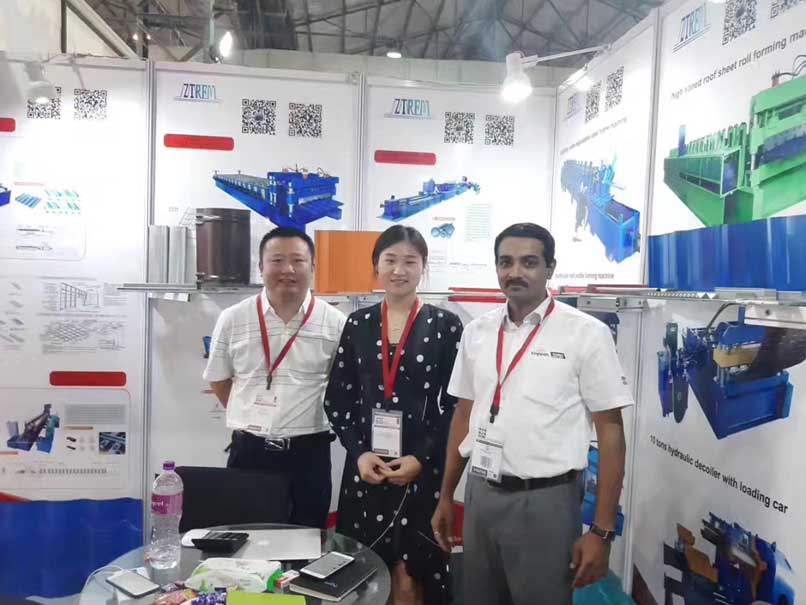
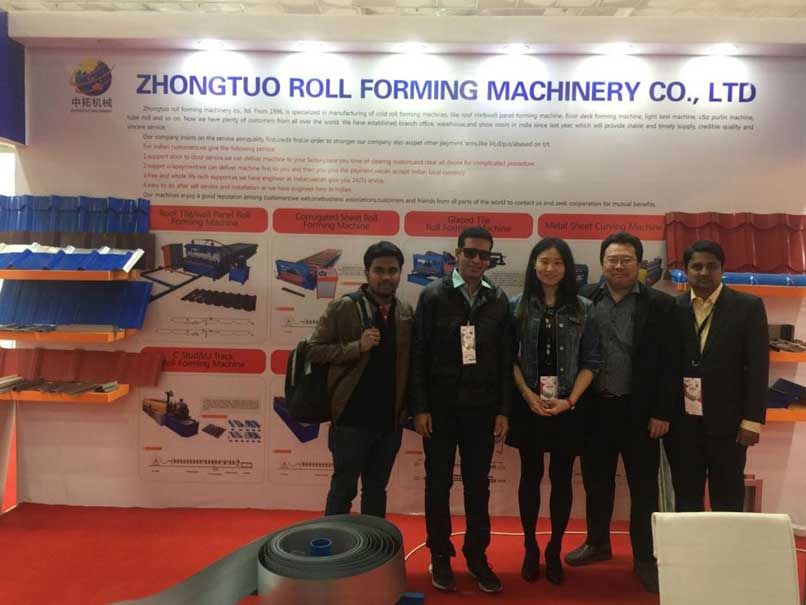
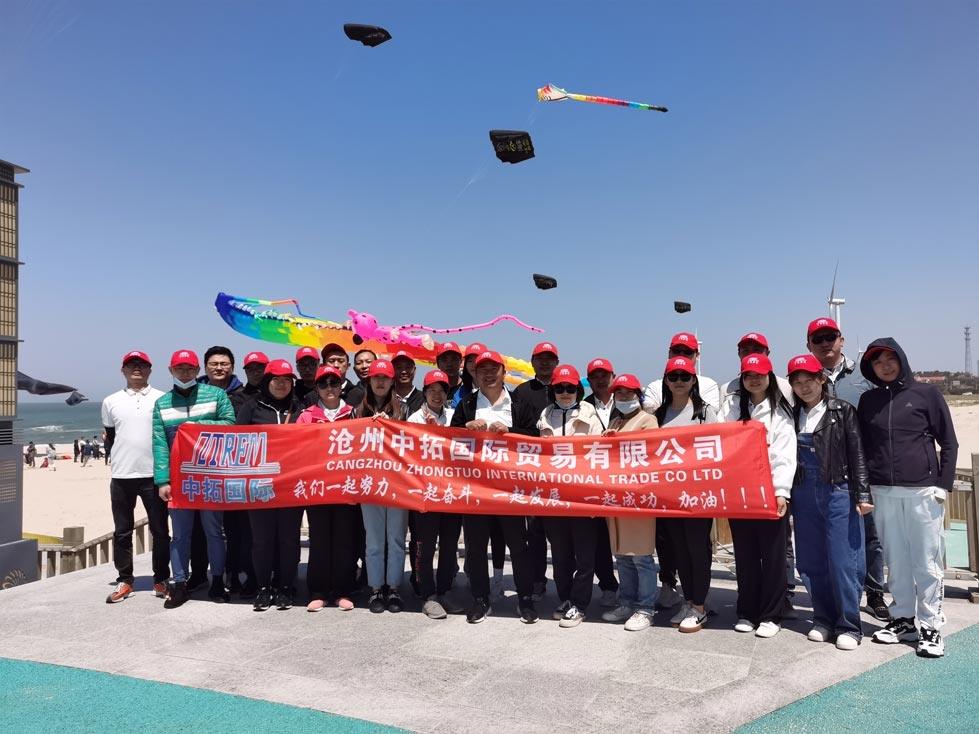

OEM/ODM & Customization one-stop service
Full after-sales service support
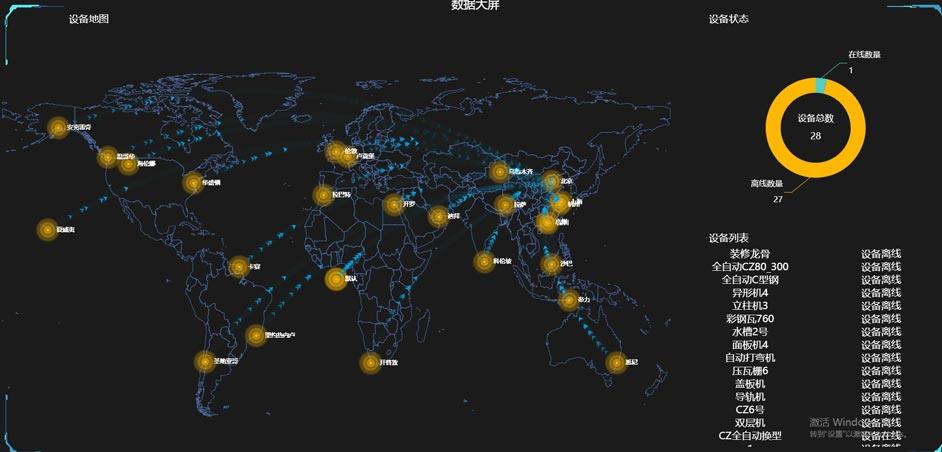
Provide OEM、ODM
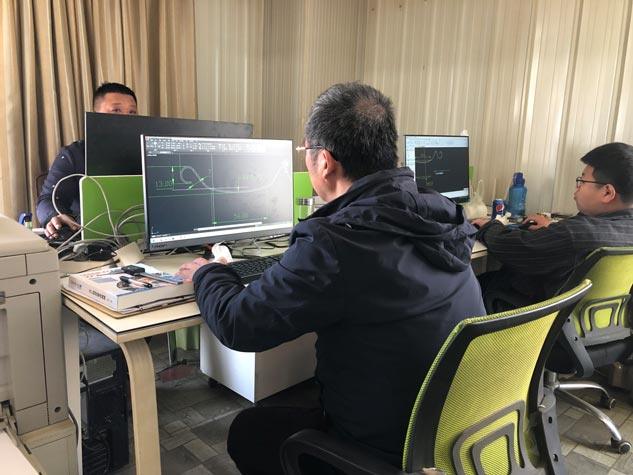
2.Technician design:make drawing profiles and 3D machines drawing
3.determine the configuration and production
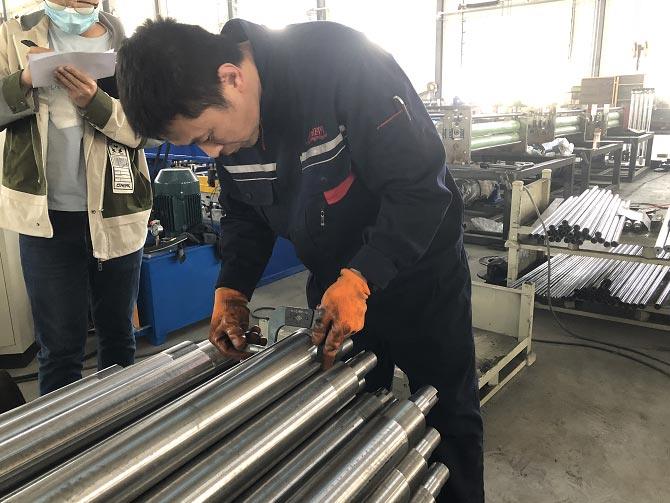
4.testing before delivery
6.Technical guidance
7.After-sales service:Installation services for complex machines and regular customer visit
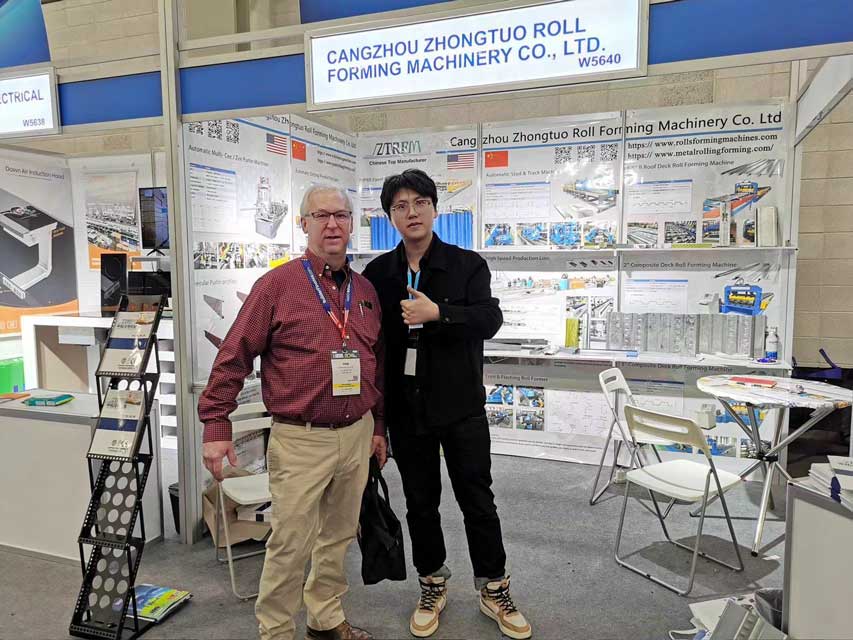
Trusted By 95800+ Companies
high-quality enterprises. Through cooperation with us, they have received
strong support and achieved business breakthroughs and development.