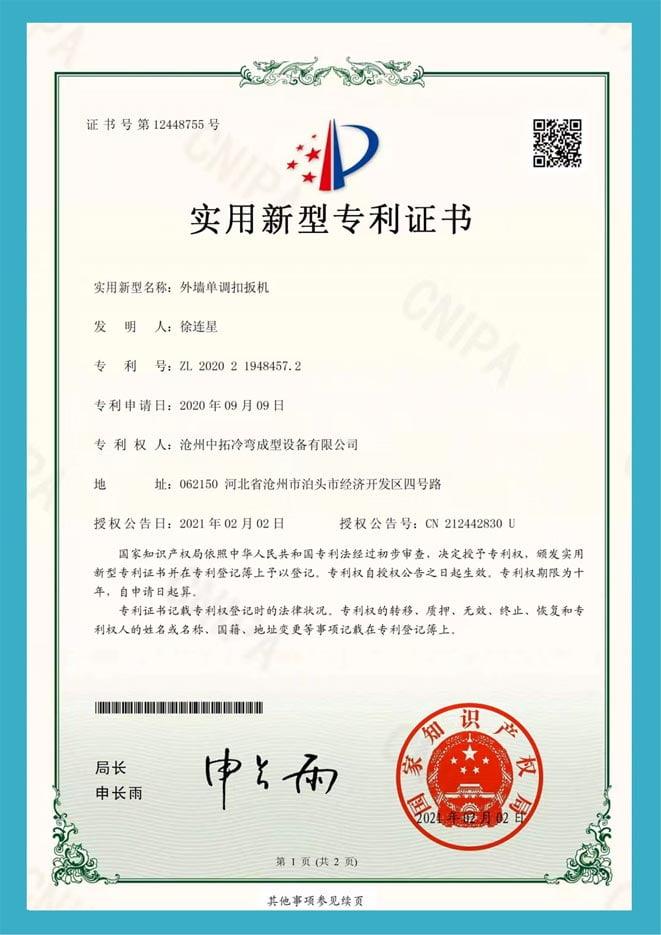
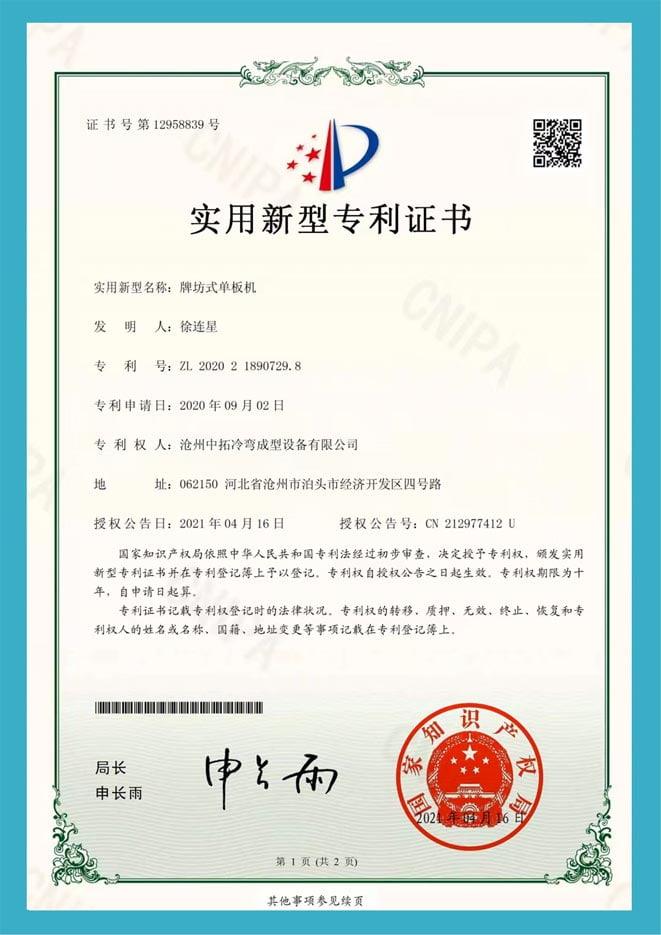
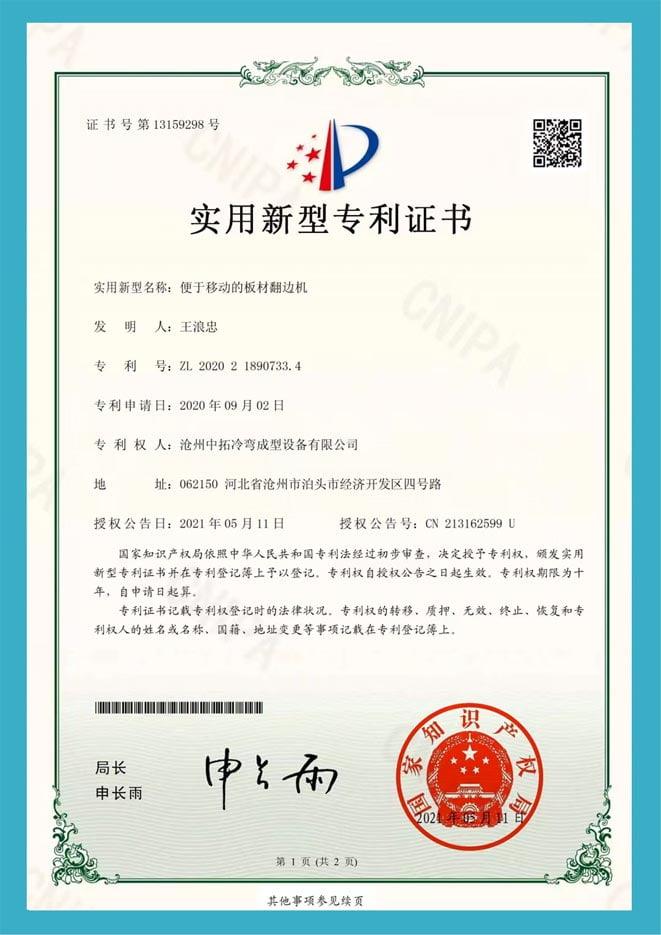
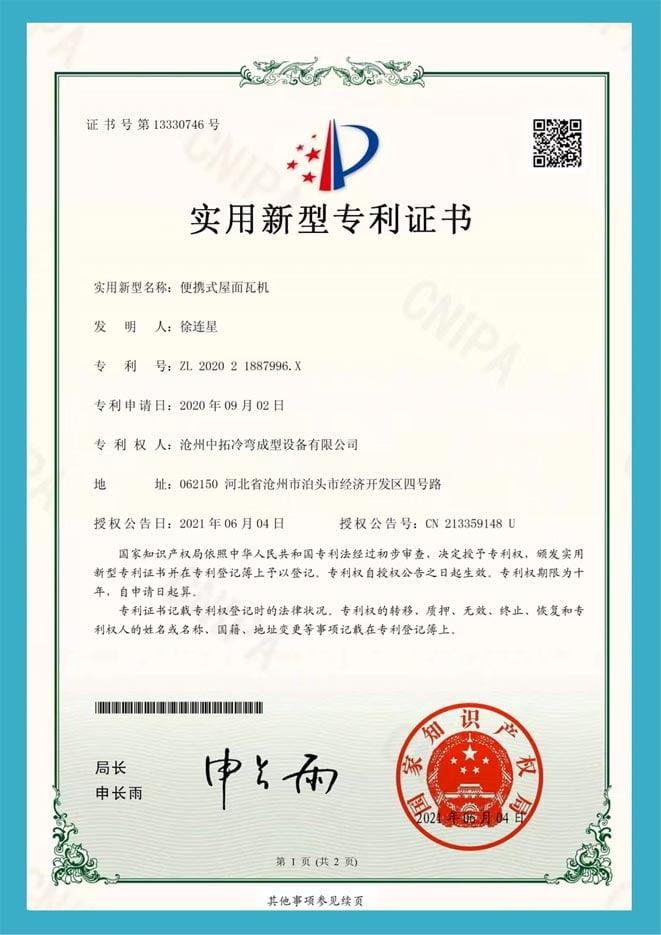
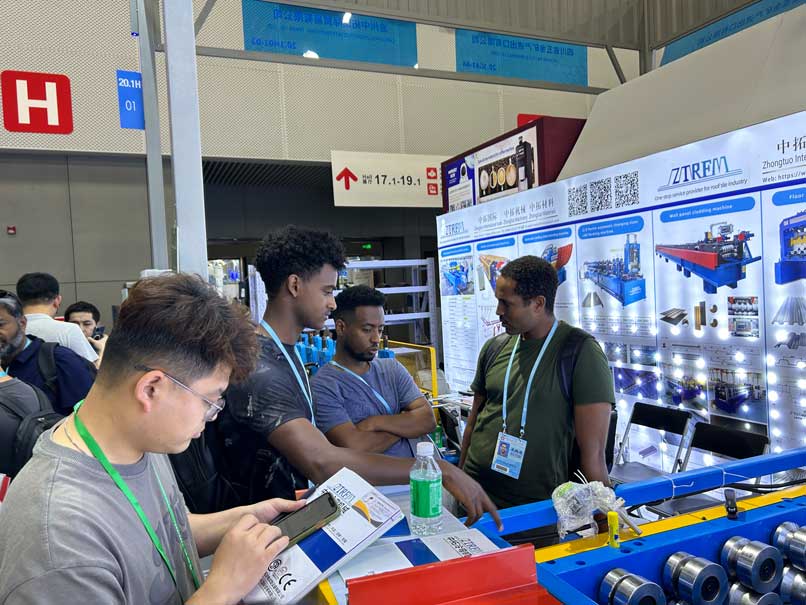
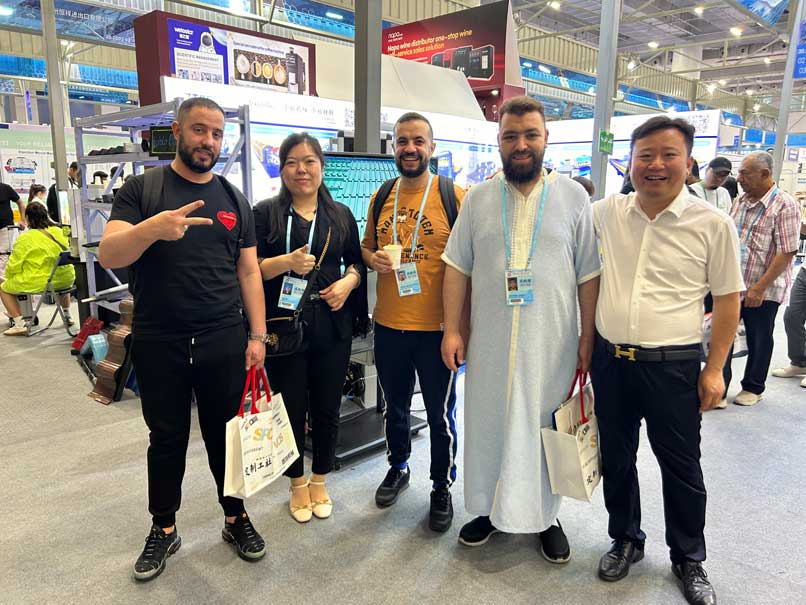
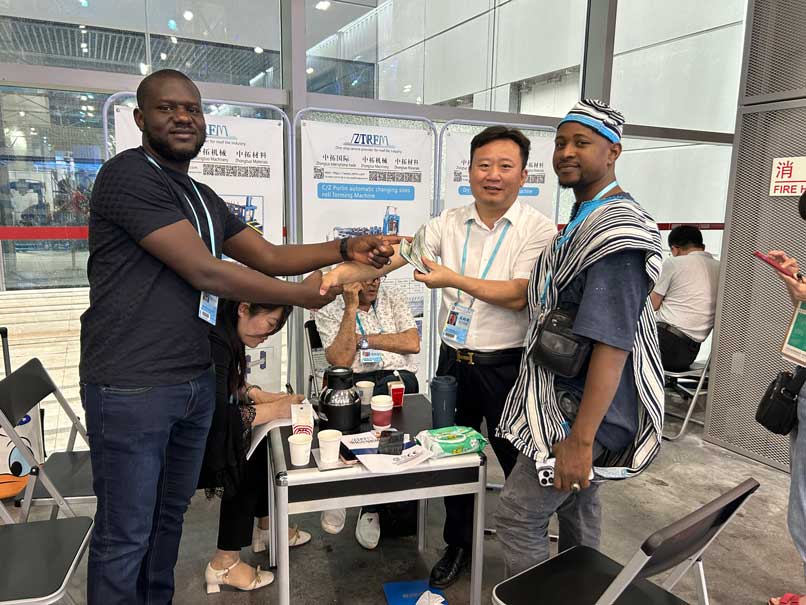
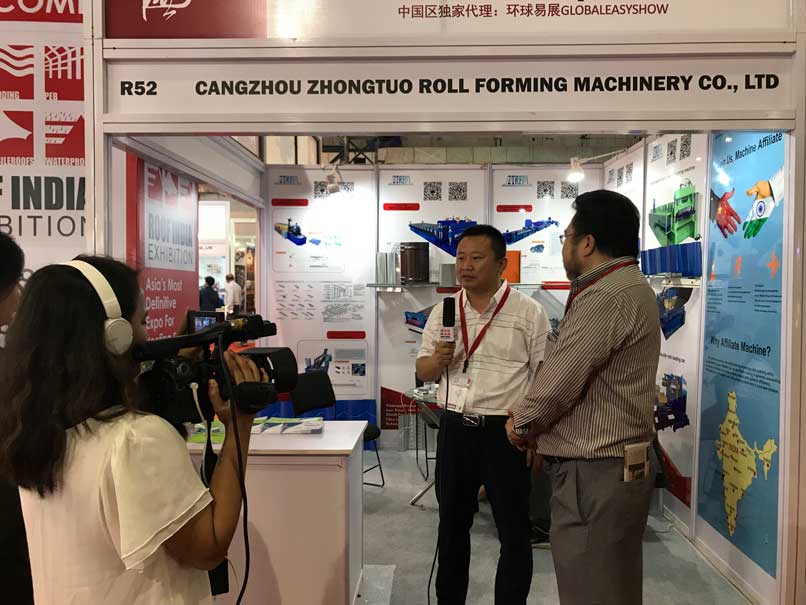
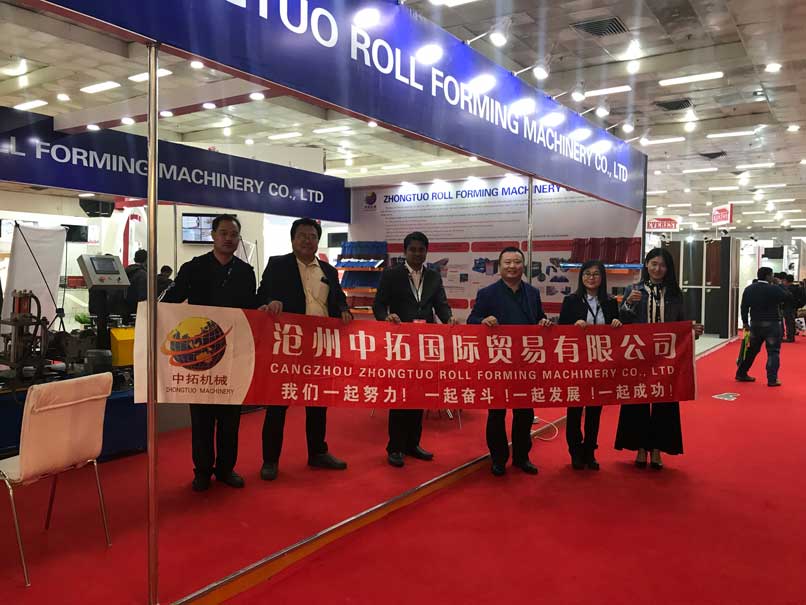
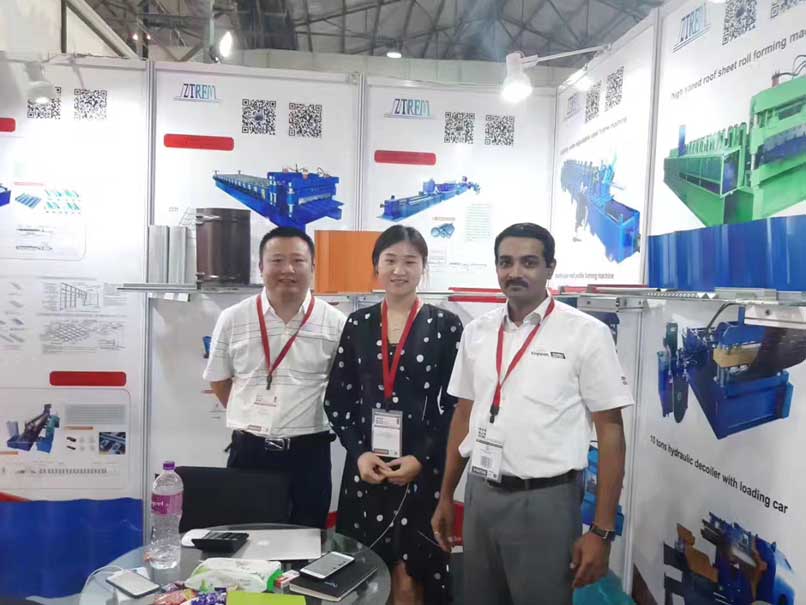
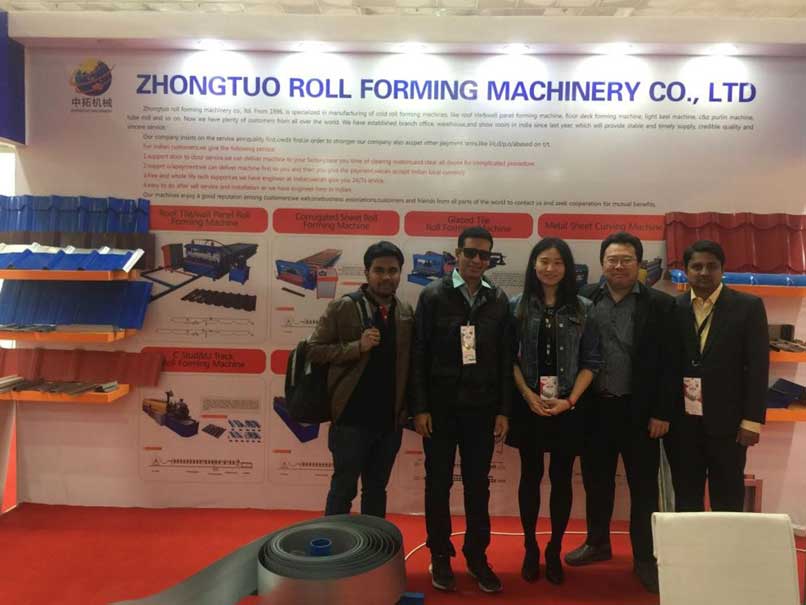
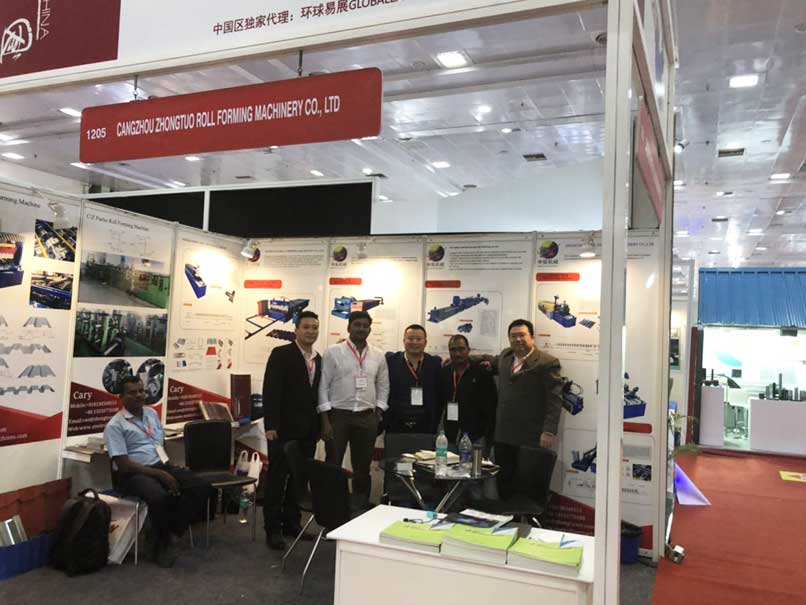
24년 이상의 경험과 지식 국제 표준, 기술 변화 및 산업 시스템, 우리는 다음과 같이 헌신합니다. 소중한 고객에게 최고의 경제적인 솔루션을 제공합니다.
Trapezoidal Roof Tile Forming Machine | ZTRFM Roll Forming Manufacturer
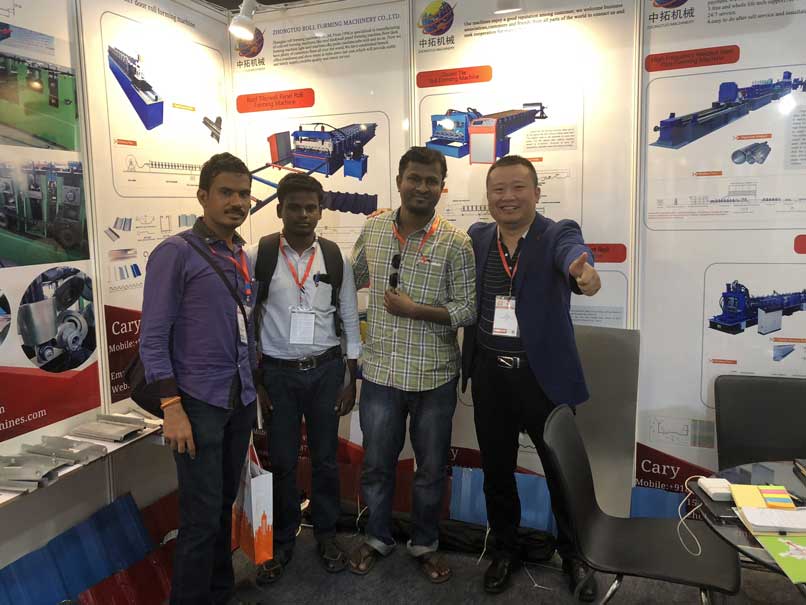
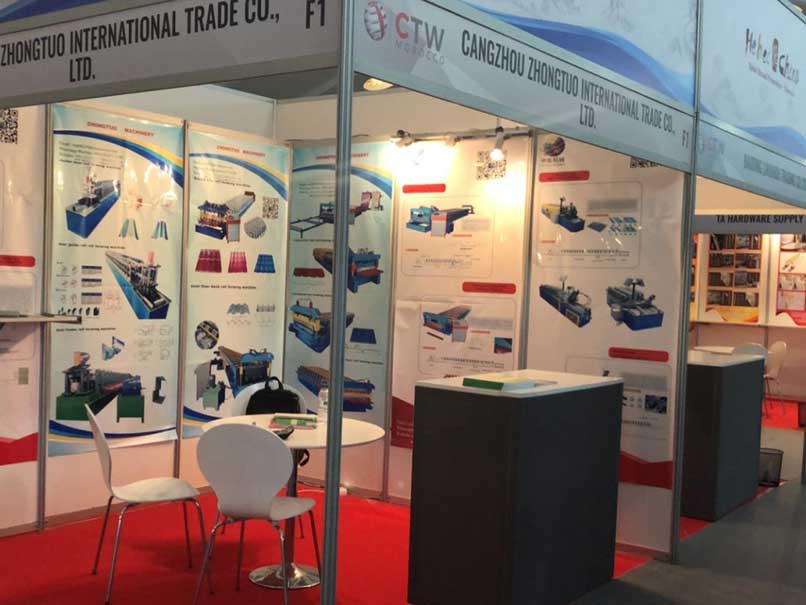
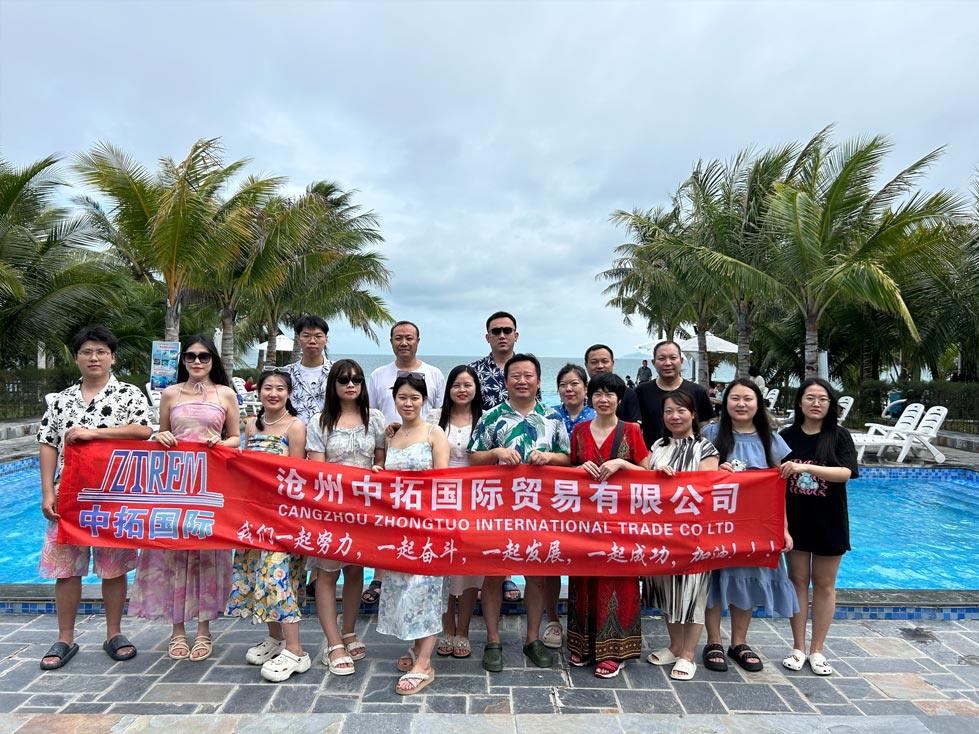
창저우 중퉈 롤 성형 기계 유한 회사는 중국 허베이성에서 왔습니다. 설계 및 제조에 전념하는 제조업체입니다. 다양한 유형의 냉간 압연 성형기. 우리는 2006 년부터 롤 성형 기계의 설계 및 제조에 종사하는 오랜 역사를 가진 공장입니다. 우리가 생산할 수있는 기계에는 지붕 타일 제조 기계, cz 도리 제조 기계, 경강 용골 제조 기계, 금속 엠보싱 기계, 도어 시스템 성형 기계, 천장 시스템 성형 기계, 고주파 파이프 용접기, 슬리 팅 라인, 절단 길이 라인, 선반 시스템 성형 기계, 바닥 데크 성형 기계, 컬러 석재 타일 생산 라인, 핫 라미네이팅 필름 기계 등이 있습니다.
Trapezoidal Roof Tile Forming Machine | ZTRFM Roll Forming Manufacturer
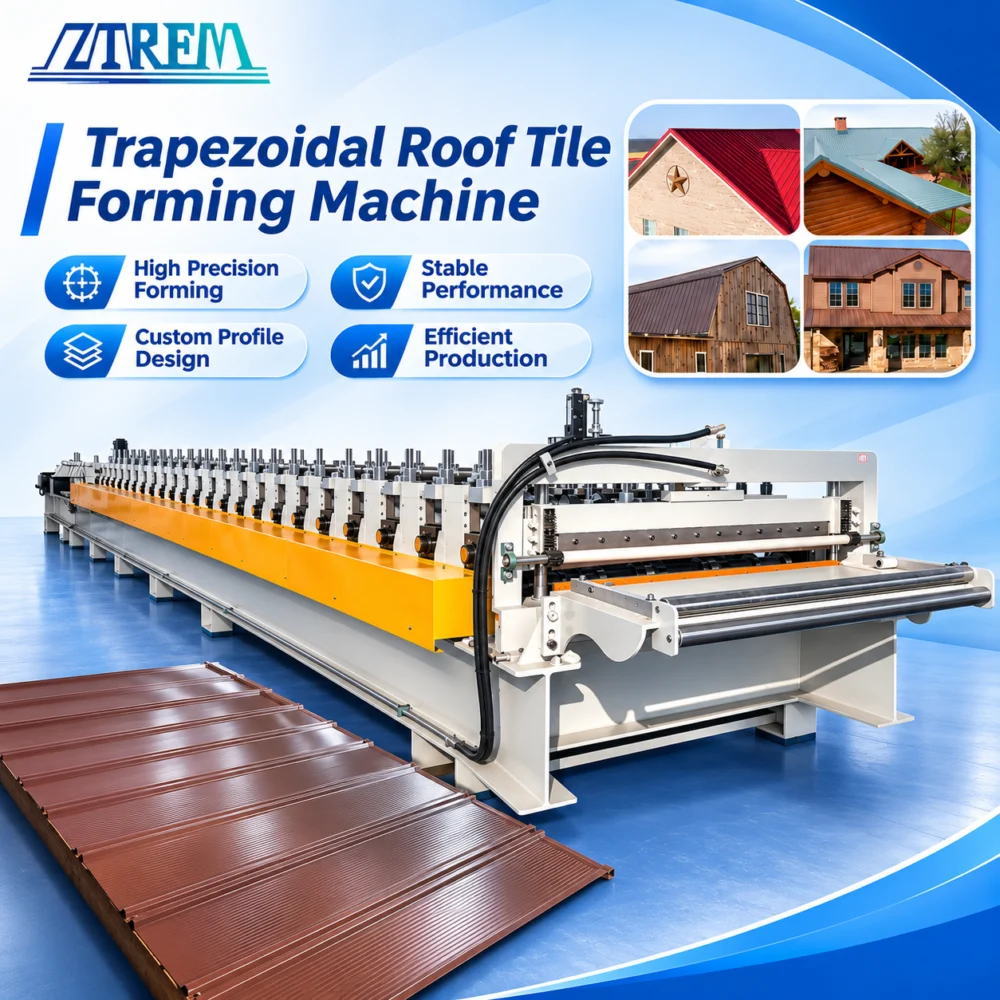
Description: Discover how a ZTRFM trapezoidal roof tile forming machine produces uniform metal roofing sheets at high speed. PLC control, hydraulic cutting, and customizable profiles for global roof projects.
Trapezoidal Roof Tile Forming Machine | ZTRFM Roll Forming Manufacture
What Is a Trapezoidal Roof Tile Forming Machine?
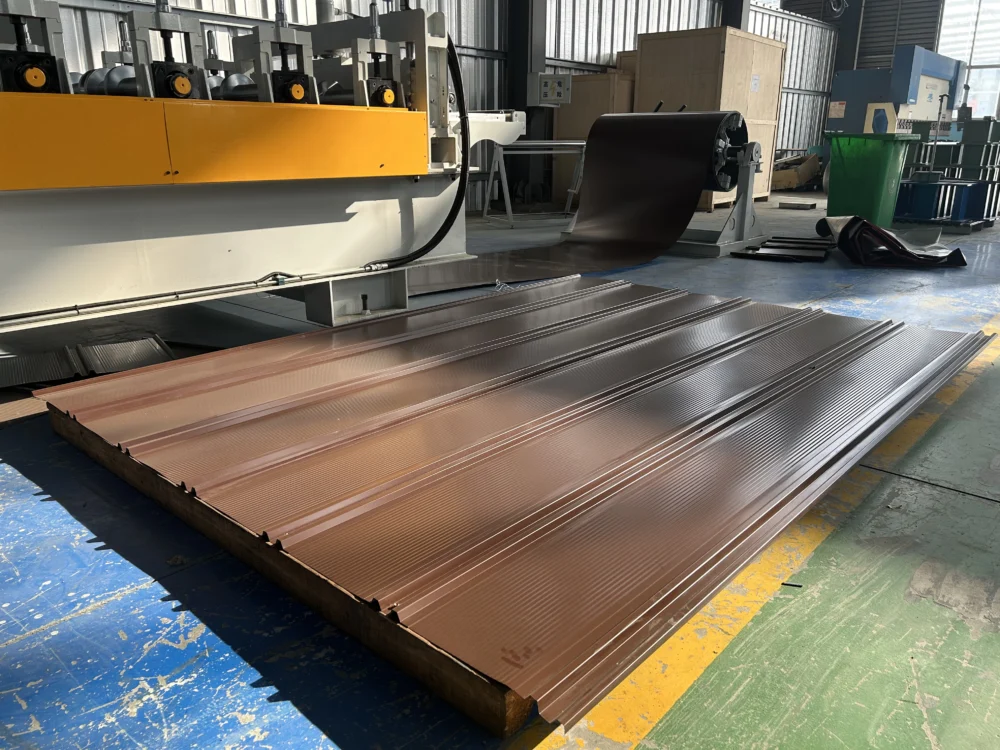
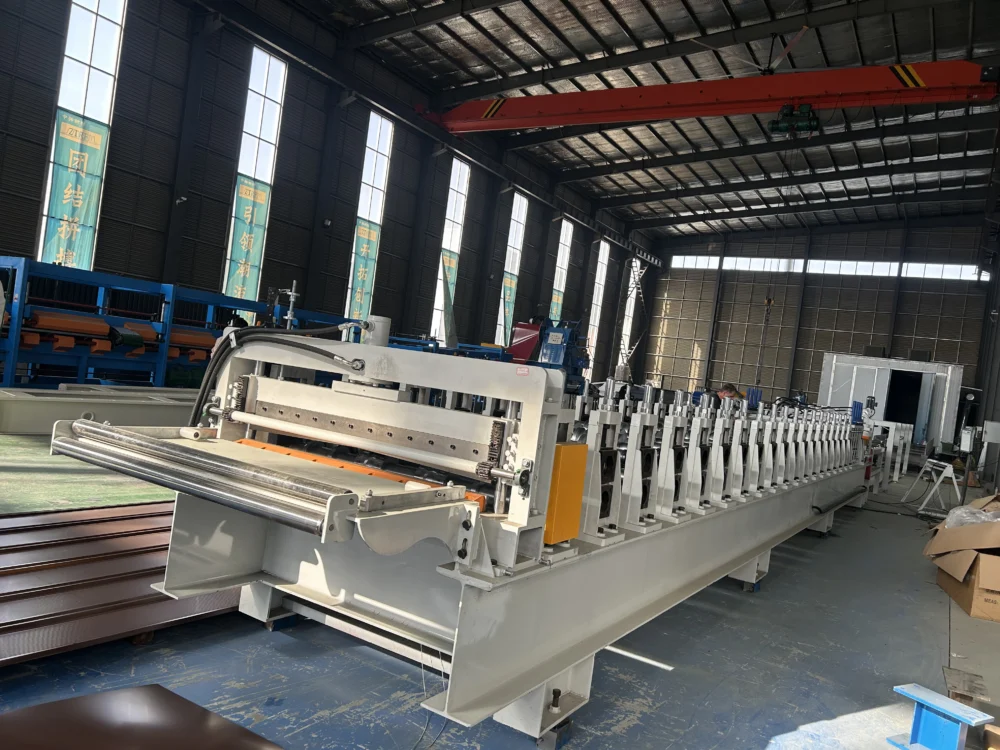
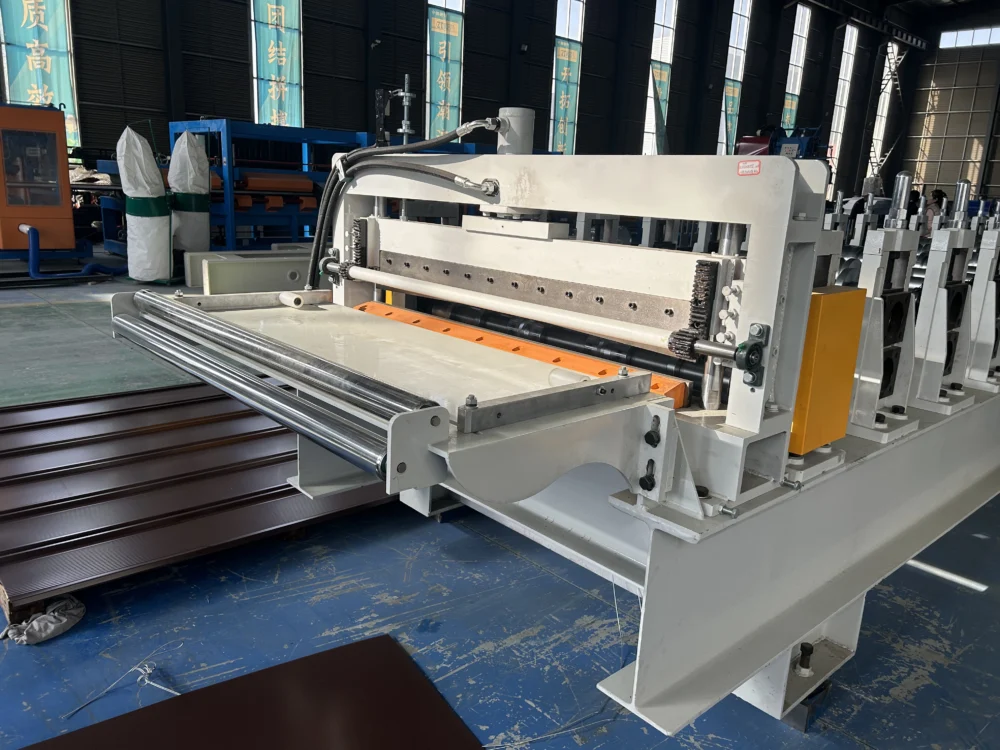
A trapezoidal roof tile forming machine is a specialized roll forming line that continuously transforms metal coils — typically galvanized steel (PPGI/GI), aluminum, or aluzinc — into trapezoidal-profile roofing sheets. Instead of pressing or stamping the metal, the machine passes the flat coil through a series of precision-engineered roller stations that gradually bend the sheet into the desired trapezoidal rib shape. The final product is a lightweight, high-strength roof panel used on factories, warehouses, agricultural buildings, commercial venues, residential villas, and steel-structure workshops worldwide.
Compared with traditional corrugated roof machines, the trapezoidal profile offers a higher rib height, a wider standing seam, and better water drainage. It is one of the most requested roofing profiles in Africa, the Middle East, Southeast Asia, South America, and Eastern Europe, where local construction markets demand cost-effective, durable, and easy-to-install metal roof solutions.
Trapezoidal Roof Tile Forming Machine | ZTRFM Roll Forming Manufacture
Why Global Roofing Manufacturers Choose a Trapezoidal Roll Forming Machine
Investing in the right trapezoidal roof tile forming machine directly determines the quality of your finished panels, your production capacity, and your long-term operating cost. A well-built machine delivers consistent sheet dimensions, clean cut edges, low material waste, and stable output shift after shift.
Key reasons fabricators and contractors upgrade to a dedicated trapezoidal line include:
High output with stable quality. A modern line runs at 15–25 m/min, producing hundreds of square meters of finished roof panels per hour with virtually zero human contact.
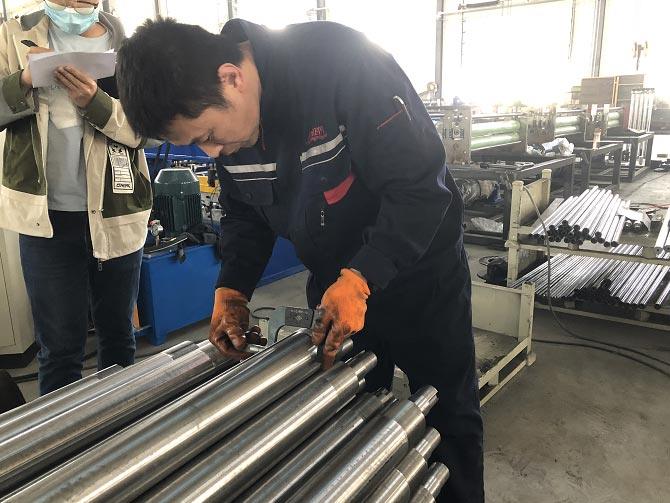
Tight dimensional tolerance. Roller stations made from refined steel, CNC-machined and hard-chrome plated, keep the profile height, rib spacing, and sheet length consistent batch after batch.
Low labor requirement. One operator can run the entire line thanks to automatic feeding, forming, measuring, cutting, and stacking.
Fast profile changeover. Many ZTRFM lines support quick die or roller adjustment, letting you switch between different trapezoidal models (such as T15, T18, T20, T35, T40, T84, T90, T98, or custom profiles) within minutes.
Broad coil compatibility. The machine accepts GI, PPGI, aluminum, aluzinc, and stainless steel coils within the specified thickness range (usually 0.3–0.8 mm, customizable to 1.2 mm).
Trapezoidal Roof Tile Forming Machine | ZTRFM Roll Forming Manufacture
Core Components of a ZTRFM Trapezoidal Roof Tile Forming Machine
Understanding the main assemblies helps you evaluate supplier quotes and avoid hidden quality gaps.
1. Manual or Hydraulic Decoiler
The decoiler holds the raw metal coil and feeds it into the roll former at a controlled speed. ZTRFM offers both manual expanding decoilers (cost-effective for light coils) and hydraulic decoilers with automatic loading (recommended for heavy 3–5 ton coils, reducing labor and coil-change downtime).
2. Feeding and Guiding Table
A level entry table with side guide rollers keeps the coil strip centered before it enters the forming section. Proper alignment prevents skewed panels, uneven rib spacing, and premature roller wear.
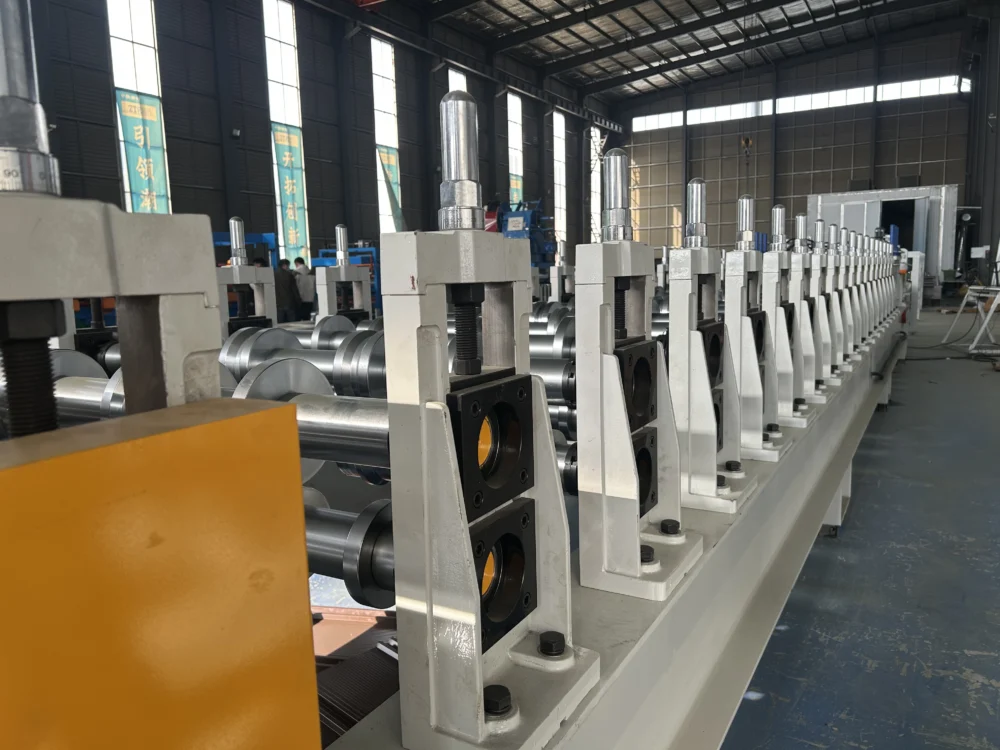
3. Main Roll Forming Stations
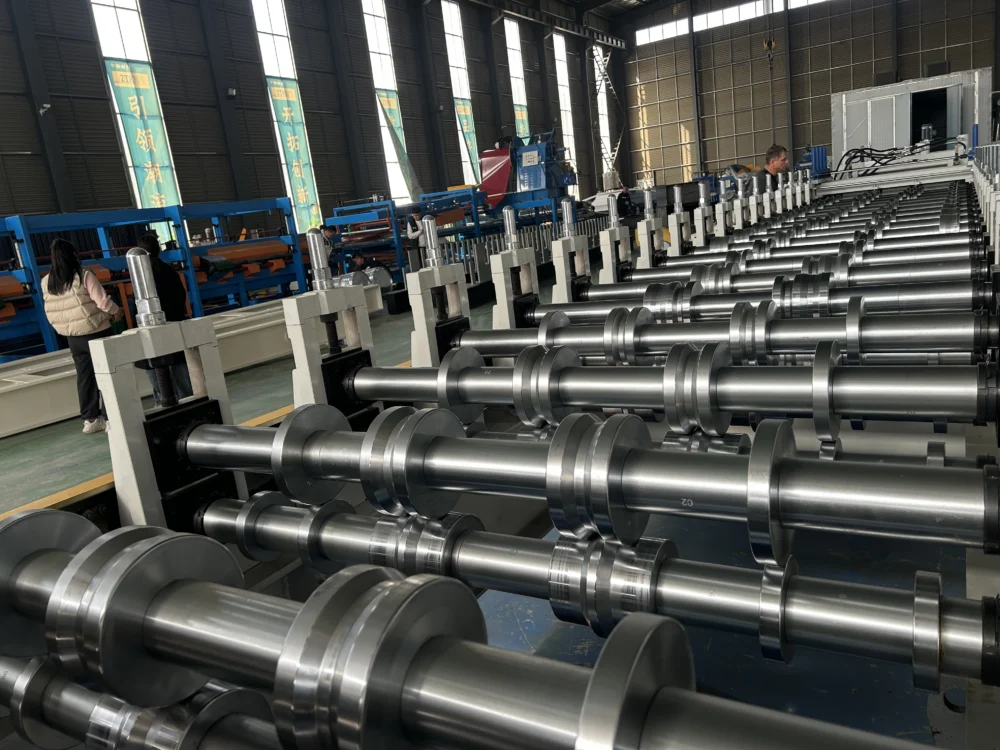
This is the heart of the machine. The number of stations typically ranges from 12 to 22, depending on the profile complexity and material thickness. Rollers are driven by a heavy-duty gearbox and motor, ensuring smooth, quiet, and powerful forming. ZTRFM rollers are precision-machined and surface-treated for long service life.
4. PLC Control Cabinet
A human-machine interface (HMI) touch screen lets the operator input sheet length, quantity, and coil width. The PLC automatically controls the encoder length tracking, the hydraulic cut-off timing, and the output counter. Language settings can be configured in English, Spanish, Russian, French, Arabic, or other languages to match your local team.
5. Hydraulic Cutting System
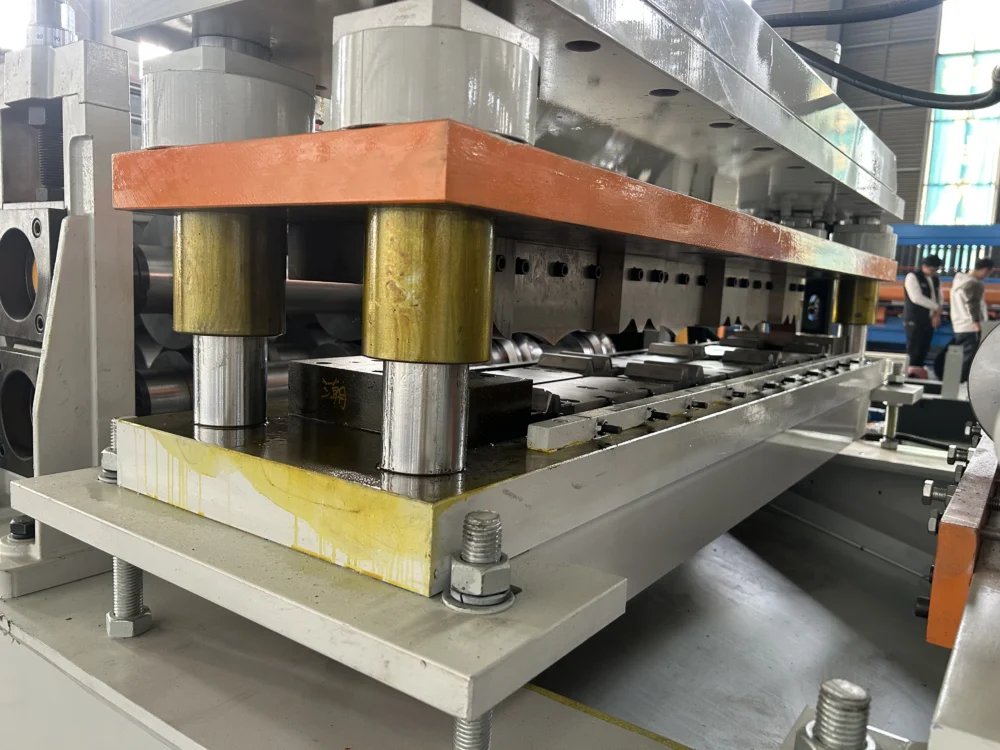
After the sheet reaches the preset length, the hydraulic cutting blade shears the panel cleanly without deforming the profile. The hydraulic station uses a reliable pump and valve group, and the cutting die is heat-treated for long blade life.
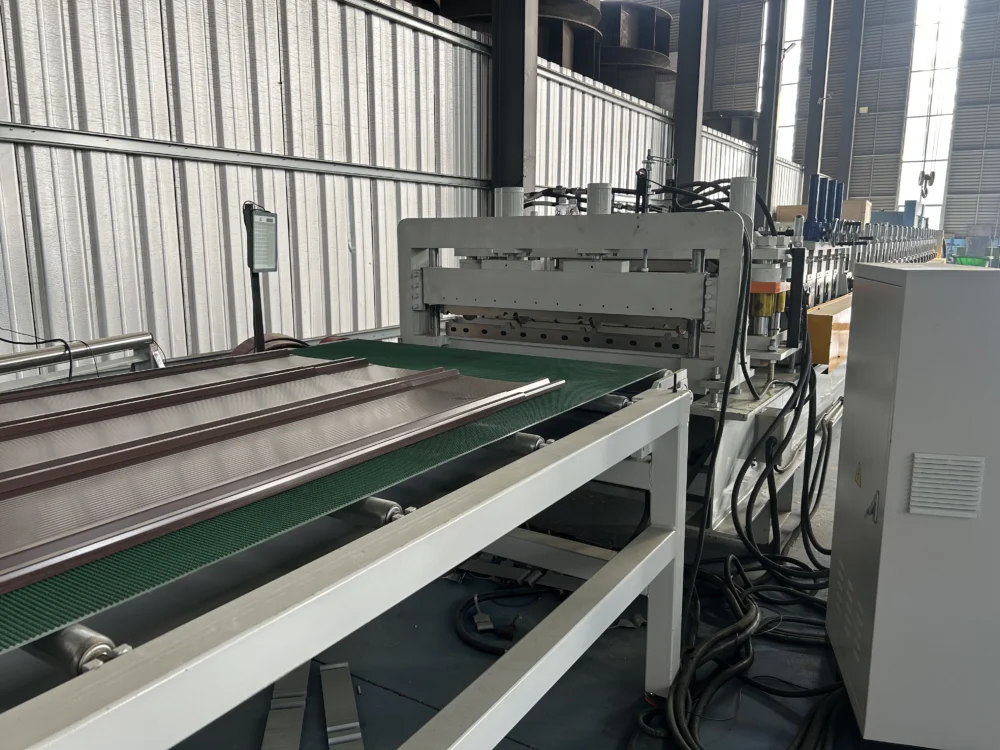
6. Output Support Table / Stacker
Finished panels slide onto the exit support table or a manual / automatic stacker, ready for bundling and shipment.
Trapezoidal Roof Tile Forming Machine | ZTRFM Roll Forming Manufacture
The Working Process, Step by Step
A standard production cycle follows six stages:
Load the metal coil onto the decoiler and expand the mandrel to lock the inner diameter.
Thread the coil head through the feeding table into the first roller station.
Set the required sheet length and quantity on the PLC touch screen.
The main motor drives the rollers, continuously forming the trapezoidal profile.
The encoder measures sheet travel; once the preset length is reached, the hydraulic cutter activates and cuts the panel.
The finished panel exits onto the support table; the line automatically repeats until the target quantity is reached.
The whole process is continuous, automated, and requires only one operator.
Trapezoidal Roof Tile Forming Machine | ZTRFM Roll Forming Manufacture
Technical Advantages That Reduce Your Total Cost of Ownership
When comparing suppliers, look beyond the headline price. The real cost of a roll forming machine is decided by uptime, spare-part consumption, and energy use.
ZTRFM trapezoidal roof tile forming machines are engineered around four operational advantages:
Heavy welded frame. The machine body is welded from thick steel plates and stress-relieved before machining, preventing deformation after years of high-frequency running.
Variable-speed main drive. The inverter-adjustable motor lets you balance speed and material thickness — faster for thin PPGI, gentler for heavy aluzinc.
Low-noise hydraulic station. The oil pump and valves are selected for stable pressure, low heat generation, and quiet operation.
Standardized electrical components. Schneider, Siemens, or equivalent brand contactors and breakers reduce downtime and make local replacement easy anywhere in the world.
Customization is available on request: coil width, panel profile, line speed, motor power, voltage (220V / 380V / 415V, 50Hz/60Hz), control language, and packaging can all be tailored to your market.
Trapezoidal Roof Tile Forming Machine | ZTRFM Roll Forming Manufacture
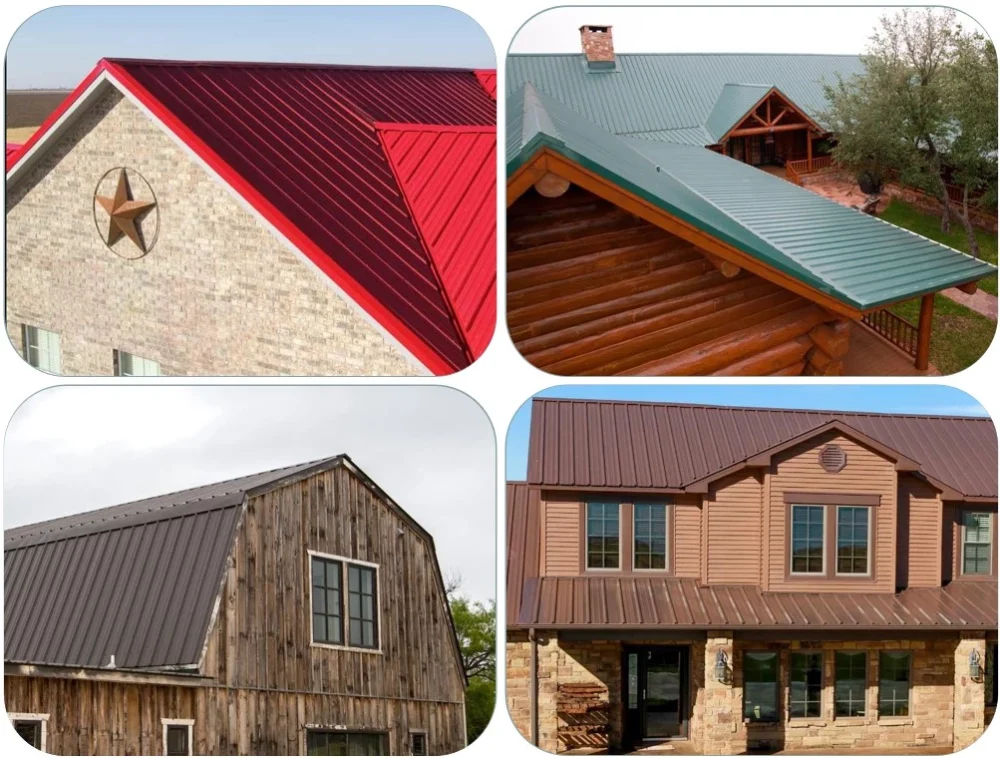
Common Applications of Trapezoidal Metal Roof Panels
Finished trapezoidal sheets are widely used in:
Industrial and warehouse roofs and side walls
Agricultural barns, poultry houses, and storage sheds
Commercial malls, exhibition halls, and stadiums
Residential villas, garages, and carports
Prefabricated steel-structure buildings
Temporary disaster-relief and construction-site facilities
The profile's high rib and wide flat area give architects more freedom for color, insulation, and skylight integration, making trapezoidal roofing one of the most versatile metal roof systems on the market.
Why Partner with ZTRFM for Your Trapezoidal Roof Tile Forming Machine
ZTRFM (Cangzhou Zhongtuo Roll Forming Machinery) is a China-based roll forming manufacturer with more than a decade of experience in metal roofing and wall panel equipment. Our trapezoidal roof tile forming lines have been exported to over 60 countries, including Russia, Brazil, South Africa, Kenya, Nigeria, Saudi Arabia, Vietnam, Mexico, and Peru.
What overseas buyers value most:
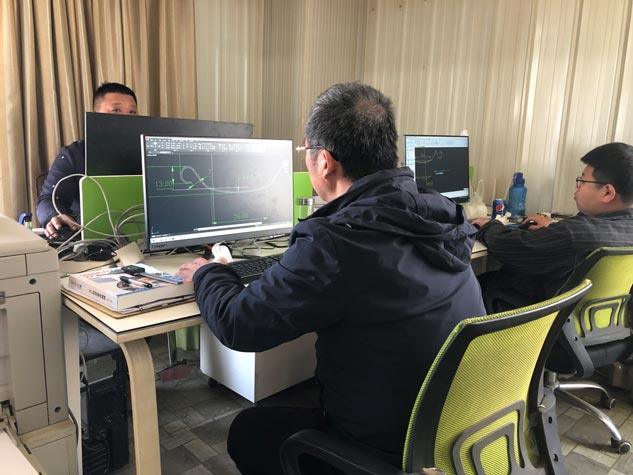
Custom profile design. Send us your drawing or sample panel, and our engineering team designs the matching roller stations.
Factory-direct pricing. No trading-company markup; you deal directly with the workshop.
On-site video inspection. Watch the machine run and cut a test panel before shipment.
Export-standard packaging. The main body is wrapped in waterproof film and loaded in a 20ft / 40ft container, with spare parts, tools, and English manuals packed separately.
Remote lifetime support. We provide video installation guidance, electrical diagrams, and responsive after-sales support by WhatsApp and email.
Trapezoidal Roof Tile Forming Machine | ZTRFM Roll Forming Manufacture
Frequently Asked Questions
What material can the trapezoidal roof tile forming machine process?
The standard line is designed for galvanized steel (GI), pre-painted galvanized steel (PPGI), aluminum, and aluzinc coils, typically within 0.3–0.8 mm thickness. Thicker material and stainless steel can be accommodated with a reinforced roller and drive design.
How long does it take to change from one trapezoidal profile to another?
For a single-profile machine, roller changeover requires removing and reinstalling the roller shafts, which usually takes half a day to a day. If you expect frequent profile changes, we recommend our quick-change or double-layer design, which lets you switch profiles in minutes.
What is the typical production speed?
Standard lines run at 15–25 meters per minute. High-speed models can reach 30 m/min or more, depending on profile complexity, material thickness, and cutting method.
Do you provide installation and training overseas?
Yes. We supply English operation manuals, electrical diagrams, and video installation guidance. On-site overseas installation and operator training are available on request, with travel and accommodation arranged in advance.
What is the lead time?
Standard models are usually ready in 45–60 working days after deposit receipt. Customized lines may require 40–50 days, depending on profile complexity.
왜 우리를 선택해야 할까요?
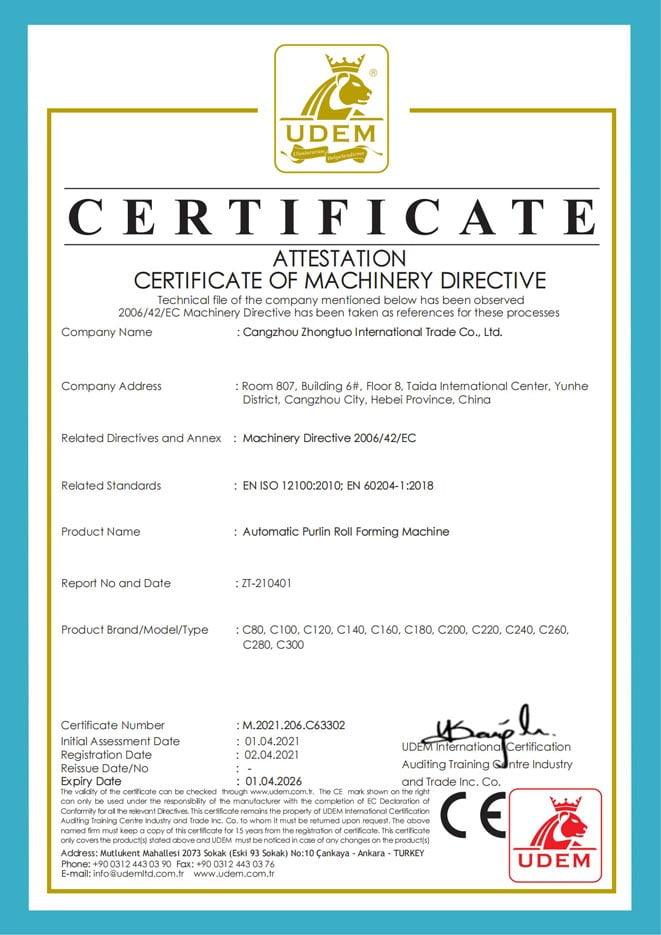
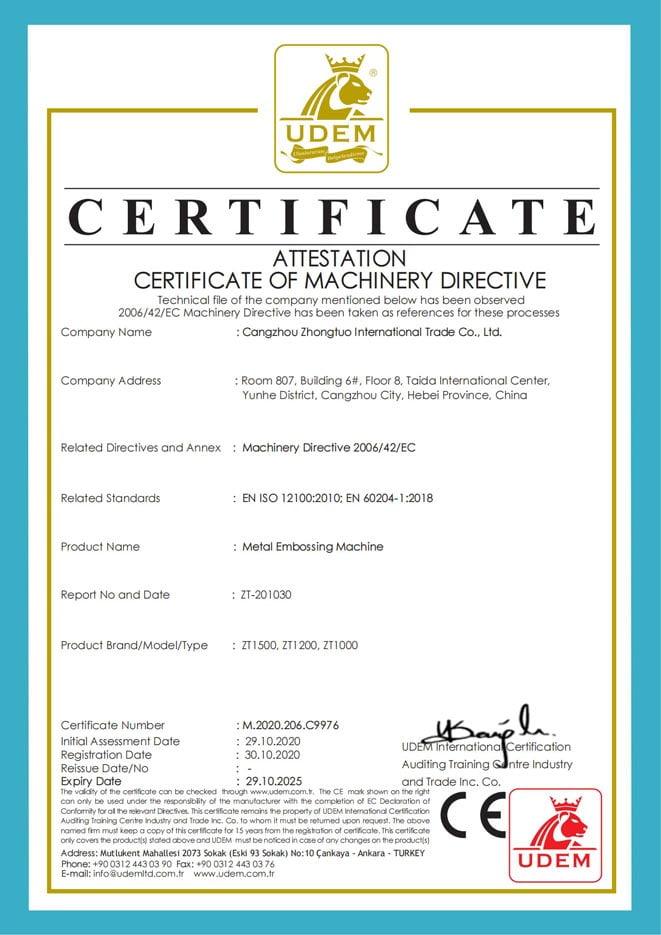
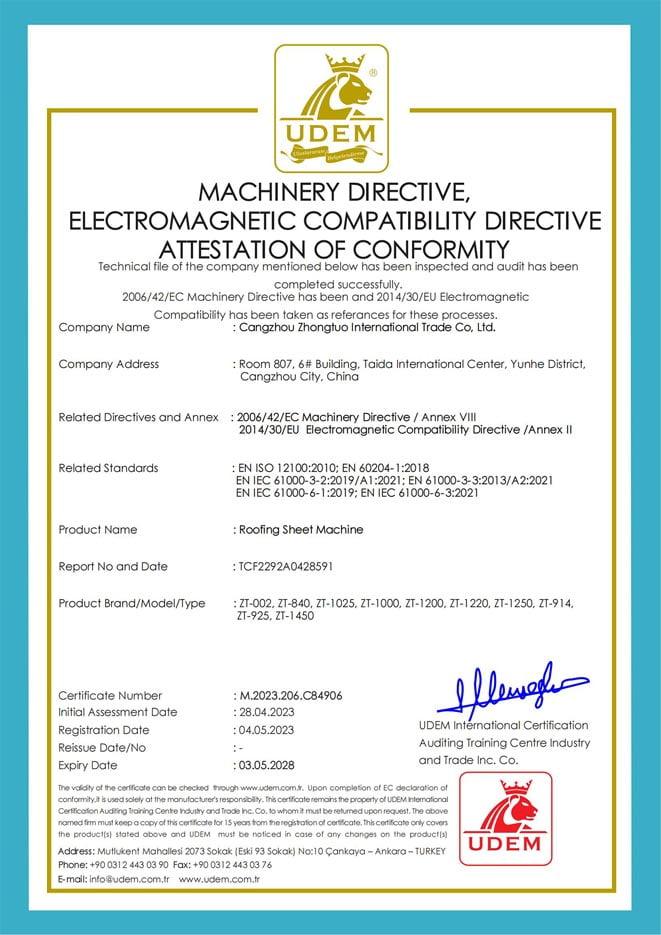
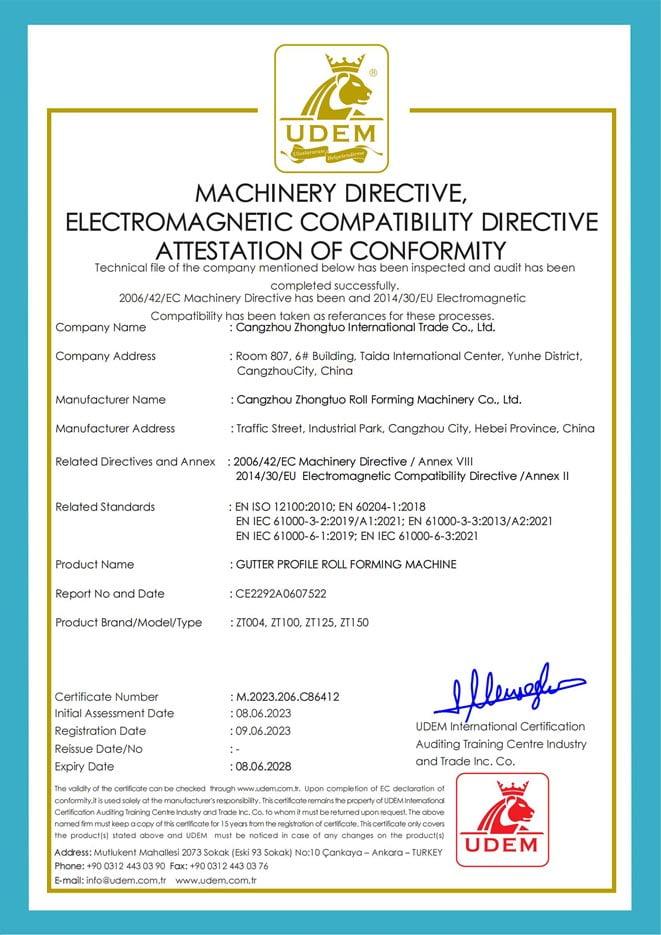
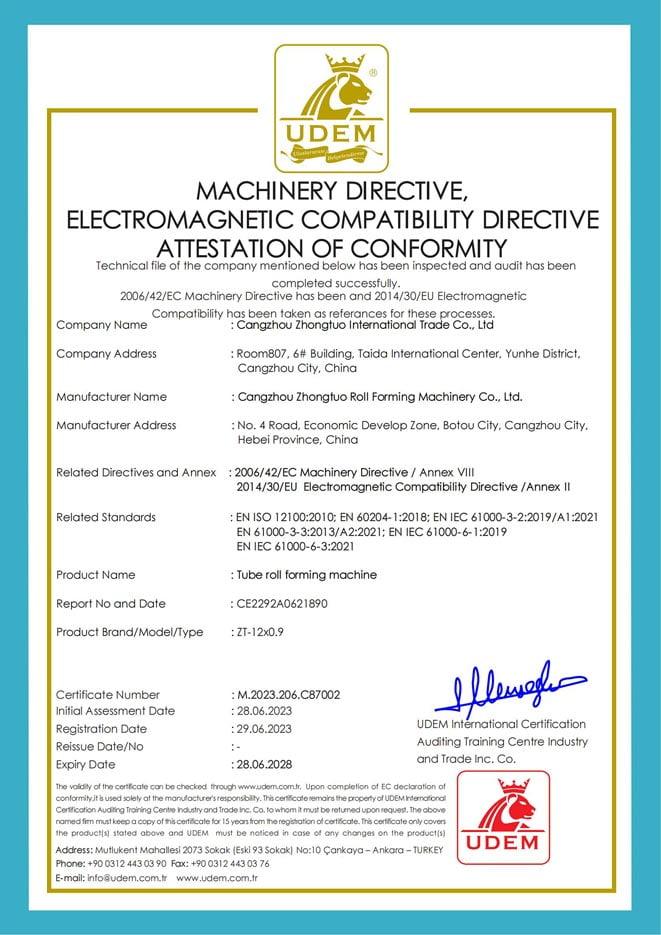
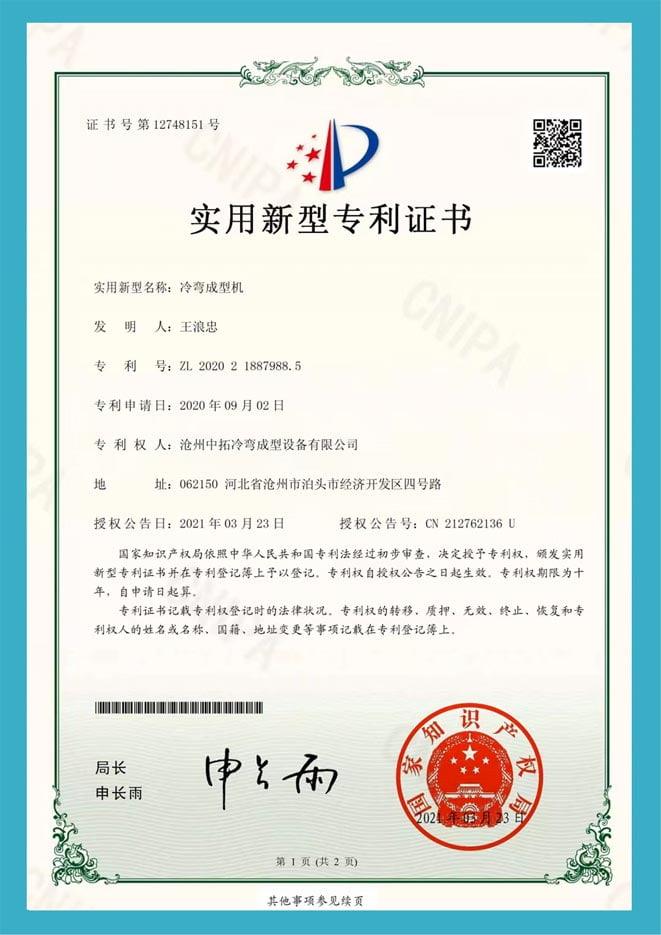
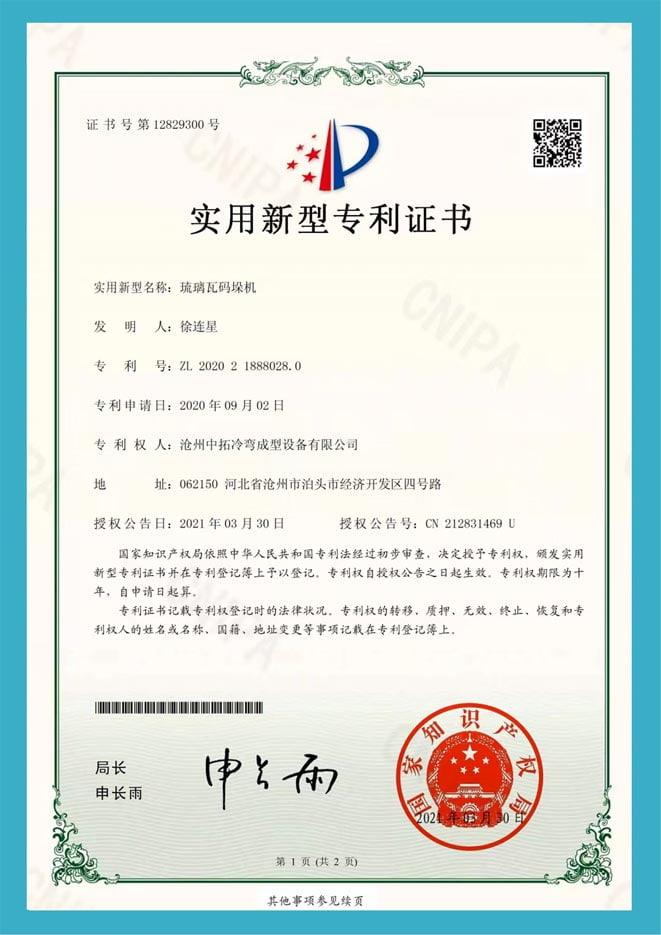
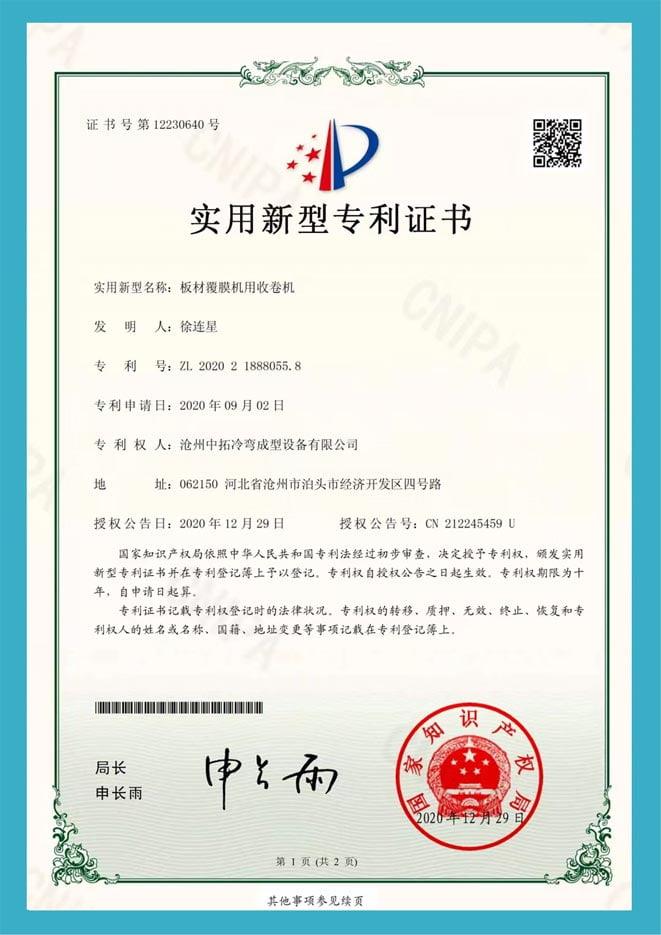
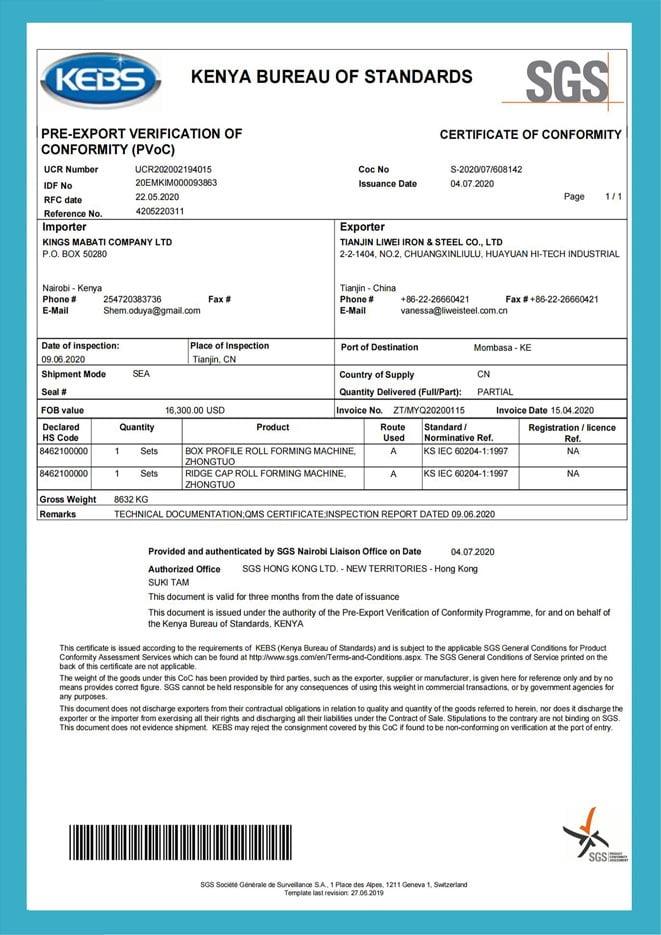
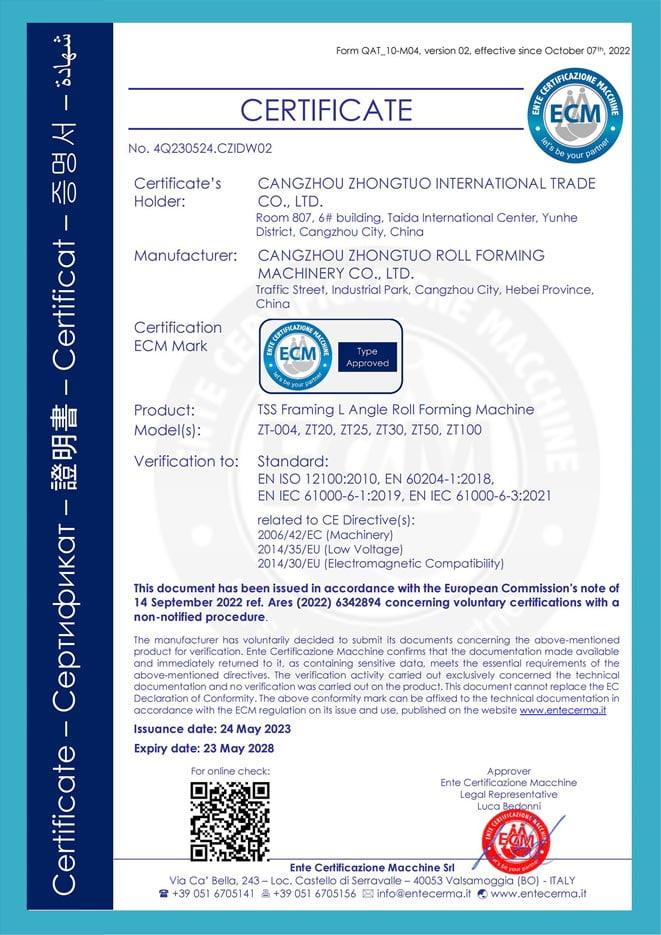
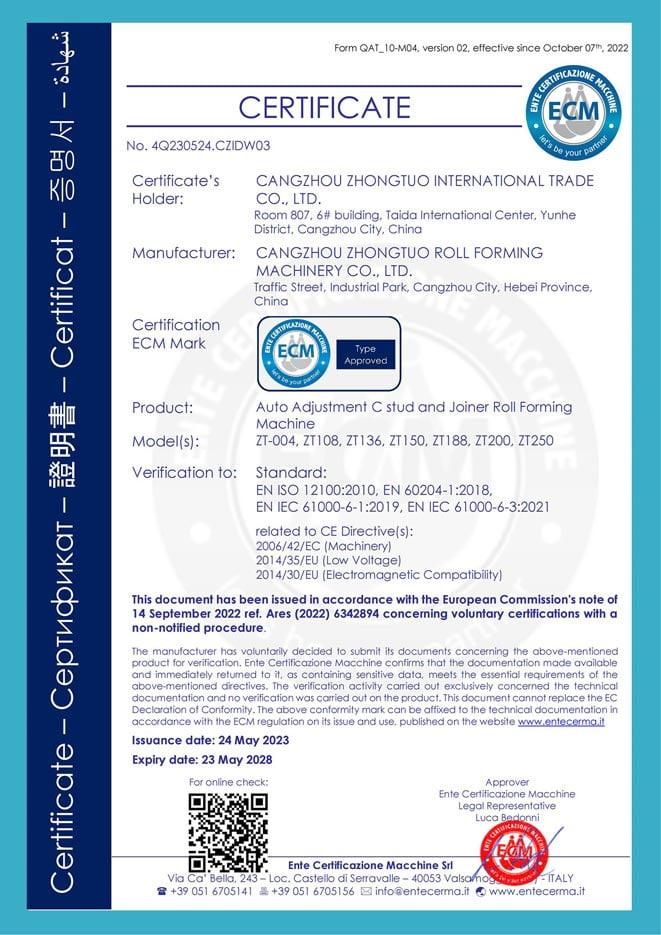
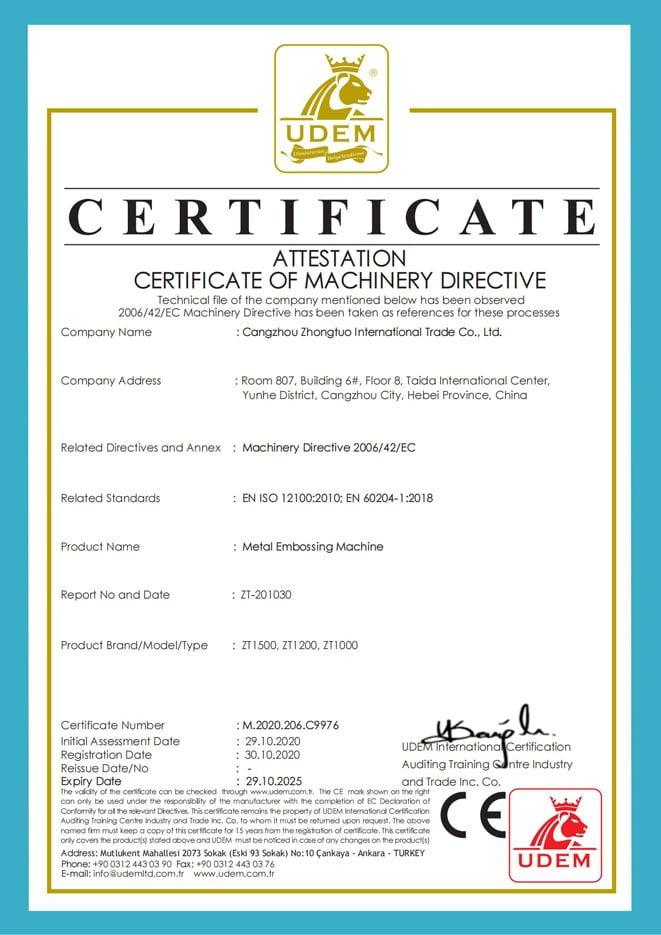
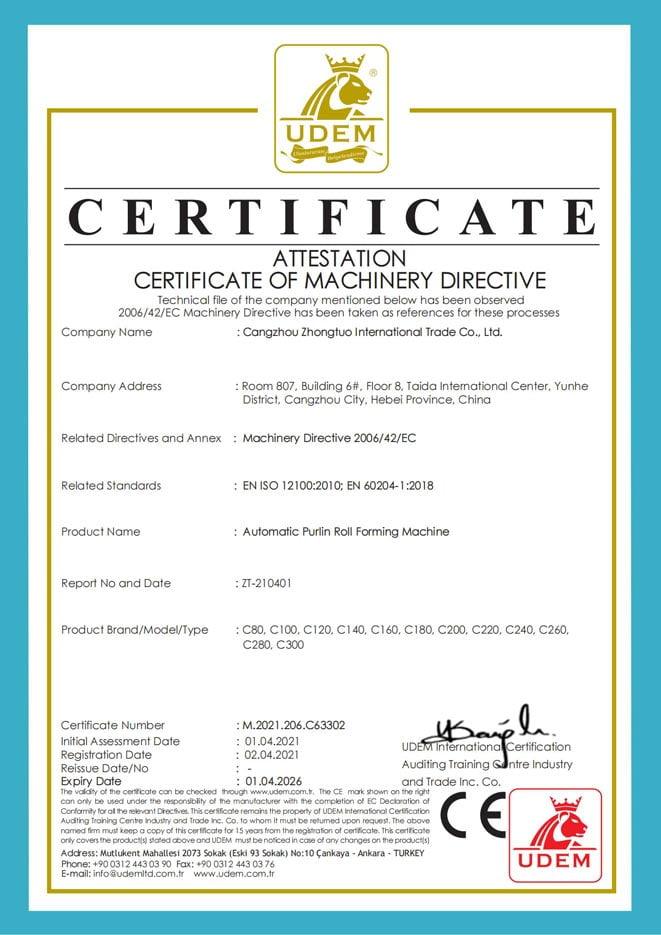
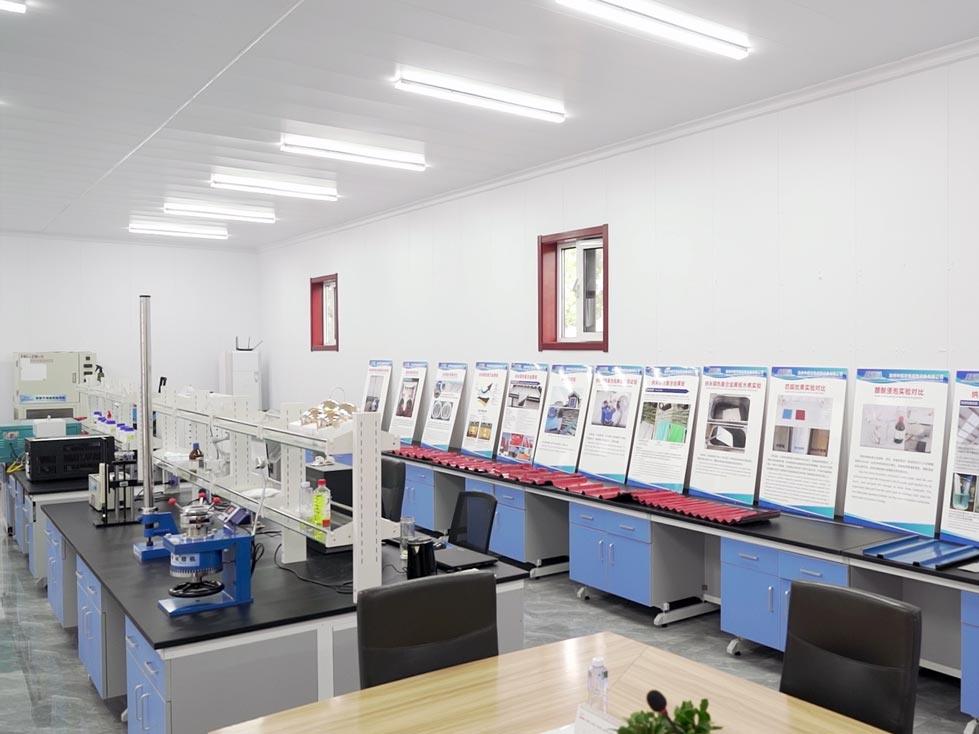
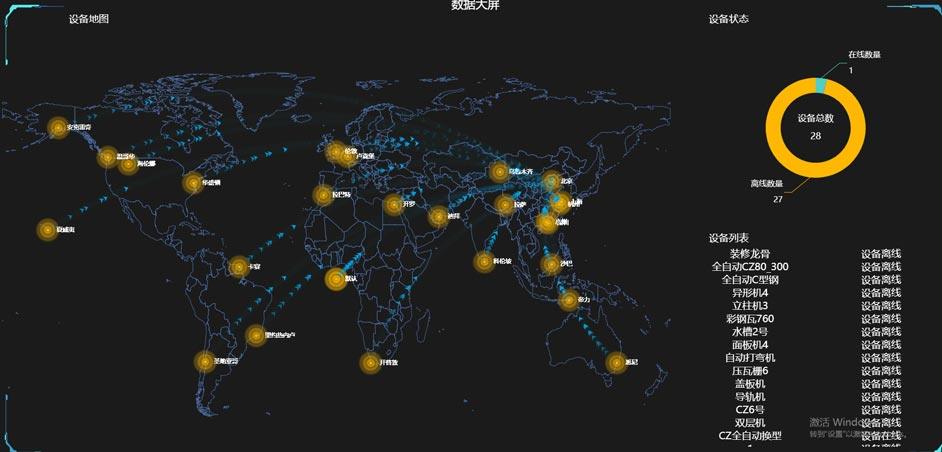
우리는 국가 수준의 첨단 기술 기업입니다. 우리는 ISO9001 품질 시스템 인증, 유럽 CE 안전 인증, 북미 CAS 인증 등을 받았습니다. 우리는 수출 무역에 대한 풍부한 경험을 가지고 있으며 다른 국가 고객의 요구를 이해합니다. 한편 우리는 고객에게 만족스러운 디자인 솔루션을 제공 할 수 있습니다. 우리의 기계는 150 개국 이상에 수출되었으며 고객과 장기적이고 안정적인 협력 관계를 구축하여 고객의 찬사를 받았습니다.
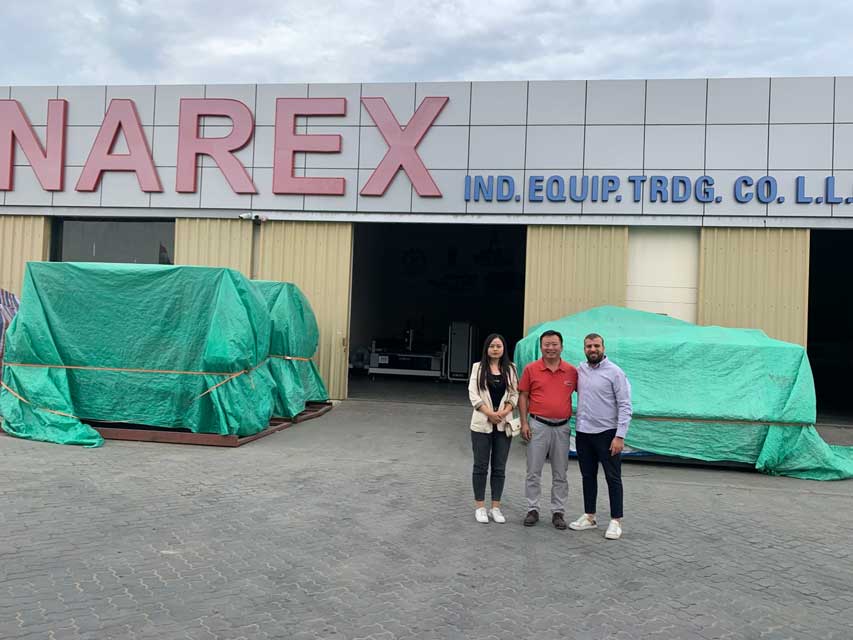
글로벌 신뢰: 156개 이상의 국가 및 지역 고객이 신뢰하는 당사의 루핑 시트 제작 기계는 전 세계적으로 뛰어난 성능과 신뢰성으로 인정받고 있습니다.
아프리카 잠비아에서 중퉈 롤 성형 기계가 안정적으로 작동하고 있습니다.
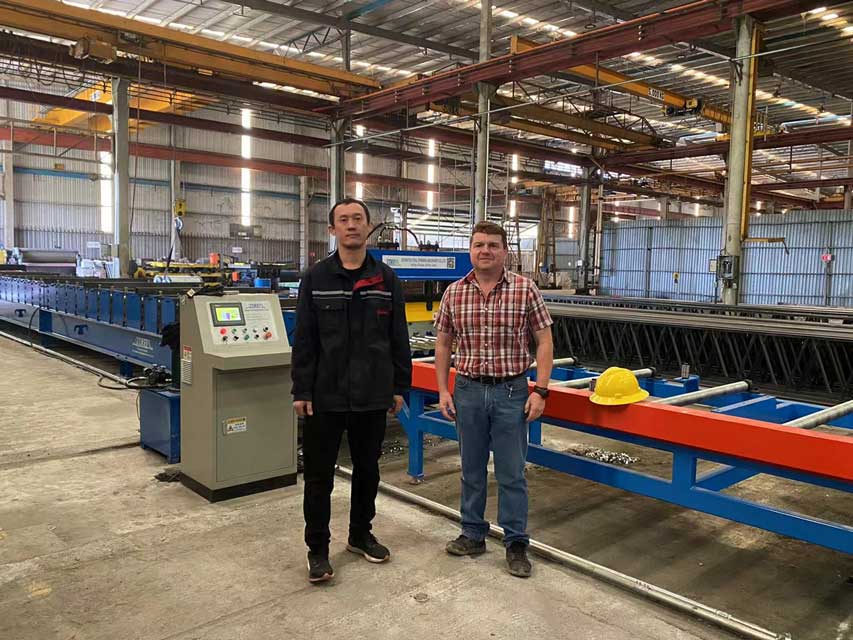
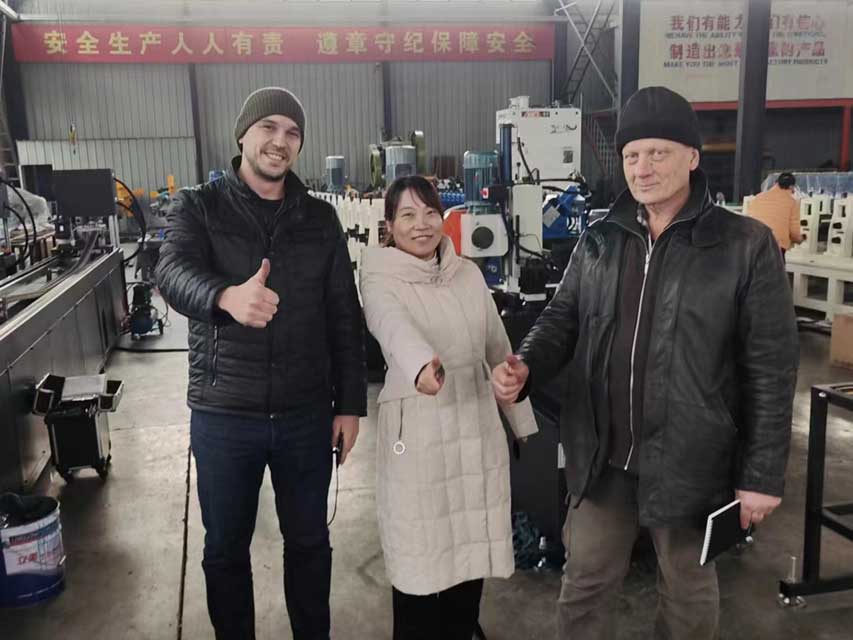
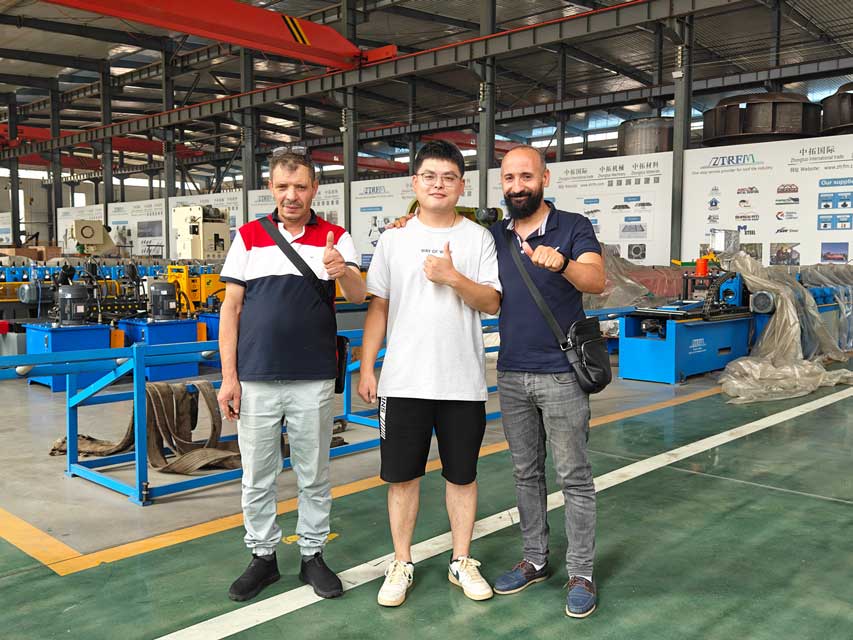
자동 CU 용골 기계-몽골 고객이 공장을 점검하고 우리와 협력합니다.
브라질 고객을 위한 맞춤형 중퉈 금속 슬리팅 라인
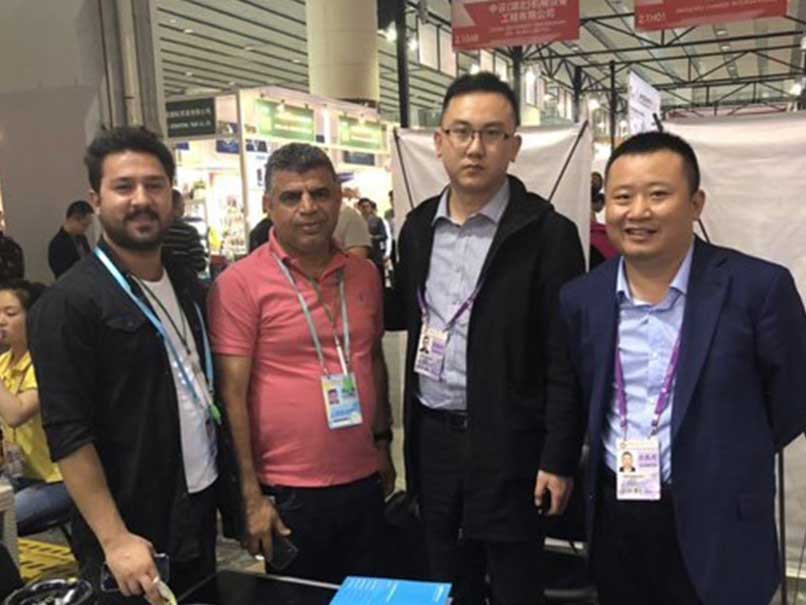
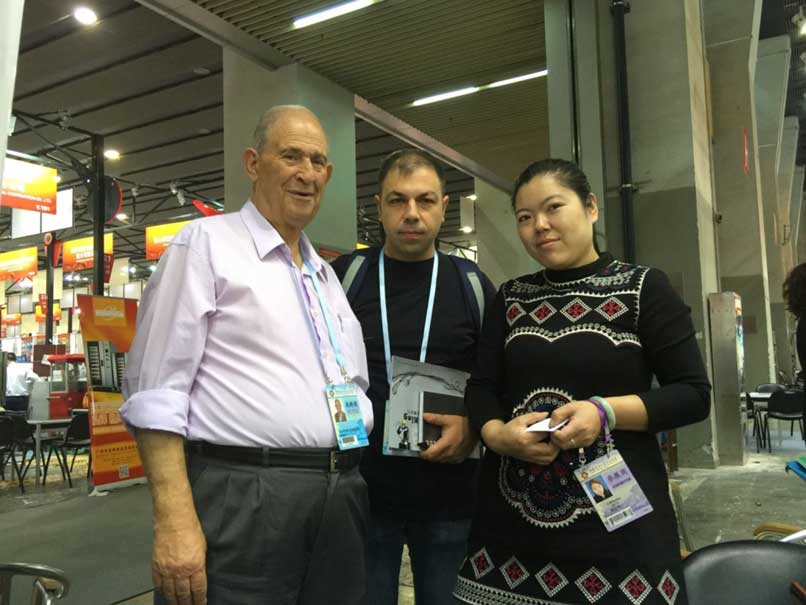
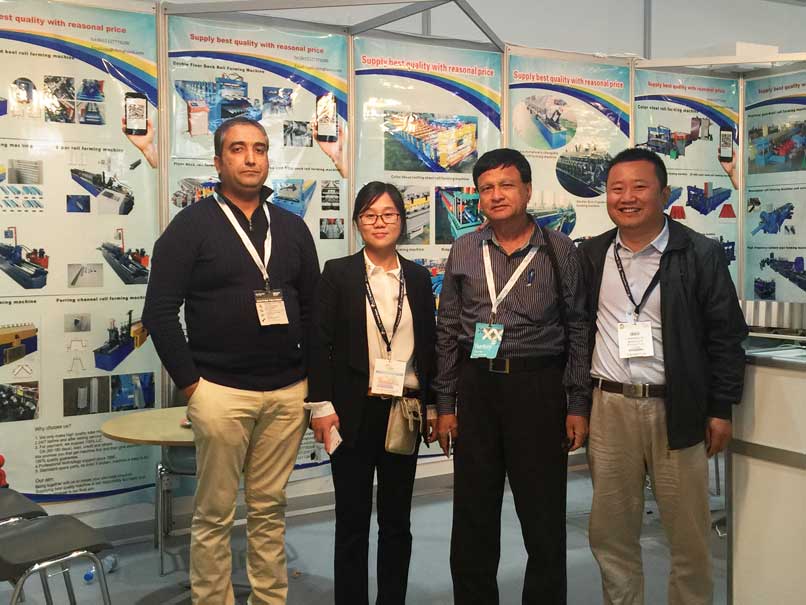
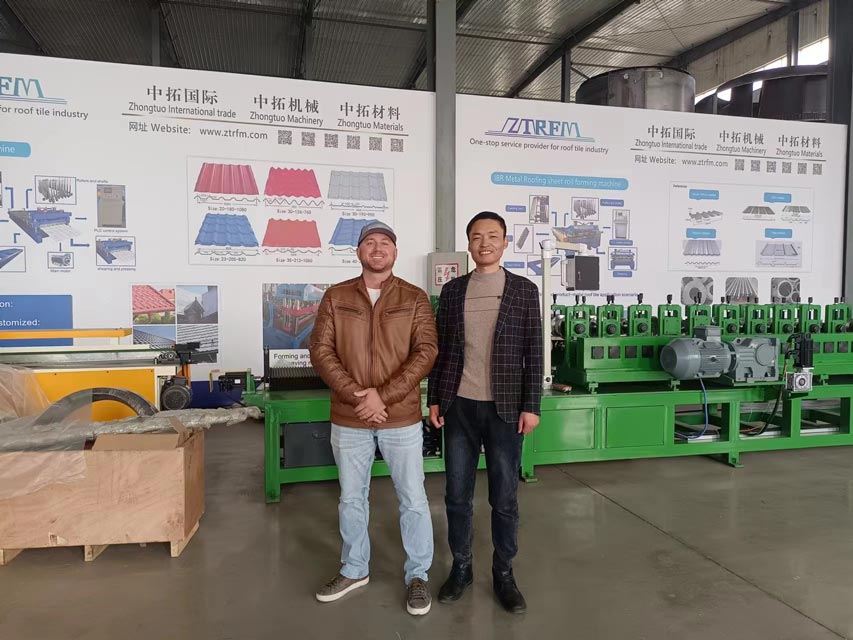
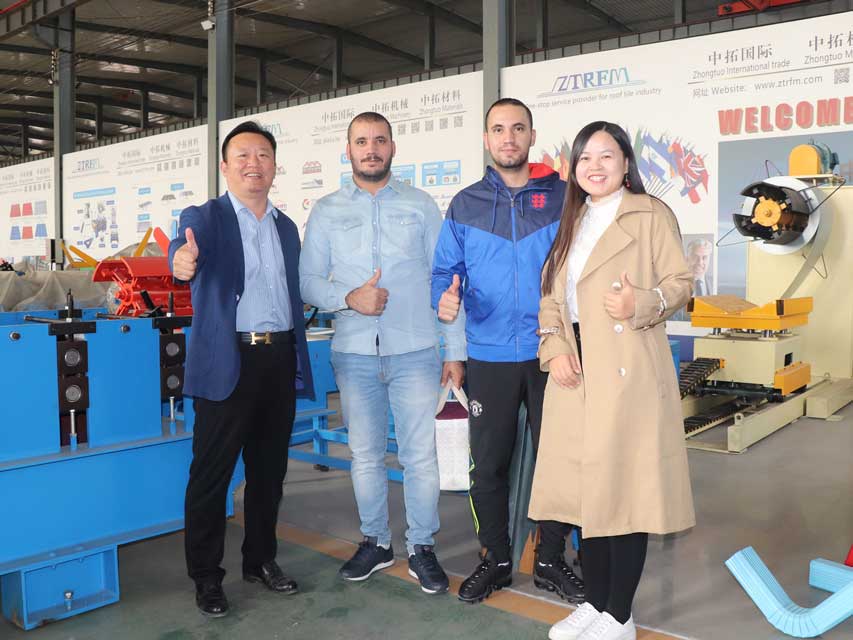
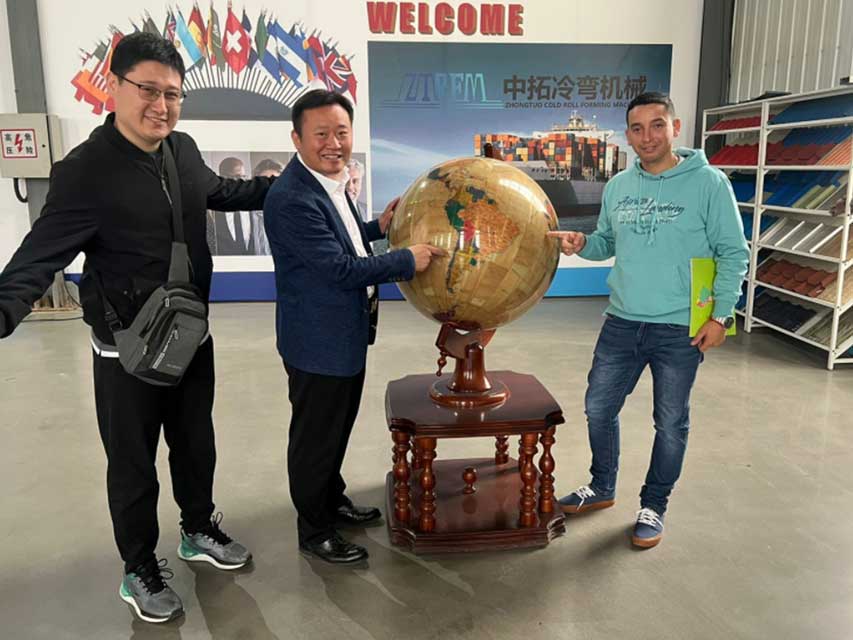
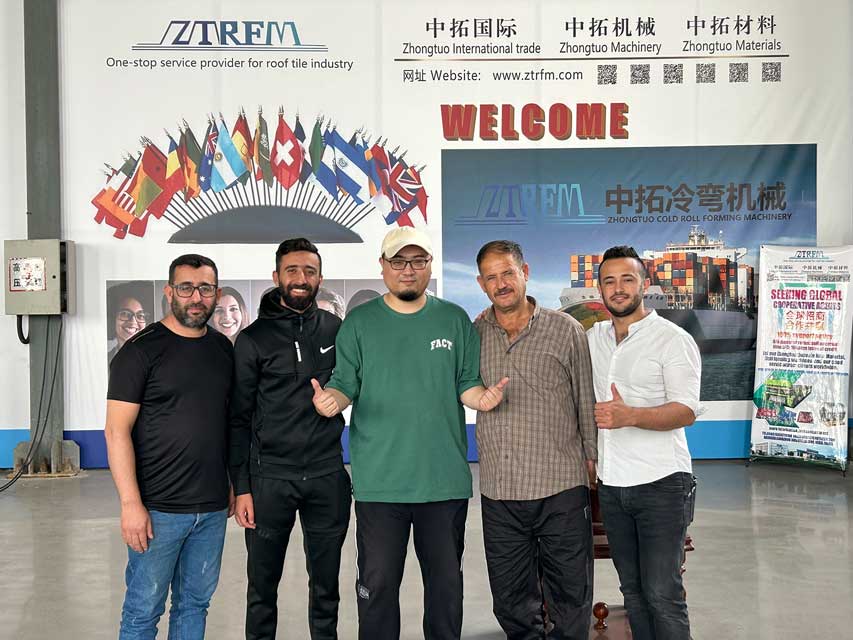
웨도의 롤 성형기 공장 방문을 환영합니다.
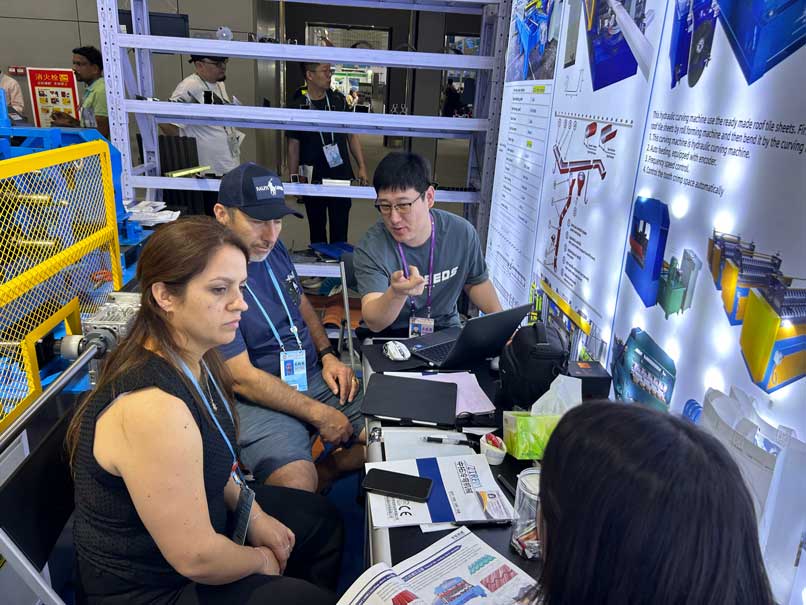
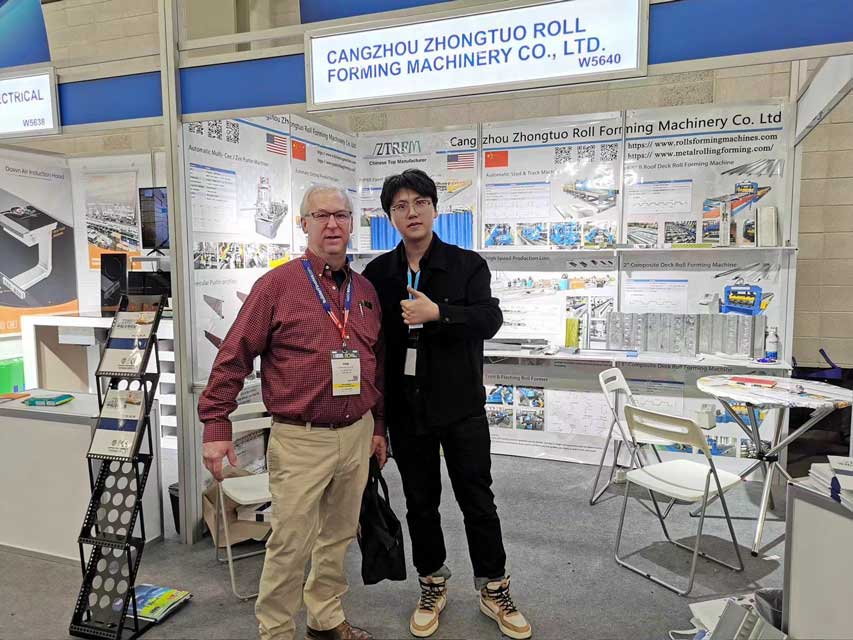
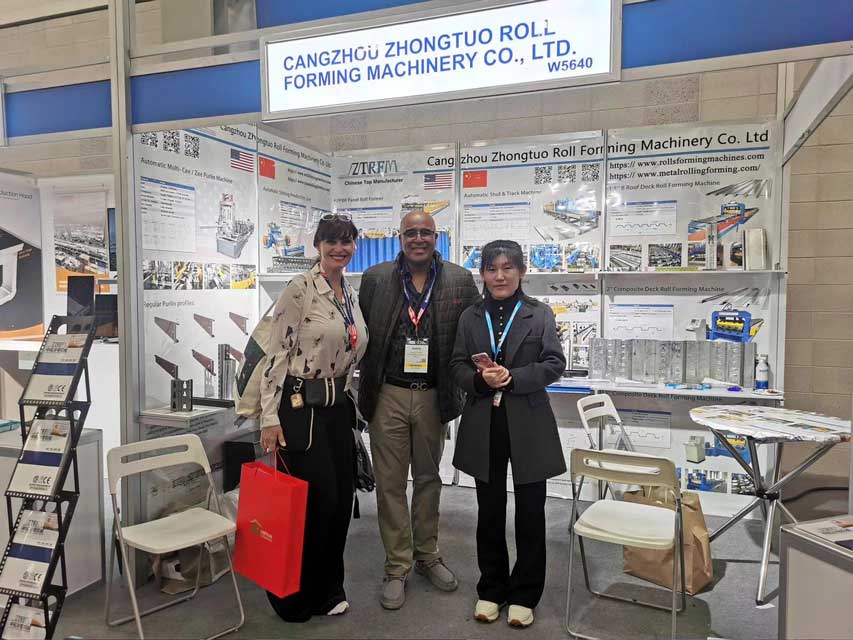
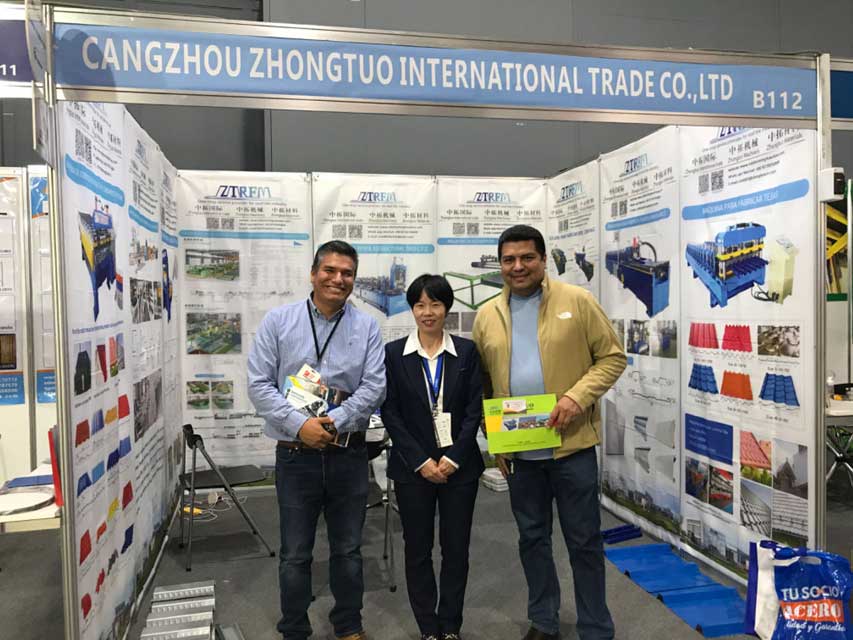
미국 친구들이 창저우 중퉈 롤 성형 기계로 돌아왔습니다.
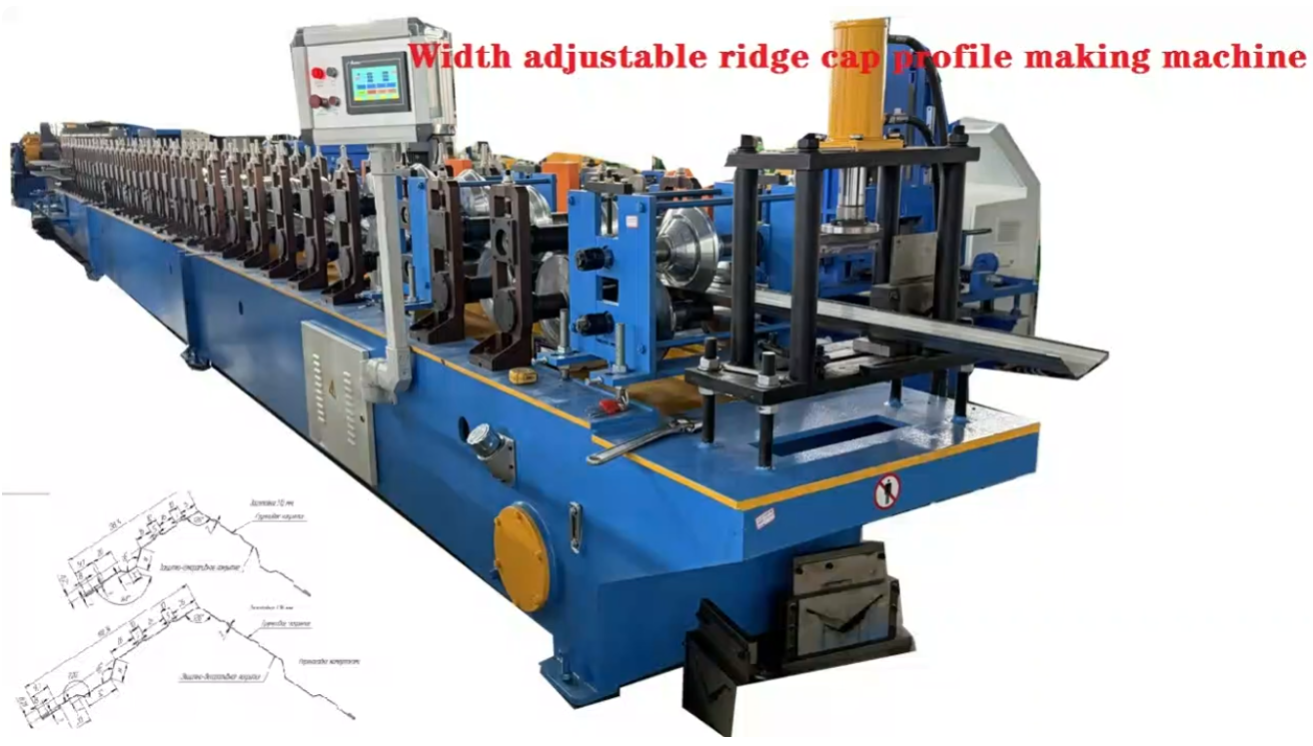
금속 루핑 롤 성형 기계는 자동 적재 시스템으로 R 패널 및 로우 프로파일을 생산합니다.
롤 성형기 애프터 서비스에 대한 고객의 의견
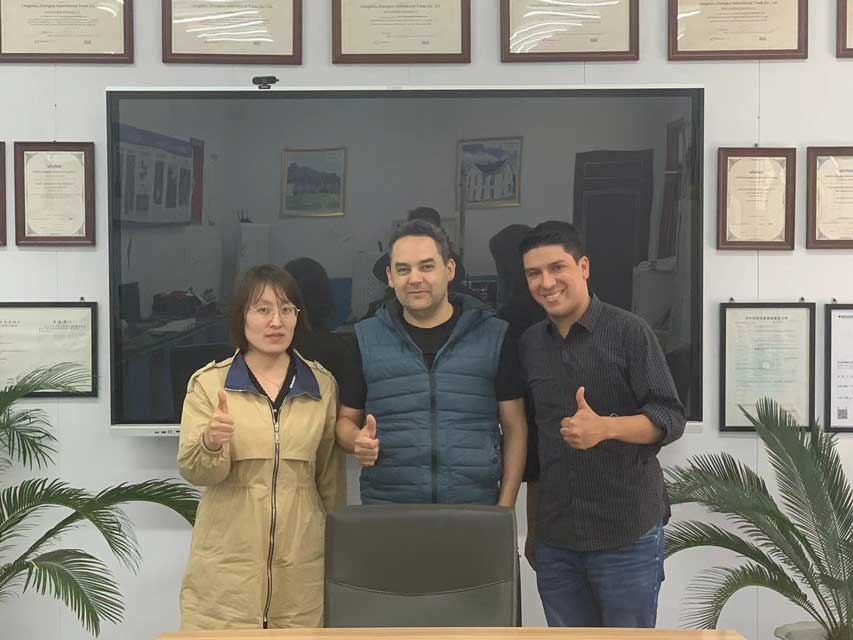
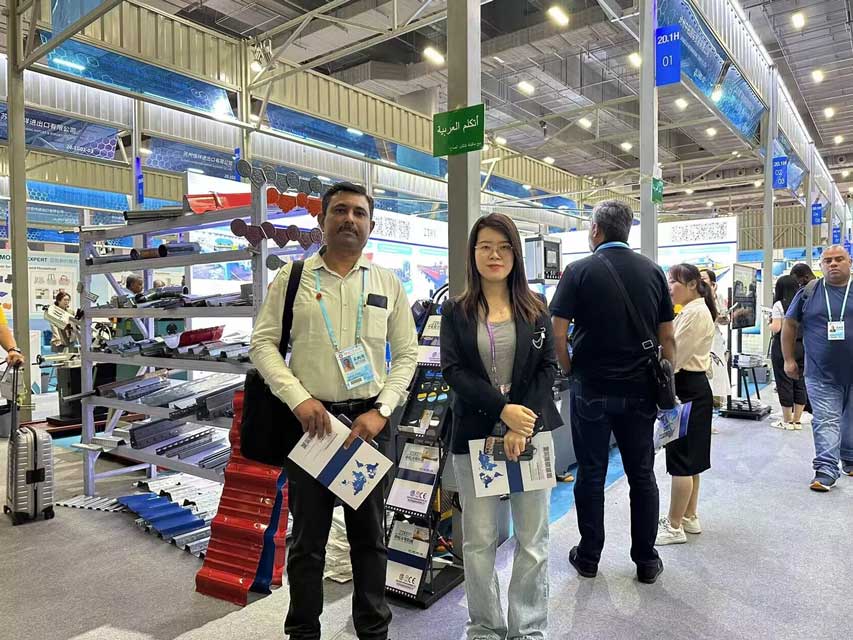
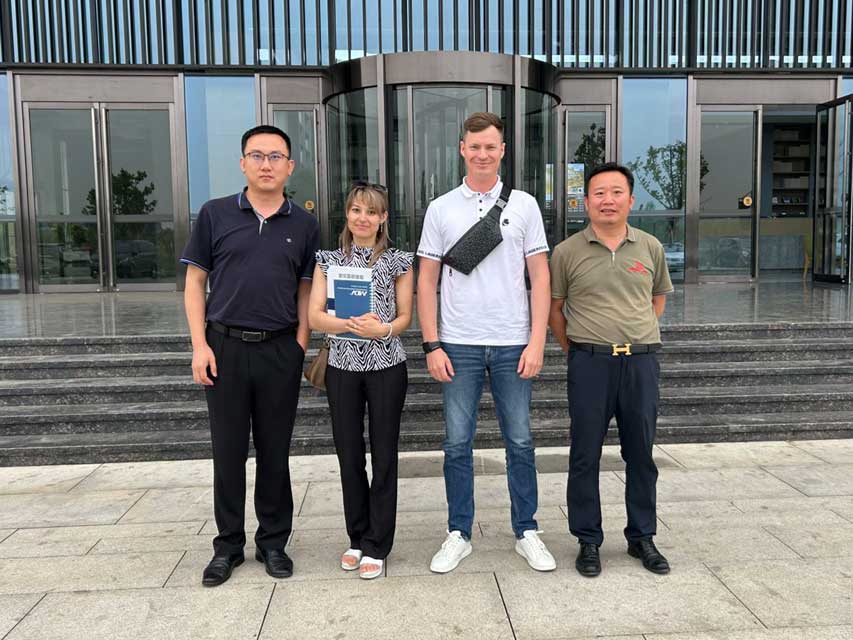
아제르바이잔 고객이 롤 성형 공장을 성공적으로 방문했습니다!
중퉈 롤 성형 솔루션 | 글로벌 산업을 위한 맞춤형 기계
360° VR 시스템을 통해 중퉈를 방문하면 2014년에 설립된 창저우 중퉈는 다양한 유형의 냉간 압연 성형기를 설계하고 제조하는 데 전념하고 있습니다. 우리는 ODM, OEM 및 원 스톱 서비스를 제공합니다. 원자재, 기계 및 액세서리는 당사에서 구입할 수 있습니다.
360° VR 시스템을 통해 중퉈를 방문하십시오, 창저우 중퉈는 2004년에 설립되었으며, 다양한 유형의 냉간 압연 성형 기계의 설계 및 제조에 전념하고 있습니다. 우리는 ODM, OEM 및 원 스톱 서비스를 제공합니다. 원자재, 기계 및 액세서리는 당사에서 구입할 수 있습니다.