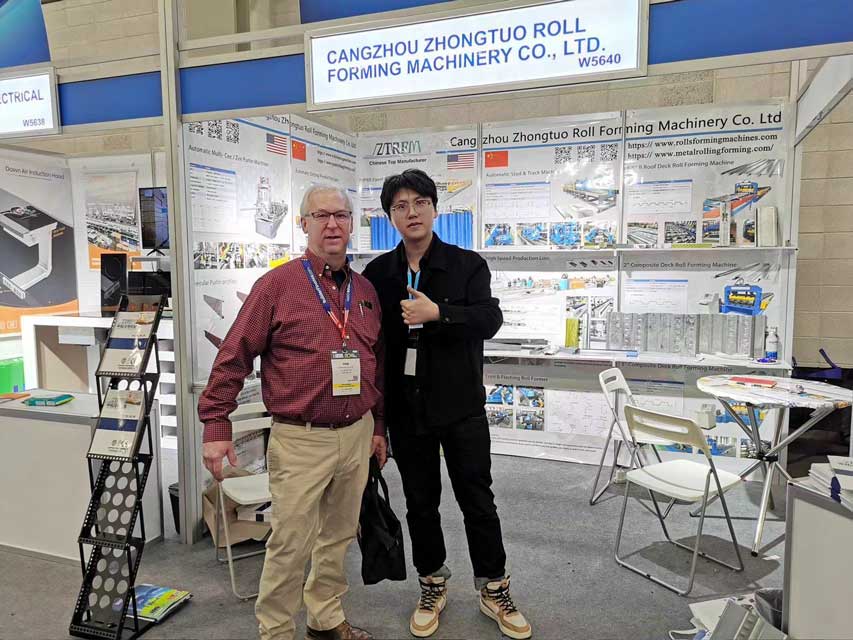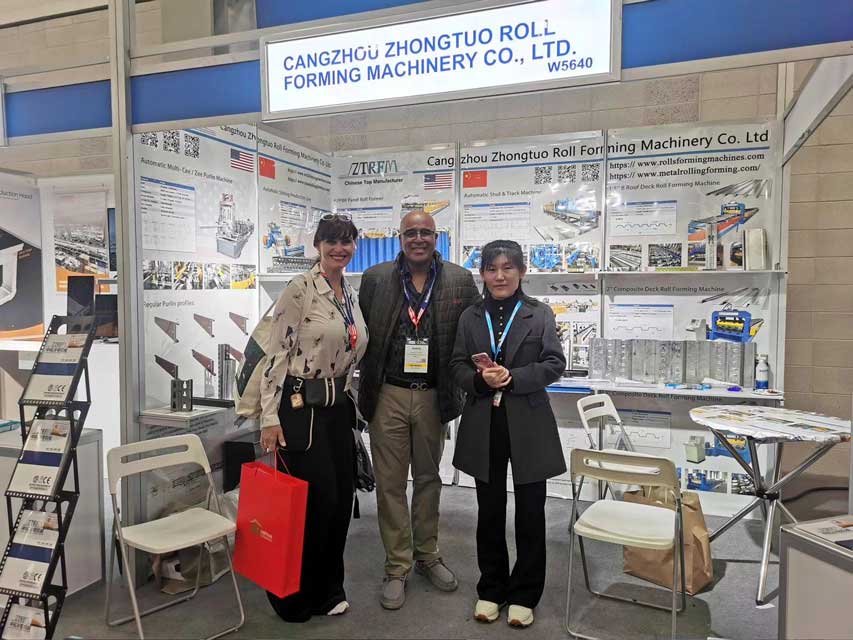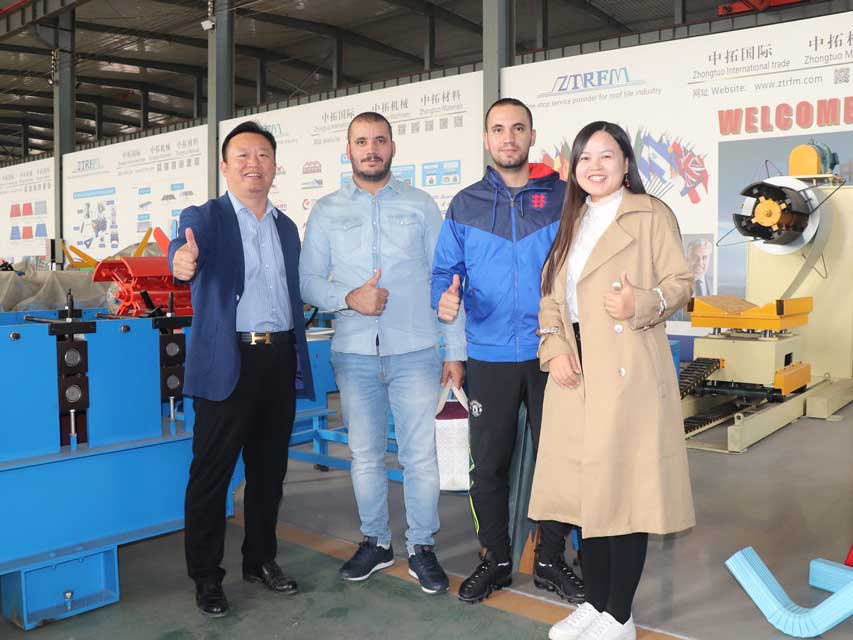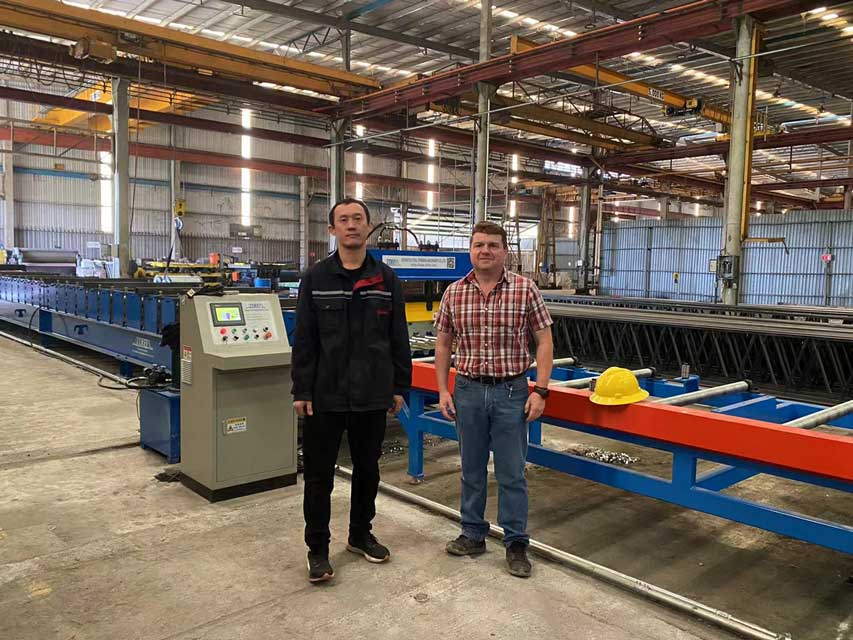
기술 변화 및 산업 시스템, 우리는 다음과 같이 헌신합니다.
소중한 고객에게 최고의 경제적인 솔루션을 제공합니다.
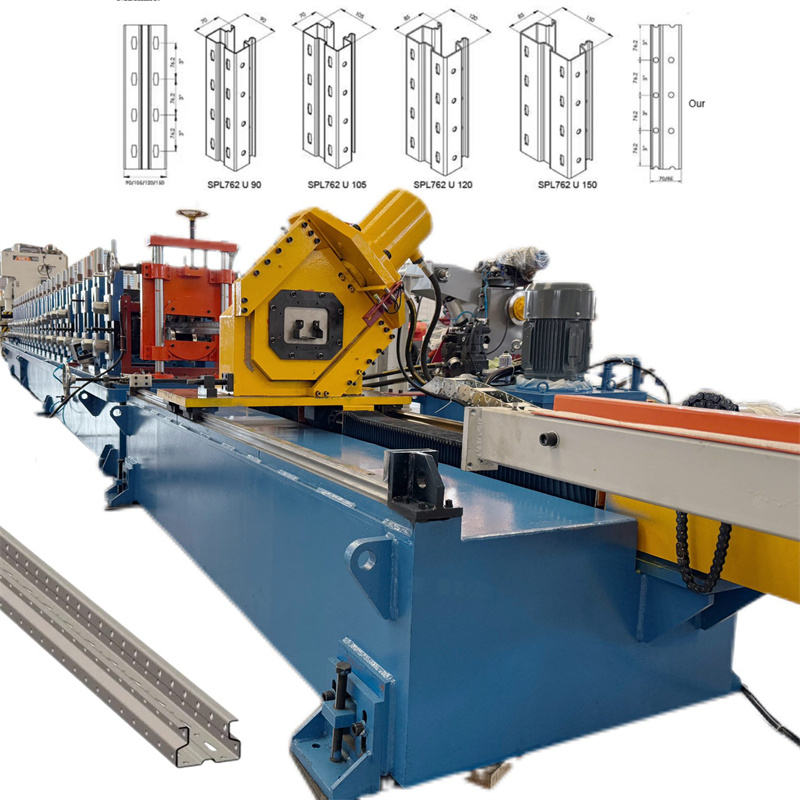
Shelf Panel Upright Roll Forming Machine for Warehouse Storage Systems
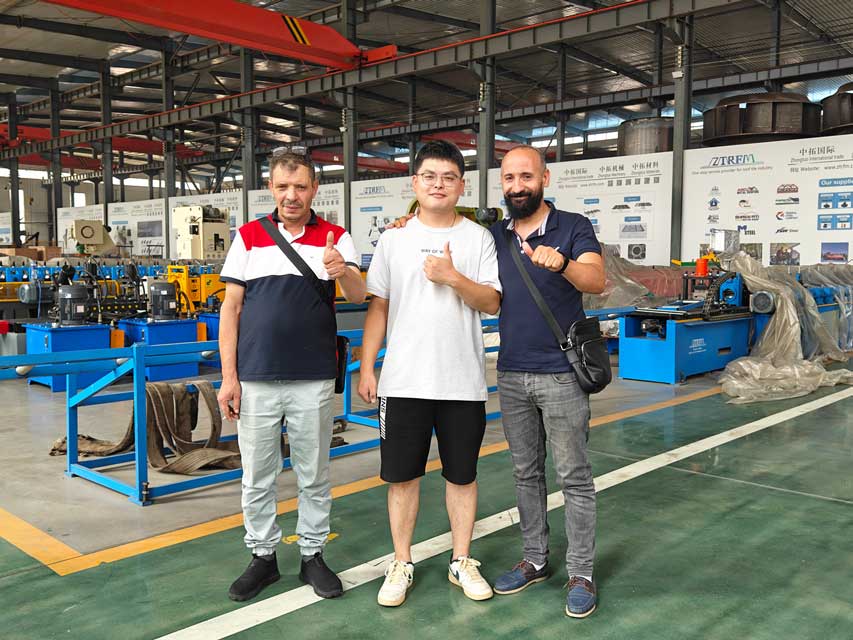
다양한 유형의 냉간 압연 성형기. 우리는 2006 년부터 롤 성형 기계의 설계 및 제조에 종사하는 오랜 역사를 가진 공장입니다. 우리가 생산할 수있는 기계에는 지붕 타일 제조 기계, cz 도리 제조 기계, 경강 용골 제조 기계, 금속 엠보싱 기계, 도어 시스템 성형 기계, 천장 시스템 성형 기계, 고주파 파이프 용접기, 슬리 팅 라인, 절단 길이 라인, 선반 시스템 성형 기계, 바닥 데크 성형 기계, 컬러 석재 타일 생산 라인, 핫 라미네이팅 필름 기계 등이 있습니다.
Pallet Rack Upright Roll Forming Machine for Warehouse Storage Systems
Description:The pallet rack upright is the backbone of every warehouse racking system. Its hole pitch accuracy, profile straightness and surface finish directly determine how fast your racks go together on site — and how much adjustment headache your customer faces during installation.
Our pallet rack upright roll forming machine is engineered for manufacturers who need to produce teardrop, diamond, slotted, or custom-hole upright posts at industrial scale with minimal scrap and fast changeovers.
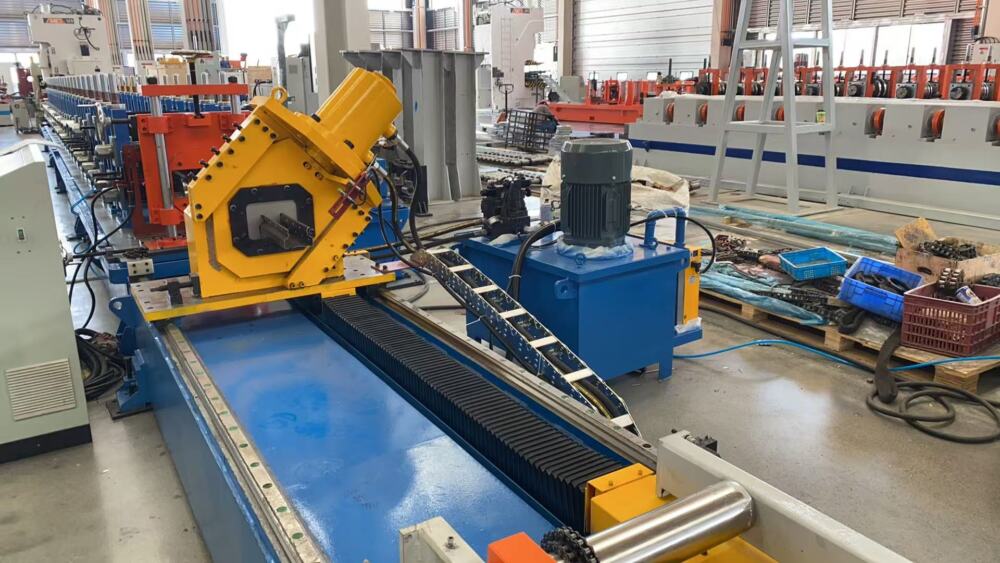
What Is a Pallet Rack Upright Roll Forming Machine?
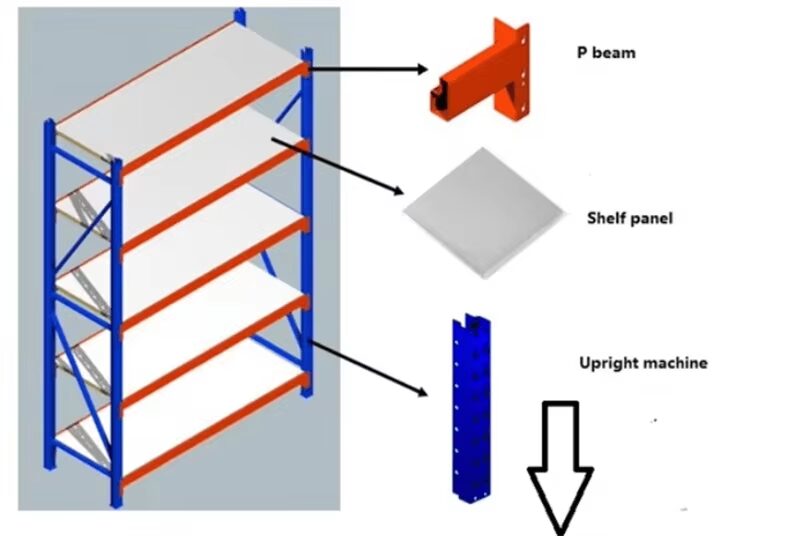
A pallet rack upright roll forming machine is a continuous cold-forming production line that transforms steel coils into finished upright posts — the vertical frames that support horizontal beams in selective pallet racking, drive-in racking, push-back racking and AS/RS systems.
Unlike a simple roll former, an upright line must solve one critical challenge: punching hundreds of connection holes with perfect pitch accuracy before or during the forming process, so that every beam level locks in at exactly the right height.
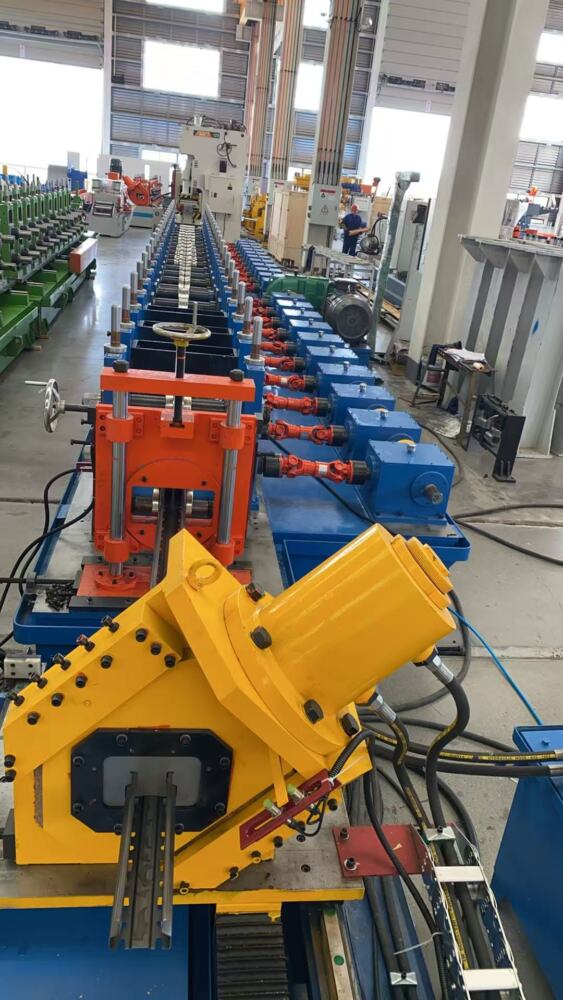
The machine forms the profile through a series of roller stations, integrates inline punching for connector holes, and delivers cut-to-length upright posts ready for welding, assembly or direct shipment.
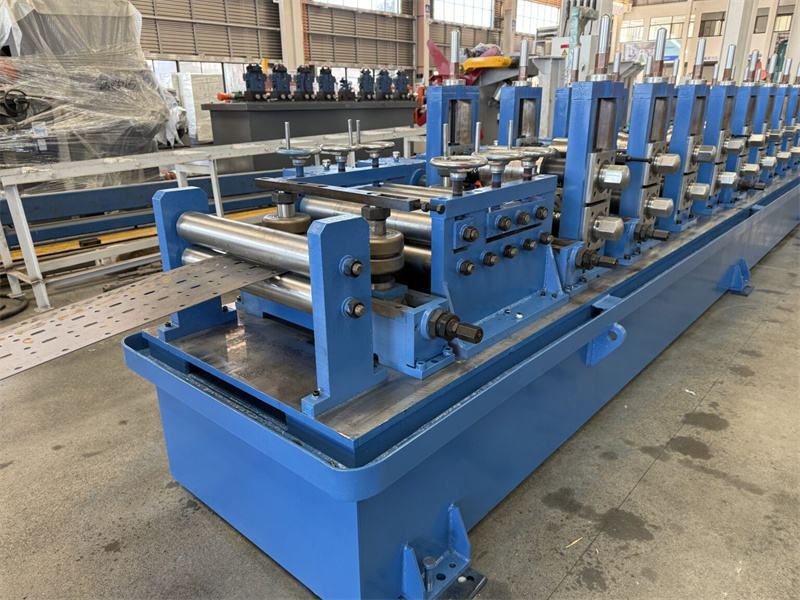
Why Upright Accuracy Decides Your Rack Quality
In warehouse racking, a 1 mm hole-pitch deviation per meter becomes a 20–30 mm problem over a 6–12 m upright. That means beams won't sit level, locking pins won't engage smoothly, and your customer's installation crew wastes hours on site adjustments.
Our upright roll forming lines are built around three precision pillars:
Servo-Synchronized Punching
The punching station is driven by a servo feeder that synchronizes hole position with line speed in real time. Whether you need teardrop holes at 50 mm pitch, 75 mm pitch, or a mixed pattern, the system maintains ±0.5 mm pitch tolerance across the full length.
Rigid Frame Construction
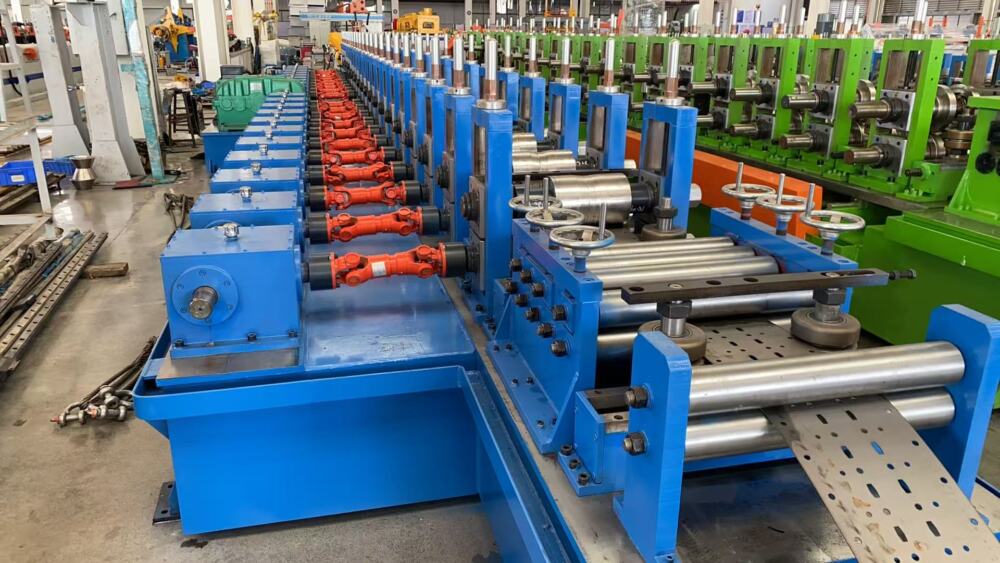
Each forming stand uses a heavy-duty welded steel housing with hardened shafts and bearings rated for continuous 24/7 operation. The frame resists deflection even when forming high-strength steel at maximum thickness.
PLC Recipe Management
Operators select the upright profile, hole pattern and cut length from a touch-screen recipe menu. The line auto-adjusts roller gaps, punch position and cutting parameters — reducing changeover from hours to under 30 minutes for similar profiles.
Production Line Workflow
Decoiling and Straightening
A hydraulic or manual decoiler feeds the steel strip into a leveling unit that removes coil set and camber before the material enters the punching zone.
Inline Punching Station
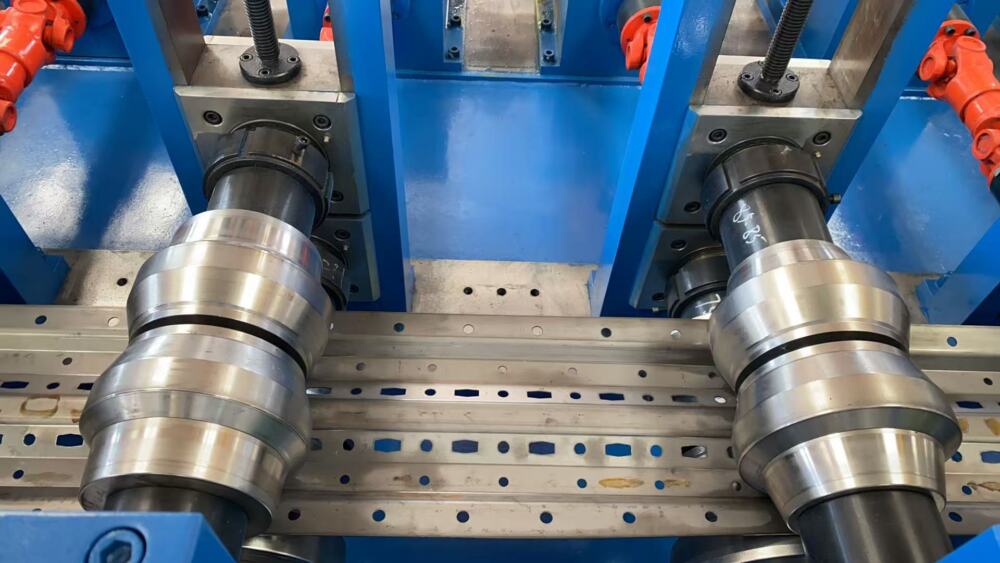
This is the most critical stage. Servo-driven punching units create teardrop holes, diamond holes, round holes, or custom slot patterns on both sides of the profile in perfect synchronization with the forming speed. Multiple punching heads can be configured for complex hole layouts.
Roll Forming Section
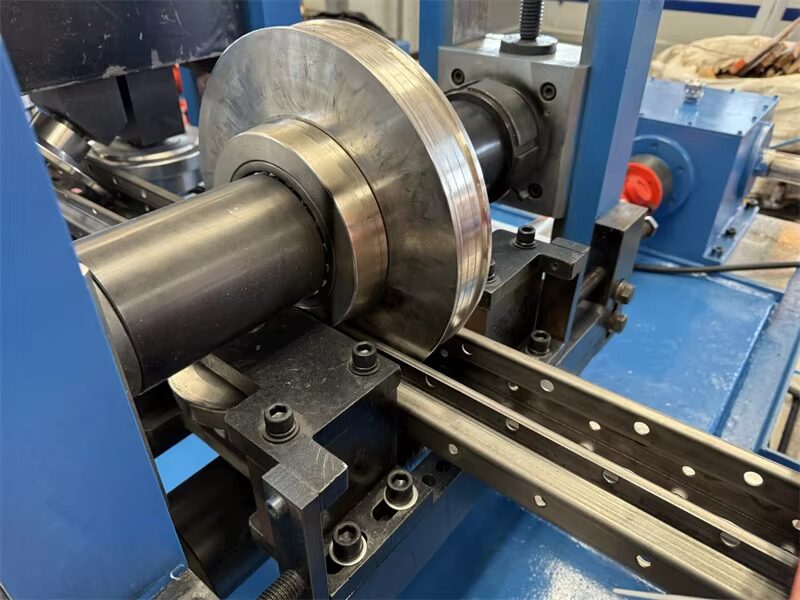
The strip passes through 16 to 22 forming stations, gradually shaped into the final upright profile — typically a closed box section, open channel, or stepped section depending on your design. Each roller is CNC-machined and heat-treated for long service life.
Flying Cut-Off
A hydraulic or servo flying shear cuts the formed upright to the required length without stopping the line. Clean, burr-minimized cuts protect downstream handling and reduce finishing work.
Run-Out and Stacking
Finished uprights slide onto a run-out table or automatic stacking system, bundled and strapped for warehouse storage or container loading.
Profile and Material Capability
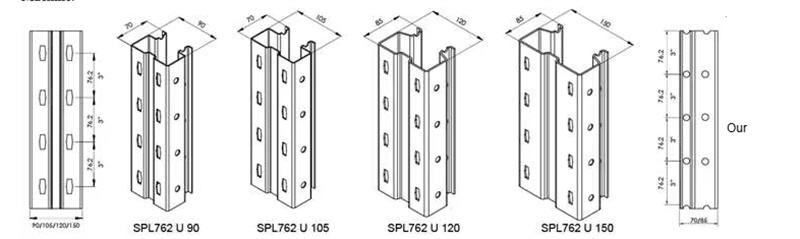
The line handles a wide range of upright designs used in the global racking industry. Common profiles include closed box uprights with welded or lock-seamed seams, open channel uprights with flanges, and stepped uprights for specific beam connection systems.
Material options cover galvanized steel, cold-rolled steel and high-strength low-alloy steel. Thickness typically ranges from 1.5 mm to 4.0 mm depending on the upright size and load rating. Width and depth of the upright section are configured per your engineering drawing.
Hole patterns are fully customizable — teardrop (US standard), diamond (European style), slotted, perforated, or proprietary patterns for branded racking systems.
Applications Across the Storage Industry
Selective Pallet Racking
The most common application. Uprights produced on this line serve retail distribution centers, third-party logistics warehouses, manufacturing plants and e-commerce fulfillment hubs worldwide.
High-Bay and AS/RS Systems
Automated storage and retrieval systems demand extremely tight tolerances. The servo punching and precision forming on this line meet the accuracy requirements of high-bay racking up to 30 meters and beyond.
Drive-In and Push-Back Racking
These high-density systems use heavier-gauge uprights with reinforced profiles. The line's robust forming capacity handles the thicker materials and deeper sections required.
Cantilever and Outdoor Racking
For long-load storage and outdoor applications, the same platform can be adapted to produce heavier upright sections with additional punching or perforating stations.
What Buyers Evaluate Before Ordering
When procurement managers and plant engineers compare upright roll forming machines, the conversation goes beyond the catalog specs. Here is what actually drives the buying decision:
Changeover Time Between Profiles
If your factory produces three or four upright sizes, the difference between a 2-hour changeover and a 30-minute changeover adds up to days of lost production per month. Quick-change stands and recipe storage directly impact your bottom line.
Scrap Rate on Start-Up
Every coil start generates a few meters of off-tolerance product during stabilization. A well-tuned line with auto-calibration minimizes this warm-up scrap, saving thousands of meters of steel per year.
After-Sales Response Speed
When a punching servo faults at 2 a.m. on a production night, you need remote diagnostic support, not a "we'll get back to you tomorrow" email. Our team provides online troubleshooting and can dispatch spare parts within 24 hours for critical items.
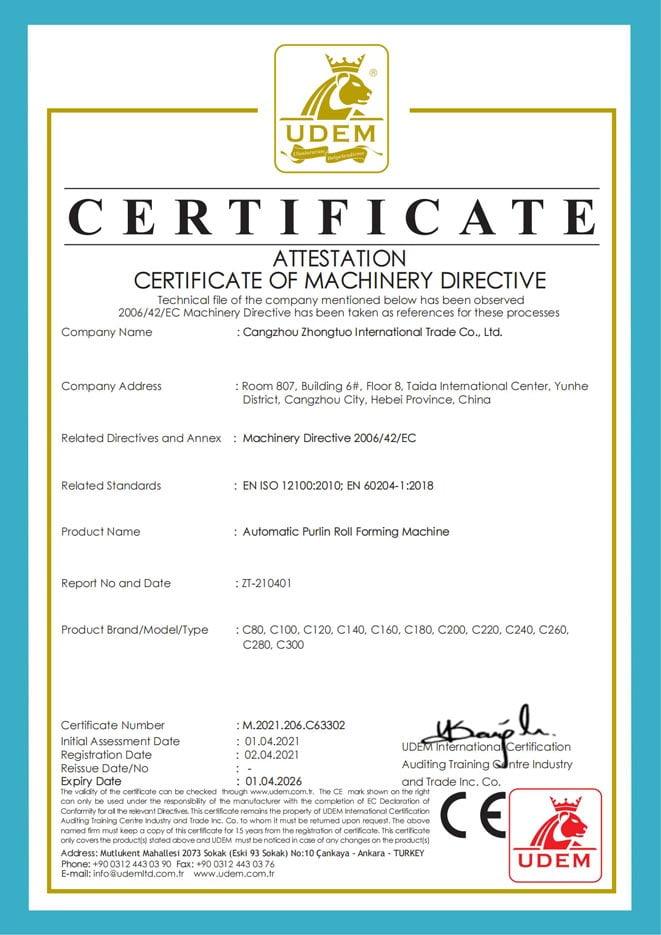
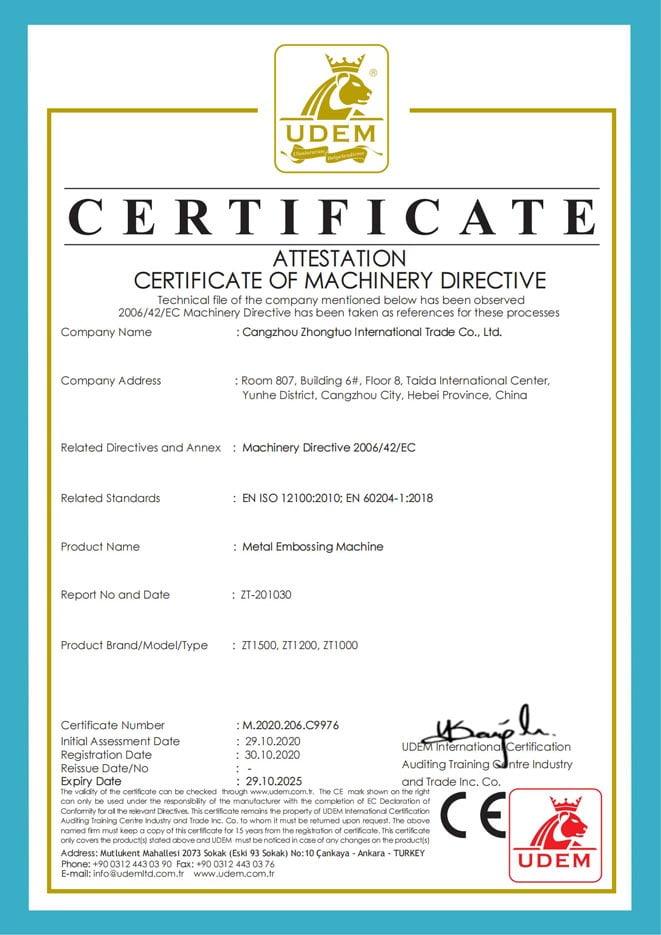
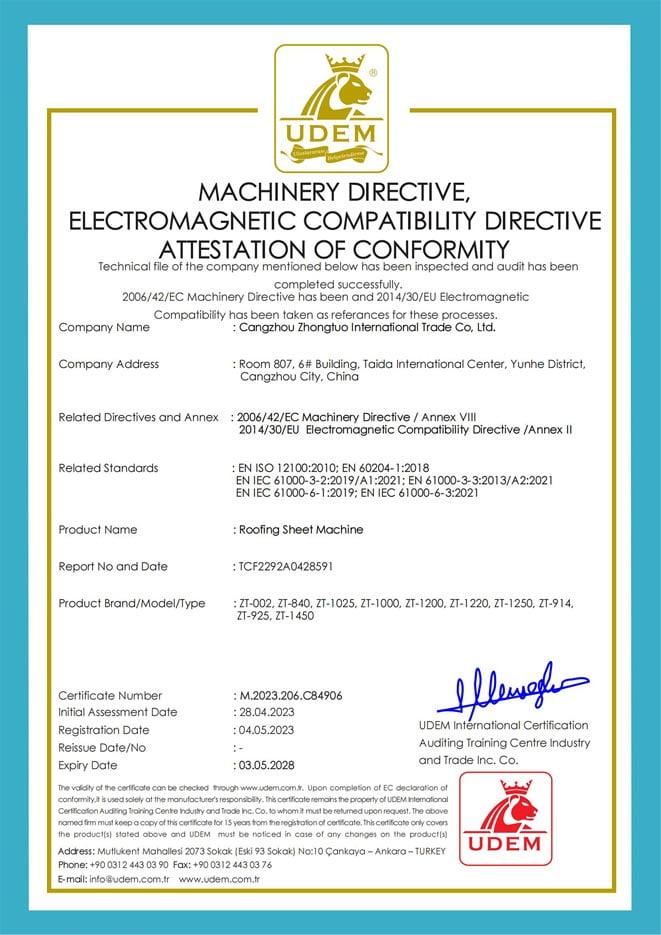
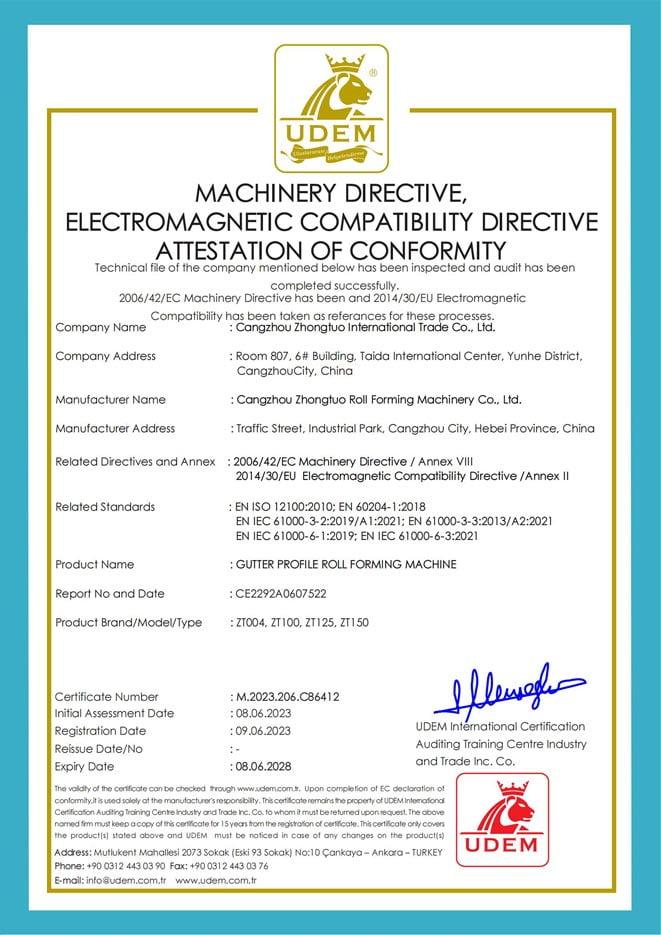
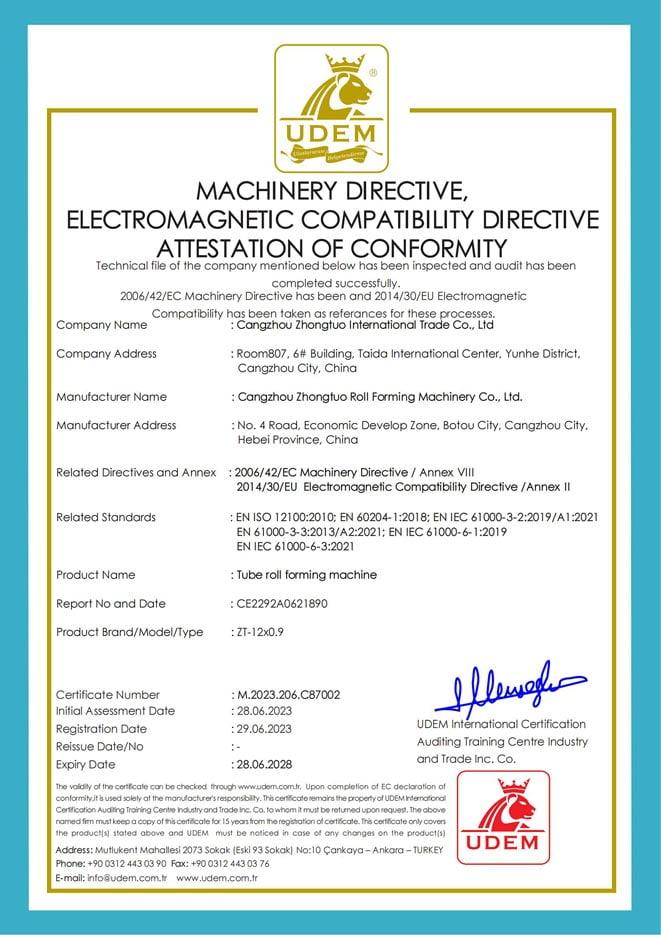
Documentation for CE and Export
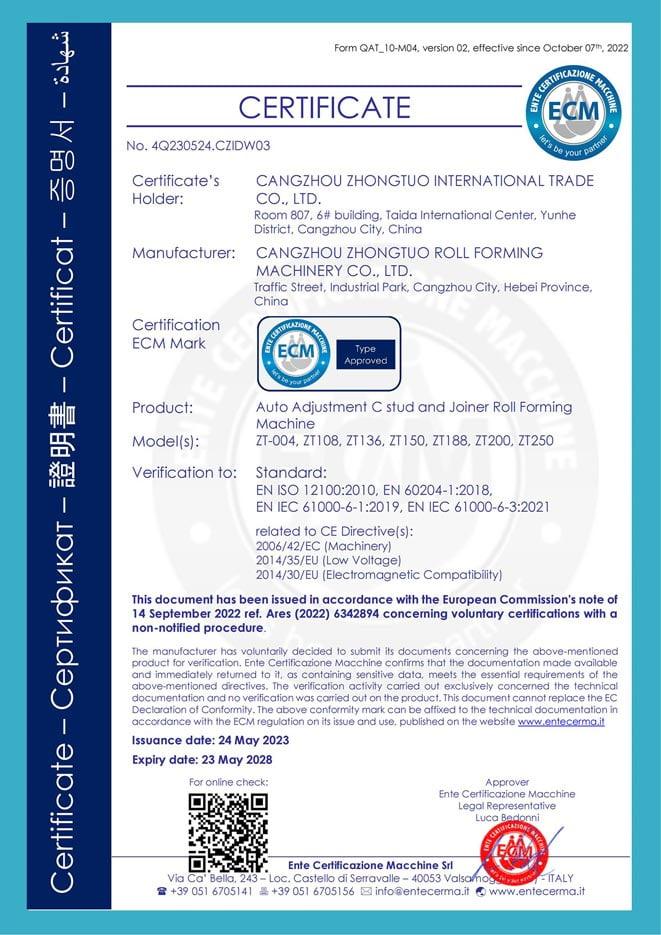
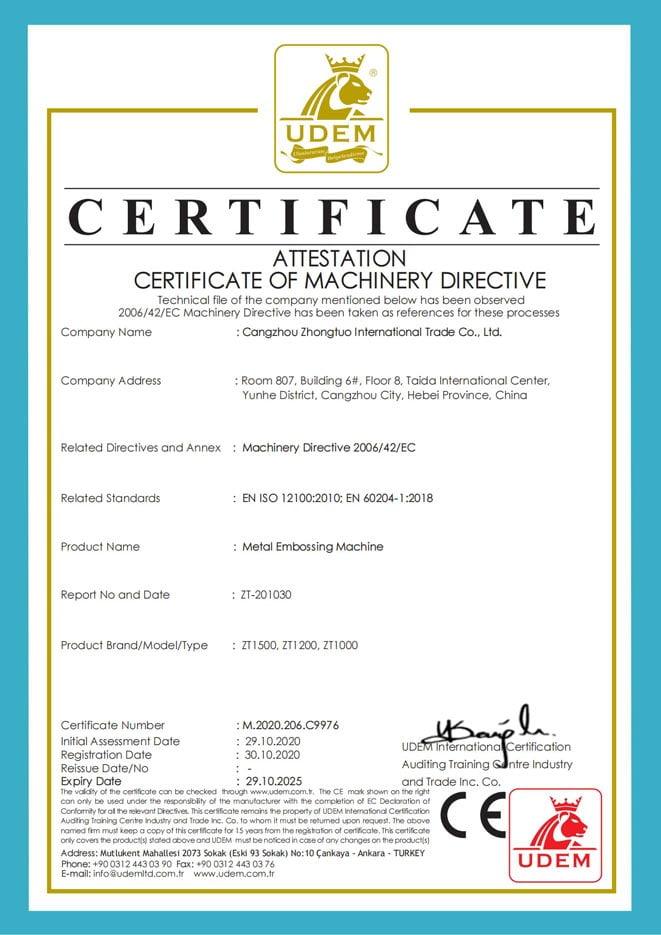
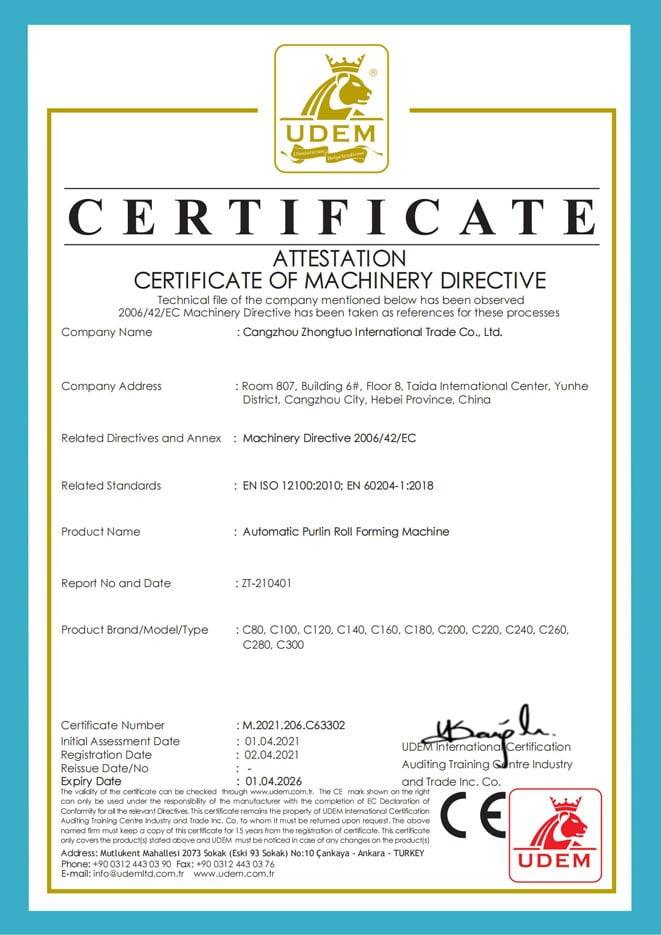
Machines destined for European, North American or Middle Eastern markets need proper electrical schematics, safety documentation, and compliance paperwork. We supply full packages in English and can adapt to local certification requirements.
Customization Options
No two racking manufacturers use identical profiles. We treat every line as a custom-engineered solution:
Profile development support — send your load calculation and we help finalize the optimal section design for roll forming.
Multi-pattern punching — produce two or three hole patterns on one line by quick-change punch dies.
Automatic width adjustment — motorized side-roll adjustment for producing multiple upright widths without manual shimming.
Embossing and branding — inline embossing of your company logo or rack load labels.
Integrated welding — for closed box uprights, an inline seam welder or lock-seam former closes the section before cutoff.
Automatic bundling — downstream strapping and stacking to reduce labor at the end of the line.
Packaging, Delivery and Commissioning
Every machine is packed for long-distance ocean freight: anti-rust oil on exposed surfaces, stretch film wrapping, steel frame reinforcement inside the container, and a detailed loading plan to maximize container utilization.
Before shipment, we run the line with material provided by the customer (or equivalent substitute) and share a video inspection report showing hole pitch measurement, profile cross-section check and cut-length verification.
Installation support includes a comprehensive manual, electrical diagrams, operation training videos, and remote commissioning via video call. On-site engineer dispatch is available for complex installations or first-time buyers.
Typical lead time ranges from 45 to 75 days depending on customization level and current production schedule.
왜 우리를 선택해야 할까요?
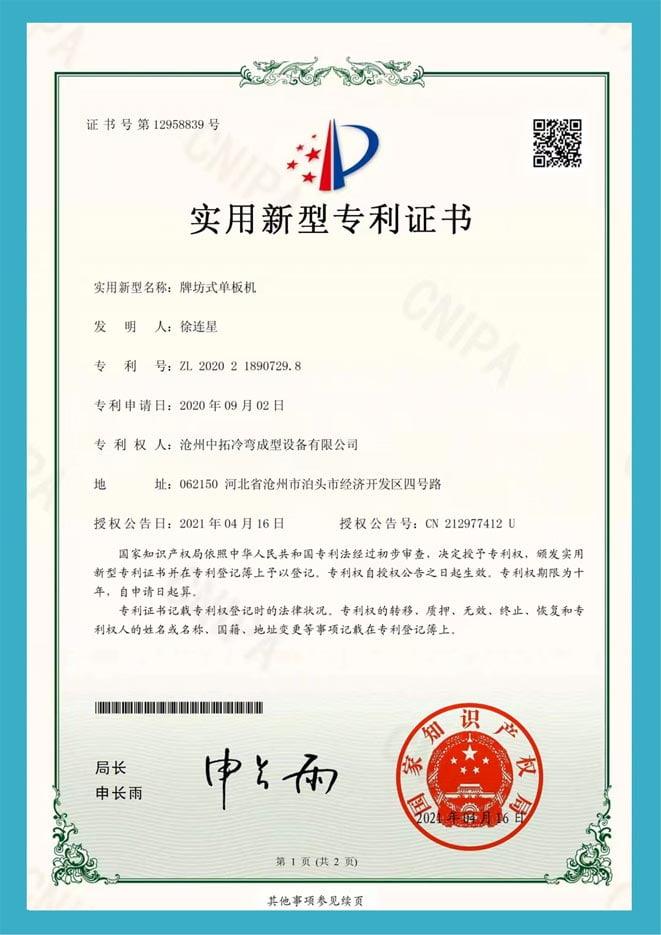
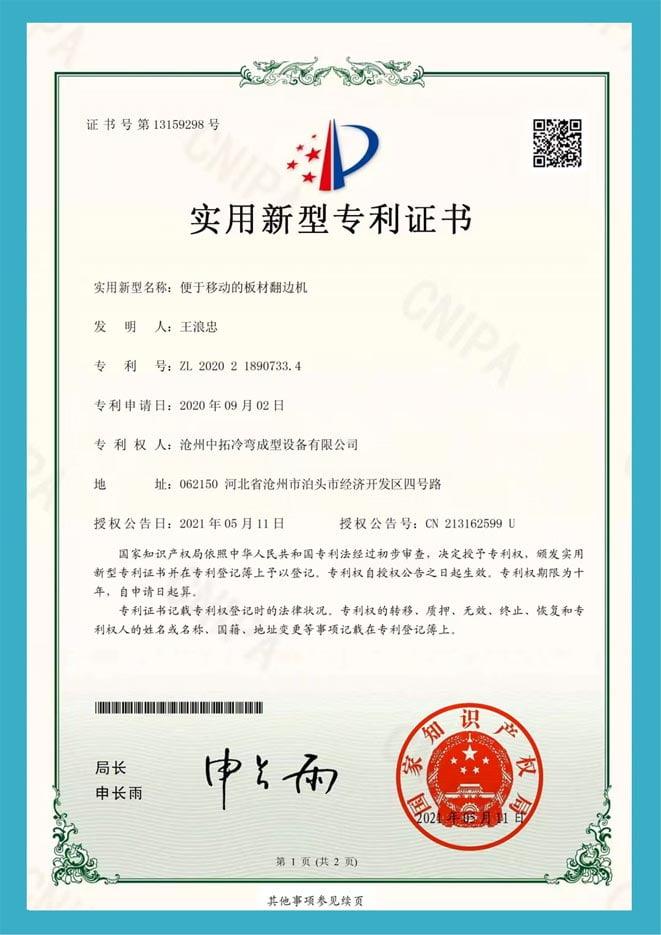
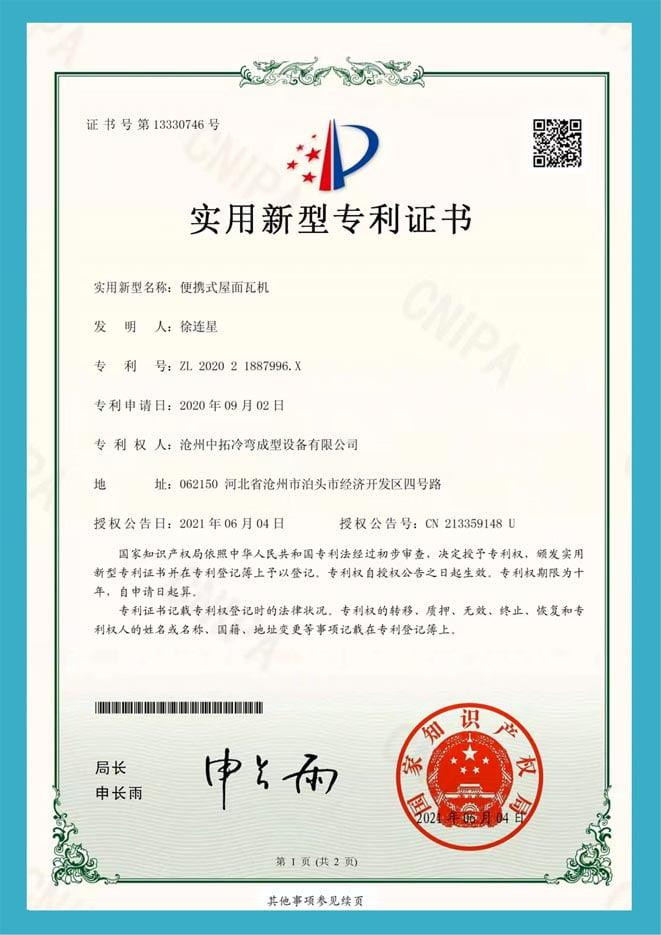
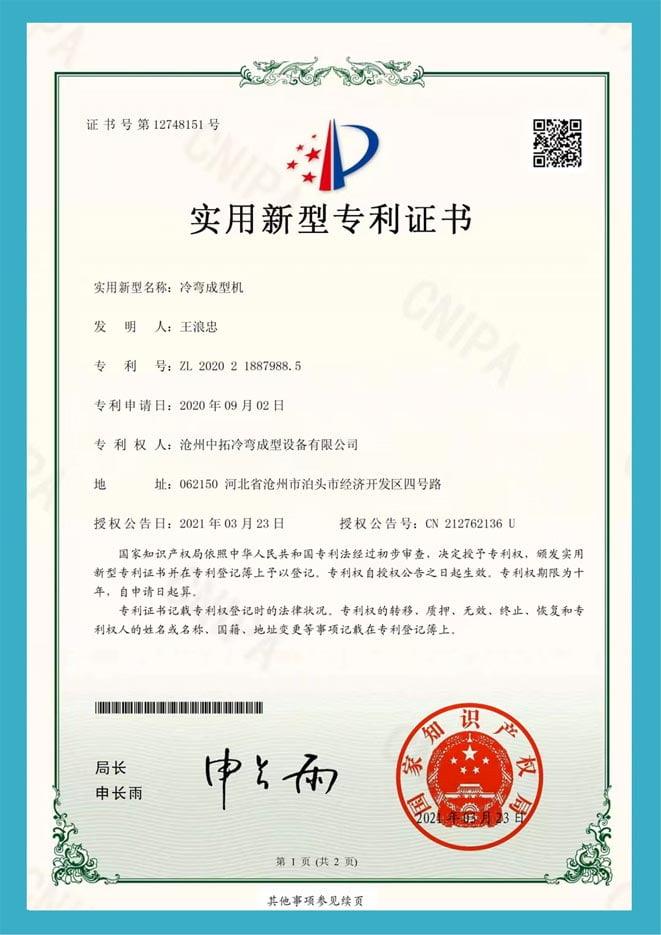

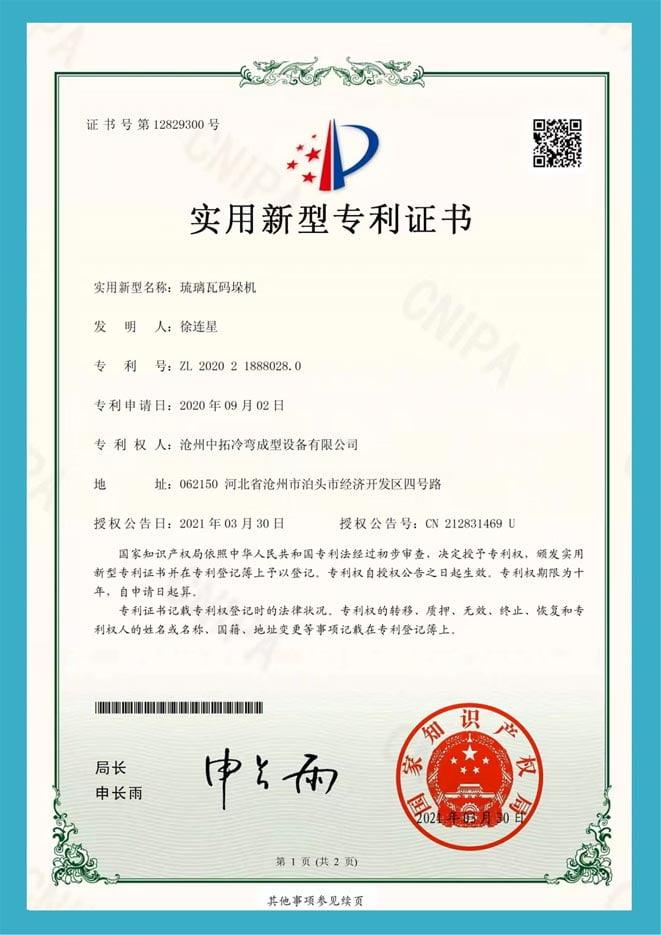
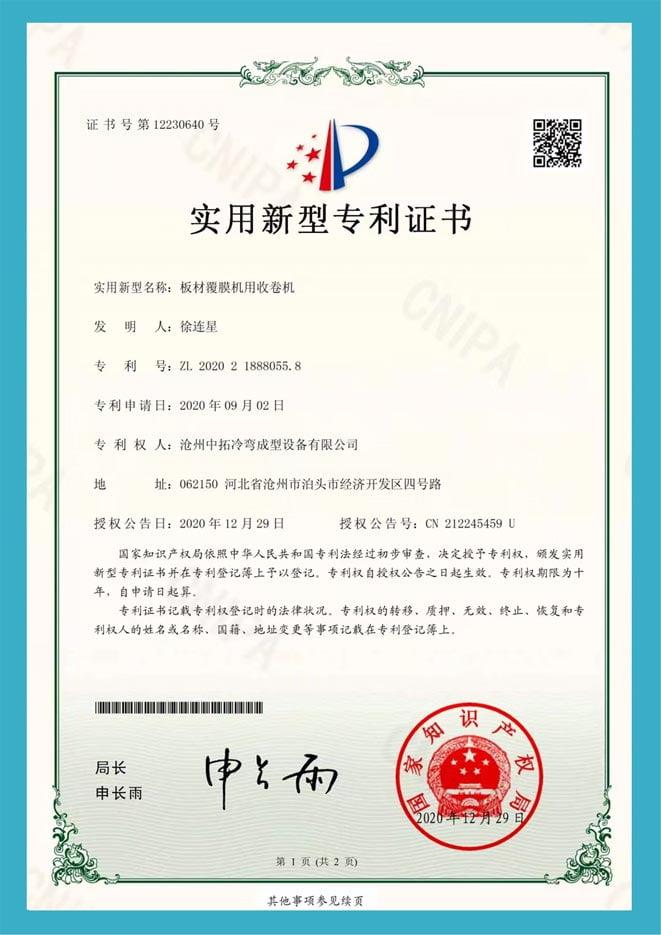

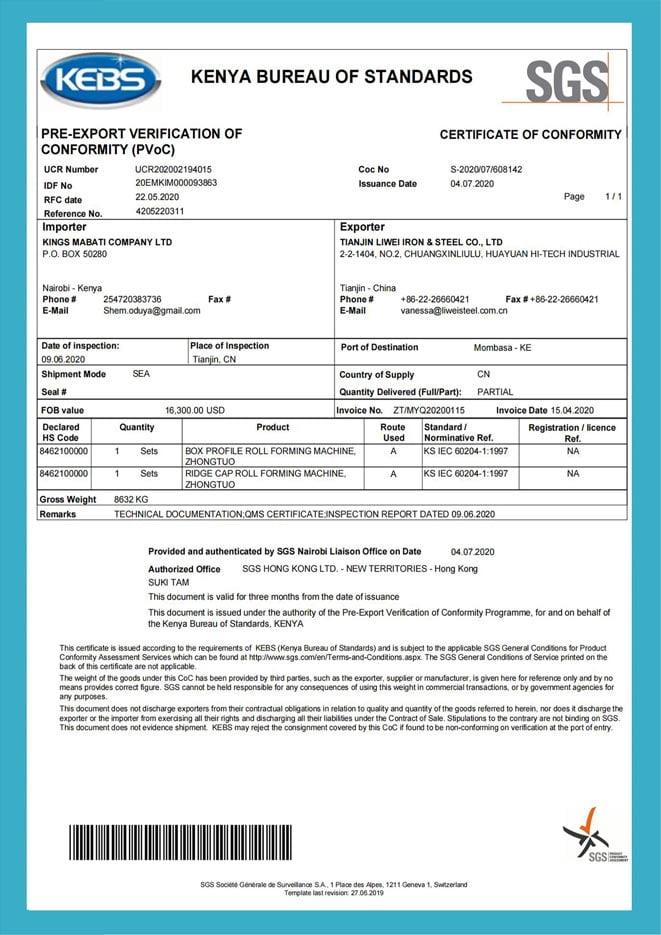
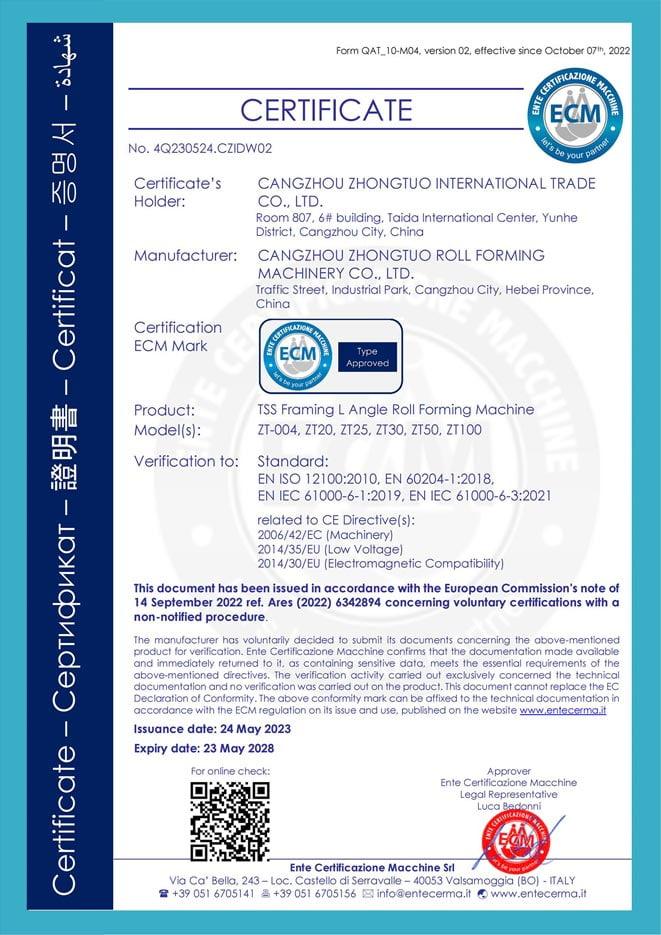
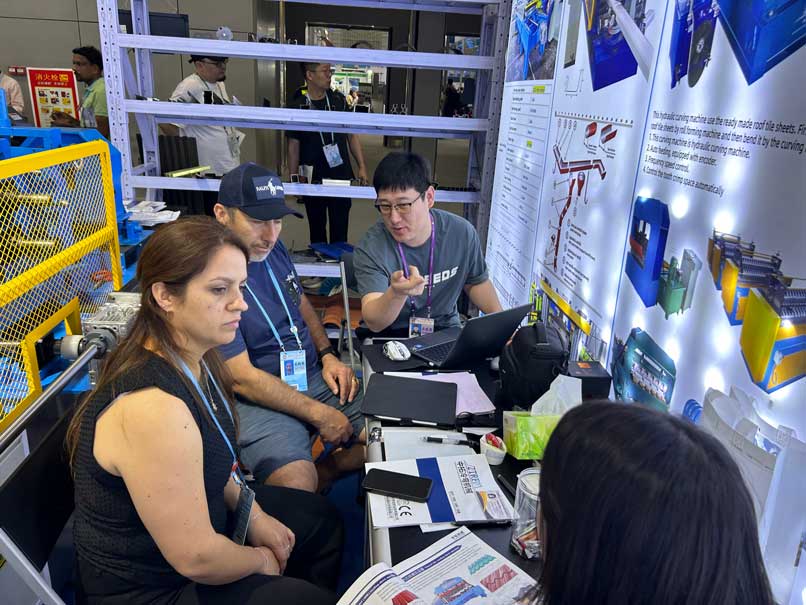
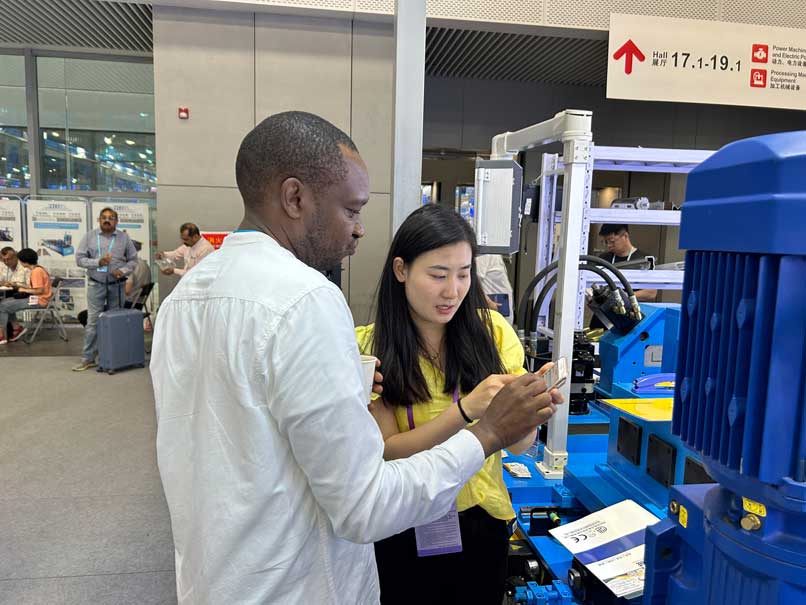
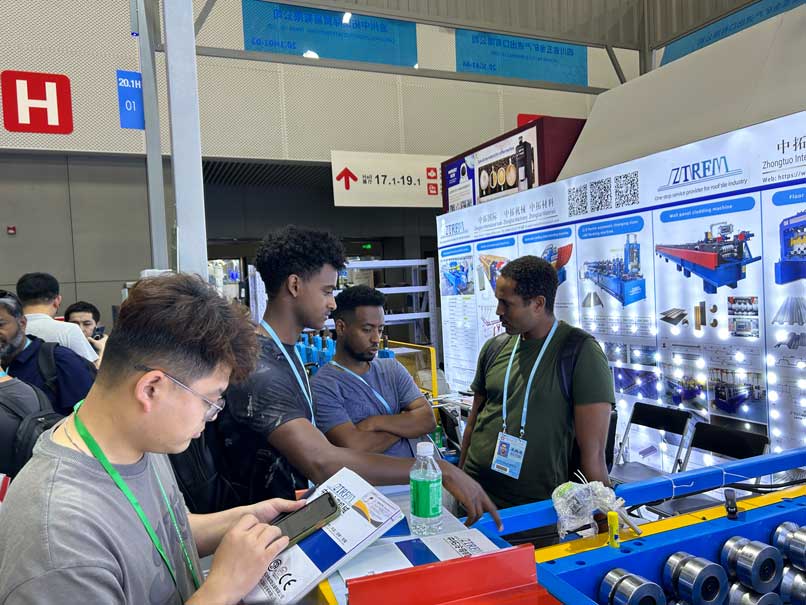
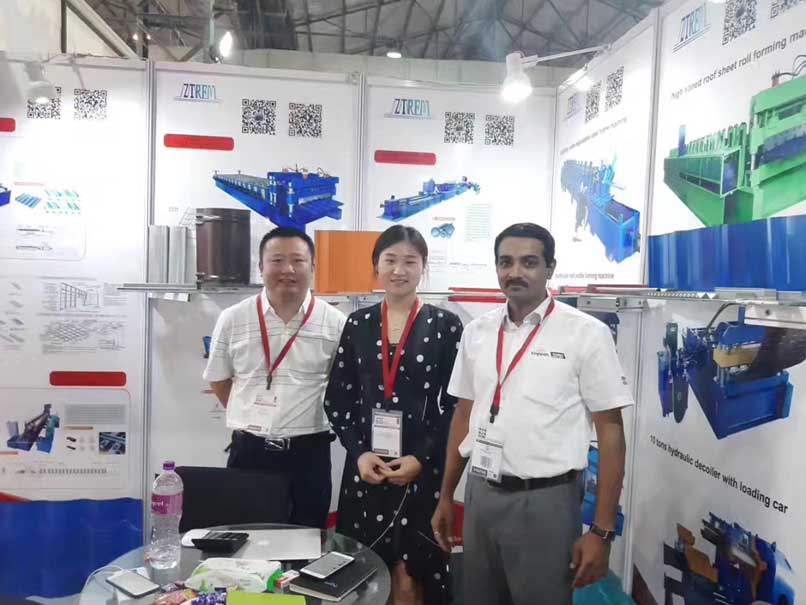
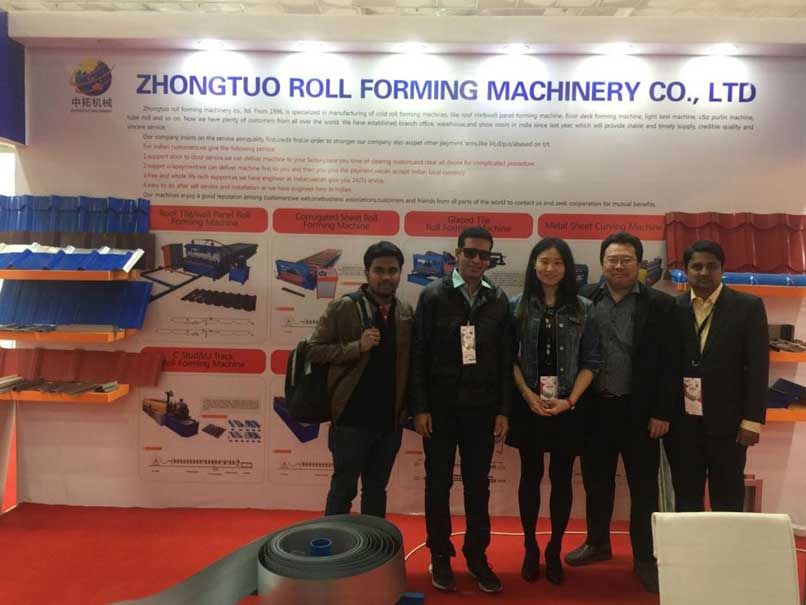
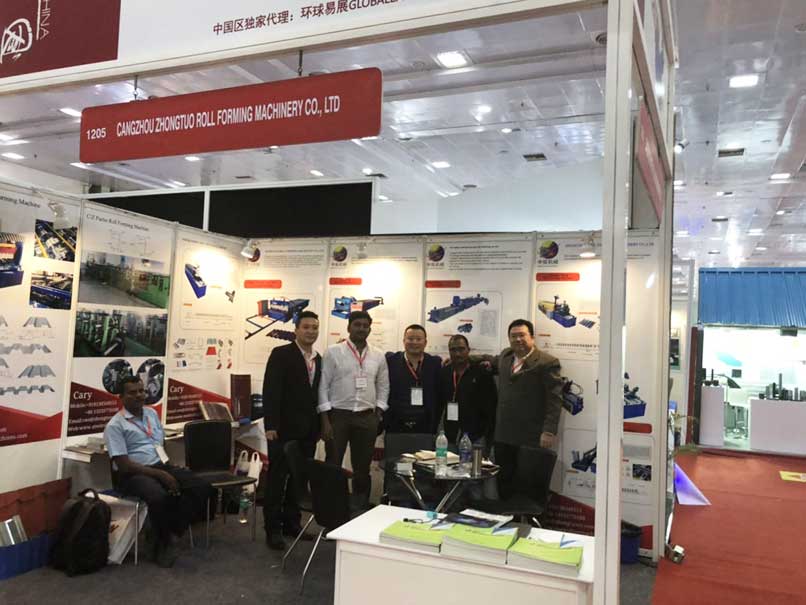
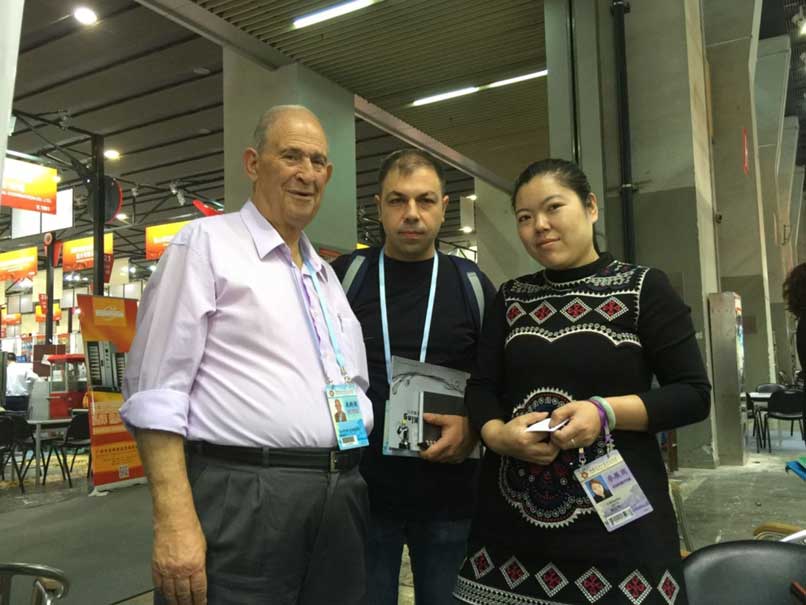
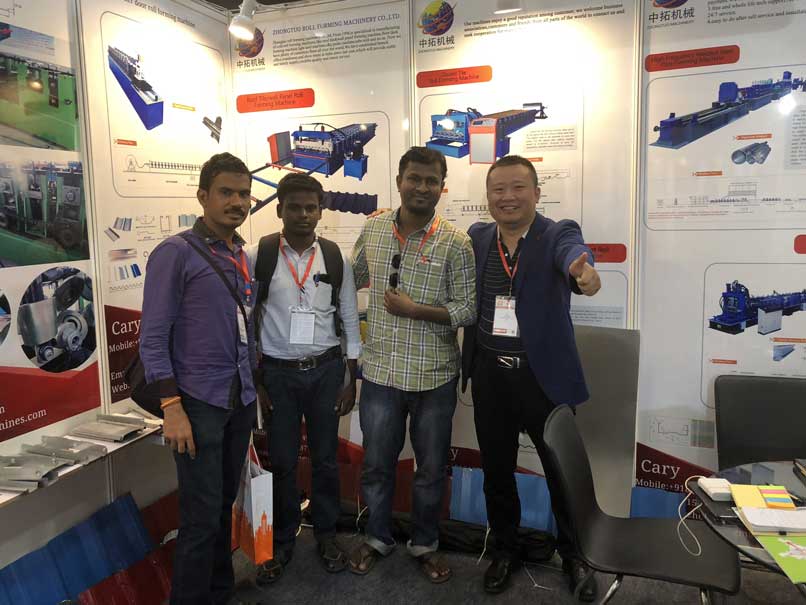
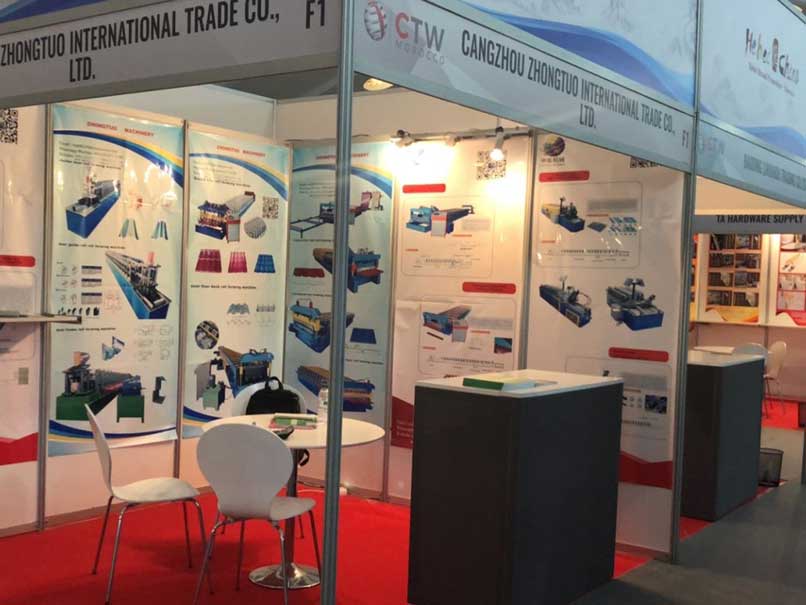
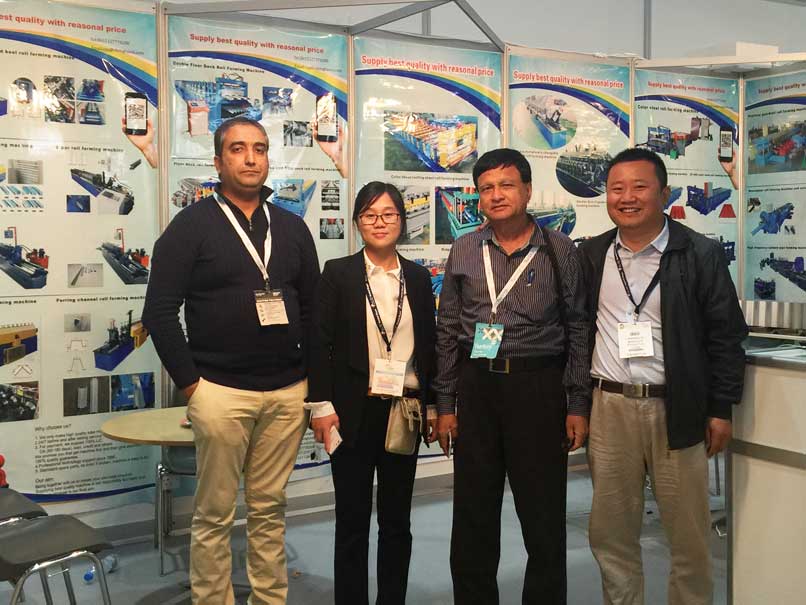
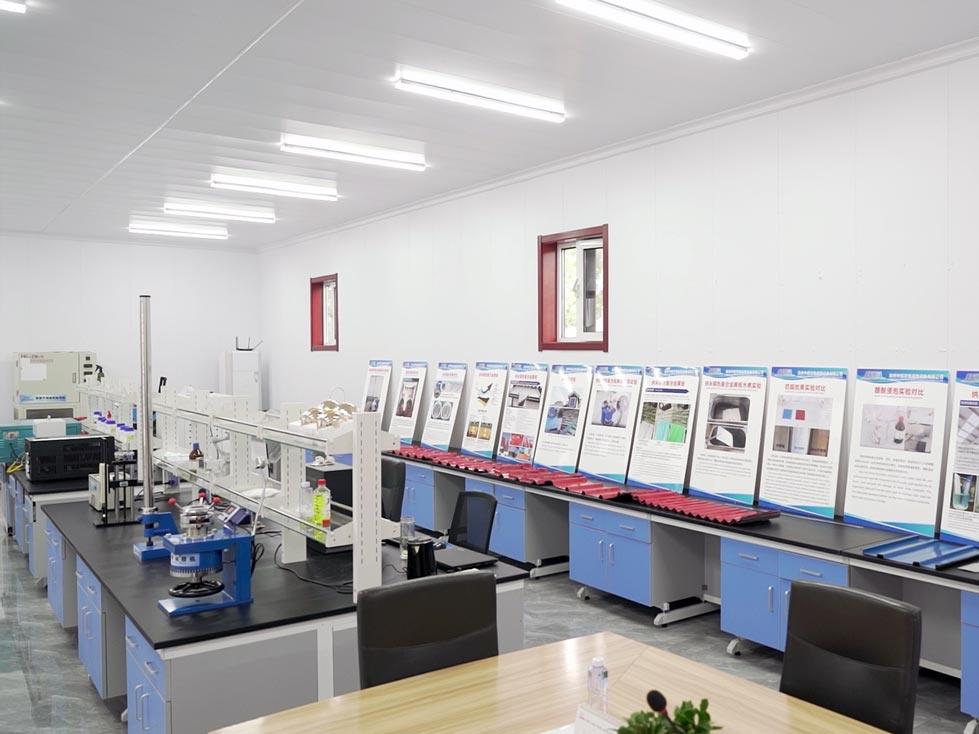
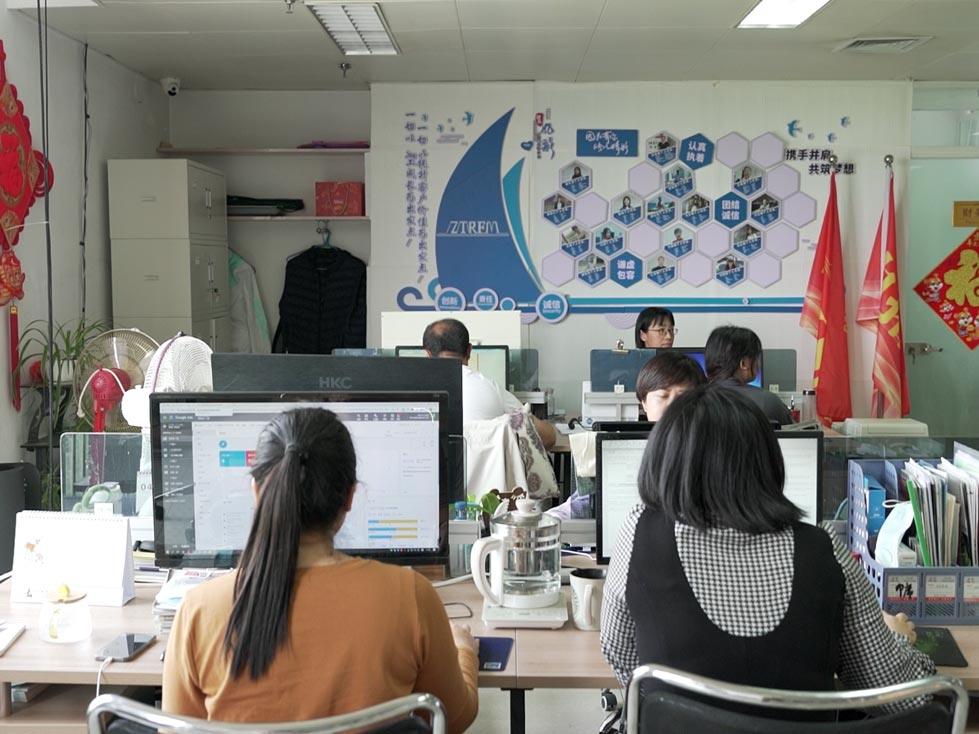
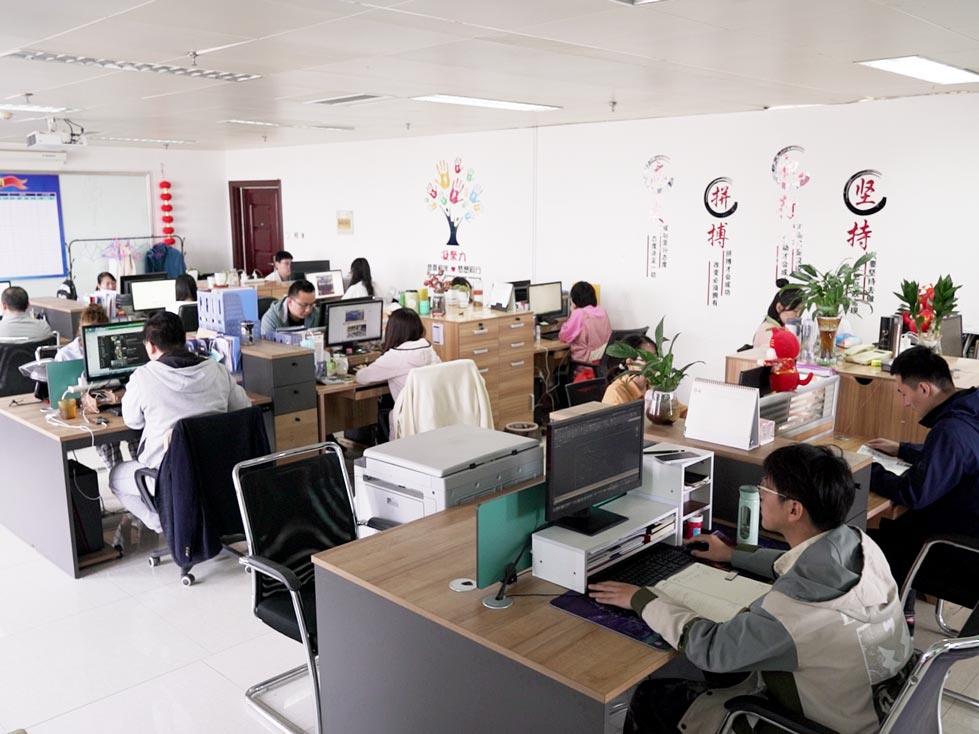
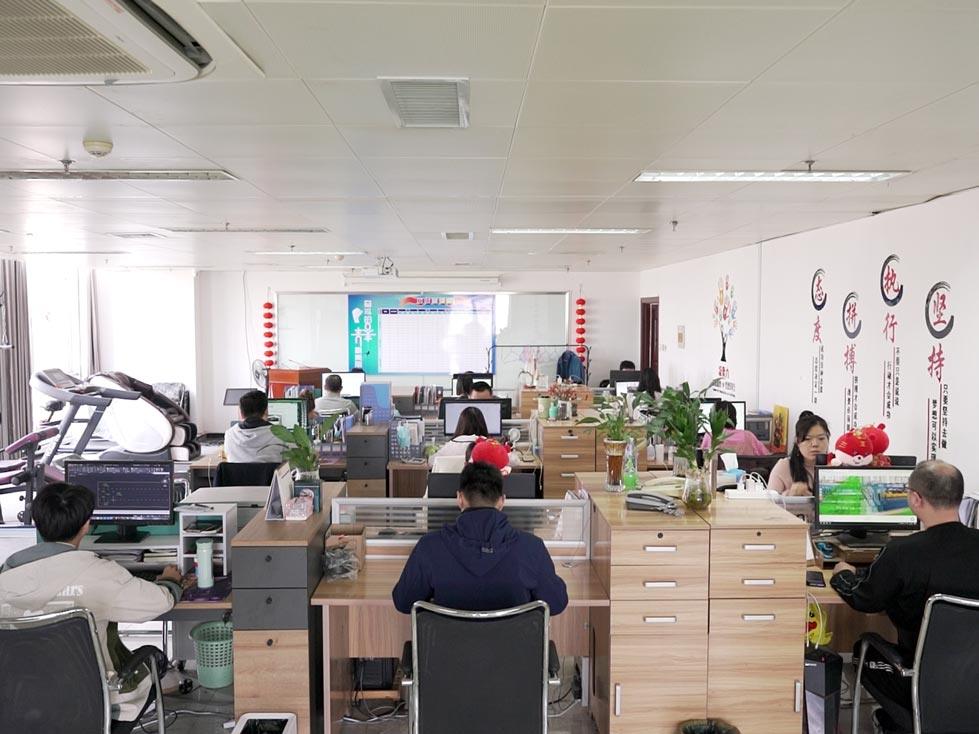
OEM/ODM 및 커스터마이징 원스톱 서비스
완벽한 애프터 서비스 지원
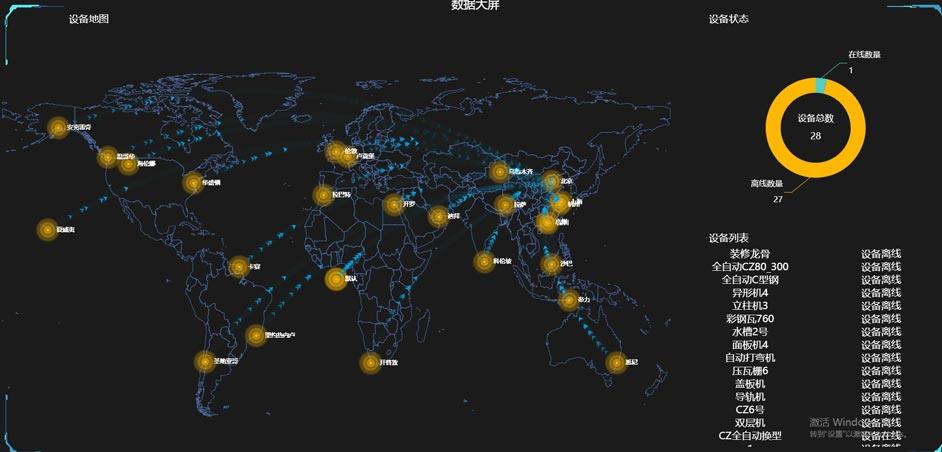
OEM, ODM 제공
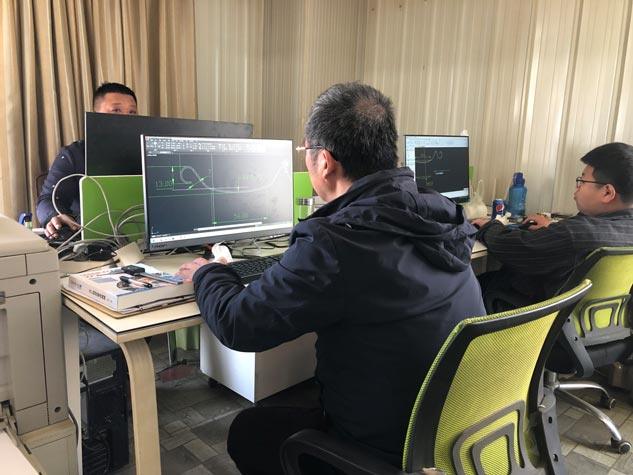
2.기술자 설계: 도면 프로파일 및 3D 기계 도면 만들기
3.구성 및 프로덕션 결정
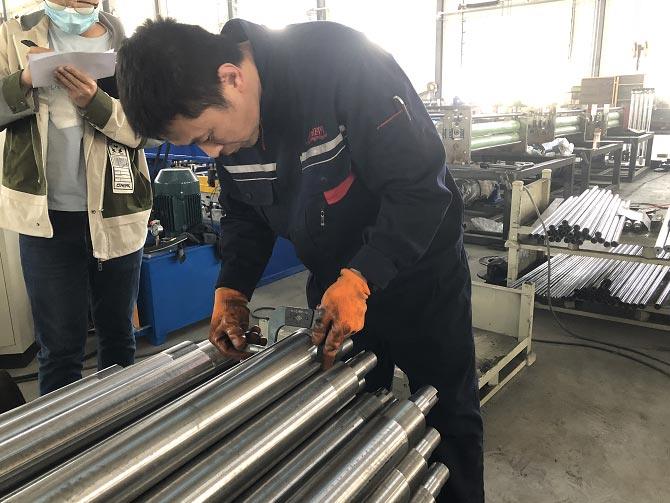
4.배송 전 테스트
6.기술 가이드
7.판매 후 서비스: 복잡한 기계의 설치 서비스 및 정기 고객 방문 서비스
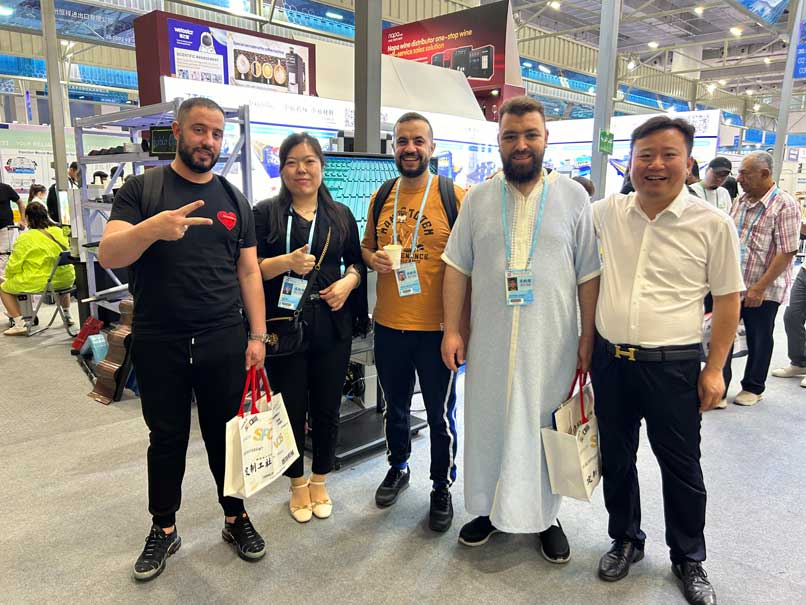
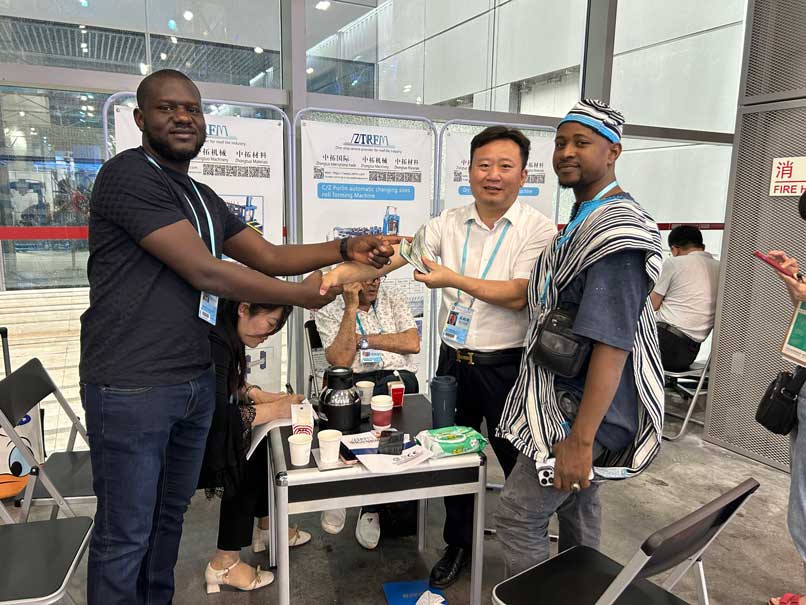
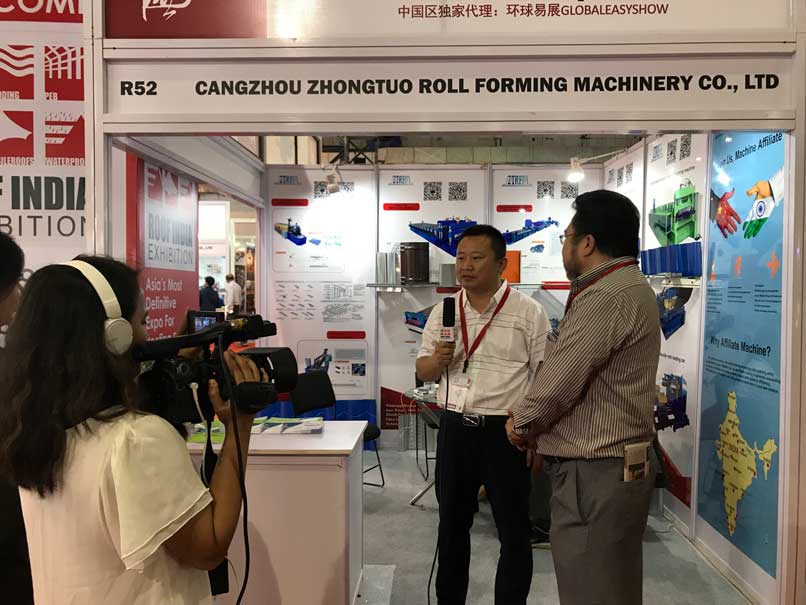
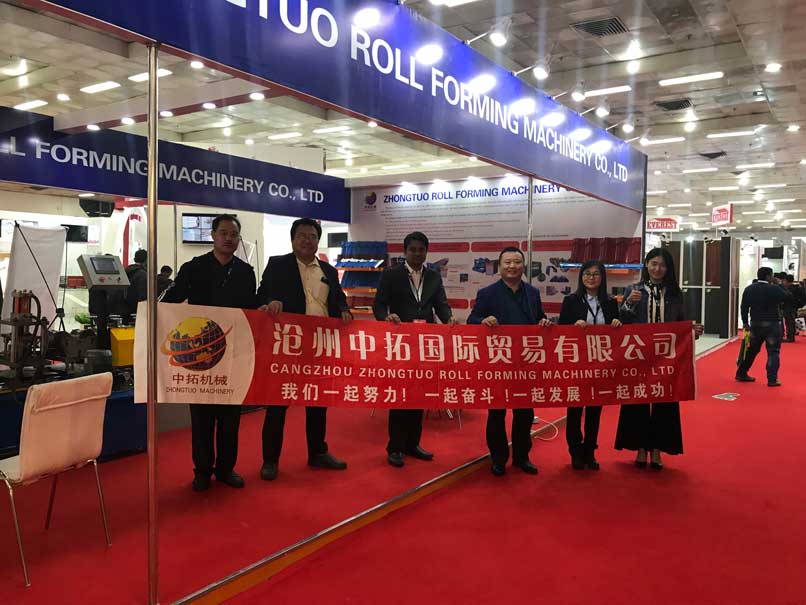
95800개 이상의 기업이 신뢰하는 기업
고품질 기업. 당사와의 협력을 통해 다음과 같은 혜택을 받았습니다.
강력한 지원과 비즈니스 혁신 및 발전을 이루었습니다.