24년 이상의 경험과 지식 국제 표준, 기술 변화 및 산업 시스템, 우리는 다음과 같이 헌신합니다. 소중한 고객에게 최고의 경제적인 솔루션을 제공합니다.
Double-Layer Roof Tile Roll Forming Machine: What It Is, How It Works and How to Choose One
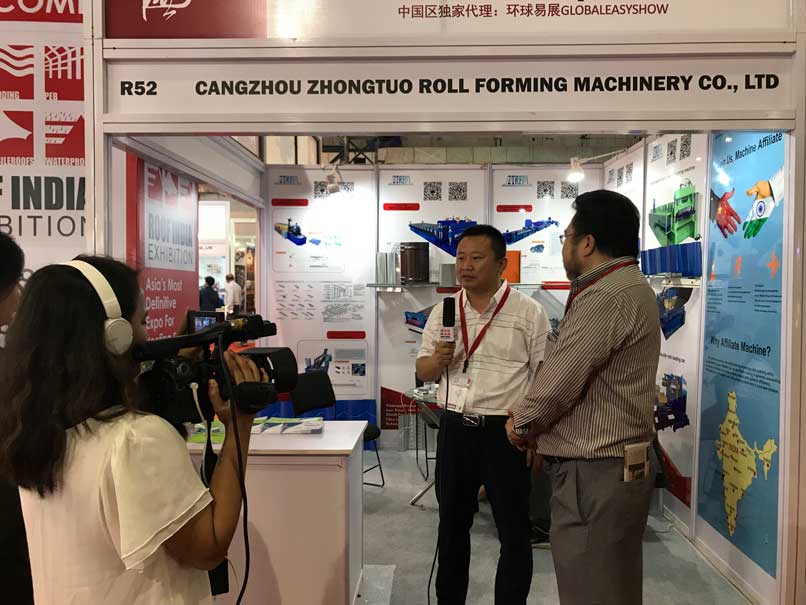
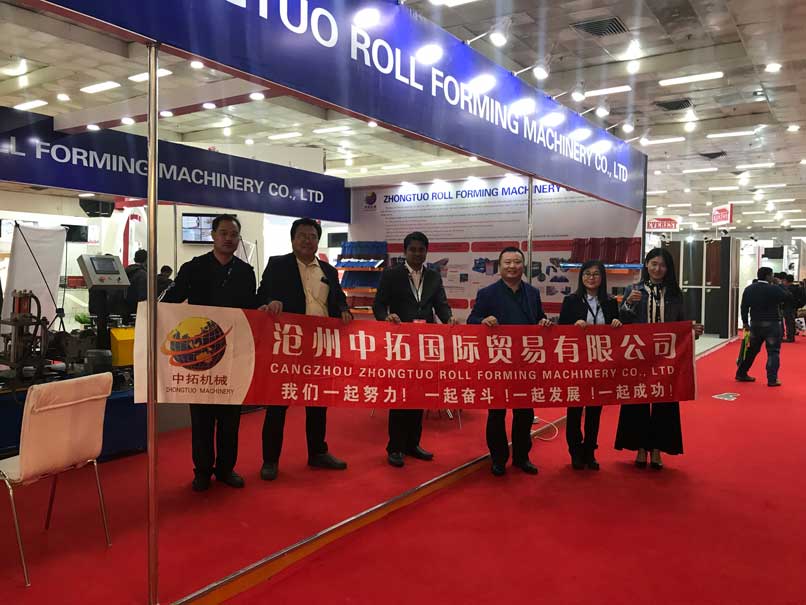
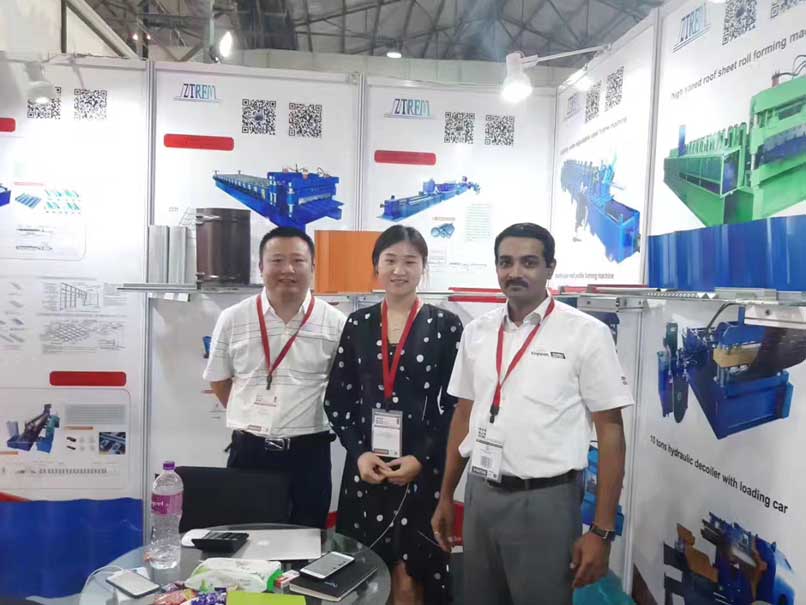
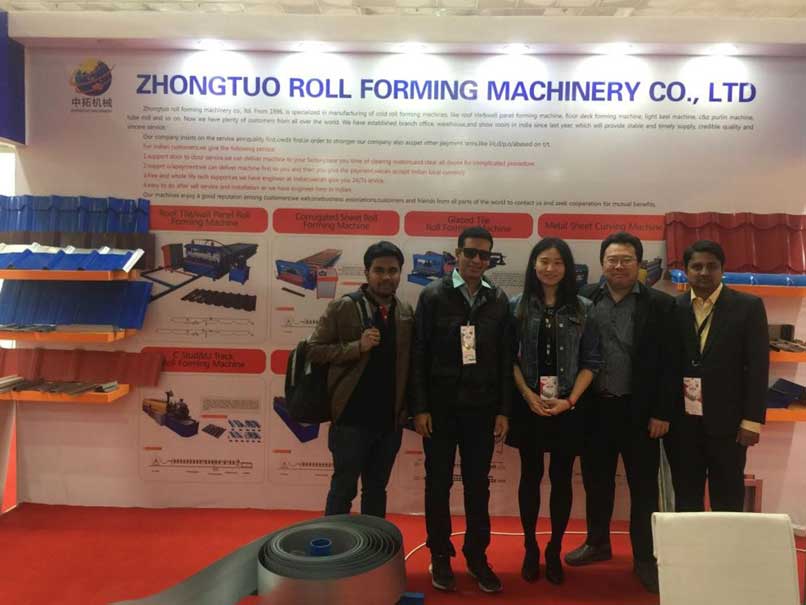
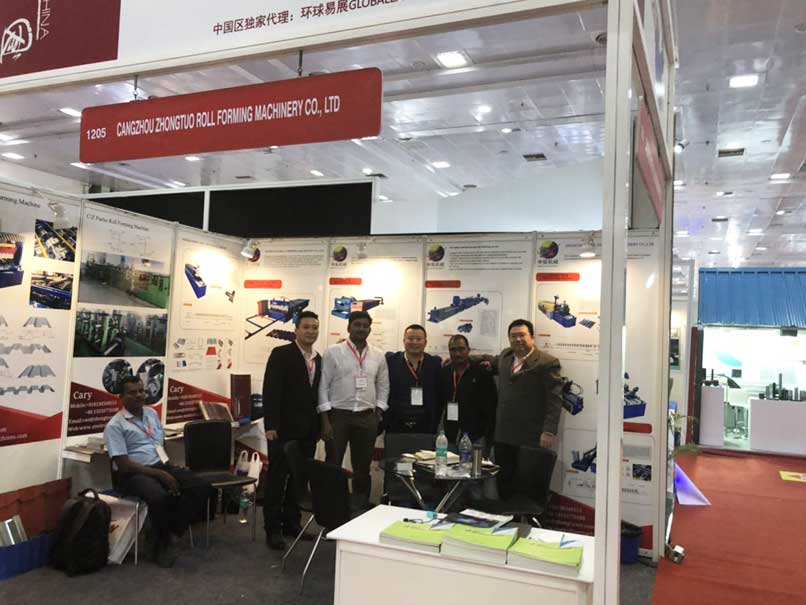
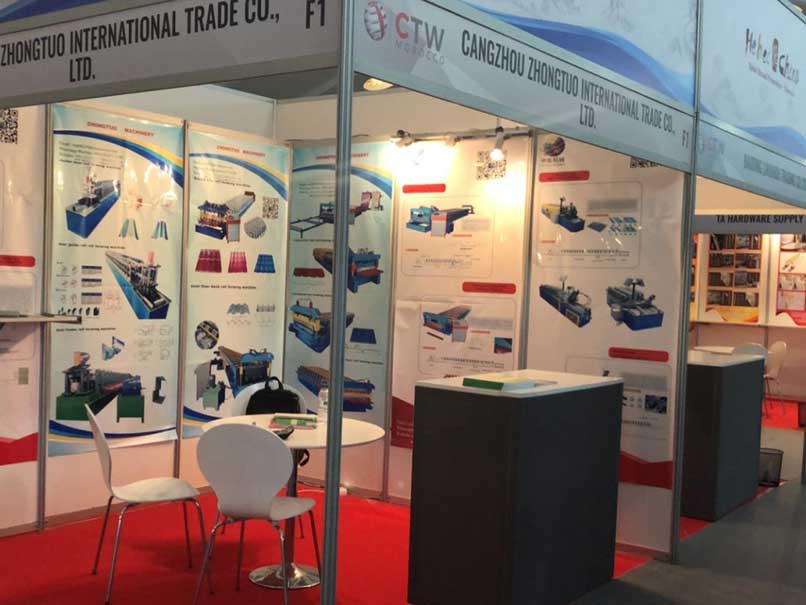
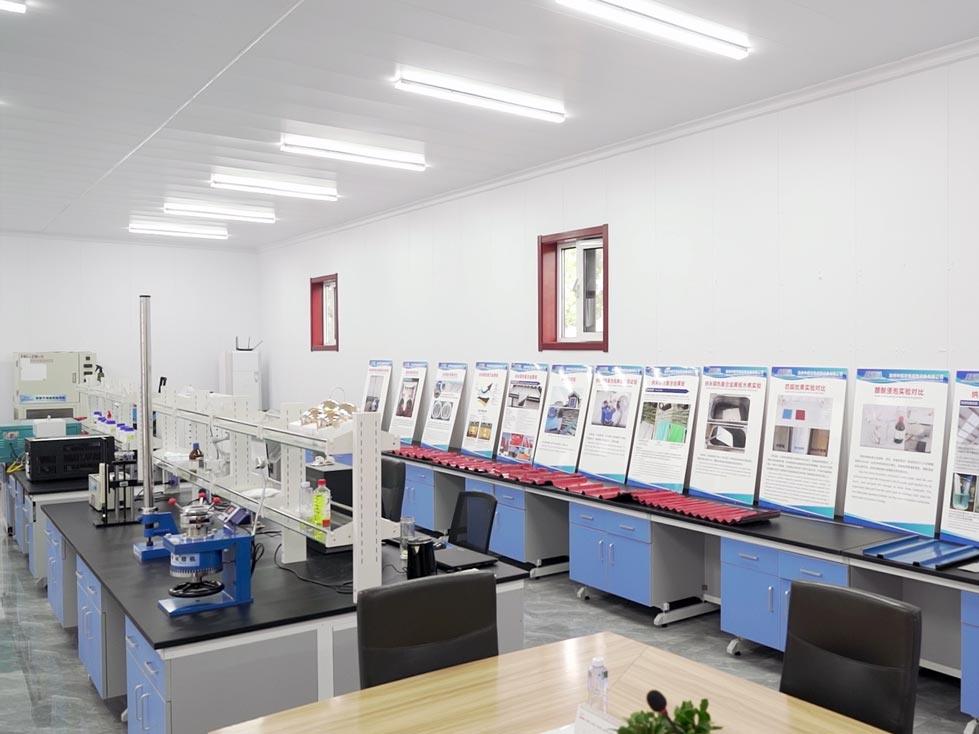
창저우 중퉈 롤 성형 기계 유한 회사는 중국 허베이성에서 왔습니다. 설계 및 제조에 전념하는 제조업체입니다. 다양한 유형의 냉간 압연 성형기. 우리는 2006 년부터 롤 성형 기계의 설계 및 제조에 종사하는 오랜 역사를 가진 공장입니다. 우리가 생산할 수있는 기계에는 지붕 타일 제조 기계, cz 도리 제조 기계, 경강 용골 제조 기계, 금속 엠보싱 기계, 도어 시스템 성형 기계, 천장 시스템 성형 기계, 고주파 파이프 용접기, 슬리 팅 라인, 절단 길이 라인, 선반 시스템 성형 기계, 바닥 데크 성형 기계, 컬러 석재 타일 생산 라인, 핫 라미네이팅 필름 기계 등이 있습니다.
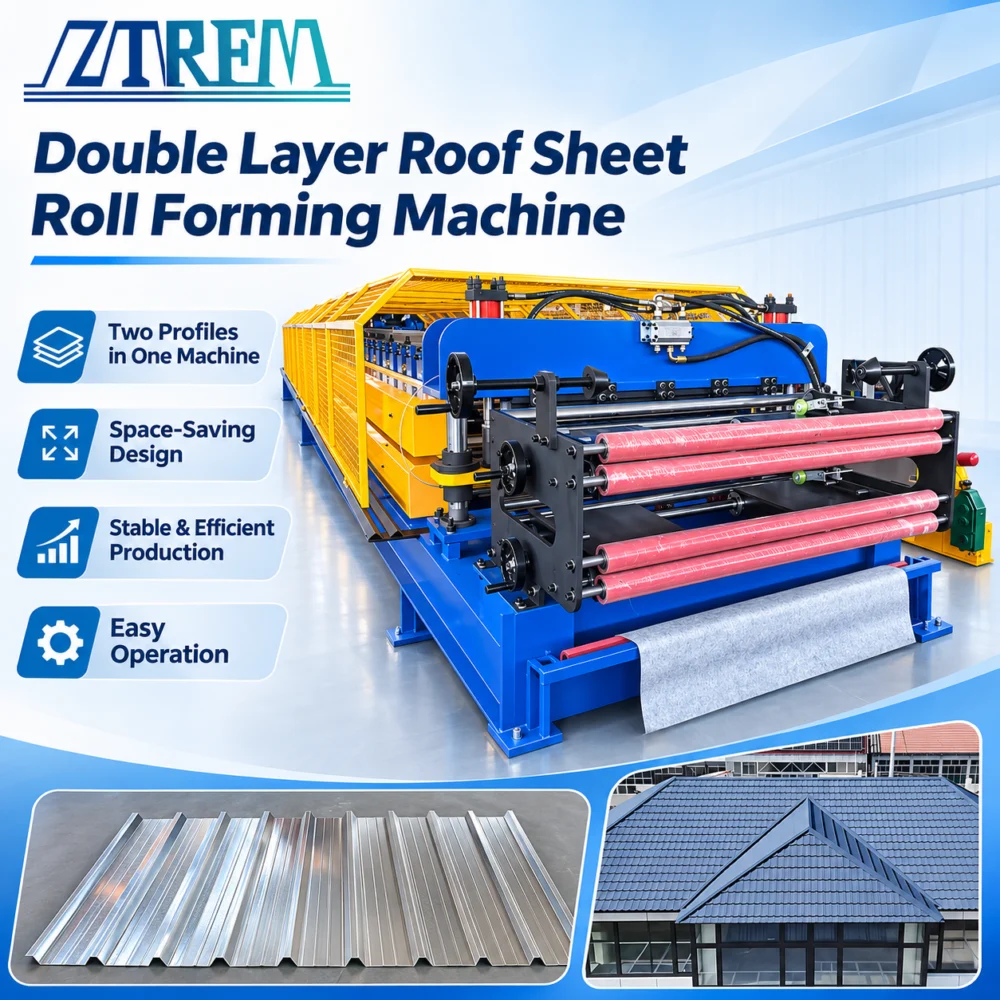
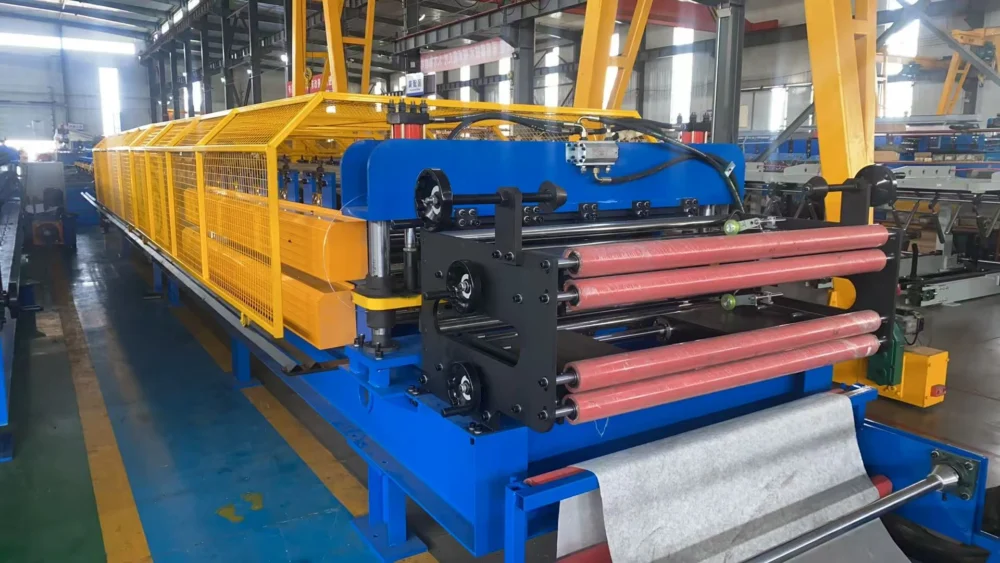
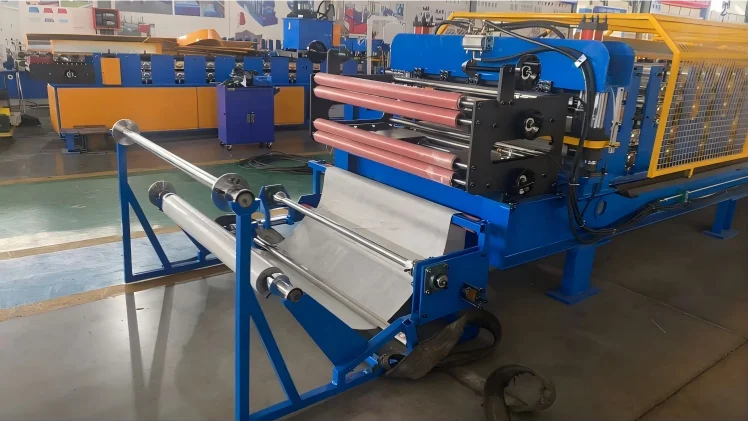
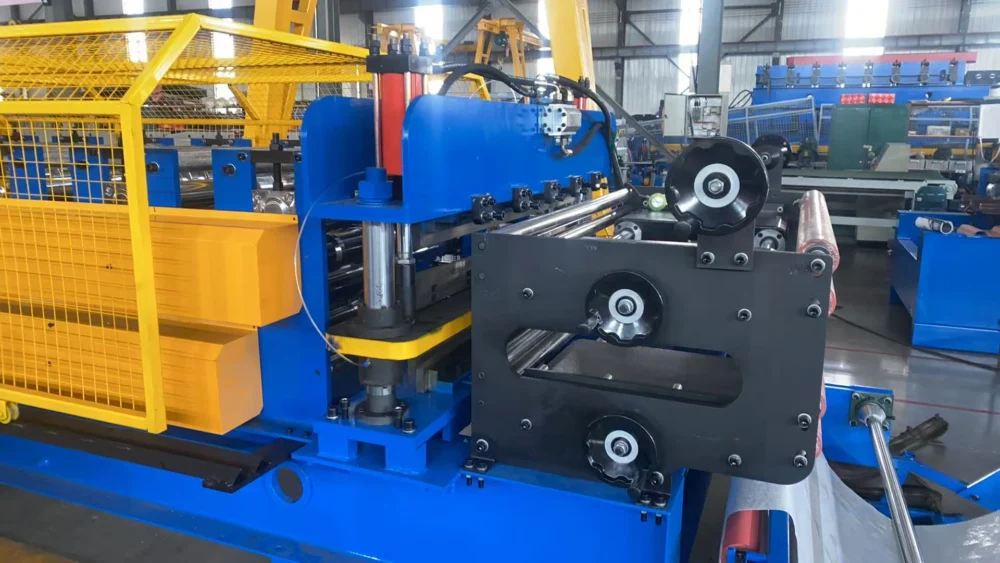
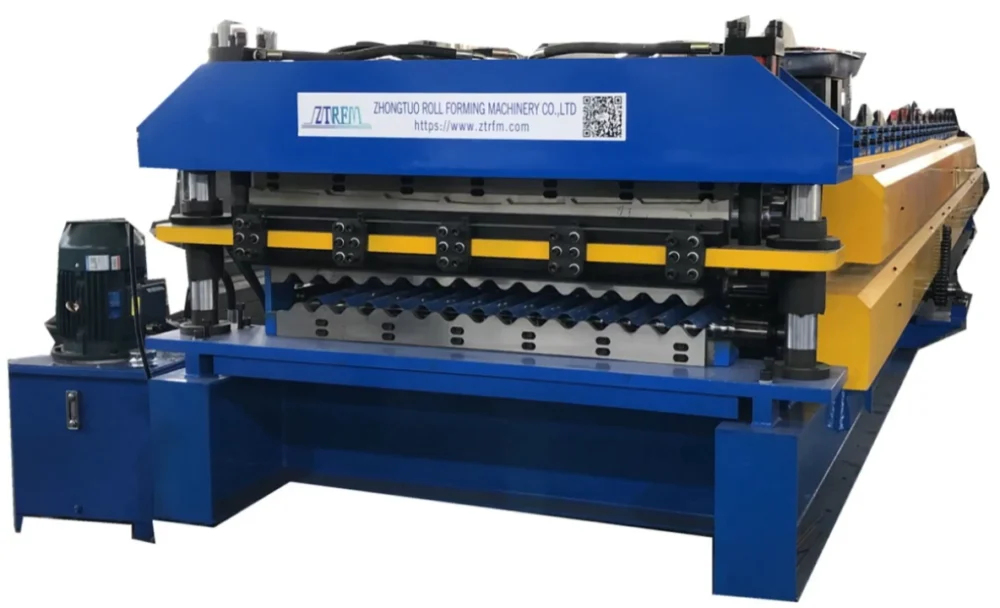
Double layer metal sheet with felt rolling forming machine
Double layer roofing sheet machine for Chile upper layer down layer
Double-Layer Roof Tile Roll Forming Machine: What It Is, How It Works and How to Choose One
Double-layer roof tile roll forming machines now account for a growing share of the metal roofing equipment bought by importers, roofing contractors and roll forming workshops outside China. The reason is practical rather than fashionable: a bonded two-sheet tile looks like a traditional clay tile from the street, yet it carries the span, the corrosion resistance and the installation speed of steel. This article explains what the machine actually does, which parts determine quality, and what a buyer should confirm before placing an order.
Double-Layer Roof Tile Roll Forming Machine: What It Is, How It Works - double layer roof tile forming machine
What a Double-Layer Roof Tile Roll Forming Machine Produces
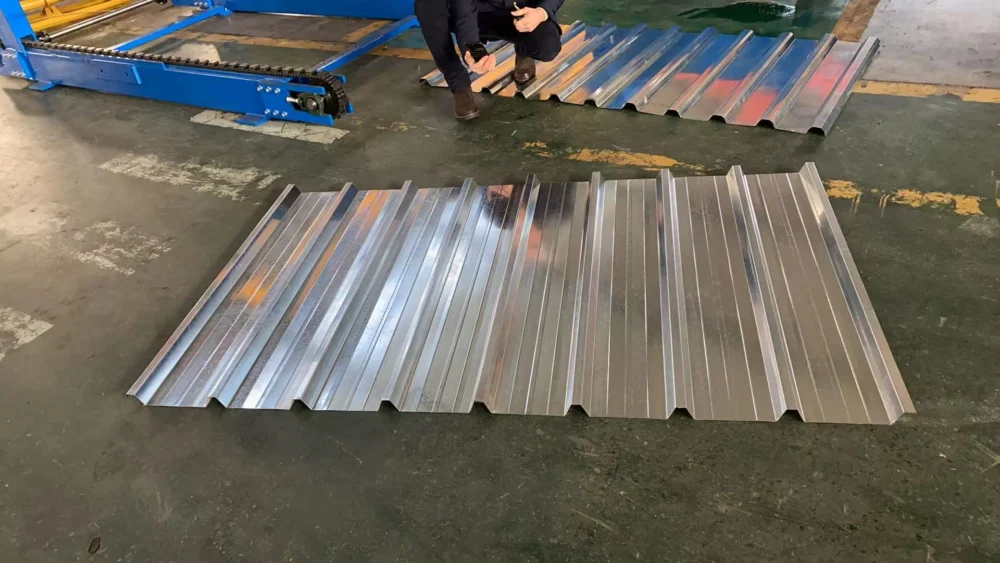
A double-layer roof tile is a finished metal tile built from two coated steel sheets bonded together. The upper sheet carries the visible tile profile and the color finish. The lower sheet is usually a flatter supporting panel in galvanized or aluzinc steel. An adhesive layer sits between the two sheets and holds them together for the life of the roof.
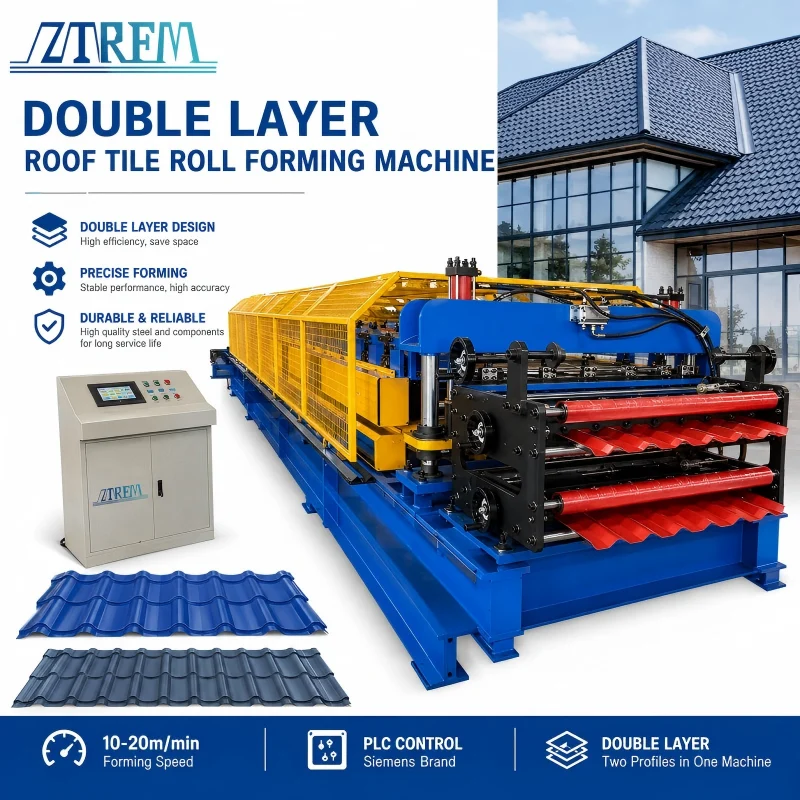
The machine that makes this product is a continuous production line, not a single press. It runs two coils at the same time, profiles them on two separate sets of forming stations, applies adhesive at the combining point, presses the layers together, and cuts the finished tile to the length set on the control panel. A single-layer roof tile machine produces one profiled sheet only, so it needs one uncoiler and one set of rollers. The double-layer version doubles the material handling and adds a gluing and laminating section.
In practice, the upper layer is normally 0.3 to 0.6 mm pre-painted galvanized steel or aluminum, while the lower layer is 0.3 to 0.5 mm galvanized or aluzinc steel. The gauge may differ between the two layers, and the combination is chosen by the buyer according to the wind load, the roof pitch and the price position of the finished tile.
How the Line Runs, Step by Step
Coil loading. Two hydraulic decoilers, typically 3 to 5 tonnes each, carry the upper and lower coils. A hydraulic loading car saves time when coils are changed.
Feeding and leveling. Guide rollers align both strips and a short leveling section removes edge wave before the material enters the forming stands.
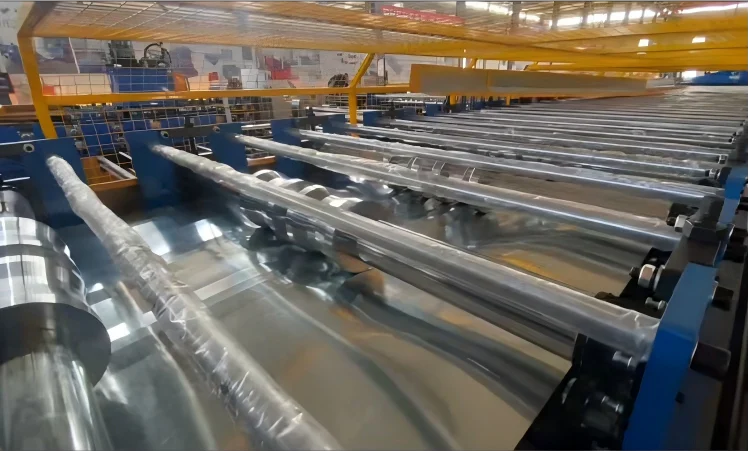
Upper profiling. The upper sheet passes through 16 to 24 forming stations that raise the tile relief, the step pattern and the side laps of the profile.
Lower profiling. The lower sheet passes through 12 to 18 stations that form a flat or lightly ribbed support panel.
Adhesive application. A glue roller or spray unit applies a controlled layer of PU adhesive to the lower sheet. Uniform coverage matters more than total quantity, because dry patches become separation points later.
Laminating and pressing. Combining rollers press the two sheets together at controlled pressure so the profile of the upper layer is locked into the adhesive without crushing the relief.
Cutting. A hydraulic shear cuts to length using an encoder signal from the measuring roller, with a typical tolerance of plus or minus 1 to 2 mm.
Receiving and stacking. Finished tiles leave on a receiving table or an optional automatic stacker that keeps the stacking count consistent.
The whole sequence is coordinated by a PLC with a touch screen. Line speed is set from the panel, and the inverter keeps the forming and cutting sections synchronized, so the tile length stays stable even when speed is adjusted during a run.
Double-Layer Roof Tile Roll Forming Machine: What It Is, How It Works - double layer roof tile forming machine
The Parts That Decide Whether the Machine Lasts
Two lines can look identical in a quotation and behave very differently after two years of production. These are the components worth examining in detail, preferably during a factory visit or a live video inspection.
Forming rollers. Roller material and hardness drive profile accuracy and service life. Rollers made from bearing steel or Cr12MoV with hard chrome plating hold the tile relief longer than soft rollers, and they can be redressed rather than replaced when wear appears.
Frame and shaft. A welded and machined main frame with shafts in the 70 to 90 mm range resists deflection under load. Thin frames show up as inconsistent profile depth along the tile.
Transmission. Chain and gearbox drive is common and easy to maintain; independent gear motors on each station give smoother torque distribution and fewer chain adjustments.
Hydraulic station. This section powers the decoilers and the shear. Cooling capacity and seal quality determine whether the oil overheats during a long summer shift.
Control system. PLC brand, inverter brand and encoder quality decide length accuracy and how quickly a fault can be traced. Ask for the electrical diagram and the parameter list as part of the delivery documents.
Glue system. The adhesive unit should allow independent adjustment of flow and pressure, and should be easy to clean between batches. A poorly controlled glue system wastes material and creates weak bonding.
Cutting blade. Shear blades in Cr12MoV with a reversible edge keep the cut clean; a blunt blade produces burrs that slow down installers on site.
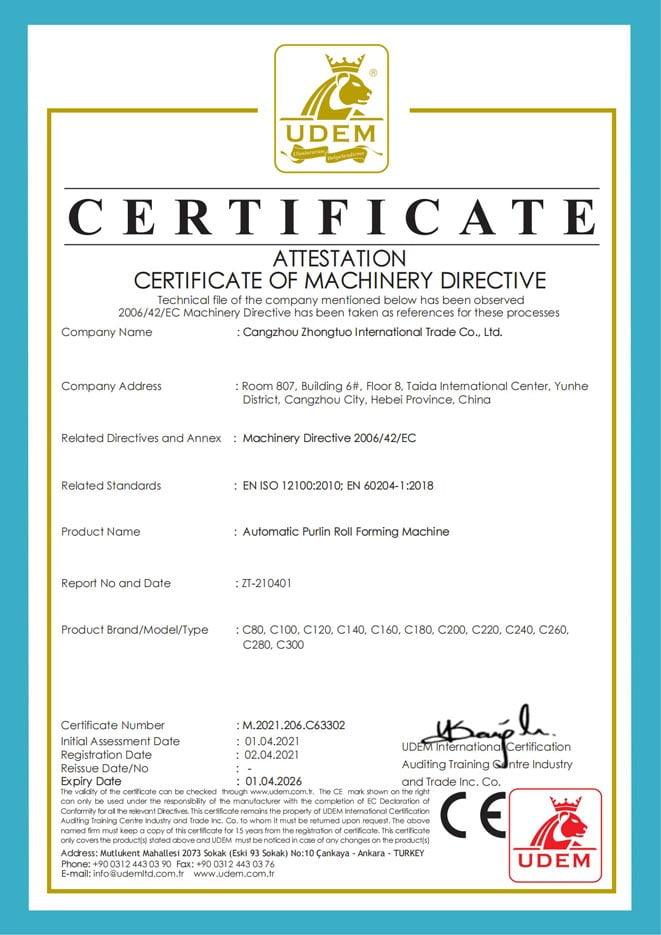
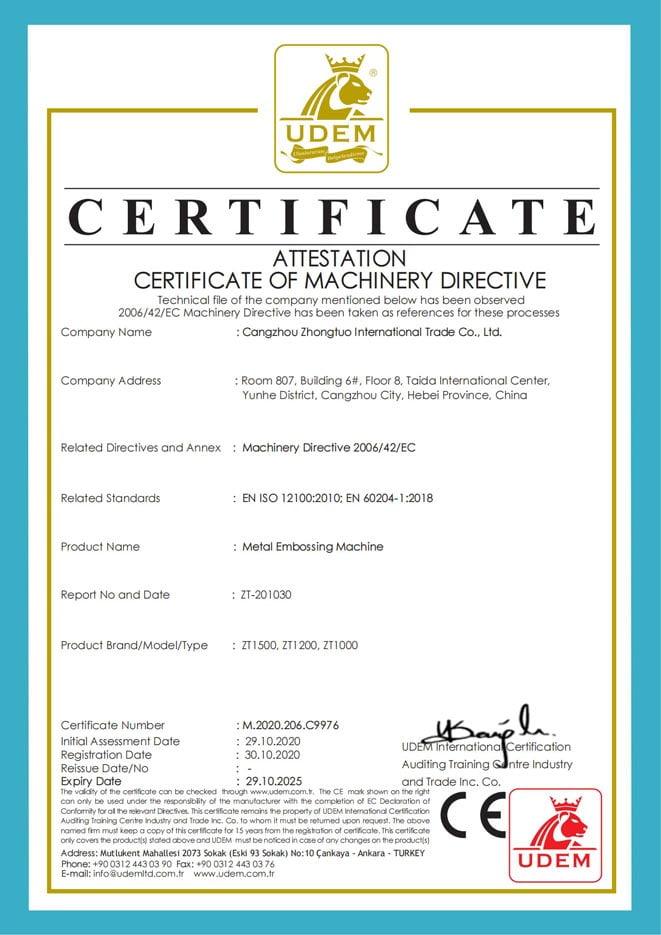
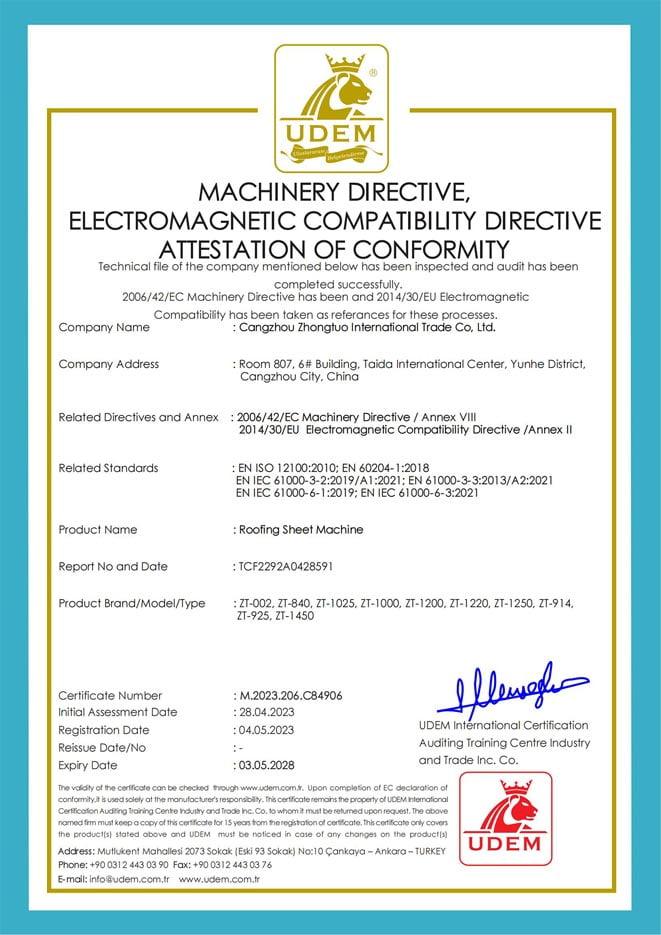
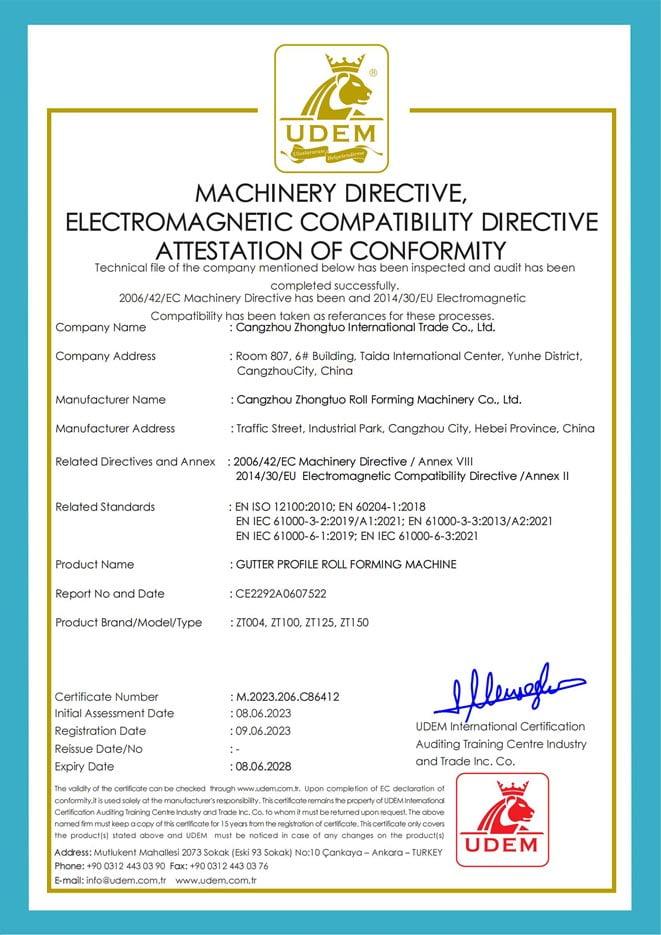
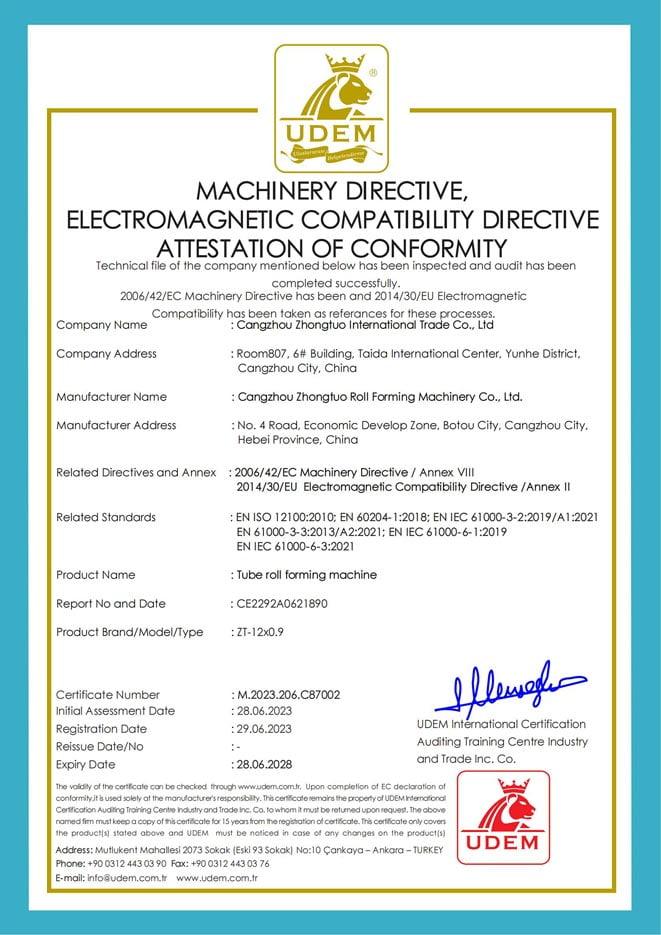
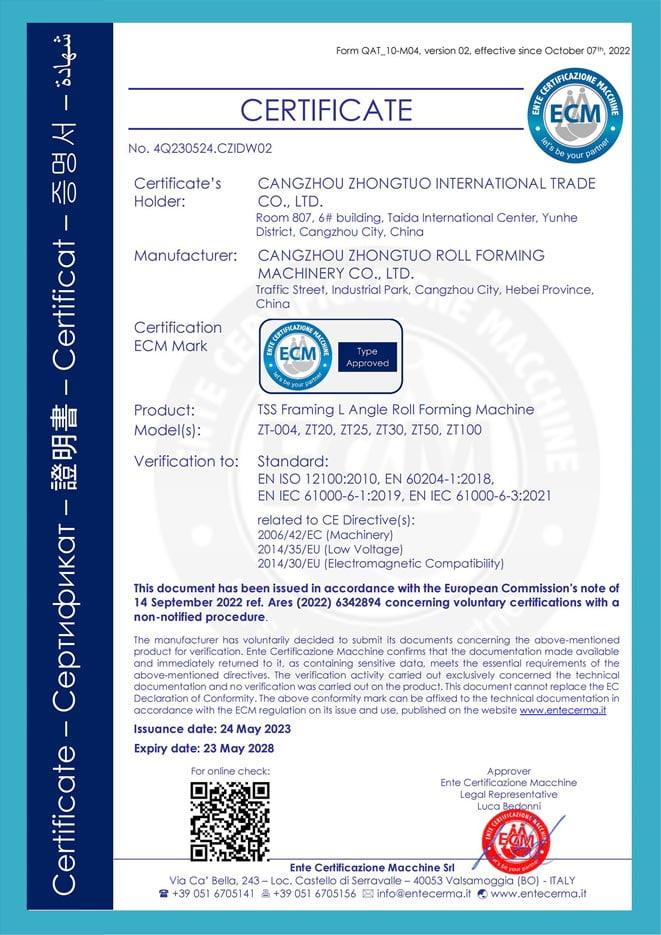
Safety guarding. Interlocked guards, emergency stops and clear warning labels are basic requirements in most export markets. For European destinations, confirm CE documentation before shipment.
Why Buyers Move from Single-Layer to Double-Layer Tiles
Stiffness without extra gauge. Two bonded sheets behave like a much thicker panel, so the tile resists foot traffic and wind uplift while keeping material cost controlled.
Two-sided corrosion protection. The lower sheet can be aluzinc for the aggressive underside environment, while the upper sheet is selected for color and finish.
Deep relief that reads as clay. The double-layer structure supports Roman, glazed and antique profiles with strong shadow lines, which sells better in residential and villa projects than a plain corrugated sheet.
Less drumming noise and slower heat transfer. The bonded layer and the air space in the relief reduce the metallic drumming effect and slow heat flow compared with a single thin sheet.
A higher price position. The same line can supply a product that is marketed as a roof tile rather than as an industrial panel, which improves margin per square metre.
Double-Layer Roof Tile Roll Forming Machine: What It Is, How It Works - double layer roof tile forming machine
Specifications to Confirm Before You Order
The numbers below are typical working ranges rather than fixed standards. Every profile has its own roller design, so the final specification is always confirmed against the tile drawing you intend to sell.
Material thickness: usually 0.3 to 0.8 mm, with the upper layer often thinner than the lower layer.
Coil width: commonly 1000, 1200 or 1250 mm, matched to the effective width of the chosen profile.
Effective tile width: typically 960 to 1080 mm after side laps are formed.
Line speed: normally 8 to 15 metres per minute, depending on profile depth and material gauge.
Forming stations: 16 to 24 on the upper section and 12 to 18 on the lower section.
Main motor: around 5.5 to 11 kW; hydraulic station around 4 to 7.5 kW.
Power supply: 380 V, 50 Hz, three phase as standard, with 220 V, 440 V or 60 Hz available for different destinations.
Cutting tolerance: plus or minus 1 to 2 mm with encoder control.
Footprint: roughly 8 to 12 metres in length and 1.5 to 2 metres in width, plus space for coil storage and finished goods.
A useful capacity check is simple arithmetic rather than a brochure claim. Output per hour equals line speed in metres per minute multiplied by 60, multiplied by the working efficiency of the shift, divided by the length of one tile in metres. At 10 metres per minute, an efficiency of 0.85 and a tile length of 0.45 metres, the line produces roughly 1,130 tiles per hour under ideal conditions. Use that figure to test whether a supplier's quoted capacity is realistic for your shift pattern.
Configuration Choices That Change Cost and Output
Profile changeover method. A single fixed roller set means one profile only. Cassette roller sets allow a second or third profile with manual changeover. Motorized or PLC-controlled roller positioning moves the stations automatically and cuts changeover from hours to minutes, which matters if you sell several tile designs to the same market.
Glue system type. Roller application suits simple flat lower sheets, while spray application gives more even coverage on deeper profiles.
Cut-to-length control. Encoder control with a hydraulic shear is standard; a servo-driven cut-off improves accuracy at higher speed.
Decoiler specification. Manual versus hydraulic loading, and 3 versus 5 tonne capacity, should be matched to the coil weight your steel mill supplies.
Surface finishing. Embossing rollers add a matte or wood-grain texture to the upper sheet, and anti-fingerprint rollers help when the tile will be handled heavily on site.
Automation level. An automatic stacker reduces labour but adds cost; for small volumes a manual receiving table is sufficient.
Spare roller set. Ordering a second set with the machine avoids a full production stop when the first set needs redressing.
Double-Layer Roof Tile Roll Forming Machine: What It Is, How It Works - double layer roof tile forming machine
Tile Profiles You Can Produce
Profile design drives both the roller cost and the market fit. Common double-layer profiles include glazed tile, Roman tile, antique or vintage tile, stepped shingle-look tile, wave tile and flat pan tile. Each profile requires its own roller set, and the effective width, rib height and side lap are fixed by that design. Before ordering, send the supplier a profile drawing with the dimensions you want to sell, and ask for a formed sample or a video of the test run on that exact profile.
How to Choose the Right Machine for Your Market
Start from the product, not the price. Decide the profile, effective width, material combination and target selling price first. Equipment is then specified around that product.
Match capacity to real demand. A line running 10 metres per minute can outrun a small distributor within one shift. Overcapacity ties up capital; undercapacity loses orders in the peak season.
Check build quality in person or on video. Look at frame thickness, shaft diameter, roller finish and how the glue unit is mounted. Ask for an uncut run so you can inspect profile depth along the full length.
Verify documentation and compliance. Manual, electrical diagram, spare parts list, test report and, where required, CE marking should all be part of the delivery package.
Compare service, not only hardware. Ask who installs and commissions the line, how long they stay, whether training is included, and how quickly spare rollers or glue parts can be shipped.
Put the details in the contract. Warranty period, lead time, packing method, voltage and frequency, included spare parts, and the exact profile drawing should all be written down rather than agreed verbally.
Installation, Training and After-Sales Support
The line needs a level concrete floor, a stable power supply and, where pneumatic units are used, compressed air at roughly 0.6 to 0.8 MPa. Commissioning normally takes a few days once the machine is positioned and connected. During that period the supplier's engineer should run the line on your material, set the glue dosage, tune the shear to your tile length, and train two or three operators on startup, shutdown and daily checks.
After commissioning, the practical questions are response time and parts availability. Rollers can be redressed locally in many markets, but glue pumps, seals, encoders and shear blades usually come from the supplier. A spare parts list with part numbers, supplied at delivery, is more valuable than a verbal promise of support.
Double-Layer Roof Tile Roll Forming Machine: What It Is, How It Works - double layer roof tile forming machine
Packing, Loading and Delivery
Roll forming lines are long and heavy, so loading is part of the engineering. Main frames are normally wrapped in stretch film, treated with anti-rust oil on machined surfaces, and fixed with steel frames inside the container. The electrical cabinet travels in a wooden case, and rollers are protected separately to avoid damage in transit. Because a complete double-layer line often exceeds the usable length of a single 40-foot high cube container, confirm the loading plan and container count in the quotation, and check that the packing list matches the shipped items before the balance payment.
Frequently Asked Questions
What material thickness can a double-layer machine handle?
Most lines work in the 0.3 to 0.8 mm range. The upper layer is usually 0.3 to 0.6 mm and the lower layer 0.3 to 0.5 mm, but the exact combination should be confirmed with the roller design, because very deep profiles behave differently from shallow ones.
Can one machine produce more than one tile profile?
Yes, with additional roller sets. A fixed set produces one profile. Cassette sets or a motorized PLC changeover system allow two or more profiles on the same frame, and each profile still needs its own rollers.
What is the main difference from a single-layer machine?
A single-layer line has one decoiler and one forming section. A double-layer line adds a second decoiler, a second forming section, an adhesive applicator and a laminating section, and produces a bonded two-sheet tile instead of a single profiled sheet.
How much floor space and power are required?
Plan for roughly 10 to 14 metres of line length including the receiving table, plus coil storage and finished goods area. Total connected power is typically in the 15 to 25 kW range for a standard configuration.
What adhesive is used, and does it fail in service?
Two-component PU adhesive is the usual choice for exterior roofing because it tolerates heat and moisture once cured. Bond quality depends on surface cleanliness, uniform coverage and correct press pressure, which is why the glue unit and the combining rollers deserve close attention during inspection.
Can the line run aluminum or printed film sheets?
Yes, provided the roller clearance and the glue type are specified for that substrate. Aluminum needs different handling from painted steel, so state the material at the enquiry stage rather than after the order.
What lead time and warranty should a buyer expect?
Lead time for a customized double-layer line commonly falls between 30 and 60 days after deposit, and warranty is usually 12 months for the main machine excluding wearing parts. Both should be stated in the contract together with the response time for technical support.
왜 우리를 선택해야 할까요?
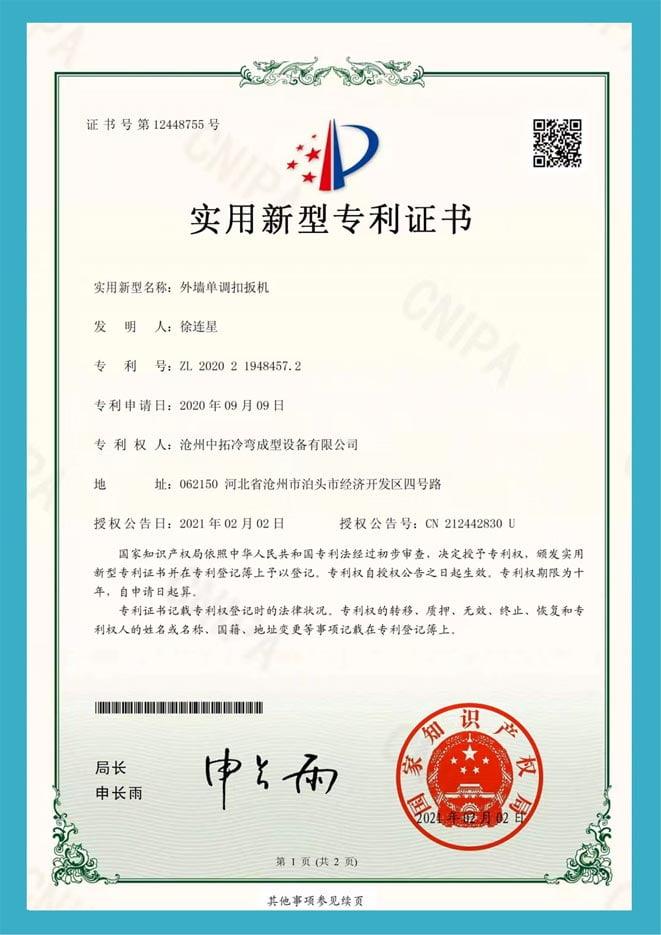
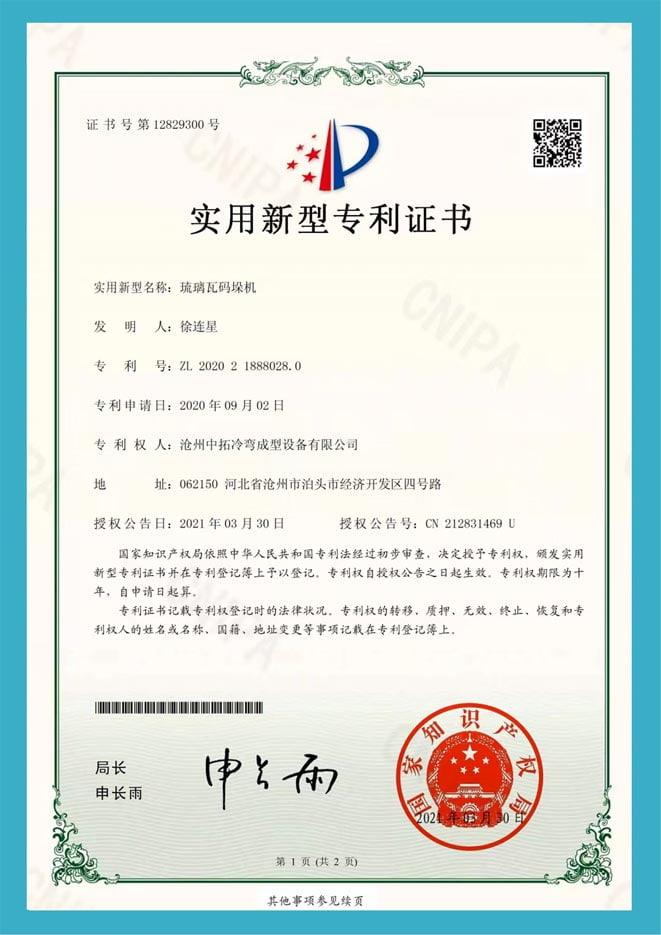
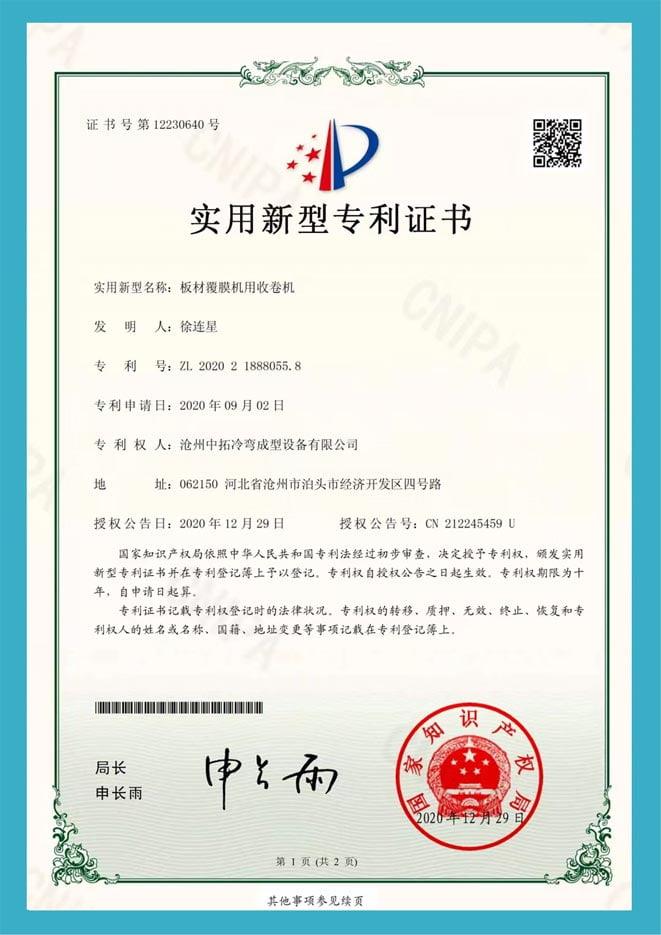
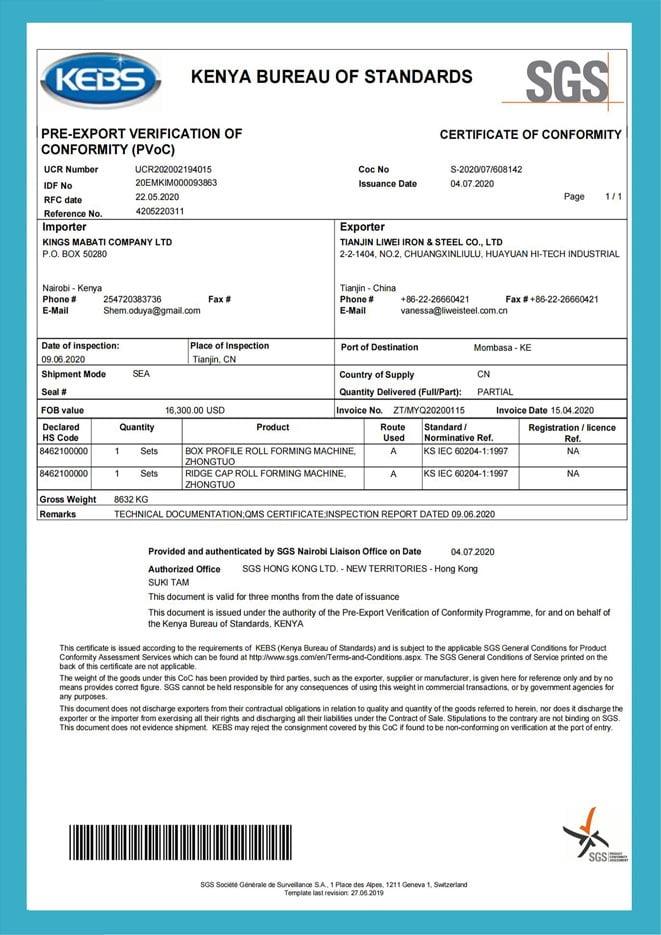
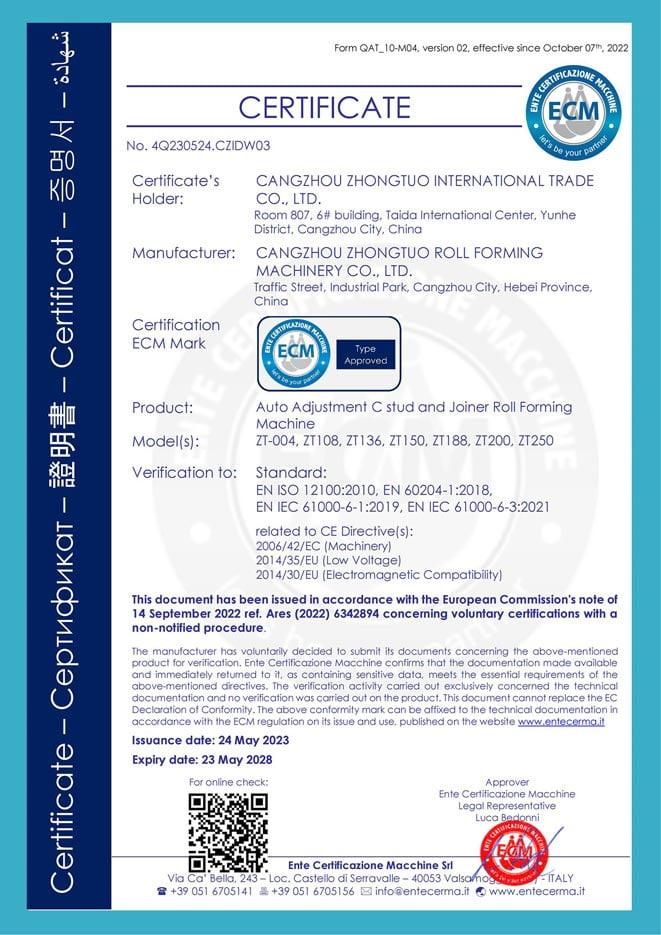
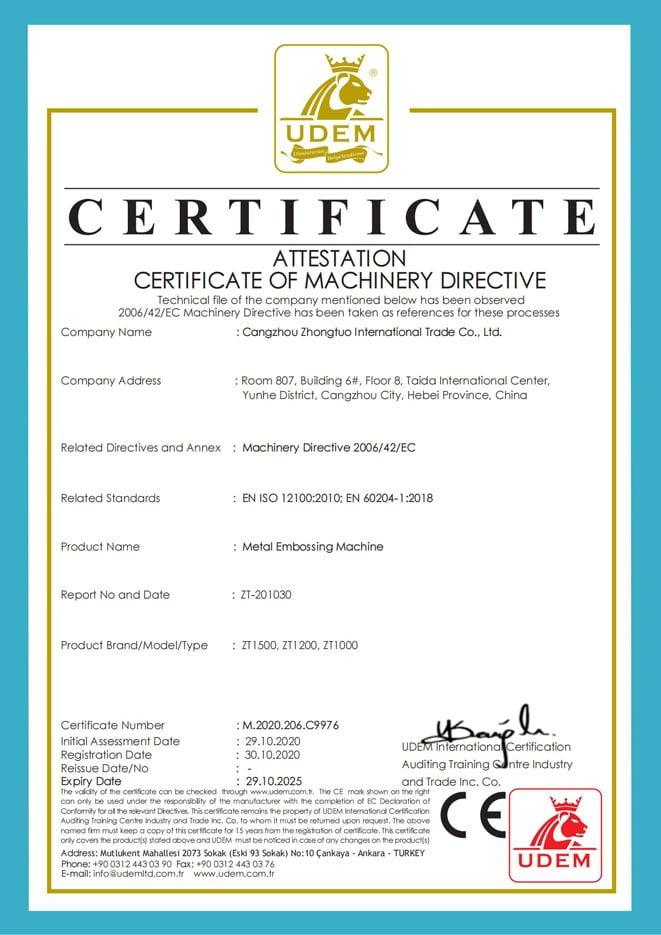
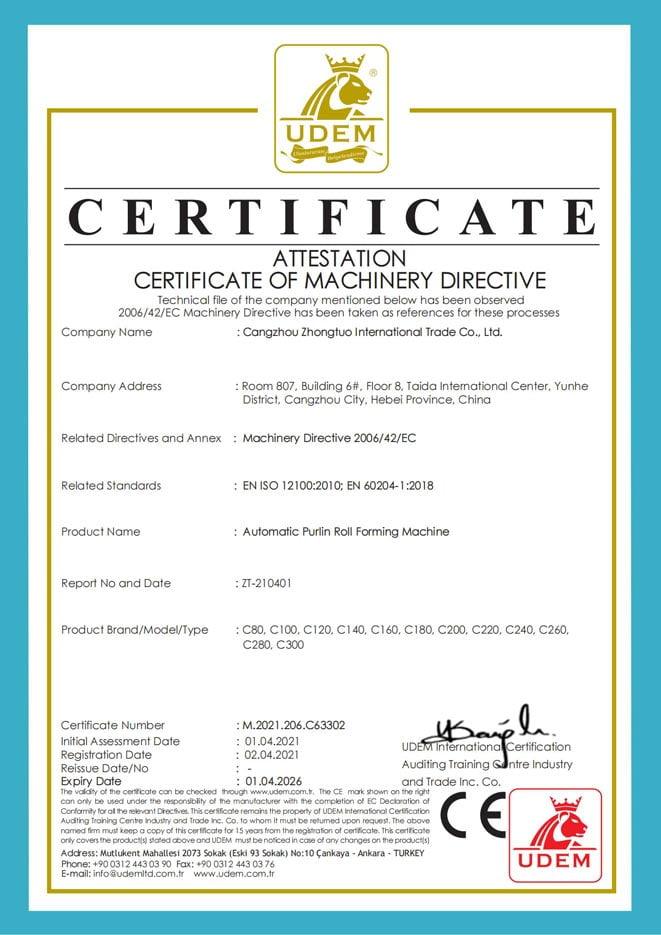
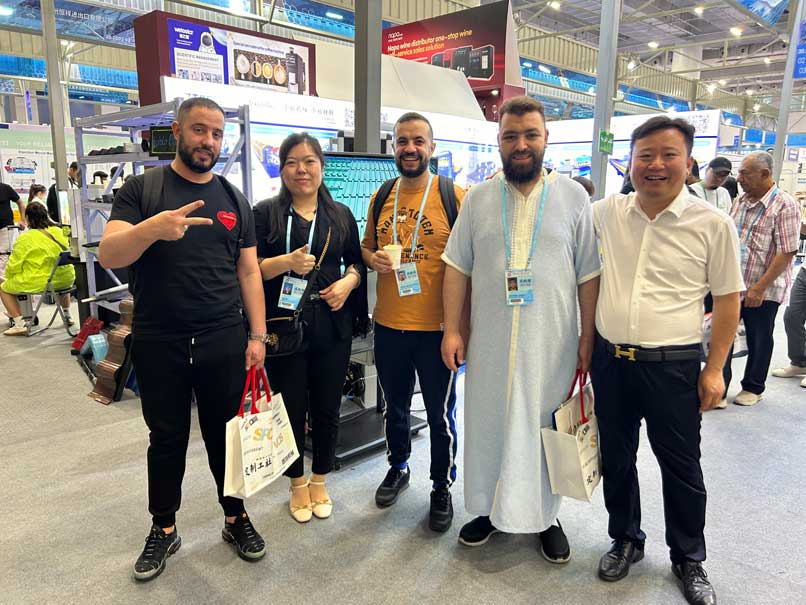
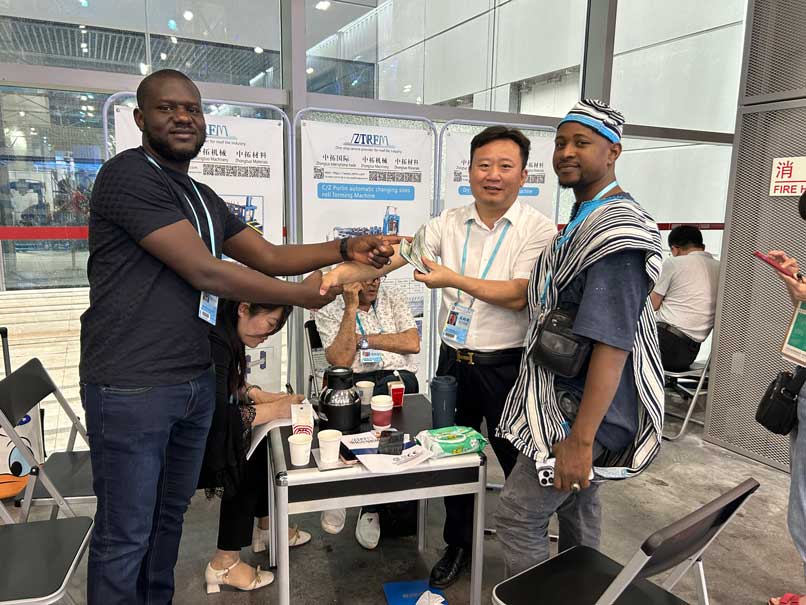
우리는 국가 수준의 첨단 기술 기업입니다. 우리는 ISO9001 품질 시스템 인증, 유럽 CE 안전 인증, 북미 CAS 인증 등을 받았습니다. 우리는 수출 무역에 대한 풍부한 경험을 가지고 있으며 다른 국가 고객의 요구를 이해합니다. 한편 우리는 고객에게 만족스러운 디자인 솔루션을 제공 할 수 있습니다. 우리의 기계는 150 개국 이상에 수출되었으며 고객과 장기적이고 안정적인 협력 관계를 구축하여 고객의 찬사를 받았습니다.
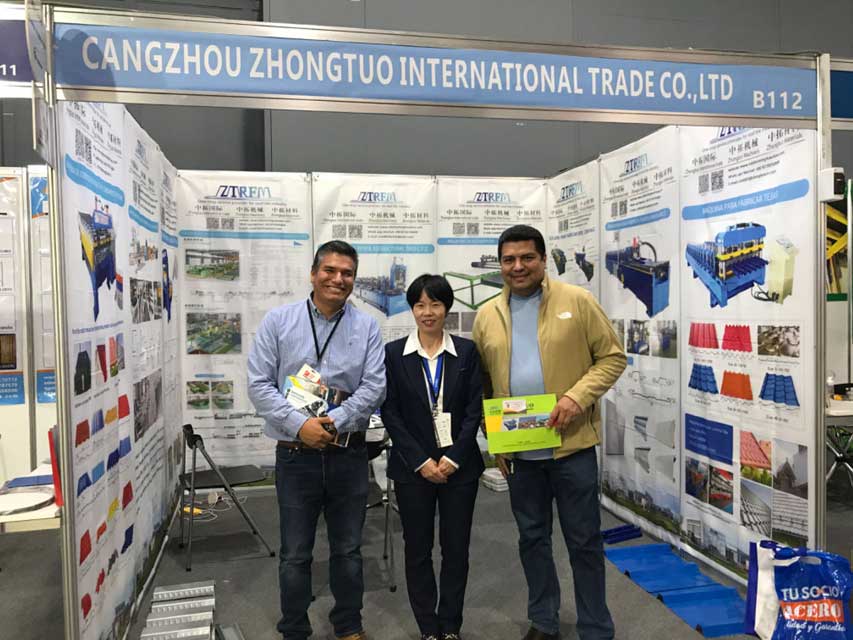
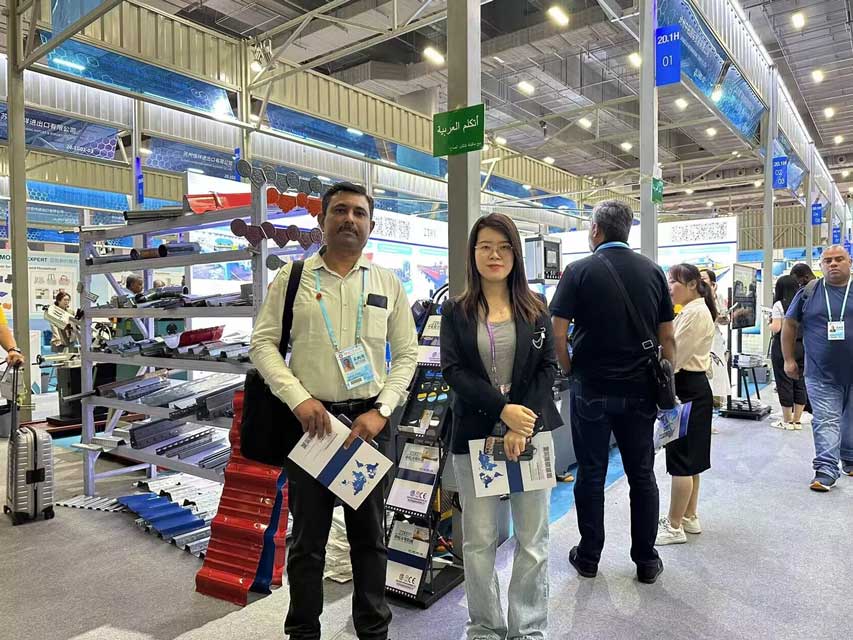
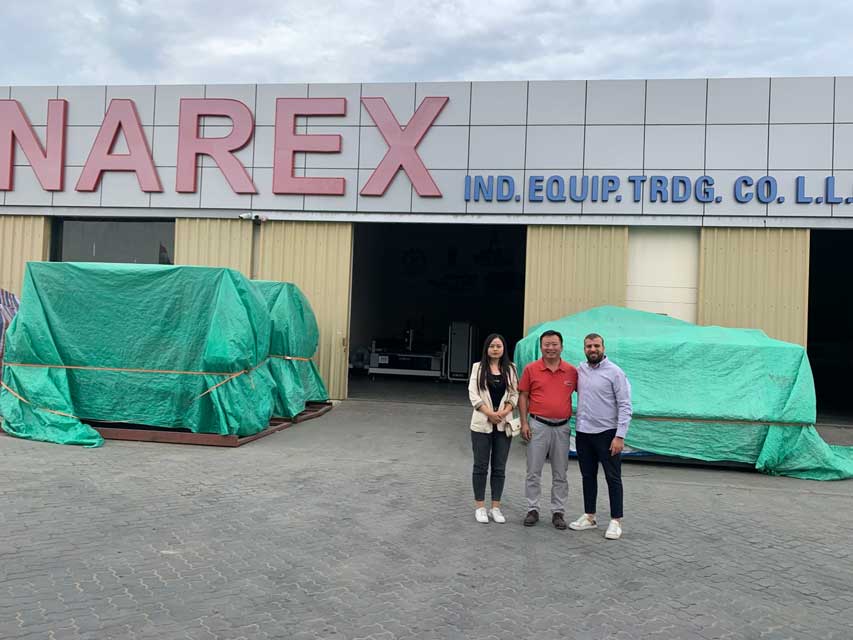
글로벌 신뢰: 156개 이상의 국가 및 지역 고객이 신뢰하는 당사의 루핑 시트 제작 기계는 전 세계적으로 뛰어난 성능과 신뢰성으로 인정받고 있습니다.
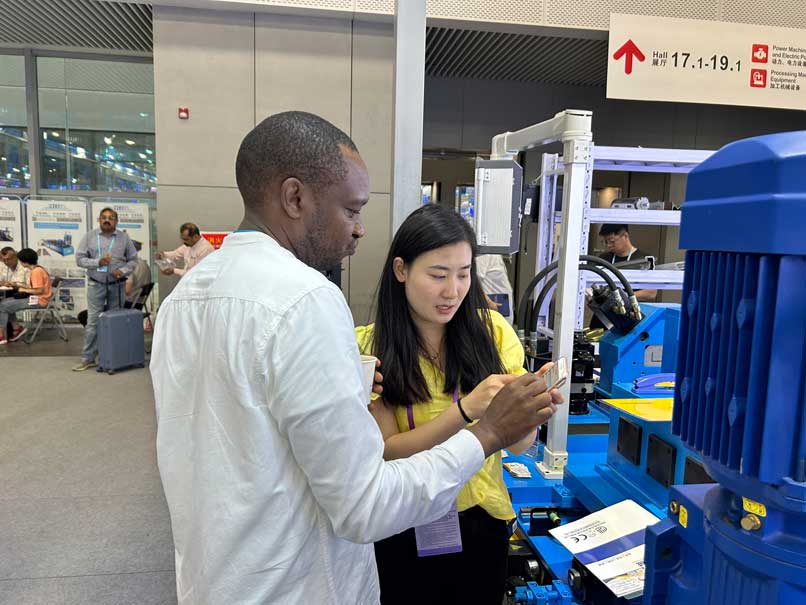
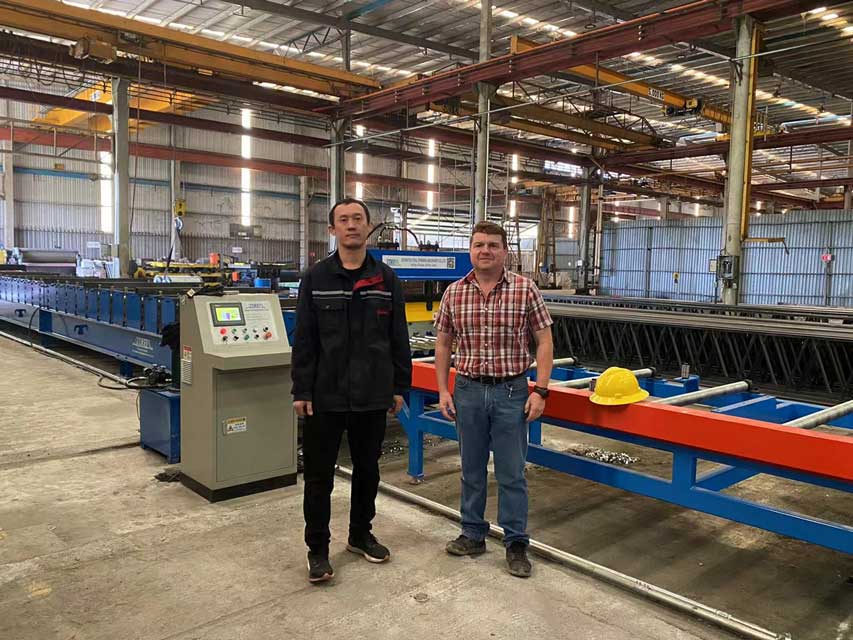
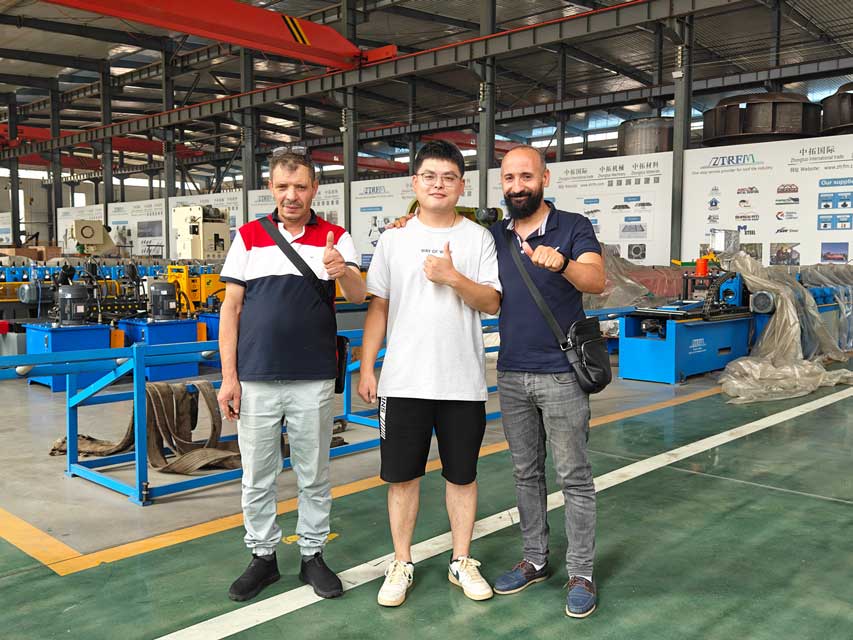
아프리카 잠비아에서 중퉈 롤 성형 기계가 안정적으로 작동하고 있습니다.
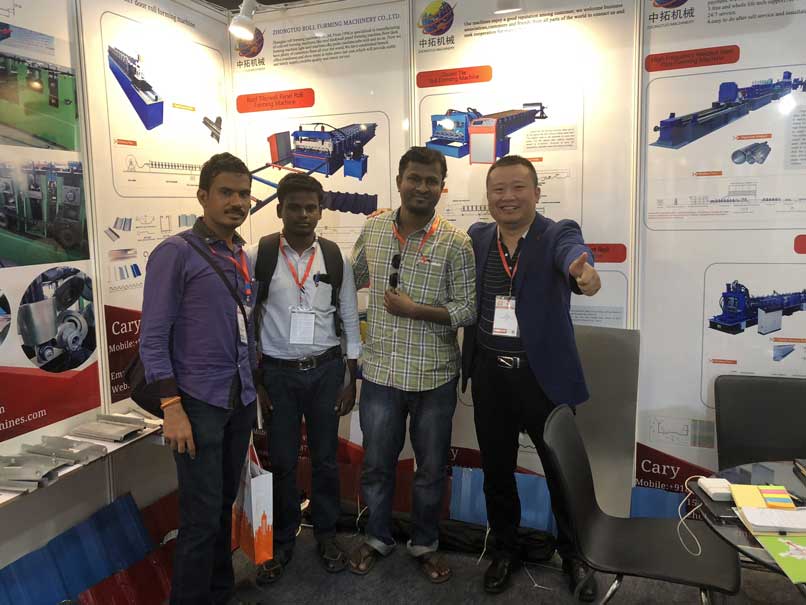
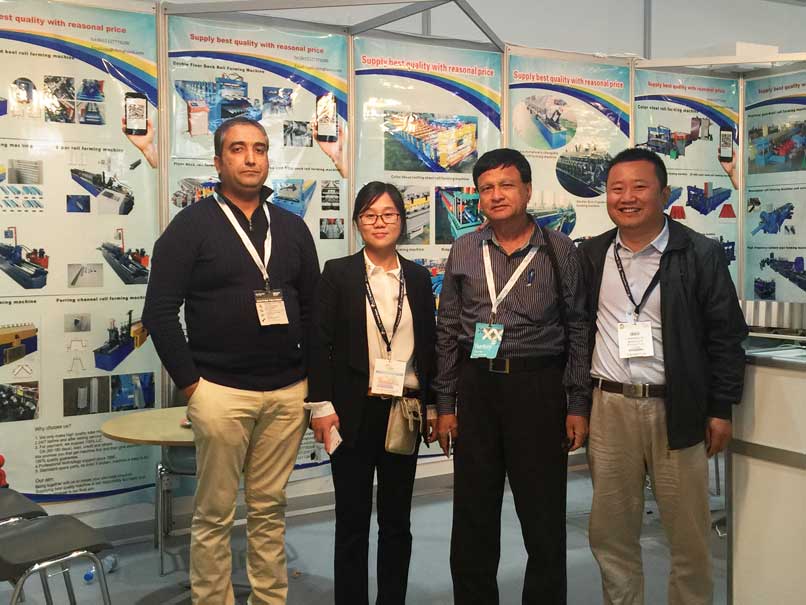
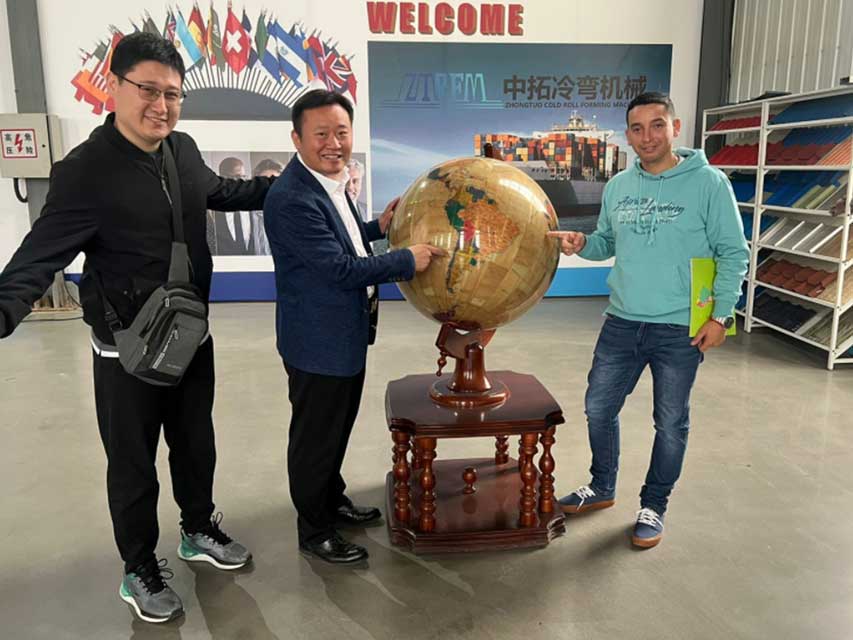
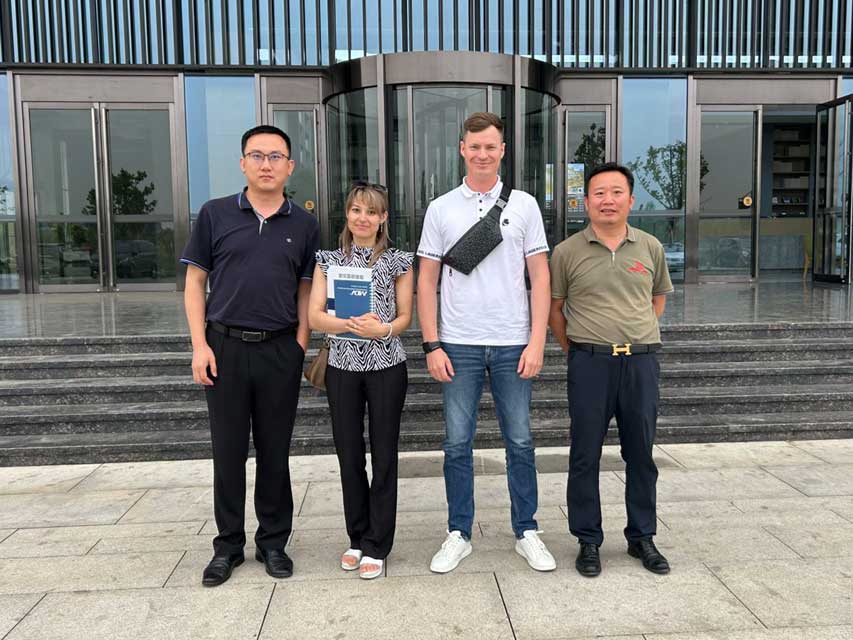
자동 CU 용골 기계-몽골 고객이 공장을 점검하고 우리와 협력합니다.
브라질 고객을 위한 맞춤형 중퉈 금속 슬리팅 라인
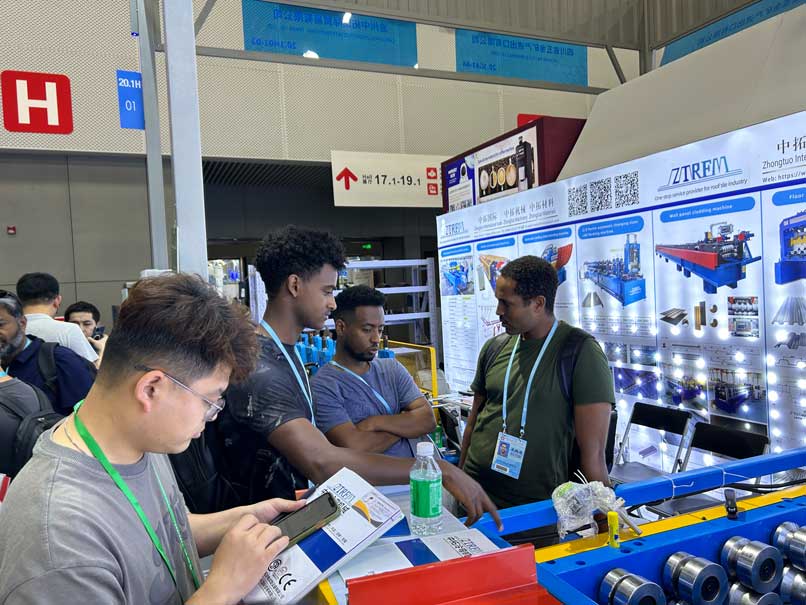
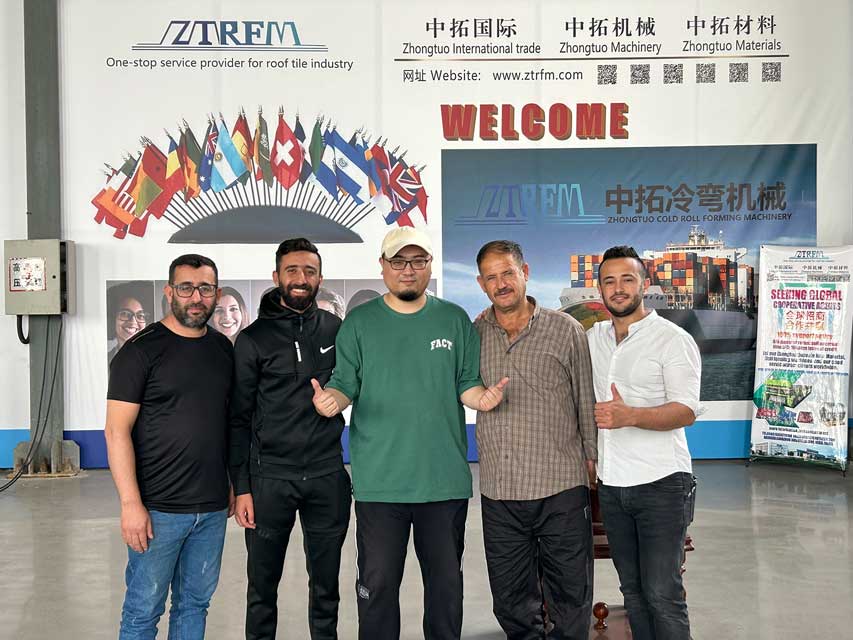
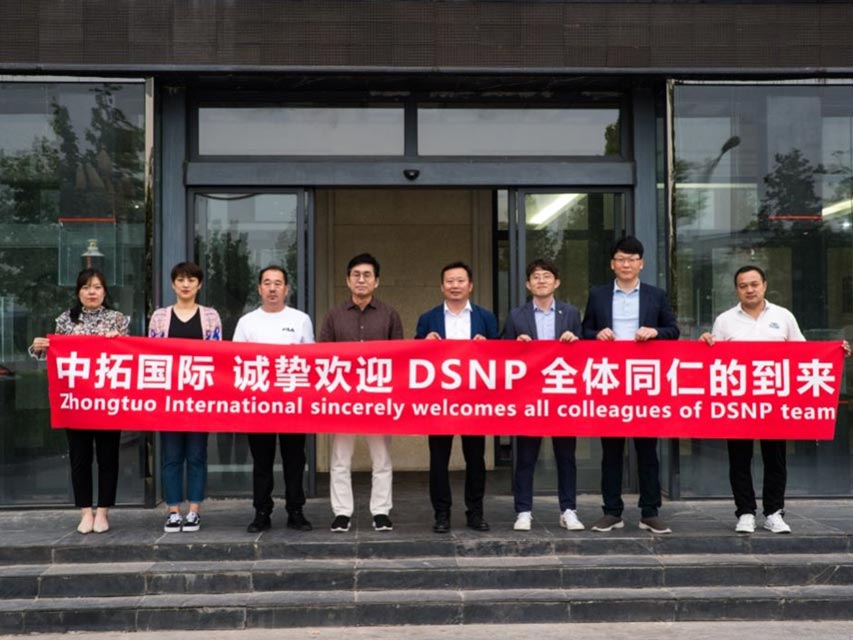
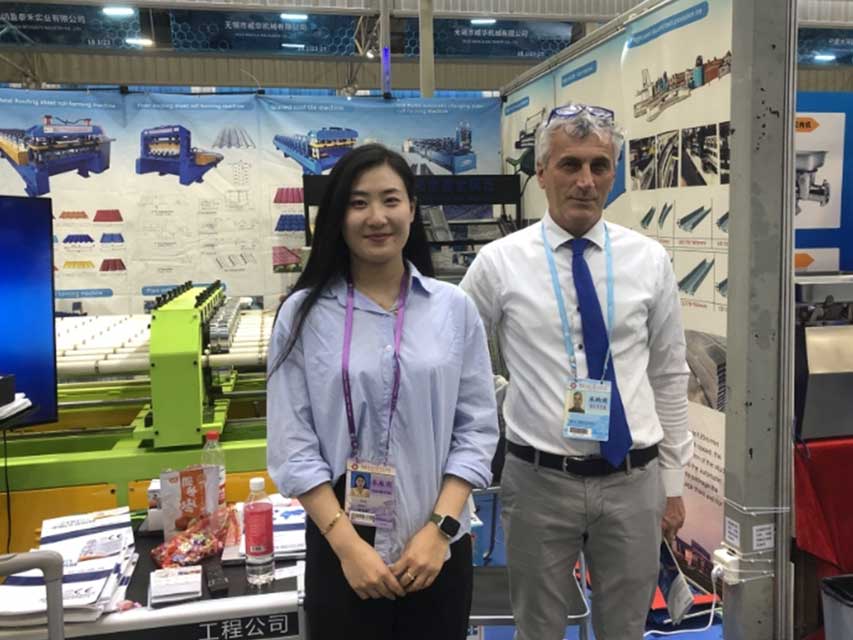
웨도의 롤 성형기 공장 방문을 환영합니다.
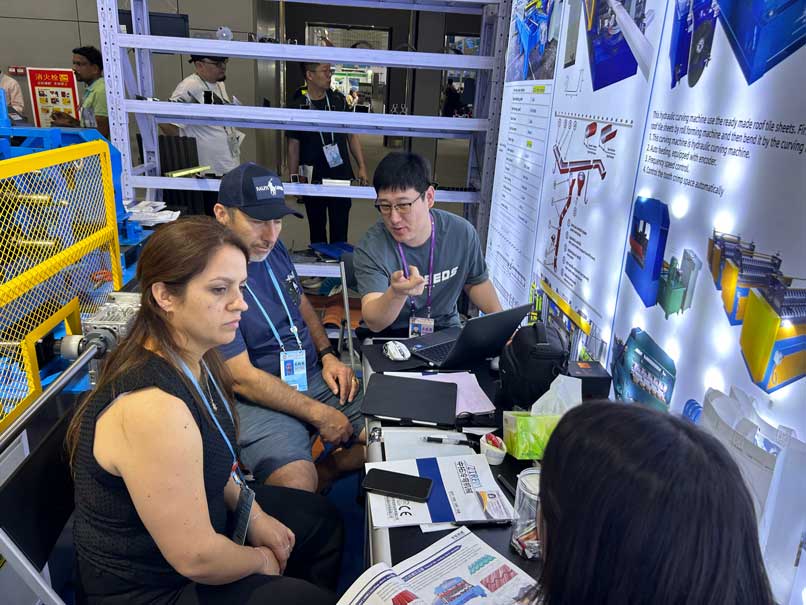
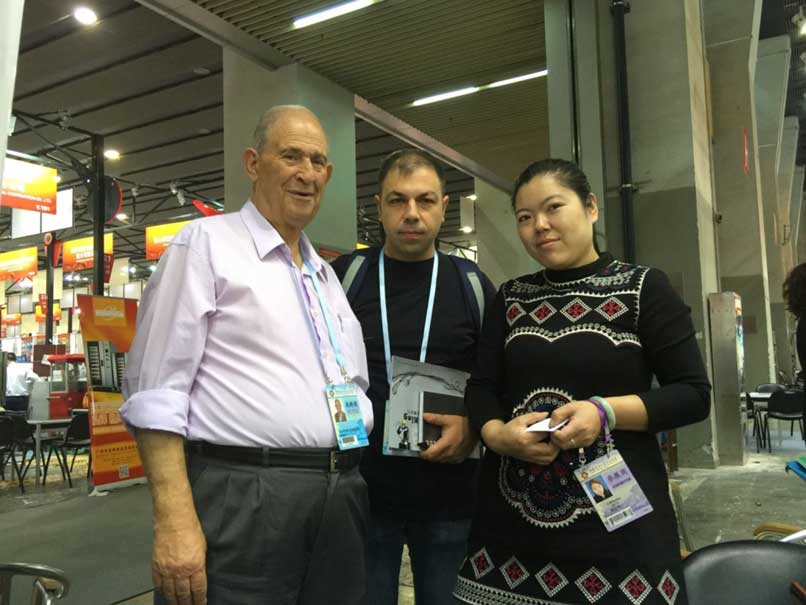
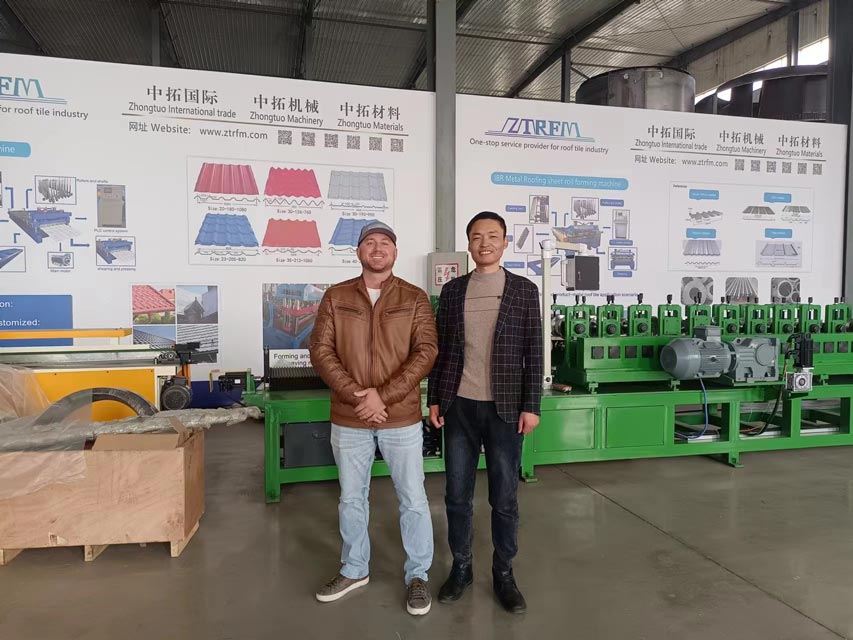
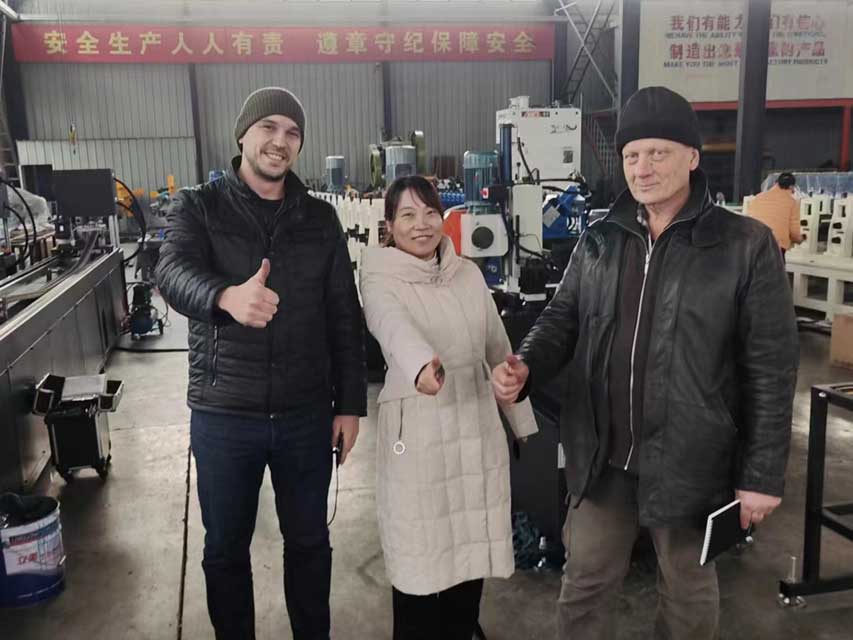
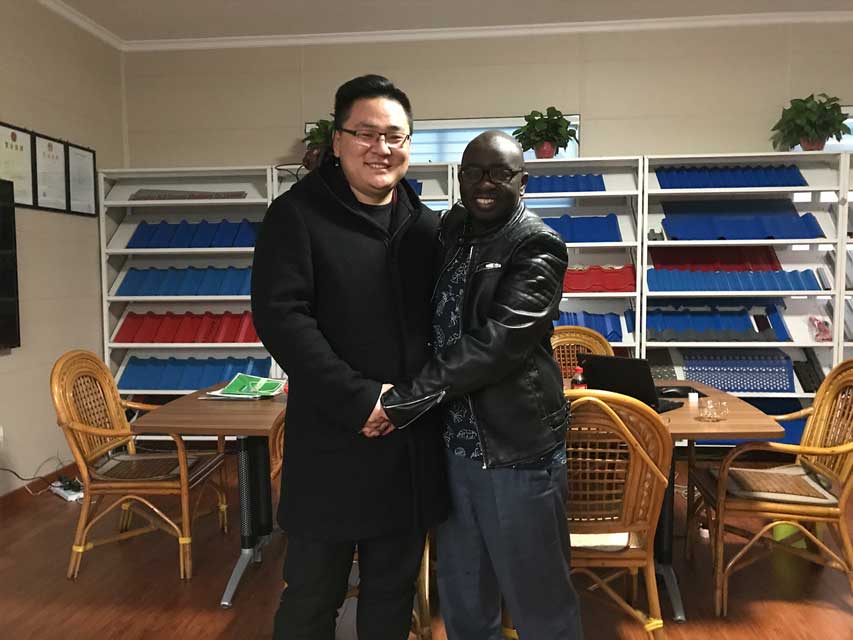
미국 친구들이 창저우 중퉈 롤 성형 기계로 돌아왔습니다.
금속 루핑 롤 성형 기계는 자동 적재 시스템으로 R 패널 및 로우 프로파일을 생산합니다.
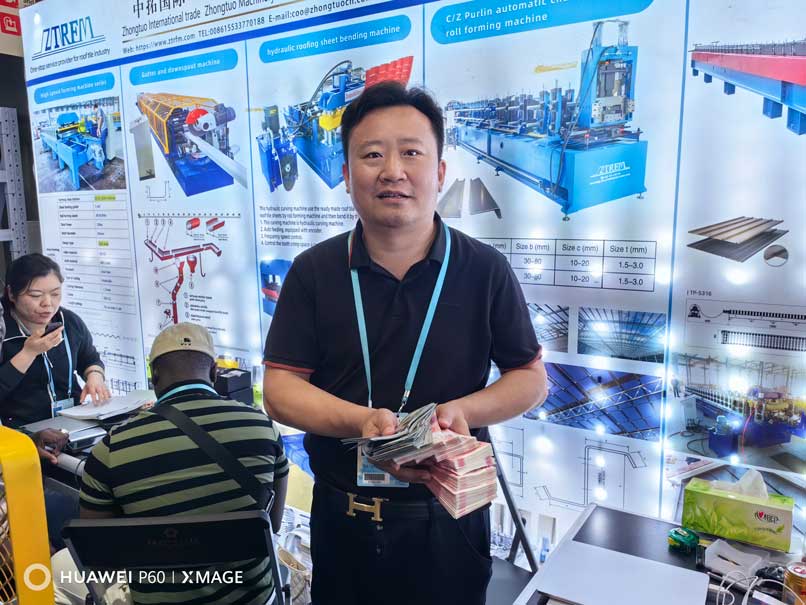
롤 성형기 애프터 서비스에 대한 고객의 의견
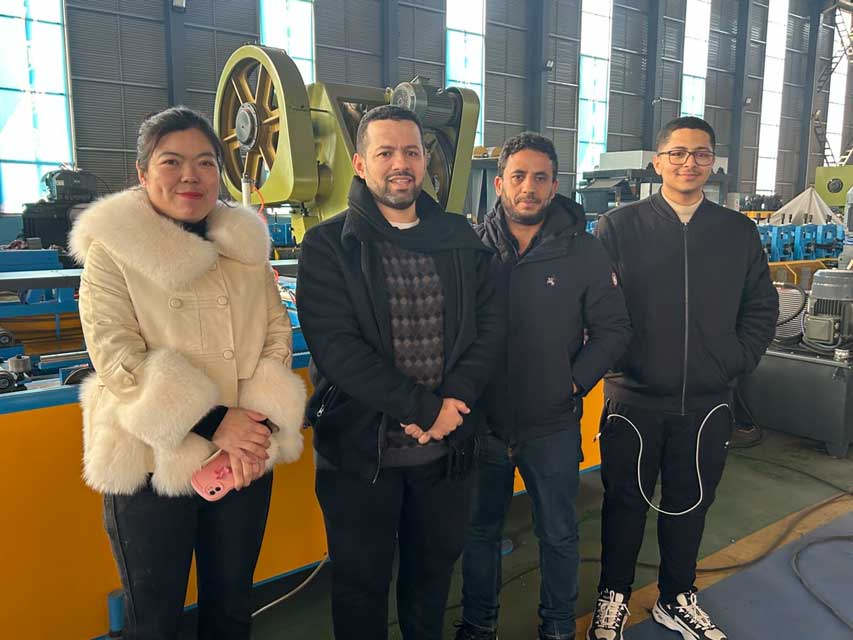
아제르바이잔 고객이 롤 성형 공장을 성공적으로 방문했습니다!
중퉈 롤 성형 솔루션 | 글로벌 산업을 위한 맞춤형 기계
360° VR 시스템을 통해 중퉈를 방문하면 2014년에 설립된 창저우 중퉈는 다양한 유형의 냉간 압연 성형기를 설계하고 제조하는 데 전념하고 있습니다. 우리는 ODM, OEM 및 원 스톱 서비스를 제공합니다. 원자재, 기계 및 액세서리는 당사에서 구입할 수 있습니다.
360° VR 시스템을 통해 중퉈를 방문하십시오, 창저우 중퉈는 2004년에 설립되었으며, 다양한 유형의 냉간 압연 성형 기계의 설계 및 제조에 전념하고 있습니다. 우리는 ODM, OEM 및 원 스톱 서비스를 제공합니다. 원자재, 기계 및 액세서리는 당사에서 구입할 수 있습니다.