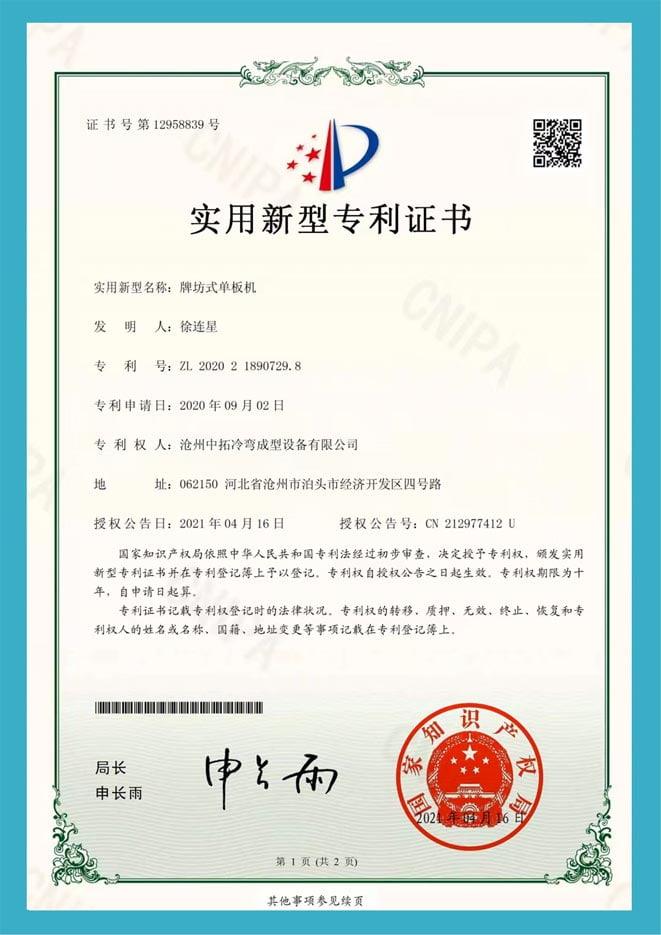
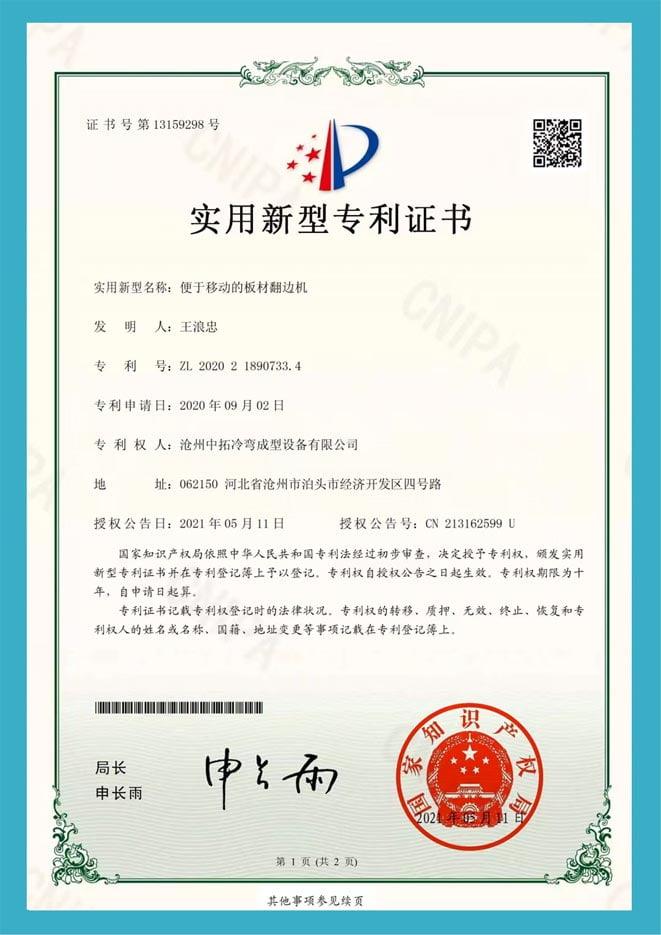
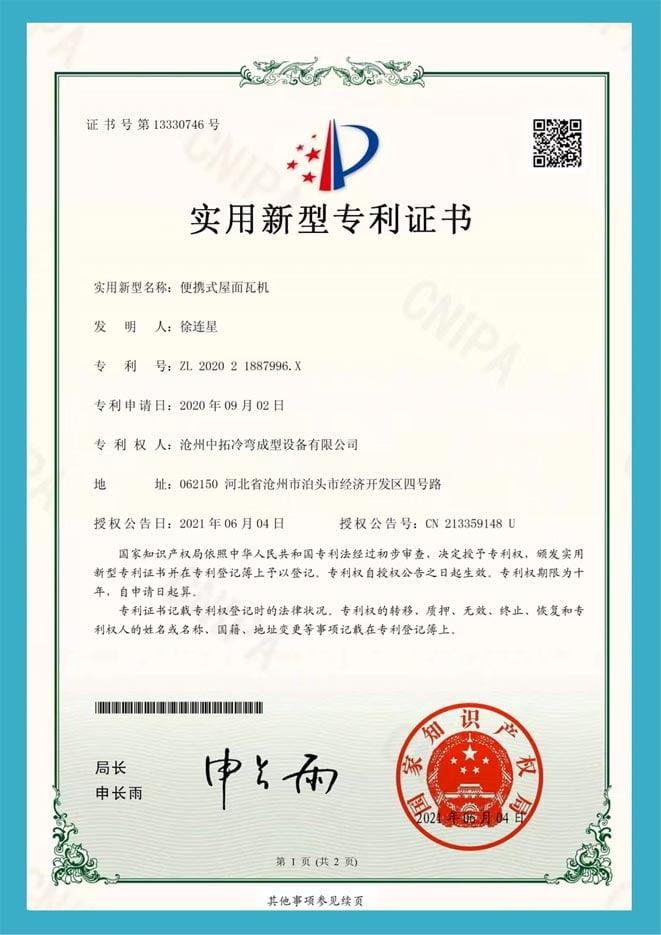
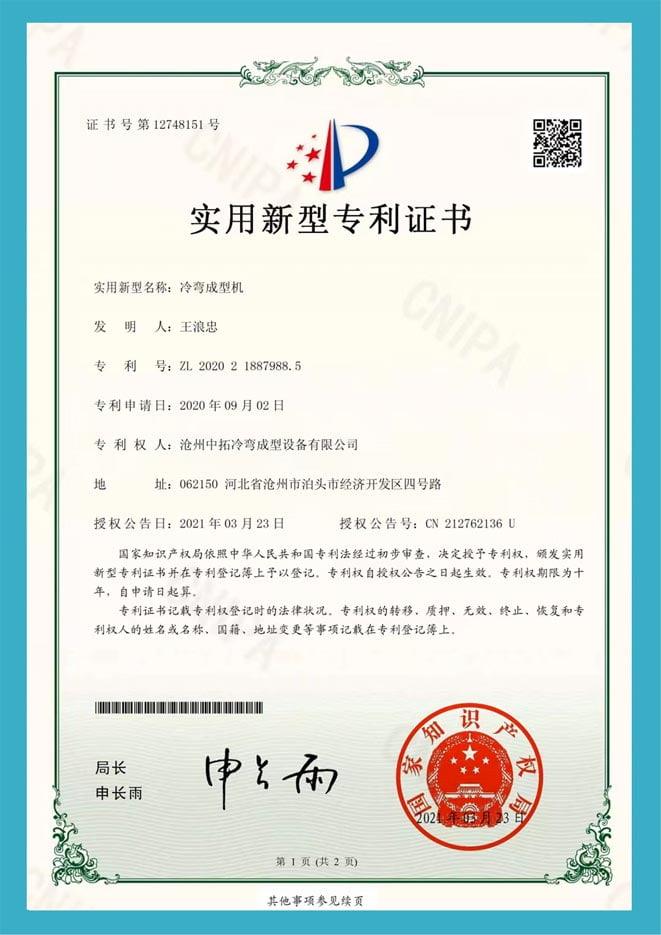
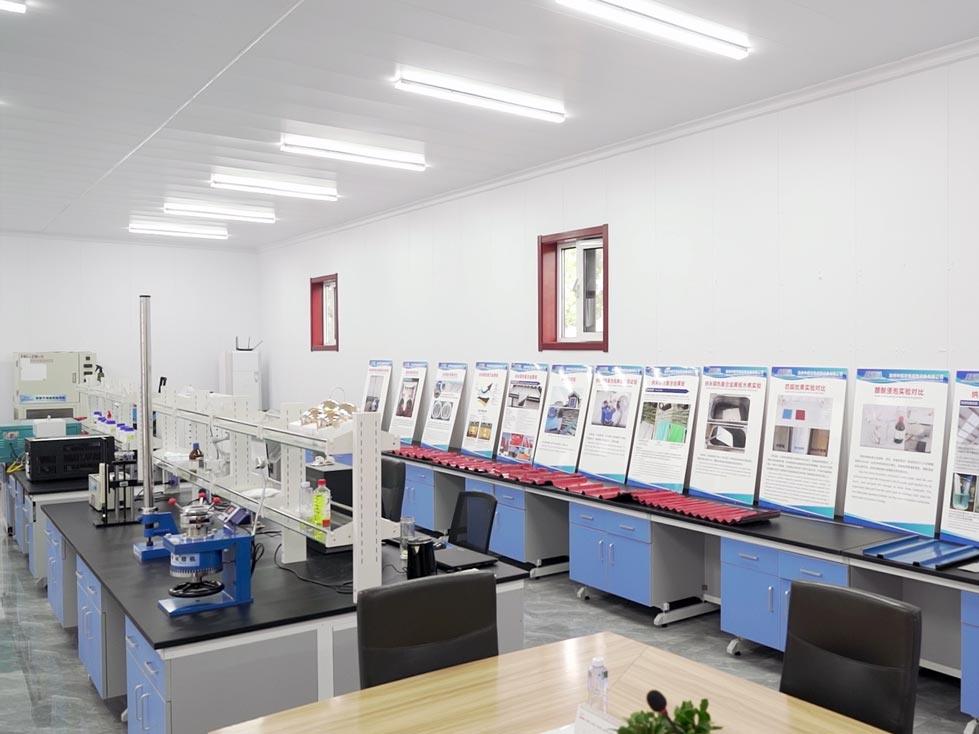
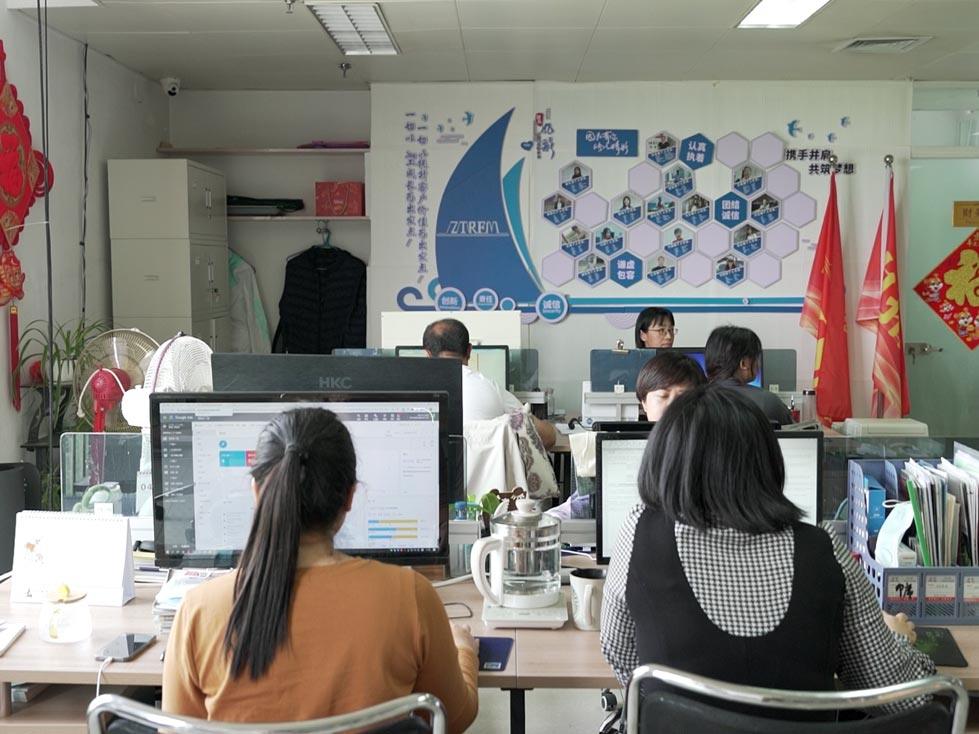
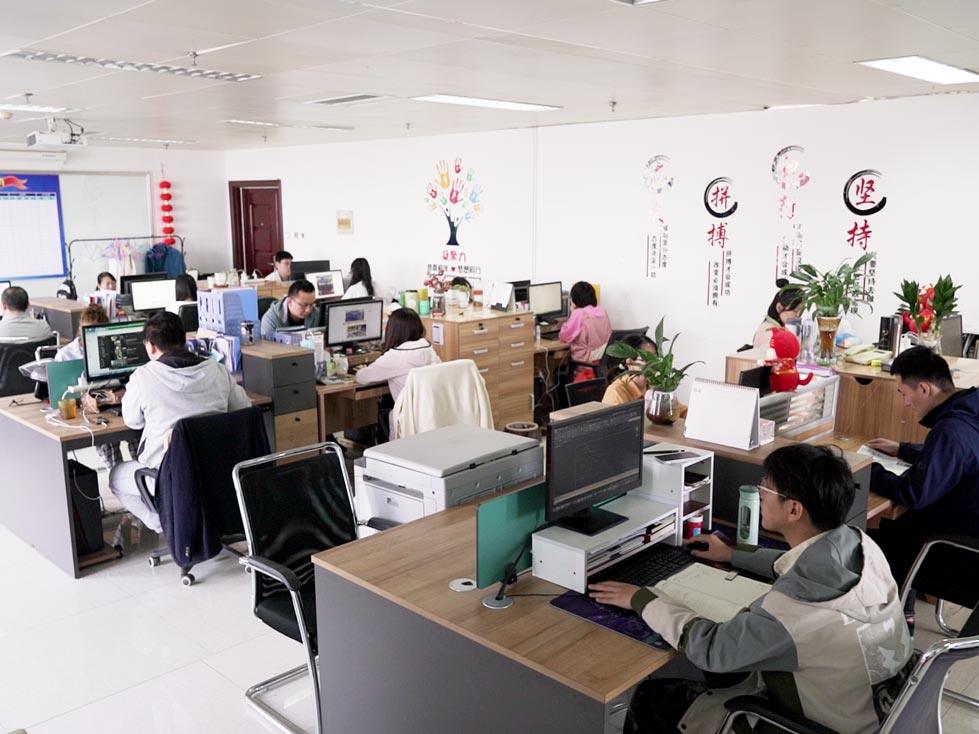
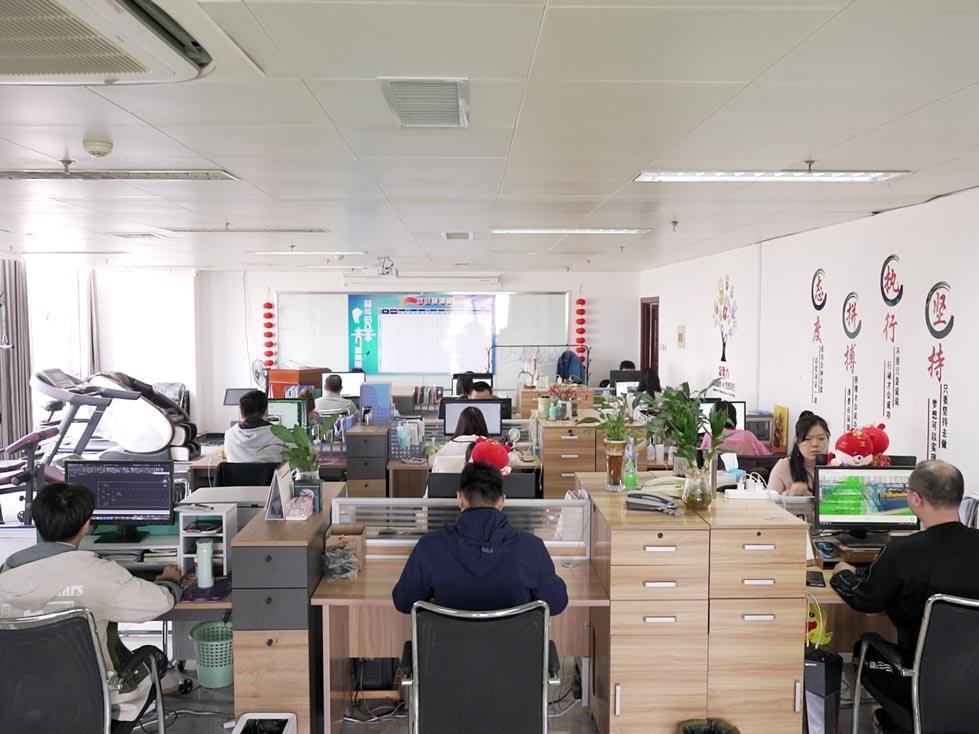
24년 이상의 경험과 지식 국제 표준, 기술 변화 및 산업 시스템, 우리는 다음과 같이 헌신합니다. 소중한 고객에게 최고의 경제적인 솔루션을 제공합니다.
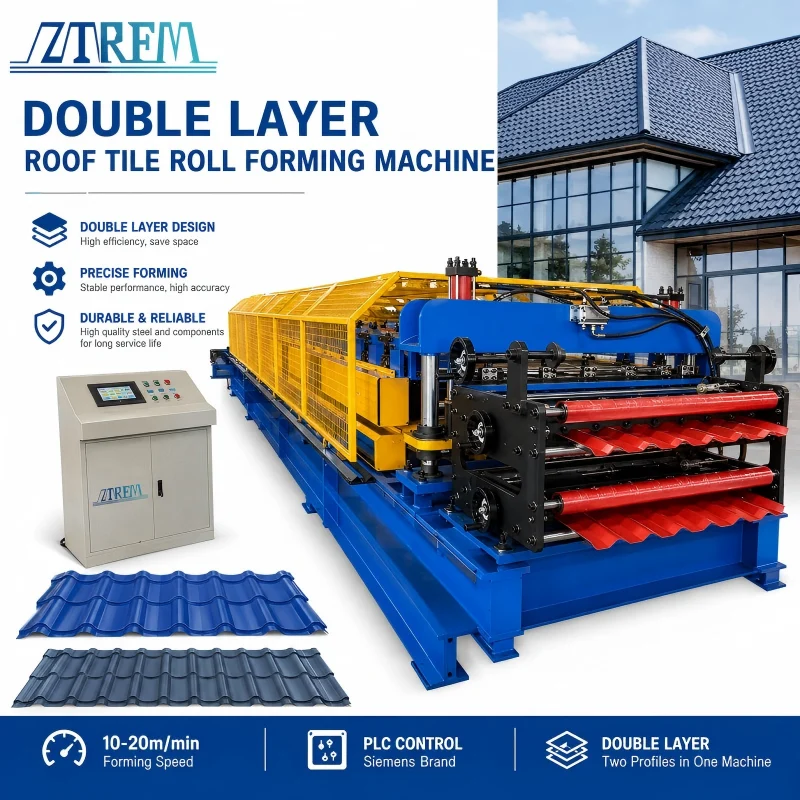
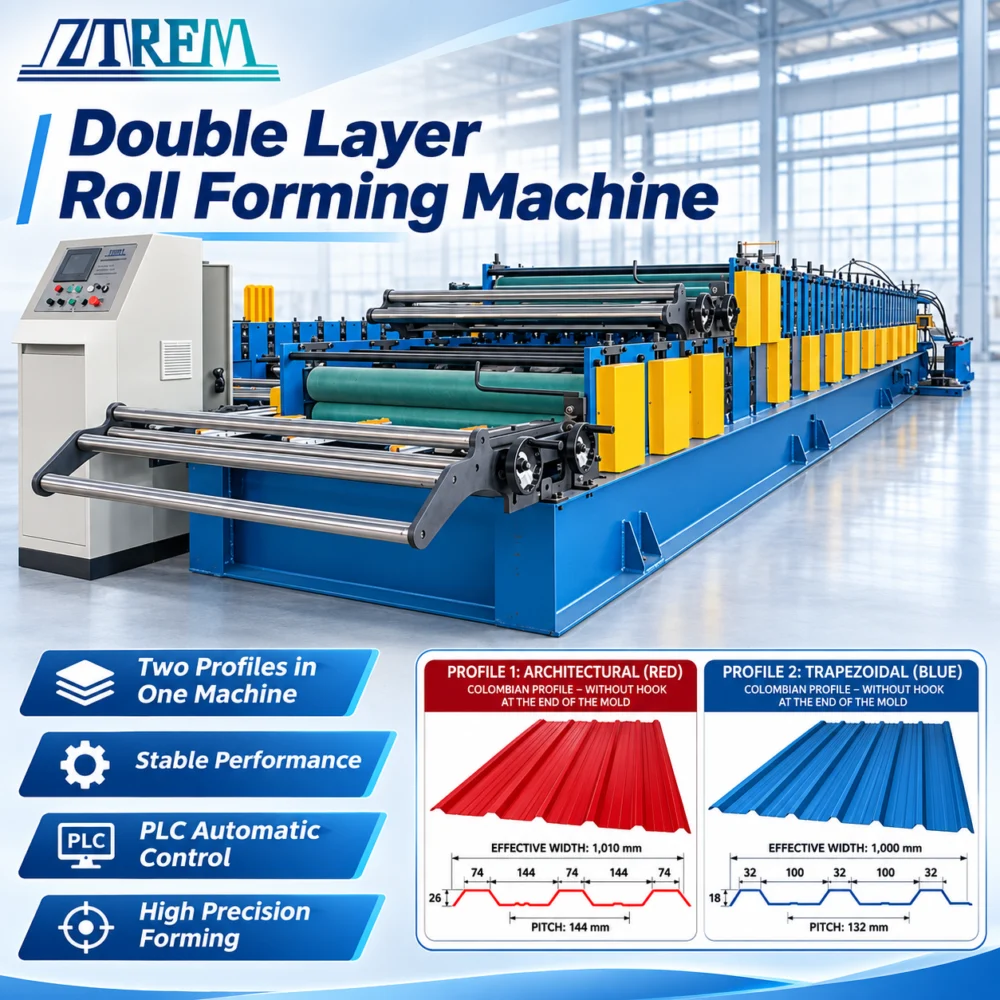
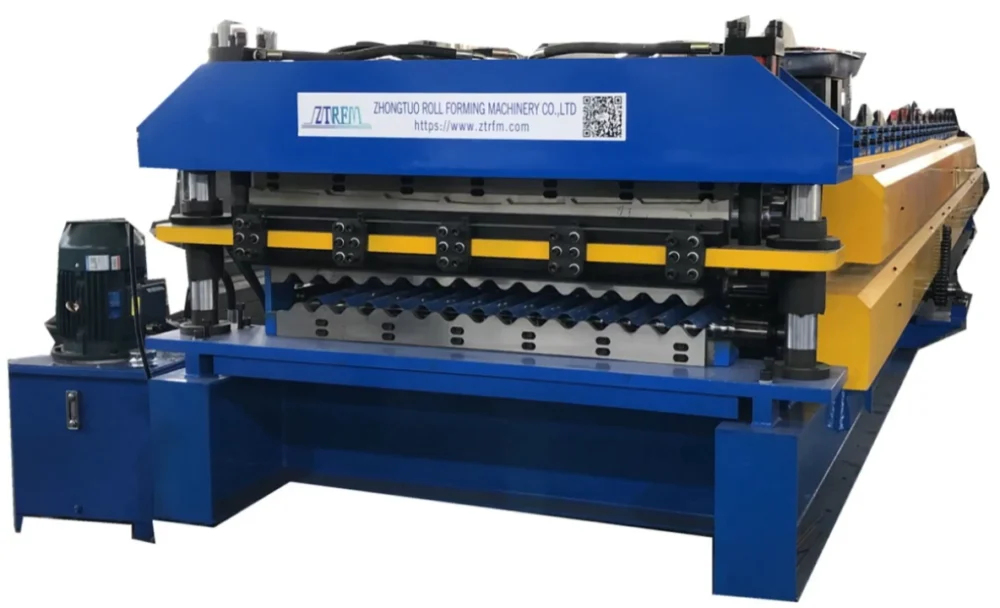
Double-Layer Roof Tile Roll Forming Machine: Two Roof and Wall Profiles on One Production Line
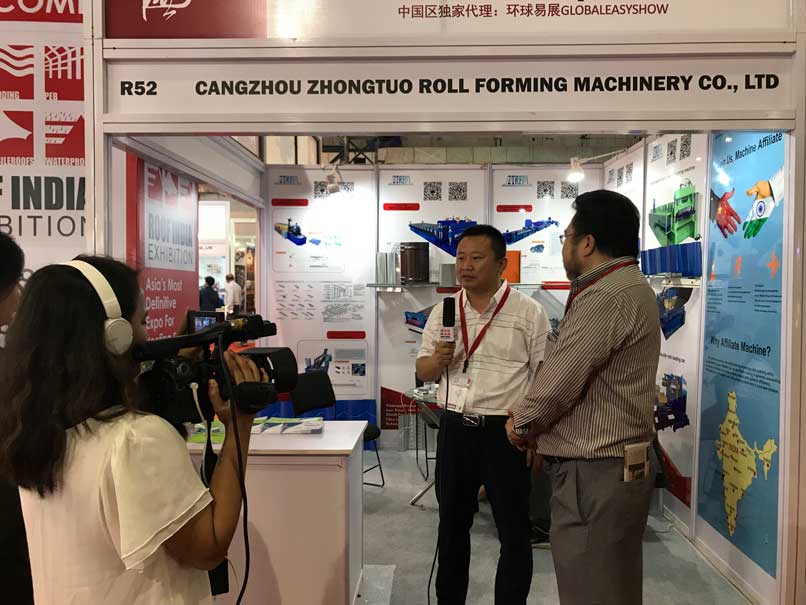
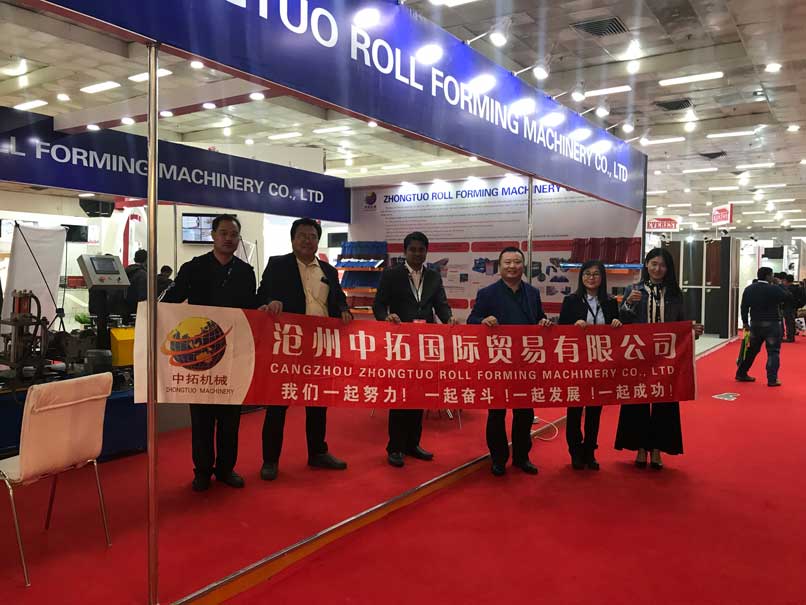
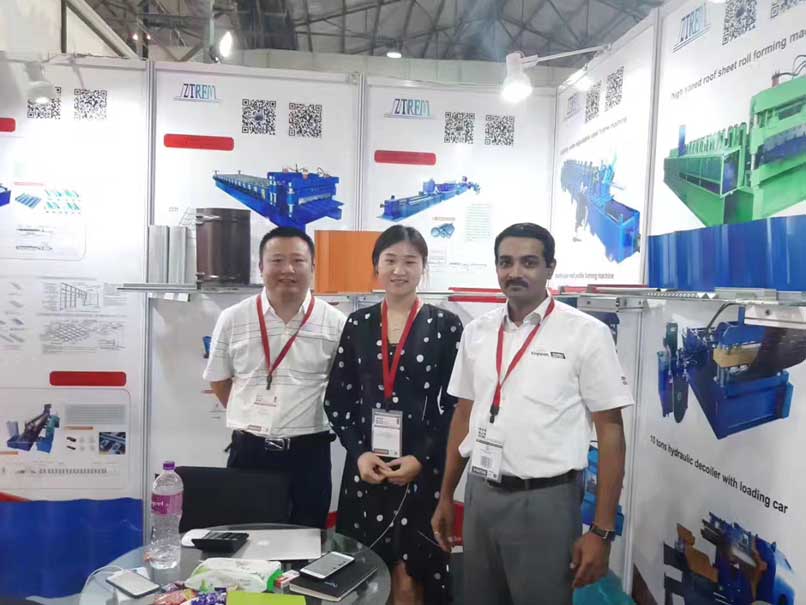
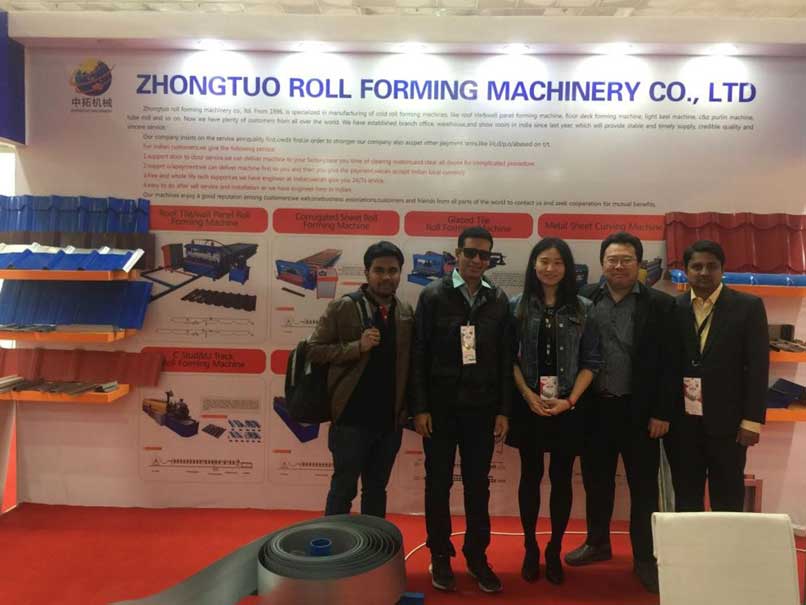
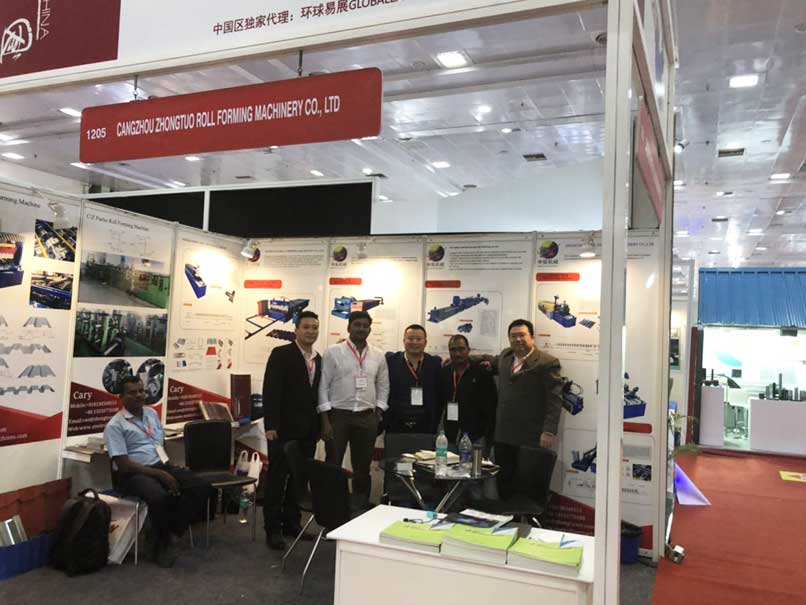
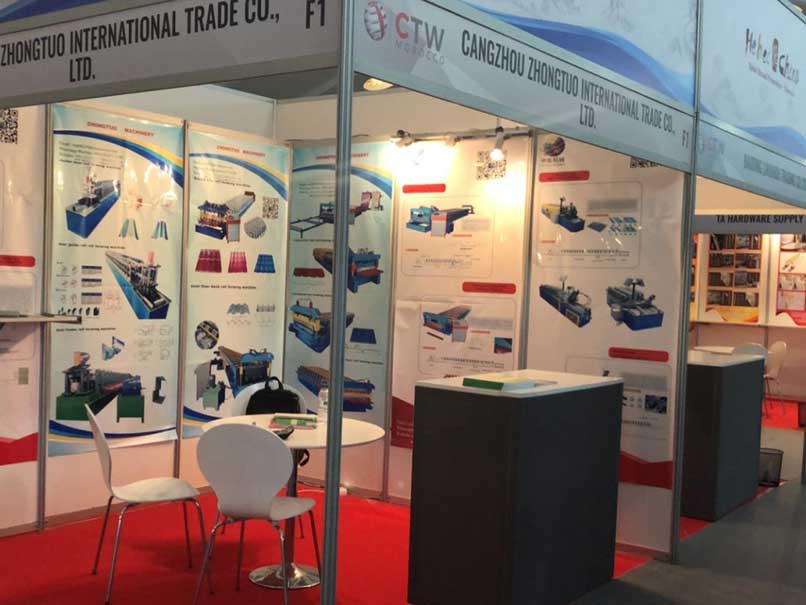
창저우 중퉈 롤 성형 기계 유한 회사는 중국 허베이성에서 왔습니다. 설계 및 제조에 전념하는 제조업체입니다. 다양한 유형의 냉간 압연 성형기. 우리는 2006 년부터 롤 성형 기계의 설계 및 제조에 종사하는 오랜 역사를 가진 공장입니다. 우리가 생산할 수있는 기계에는 지붕 타일 제조 기계, cz 도리 제조 기계, 경강 용골 제조 기계, 금속 엠보싱 기계, 도어 시스템 성형 기계, 천장 시스템 성형 기계, 고주파 파이프 용접기, 슬리 팅 라인, 절단 길이 라인, 선반 시스템 성형 기계, 바닥 데크 성형 기계, 컬러 석재 타일 생산 라인, 핫 라미네이팅 필름 기계 등이 있습니다.
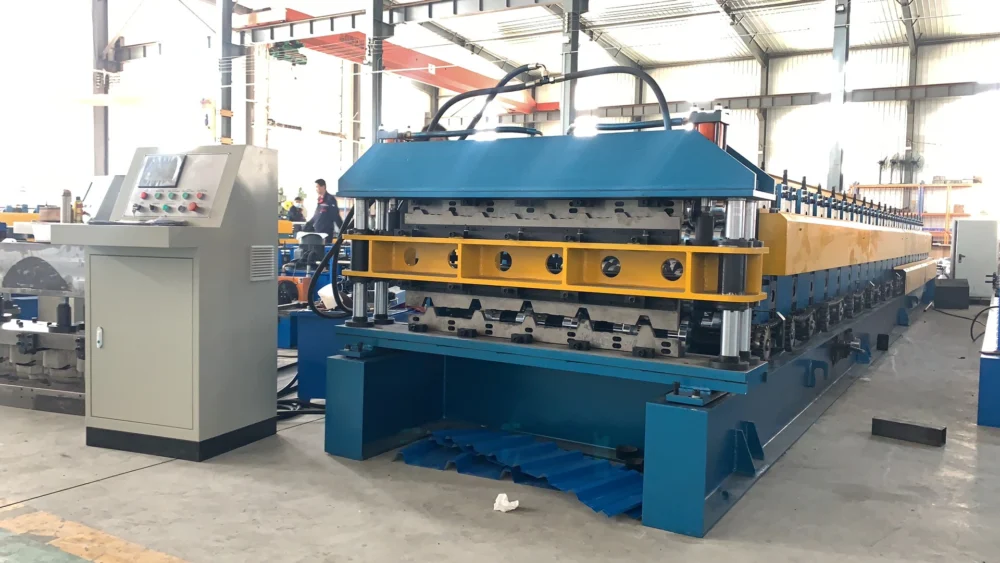
Double layer metal sheet with felt rolling forming machine
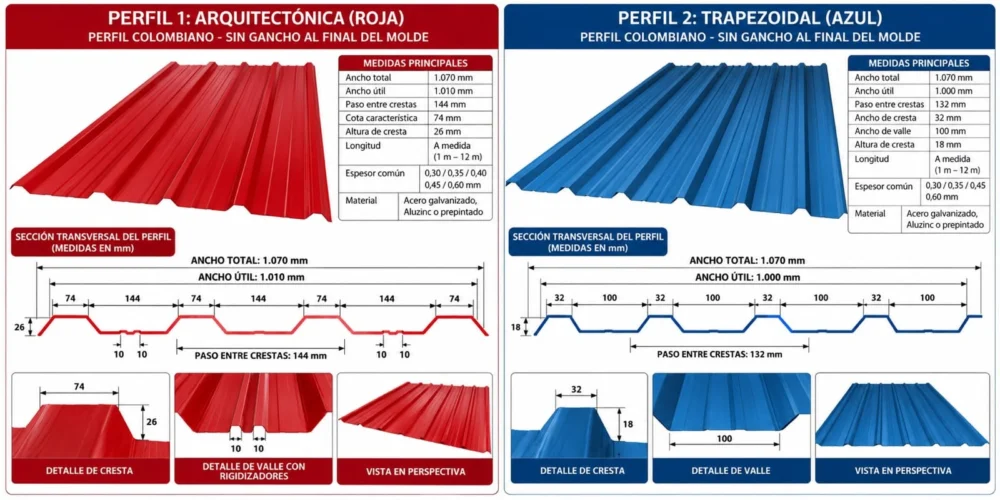
Double layer roofing sheet machine for Chile upper layer down layer
Double-Layer Roof Tile Roll Forming Machine: Two Roof and Wall Profiles on One Production Line
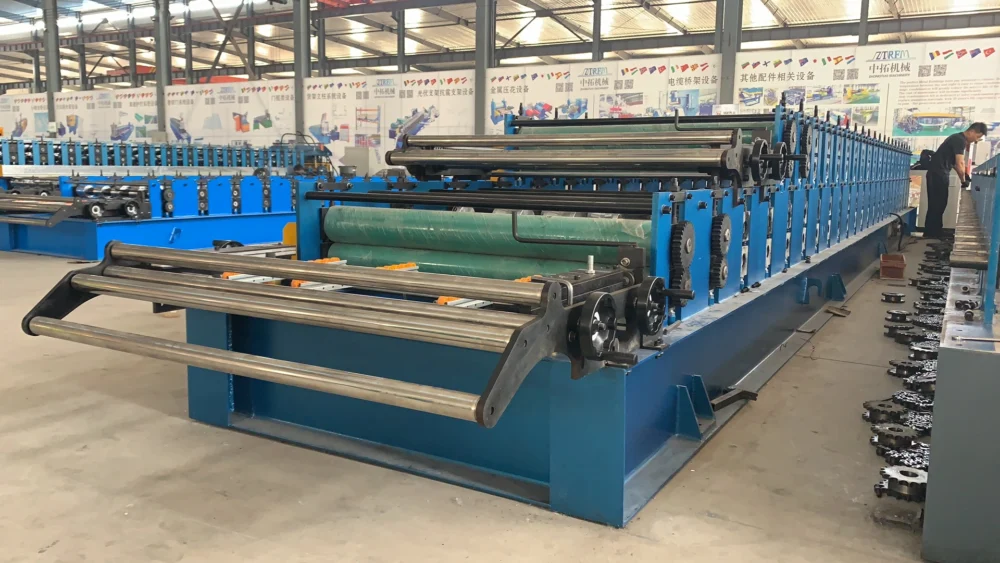
A double-layer roof tile roll forming machine is a combined cold roll forming line that manufactures two different metal roofing and wall sheet profiles on a single machine frame. By stacking two sets of forming tooling on one platform, it runs one profile on the upper layer and another on the lower layer, helping roofing sheet manufacturers cover more product styles with less floor space and a lower total investment than buying two separate lines. From trapezoidal roof sheets and corrugated panels to glazed step tiles, this machine is a cost-effective solution for roof and wall cladding producers supplying residential, commercial and industrial construction projects.
Double-Layer Roof Tile Roll Forming Machine: Two Roof and Wall Profiles on One Production Line
What Is a Double-Layer Roof Tile Roll Forming Machine?
Also called a double layer roofing sheet roll forming machine, two-in-one roof tile forming machine or dual-profile metal roof panel making machine, this equipment shapes color-coated, galvanized or aluminum coils at room temperature through progressive roll forming stations. The two layers share the main frame, drive system, control system and cutting section in most configurations, while each layer keeps its own roller set and profile design. Operators can produce one profile at a time, switching between the upper and lower layer according to order demand.
The main value of a double-layer design is flexibility: one line can cover both a common trapezoidal or ribbed roof panel and a corrugated or decorative tile profile, which matches the mixed product demand of local building material markets. Profile width, rib height, sheet thickness and panel length are defined by the roller tooling and cutting program, and the whole line can be tailored to the roofing styles most in demand in your region.
Double-Layer Roof Tile Roll Forming Machine: Two Roof and Wall Profiles on One Production Line
How the Double-Layer Roof Tile Production Line Works
A standard double-layer machine follows a continuous cold forming workflow from raw coil to finished sheet:
Coil decoiling: The metal coil is loaded onto a manual or hydraulic decoiler and fed steadily into the line. Some configurations use one shared decoiler with feeding direction switching between layers, while others are arranged for separate coil feeding on each layer.
Leveling and guiding: A leveling unit straightens the strip, removes coil camber and keeps the material centered before forming, which protects the rollers and helps hold profile consistency.
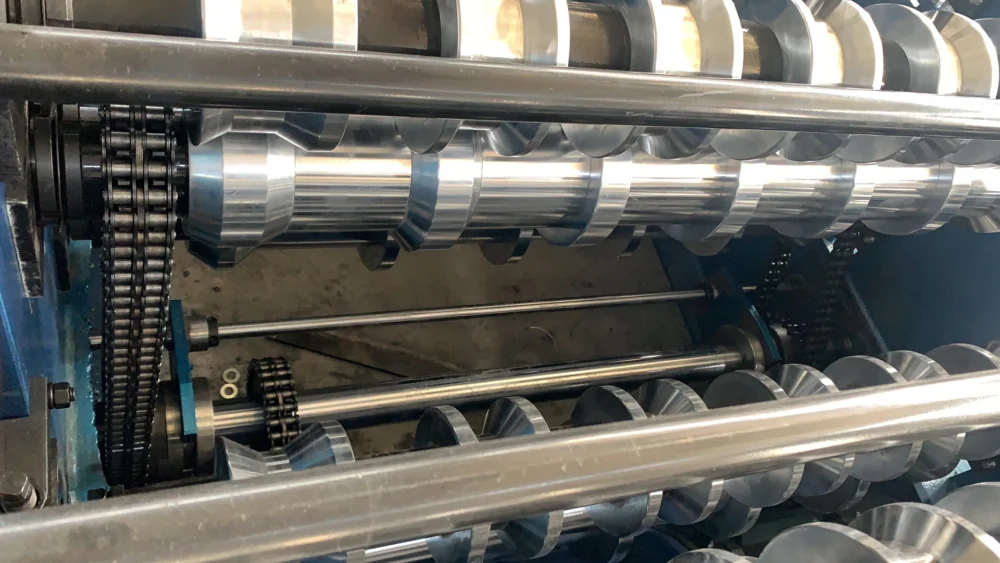
Roll forming by layer: The strip passes through the roller stations of the selected upper or lower layer, where a series of hardened rolls gradually bend it into the final roof tile or wall panel profile.
Cut to length: A hydraulic cutting device trims the formed sheet to the programmed length, with cutting length and panel count set through the control panel.
Output and stacking: Finished roof sheets slide onto the output table for collection, bundling and packaging; an optional stacking or conveying section can be added for larger production volumes.
Double-Layer Roof Tile Roll Forming Machine: Two Roof and Wall Profiles on One Production Line
Key Features and Advantages
Two profiles in one machine: The two-layer arrangement lets one line produce two roofing or wall profiles, reducing floor space, foundation work and equipment investment compared with two single-layer machines.
Flexible product mix: Buyers can match popular local profiles on the two layers, such as a trapezoidal roof sheet paired with a corrugated panel, or a glazed tile paired with a wall cladding profile, depending on market demand.
Stable forming quality: Reinforced welded frame, hardened alloy rollers and reliable transmission help keep panel shape, edge straightness and surface finish consistent across long production runs.
PLC control and quick setting: The touch-screen control stores panel length, quantity and product parameters, making profile and length changes straightforward for operators without specialized technical training.
Wide material compatibility: The line can be configured for color-coated steel (PPGI/PPGL), hot-dip galvanized steel, galvalume sheet and aluminum coil, with roller design matched to the material and thickness.
Cost-efficient production: Combined structure shares major components, lowering unit cost for small and medium roofing manufacturers who need more than one profile but cannot justify two full independent lines.
Easy maintenance and operation: Standard bearings, sealed transmission parts and an accessible frame layout simplify daily inspection, cleaning and spare-part replacement.
Safety-oriented design: Emergency stop controls, safety guards and overload protection are included to support safe workshop operation.
Double-Layer Roof Tile Roll Forming Machine: Two Roof and Wall Profiles on One Production Line
Roof and Wall Profiles It Can Produce
With the appropriate roller tooling, a double-layer machine can produce common metal roofing and cladding profiles, including:
Trapezoidal (IBR-type) roof sheets: Ribbed panels widely used for industrial roofs, warehouses and metal buildings.
Corrugated roof and wall panels: Classic wavy sheets for roofing, side cladding and agricultural buildings.
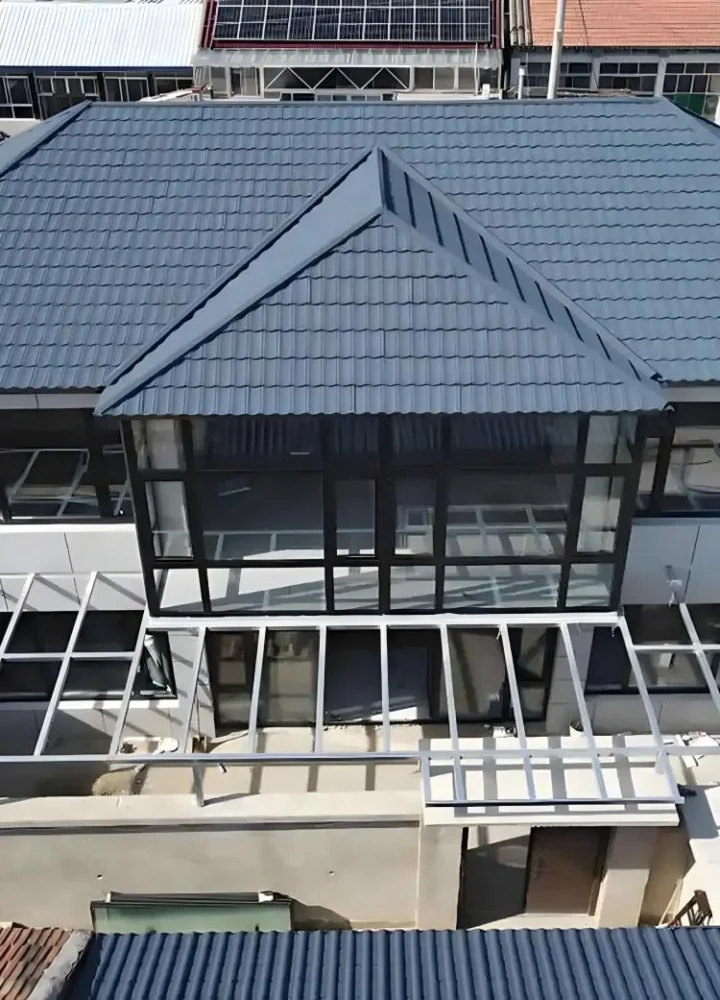
Glazed step tiles: Decorative tile-profile panels with a traditional roof appearance for residential and villa roofing.
Wall cladding profiles: Softer-rib or flat-looking panels for factory walls, fences and partition enclosures.
Custom two-profile combinations: The upper and lower layer profiles can be selected from your drawing or local market catalog to cover your full product range.
Compatible Materials
Double-layer roof tile machines are designed for thin-gauge cold-forming metal coils. Common options include pre-painted color steel coil, hot-dip galvanized steel, galvalume aluminum-zinc coated sheet and aluminum coil. The working width, thickness range, roller groove design and cutting force are confirmed together with your chosen material and target profile, so the line performs consistently on the material you actually use. Pre-painted material handling is arranged to protect the decorative coating from scratches during feeding and forming.
Common Applications
Residential roofing: Roof tiles and color steel sheets for houses, villas and residential extensions.
Industrial and commercial buildings: Roof and wall panels for factories, warehouses, workshops, supermarkets and logistics centers.
Agricultural construction: Sheets for barns, poultry houses, greenhouses, farm sheds and storage shelters.
Temporary and prefab buildings: Cladding for modular houses, site offices, booths and temporary steel structures.
Fence and enclosure panels: Lightweight wall profiles for perimeter fences, compound walls and site partitions.
Double-Layer Roof Tile Roll Forming Machine: Two Roof and Wall Profiles on One Production Line - double layer roof tile forming machine application
Customization and After-Sales Support
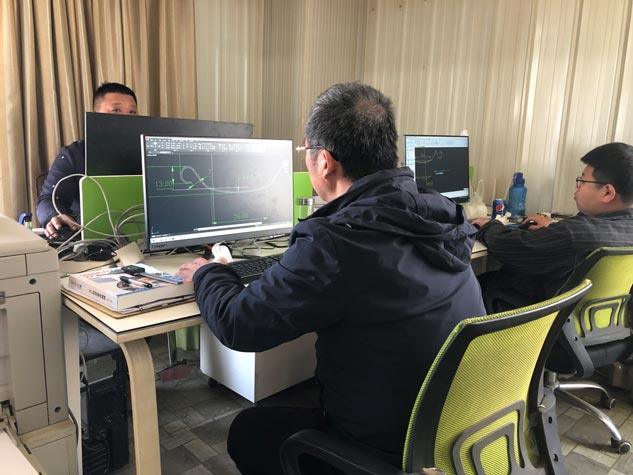
Roofing profile styles differ widely between regions, so the two-layer combination is selected around your local market rather than fixed to a universal model. Before line production, our engineering team reviews your profile drawings or samples, material type and thickness, required panel widths and expected output, then confirms the roller sets, layer arrangement, drive power and cutting configuration.
Support includes workshop layout planning, tooling design, factory test run before shipment, installation guidance, commissioning and operator training. Long-term spare-part supply and remote technical support are available for overseas customers, and the machine is prepared in seaworthy export packaging to suit ocean freight to your destination port.
왜 우리를 선택해야 할까요?
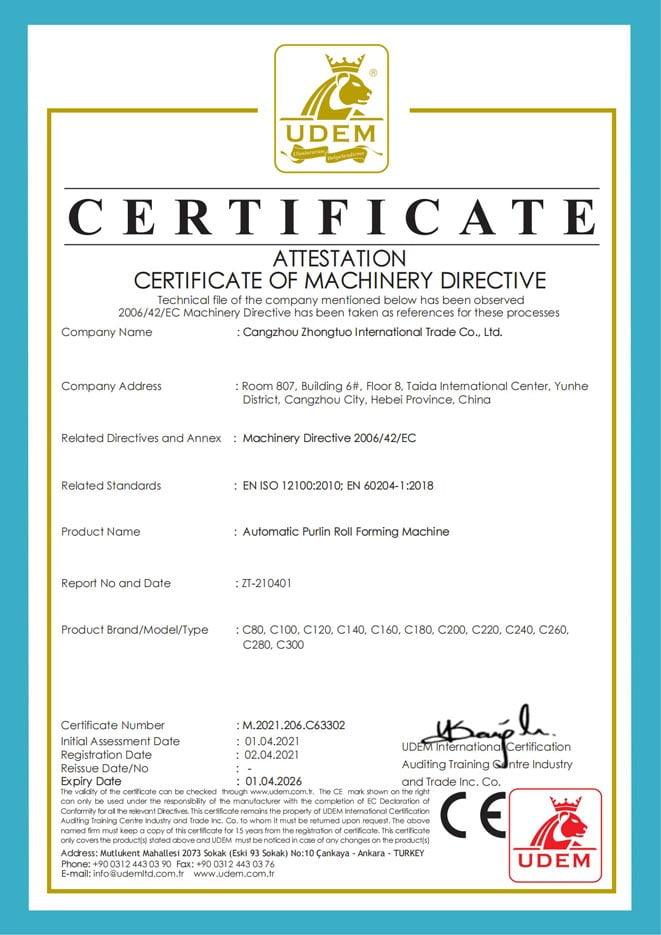
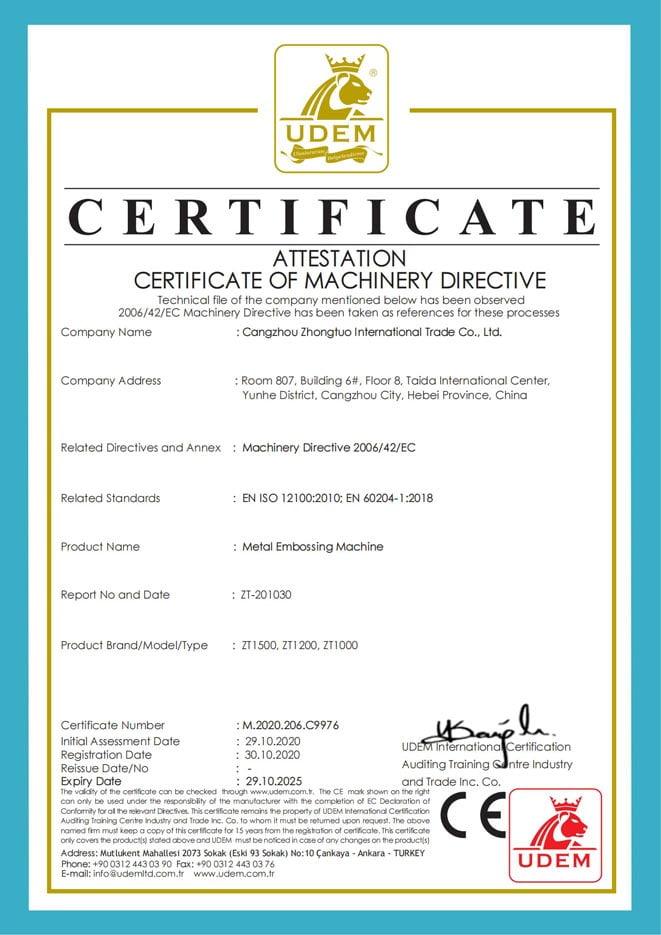
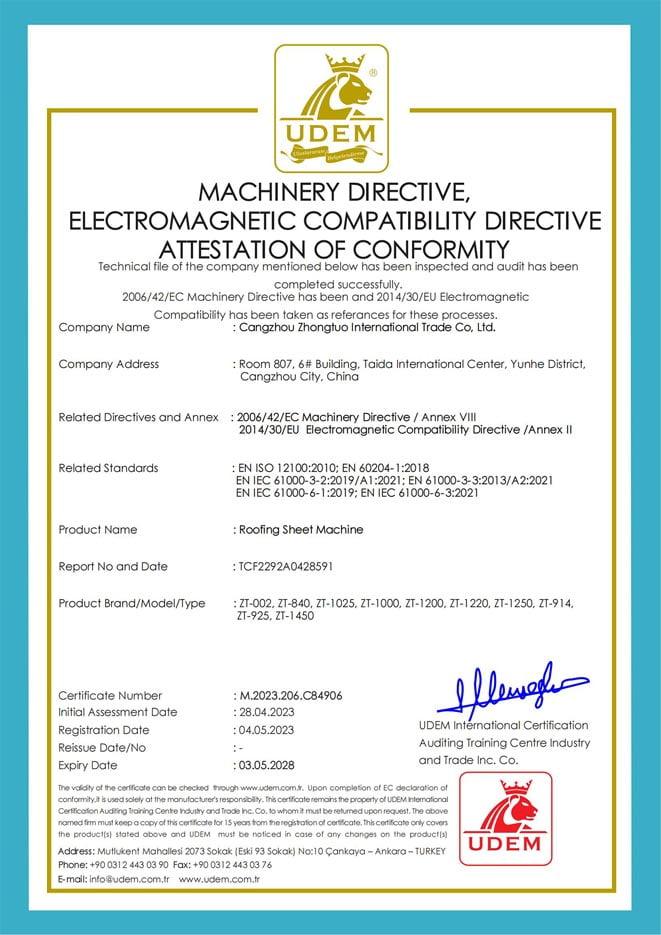
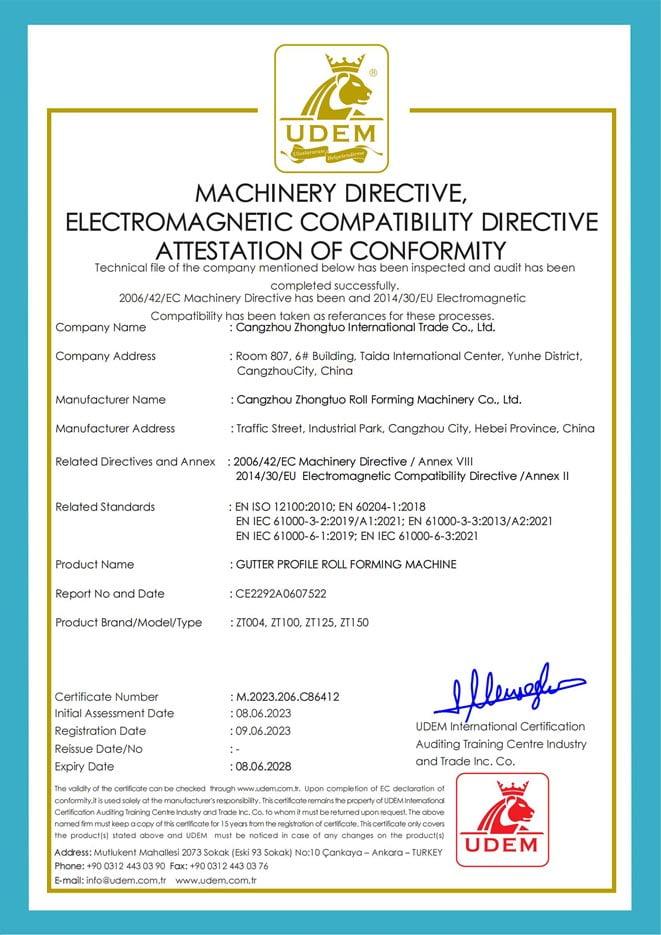
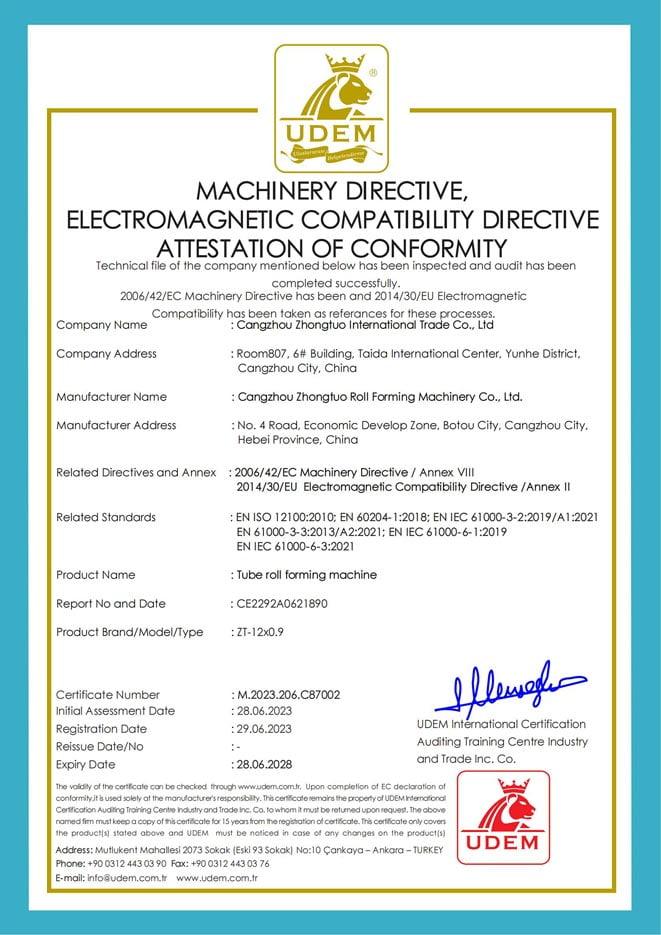
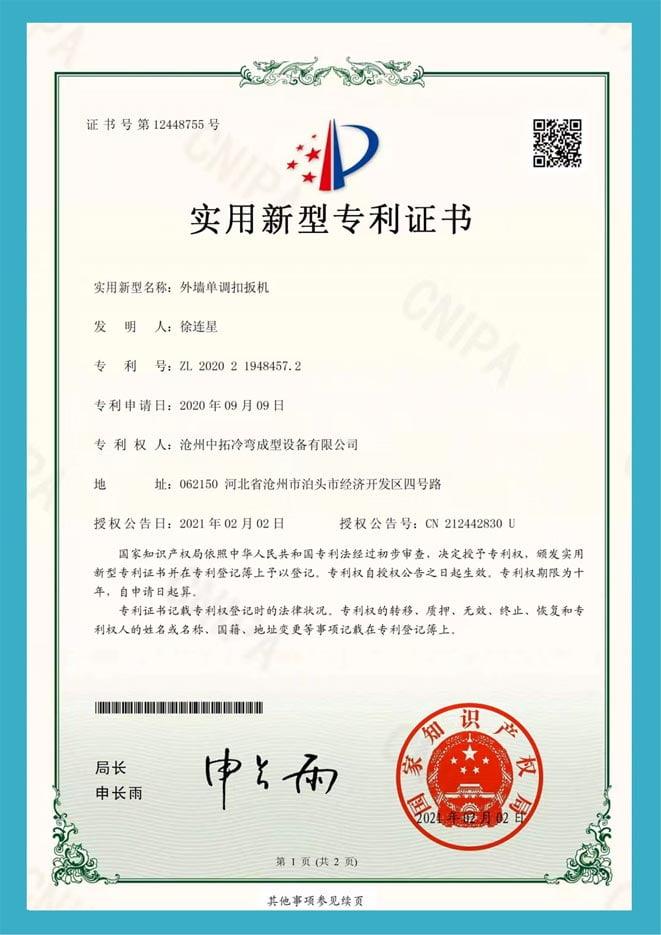
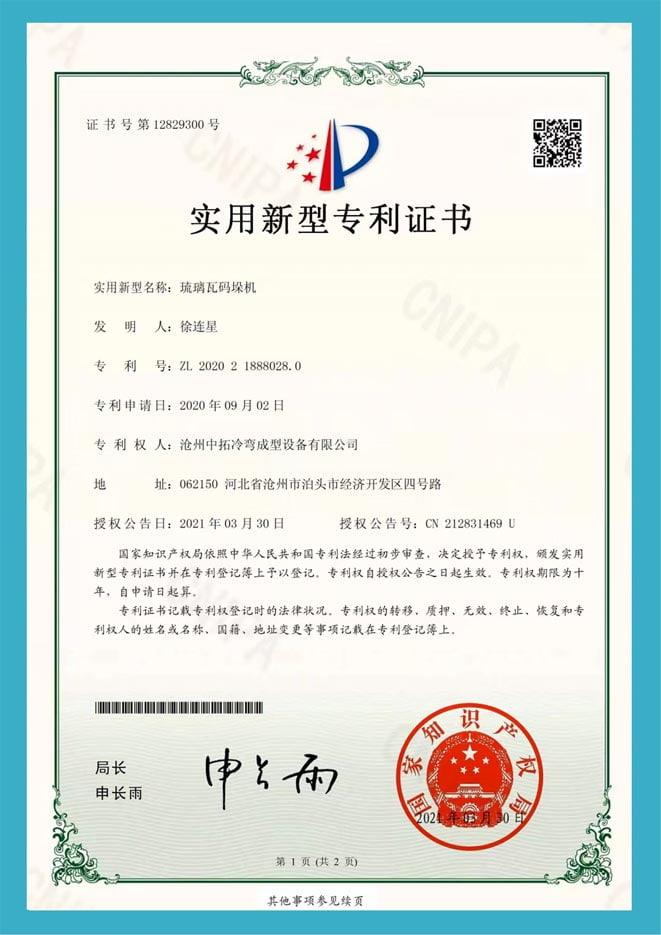
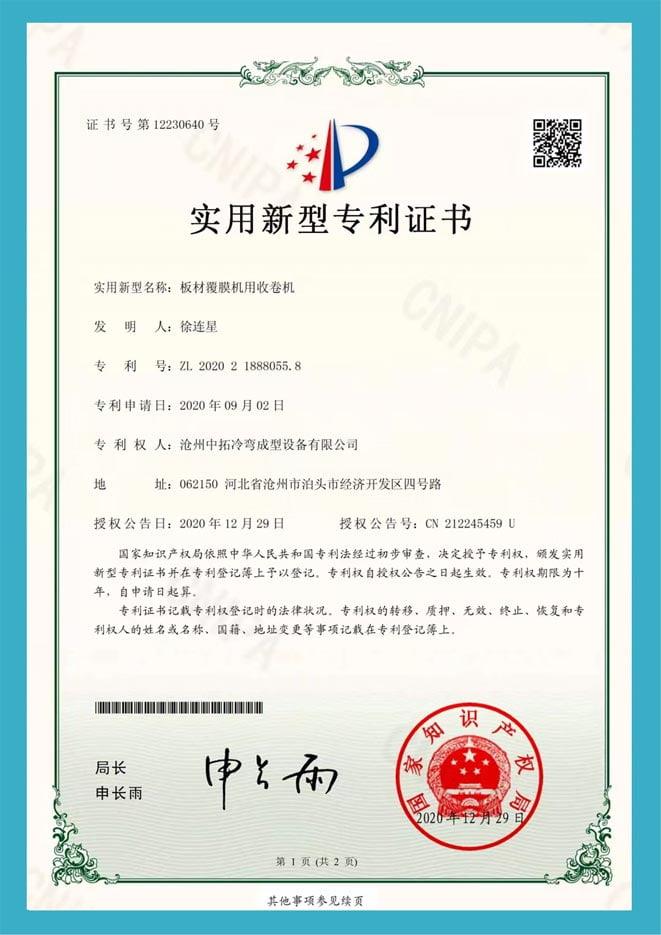
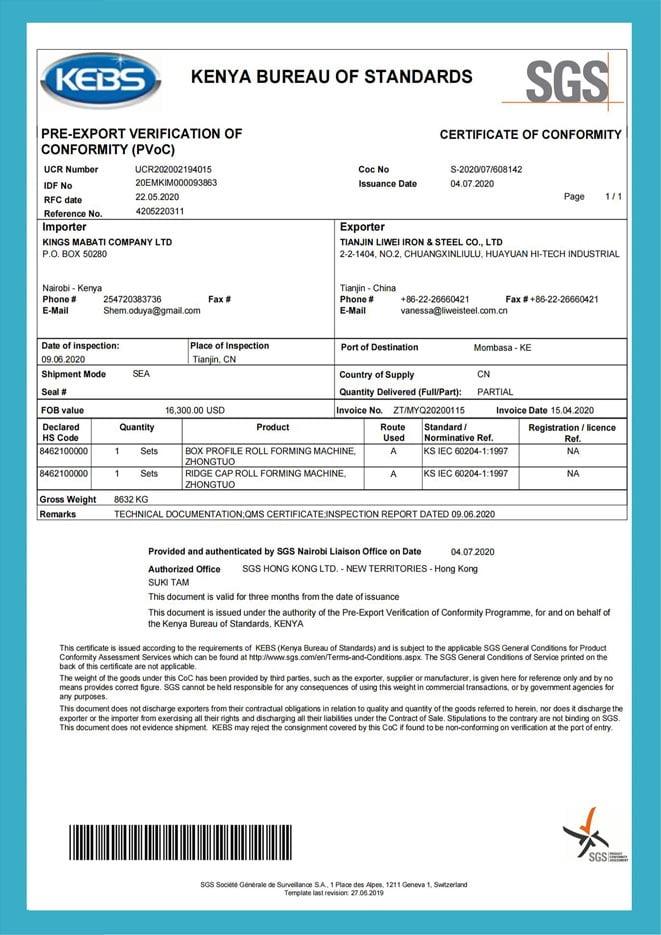
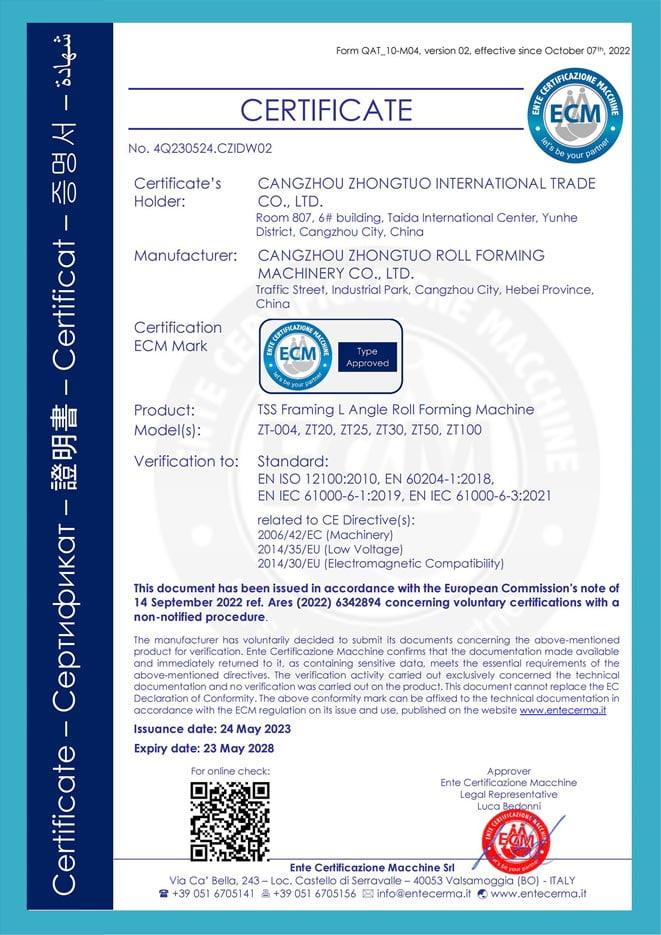
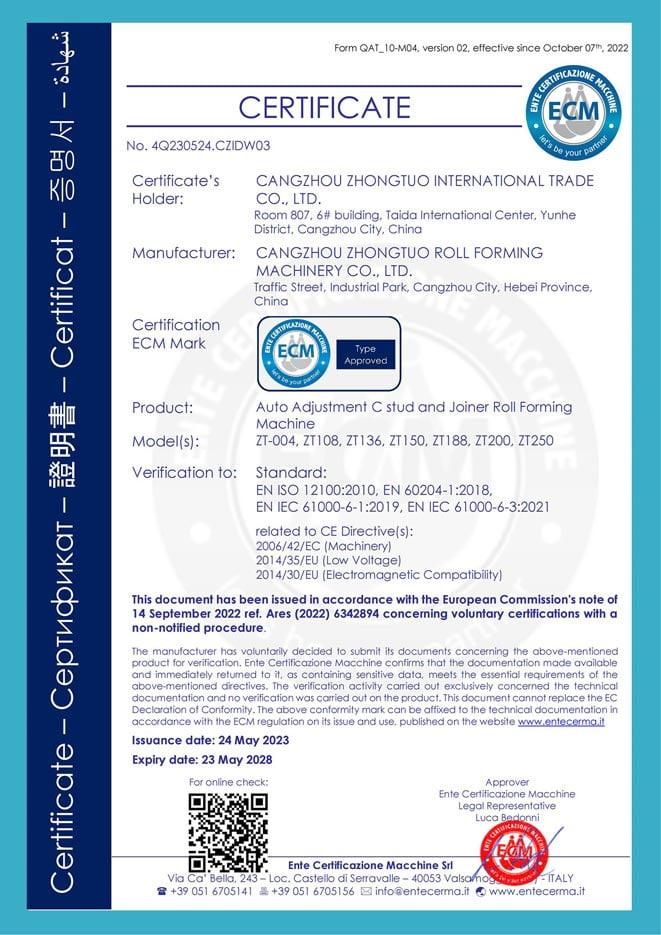
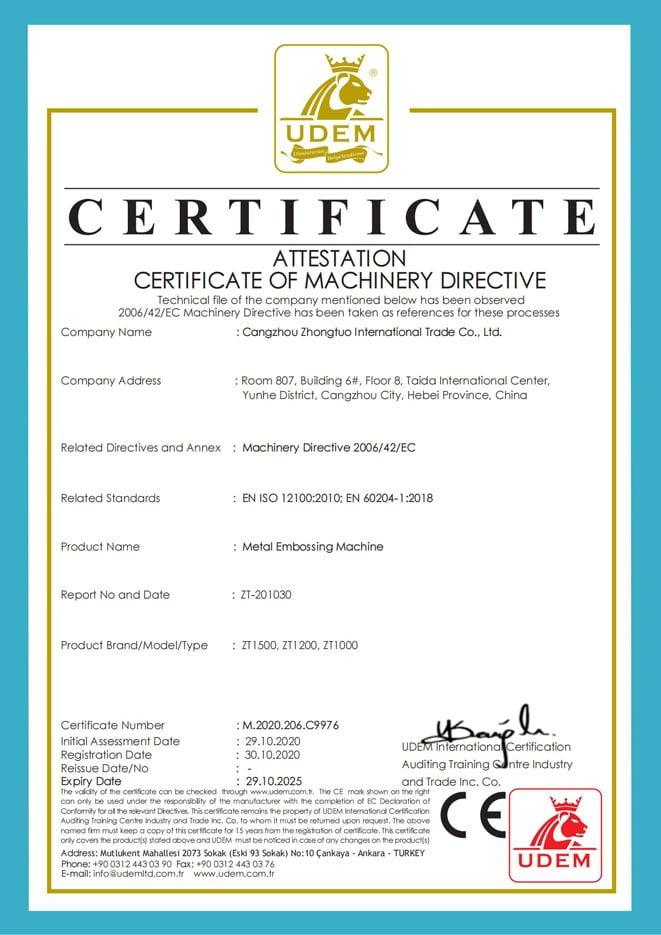
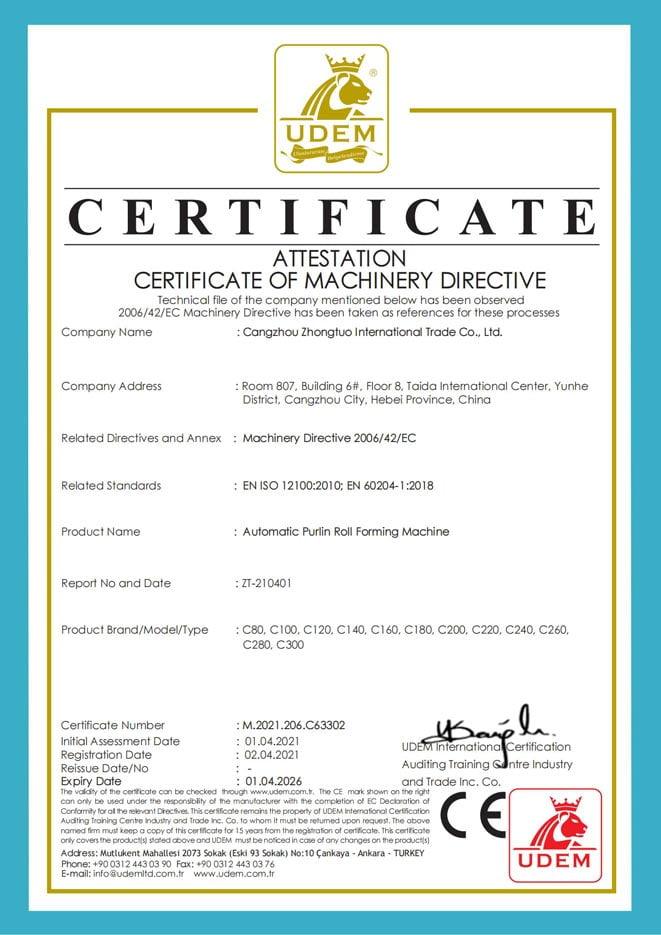
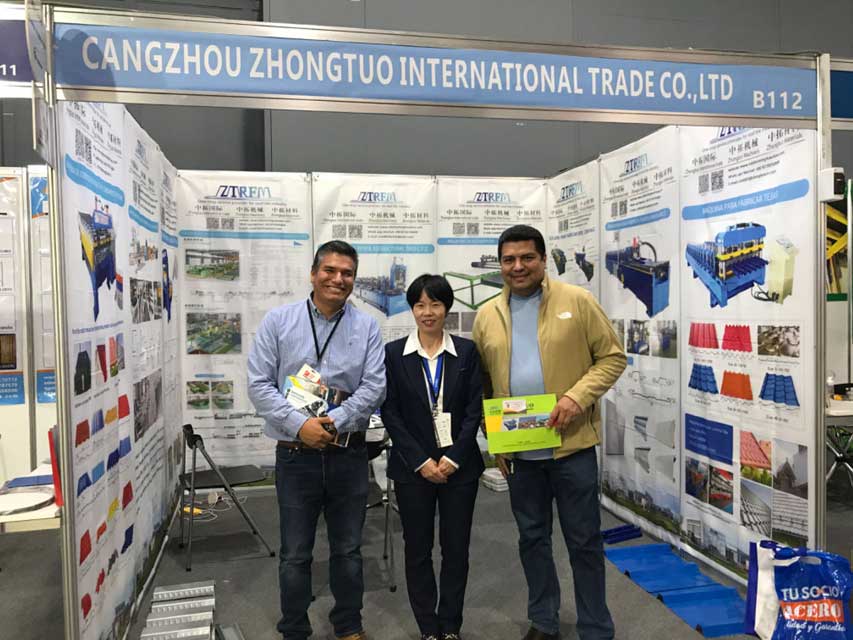
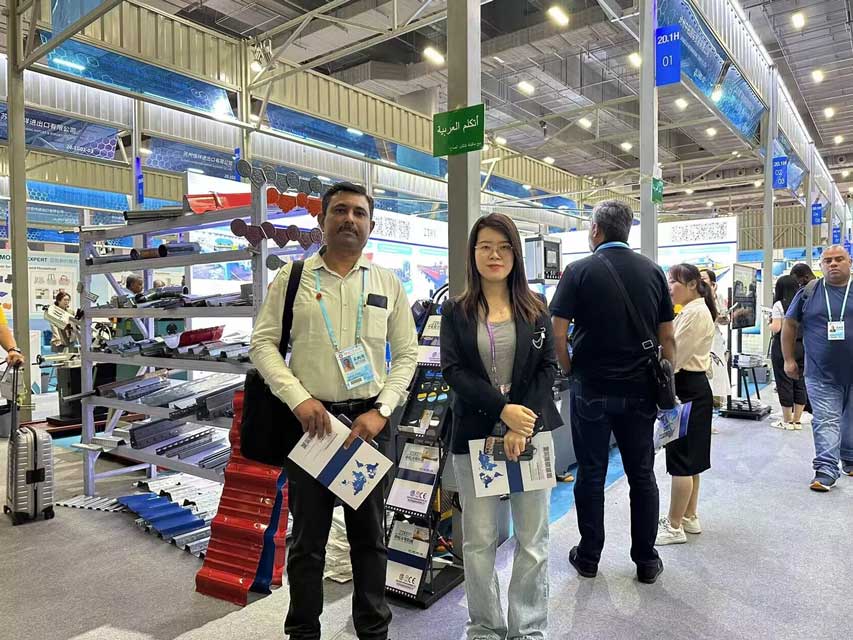
우리는 국가 수준의 첨단 기술 기업입니다. 우리는 ISO9001 품질 시스템 인증, 유럽 CE 안전 인증, 북미 CAS 인증 등을 받았습니다. 우리는 수출 무역에 대한 풍부한 경험을 가지고 있으며 다른 국가 고객의 요구를 이해합니다. 한편 우리는 고객에게 만족스러운 디자인 솔루션을 제공 할 수 있습니다. 우리의 기계는 150 개국 이상에 수출되었으며 고객과 장기적이고 안정적인 협력 관계를 구축하여 고객의 찬사를 받았습니다.
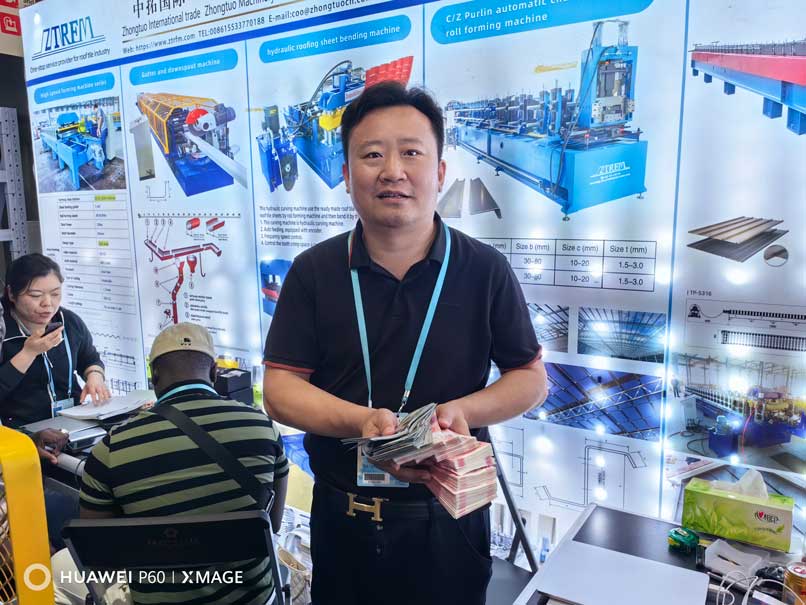
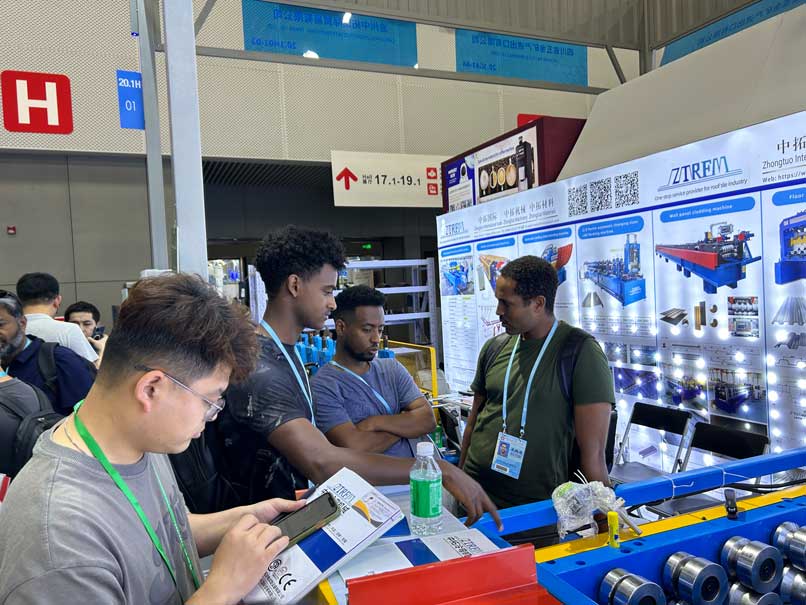
글로벌 신뢰: 156개 이상의 국가 및 지역 고객이 신뢰하는 당사의 루핑 시트 제작 기계는 전 세계적으로 뛰어난 성능과 신뢰성으로 인정받고 있습니다.
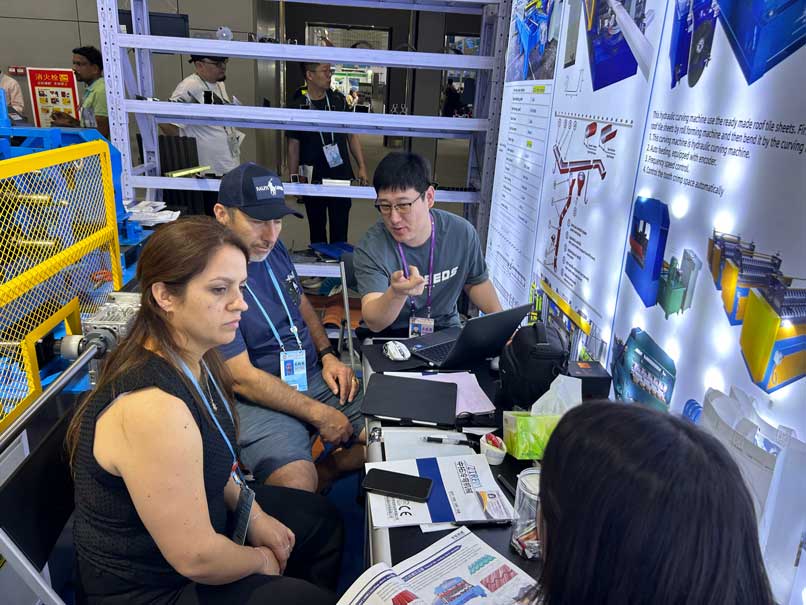
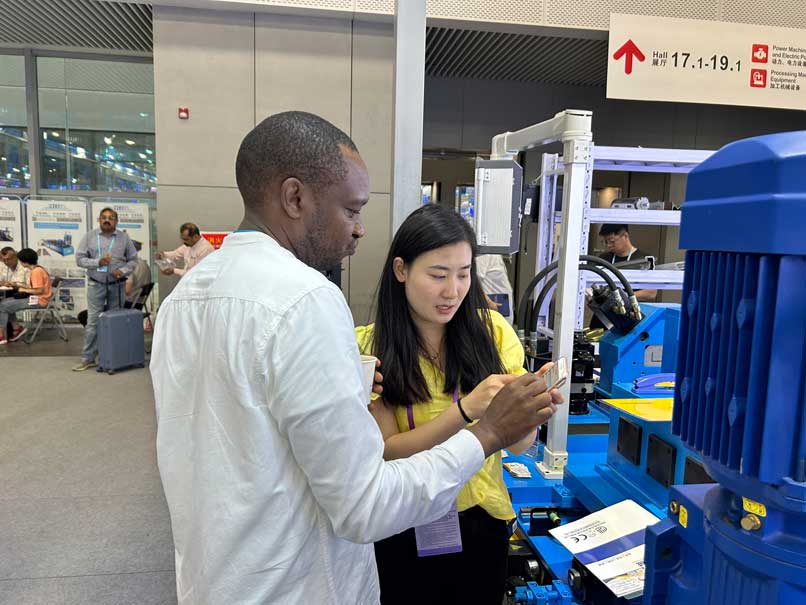
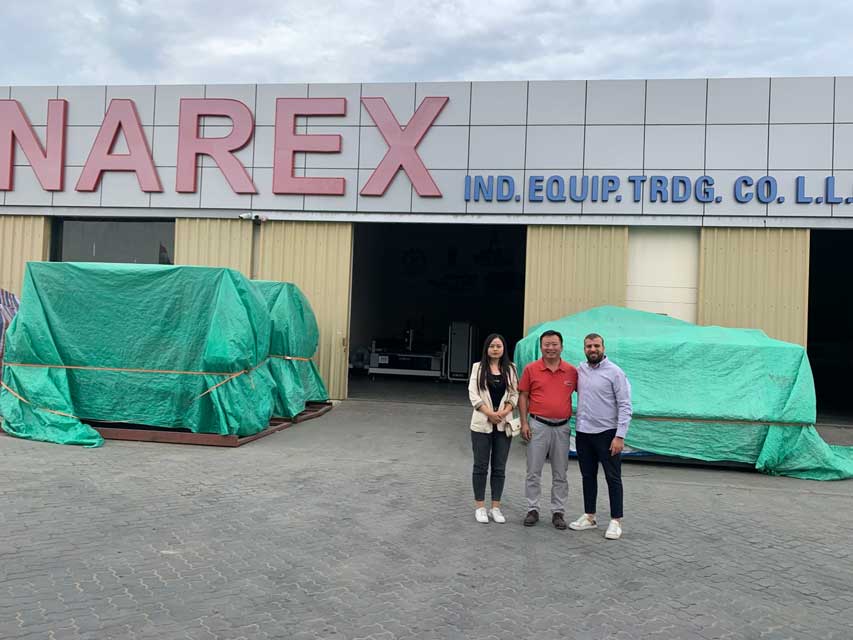
아프리카 잠비아에서 중퉈 롤 성형 기계가 안정적으로 작동하고 있습니다.
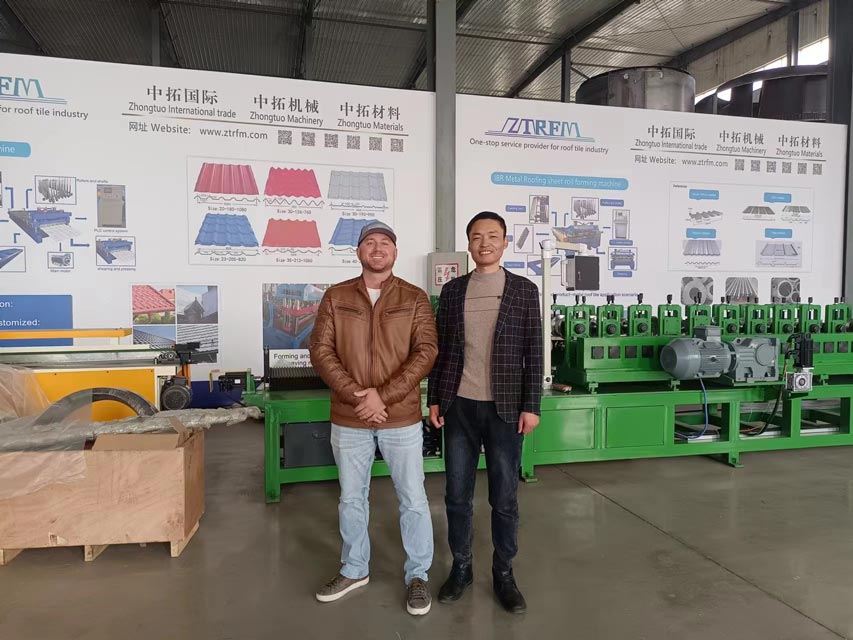
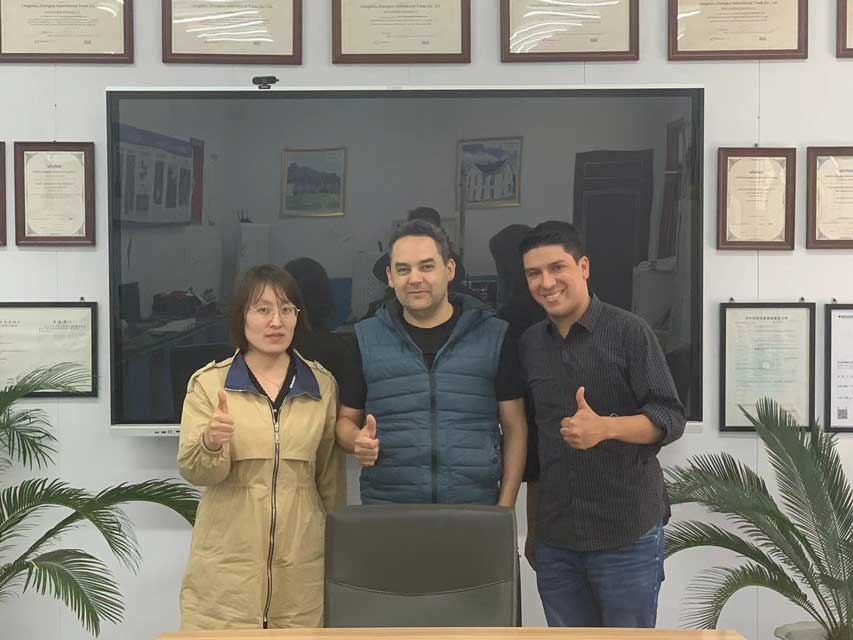
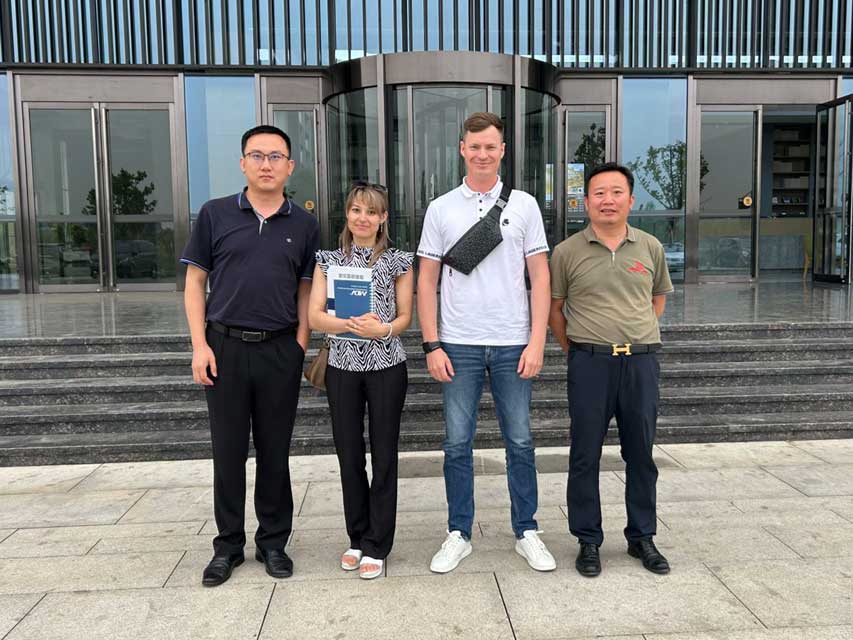
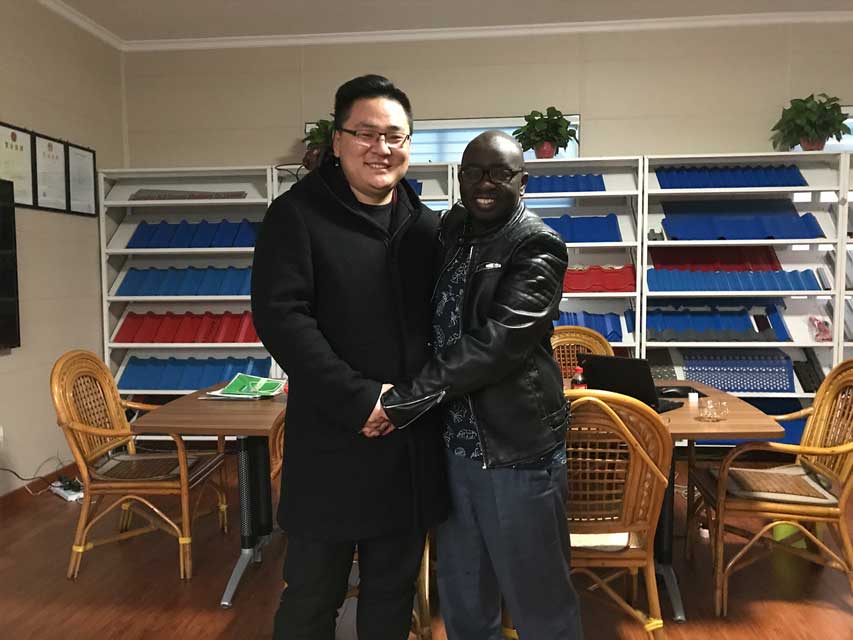
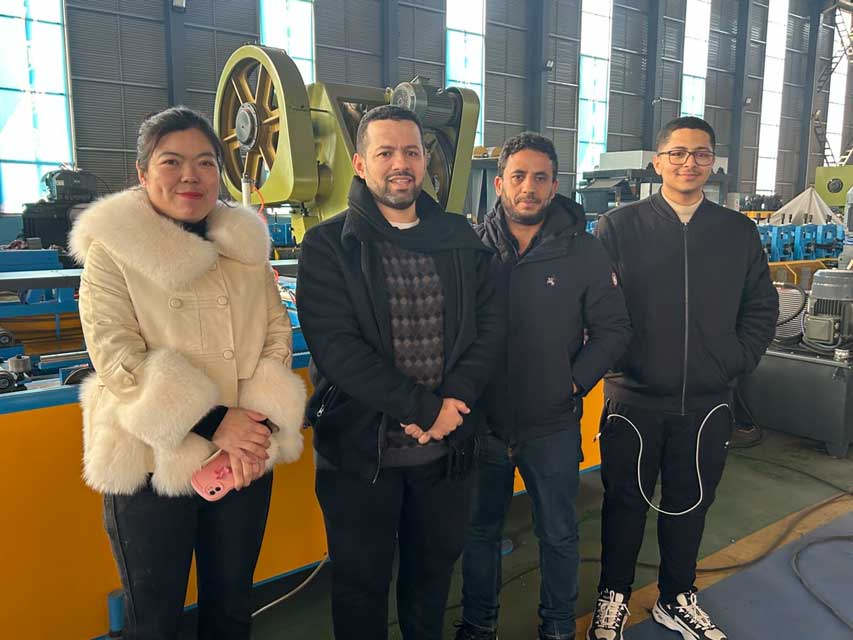
자동 CU 용골 기계-몽골 고객이 공장을 점검하고 우리와 협력합니다.
브라질 고객을 위한 맞춤형 중퉈 금속 슬리팅 라인
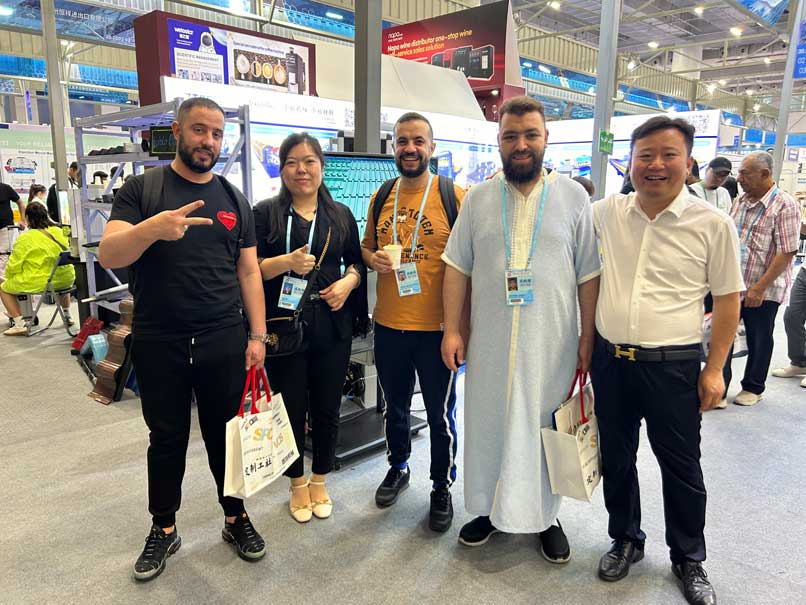
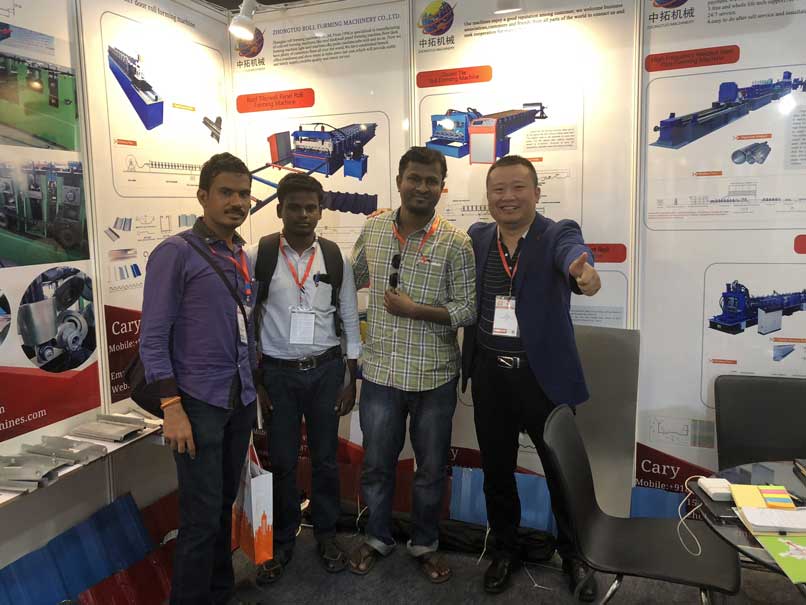
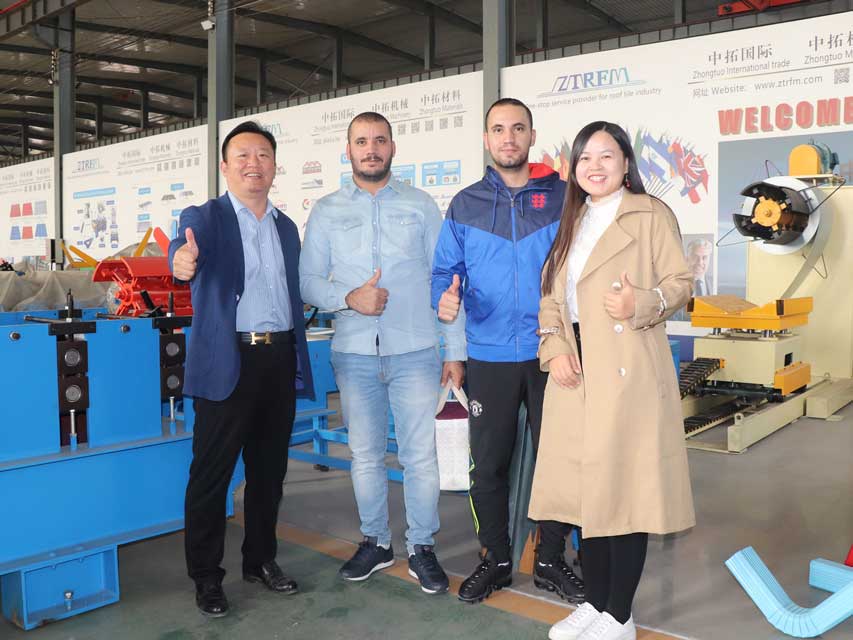
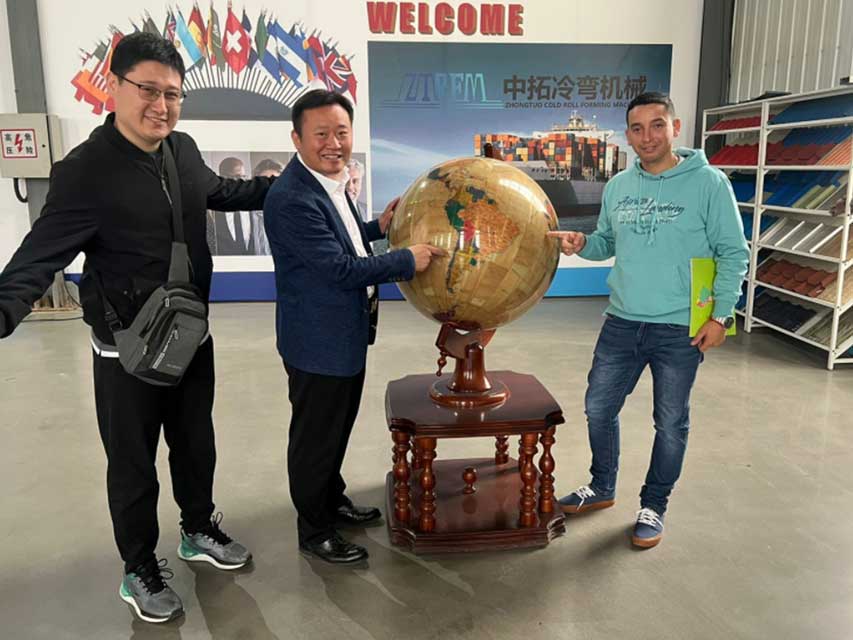
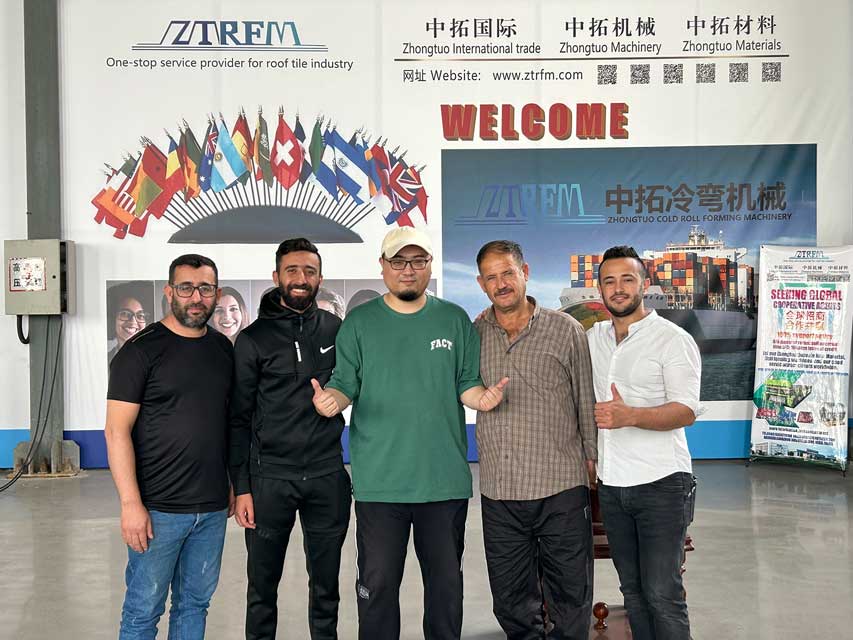
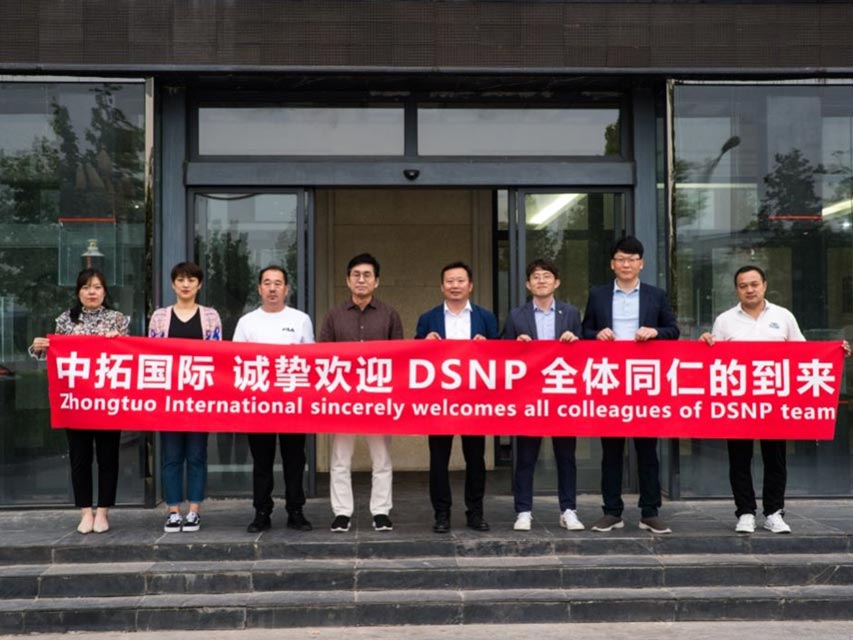
웨도의 롤 성형기 공장 방문을 환영합니다.
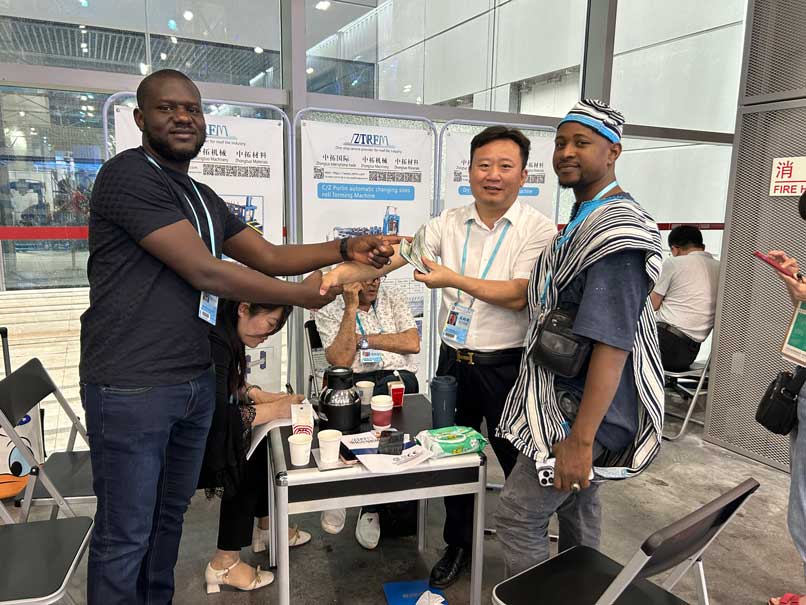
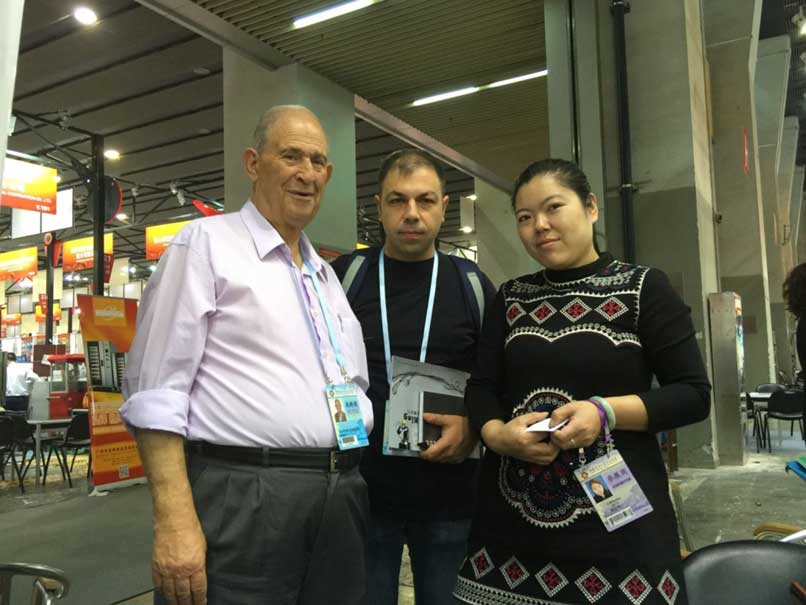
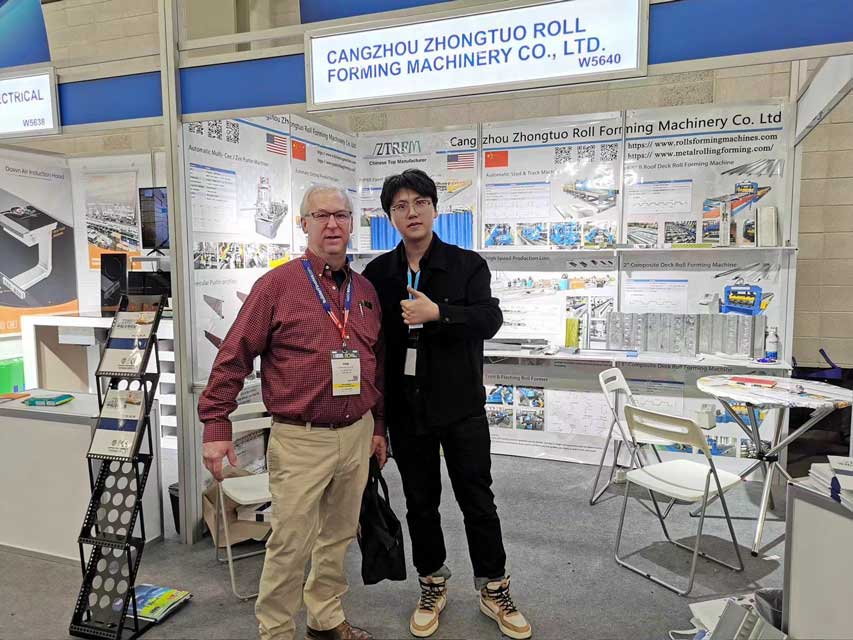
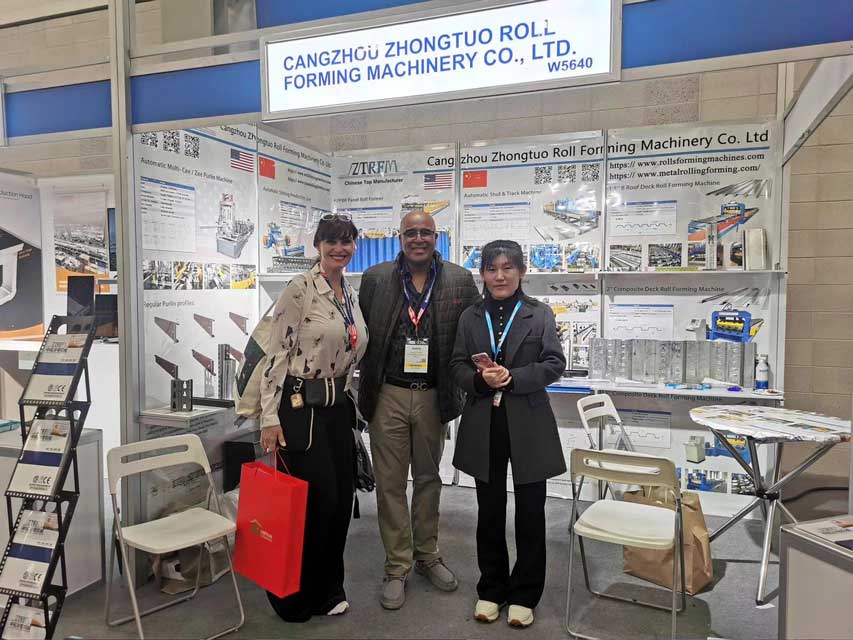
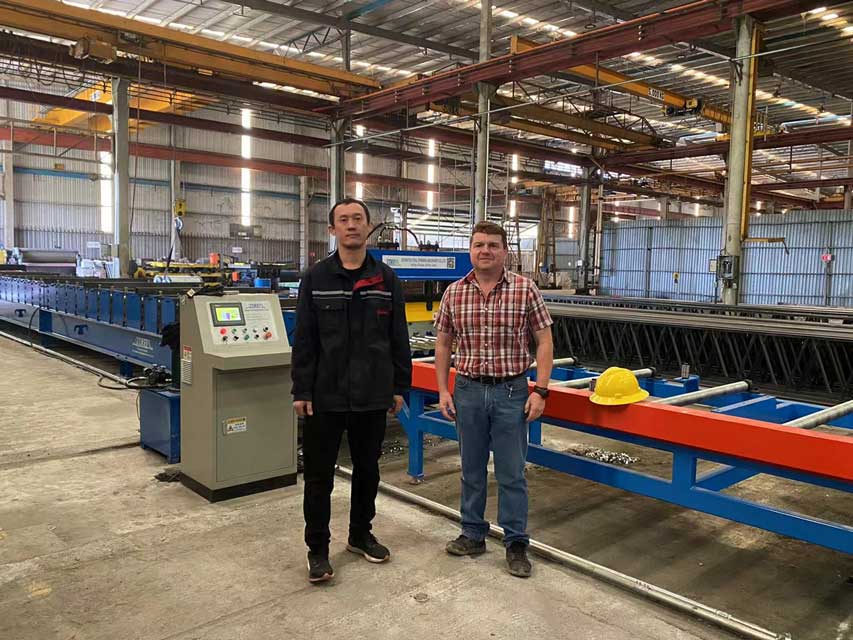
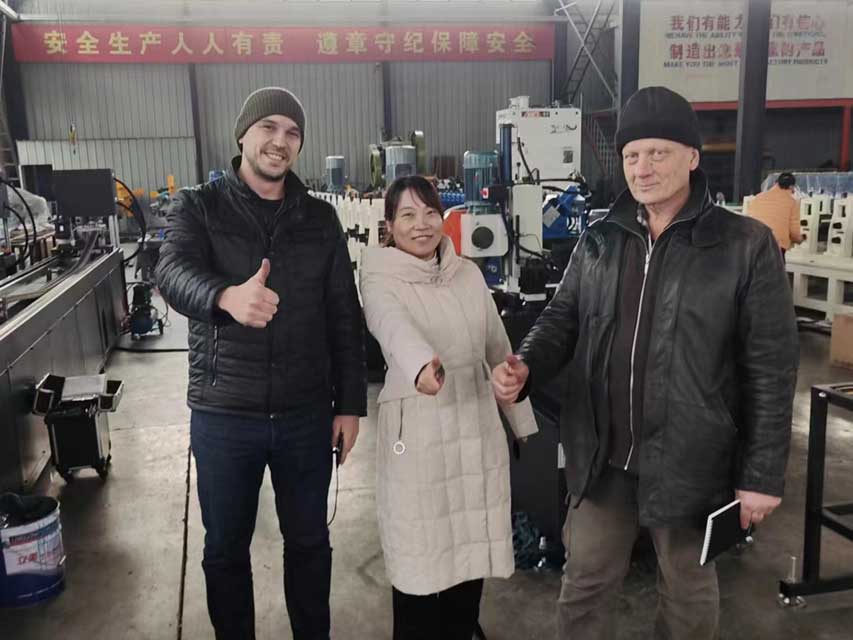
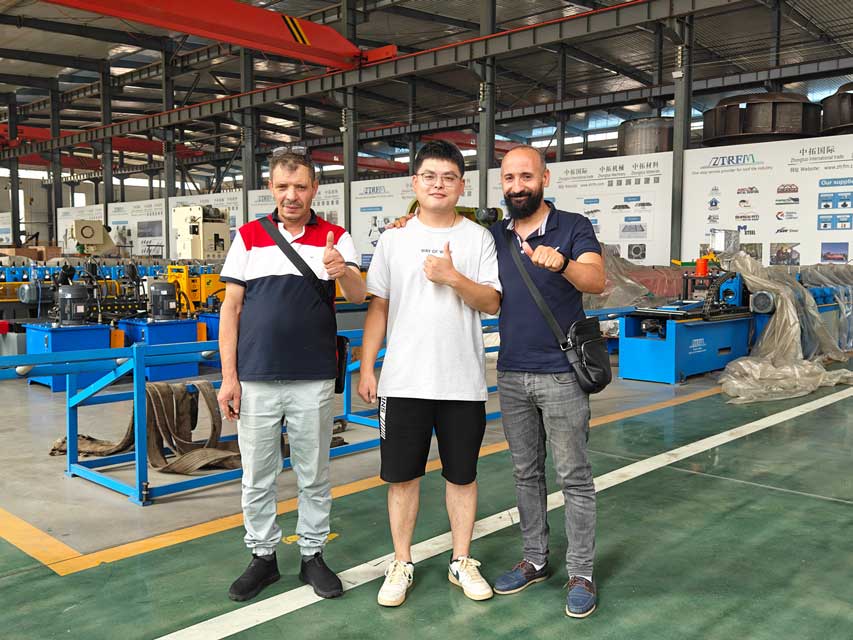
미국 친구들이 창저우 중퉈 롤 성형 기계로 돌아왔습니다.
금속 루핑 롤 성형 기계는 자동 적재 시스템으로 R 패널 및 로우 프로파일을 생산합니다.
롤 성형기 애프터 서비스에 대한 고객의 의견
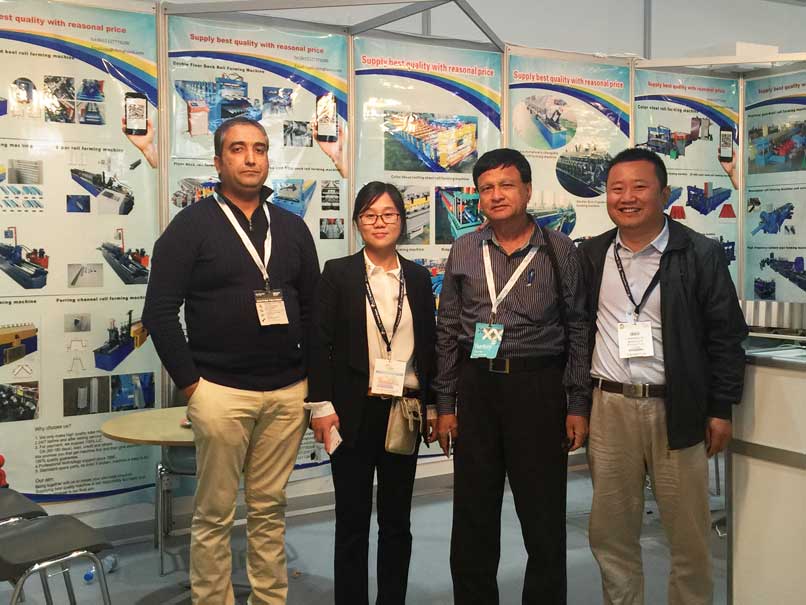
아제르바이잔 고객이 롤 성형 공장을 성공적으로 방문했습니다!
중퉈 롤 성형 솔루션 | 글로벌 산업을 위한 맞춤형 기계
360° VR 시스템을 통해 중퉈를 방문하면 2014년에 설립된 창저우 중퉈는 다양한 유형의 냉간 압연 성형기를 설계하고 제조하는 데 전념하고 있습니다. 우리는 ODM, OEM 및 원 스톱 서비스를 제공합니다. 원자재, 기계 및 액세서리는 당사에서 구입할 수 있습니다.
360° VR 시스템을 통해 중퉈를 방문하십시오, 창저우 중퉈는 2004년에 설립되었으며, 다양한 유형의 냉간 압연 성형 기계의 설계 및 제조에 전념하고 있습니다. 우리는 ODM, OEM 및 원 스톱 서비스를 제공합니다. 원자재, 기계 및 액세서리는 당사에서 구입할 수 있습니다.