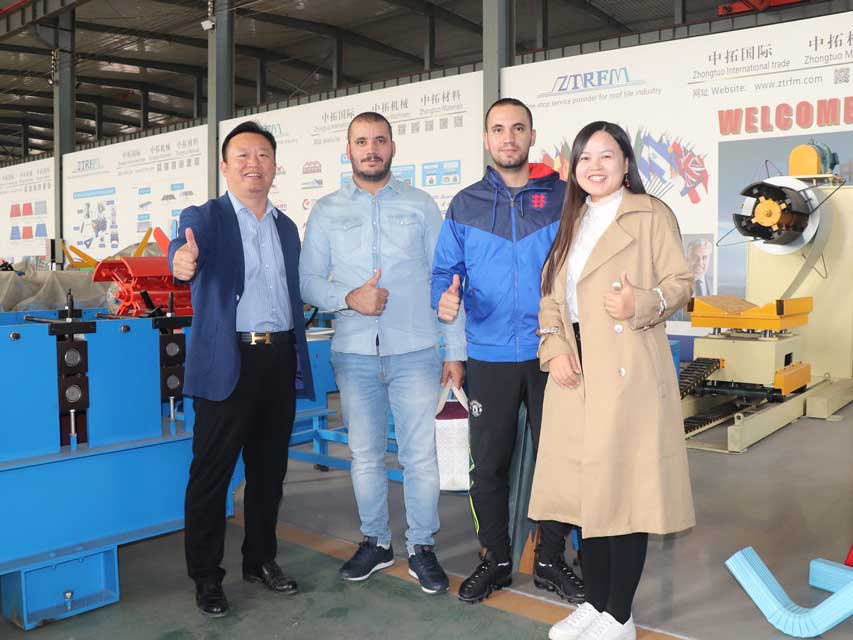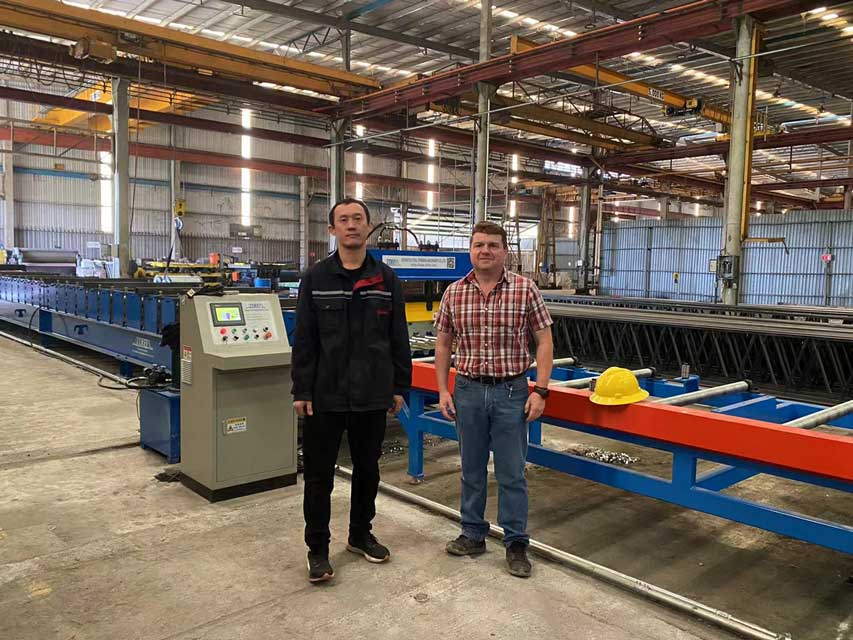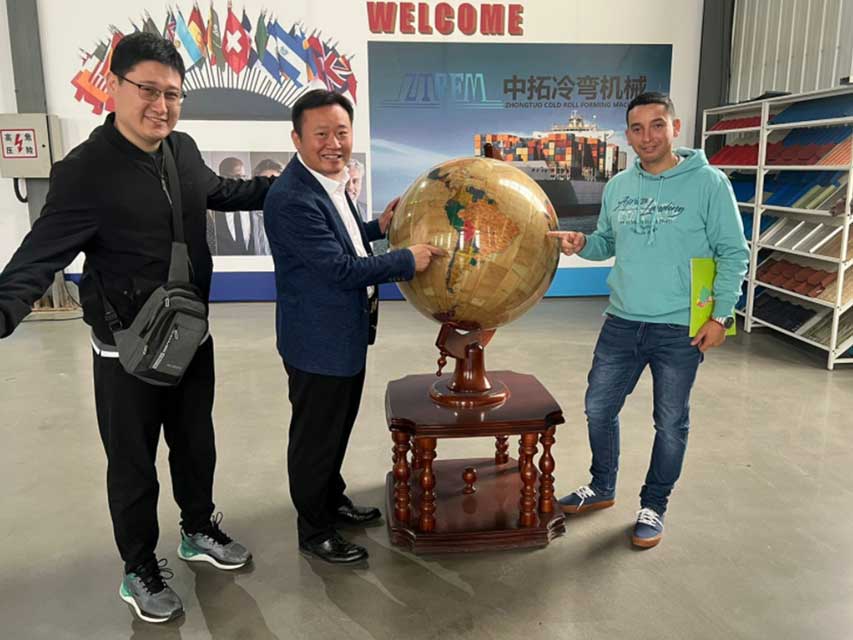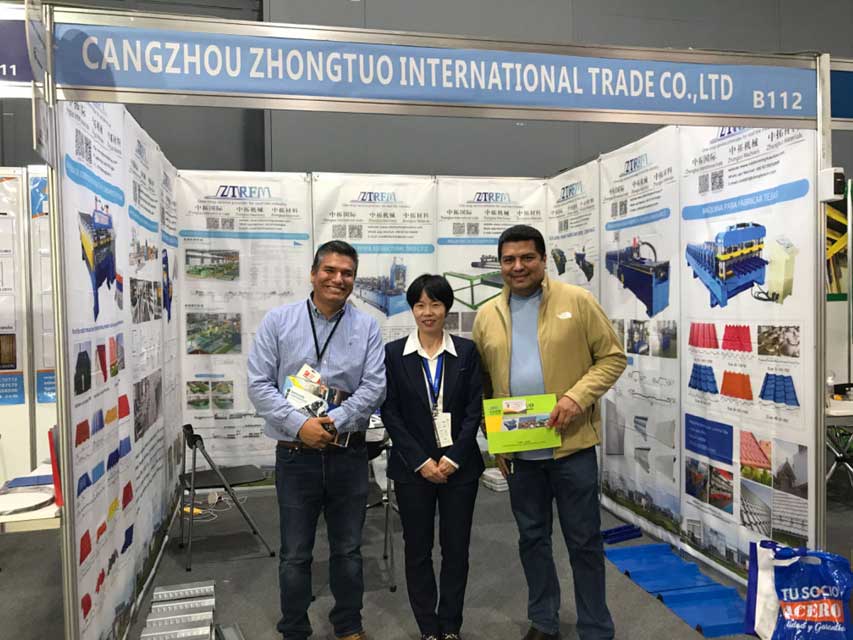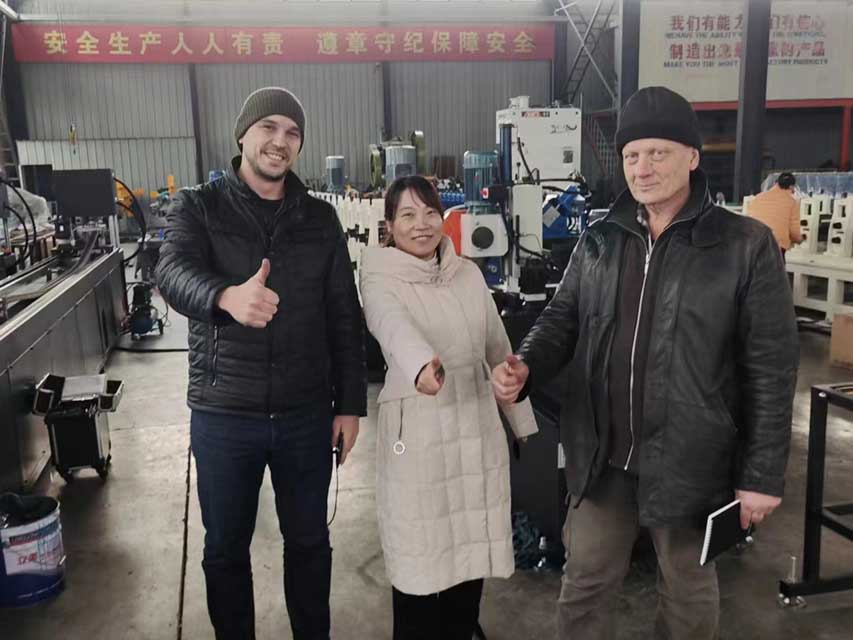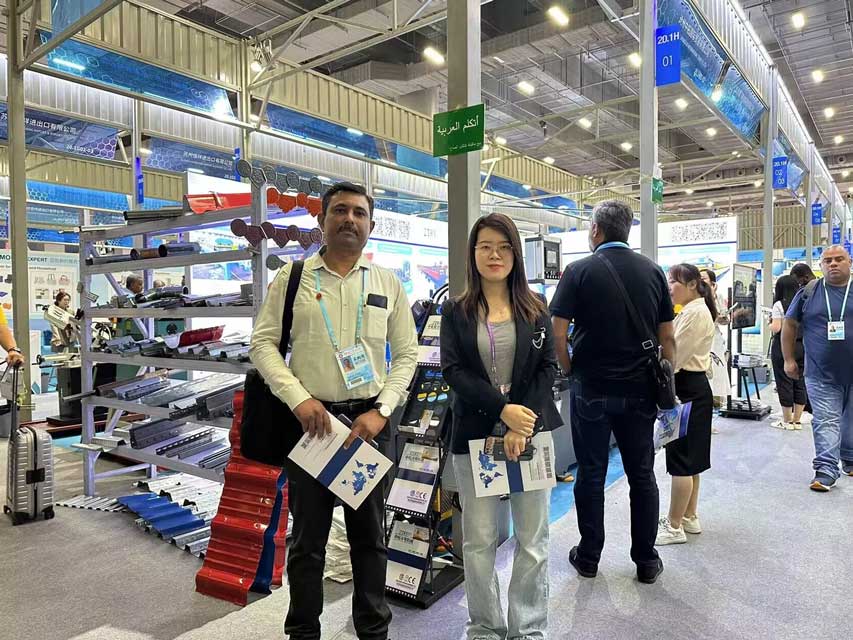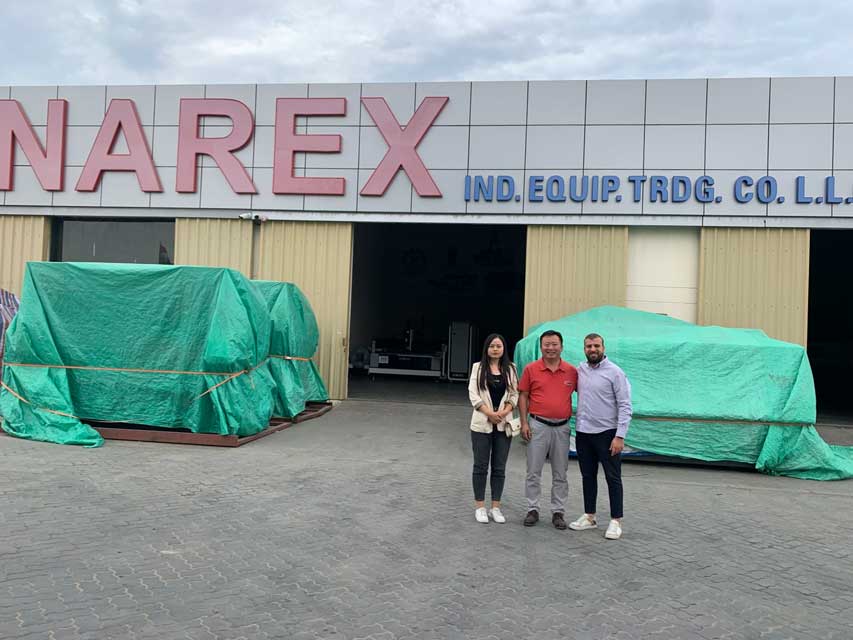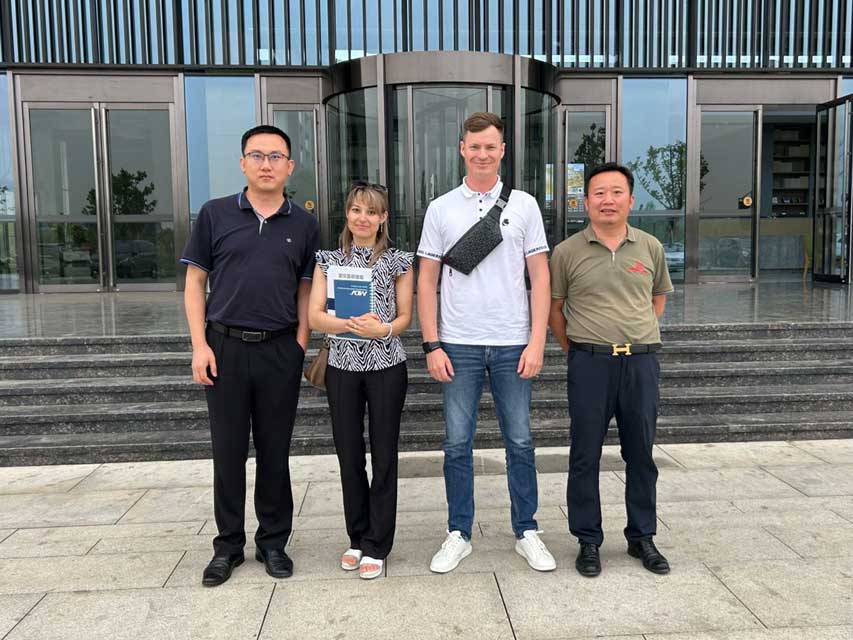
Cambiamenti tecnologici e sistemi industriali, ci dedichiamo a
Fornisce a Seds le migliori e più economiche soluzioni ai suoi clienti.

The Ridge Tile Forming Machine : The Innovation Force of the Construction Industry
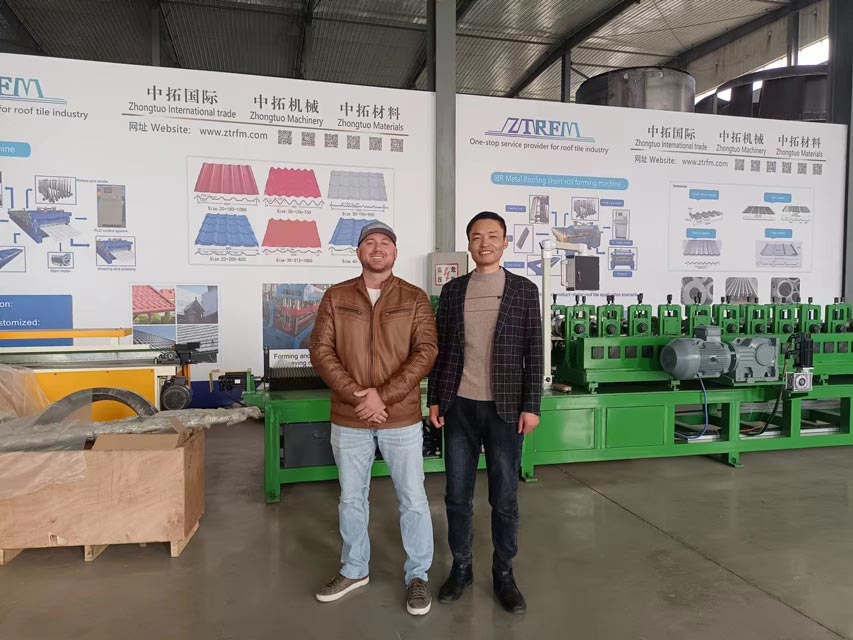
diversi tipi di macchine per la profilatura a freddo. Siamo una fabbrica con una lunga storia, impegnata nella progettazione e nella produzione di macchine profilatrici dal 2006. Le macchine che possiamo produrre includono: macchina per la produzione di tegole, macchina per la produzione di arcarecci in cz, macchina per la produzione di chiglie in acciaio leggero, macchina per la goffratura dei metalli, macchina per la formazione di sistemi di porte, macchina per la formazione di sistemi di soffitti, macchina per la saldatura di tubi ad alta frequenza, linea di taglio, linea di taglio a misura, macchina per la formazione di sistemi di scaffali, macchina per la formazione di decking per pavimenti, linea di produzione di piastrelle in pietra colorata, macchina per la laminazione a caldo filmata, ecc.
The ridge tile forming machine is an advanced equipment specifically designed for manufacturing ridge tiles. In the construction industry, the ridge serves as a critical component of the roof, not only playing a vital role in drainage and waterproofing but also significantly impacting the building's aesthetic appeal and structural stability. The introduction of this machine has enhanced the efficiency and precision of ridge tile production, meeting the diverse requirements of various construction projects. Whether for large commercial buildings or small residential homes, the ridge tile forming machine delivers its unique advantages, producing high-quality ridge tiles that provide solid support for the structure.
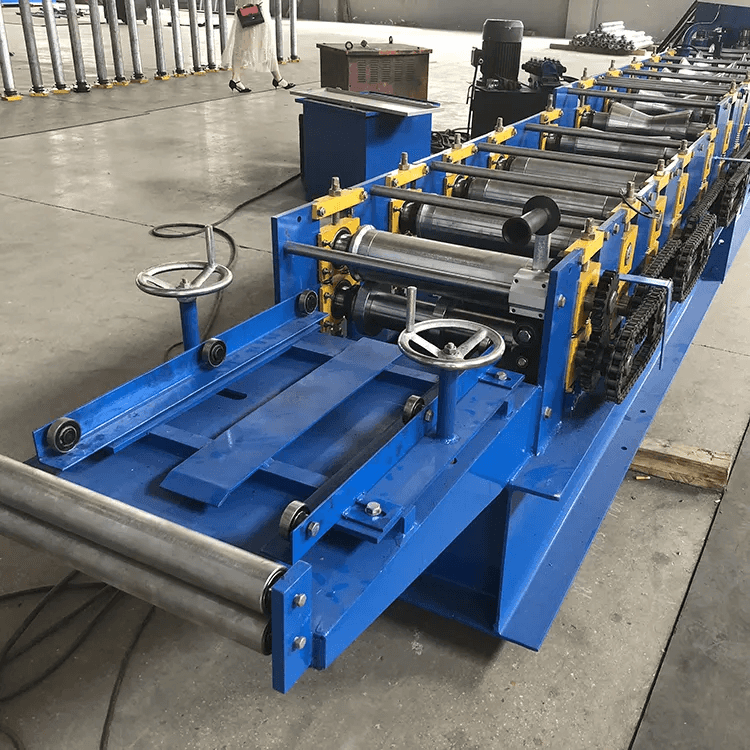
Principle of operation
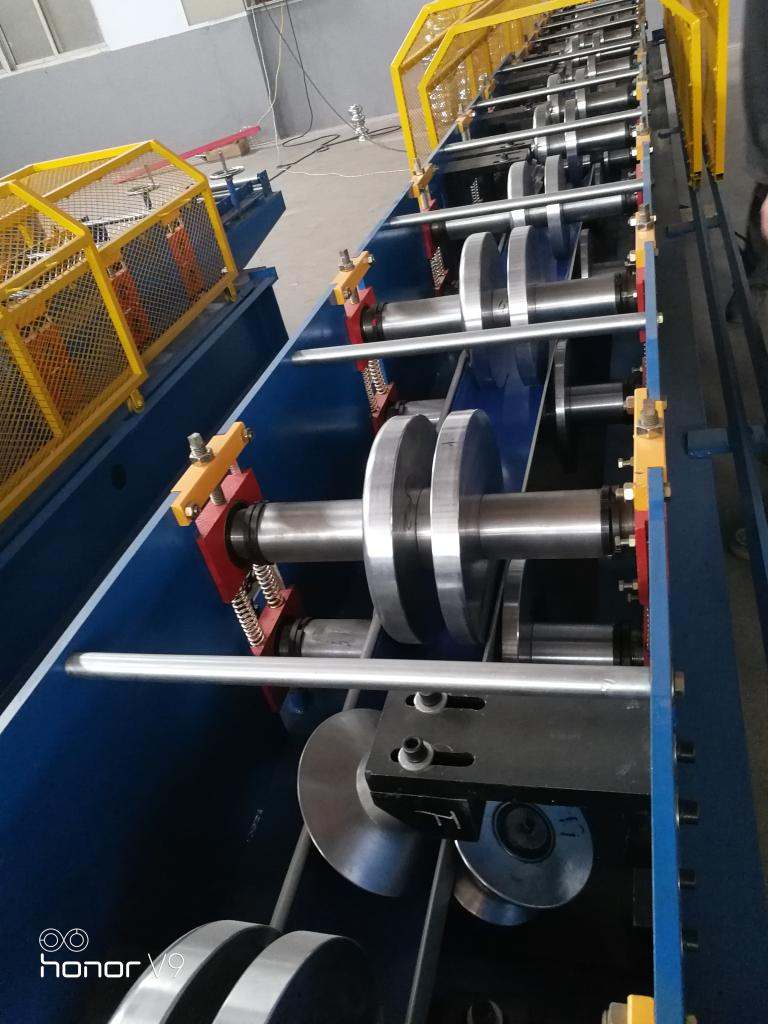
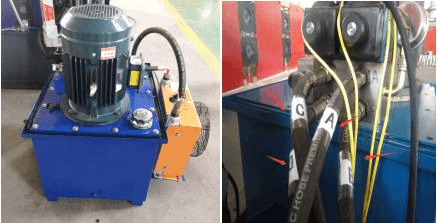
The ridge tile forming machine combines roller forming technology with hydraulic die pressing. First, raw materials such as color-coated steel plates and aluminum sheets are placed on the feeding device, where an automatic feeding system evenly delivers them into the main unit. Inside the machine, the materials undergo progressive rolling through multiple sets of rollers to gradually form the required basic shape. These rollers are precisely engineered to match the design specifications of ridge tiles, ensuring high precision and consistency in the rolled blanks. The processed blanks then enter the hydraulic die pressing section. Here, powerful pressure from the hydraulic system shapes the tiles further under die pressure, creating the distinctive contours and details of ridge tiles, including raised ridges and smooth curves. The die design also accommodates various tile types and sizes, allowing production of multiple specifications through die replacement, significantly enhancing the equipment's flexibility and adaptability. Throughout the production process, the high-precision control system continuously monitors and adjusts parameters in real time, ensuring every ridge tile meets premium quality standards.
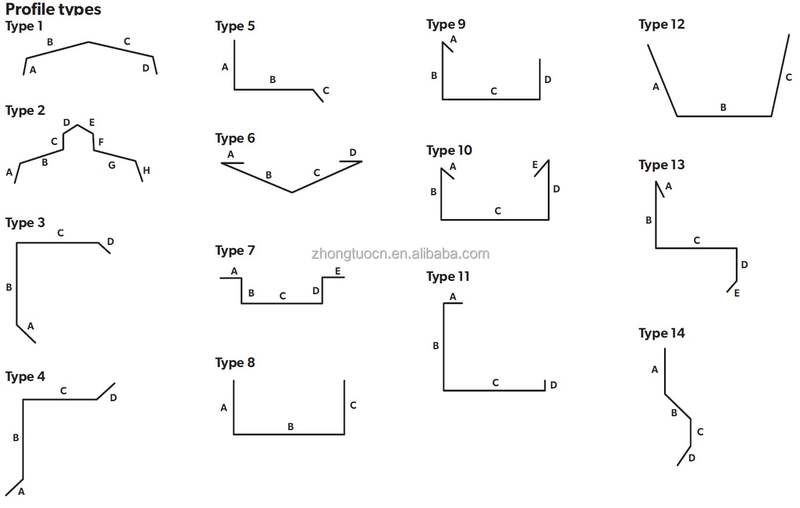
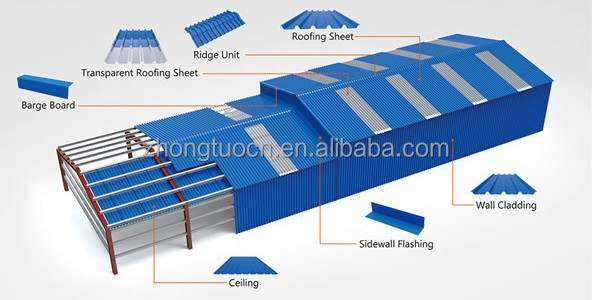
Material and cost advantage
In material selection, ridge tile forming machines can process various raw materials such as color-coated steel sheets and aluminum plates. Compared to traditional glazed tiles, those formed from color-coated steel sheets and aluminum plates are more cost-effective. Traditional glazed tiles are typically made from clay through high-temperature firing, involving complex production processes, high energy consumption, and relatively expensive raw materials. In contrast, color-coated steel sheets and aluminum plates are widely available, cost-stable, and require lower energy consumption during production. Market research data shows that using color-coated steel sheets or aluminum plates in ridge tile forming machines can reduce material costs by approximately 30% to 50%. This significantly lowers the financial burden on construction projects, enabling more projects to achieve cost control while maintaining quality. Additionally, glazed tiles made from these new materials are lighter, facilitating transportation and handling, which further reduces transportation and labor costs.
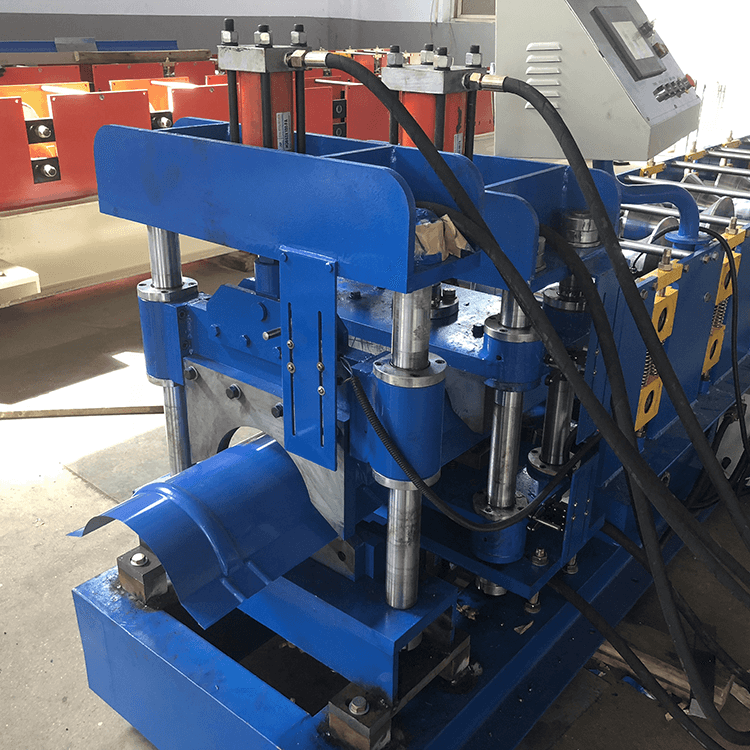
Ease of installation
Roof ridge tiles manufactured by specialized forming machines offer significant advantages in installation. Their design prioritizes ease of installation, featuring standardized specifications and precise dimensions that ensure seamless integration with various building structures. Unlike traditional installation methods requiring complex on-site cutting and adjustments, these tiles eliminate such labor-intensive processes. For example, conventional glazed tiles demand meticulous cutting and precise alignment to actual roof dimensions, a cumbersome procedure that requires skilled workers. In contrast, roof ridge tiles from forming machines only require simple assembly and securement according to pre-designed installation plans, making the process quick and efficient while dramatically reducing construction timelines. While traditional installation of glazed tiles may take days or longer, the use of formed roof ridge tiles can cut installation time by half to one-third. This not only boosts construction efficiency and lowers labor costs but also ensures earlier project completion, providing crucial support for timely project completion.
Outstanding performance
The ridge tiles manufactured by the ridge tile forming machine demonstrate exceptional performance. In terms of earthquake resistance, the lightweight yet high-strength materials and rational structural design enable these tiles to effectively reduce the load on building structures during natural disasters like earthquakes, minimizing the risk of roof collapse and providing enhanced safety for occupants. Regarding waterproofing, the unique design and precision manufacturing process ensure tight interlocking between tiles, effectively preventing rainwater infiltration. This maintains roof dryness and building safety even under extreme weather conditions such as heavy rainfall. Additionally, the ridge tiles exhibit remarkable durability, withstanding prolonged exposure to wind, sun, rain, and snow erosion without deformation, fading, or damage. Their service life can extend up to 10-20 years or longer, significantly reducing maintenance and replacement costs while offering long-term protection for buildings, thereby greatly improving structural safety and stability.
Perché scegliere noi?
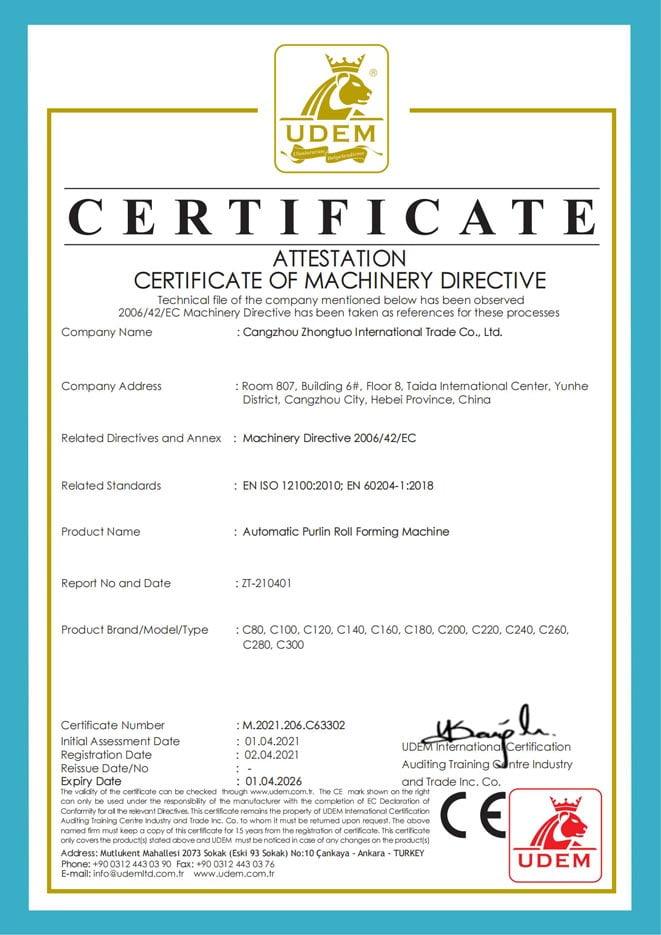
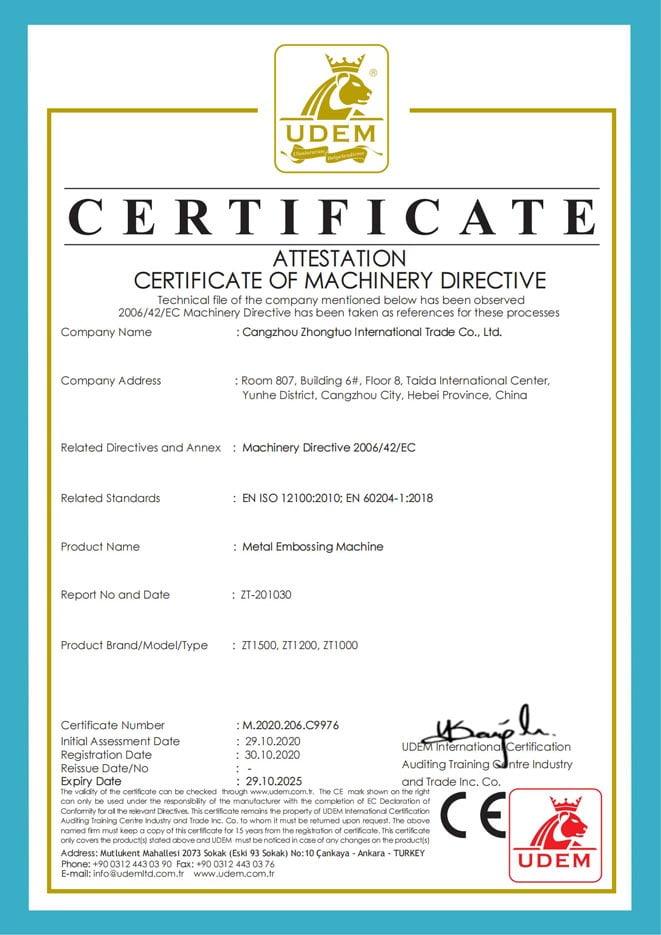
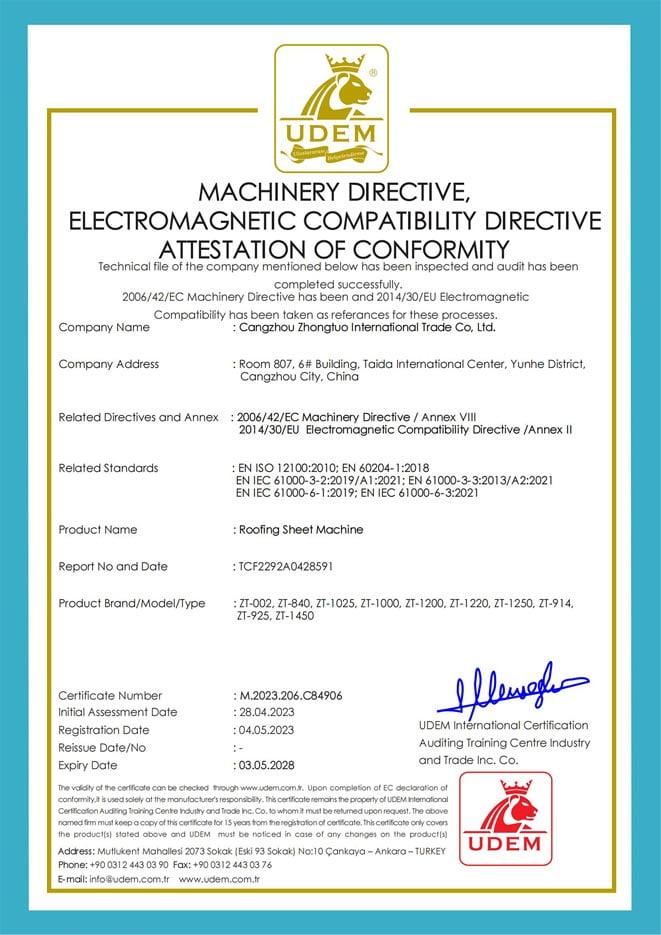
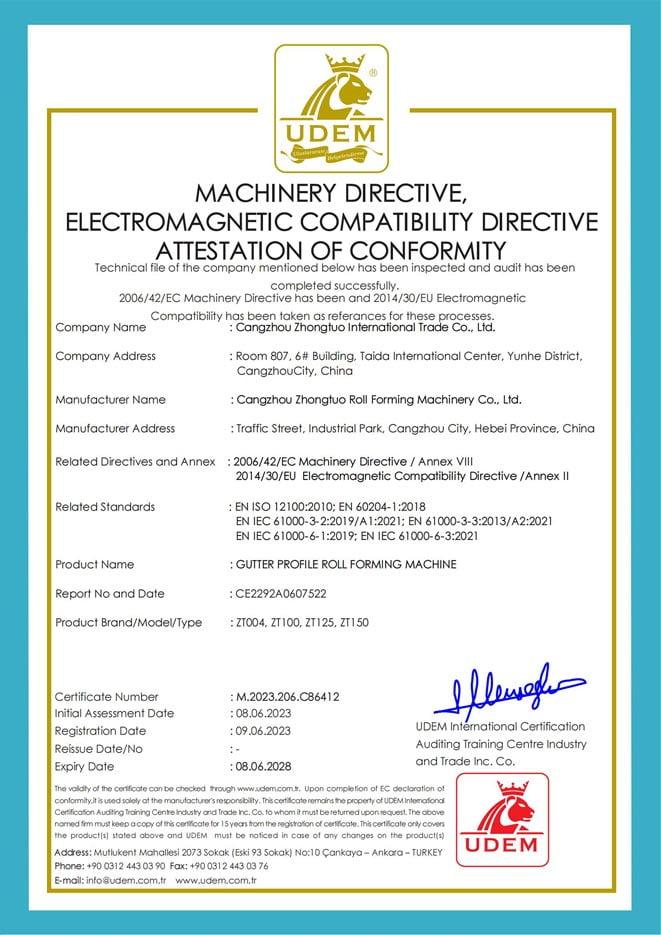
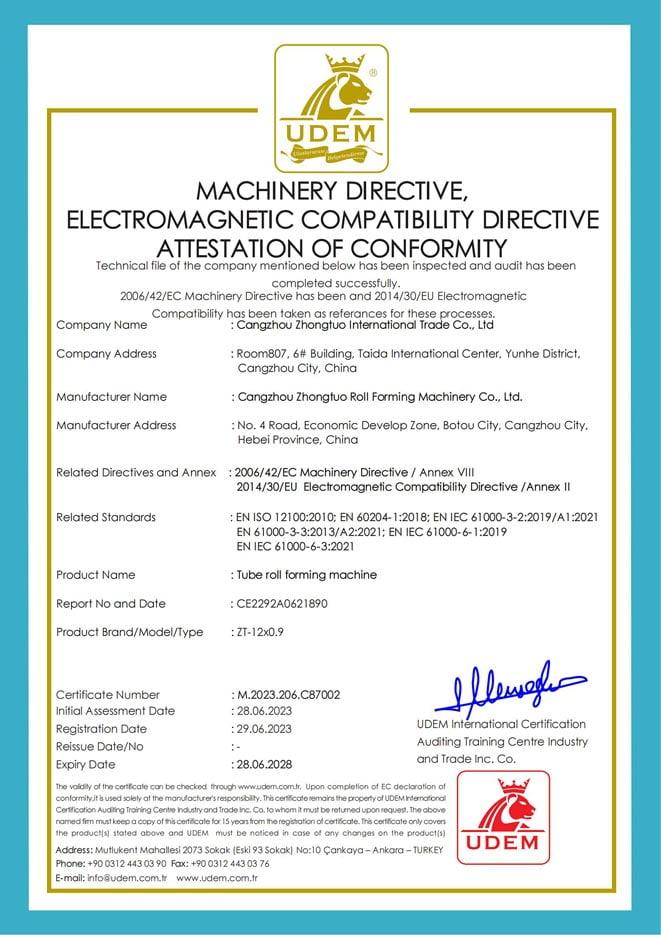
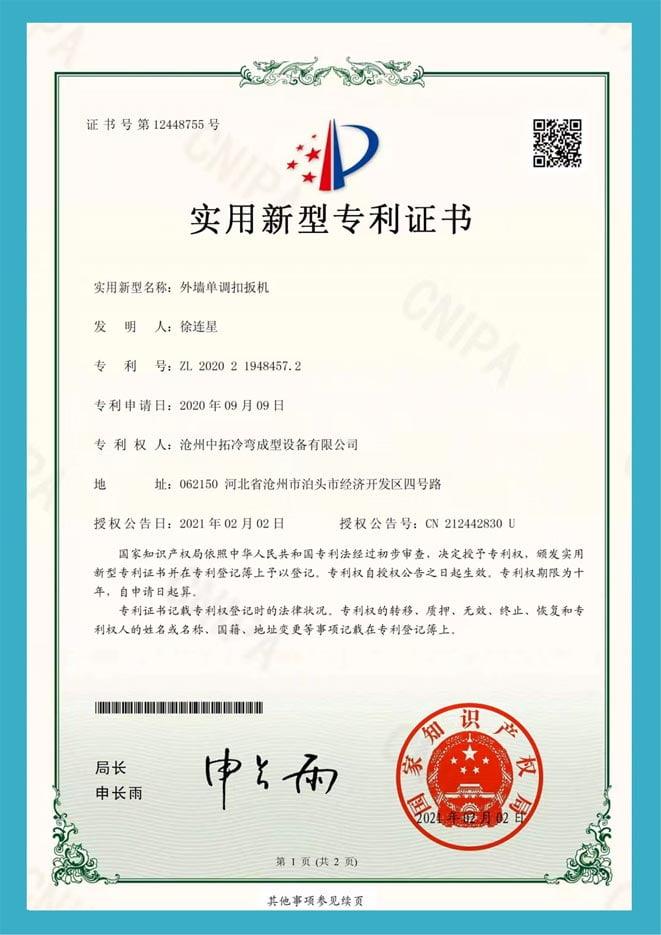
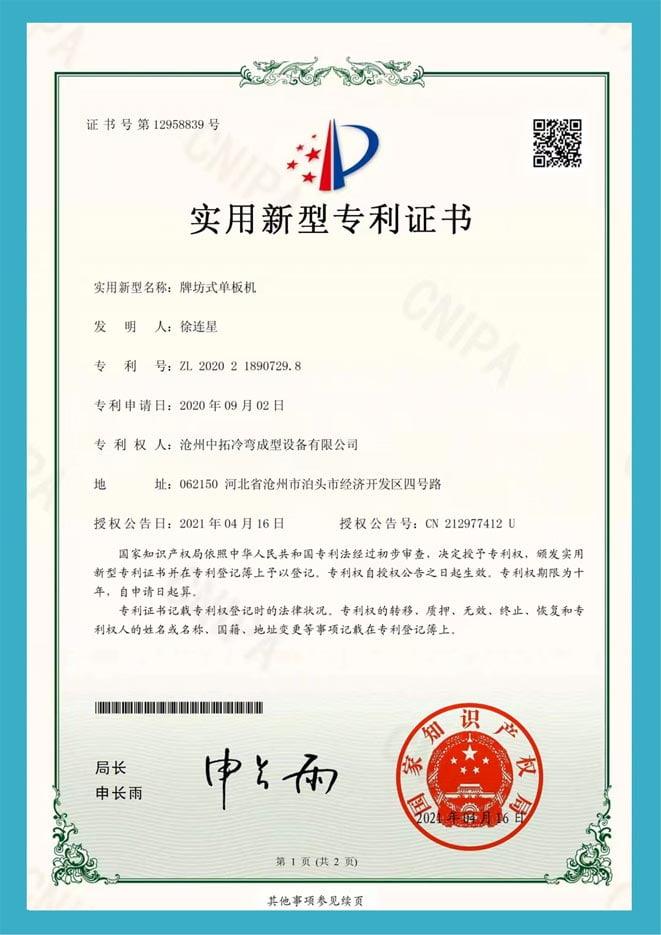
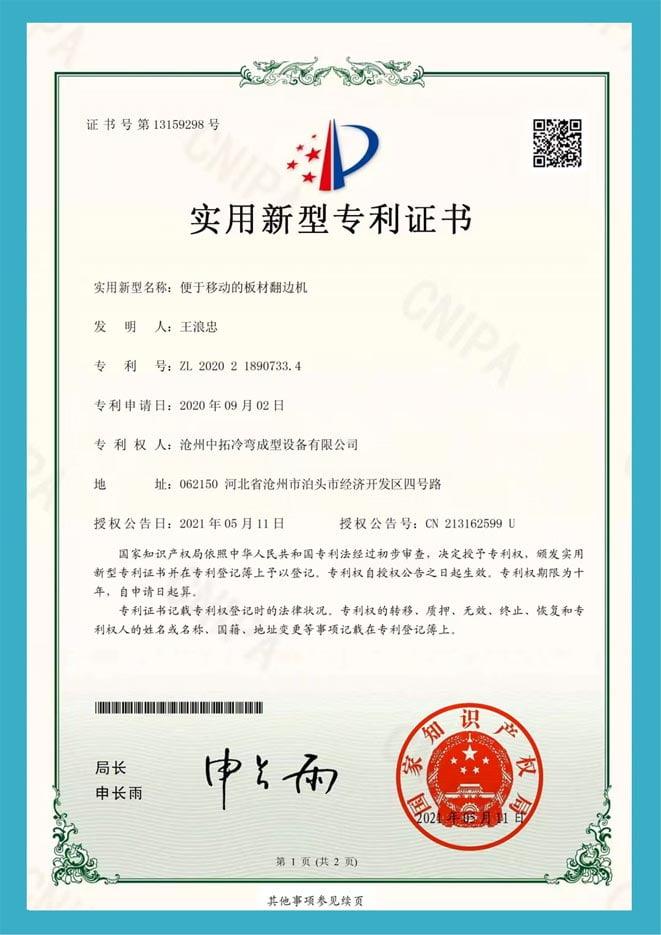
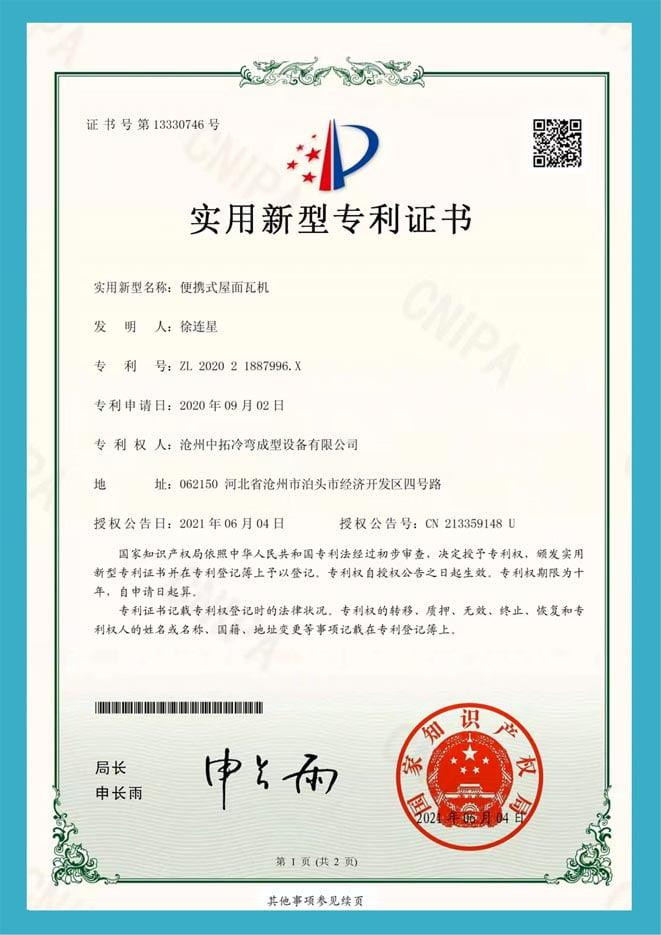
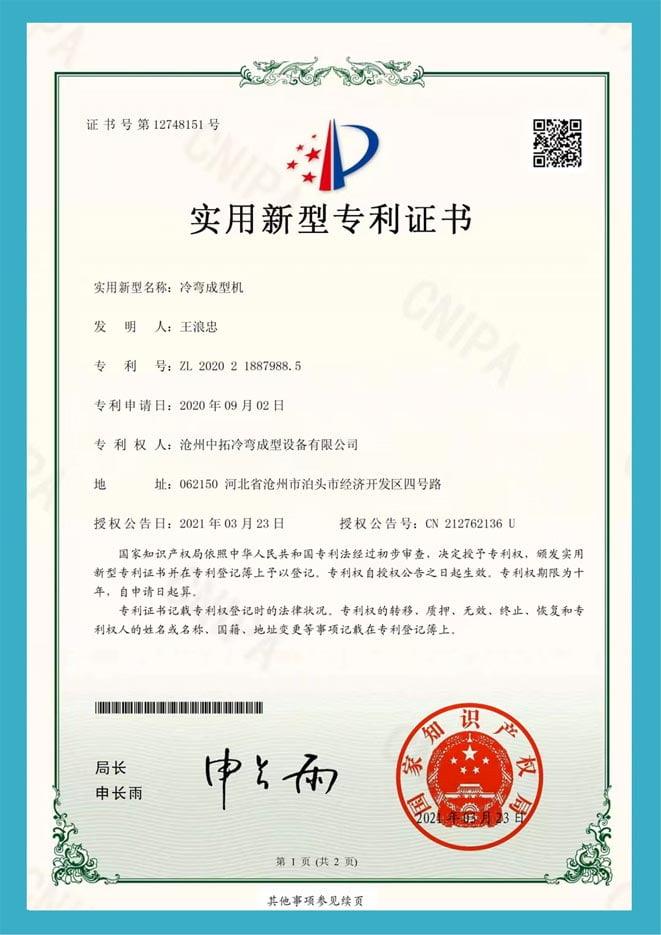

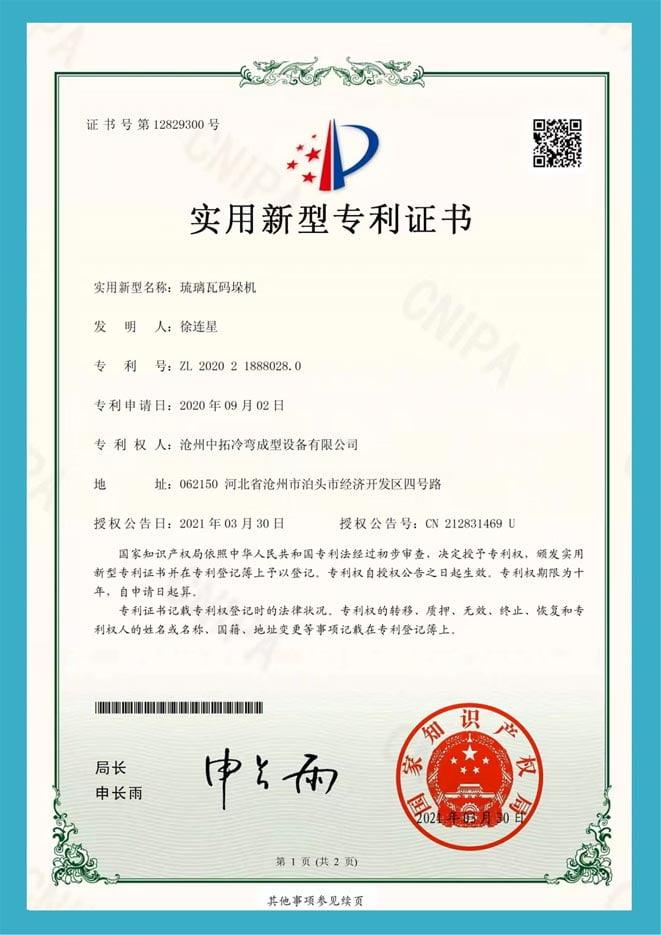
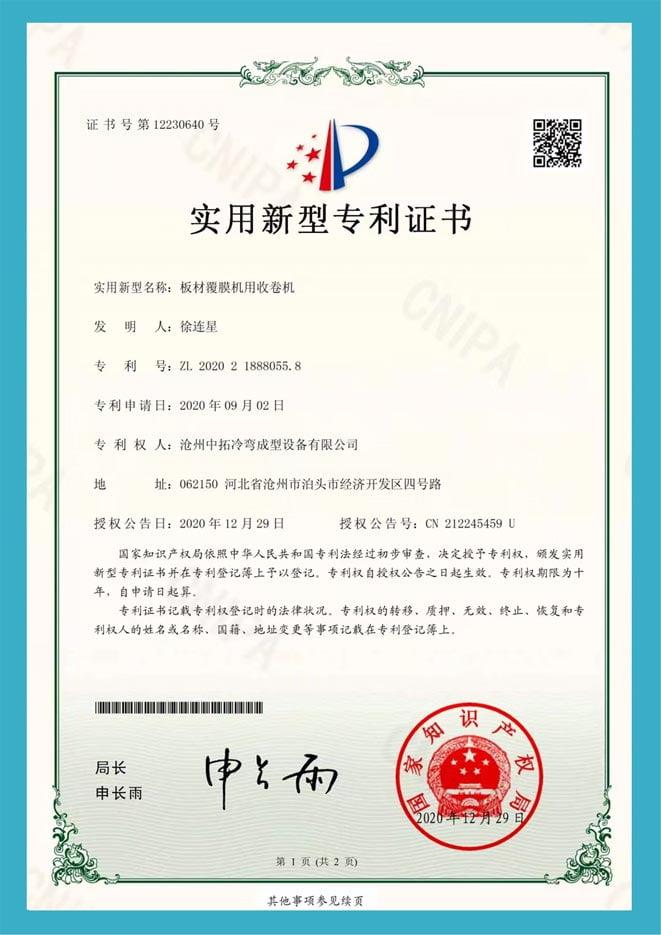

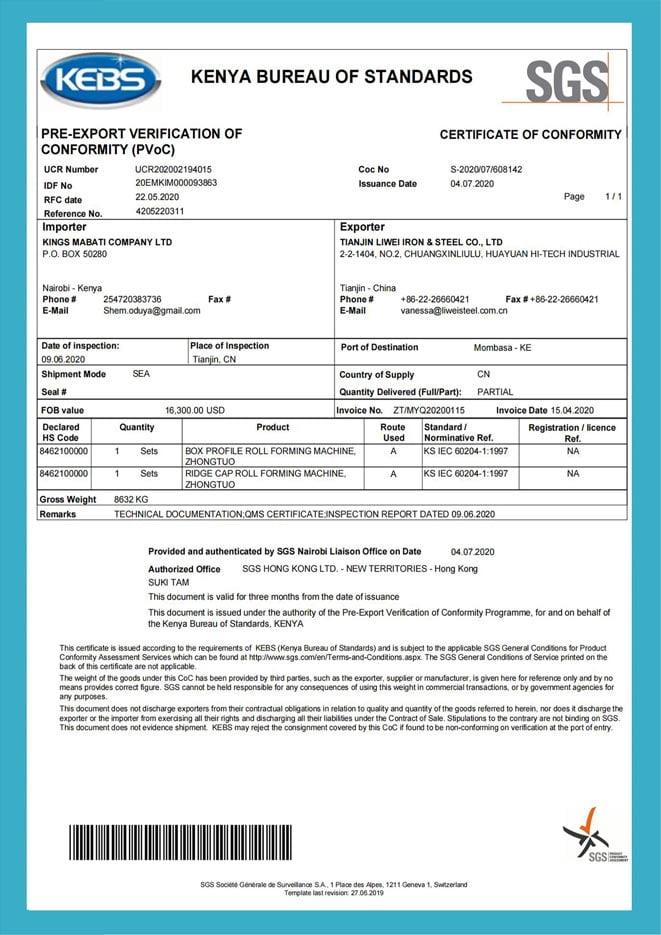
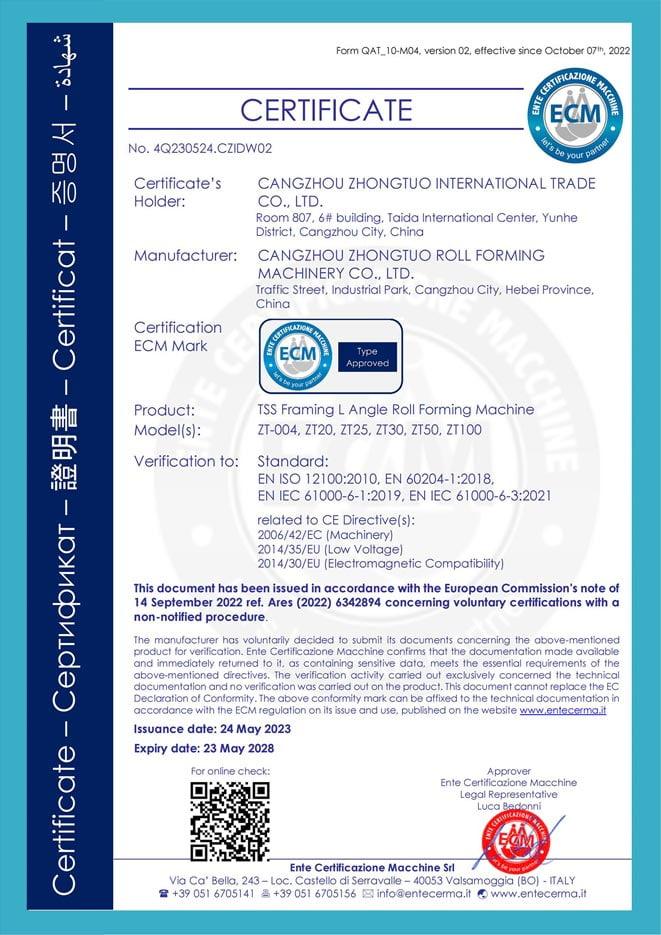
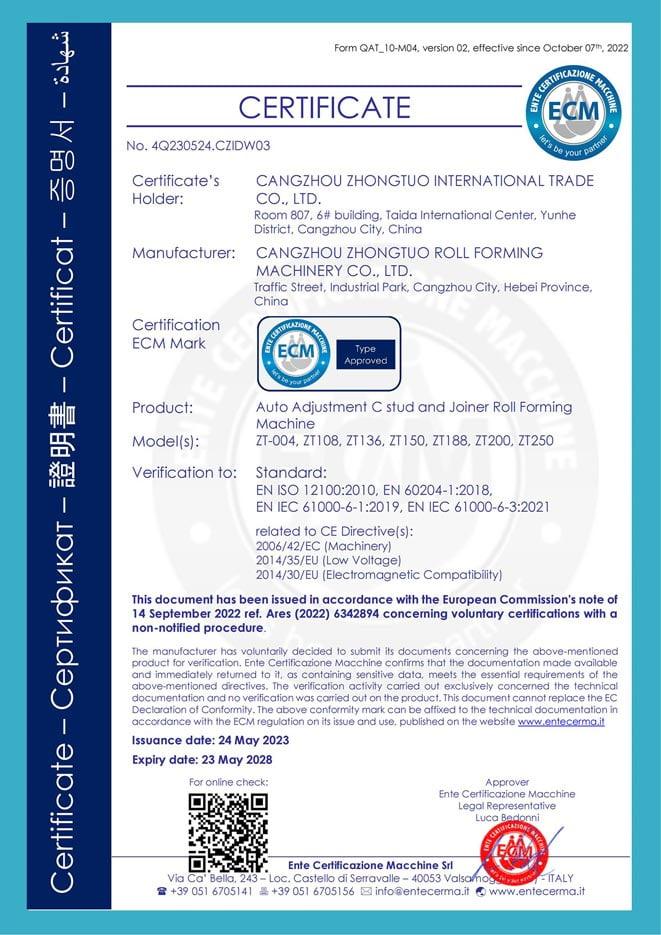
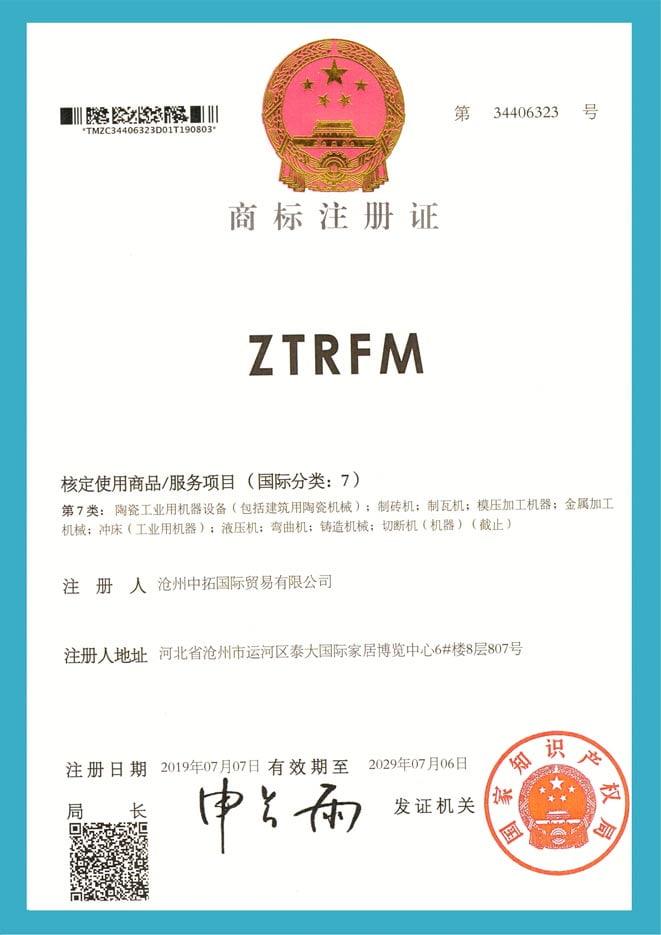
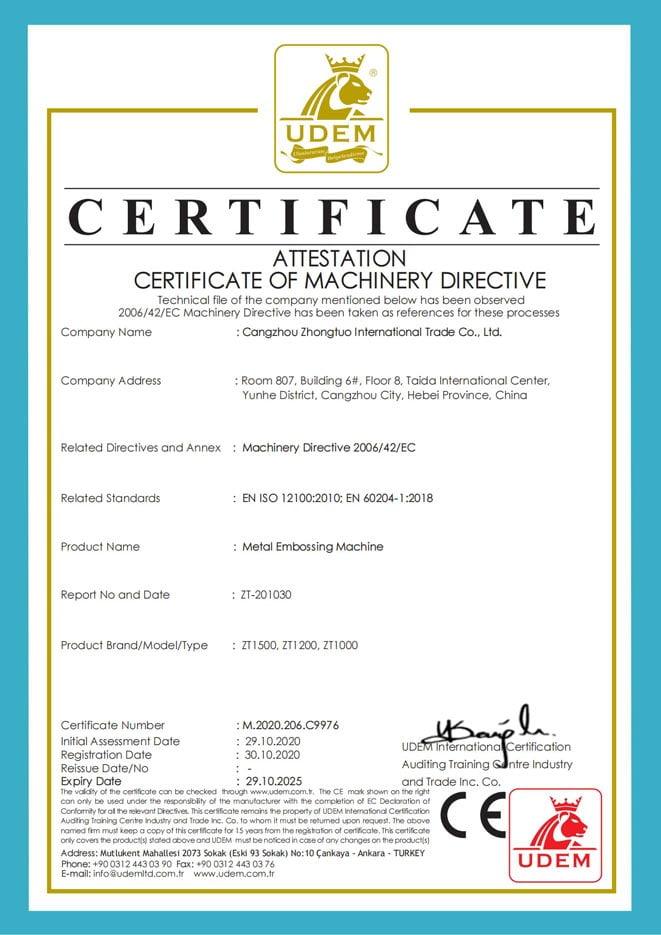
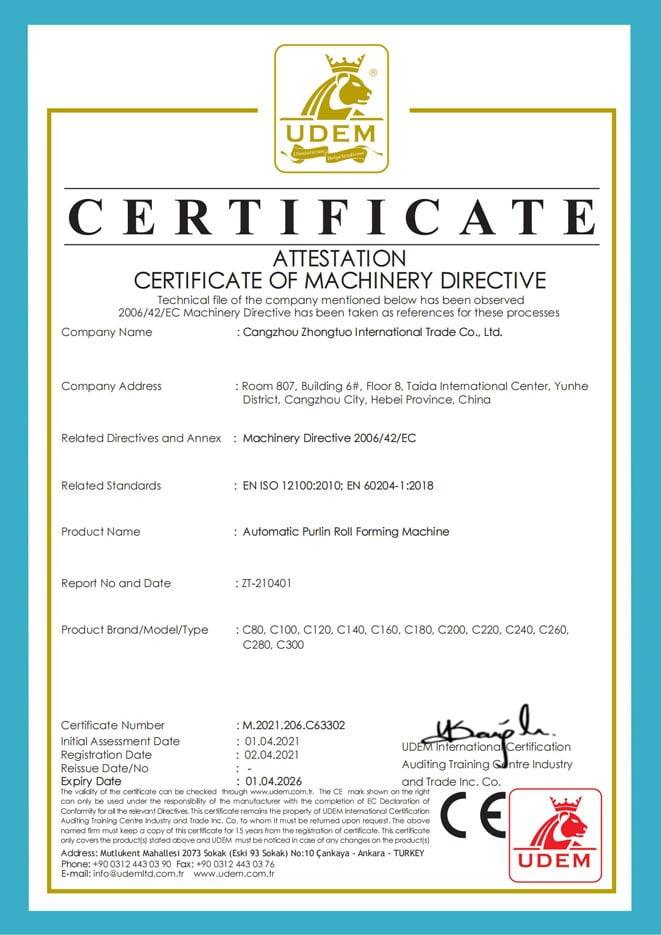
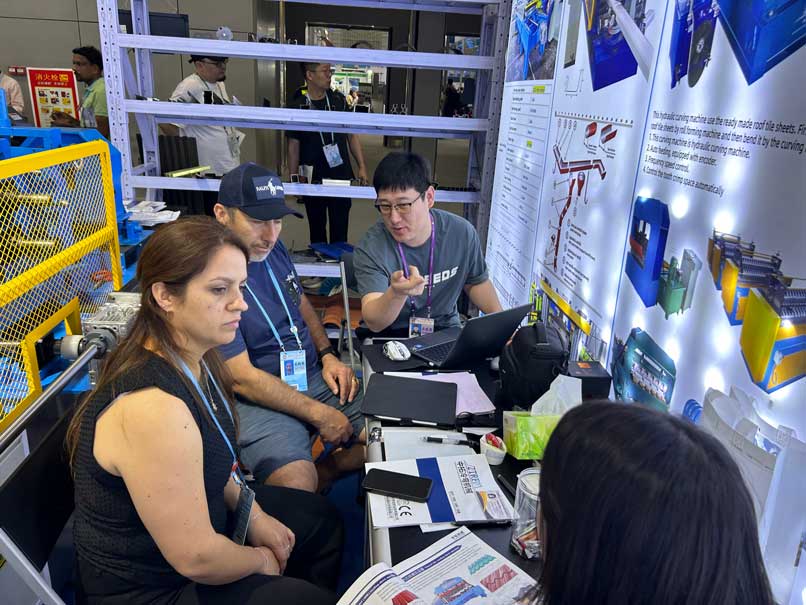
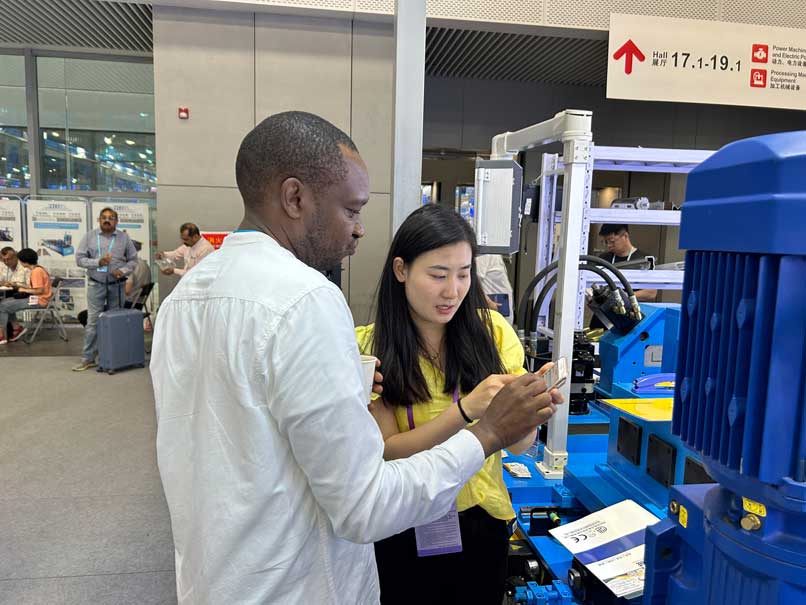
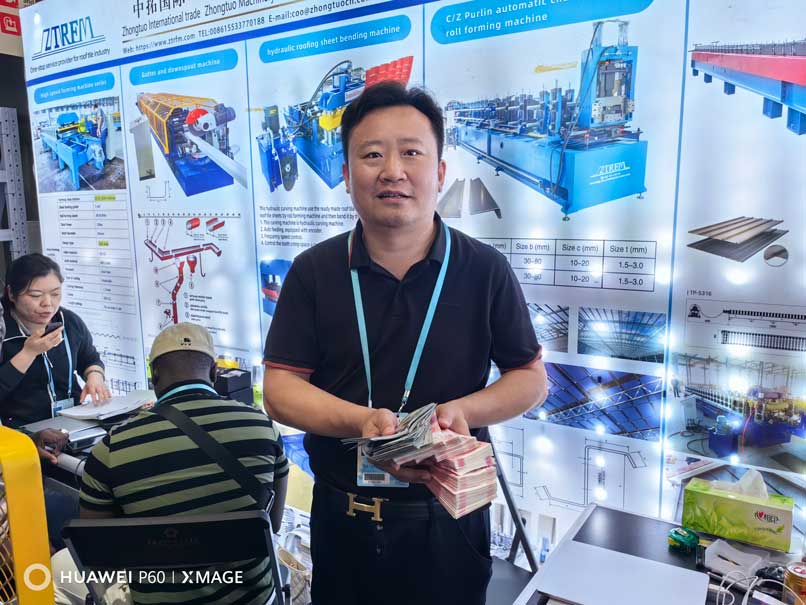
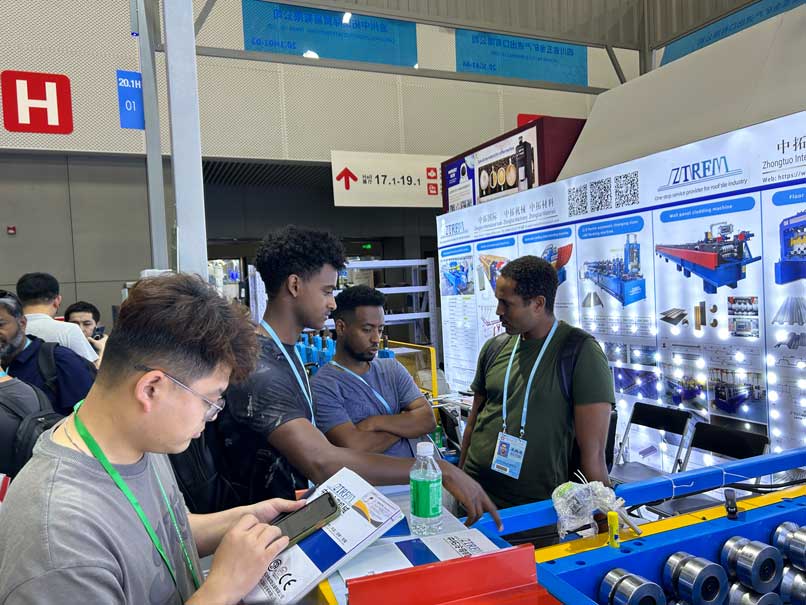
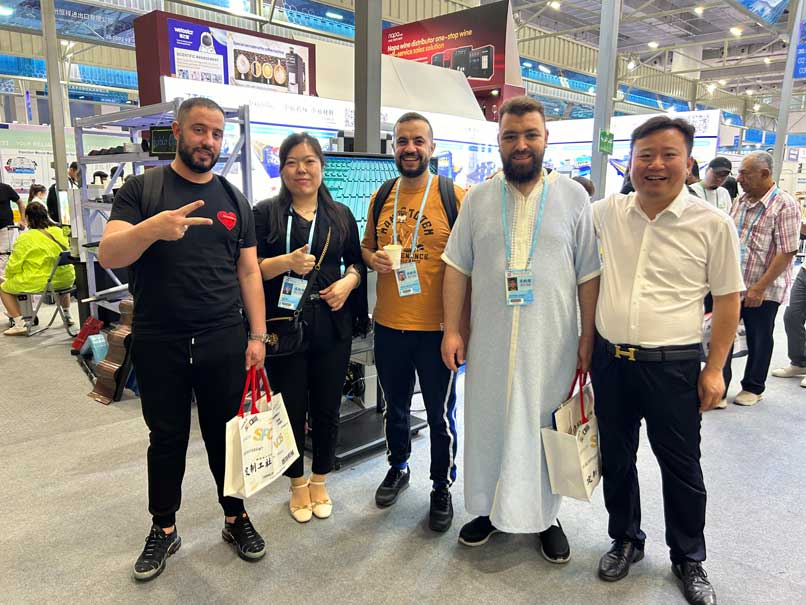
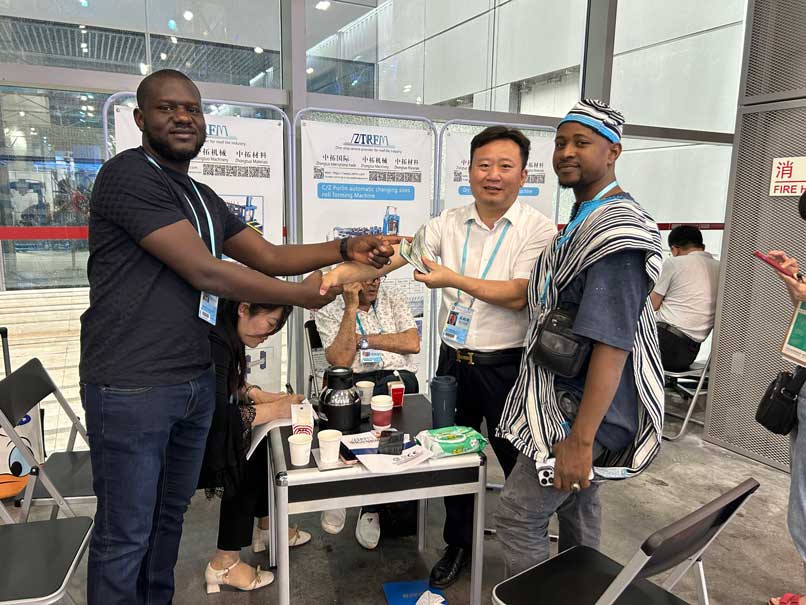
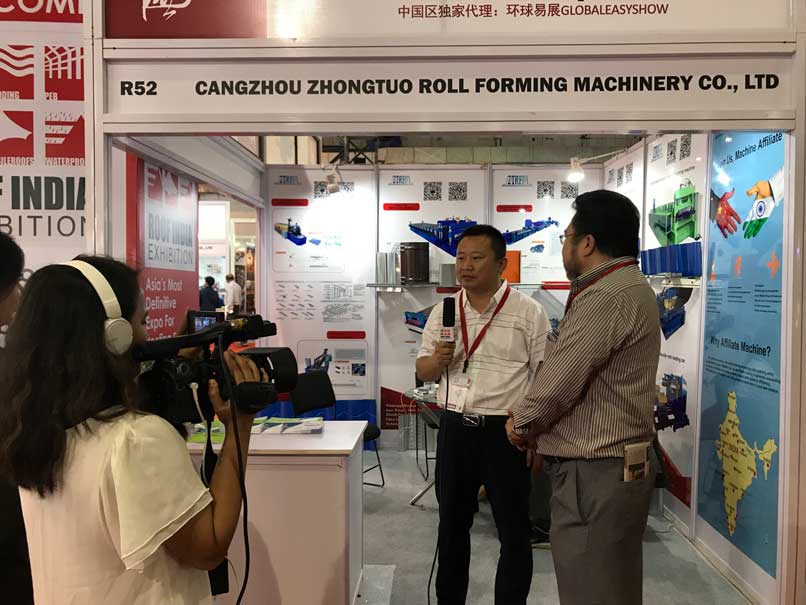
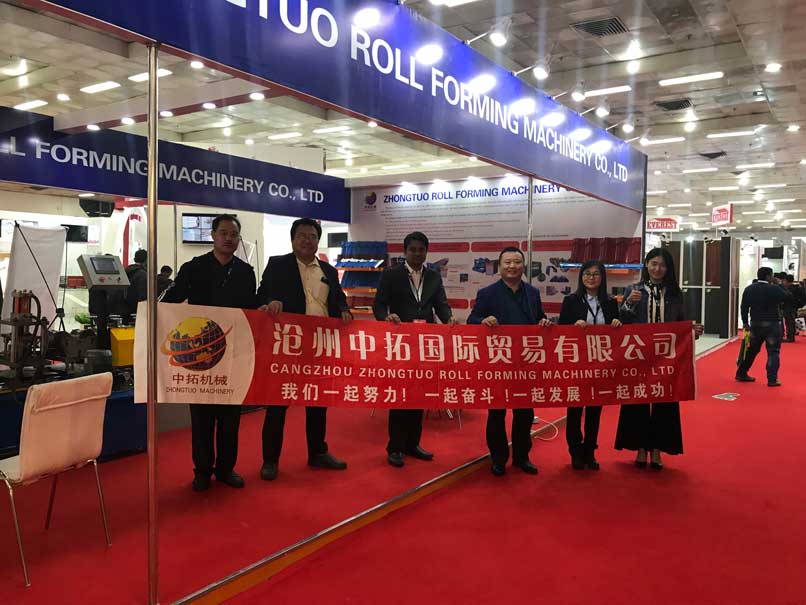
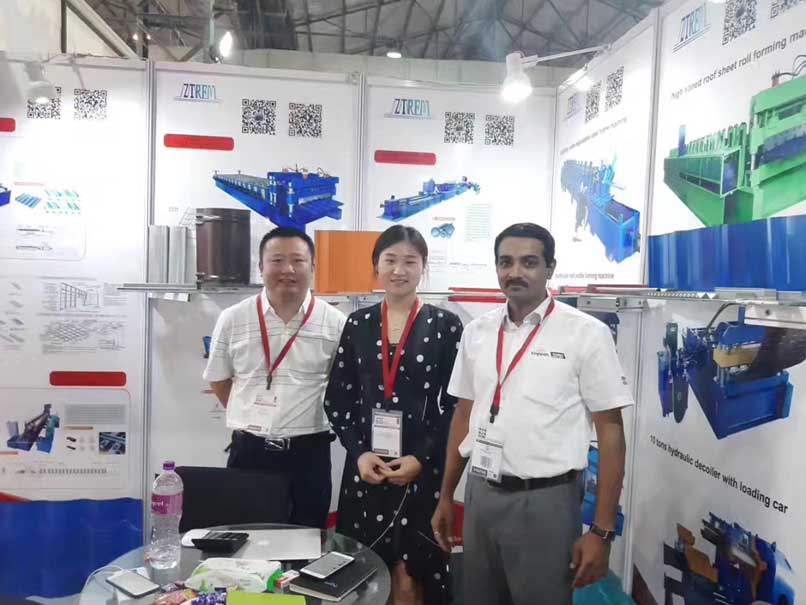
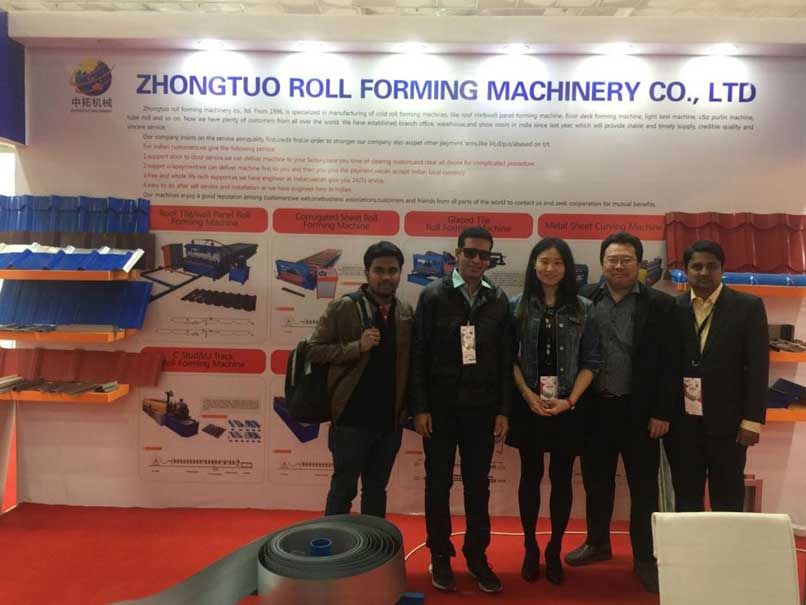
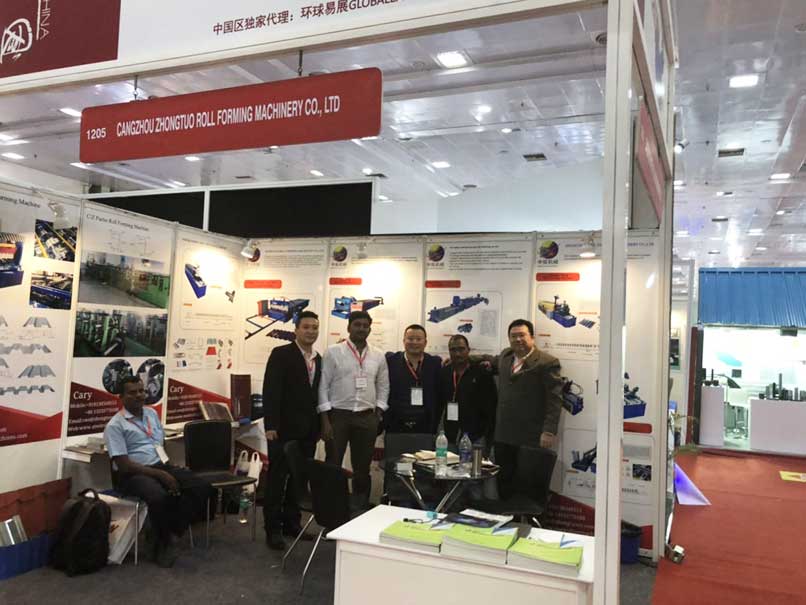
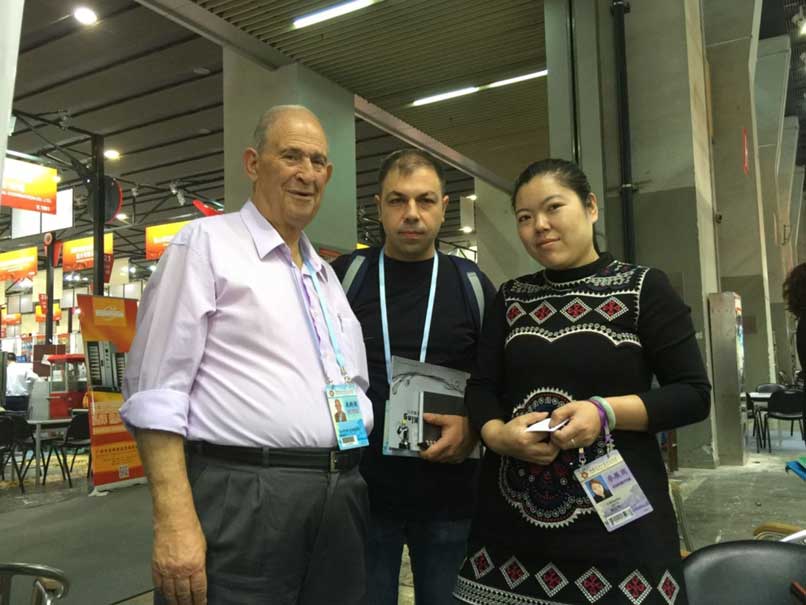
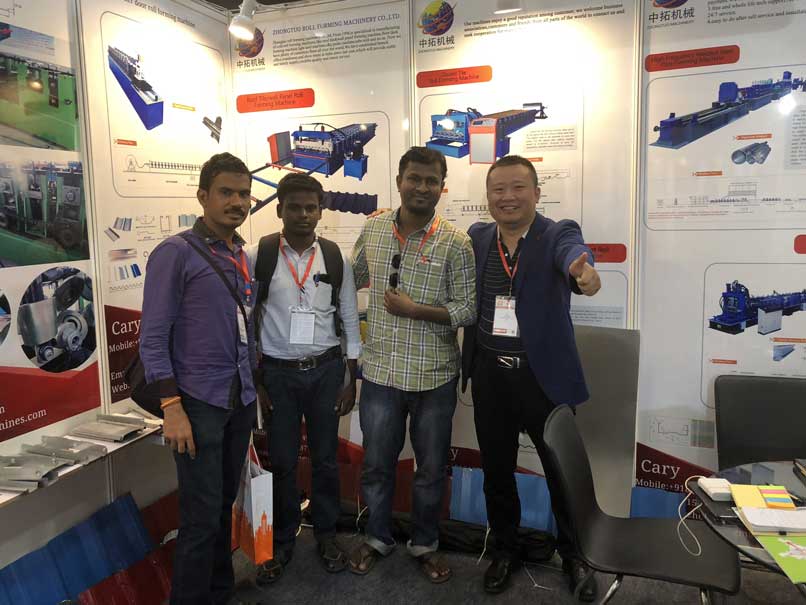
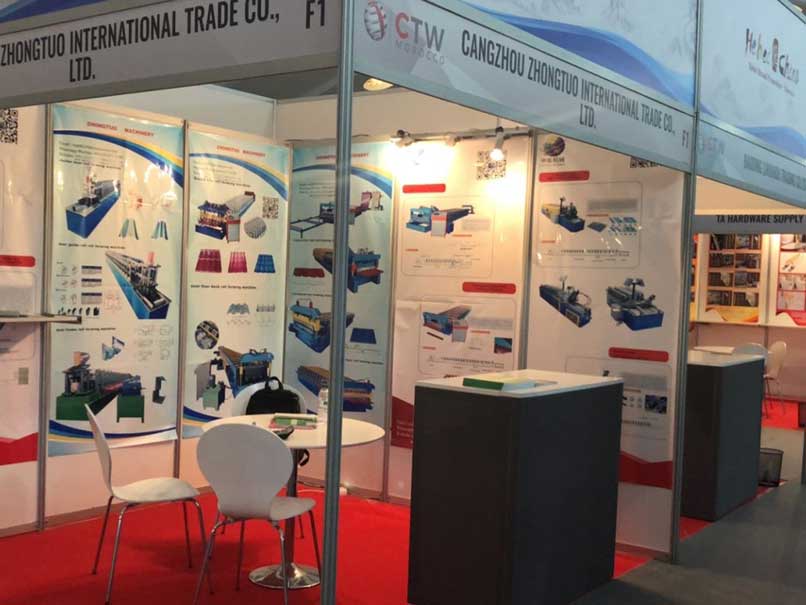
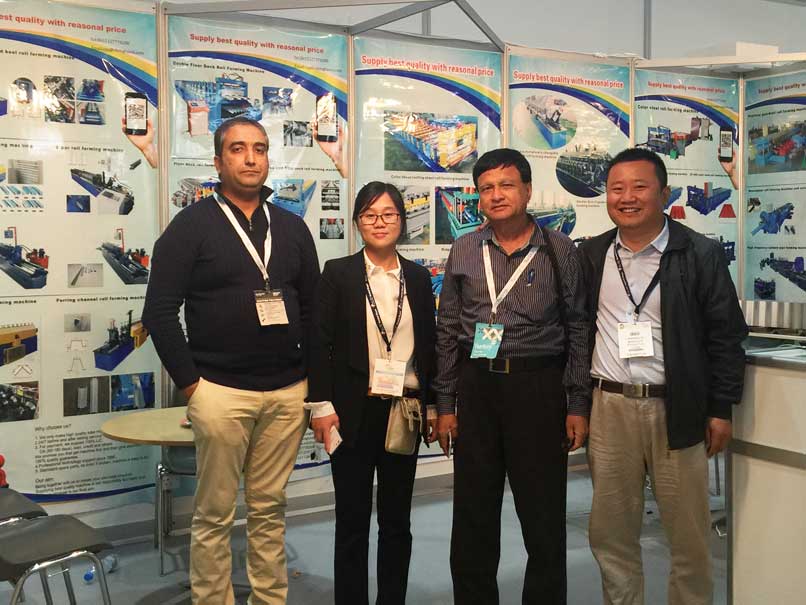
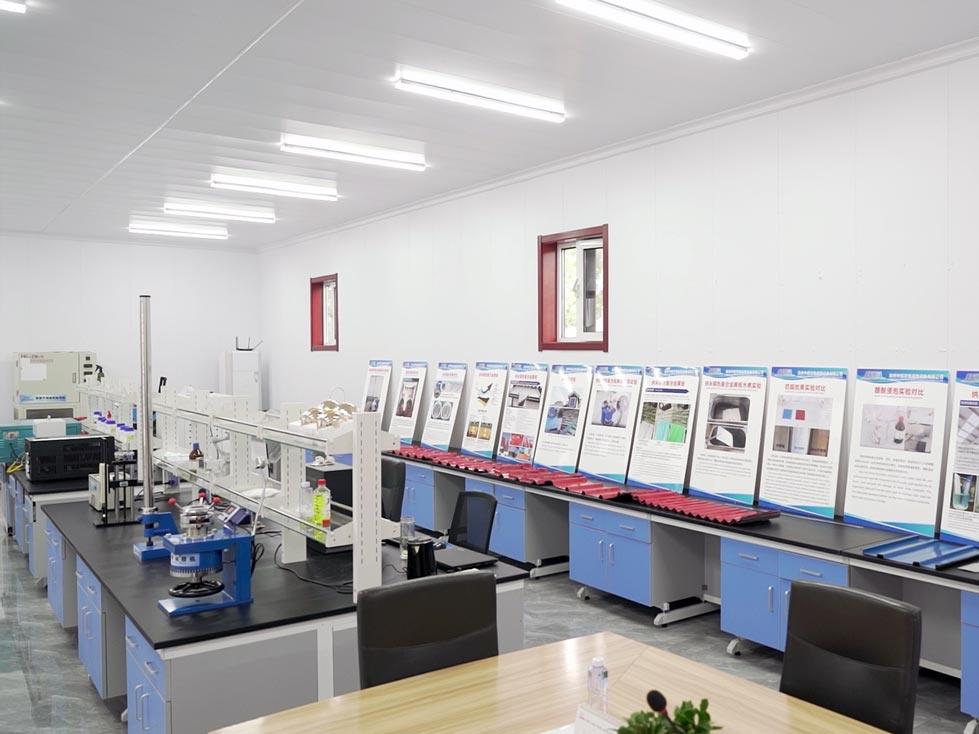
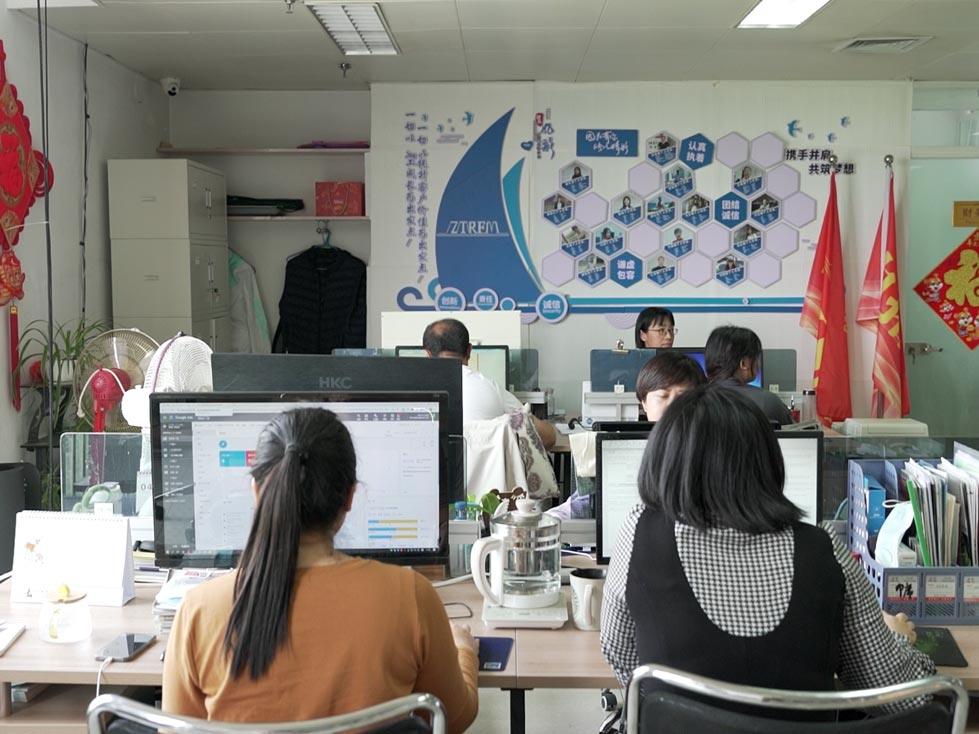
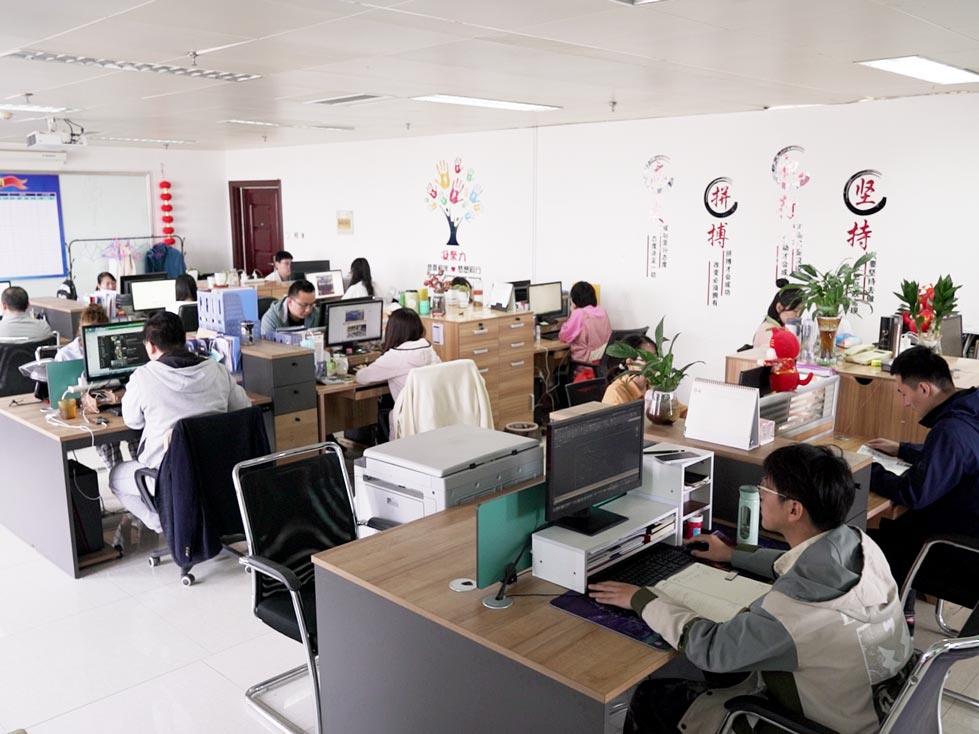
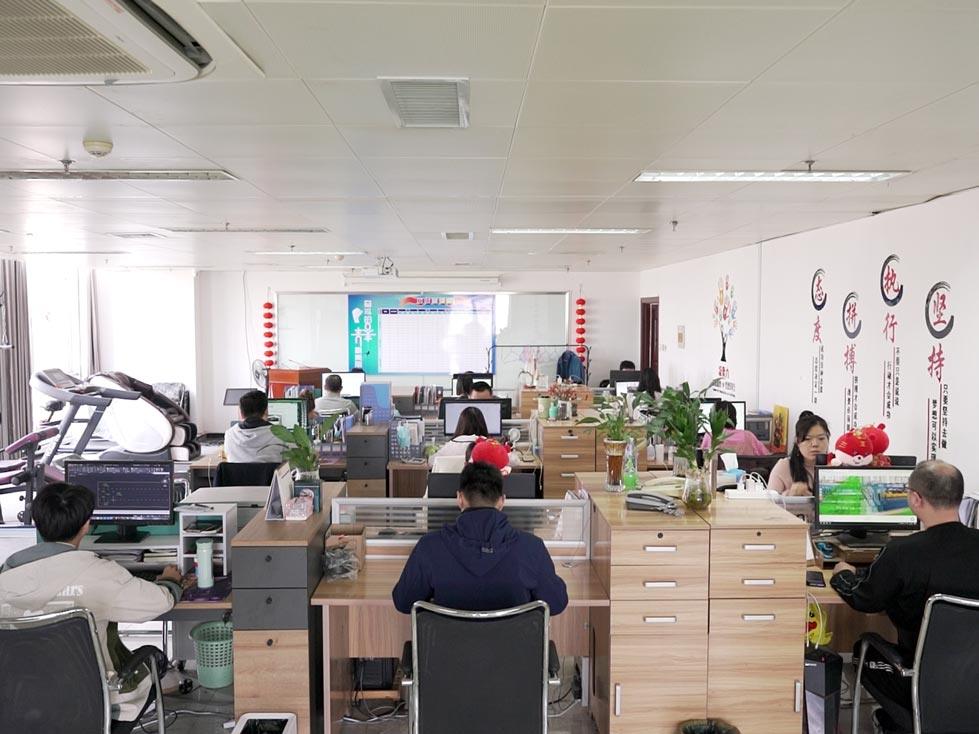
OEM/ODM e servizio di personalizzazione one-stop
Assistenza post-vendita completa

Fornire OEM、ODM
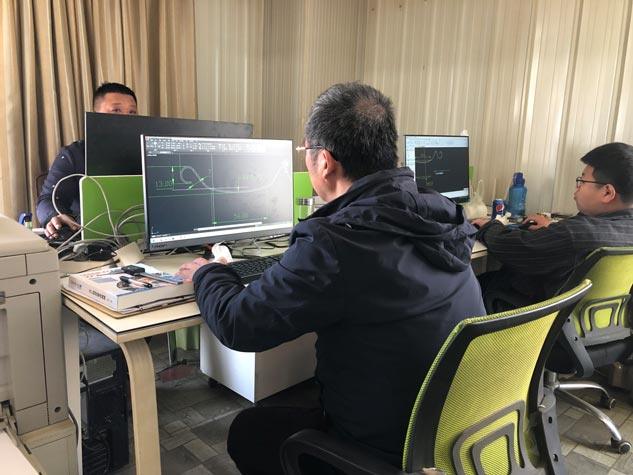
2.Progettazione tecnica: realizzazione di profili di disegno e disegno di macchine 3D
3.determinare la configurazione e la produzione
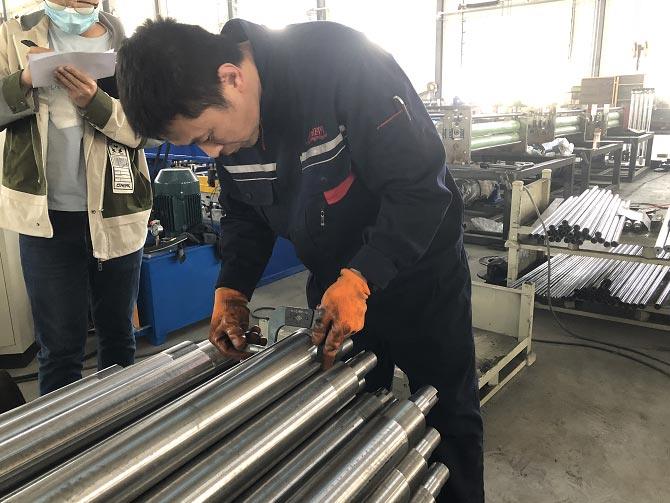
4.test prima della consegna
6.Guida tecnica
7.Servizio post-vendita: servizi di installazione per macchine complesse e visite periodiche ai clienti.
Affidato da oltre 95800 aziende
imprese di alta qualità. Grazie alla collaborazione con noi, hanno ricevuto
forte sostegno e ha ottenuto progressi e sviluppi commerciali.