Cambiamenti tecnologici e sistemi industriali, ci dedichiamo a
Fornisce a Seds le migliori e più economiche soluzioni ai suoi clienti.

Revolutionize Your Ceiling Panel Production with Our Advanced Molding Machine
diversi tipi di macchine per la profilatura a freddo. Siamo una fabbrica con una lunga storia, impegnata nella progettazione e nella produzione di macchine profilatrici dal 2006. Le macchine che possiamo produrre includono: macchina per la produzione di tegole, macchina per la produzione di arcarecci in cz, macchina per la produzione di chiglie in acciaio leggero, macchina per la goffratura dei metalli, macchina per la formazione di sistemi di porte, macchina per la formazione di sistemi di soffitti, macchina per la saldatura di tubi ad alta frequenza, linea di taglio, linea di taglio a misura, macchina per la formazione di sistemi di scaffali, macchina per la formazione di decking per pavimenti, linea di produzione di piastrelle in pietra colorata, macchina per la laminazione a caldo filmata, ecc.
In the world of construction and interior decoration, ceilings are far more than just overhead surfaces. They are a canvas for creativity, a functional element for comfort, and a crucial part of any building's aesthetics and practicality. A well - designed and installed ceiling can transform a space, whether it's a luxurious hotel lobby, a cozy residential living room, or a bustling commercial workspace.
The importance of ceilings in construction and decoration cannot be overstated. From a functional perspective, ceilings play a vital role in insulation, helping to keep indoor spaces warm in winter and cool in summer, thus reducing energy consumption. They also contribute significantly to soundproofing, creating a quieter and more peaceful environment. In addition, ceilings can hide unsightly pipes, wires, and other building infrastructure, presenting a clean and neat appearance.
On the aesthetic front, ceilings offer endless possibilities for design. They can be adorned with various materials such as wood, metal, glass, or gypsum, and crafted into different shapes, patterns, and textures to match different interior styles, from modern minimalist to classic ornate.
Working Principle
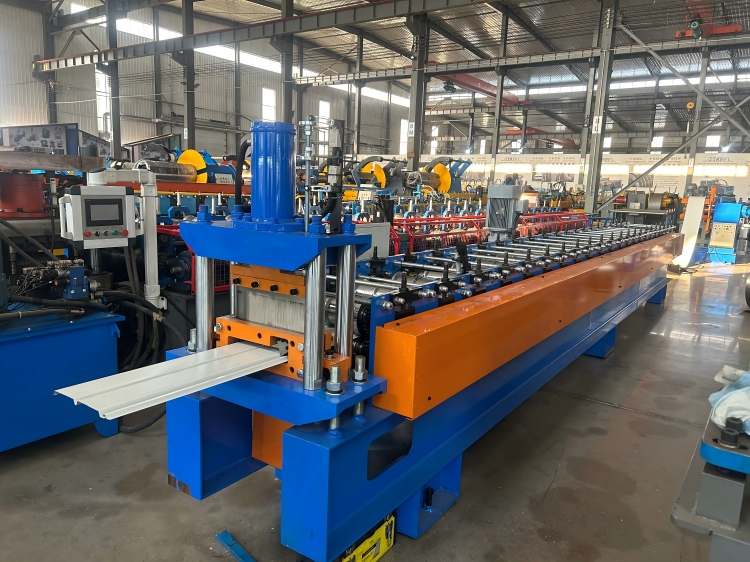
The basic working principle of a ceiling panel molding machine involves a series of mechanical operations. Most commonly, it uses a combination of rolling, pressing, and cutting techniques. For example, in the production of metal ceiling panels, a continuous strip of metal coil is first fed into the machine. The machine then uses a set of rollers to gradually shape the metal strip into the desired profile, such as a flat - panel with grooves or a more complex three - dimensional pattern. This is achieved by the coordinated movement of multiple rollers, each designed to perform a specific shaping task. After the profiling process, the formed panel is cut to the required length by a cutting device, usually a high - precision shear.
In the case of plastic or composite ceiling panels, the process may involve heating the raw materials to a malleable state. The heated material is then pressed into molds that have the desired ceiling panel shape. Once the material cools and solidifies in the mold, it retains the shape of the panel, and is then ejected from the mold for further processing or packaging.
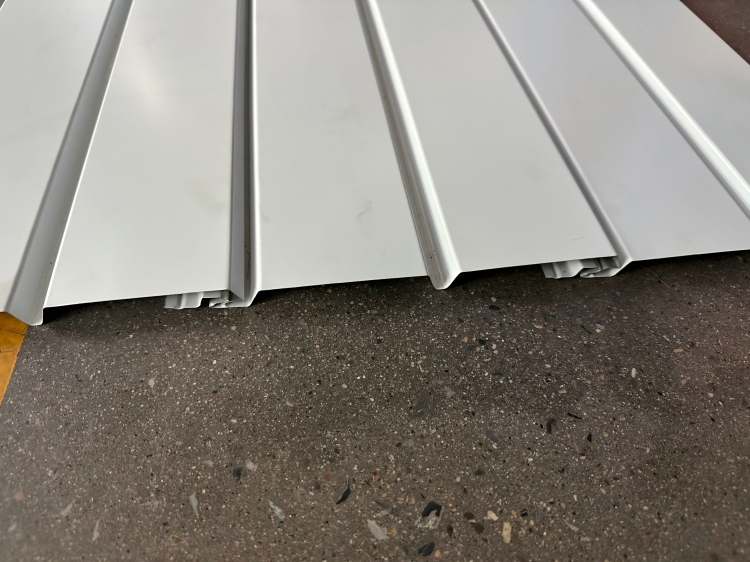
Main Structural Components
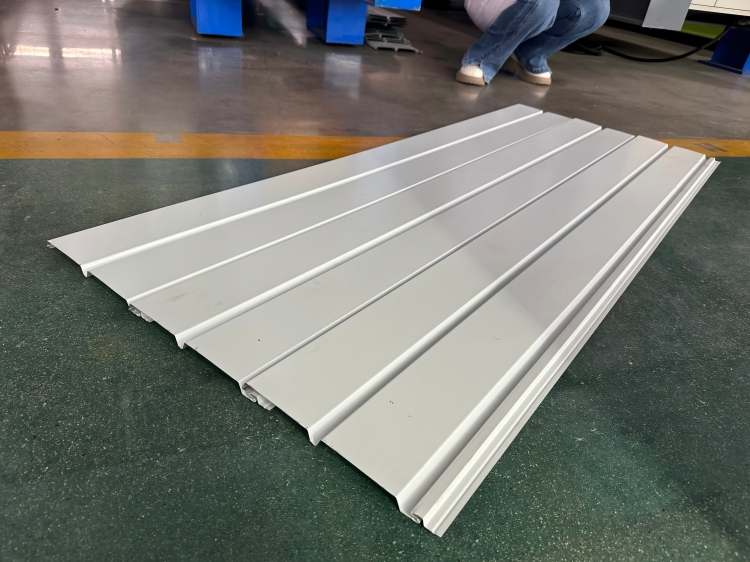
Main Frame: The main frame is the backbone of the ceiling panel molding machine, providing a stable and rigid structure to support all other components. It is typically made of high - strength steel, which can withstand the mechanical stresses generated during the production process. The frame's design is carefully engineered to ensure alignment and precision of the moving parts, as any misalignment can lead to defects in the final ceiling panels. For large - scale production machines, the main frame may be modular, allowing for easy assembly, disassembly, and transportation.
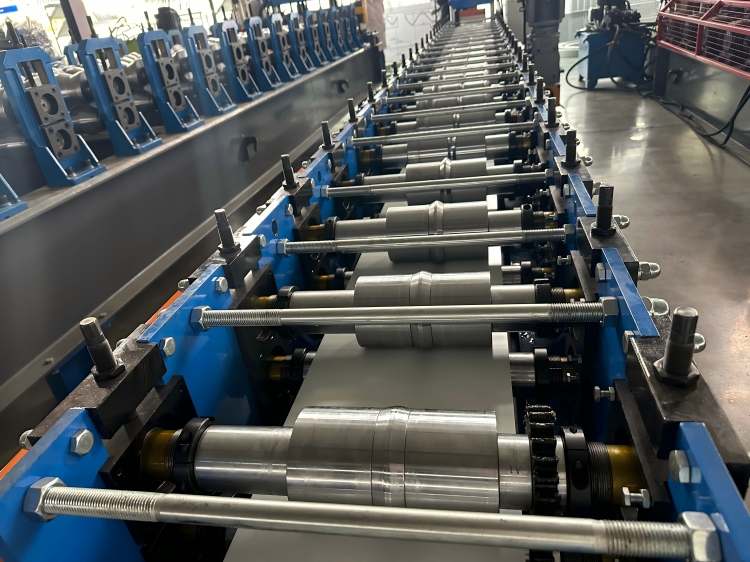
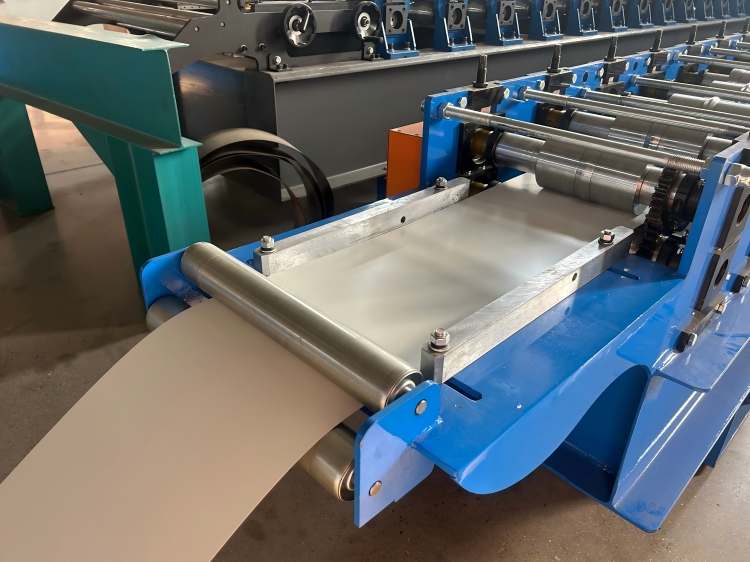
Hydraulic System: The hydraulic system is an essential part of many ceiling panel molding machines, especially those used for heavy - duty pressing operations. It uses hydraulic fluid to generate force and control the movement of components such as the pressing plates or rollers. The hydraulic system consists of a hydraulic pump, which draws hydraulic fluid from a reservoir and pressurizes it. The pressurized fluid is then directed to various hydraulic cylinders through a network of valves and pipes. These cylinders can then exert a large amount of force, enabling the machine to press and shape the raw materials with high precision. For example, in a hydraulic - powered ceiling panel press, the hydraulic cylinders can apply a uniform pressure across the entire surface of the panel being formed, ensuring consistent thickness and quality.
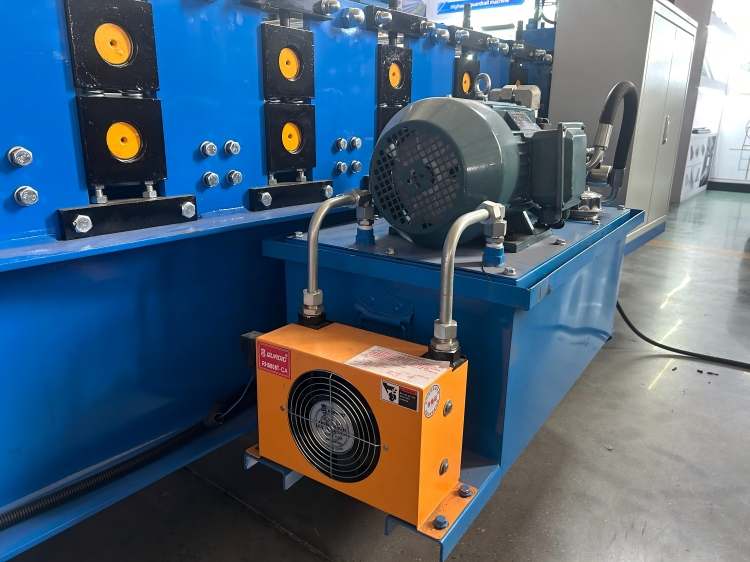
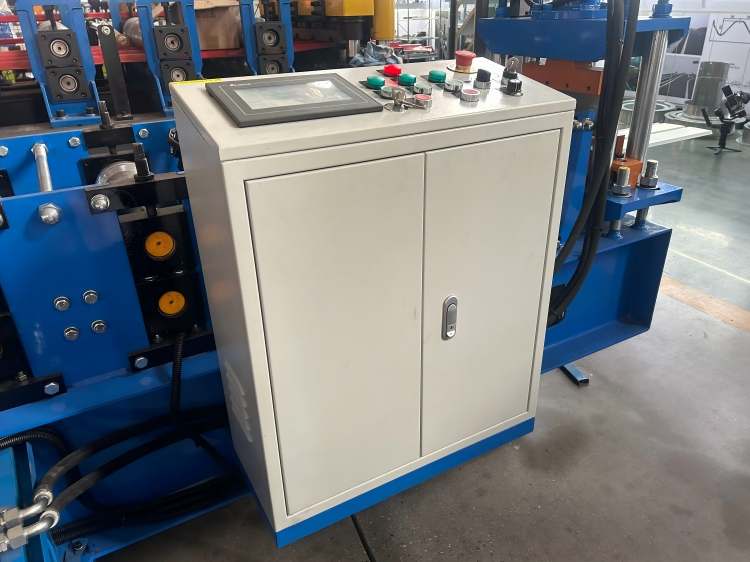
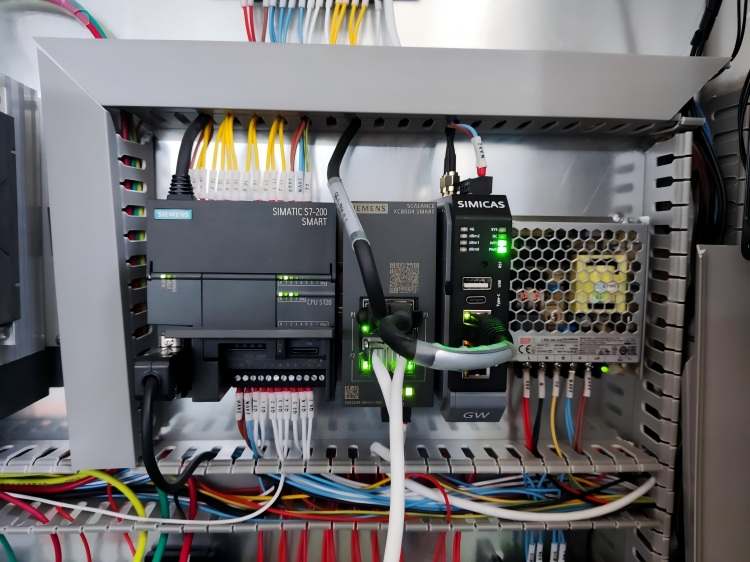
Electrical Part: The electrical part of the ceiling panel molding machine is responsible for controlling the operation of the entire equipment. It includes motors that drive the rollers, cutting devices, and other moving parts. The electrical control system also incorporates sensors to monitor parameters such as speed, position, and temperature. These sensors provide real - time feedback to the control unit, which can adjust the operation of the machine accordingly to ensure smooth production and high - quality output. For instance, if the sensor detects that the speed of the roller is too fast, the control unit can automatically reduce the motor speed to maintain the correct shaping process. Additionally, modern ceiling panel molding machines often feature programmable logic controllers (PLCs), which allow for easy customization of the production process, including setting different production sequences, speeds, and lengths for the ceiling panels.
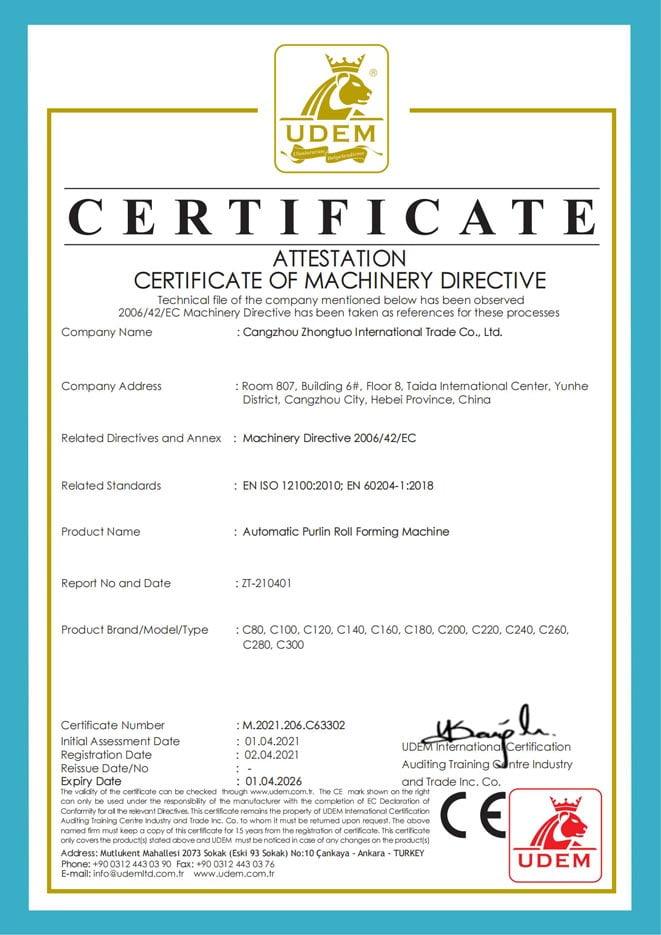
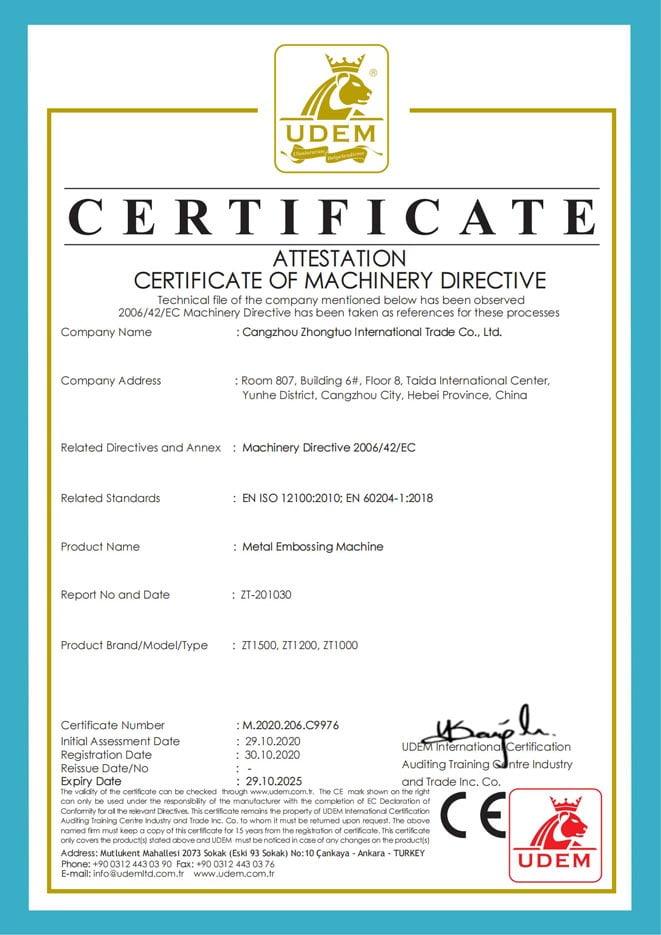
Perché scegliere noi?
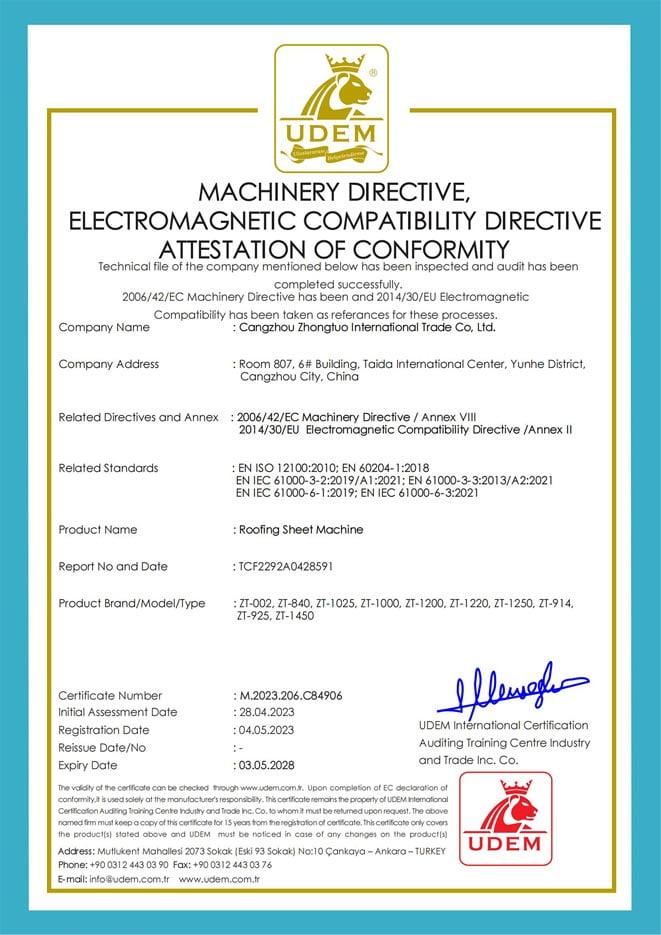
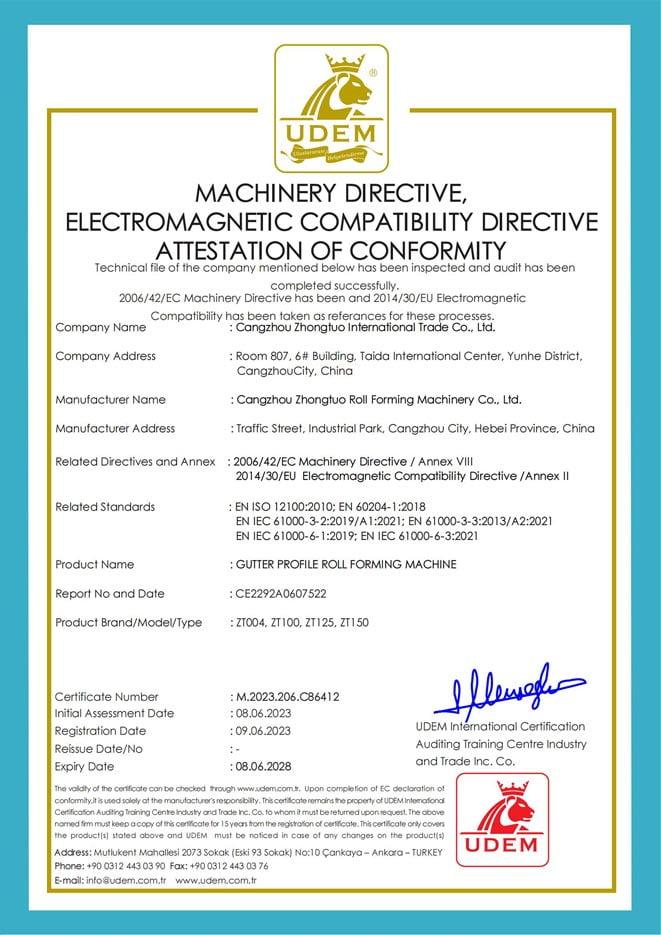
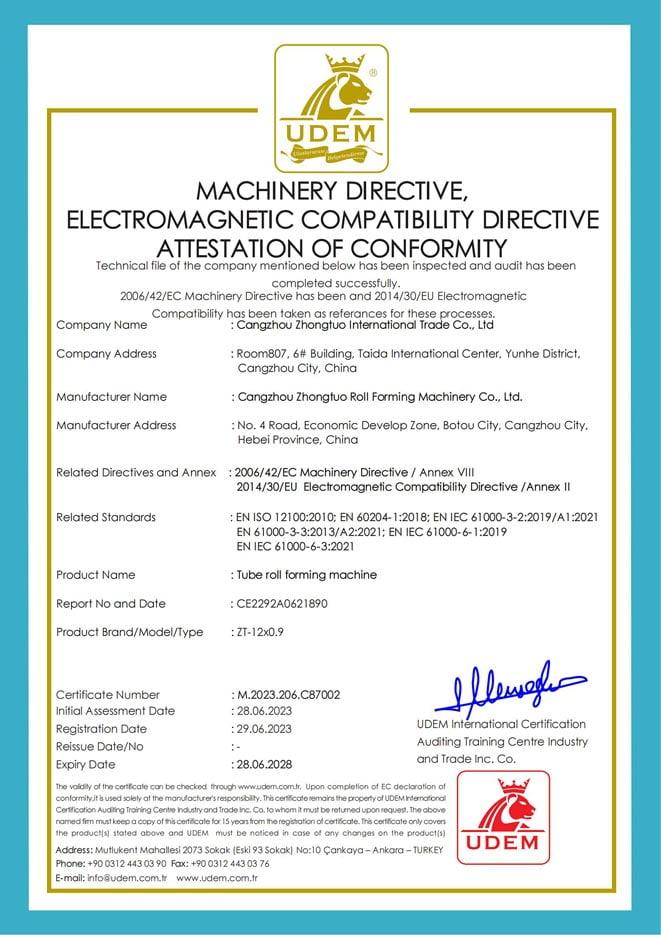
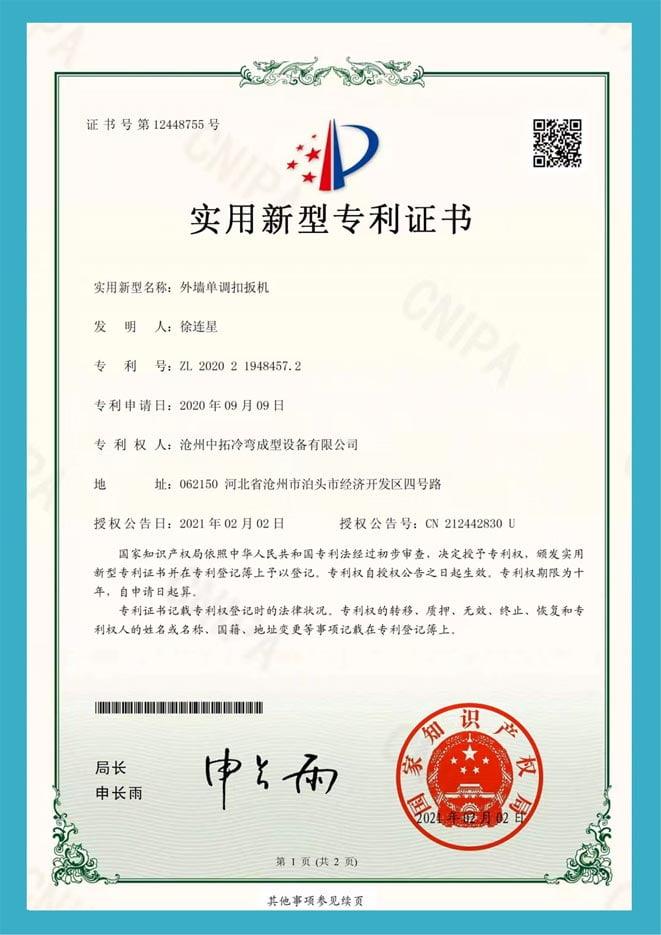
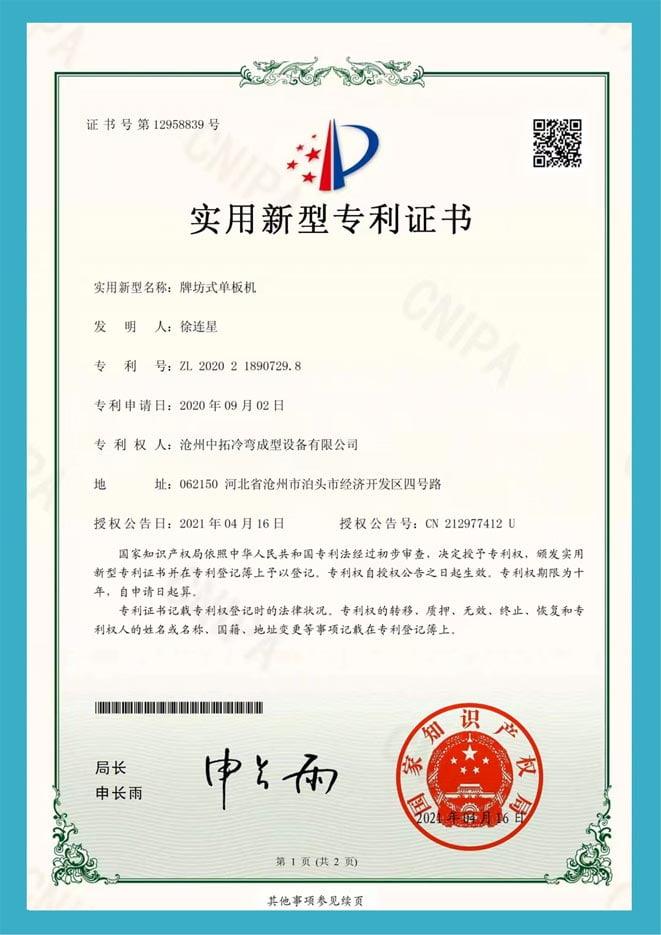
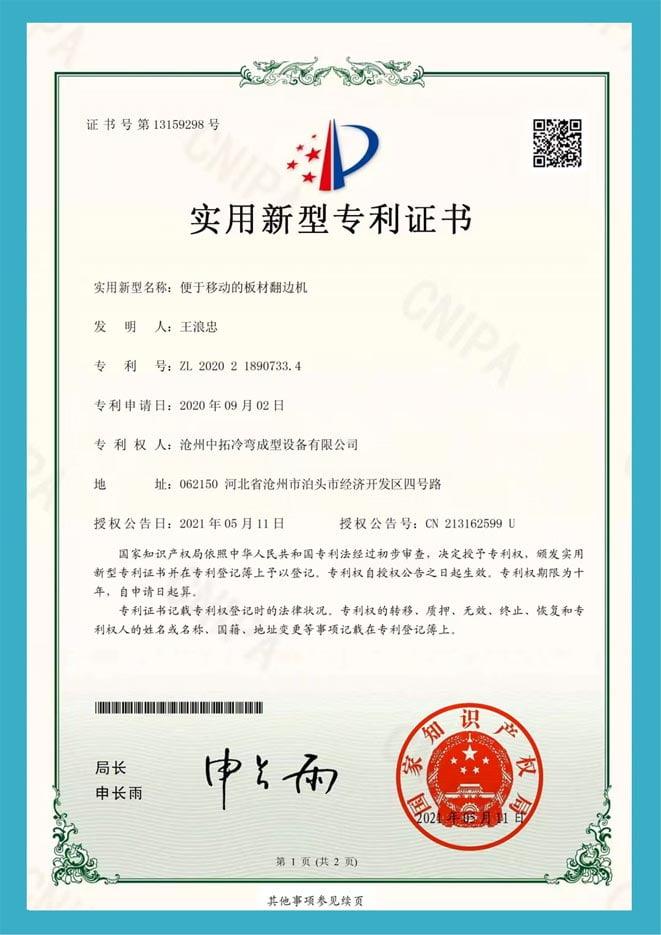
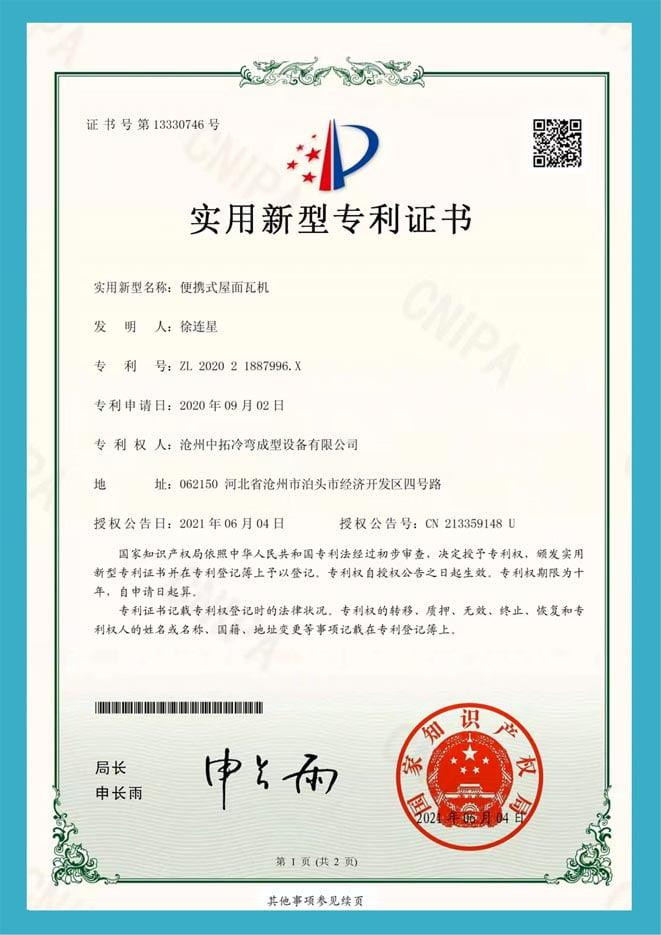
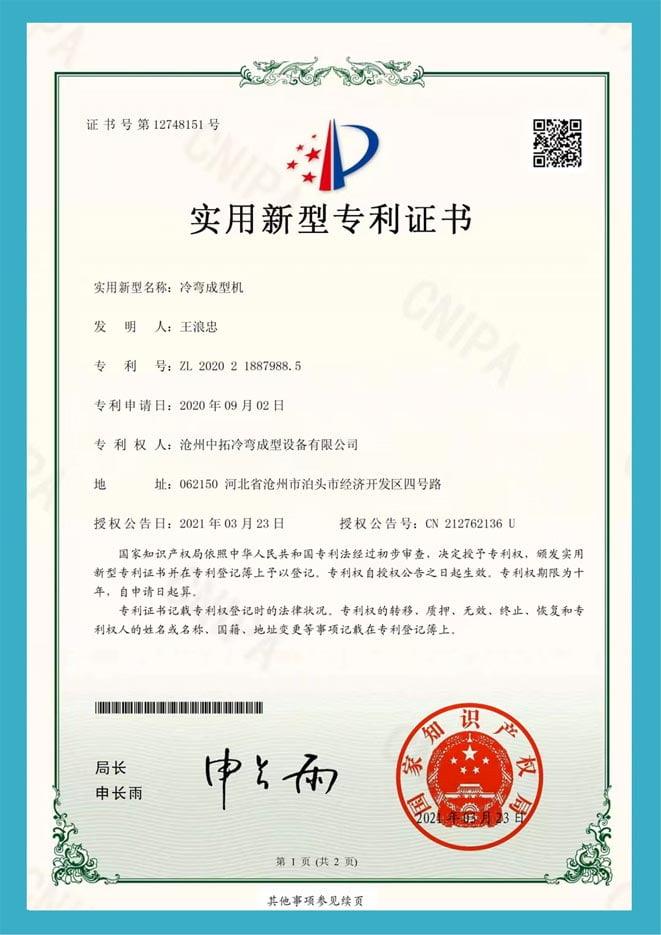

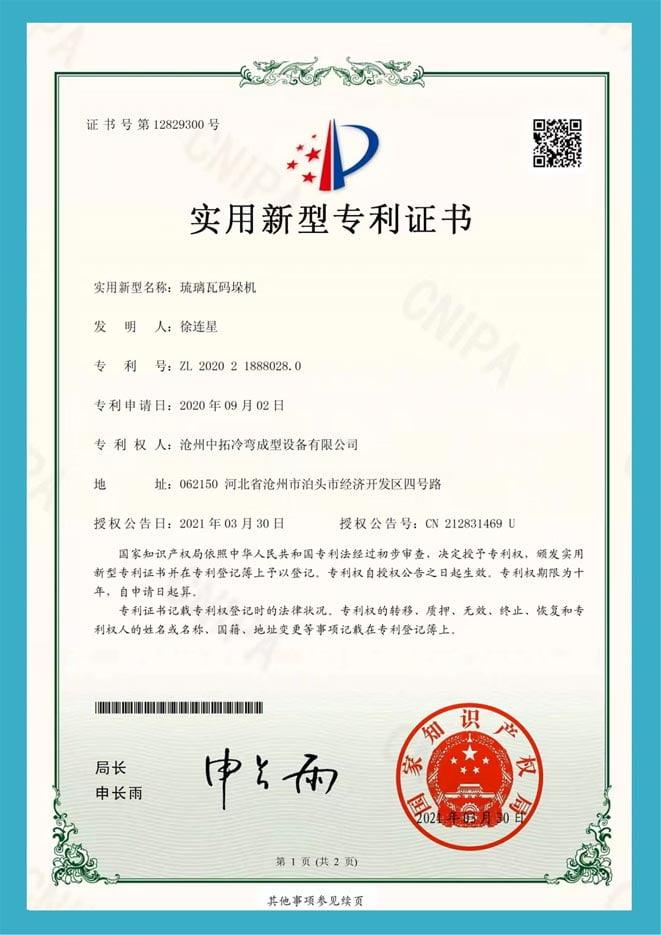
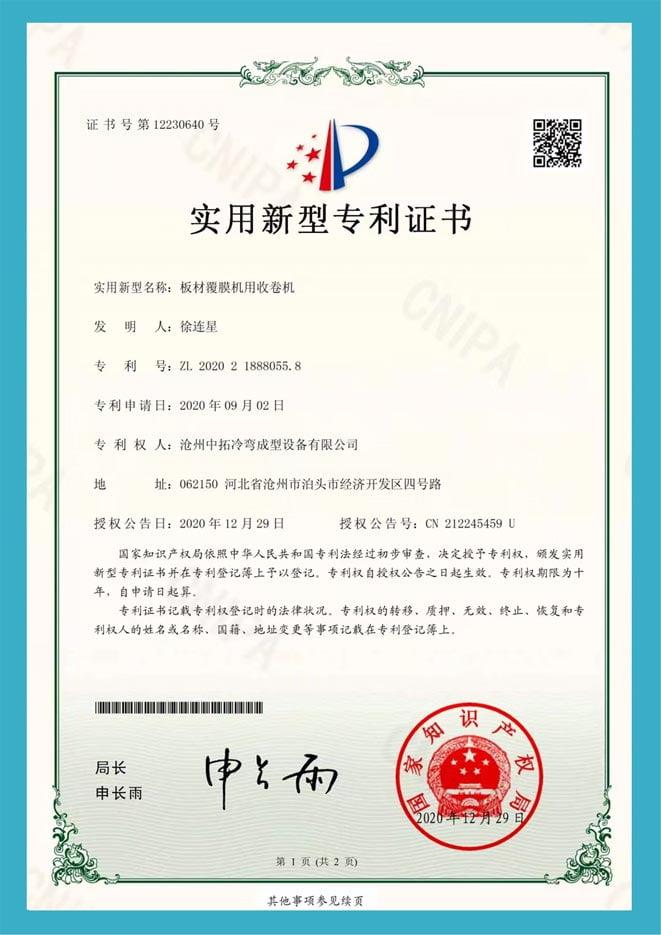

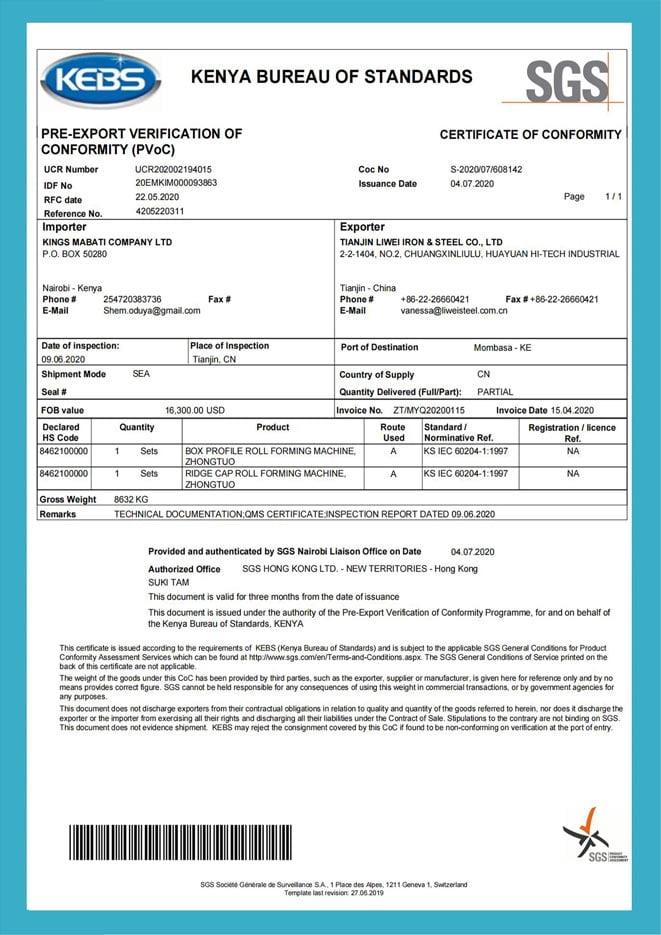
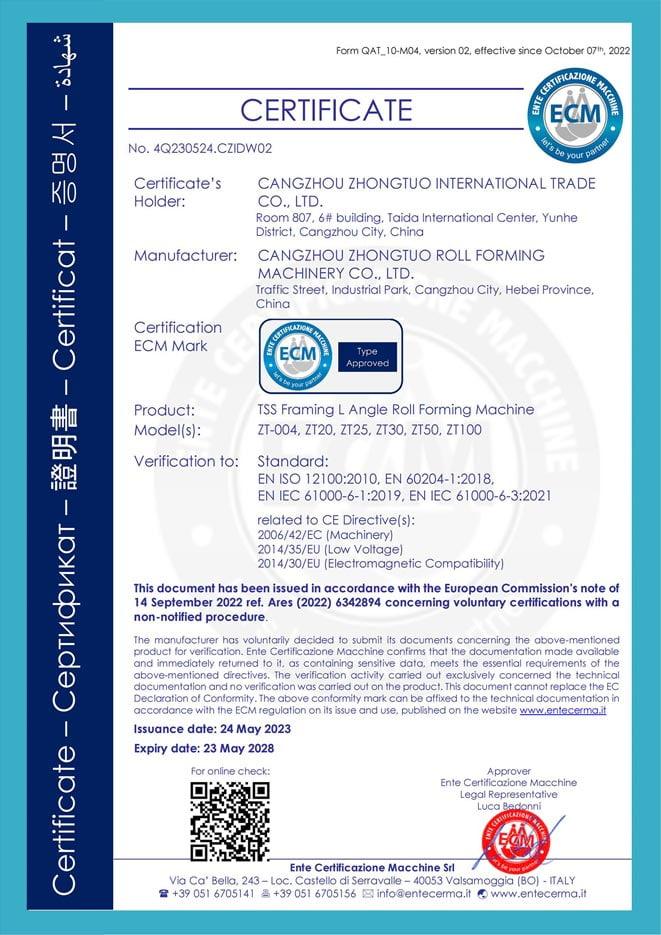
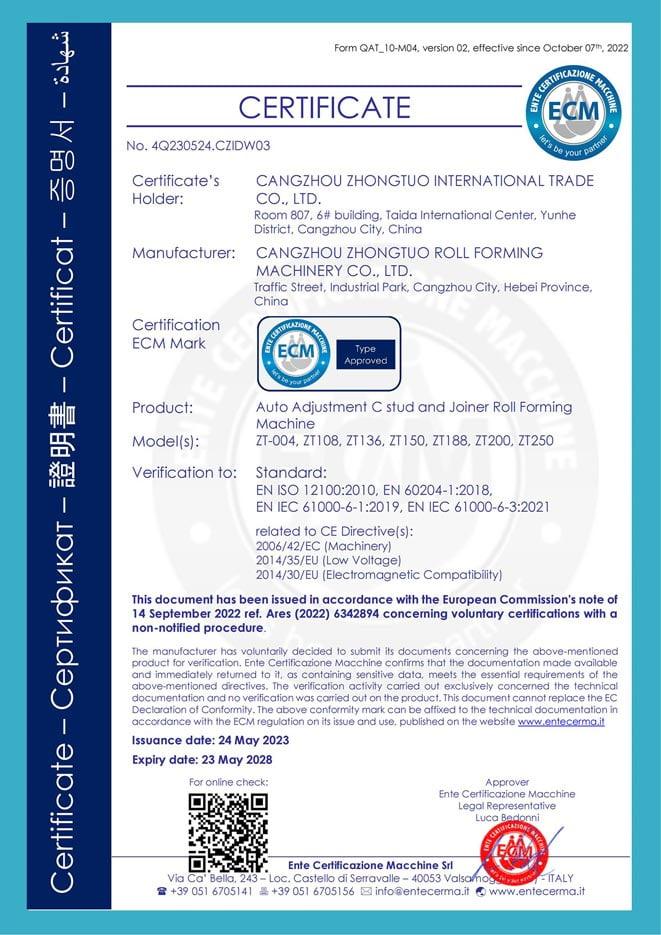
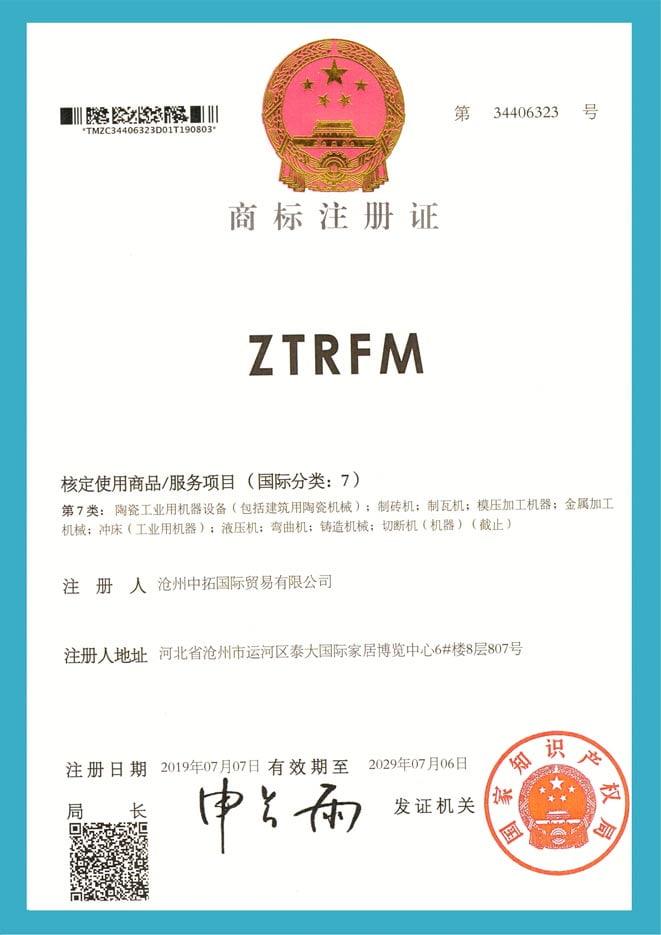
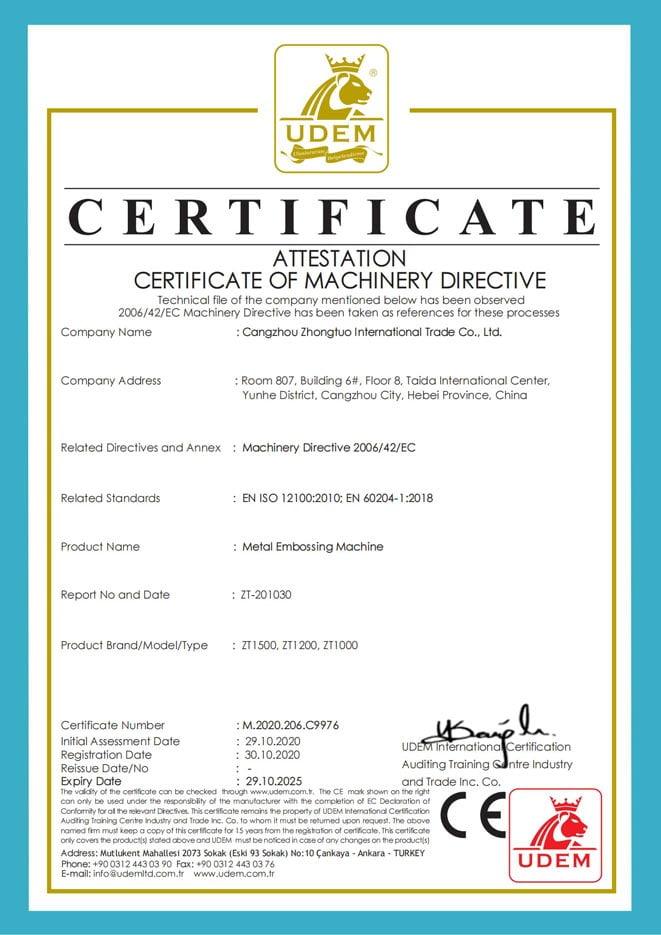
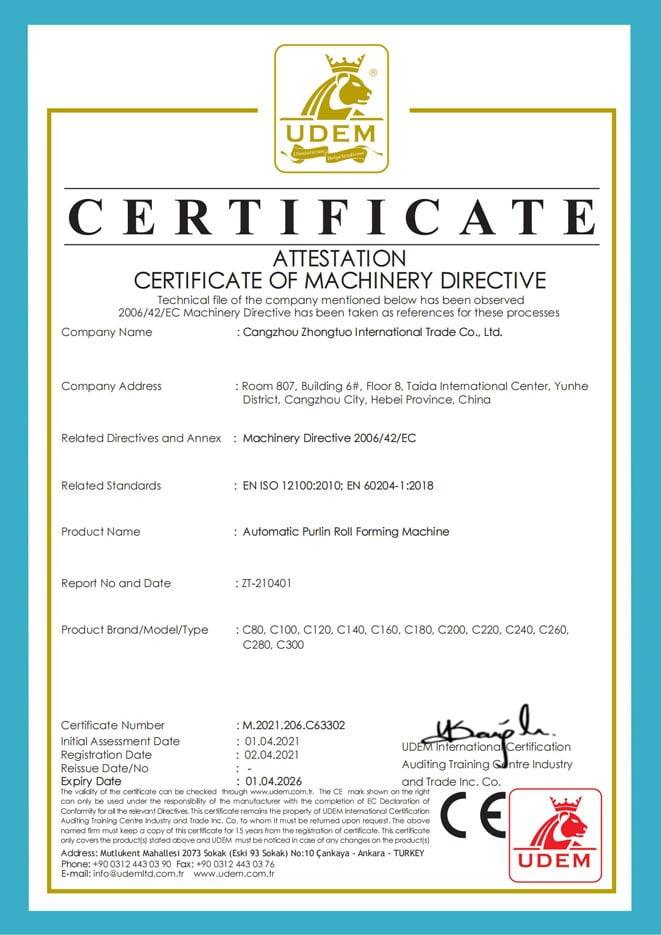
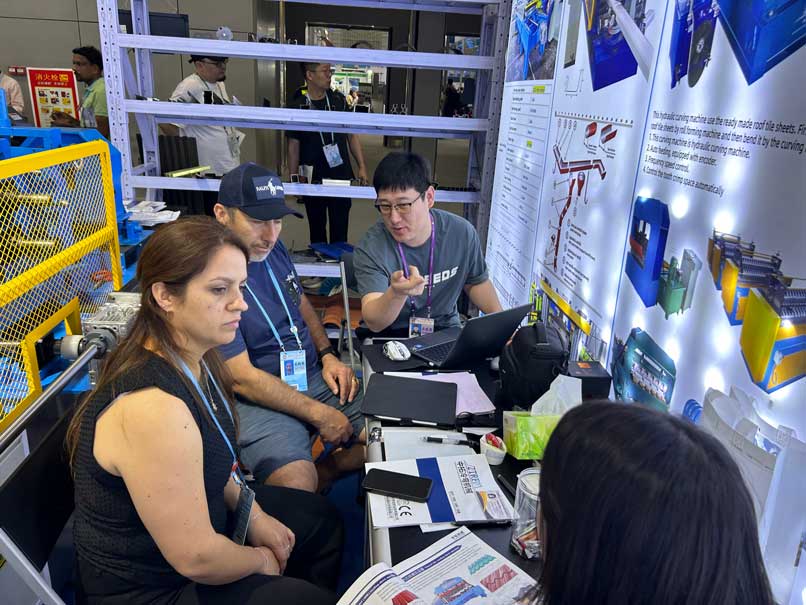
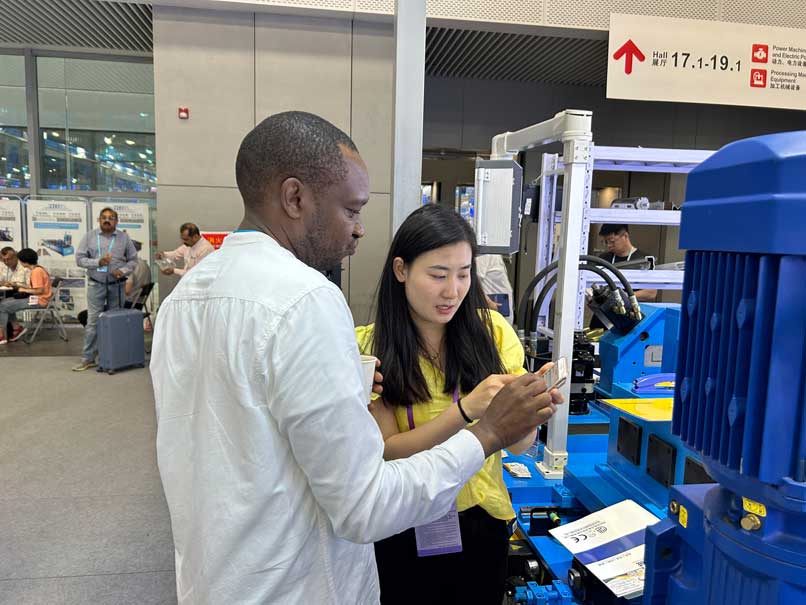
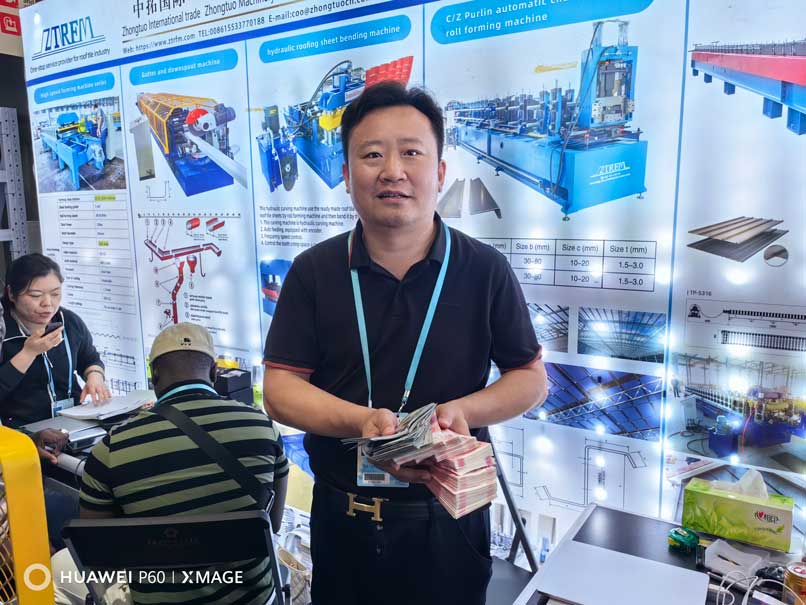
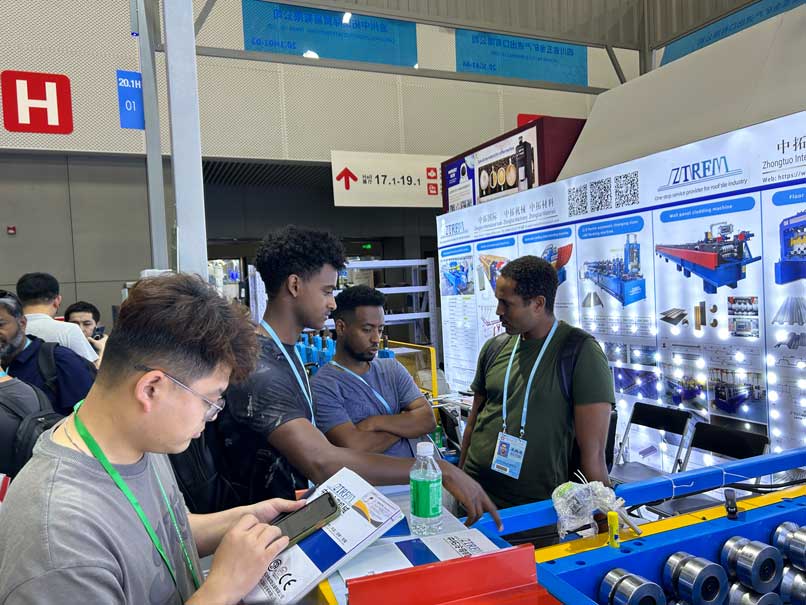
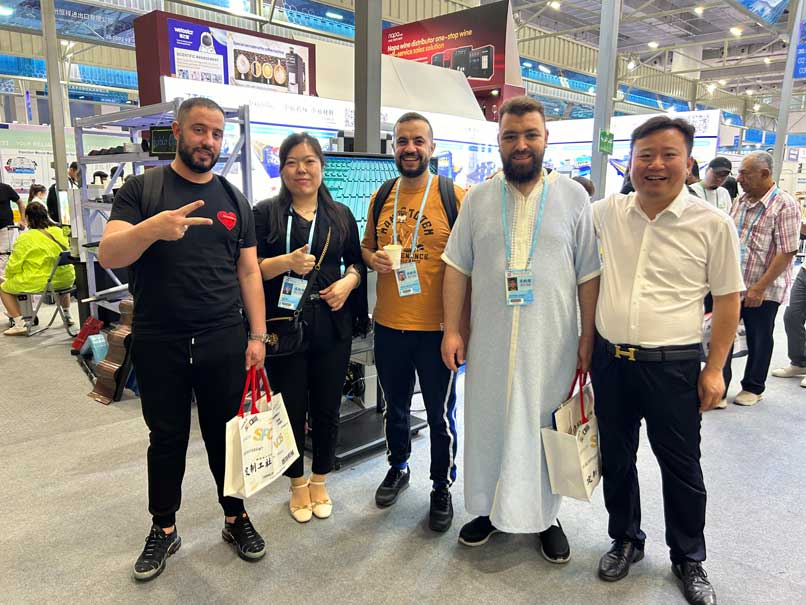
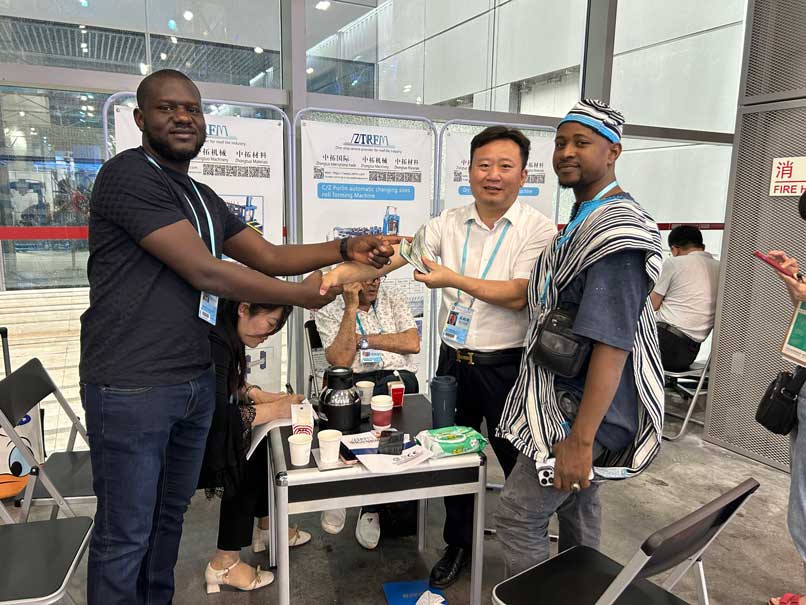
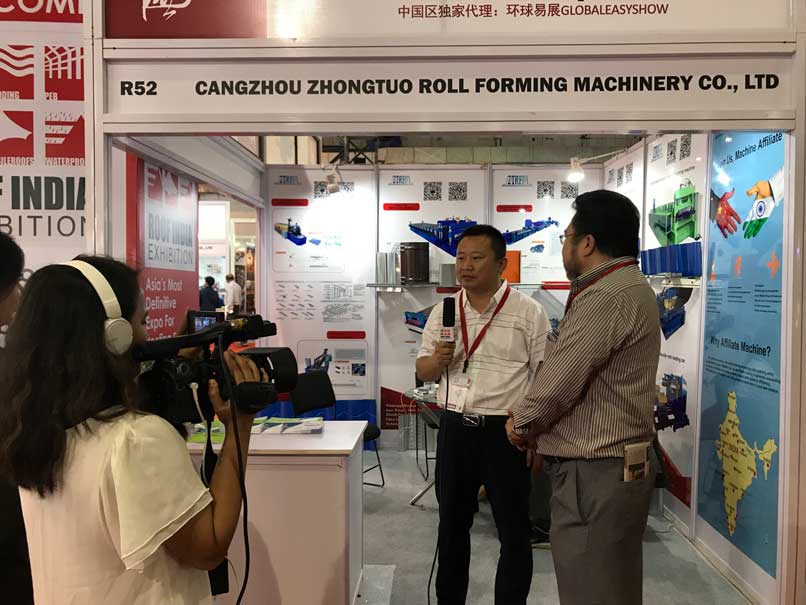
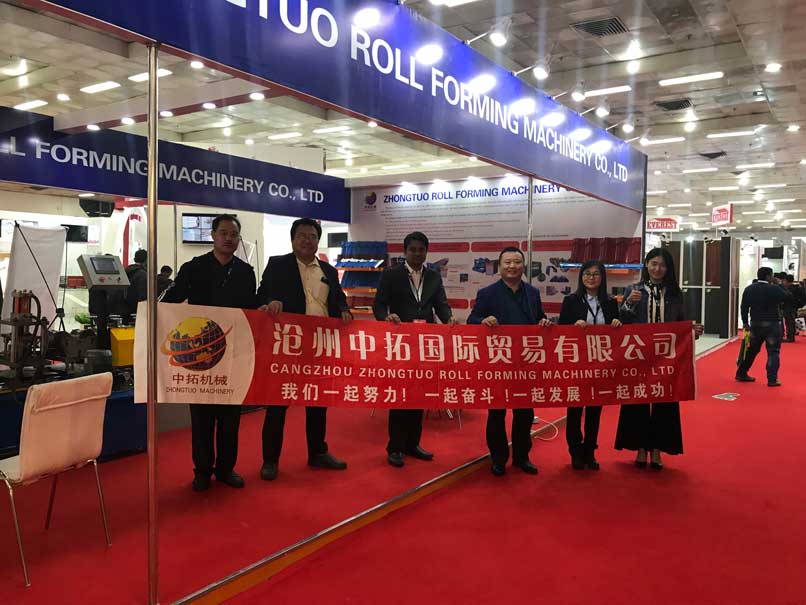
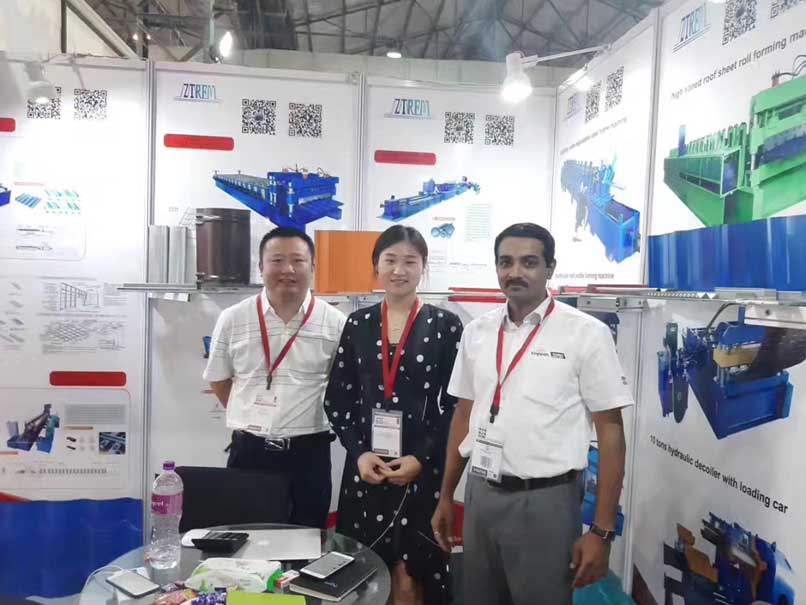
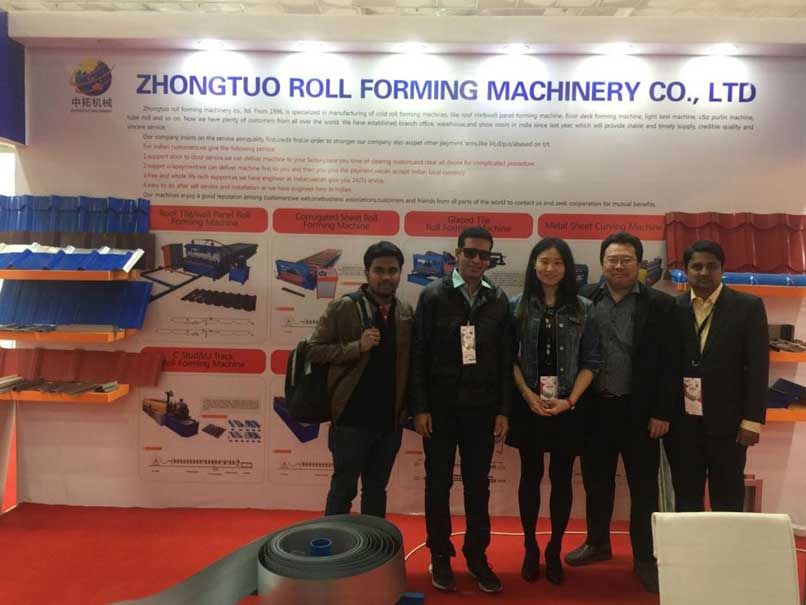
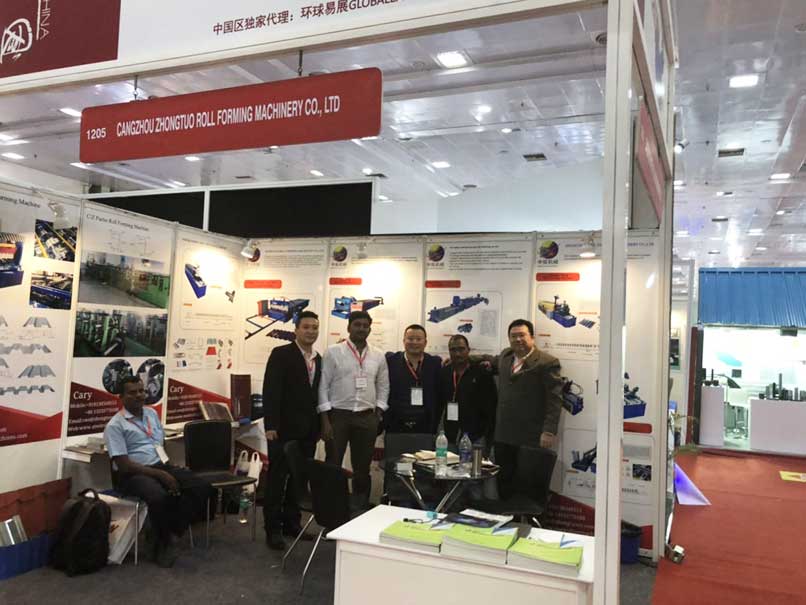
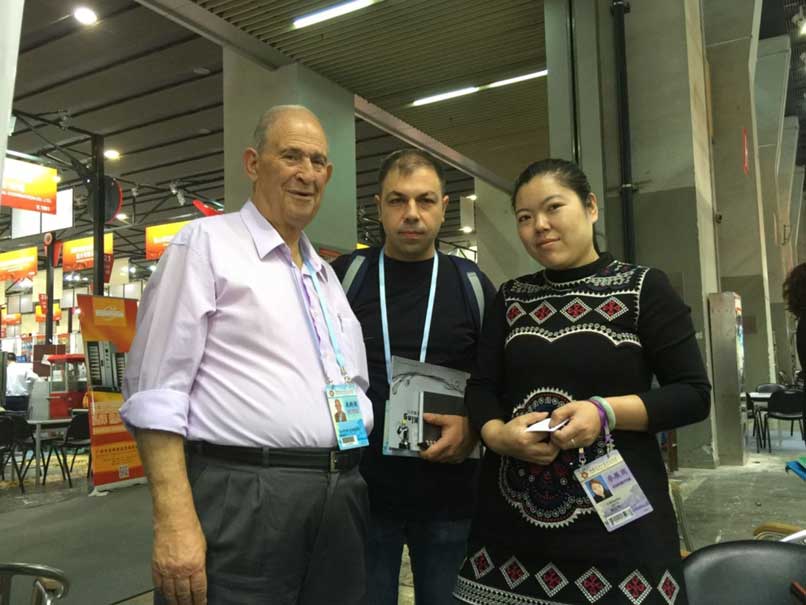
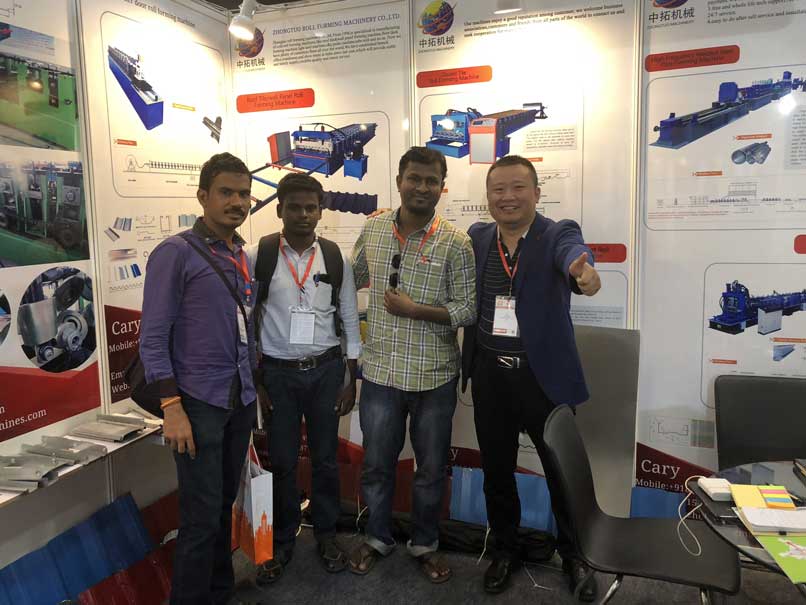
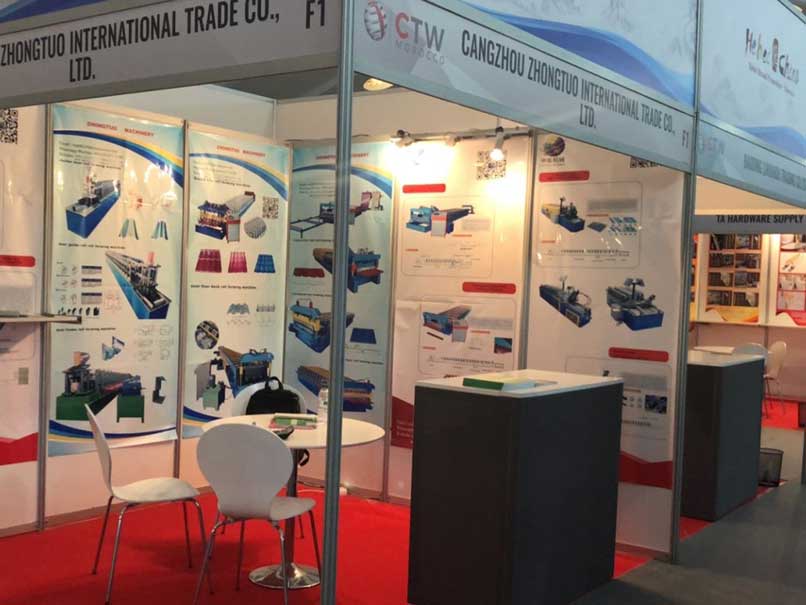
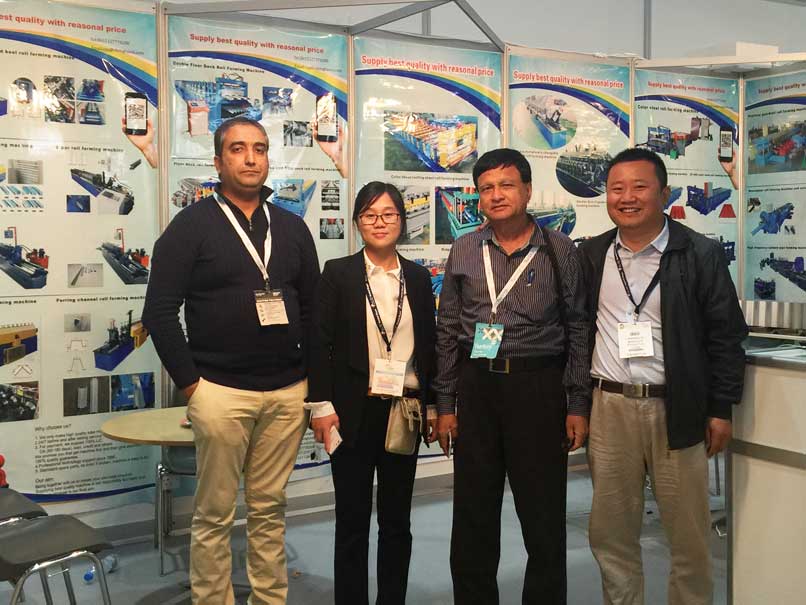
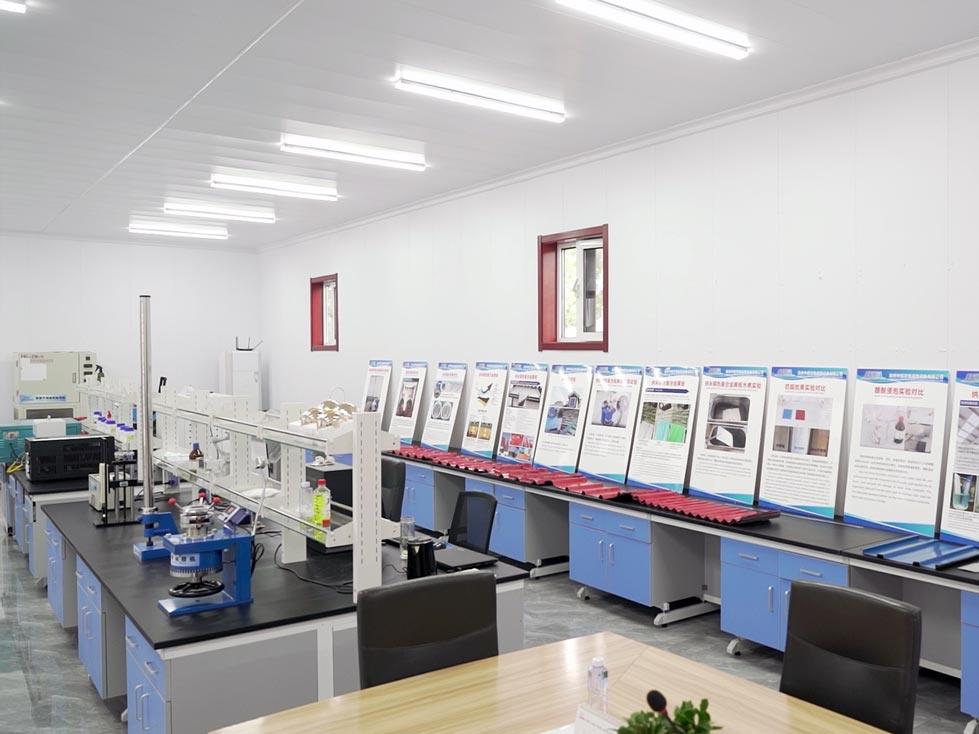
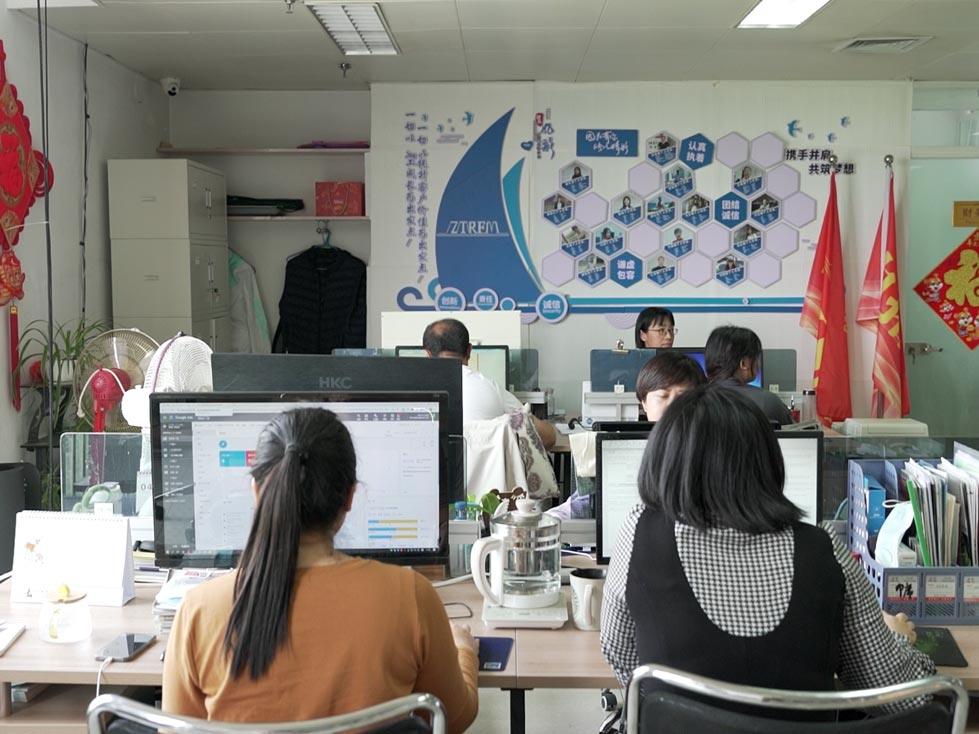
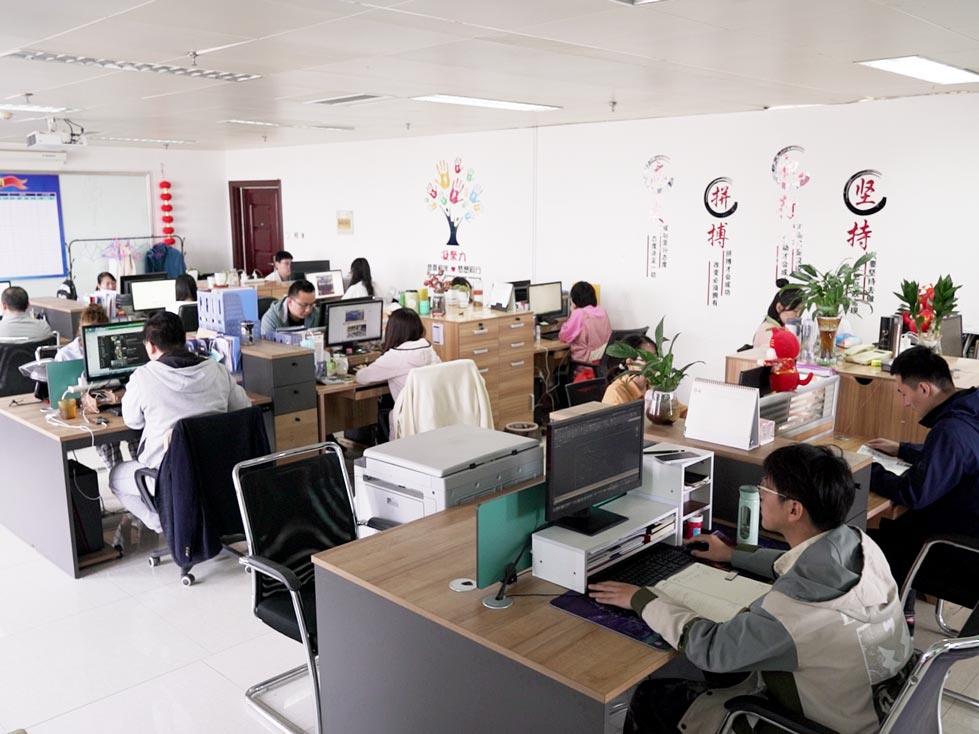
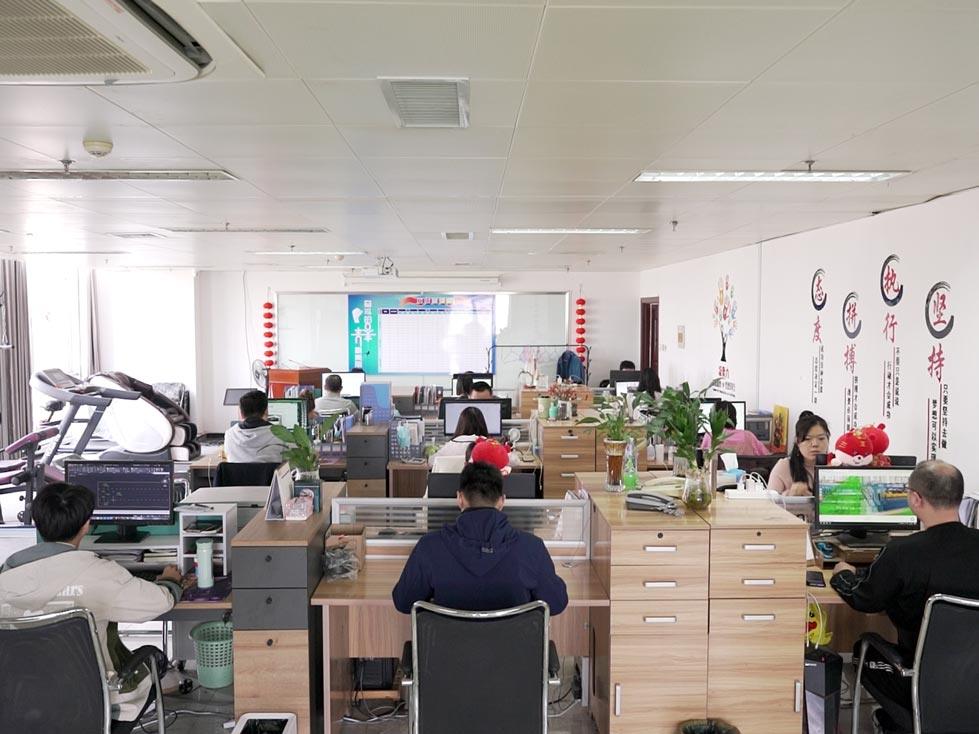
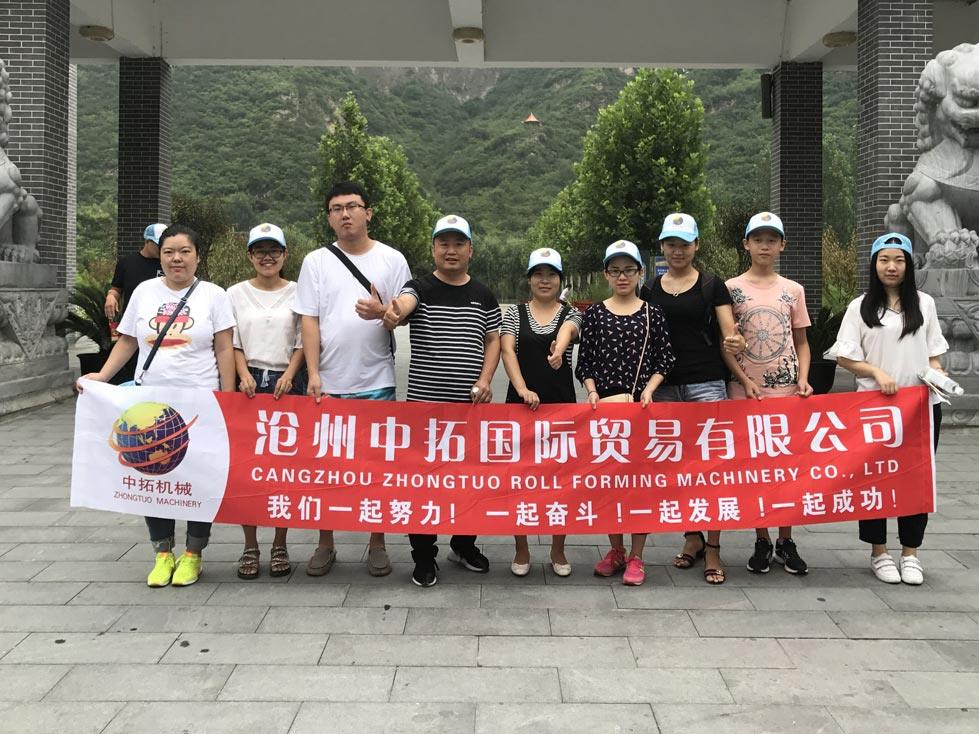
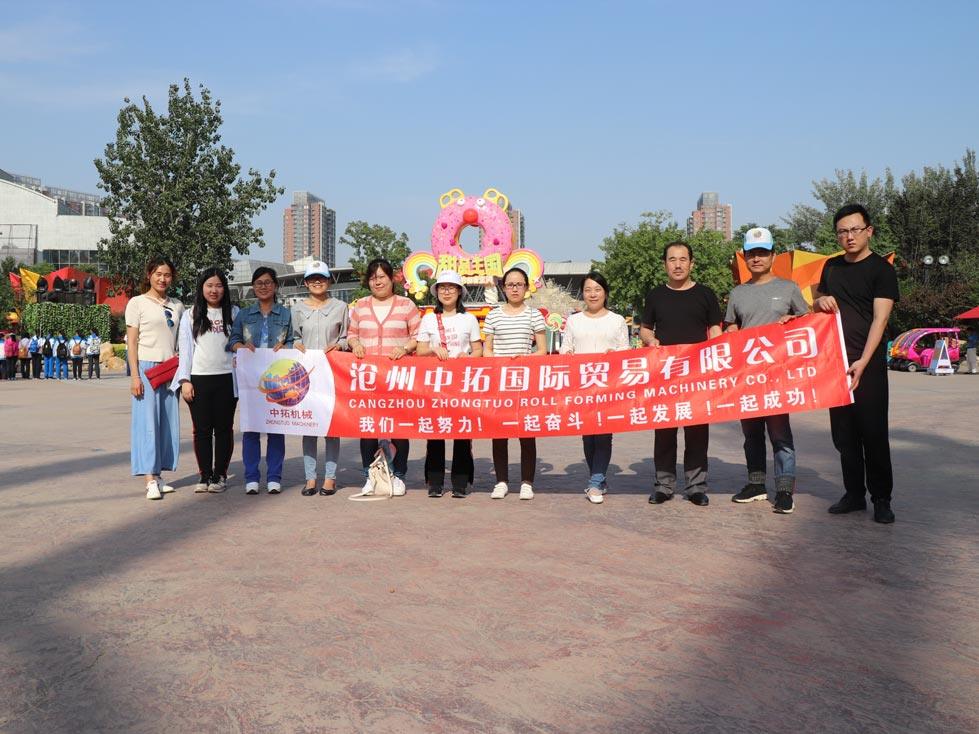
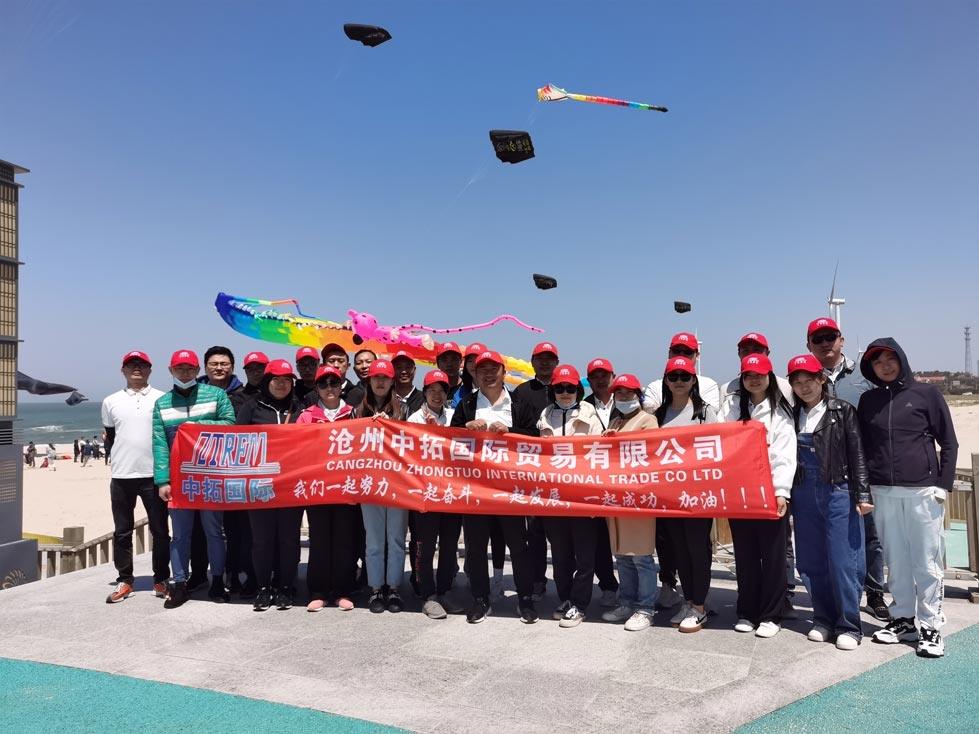
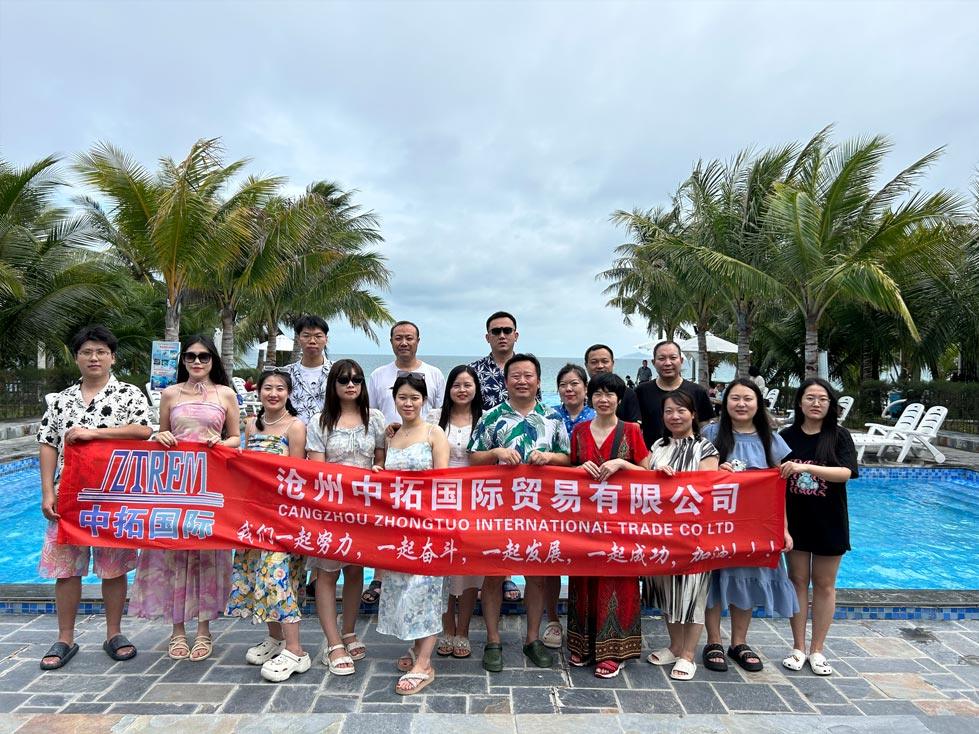
OEM/ODM e servizio di personalizzazione one-stop
Assistenza post-vendita completa
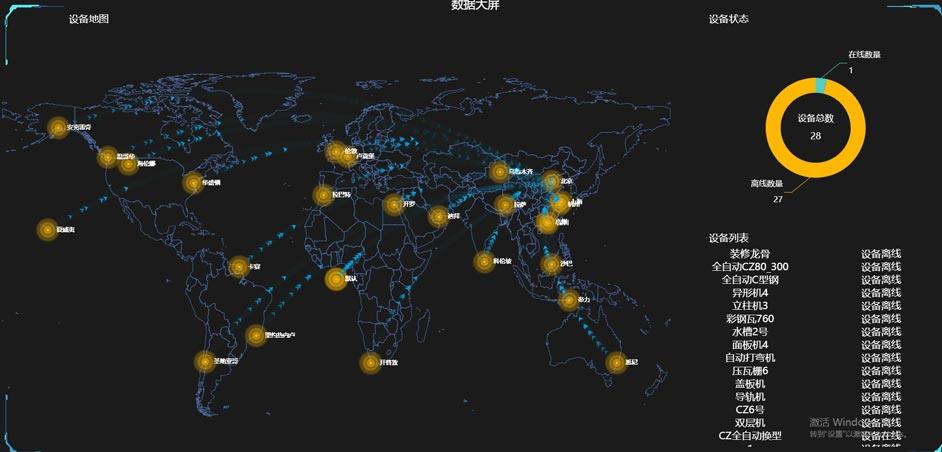
Fornire OEM、ODM
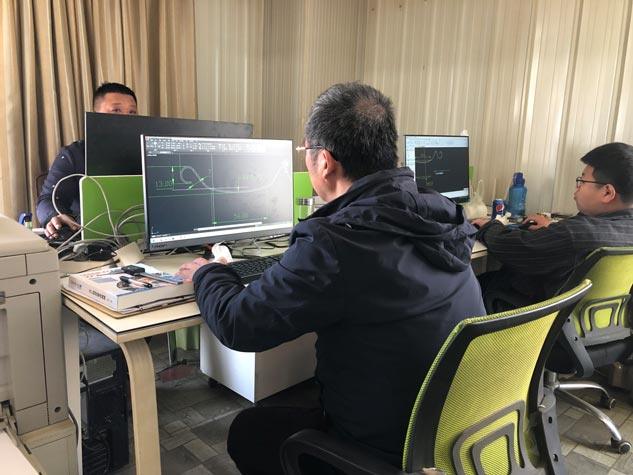
2.Progettazione tecnica: realizzazione di profili di disegno e disegno di macchine 3D
3.determinare la configurazione e la produzione
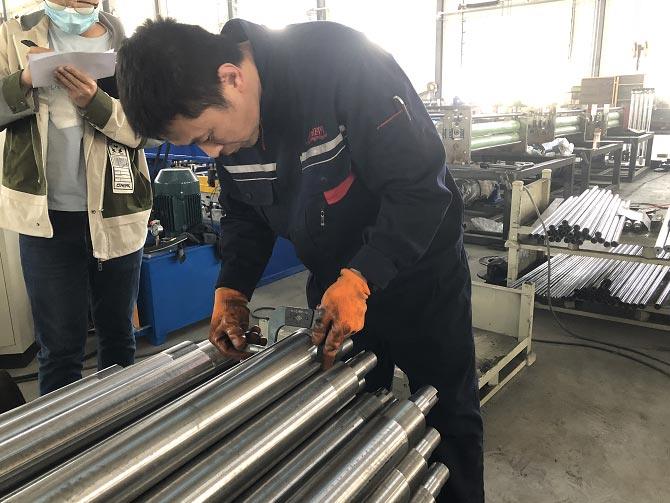
4.test prima della consegna
6.Guida tecnica
7.Servizio post-vendita: servizi di installazione per macchine complesse e visite periodiche ai clienti.
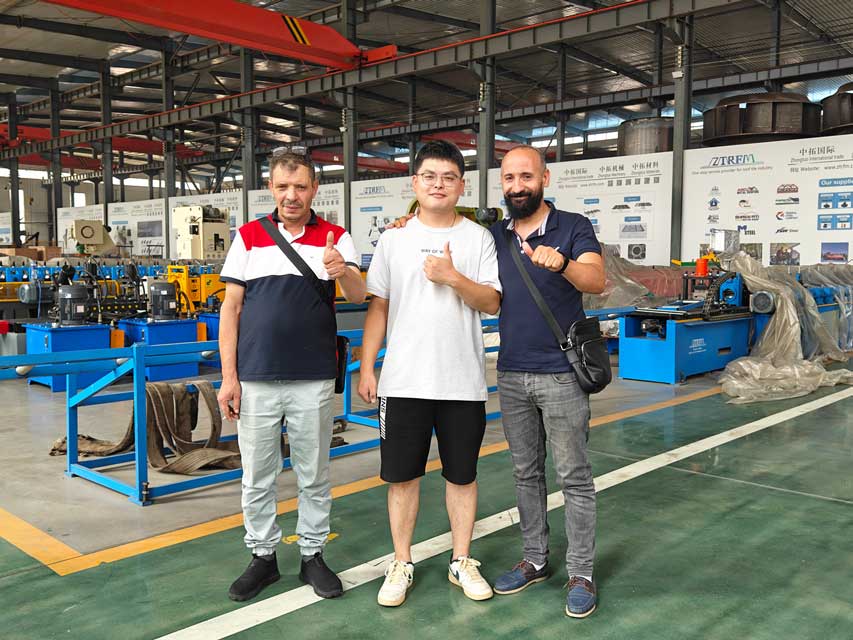
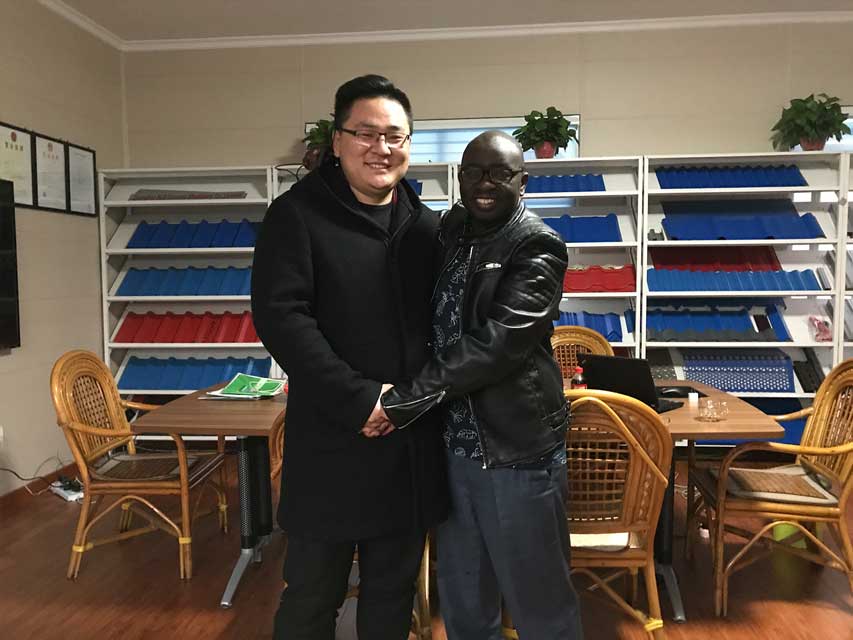
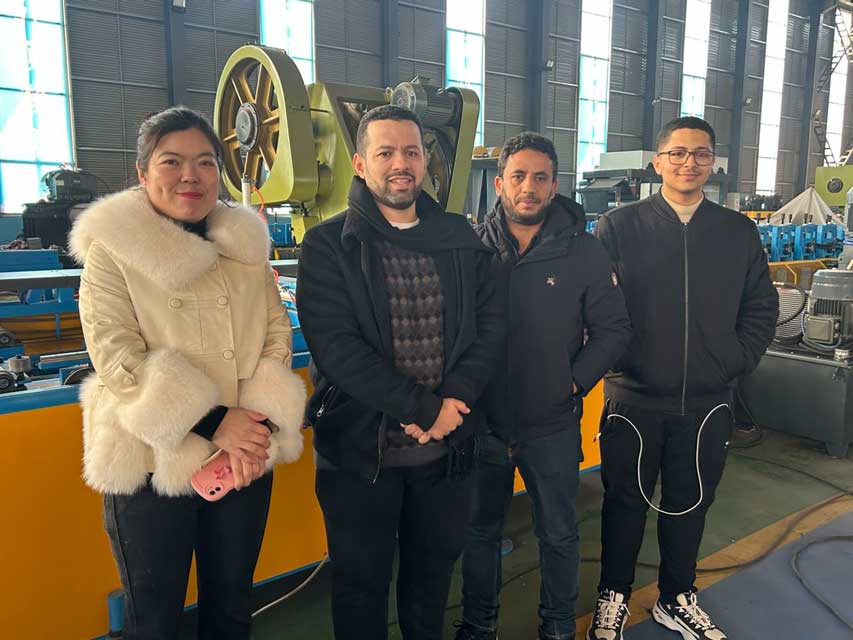
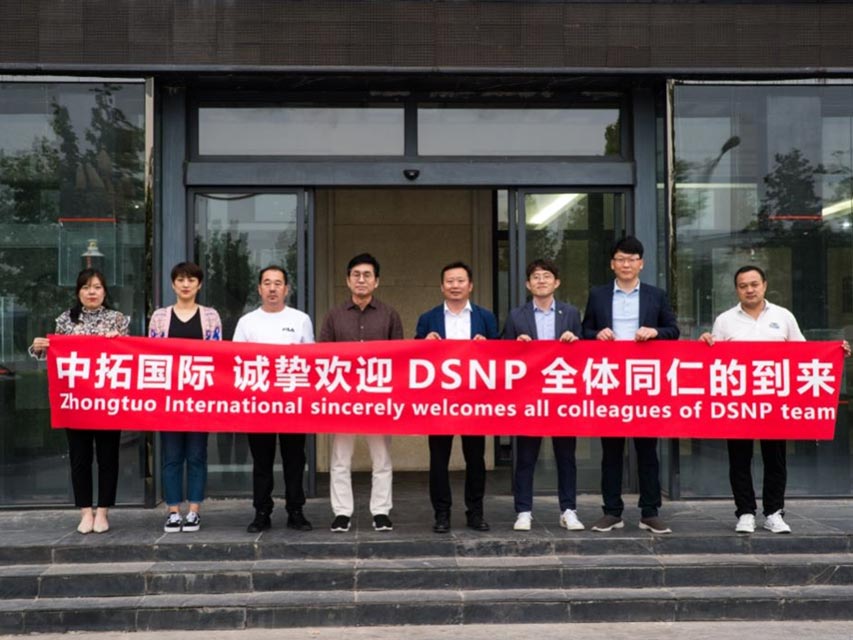
Affidato da oltre 95800 aziende
imprese di alta qualità. Grazie alla collaborazione con noi, hanno ricevuto
forte sostegno e ha ottenuto progressi e sviluppi commerciali.