Cambios tecnológicos y sistemas industriales, nos dedicamos a
Proporciona a Seds las mejores y más económicas soluciones a sus valiosos clientes.
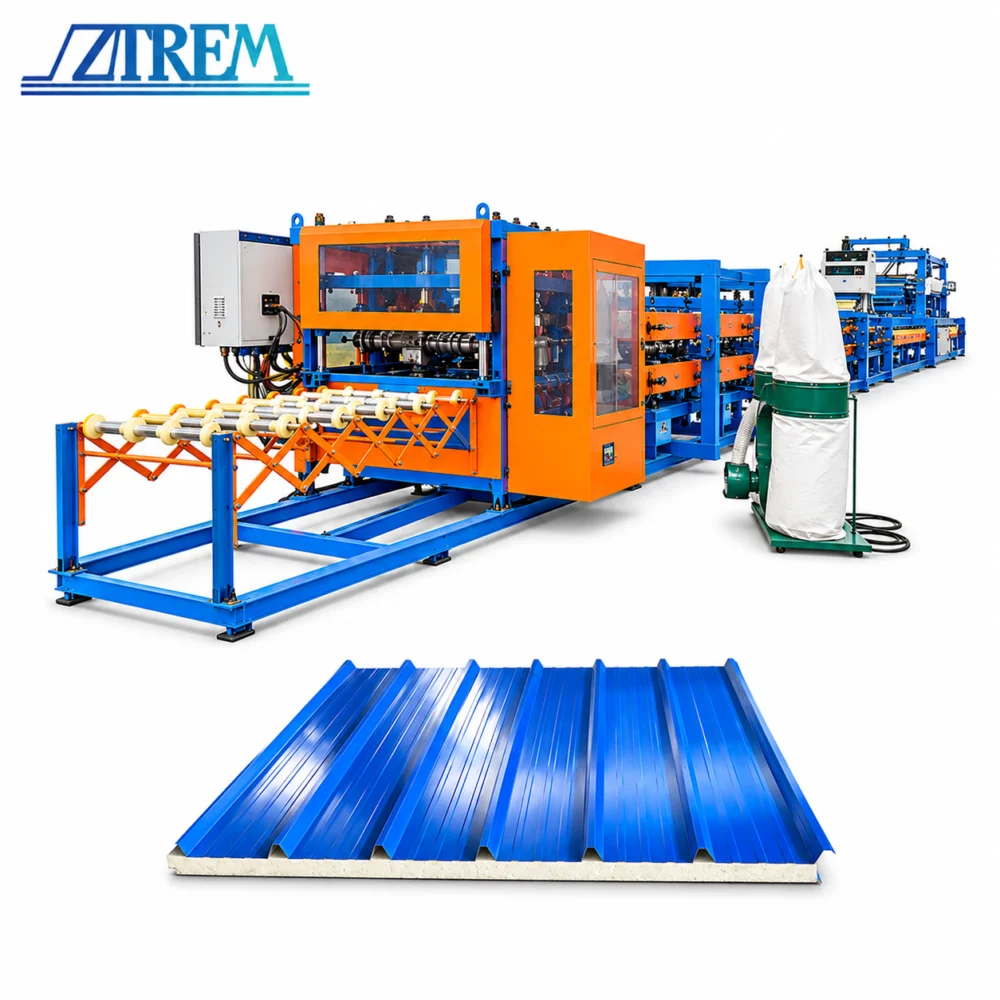
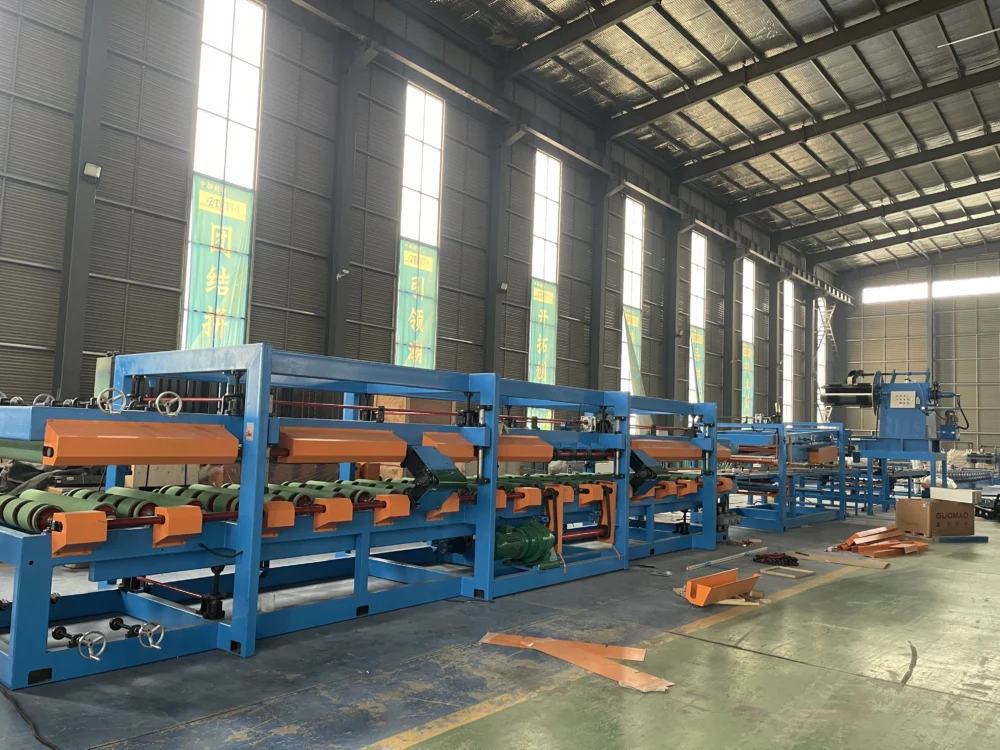
Composite Panel Roll Forming Machine:Automatic Sandwich Panel Production Line
diferentes tipos de maquinas perfiladoras en frio. Somos una fábrica con una larga historia, dedicada al diseño y fabricación de maquinas perfiladoras desde 2006. Las máquinas que podemos producir incluyen: máquina formadora de tejas, máquina formadora de correas cz, máquina formadora de quillas de acero ligero, máquina de estampado de metal, máquina formadora de sistemas de puertas, máquina formadora de sistemas de techos, máquina de soldadura de tuberías de alta frecuencia, línea de corte longitudinal, línea de corte a la medida, máquina formadora de sistemas de estantes, máquina formadora de cubiertas de piso, línea de producción de tejas de piedra de color, máquina laminadora en caliente, etc.
Composite Panel Roll Forming Machine | Automatic Sandwich Panel Production Line
A composite panel roll forming machine, also widely known as a sandwich panel production line, is a fully integrated automatic equipment for continuous manufacturing of insulated metal composite panels. It combines decoiling, roll forming, gluing, laminating, continuous pressing, fixed-length cutting and finished panel stacking in one workflow. For building material factories, prefab house manufacturers and insulated panel suppliers, this line delivers consistent thermal insulation, fire-resistant and high-strength roof and wall panels for global construction projects.
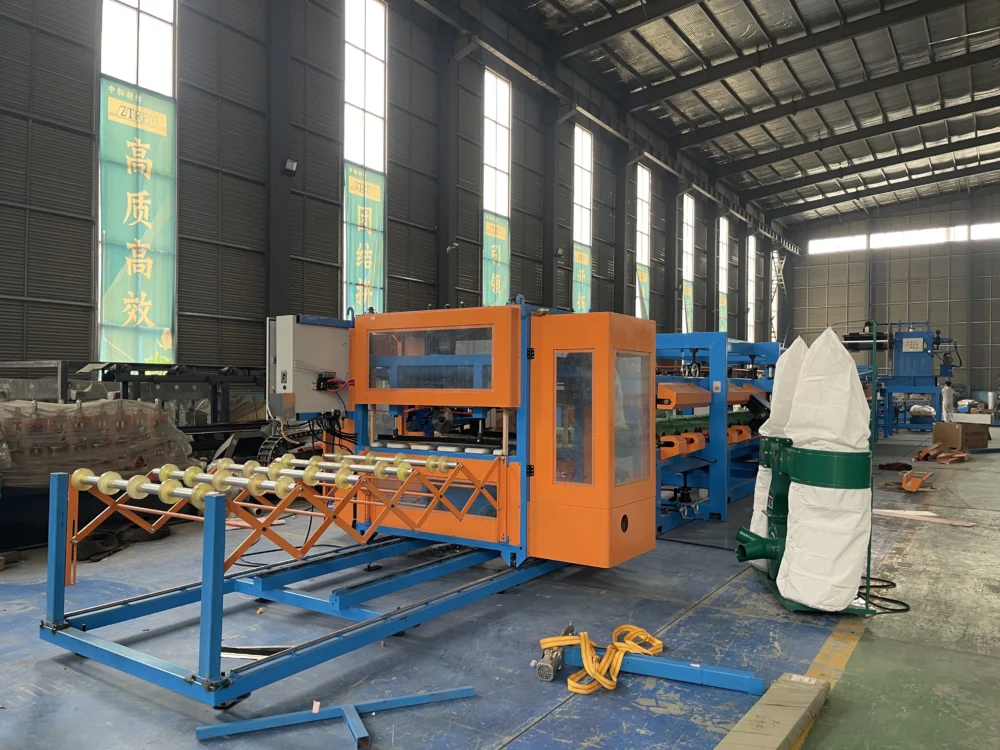
What Is a Composite Panel Roll Forming Machine?
A composite panel roll forming machine is a continuous automated production system that bonds two profiled metal skins with an insulation core material. The metal facings are normally color-coated steel, galvanized steel or aluminum coils. Common core options include EPS, rock wool, glass wool, PU and PIR foam, which decide the panel’s heat insulation, fire rating and sound insulation performance.
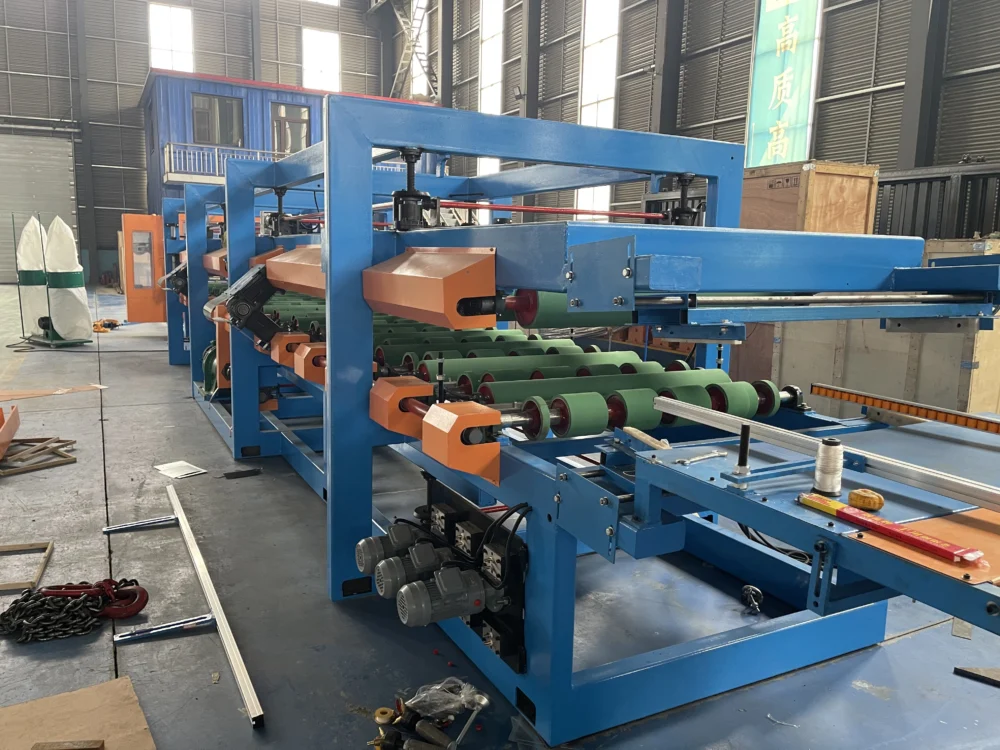
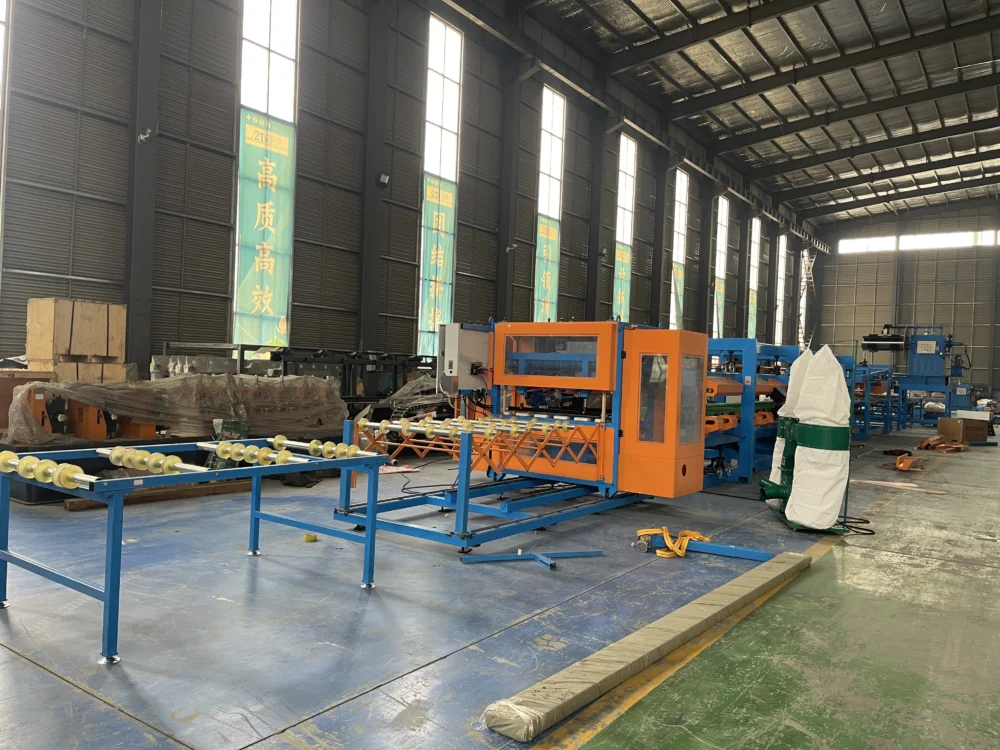
The complete line includes upper and lower decoilers, roll forming stations, glue spraying system, core material feeding rack, double-belt laminating press, curing section, hydraulic cutting unit, PLC control cabinet and automatic stacking table. Every section runs synchronously to avoid misalignment, uneven glue or loose bonding.
How the Composite Panel Production Line Works
The production starts with two steel coils loaded on separate decoilers for top and bottom sheets. The metal strips are fed into roll forming stands, where cold forming rollers bend the sheets into the required roof or wall profile, including side joints, tongue-and-groove or Z-lock structures.
The automatic glue system coats adhesive evenly on the inner side of both metal skins. Insulation core boards are fed between the two formed sheets, then the whole assembly enters the double-belt laminator. Constant pressure and stable conveying ensure tight, uniform bonding across the full panel width. After short curing, the composite panel moves forward and is cut to the preset length by the hydraulic cutter. Finished panels are then conveyed to the stacking table for collection and packing.
All speed, length, quantity and glue ratio parameters are synchronized by the PLC system, so the whole line runs continuously with minimal manual operation.
Principales características y ventajas
Stable Profile Accuracy & Perfect Seam Matching
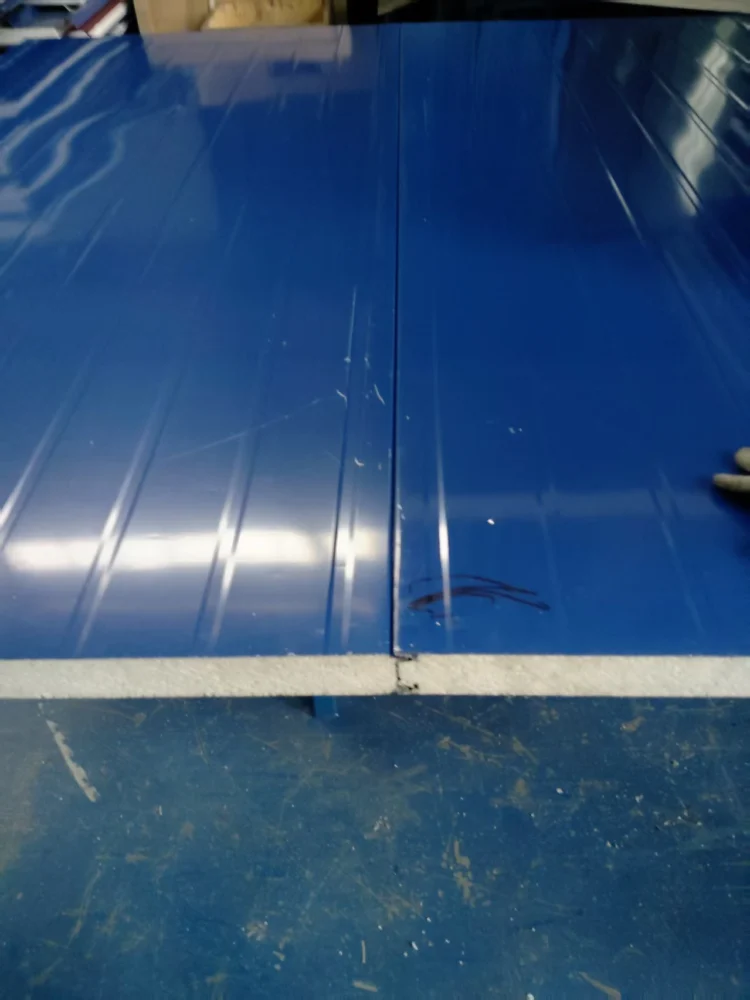
Hardened, CNC-machined forming rollers keep the panel profile consistent. Precision side-lap and interlock design ensures panels lock tightly during on-site installation, reducing heat leakage and water penetration. Uniform panel thickness eliminates gaps caused by uneven pressing.
Full Automatic Synchronized Control
The touch-screen PLC control system stores different panel recipes. Operators can set panel length, production speed and batch count quickly. Synchronized speed matching between forming, gluing and pressing sections prevents core material shifting and glue overflow. Fault alarms help operators locate feeding or pressure issues at once, lowering downtime.
Flexible Core Material Compatibility
One production line can be configured for multiple core materials to meet different market codes: EPS for low-cost thermal insulation, rock wool and glass wool for fire-rated projects, PU/PIR for cold storage and high insulation requirements. Roof and wall panel profiles can be swapped by changing roller tooling.
High Bond Strength & Long Service Life of Finished Panels
Continuous double-belt pressing provides even pressure distribution. The controlled gluing system applies adhesive at a stable ratio, avoiding weak bonding or glue waste. Finished composite panels show stable thermal performance, good weather resistance and long service life for exterior building enclosures.
High Continuous Output & Low Labor Cost
Compared with semi-automatic or manual composite processes, this integrated line runs nonstop for mass orders. Only 1–2 workers are needed for supervision and material feeding. Stable cycle speed helps manufacturers shorten lead times and win large prefab, warehouse and cold room projects.
Durable Frame Structure & Easy Maintenance
Heavy welded main frame absorbs long-term running load. Rollers and shafts go through heat treatment for wear resistance. Lubrication points, cutter blades and glue nozzle parts are designed for easy inspection and replacement. We provide complete electric diagrams, operation manuals and spare parts list for overseas customers.
Common Composite Panel Types Produced
- EPS sandwich panels: low thermal conductivity, lightweight, widely used for prefab houses, workshops and temporary buildings
- Rock wool / glass wool sandwich panels: fireproof grade A, ideal for factories, clean rooms and public buildings with strict fire codes
- PU / PIR insulated panels: ultra-low heat transfer, preferred for cold storage, freezer rooms and temperature-controlled warehouses
- Wall composite panels: flat or micro-rib surface, simple interlock for exterior wall cladding
- Roof composite panels: with anti-water capillary groove and overlapped profile for waterproof roofing systems
Main Applications of Composite Sandwich Panels
Finished composite panels are the core enclosure material for energy-efficient buildings. Typical applications include industrial workshops, logistics warehouses, cold storage and freezer projects, clean rooms, prefabricated container houses, modular accommodation, shopping malls, agricultural sheds and renovation insulation projects. Their lightweight characteristic cuts foundation cost and greatly speeds up on-site installation compared with traditional brick and concrete walls.
Customization Options for Your Production Line
We tailor the composite panel roll forming line according to local market standards and workshop conditions:
- Custom roof or wall profile roller tooling
- Adjustable panel thickness range (50mm, 75mm, 100mm, 150mm, 200mm etc.)
- Suitable metal skin thickness and coil width
- Glue system for EPS/rock wool or high-pressure PU foaming system
- Voltage configuration for different countries
- Automatic stacking, film wrapping and edge trimming add-ons
- Language setting of PLC touch screen, overseas installation and training service
What to Check Before Buying a Composite Panel Machine
When comparing sandwich panel lines, do not only focus on maximum speed. Critical quality points include frame rigidity, roller material and heat treatment, laminator belt quality, glue metering precision, hydraulic cutting stability, brand of electric components, synchronous control logic and after-sales support.
Before sending an inquiry, prepare your target panel drawing, core material type, panel thickness, metal skin material and thickness, required daily output and local power supply. These details help us quote a matched configuration instead of a generic model.
Why Choose Our Composite Panel Roll Forming Machine
Our composite panel production line is designed for overseas panel manufacturers chasing stable quality and low failure rate. Every line is tested and inspected before shipment. We confirm profile drawings, material requirements and site layout in advance.
From decoiling to finished stacking, the whole system keeps synchronized operation. We supply technical documents, remote troubleshooting and optional on-site commissioning. Spare parts support is available for long-term stable production.
Frequently Asked Questions
Can one machine make both roof and wall sandwich panels?
Yes. The base line can be fitted with different roller sets for roof profiles and wall profiles. If frequent switching is needed, we optimize the tooling changeover structure during design.
What is the difference between EPS rock wool line and PU foam sandwich line?
EPS and rock wool lines use pre-made core boards and glue lamination. PU/PIR lines adopt high-pressure foaming injection, where raw materials foam and cure inside the laminator. They are two different structures and cannot be converted without major modification.
What information do I need to get an accurate quotation?
Panel profile drawing, core material (EPS/rock wool/PU), panel thickness, steel skin thickness, required production speed, local voltage and workshop length available.
How is the machine packed for sea shipment?
Main frames, control cabinets and spare parts are packed with waterproof wrapping and fumigated wooden cases, suitable for long ocean transport. Packing list and shipping marks can follow your requirements.
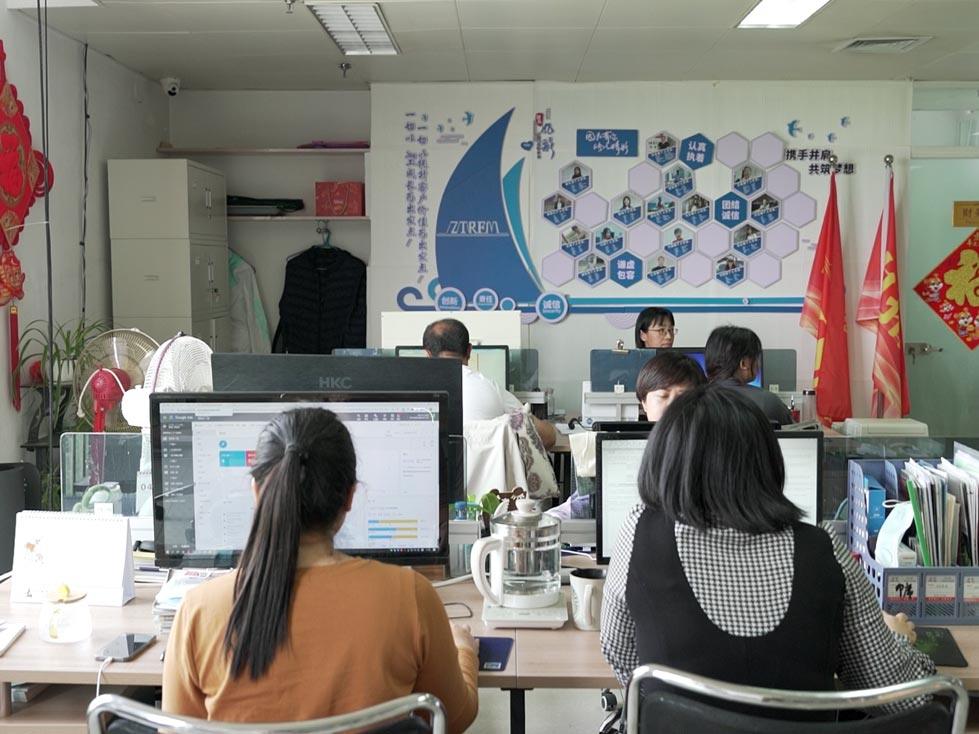
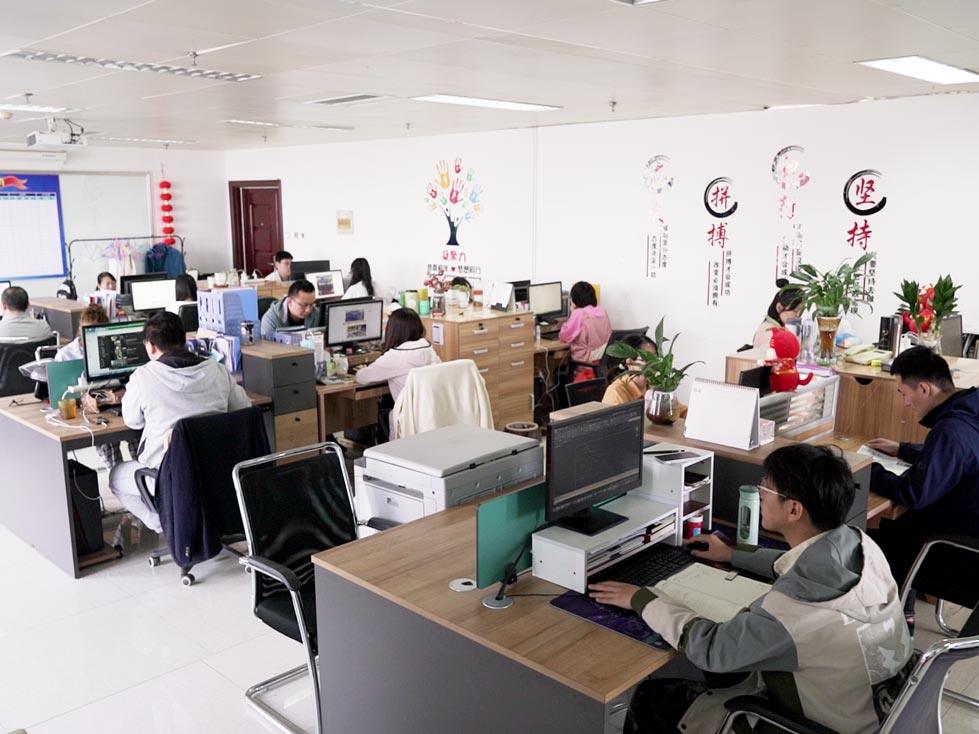
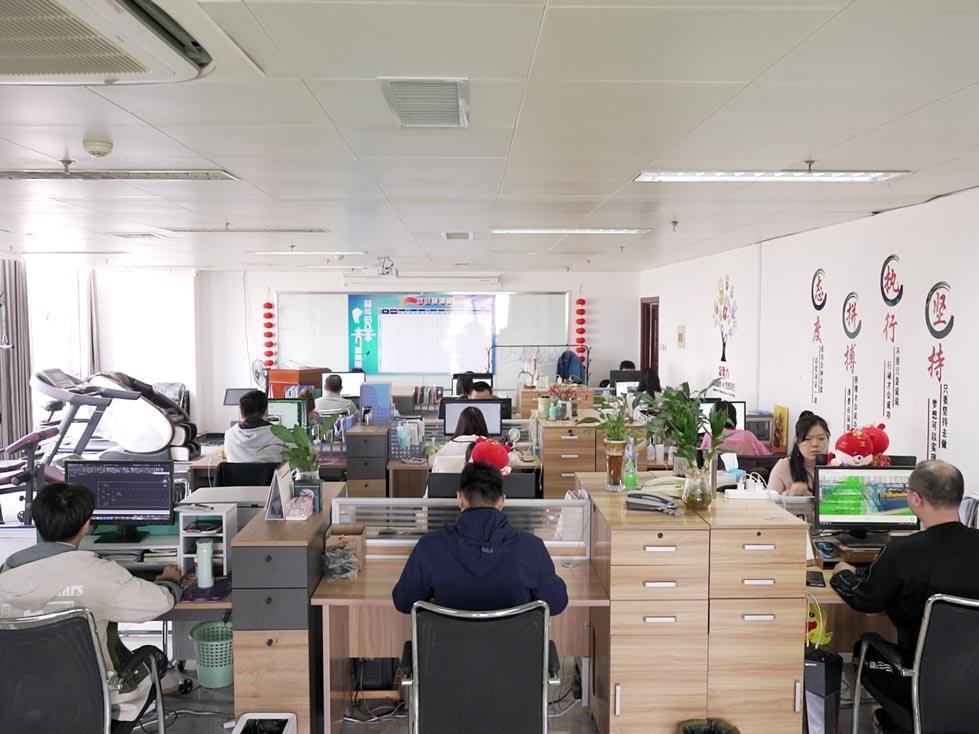
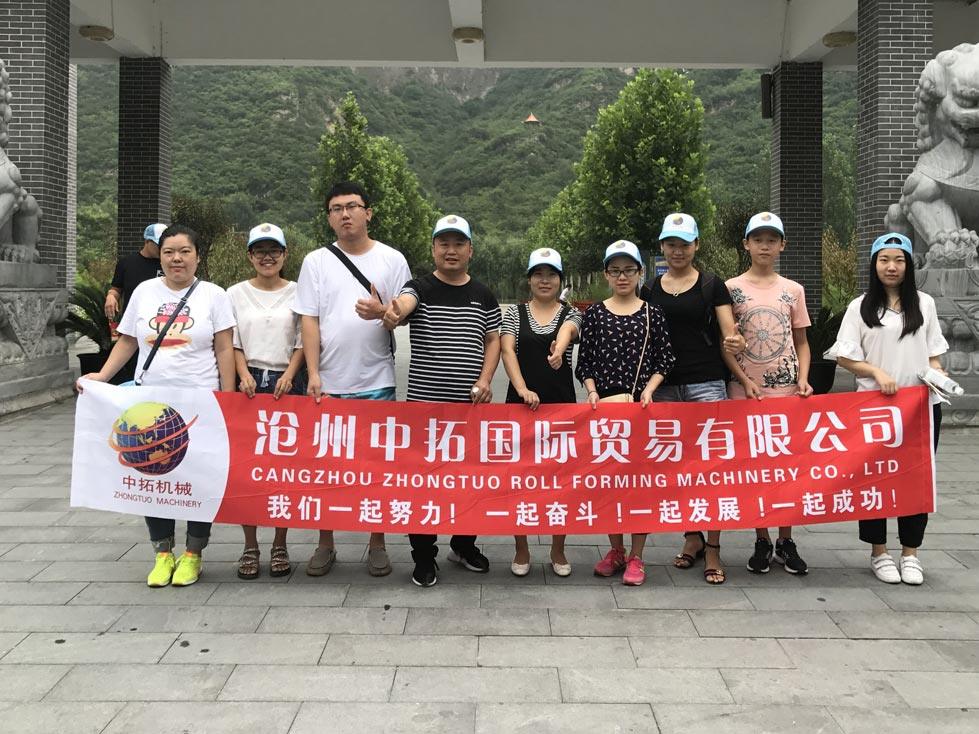
¿Por qué elegirnos?
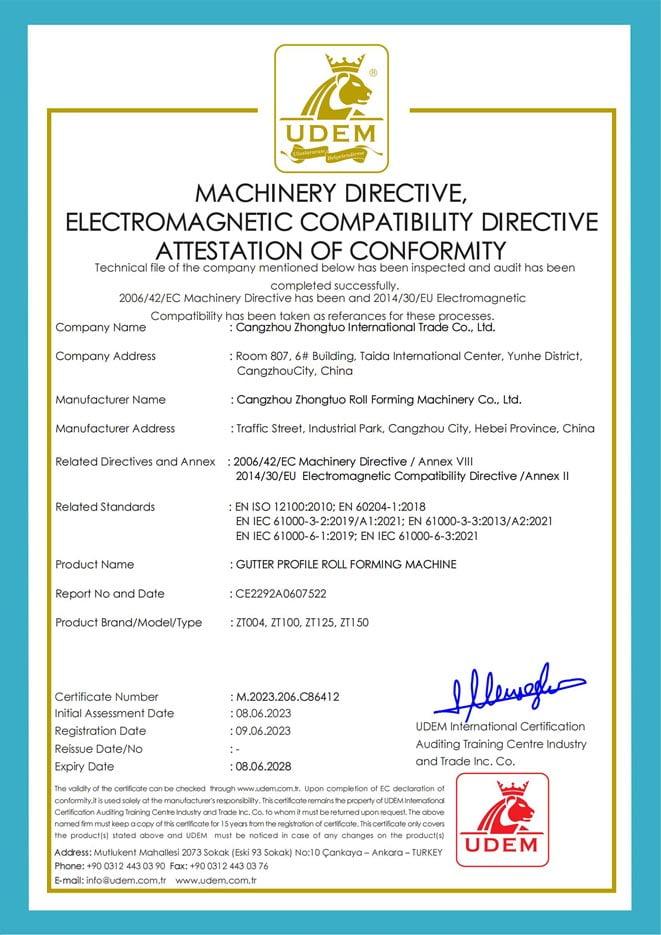
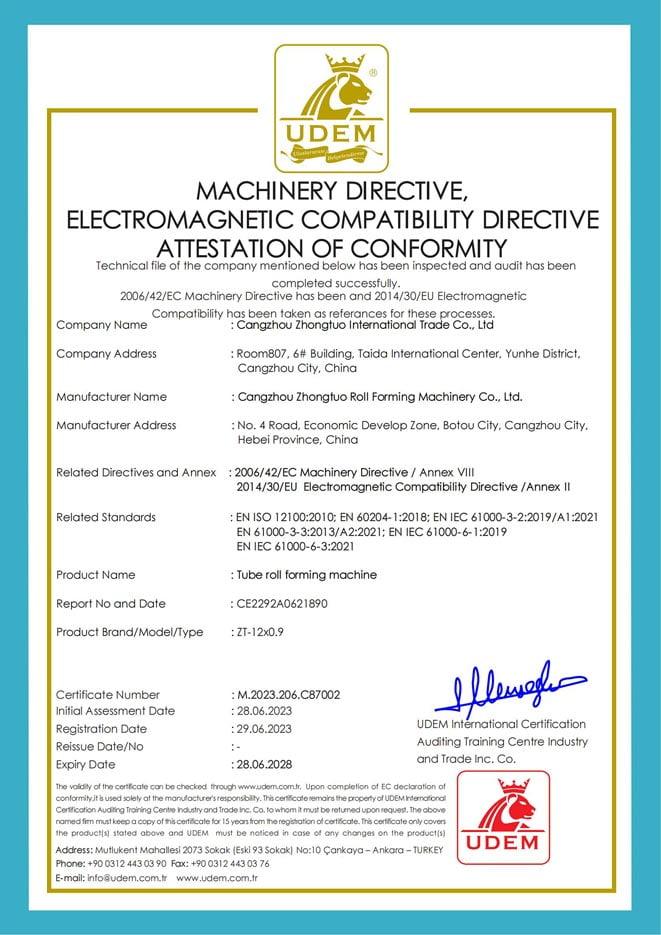
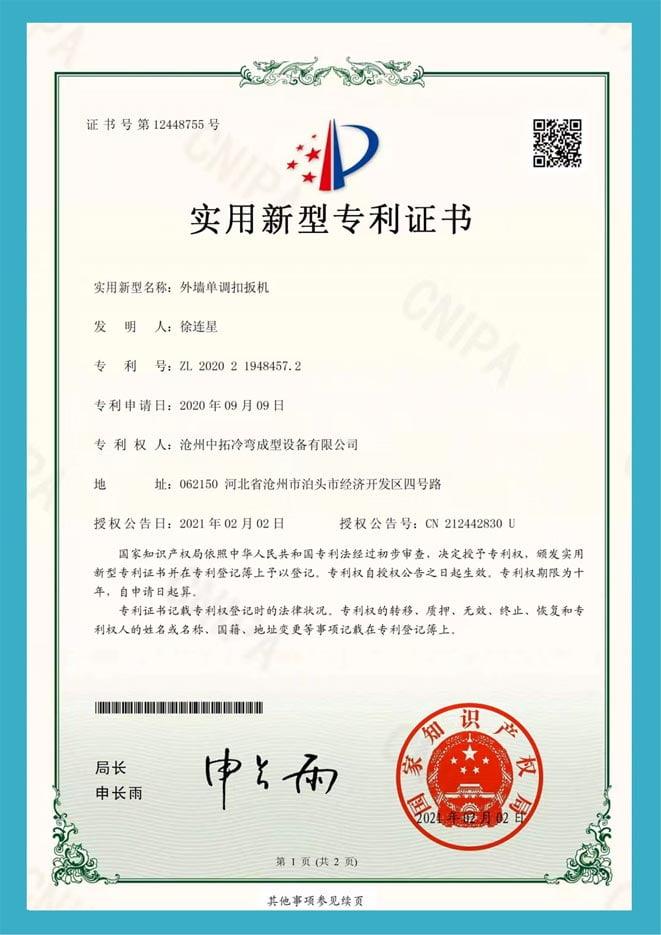
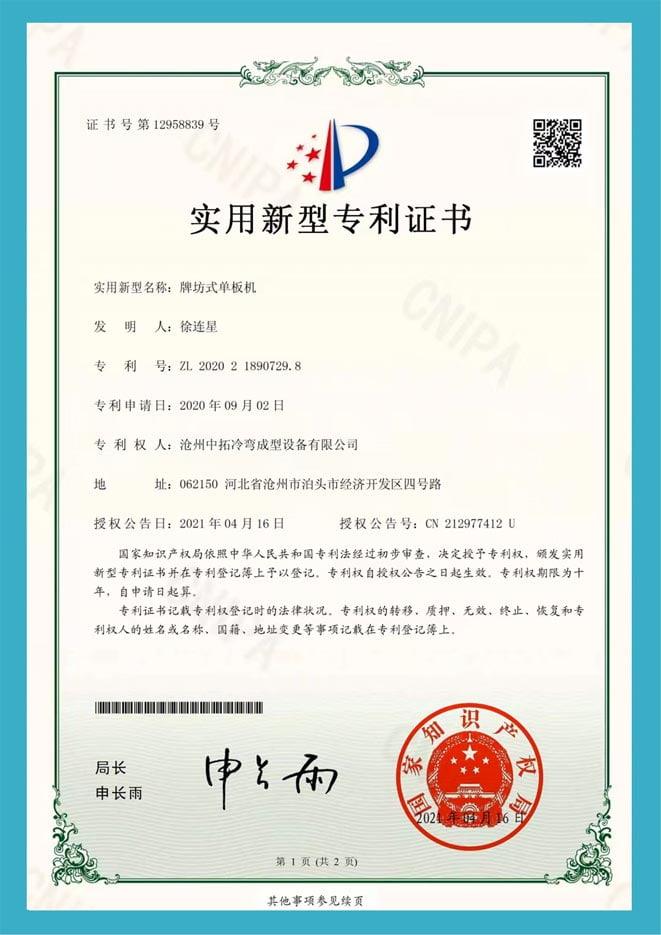
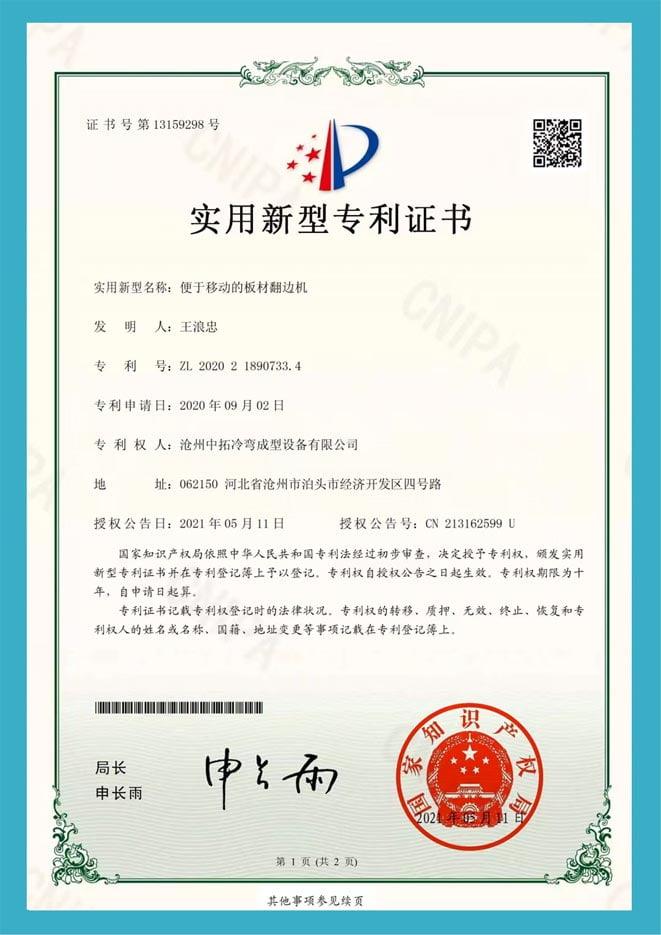
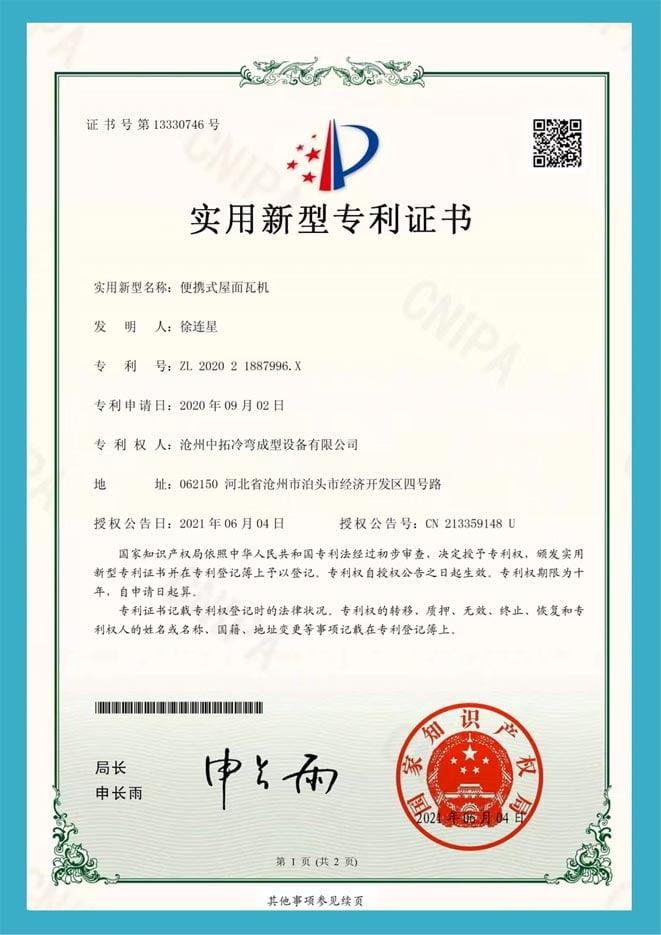
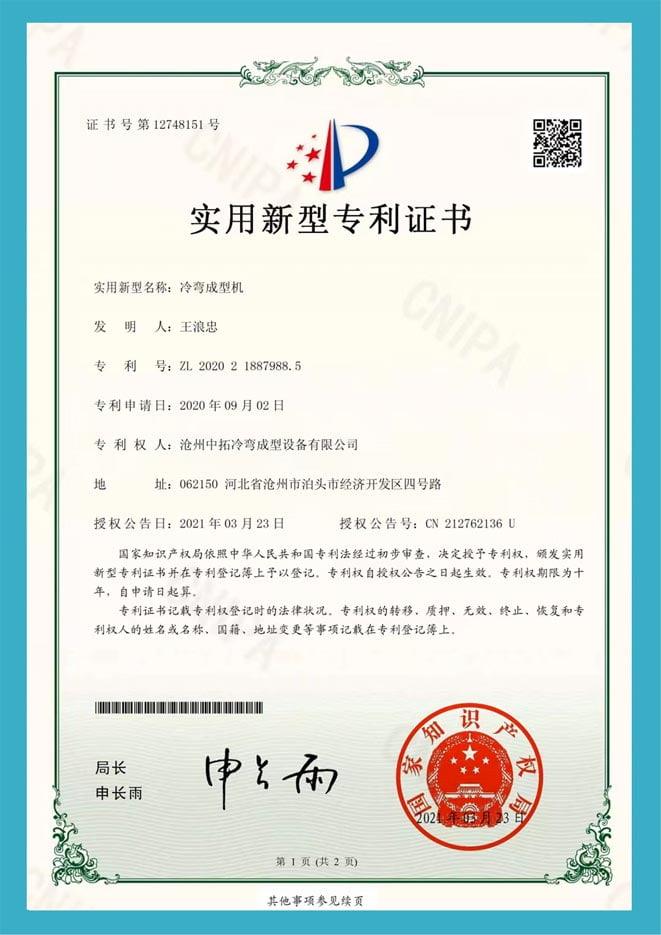

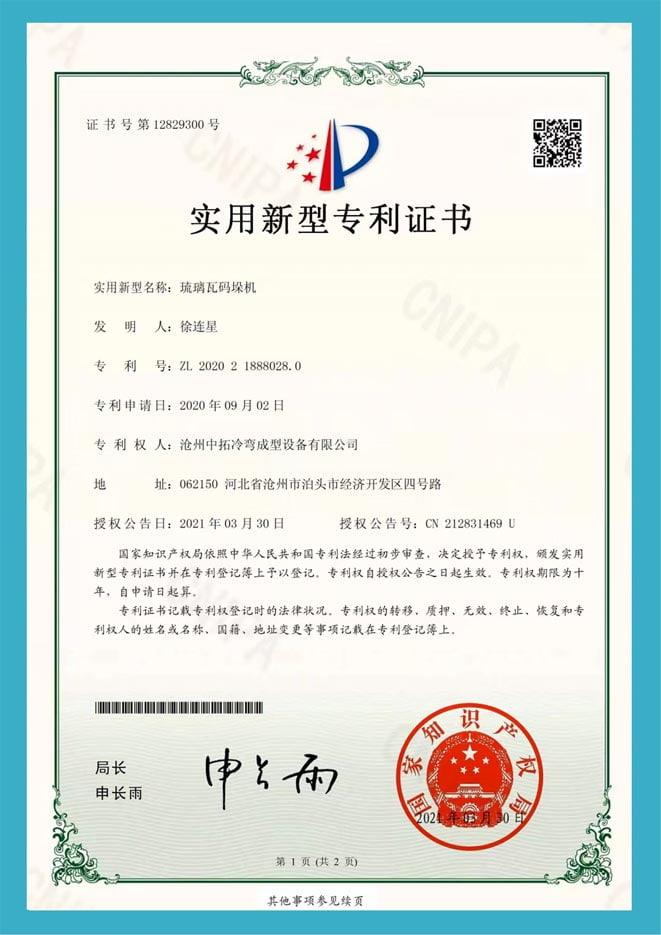
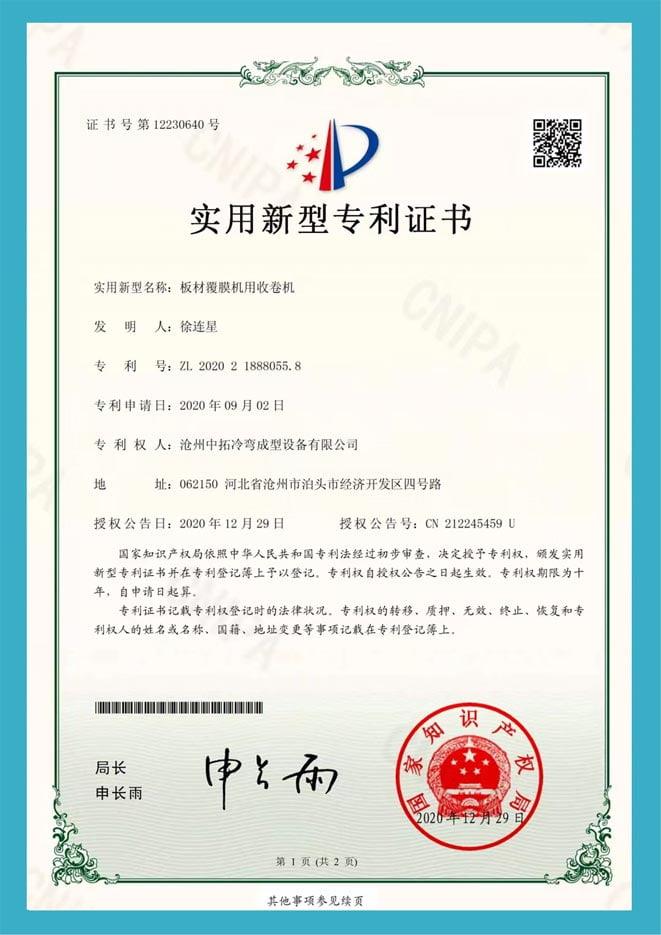

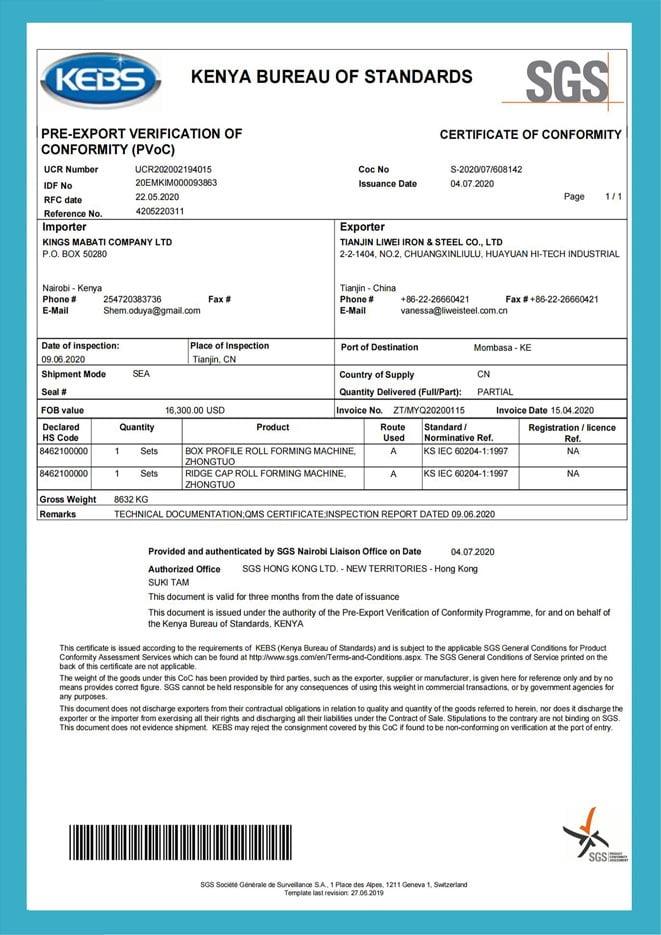
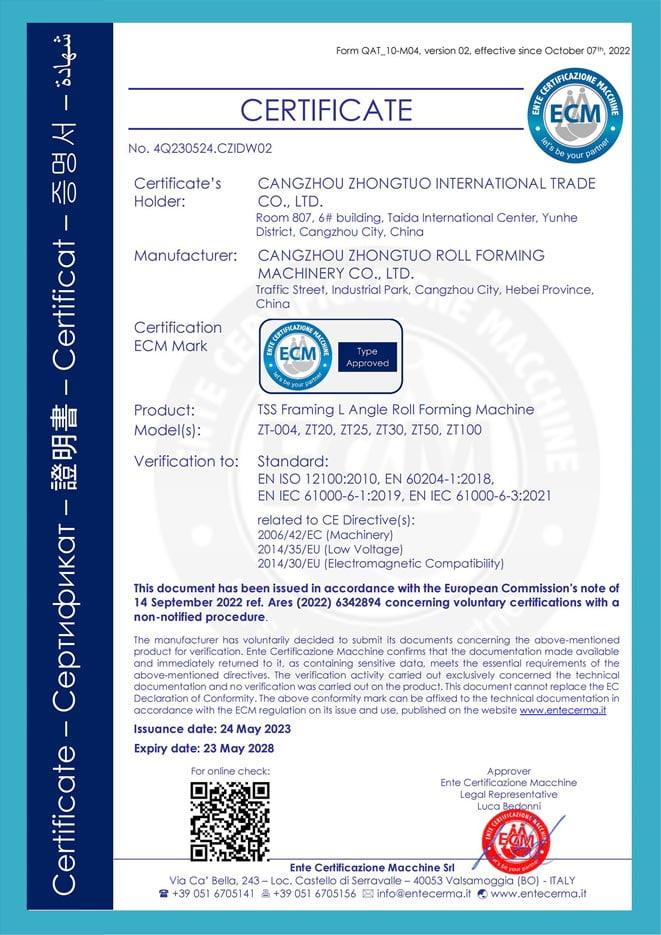
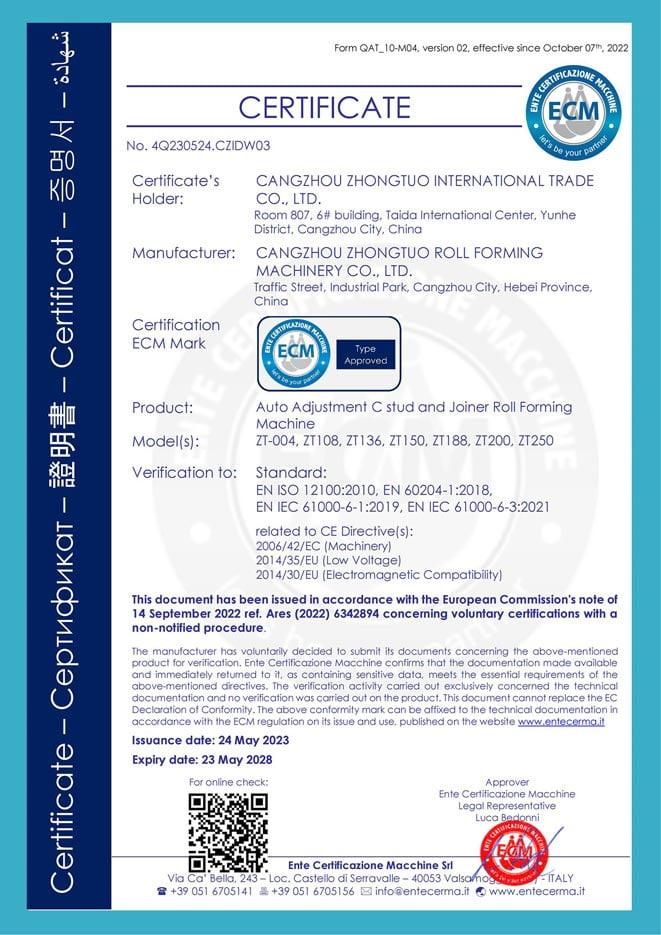
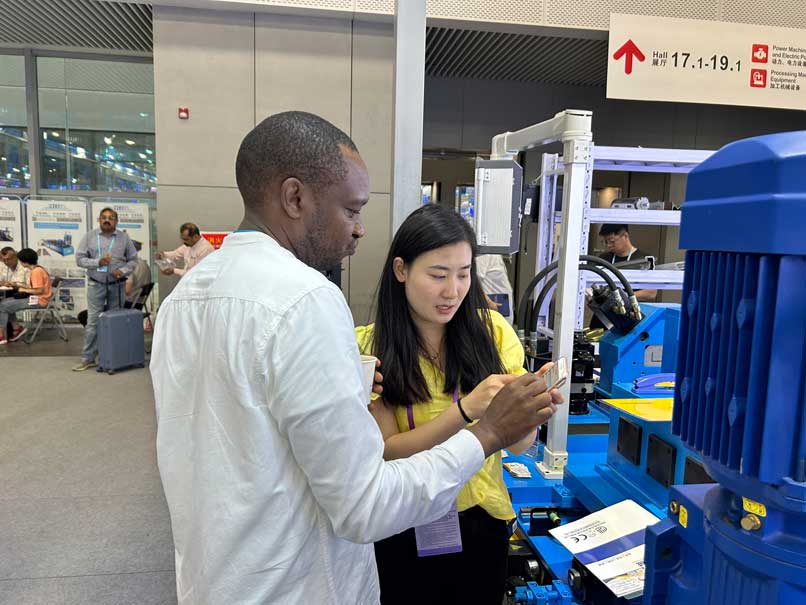
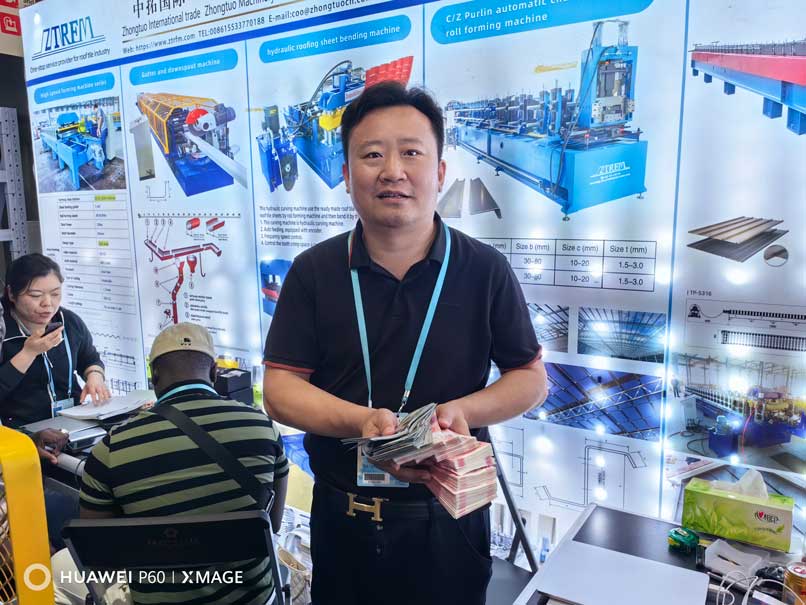
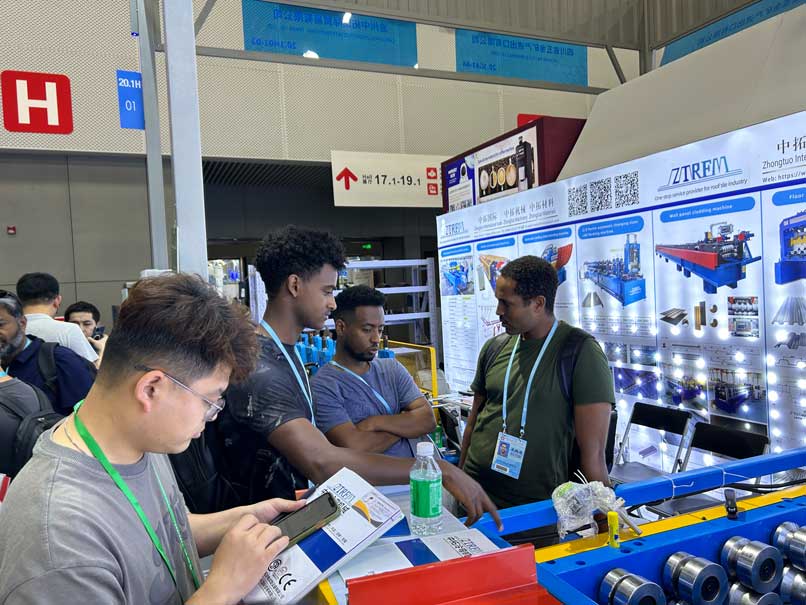
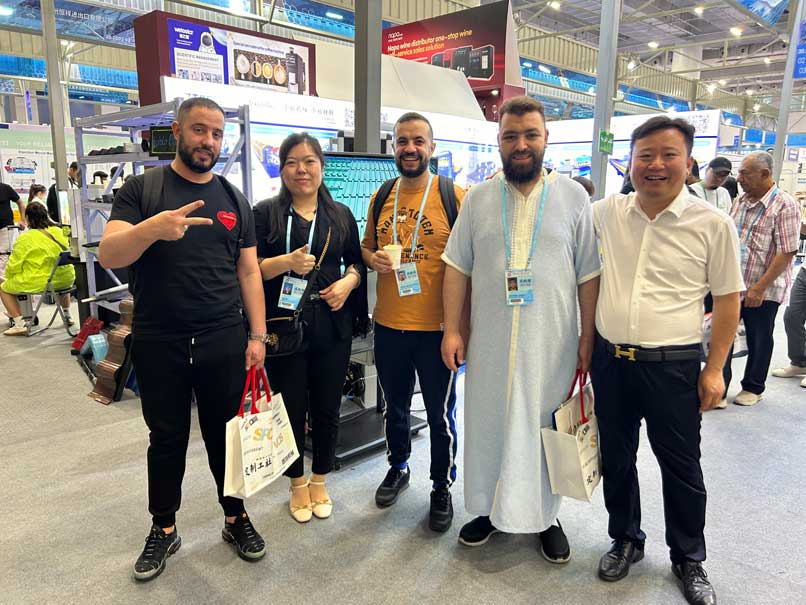
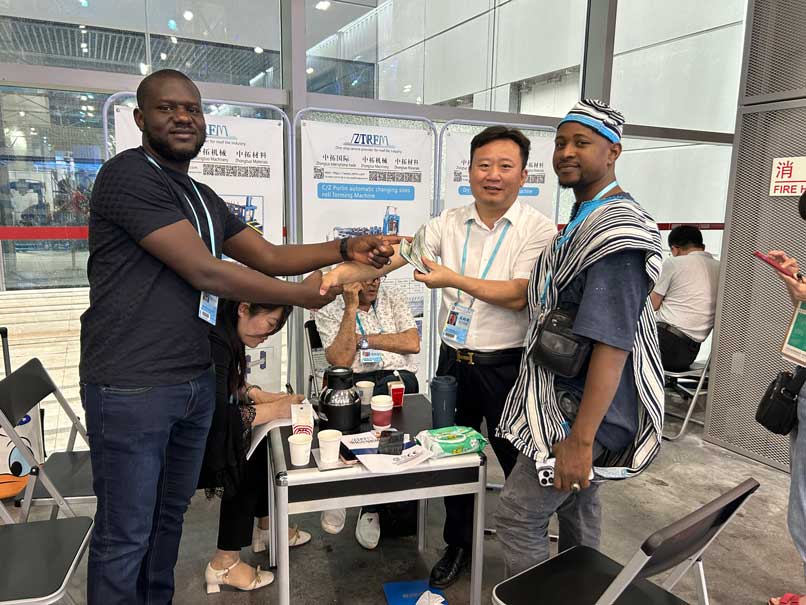
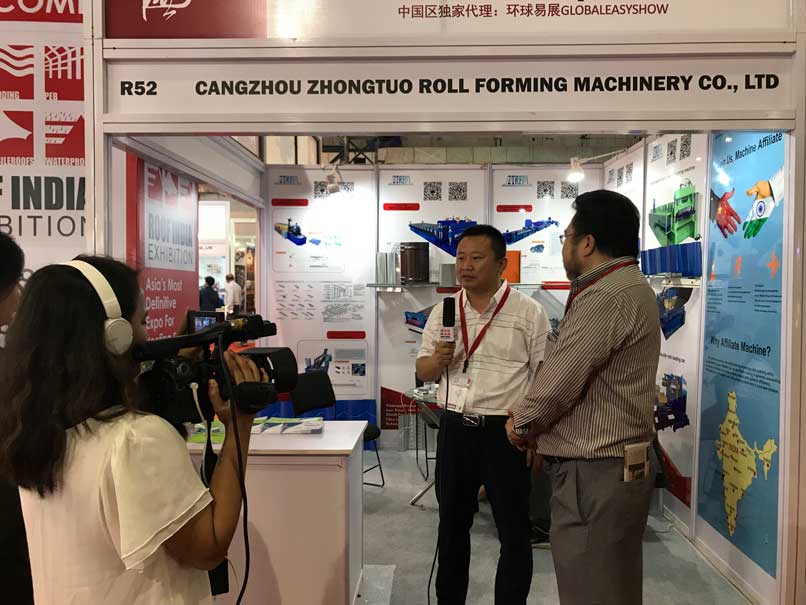
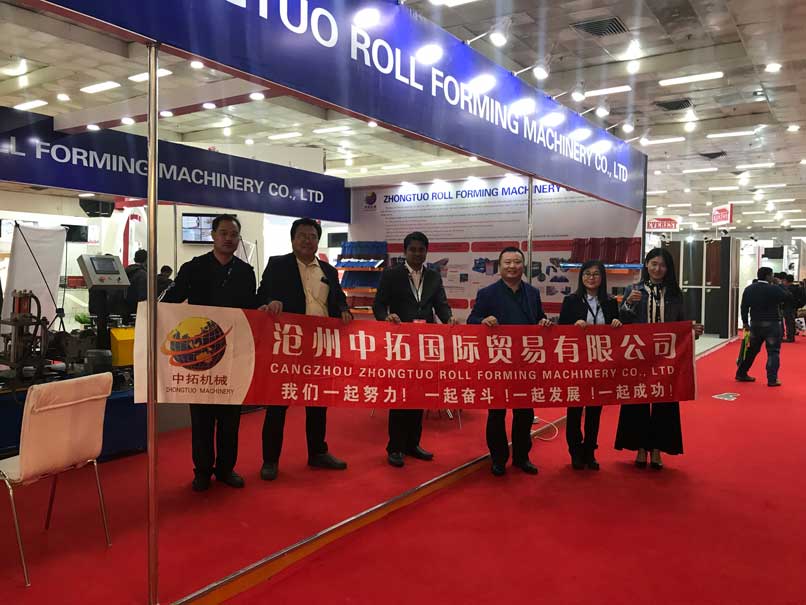
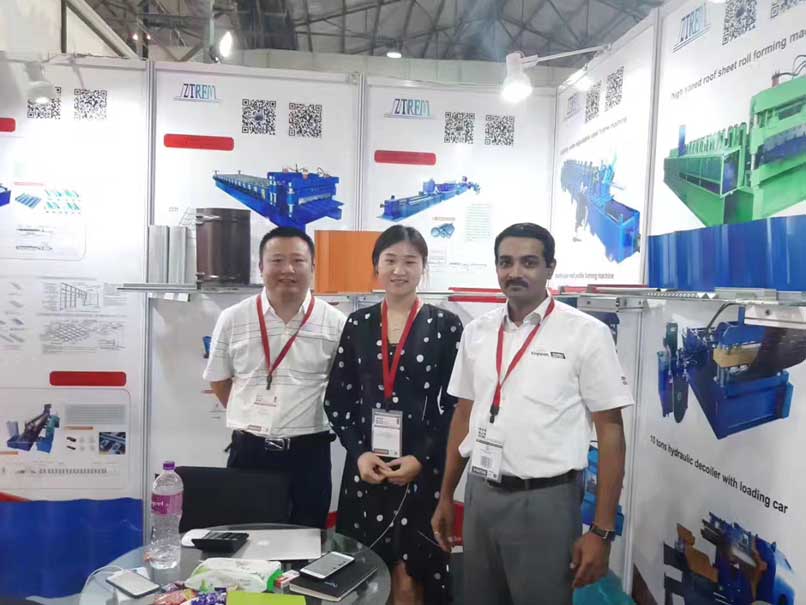
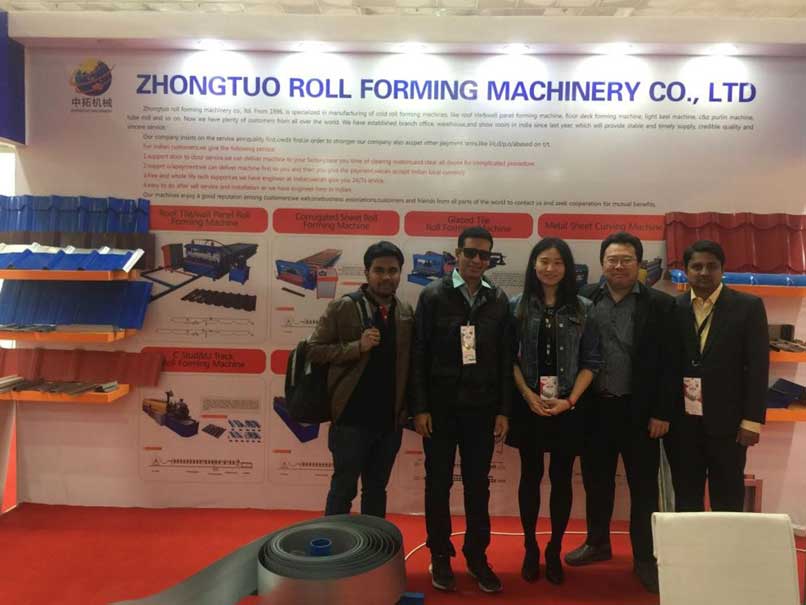
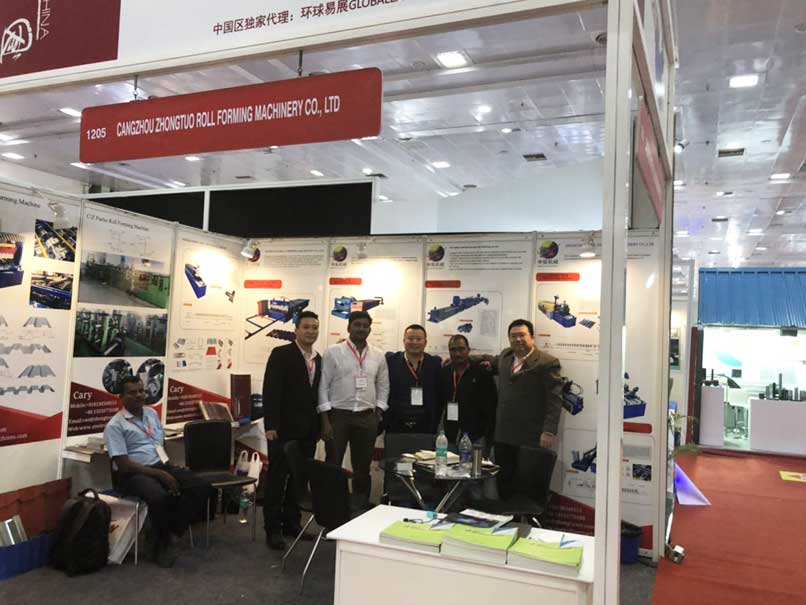
Servicio integral OEM/ODM y personalización
Servicio posventa completo
Proporcionar OEM、ODM
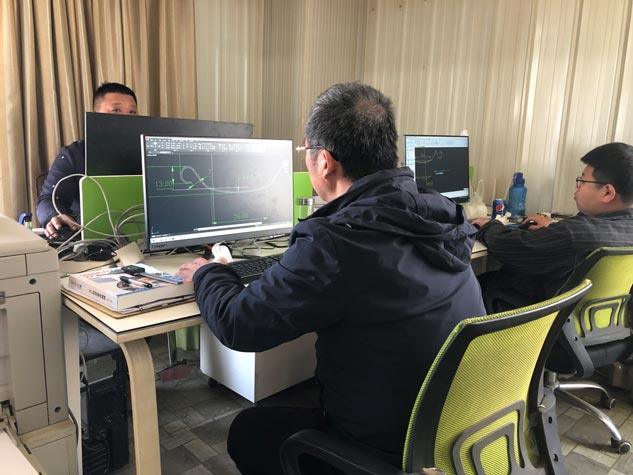
2.Diseño técnico:realizar perfiles de dibujo y dibujo de máquinas en 3D
3.determinar la configuración y la producción
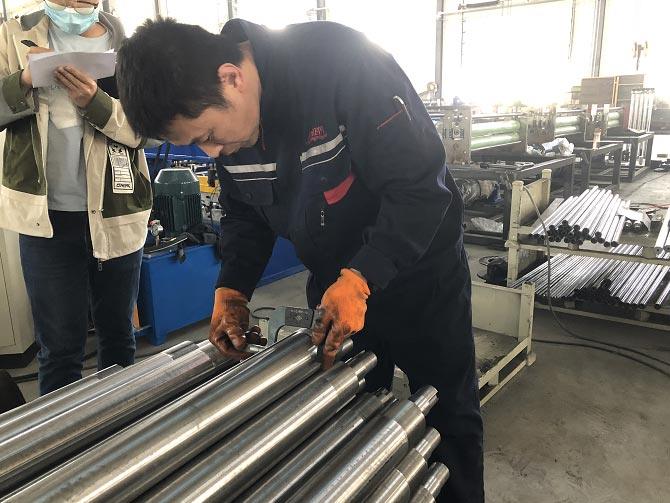
4.pruebas antes de la entrega
6.Orientaciones técnicas
7.Servicio posventa:Servicios de instalación de máquinas complejas y visitas periódicas al cliente
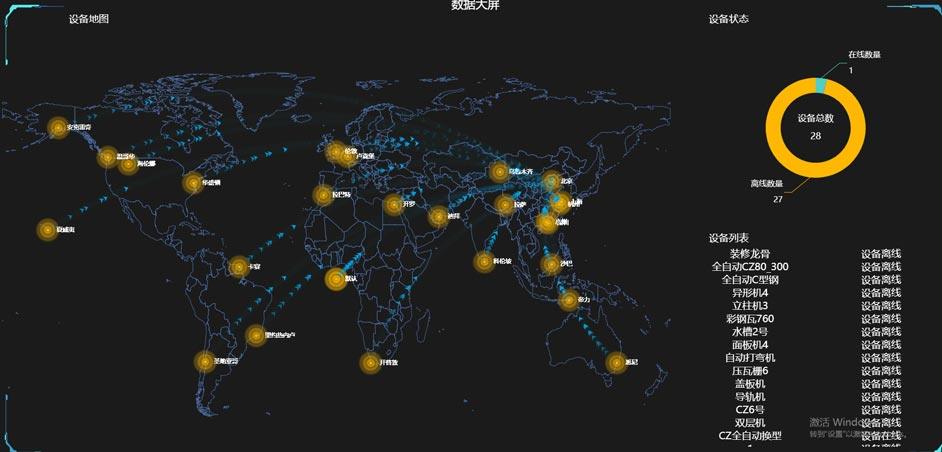
Con la confianza de más de 95800 empresas
empresas de alta calidad. A través de la cooperación con nosotros, han recibido
fuerte apoyo y logrado avances y desarrollo empresariales.