Technologische Veränderungen & Industrielle Systeme, wir widmen uns
Bietet Seds die besten und wirtschaftlichsten Lösungen für geschätzte Kunden.

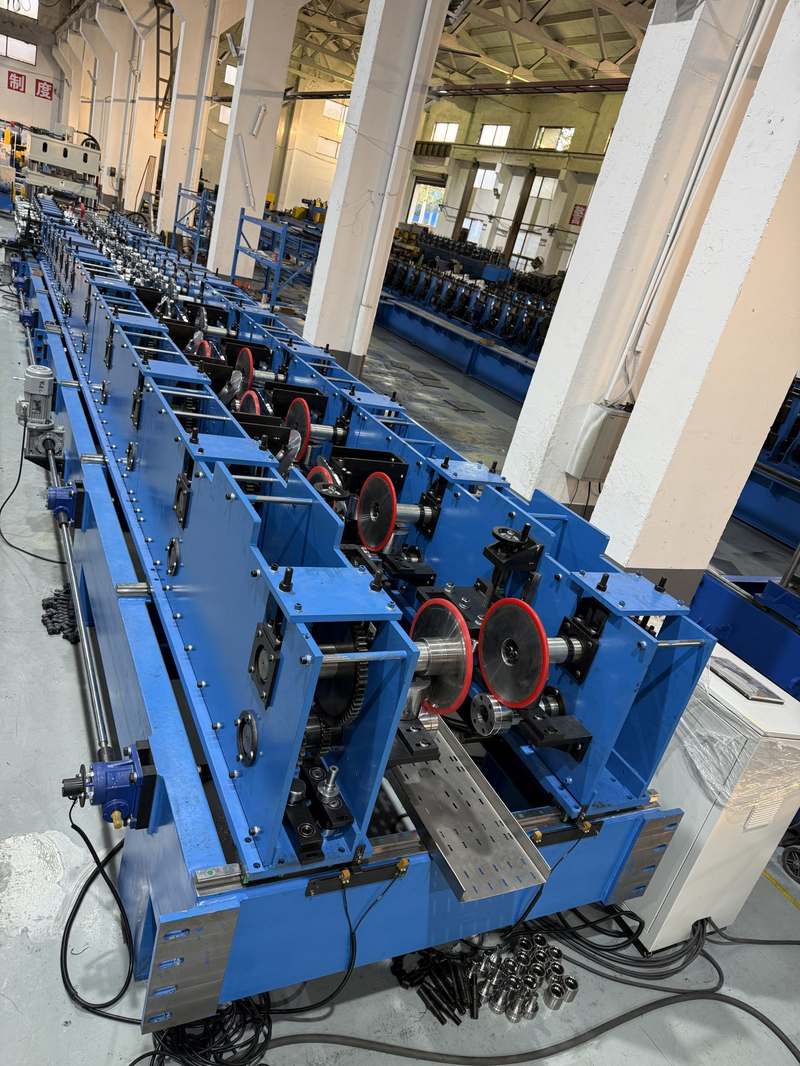
Cable Tray: 50–600mm Width Range VS 100–600mm Width Range
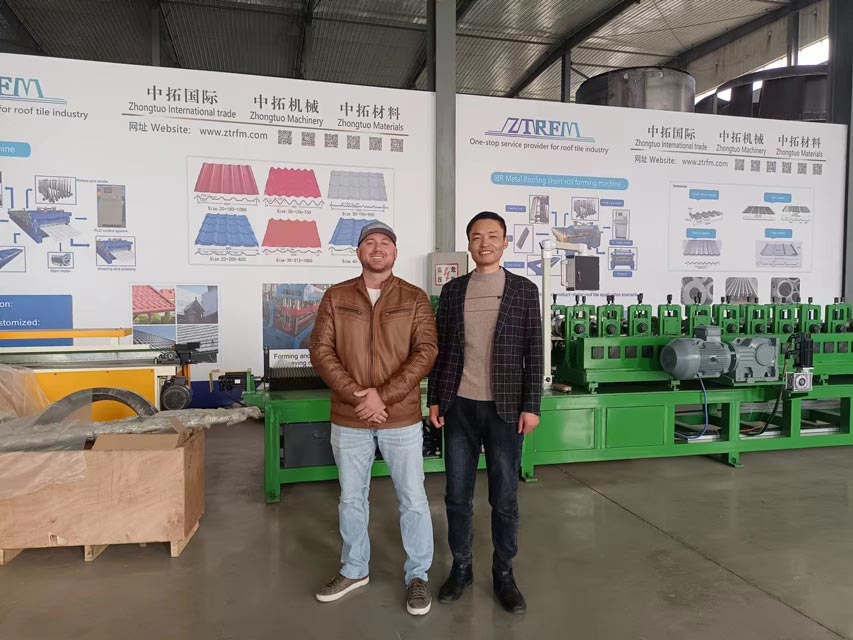
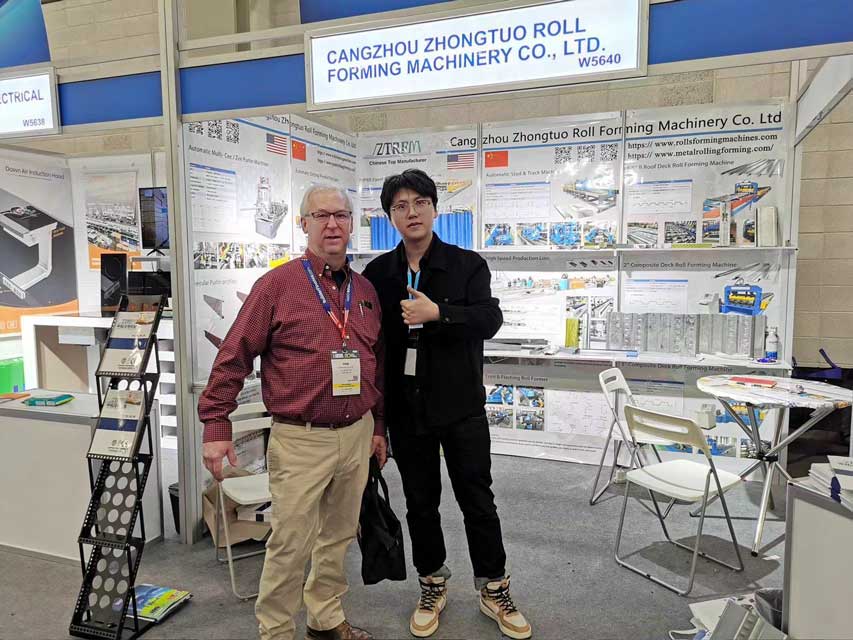
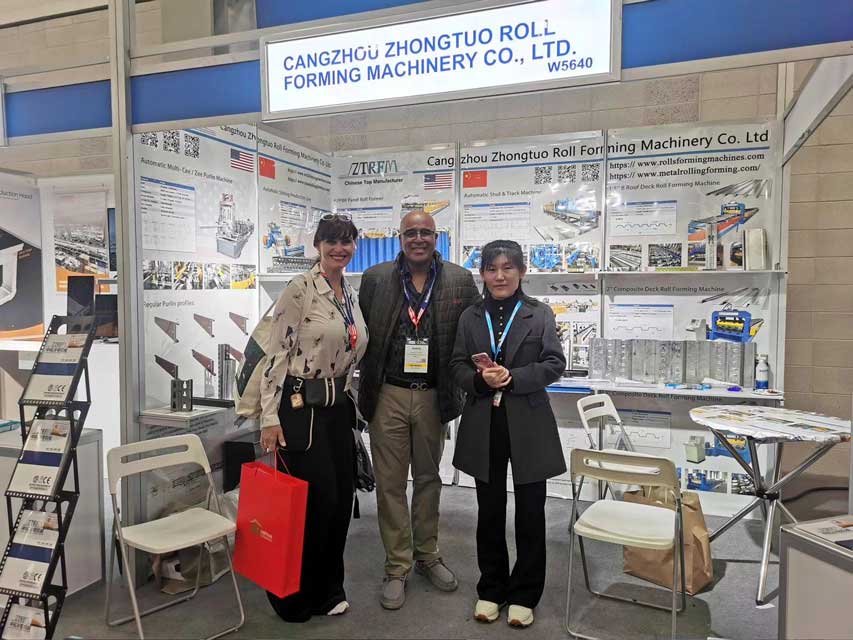
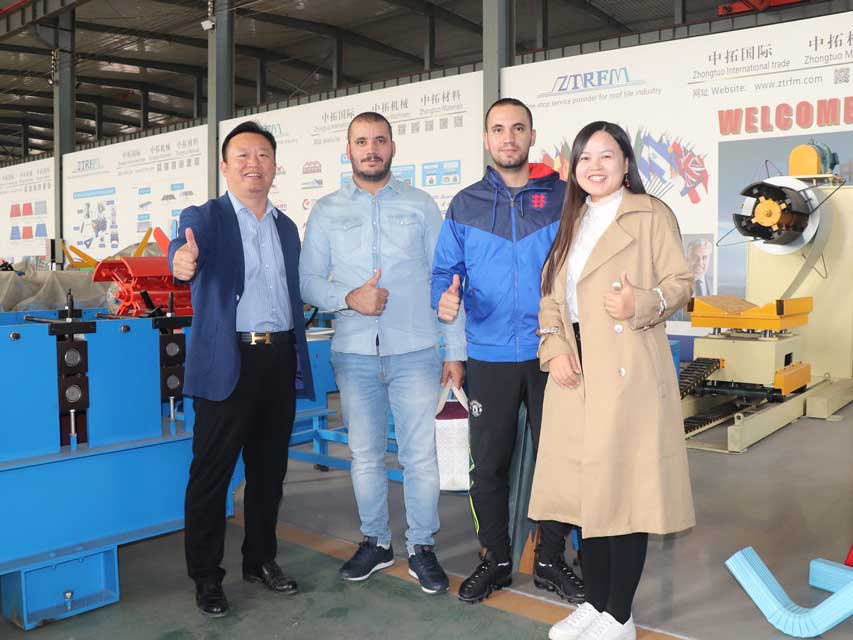
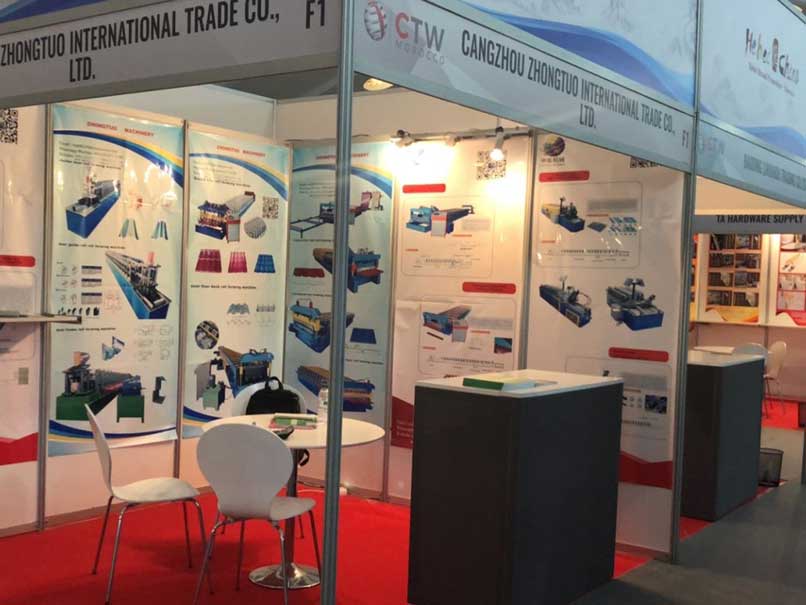
verschiedene Arten von Kaltwalzmaschinen. Wir sind eine Fabrik mit einer langen Geschichte, die sich seit 2006 mit der Entwicklung und Herstellung von Walzprofiliermaschinen beschäftigt. Die Maschinen, die wir produzieren können, umfassen: Dachziegel machen Maschine, cz Pfette machen Maschine, leichte Stahl Kiel machen Maschine, Metallprägung Maschine, Tür System bilden Maschine, Decke System bilden Maschine, Hochfrequenz-Rohr-Schweißmaschine, Schlitz Linie, auf Länge geschnitten Linie, Regal System bilden Maschine, Bodenbelag bilden Maschine, Farbe Stein Fliese Produktionslinie, heiße Laminierung gefilmt Maschine, etc.
Cable Tray 50–600mm Width (Starts at 50mm minimum width)
Advantages
Full coverage for tiny wiring branches The 50mm narrow size fits tight gaps, cabinet internal wiring, machine tool control lines, CCTV, access control and single workstation low-voltage cables that 100mm trays cannot accommodate. Ideal for scattered small wiring runs in equipment, wall crevices and ceiling narrow gaps.
More flexible overall layout design Engineers can match exact width to actual cable load: tiny branches use 50/75mm, medium runs use 100–300mm, main heavy routes use 400–600mm. No forced over-sizing for small segments, optimising space utilisation.
Lower material cost for minor branches 50mm tray uses less steel per metre than 100mm; for thousands of short small runs across a large plant, total project material expenditure drops noticeably.
Light weight & easy installation for small segments Ultra-narrow 50mm tray has lighter dead load; small brackets, adhesive fasteners or light wall anchors work well without heavy structural supports. Less drilling damage to walls/equipment frames.
Complete one-line supply for whole project One roll forming machine / one supplier can produce every width from small branches to 600mm main trunk; no need to source separate narrow trays from a second factory.
Disadvantages
50mm narrow tray has weaker structural rigidity Same plate thickness: narrower base means lower bending resistance, smaller safe spanning distance and lower load capacity. Requires closer support brackets for long runs.
50mm size has limited cable capacity Only holds a small number of thin control/data cables; cannot carry power cables or dense wiring bundles. Not usable for medium-to-heavy power distribution.
Higher mould & roller investment for production equipment Roll forming lines for 50–600 need extra forming passes, extra width adjustment ranges and matched small-size connecting fittings (flanges, elbows, tees, covers). Tooling cost higher than 100–600 lines.
50mm tray prone to heat buildup when fully filled Small internal cross-section restricts air circulation; higher risk of cable temperature rise under full load compared to 100mm+ widths.
Fewer standard matching accessories in stock Many generic hardware suppliers stock abundant 100–600 fittings, while 50mm elbows, reducers, joint plates are often custom-made with longer lead times.
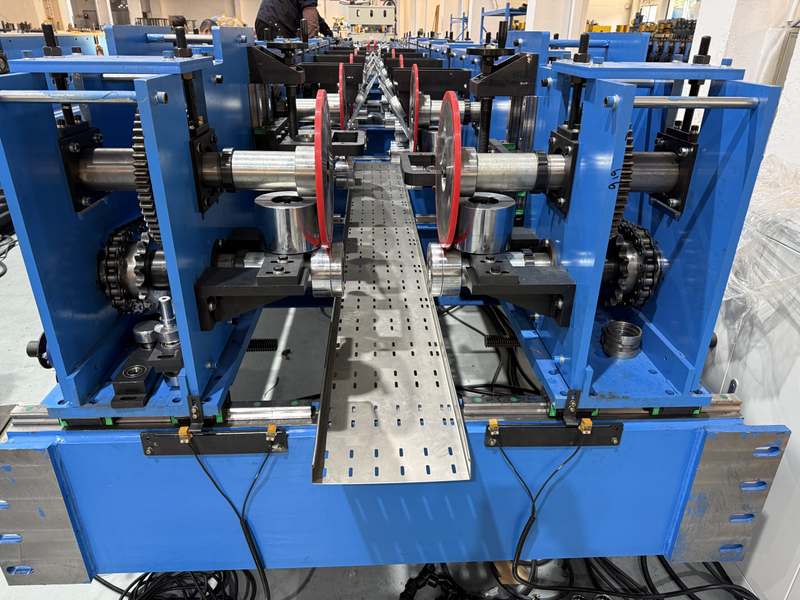
Cable Tray 100–600mm Width (Minimum width 100mm)
Advantages
Superior structural stiffness & load performance 10mm wider base greatly improves anti-twist and anti-deflection performance with identical steel thickness; longer safe support span, higher allowable cable weight load, stable for long horizontal overhead runs.
Standardised, widely available full accessory set 100mm is the industry mainstream minimum size. Elbows, reducers, caps, brackets, fire barriers are mass-produced off-the-shelf, fast delivery and low accessory cost.
Sufficient internal volume for most general wiring Fits mixed bundles of power cables, control cables and network lines for offices, workshops, shopping malls and factory main distribution routes; good heat dissipation space to avoid overheating.
Lower production line cost for roll forming No need for ultra-narrow forming rollers and tiny die sets; machine structure simpler, commissioning faster, fewer adjustment steps between size changes, lower maintenance cost for forming equipment.
Better compatibility for mixed cable classification Enough width space to separate power and weak-current cables with partition plates, reducing electromagnetic interference; 50mm trays rarely fit internal dividers.
Stronger adaptability for future cable expansion Reserve extra space for later cable additions without replacing the whole tray system; 50mm trays have almost no upgrade margin once filled.

Disadvantages
Cannot serve ultra-narrow, tiny wiring spaces 100mm minimum width is too bulky for machine interiors, thin wall gaps, compact cabinet side wiring, small camera trunk lines. Must use expensive plastic trunking instead for those tiny routes.
Higher steel consumption & total project cost for small branches Even lightly loaded short branches have to use minimum 100mm tray, wasting material and raising overall project weight and budget vs targeted 50mm sizing.
Occupies more installation space vertically & horizontally Bigger footprint restricts routing in congested pipe/cable shaft areas where compact layout is critical.
Over-sizing penalty for ultra-light loads For runs with only 2–3 thin signal cables, 100mm tray is over-engineered, creating unnecessary dead load on building supports.

Side-by-Side Comparison Table
| Comparison Item | 50–600mm Width Cable Tray | 100–600mm Width Cable Tray |
| Minimum usable width | 50mm (ultra-narrow branch) | 100mm (standard small size) |
| Structural rigidity | Weaker for 50mm segment | Stronger across all sizes |
| Cable carrying capacity | Limited for tiny light bundles | Adequate for power + weak current mixed wiring |
| Accessory availability | Many custom small fittings | Mass standard stock, fast delivery |
| Roll forming machine cost | Higher (extra narrow tooling) | Lower, simpler forming setup |
| Material consumption | Optimised, less steel for small runs | Higher base steel for every segment |
| Installation space demand | Compact, fits tight gaps | Larger footprint, not for micro spaces |
| Heat dissipation | Poor at full load for 50mm | Reliable cooling for 100mm+ widths |
| Project application scope | Full-site coverage (machine + building main lines) | Main building trunk & medium-large routes only |
Selection Guidance
Choose 50–600mm production line / tray system:Factory automation, machinery wiring, projects with countless tiny scattered control branches, integrated one-supplier full-site delivery, strict space-limited micro routing points.
Choose 100–600mm production line / tray system:Commercial buildings, large factory main power trunks, standard construction electrical jobs, prioritising low equipment investment, fast accessory supply and heavy-load long-span overhead installation.
Warum sollten Sie uns wählen?
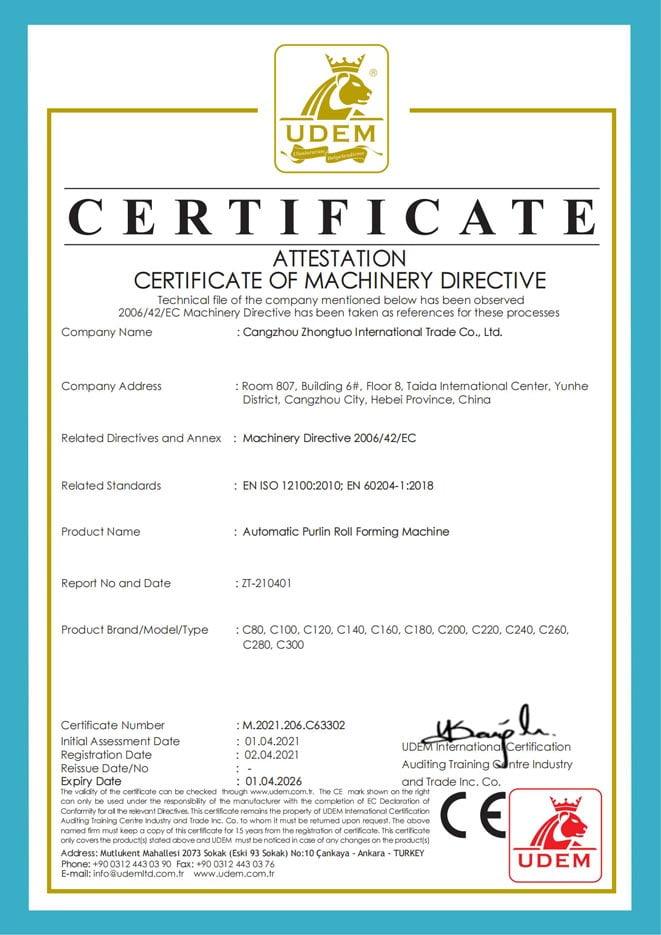
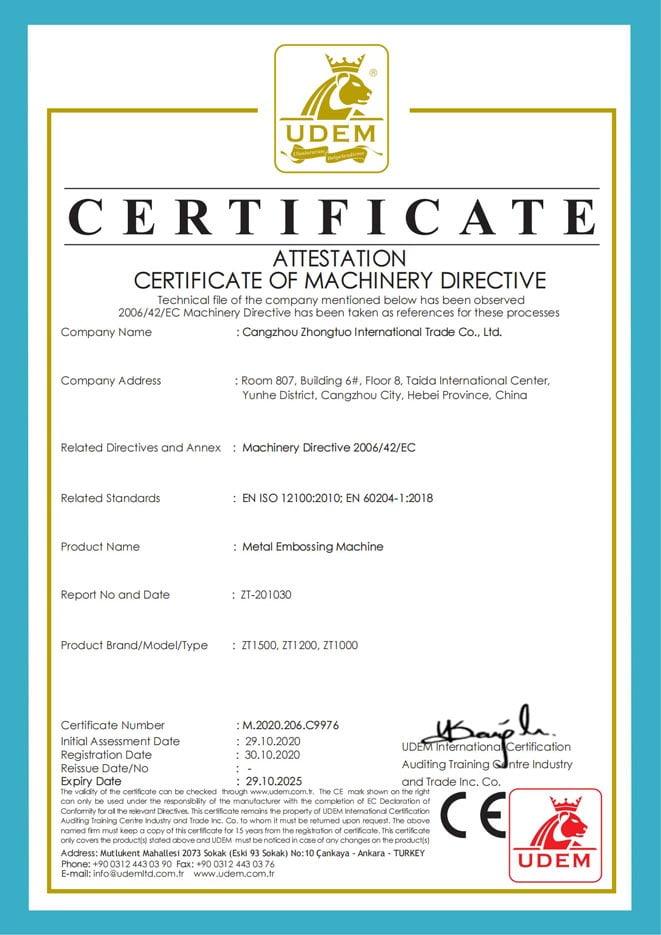












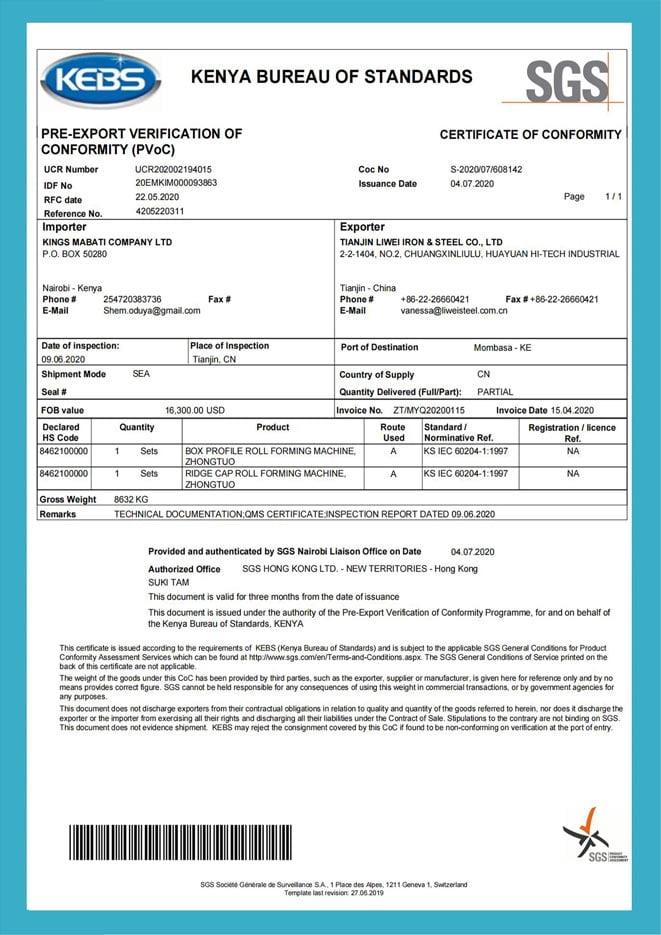



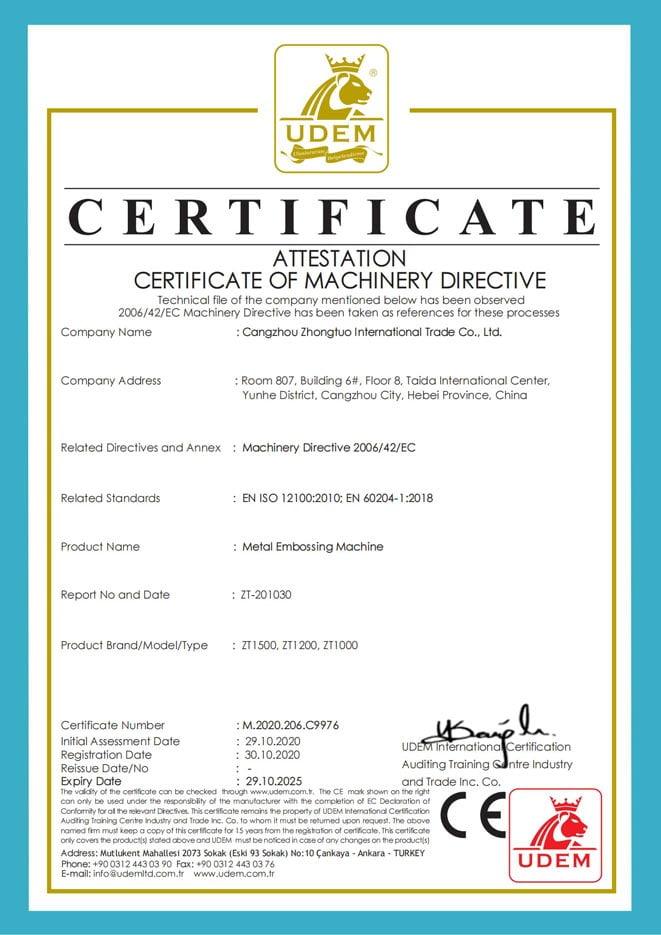
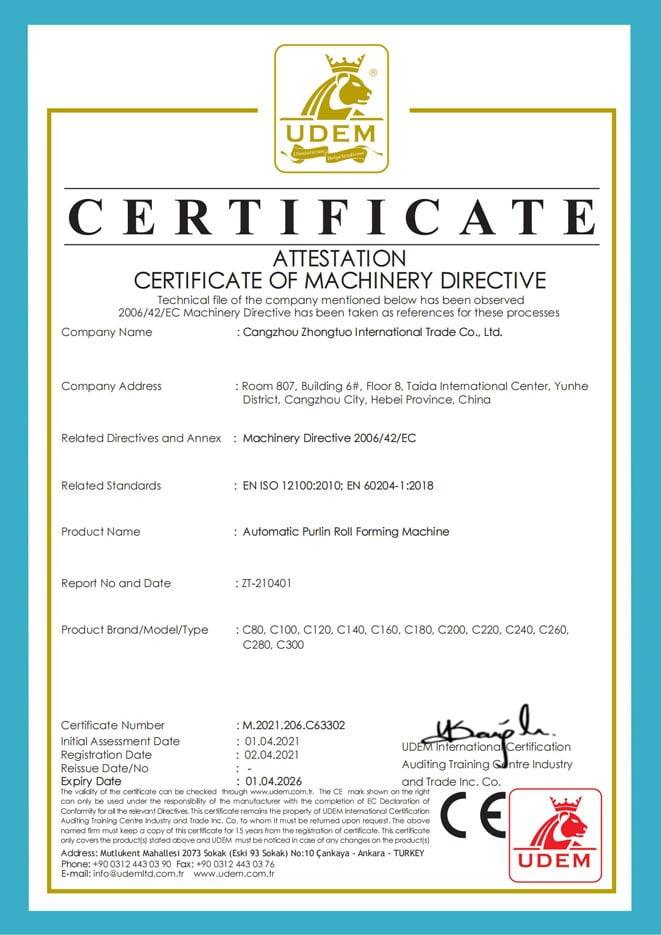
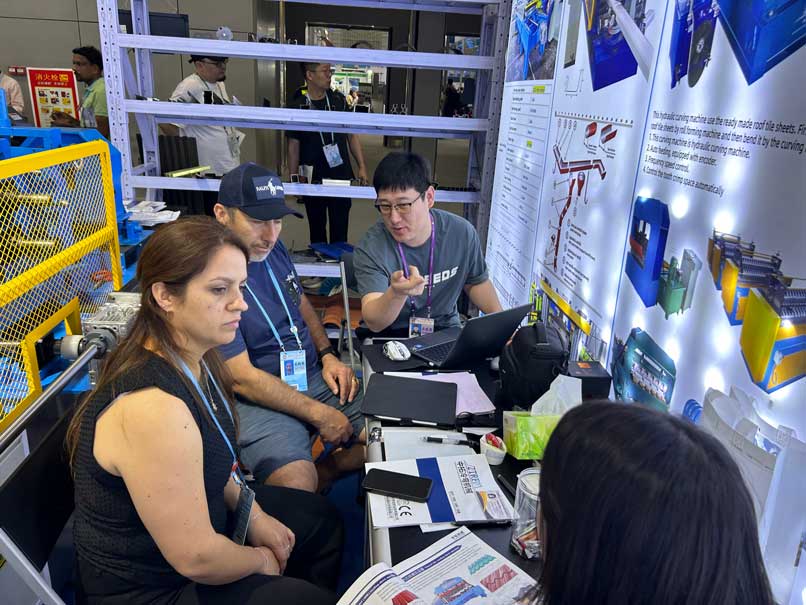
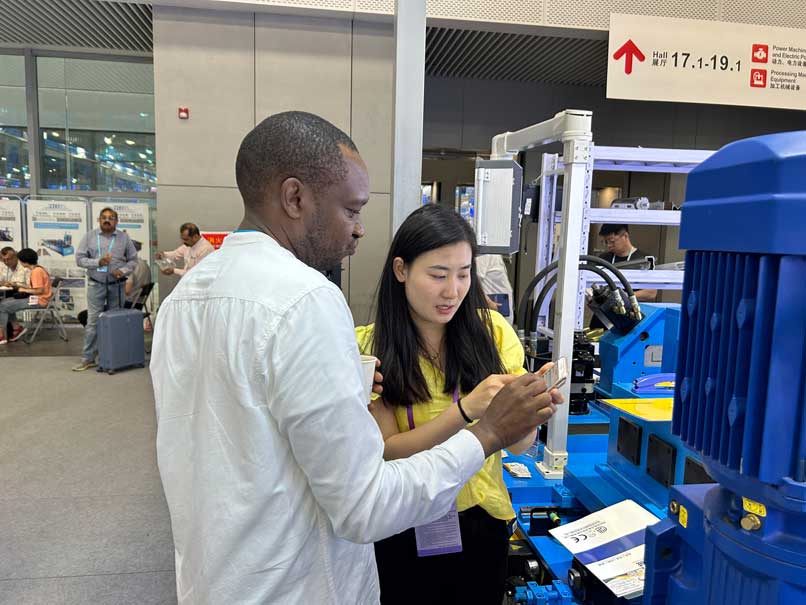
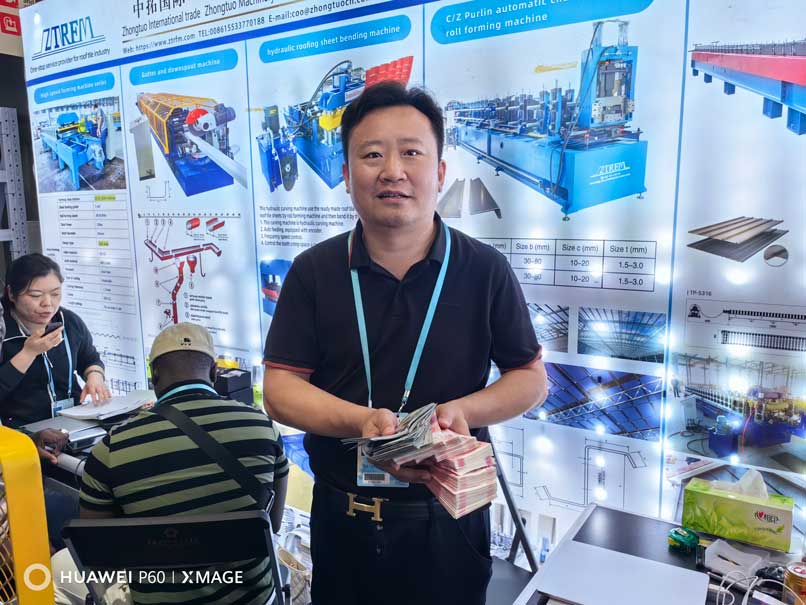
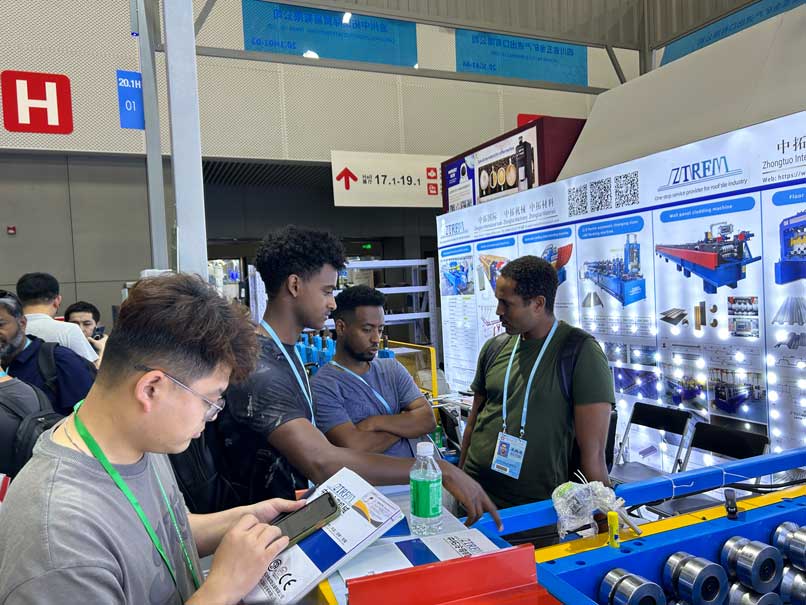
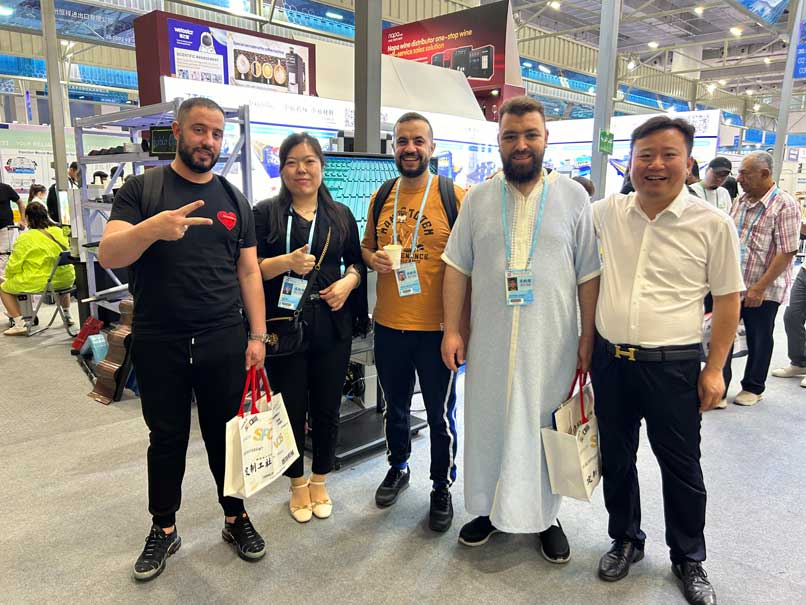

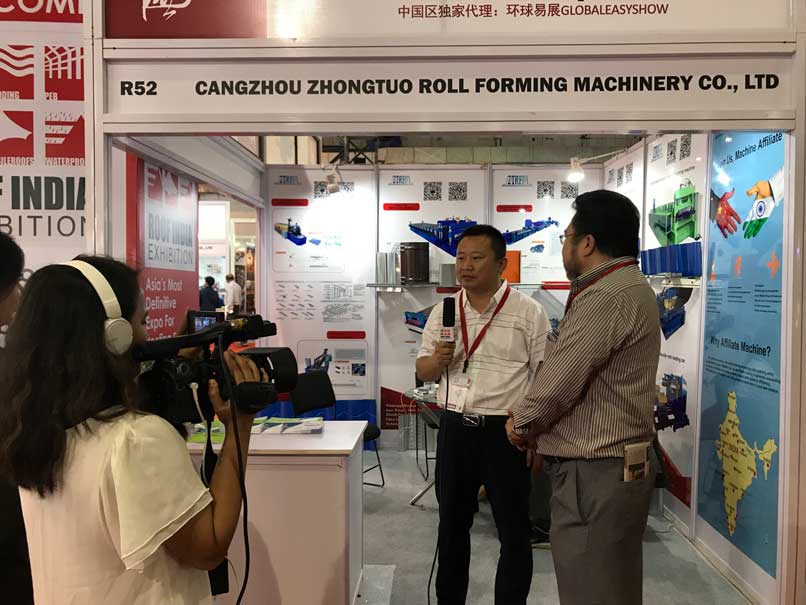
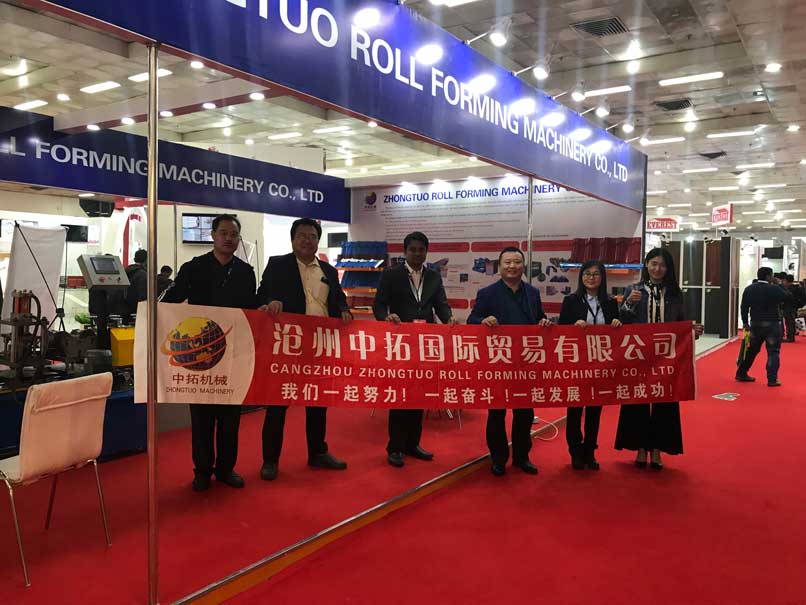
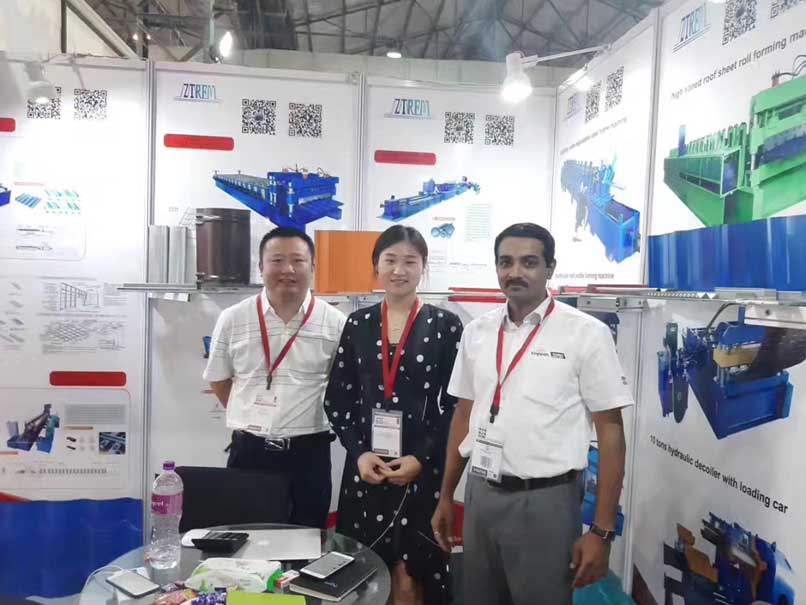
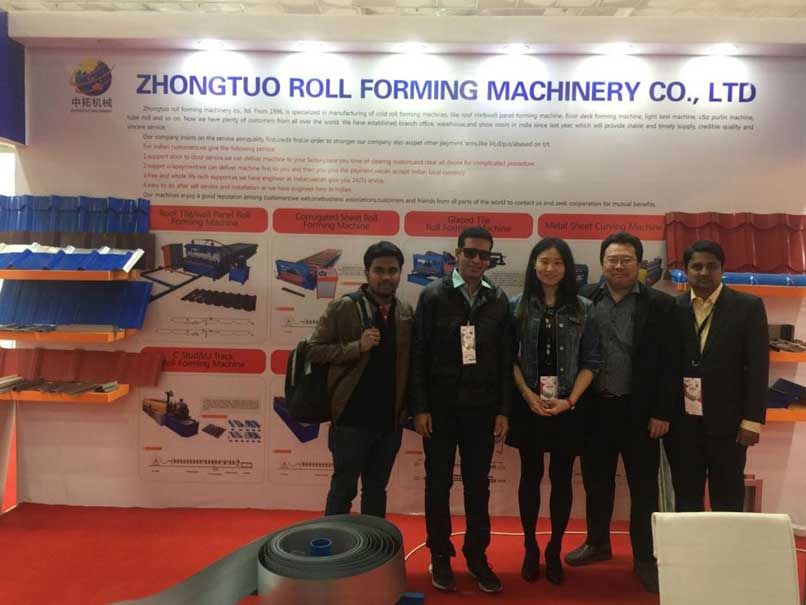
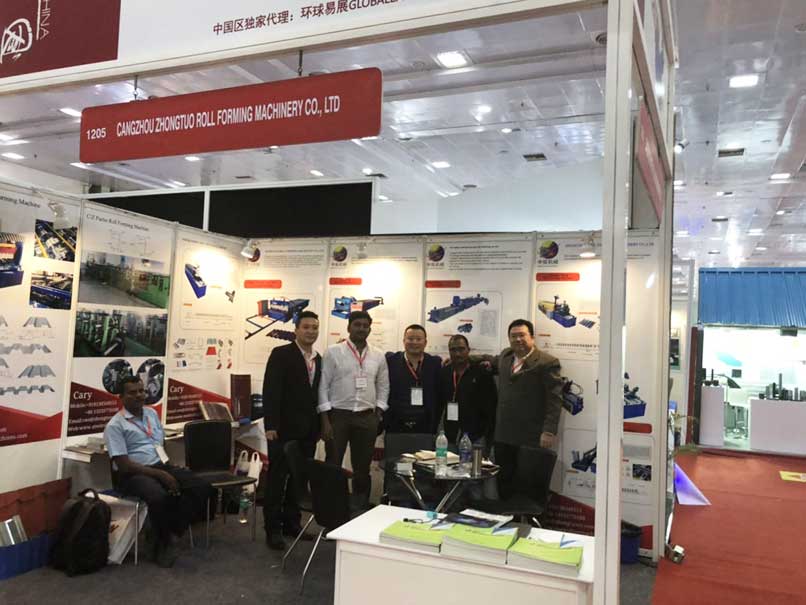
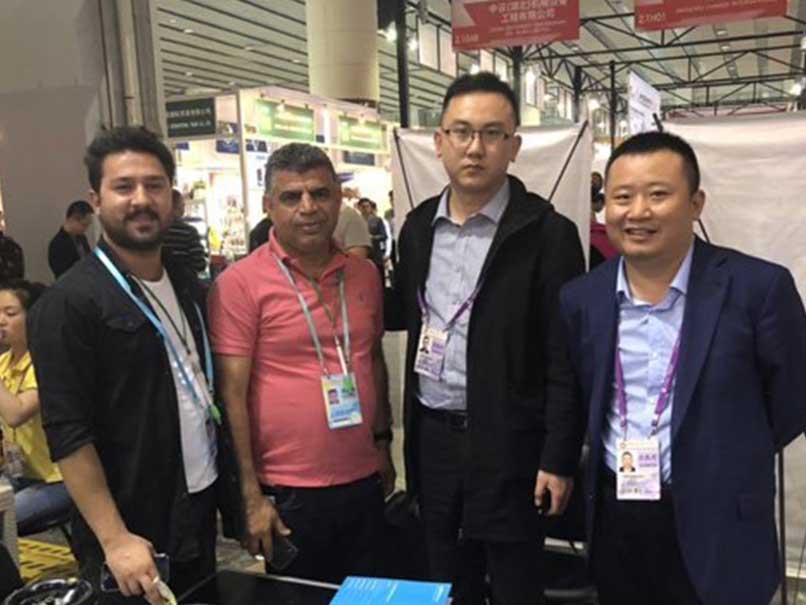
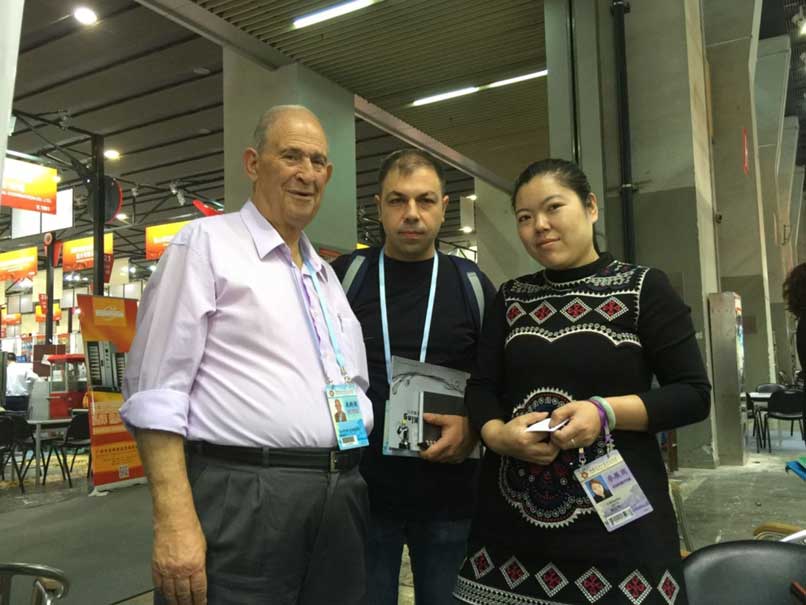
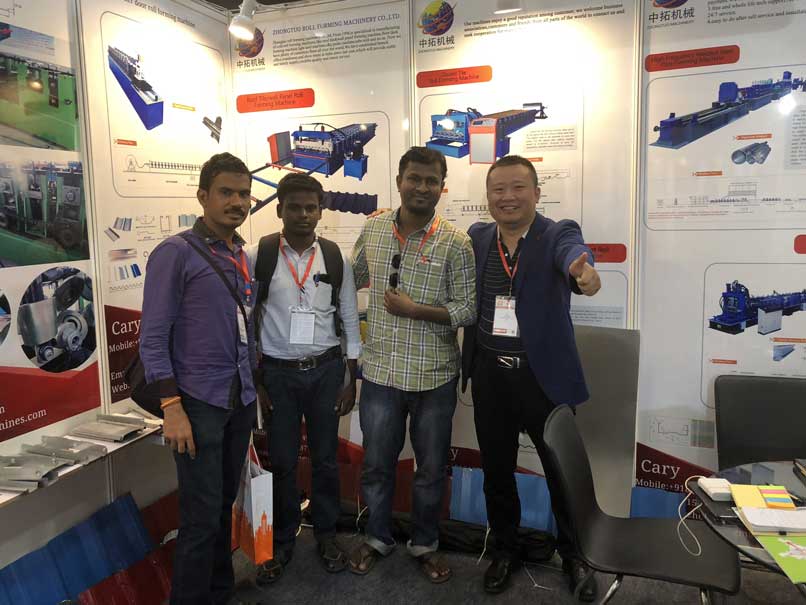
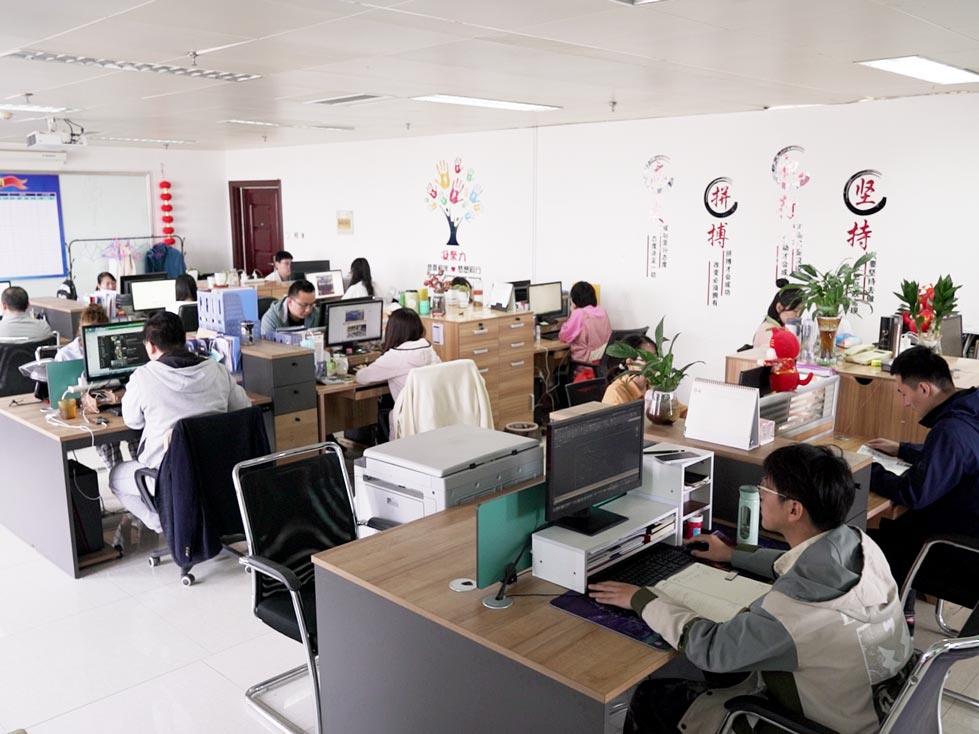
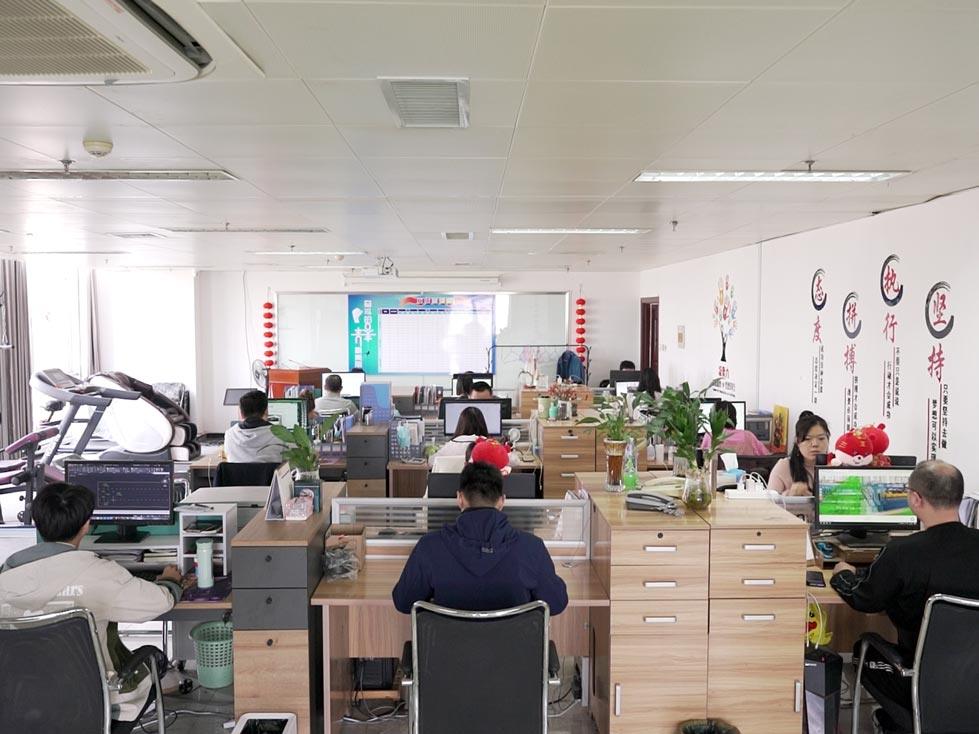


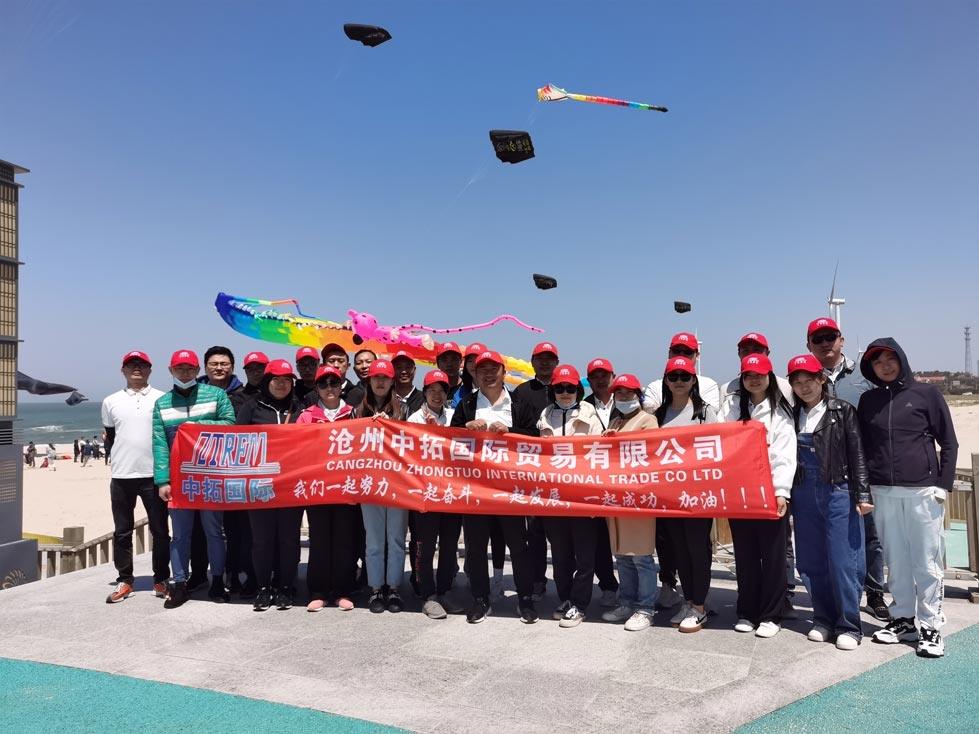

OEM/ODM und kundenspezifische Anpassung aus einer Hand
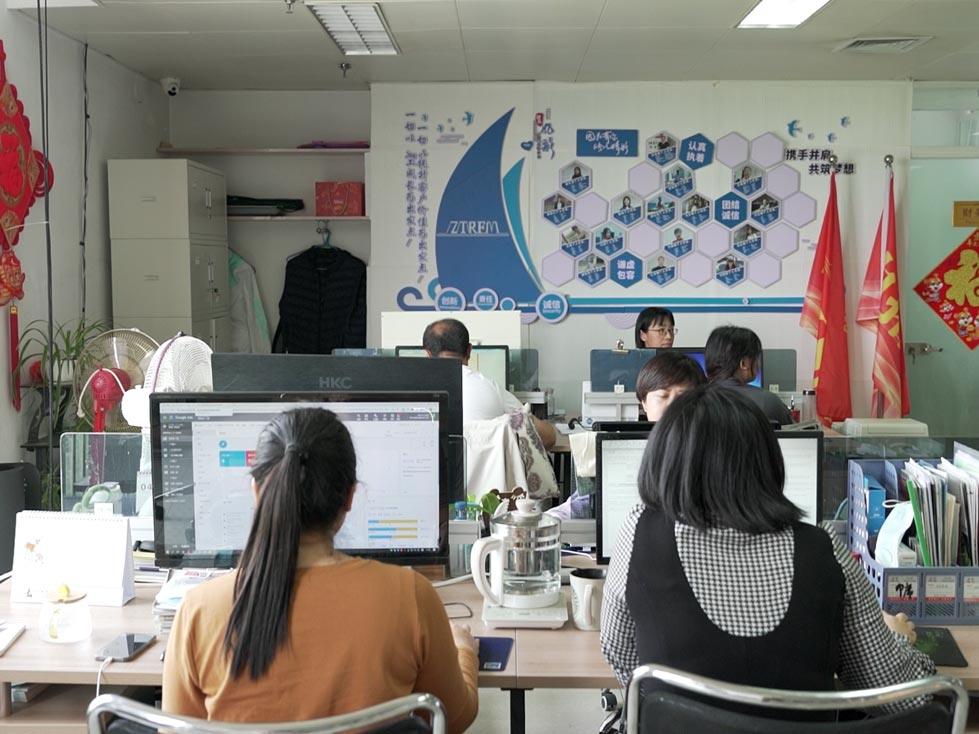
Umfassende Unterstützung durch den Kundendienst
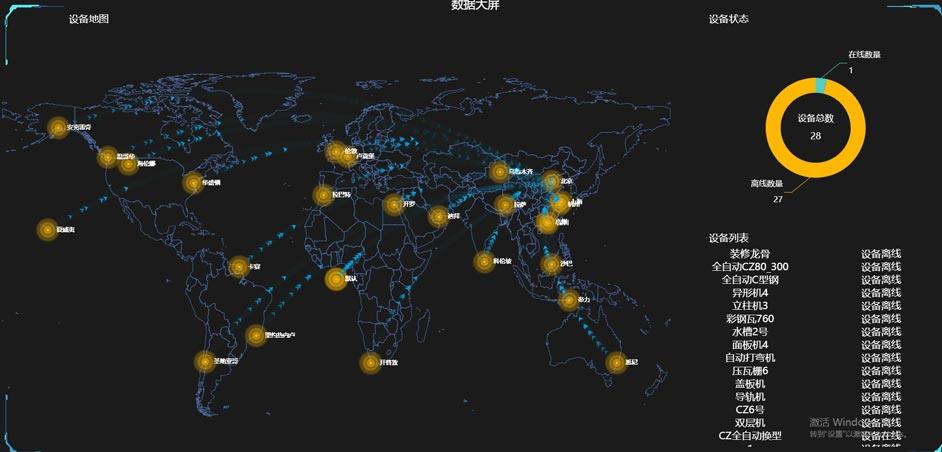
Bereitstellung von OEM、ODM
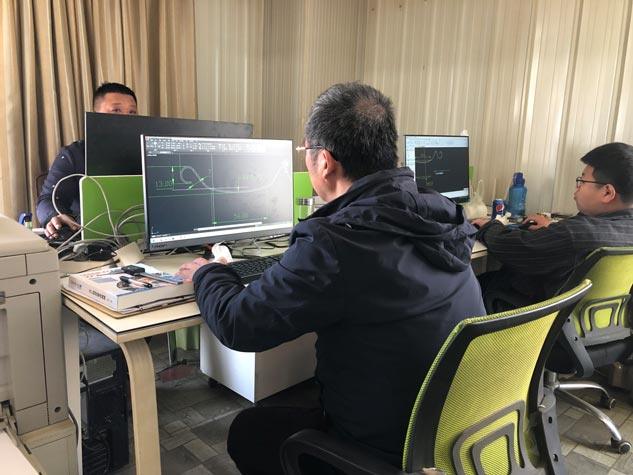
2.Technischer Entwurf: Anfertigung von Profilzeichnungen und 3D-Maschinenzeichnungen
3.die Konfiguration und die Produktion zu bestimmen
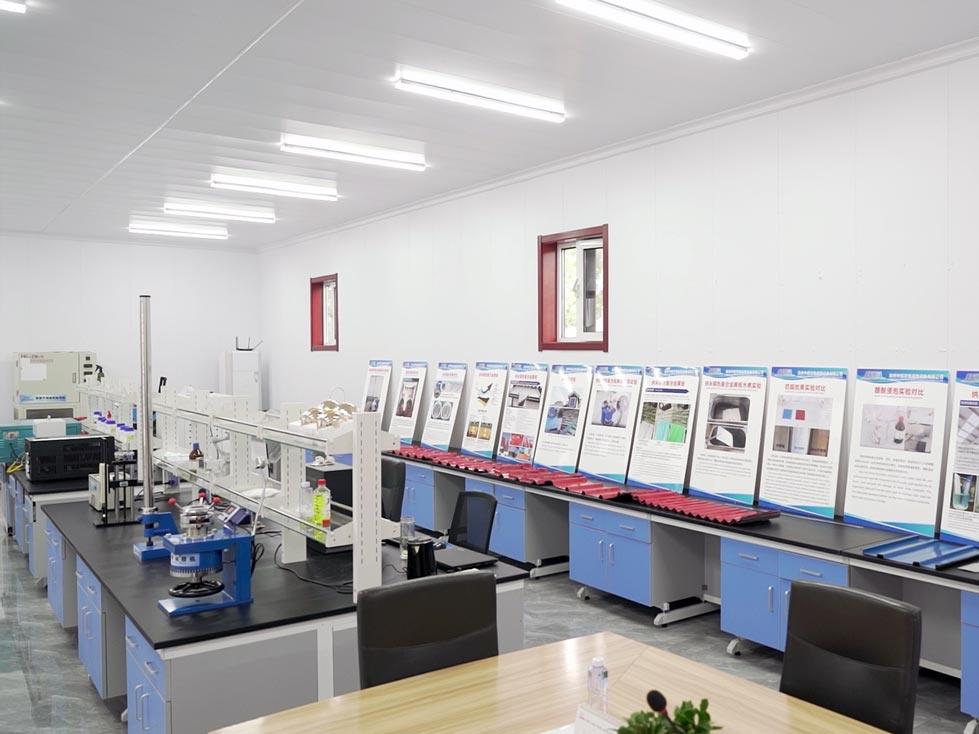
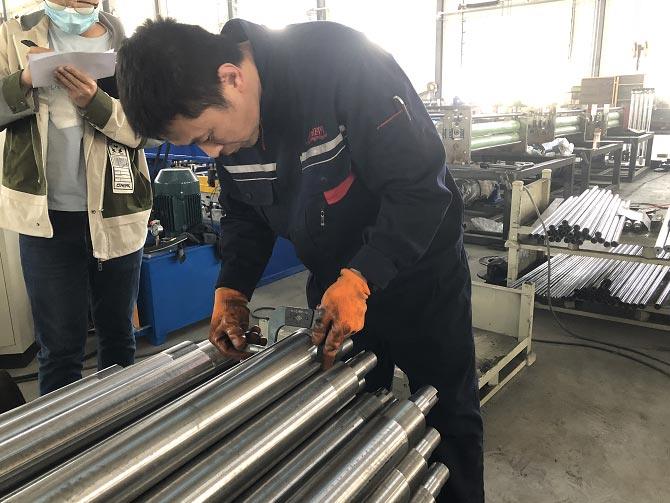
4.Prüfung vor der Auslieferung
6.Technische Anleitung
7.Kundendienst: Installationsdienste für komplexe Maschinen und regelmäßige Kundenbesuche
95800+ Unternehmen vertrauen auf uns
hochwertige Unternehmen. Durch die Zusammenarbeit mit uns haben sie Folgendes erhalten
starke Unterstützung und erzielte geschäftliche Durchbrüche und Entwicklungen.