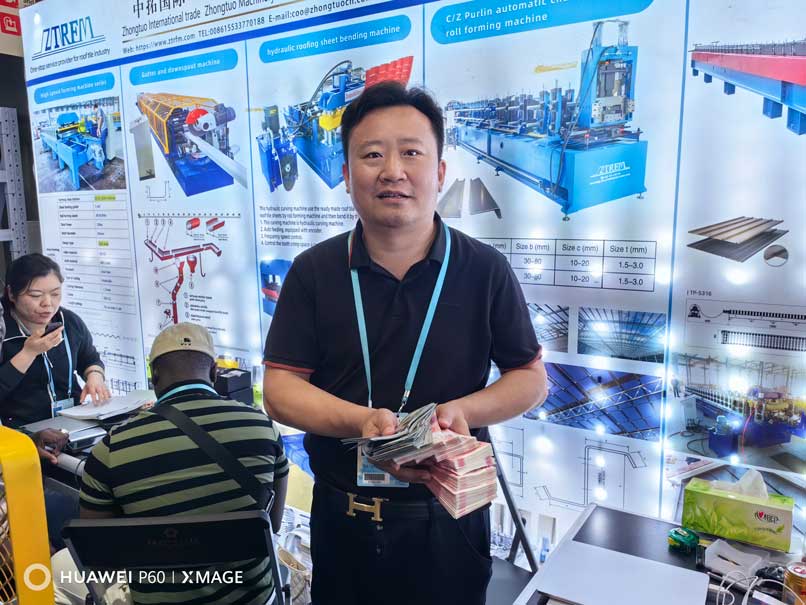
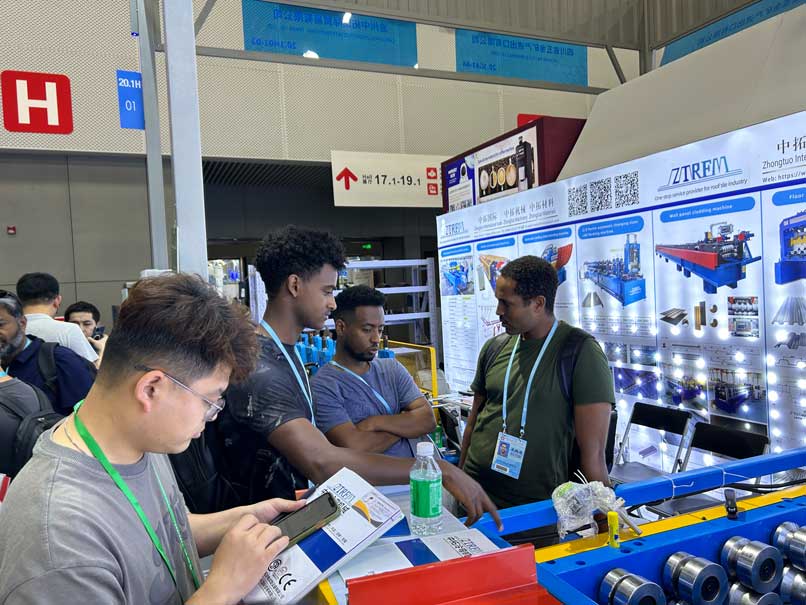
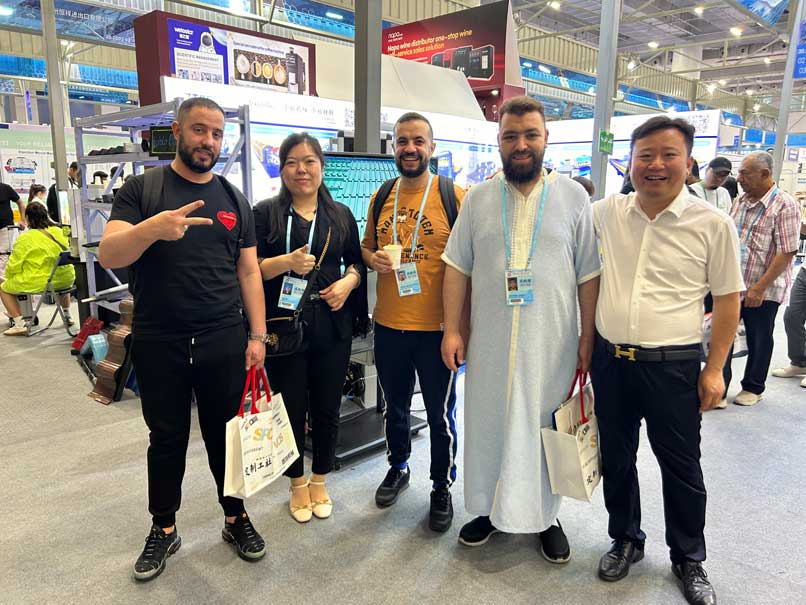
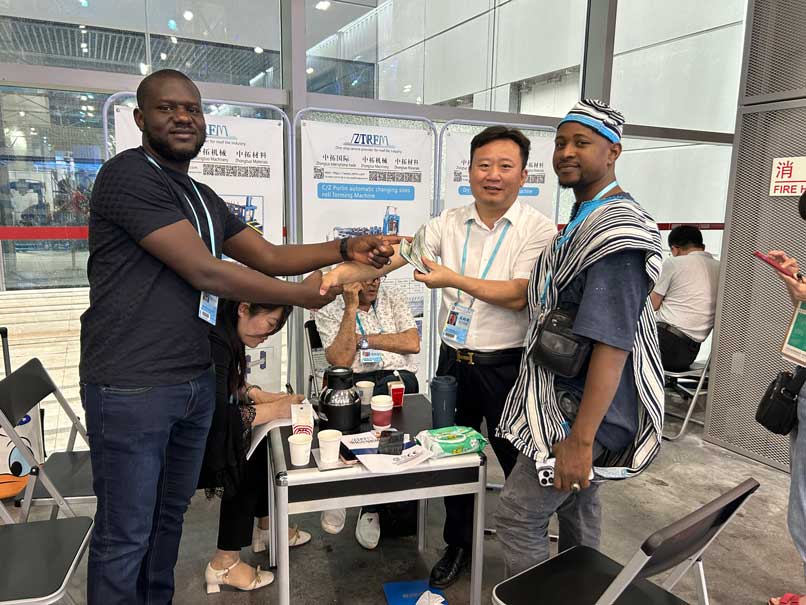
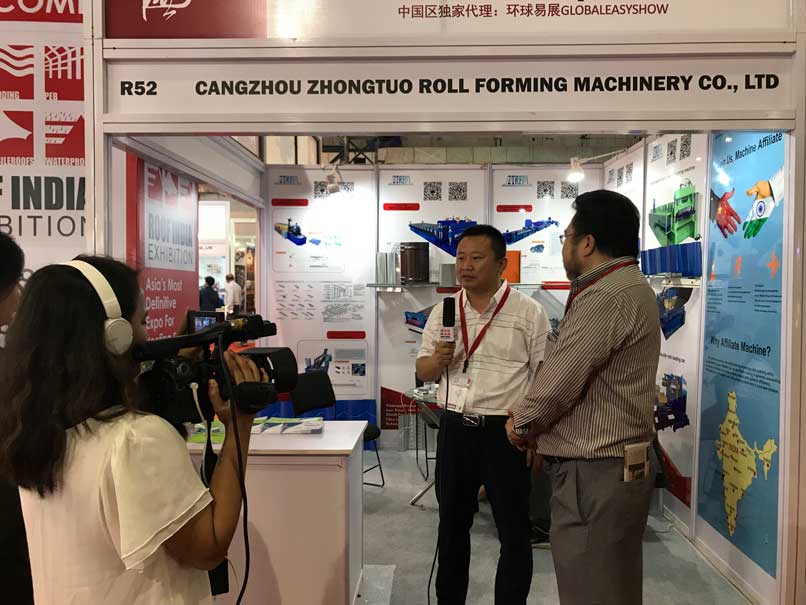
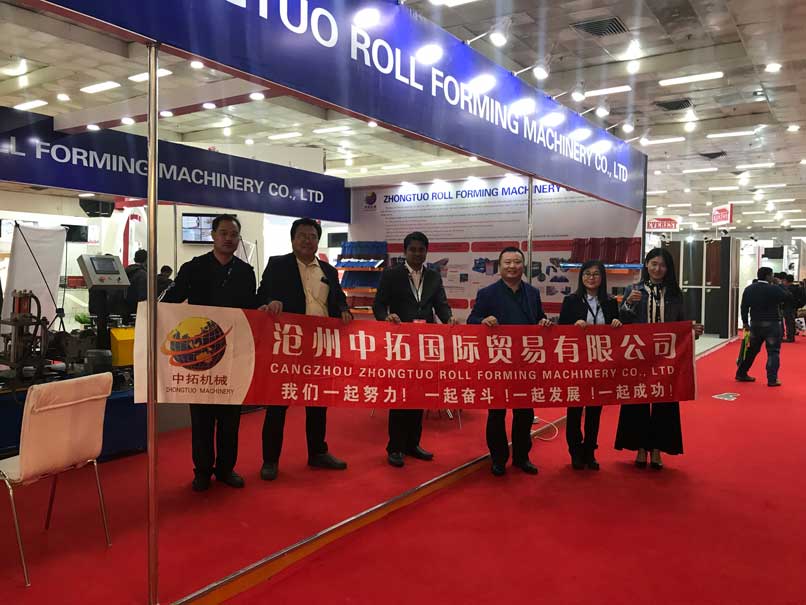
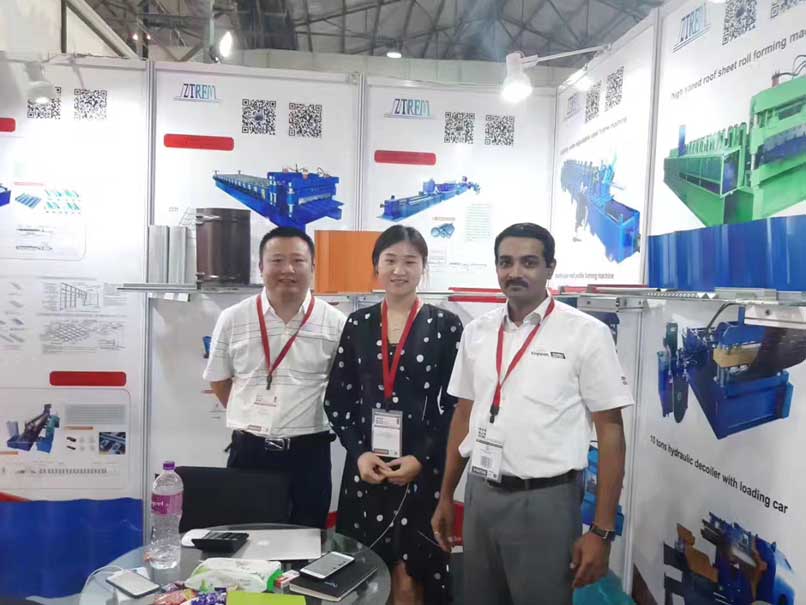
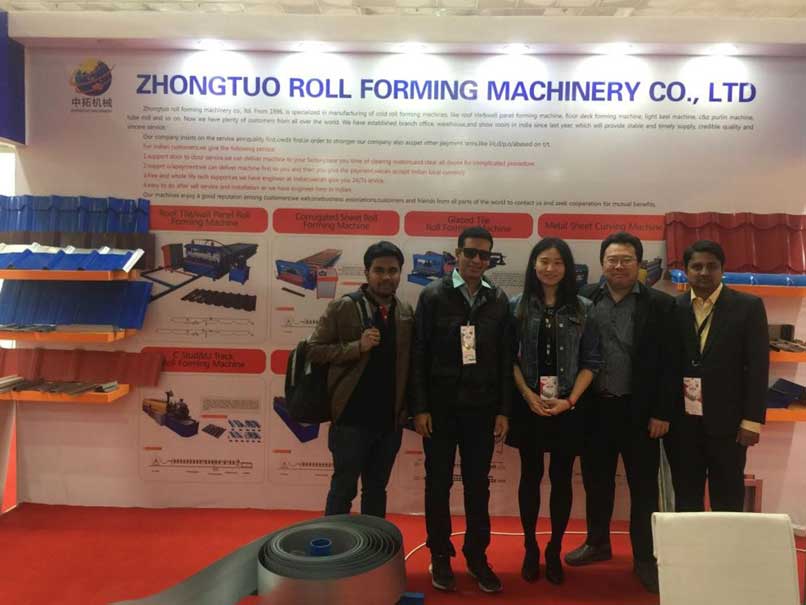
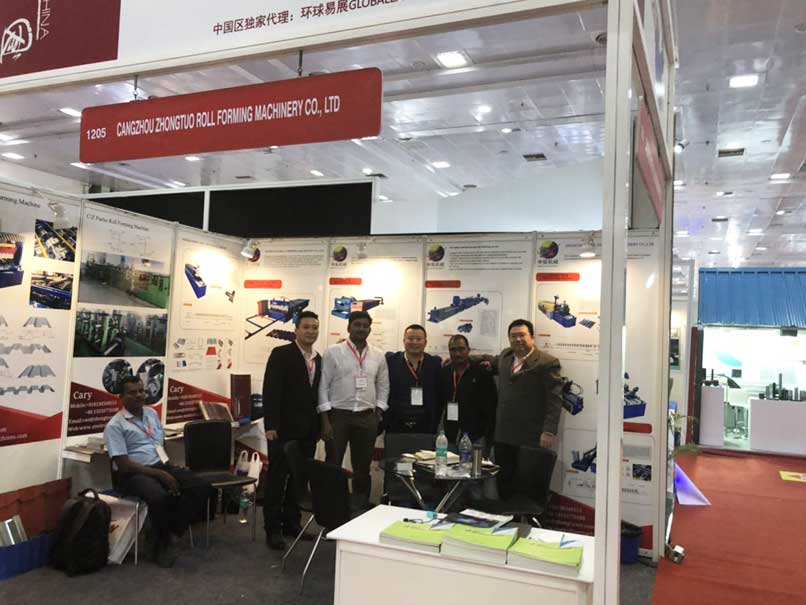
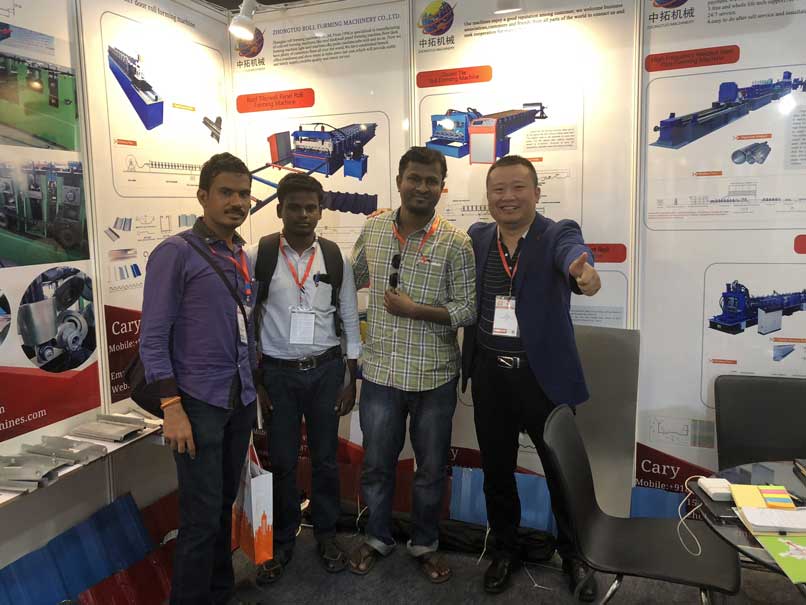
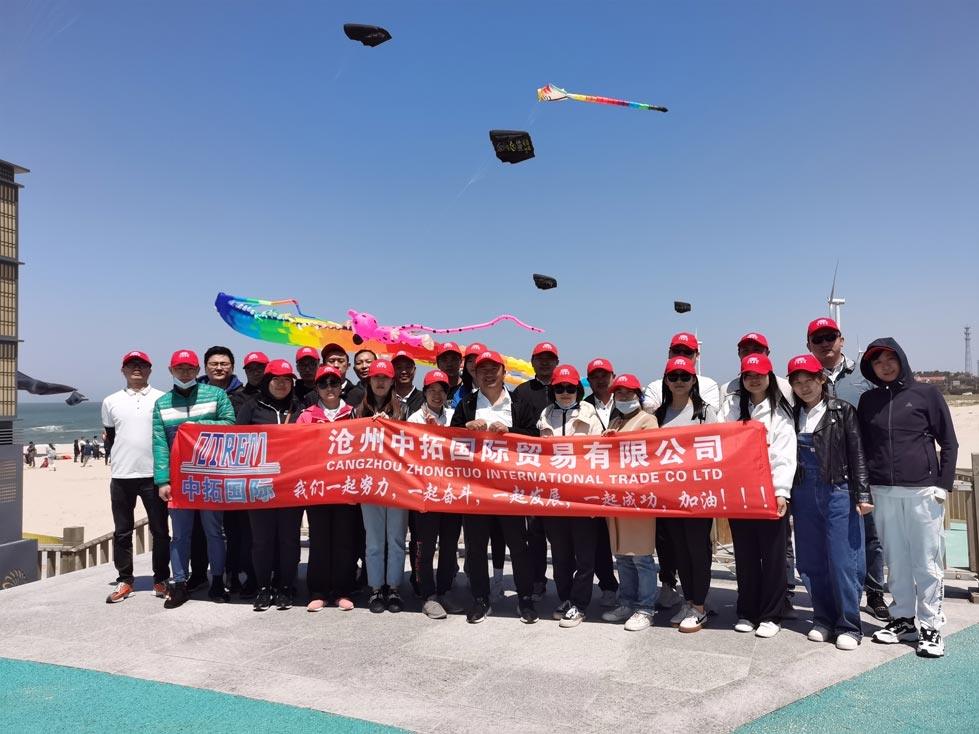
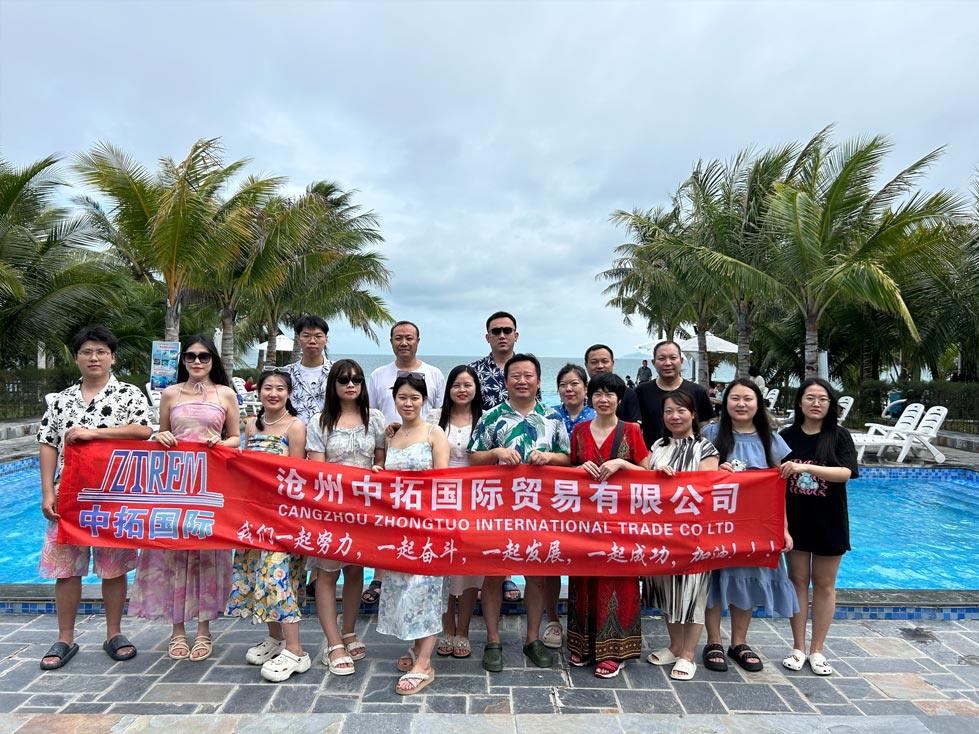
أكثر من 24 عاماً من الخبرة والمعرفة بالمعايير الدولية, التغييرات التكنولوجية والأنظمة الصناعية، نحن ملتزمون بما يلي توفر سدس أفضل الحلول الاقتصادية للعملاء الكرام.
Glazed Tile Roll Forming Machine | Metal Roof Tile Production Line | ZTRFM
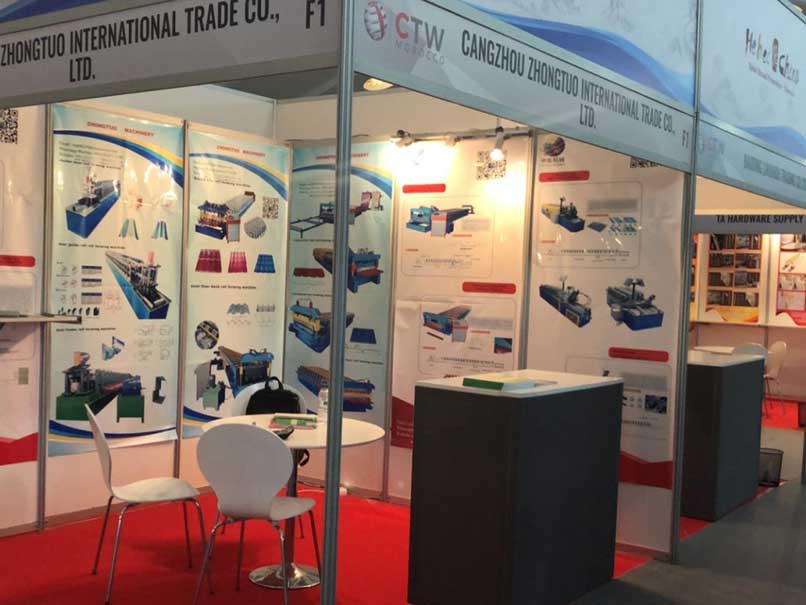
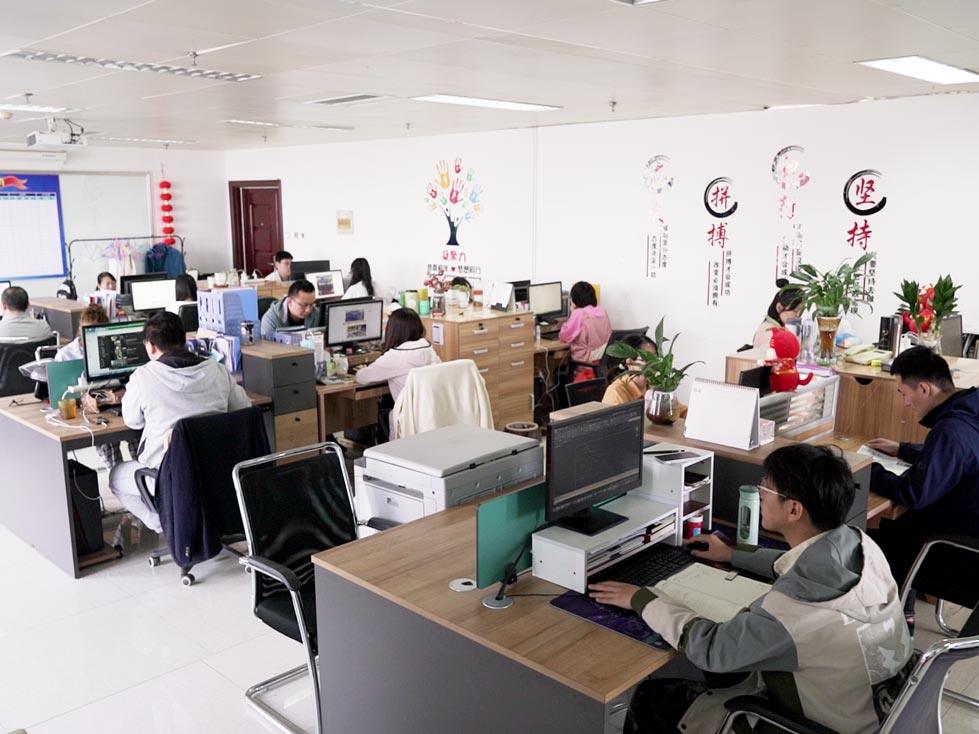
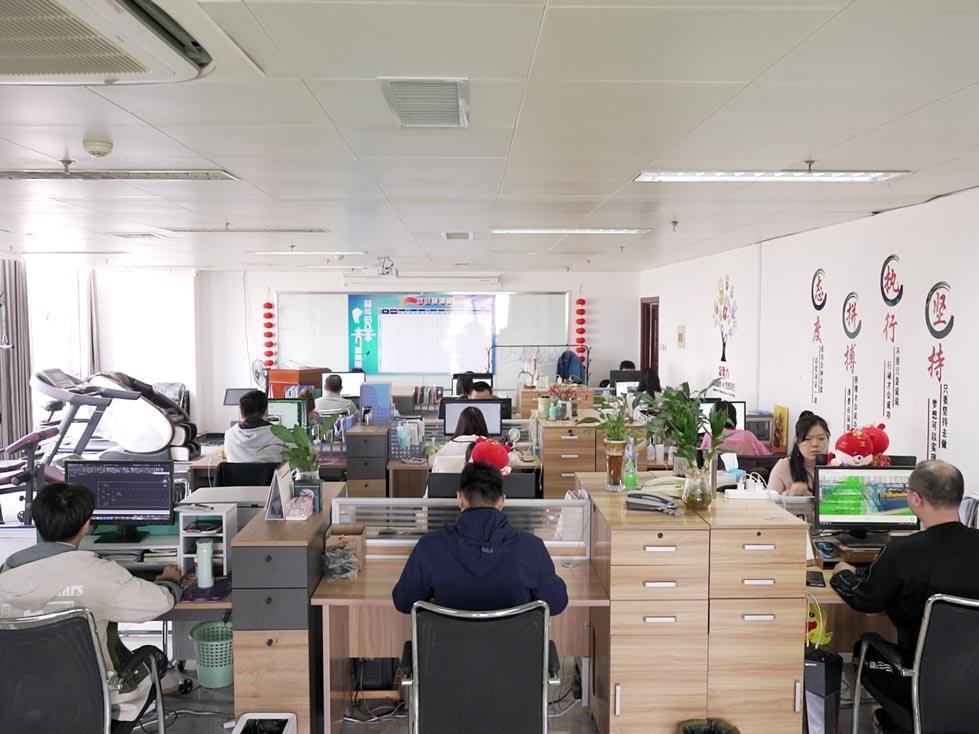
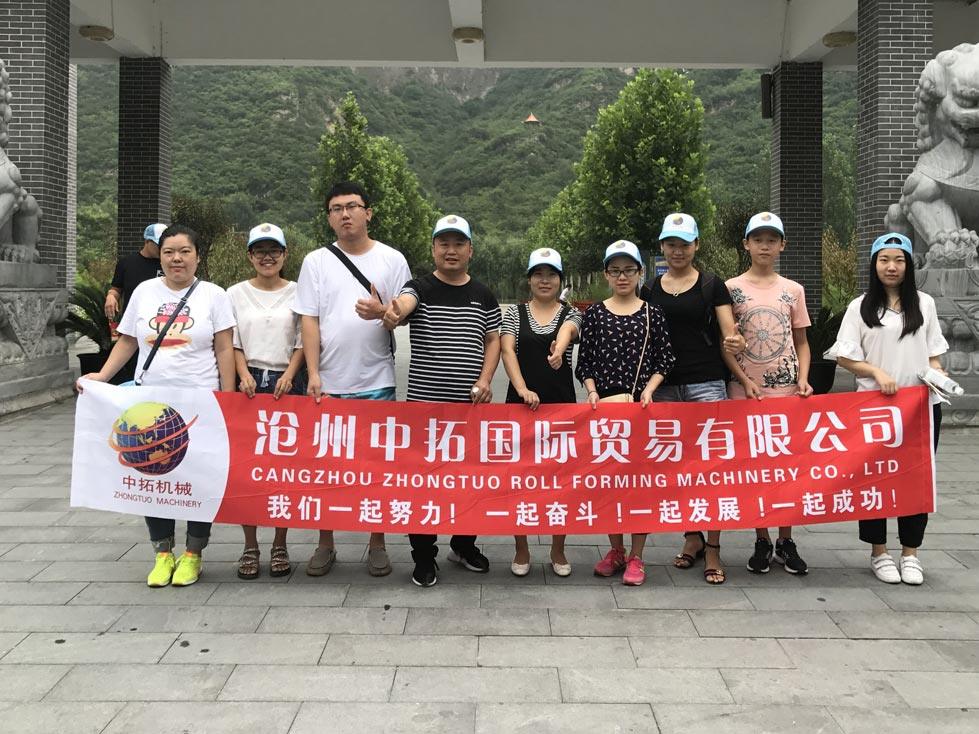
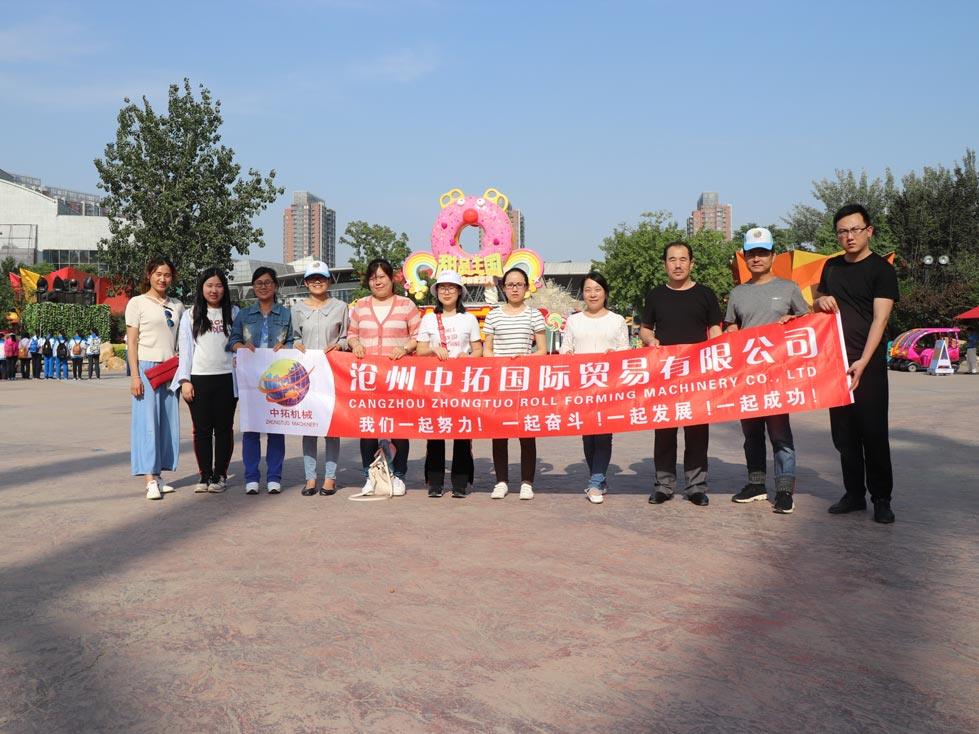
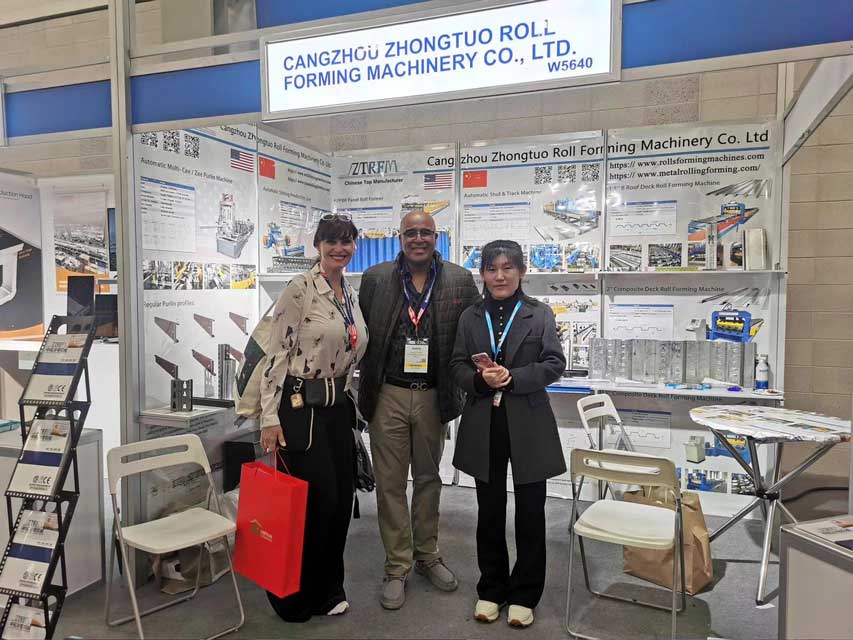
تأتي شركة Cangzhou Zhongtuo Roll Forming Machinery Co.,Ltd من خبي-الصين. وهي شركة مصنعة مكرسة للتصميم والتصنيع. أنواع مختلفة من آلات التشكيل على البارد. نحن مصنع ذو تاريخ طويل، نعمل في تصميم وتصنيع ماكينات التشكيل على البارد منذ عام 2006. الآلات التي يمكن أن ننتجها تشمل: آلة تشكيل بلاط السقف، آلة تشكيل مدادة السقف، آلة تشكيل مدادة cz، آلة تشكيل العارضة الفولاذية الخفيفة، آلة تشكيل العارضة الفولاذية الخفيفة، آلة تشكيل نظام الباب، آلة تشكيل نظام السقف، آلة لحام الأنابيب عالية التردد، خط الحزّ، خط القطع حسب الطول، آلة تشكيل نظام الرف، آلة تشكيل نظام الرف، آلة تشكيل التزيين الأرضي، خط إنتاج بلاط الحجر الملون، آلة التصفيح الساخن المصورة، إلخ.
Metal Decking Roll Forming Machine With Head Down Slope 85 Height
Corrugated Roofing Sheet Rolling Forming Machine
IBR Metal Roofing Machine
Step Tile Making Machine
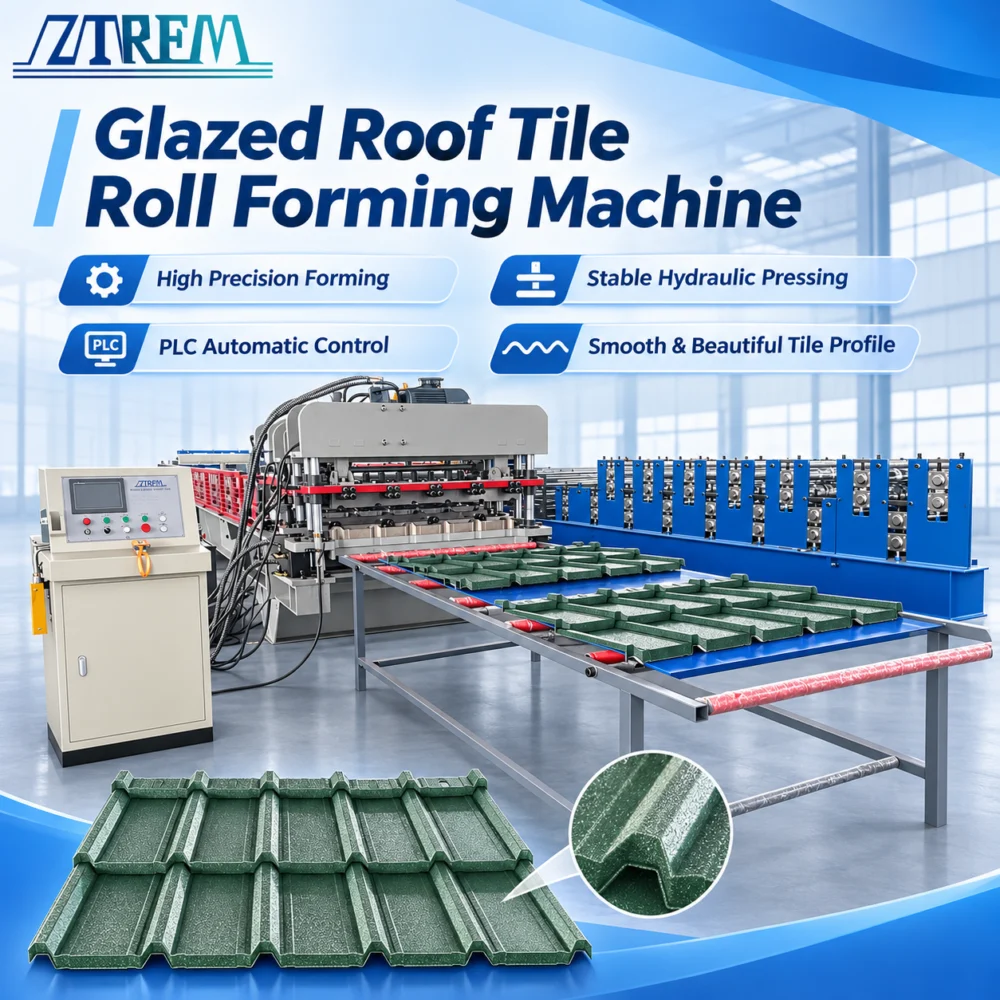
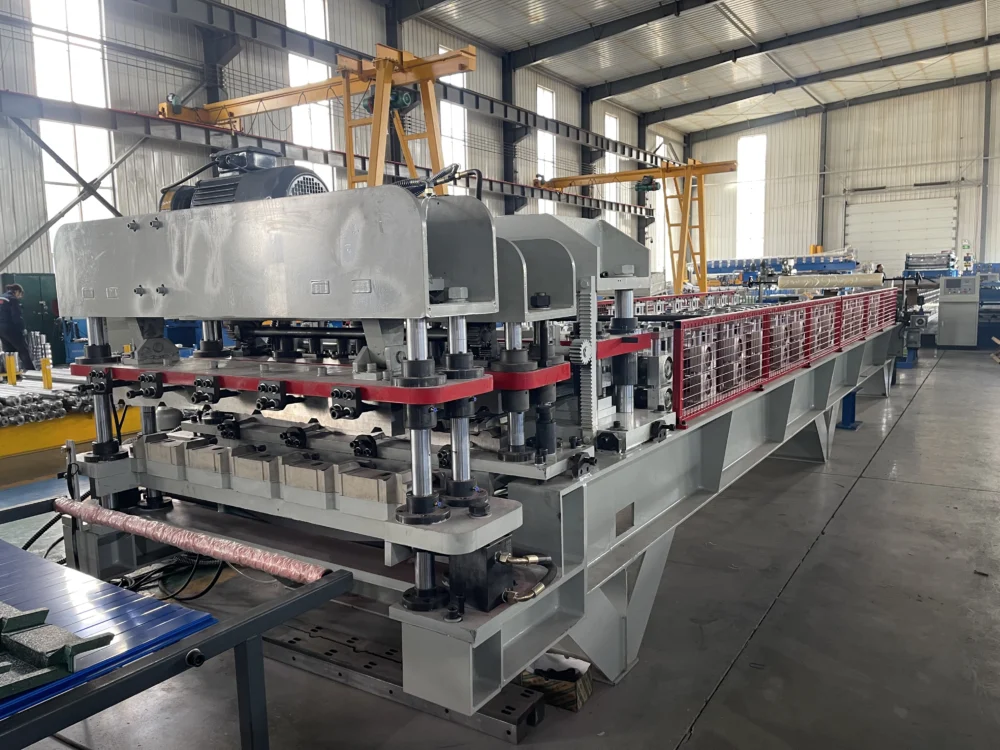
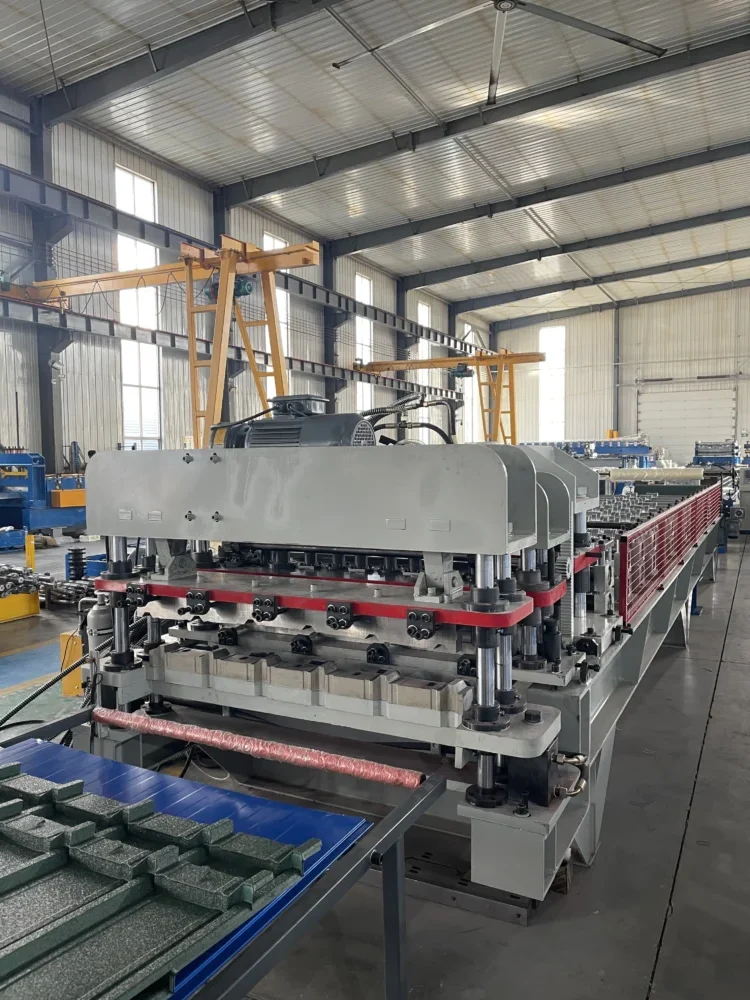
Glazed Roof Tile Roll Forming Machine
Glazed Tile Roll Forming Machine | Metal Roof Tile Production Line | ZTRFM
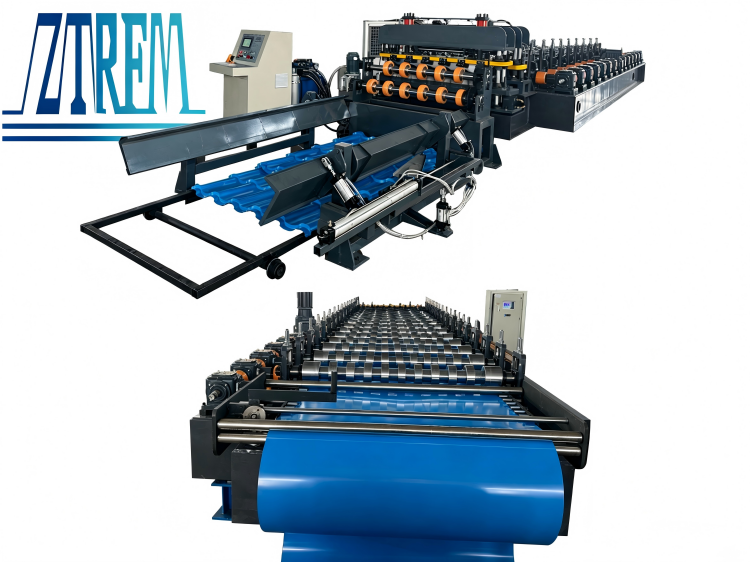
الوصف: A glazed tile roll forming machine produces decorative metal roof tiles with consistent profile, high running speed, and low labor input. ZTRFM supplies customized step tile roll formers for roofing contractors and tile factories worldwide.
Glazed Tile Roll Forming Machine | Metal Roof Tile Production Line | ZTRFM
Introduction
A glazed tile roll forming machine is a dedicated production line that turns plain steel coils into decorative, tile-shaped metal roofing sheets. For roofing manufacturers, building material distributors, and construction contractors, investing in a well-built machine means steady output, uniform tile profiles, and lower per-tile production cost. This article explains how a glazed tile roll forming machine works, what features buyers should compare, and why a customized ZTRFM line is a practical choice for projects in overseas markets.
What Is a Glazed Tile Roll Forming Machine?
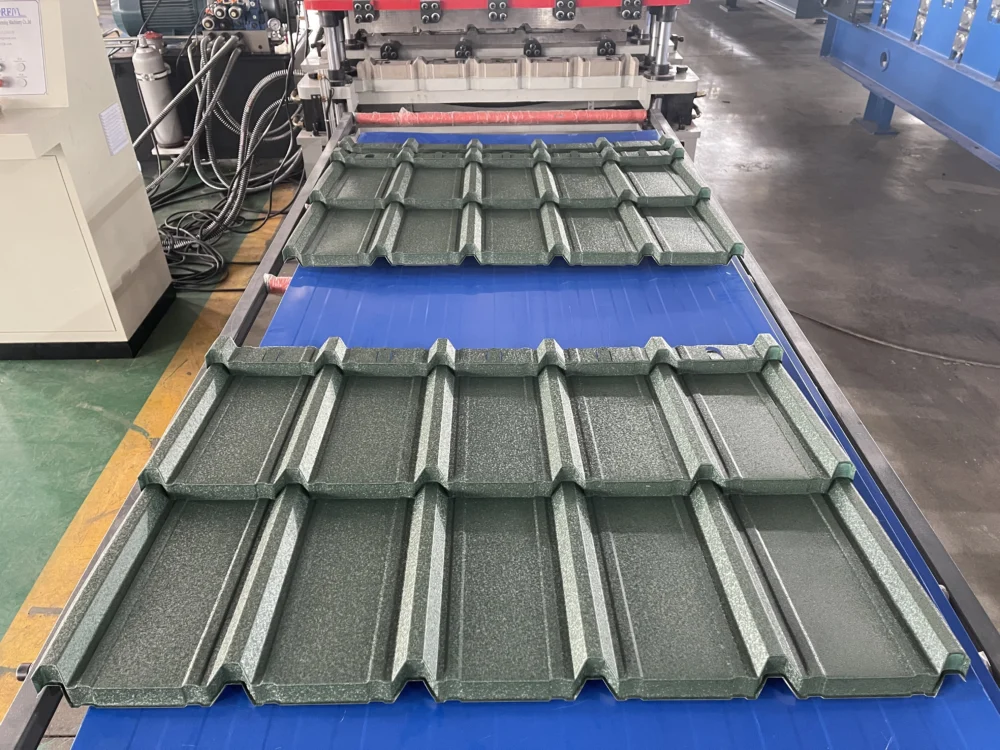
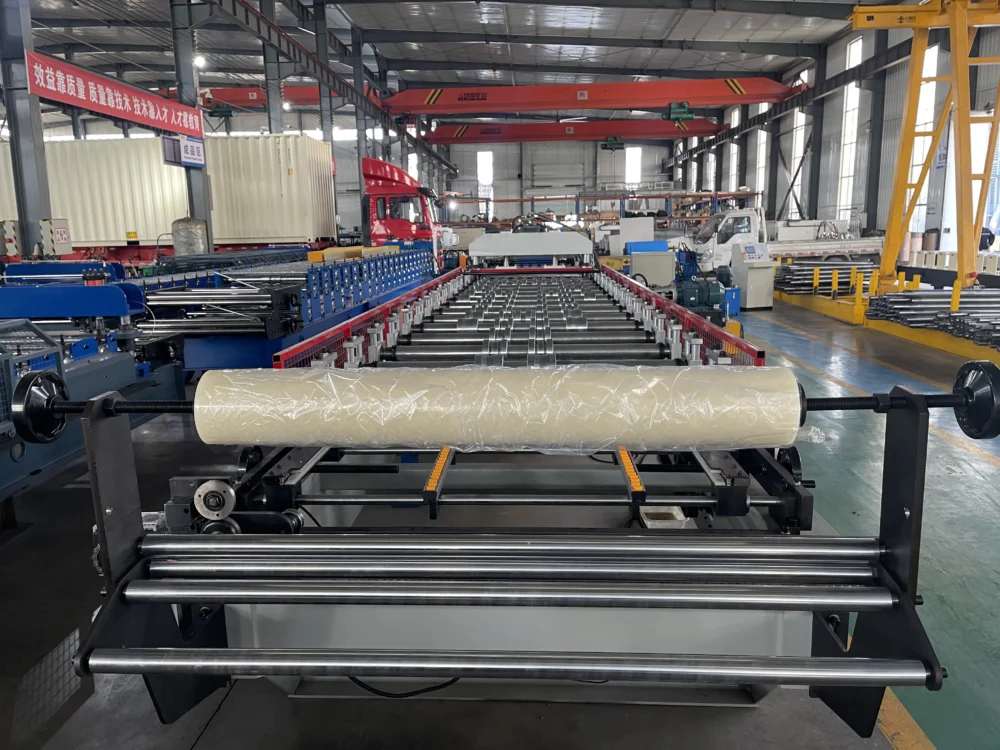
A glazed tile roll forming machine, also called a glazed roof tile forming machine or step tile roll former, continuously shapes metal coils through a series of roll stations. As the strip passes through each pair of rollers, it is gradually bent into the traditional curved or stepped profile associated with ceramic glazed tiles. At the end of the line, the formed sheet is cut to the required length and discharged as a finished roofing tile panel.
Compared with press-forming methods, roll forming keeps the material moving in one continuous direction. This suits long roofing sheets and produces a clean, consistent surface along the full length of the tile. The finished panels can be coated with color steel, aluminum, or galvanized material, giving roofers a lightweight, durable alternative to clay or concrete tiles.
Glazed Tile Roll Forming Machine | Metal Roof Tile Production Line | ZTRFM
How the Production Line Works
Although every supplier arranges the line slightly differently, a standard glazed tile roll forming line follows the same working sequence. Understanding this flow helps buyers judge machine quality and plan factory layout.
Coil loading and uncoiling: The steel coil is mounted on a decoiler that feeds the strip into the main body. A manual or hydraulic uncoiler keeps the strip centered and avoids tangling.
Guiding and feeding: Guide rollers straighten the strip and align it before it enters the forming section, preventing offset patterns on the finished tile.
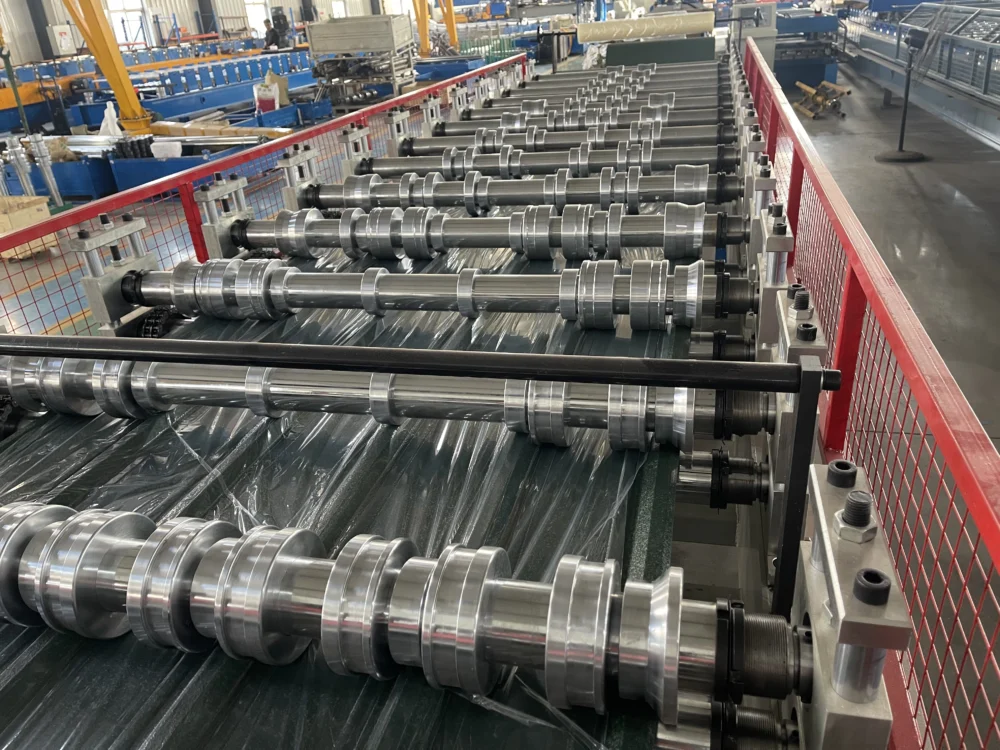
Roll forming: Multiple forming stations progressively bend the strip into the glazed tile shape. Roller material, shaft diameter, and station spacing determine how smoothly the profile is formed.
Punching and embossing (optional): Some lines include holes for fixing, drainage slots, or decorative embossing before cutting, according to the selected tile design.
Hydraulic cutting: A flying or fixed cutting blade trims the profile to the preset length. The cutter follows the tile contour so the end edge matches the profile without ragged corners.
Output table: Finished panels move onto a run-out table, where they can be stacked, counted, and prepared for packaging or loading.
Glazed Tile Roll Forming Machine | Metal Roof Tile Production Line | ZTRFM
Key Features and Advantages to Look For
When comparing glazed tile machines, buyers should focus on structural strength, control stability, and ease of maintenance rather than price alone. The following features are typical of a reliable step tile making machine.
Robust Forming Structure
The main frame is built from welded steel, which stays stable under continuous running. Solid shafts, bearings, and hardened roll pairs reduce vibration, surface scratches, and profile distortion. A rigid frame also keeps the tile pattern aligned after long operating hours.
PLC Control with Length Setting
A PLC control panel stores tile length, panel count, and production speed. Operators can set the required sheet length on the touch screen, and the machine cuts automatically when the target length is reached. This reduces scrap caused by manual measurement and lets one worker monitor the whole line.
Customizable Tile Profiles
Different regions prefer different tile curves, cover widths, and step heights. The roller design, pressing stages, and cutting die can be customized to match local roofing designs. Buyers often supply a sample tile, a drawing, or a profile photo, and the manufacturer designs the roll set accordingly.
Wide Material Compatibility
The line commonly processes color-coated steel, galvanized steel, and aluminum coils. Thickness and width settings are adjusted for the chosen material, so the same machine can serve orders with different coating colors and finishes.
High Output and Low Labor
Once the coil is loaded and the recipe is set, the line runs automatically through forming and cutting. Fewer operators are needed per shift, and consistent panel dimensions make on-site installation faster. For a factory or trading company, this directly improves delivery capacity and profit margin per order.
Glazed Tile Roll Forming Machine | Metal Roof Tile Production Line | ZTRFM
Materials and Common Applications
A glazed tile roll forming machine is used wherever metal decorative roofing is required. Common applications include residential villas, commercial warehouses, factory buildings, rural housing projects, and renovation roofing. The finished panels imitate the look of traditional glazed tiles while offering the light weight and corrosion resistance of coated steel.
Typical input materials include prepainted color steel coils, galvanized coils, and aluminum coils. Material choice depends on climate, budget, and required service life: color-coated panels provide the widest color range, while galvanized material is often chosen for basic protection in dryer environments.
Why Choose a ZTRFM Glazed Tile Roll Forming Machine
ZTRFM designs and manufactures roll forming equipment for roofing and wall panel markets. For overseas buyers, the machine package focuses on stable mechanical performance, clear operating documentation, and after-sales support that suits long-distance shipments.
Profile customization: Roller sets are designed around the tile pattern the buyer needs, rather than forcing a fixed profile onto every order.
Standardized components: Control system, hydraulic station, and motors are selected for easy replacement after arrival, reducing future downtime.
Factory testing before shipment: The line is trial-run on site to verify profile shape, cutting accuracy, and control functions before packing.
Export-oriented packaging: Main parts are protected for sea freight, and installation drawings, wiring diagrams, and operation guidance are provided alongside the machine.
Responsible communication: Buyers can discuss coil width, thickness, target speed, voltage, and required profile before ordering, so the delivered line matches the intended production scenario.
Glazed Tile Roll Forming Machine | Metal Roof Tile Production Line | Z TRFM- "Glazed
Frequently Asked Questions
What is the difference between a glazed tile machine and a regular roof sheet roll former?
A regular roof sheet machine produces simple trapezoidal or corrugated panels. A glazed tile roll forming machine forms a curved, stepped tile pattern that resembles traditional ceramic roofing, usually with embossed detail and a decorative surface. The forming stages and roller design are dedicated to that tile profile.
Can the machine produce different tile designs on one line?
One line is generally optimized for one main profile. If a buyer needs several tile styles, manufacturers can discuss multi-profile lines or quick-change roller solutions. The final design depends on production volume and how often the profile must switch.
What information should I provide when requesting a quotation?
Useful details include required tile profile or sample, coil material and thickness, coil width, target production speed, finished panel length, voltage and power supply available, and port or destination country. This helps the supplier propose a matching machine configuration and a realistic lead time.
How do I maintain the machine after installation?
Routine maintenance includes checking lubrication on bearings and gearboxes, inspecting rollers for dirt or scratches, verifying cutter sharpness, and keeping the PLC panel and hydraulic station clean. Following the supplied maintenance schedule extends roller life and keeps the profile consistent.
الخاتمة
A glazed tile roll forming machine is a cost-effective way to enter or expand in the metal roofing tile market. With the right profile design, solid forming structure, and reliable automatic control, the line delivers uniform decorative tiles at a steady pace, helping contractors and manufacturers meet local building demand. If you are comparing suppliers for a new roofing tile production line, share your tile drawing, coil specification, and production target with ZTRFM to receive a tailored machine proposal.
لماذا تختارنا؟
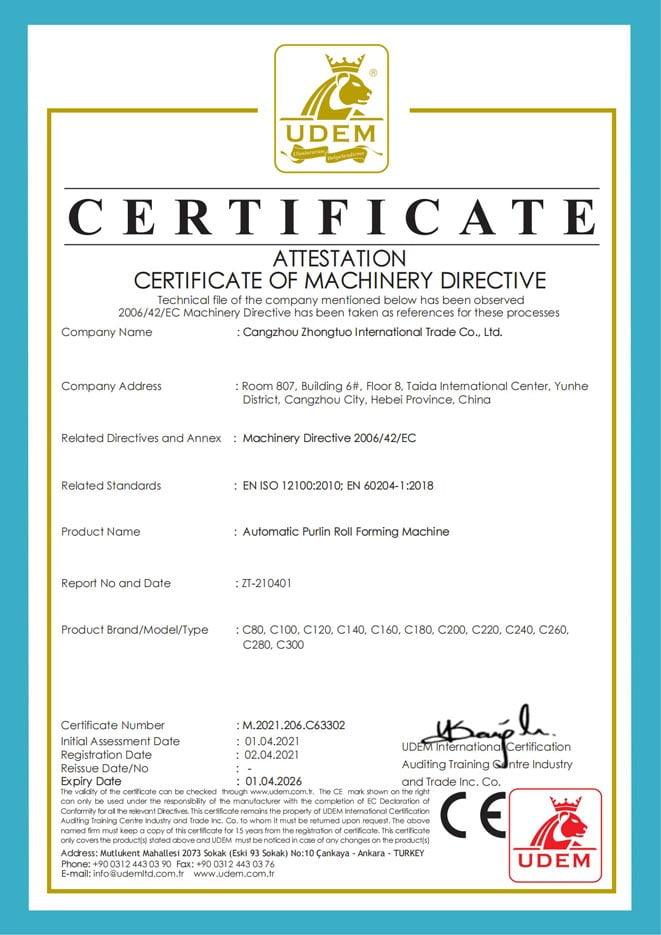
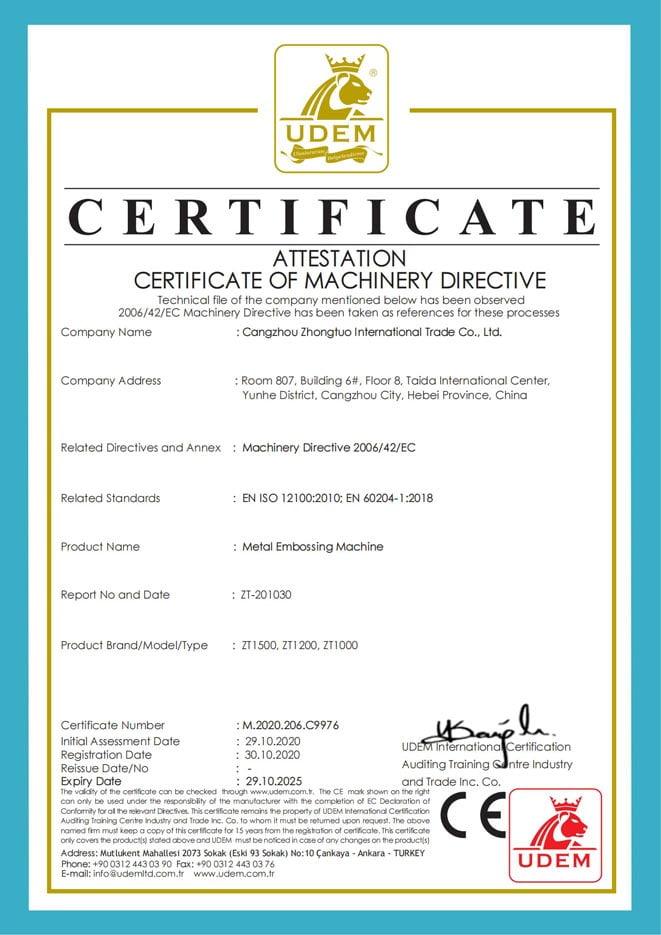
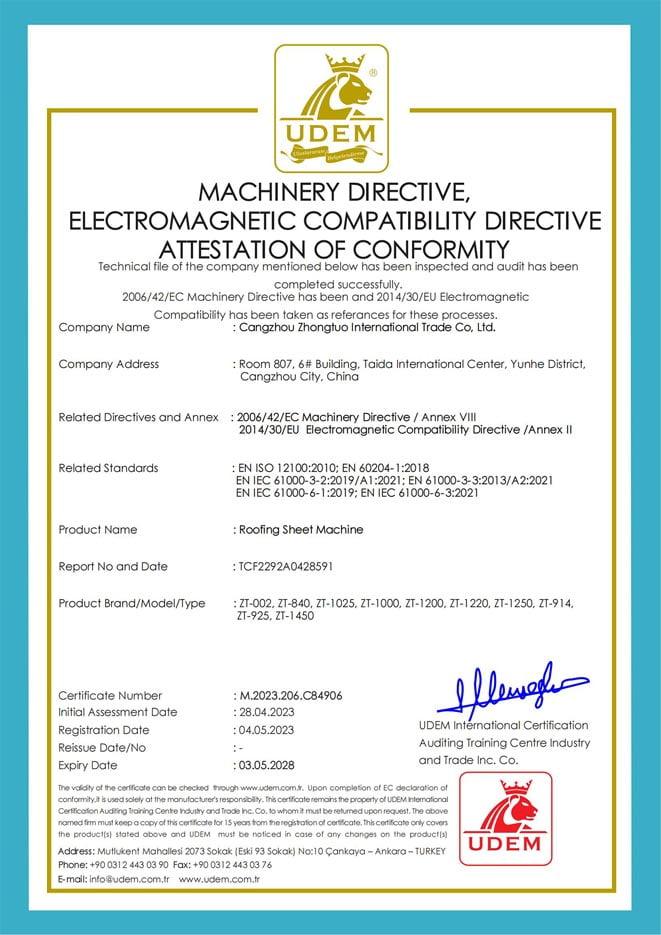
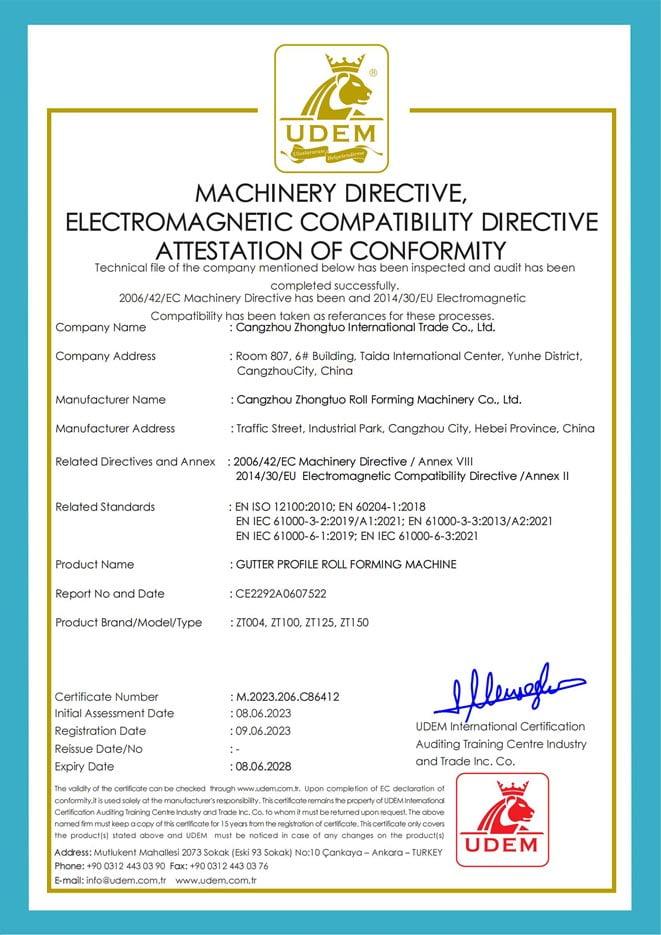
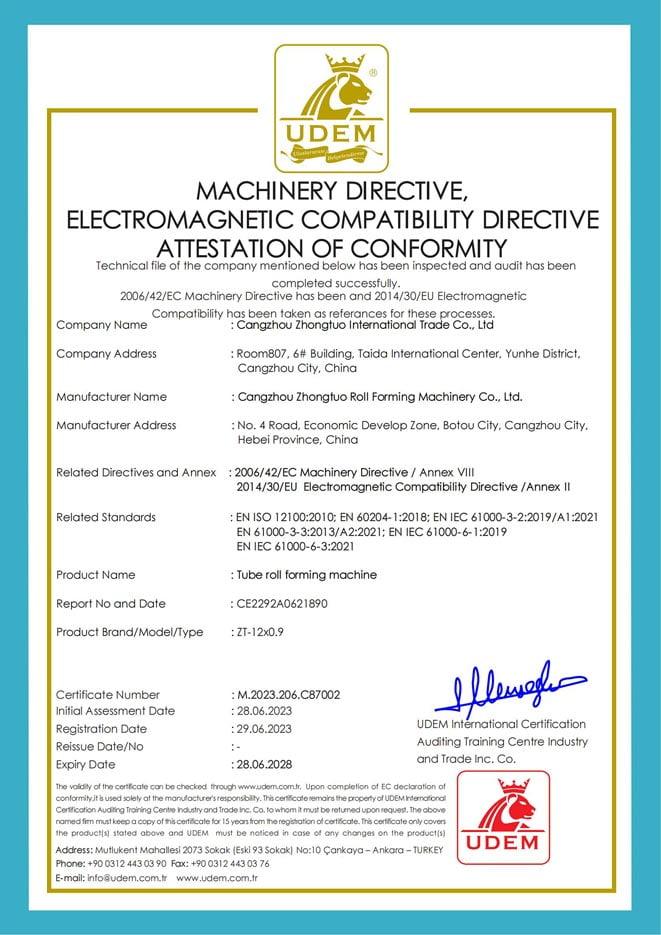
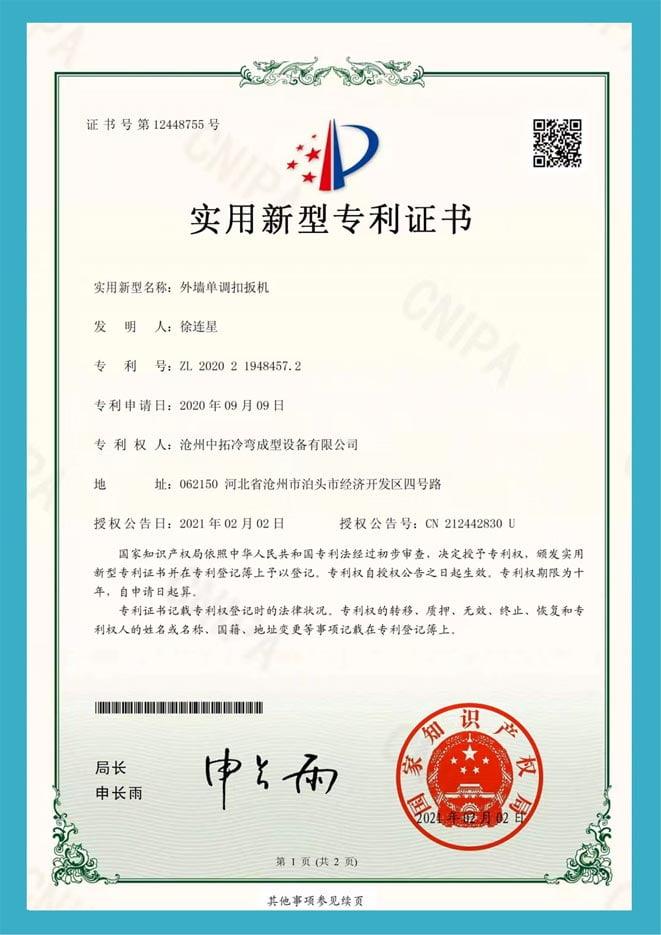
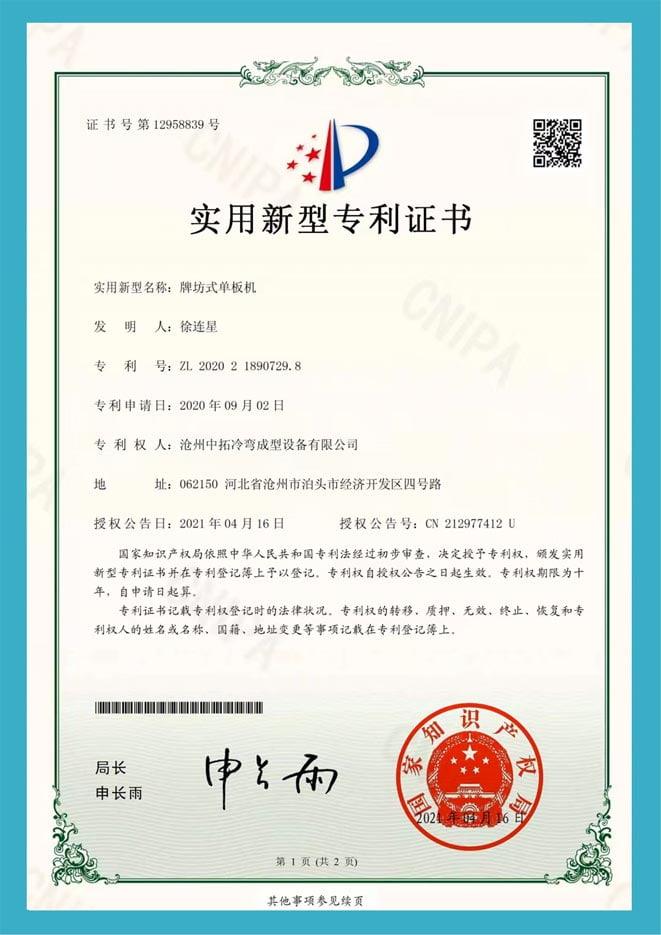
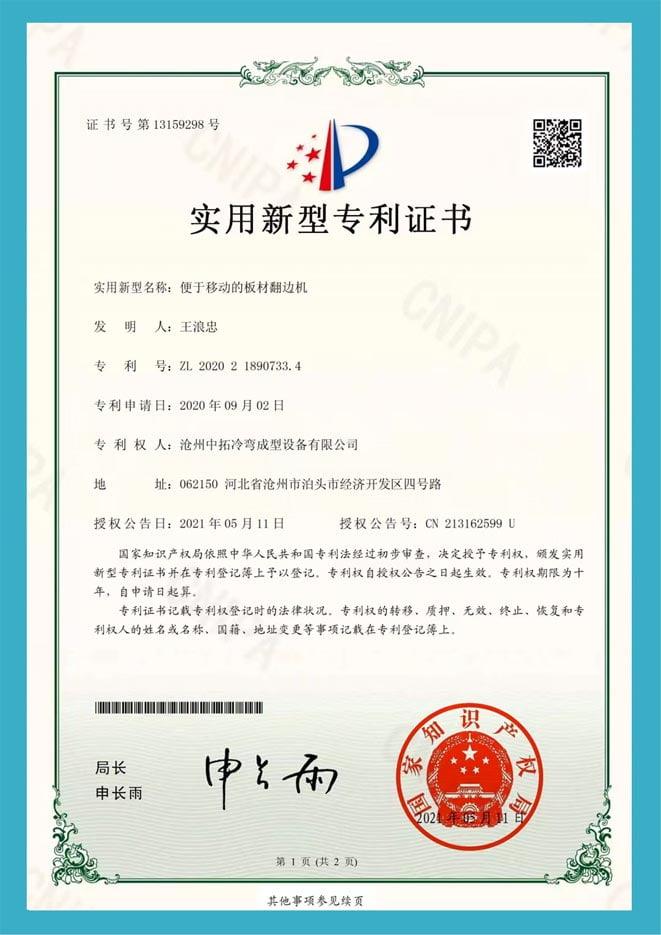
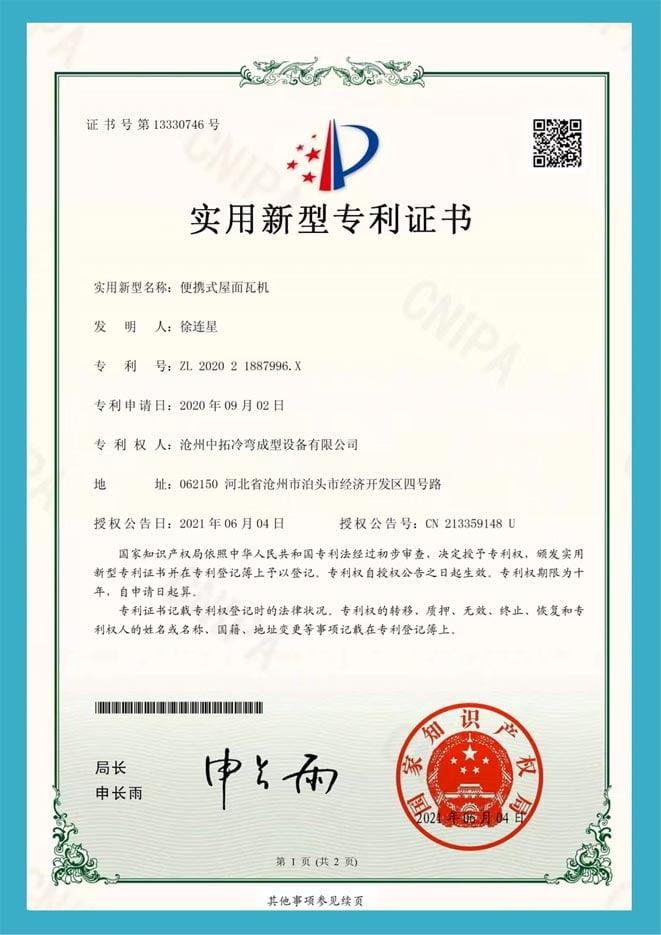
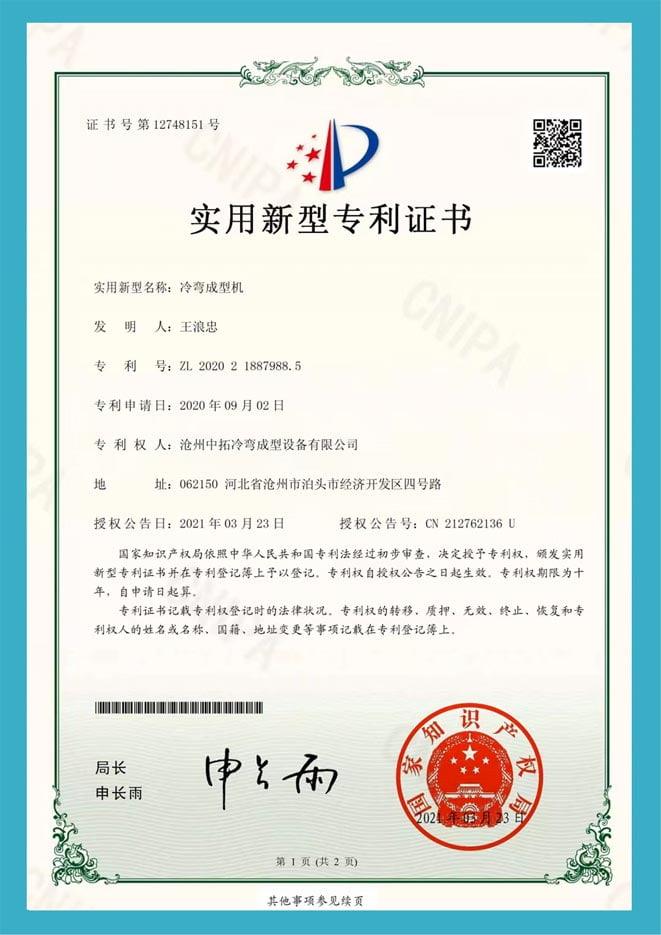
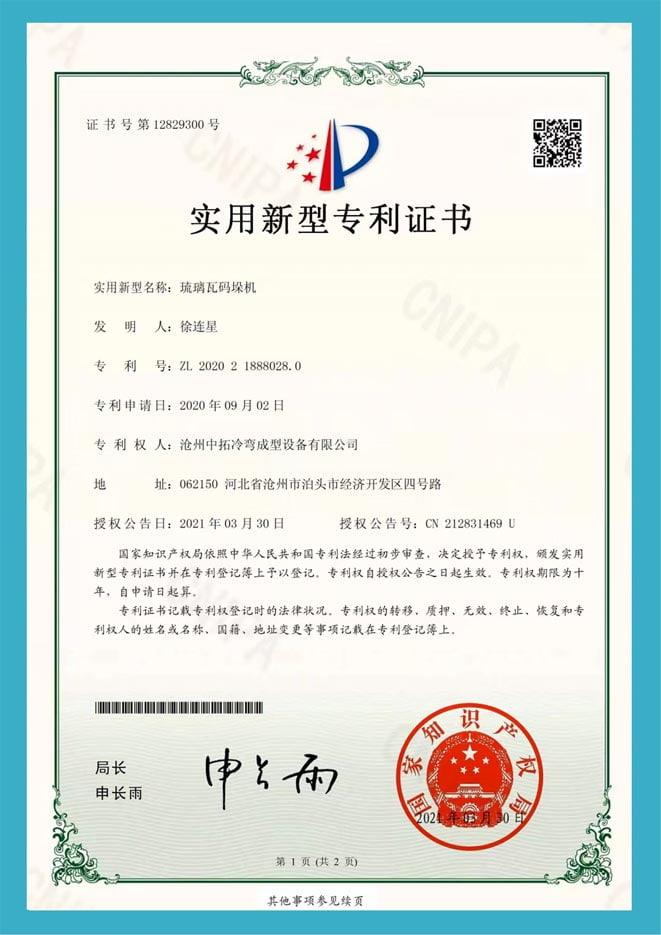
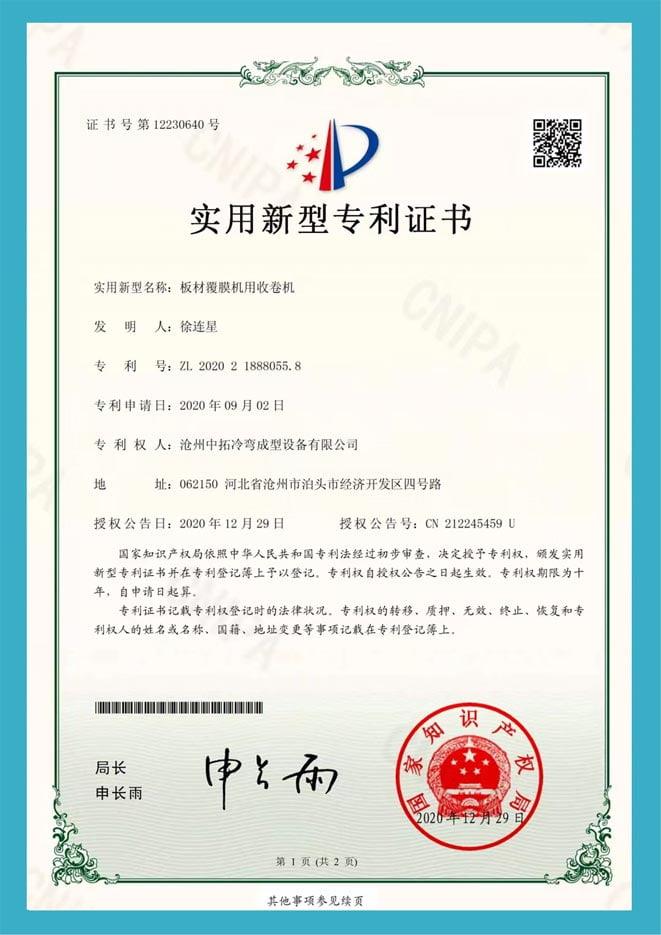
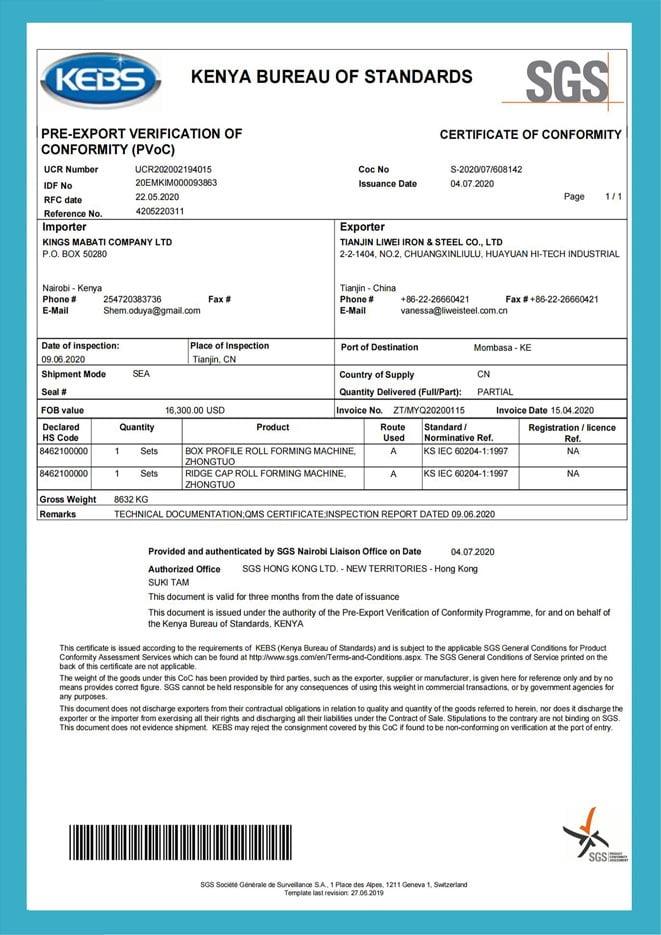
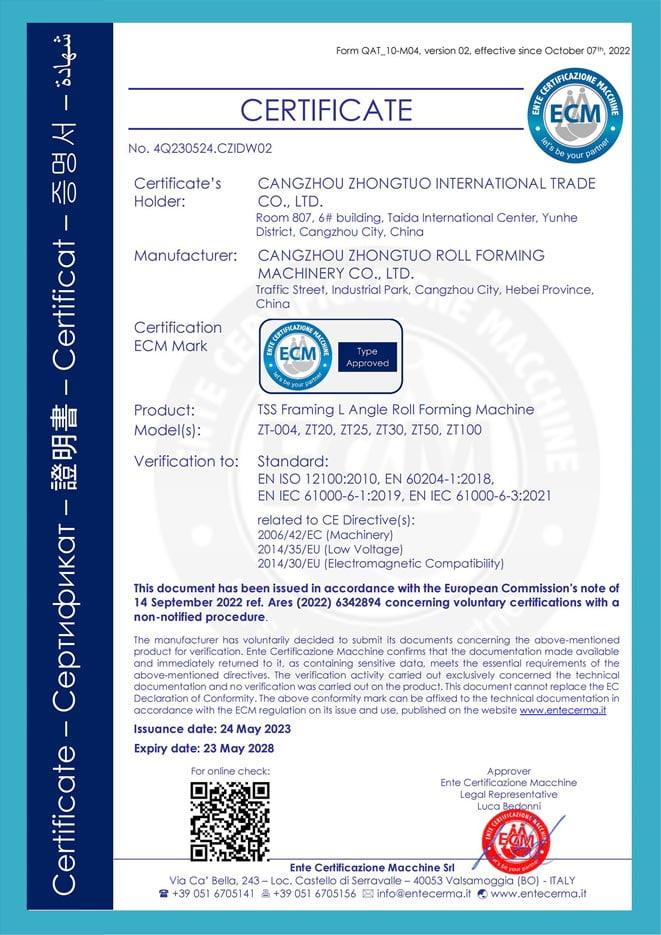
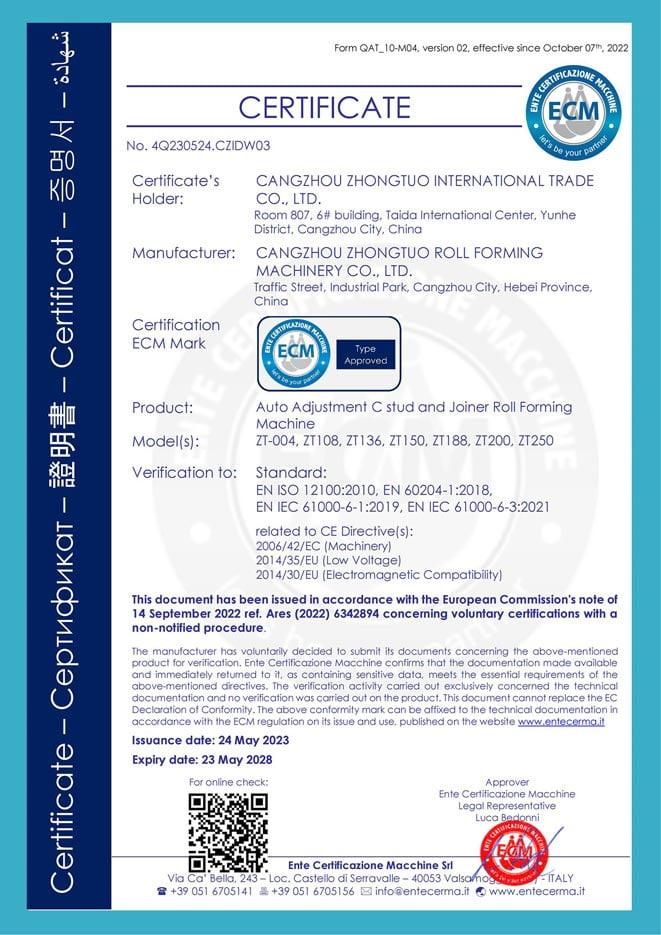
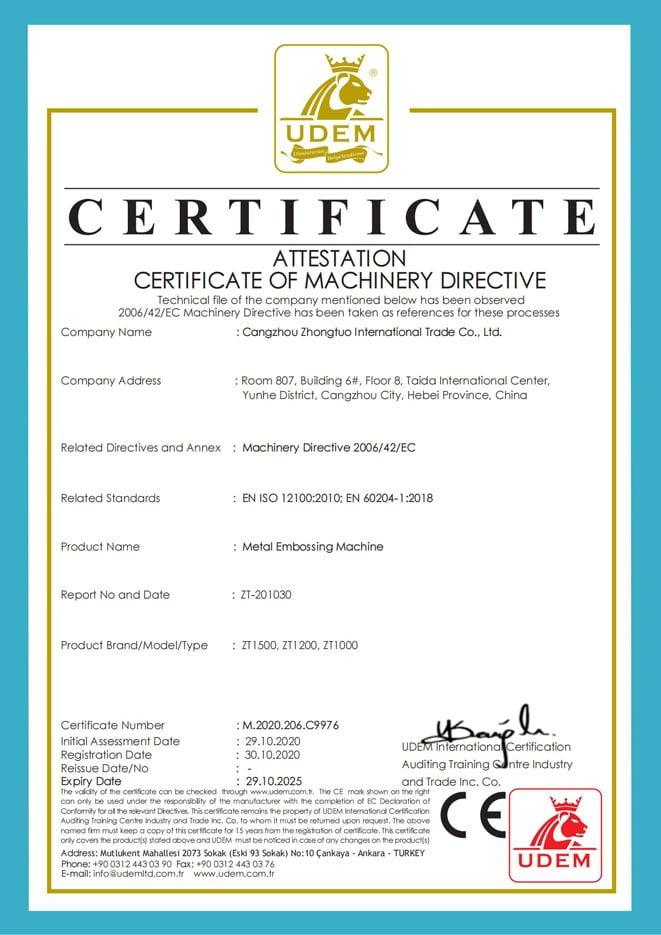
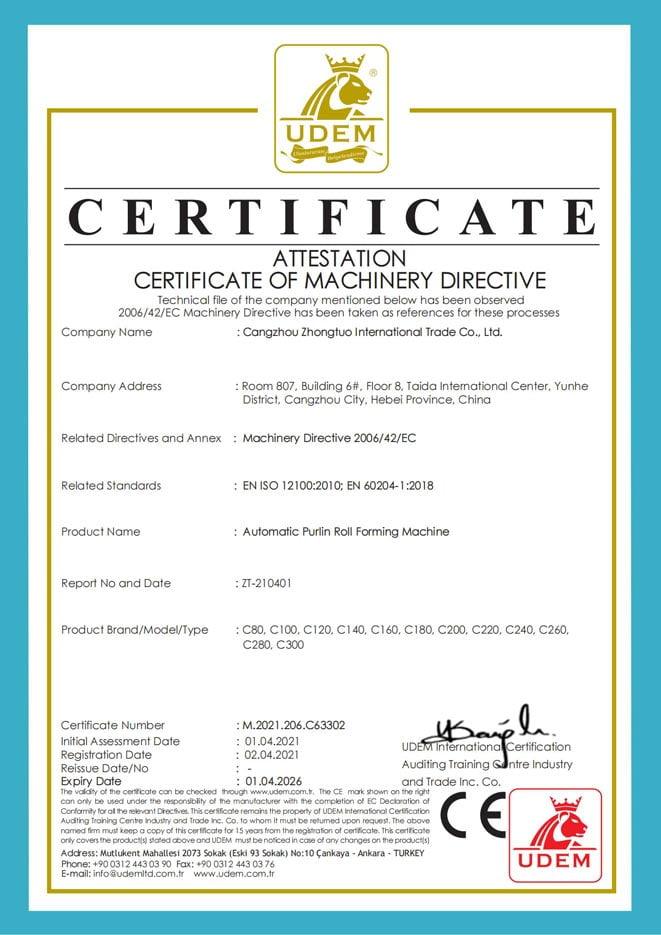
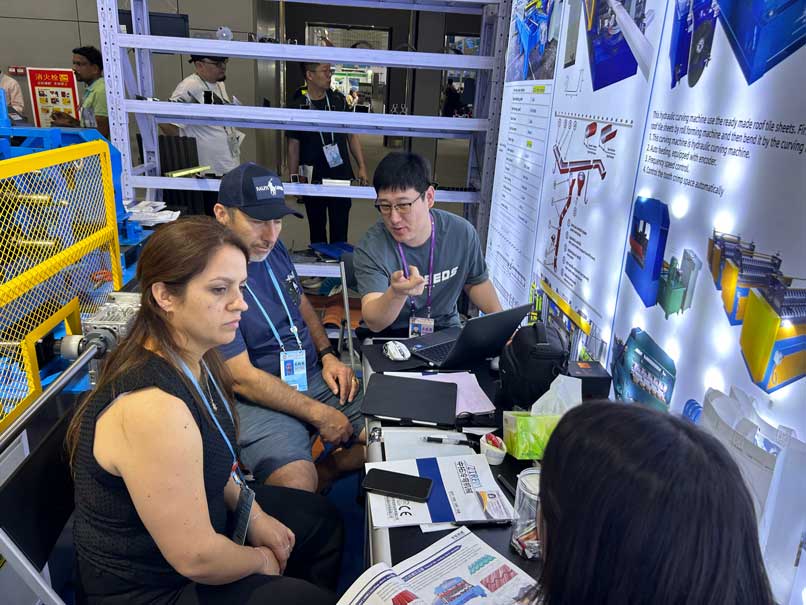
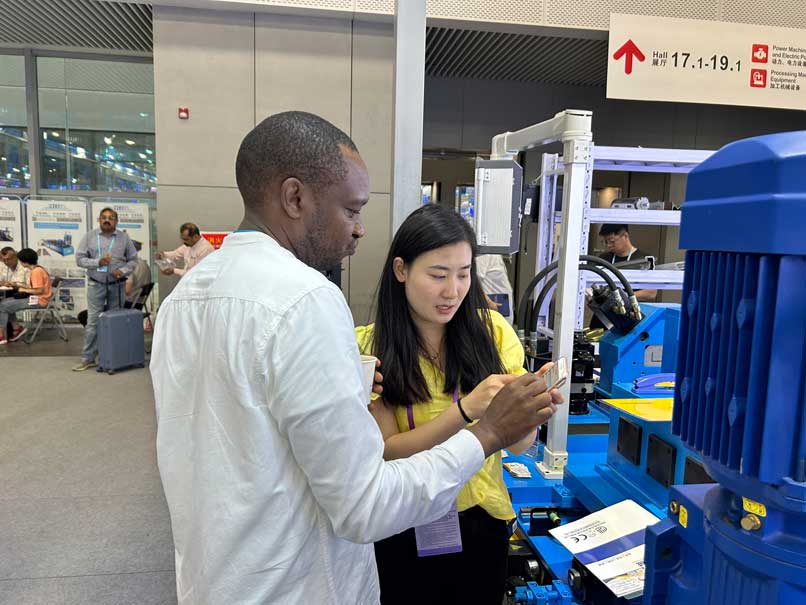
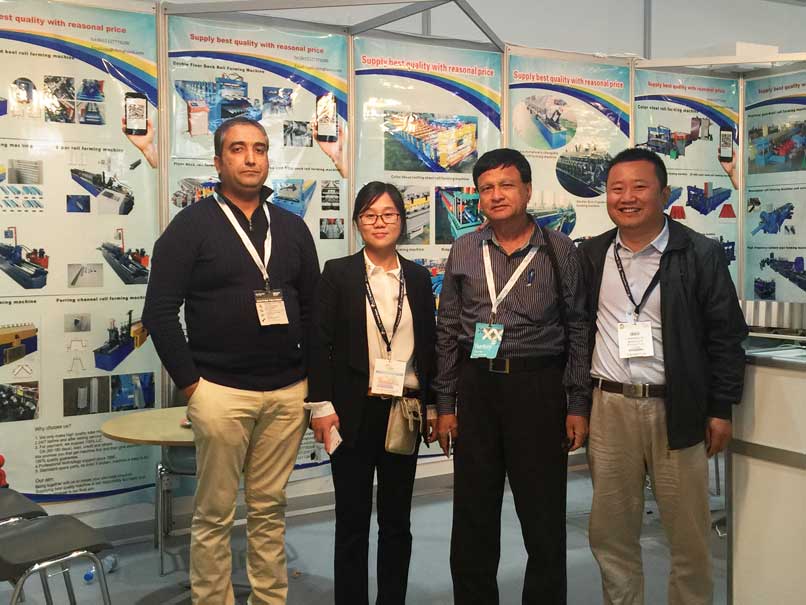
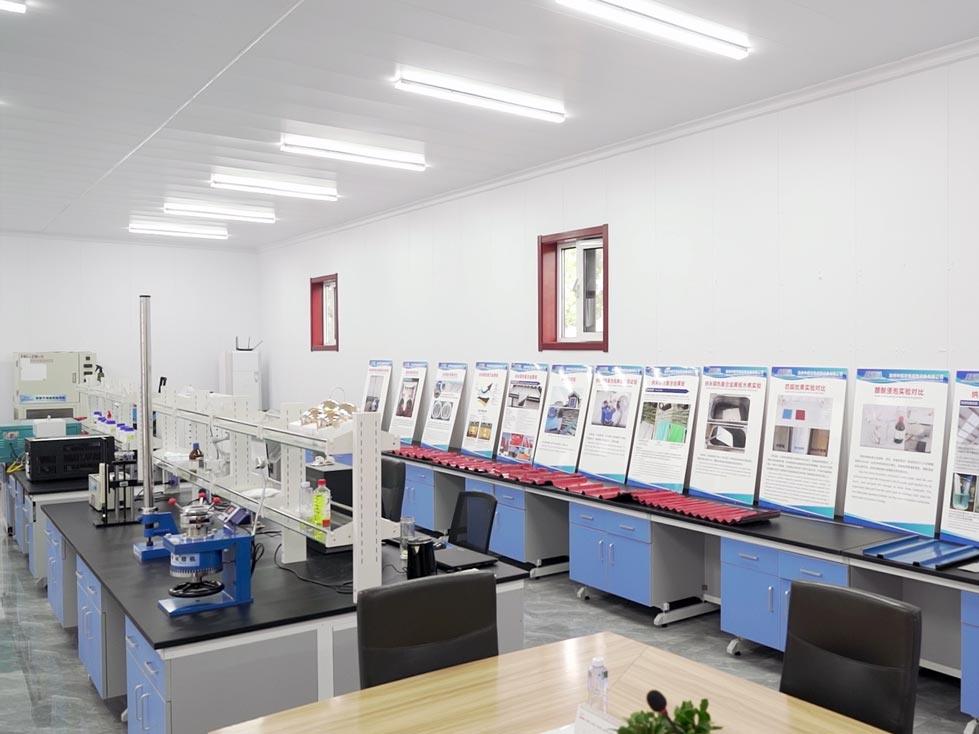
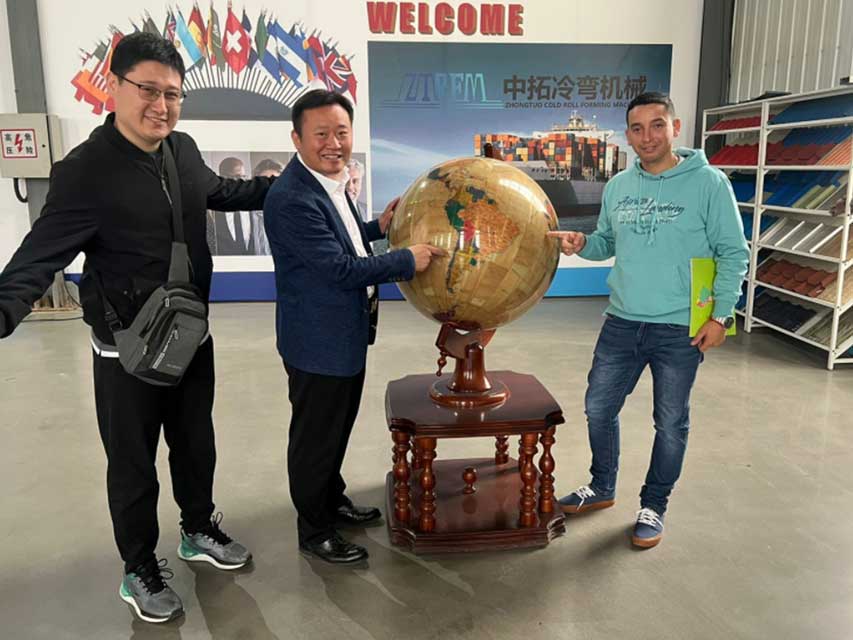
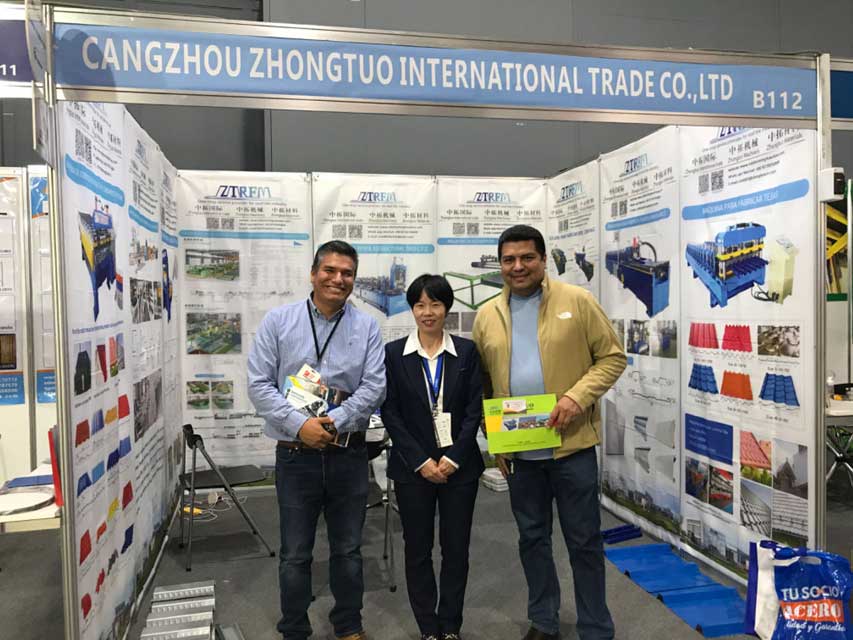
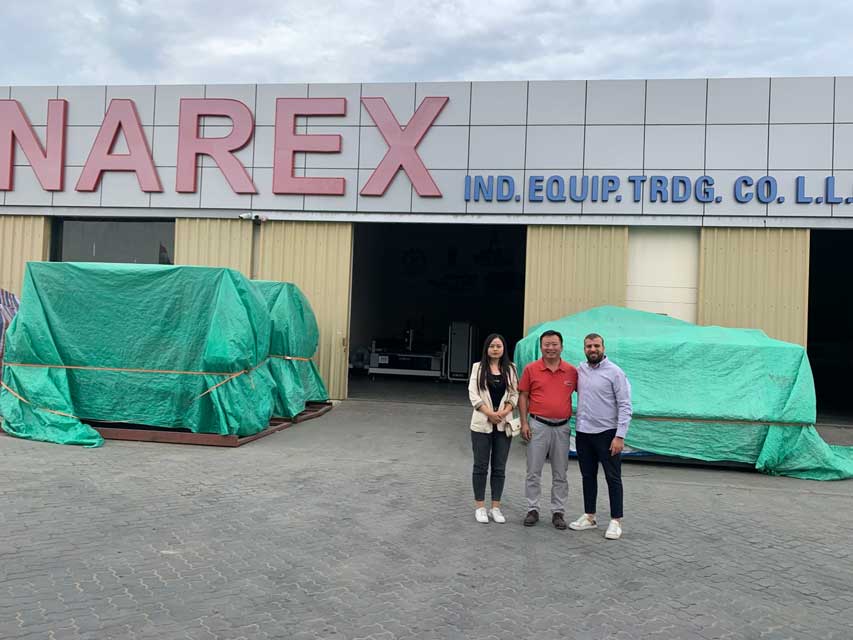
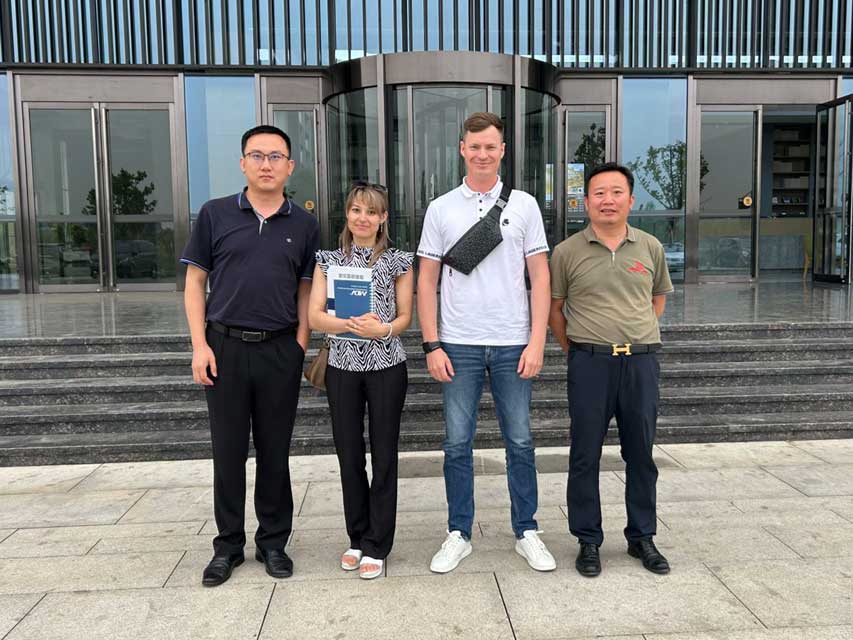
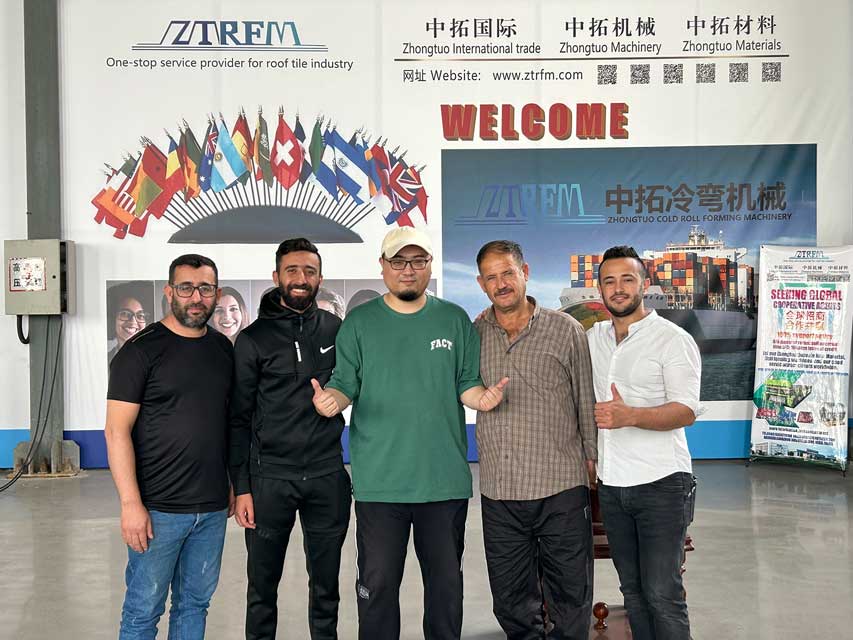
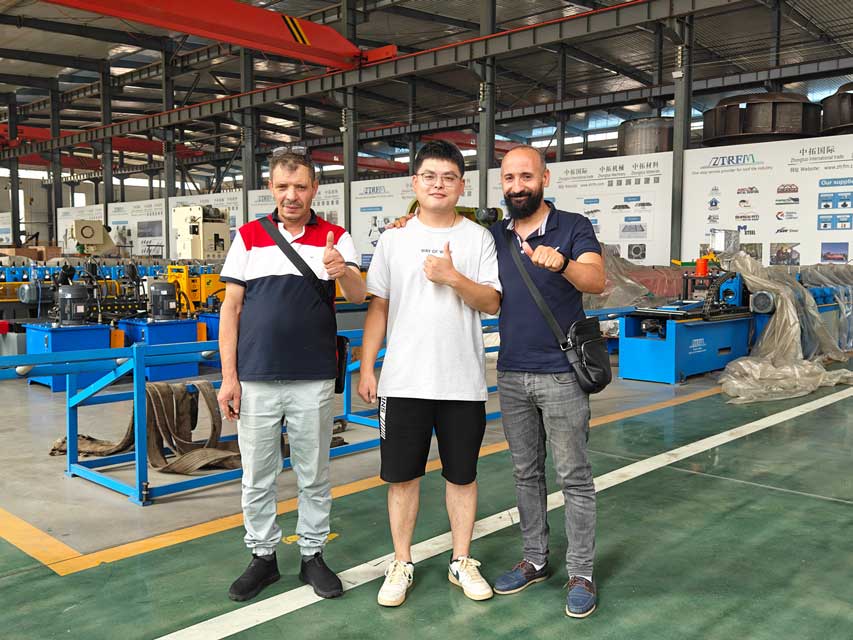
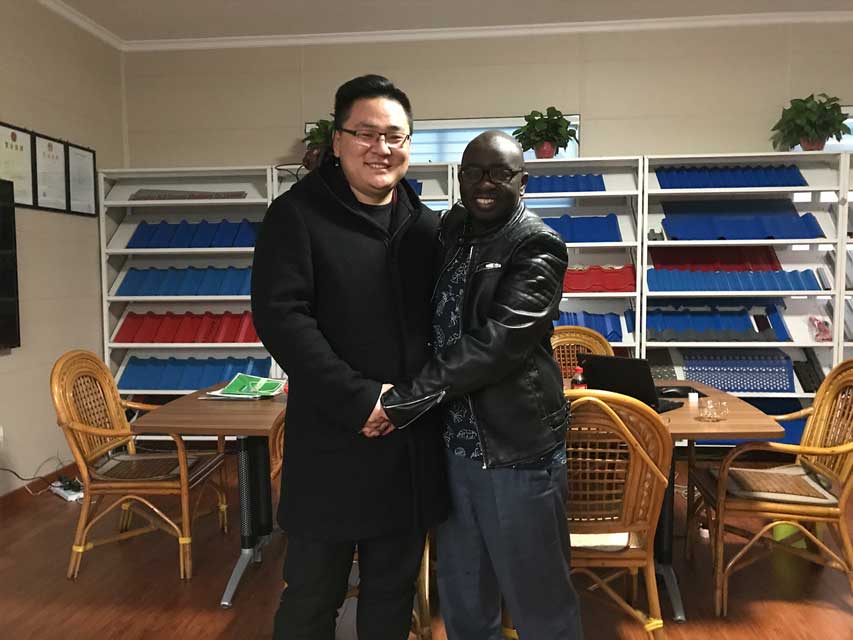
نحن مؤسسة ذات تقنية عالية على المستوى الوطني. لقد حصلنا على شهادة نظام الجودة ISO9001، وشهادة السلامة الأوروبية CE، وشهادة CAS الأمريكية الشمالية وغيرها. لدينا خبرة غنية في تجارة التصدير، وفهم احتياجات عملاء البلدان المختلفة. وفي الوقت نفسه يمكننا تزويد العملاء بحلول تصميم مرضية للعملاء. تم تصدير آلاتنا إلى أكثر من 150 دولة، وقد أقمنا علاقات تعاون طويلة الأجل ومستقرة مع العملاء، وحظينا بثناء العملاء.
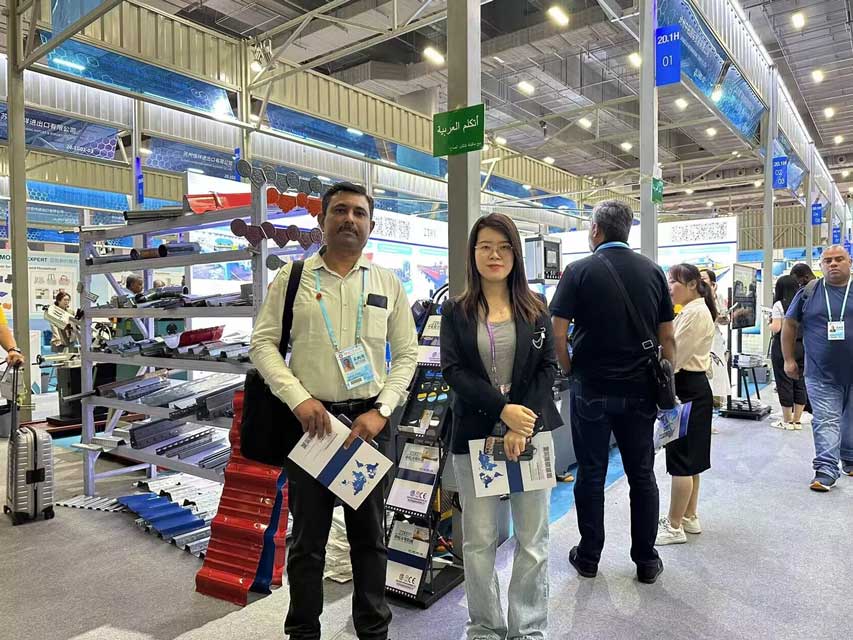
الثقة العالمية: تحظى ماكينات تصنيع ألواح التسقيف الخاصة بنا بثقة العملاء في أكثر من 156 دولة ومنطقة، وهي معروفة بأدائها المتميز وموثوقيتها في جميع أنحاء العالم.
في زامبيا، أفريقيا، تعمل ماكينات التشكيل بالدلفنة Zhongtuo في عملية مستقرة
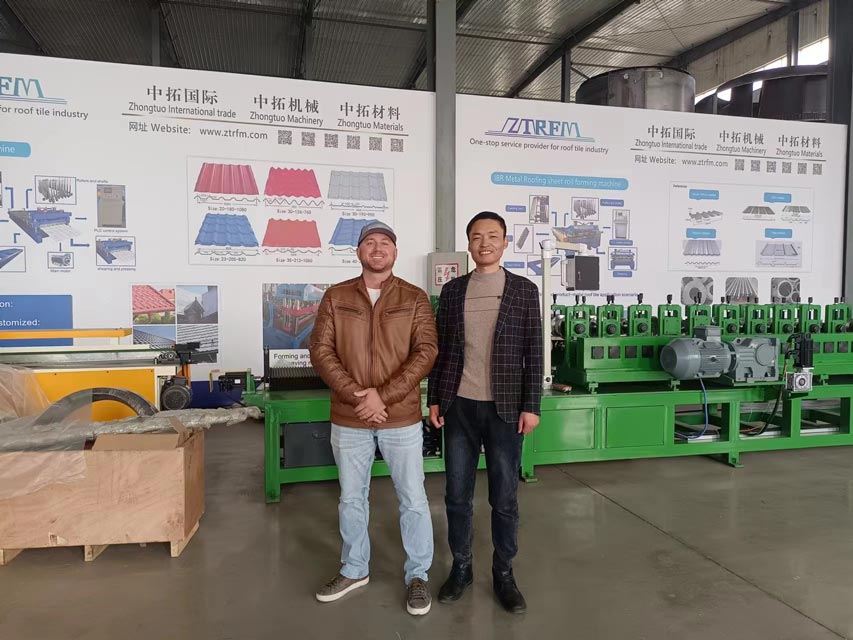
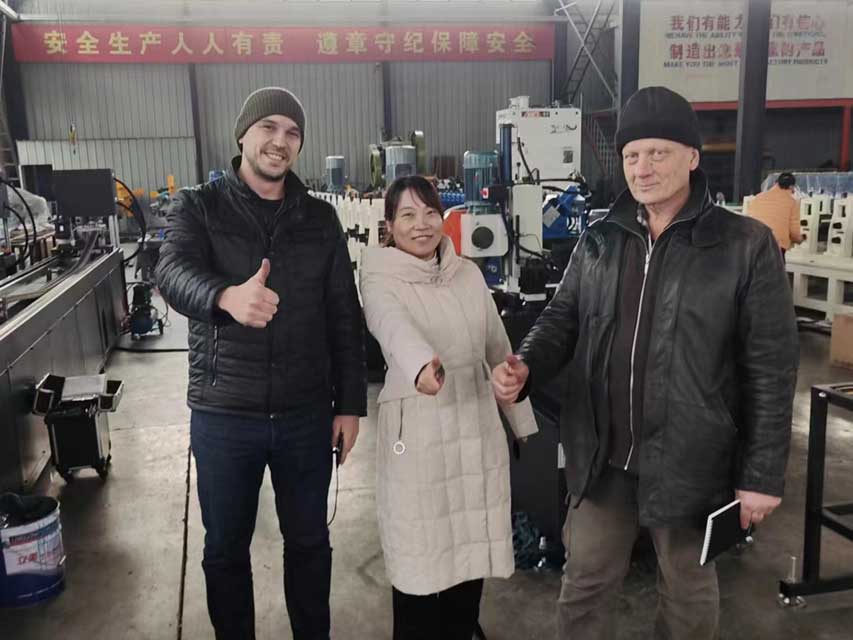
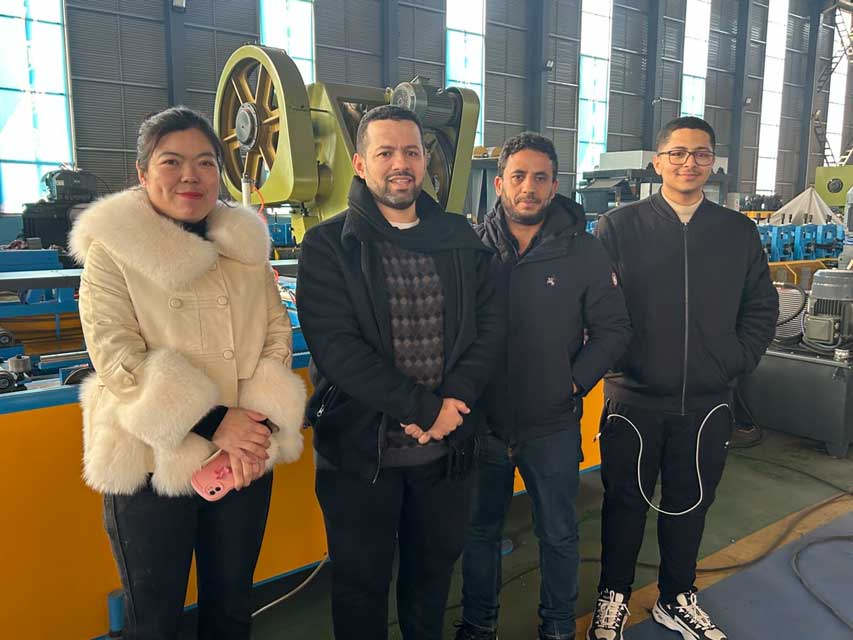
ماكينة CU عارضة CU الأوتوماتيكية - عملاء منغوليا يتفقدون المصانع ويتعاونون معنا
خط تقطيع المعادن Zhongtuo خط الحز المعدني المخصص للعملاء البرازيليين
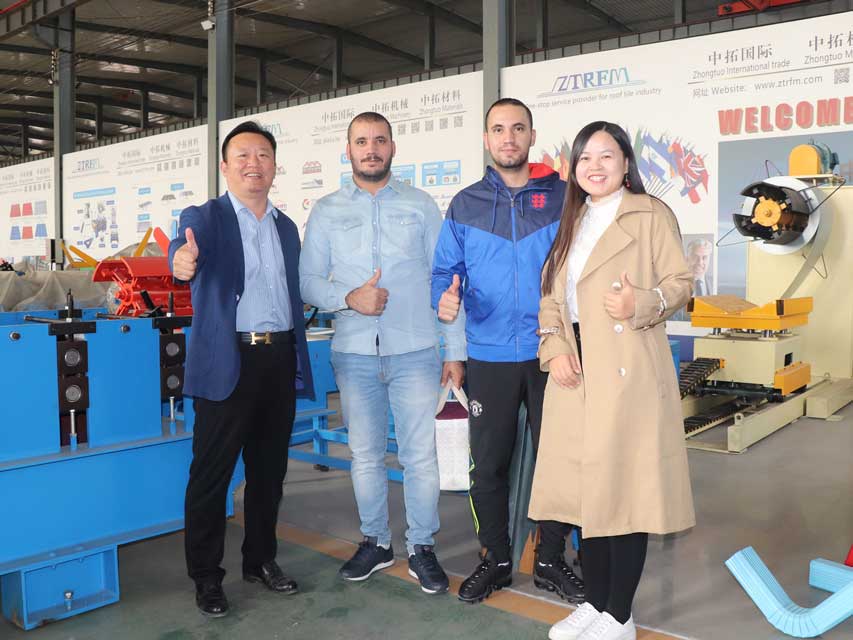
مرحبًا بكم في Wedo LLC لزيارة مصنعنا لماكينات التشكيل بالدرفلة
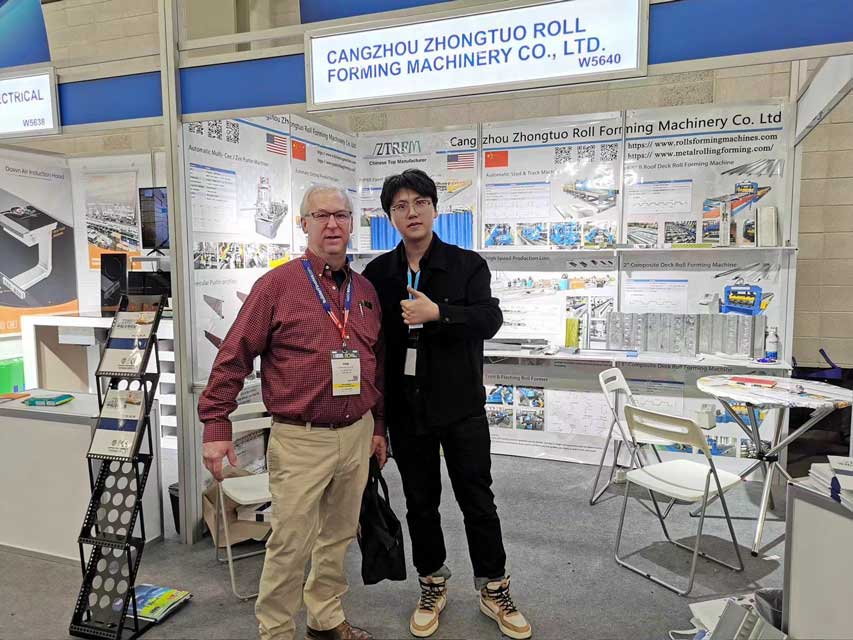
الأصدقاء الأمريكيون يعودون إلى تشانغتشو تشونغتشو تشونغتو ماكينات التشكيل بالدرفلة
ماكينة تشكيل الأسقف المعدنية تنتج لوحة R ومنخفضة مع نظام التكديس الأوتوماتيكي
تعليق العميل على خدمة ما بعد البيع لماكينات التشكيل بالدرفلة لدينا
زيارة ناجحة لعملائنا الأذربيجانيين لمصنعنا للتشكيل بالدرفلة!
حلول تشكيل الدرفلة من Zhongtuo | ماكينات مخصصة للصناعات العالمية
قم بزيارة Zhongtuo من خلال نظام الواقع الافتراضي 360 درجة، تأسست شركة Cangzhou Zhongtuo في عام 2014، وهي مكرسة لتصميم وتصنيع أنواع مختلفة من آلات التشكيل على البارد. نحن نقدم ODM وتصنيع المعدات الأصلية وخدمة الشباك الواحد. يمكن شراء المواد الخام والآلات والملحقات منا.
قم بزيارة Zhongtuo من خلال نظام الواقع الافتراضي 360 درجة، تأسست شركة Cangzhou Zhongtuo في عام 2004، وهي مكرسة لتصميم وتصنيع أنواع مختلفة من آلات التشكيل على البارد. نحن نقدم ODM وتصنيع المعدات الأصلية وخدمة الشباك الواحد. يمكن شراء المواد الخام والآلات والملحقات منا.
خدمة شاملة لتصنيع المعدات الأصلية/التصنيع حسب الطلب والتخصيص
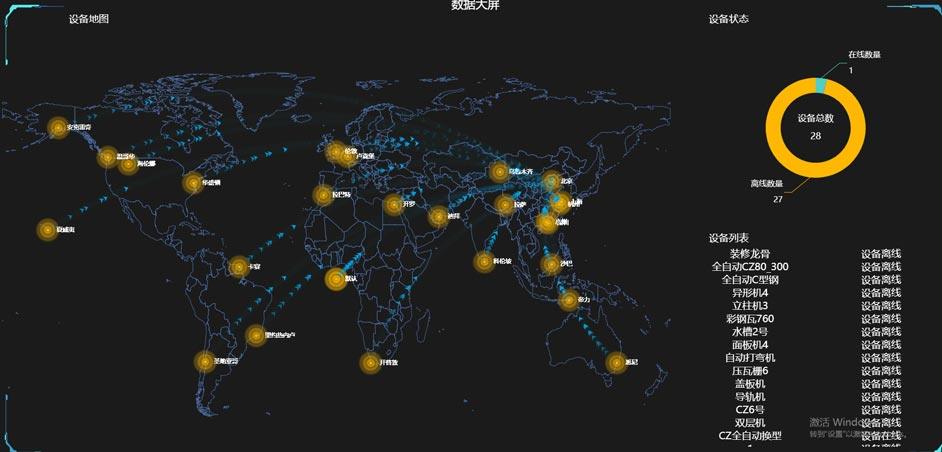
الذكاء في مراقبة الإنتاج: المراقبة في الوقت الفعلي لمنع حدوث حالات شاذة في الإنتاج.
تذكير ذكي: تذكير غير طبيعي، تذكير صيانة الماكينة، إلخ. - يطيل عمر خدمة الماكينة بشكل فعال.
ذكاء ما بعد البيع: أدرك حقًا التحكم عن بُعد بعد البيع، ولا حاجة لإرسال مهندسين إلى العميل المحلي، وحقق توفير وقت ما بعد البيع وتوفير تكاليف الصيانة.
التعاون مع الضمان العالمي للتحكم المنطقي المنطقي القابل للبرمجة من سيمنز بضمان عالمي من سيمنز.
اشتر جهازين واحصل على هذا الكمبيوتر الذكي مجاناً!
توفير OEM 、 OODM
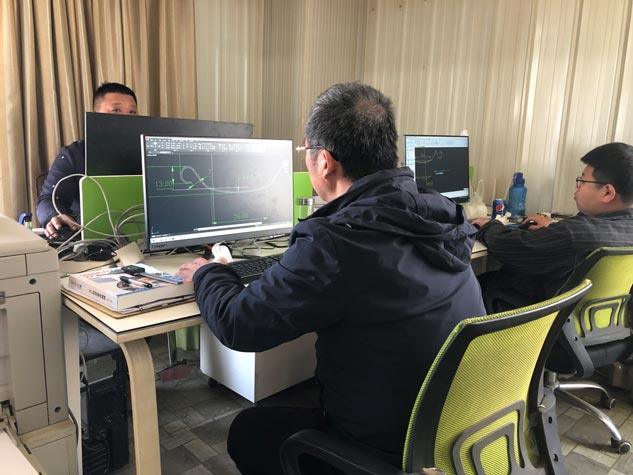
1.التواصل : تأكيد متطلبات المشتري. 2.تصميم فني: عمل ملفات تعريف الرسم ورسم الماكينات ثلاثية الأبعاد 3.تحديد التكوين والإنتاج 4.الاختبار قبل التسليم
5.التعبئة والتغليف والتوصيل 6.الإرشادات الفنية 7.خدمة ما بعد البيع: خدمات التركيب للماكينات المعقدة وزيارة العملاء المنتظمة
موثوق به من قبل أكثر من 95800 شركة
يشرفنا أن نتعاون على نطاق واسع مع العديد من شركات عالية الجودة. من خلال التعاون معنا، حصلوا على الدعم القوي وتحقيق اختراقات في الأعمال التجارية والتنمية.
0
معتمدة من ISO9001 و CE
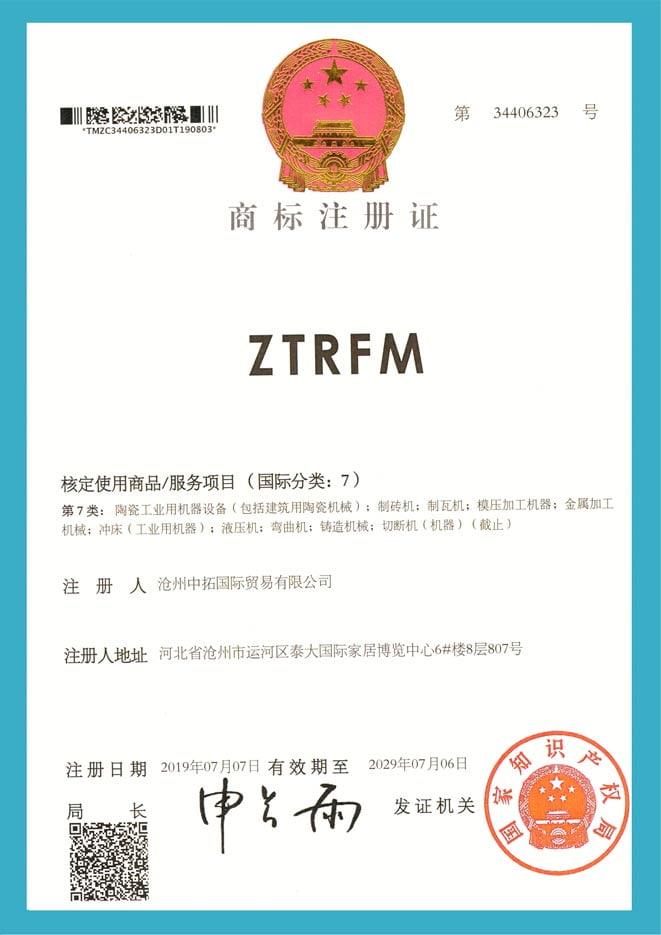
نحن نملك علامتنا التجارية الذاتية ztrfm، وفريق التصميم المحترف والفنيين.
0
عملاء الدول
منتجات شائعة لدى المستخدمين وتحظى بإشادة كبيرة.
0
الحلول المتكاملة
من الإكسسوارات إلى ماكينات التشكيل، مما يحل مشكلة تعقيد عملية الشراء.
0
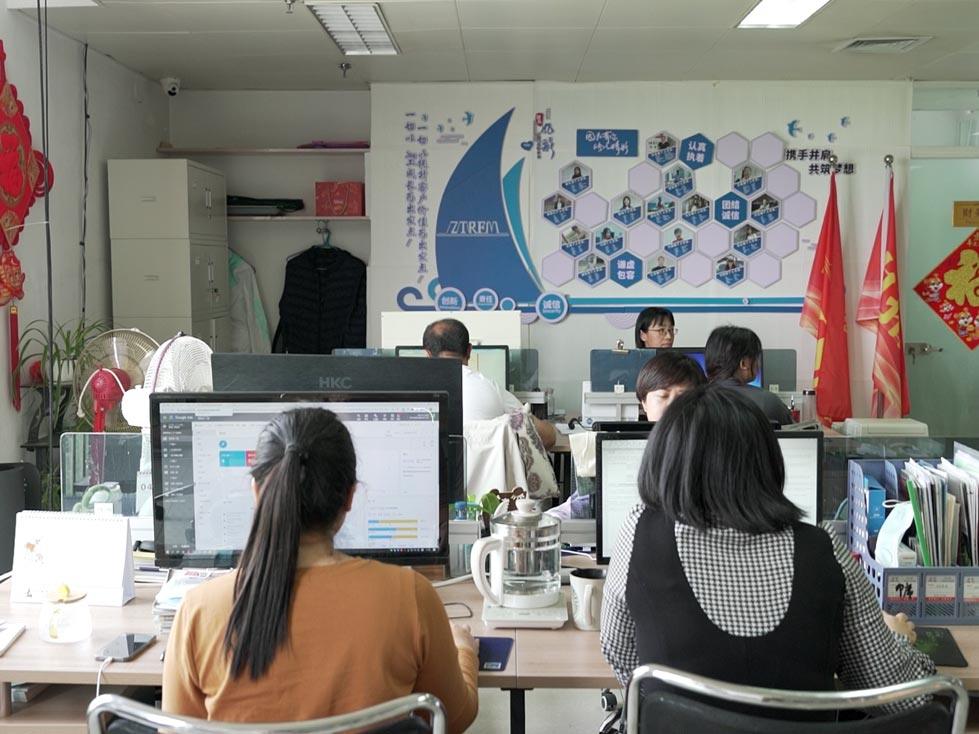
فريق المهندسين
لدينا فريق مهندسين قوي يضم أكثر من 20 شخصًا، وسنقدم حلًا أكثر دقة وسرعة.