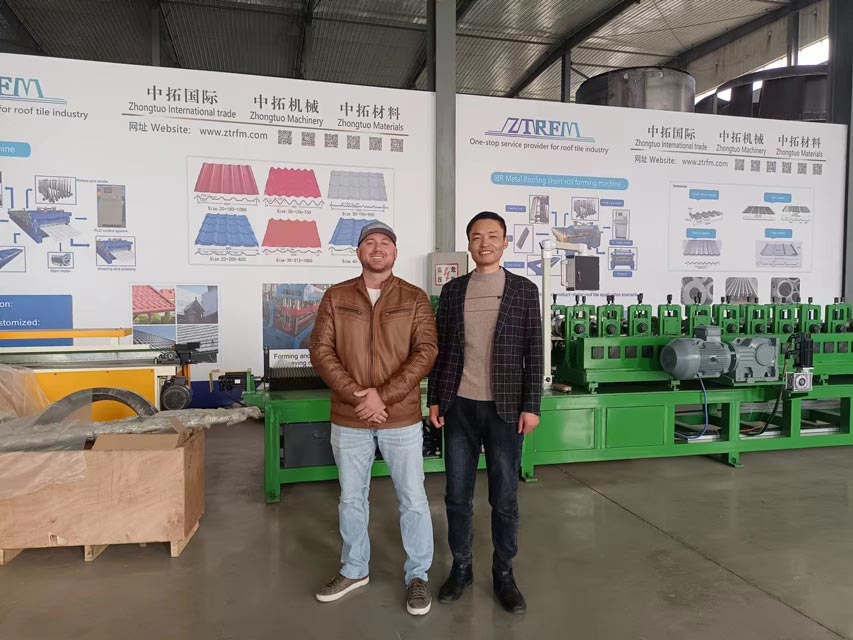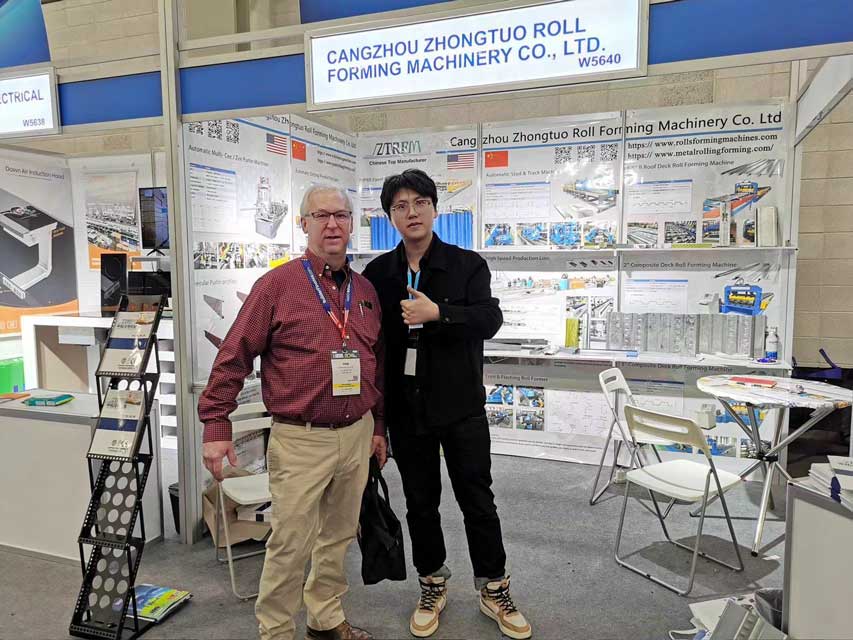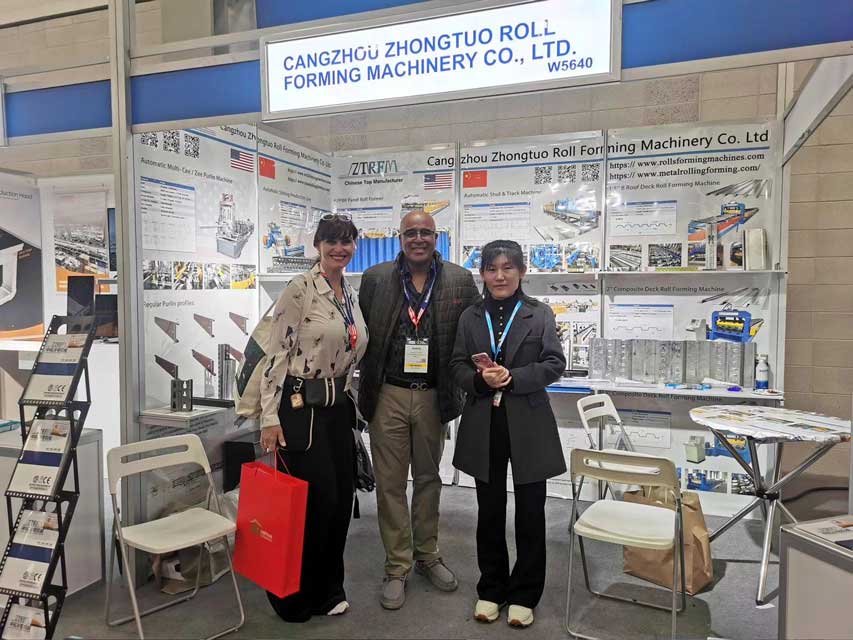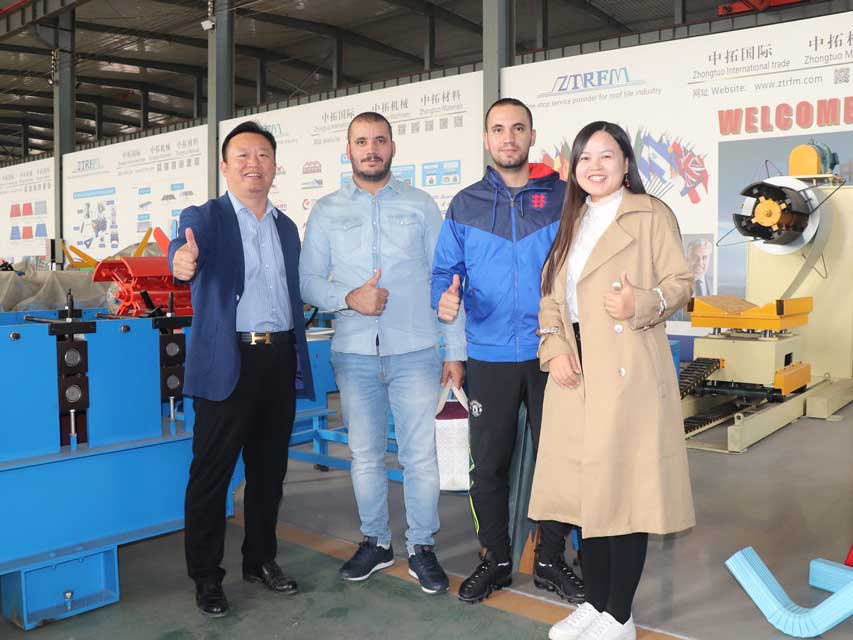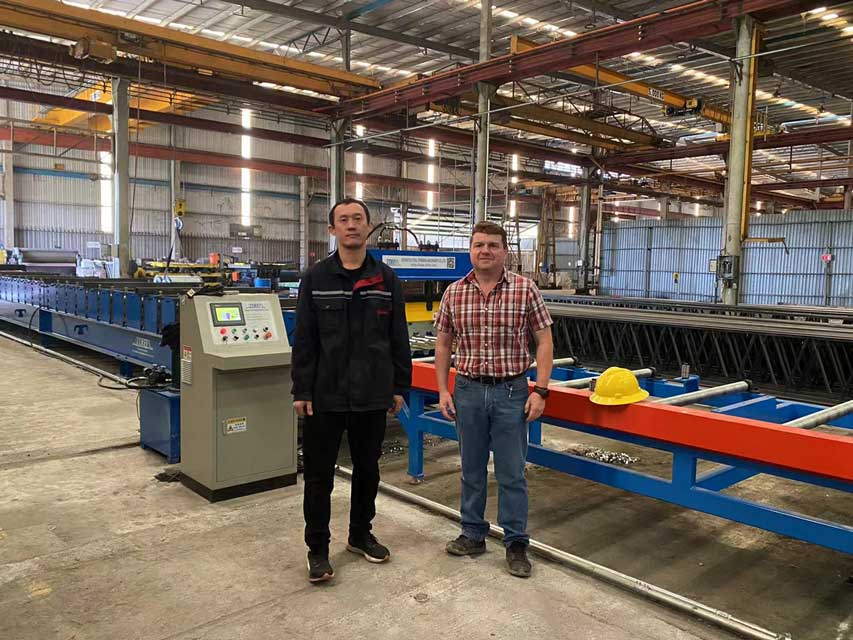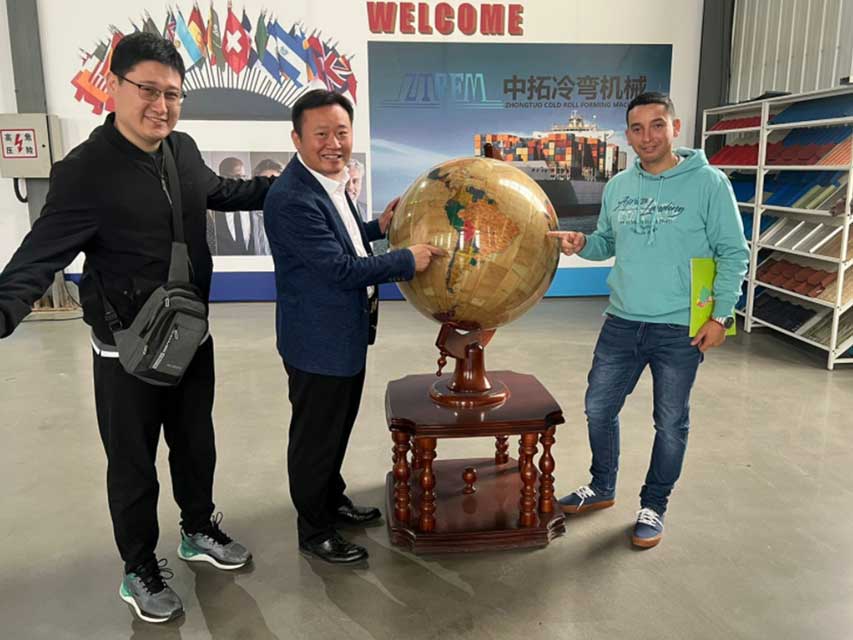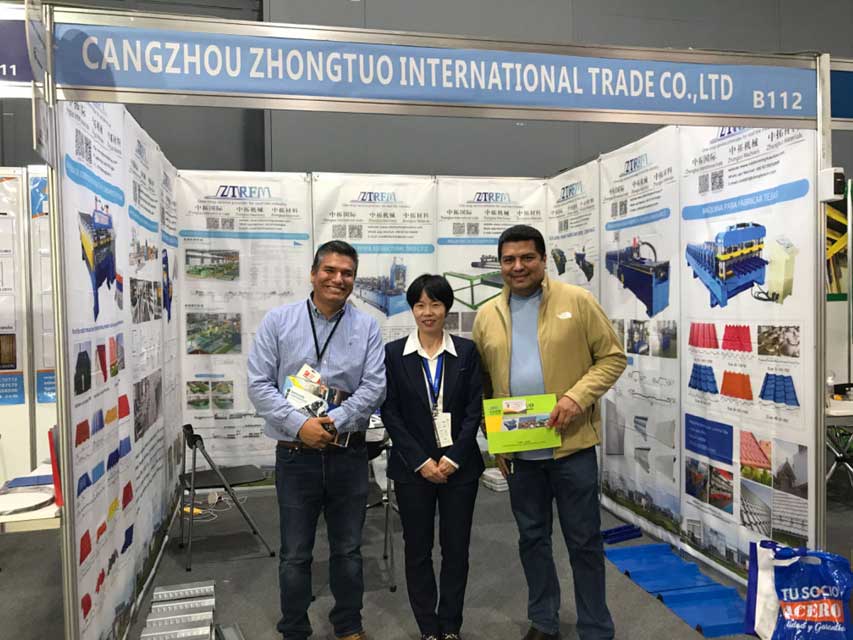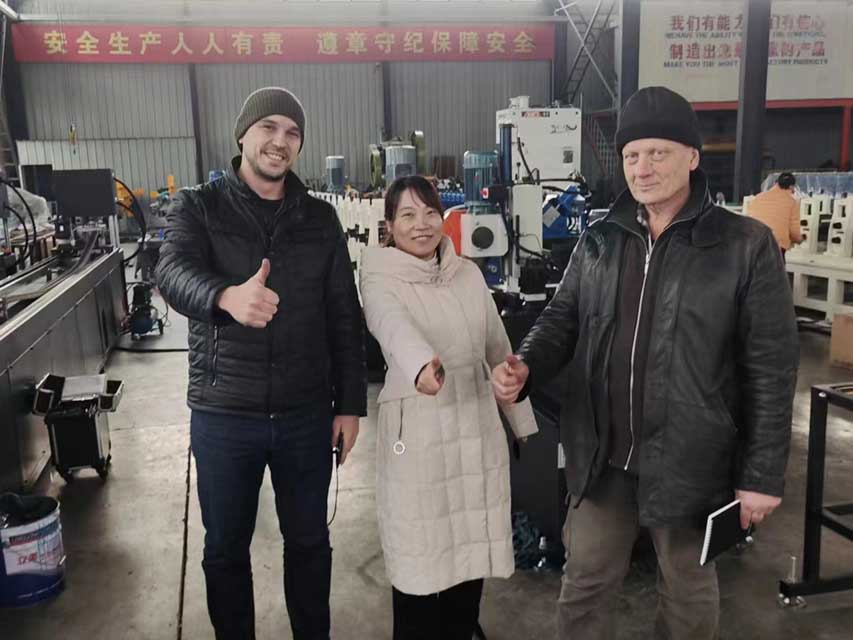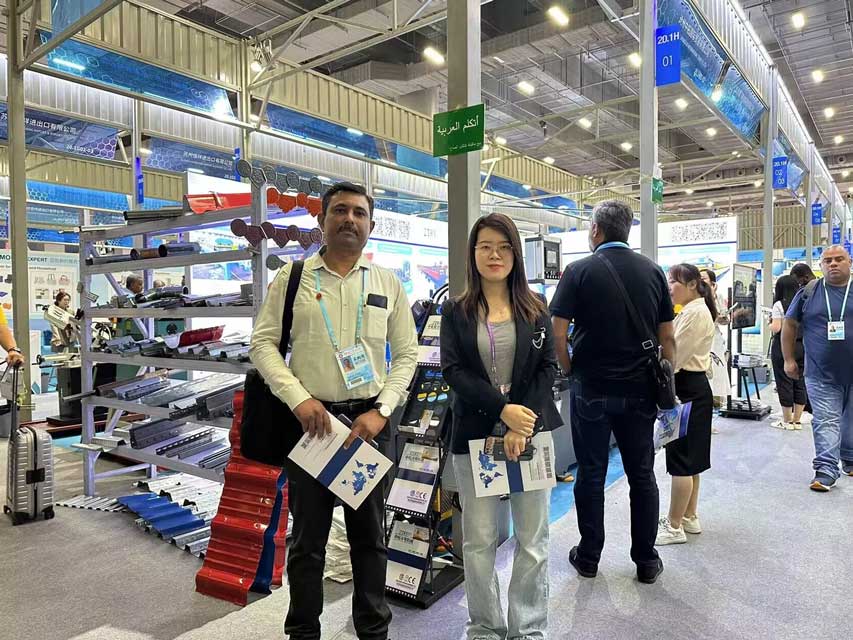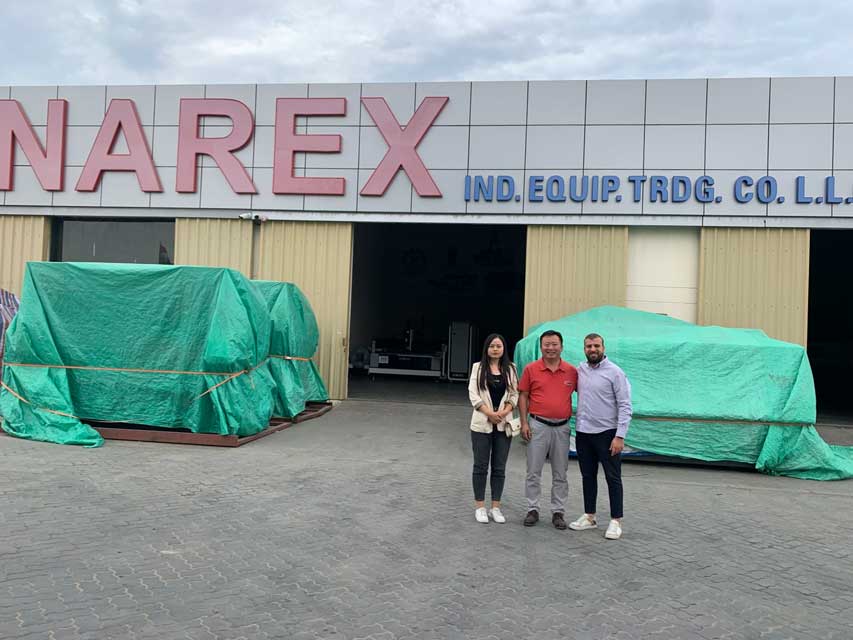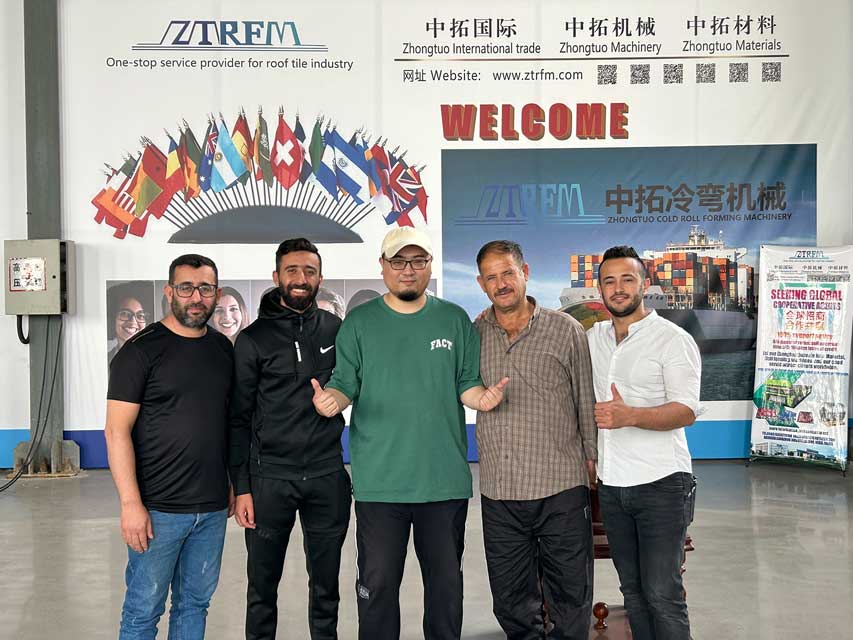
Changements technologiques et systèmes industriels, nous nous consacrons à
Fournit à Seds les meilleures solutions économiques à ses clients les plus précieux.

High - Speed Glazed Tile Forming Machine: Transforming the Roofing Industry
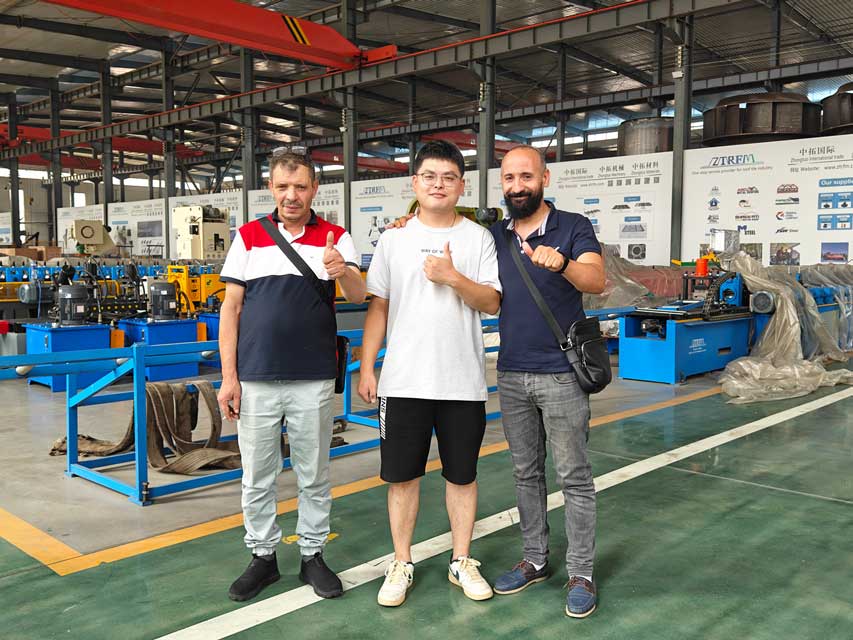
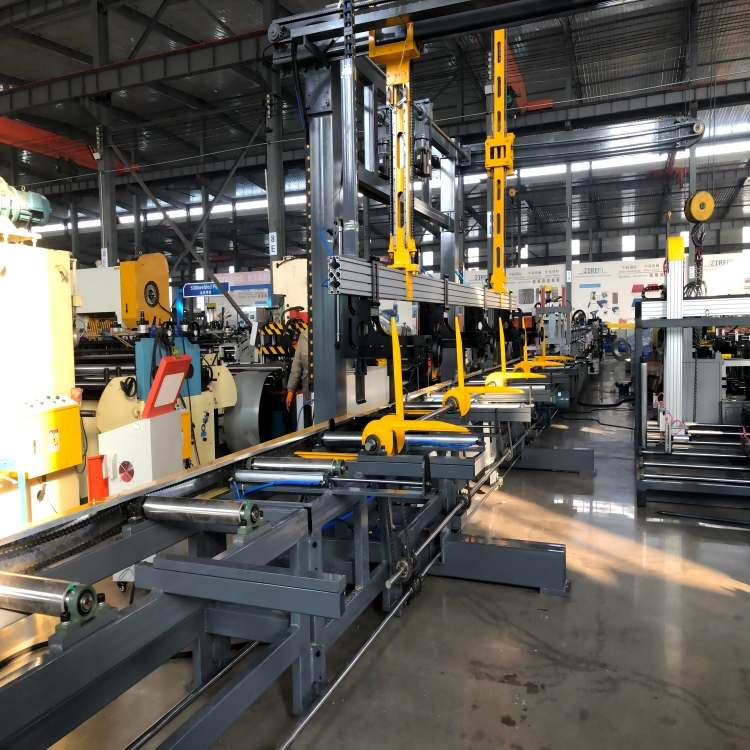
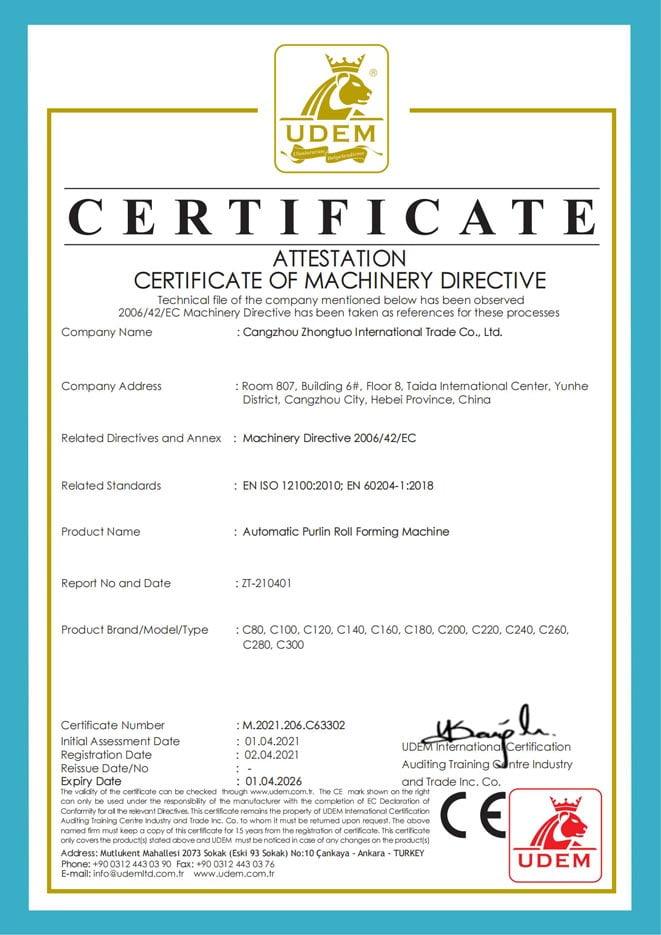
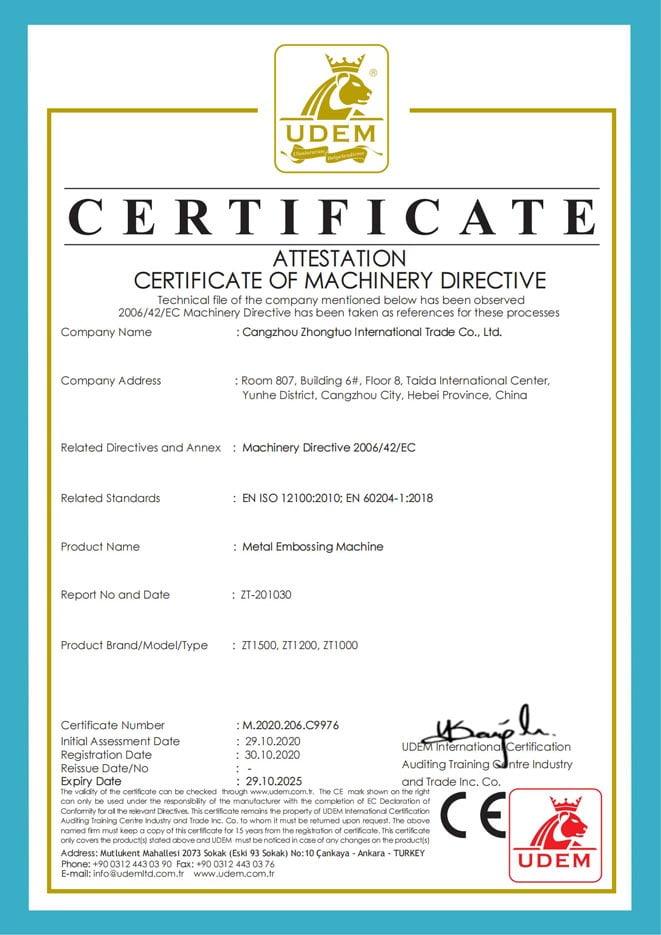
différents types de profileuses à froid. Nous sommes une usine avec une longue histoire, engagée dans la conception et la fabrication de profileuses depuis 2006. Les machines que nous pouvons produire comprennent : la machine de fabrication de tuiles, la machine de fabrication de pannes cz, la machine de fabrication de quilles en acier léger, la machine de gaufrage de métal, la machine de formage de systèmes de portes, la machine de formage de systèmes de plafonds, la machine de soudage de tuyaux à haute fréquence, la ligne de refendage, la ligne de coupe à longueur, la machine de formage de systèmes d'étagères, la machine de formage de planchers, la ligne de production de tuiles en pierre colorée, la machine de laminage à chaud filmée, etc.
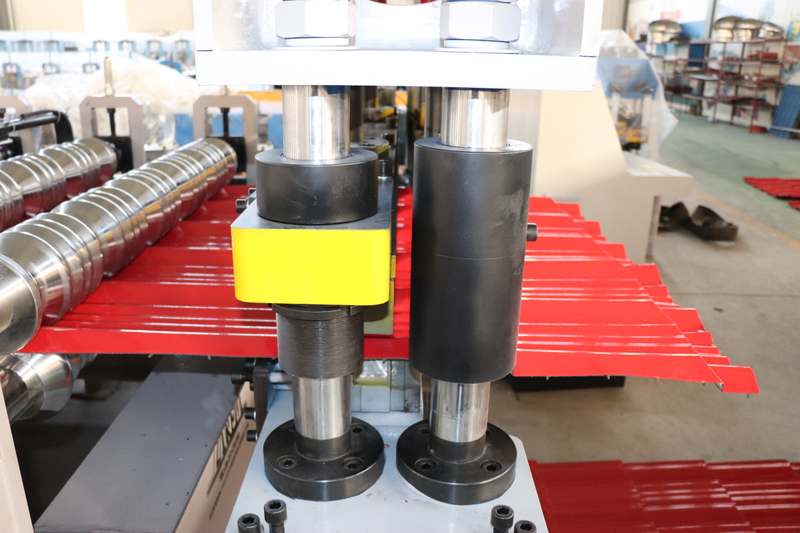
A High – Speed Glazed Tile Forming Machine is an automated piece of equipment specifically designed for the production of architectural glazed tiles. These tiles are widely used in roofing and wall – covering applications due to their beautiful appearance, excellent waterproof performance, and long – lasting durability.
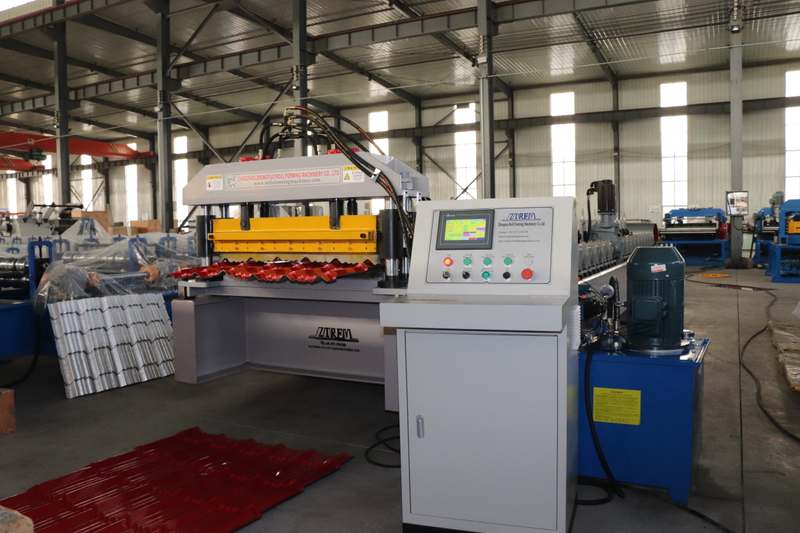
Working Principle
The operation of a high – speed glazed tile forming machine involves several key steps:
Raw Material Preparation: The process begins with the preparation of raw materials. Common materials for glazed tiles include clay, shale, or a combination of ceramic – based substances. These materials are carefully selected and processed to ensure they meet the quality standards for tile production. For example, the clay is often refined to remove impurities and then mixed with appropriate additives to achieve the desired physical and chemical properties. In some cases, recycled materials may also be incorporated into the raw material mix, contributing to sustainable production practices.
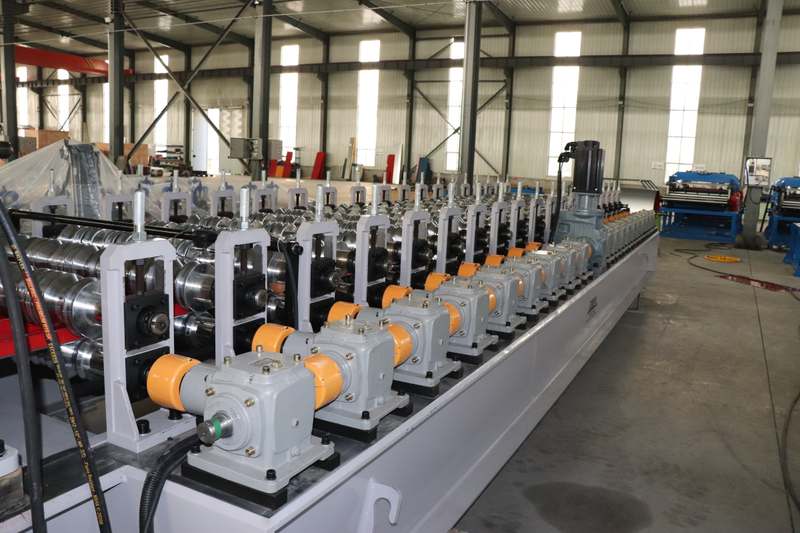
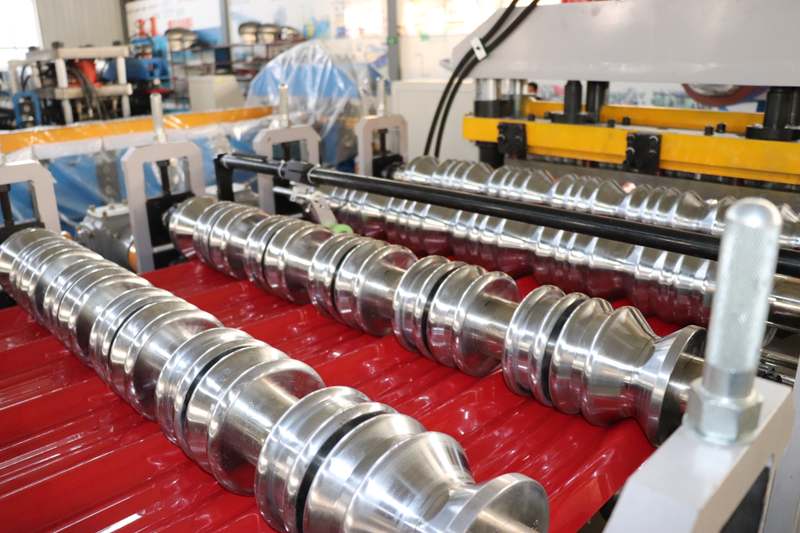
Forming Process: Once the raw materials are ready, they are fed into the forming section of the machine. Here, the materials are shaped into the characteristic profile of glazed tiles. This is typically achieved through a combination of pressure and heat. Hydraulic presses are commonly used to apply the necessary pressure, which can range from several tons to tens of tons depending on the type and size of the tiles. The molds used in this process are precision – engineered to create the exact shape, size, and texture of the tiles. Some advanced machines use multi – stage forming techniques to ensure a more uniform and high – quality product.
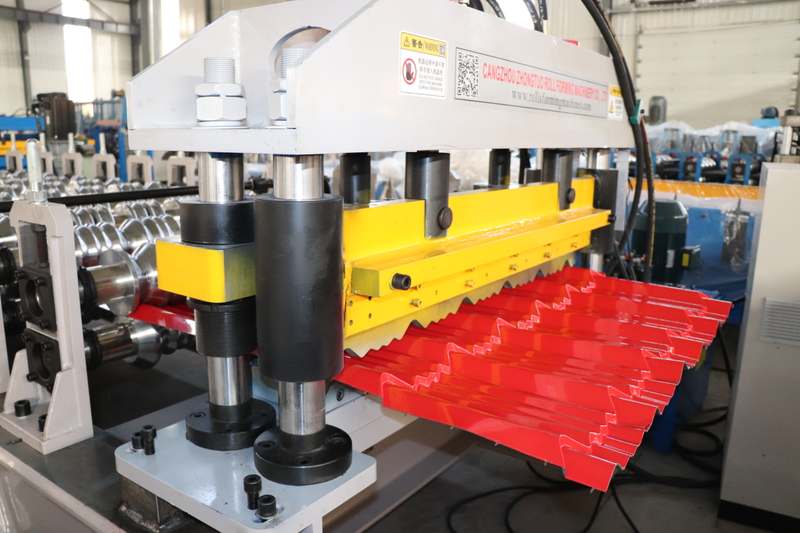
Cutting: After the tiles are formed, they need to be cut to the required length and size. High – speed cutting mechanisms, often equipped with sharp blades and precise positioning systems, are employed for this task. These cutting systems can operate at high speeds, ensuring efficient production. The cutting accuracy is crucial, as it directly affects the fitting and appearance of the tiles during installation. For instance, in a large – scale production facility, the cutting error can be controlled within a few millimeters.
Glazing and Firing: The formed and cut tiles then undergo a glazing process. The glaze, which can be a mixture of various minerals and colorants, is applied to the surface of the tiles. This not only enhances the aesthetic appeal of the tiles but also provides additional protection against wear and weathering. After glazing, the tiles are fired in a kiln at high temperatures, usually ranging from 800°C to 1200°C. The firing process not only hardens the tiles but also fuses the glaze to the tile surface, creating a smooth and durable finish.
Inspection and Packaging: Finally, the finished tiles are carefully inspected for any defects such as cracks, uneven glazing, or incorrect sizing. Quality control systems, which may include manual inspection, automated optical inspection, or a combination of both, are in place to ensure that only high – quality tiles are passed for packaging. The inspected tiles are then packaged for shipment, usually in protective packaging materials to prevent damage during transportation.
Pourquoi nous choisir ?
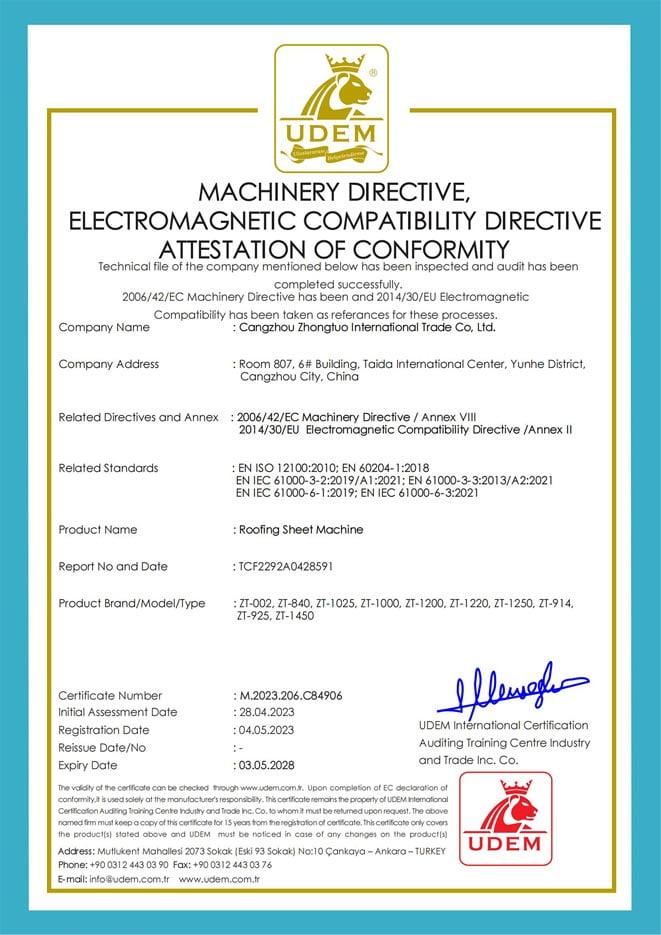
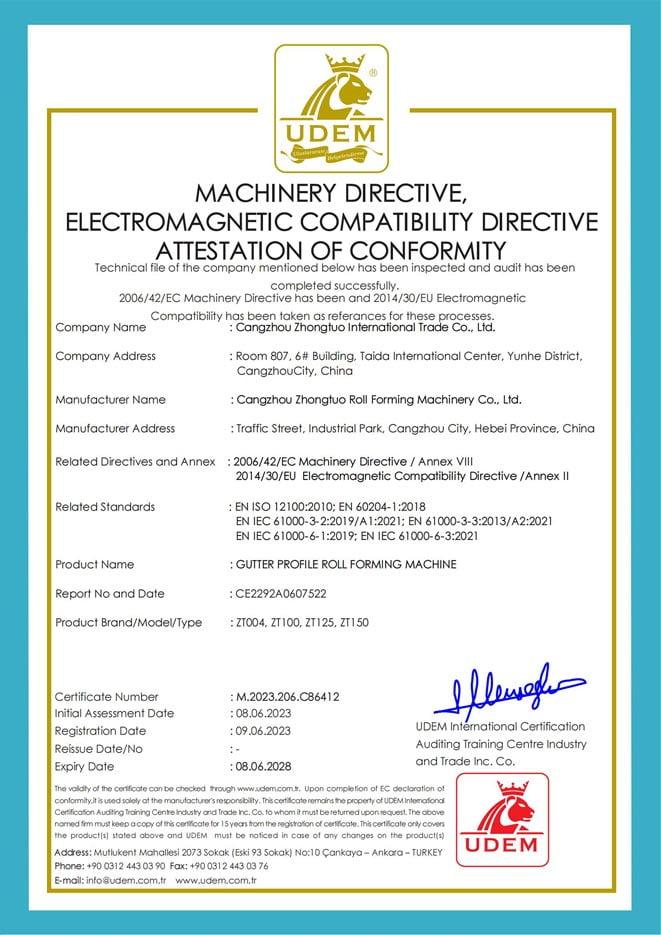
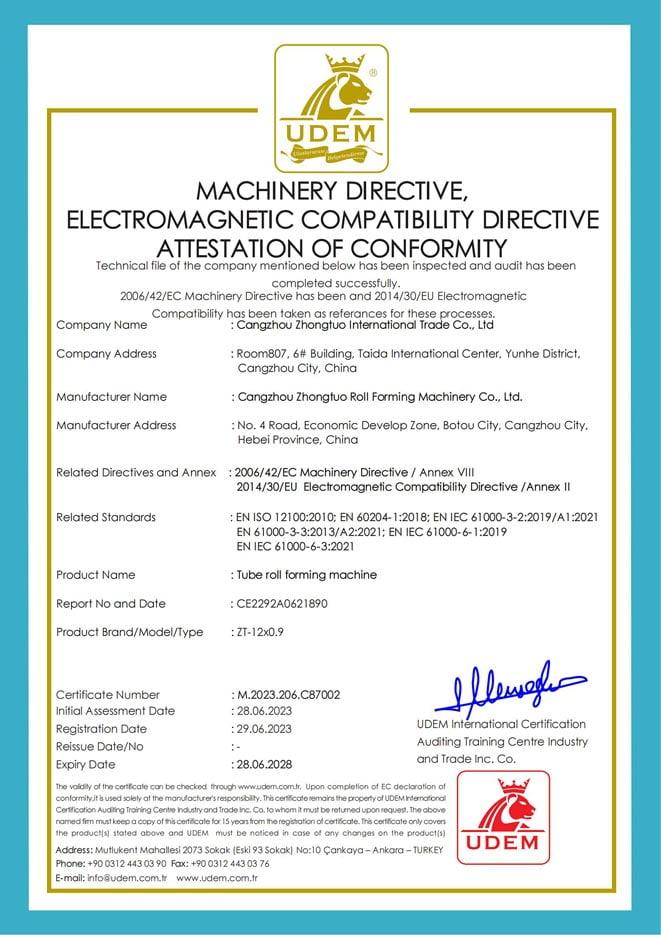
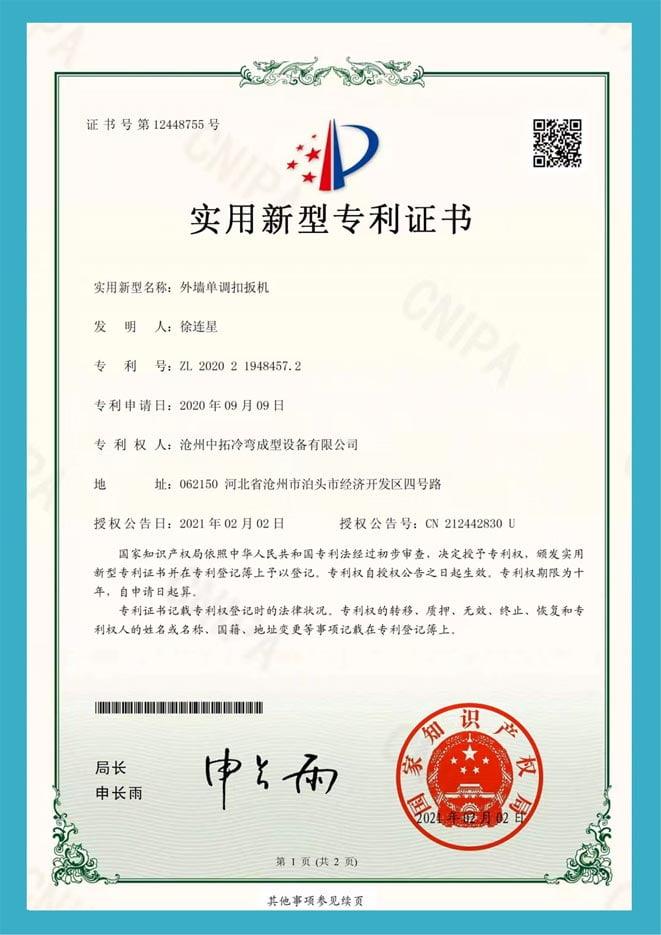
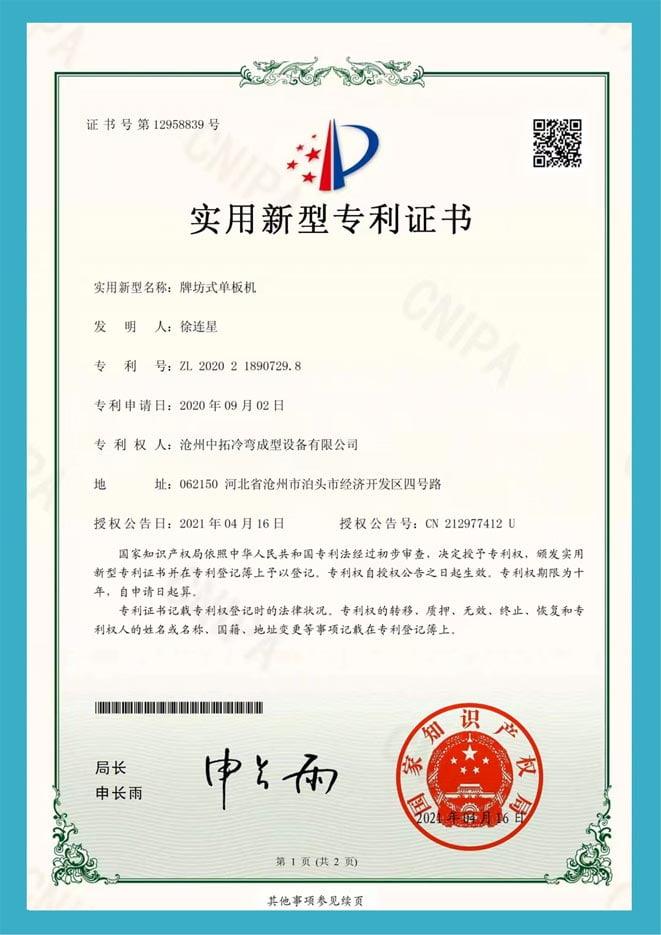
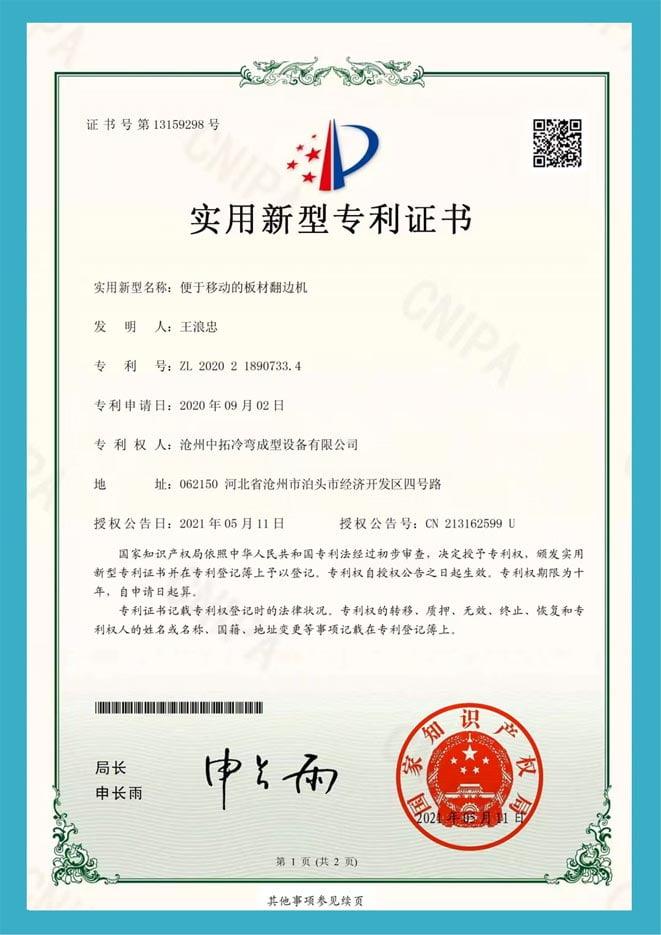
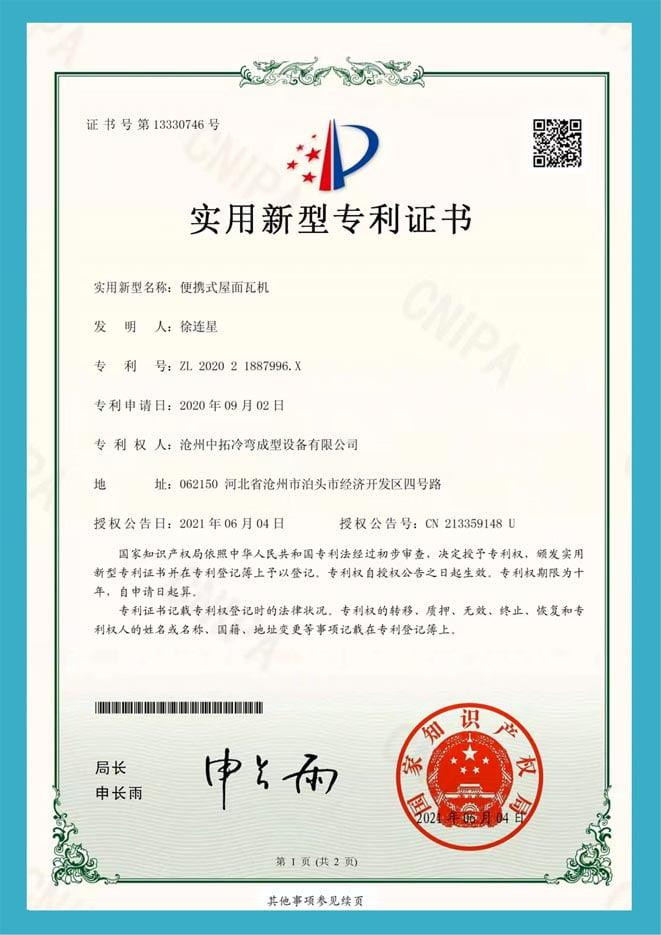
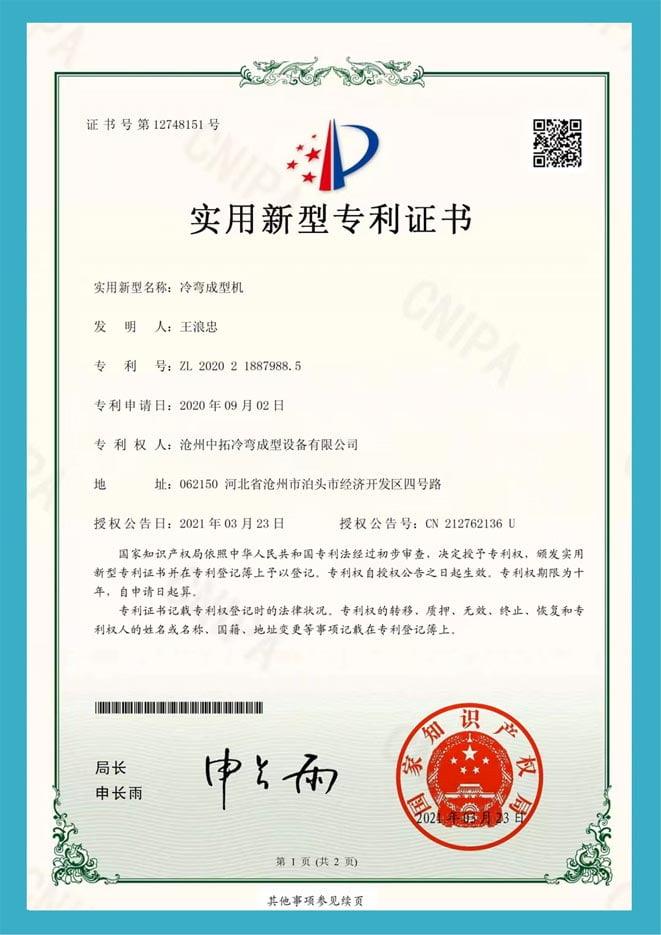

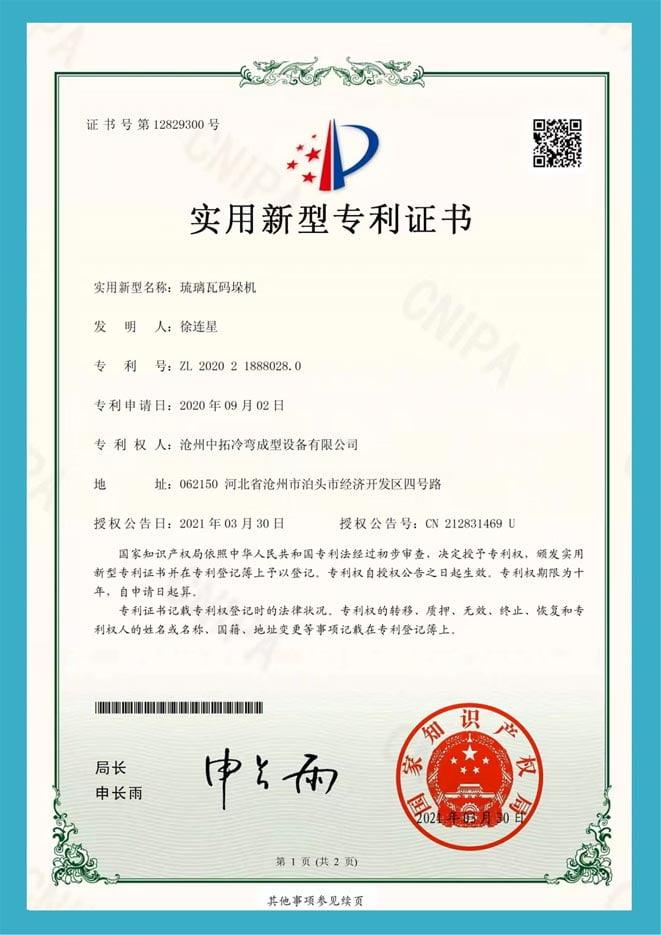
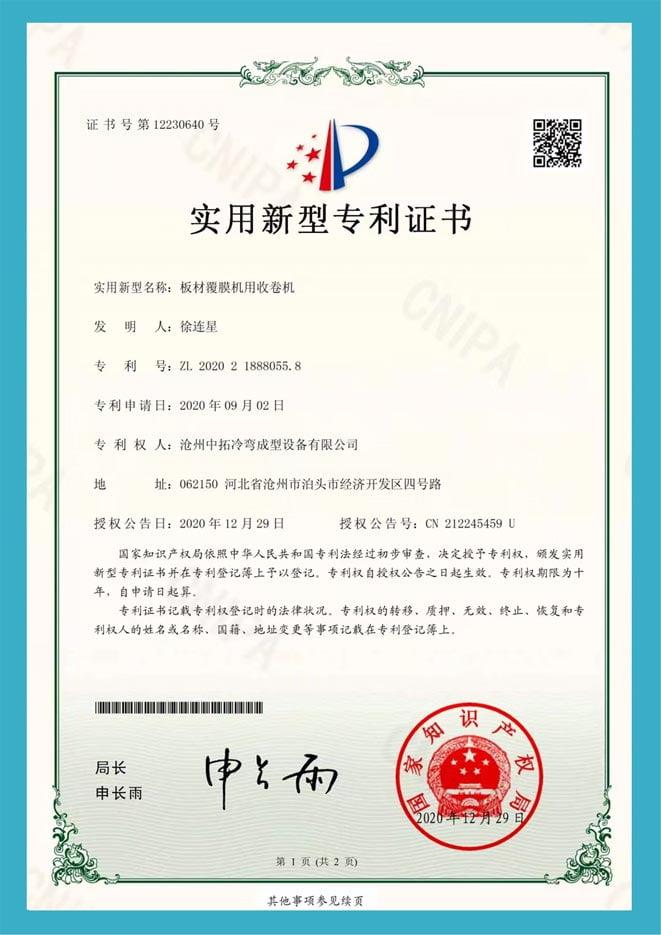

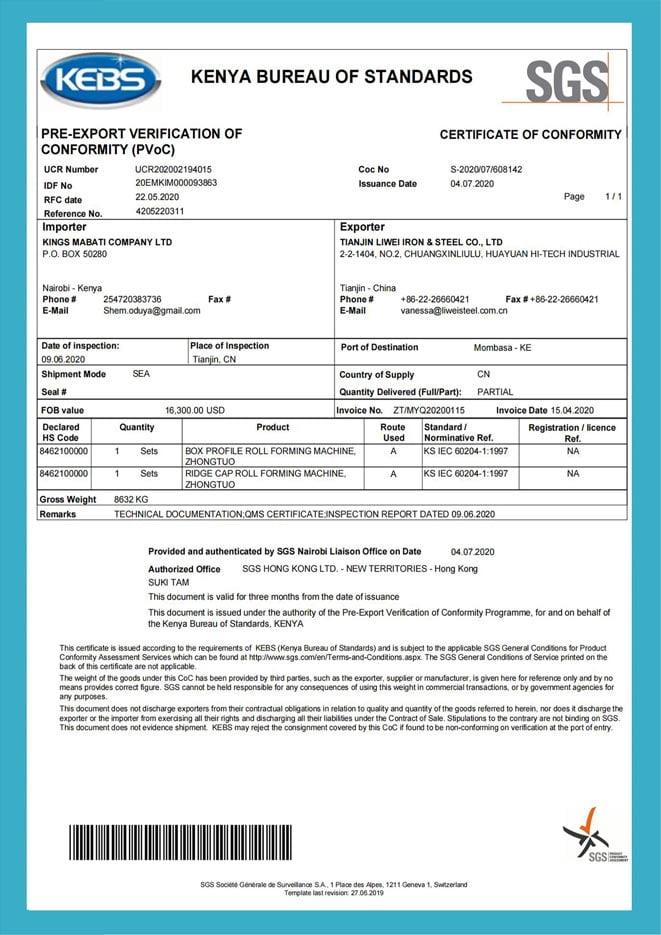
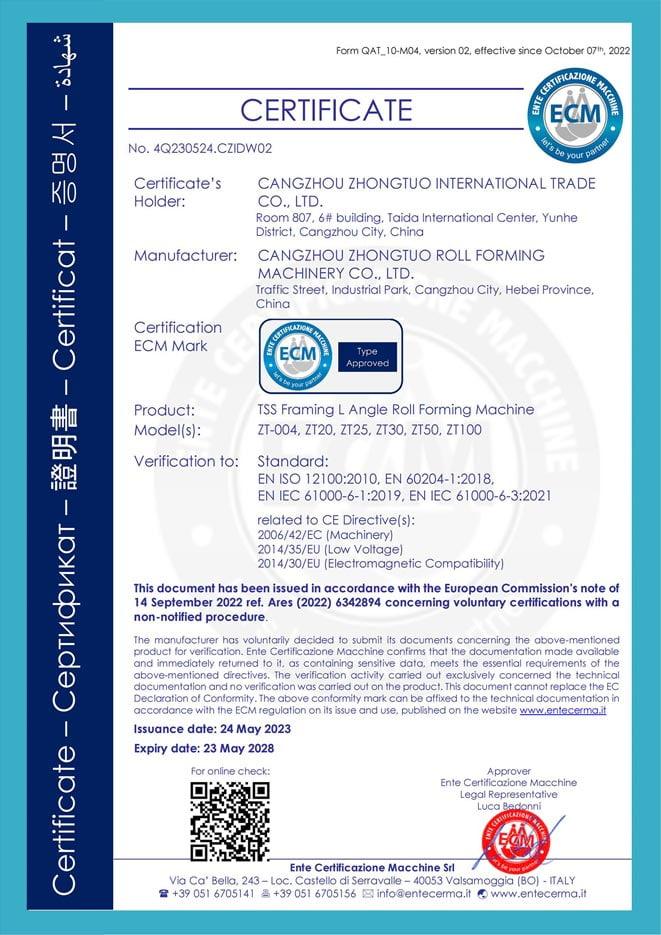
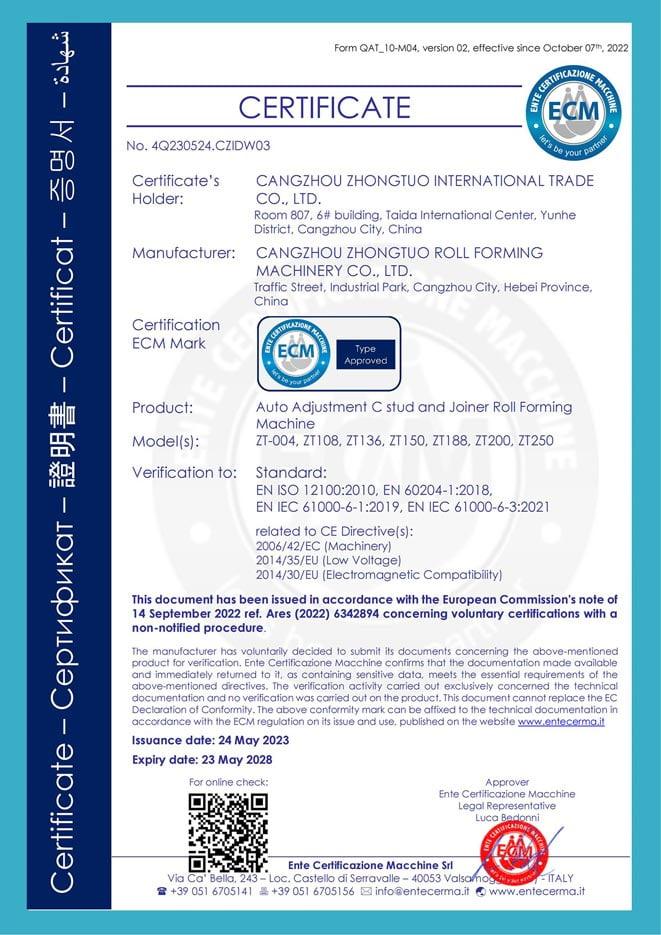
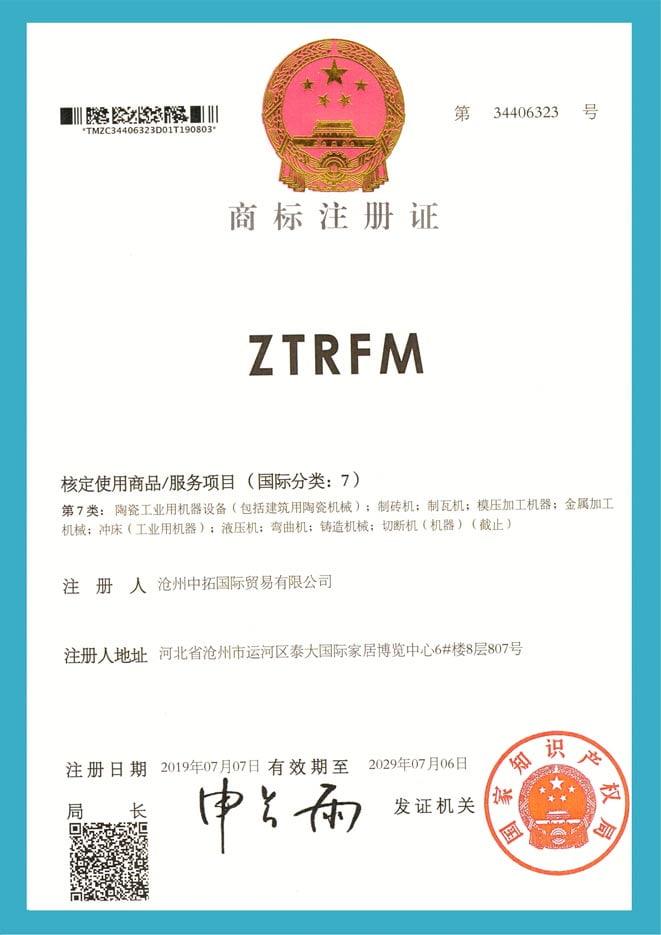
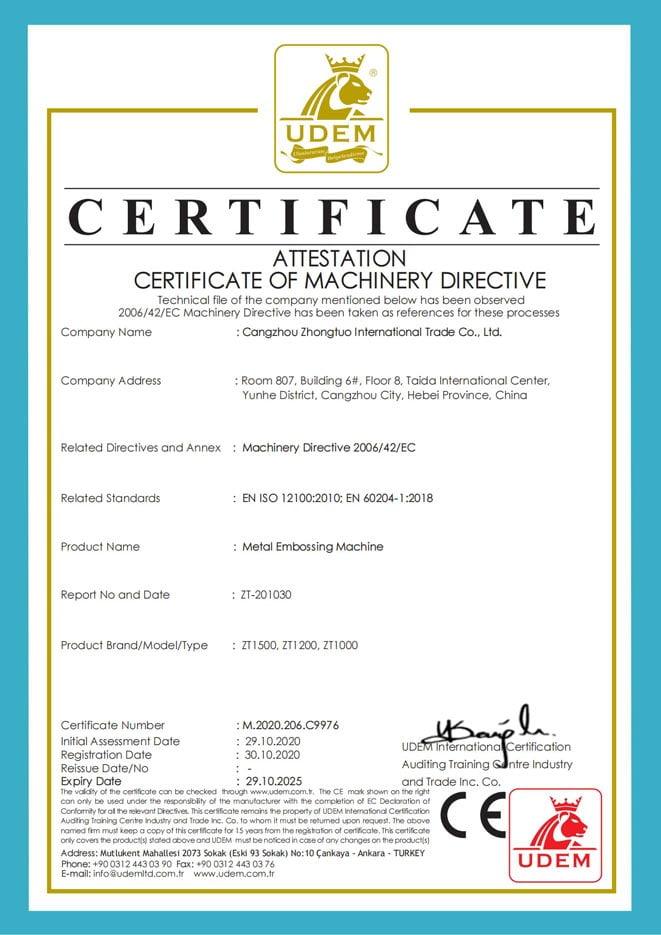
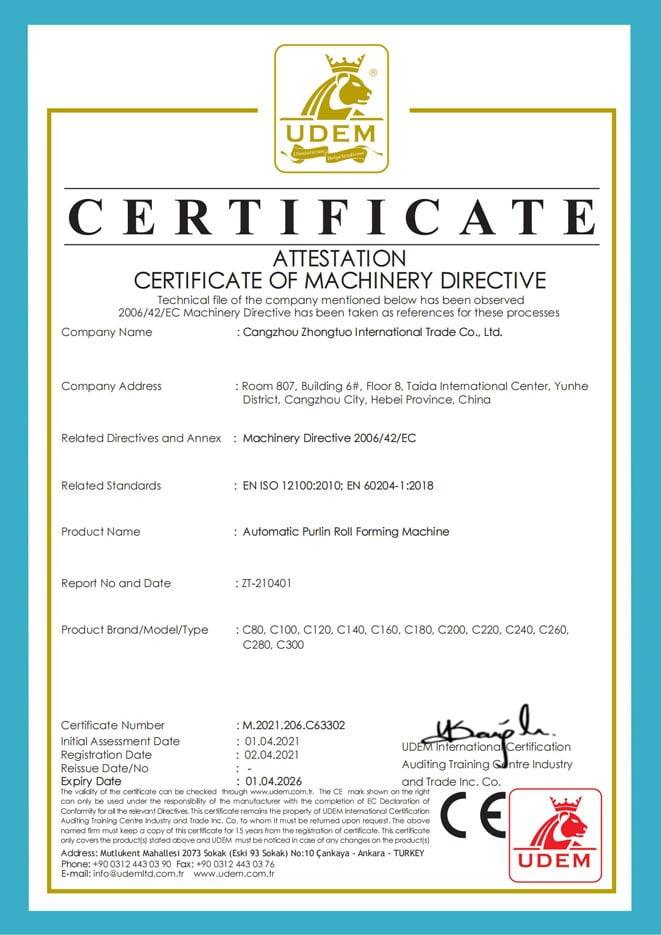
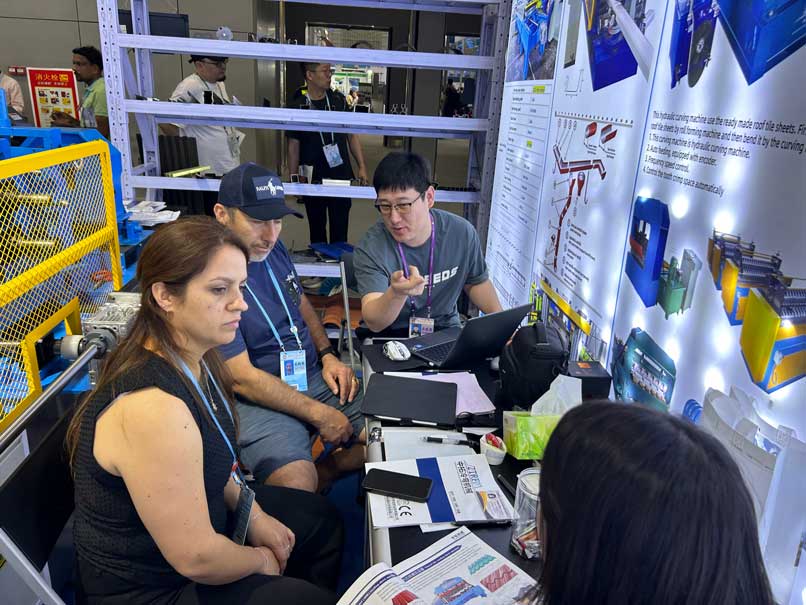
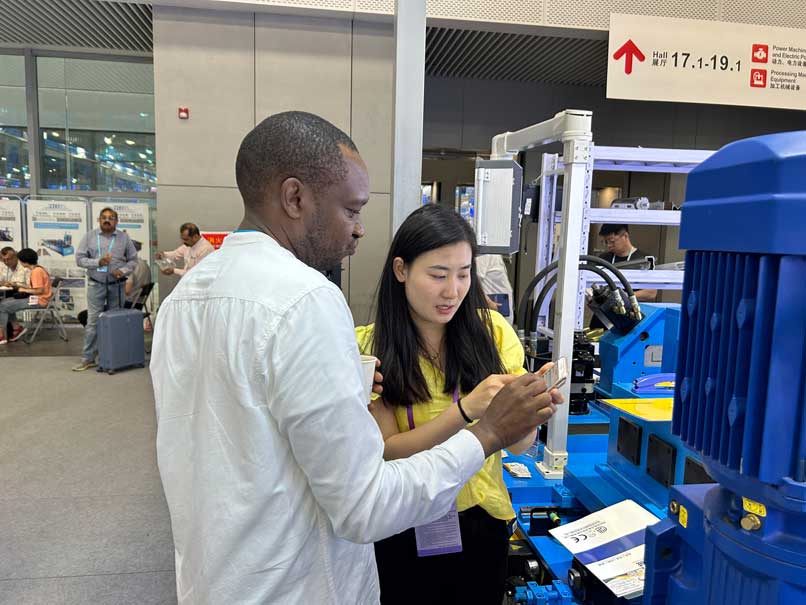
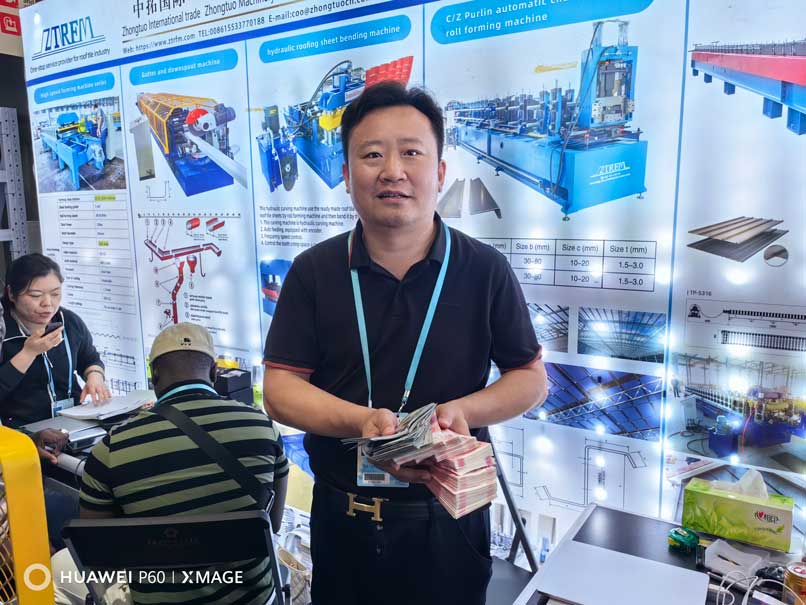
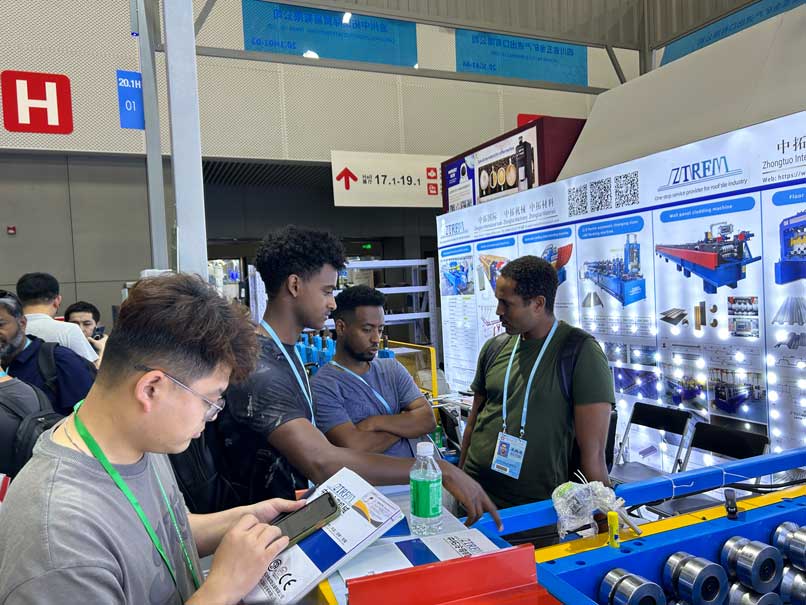
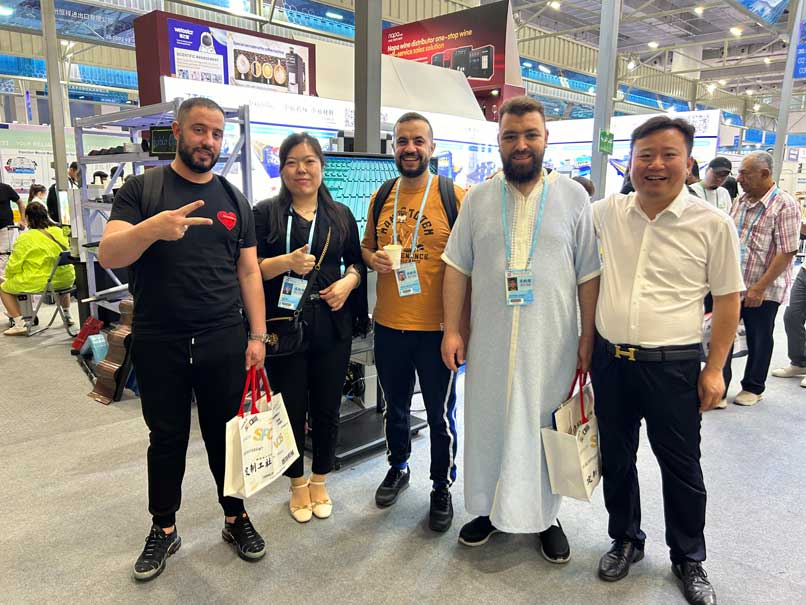
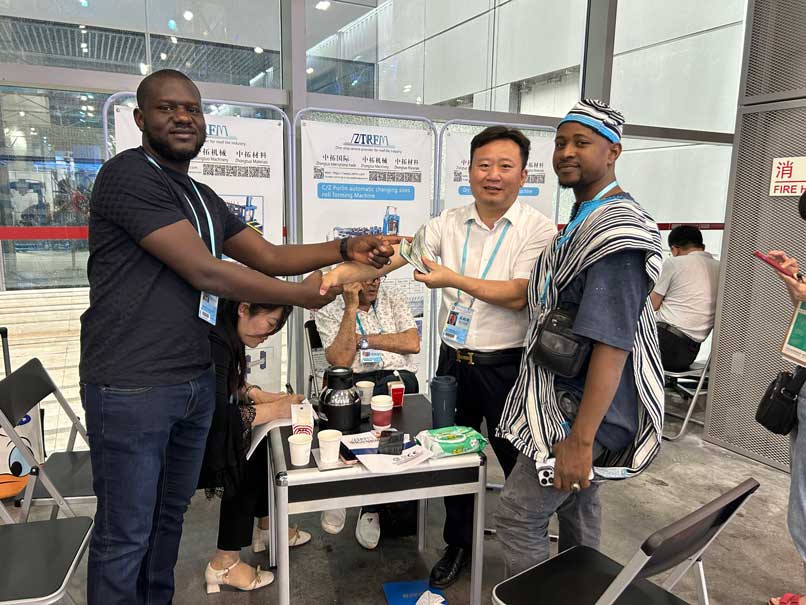
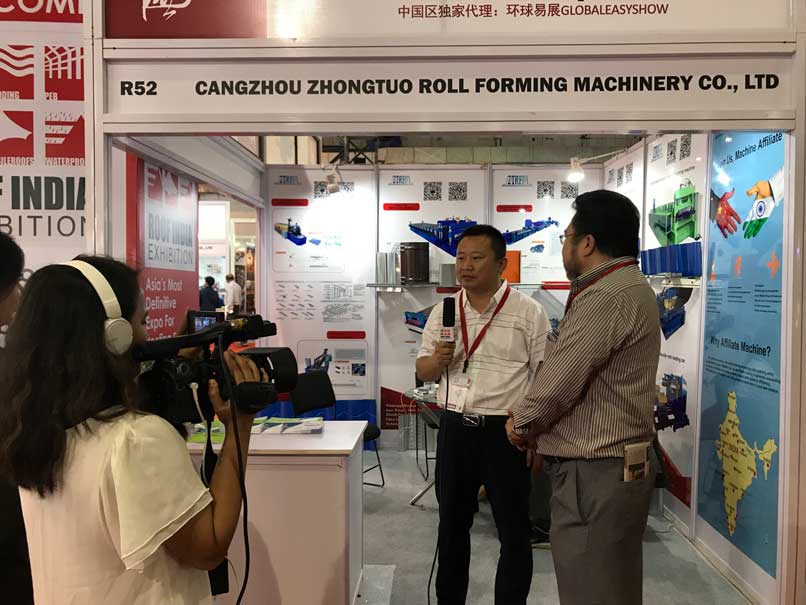
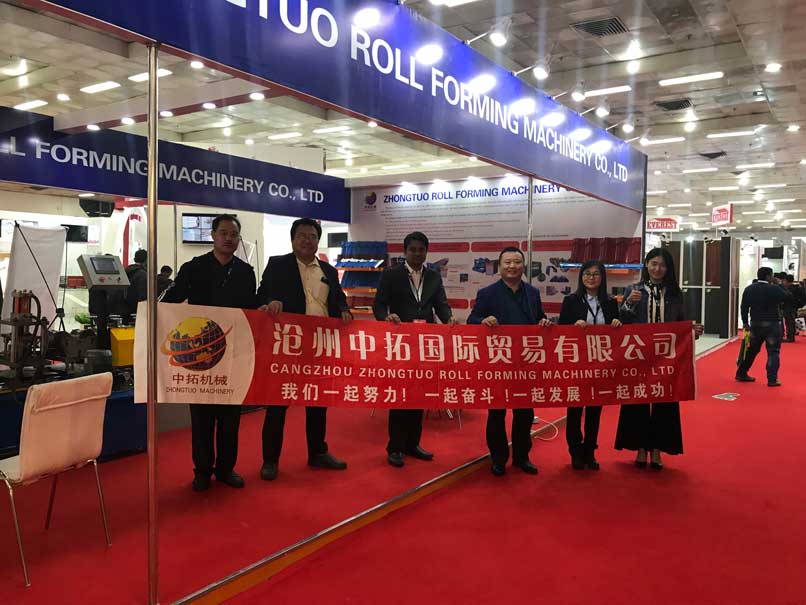
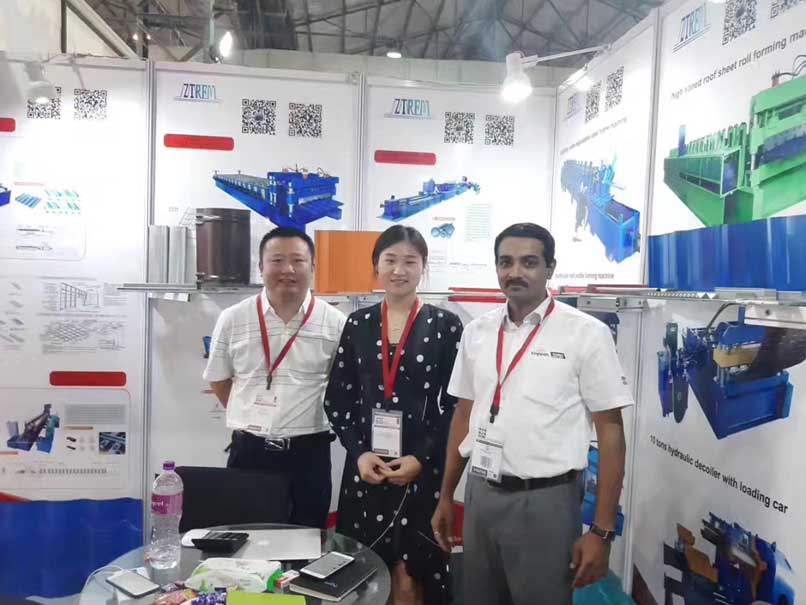
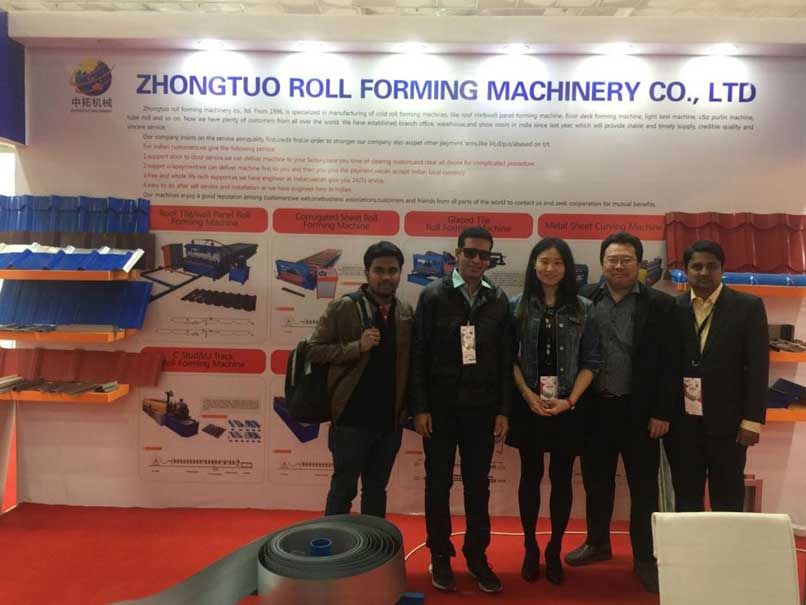
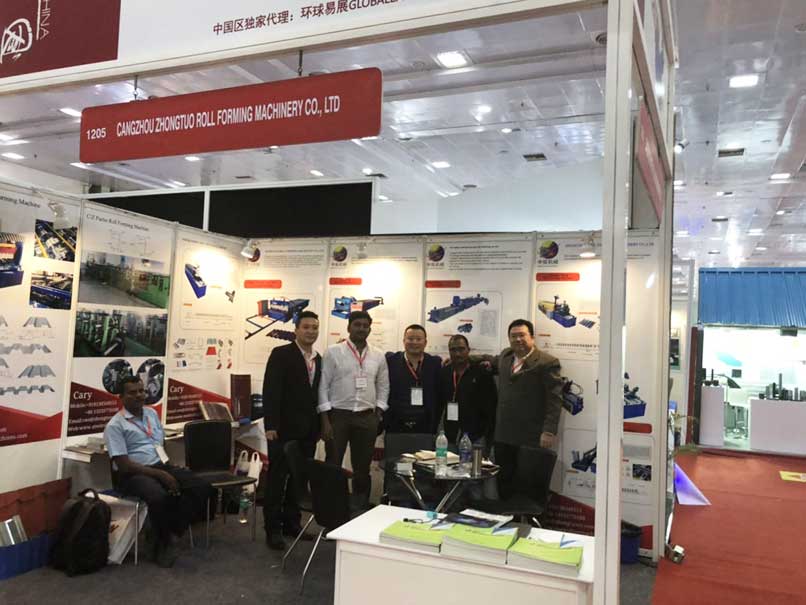
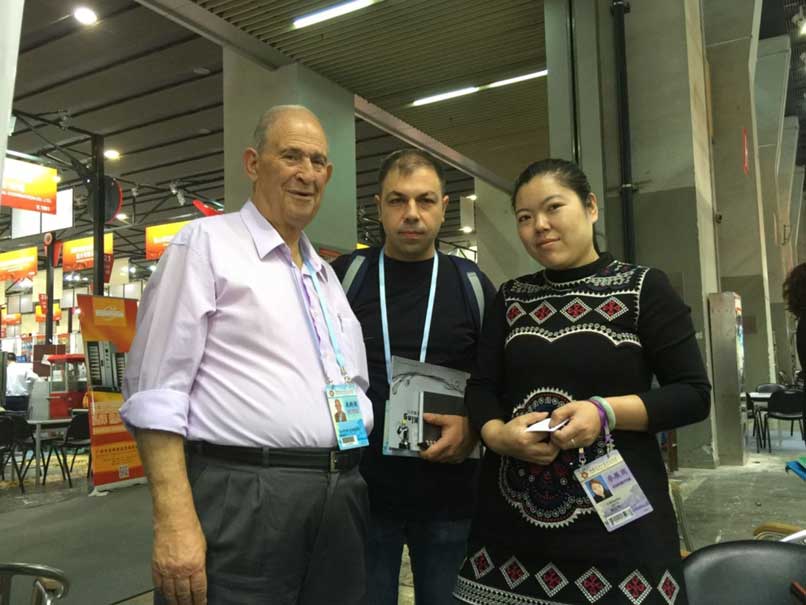
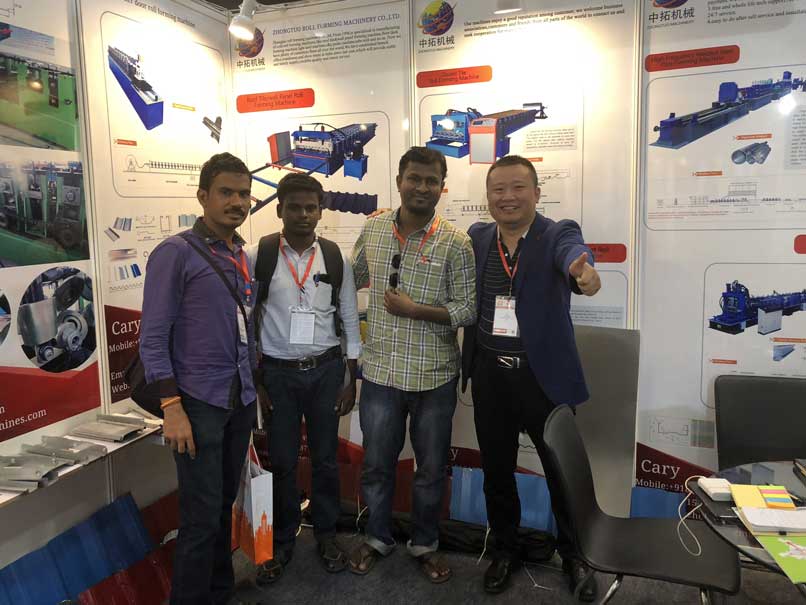
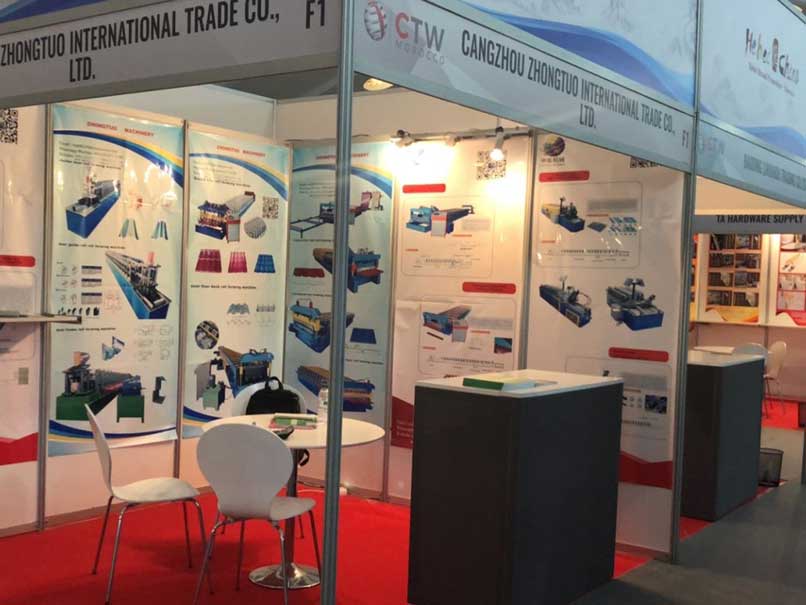
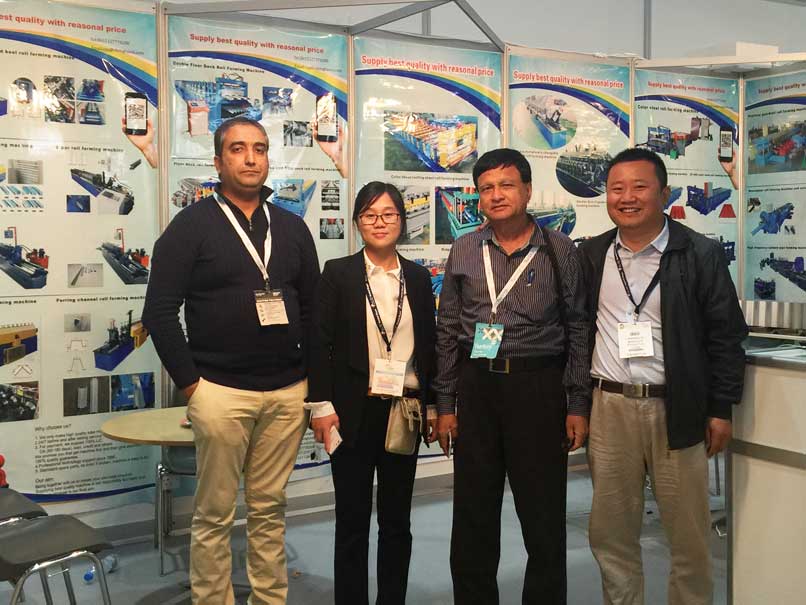
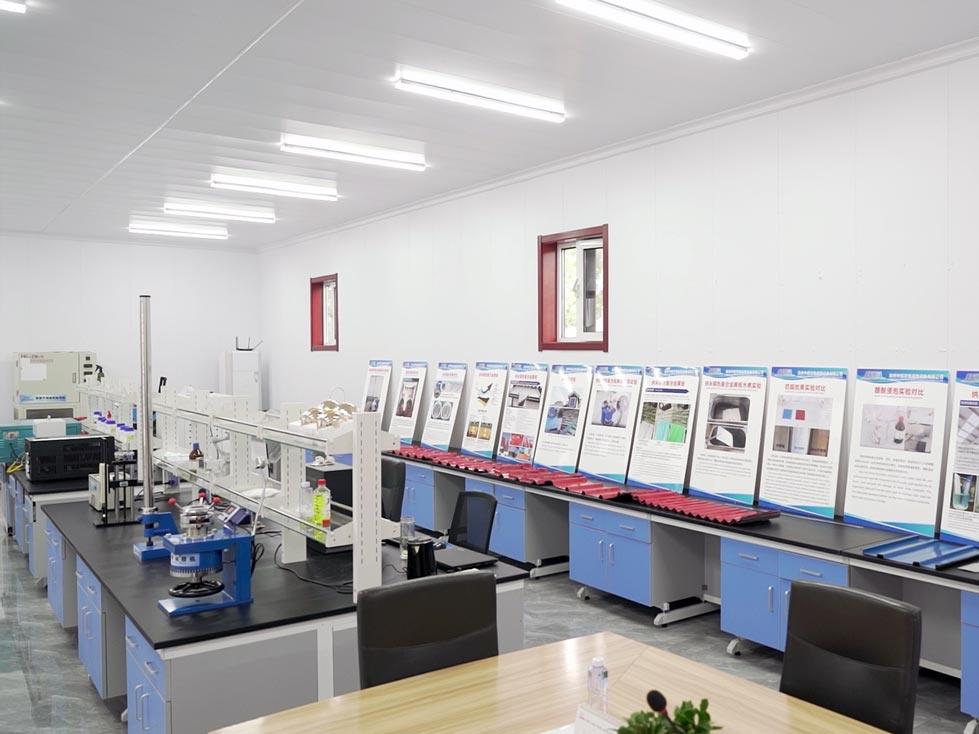
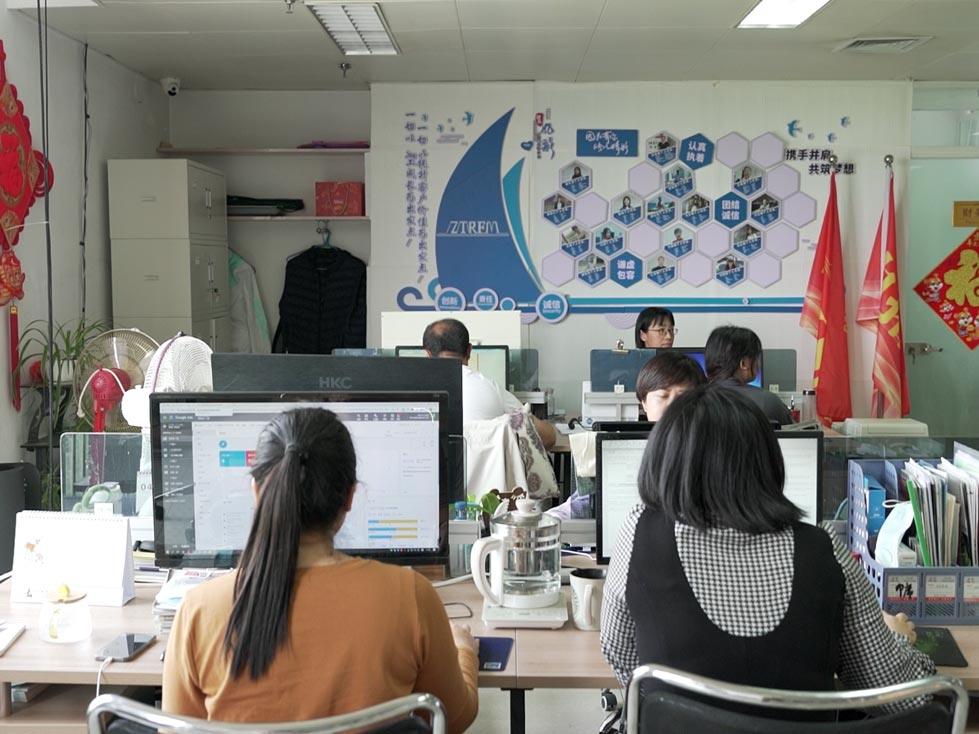
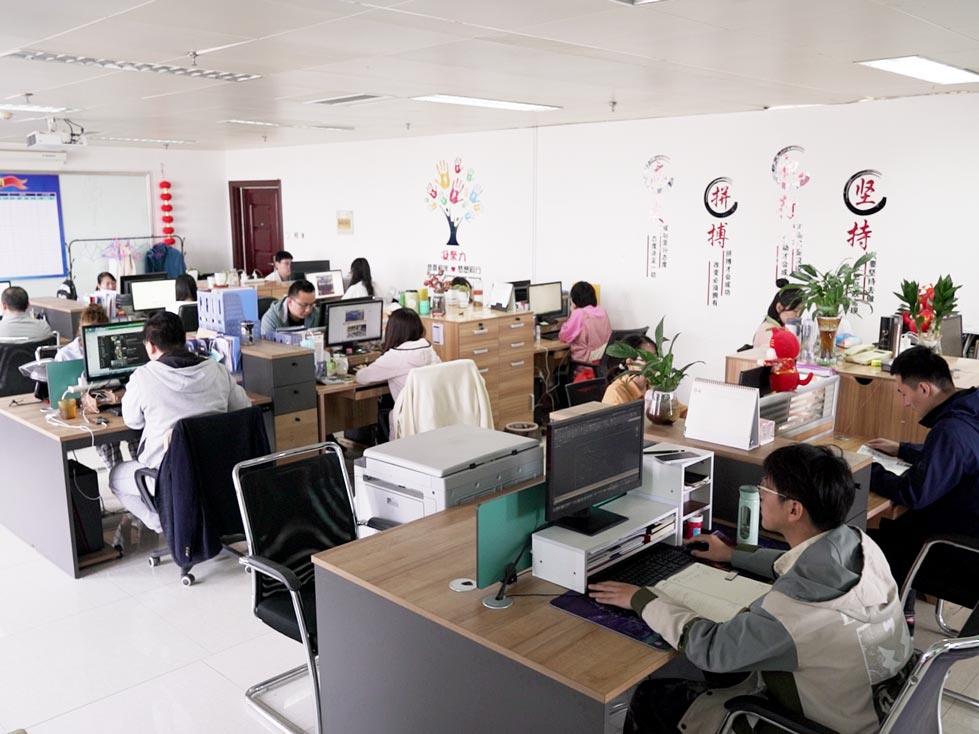
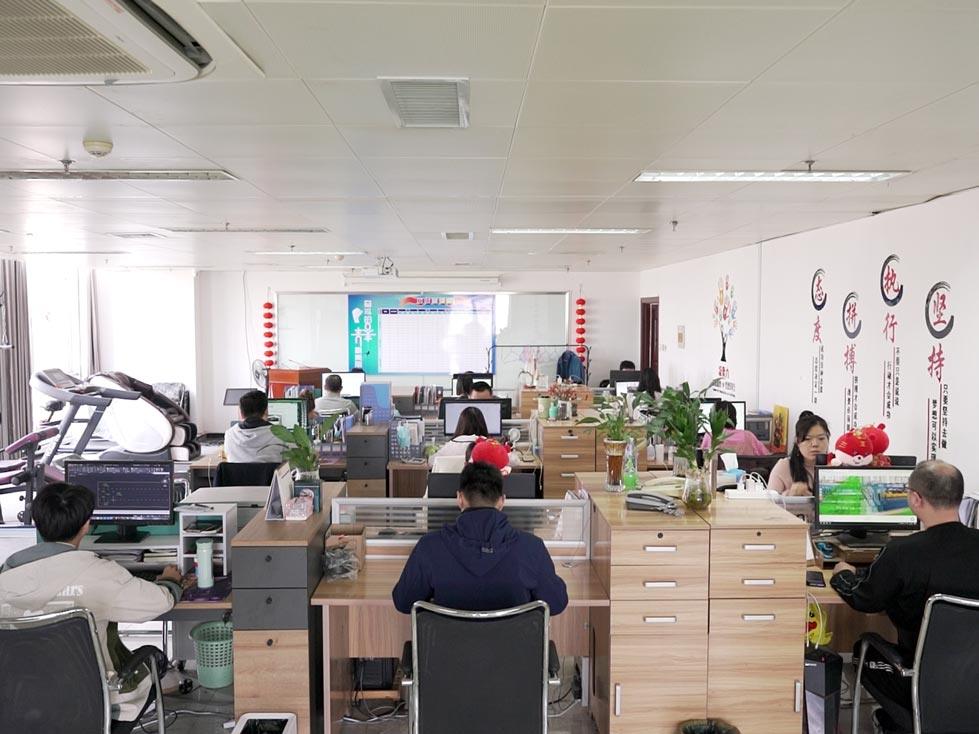
OEM/ODM et service de personnalisation à guichet unique
Service après-vente complet
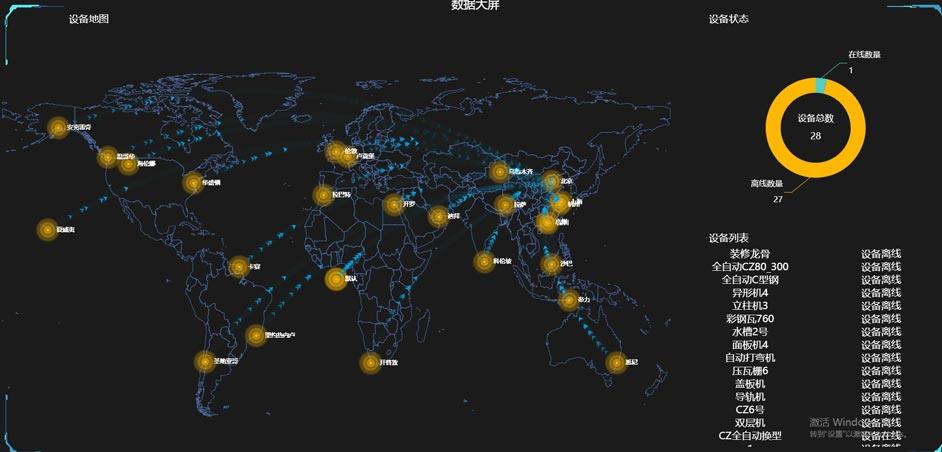
Fournir OEM、ODM
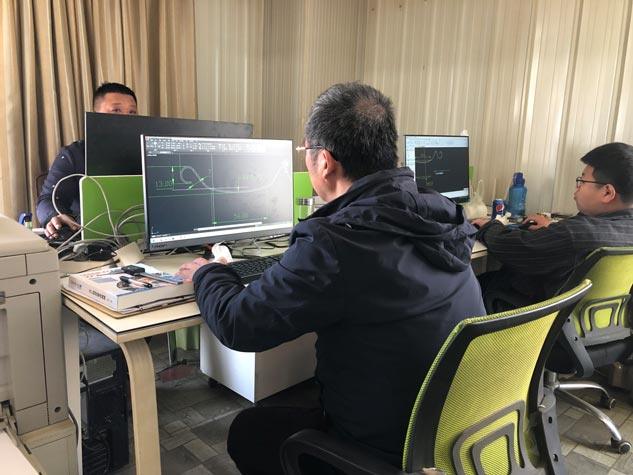
2.Conception technique : réalisation de dessins de profils et de machines en 3D
3.déterminer la configuration et la production
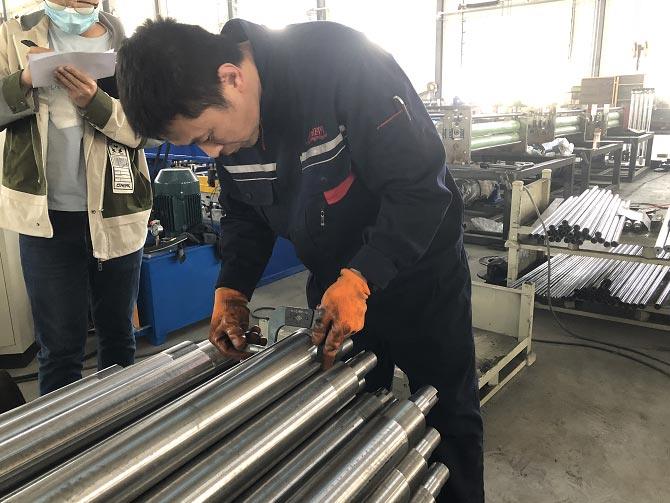
4.essais avant livraison
6.Conseils techniques
7.Service après-vente : services d'installation pour les machines complexes et visites régulières des clients
Plus de 95800 entreprises lui font confiance
des entreprises de haute qualité. En coopérant avec nous, elles ont reçu
Le groupe a bénéficié d'un soutien solide et a réalisé des percées et des développements commerciaux.