Technologische Veränderungen & Industrielle Systeme, wir widmen uns
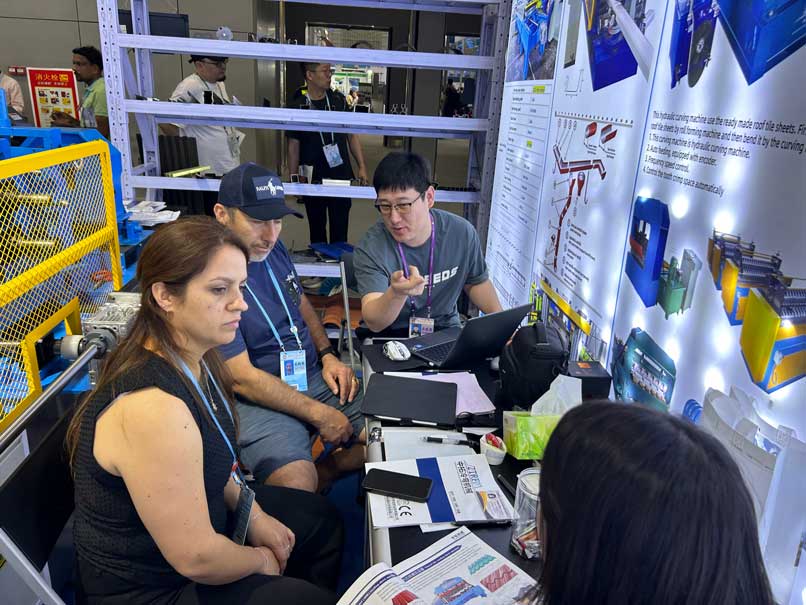
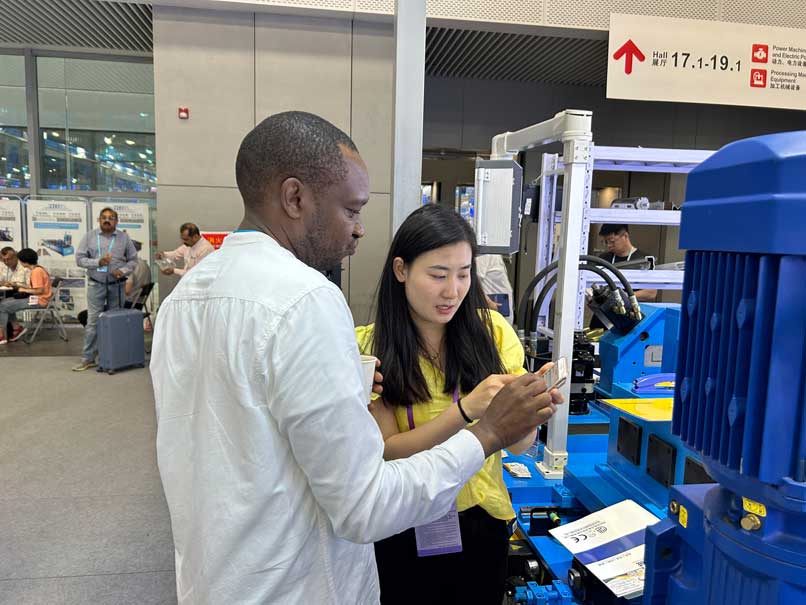
Bietet Seds die besten und wirtschaftlichsten Lösungen für geschätzte Kunden.
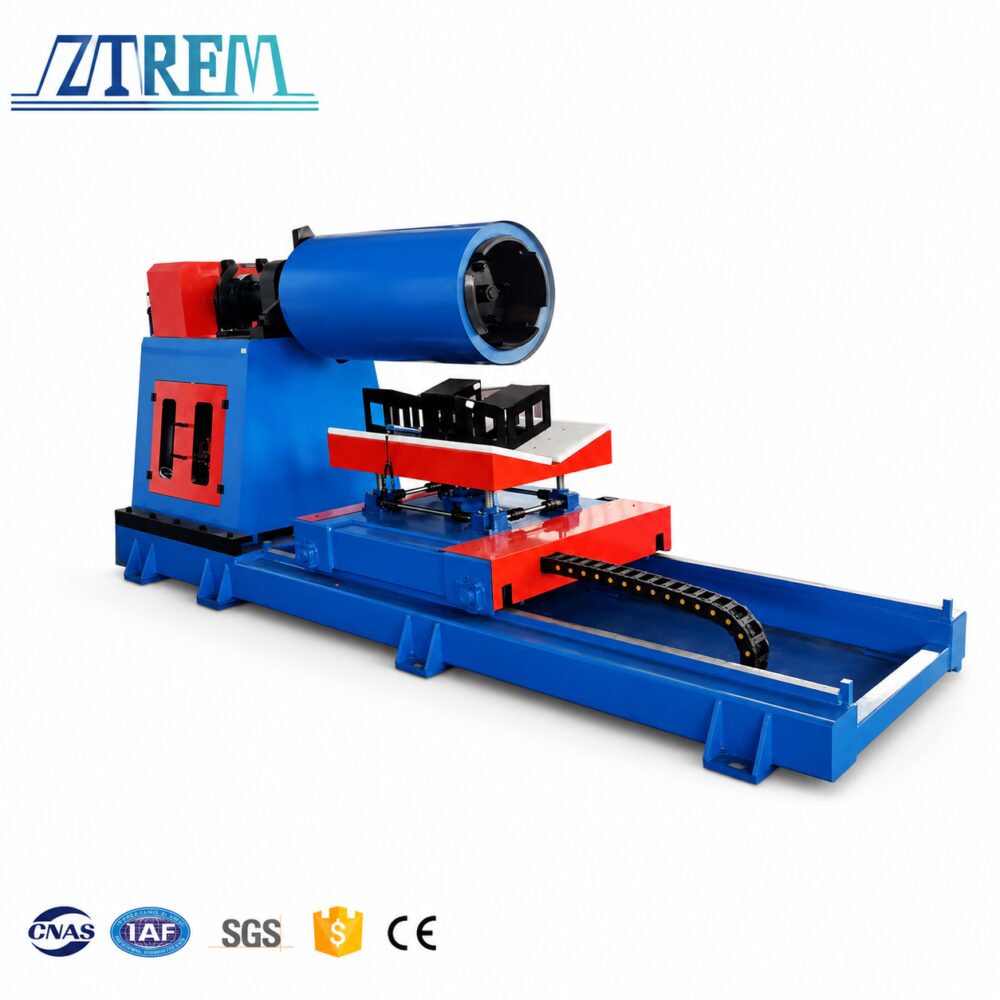
Hydraulic Decoiler Machine: Types, Specs & Buying Guide
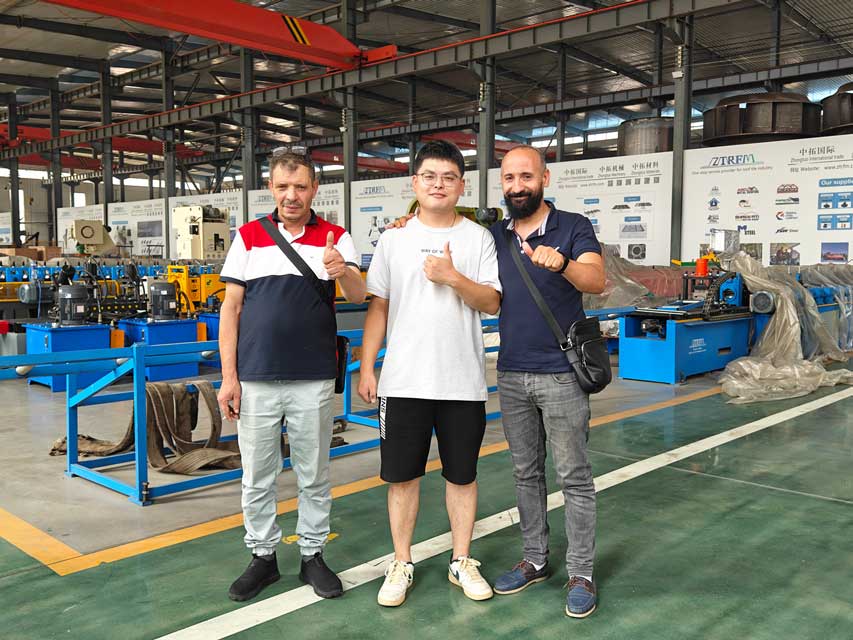
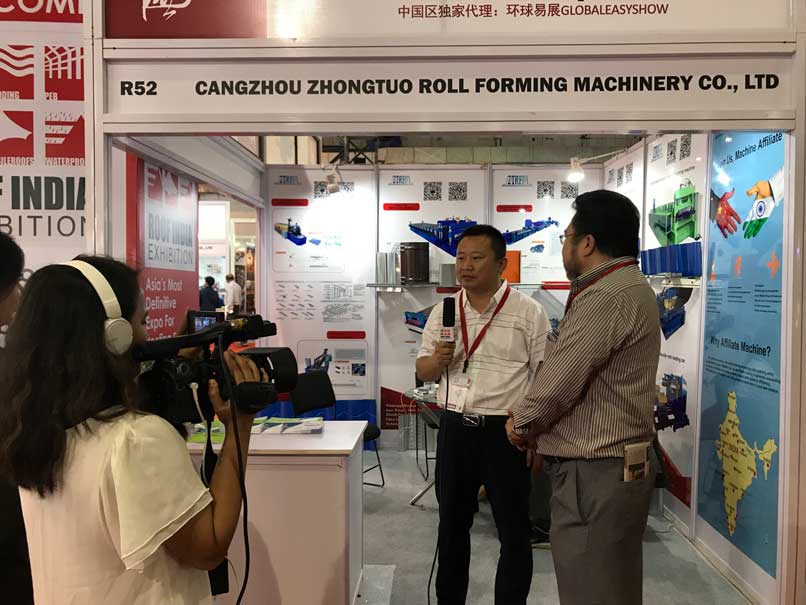
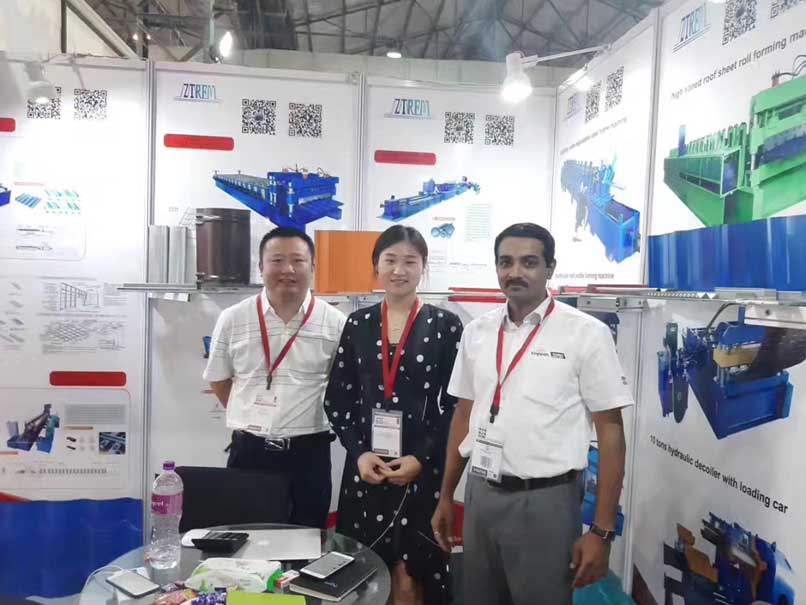
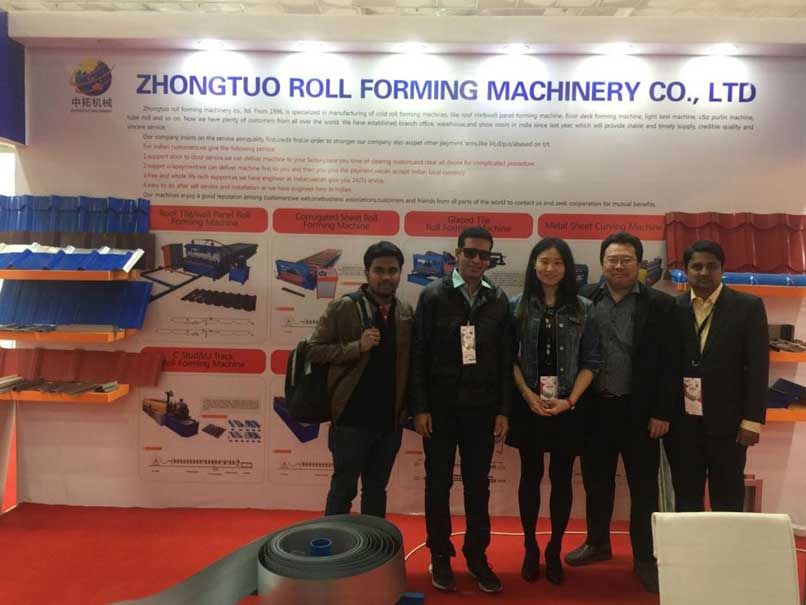
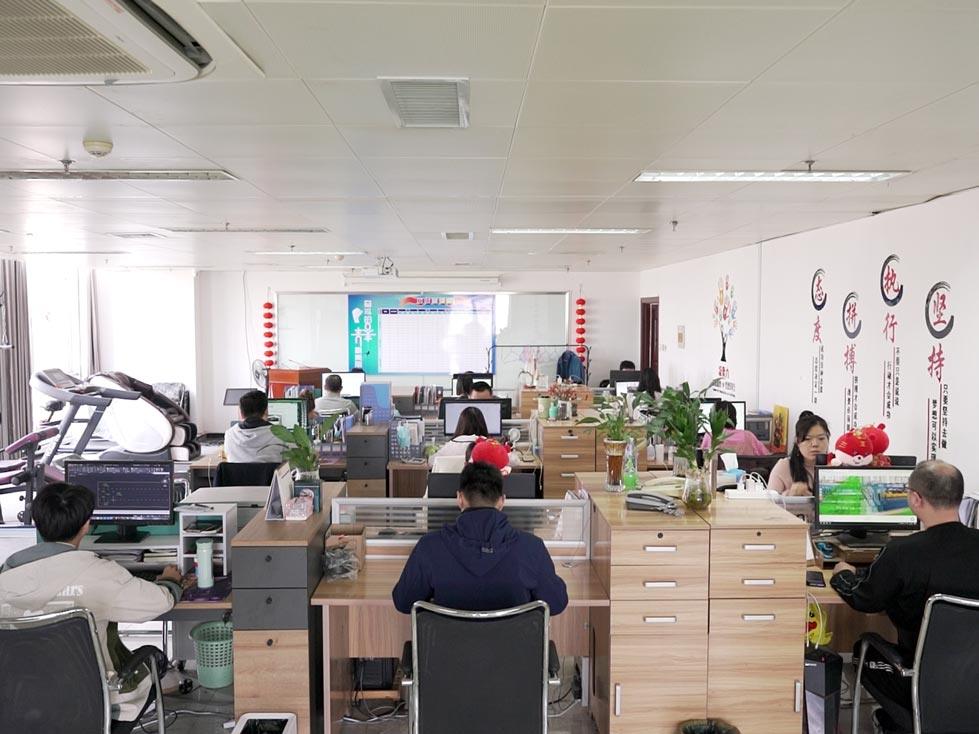
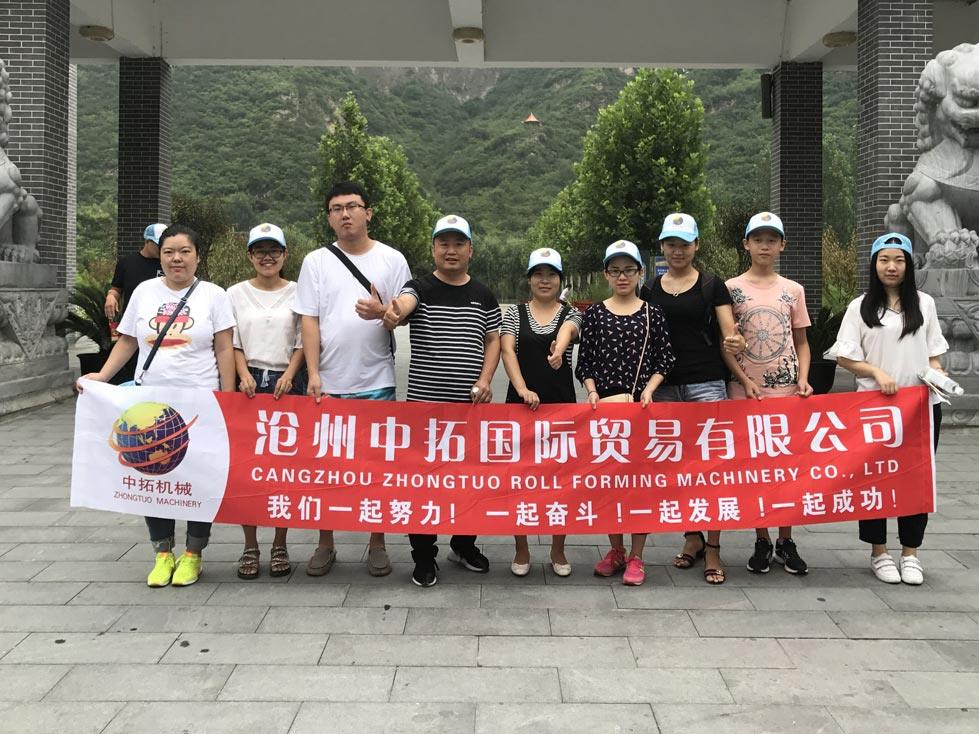
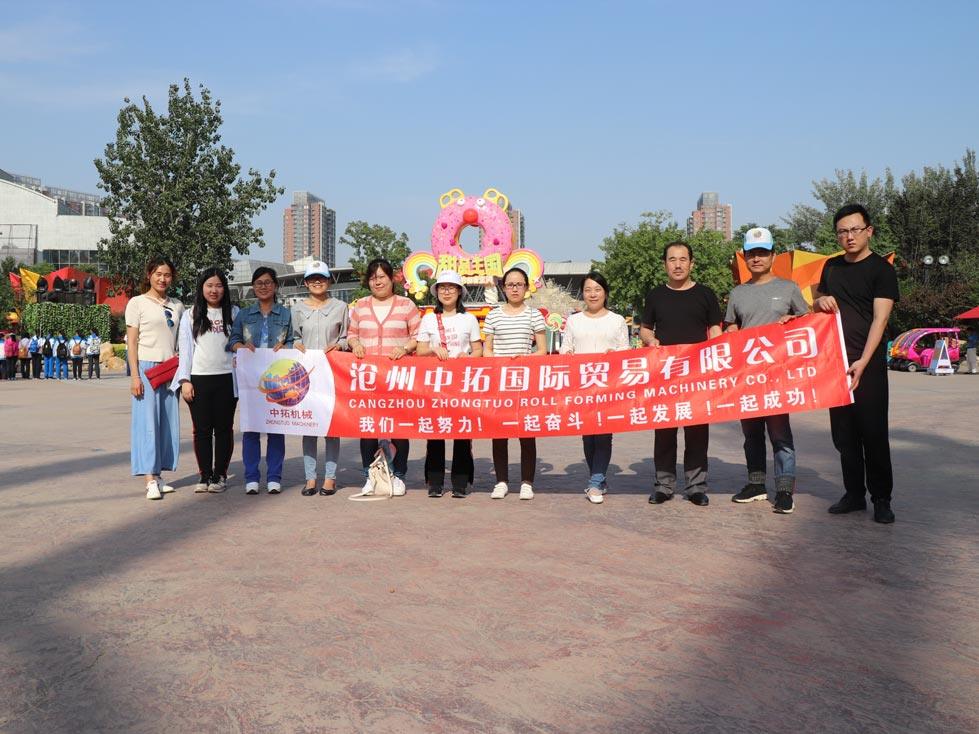
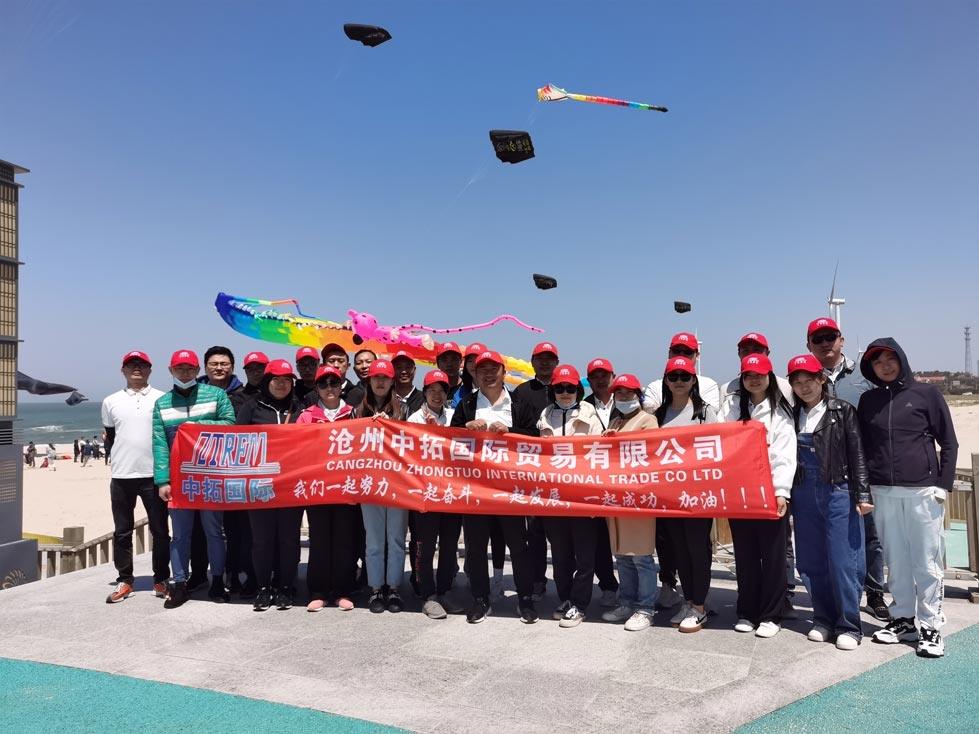
verschiedene Arten von Kaltwalzmaschinen. Wir sind eine Fabrik mit einer langen Geschichte, die sich seit 2006 mit der Entwicklung und Herstellung von Walzprofiliermaschinen beschäftigt. Die Maschinen, die wir produzieren können, umfassen: Dachziegel machen Maschine, cz Pfette machen Maschine, leichte Stahl Kiel machen Maschine, Metallprägung Maschine, Tür System bilden Maschine, Decke System bilden Maschine, Hochfrequenz-Rohr-Schweißmaschine, Schlitz Linie, auf Länge geschnitten Linie, Regal System bilden Maschine, Bodenbelag bilden Maschine, Farbe Stein Fliese Produktionslinie, heiße Laminierung gefilmt Maschine, etc.
Learn how a hydraulic decoiler works, its key specifications, applications, and what to consider before importing for your roll forming or stamping line.
Hydraulic Decoiler Machine: The Complete Guide for Metal Processing Lines
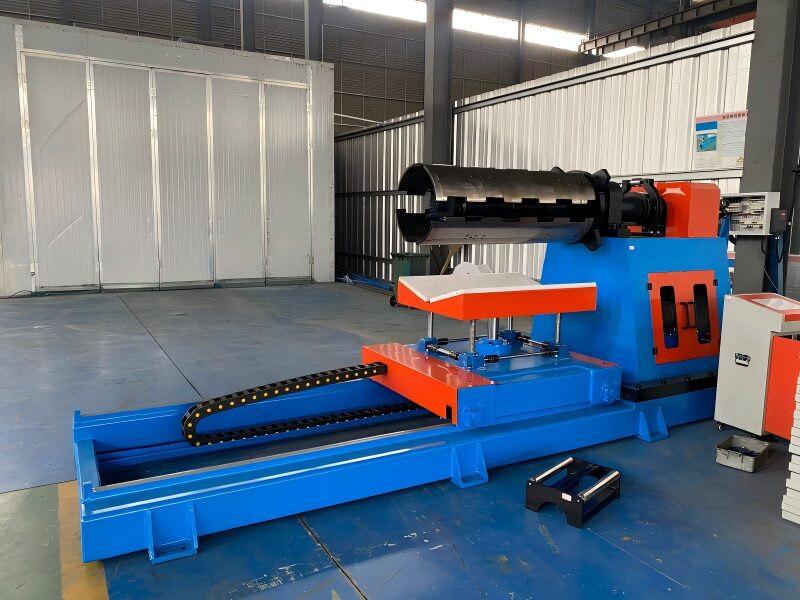
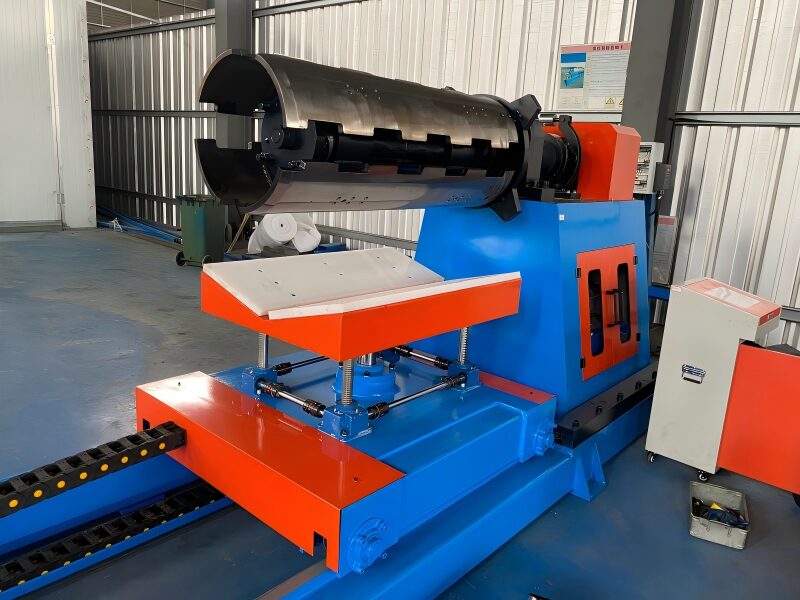
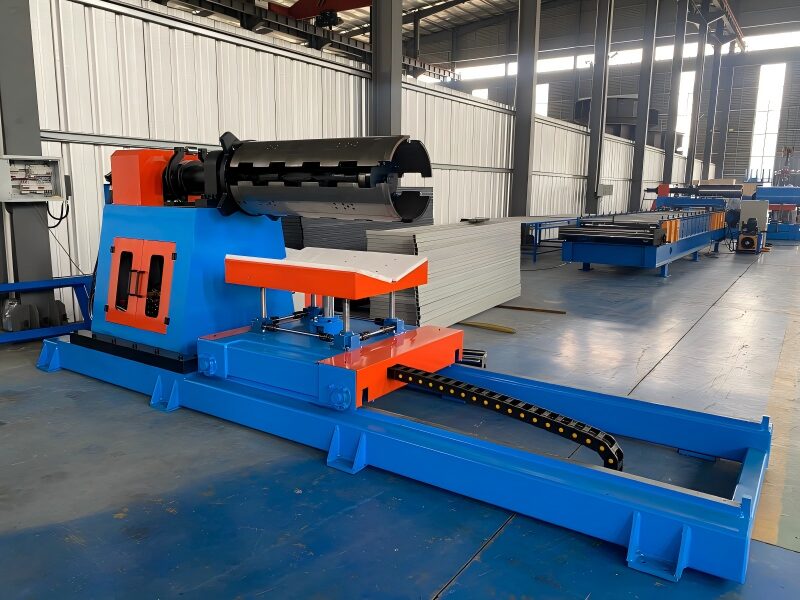
A hydraulic decoiler machine is a core component in modern metal coil processing systems. It is designed to safely support heavy coils, expand the mandrel hydraulically, and feed metal strips smoothly into downstream equipment such as levelers, feeders, roll forming machines, or shears.
Compared with manual or pneumatic decoilers, hydraulic models offer higher load capacity, better tension control, and lower labor risk—making them the preferred choice for steel service centers and coil processing factories worldwide.
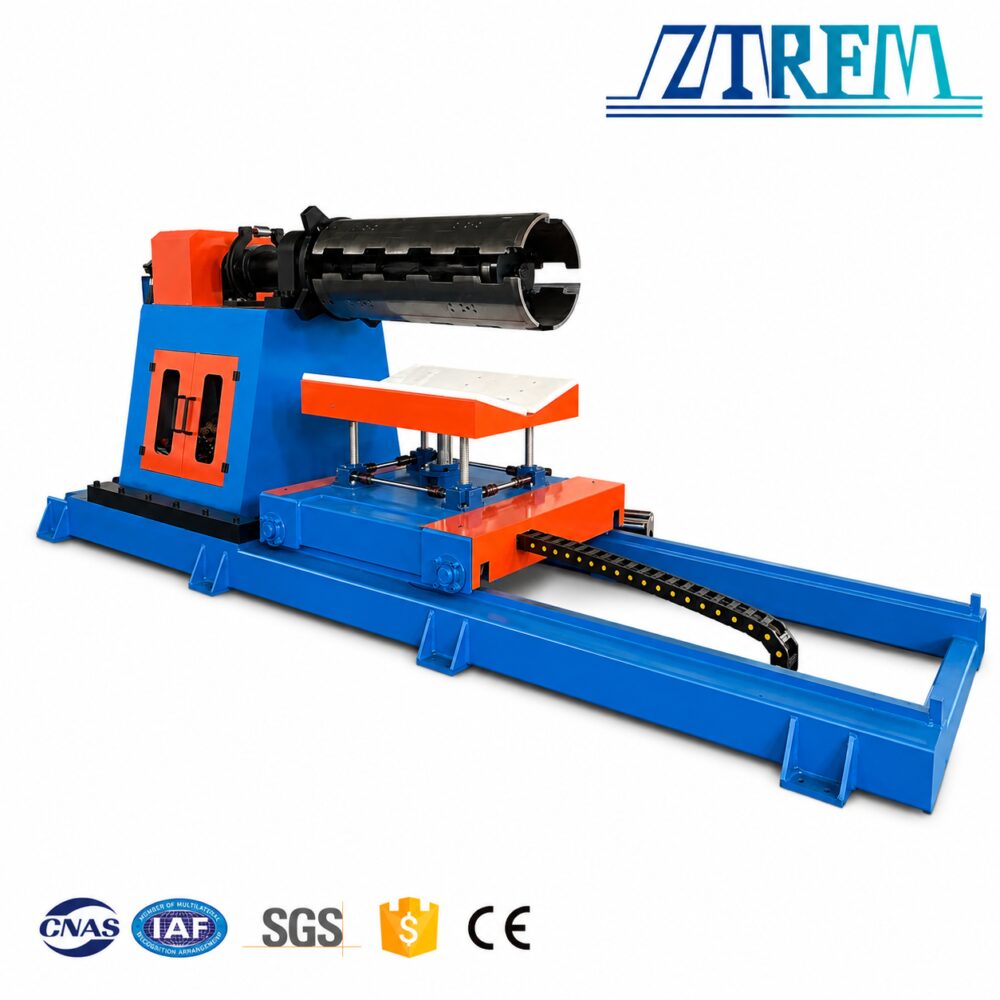
What Is a Hydraulic Decoiler?
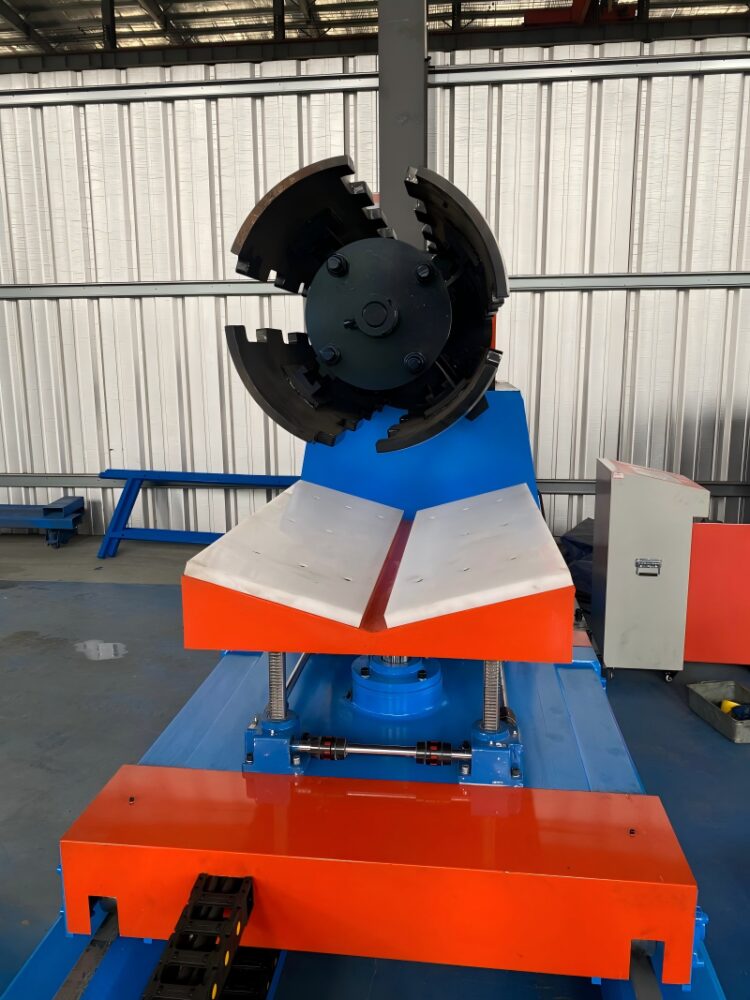
A hydraulic decoiler is an uncoiling device that uses a hydraulic system to control mandrel expansion and contraction. The operator simply places the coil on the mandrel, activates the hydraulic pump, and the mandrel automatically tightens inside the coil inner diameter.
This design eliminates manual wedge adjustment, reduces coil slip, and significantly improves loading safety and efficiency. Hydraulic decoilers are widely used for:
Cold rolled steel
Hot rolled steel
Galvanized steel
Stainless steel
Aluminum coils
Pre-painted coils
They are commonly integrated into roll forming lines, cut-to-length lines, slitting lines, and stamping press feeding systems.
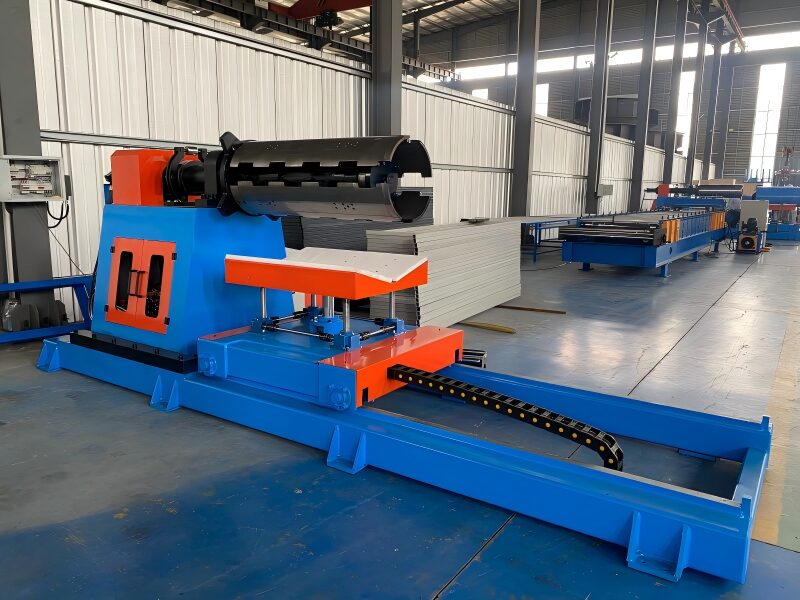
Main Components of a Hydraulic Decoiler
Understanding the machine structure helps buyers evaluate quality and durability.
| Component | Function |
| Hydraulic Station | Provides pressure to expand/contract the mandrel |
| Expansion Mandrel | Holds the coil from inside and prevents slipping |
| Main Motor & Reducer | Drives rotation for uncoiling |
| Pressing Arm | Keeps coil edge stable and prevents looseness |
| Coil Car (Optional) | Assists in loading heavy coils safely |
| Sensor/Loop Control | Controls start/stop automatically based on material loop |
| Brake System | Prevents over-uncoiling and material accumulation |
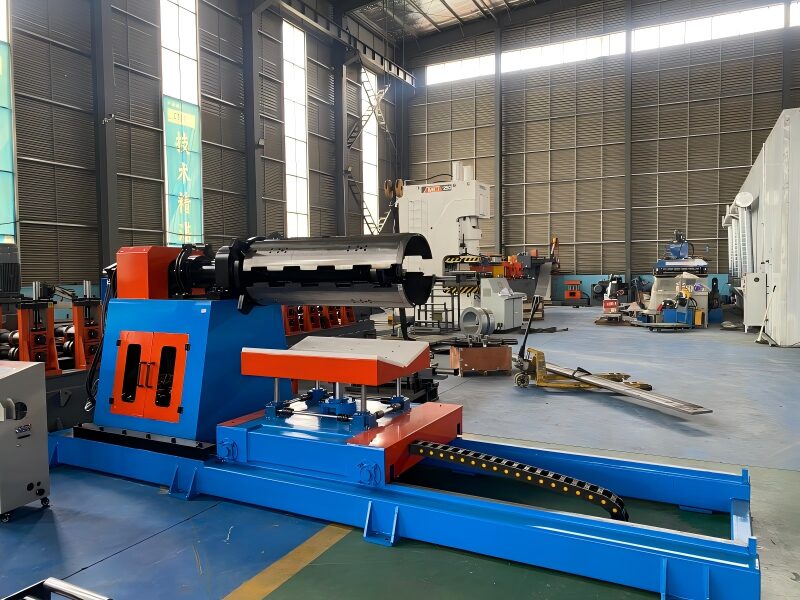
Key Specifications You Should Check
When sourcing a hydraulic decoiler for export or factory use, pay attention to the following technical parameters:
Coil Weight Capacity: 3T, 5T, 10T, 15T, 20T or customized
Material Width: 200–1800 mm
Material Thickness: 0.3–6.0 mm
Coil Inner Diameter: φ450–φ610 mm
Coil Outer Diameter: ≤ φ1500 mm
Uncoiling Speed: 0–30 m/min (inverter control)
Mandrel Expansion: Hydraulic
Motor Power: 3 kW / 4 kW / 5.5 kW depending on capacity
Custom hydraulic decoilers can also be designed for dual-head uncoiling, automatic centering, or servo tension control.
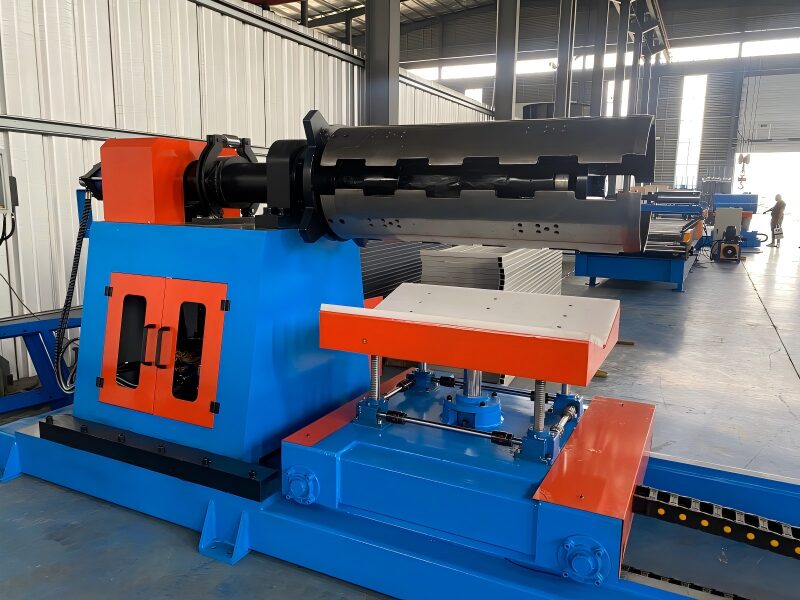
Advantages of Using a Hydraulic Decoiler
Higher Automation Level
Hydraulic expansion reduces manual work and shortens coil change time. Operators can load, tighten, and start feeding within minutes.
Safer for Heavy Coils
Handling 10-ton or 20-ton coils manually is dangerous. Hydraulic systems provide stable gripping force and optional coil cars further reduce crane dependency.
Better Surface Protection
Smooth starting and braking minimize coil edge damage, especially important for pre-painted or stainless steel coils.
Easy Integration
Hydraulic decoilers can be connected with PLC control systems, loop sensors, and inverters to synchronize with your existing production line.
Common Applications in Different Industries
Construction material factories: roof panels, wall panels, purlins
Automotive parts manufacturers: brackets, reinforcements, stamping blanks
Steel service centers: cut-to-length and slitting lines
Appliance manufacturers: washing machine shells, refrigerator panels
Solar mounting system producers: C/U channel roll forming lines
Hydraulic Decoiler vs Manual Decoiler
| Feature | Hydraulic Decoiler | Manual/Screw Decoiler |
| Loading Efficiency | High | Low |
| Max Capacity | Up to 20T+ | Usually ≤ 5T |
| Operator Safety | High | Medium |
| Coil Change Time | Fast | Slow |
| Investment Cost | Higher | Lower |
| Long-term ROI | Excellent | Limited |
For factories focused on productivity and export-level quality, hydraulic decoilers are usually the better long-term investment.
How to Choose the Right Hydraulic Decoiler Supplier
Before placing an order, consider these practical factors:
Experience in Export Projects
Choose a manufacturer familiar with voltage standards, container packing, and overseas installation.
Customization Ability
Confirm whether they can adjust width, capacity, and control mode according to your coil data.
On-site Testing and FAT
Ask for a Factory Acceptance Test video or third-party inspection before shipment.
Certifications
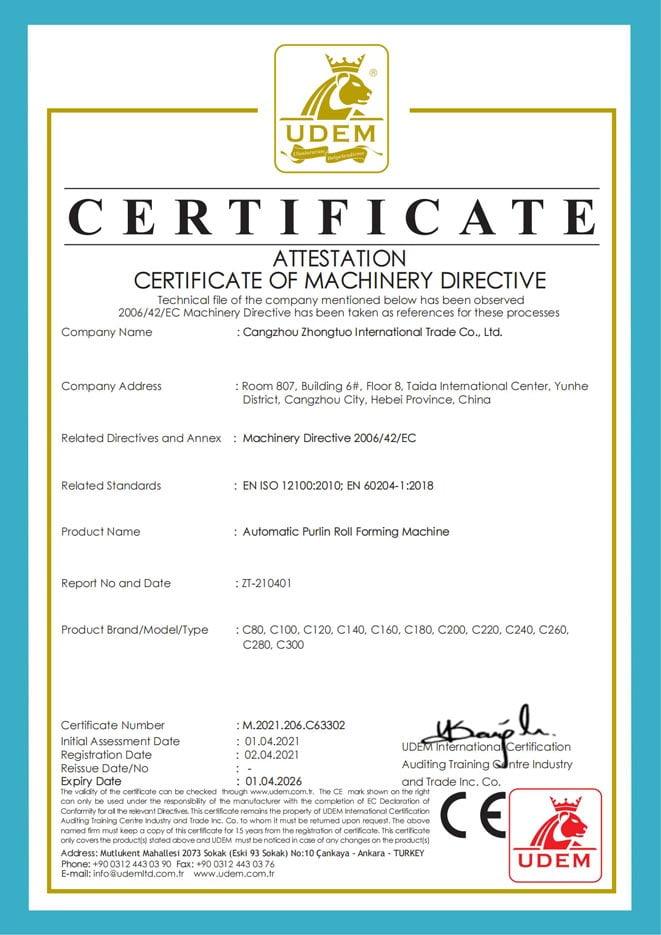
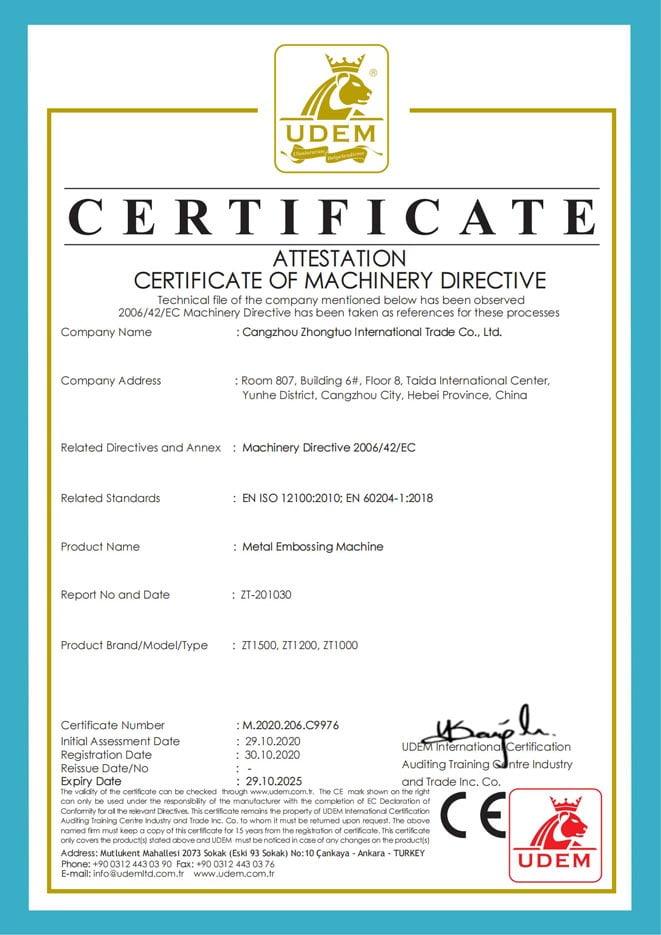
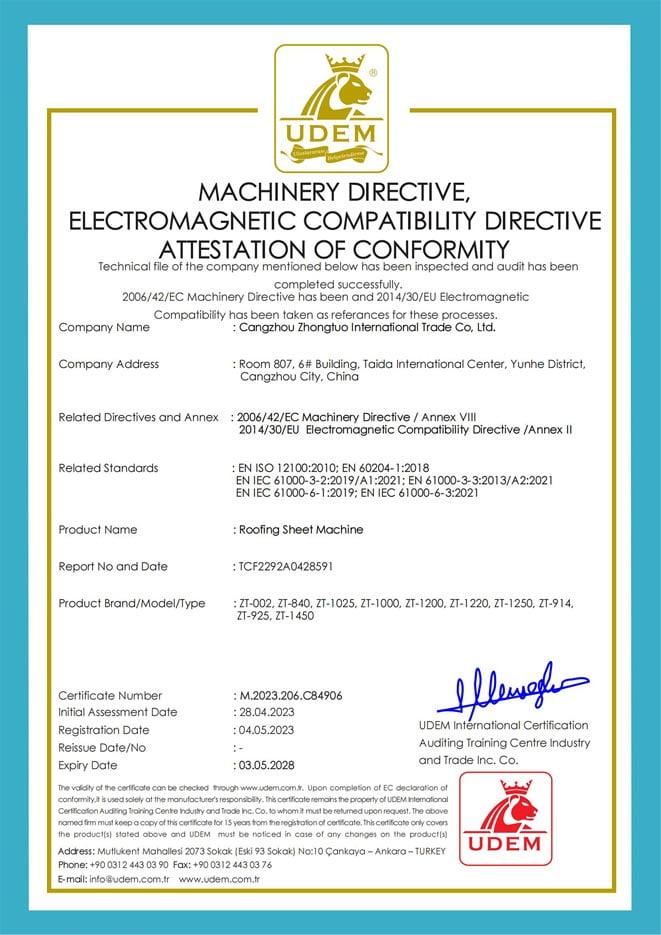
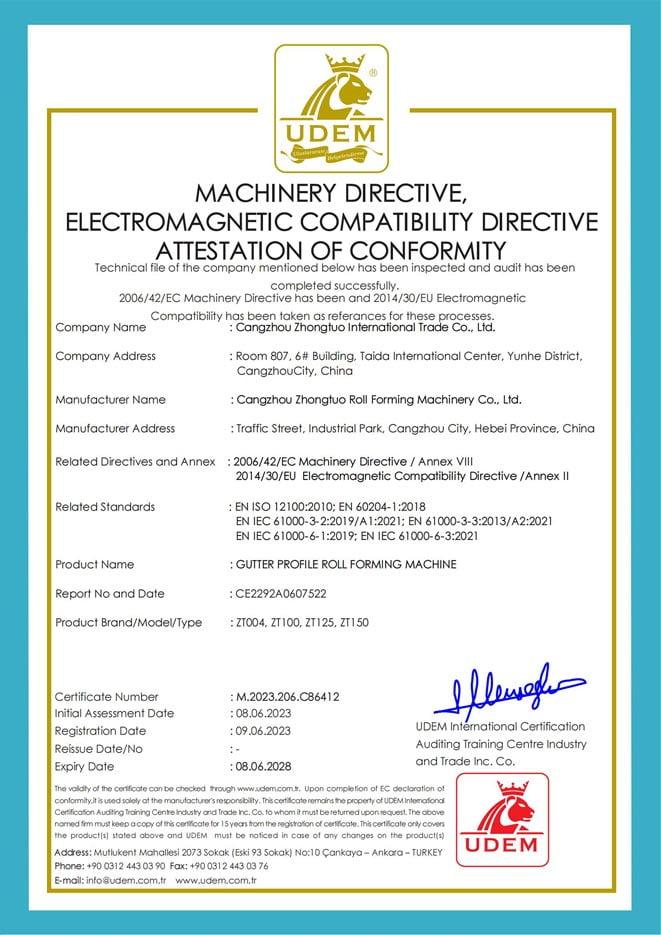
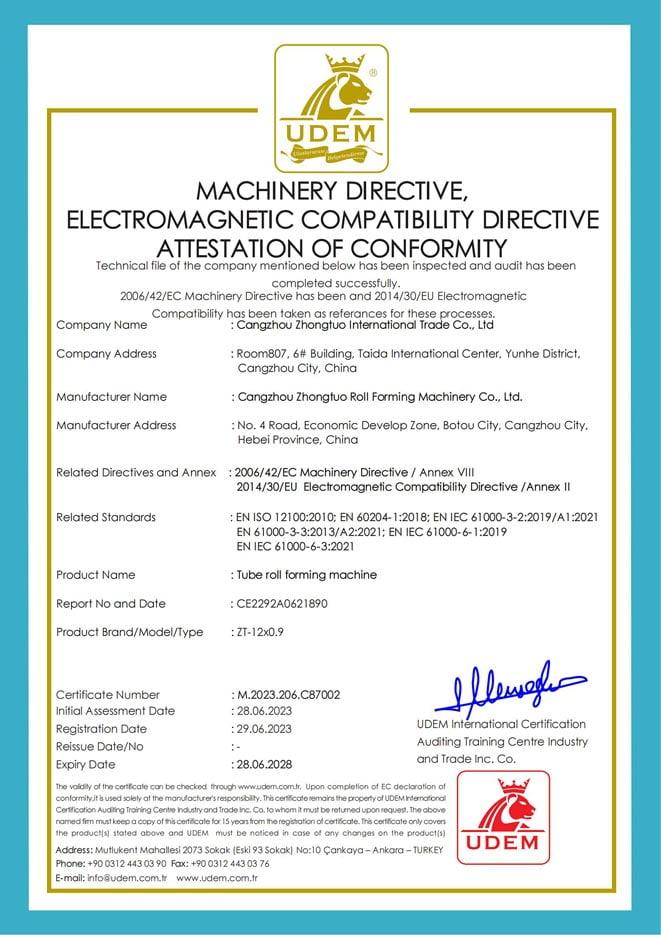
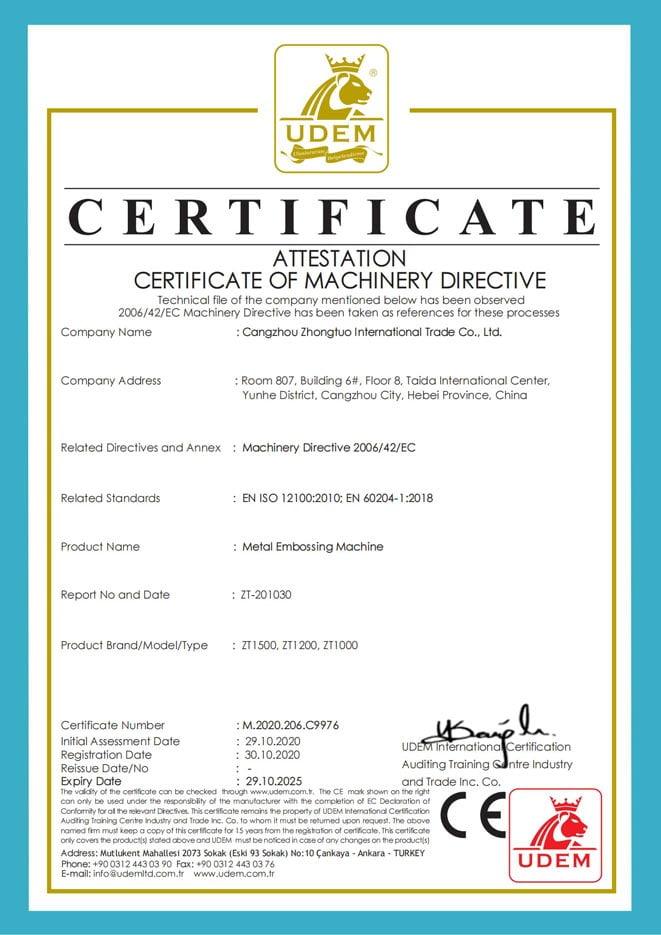
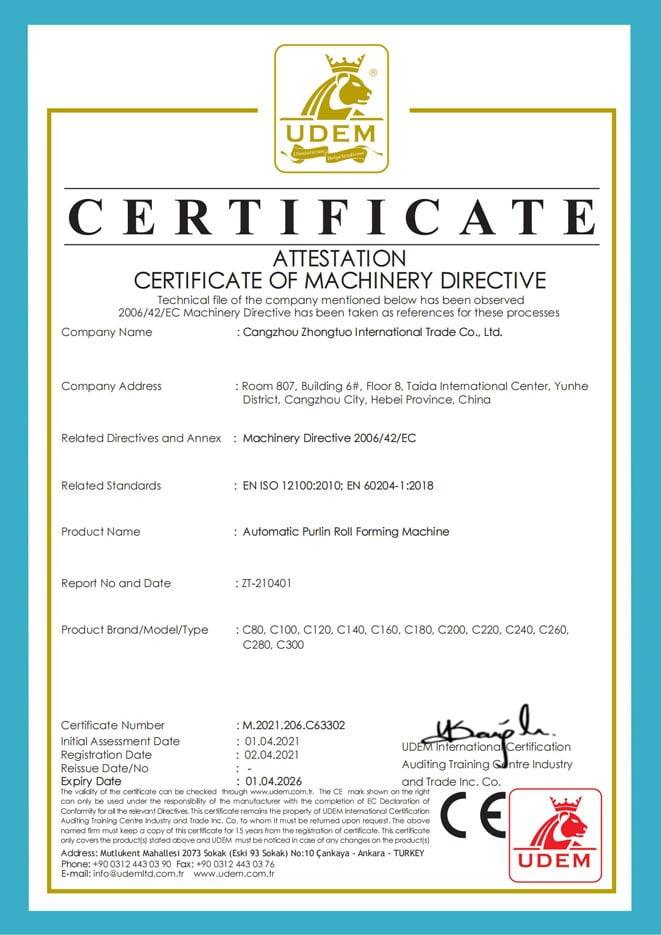
CE, ISO, and electrical component brands matter for some European or Middle Eastern markets.
Conclusion
A hydraulic decoiler machine is not just a support device—it directly affects production safety, material utilization, and line automation. Whether you run a roll forming factory, steel service center, or metal stamping workshop, choosing the right hydraulic decoiler will improve efficiency and reduce long-term operating costs.
FAQ
Q1: What coil weight can a hydraulic decoiler handle?
A:Most standard models handle 3T to 20T, but heavy-duty designs can exceed 20T based on client requirements.
Q2: Can a hydraulic decoiler work with a roll forming machine?
A:Yes, it is one of the most common configurations in roofing panel and purlin production lines.
Q3: Is hydraulic expansion better than pneumatic?
A:For coils above 5T, hydraulic expansion provides stronger grip and more stable performance.
Q4: How long does installation take?
A:Usually 1–3 days with engineer guidance; many clients also install successfully using manuals and videos.
Internal Links Suggestion
https://zhongtuomachine.com/product/fully-automatic-cable-tray-roll-forming-machine/
https://zhongtuomachine.com/product/roof-tile-roll-forming-machine-usa/
https://zhongtuomachine.com/product/hat-channel-roll-forming-machine/
https://zhongtuomachine.com/product/highway-guardrail-roll-forming-machine-2/
https://zhongtuomachine.com/product/c-purlin-roll-forming-machine/
https://zhongtuomachine.com/product/solar-purlin-machine-photovoltaic-c-channel-forming-machine/
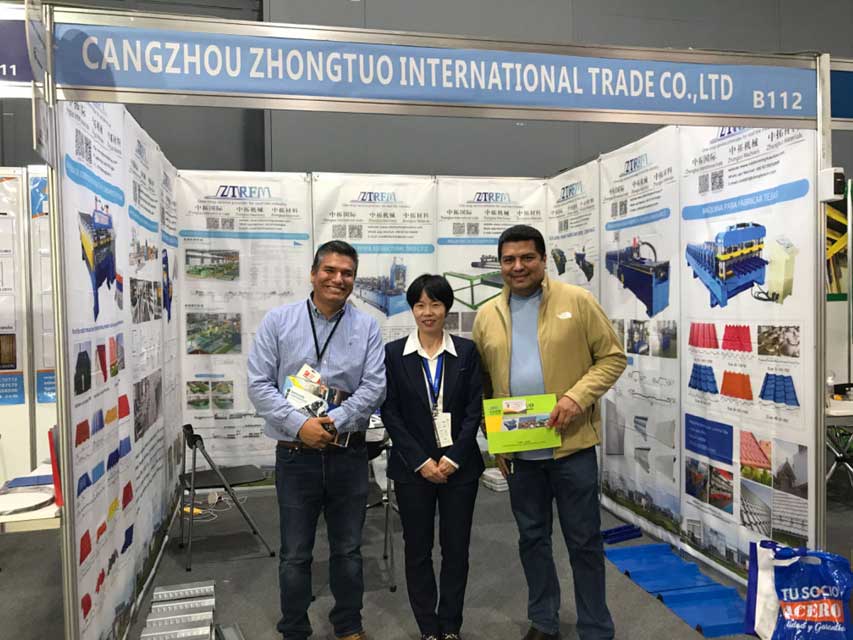
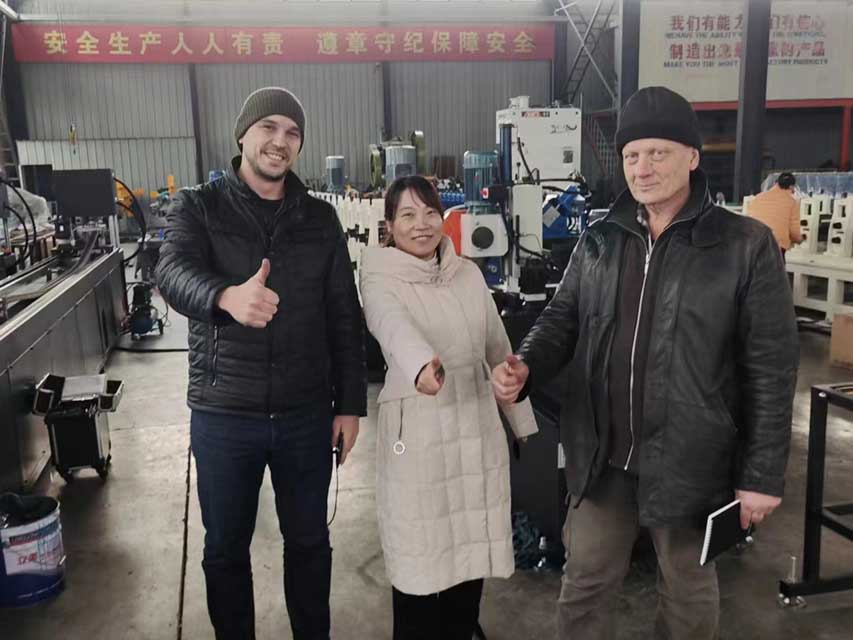
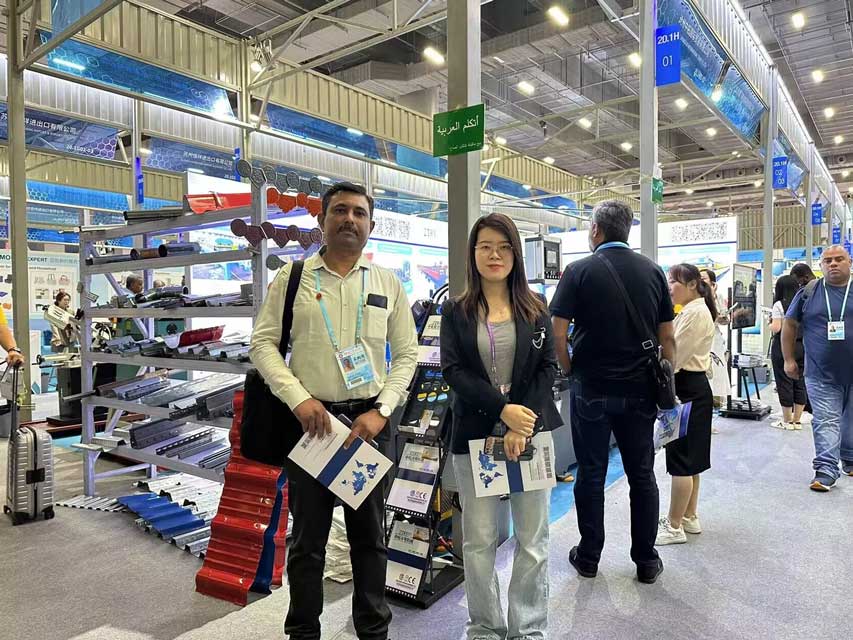
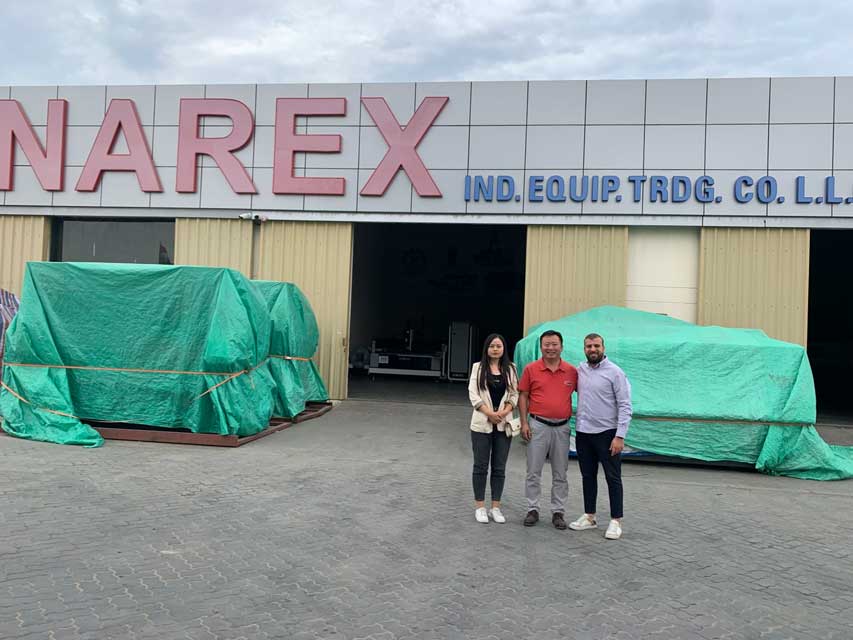
Warum sollten Sie uns wählen?
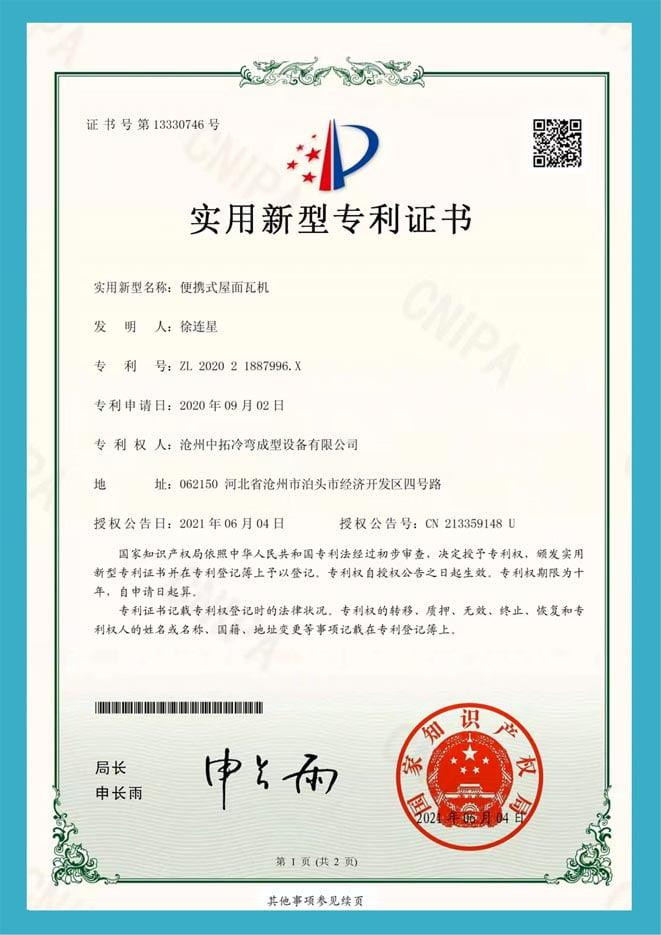
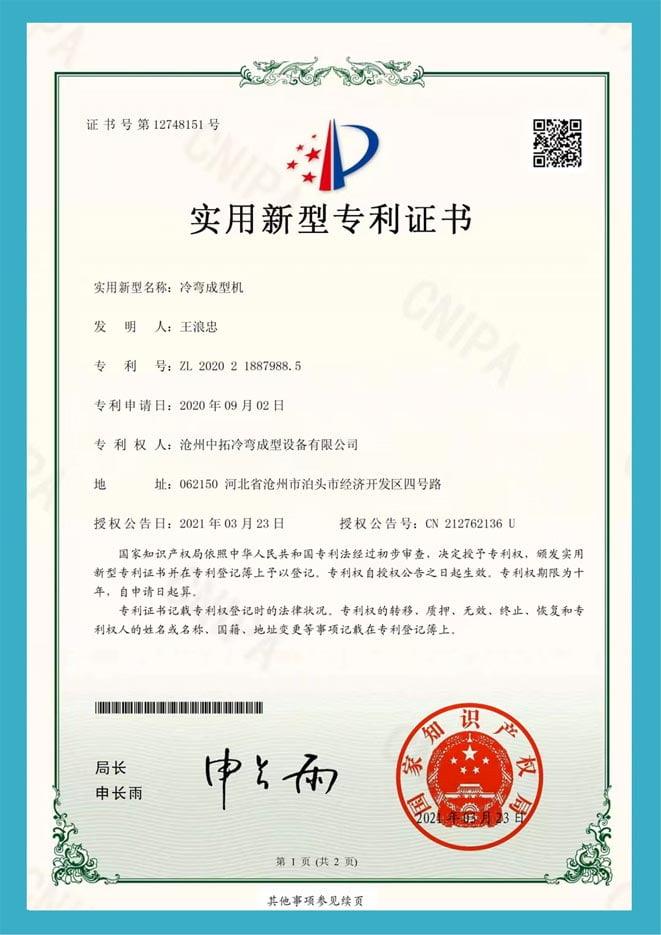

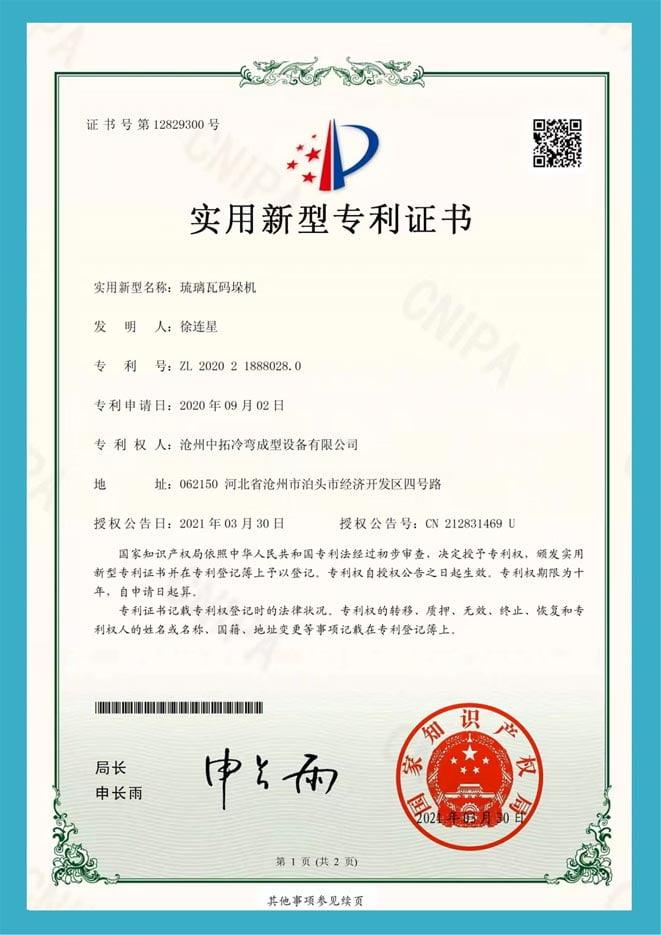
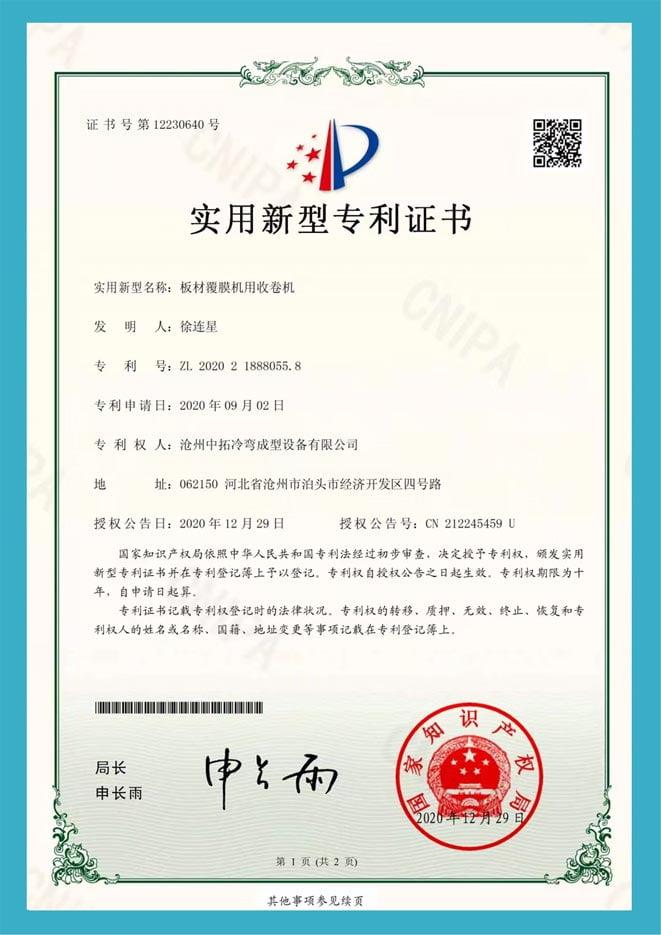

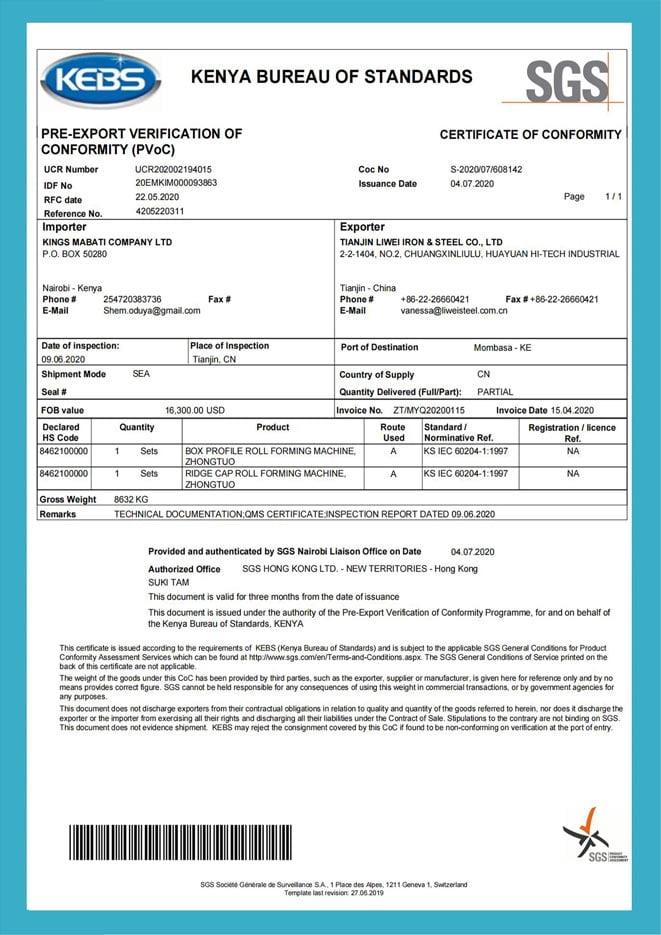
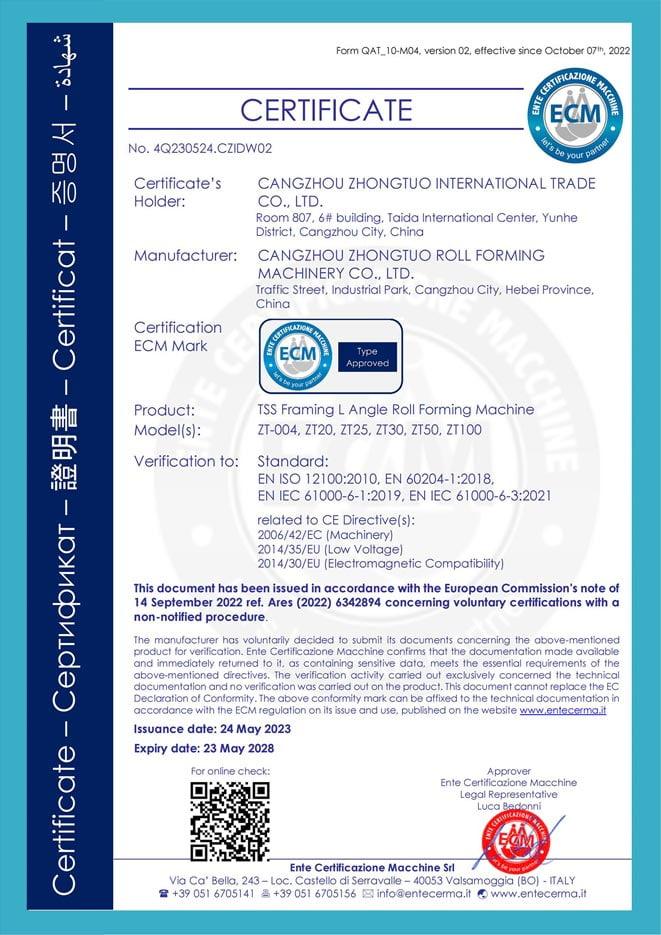
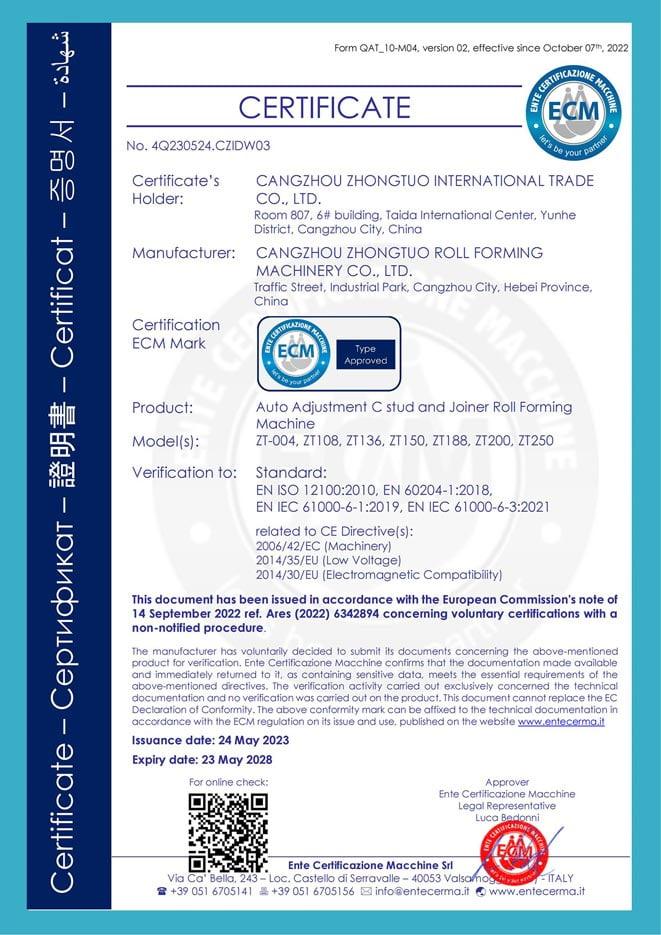
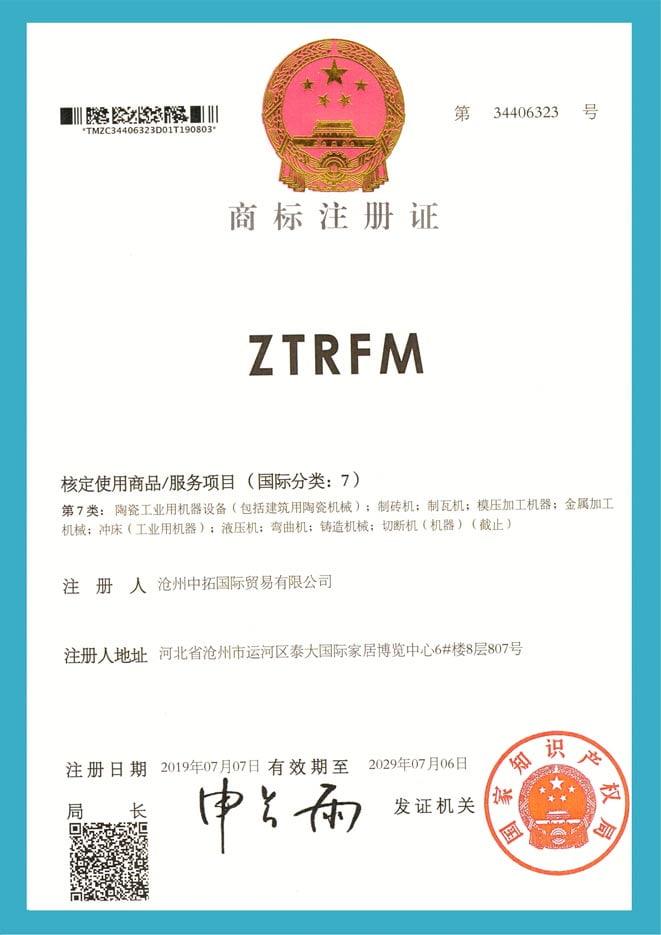
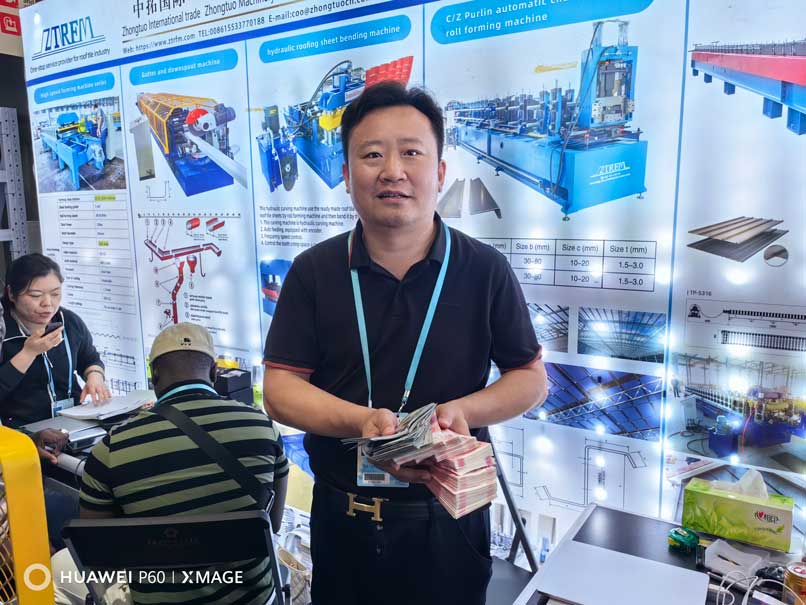
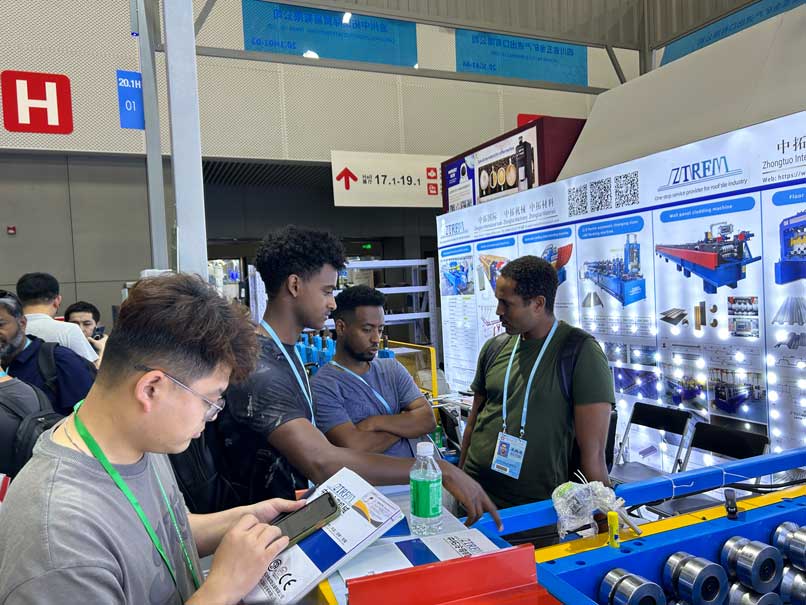
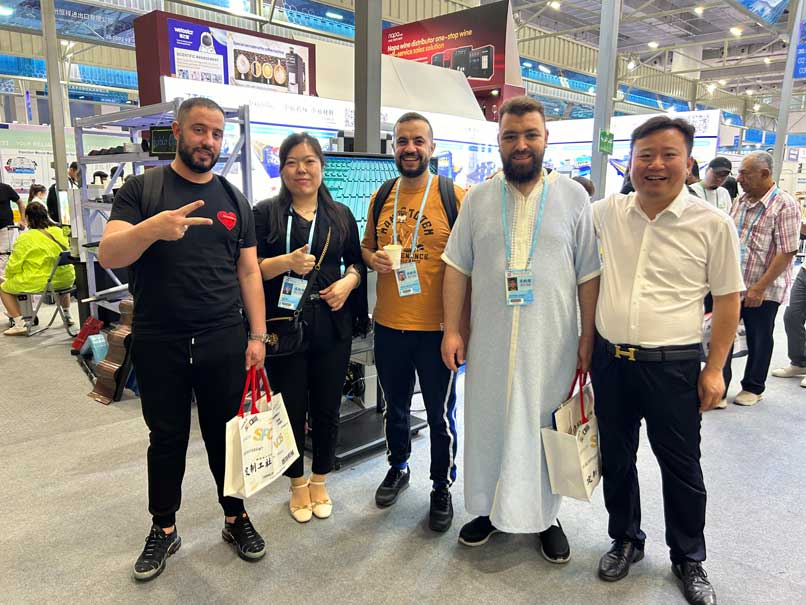
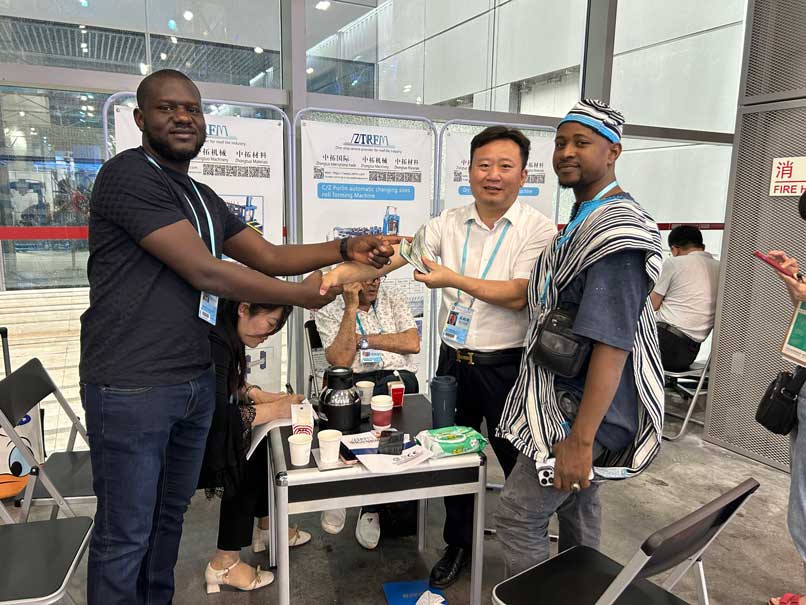
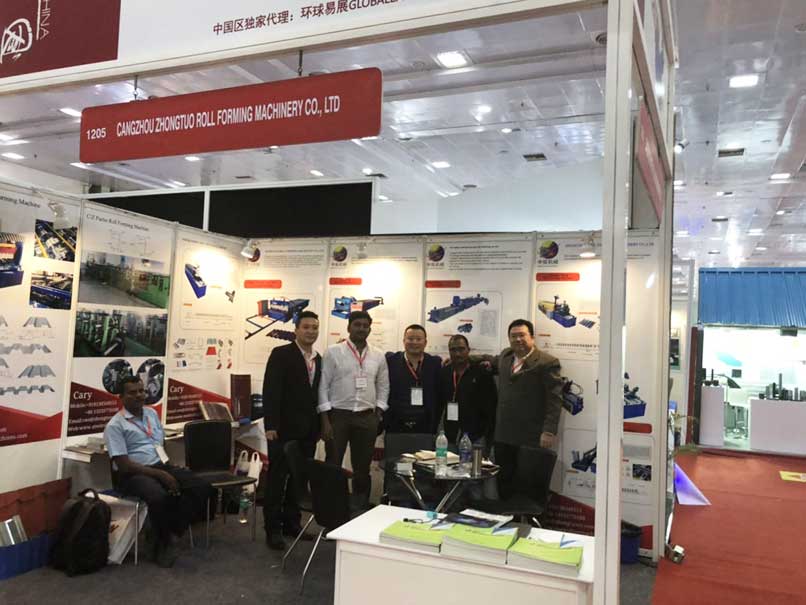
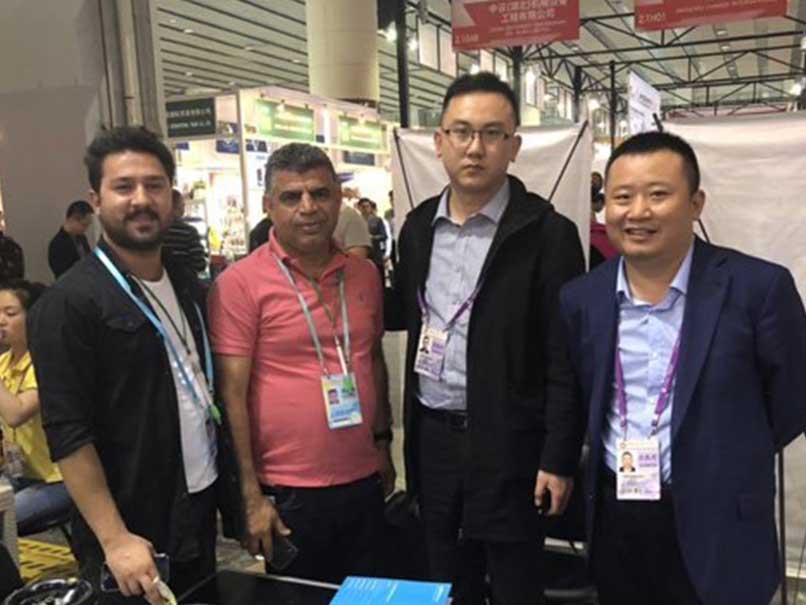

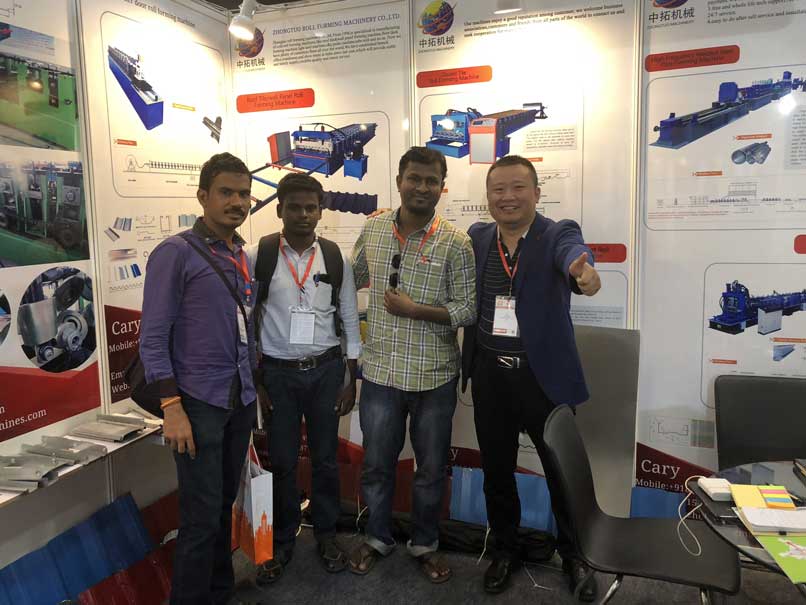
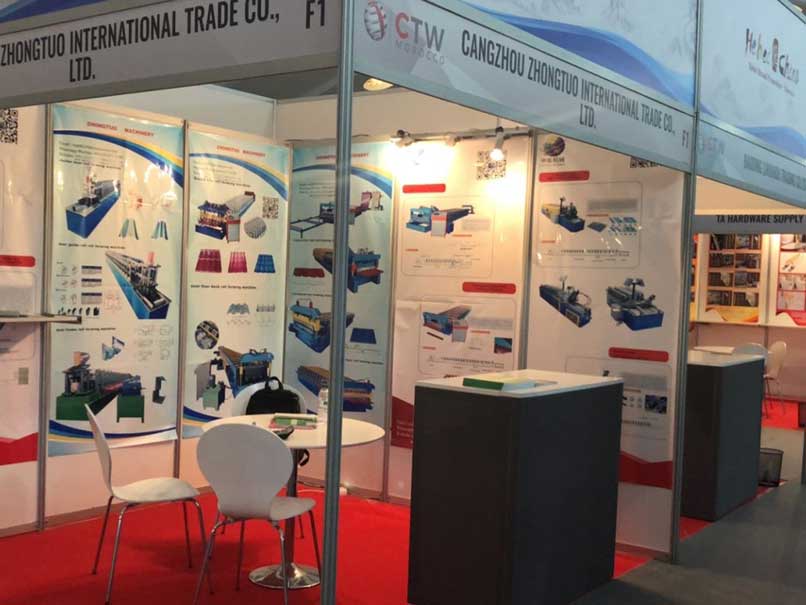
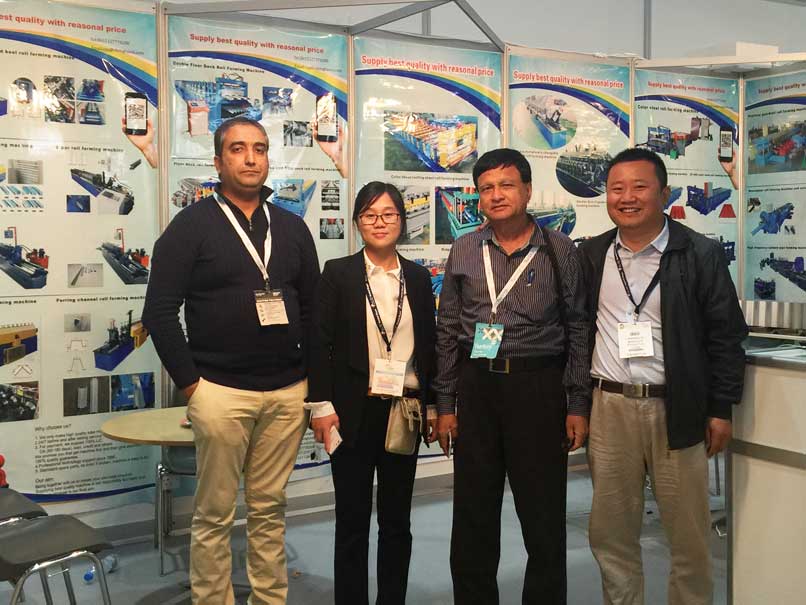
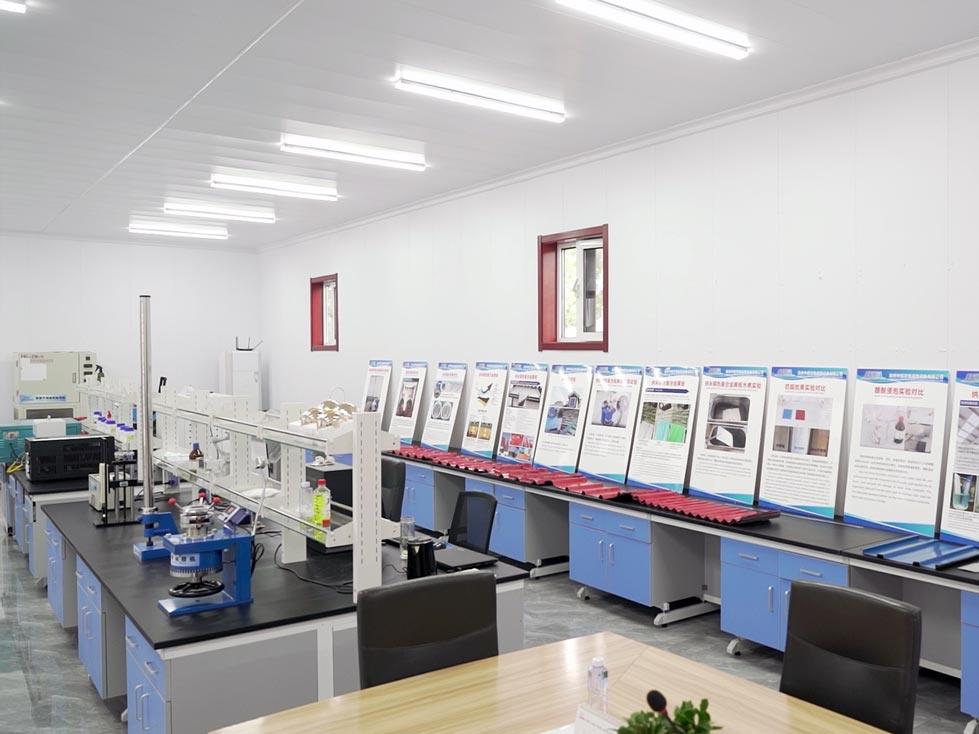
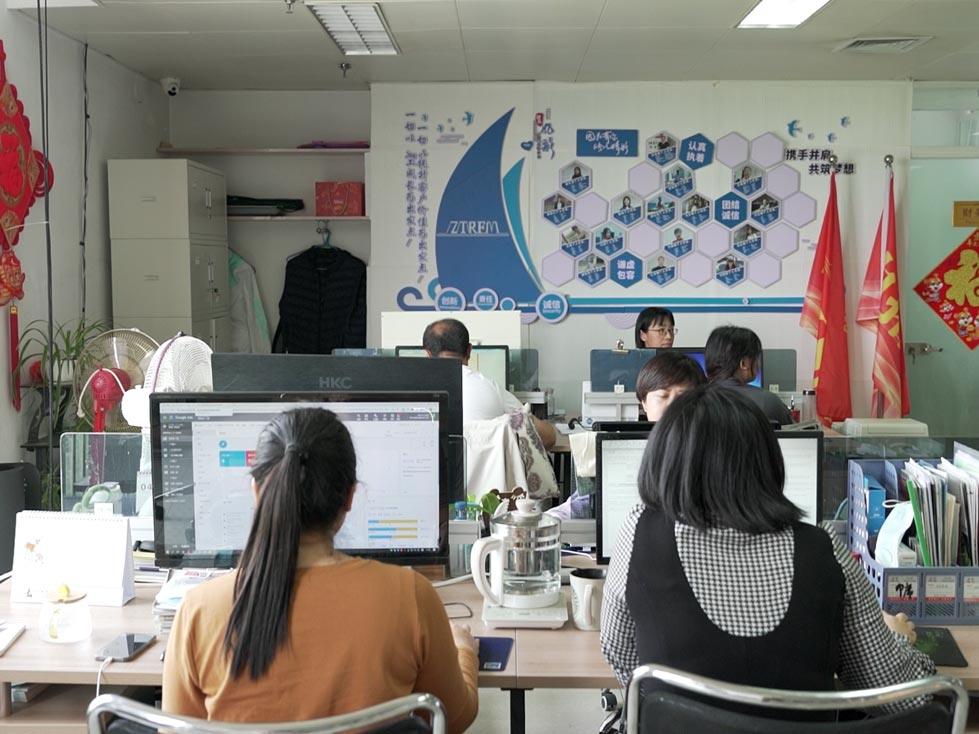
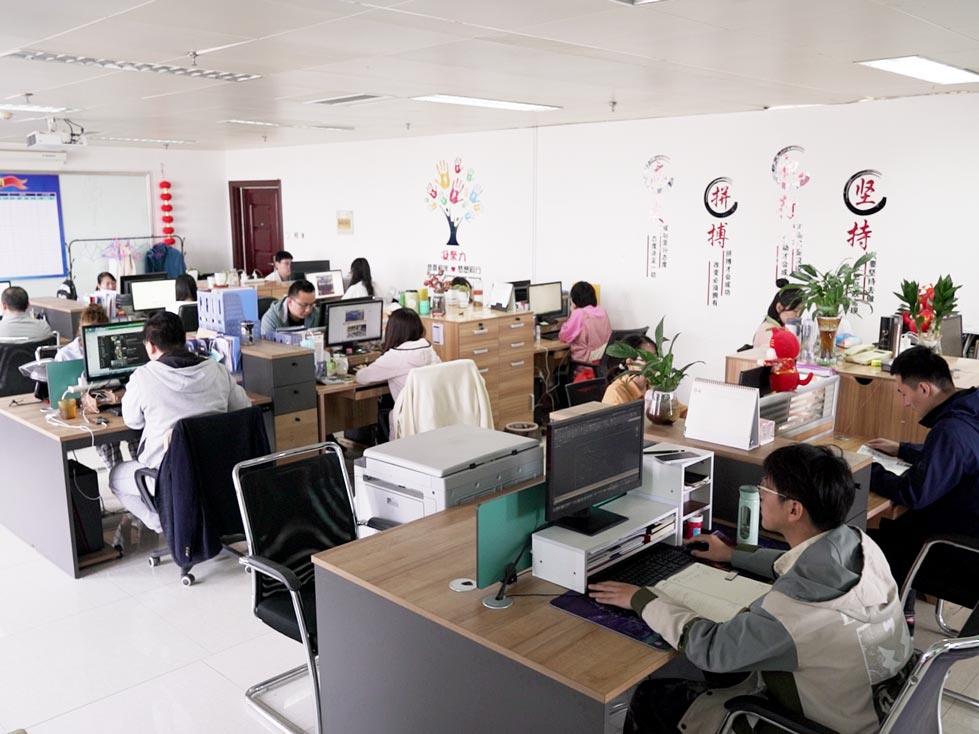
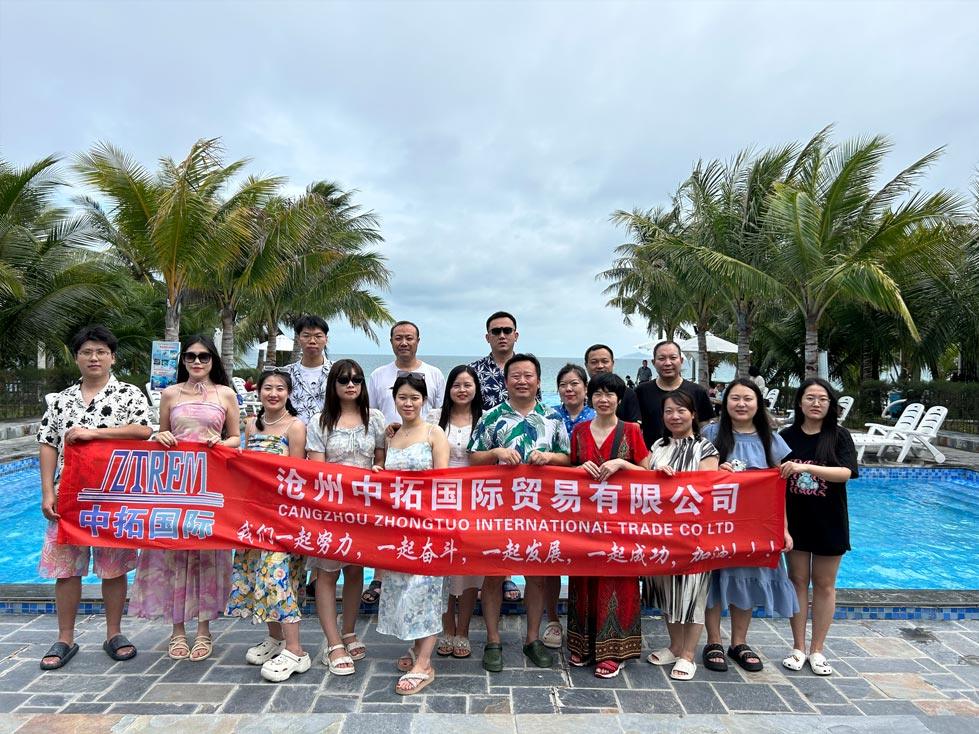
OEM/ODM und kundenspezifische Anpassung aus einer Hand
Umfassende Unterstützung durch den Kundendienst
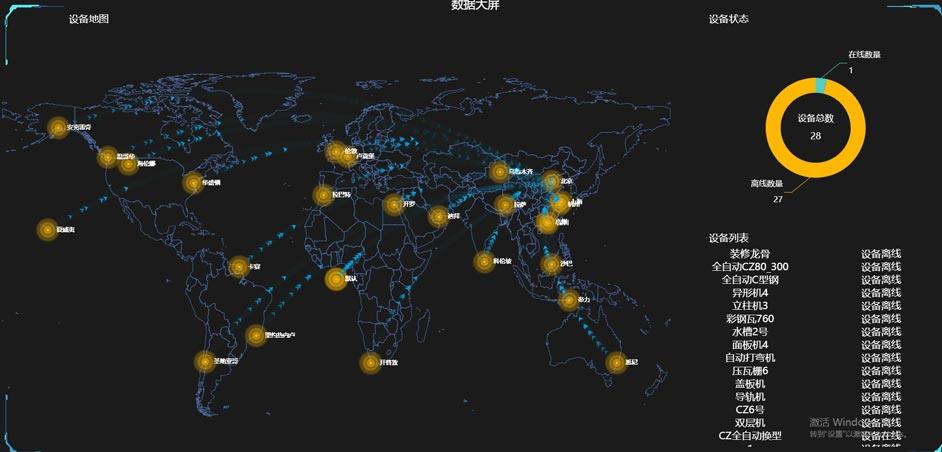
Bereitstellung von OEM、ODM
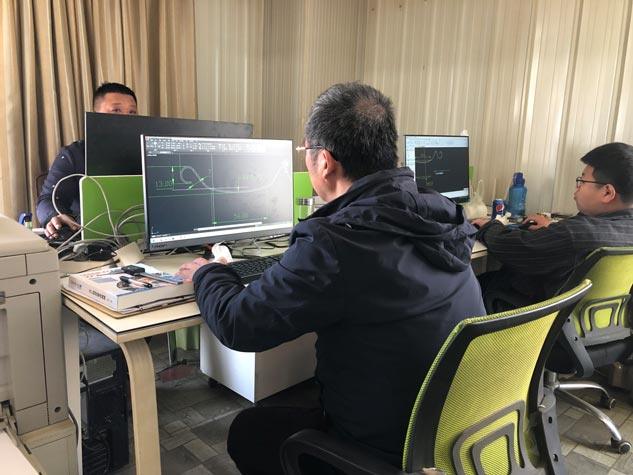
2.Technischer Entwurf: Anfertigung von Profilzeichnungen und 3D-Maschinenzeichnungen
3.die Konfiguration und die Produktion zu bestimmen
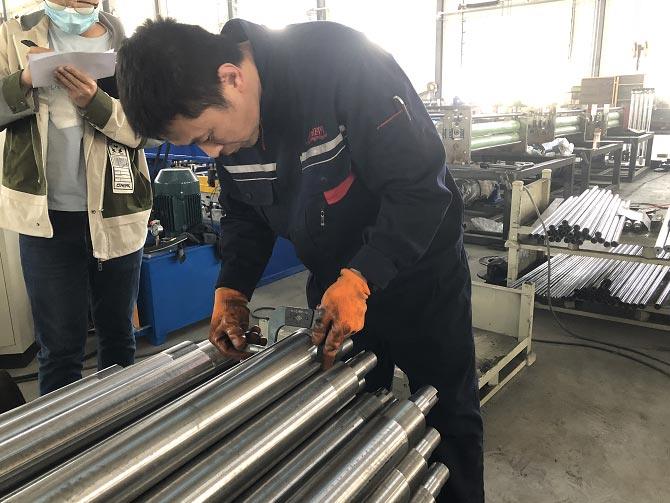
4.Prüfung vor der Auslieferung
6.Technische Anleitung
7.Kundendienst: Installationsdienste für komplexe Maschinen und regelmäßige Kundenbesuche
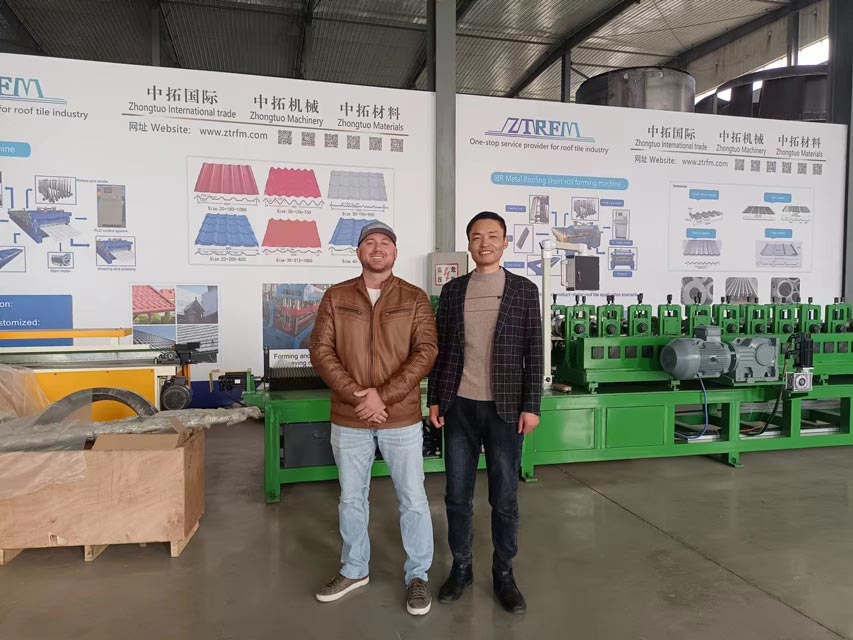
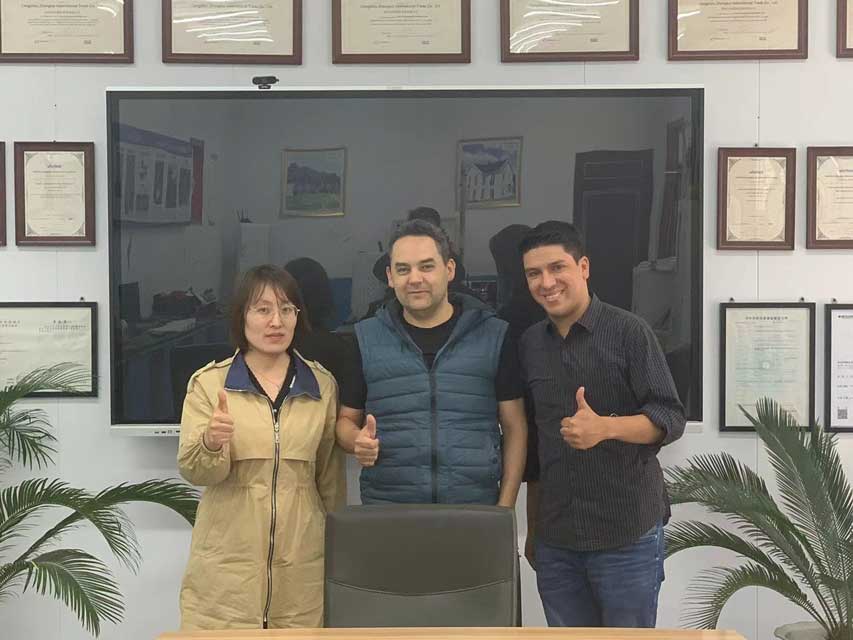
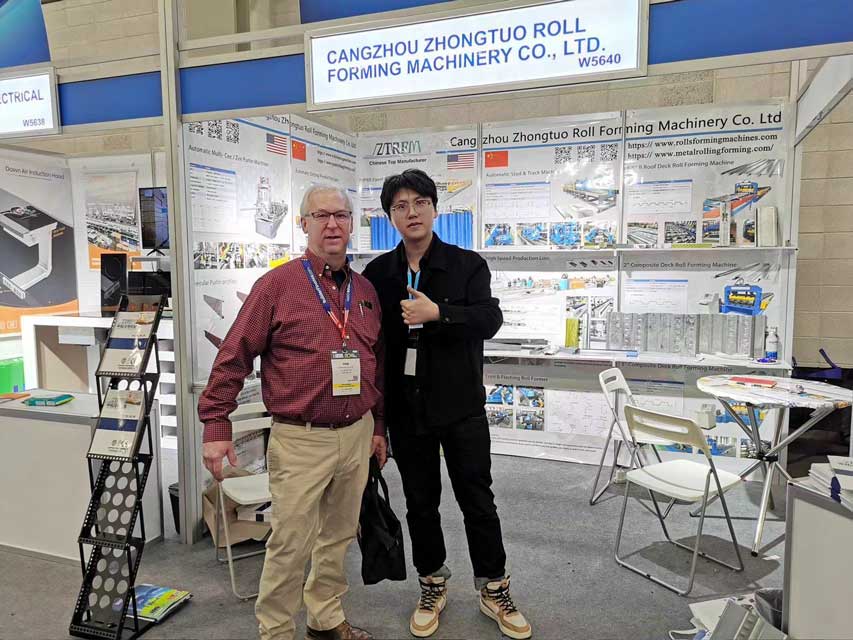
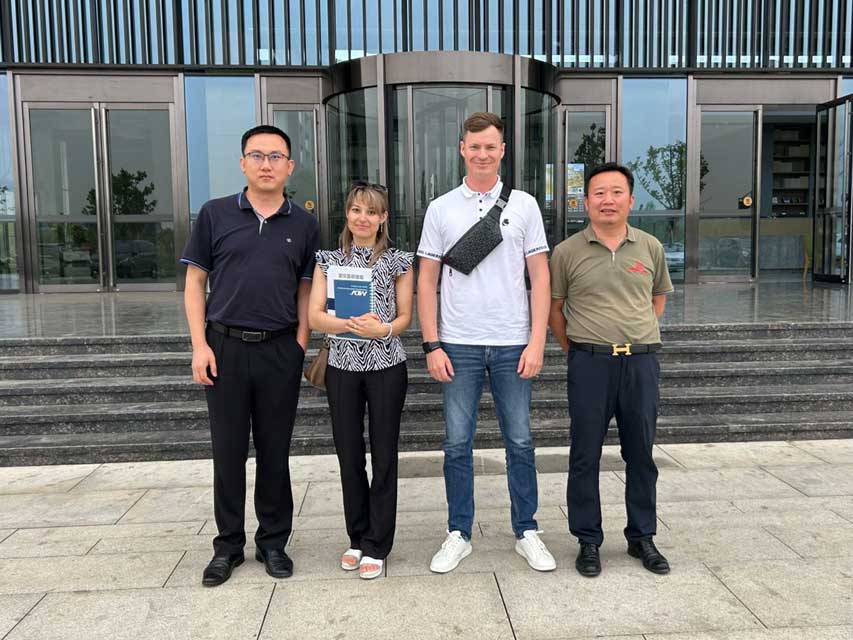
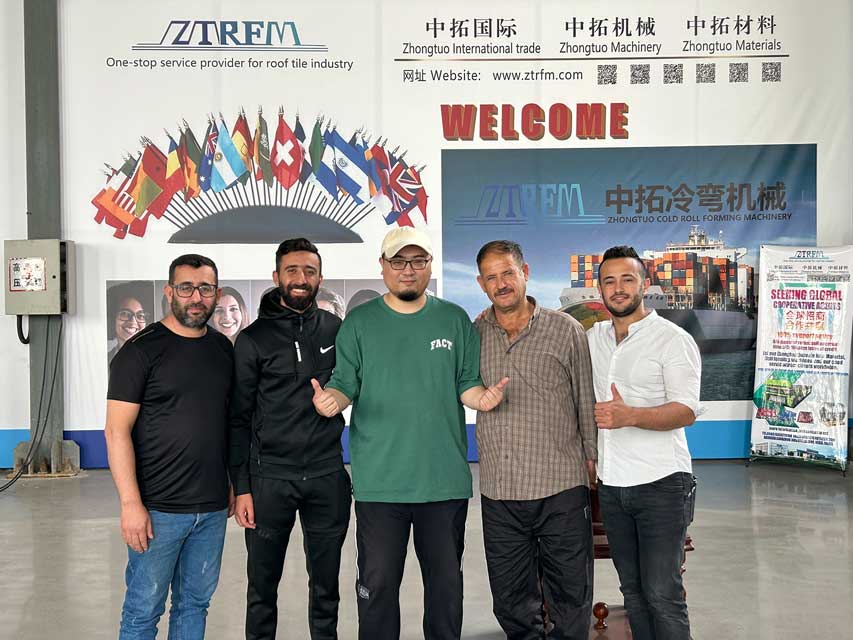
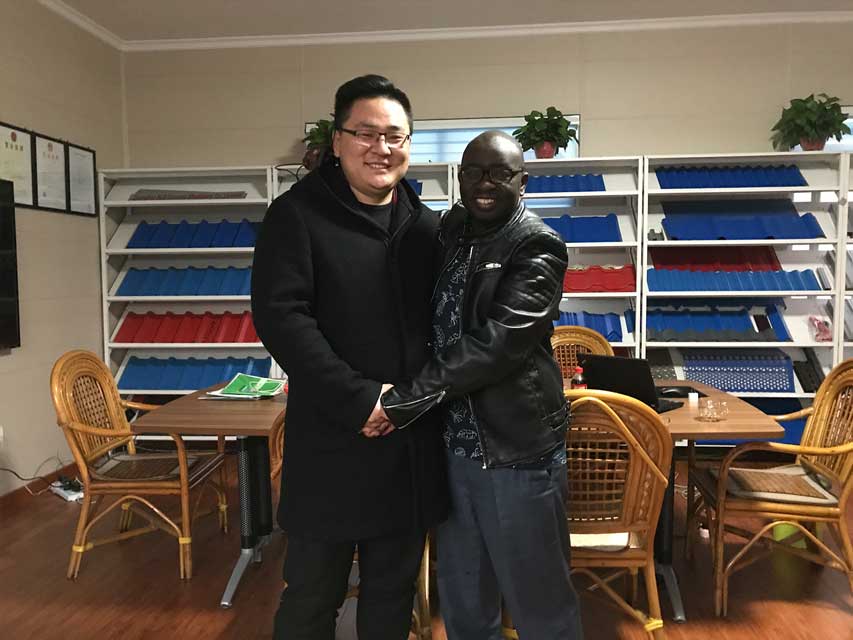
95800+ Unternehmen vertrauen auf uns
hochwertige Unternehmen. Durch die Zusammenarbeit mit uns haben sie Folgendes erhalten
starke Unterstützung und erzielte geschäftliche Durchbrüche und Entwicklungen.