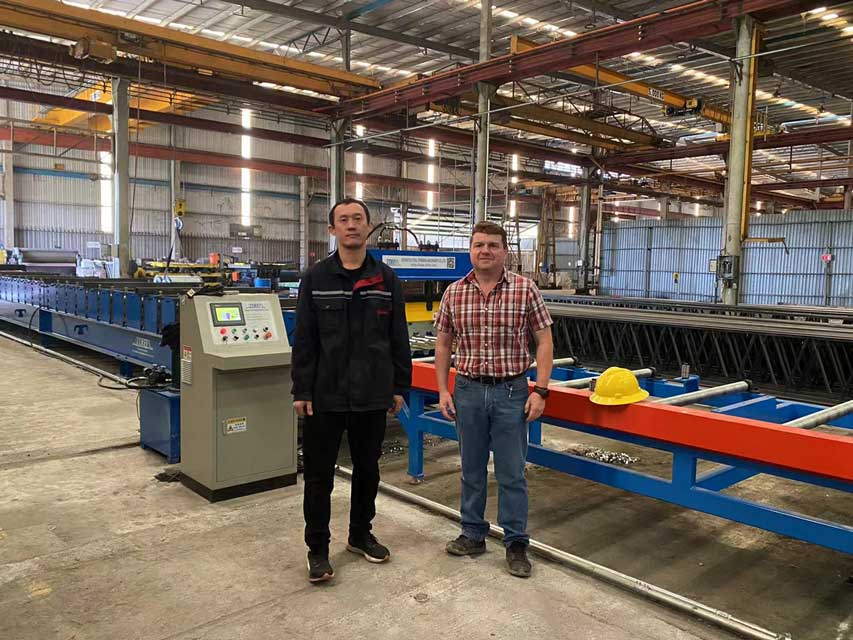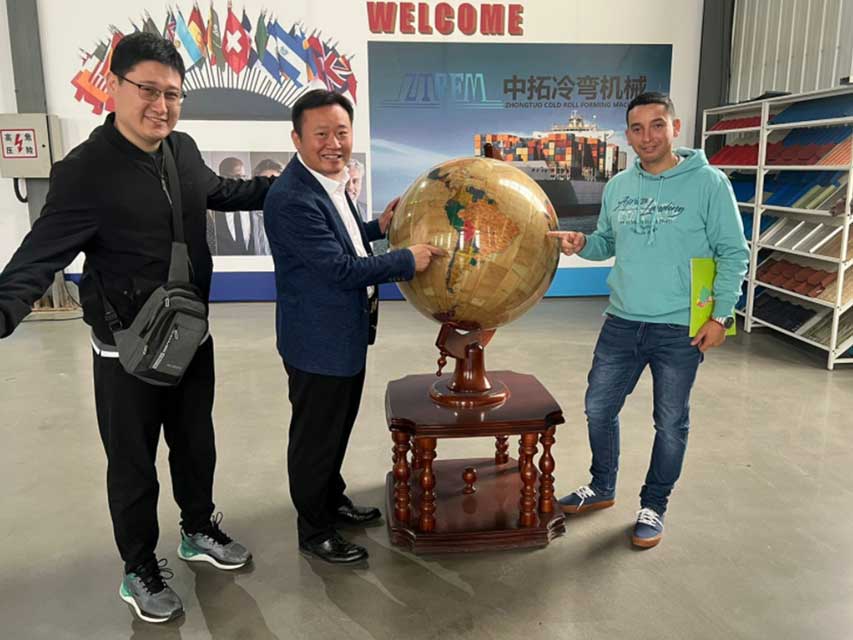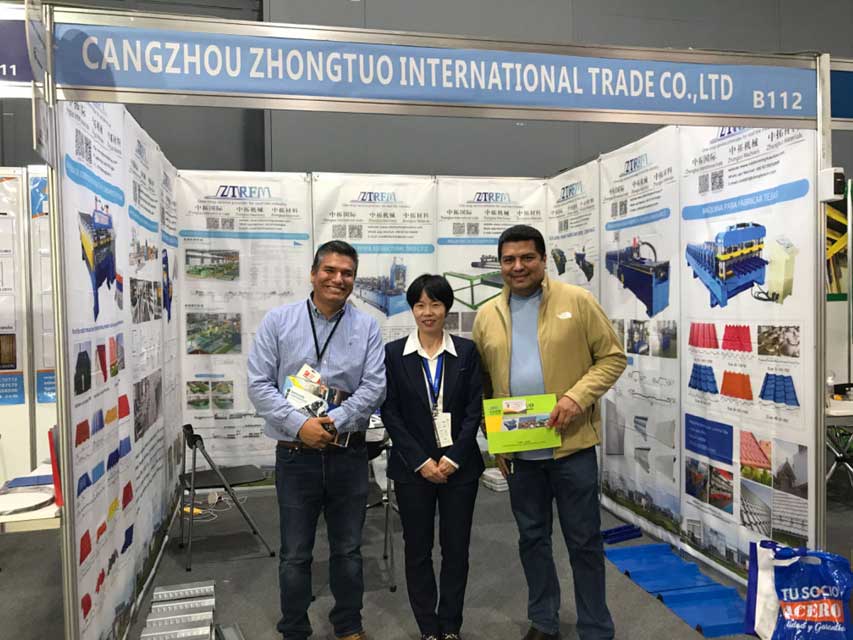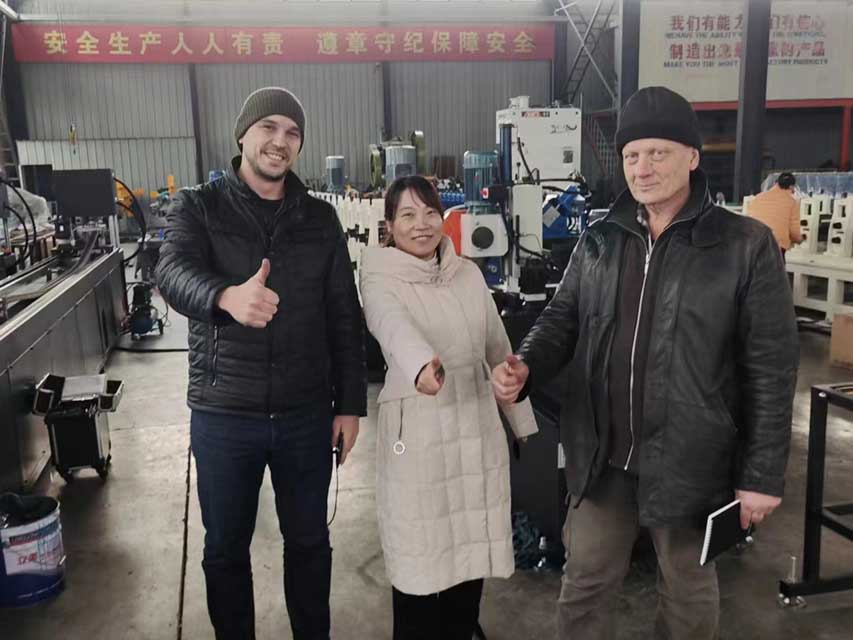
التغييرات التكنولوجية والأنظمة الصناعية، نحن ملتزمون بما يلي
توفر سدس أفضل الحلول الاقتصادية للعملاء الكرام.

Cable Tray Molding Machine: Efficient Production of Cable Tray
أنواع مختلفة من آلات التشكيل على البارد. نحن مصنع ذو تاريخ طويل، نعمل في تصميم وتصنيع ماكينات التشكيل على البارد منذ عام 2006. الآلات التي يمكن أن ننتجها تشمل: آلة تشكيل بلاط السقف، آلة تشكيل مدادة السقف، آلة تشكيل مدادة cz، آلة تشكيل العارضة الفولاذية الخفيفة، آلة تشكيل العارضة الفولاذية الخفيفة، آلة تشكيل نظام الباب، آلة تشكيل نظام السقف، آلة لحام الأنابيب عالية التردد، خط الحزّ، خط القطع حسب الطول، آلة تشكيل نظام الرف، آلة تشكيل نظام الرف، آلة تشكيل التزيين الأرضي، خط إنتاج بلاط الحجر الملون، آلة التصفيح الساخن المصورة، إلخ.
A cable tray forming machine is a specialized equipment designed to process metal sheets into cable trays, playing a vital role in modern industrial production. It operates on the principle of cold bending technology, where metal sheets are gradually transformed into cable trays with specific shapes and dimensions through a series of precision processes.
The entire manufacturing process begins with metal sheet loading. Coiled metal sheets are placed on an uncoiler, which slowly unwinds them to prepare for subsequent processing. Next, the sheets enter a leveling machine that applies counter-bending forces to eliminate internal stresses and bending deformations caused during rolling and winding, ensuring smooth and flat sheets for the forming stage—a critical step in maintaining cable tray quality. The leveled sheets are then fed into a cold bending forming unit. This multi-frame assembly features rollers of specific shapes on each frame. Driven by a traction mechanism, the sheets pass sequentially through multiple forming rollers. With each pair of rollers, the sheets are bent into precise curvatures or angles. Through continuous, progressive bending across dozens of rollers, the sheets are ultimately shaped into required cable tray profiles such as ladder edges, base edges, and steps. After forming, the punching/cutting unit activates. Punching machines create connection holes, grounding holes, or ventilation holes on the sides or bottom of the trays, while cutting machines trim the formed trays to preset lengths. This completes the production of a fully assembled cable tray.
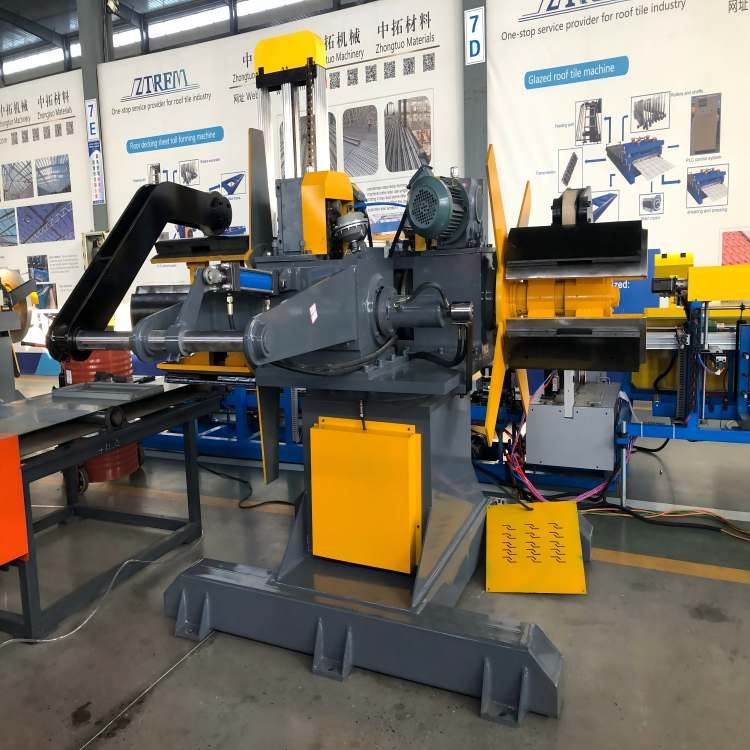
Decoiler: As the initial processing stage, the uncoiler performs the critical task of unwinding metal sheets. It precisely controls unwinding speed and tension based on processing speed and sheet characteristics, ensuring smooth and continuous sheet feeding into subsequent processes. For instance, when handling thin metal sheets, the uncoiler automatically adjusts tension to prevent wrinkling or tearing. For thicker sheets, it provides sufficient torque to complete unwinding operations smoothly.
Leveling: Leveling as the “plastering specialist” for metal sheets, this equipment eliminates bending and internal stresses in metal coils to achieve optimal flatness. Typically composed of multiple vertically arranged rollers, it performs repeated rolling and flattening through precise adjustment of roller spacing and pressure. Advanced models feature automated inspection and adjustment systems that monitor sheet flatness in real time, automatically calibrating parameters to ensure every sheet entering the forming unit meets ultra-precise flatness standards.
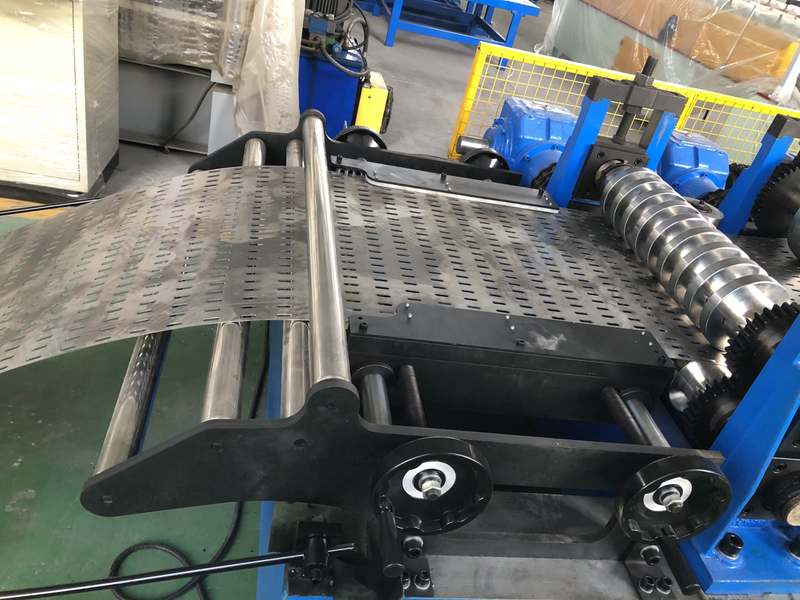
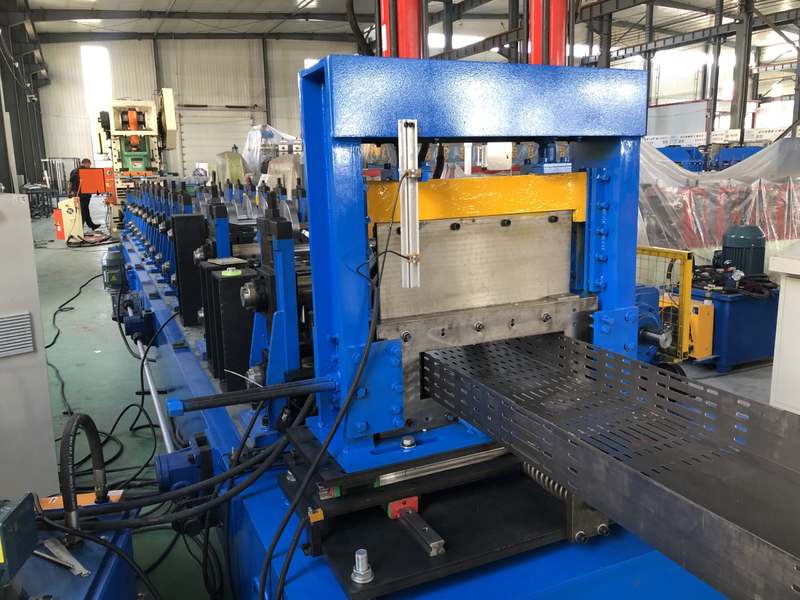
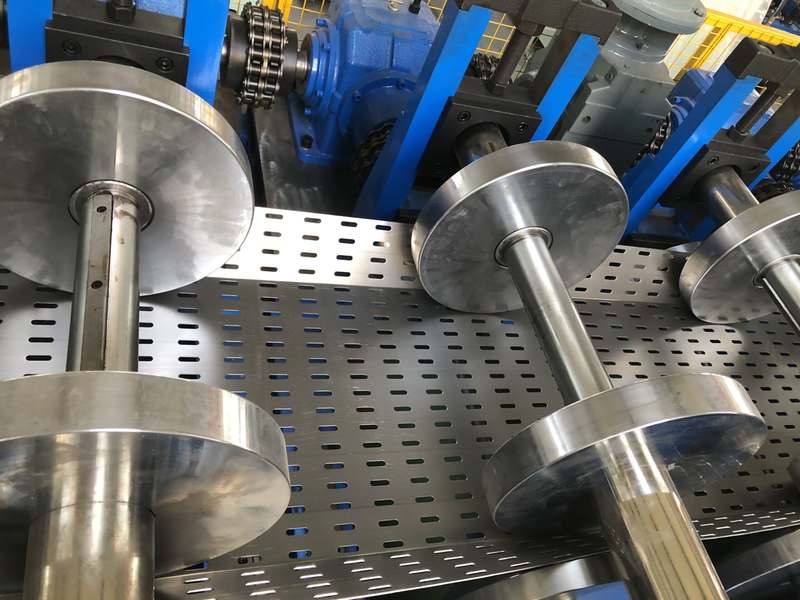
Cold Bending Forming: As the core component of cable tray forming machines, the cold bending assembly determines the final shape and dimensional accuracy of the tray. This assembly consists of multiple frames and specially designed rollers tailored to the tray’s specifications. For example, in ladder-type cable tray production, the rollers’ precise geometry and alignment enable the sheet metal to gradually form the tray’s steps and tiers, while maintaining dimensional and angular precision. During operation, the drive system provides stable power to the assembly, ensuring smooth sheet metal passage between rollers and achieving accurate cold bending.
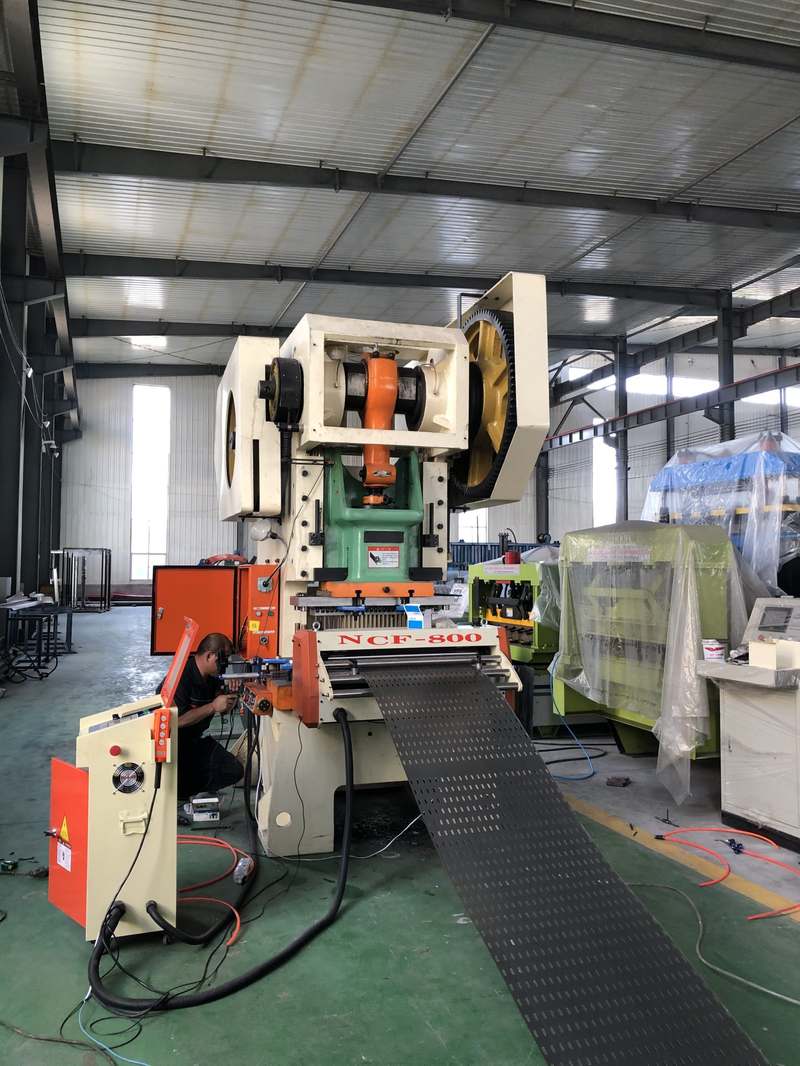
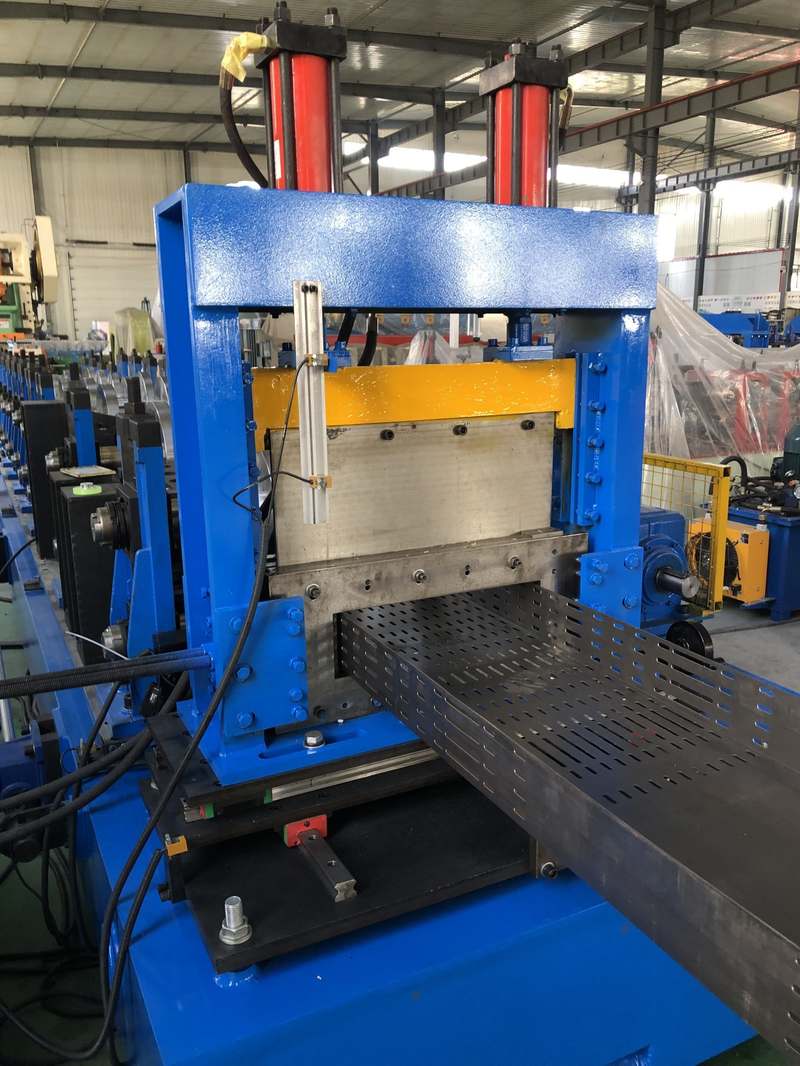
Punching/Cutting Units: These units are essential components that ensure the functionality and integrity of cable trays. Punching machines create holes of various specifications and shapes on the trays—for instance, connection holes for assembling different parts, grounding holes for electrical safety, and ventilation holes to dissipate heat from cables. Cutting machines, on the other hand, are responsible for cutting the continuously formed trays to predetermined lengths. Hydraulic shears, for example, are highly efficient for straight-line cutting, while flying saws deliver smooth, efficient cuts as materials move continuously. Advanced punching/cutting units now feature automated and intelligent control systems, enabling rapid and precise operations according to preset programs, thereby significantly boosting production efficiency and product accuracy.
High efficiency production, increased capacity
The high-efficiency production capacity of cable tray forming machines stands as a key competitive advantage, enabling enterprises to gain a competitive edge in the cutthroat market. Traditional manual cable tray manufacturing, for instance, involves complex processes requiring substantial labor input, coupled with slow production speeds and extremely limited daily output. The adoption of forming machines has significantly improved these conditions. These machines achieve full automation from metal sheet feeding to finished tray production, drastically reducing manual operations and minimizing risks of production interruptions and human errors caused by operational factors.
In high-speed operation, the cold bending forming unit and punching/cutting unit of the forming machine work in close coordination, enabling the completion of cable tray forming, punching, and cutting processes at extremely high speeds. Some advanced forming machines can produce several meters of cable trays per minute, achieving production efficiency that is several to dozens of times higher than manual methods. This allows enterprises to manufacture large quantities of cable trays in shorter timeframes, meeting the growing market demand for cable trays. It effectively shortens delivery cycles, enhances market responsiveness, strengthens corporate competitiveness, and enables the acceptance of more orders, thereby further expanding business scale and market share.
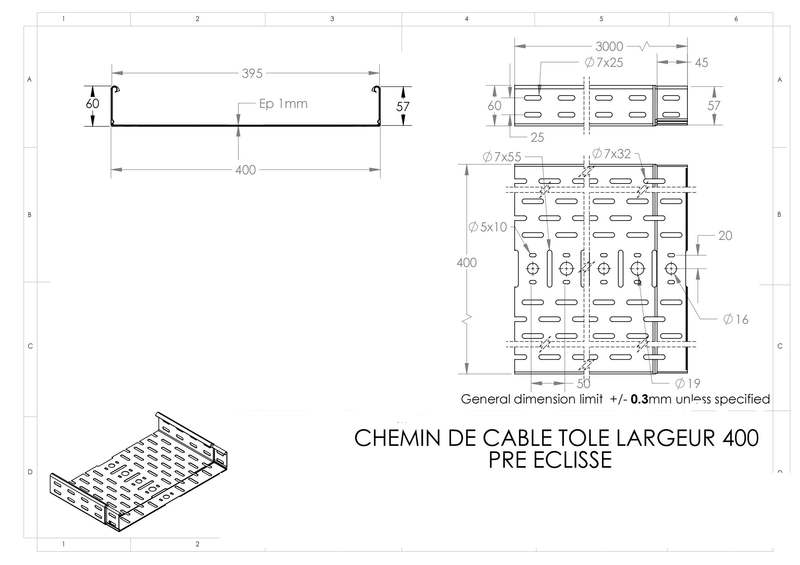
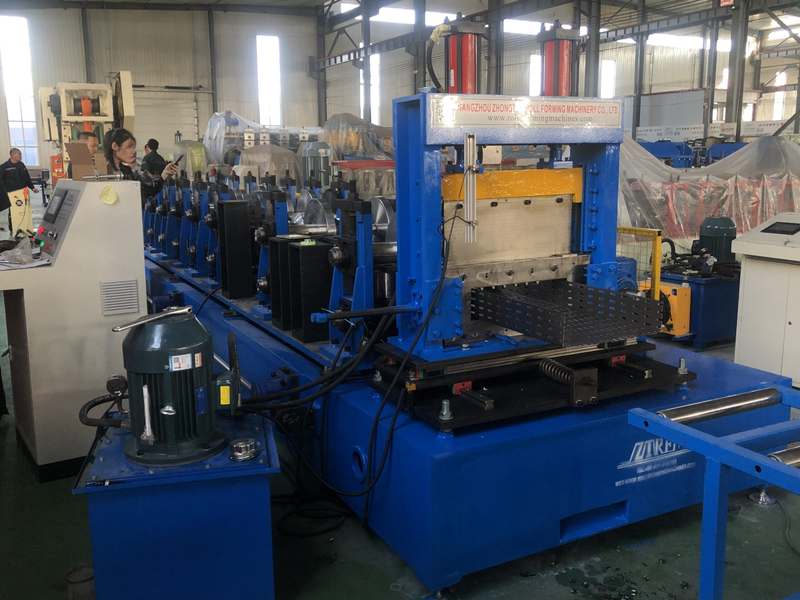
Cable tray forming machine
In the vast landscape of modern industry, cable tray forming machines may not be as eye-catching as large-scale machinery, yet they function as silent yet critical gears, playing an indispensable role in ensuring stable operations across numerous sectors. Particularly in the power and telecommunications industries, these machines hold pivotal significance.
In the power sector, cable trays serve as critical infrastructure from urban substations to household power lines, playing a vital role in electricity transmission. The trays manufactured by cable tray forming machines provide stable and reliable support for various cables, ensuring safe and efficient power delivery. Functioning as the “guardians of power transmission,” they maintain orderly flow through complex networks, guaranteeing reliable electricity supply for industrial production and daily life.
The telecommunications industry is no exception. In today’s era of rapid 5G network expansion and IoT adoption, stable communication infrastructure is essential for efficient data transmission. Cable trays manufactured by tray forming machines serve as robust carriers for communication cables, enabling seamless signal delivery and enabling real-time global communication. From video conferencing and online education to mobile payments and smart logistics, these systems rely on tray forming machines to provide silent support, laying the foundation for the information age. Beyond ensuring smooth production processes, these machines play a pivotal role in boosting efficiency and product quality, rightfully earning their reputation as the unsung heroes of industrial production.
لماذا تختارنا؟





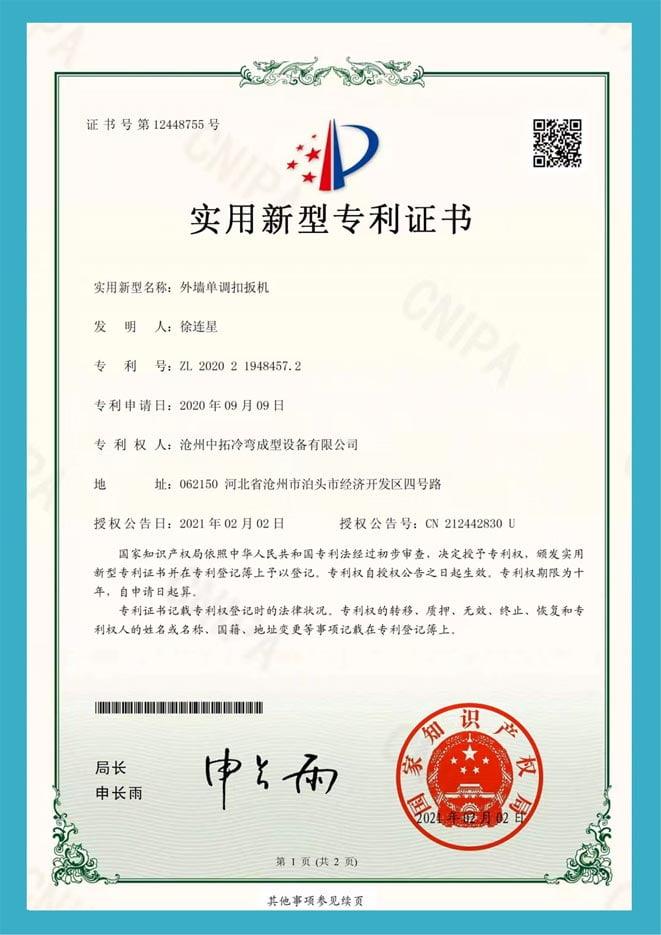
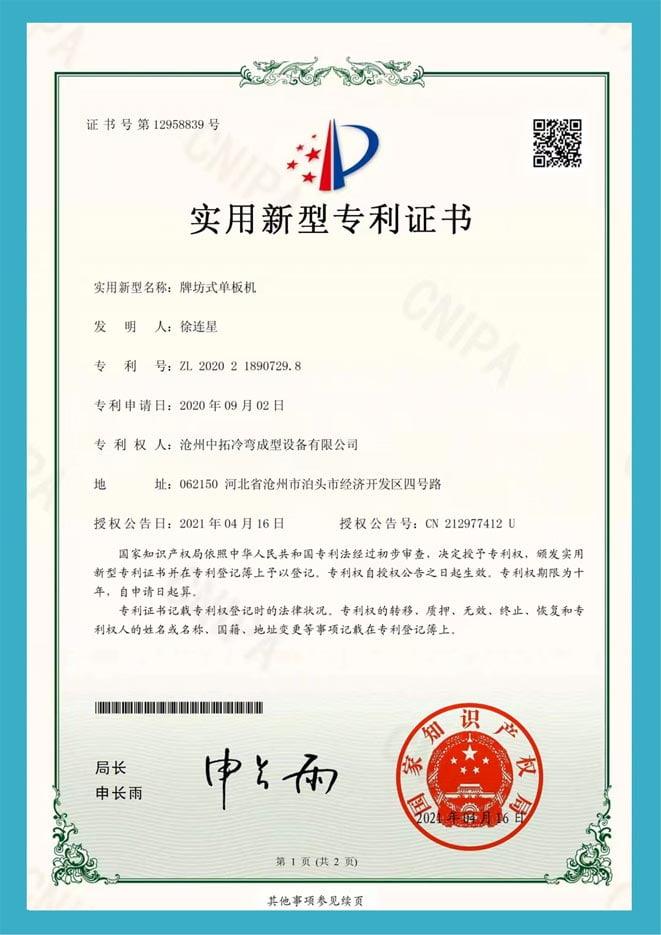
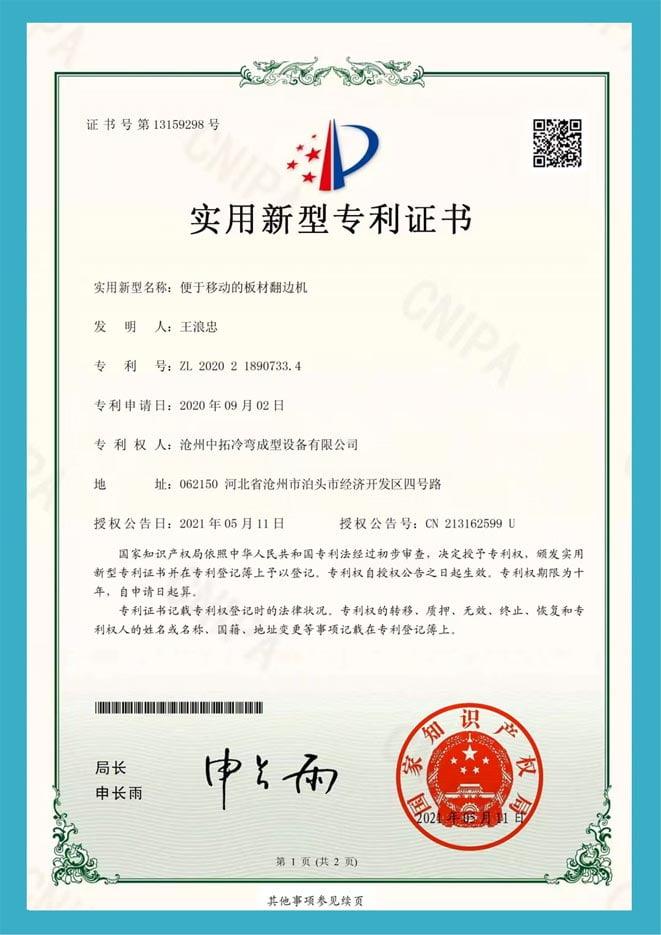
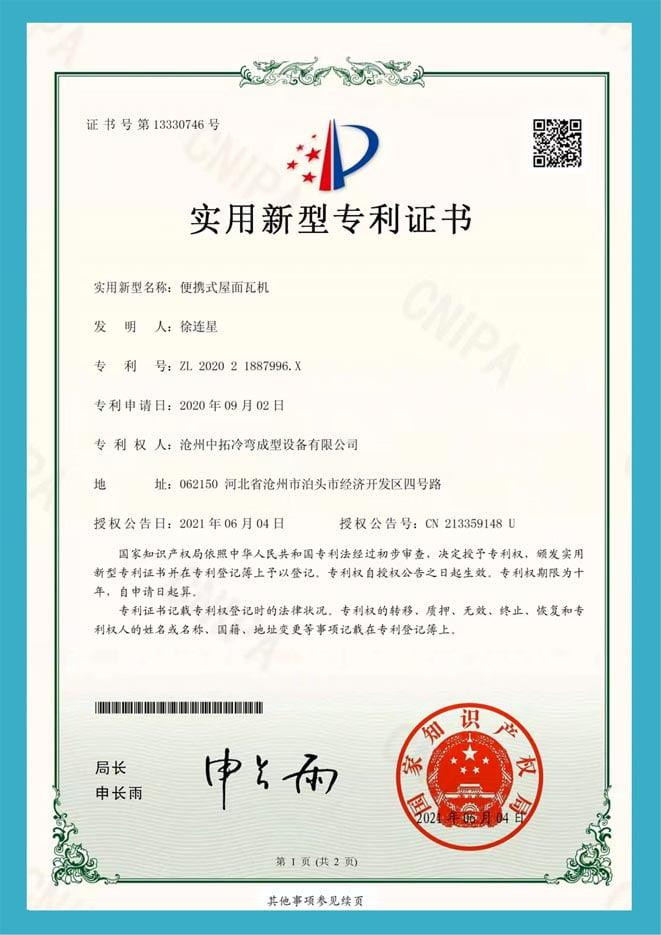
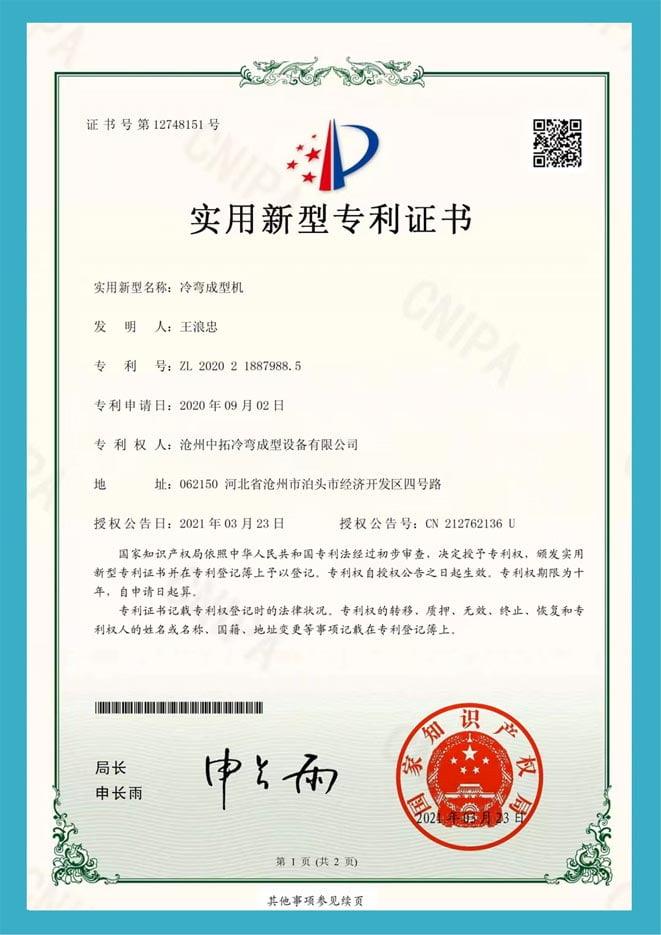

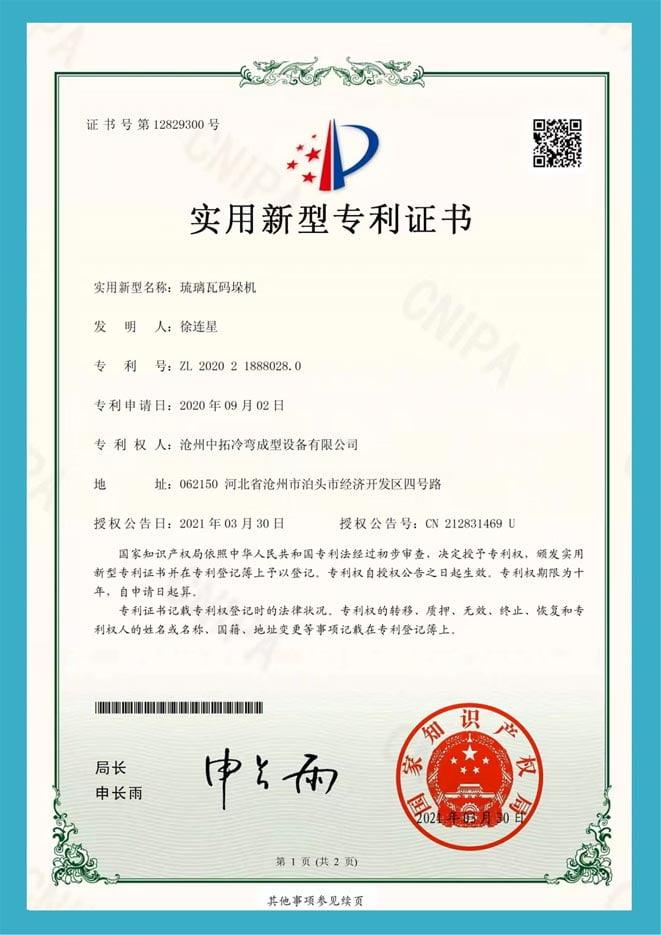
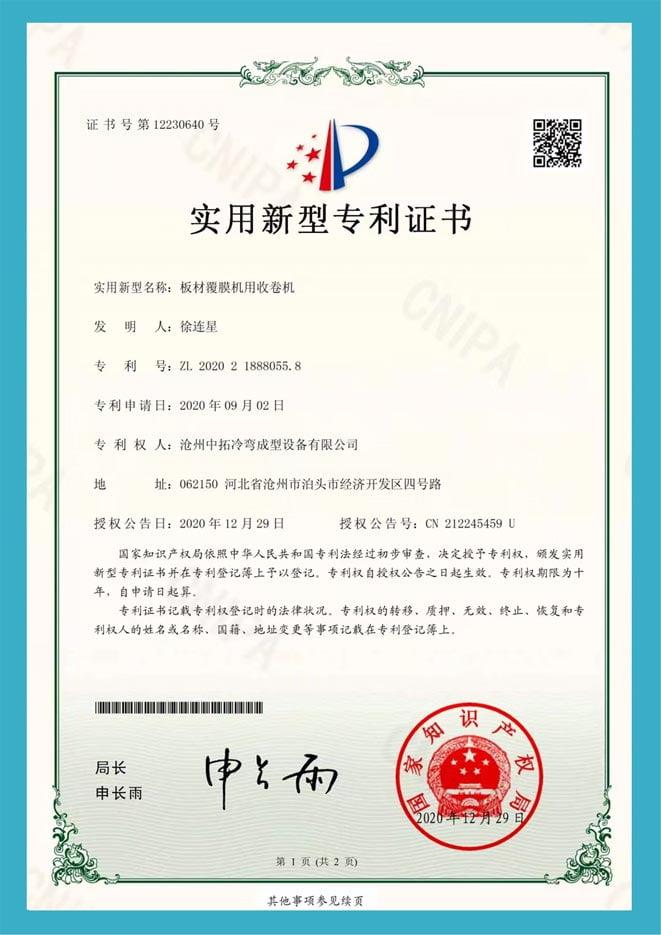

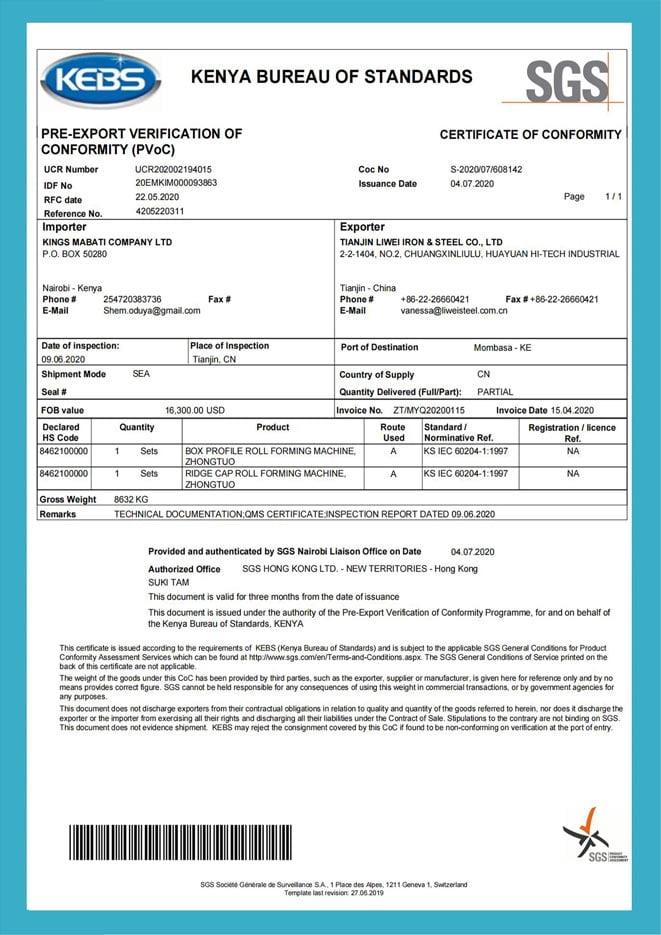

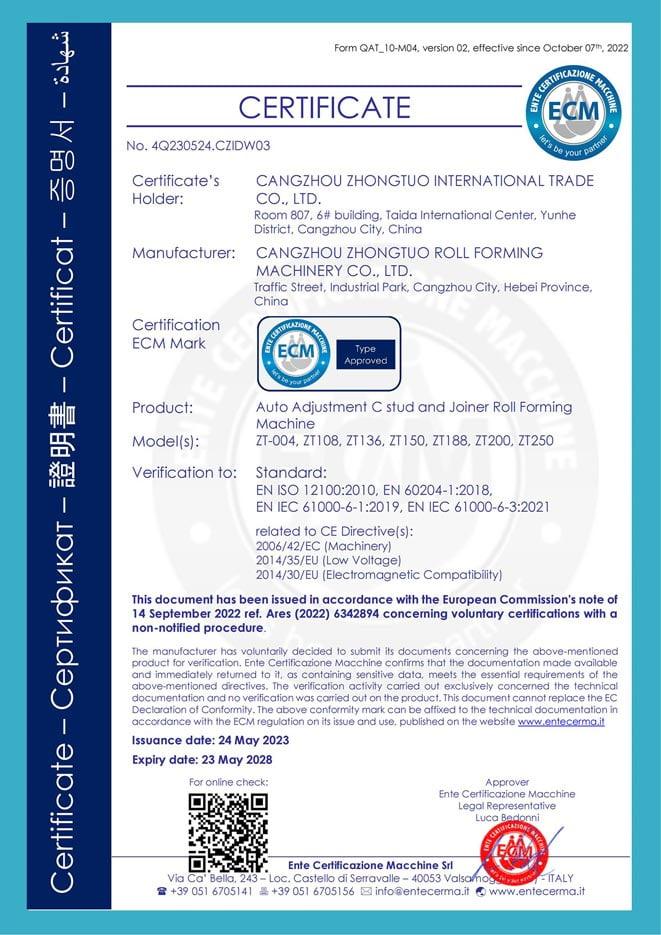



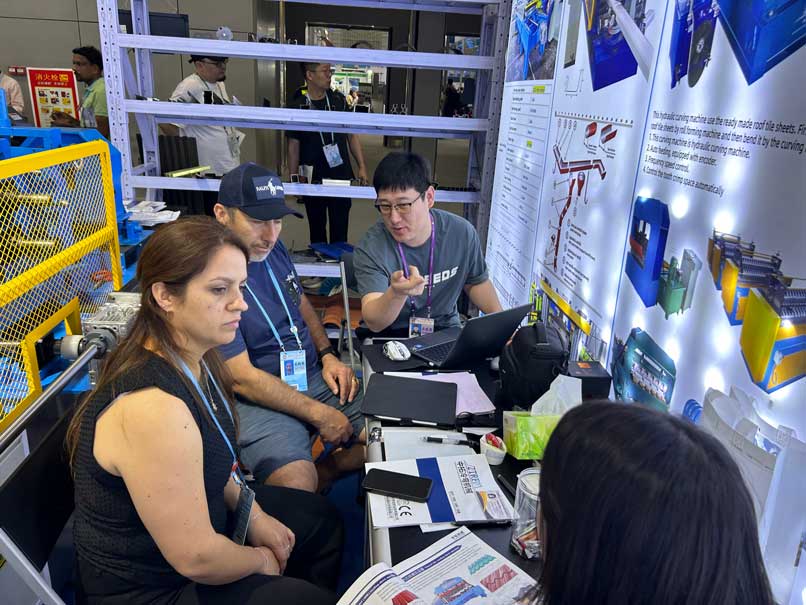
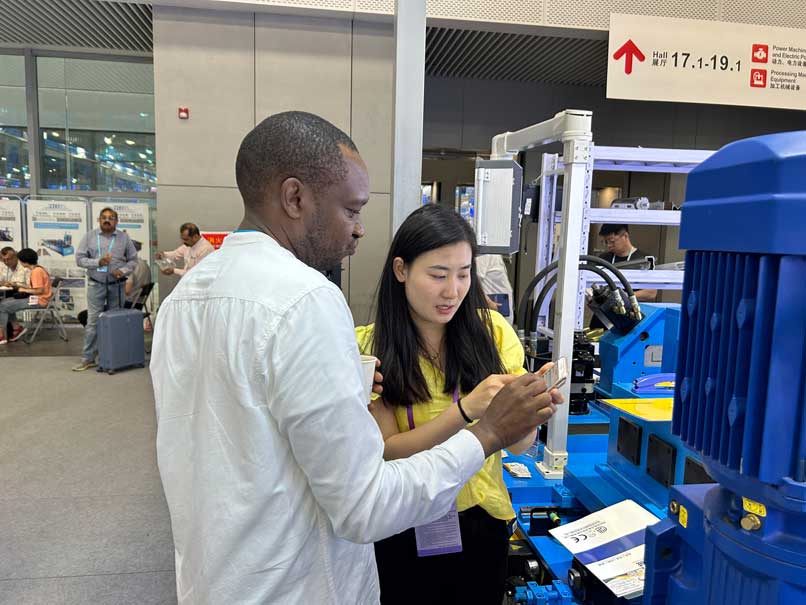
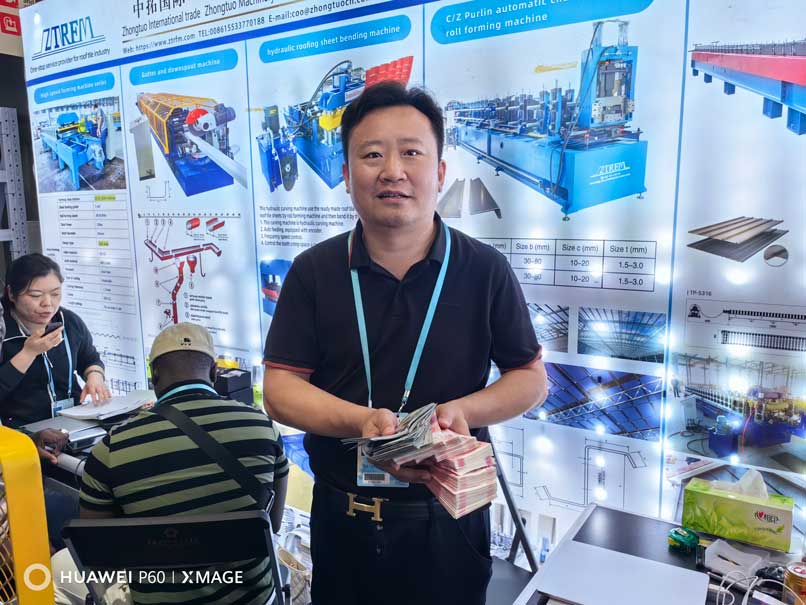
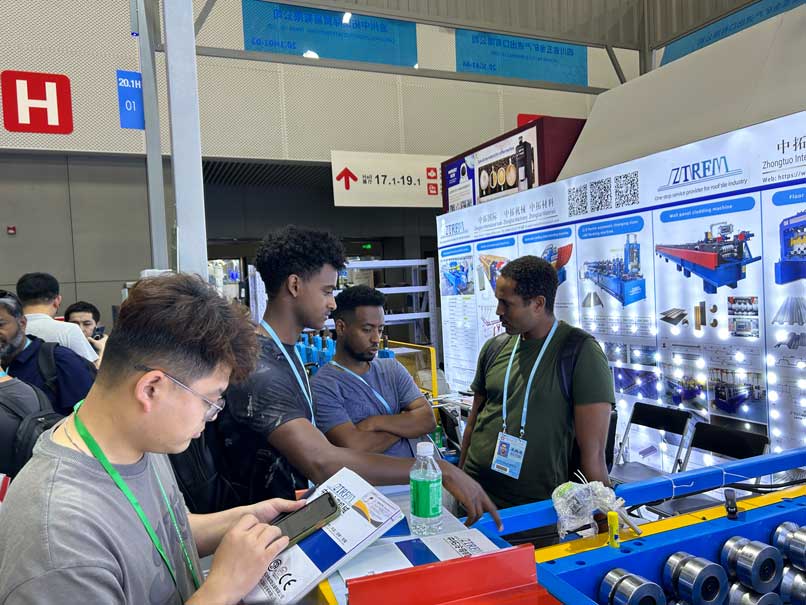


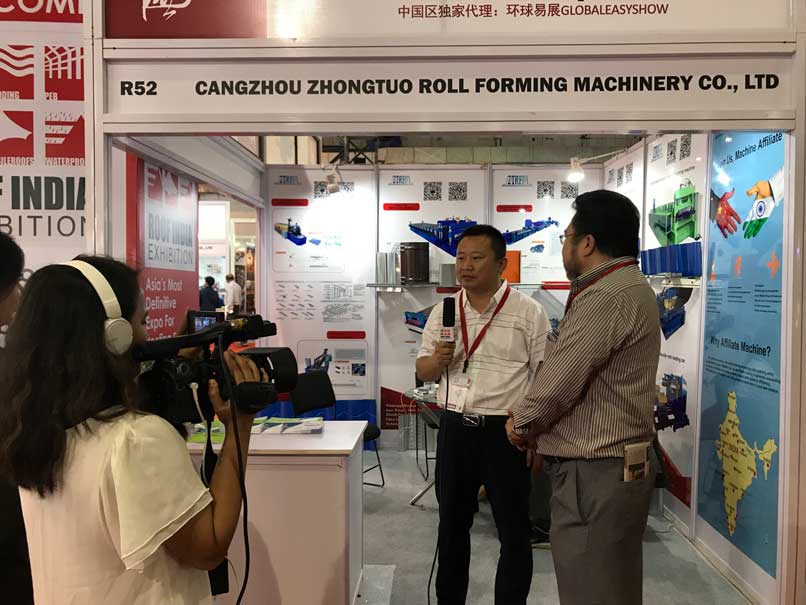
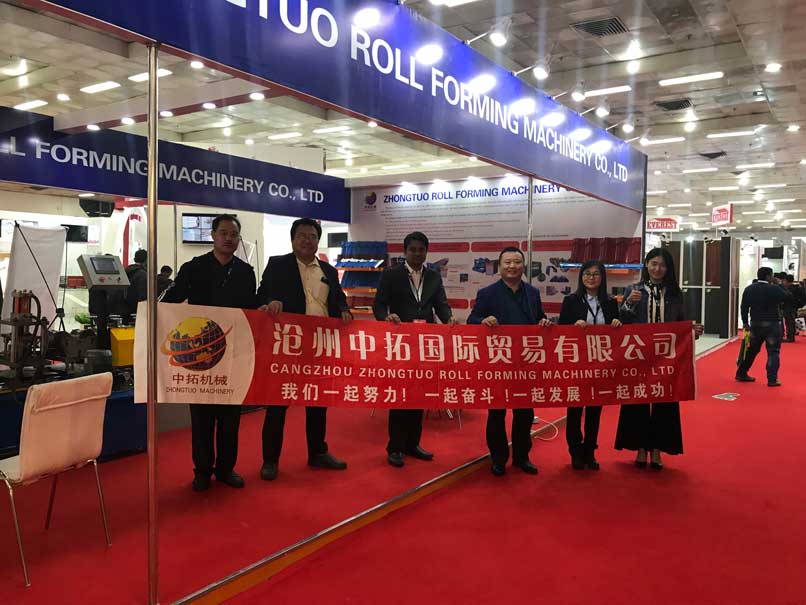
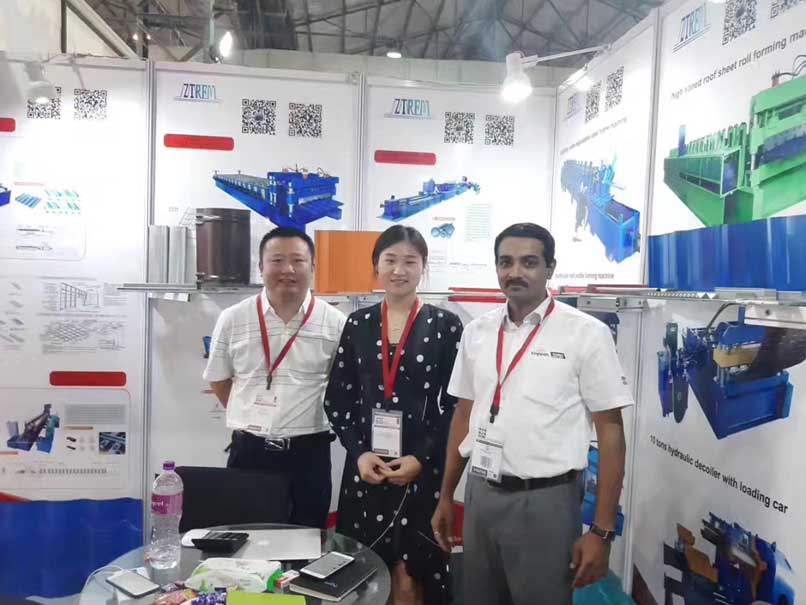
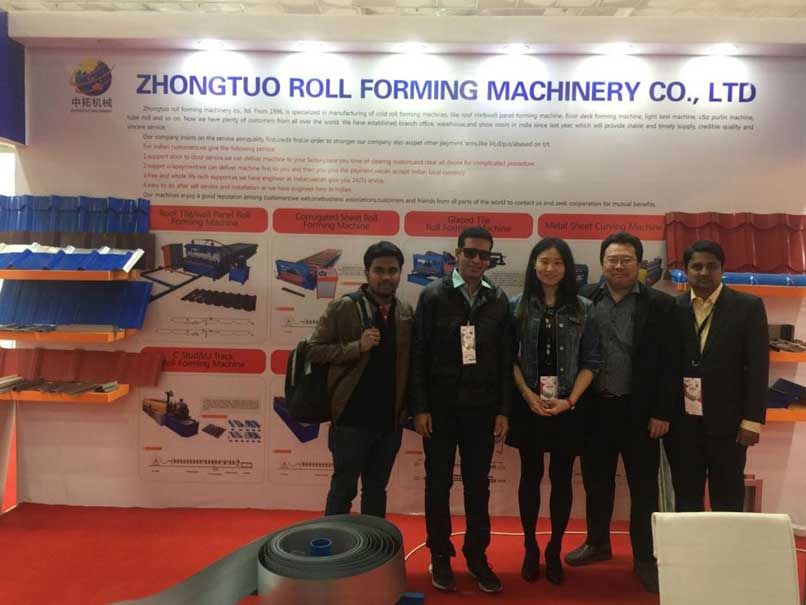
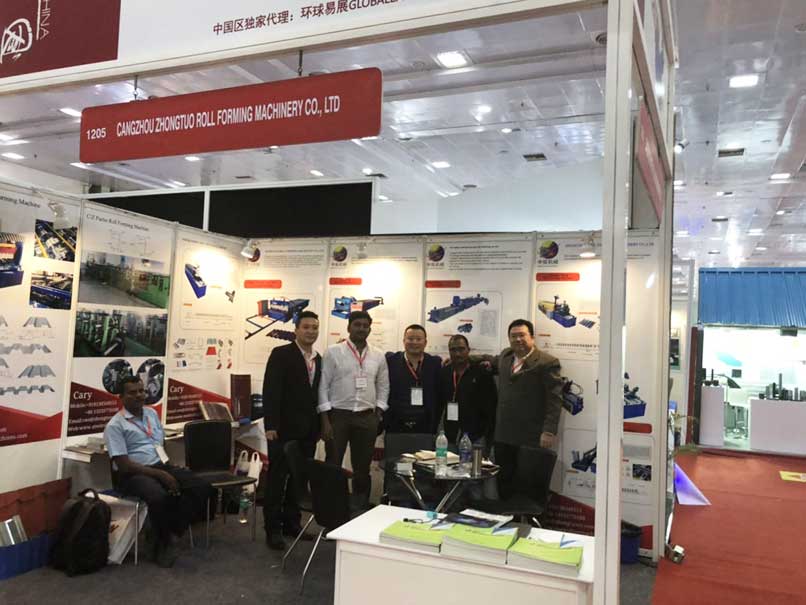
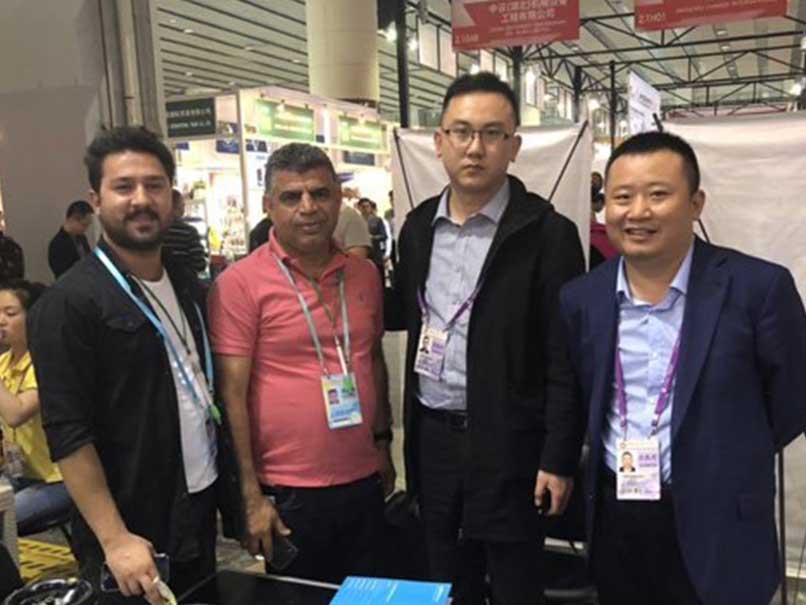

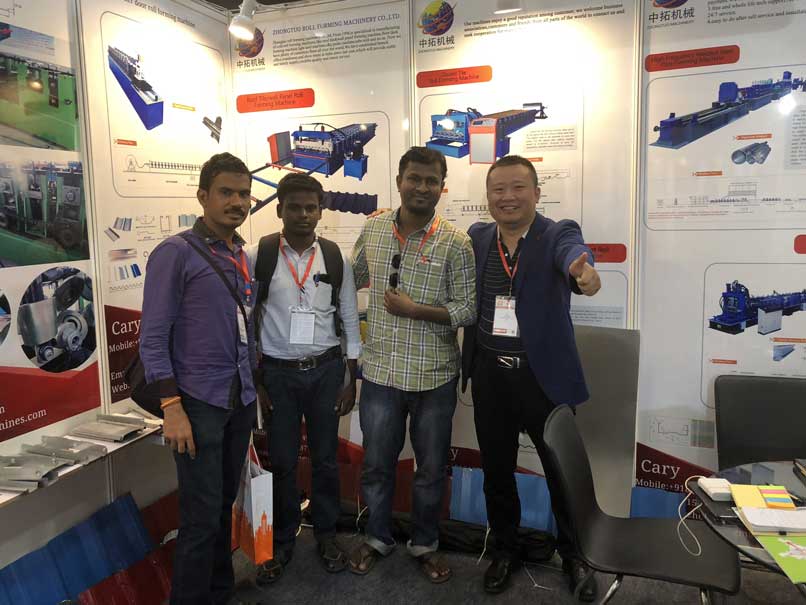
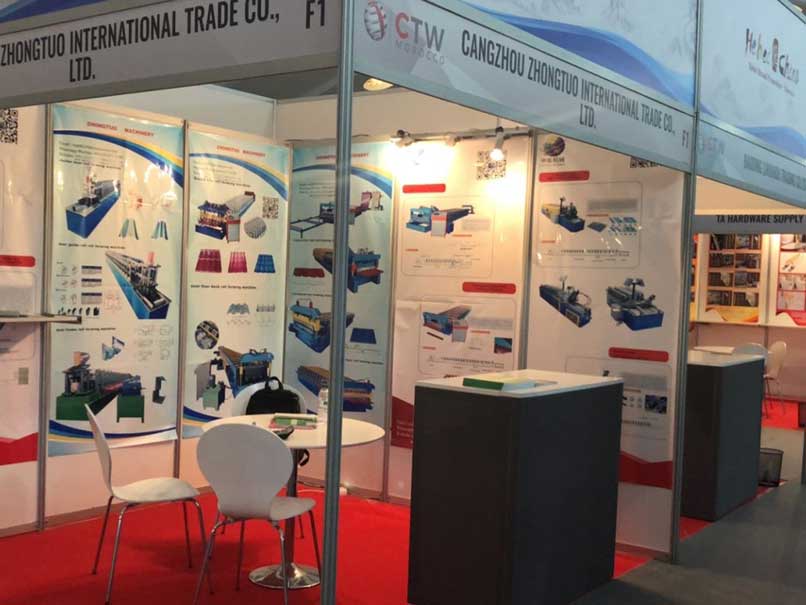
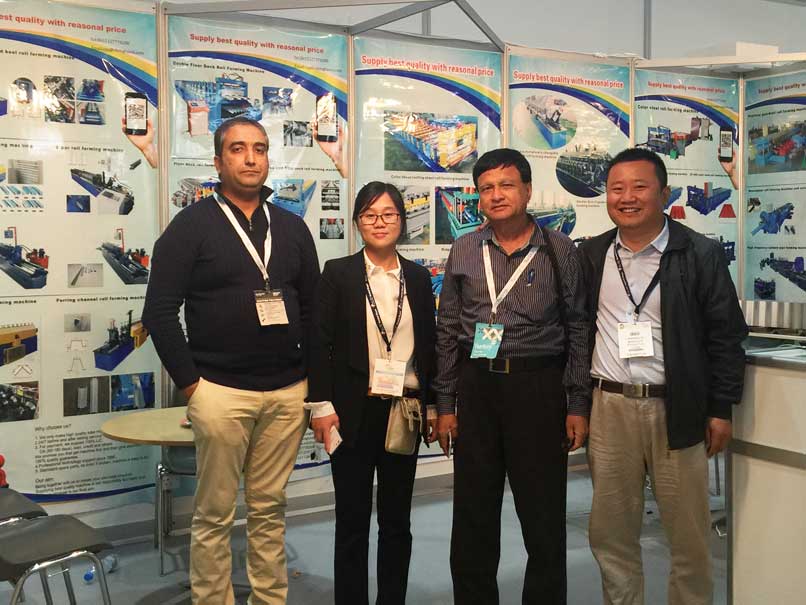
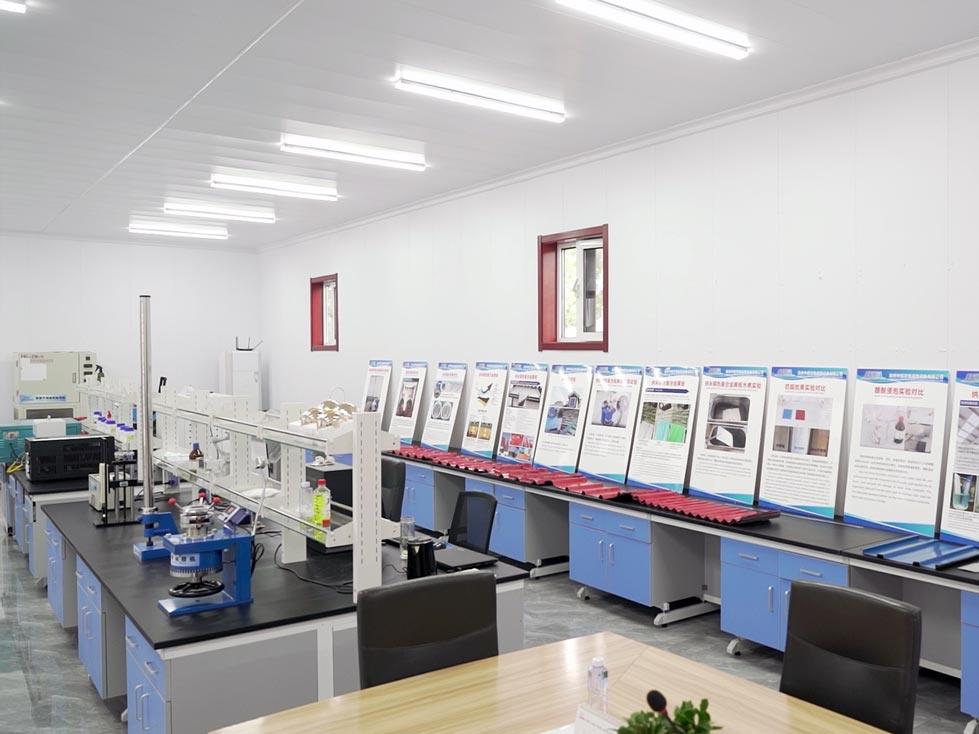
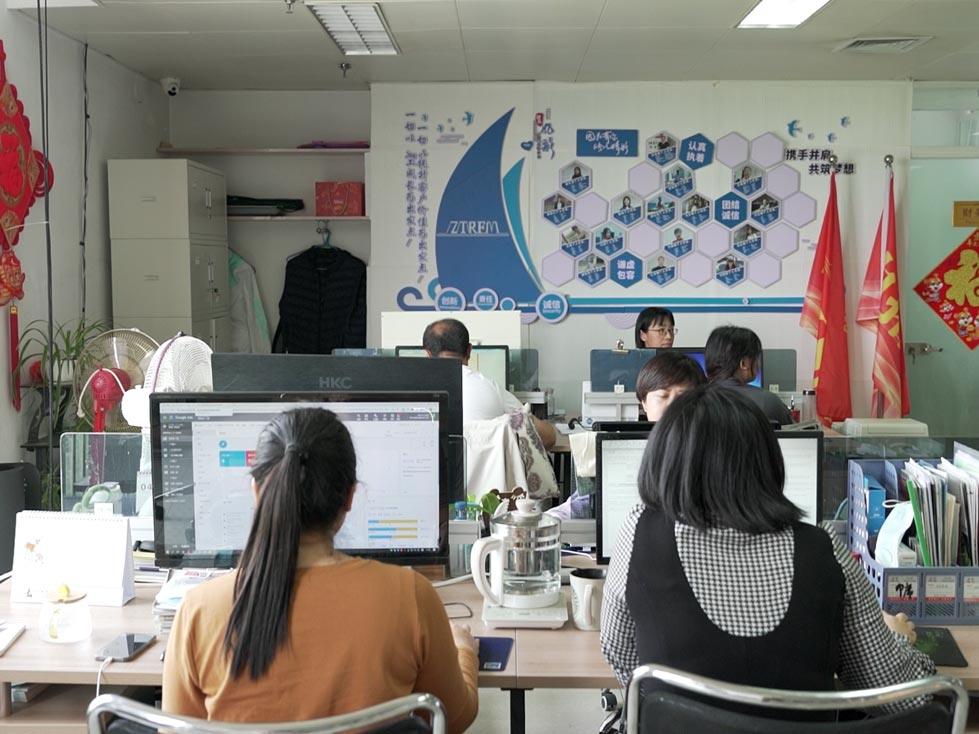
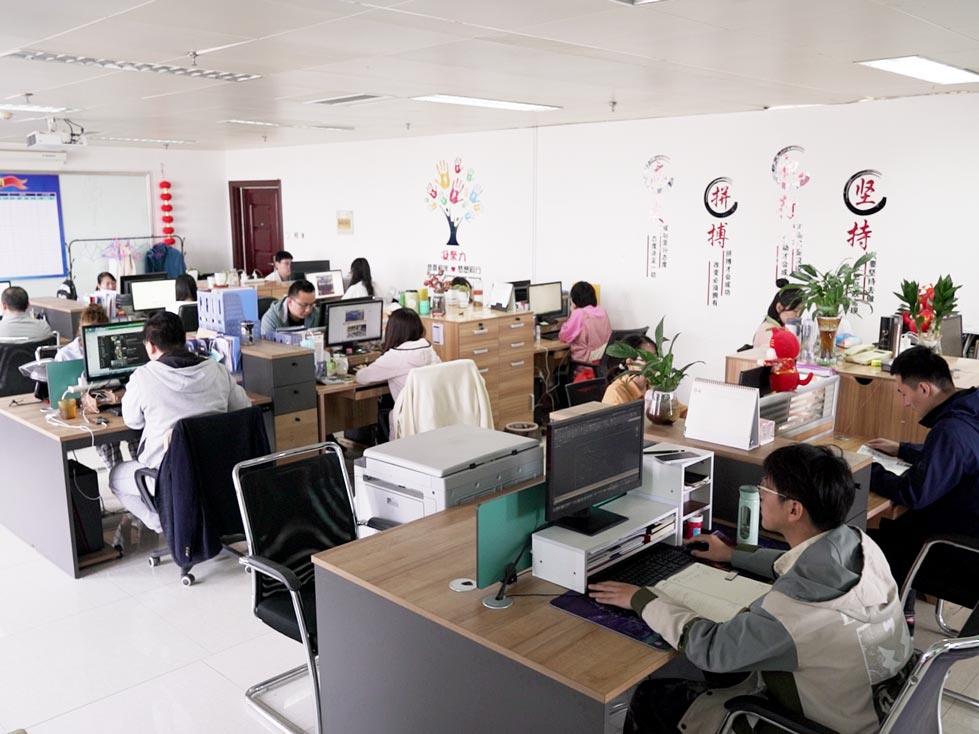
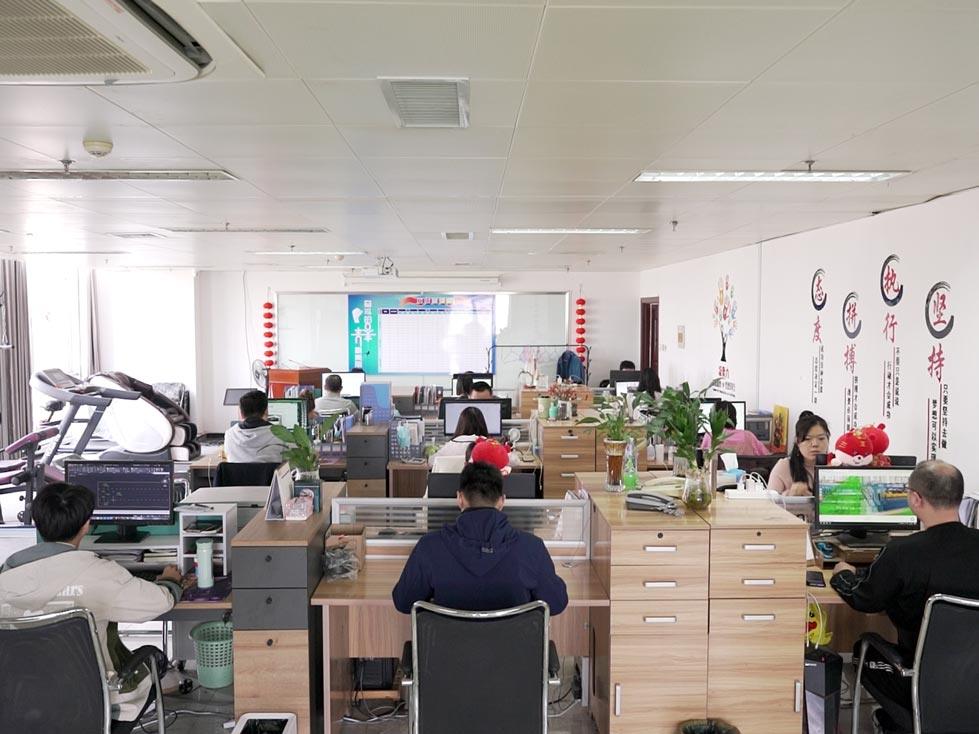




خدمة شاملة لتصنيع المعدات الأصلية/التصنيع حسب الطلب والتخصيص
دعم كامل لخدمات ما بعد البيع

توفير OEM 、 OODM
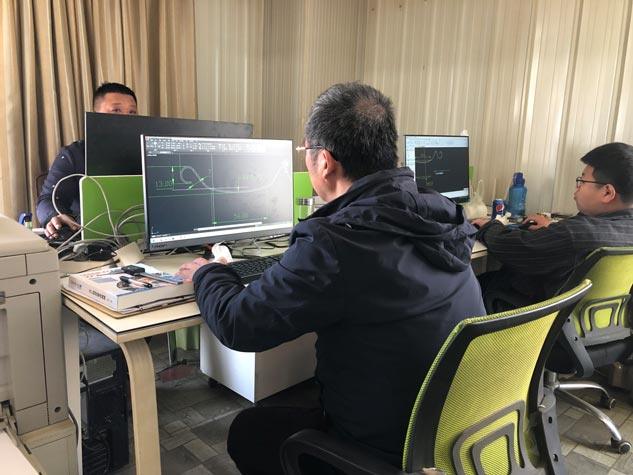
2.تصميم فني: عمل ملفات تعريف الرسم ورسم الماكينات ثلاثية الأبعاد
3.تحديد التكوين والإنتاج
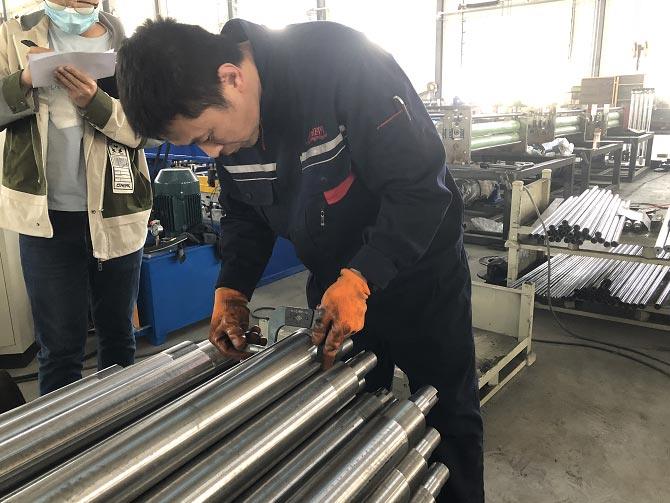
4.الاختبار قبل التسليم
6.الإرشادات الفنية
7.خدمة ما بعد البيع: خدمات التركيب للماكينات المعقدة وزيارة العملاء المنتظمة
موثوق به من قبل أكثر من 95800 شركة
شركات عالية الجودة. من خلال التعاون معنا، حصلوا على
الدعم القوي وتحقيق اختراقات في الأعمال التجارية والتنمية.